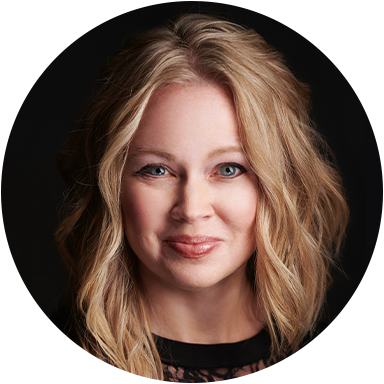
Heather Sorenson composes and arranges music performed across churches, concert halls, universities, and competitions internationally. Based in Dallas, Texas, she has built a career on blending traditional and contemporary Christian music into a distinctive sound that feels both rooted and fresh. Her commissions span from major institutions like Texas A&M University and Carnegie Hall to countless church and individual projects, reflecting the breadth of her artistic reach.
Beyond the page, Sorenson has shaped music education through four years teaching elementary music at Grace Academy of Dallas, adjunct work at Baylor University, and regular master class leadership in piano and songwriting. She appears frequently as a guest conductor and speaker at churches, conferences, and universities across the country, and she dedicates her free time to benefit concerts supporting nonprofit organizations close to her heart.
Why we love this
Sorenson's gift for making sacred texts feel immediate and alive shows through in every phrase of this octavo. The writing sits comfortably in the voices while still asking singers to commit fully to the text, creating that rare combination of accessibility and artistic depth that keeps both choristers and audiences engaged.
What to expect
The piece radiates a sense of celebration that feels earned rather than imposed, moving through moments of reflection and moments of brightness with equal sincerity. Singers experience the text as something personal and alive, not merely decorative, while the harmonic language keeps ears engaged throughout.
Who it's for
This octavo works for any SATB choir seeking a contemporary sacred work with substance and warmth. It suits both liturgical settings where it can anchor a service and concert programs where it represents current choral writing at its most craft-conscious.
How to get the most out of it
Shape the phrasing around the word "Alleluia" itself; resist the urge to rush or over-project these moments, letting the joy emerge through clarity rather than volume.
Pay attention to the balance between parts, particularly where the sopranos or altos carry the primary melodic line; adjust rehearsal time accordingly so these voices feel secure and can shape their line with confidence.
Connect the harmonic movement by listening vertically in rehearsal; Sorenson's progressions are sophisticated but benefit greatly when singers understand how their note relates to the whole.
Consider the text painting Sorenson employs; where the music shifts character or texture, ask yourself what emotional or liturgical purpose it serves before interpreting dynamics and tempo.
How to use it
Pair this with Sorenson's other works to showcase her compositional range, or use it as a centerpiece in a sacred concert where you want contemporary voicing alongside traditional repertoire. It also serves well as a text-focused study piece for teaching modern choral sonorities and harmonic thinking.
Skills your students will build
Singing with stylistic awareness of contemporary sacred idioms
Part independence in four-part SATB writing
Harmonic awareness and vertical listening
Text expression and emotional communication through phrasing
You May Also Like
Scan to Complete Your Purchase
Use your phone's camera to scan the code below
You'll log in on your phone and the order will be added to your account