


Mussorgsky!: Concert Band Conductor Score & Parts
[The music of Modest Mussorgsky] / arr. L. C. Harnsberger
Grade: 2.5 (Medium Easy)
Item: 00-PK-0001434

$58.00
Pickup currently not available
Buy Extra Parts (Digital PDF Download)
Parts Added to Cart!
Related Items
Mussorgsky!: Concert Band Conductor Score & Parts |
$52.00
|
View |
Description
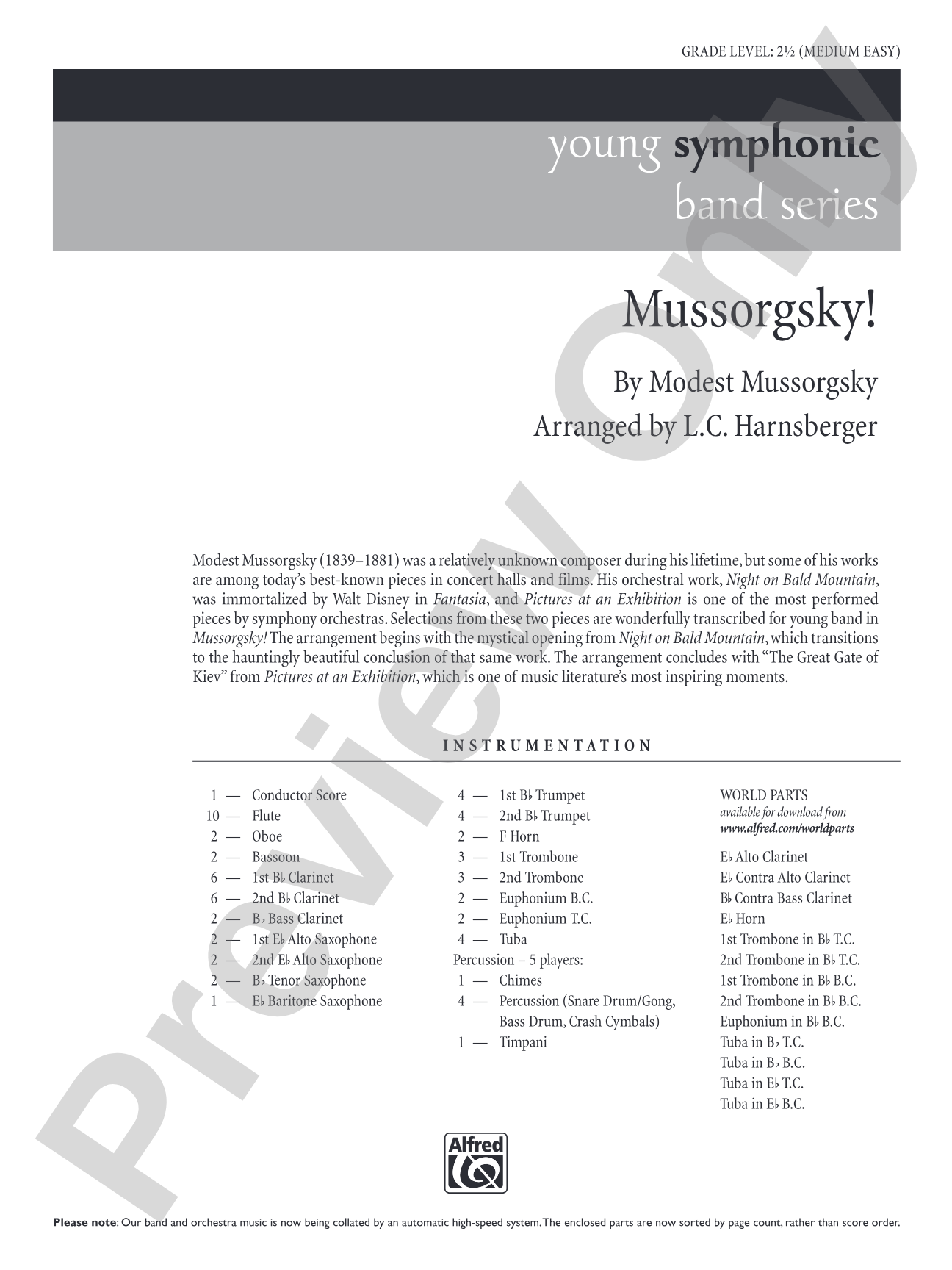
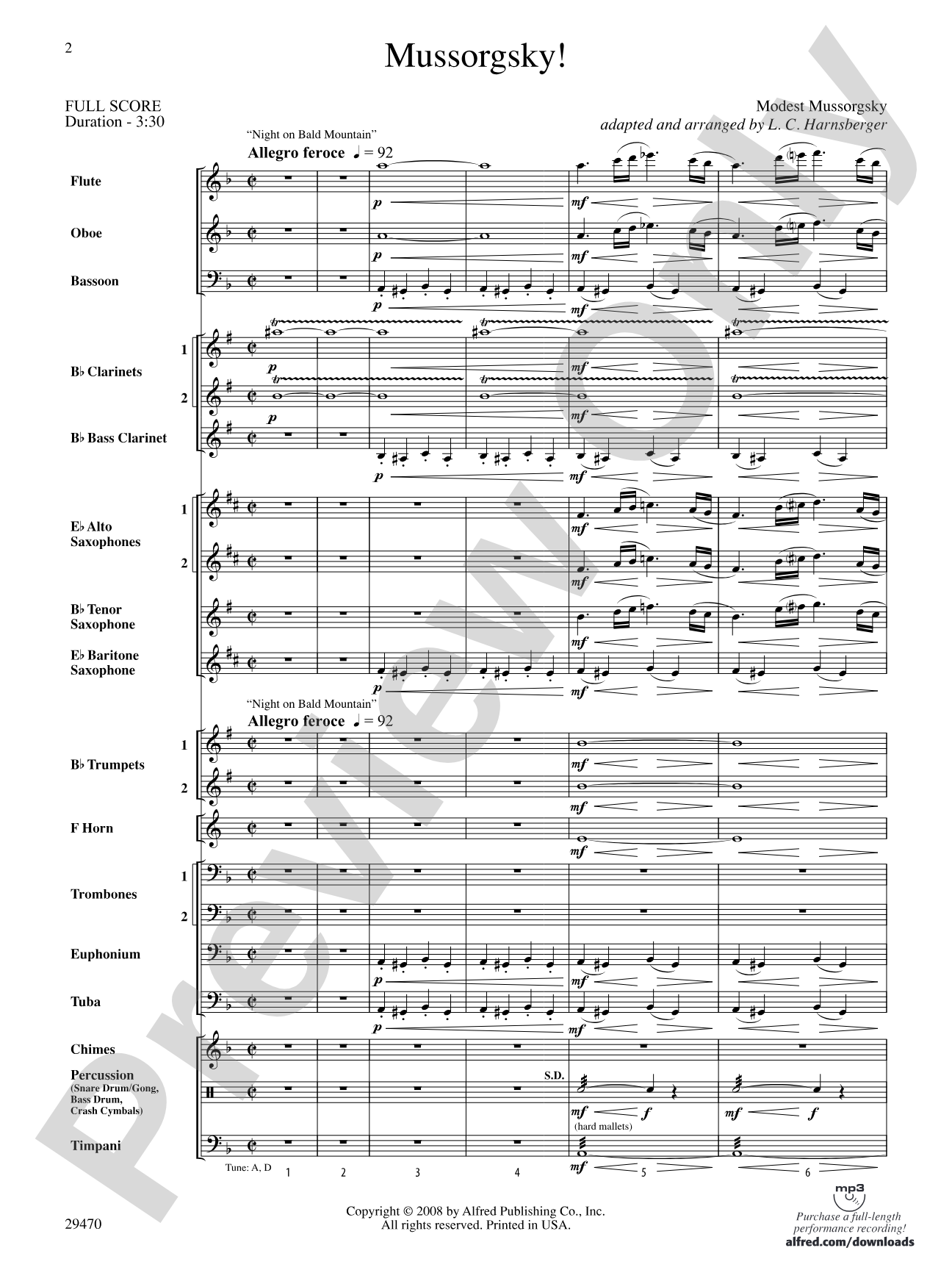
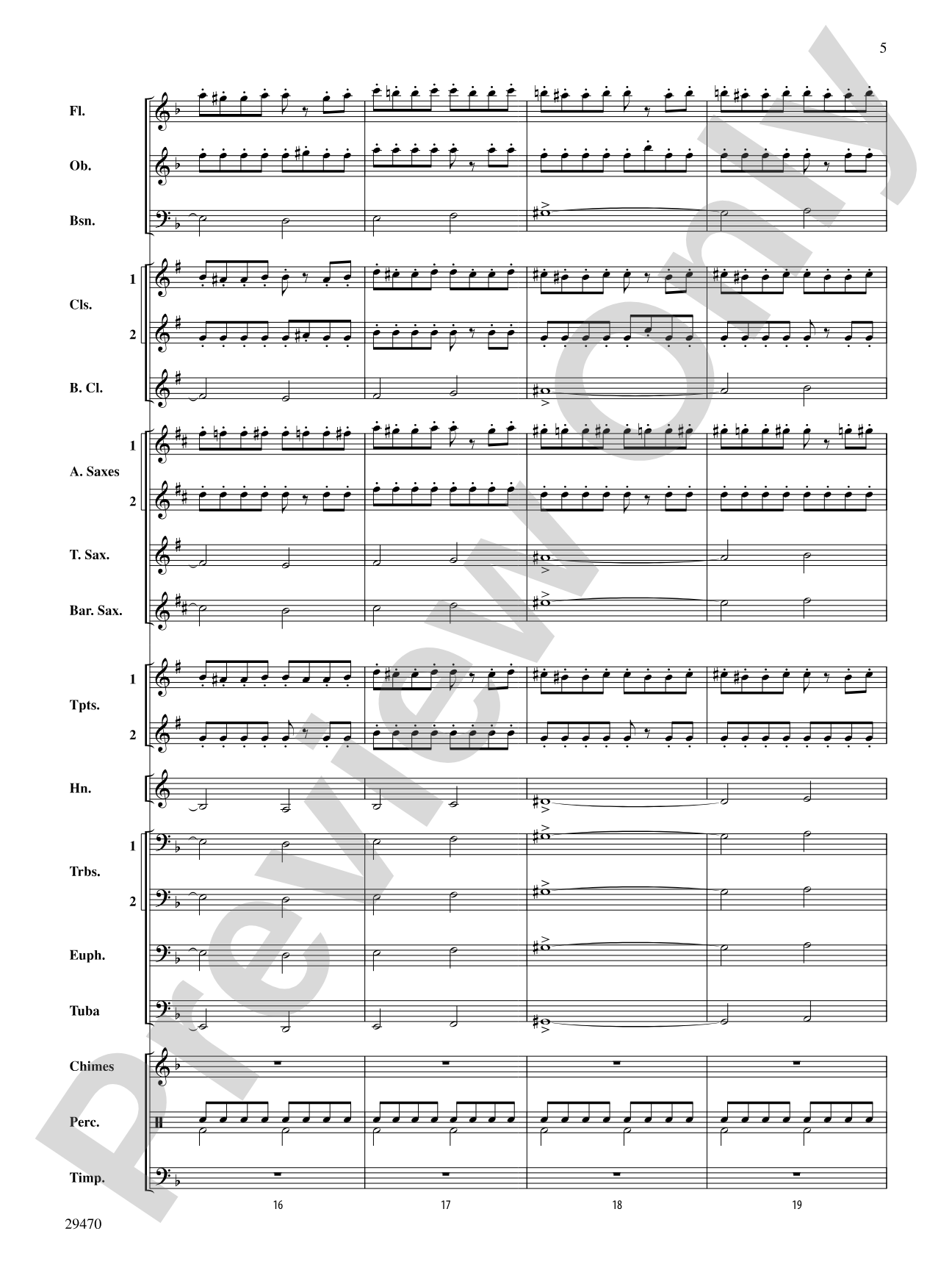
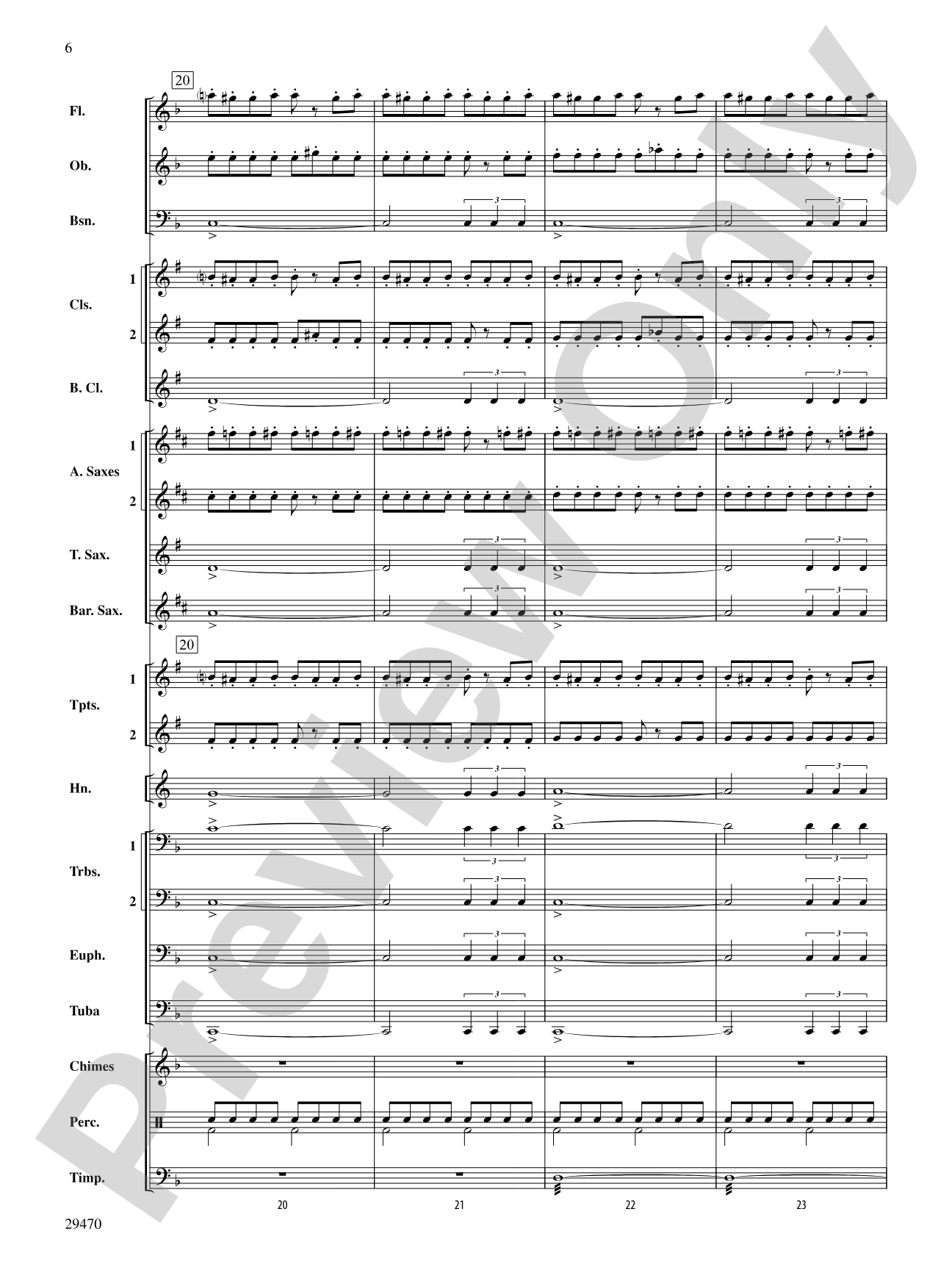
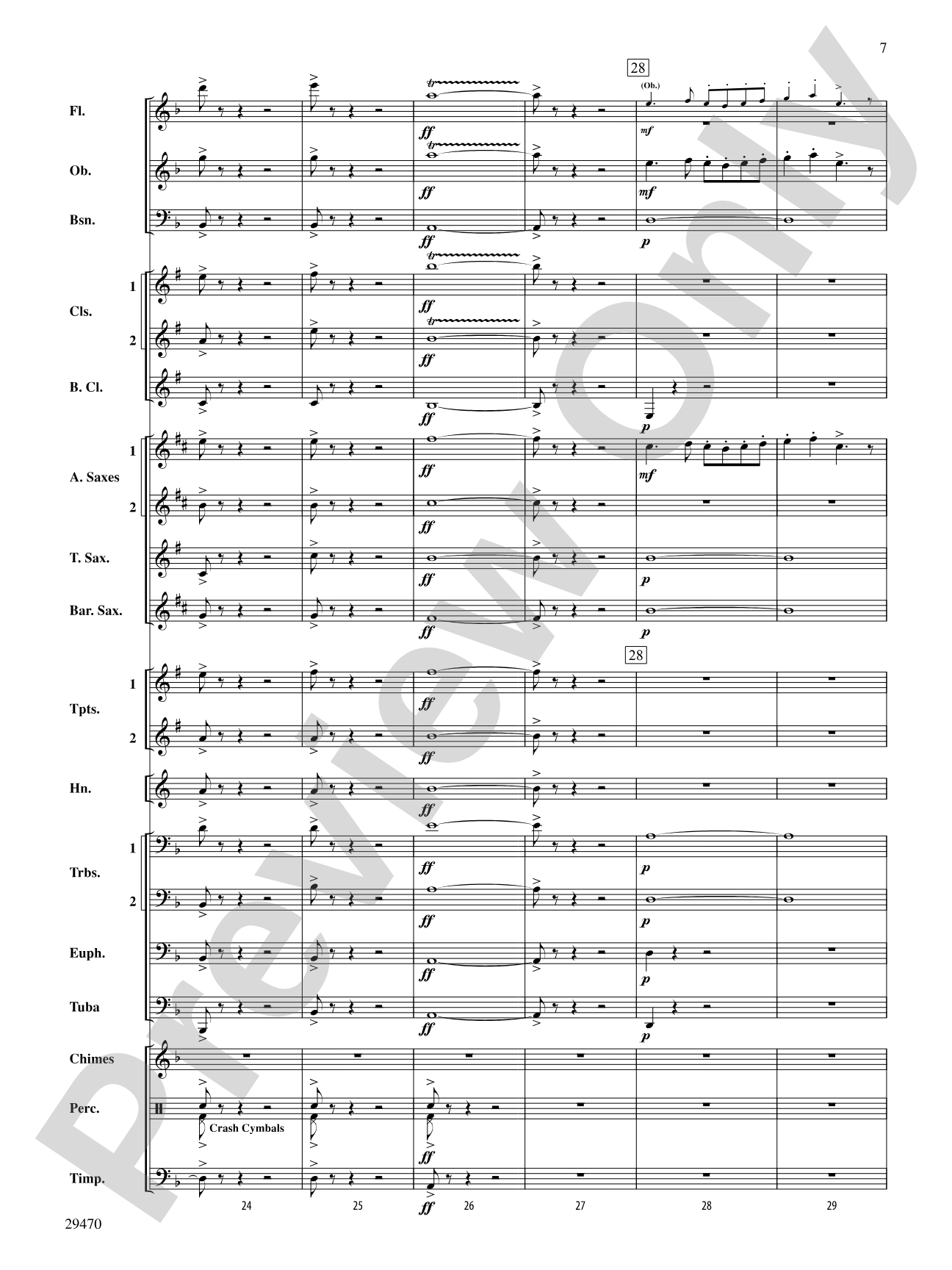
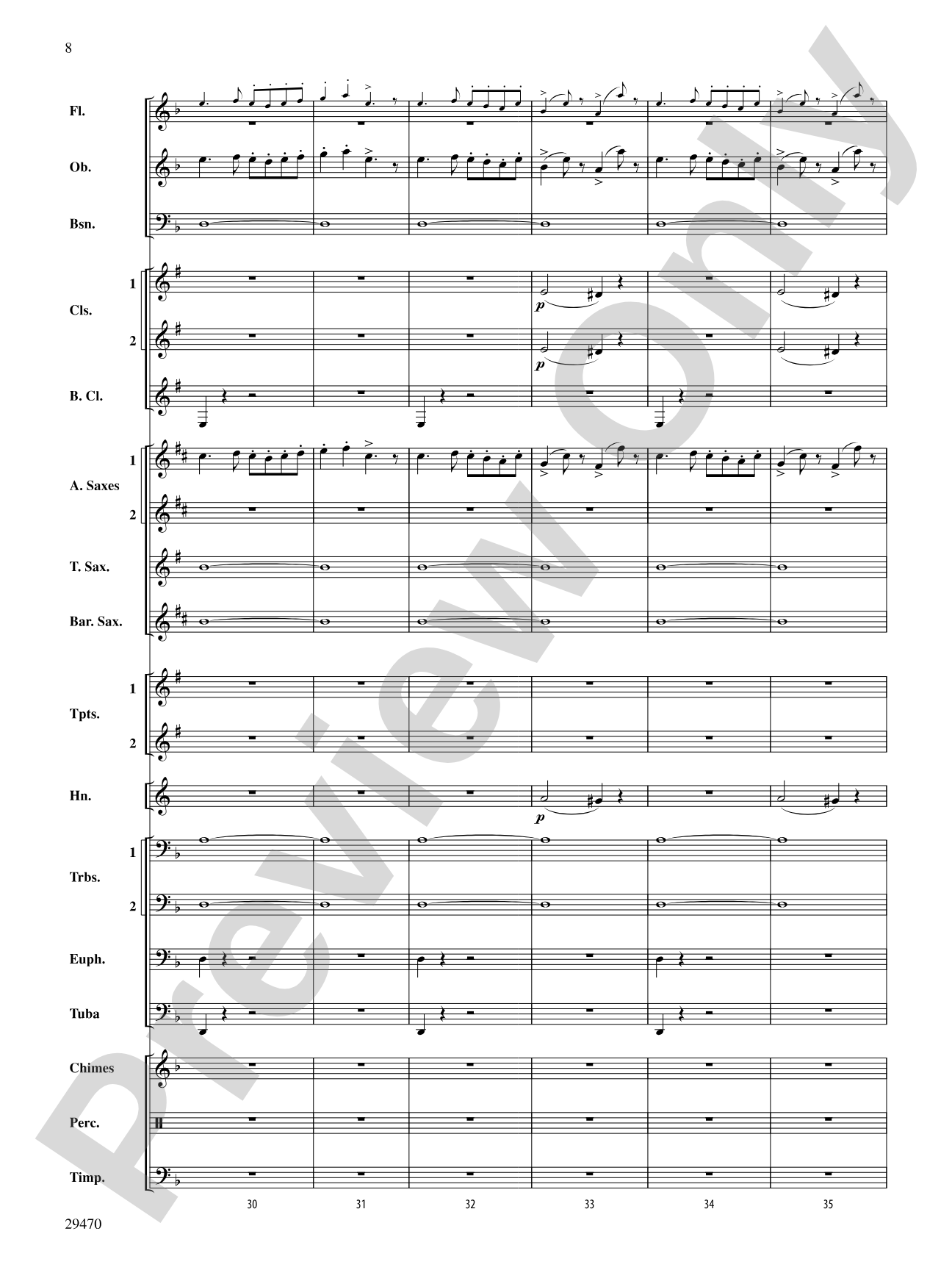
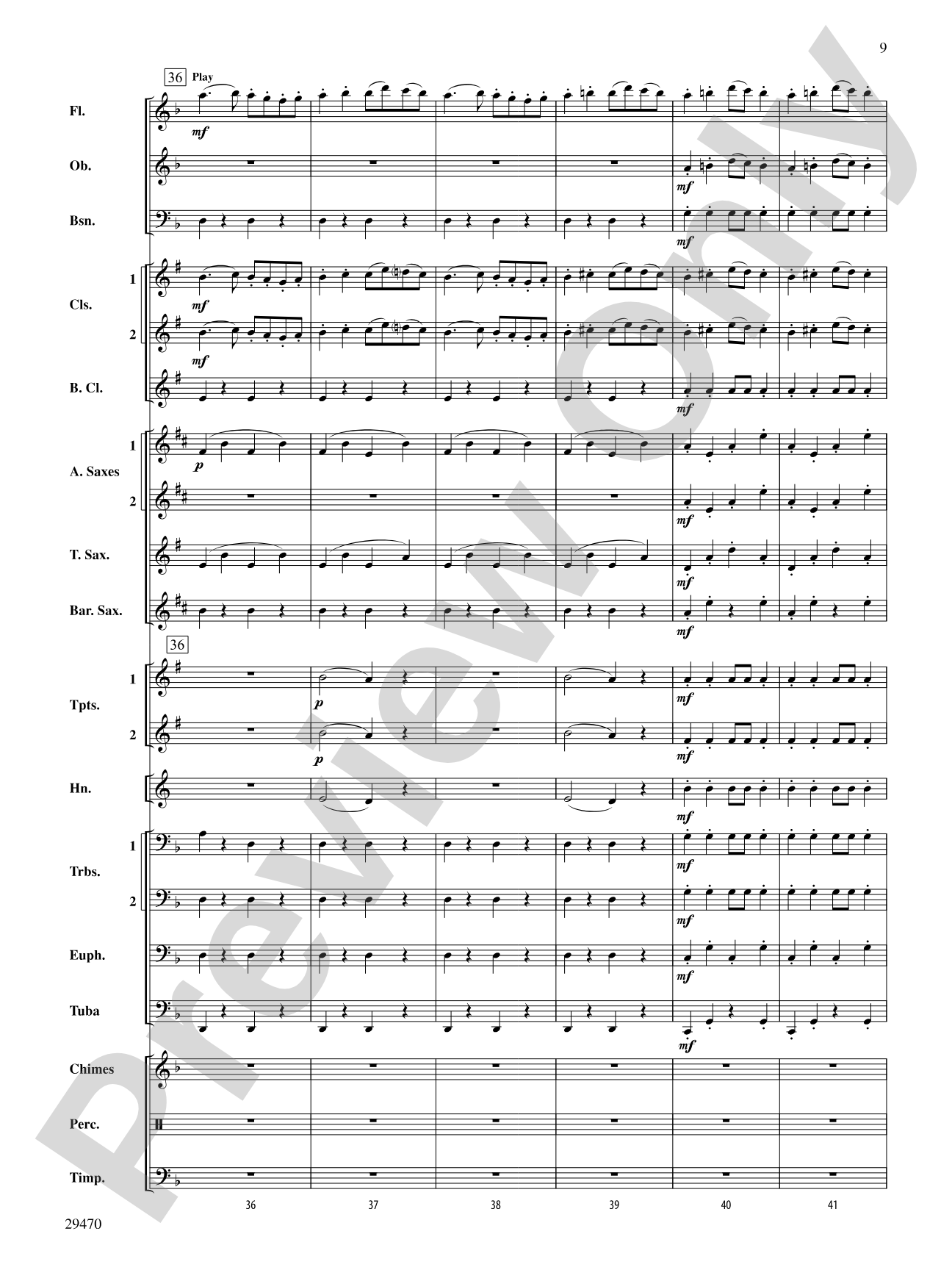
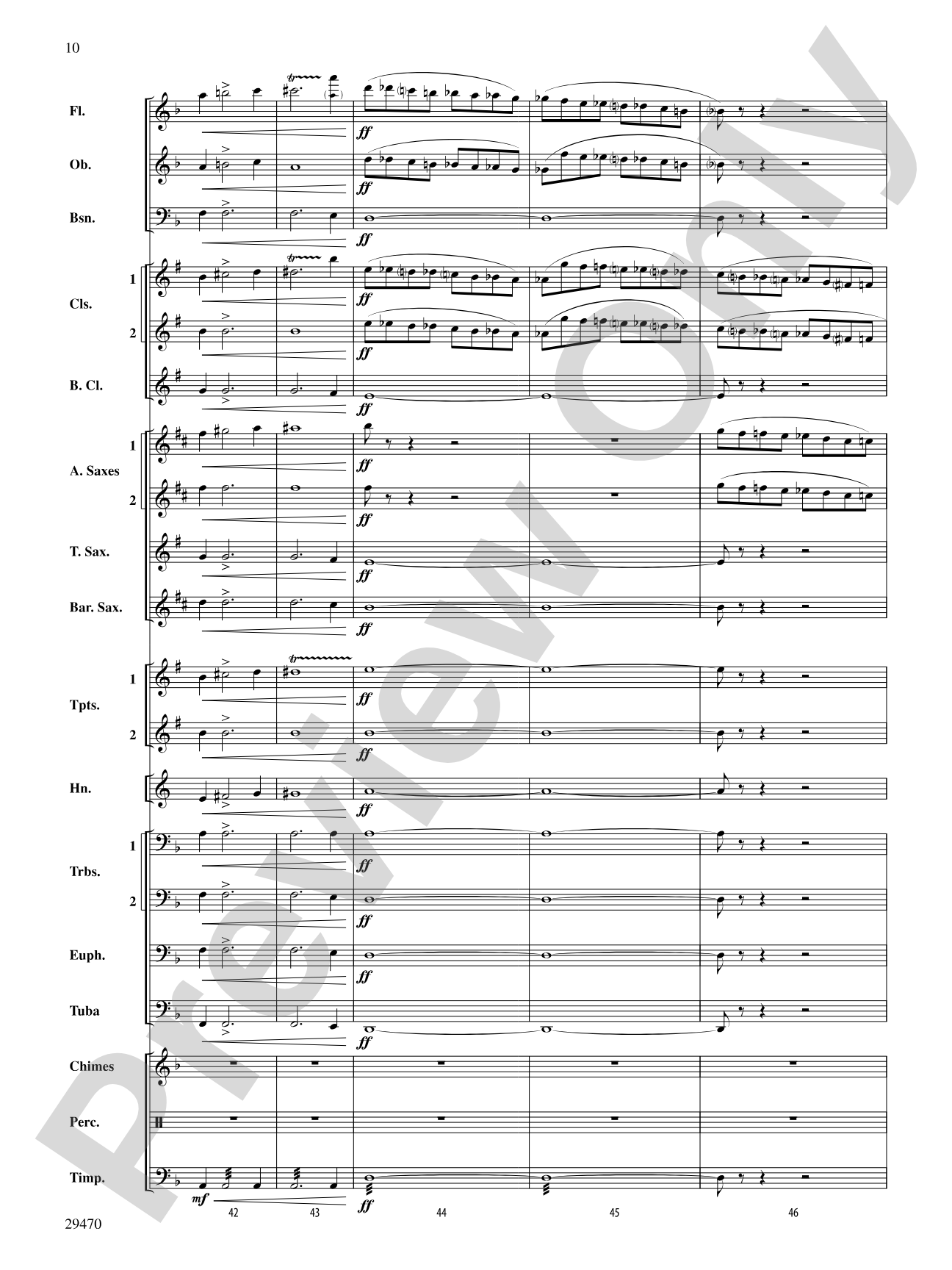
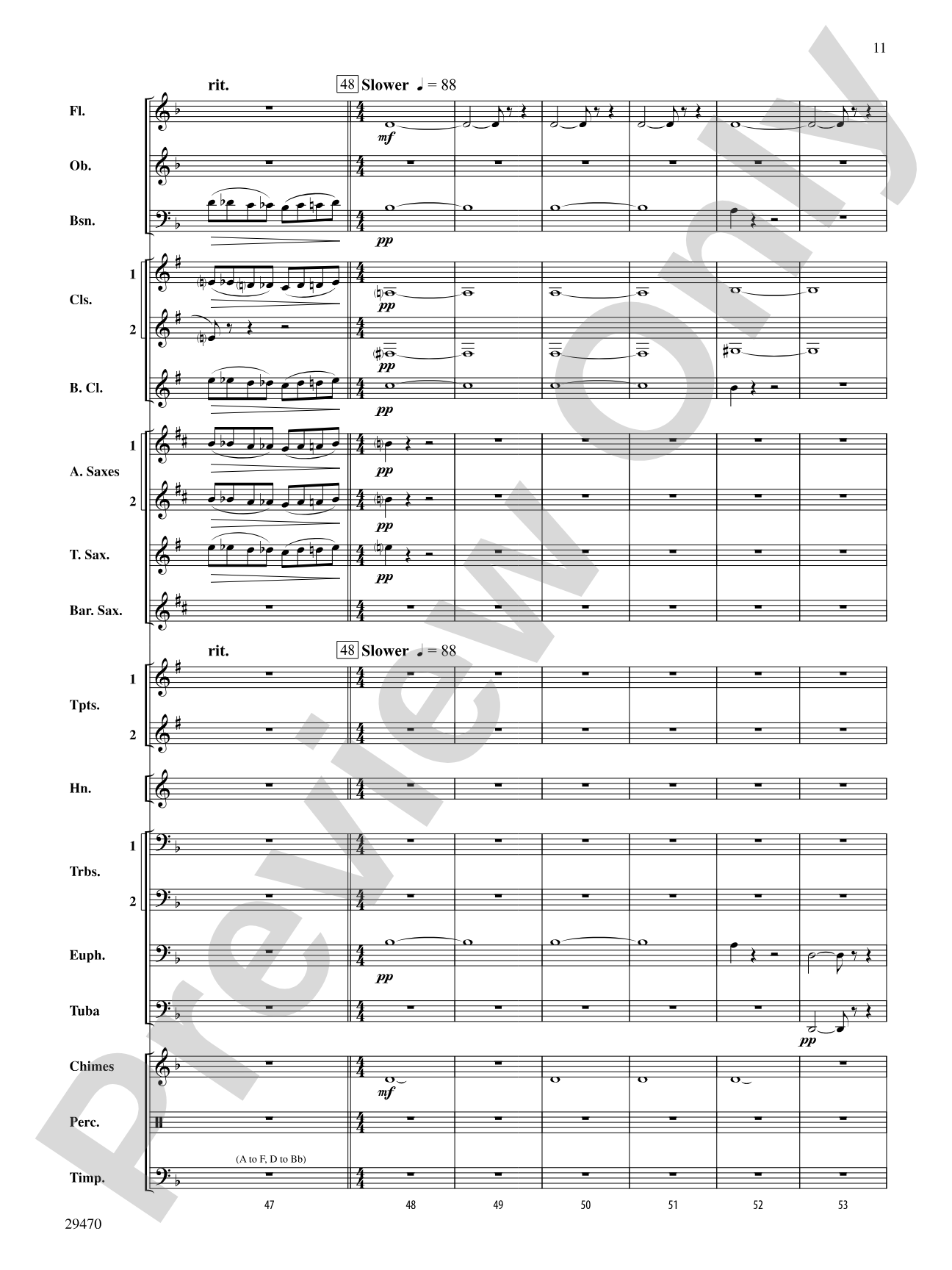
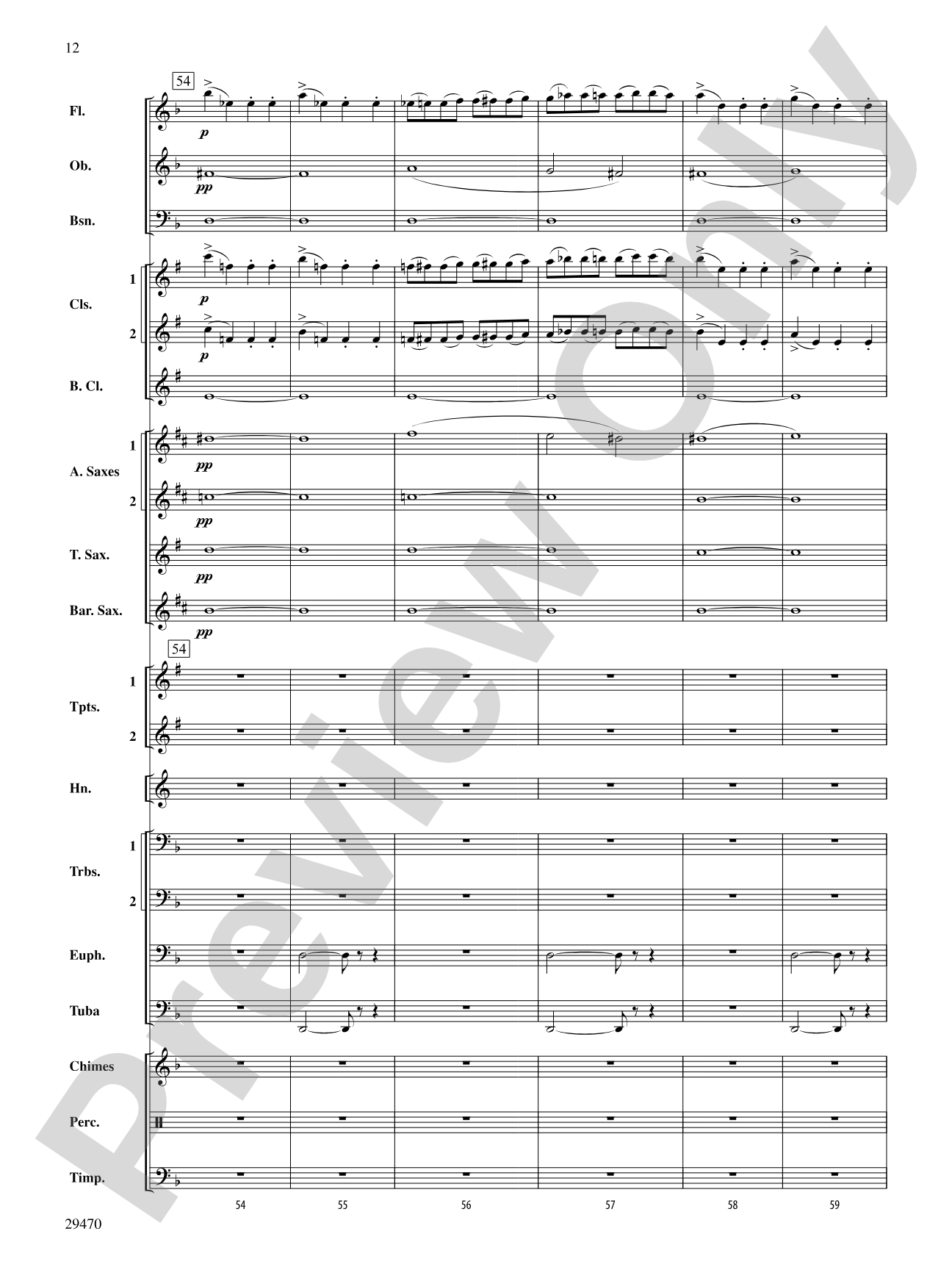
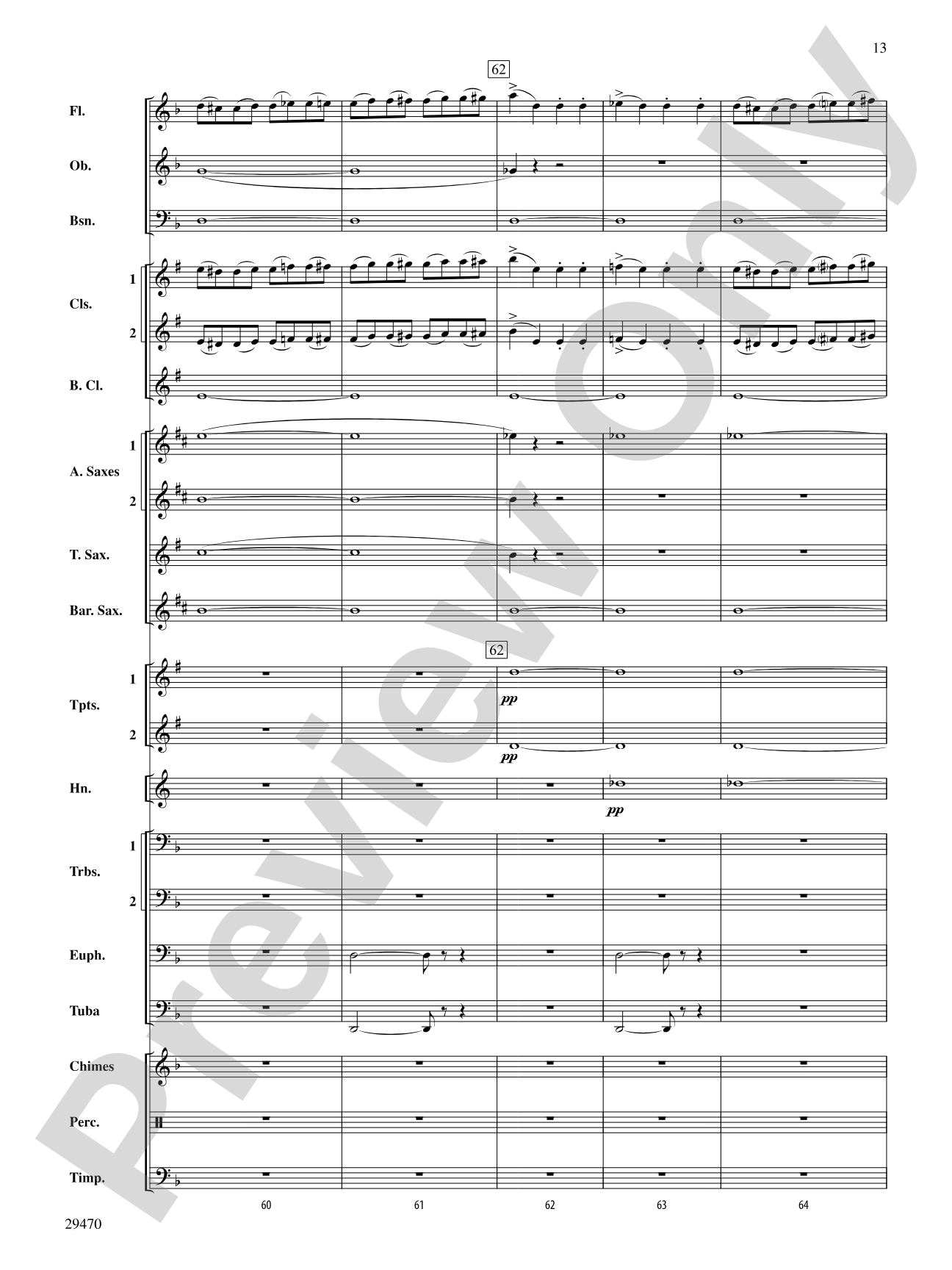
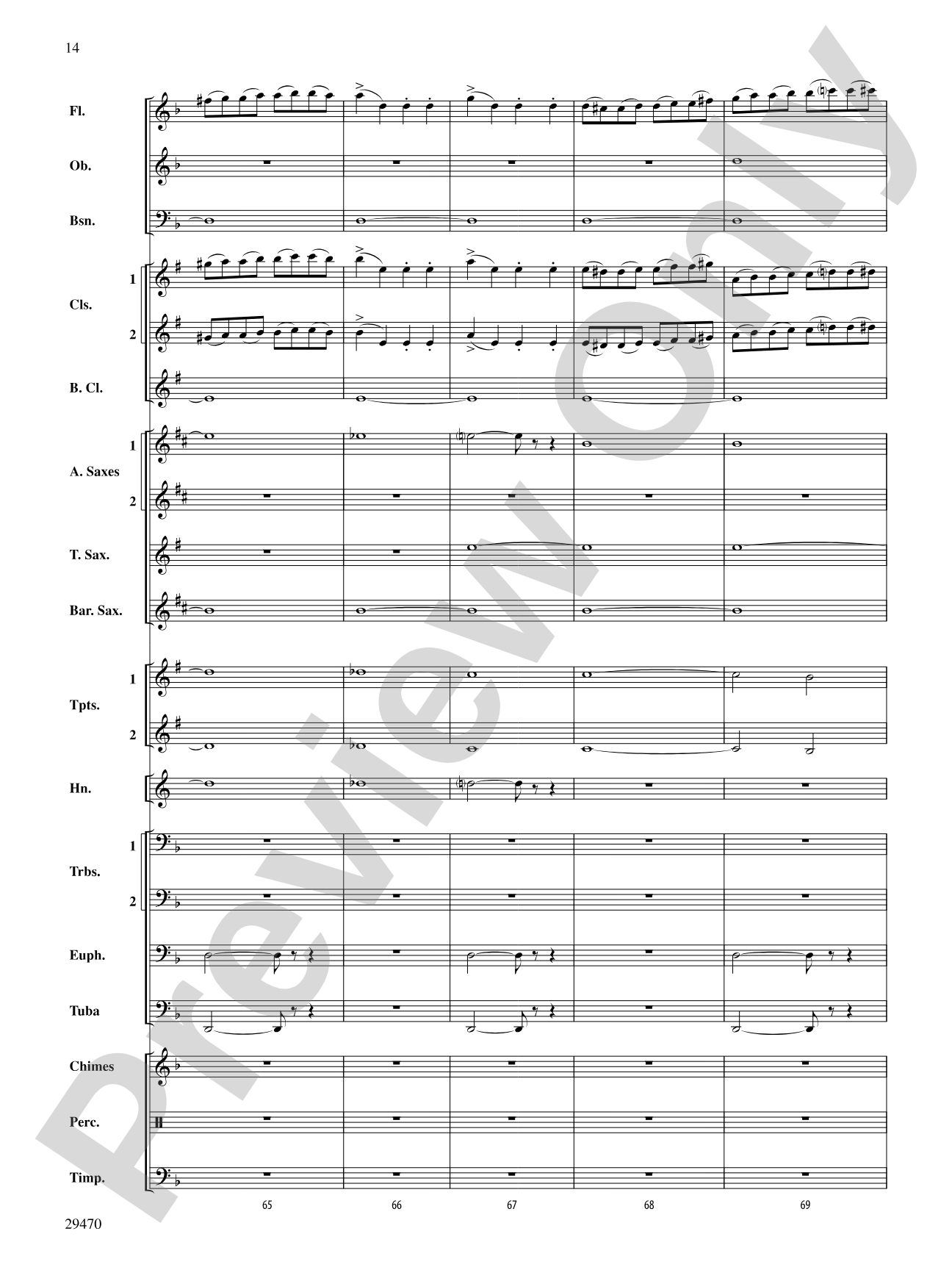
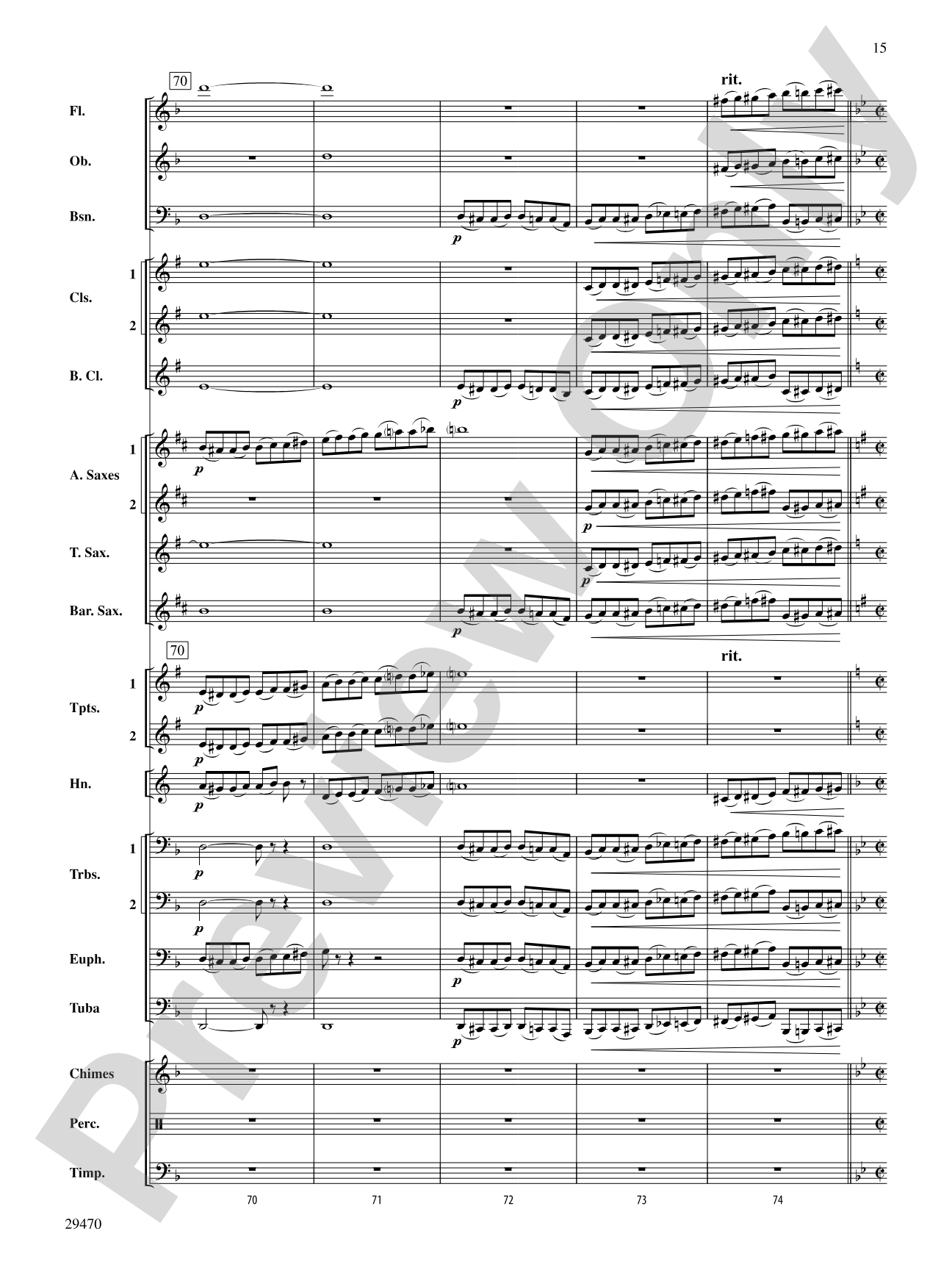
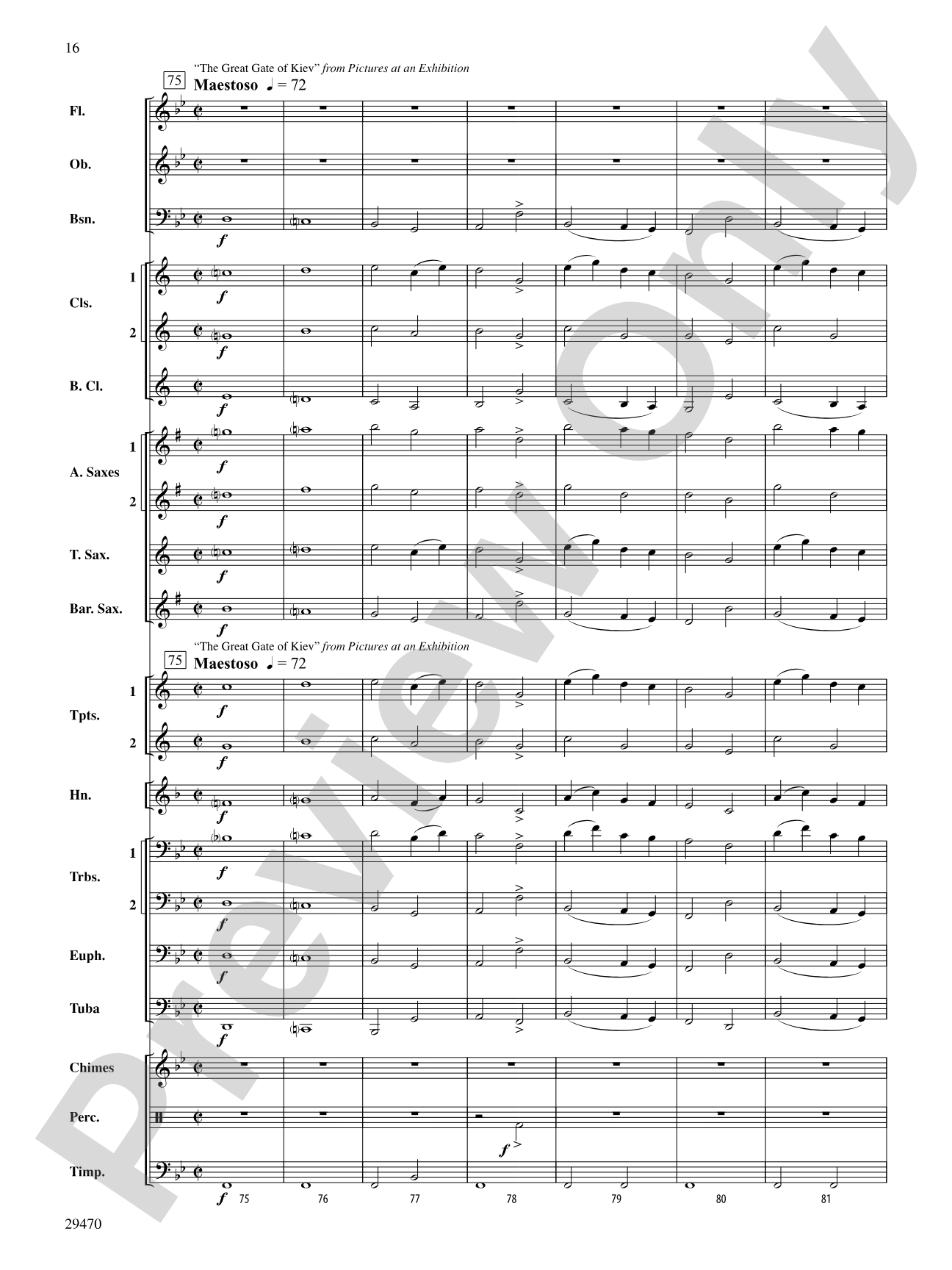
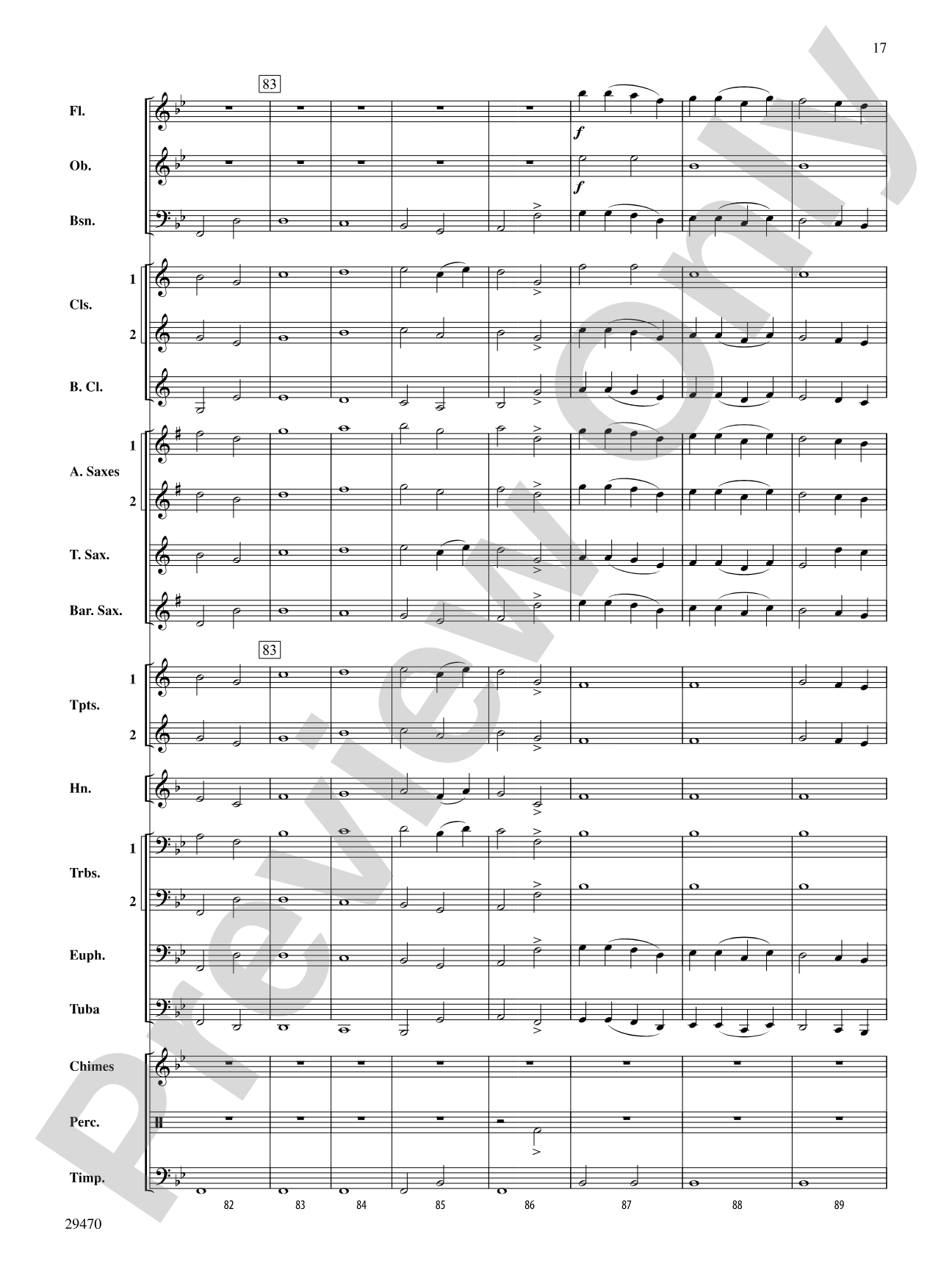
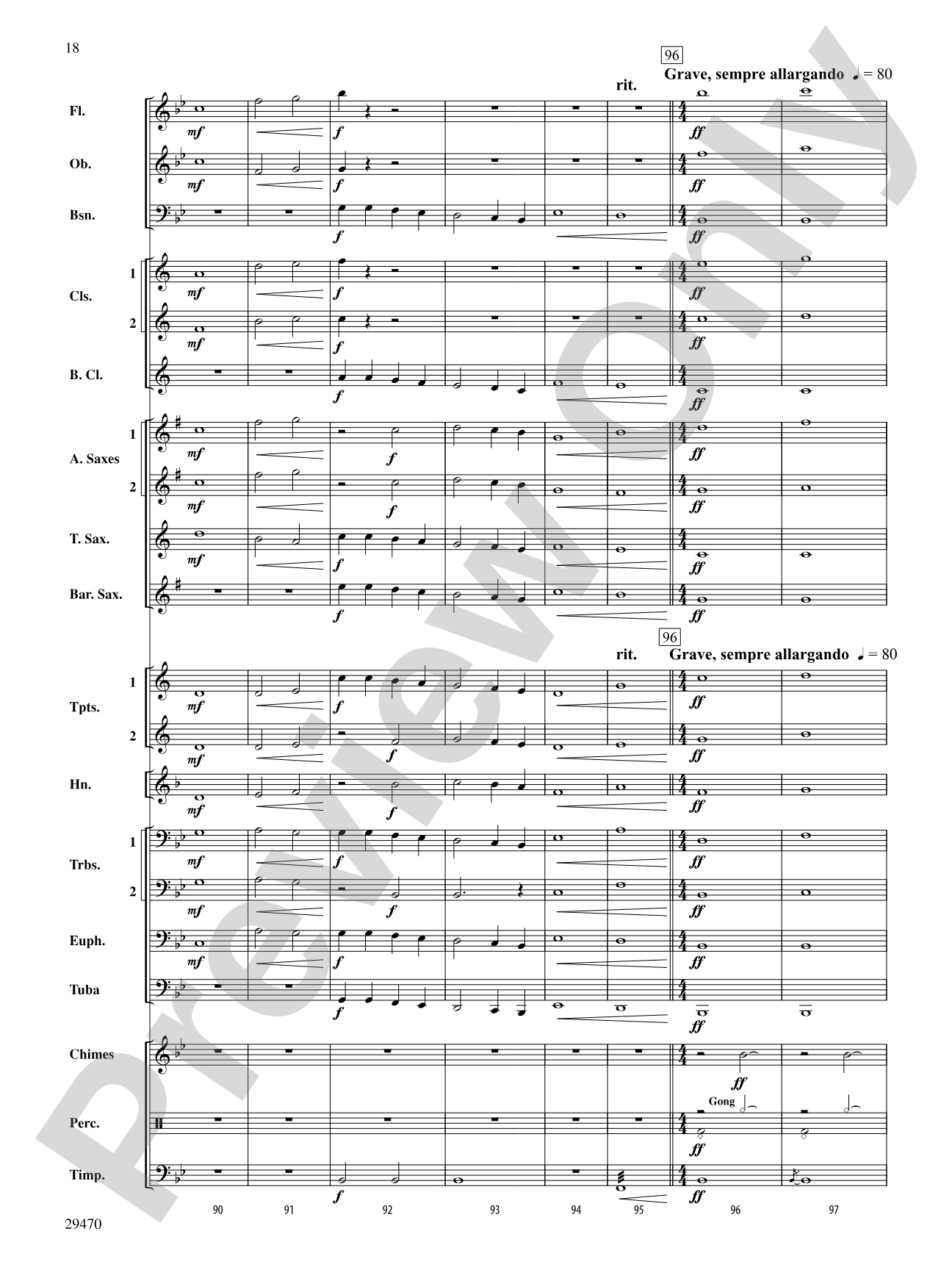
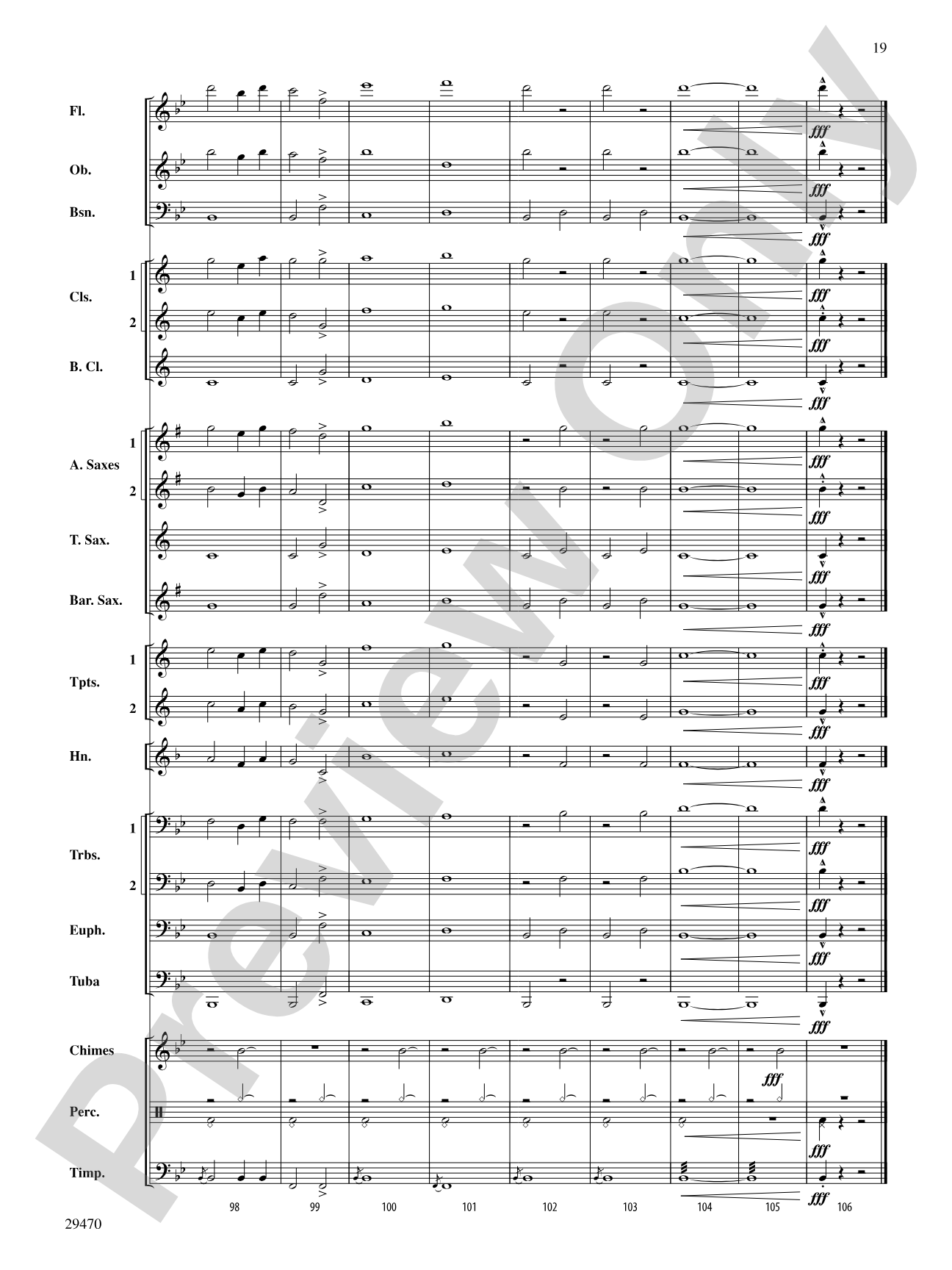
Modest Mussorgsky (1839--1881) was a relatively unknown composer during his lifetime, but some of his works are among today's best-known pieces in concert halls and films. His orchestral work Night on Bald Mountain was immortalized by Walt Disney in Fantasia, and Pictures at an Exhibition is one of the most performed pieces by symphony orchestras. Selections from these two pieces are wonderfully transcribed for young band in Mussorgsky! The arrangement begins with the mystical opening from Night on Bald Mountain which transitions to the hauntingly beautiful conclusion of that same work. To conclude is the "Great Gate of Kiev" from Pictures at an Exhibition which is one of music literature's most inspiring moments. (3:30)


Don't just read it, hear it, play along with it, and watch your students grow with it. In MakeMusic Cloud, Mussorgsky!: Concert Band Conductor Score & Parts comes alive with professional accompaniment, adjustable tempo, and built-in practice tools that turn solo practice into real progress.
Open in the Player
Jump straight in and assign it today.
Start Your Free Trial
Open this title and explore the full library in minutes.
Sample Audio
1
Audio File
--:--
0:00
0:00
Sample Video
No sample videos found.
Additional Details
Series:
Young Symphonic
Publisher:
Alfred Music
Page Count:
212
SKU:
00-PK-0001434
More about this title
About the Composer: Modest Mussorgsky
Modest Mussorgsky (1839, 1881) spent much of his life working outside the musical establishment, holding a government job while composing in his spare time. Despite his lack of formal training and his outsider status, his music captures raw emotional power and vivid storytelling that most of his contemporaries could not achieve. He died relatively obscure, but his works have since become cornerstones of the orchestral repertoire, admired for their originality and refusal to follow conventional rules.
Mussorgsky's genius lay in his ability to paint with sound. His orchestrations are bold and unconventional, full of unexpected colors and dramatic contrasts. For young musicians, his music offers an exciting entry point into the Romantic era, one that prioritizes emotional truth over technical polish.
Why we love this
This arrangement gives your band access to two of the most recognizable pieces in concert music without oversimplifying either work. Harnsberger's transcription preserves the dramatic architecture and harmonic character of the originals while tailoring the ranges and doublings for young players. Your students will recognize these pieces immediately, and audiences will respond with genuine recognition when your band performs music they know from concert halls and films.
What to expect
The music moves between intimate, unsettling darkness and triumphant, majestic splendor. Students experience the narrative arc of Mussorgsky's originals: supernatural unease giving way to chaos, then resolution into one of music's most stirring affirmations of human achievement. The emotional range mirrors concert hall repertoire, not student exercise material.
Who it's for
Band directors looking to program major masterworks for Grade 2.5 ensembles without waiting until students reach high school advanced levels. This works equally well for concert programs and festival formats, and it engages students who may not yet have encountered these pieces in their listening experience.
How to get the most out of it
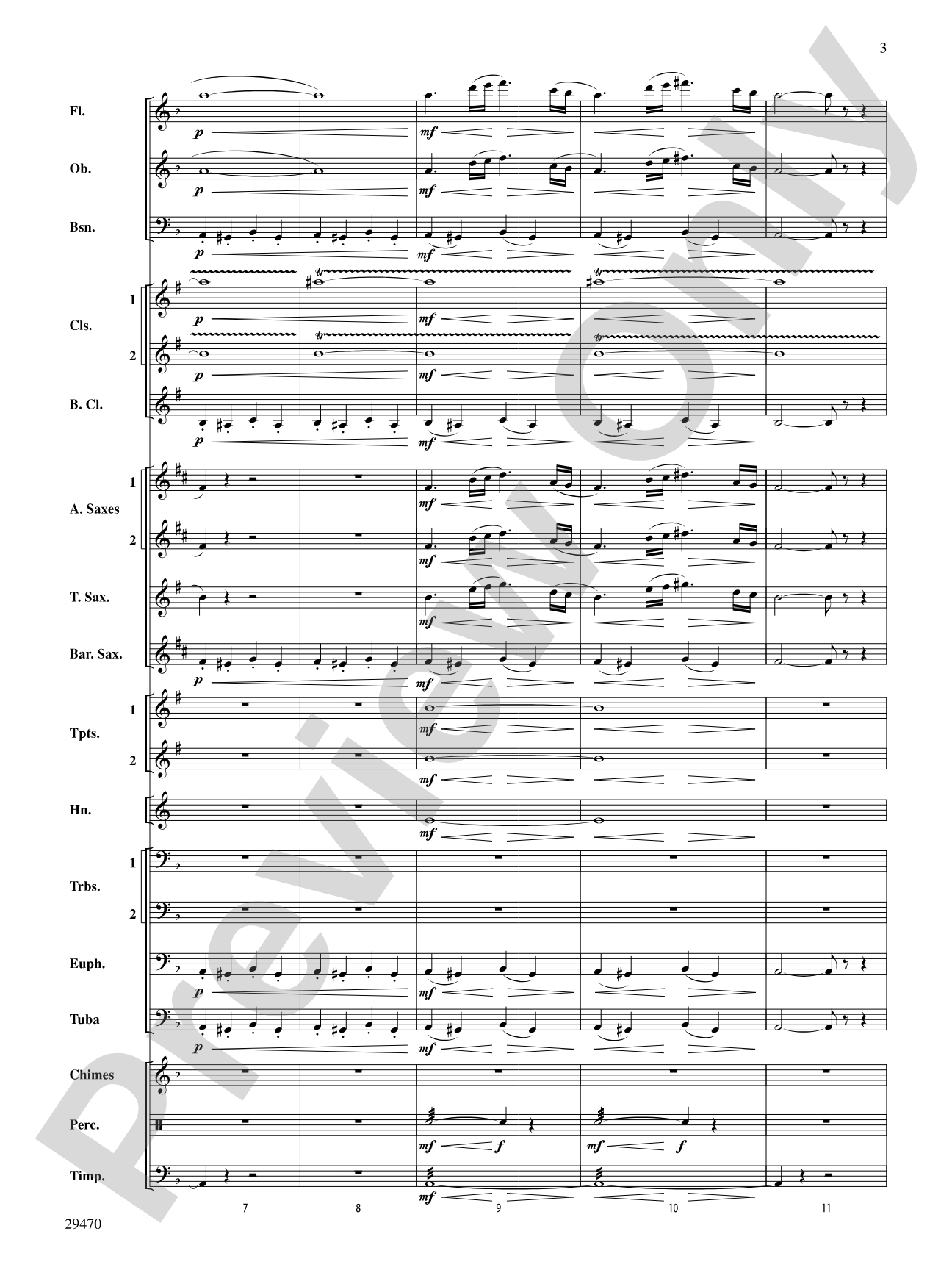
- Shape the opening of Night on Bald Mountain with careful dynamic control in the lower voices; let the low reeds and brass establish the mystical foundation before upper voices enter.
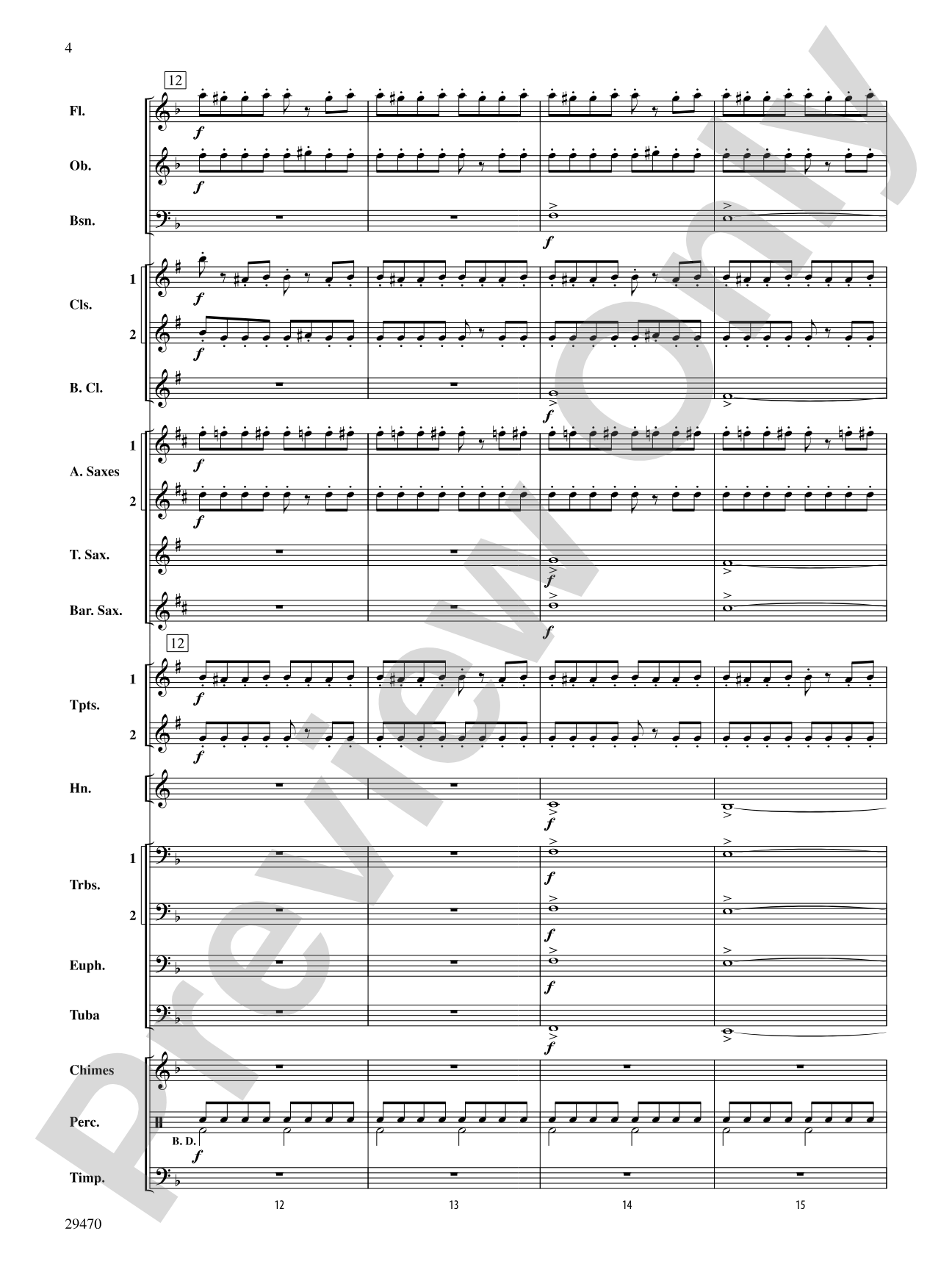
- Pay close attention to balance between the instrumental choirs when transitions occur. The shift from the eerie opening to the chaotic middle section demands that each section stay locked in rhythmically while maintaining textural clarity.
- Approach the Great Gate of Kiev conclusion with deliberate pacing through the fortissimo sections. Resist the urge to rush; the grandeur of this moment comes from allowing each harmonic shift to land with weight.
How to use it
This arrangement fits perfectly as a concert opener or closer, depending on the surrounding repertoire. Place it alongside contemporary concert band works to show your audience the lineage of the concert band medium itself. Consider programming it in a season where you're introducing students to major classical composers and their cultural footprint.
Skills your students will build
- Balancing transparent texture across four instrumental choirs (woodwinds, brass, percussion, low brass) in dense harmonic passages
- Executing rapid dynamic shifts while maintaining intonation and tone quality
- Sustaining focus through extended dramatic moments and building climactic sections with ensemble maturity
- Reading and executing characteristic rhythmic figures from Russian Romantic orchestration
- Listening critically to harmonic color and resonance in a major work context