

Muskoka Landing: Score
By Mark Williams
Grade: 1.5 (Easy)
Item: 00-PR-0000801
$7.00
Pickup currently not available
Description
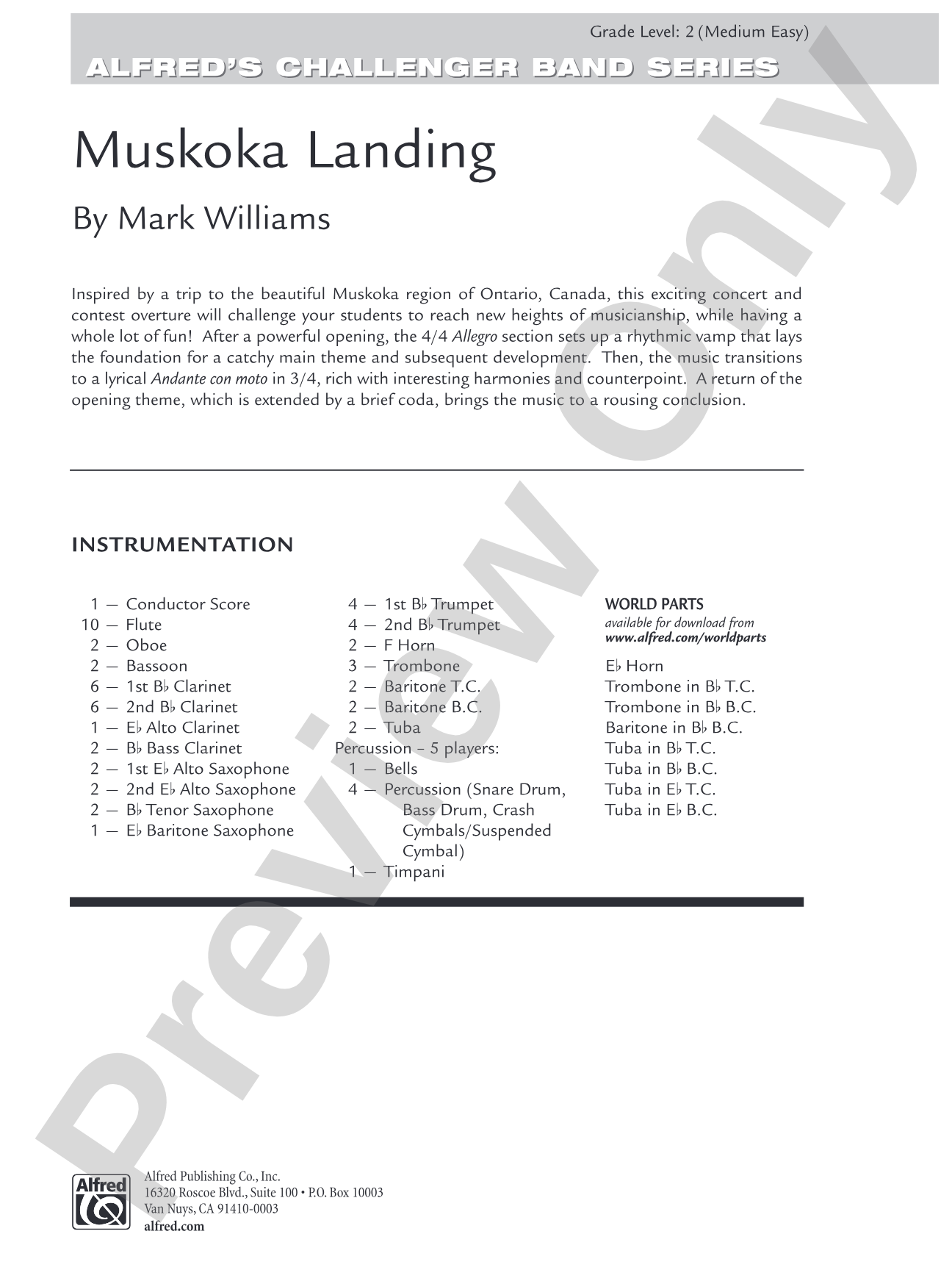
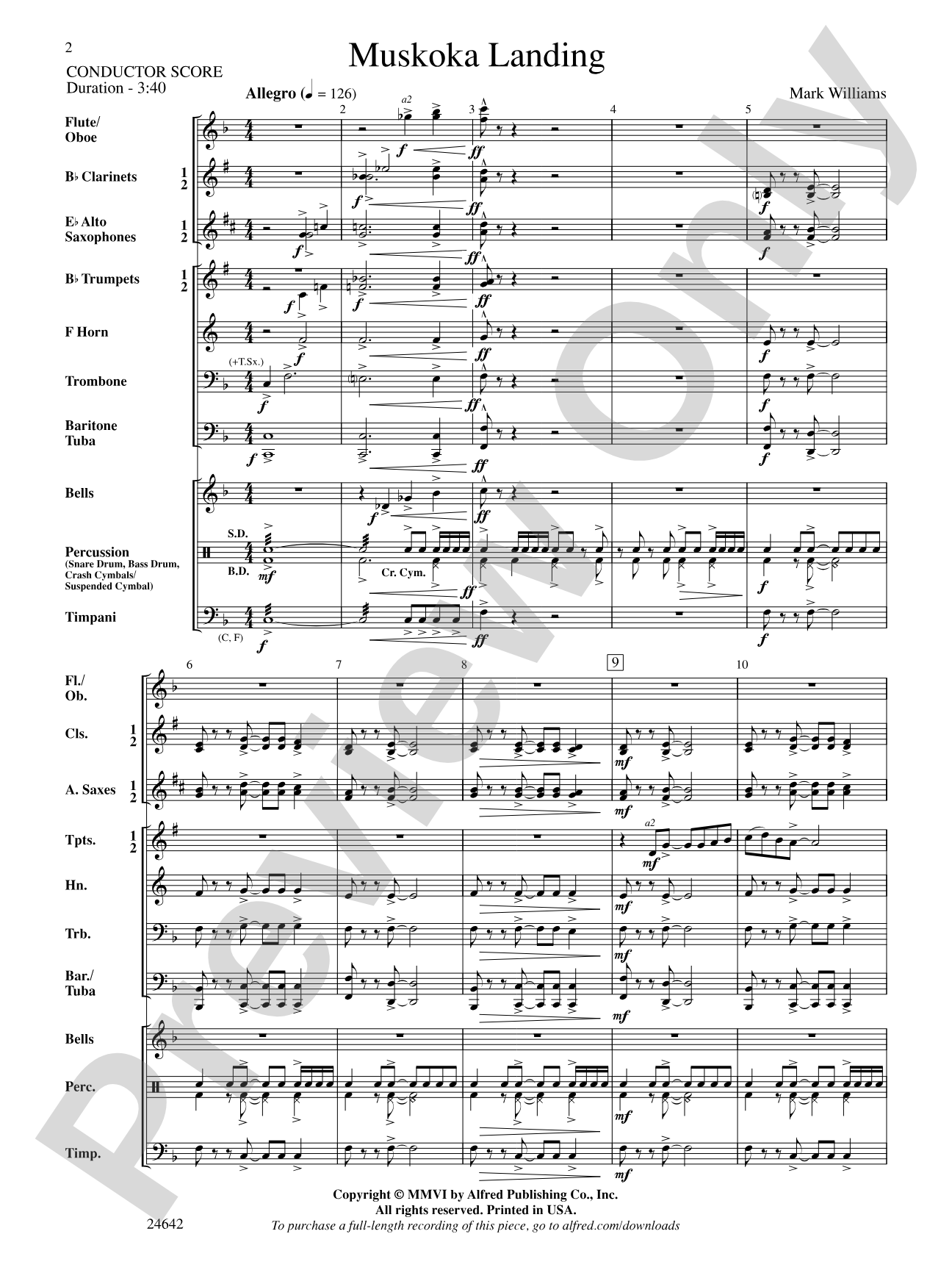
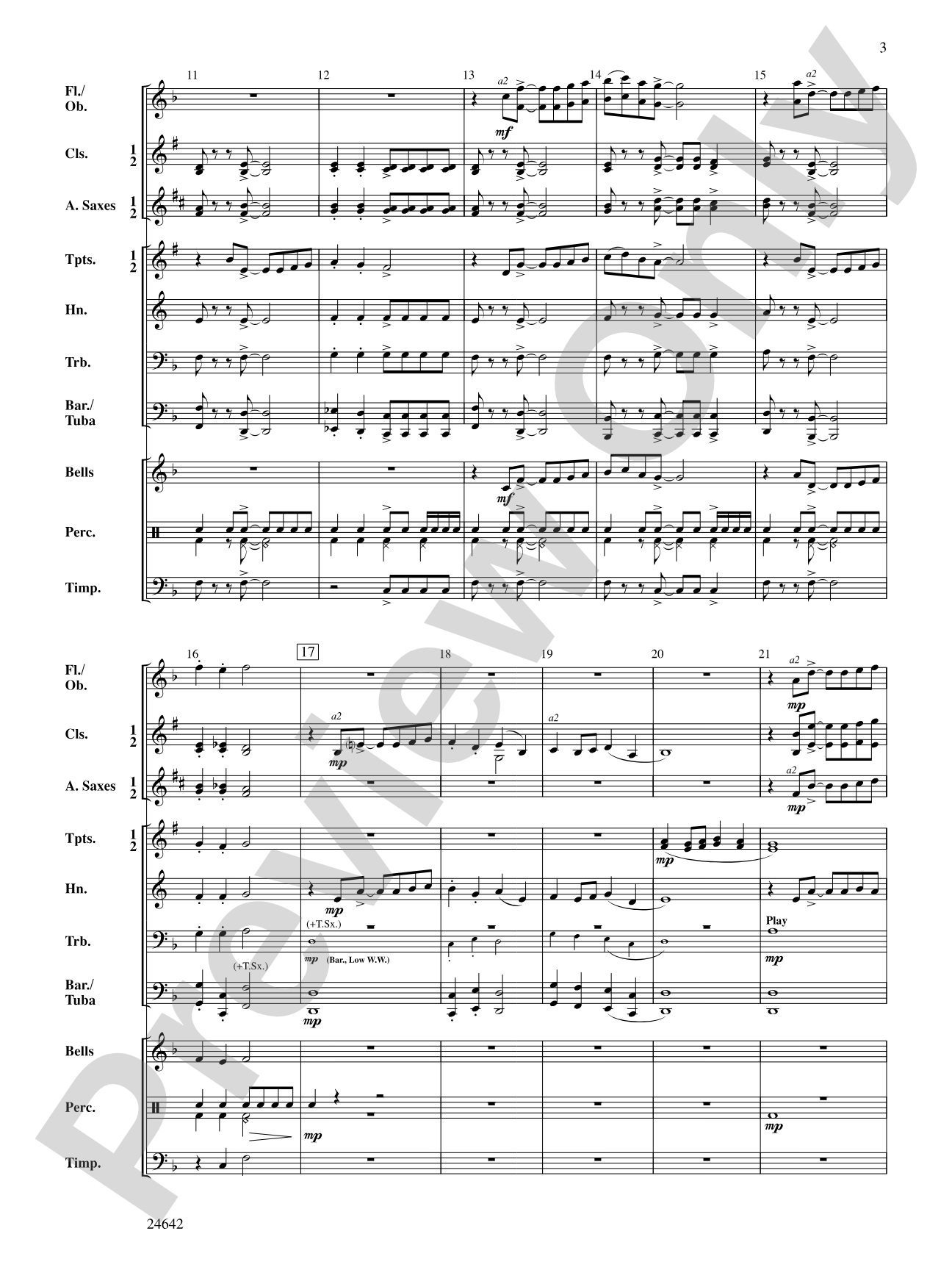
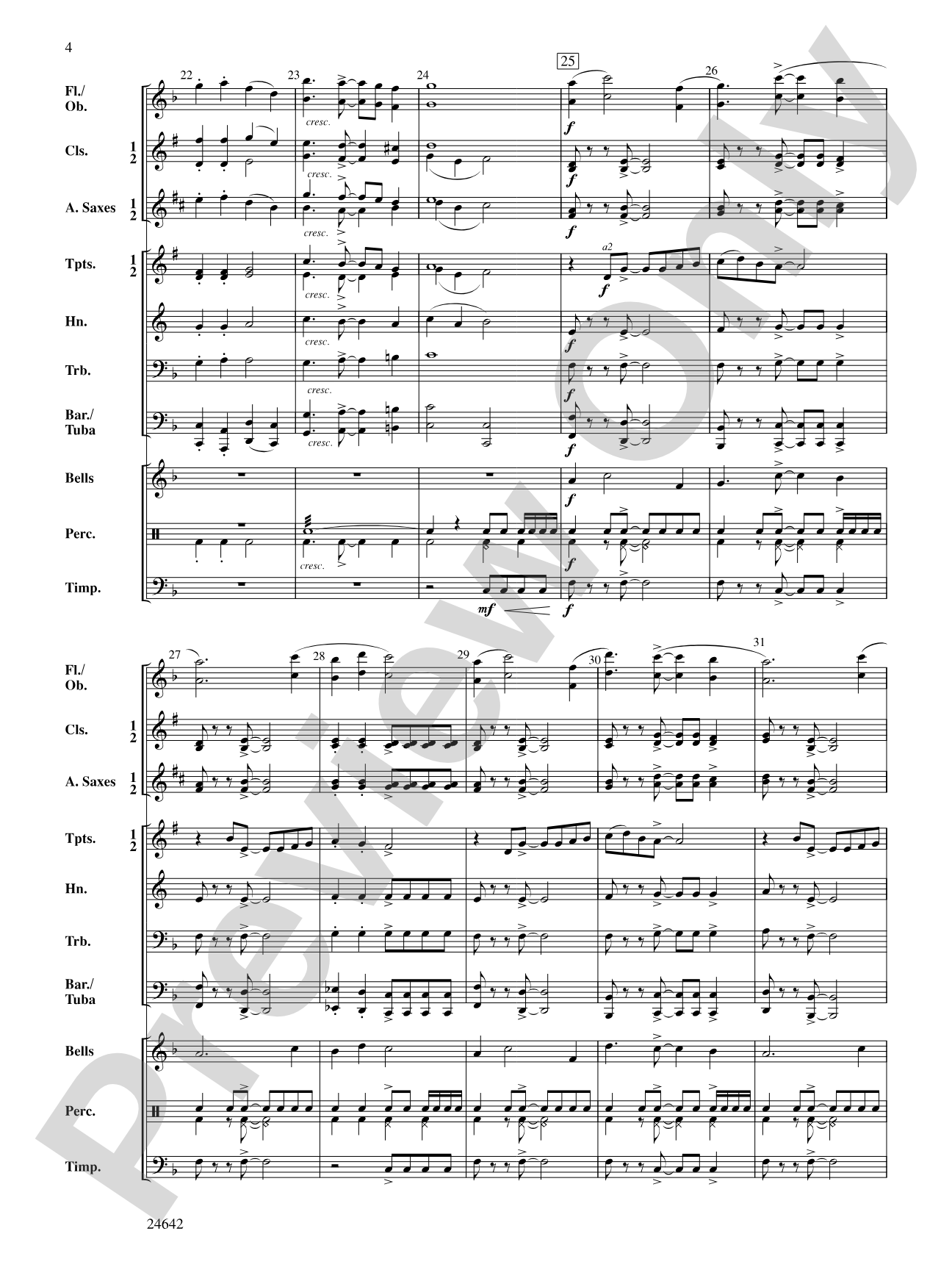
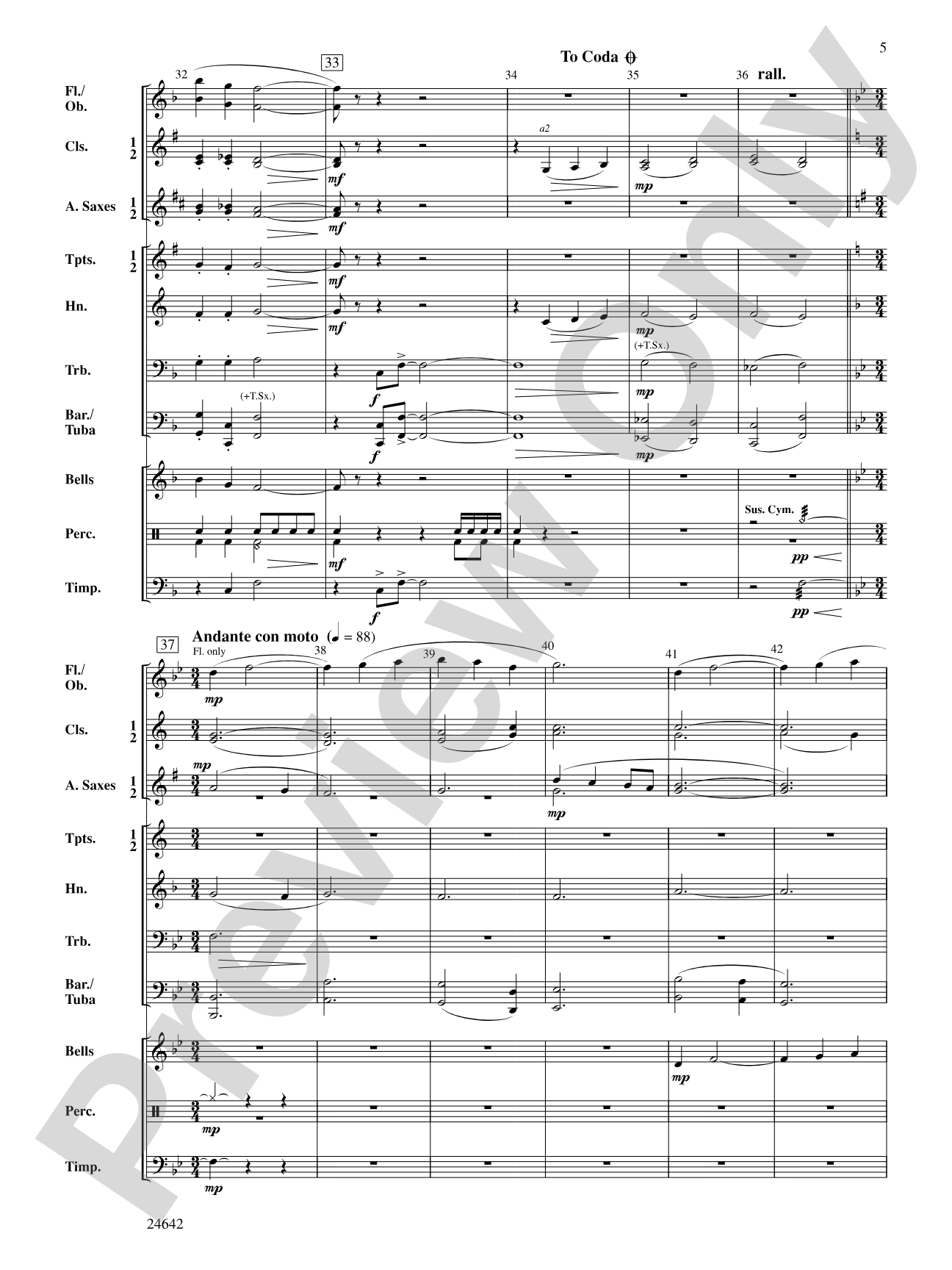
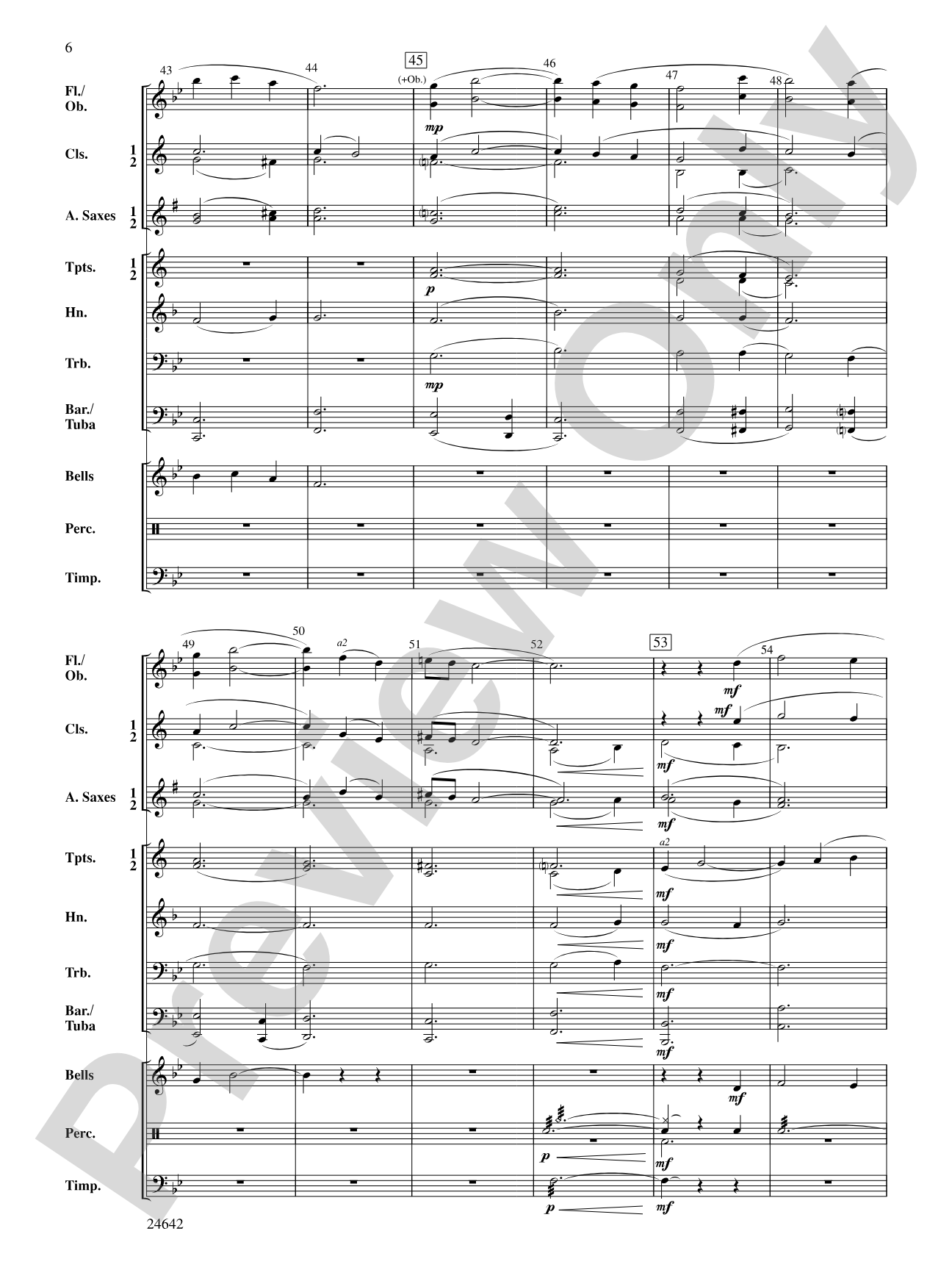
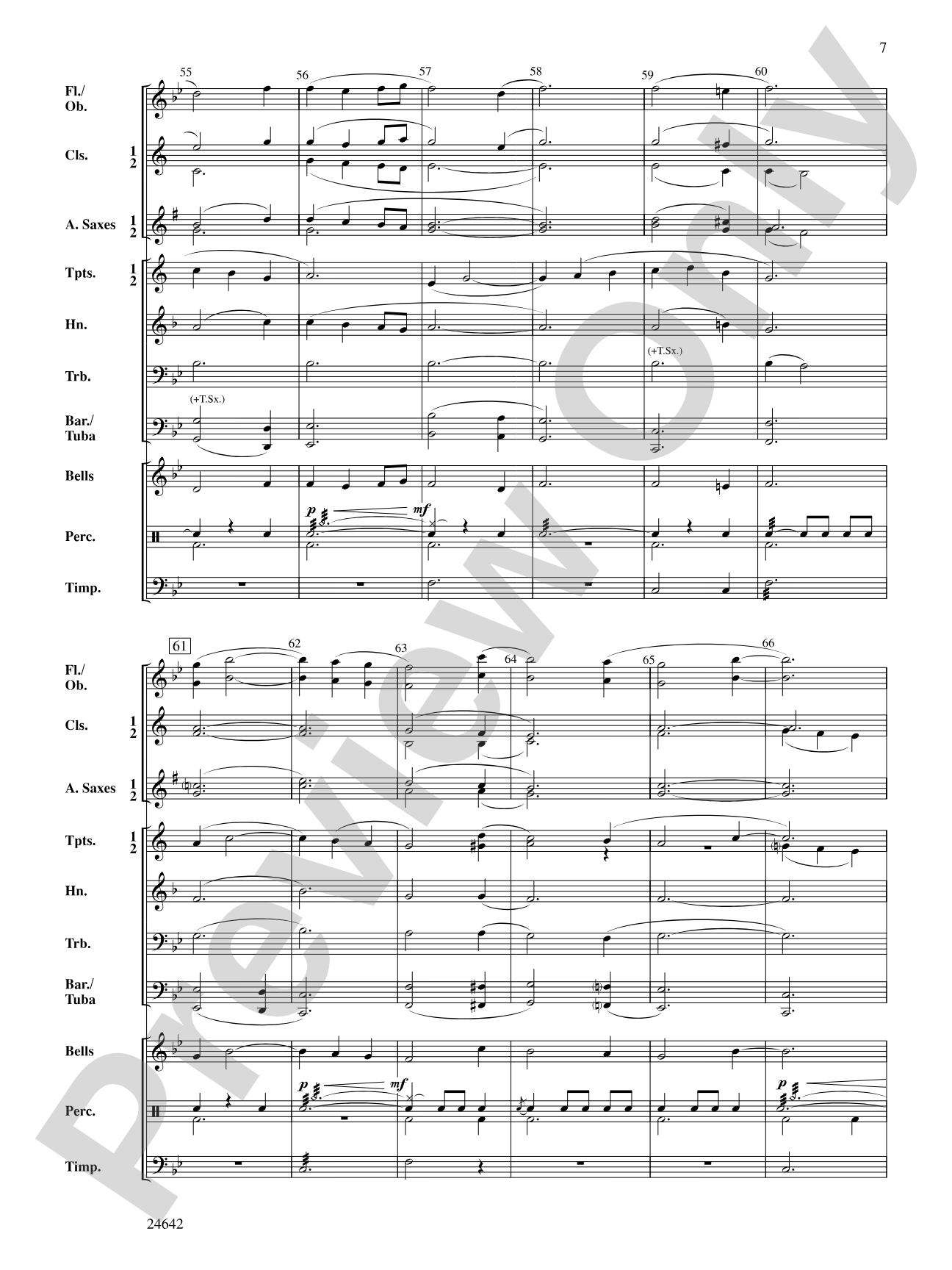
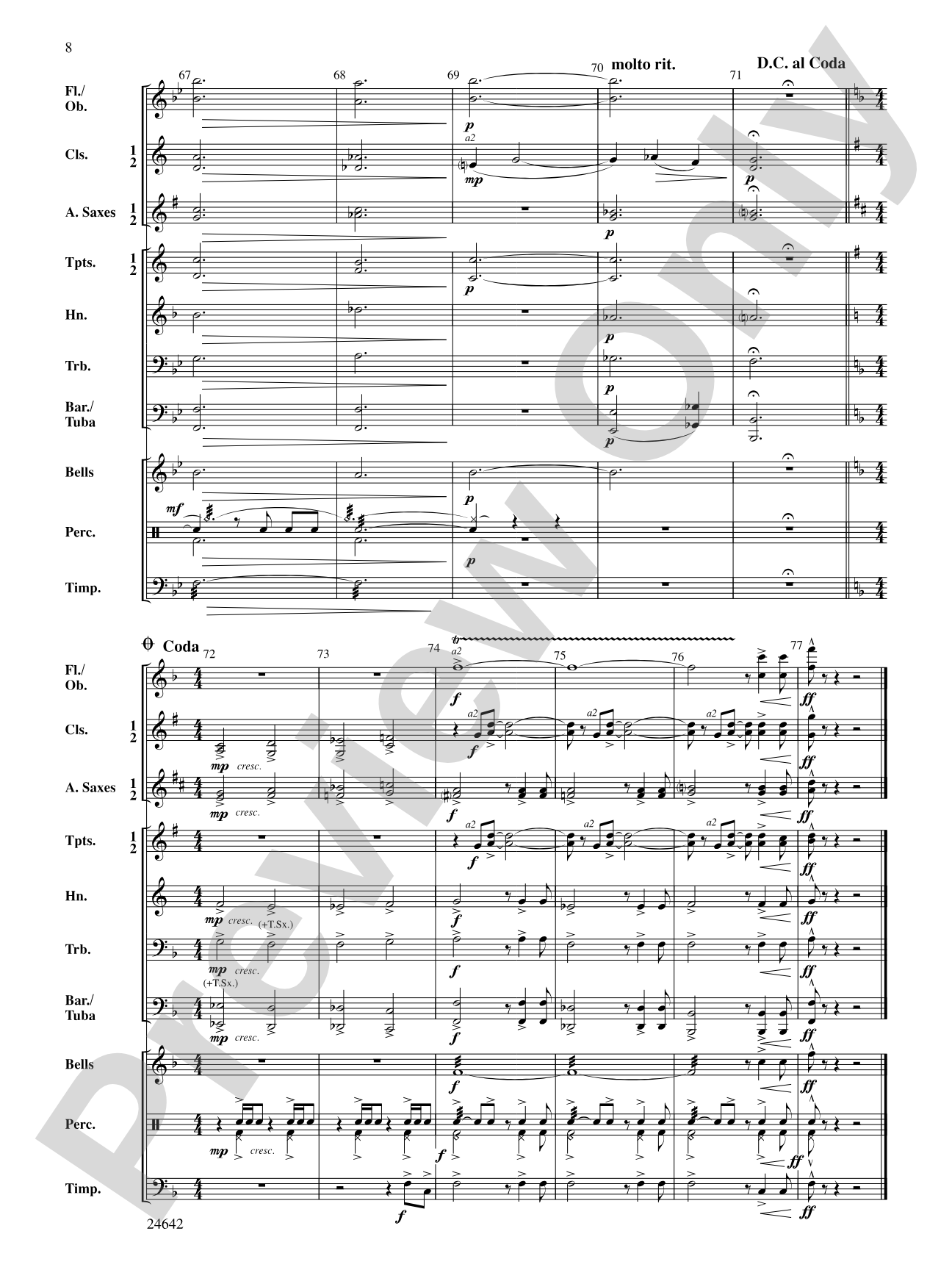
Inspired by a trip to the beautiful Muskoka region of Ontario, Canada, this exciting concert and contest overture will inspire your students to achieve new heights of musicianship and have a whole lot of fun at the same time. With a powerful opening, the 4/4 Allegro sets up a rhythmic vamp which is the foundation for a catchy main theme and the development which follows. The music then transitions to a lyric 3/4 Andante con moto which is filled with rich harmonies and counterpoint. A return to the music of the opening plus a brief coda bring the music to its rousing conclusion.


Don't just read it, hear it, play along with it, and watch your students grow with it. In MakeMusic Cloud, Muskoka Landing: Score comes alive with professional accompaniment, adjustable tempo, and built-in practice tools that turn solo practice into real progress.
Open in the Player
Jump straight in and assign it today.
Start Your Free Trial
Open this title and explore the full library in minutes.
Sample Audio
1
Audio File
--:--
0:00
0:00
Sample Video
No sample videos found.
Additional Details
Series:
Challenger Band Series
Publisher:
Alfred Music
Page Count:
130
SKU:
00-PR-0000801
More about this title
About the Composer: Mark Williams

Mark Williams built a prolific career writing music that works in real classrooms. With over 200 published compositions for band, orchestra, and choir, he understood what students needed to play and what conductors needed to teach. He co-authored the Accent on Achievement Band Method, a foundational resource for generations of young musicians.
Williams spent decades in music education, teaching elementary band in Washington state and earning degrees from Eastern Washington University. His clinical work took him across North America and to Australia, where he conducted and mentored hundreds of musicians. A skilled performer himself on bassoon and with the 560th Air Force Band, he also served as conductor and artistic director for the Spokane British Brass Band. His compositions earned recognition from the Western International Band Clinic and multiple ASCAP Special Awards.
Why we love this
Williams writes overtures that balance immediate approachability with genuine musical substance. The structural clarity here (rhythmic opening, melodic theme, lyric middle section, strong return) gives students a satisfying arc to execute, while the harmonic and contrapunctual richness in the Andante con moto section rewards careful listening and playing. This is repertoire that builds musicianship without exhausting early intermediate players.
What to expect
A journey through Canadian lakeland scenery rendered in sound. The piece opens with urgency and rhythmic vitality, then settles into a contemplative middle section rich with harmonic color and layered textures. The return builds momentum toward a resounding conclusion that leaves audiences energized.
Who it's for
Concert bands in Grades 1-2 looking for a genuine overture that satisfies both programming and contest requirements. Directors seeking music that stretches young musicians without overwhelming them will find an ideal fit here, especially programs building from foundational repertoire into more sophisticated concert band literature.
How to get the most out of it
- Establish the rhythmic vamp at a tempo that allows your lower voices to anchor the foundation; this becomes the bedrock for everything that follows.
- Shape the main theme with a clear melodic hierarchy. Reinforce which instruments carry the tune by balancing the accompanying voices proportionally.
- In the Andante con moto, draw out the counterpoint through careful voicing. Students often bury inner lines; transparent sonority here transforms a pretty section into a musically mature one.
- The return to the opening music is your moment to show growth. Compare the energy and precision of this section to the opening rehearsals to demonstrate how far the ensemble has come.
How to use it
Program this as your concert or contest opener when you want to establish polish and confidence from the first note. The accessible grade level and strong opening make it perfect for first-half concert programming when ensemble focus is sharpest. It also works well as a spring festival selection where judges can hear both technical control and musical understanding.
Skills your students will build
- Rhythmic independence in a sustained vamp pattern
- Dynamic control across sectional transitions and thematic material
- Reading mixed meters (4/4 and 3/4) with fluent meter changes
- Harmonic awareness and blend in sustained chord sonorities
- Counterpoint recognition and balance in multi-voice textures
- Structural listening and architectural phrasing across a complete form