

Musik of Shakespeare's Daye: String Orchestra Conductor Score & Parts
Music by Antony Holborne, William Brade, Claude Gervaise, Thomas Ravenscroft, and John Dowland / arr. Andrew H. Dabczynski
Grade: 2
Item: 00-PK-0000943

$42.00
Pickup currently not available
Buy Extra Parts (Digital PDF Download)
Parts Added to Cart!
Description
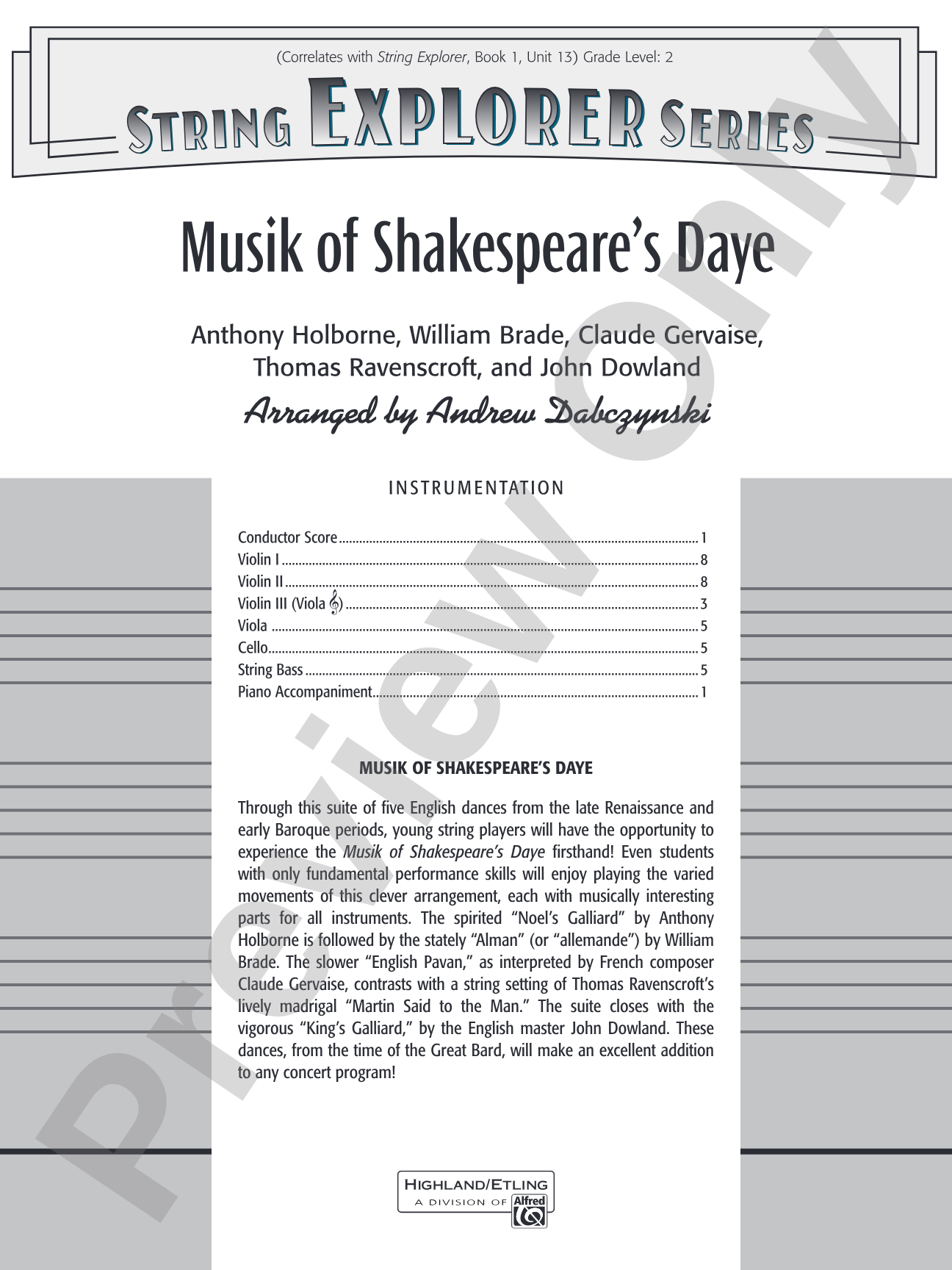
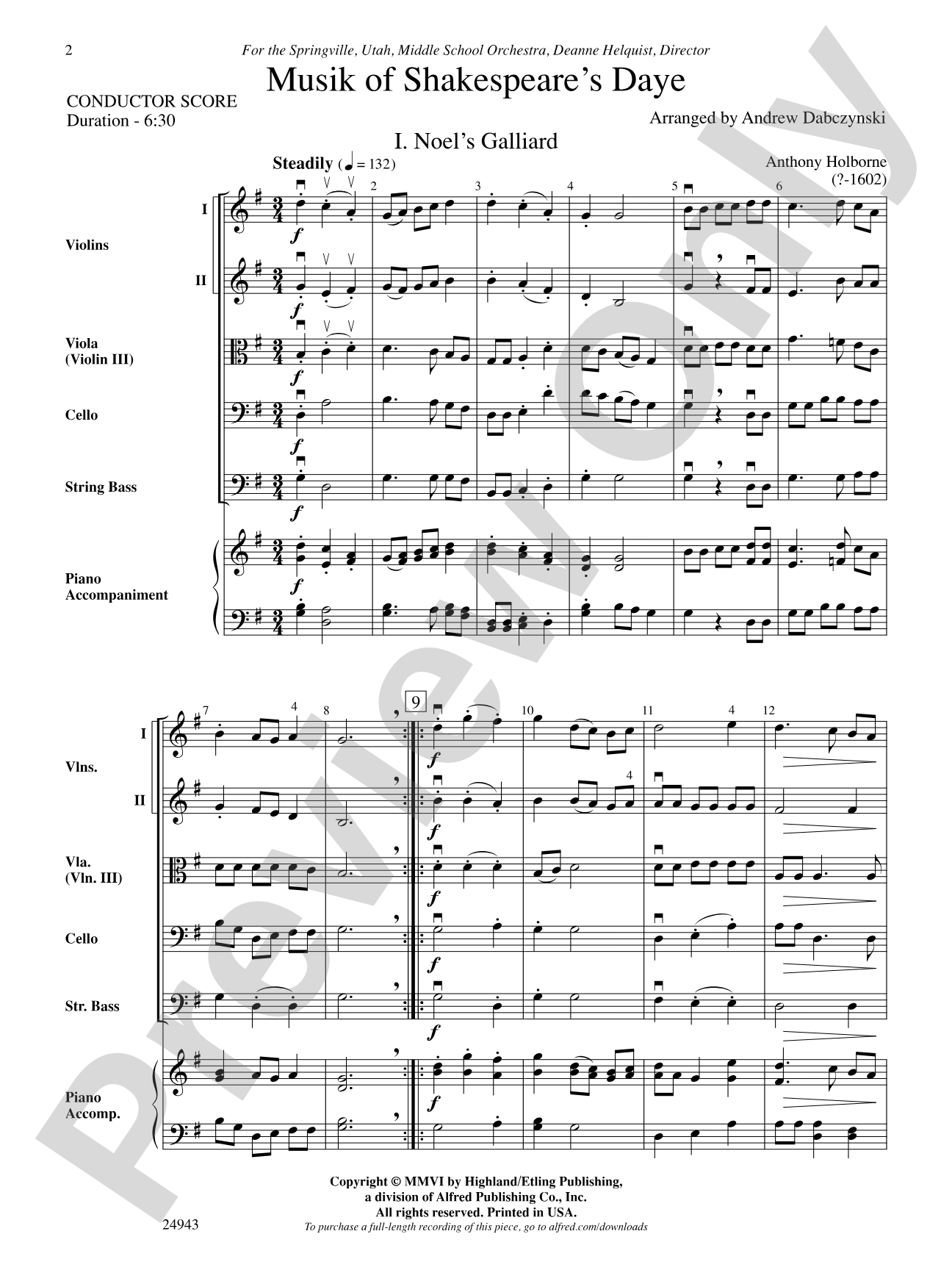
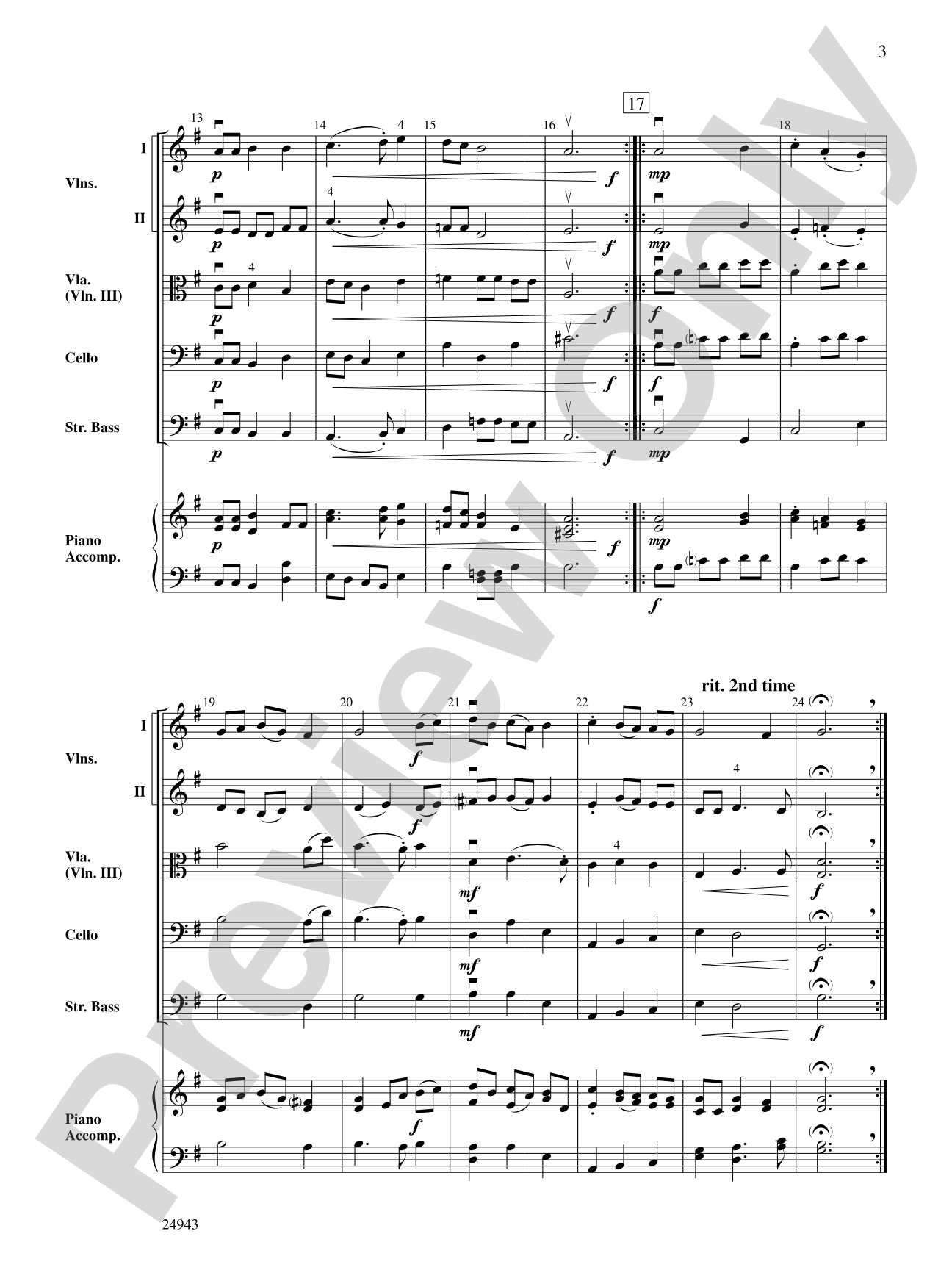
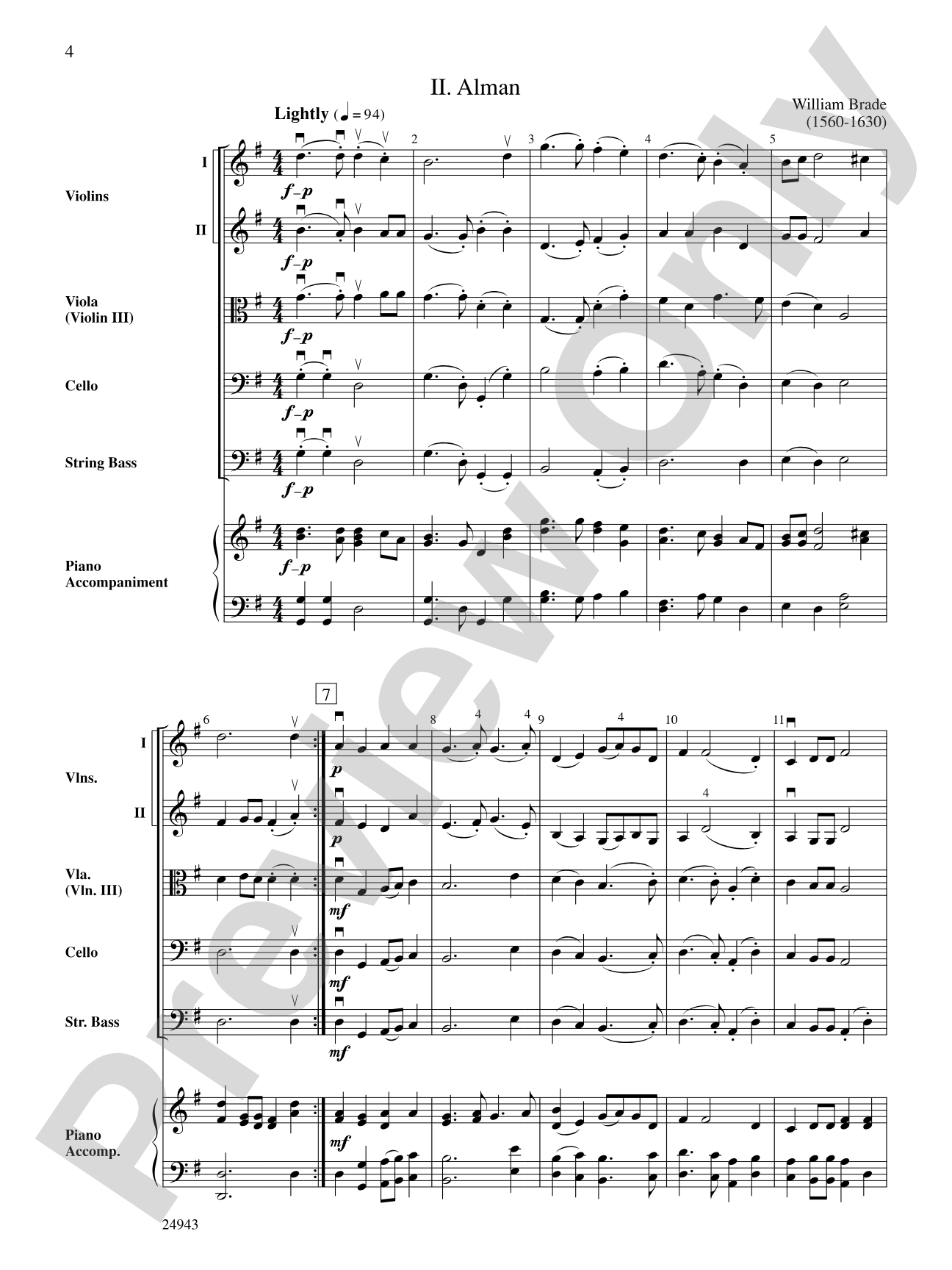
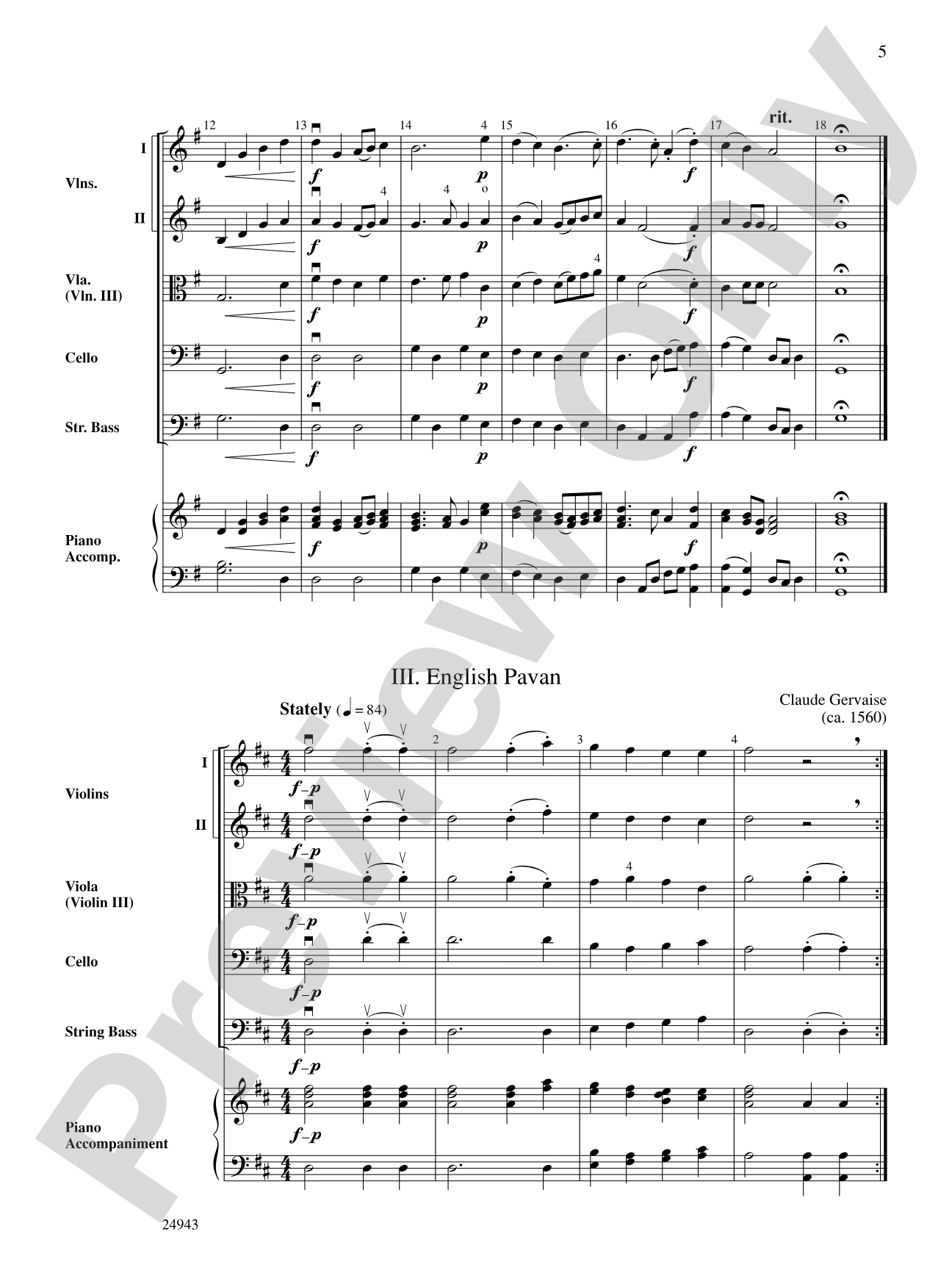
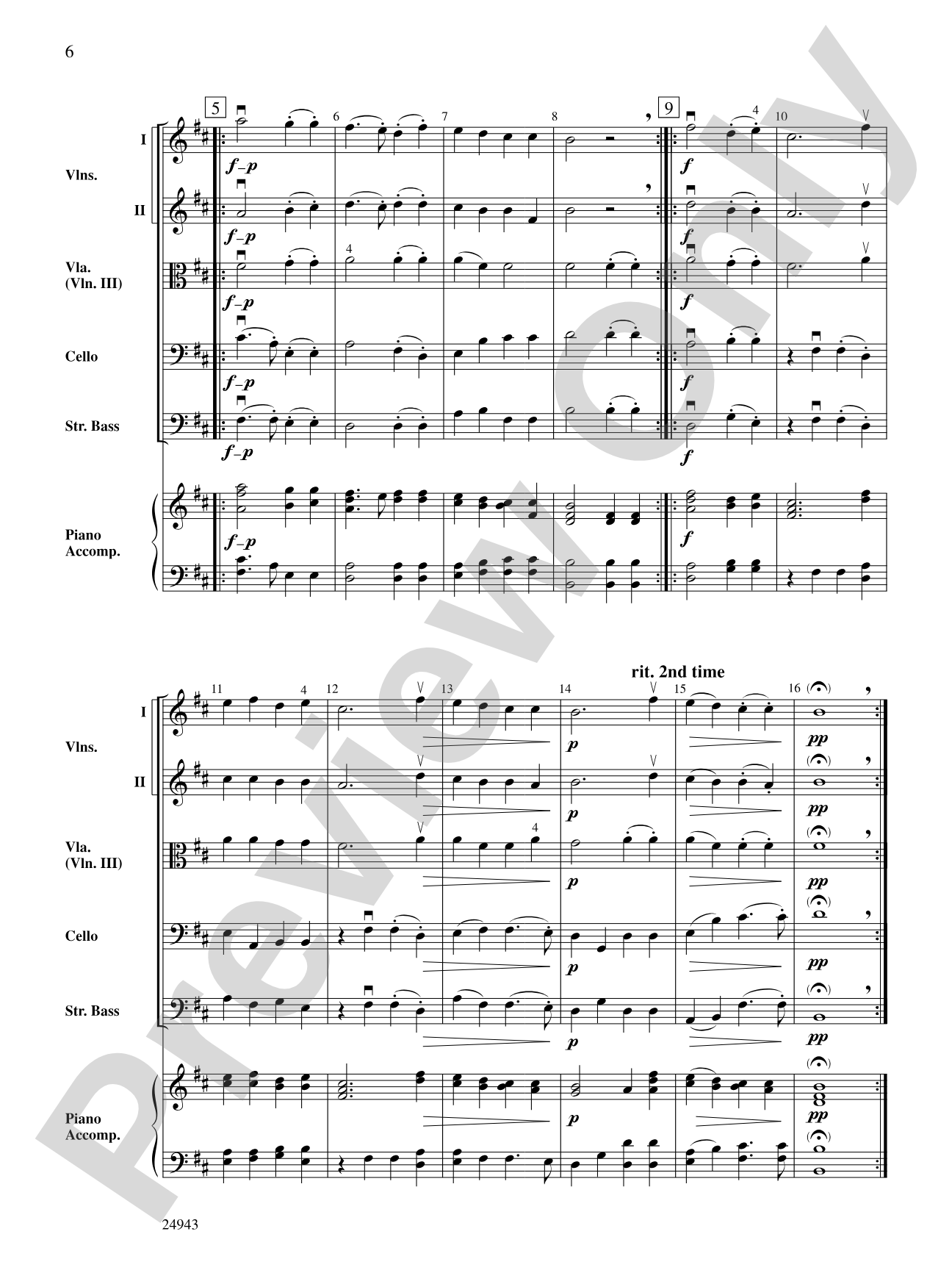
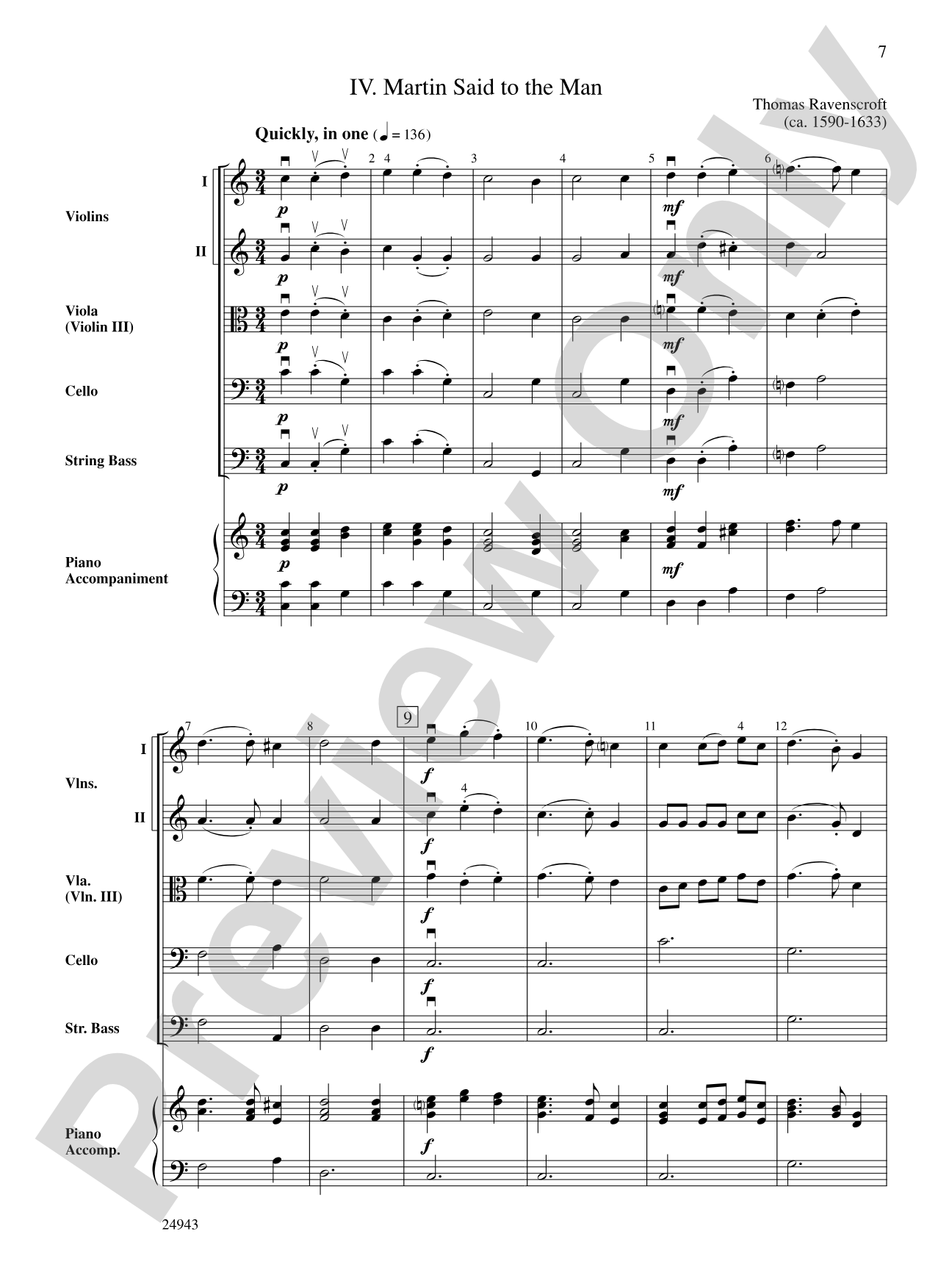
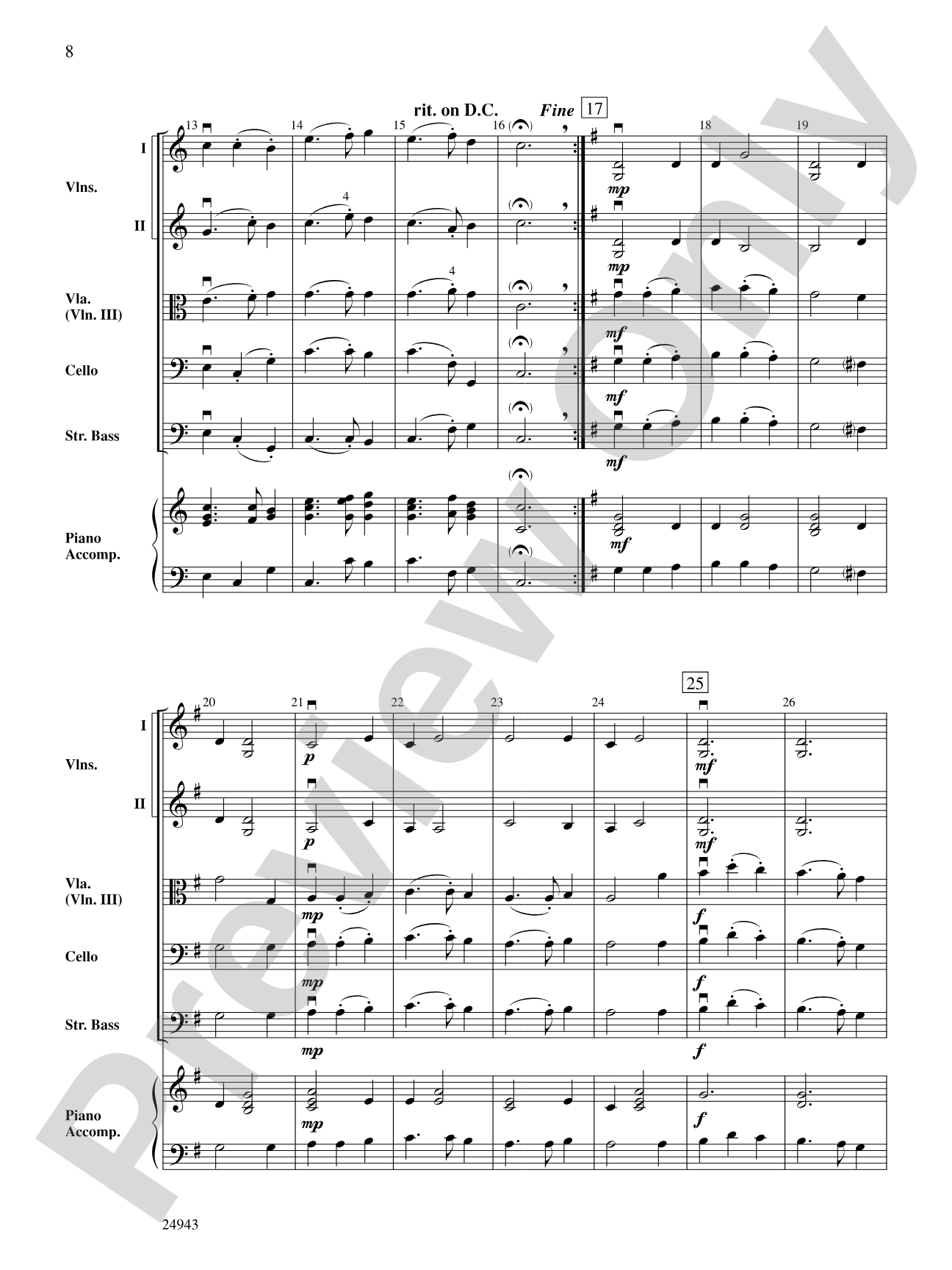
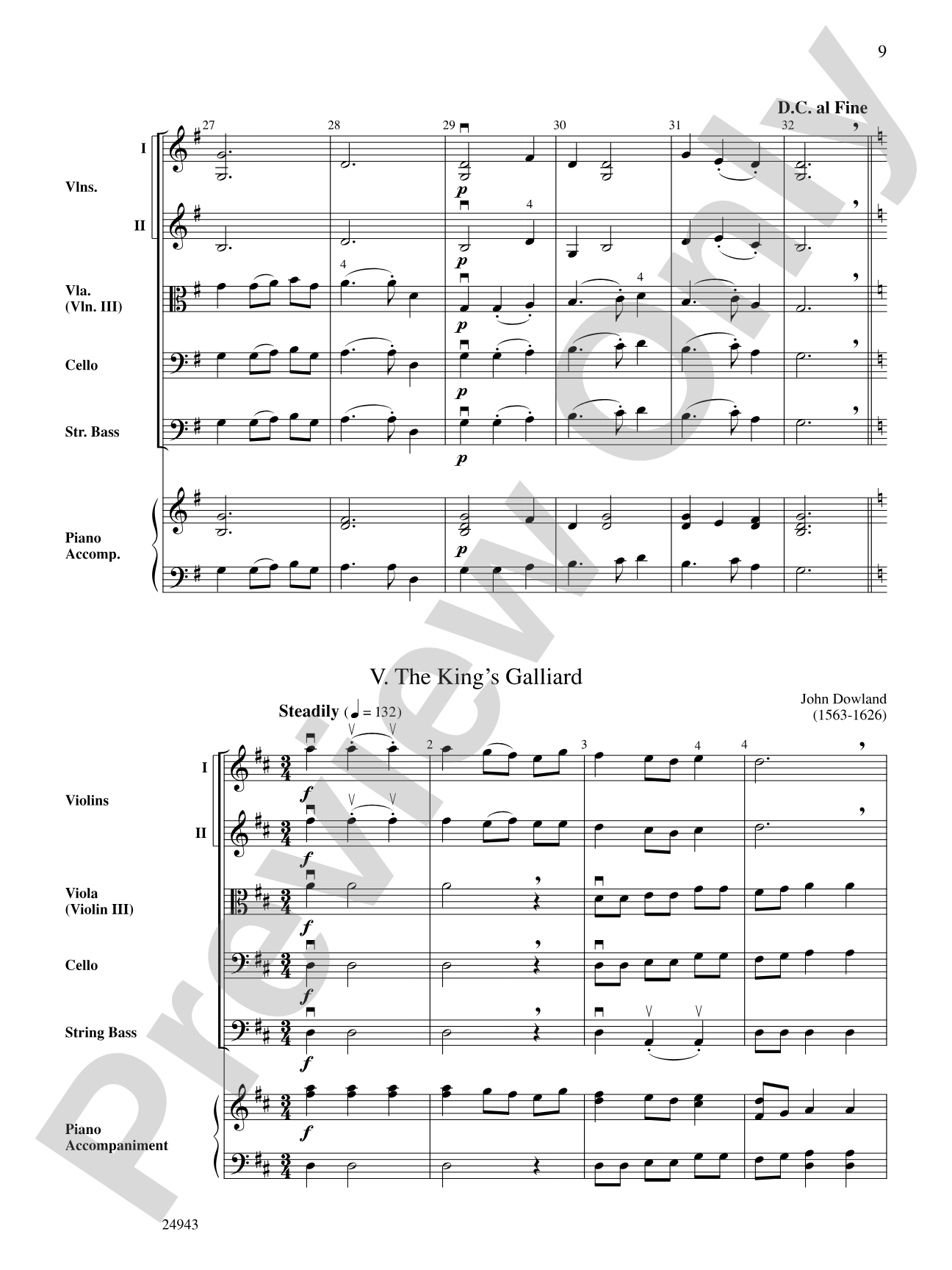
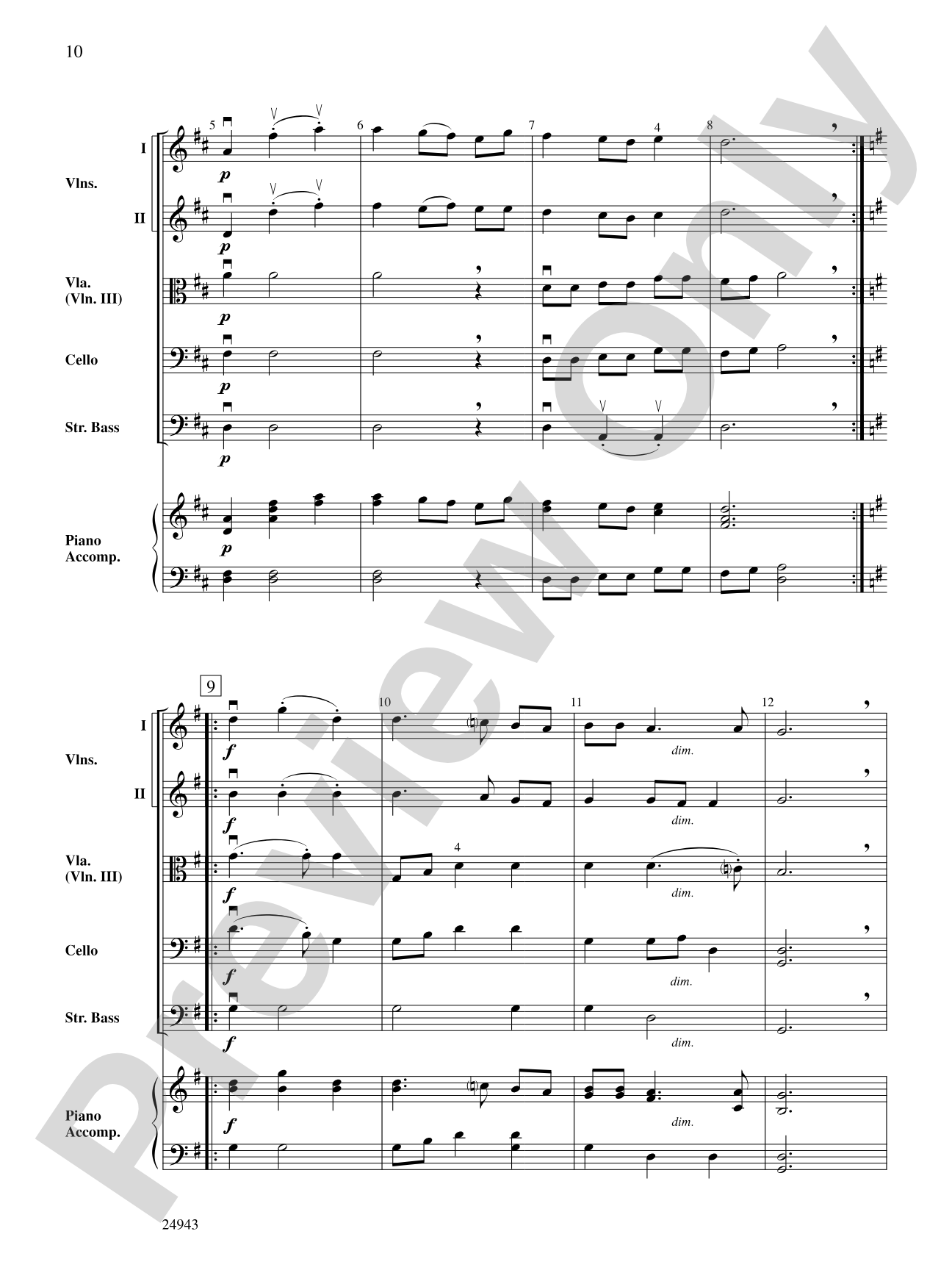
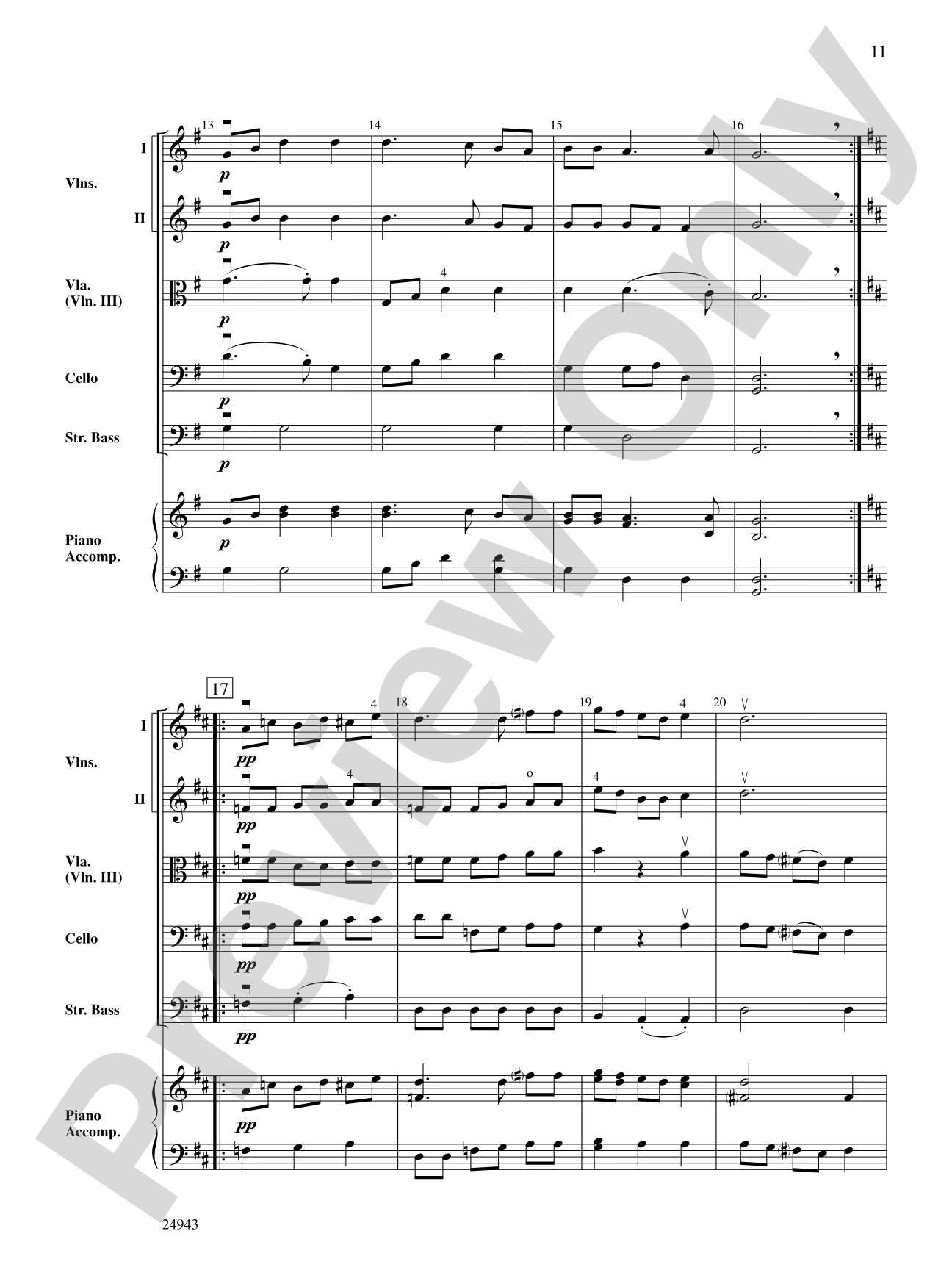
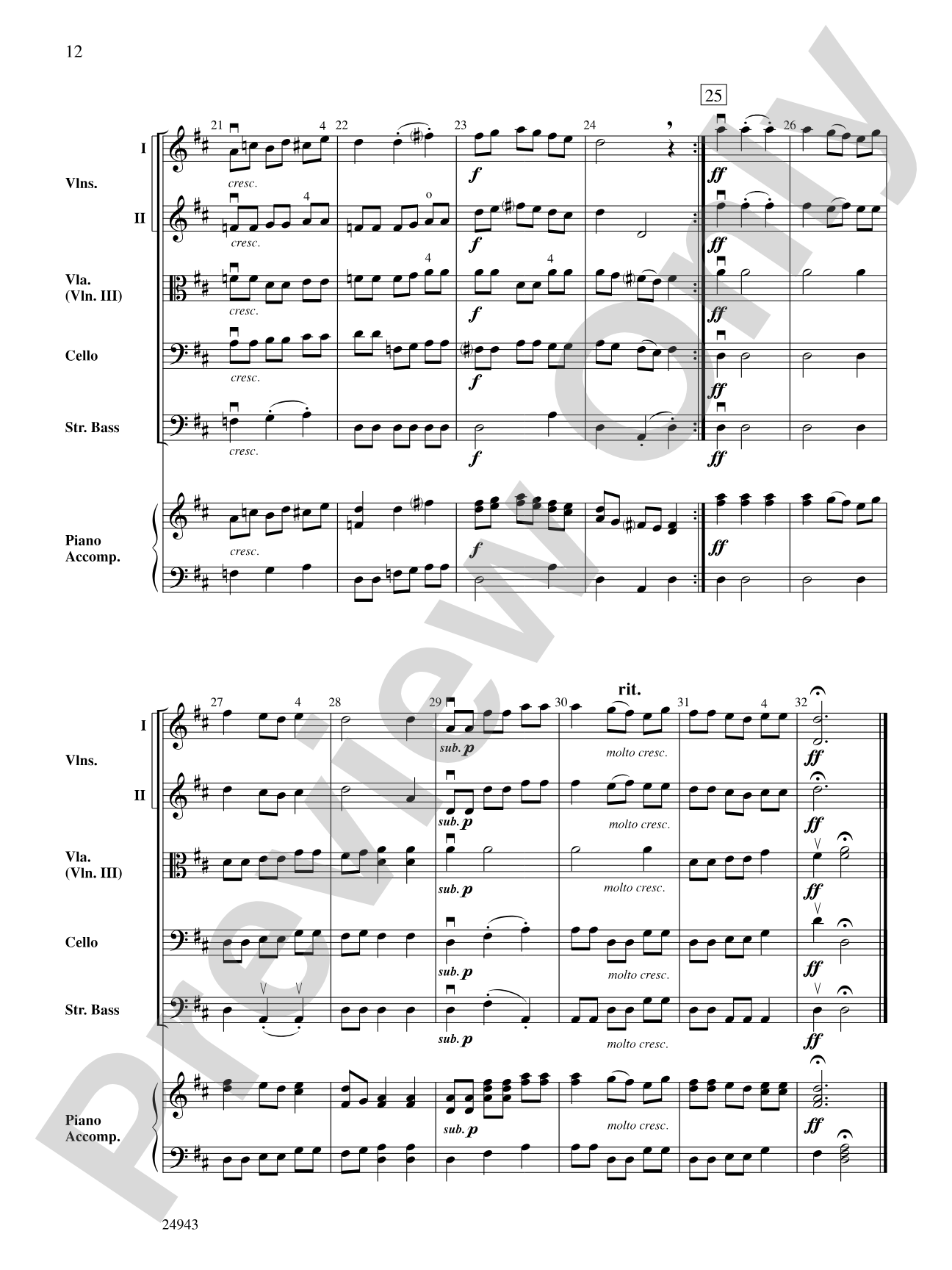
Through this suite of five English dances from the late Renaissance and early Baroque periods, young string players will have the opportunity to experience first-hand the "Musik of Shakespeare's Daye." Even students with only fundamental performance skills will enjoy playing the varied movements of this clever arrangement, each with musically interesting parts for all instruments. The spirited "Noel's Galliard" by Anthony Holborne is followed by the stately "Alman" (or allemande) by William Brade. The slower "English Pavan," as interpreted by the French composer Claude Gervaise, contrasts with a string setting of Thomas Ravenscroft's lively madrigal "Martin Said to the Man." The suite closes with the vigorous "King's Galliard," by the English master, John Dowland. These dances from the time of the Great Bard will make an excellent addition to any concert program, and will enrich the school music curriculum. This title is available in MakeMusic Cloud.


Don't just read it, hear it, play along with it, and watch your students grow with it. In MakeMusic Cloud, Musik of Shakespeare's Daye: String Orchestra Conductor Score & Parts comes alive with professional accompaniment, adjustable tempo, and built-in practice tools that turn solo practice into real progress.
Open in the Player
Jump straight in and assign it today.
Start Your Free Trial
Open this title and explore the full library in minutes.
Sample Audio
1
Audio File
--:--
0:00
0:00
Sample Video
No sample videos found.
Additional Details
Series:
Highland/Etling String Explorer
Publisher:
Alfred Music
Page Count:
144
SKU:
00-PK-0000943
More about this title
About the Composer: Antony Holborne
Anthony Holborne (c. 1545-1602) was an English lutenist and composer whose instrumental works represent some of the finest music of the late Renaissance. His dances and fantasias for lute and viols were widely circulated in manuscript during his lifetime, and his compositions reveal sophisticated harmonic thinking alongside the spirited character typical of court music. Holborne's "Cittharn School" (1597) documents his contributions to both composition and performance practice, establishing him as a central figure in English musical culture during the reign of Elizabeth I.
Why we love this
This arrangement opens doors to authentic Renaissance and early Baroque repertoire without requiring your students to master historical performance conventions first. Each movement is crafted so every string section has musically engaging material; there's no doubling or filler. The five-dance structure gives young orchestras a chance to program something culturally substantial that audiences recognize as "real" historical music, not a simplified pastiche.
What to expect
Walking through a Renaissance garden where courtiers move between stately processions and spirited reels. The music shifts from ornate and measured to playful and propulsive, yet maintains the elegant restraint of the era. You hear the pluck of lutes and viols translated into warm string color, with moments of genuine melodic beauty alongside infectious rhythmic vitality.
Who it's for
String orchestras at Grade 2 level with students who read confidently in first position and have basic ensemble balance. This suite works equally well for students experiencing historical repertoire for the first time and for conductors seeking concert material that connects music literacy to cultural history.
How to get the most out of it
- Shape the opening "Noel's Galliard" with clear articulation and bouncy rhythmic energy; let the dance character breathe naturally rather than metronomically.
- Balance the lower strings carefully in the "Alman," particularly when the viola carries inner voicing that would otherwise get lost under violin lines.
- Allow rubato in the "English Pavan" so the slower tempo doesn't feel static; these dances were performed with some flexibility, not strict tempo.
- Keep the madrigal "Martin Said to the Man" light and conversational between sections, treating phrases as though singers are trading dialogue across the ensemble.
How to use it
Program this suite as a standalone feature in a concert celebrating "Music and History" or "Connections to Literature," pairing it with a Shakespeare monologue or historical context spoken by a student. It also serves as an excellent festival entry, especially for conductors looking to place younger orchestras in a cultural context beyond contemporary pedagogy arrangements. The five-movement structure allows you to program individual dances across different concert programs if needed.
Skills your students will build
- Reading and performing Renaissance/early Baroque rhythmic patterns and phrase structures
- Coordinating bow articulation across string sections to match historical dance character
- Balancing inner voices and inner-part independence within string textures
- Sustaining musical line through slower movements without rhythmic tension
- Responding to conductor cues for tempo flexibility and stylistic nuance in period music