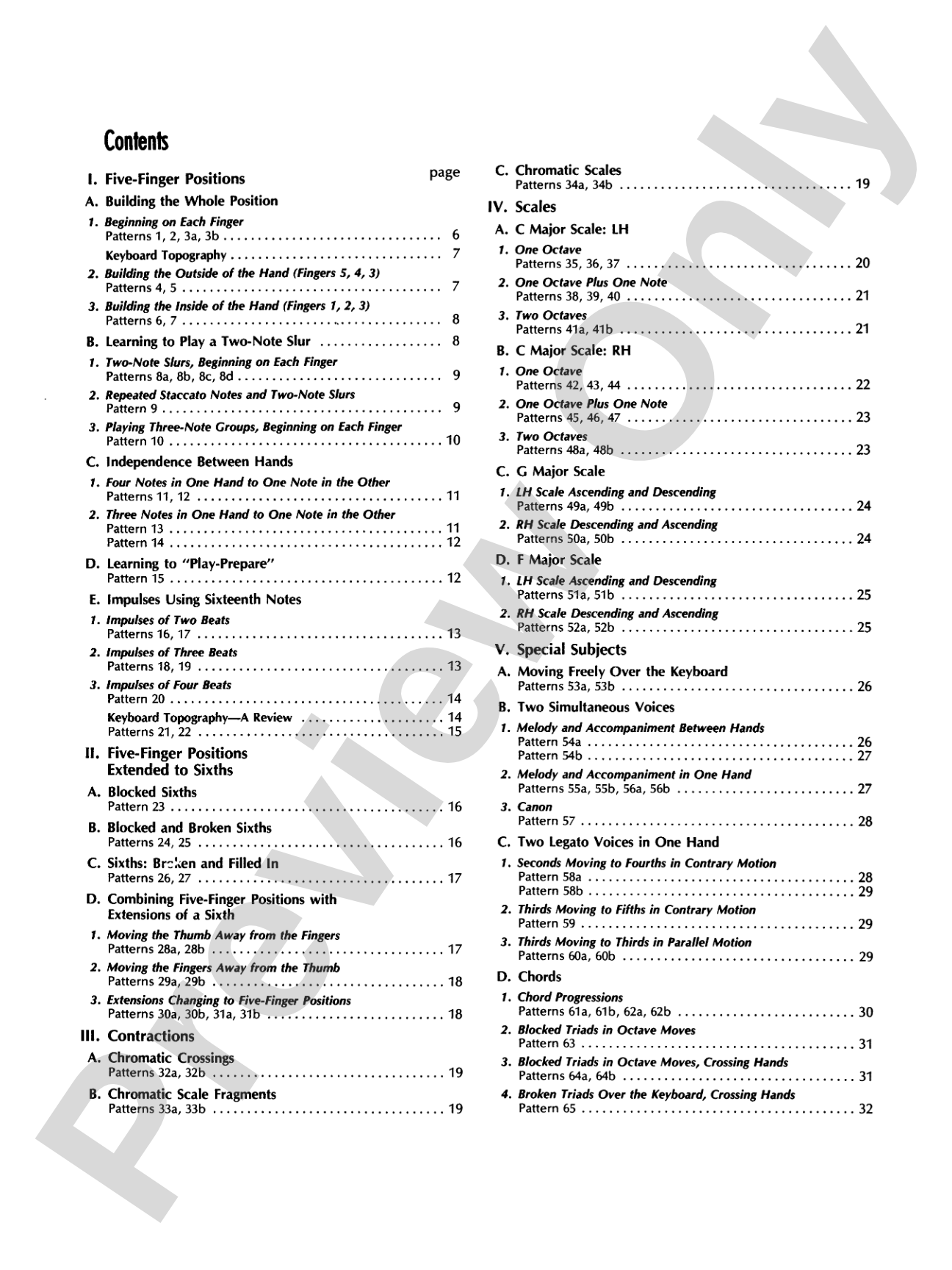
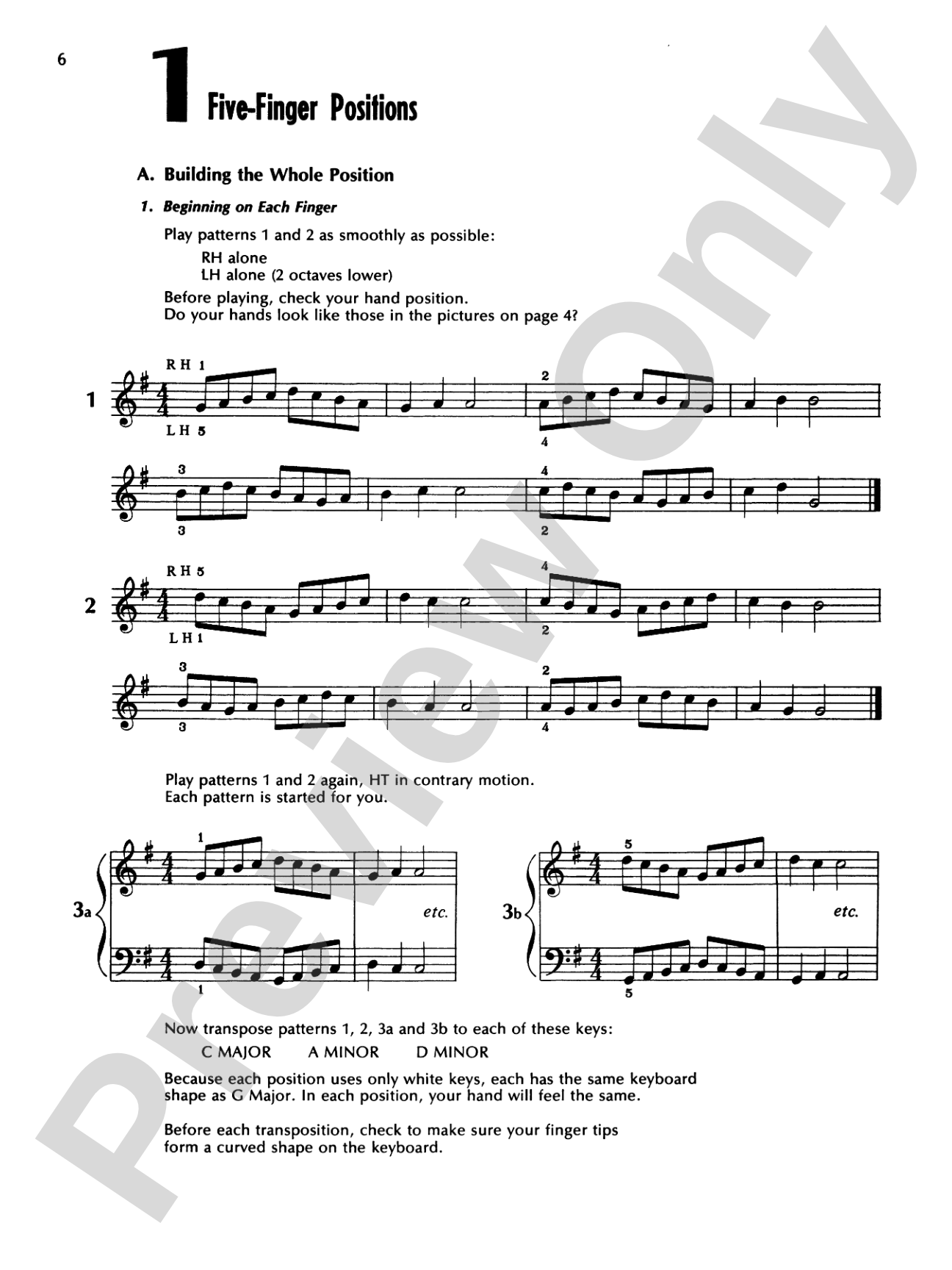
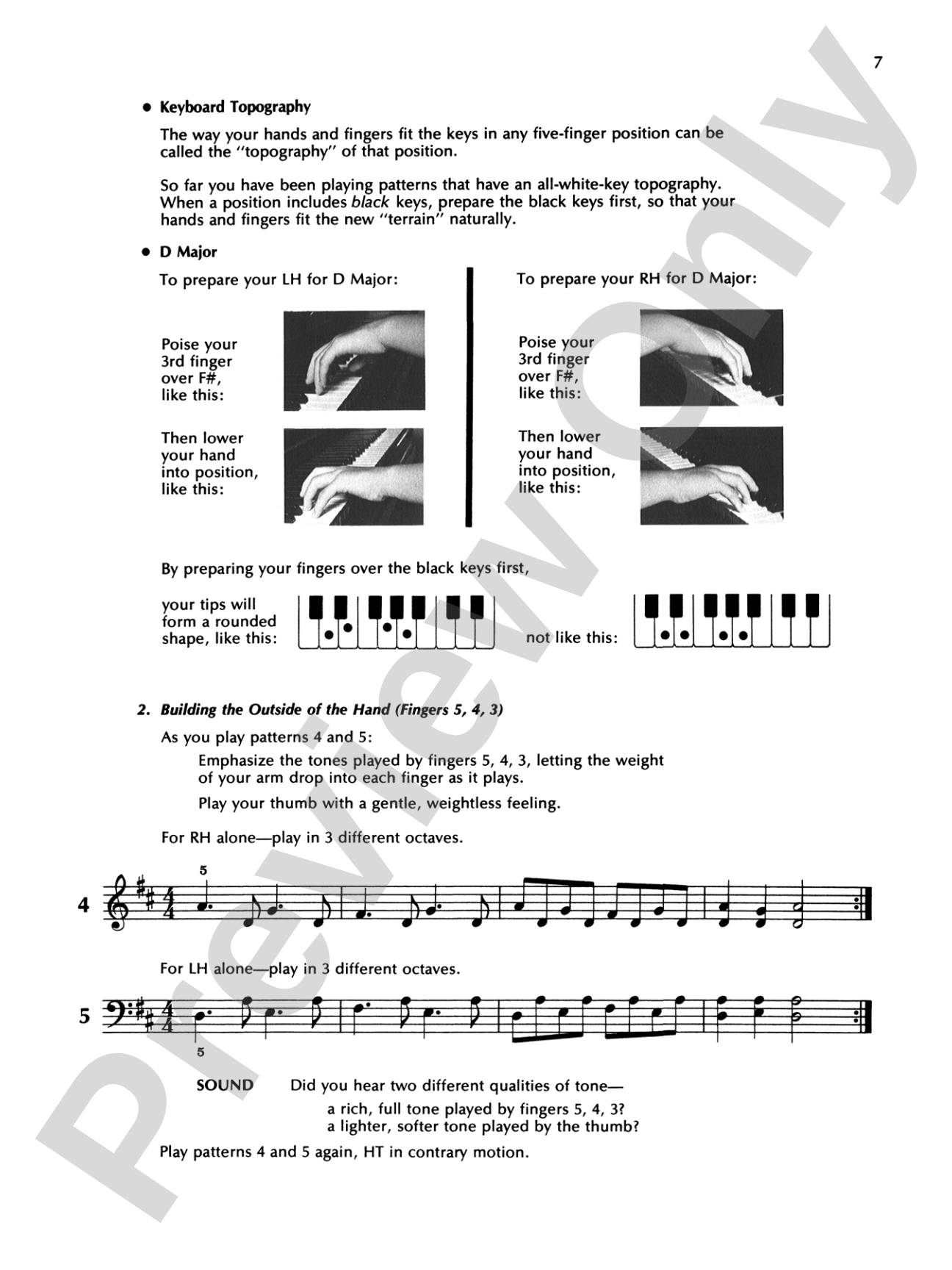
An invaluable compendium of pre-college technique for students of late elementary through early advanced levels. The four volumes are designed to benefit any student in the mastery of crucial elements of technique, to learn to play well both technically and musically, and to think and listen from the twin standpoints of facility and tone production. Teaching Musical Fingers -- A Handbook for Teachers, stresses points to consider in teaching the exercises, as well as musical and technical attitudes to foster and develop.
Discover MakeMusic Cloud: thousands of interactive titles your students can play along with today.
Frances Clark shaped American piano pedagogy through decades of teaching, writing, and curriculum development. Her approach emphasized that technique and musicality are inseparable: students master finger independence and tone production not as abstract drills, but as tools for expressive playing. Clark's legacy rests on her conviction that pre-college pianists deserve systematic, thoughtful instruction grounded in how students actually learn.
Why we love this
Clark's exercises avoid the trap of feeling disconnected from real music. Each exercise targets a specific technical challenge while maintaining musical integrity, so students stay engaged rather than grinding through mindless repetition. The progression across all four volumes gives teachers a complete roadmap for building technique from elementary through advanced levels without gaps or redundancy.
What to expect
Clear, purposeful work with immediate results. Each exercise has a specific job to do, and students sense the progress quickly. The tone is never punishing; instead, the exercises feel like helpful scaffolding that supports the music they want to play.
Who it's for
Late elementary through early advanced piano students who need structured work on finger independence, hand position, and the connection between physical facility and musical sound. Teachers seeking a coherent, proven technique curriculum will find these volumes essential to their studio pedagogy.
How to get the most out of it
Return to the Teacher's Handbook alongside these exercises. Clark's annotations for each section clarify the exact technical problem being solved and how to listen for improvement, transforming routine practice into focused diagnosis.
Play exercises hands separately first, then hands together only after each hand moves with ease and intention. This deliberate approach prevents students from defaulting to tension when coordination demands spike.
Attend to tone production from the first exercise onward. Students often assume technique means speed or accuracy alone; Clark's framework insists they hear the quality of sound their fingers create on every single repetition.
How to use it
These exercises form the foundation of weekly lessons rather than concert repertoire. Many teachers assign one or two exercises per week alongside pieces, ensuring students develop the physical and listening skills needed to tackle more complex material with confidence and ease.
Skills your students will build
Finger independence and articulation control
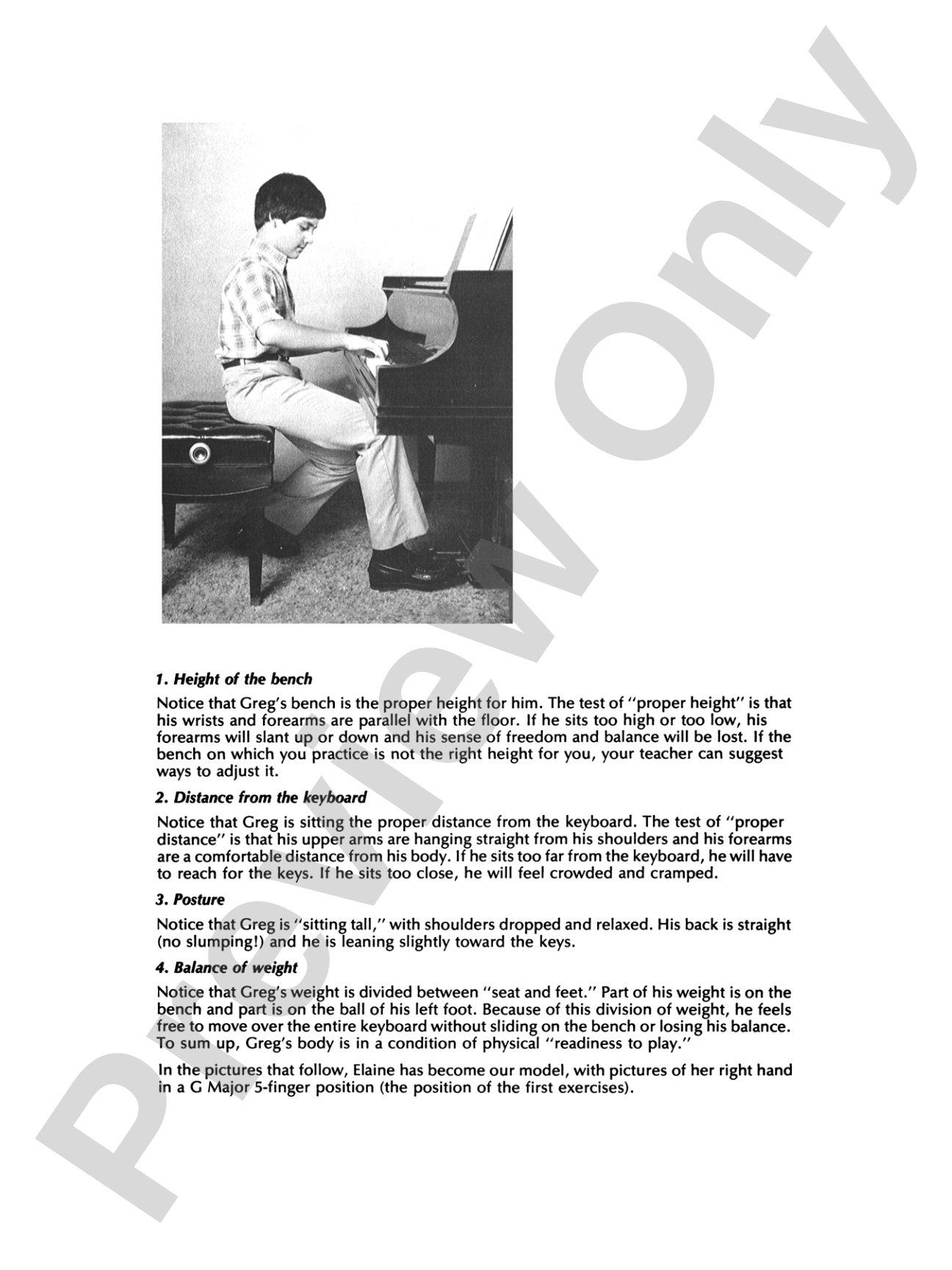
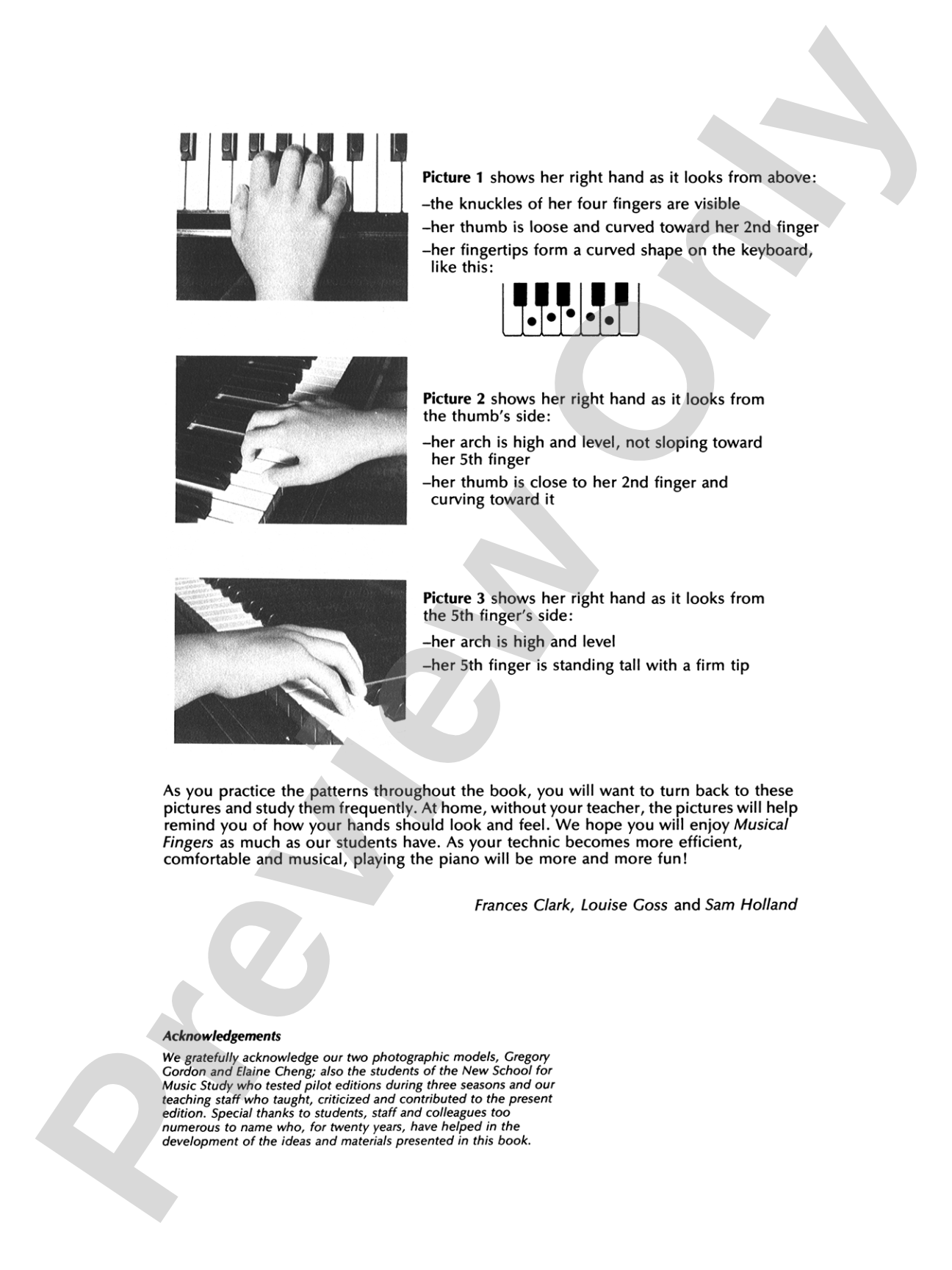
Hand position and postural awareness
Tone production and listening discrimination
Rhythmic precision in technical patterns
Coordination between hands at varying tempos
Translating physical sensation into musical intention
You May Also Like
Scan to Complete Your Purchase
Use your phone's camera to scan the code below
You'll log in on your phone and the order will be added to your account