

Música Latina, Book 4: 6 Late Intermediate Piano Solos That Celebrate Latin American Styles: Piano
6 Late Intermediate Piano Solos That Celebrate Latin American Styles
By Wynn-Anne Rossi
Level: Late Intermediate
Item: 00-PB-0000744
$8.99
Pickup currently not available
Related Items
Música Latina, Book 4: Piano Book |
$8.99
|
View |
Description
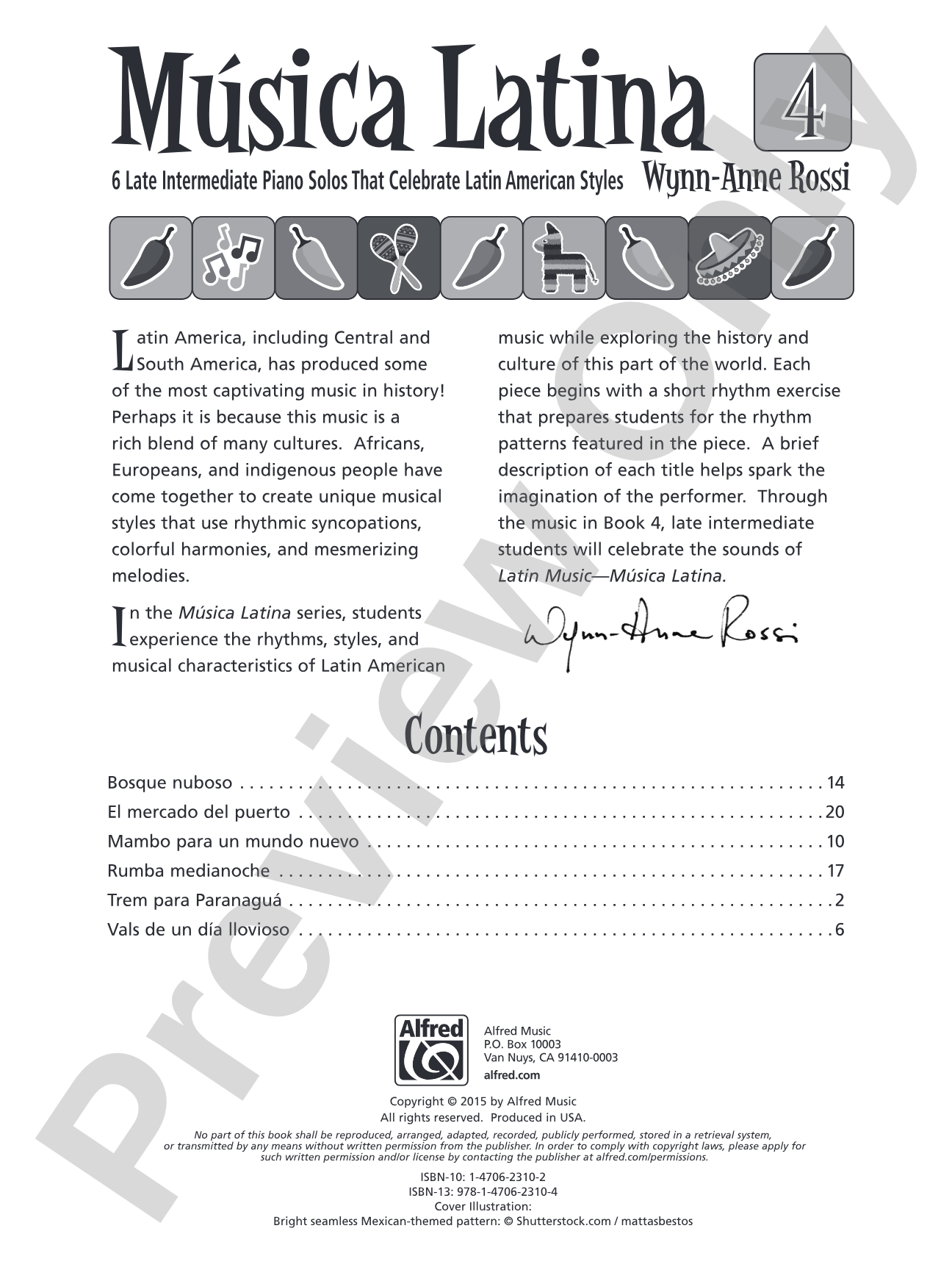
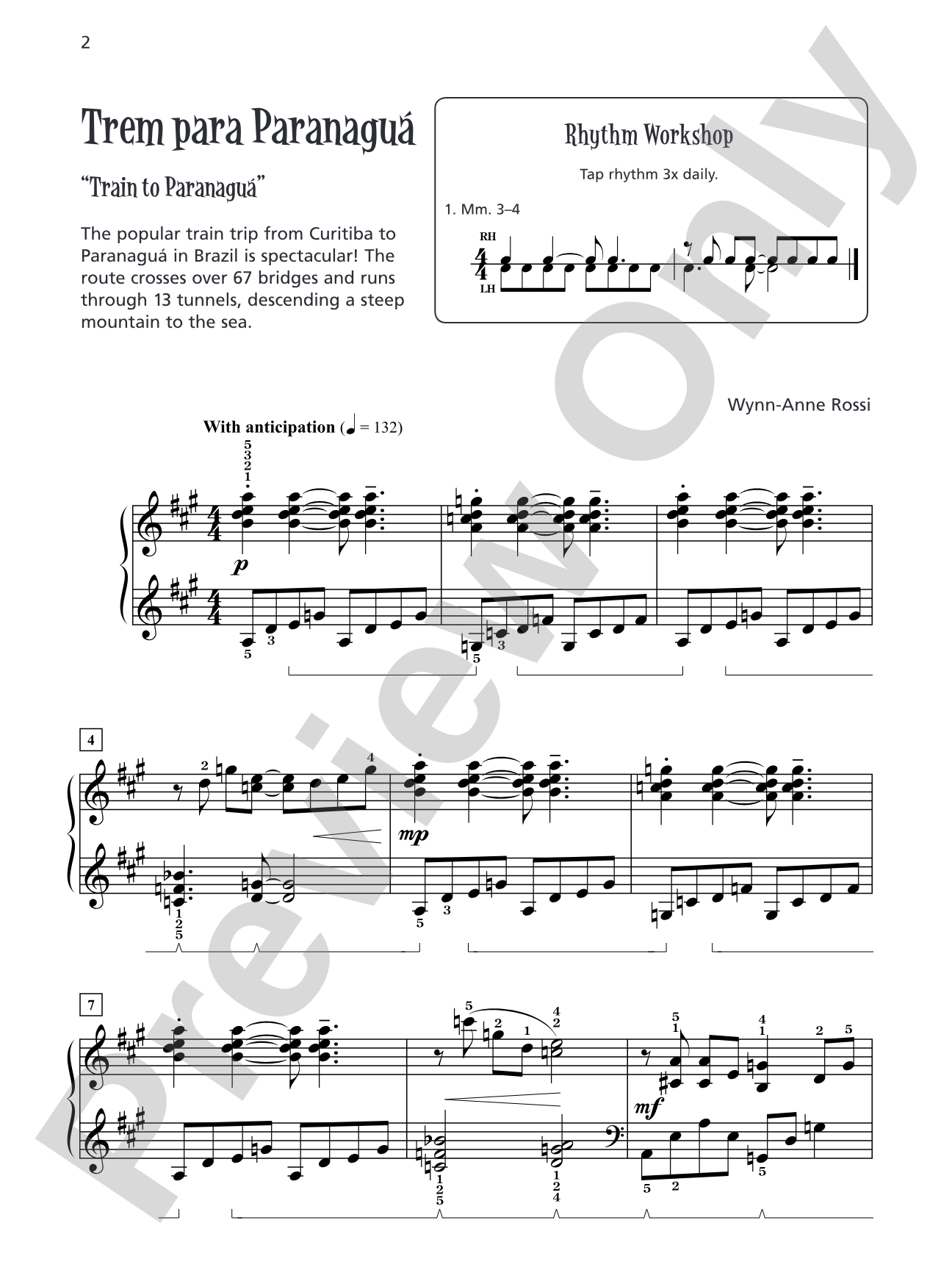
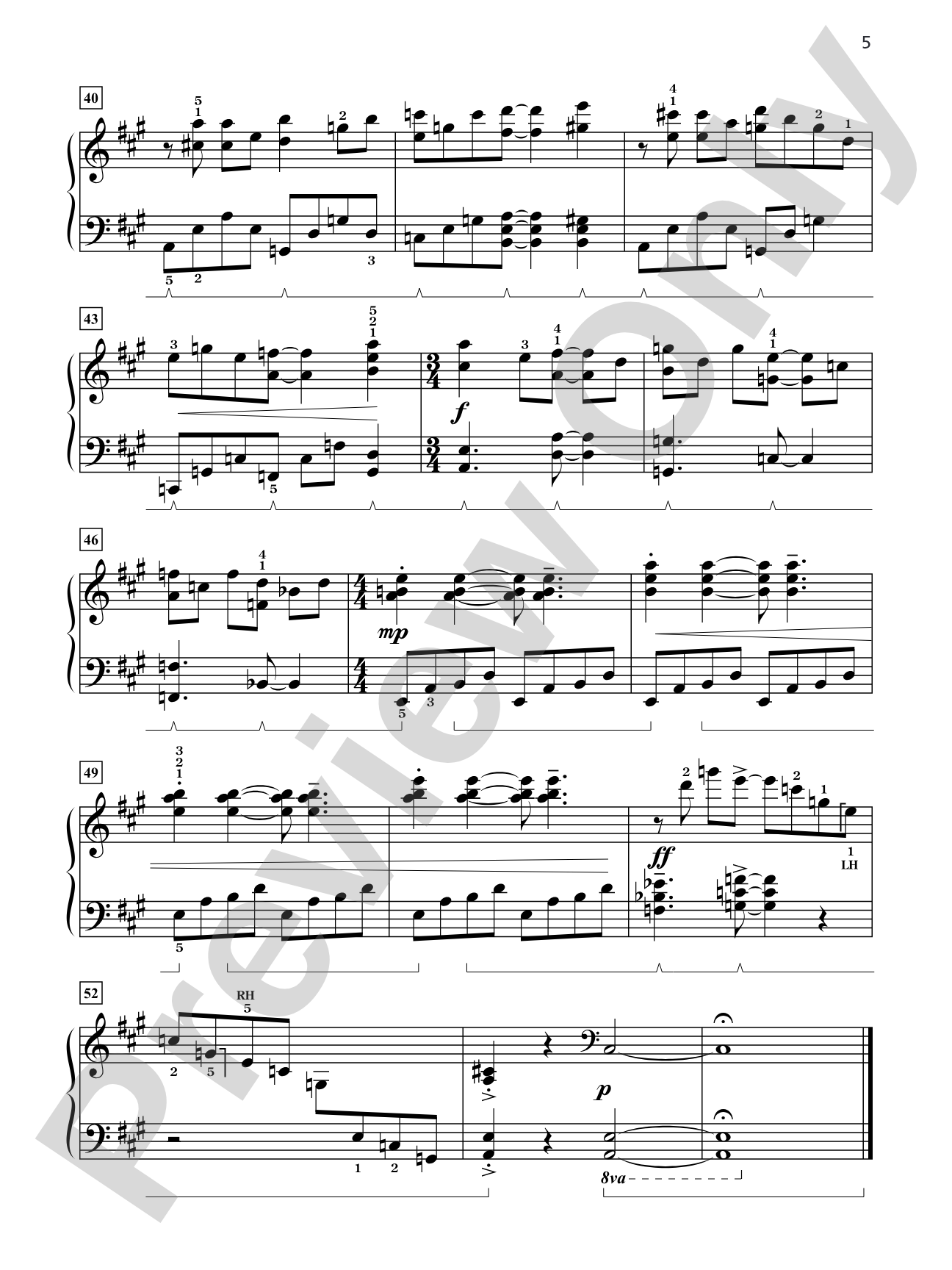
In the Música Latina series, students experience the rhythms, styles, and musical characteristics of Latin American music. Each piece begins with a short rhythm exercise that prepares students for the rhythm patterns featured in the piece. A brief description of each title helps spark the imagination of the performer. Book 4 is written for late intermediate-level piano students. Titles: Bosque nuboso * El mercado del puerto * Mambo para un mundo nuevo * Rumba medianoche * Trem para Paranaguá * Vals de un día Ilovioso. A Federation Festivals 2020-2024 selection.


Música Latina, Book 4: 6 Late Intermediate Piano Solos That Celebrate Latin American Styles: Piano isn't in MakeMusic Cloud just yet...but it could be. Let us know you'd like to see it, and you'll help shape what comes next. In the meantime, start a free trial and dive into thousands of interactive titles your students can play along with today.
Request This Title
Tell us you want it.
Start Your Free Trial
Explore everything that's ready to play right now.
Sample Audio
No sample audio found.
Sample Video
1 / 2
Additional Details
Series:
Música Latina
Publisher:
Alfred Music
Page Count:
24
SKU:
00-PB-0000744
More about this title
About the Composer: Wynn-Anne Rossi
Wynn-Anne Rossi is a composer and pianist whose work centers on making classical music accessible and engaging for young musicians. Her compositions span multiple genres and levels, with particular strength in pieces that connect students to world music traditions and cultural contexts beyond the Western classical canon.
Why we love this
Rossi builds Latin rhythms into the hands of late intermediate pianists without sacrificing musicality or authentic style. The rhythm preparation exercises at the start of each piece remove the typical stumbling block, letting students focus on phrasing and voicing rather than battling unfamiliar patterns. Six distinct pieces mean you can program them individually or together, and the Federation Festivals designation tells you the writing is both sturdy and rewarding.
What to expect
These pieces capture the warmth, movement, and diverse character of Latin American music: the mist and mystery of a cloud forest, the bustle and color of a port market, the infectious swagger of mambo, the sensuality of midnight rumba, the journey of a train, and the reflective romance of a rainy-day waltz. Each one opens a different door into the region's musical identity.
Who it's for
Late intermediate pianists ready to move beyond Romantic and contemporary Western styles and explore authentic Latin American idioms. Students preparing for recitals or festival performances benefit from the range of moods and the rhythmic clarity that comes from upfront preparation.
How to get the most out of it
- Work through the rhythm exercise before tackling the full piece; these aren't throwaway warm-ups but a direct map of what you'll encounter in the music.
- Let the provided descriptions ground your interpretation. "Bosque nuboso" and "Rumba medianoche" demand different moods, and reading these context clues shapes your tempo and articulation choices.
- Lean into the syncopation and cross-rhythms without rushing. Latin music lives in the pocket between predictable and surprising; commit to the written rhythms and the style emerges naturally.
- Attend to hand independence across pieces like "Mambo para un mundo nuevo" and "Vals de un día lluvioso," where the left hand carries both bass line and accompaniment rhythm while the right hand sings the melody.
How to use it
Use individual pieces to build out a recital that includes cultural variety, or perform two or three together as a thematic set that introduces audiences to Latin American piano styles. The collection works especially well in spring festivals and end-of-year recitals where performers want material that engages both student and listener.
Skills your students will build
- Syncopated rhythm patterns specific to Latin styles (mambo, rumba, vals)
- Left-hand independence in accompaniment patterns while the right hand carries melody
- Stylistic interpretation grounded in cultural context and descriptive language
- Articulation and phrasing choices that honor Latin American rhythmic traditions
- Reading and executing rhythm preparation exercises as a practice strategy