
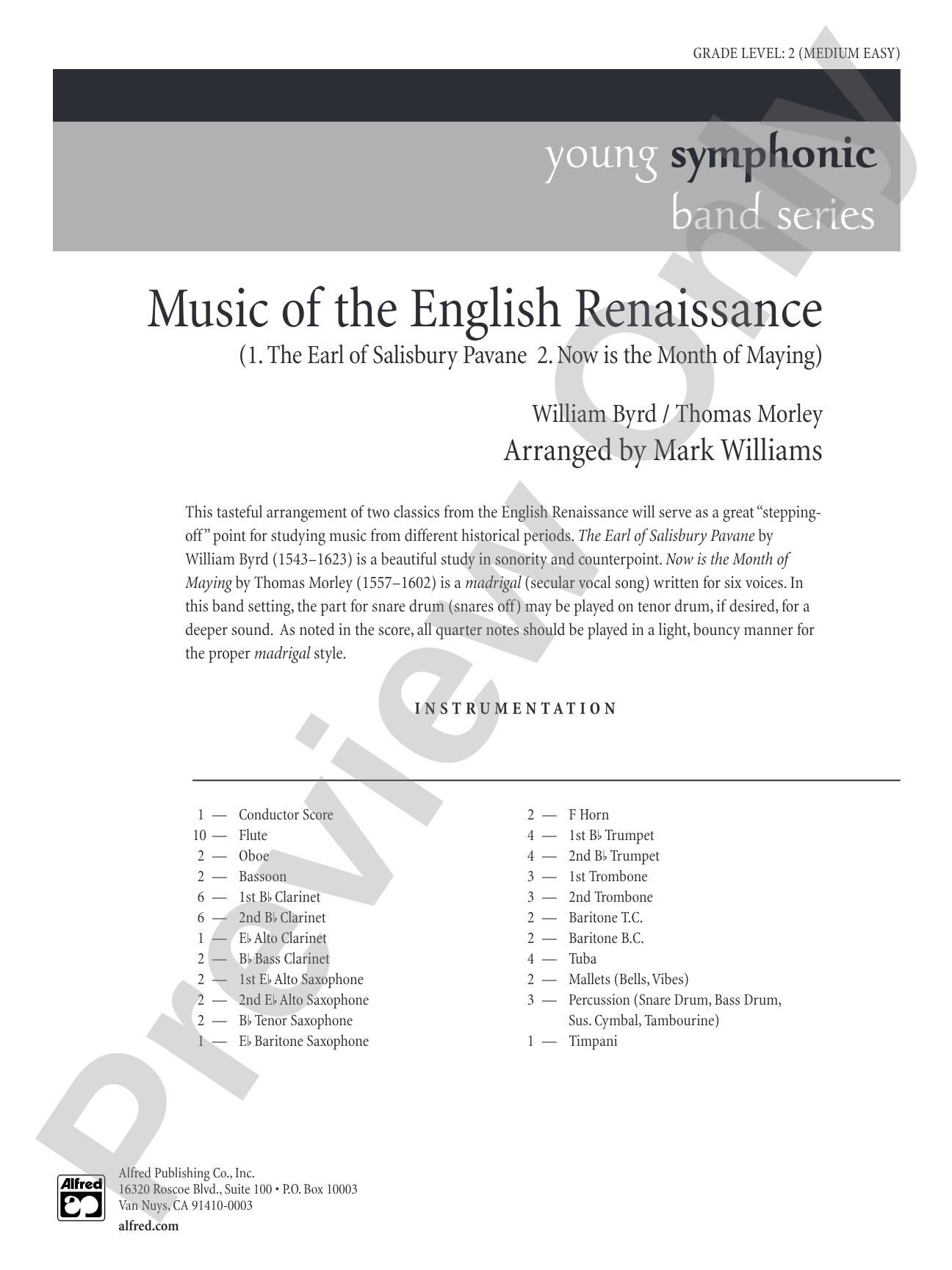
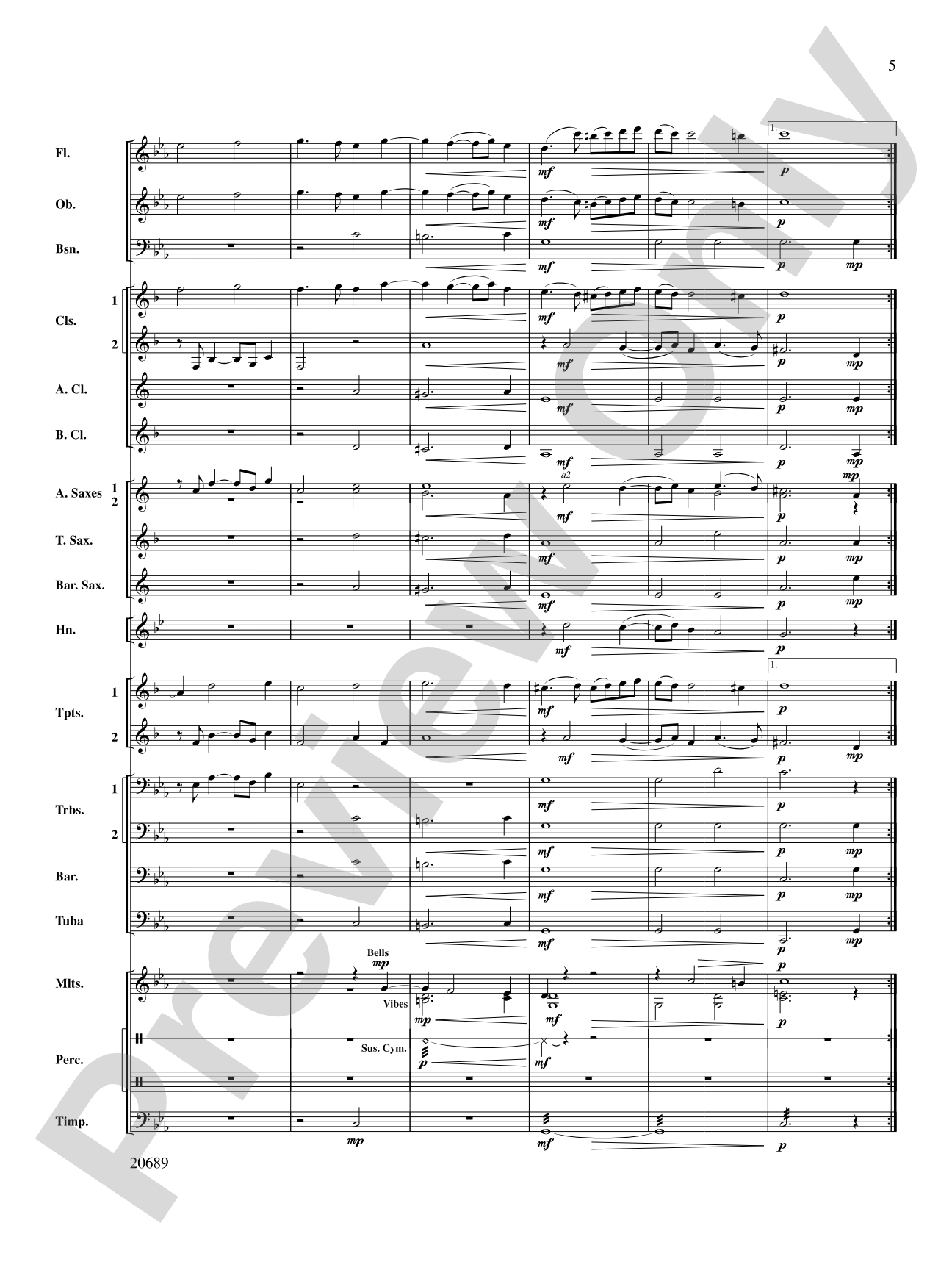
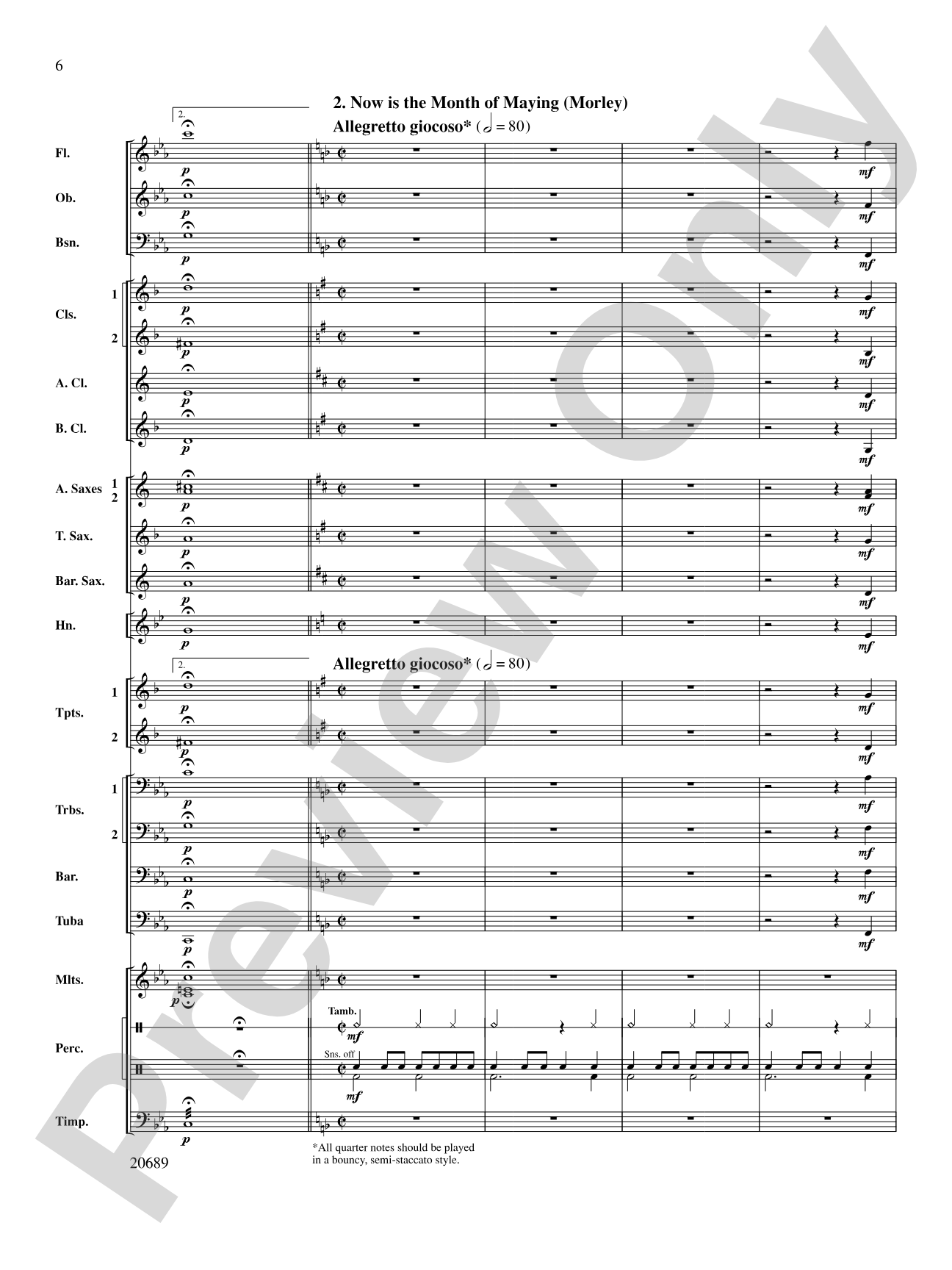
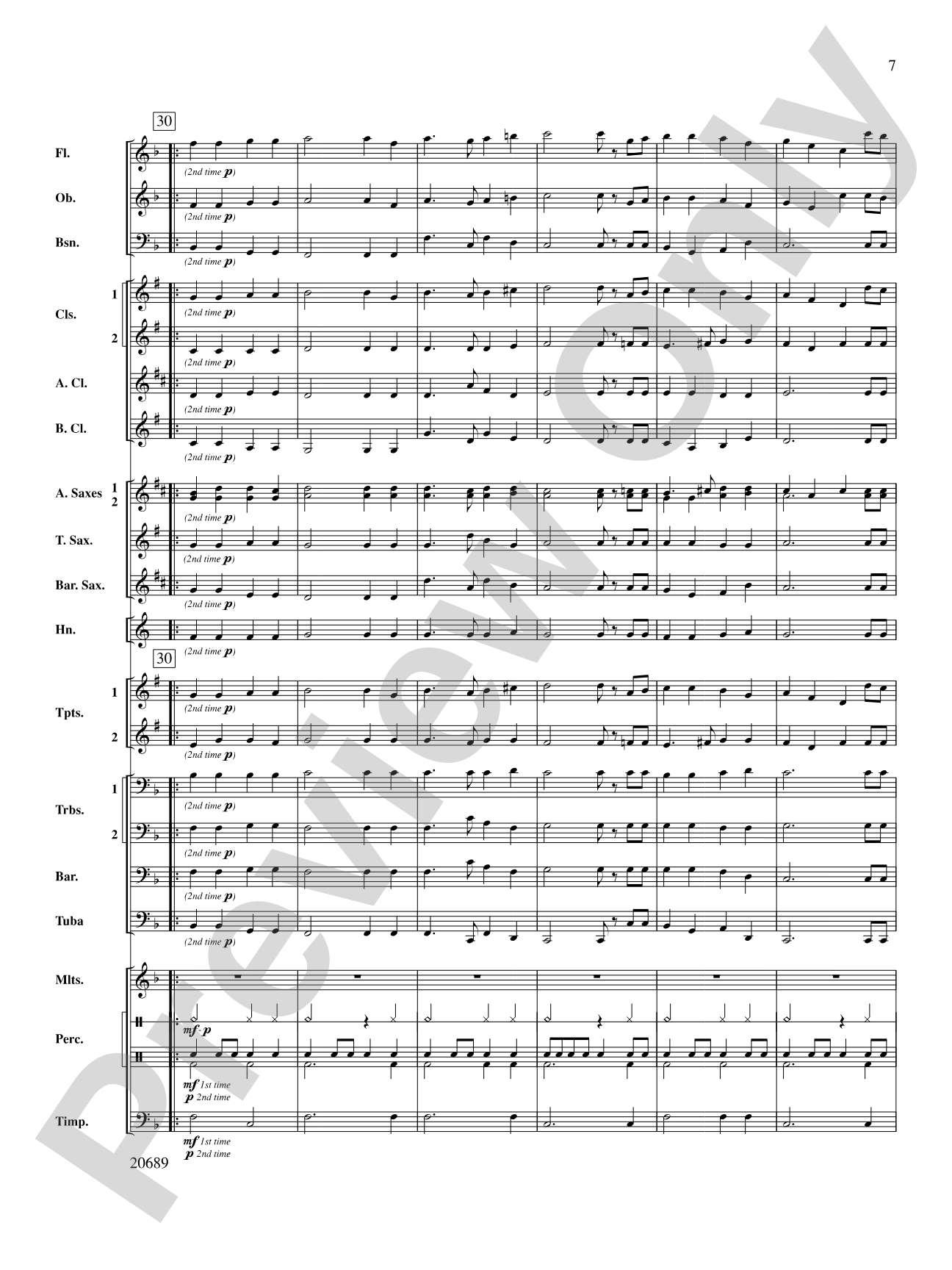
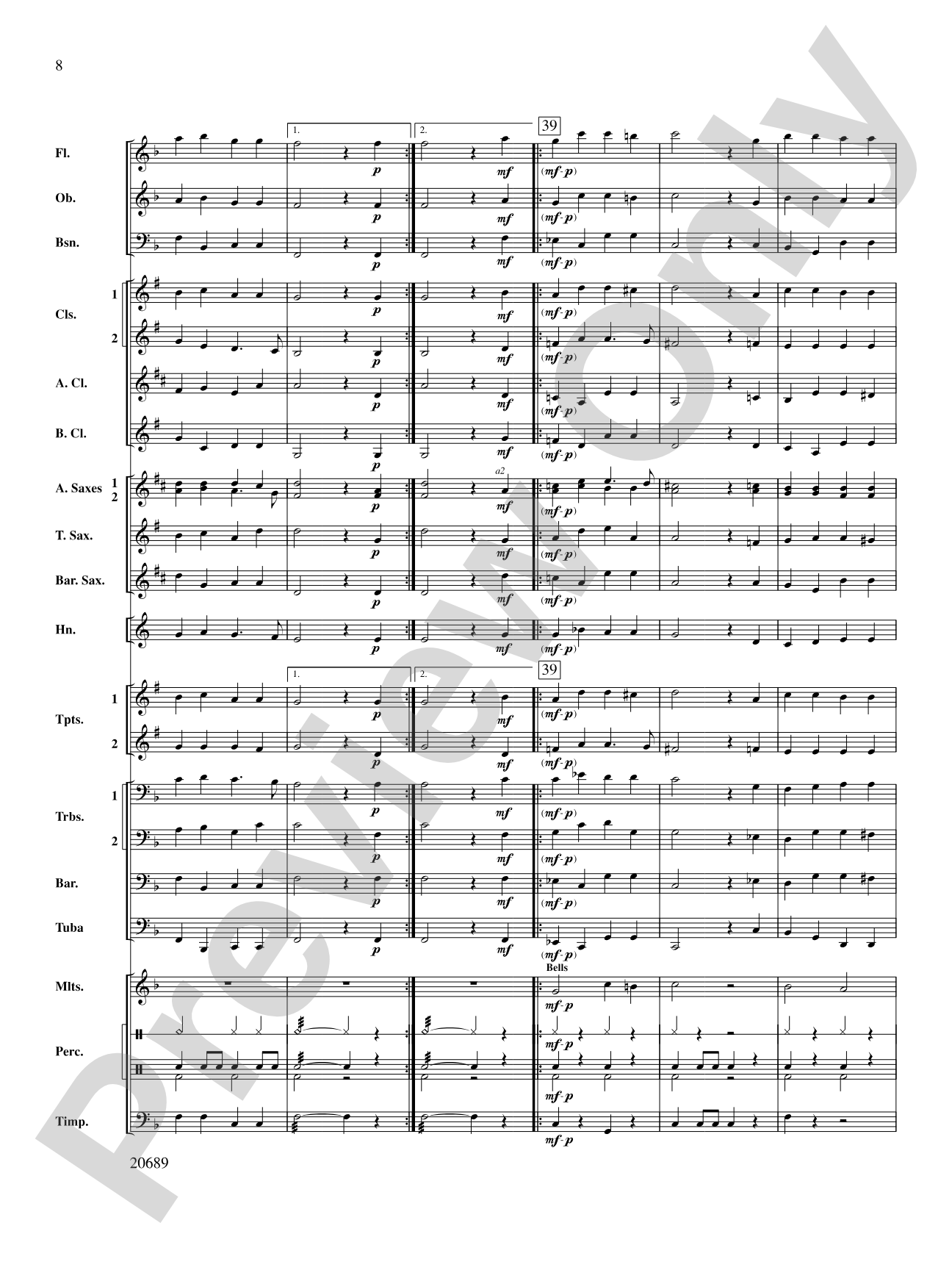
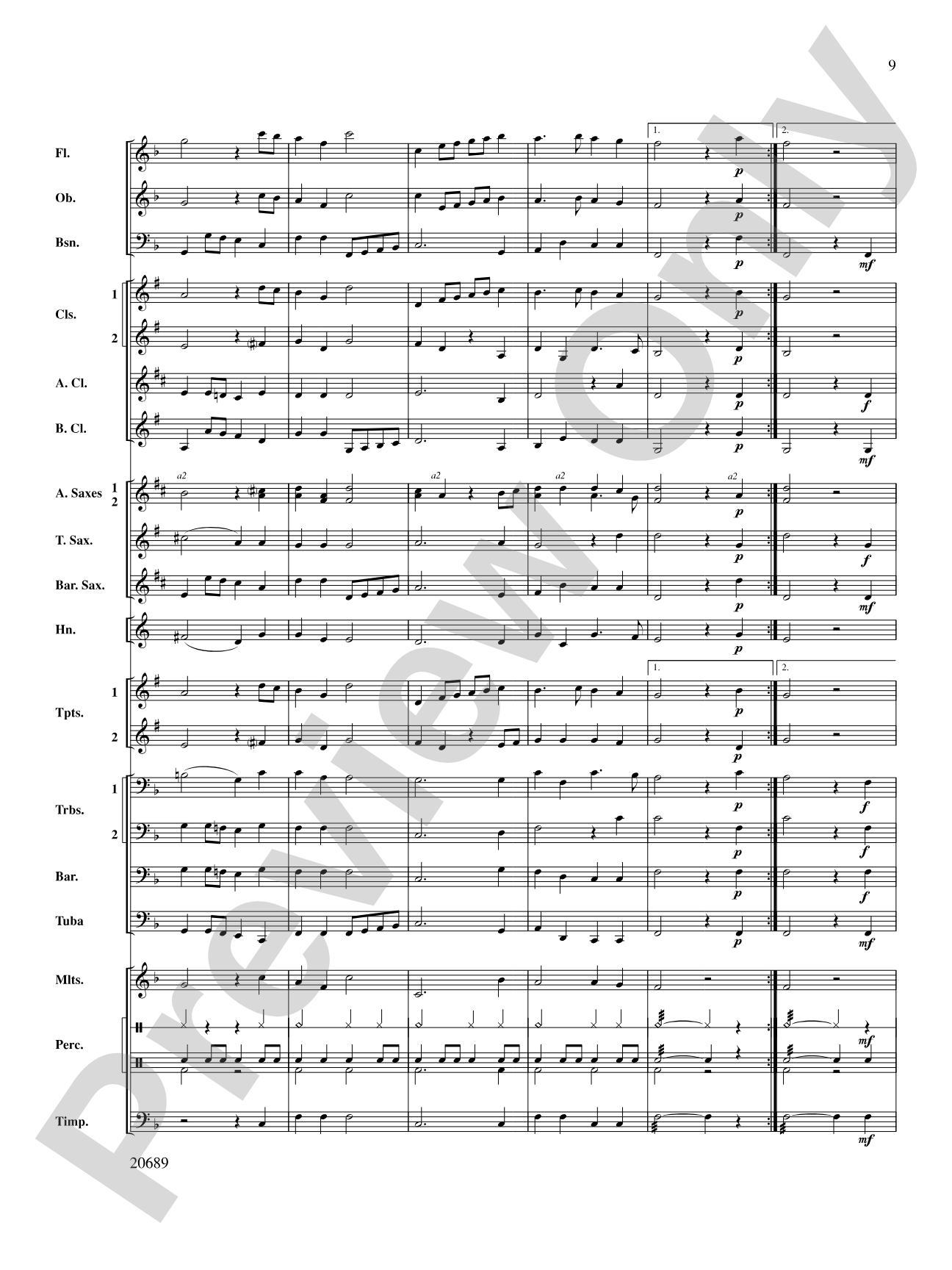
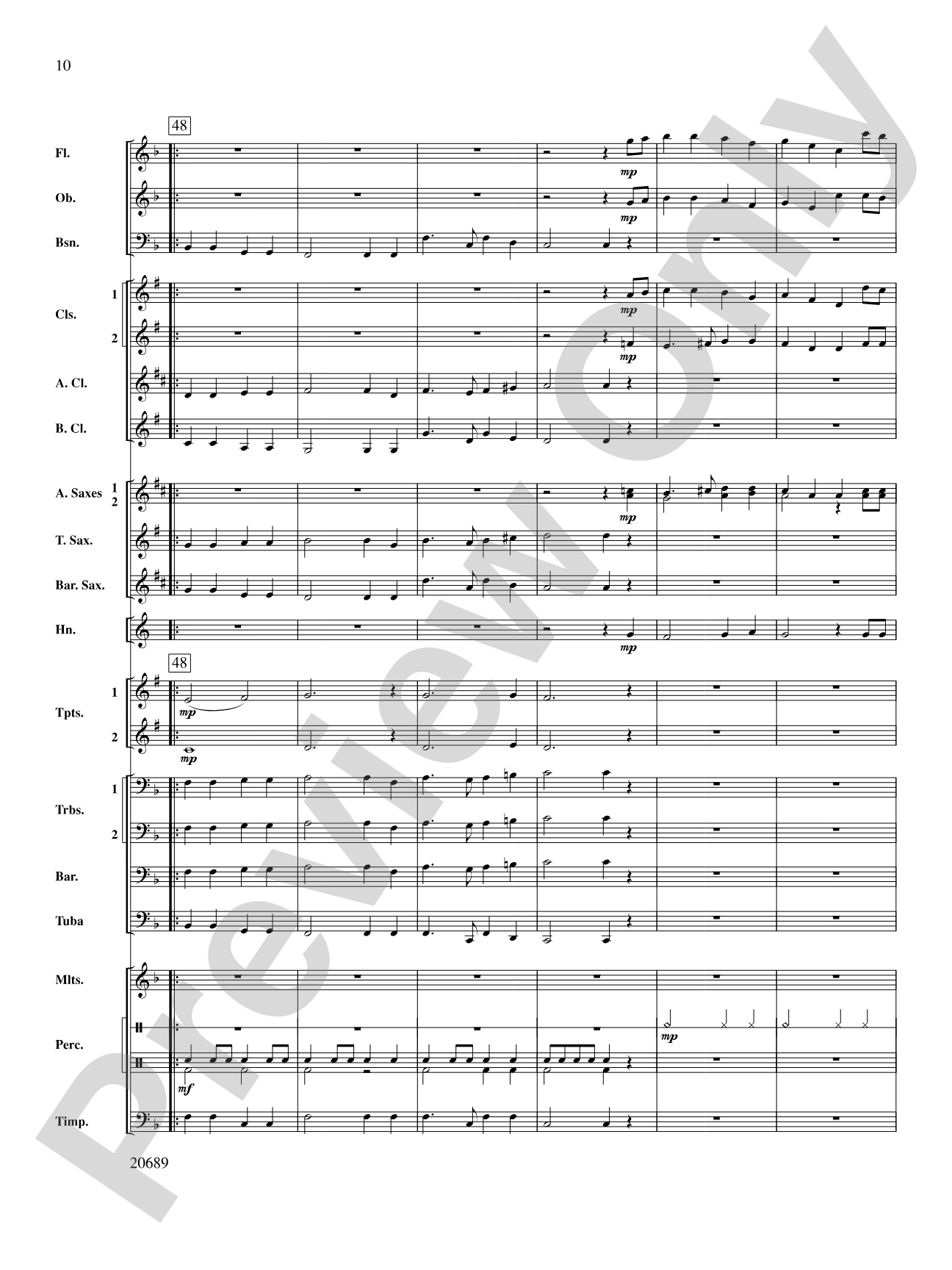
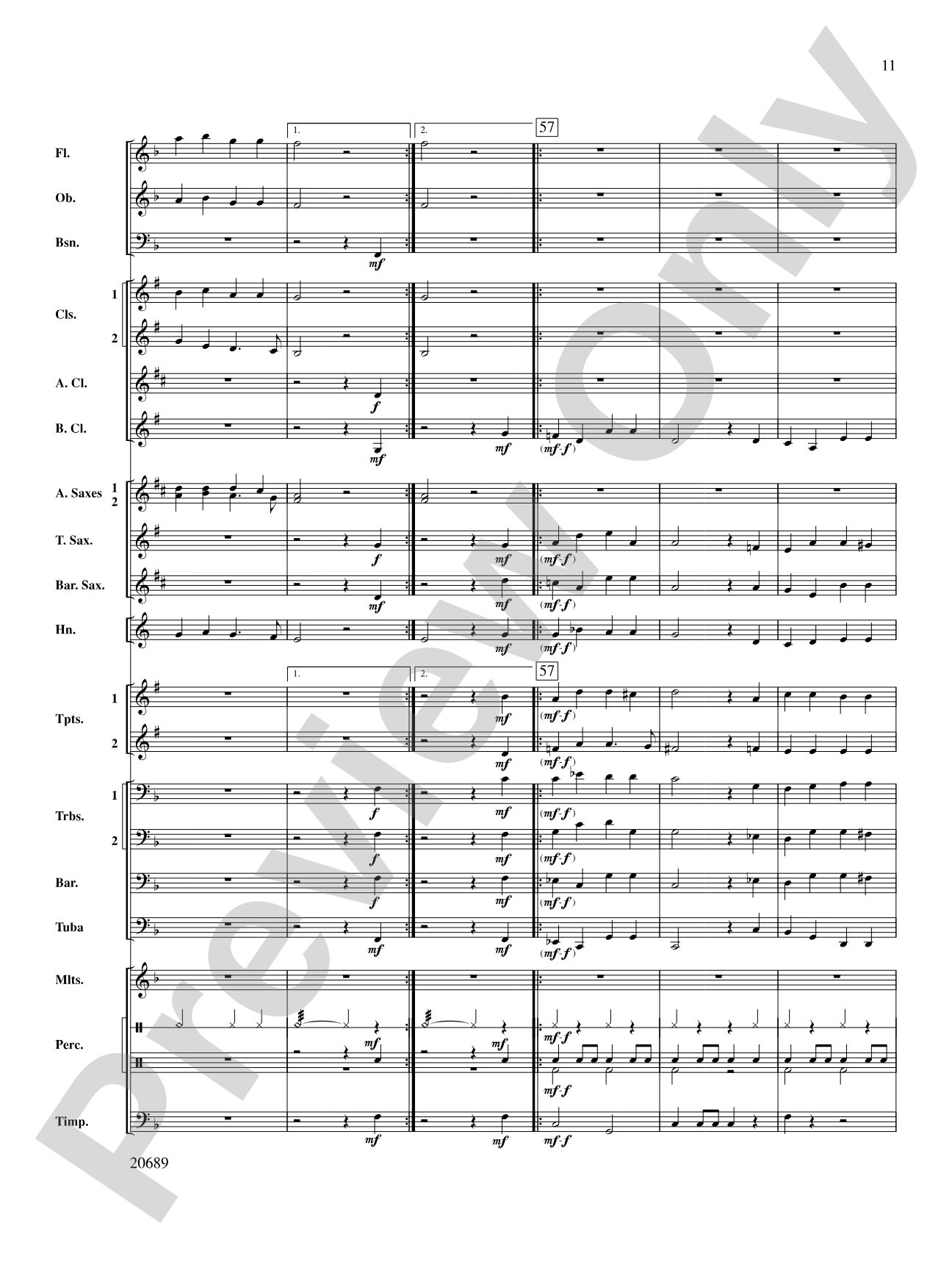
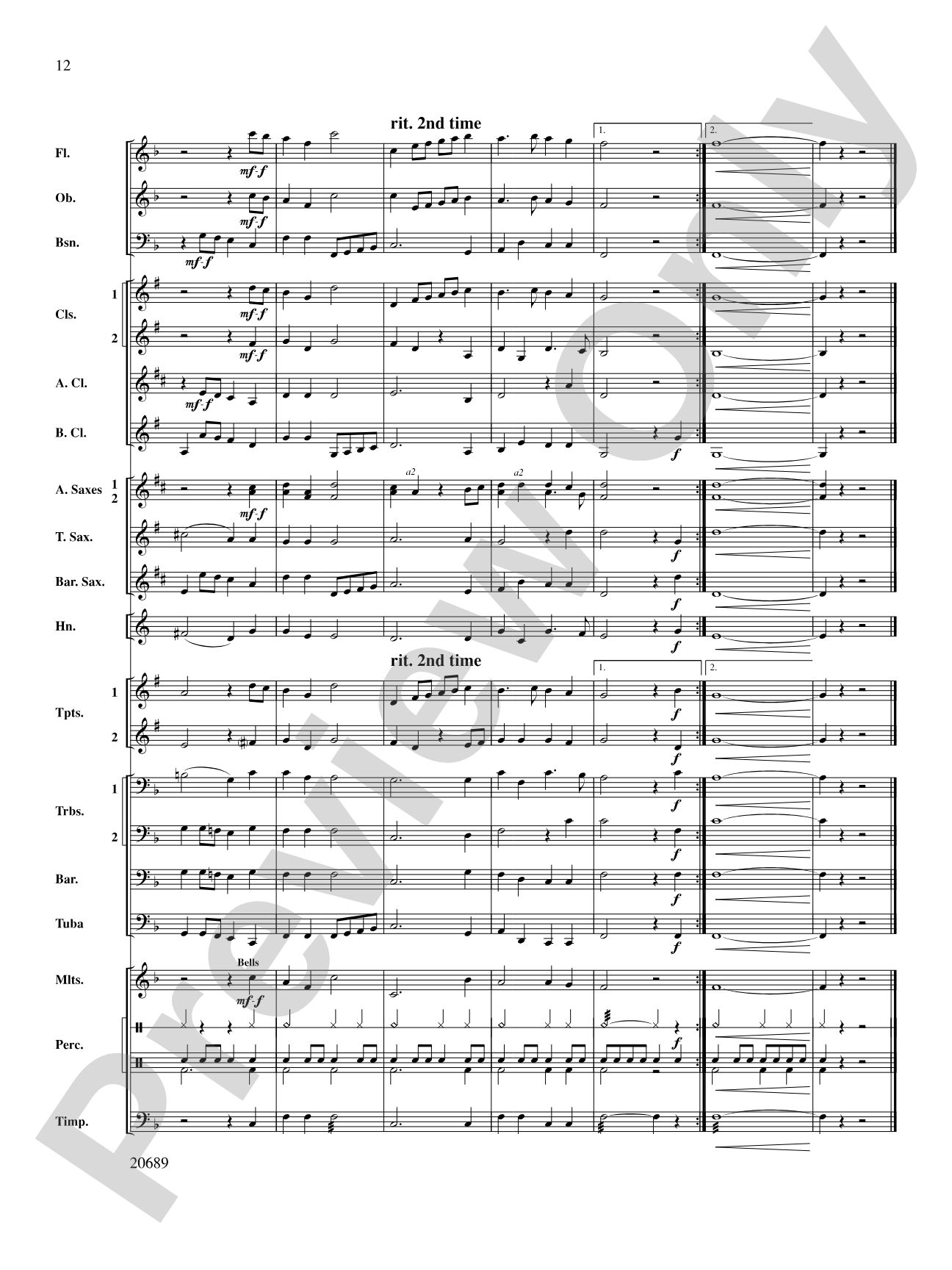

Music of the English Renaissance: Concert Band Conductor Score & Parts
(1. The Earl of Salisbury Pavane, 2. Now Is the Month of Maying)
Music by William Byrd and Thomas Morley / arr. Mark Williams
Grade: 2 (Medium Easy)
Item: 00-PK-0000443

$48.00
Pickup currently not available
Buy Extra Parts (Digital PDF Download)
Parts Added to Cart!
Description
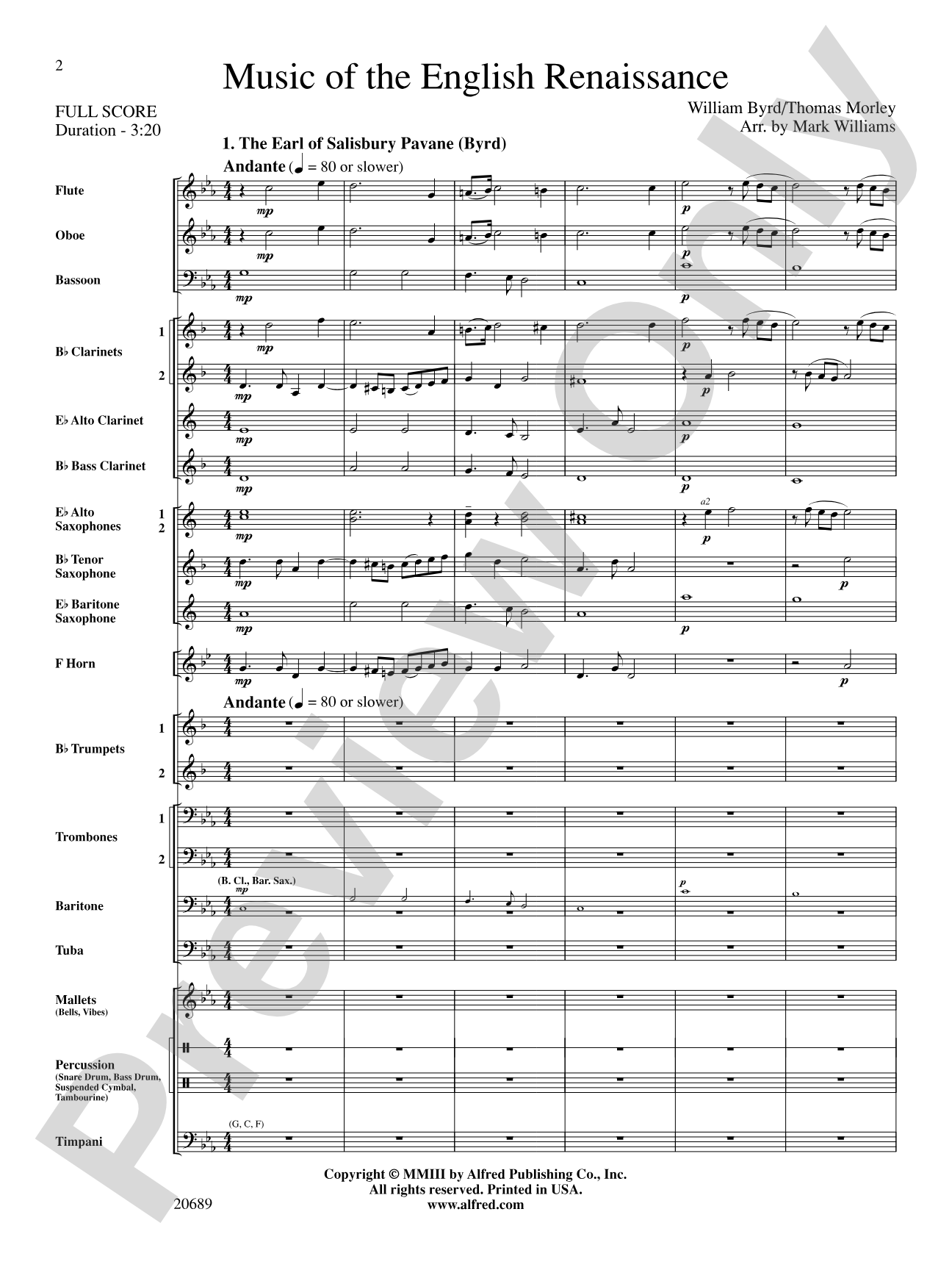
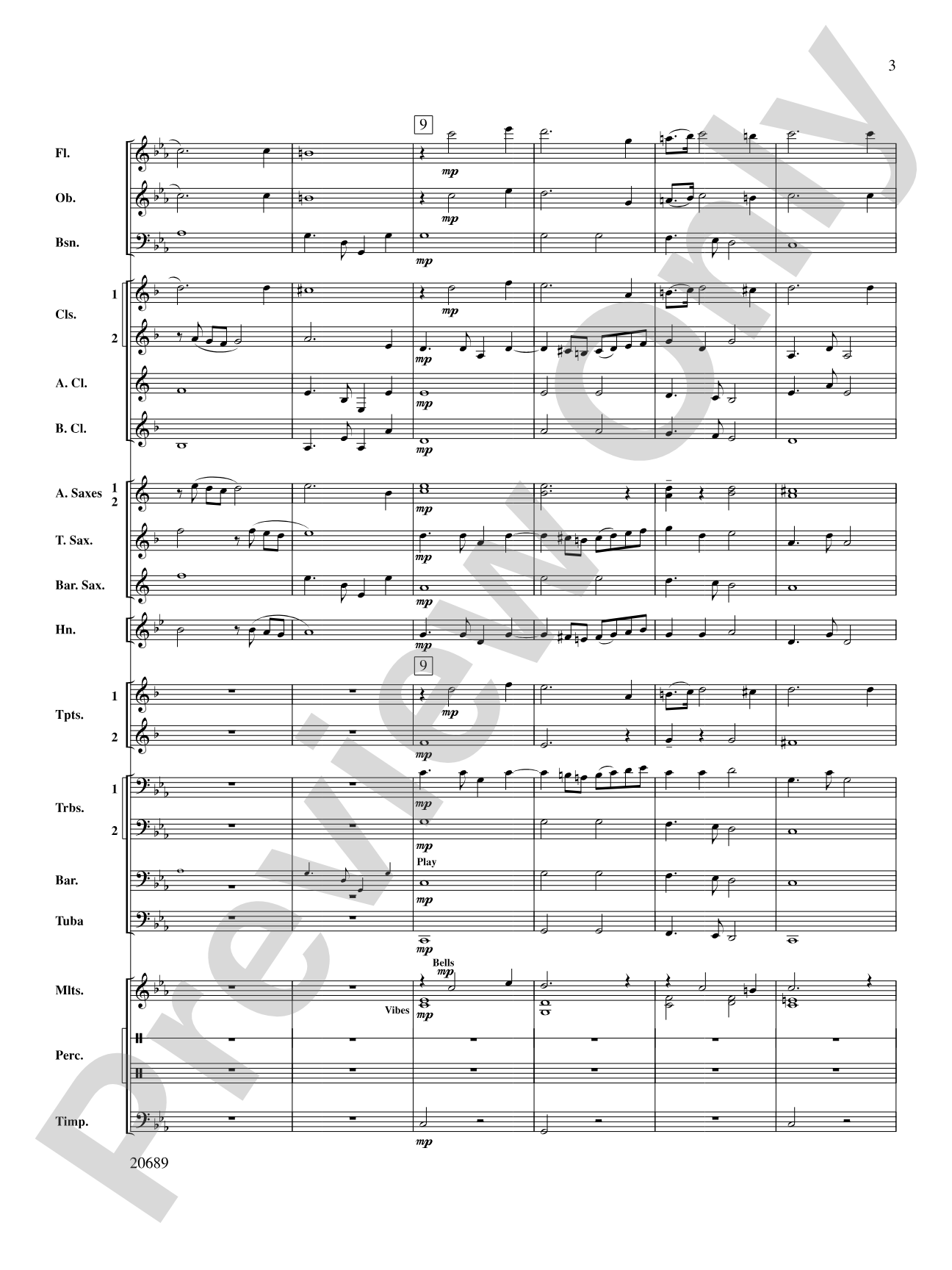
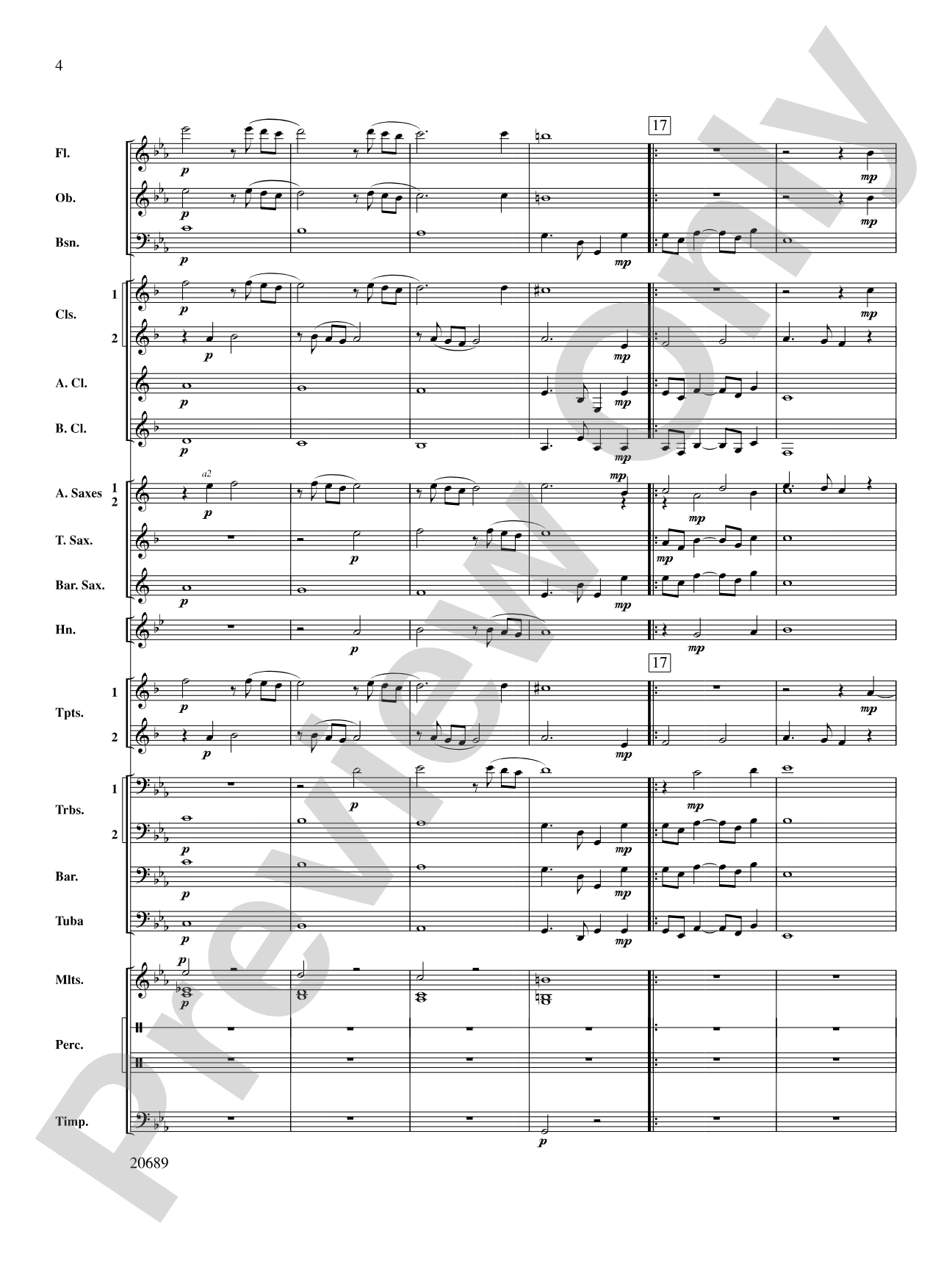
This tasteful arrangement of two classics from the English Renaissance will serve as a great "stepping-off" point for studying music from different historical periods. "The Earl of Salisbury Pavane" by William Byrd is a beautiful study in sonority and counterpoint. "Now Is the Month of Maying" by Thomas Morley is a madrigal written for six voices. A great addition to the young band repertoire.


Don't just read it, hear it, play along with it, and watch your students grow with it. In MakeMusic Cloud, Music of the English Renaissance: Concert Band Conductor Score & Parts comes alive with professional accompaniment, adjustable tempo, and built-in practice tools that turn solo practice into real progress.
Open in the Player
Jump straight in and assign it today.
Start Your Free Trial
Open this title and explore the full library in minutes.
Sample Audio
1
Audio File
--:--
0:00
0:00
Sample Video
No sample videos found.
Additional Details
Series:
Young Symphonic
Publisher:
Alfred Music
Page Count:
138
SKU:
00-PK-0000443
More about this title
About the Arranger: Mark Williams

Mark Williams shaped school band repertoire for generations through both his original compositions and his thoughtful arrangements of masterworks. A prolific voice in music education, he authored the Accent on Achievement Band Method alongside composing over 200 works for band, orchestra, and choir. His expertise spanned from the classroom (where he focused on elementary band in Washington state) to the concert stage, where he conducted the Spokane British Brass Band as its Artistic Director and performed regularly on bassoon.
Williams' influence extended far beyond his home region. As a clinician and guest conductor, he worked across 34 states, five Canadian provinces, and Australia, while also serving the 560th Air Force Band as woodwind performer and arranger. His contributions earned him recognition through the Western International Band Clinic's Gralia Competition and multiple ASCAP Special Awards. His educational background from Eastern Washington University informed an approach to arranging that balanced musical integrity with accessibility for young musicians.
Why we love this
Williams captures the essence of these Renaissance gems without overcomplicating them for young players. The two-piece pairing gives you immediate thematic variety within a single rehearsal and performance unit, making it ideal for introducing students to a historical period without requiring an entire concert devoted to one style. The writing highlights sonority and balance, which means your band gets valuable practice listening to themselves rather than chasing technical display.
What to expect
The Pavane unfolds with quiet grace and architectural clarity, each voice moving through contrapuntal space with deliberate purpose. 'Now Is the Month of Maying' shifts the mood to something brighter and more rhythmically animated, carrying the energy of a festive occasion while maintaining the elegant restraint that defines the period.
Who it's for
This arrangement serves Grade 2 bands ready to engage repertoire beyond functional exercises but not yet prepared for dense modern idioms. It works equally well for ensembles building a concert program around historical survey themes or for musicians encountering Renaissance style for the first time.
How to get the most out of it
- Shape the phrasing in the Pavane by treating each melodic line as a vocal gesture; emphasize the counterpoint so the individual voices remain audible even when the harmonic texture thickens.
- Balance the six-voice writing in 'Now Is the Month of Maying' by bringing out the principal melody while keeping inner voices transparent; this requires careful dynamic control across all sections rather than a uniform mezzo-forte.
- Let the slower harmonic rhythm of the Renaissance style breathe; resist the urge to rush between chord changes, which will highlight the compositional architecture Williams has preserved from the original.
- Use the key relationships and modal inflections as rehearsal landmarks; these will help students understand how Renaissance harmony differs from the diatonic progressions they encounter in more contemporary literature.
How to use it
Pair these pieces on a concert celebrating diverse historical periods, anchoring your Renaissance representation with two touchstones that illuminate both the introspective and celebratory sides of the era. The moderate difficulty level makes this ideal for mid-season programming, after your band has developed the sectional precision needed for transparent counterpoint but before festival deadlines demand attention elsewhere.
Skills your students will build
- Reading and balancing contrapuntal writing across multiple voice parts
- Maintaining steady harmonic rhythm and phrase architecture within Renaissance style
- Transparent dynamic control to differentiate principal lines from accompaniment voices
- Understanding modal tonality and Renaissance-era harmonic movement
- Listening skills focused on blend and sonority rather than technical display