

Music for Little Mozarts: Plush Toy -- Beethoven Bear: Piano Plush Toy
$9.99 USD
Sale price
$9.99 USD
Regular price
Skip to product information


Music for Little Mozarts: Plush Toy -- Beethoven Bear: Piano Plush Toy
By Christine H. Barden, Gayle Kowalchyk, and E. L. Lancaster
Level: 1, 2, 3 & 4
Item: 00-14654
$9.99
One moment…
Description
Introduced in Lesson Book 1, Beethoven Bear is an inquisitive toy who lives in a big house with two children, plus their toys. According to the little bear and his friend Mozart Mouse, the most wonderful thing in the whole house is the piano. They like to hop on the keys and make beautiful sounds. Beethoven likes low sounds best. The course centers on the adventures of Beethoven Bear™ and Mozart Mouse™ as they learn about music. The plush animals of the two characters are integral to making the course fun for young students. 5 inches tall.


Music for Little Mozarts: Plush Toy -- Beethoven Bear: Piano Plush Toy isn't in MakeMusic Cloud just yet...but it could be. Let us know you'd like to see it, and you'll help shape what comes next. In the meantime, start a free trial and dive into thousands of interactive titles your students can play along with today.
Request This Title
Tell us you want it.
Start Your Free Trial
Explore everything that's ready to play right now.
Sample Pages
No sample pages found.
Sample Audio
No sample audio found.
Sample Video
No sample videos found.
Additional Details
More about this title
About the Authors
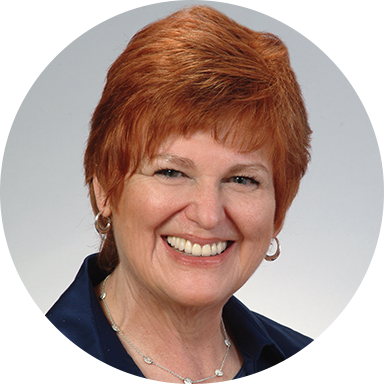
Christine H. Barden stands as a leading voice in early childhood music education and co-authored Alfred's Music for Little Mozarts preschool piano method. Based in Reno, Nevada, she maintains a thriving independent piano teaching studio where she instructs numerous award-winning students in piano, composition, and Music for Little Mozarts classes for young learners.
Her professional credentials include a piano performance degree from San Francisco State University, where she studied under Vladimir Brenner, a piano soloist with the NBC Symphony Orchestra. Barden spent four years in Europe developing her skills through study, performance, and teaching. She was among the first American educators to train with Yamaha Music Foundation instructors in Japan and subsequently served as a national staff member with Yamaha for 17 years, eventually holding positions as Director of Curriculum and National Chief Instructor for the Yamaha Music Education System.
As a sought-after clinician, Barden has conducted workshops for piano teachers at conferences across the United States and internationally in England, Norway, and Singapore. Her published compositions through Alfred include the Music for Little Mozarts series and several piano solos, notably "Etude Toccata," which was selected as a National Federation of Music Club's Junior Festival piece.
Her professional credentials include a piano performance degree from San Francisco State University, where she studied under Vladimir Brenner, a piano soloist with the NBC Symphony Orchestra. Barden spent four years in Europe developing her skills through study, performance, and teaching. She was among the first American educators to train with Yamaha Music Foundation instructors in Japan and subsequently served as a national staff member with Yamaha for 17 years, eventually holding positions as Director of Curriculum and National Chief Instructor for the Yamaha Music Education System.
As a sought-after clinician, Barden has conducted workshops for piano teachers at conferences across the United States and internationally in England, Norway, and Singapore. Her published compositions through Alfred include the Music for Little Mozarts series and several piano solos, notably "Etude Toccata," which was selected as a National Federation of Music Club's Junior Festival piece.
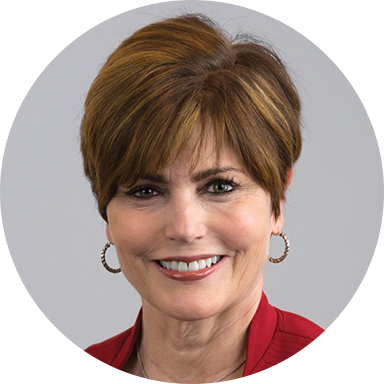
Dr. Gayle Kowalchyk is a piano educator and clinician currently teaching class piano, piano performance, and piano pedagogy at California State University, Northridge. She earned her bachelor's degree in piano performance from Ohio University, her master's degree in piano performance and pedagogy from Northwestern University, and her doctorate in piano pedagogy from Teachers College at Columbia University.
Throughout her career, Dr. Kowalchyk has held faculty positions at Eastern Illinois University, where she coordinated the class piano program and directed the preparatory piano program; Oklahoma Baptist University; and the University of Oklahoma. She spent summers from 1979 to 1982 teaching class piano and ensemble at the National Music Camp in Interlochen, Michigan. With her husband, Dr. E. L. Lancaster, she has co-authored over 300 educational piano publications, including Alfred's Premier Piano Course and Music for Little Mozarts.
As a clinician and adjudicator, Dr. Kowalchyk regularly presents at major professional conferences including the Music Teachers National Association, the Music Educators National Conference, the National Piano Teachers Institute, and the World Piano Pedagogy Conference. She and her husband operated an independent piano studio in Norman, Oklahoma from 1981 to 1996. Today she resides in the Los Angeles area, where she continues teaching piano and serves as a clinician for Alfred Music.
Throughout her career, Dr. Kowalchyk has held faculty positions at Eastern Illinois University, where she coordinated the class piano program and directed the preparatory piano program; Oklahoma Baptist University; and the University of Oklahoma. She spent summers from 1979 to 1982 teaching class piano and ensemble at the National Music Camp in Interlochen, Michigan. With her husband, Dr. E. L. Lancaster, she has co-authored over 300 educational piano publications, including Alfred's Premier Piano Course and Music for Little Mozarts.
As a clinician and adjudicator, Dr. Kowalchyk regularly presents at major professional conferences including the Music Teachers National Association, the Music Educators National Conference, the National Piano Teachers Institute, and the World Piano Pedagogy Conference. She and her husband operated an independent piano studio in Norman, Oklahoma from 1981 to 1996. Today she resides in the Los Angeles area, where she continues teaching piano and serves as a clinician for Alfred Music.
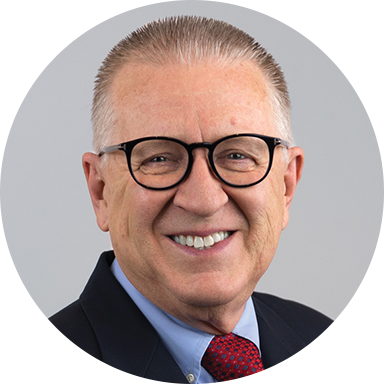
E. L. Lancaster served as Executive Editor of Piano for Alfred Music and maintains an adjunct faculty position in piano at California State University, Northridge. He earned degrees from Murray State University and the University of Illinois, culminating in a Ph.D. from Northwestern University.
For nearly two decades, Dr. Lancaster was Professor of Music at the University of Oklahoma, Norman, where he established the university's master's and doctoral programs in piano pedagogy in 1980. He guided more than 50 doctoral candidates through their dissertations and directed the Piano Pedagogy Laboratory Program for pre-college students. His teaching excellence earned him multiple honors, including the Regents Award for Superior Teaching (1984), the David Ross Boyd Professorship (1991), an Associated Distinguished Lectureship (1987), and the Provost's Outstanding Academic Advising Award (1996).
Beyond academia, Dr. Lancaster has held prominent leadership roles in music education organizations, serving as National Chairman of Group Piano and National Chairman of Student Chapters for MTNA, as well as 2020 National Conference Chair. He also participated in the National Conference on Piano Pedagogy's Administration and Pedagogy Liaison Committee. Between 1981 and 1996, he and his wife, Dr. Gayle Kowalchyk, operated a large independent piano studio in Norman. In 2013, Phi Mu Alpha Sinfonia recognized him as a Signature Sinfonian, and Murray State University honored him with its 2014 Distinguished Alumnus Award.
For nearly two decades, Dr. Lancaster was Professor of Music at the University of Oklahoma, Norman, where he established the university's master's and doctoral programs in piano pedagogy in 1980. He guided more than 50 doctoral candidates through their dissertations and directed the Piano Pedagogy Laboratory Program for pre-college students. His teaching excellence earned him multiple honors, including the Regents Award for Superior Teaching (1984), the David Ross Boyd Professorship (1991), an Associated Distinguished Lectureship (1987), and the Provost's Outstanding Academic Advising Award (1996).
Beyond academia, Dr. Lancaster has held prominent leadership roles in music education organizations, serving as National Chairman of Group Piano and National Chairman of Student Chapters for MTNA, as well as 2020 National Conference Chair. He also participated in the National Conference on Piano Pedagogy's Administration and Pedagogy Liaison Committee. Between 1981 and 1996, he and his wife, Dr. Gayle Kowalchyk, operated a large independent piano studio in Norman. In 2013, Phi Mu Alpha Sinfonia recognized him as a Signature Sinfonian, and Murray State University honored him with its 2014 Distinguished Alumnus Award.