



Music for a Found Harmonium: String Orchestra Conductor Score & Parts
By Simon Jeffes / arr. Andrew H. Dabczynski
Grade: 2.5
Item: 00-PK-0000970

$60.00
One moment…
Description
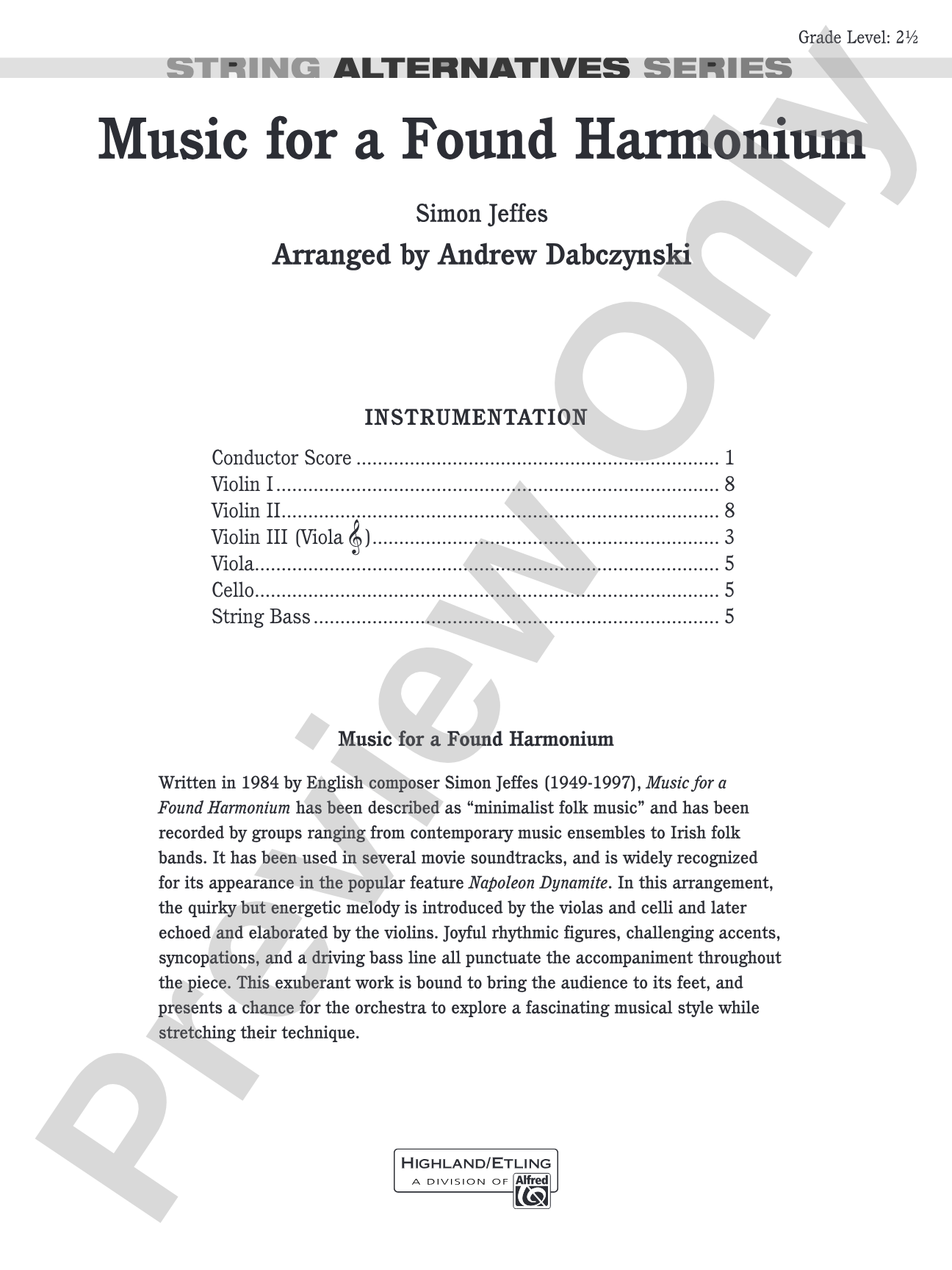
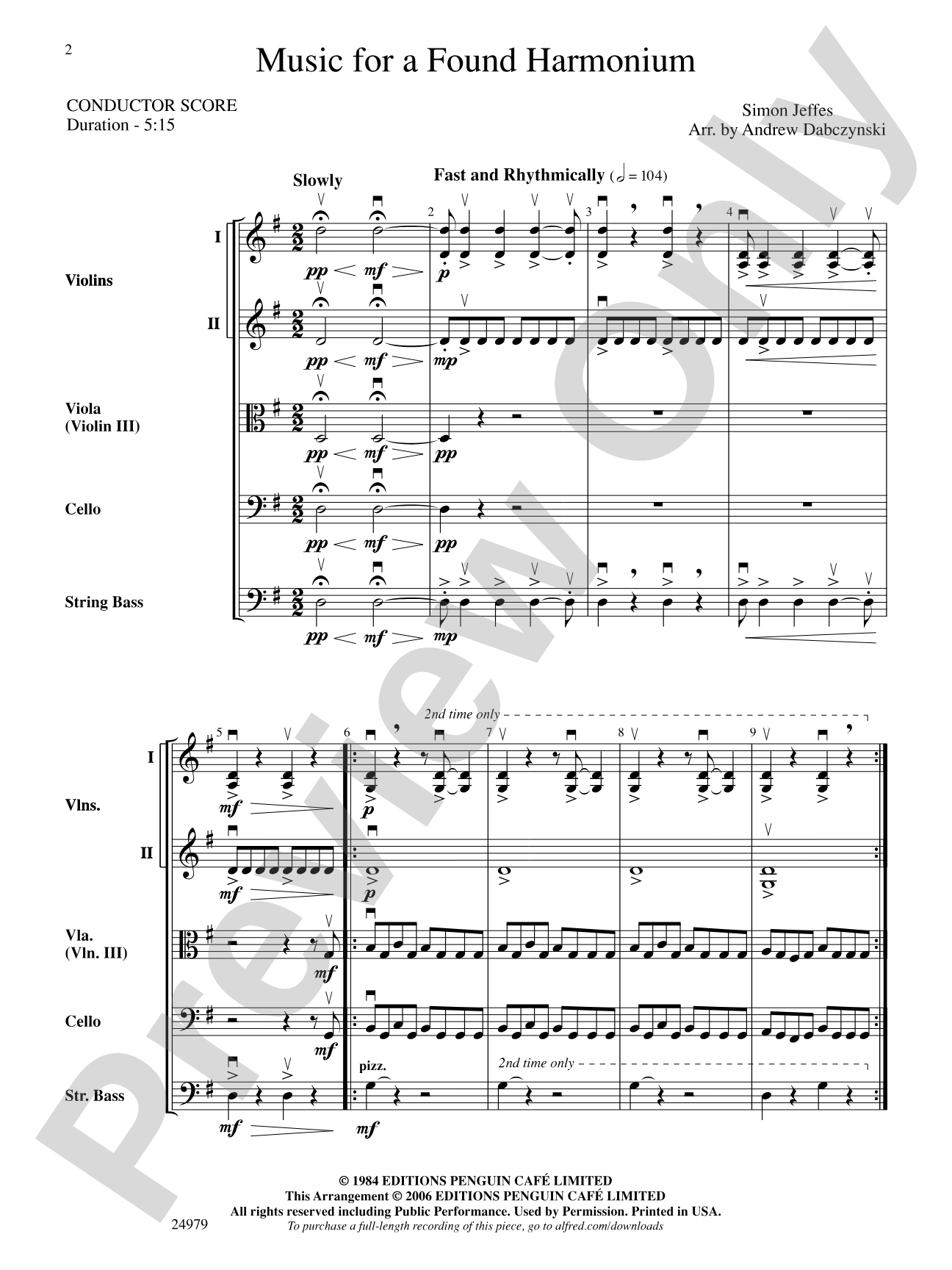
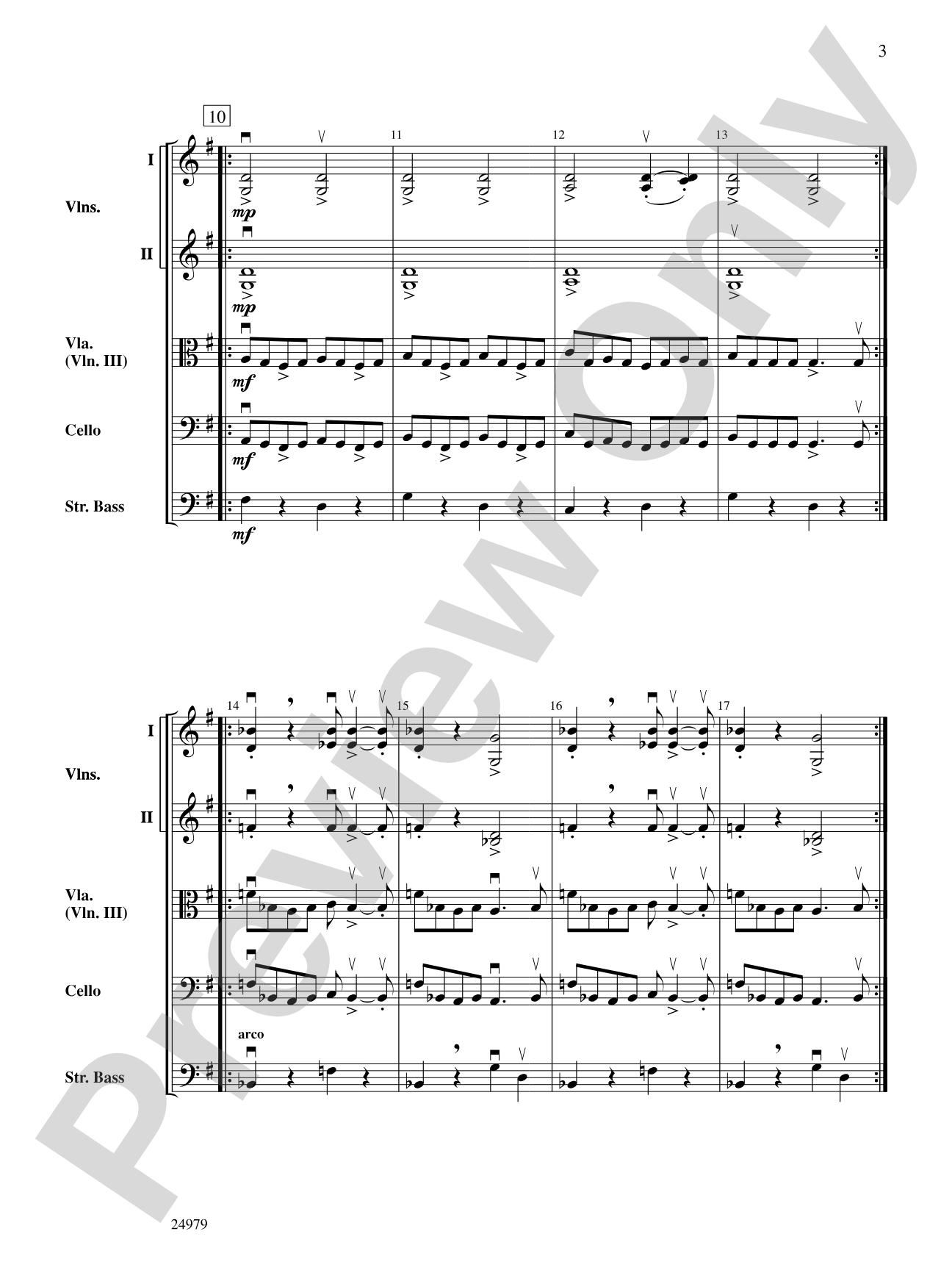
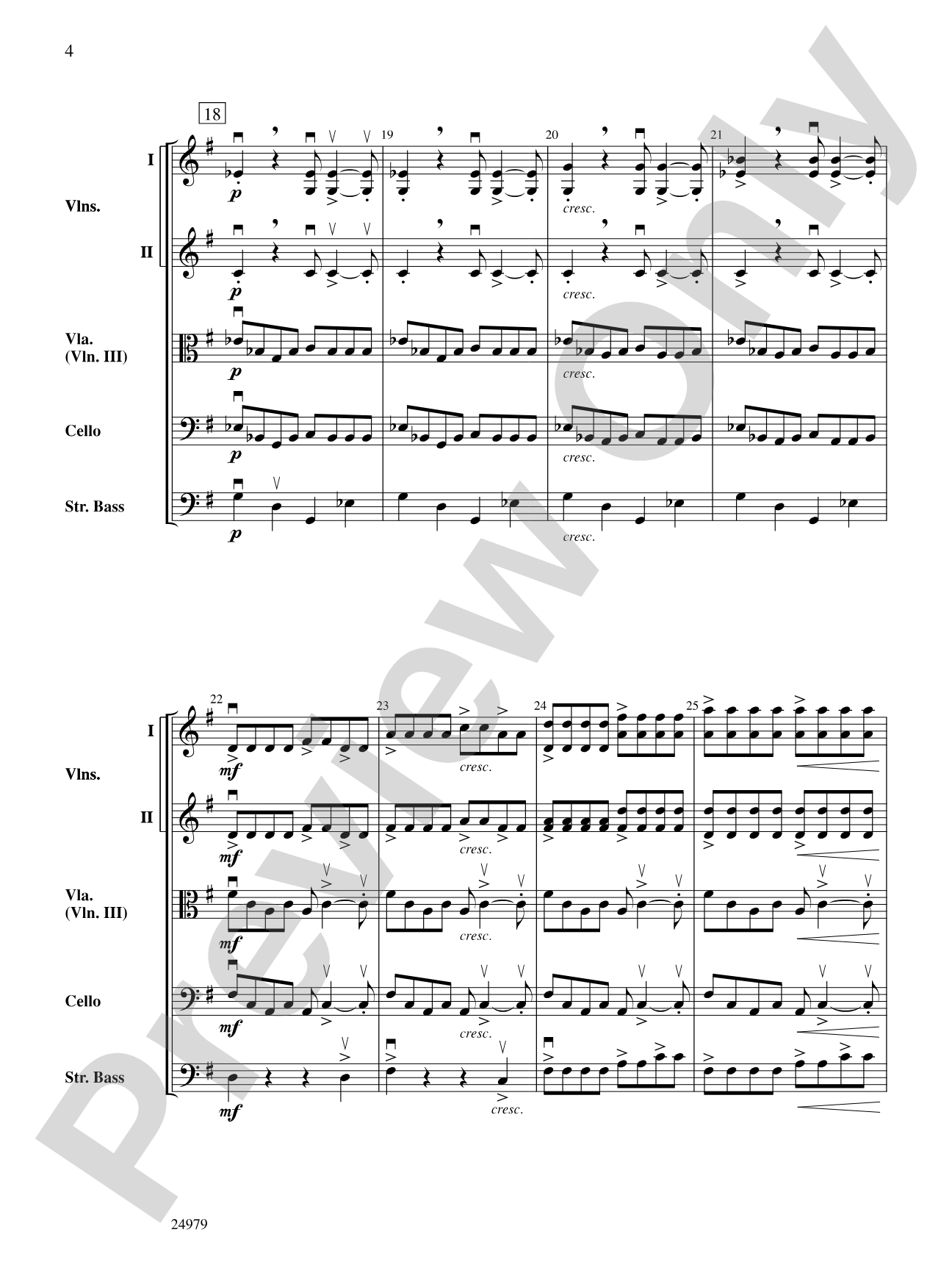
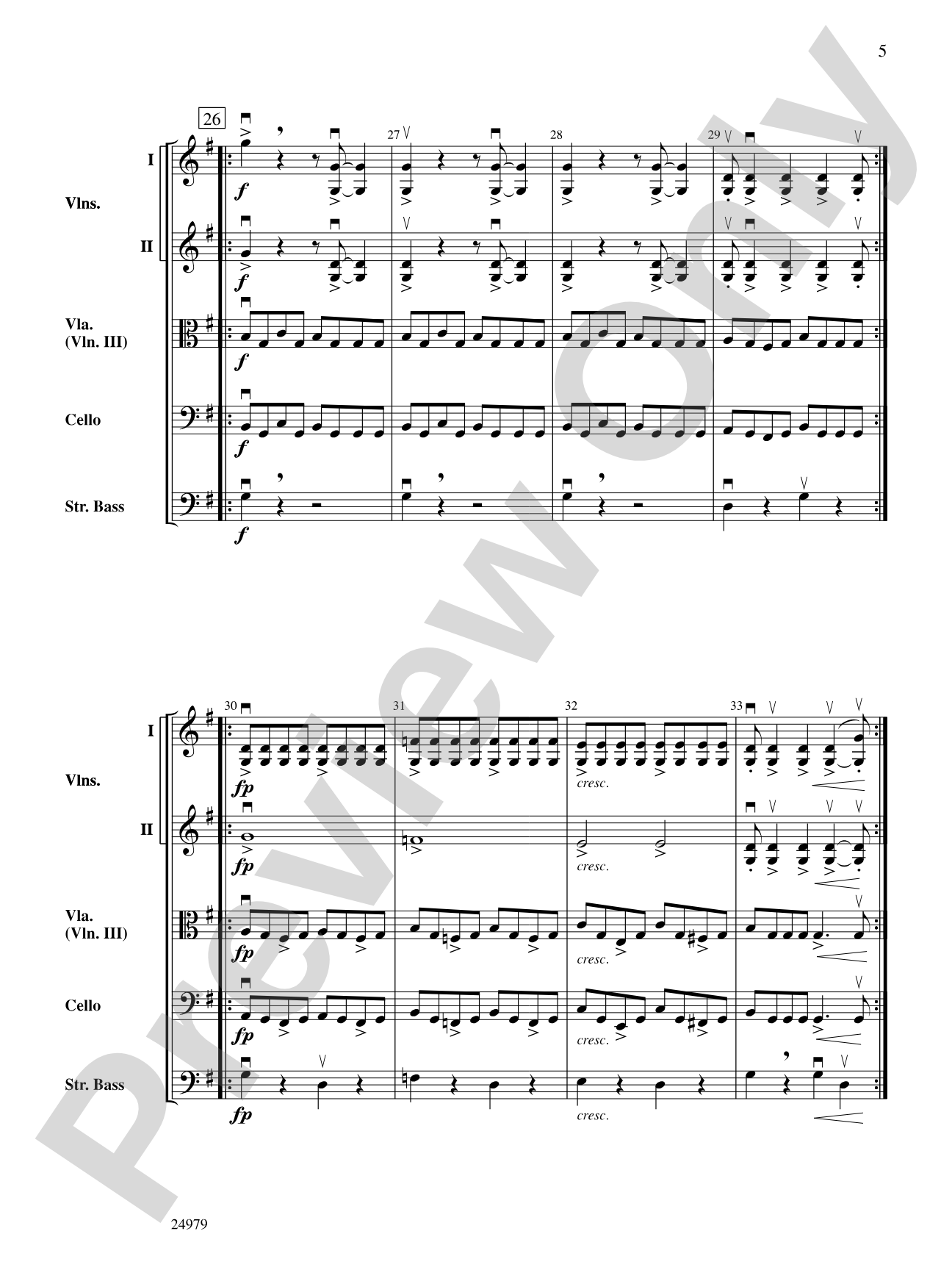
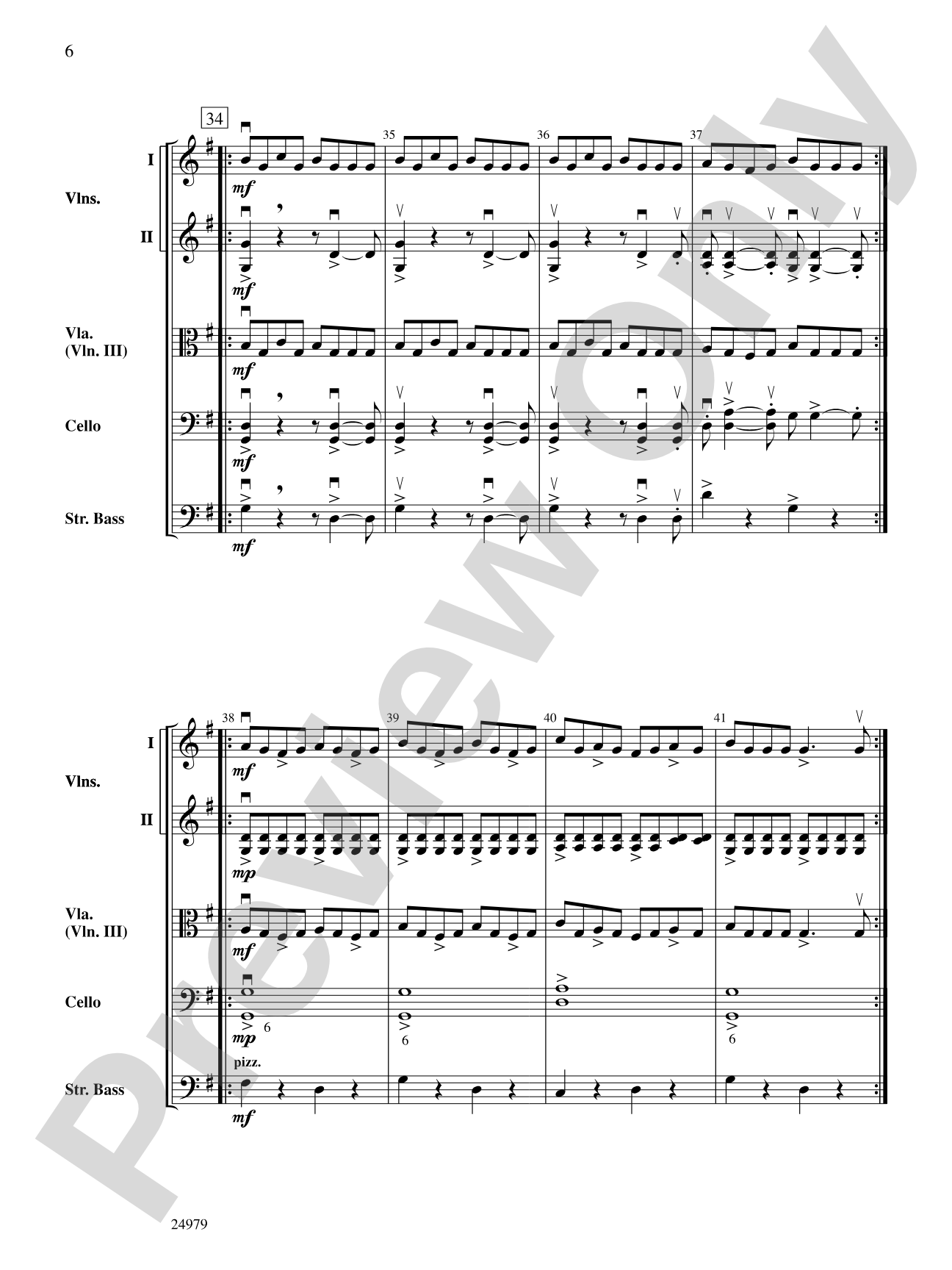
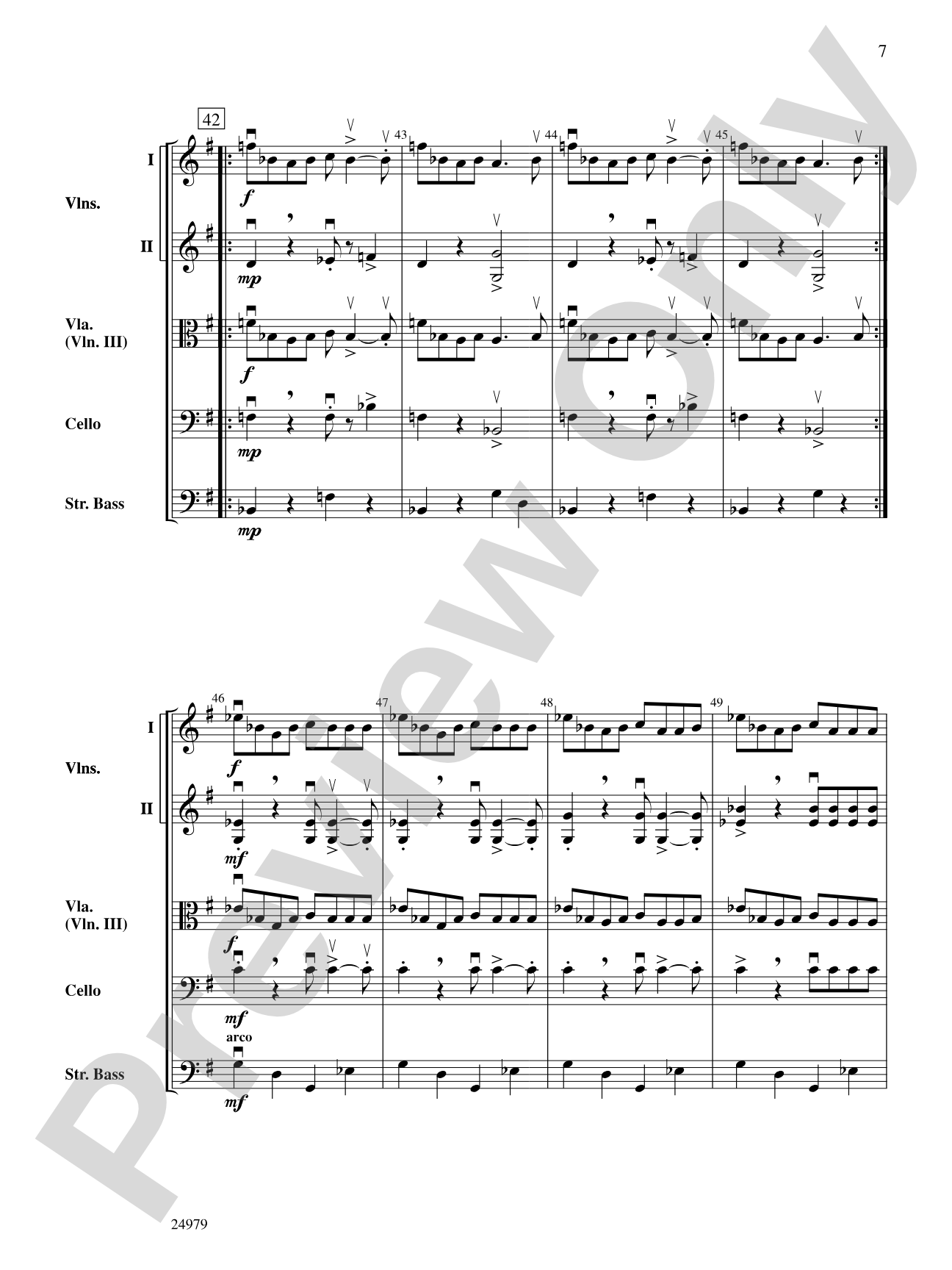
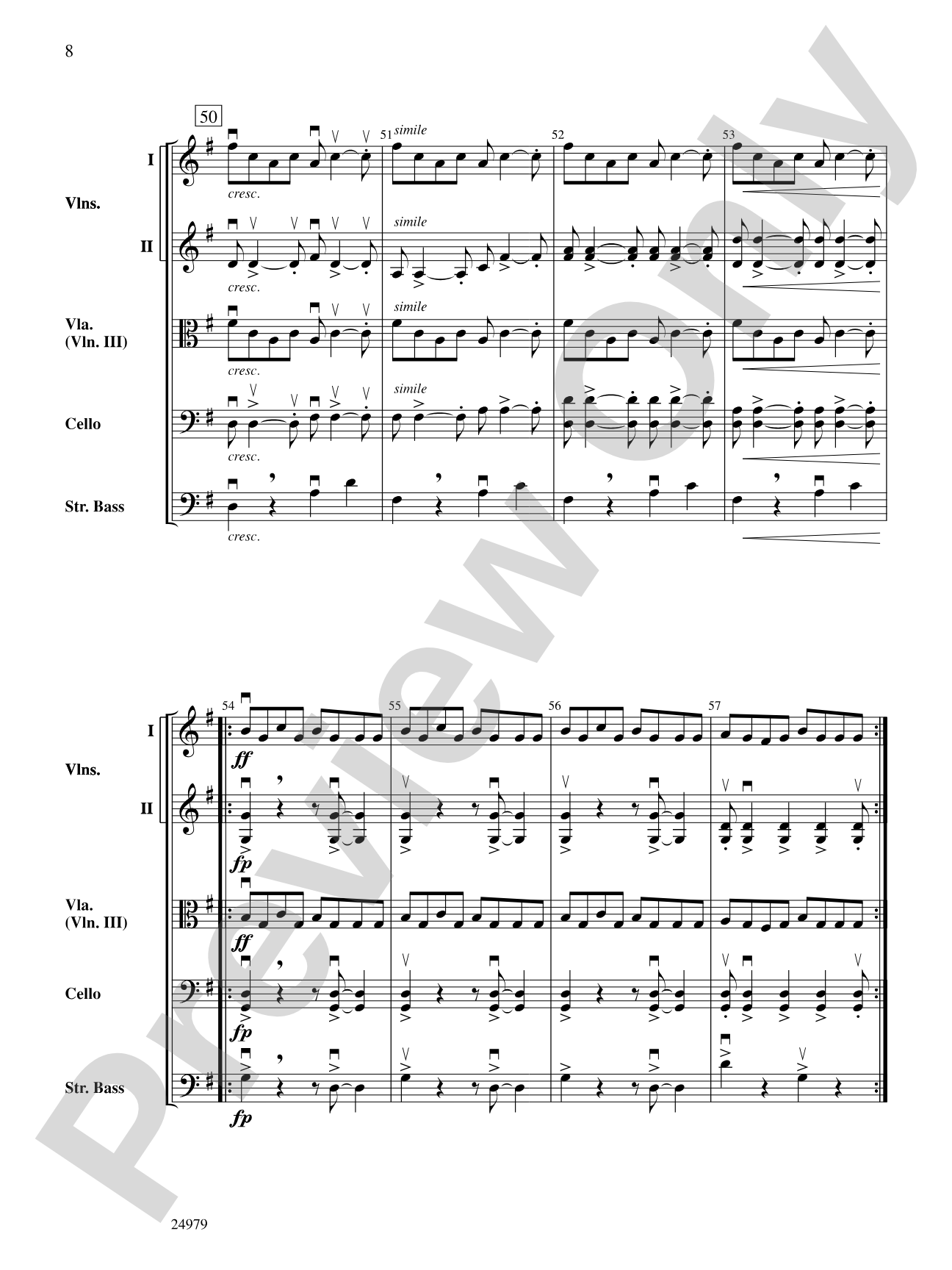
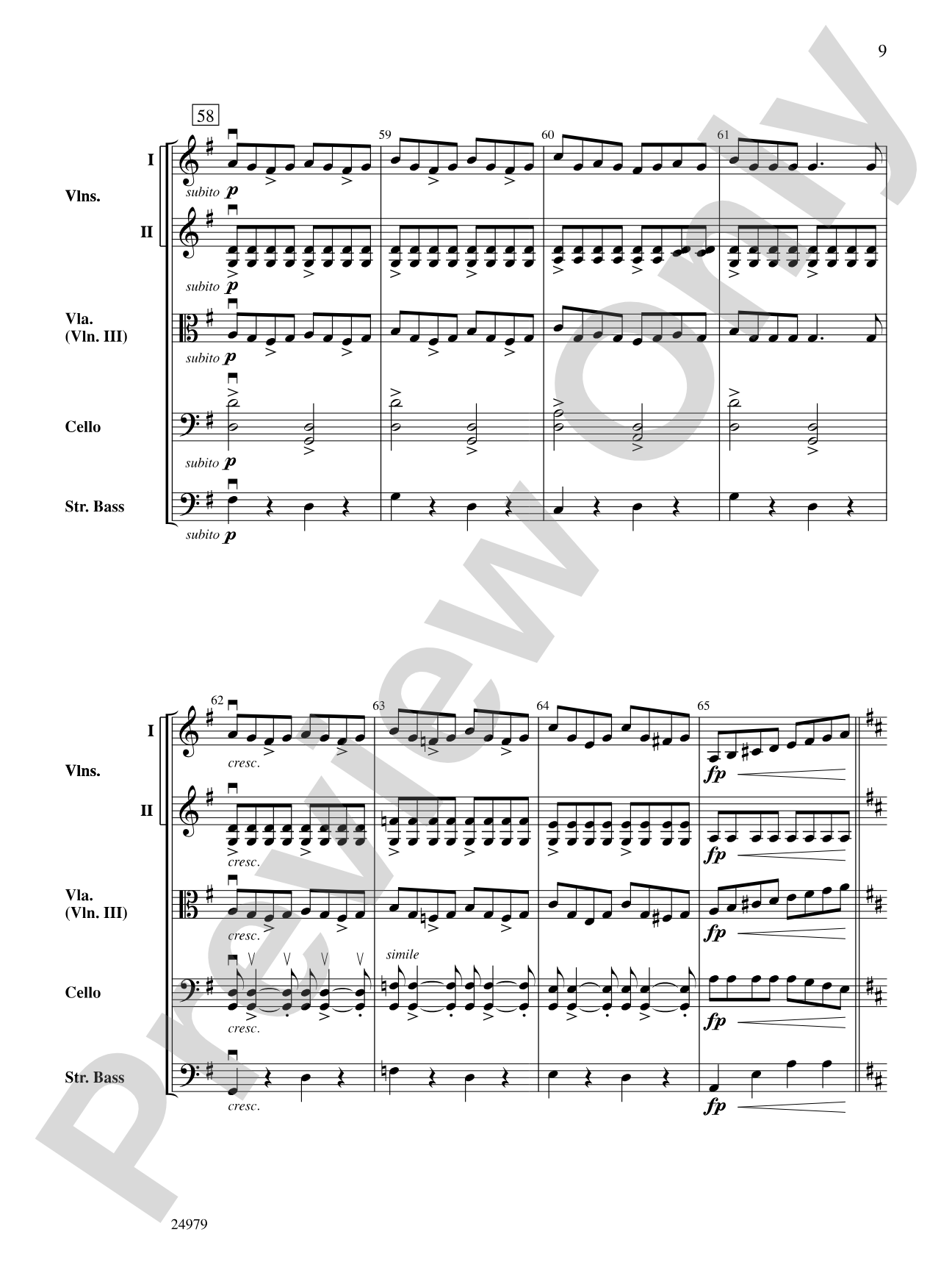
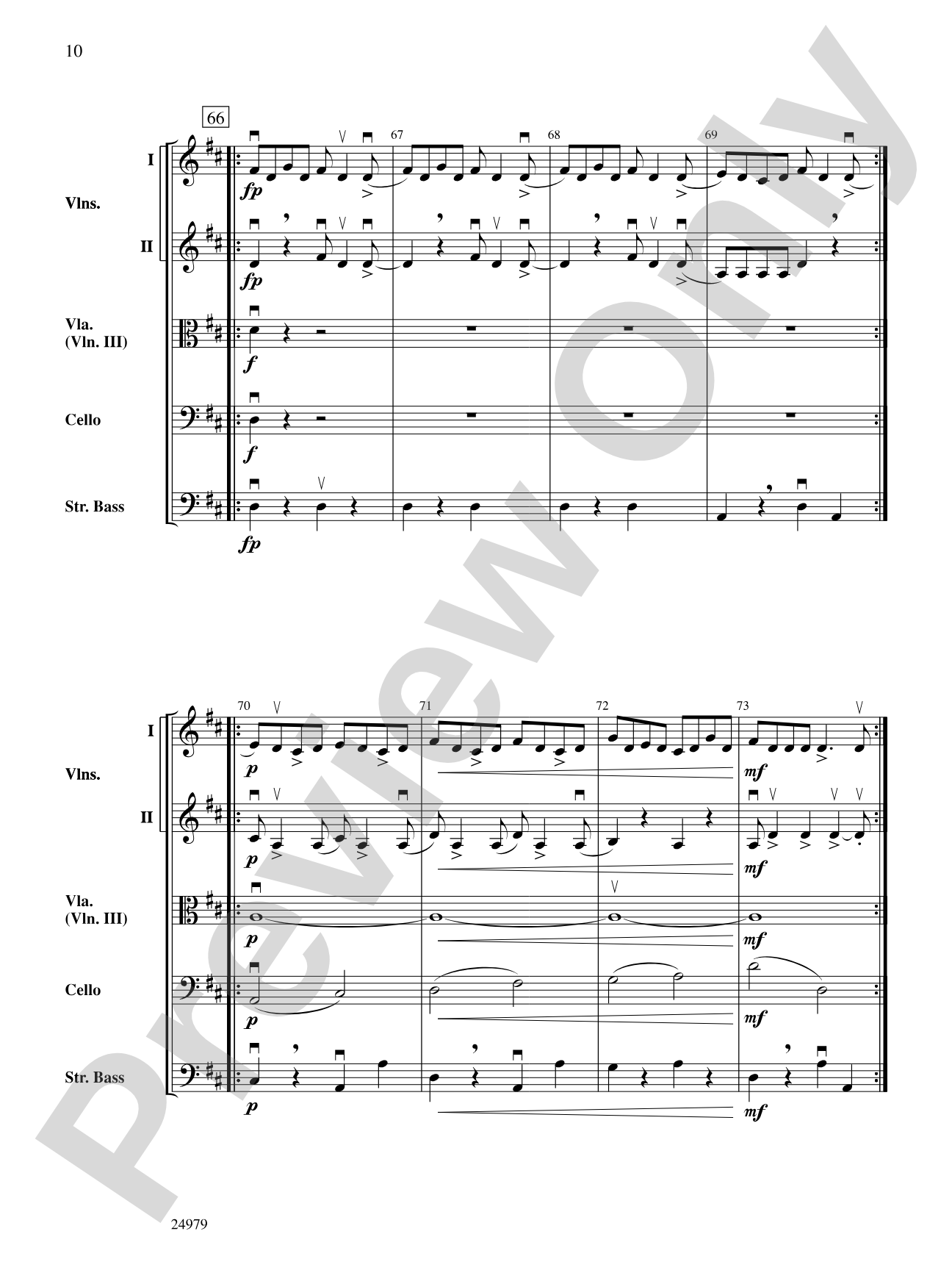
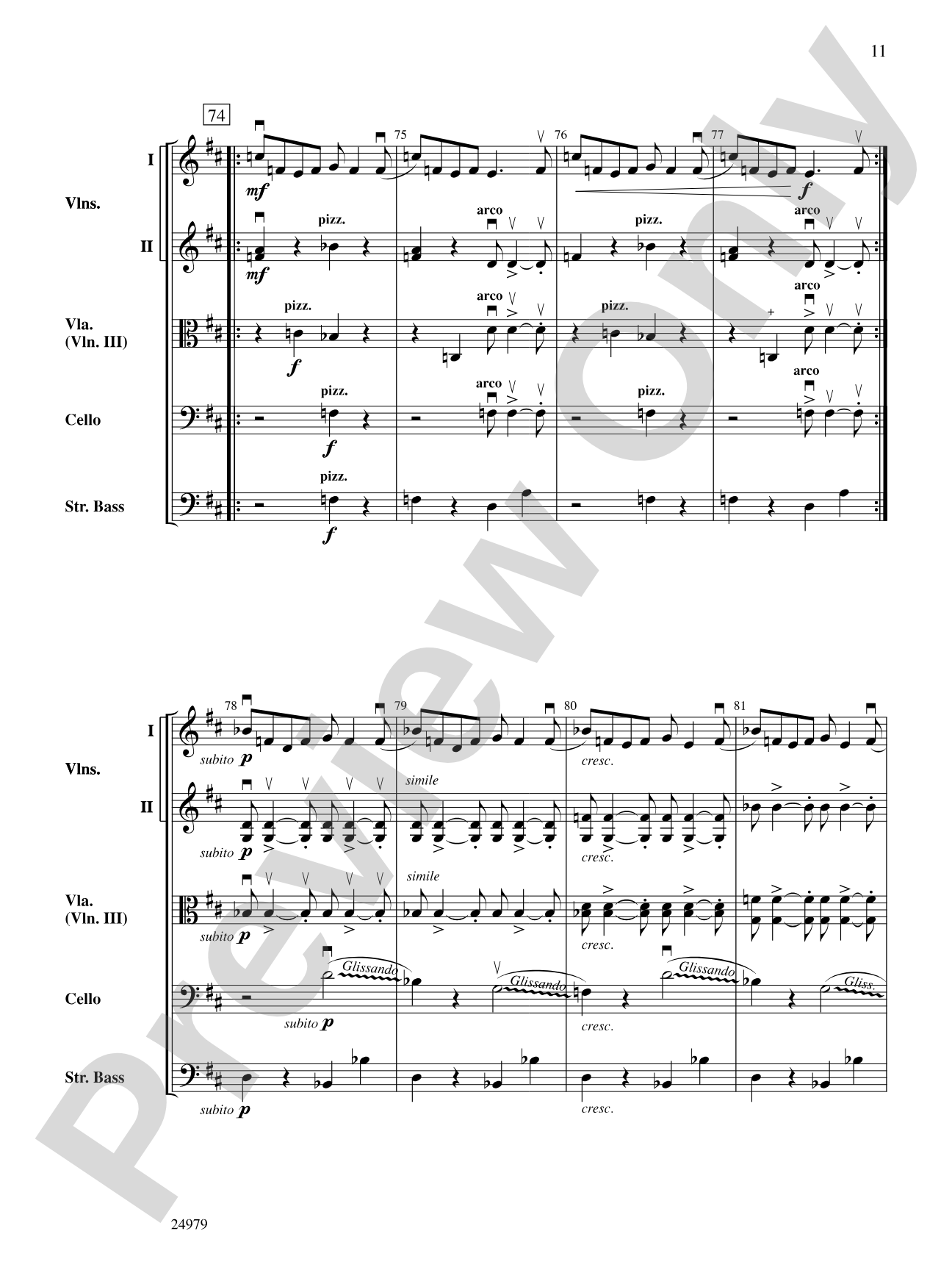
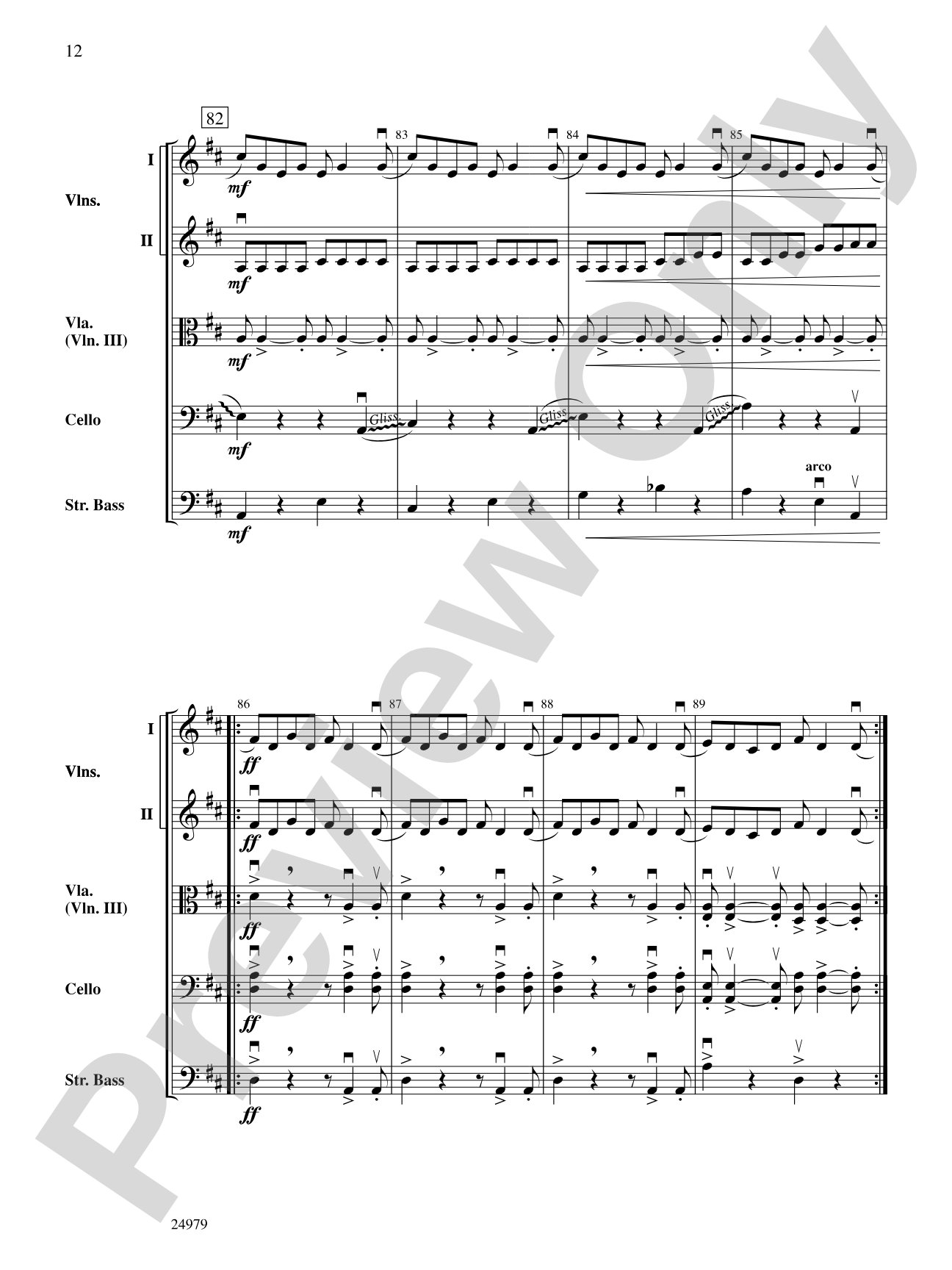
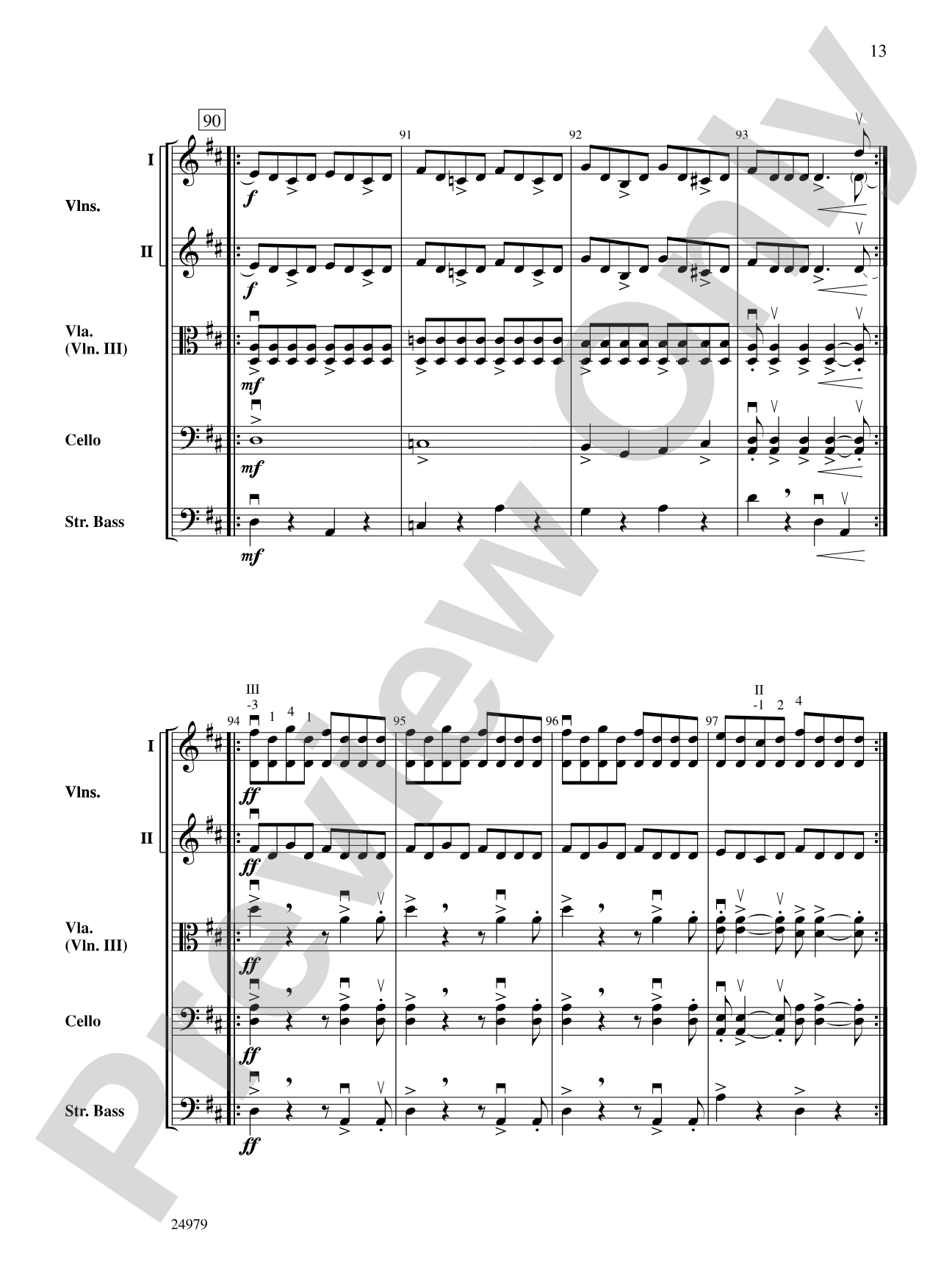
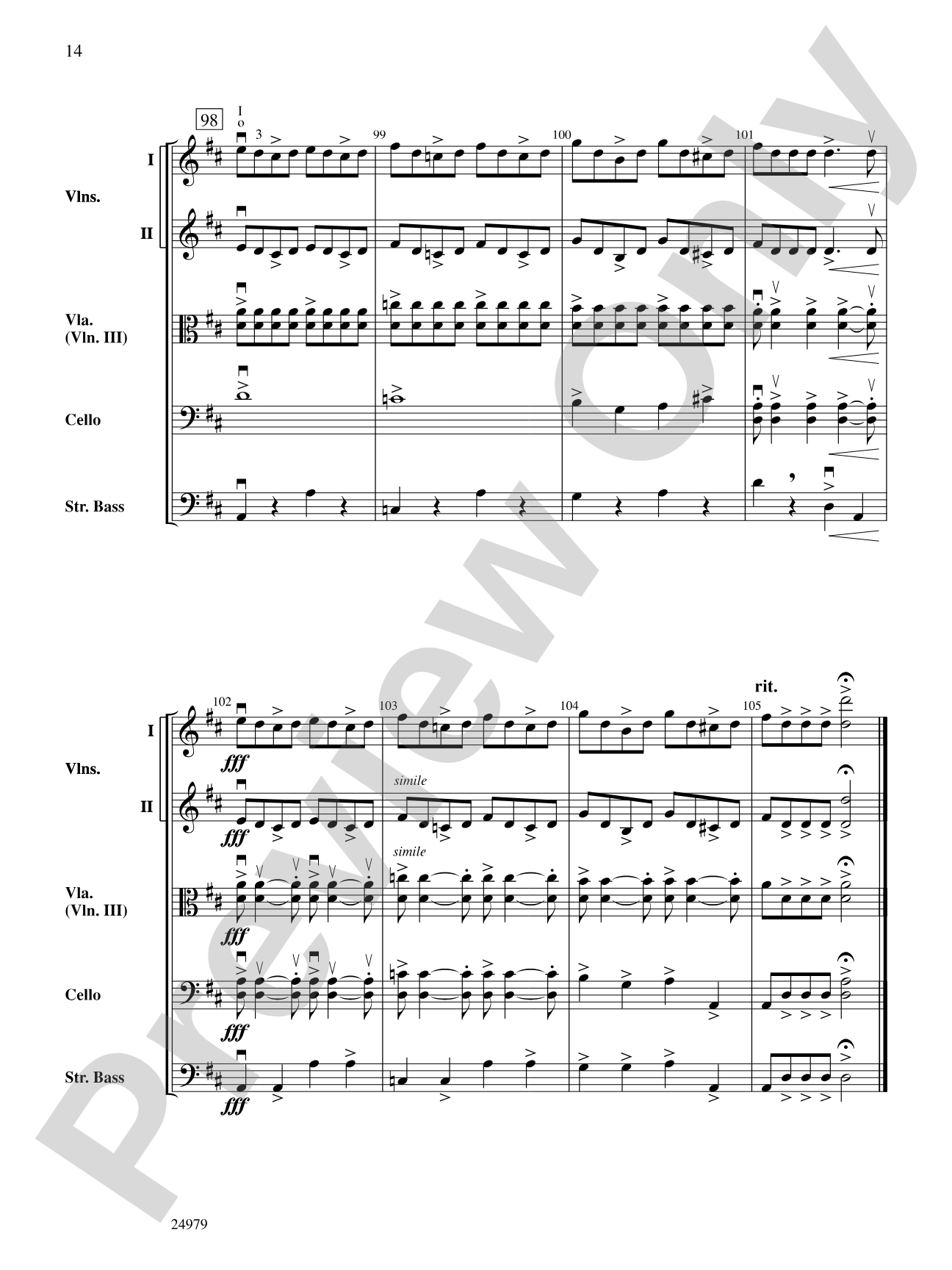
Written in 1984 by English composer Simon Jeffes (1949-1997), Music for a Found Harmonium has been described as "minimalist folk music," and has been recorded by groups ranging from contemporary music ensembles to Irish folk bands. It has been used in movies, and is widely recognized for its appearance in the soundtrack to the popular Napoleon Dynamite. In this arrangement, the quirky but energetic melody is introduced by the violas and celli, and is later echoed and elaborated by the violins. Joyful rhythmic figures, challenging accents, syncopations, and a driving bass line all punctuate the accompaniment throughout the piece. Here's a chance for the orchestra to explore a fascinating musical style while stretching their technique in an exuberant work that is bound to bring the audience to its feet.


Don't just read it, hear it, play along with it, and watch your students grow with it. In MakeMusic Cloud, Music for a Found Harmonium: String Orchestra Conductor Score & Parts comes alive with professional accompaniment, adjustable tempo, and built-in practice tools that turn solo practice into real progress.
Open in the Player
Jump straight in and assign it today.
Start Your Free Trial
Open this title and explore the full library in minutes.
Sample Audio
1
Audio File
--:--
0:00
0:00
Sample Video
No sample videos found.
Additional Details
Series:
Highland/Etling String Alternatives
Publisher:
Alfred Music
Page Count:
136
SKU:
00-PK-0000970
More about this title
About the Composer: Simon Jeffes
Simon Jeffes (1949-1997) was an English composer and founding member of the Penguin Café Orchestra, a group that blended classical instrumentation with world music, jazz, and folk influences. His work challenged conventional genre boundaries and created a distinctive musical language that felt both sophisticated and deeply accessible. Music for a Found Harmonium, composed in 1984, exemplifies his gift for writing melodies that are instantly memorable yet harmonically subtle, drawing listeners into its own peculiar world.
Why we love this
This arrangement captures something genuinely rare at the 2.5 grade level: a piece that sounds fresh and contemporary while remaining technically achievable. The Napoleon Dynamite connection brings instant recognition and student engagement, but what makes it worth conducting is the writing itself. Jeffes's melody sits perfectly for violas and cellos to introduce, and the rhythmic layering in the accompaniment rewards ensemble awareness without demanding virtuosity.
What to expect
Joyful and slightly offbeat, like stumbling onto a folk melody that's been processed through a minimalist filter. The piece has infectious energy and an understated cleverness; it rewards close listening while never asking the listener to work too hard. There's a lightness here that contrasts beautifully with heavier Romantic repertoire.
Who it's for
String orchestras at the intermediate level who are ready to handle rhythmic complexity without requiring advanced vibrato or shifting technique. This works equally well for established programs looking for a fun concert piece and younger ensembles building confidence with contemporary idioms.
How to get the most out of it
- Establish the rhythmic groove in rehearsal before worrying about intonation details. This piece lives and dies by its forward momentum; lock the pulse first, then refine.
- Pay close attention to the accents marked in the accompaniment figures. They're what give the piece its quirky character and prevent the arrangement from sounding generic.
- Let the viola and cello melody breathe in the opening. This isn't a race; the tune needs space to be heard clearly before violins enter.
- The syncopations throughout need ensemble precision. Mark them in parts during sectional rehearsals so players understand exactly where the rhythmic surprises land.
How to use it
Program this on a concert with mixed classical and contemporary works to highlight the range of what string orchestra can do. It pairs naturally with Baroque pieces (showing how different eras use similar string techniques) or with other film soundtrack arrangements, and it's compact enough to use as a strong second-half opener that resets audience energy.
Skills your students will build
- Reading and executing rhythmic syncopation across the ensemble
- Balancing melody and accompaniment when different sections carry the tune
- Responding to marked accents for style and articulation clarity
- Maintaining steady pulse while playing against syncopated figures in other parts
- Blending in contemporary harmonic idioms and minimalist textures