
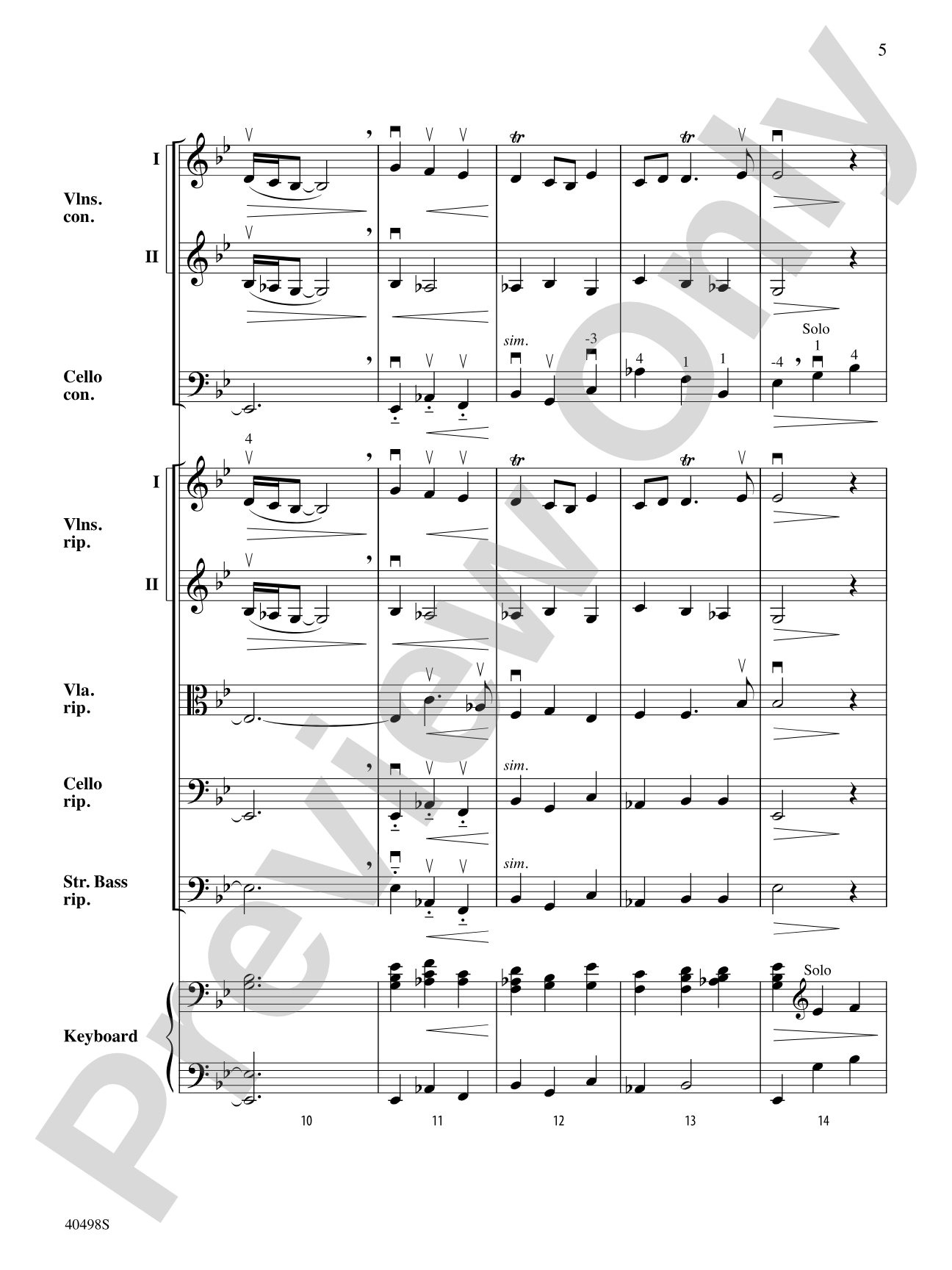
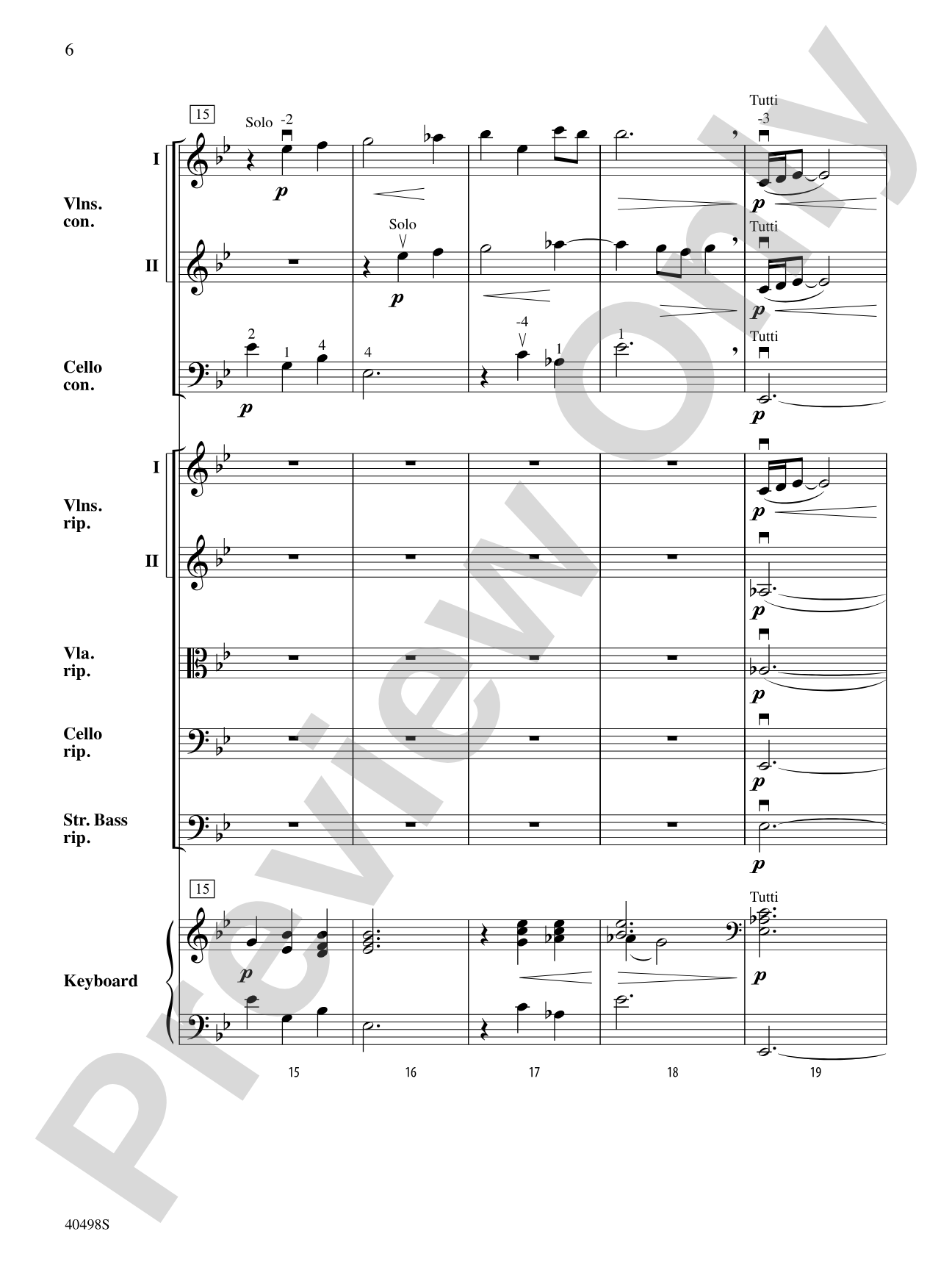
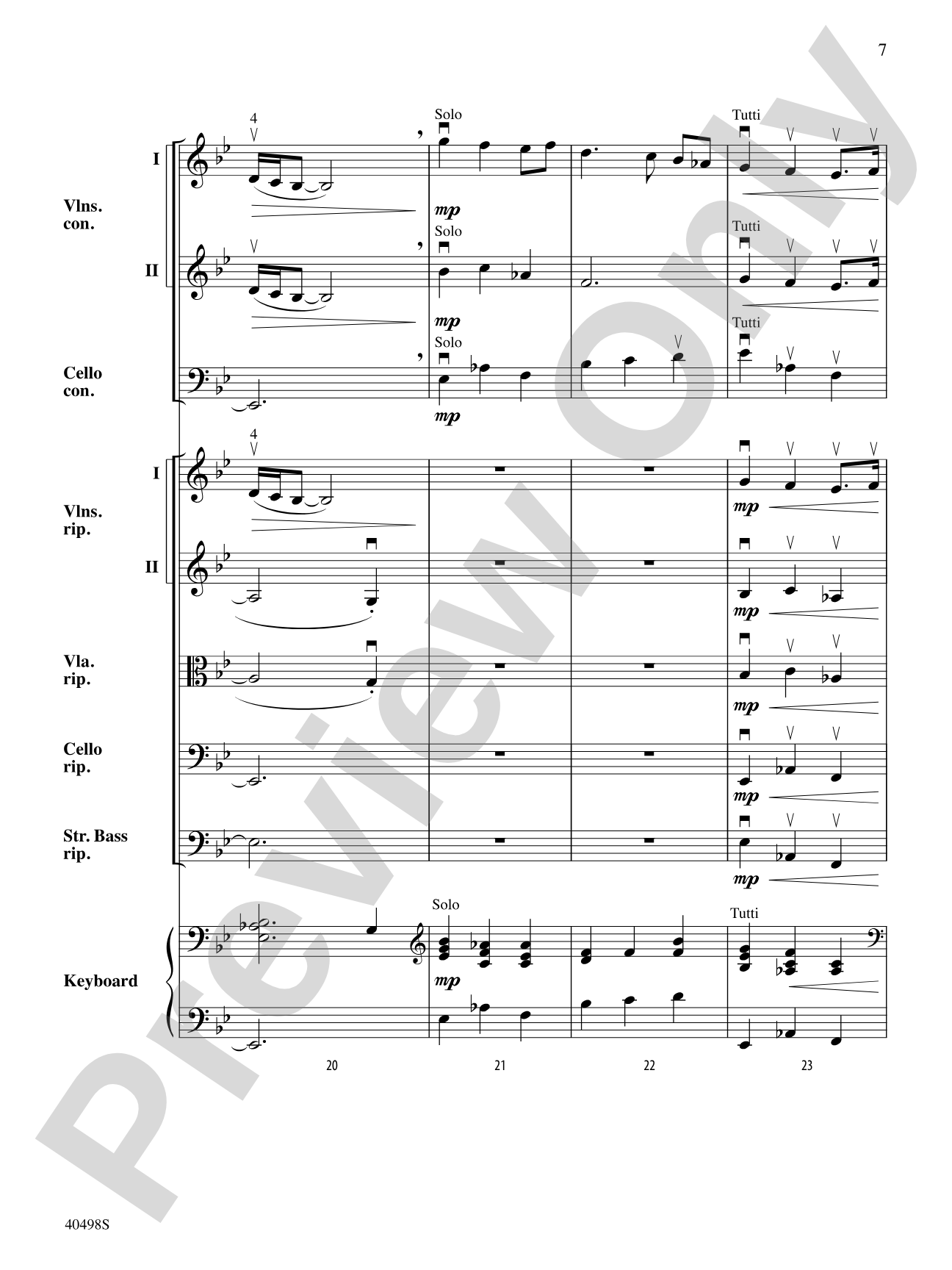
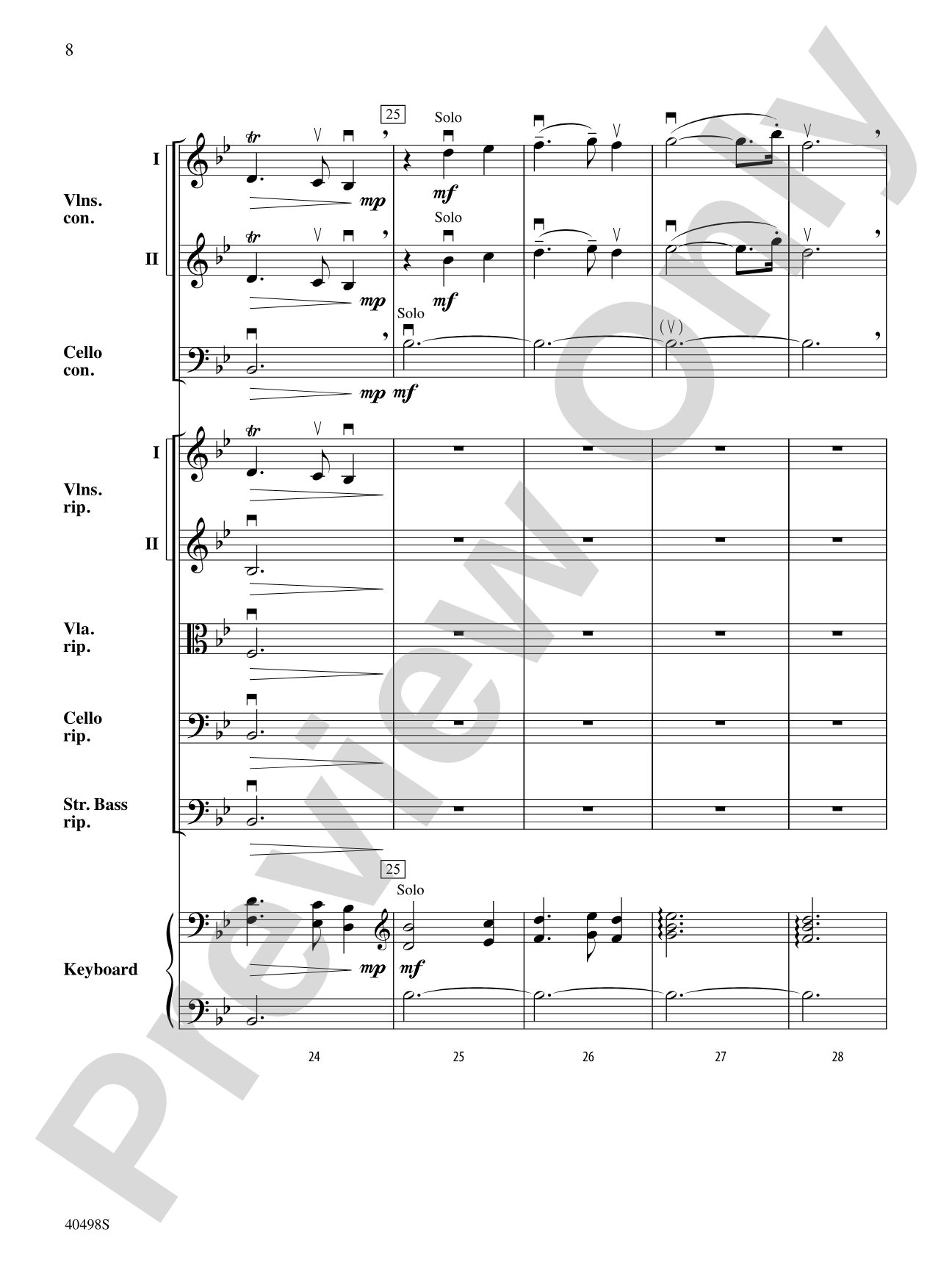
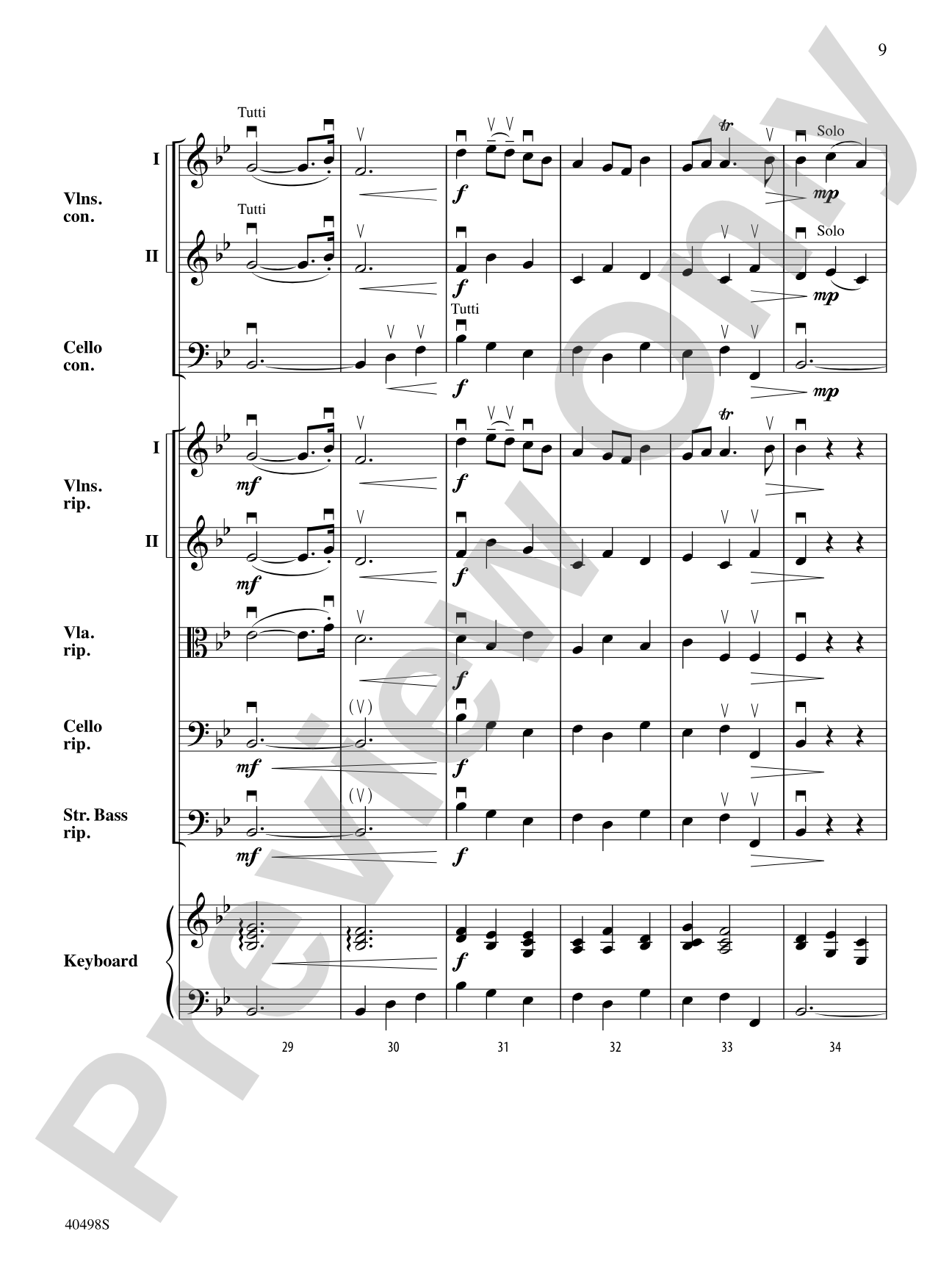
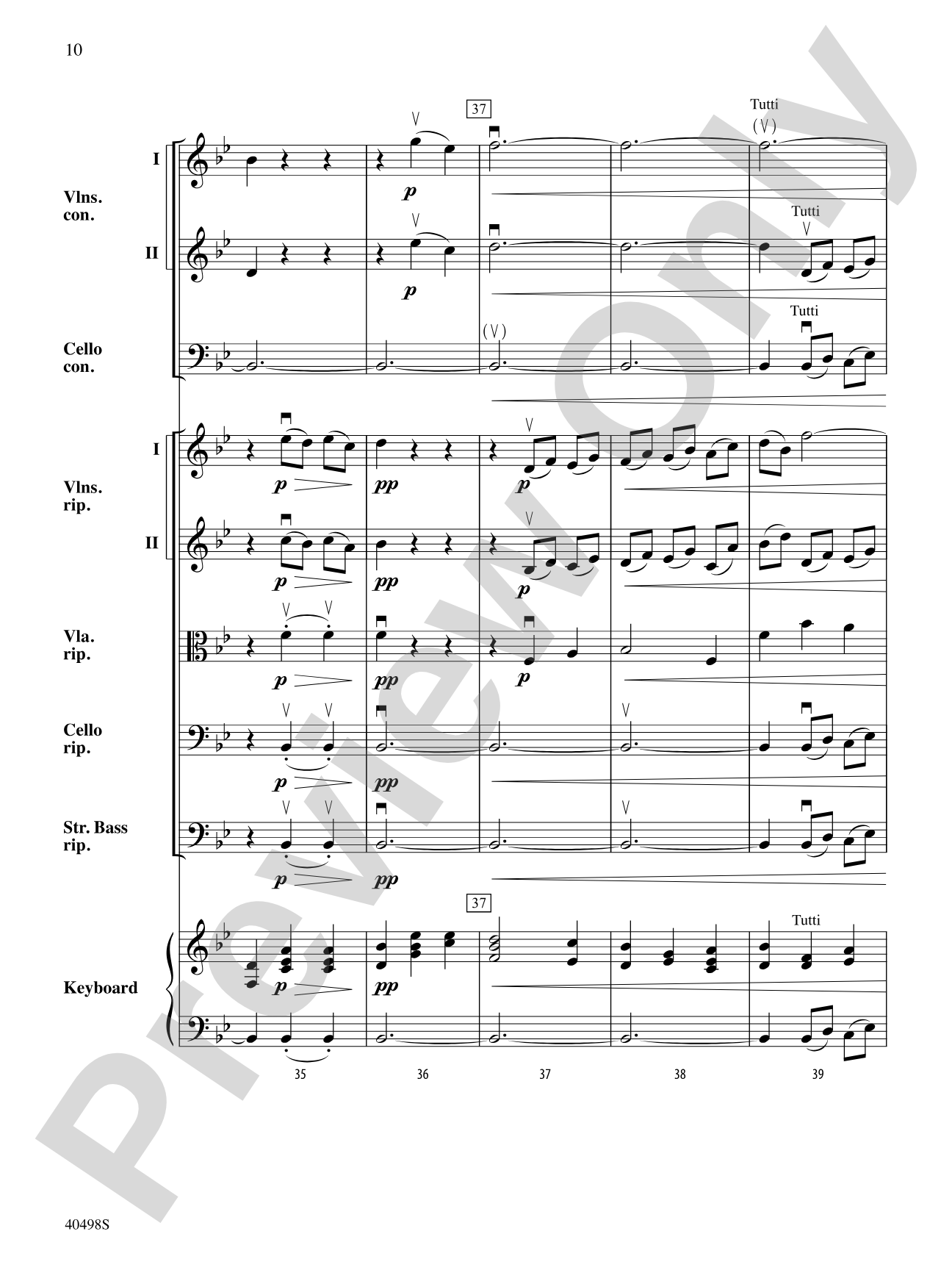
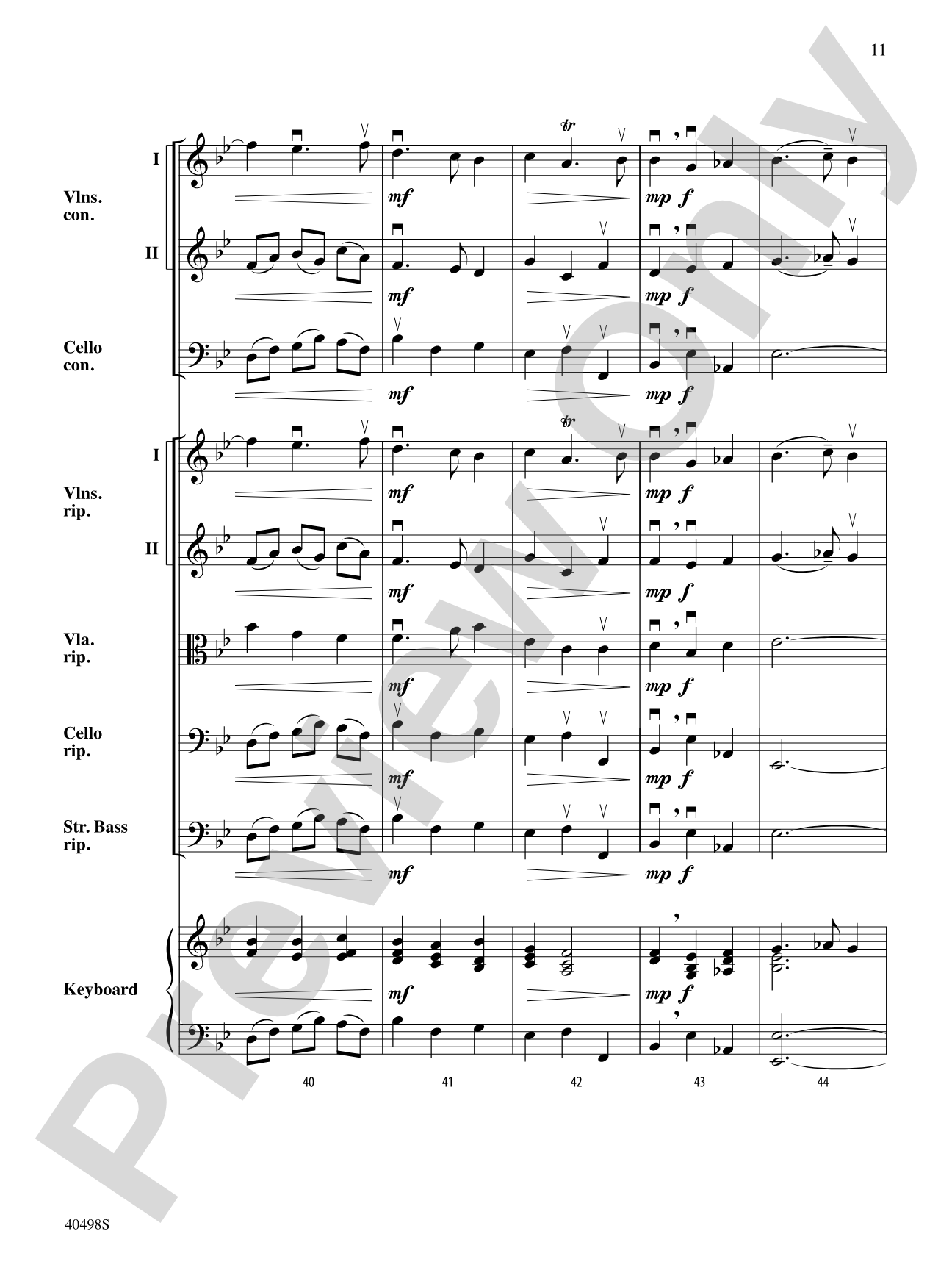
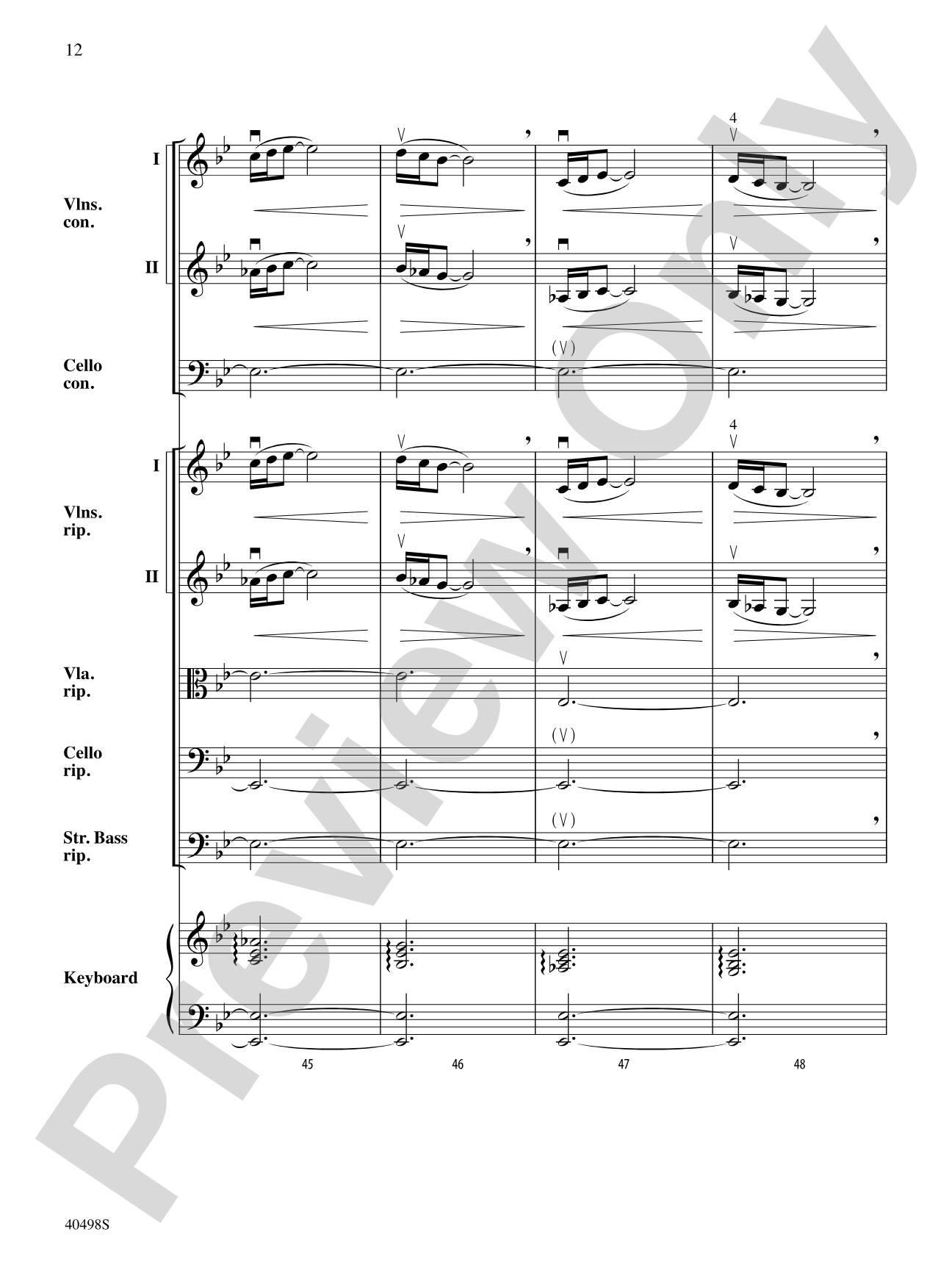
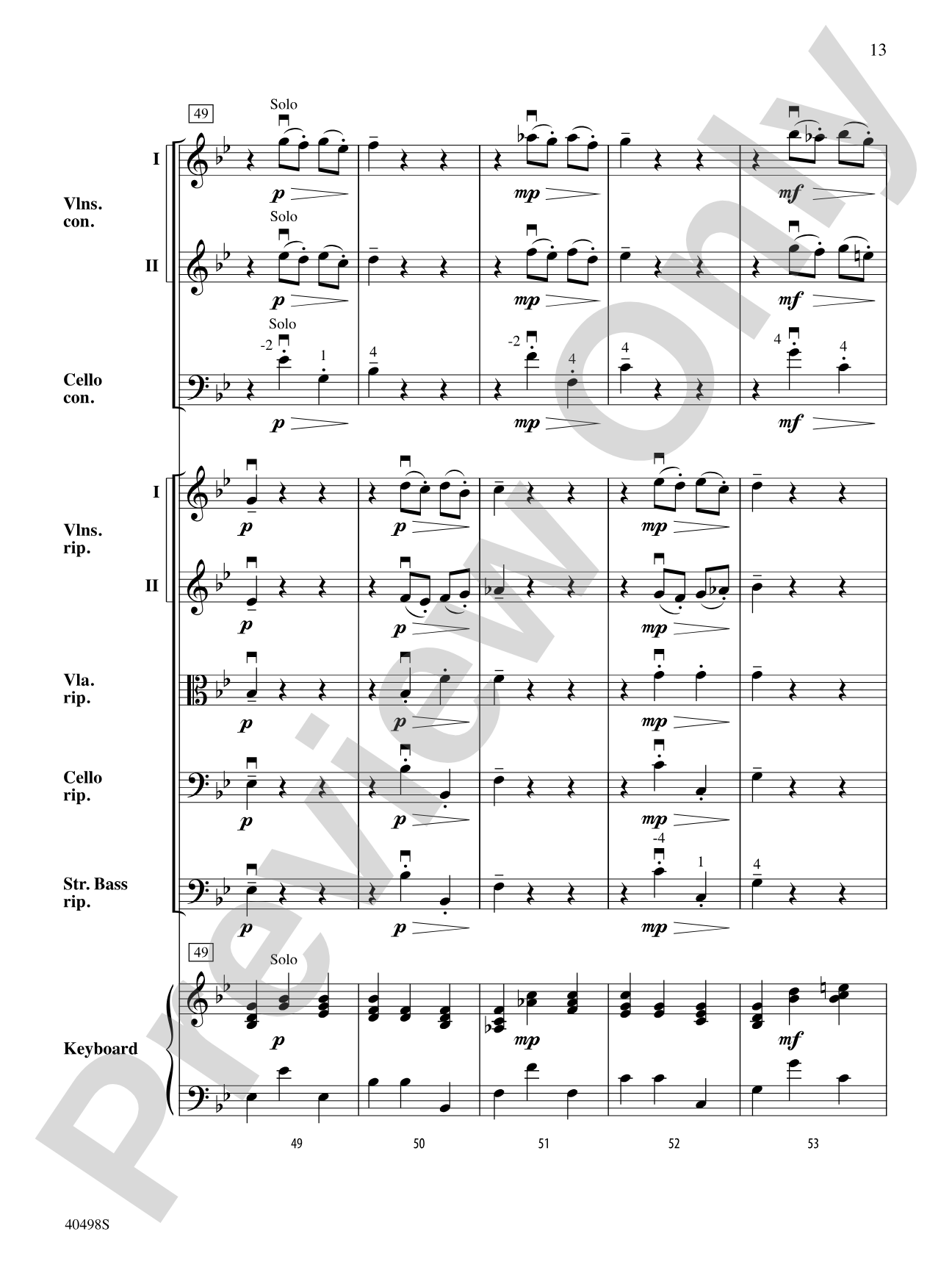
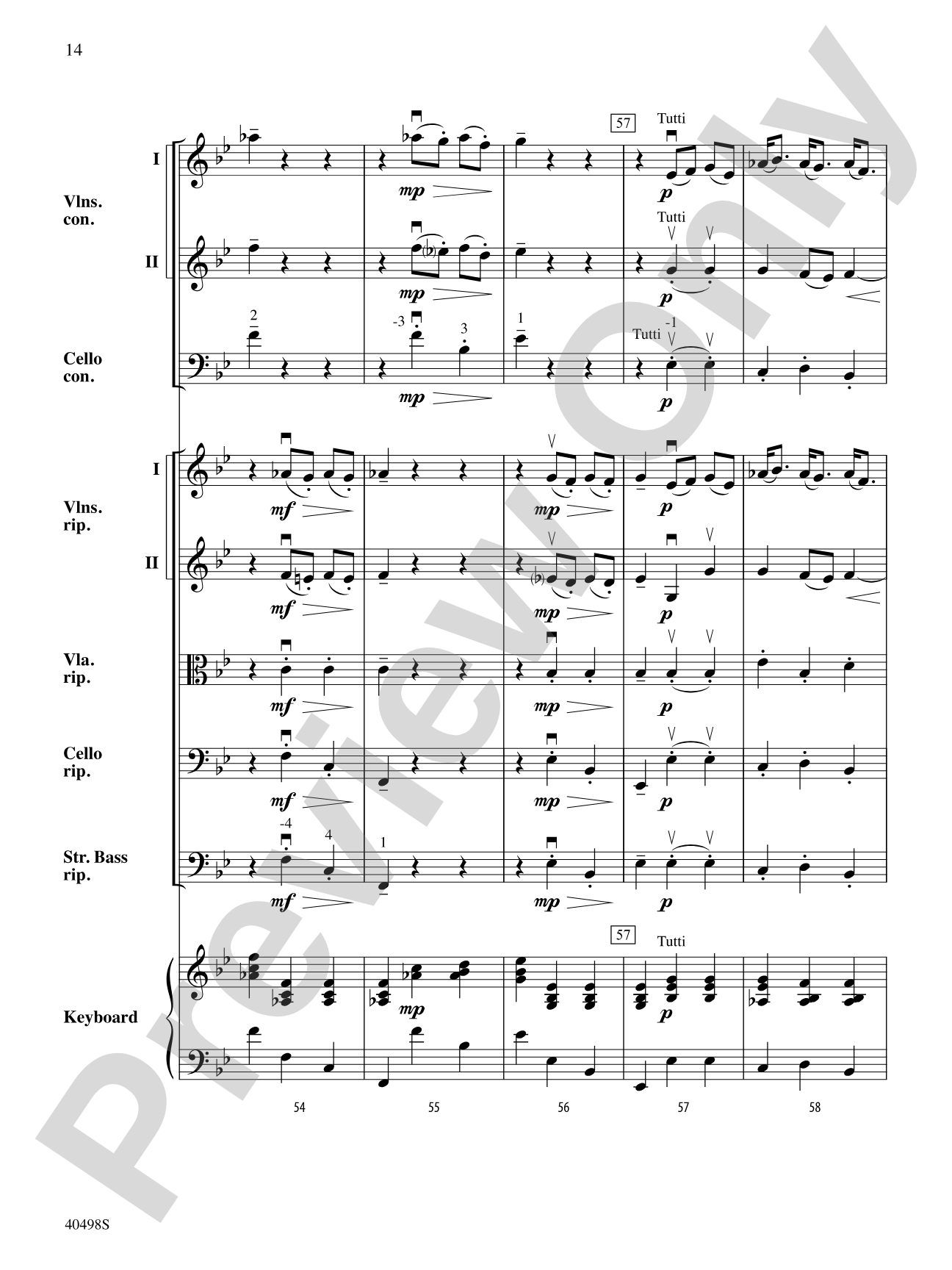
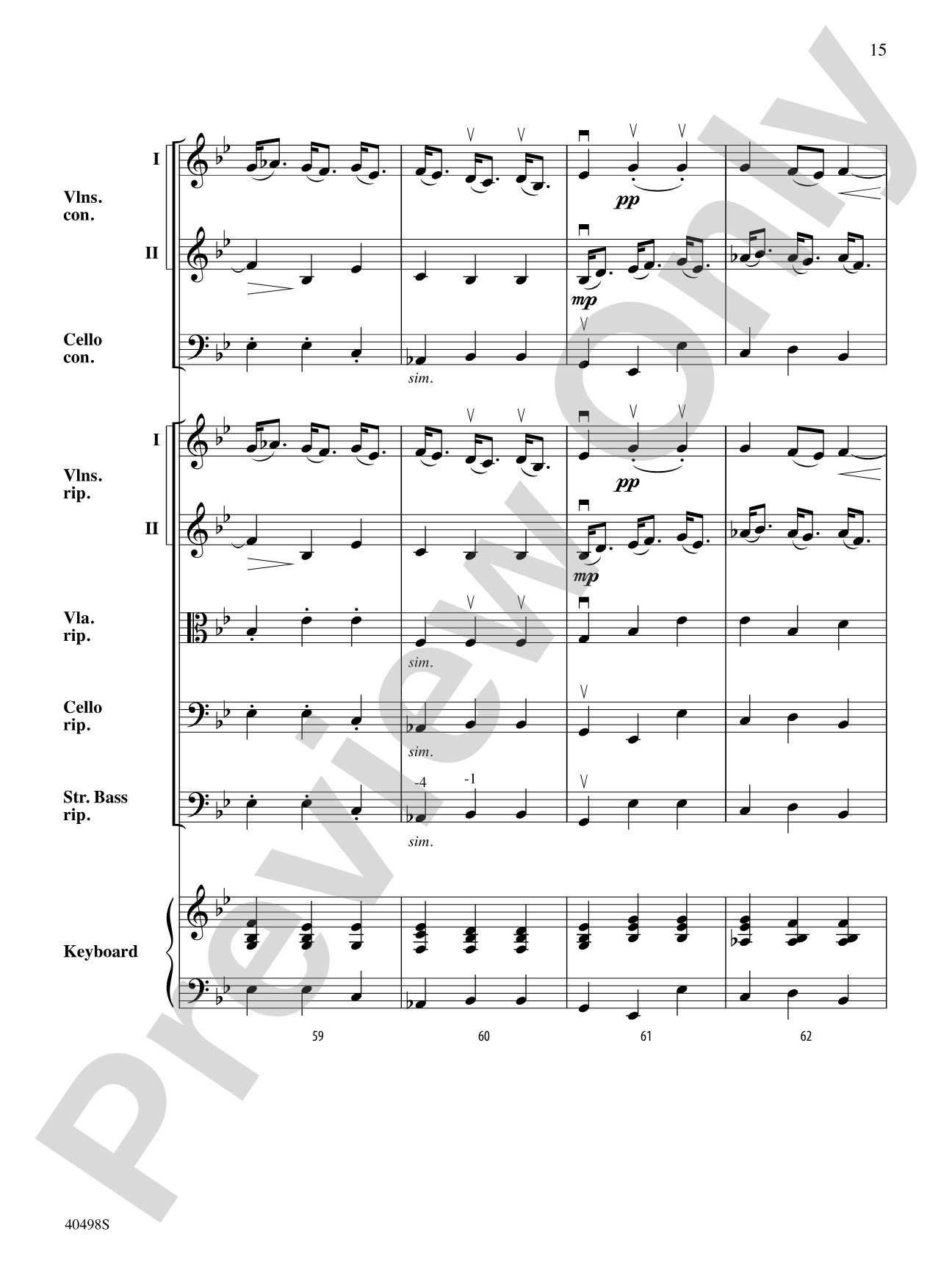
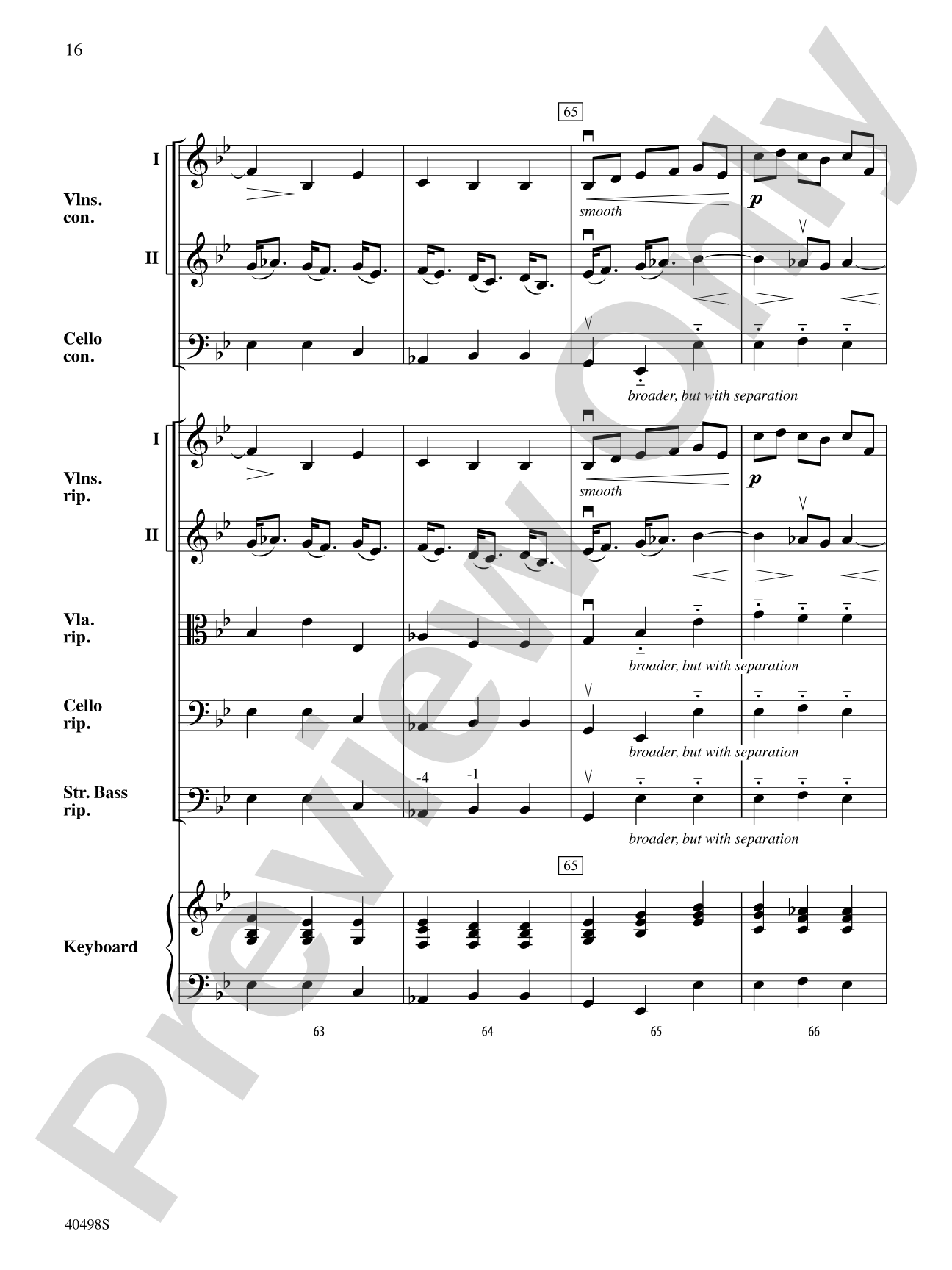
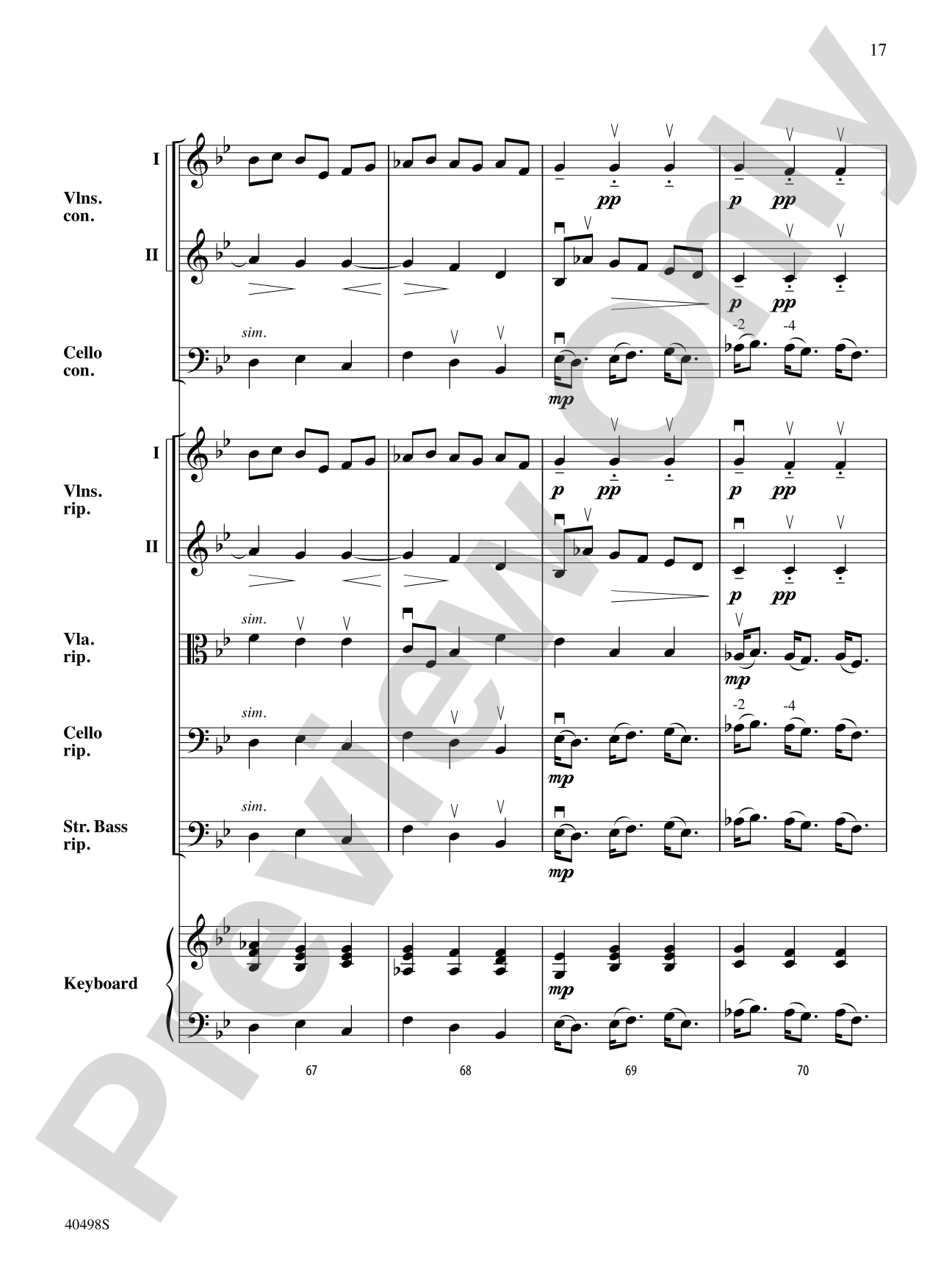
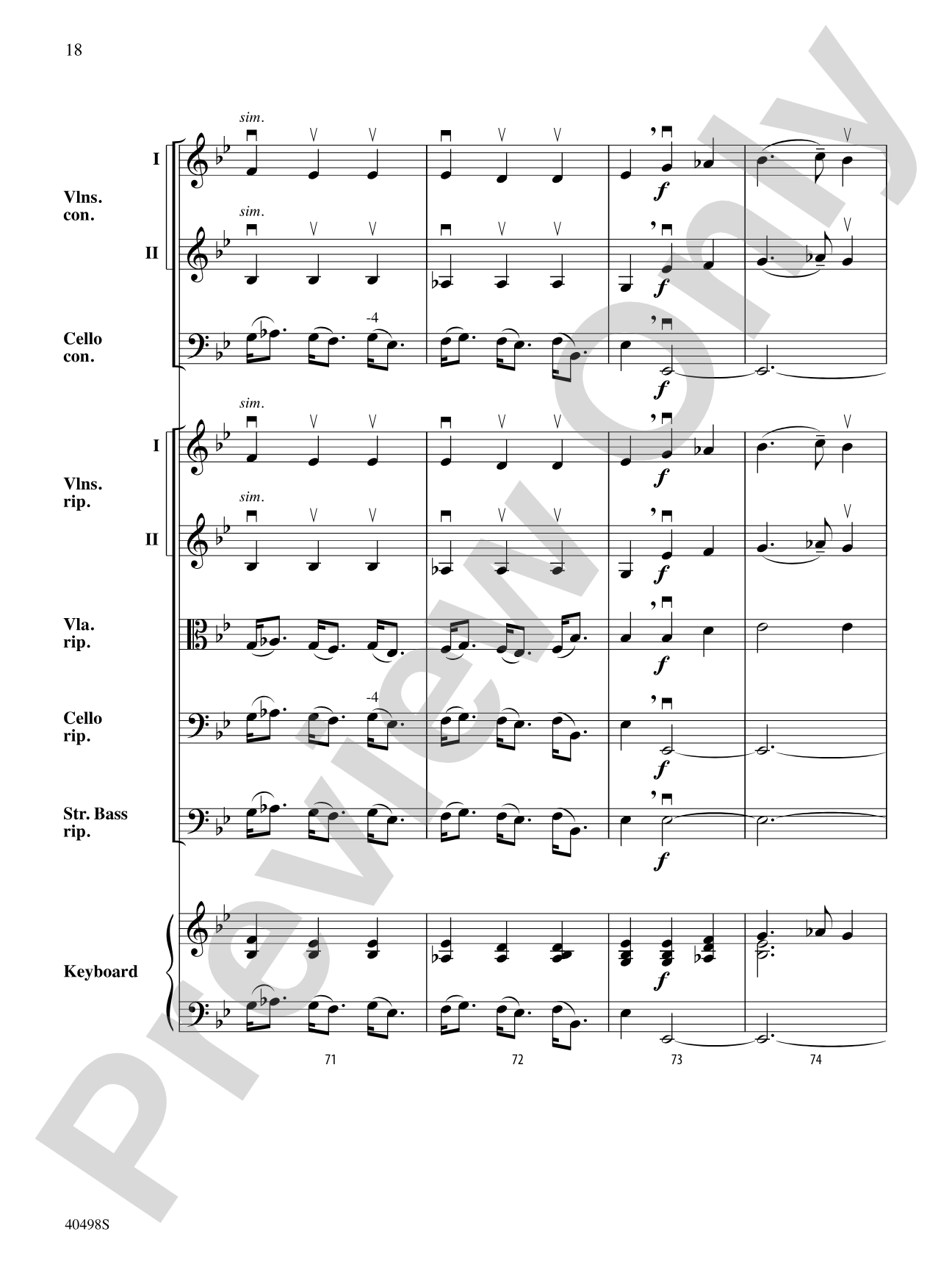
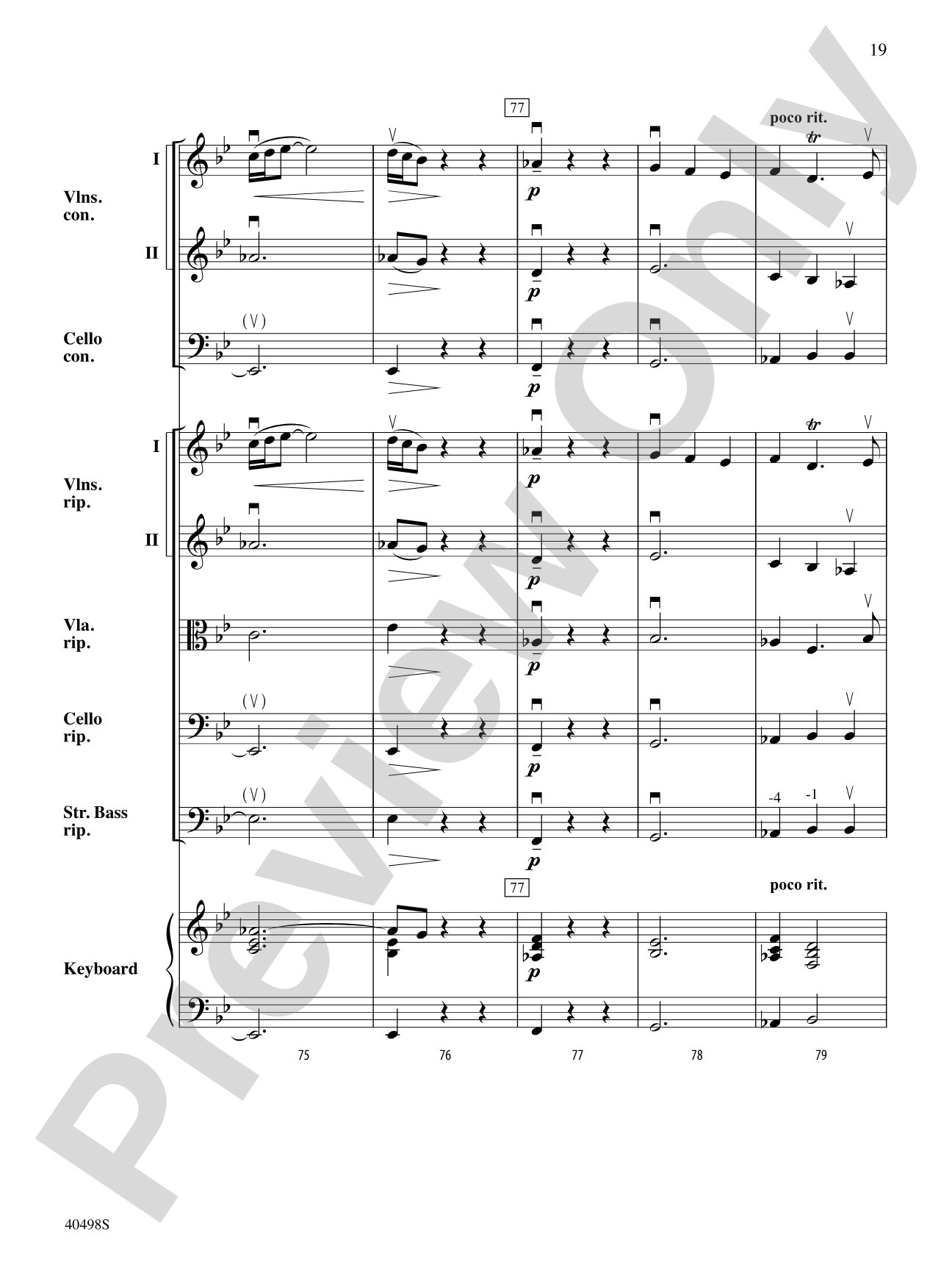
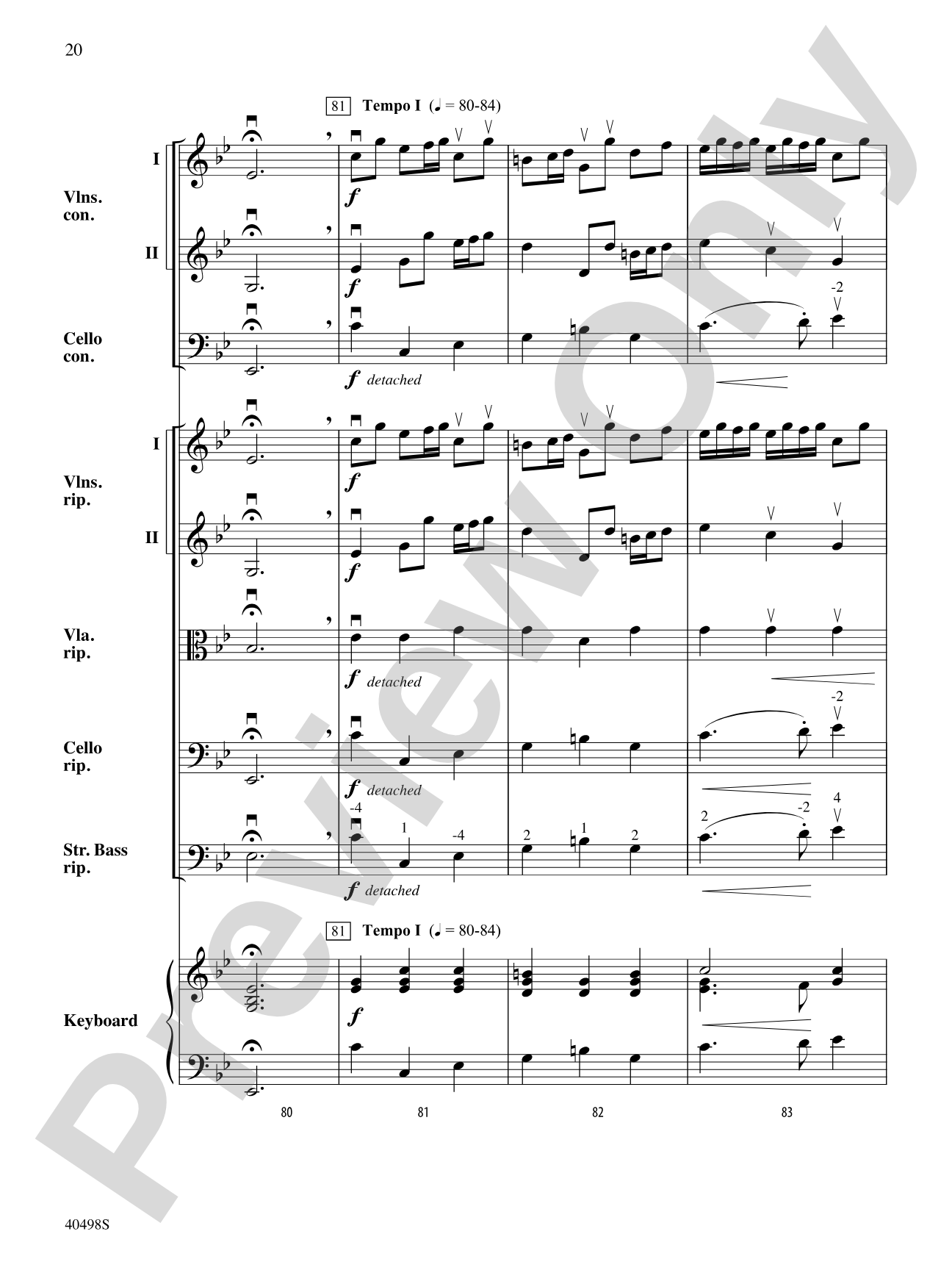
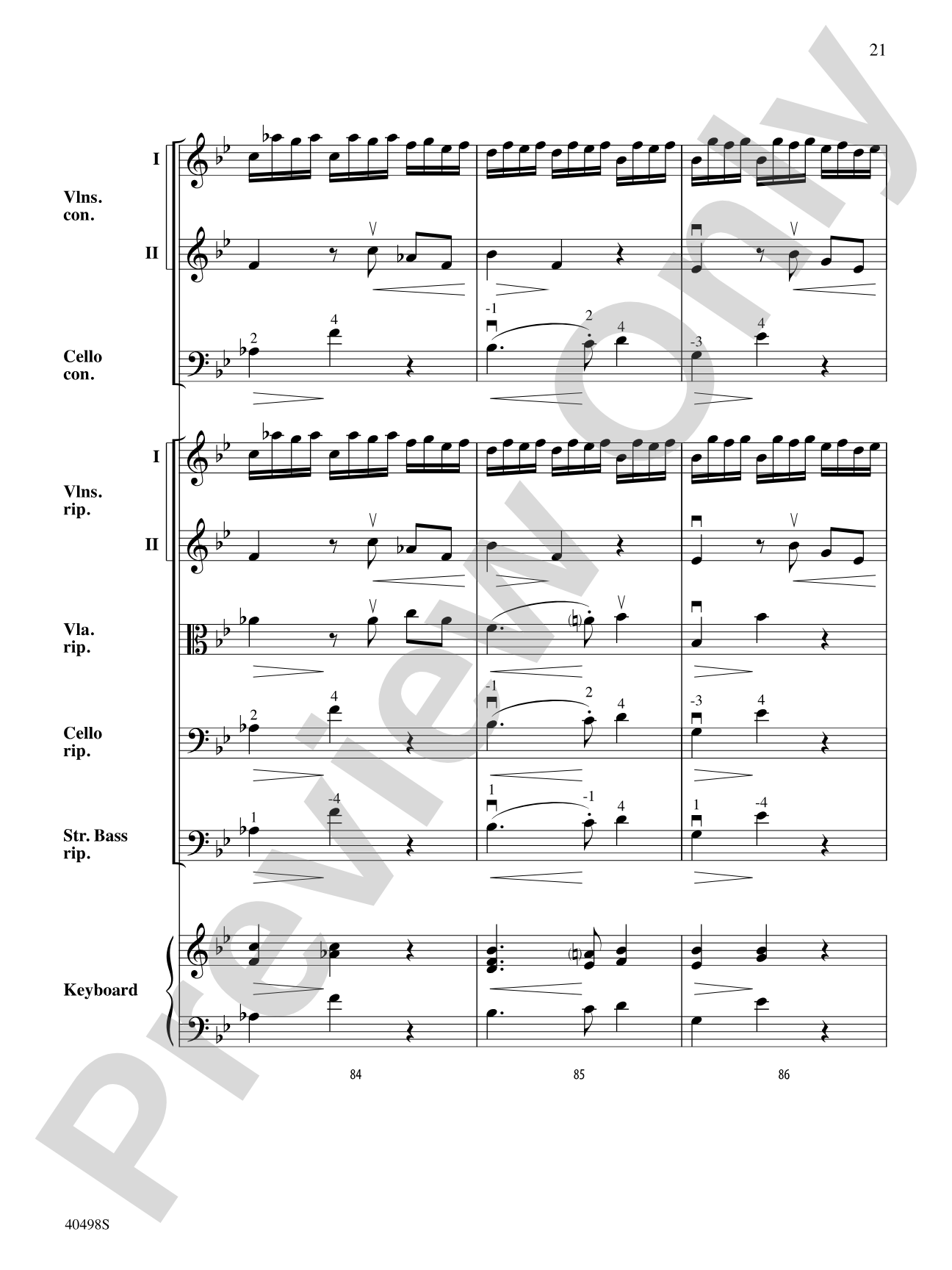
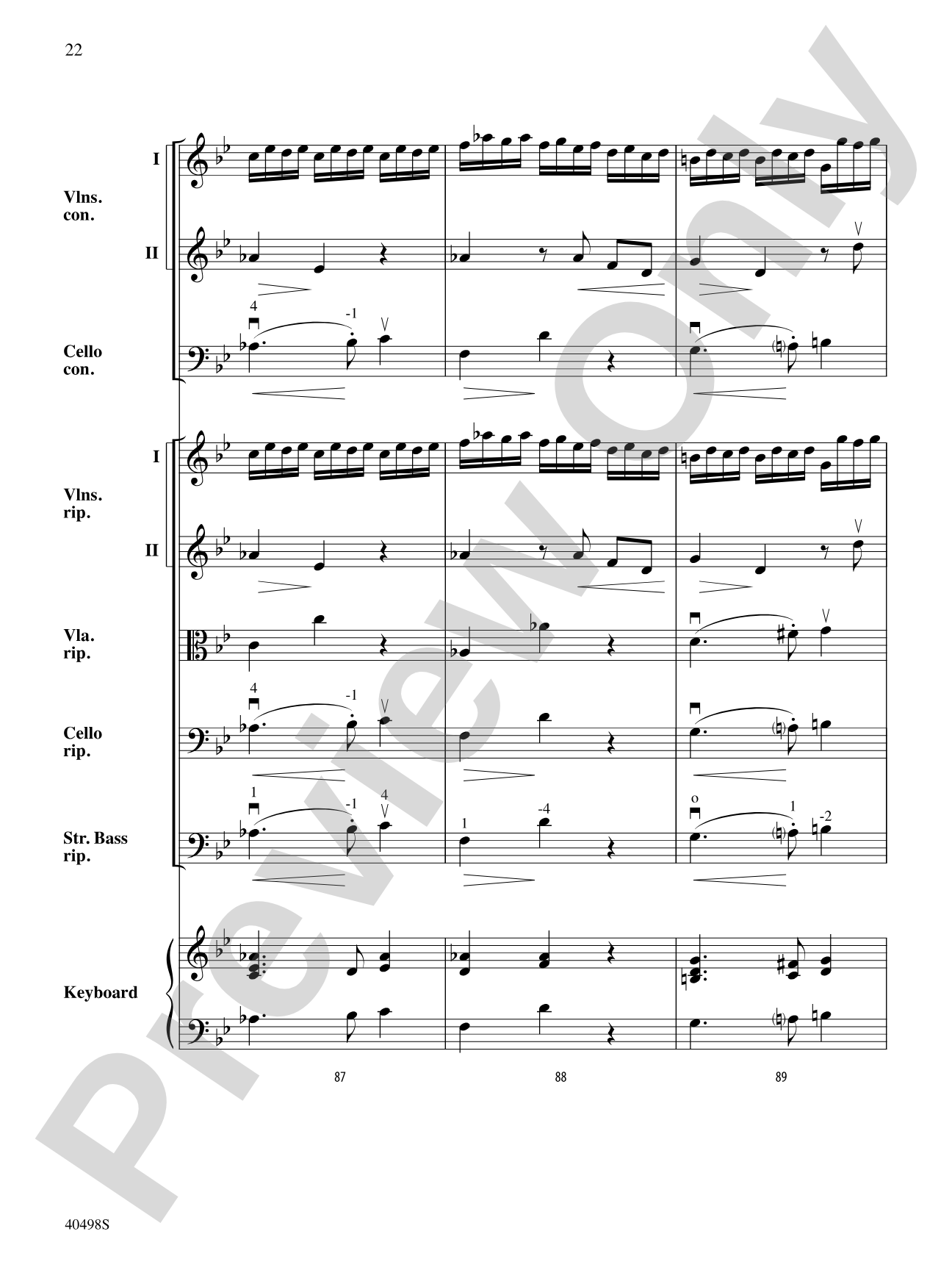
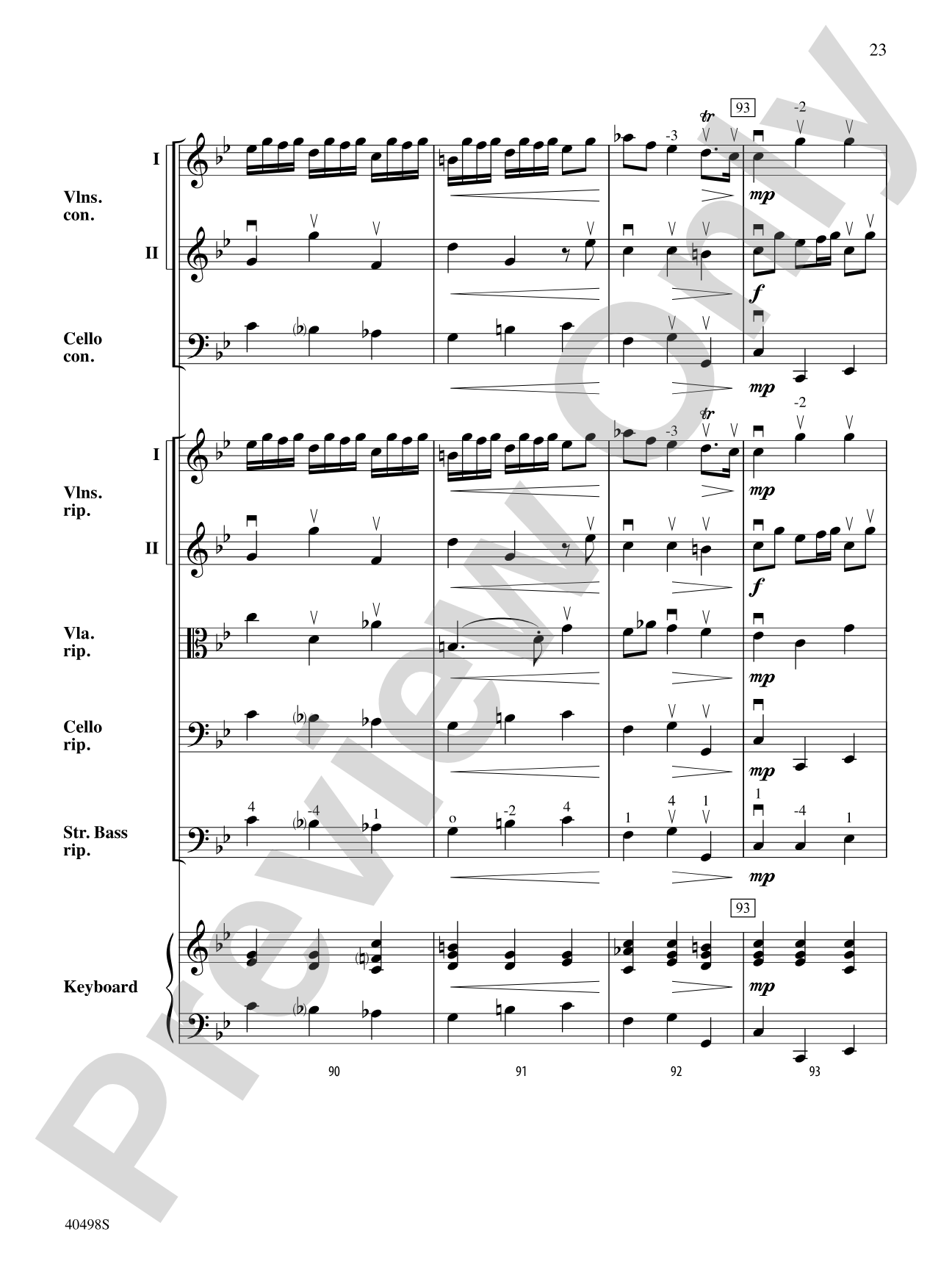
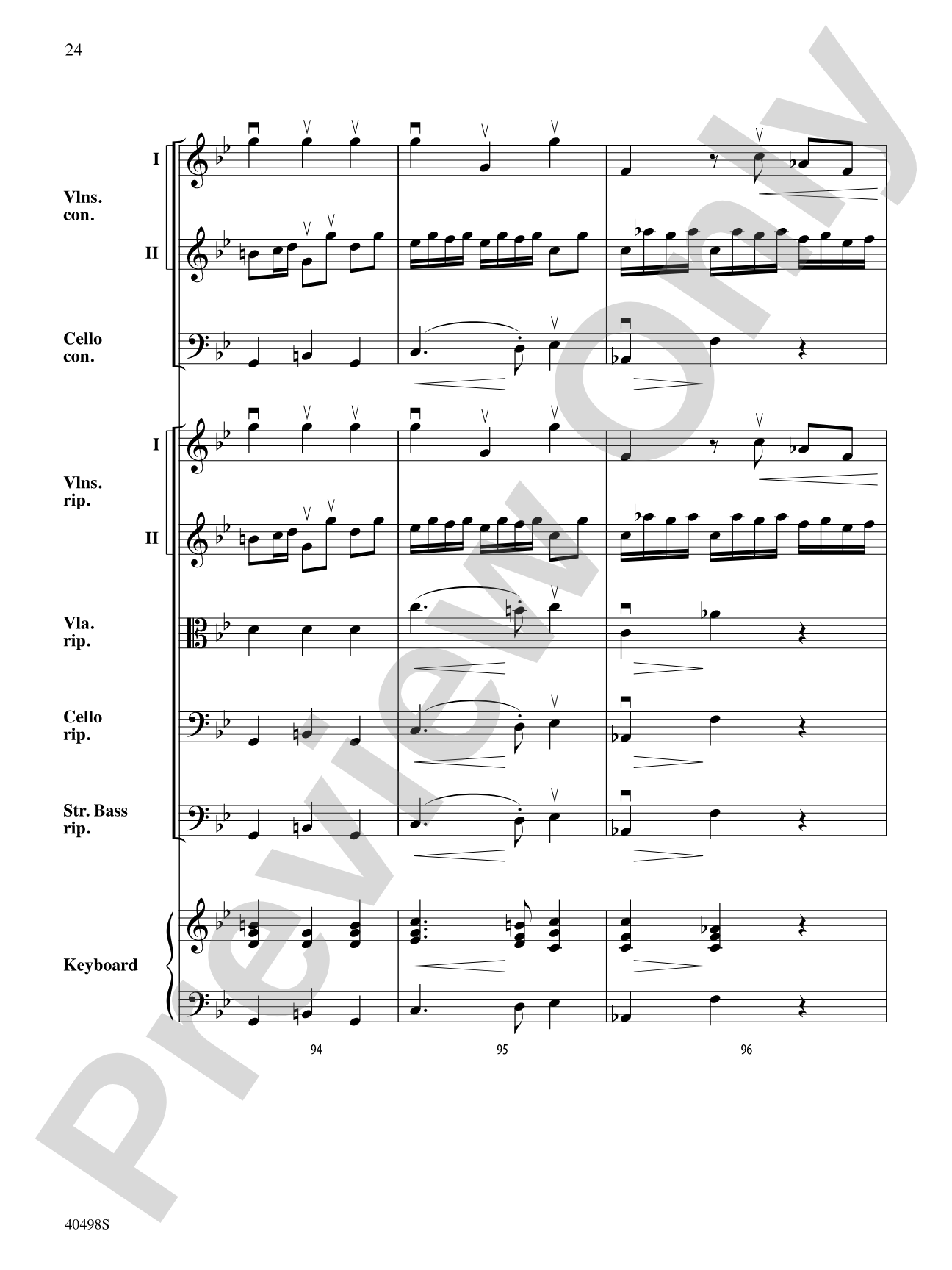
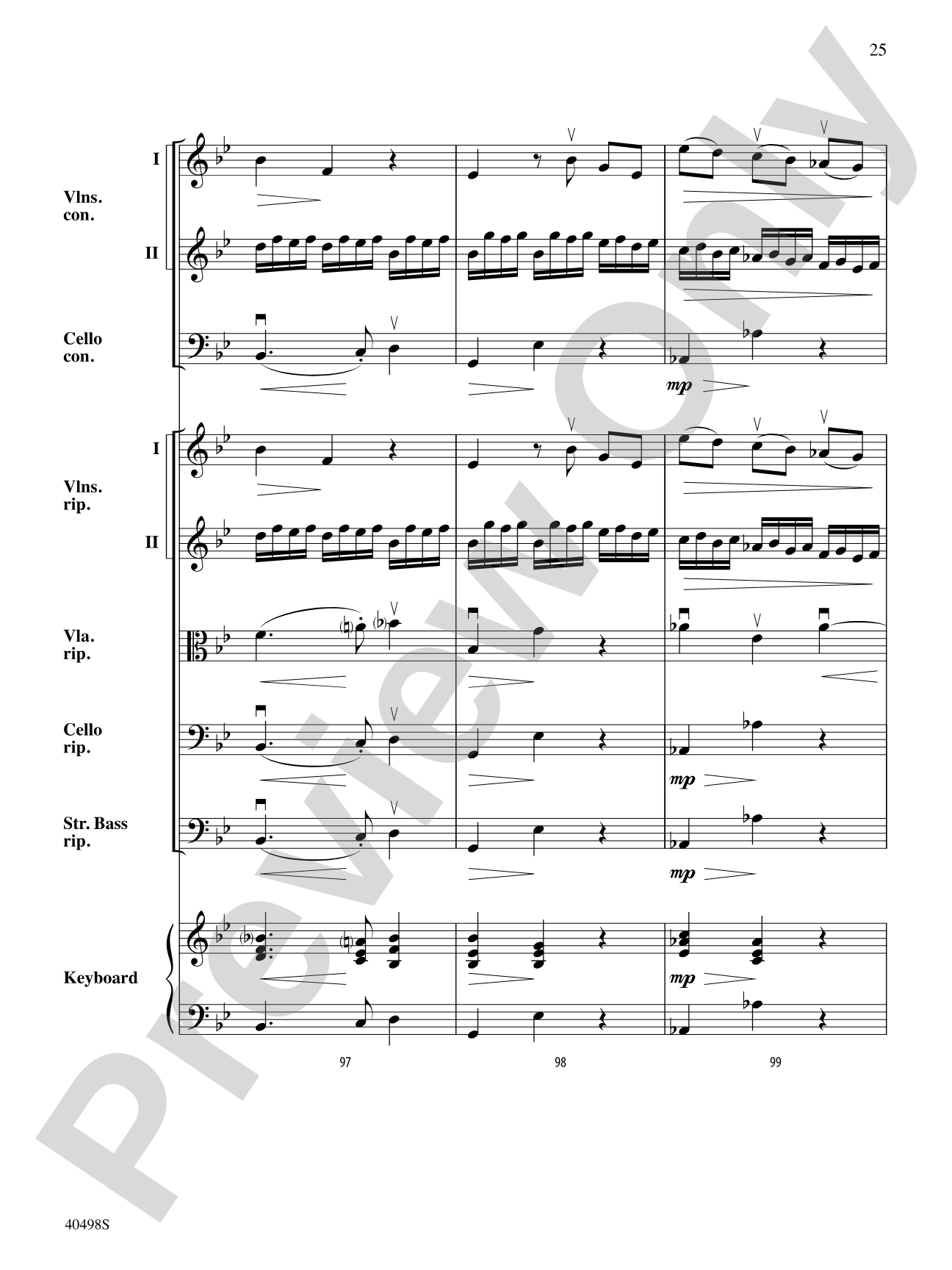
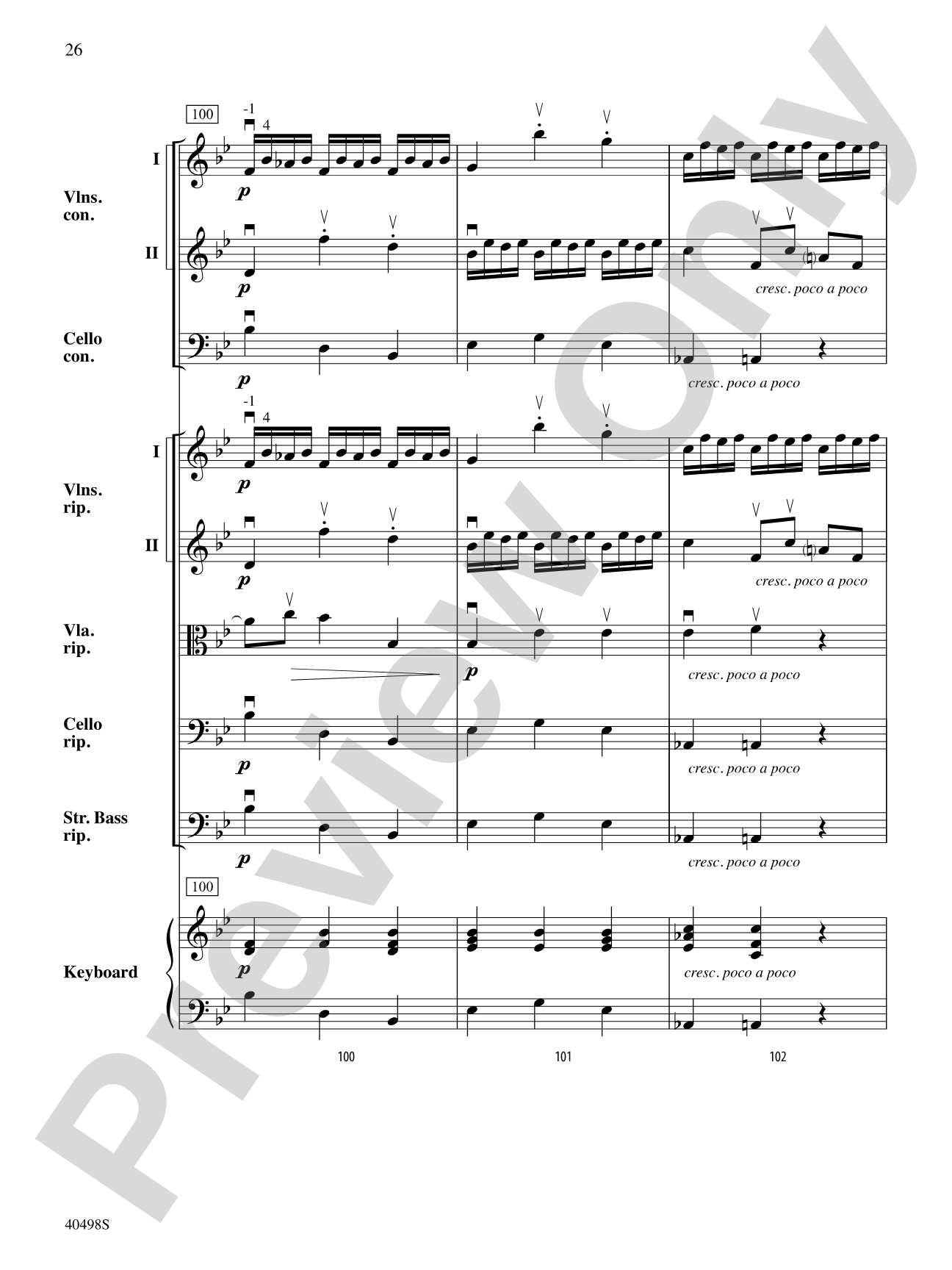
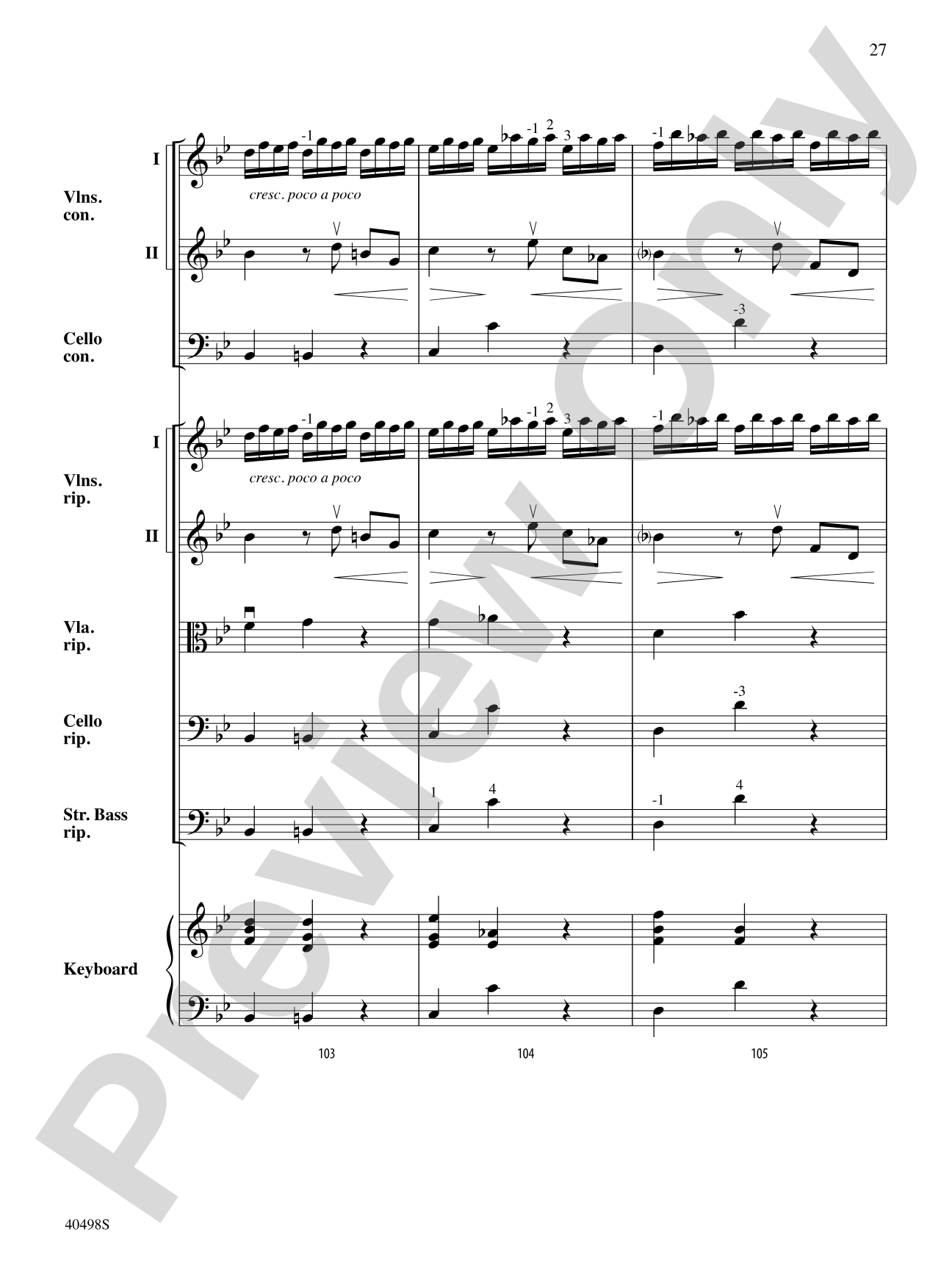
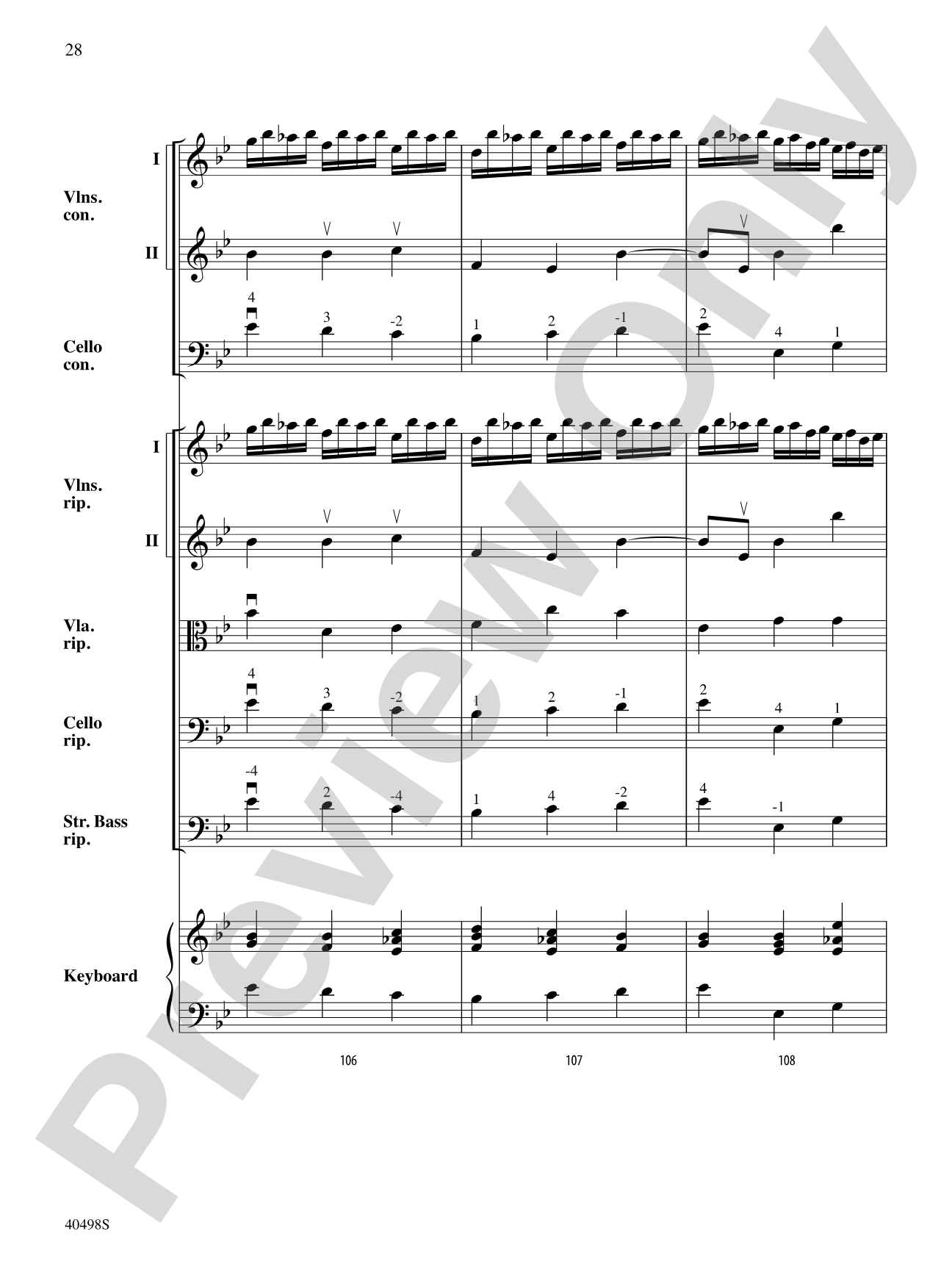
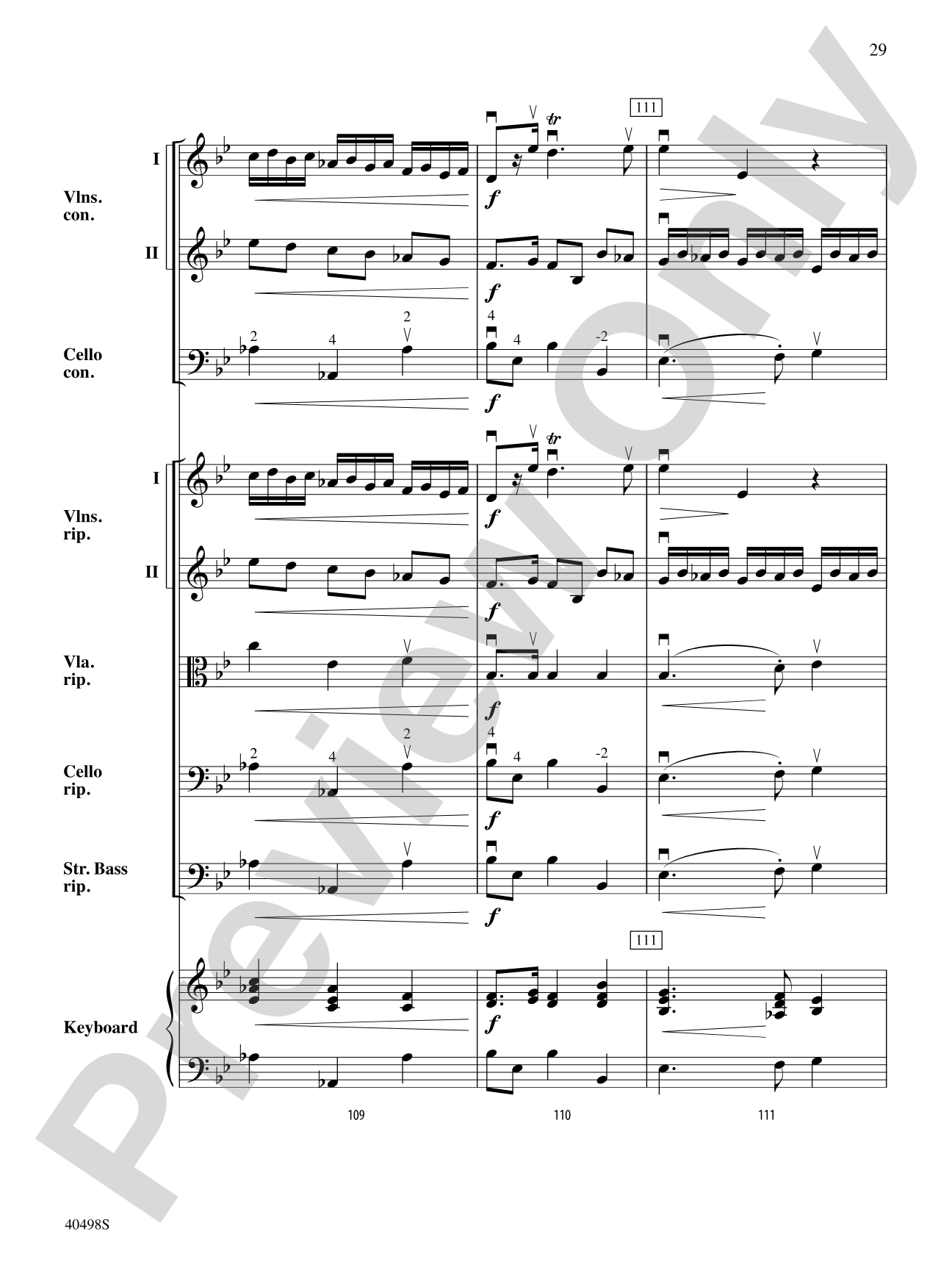
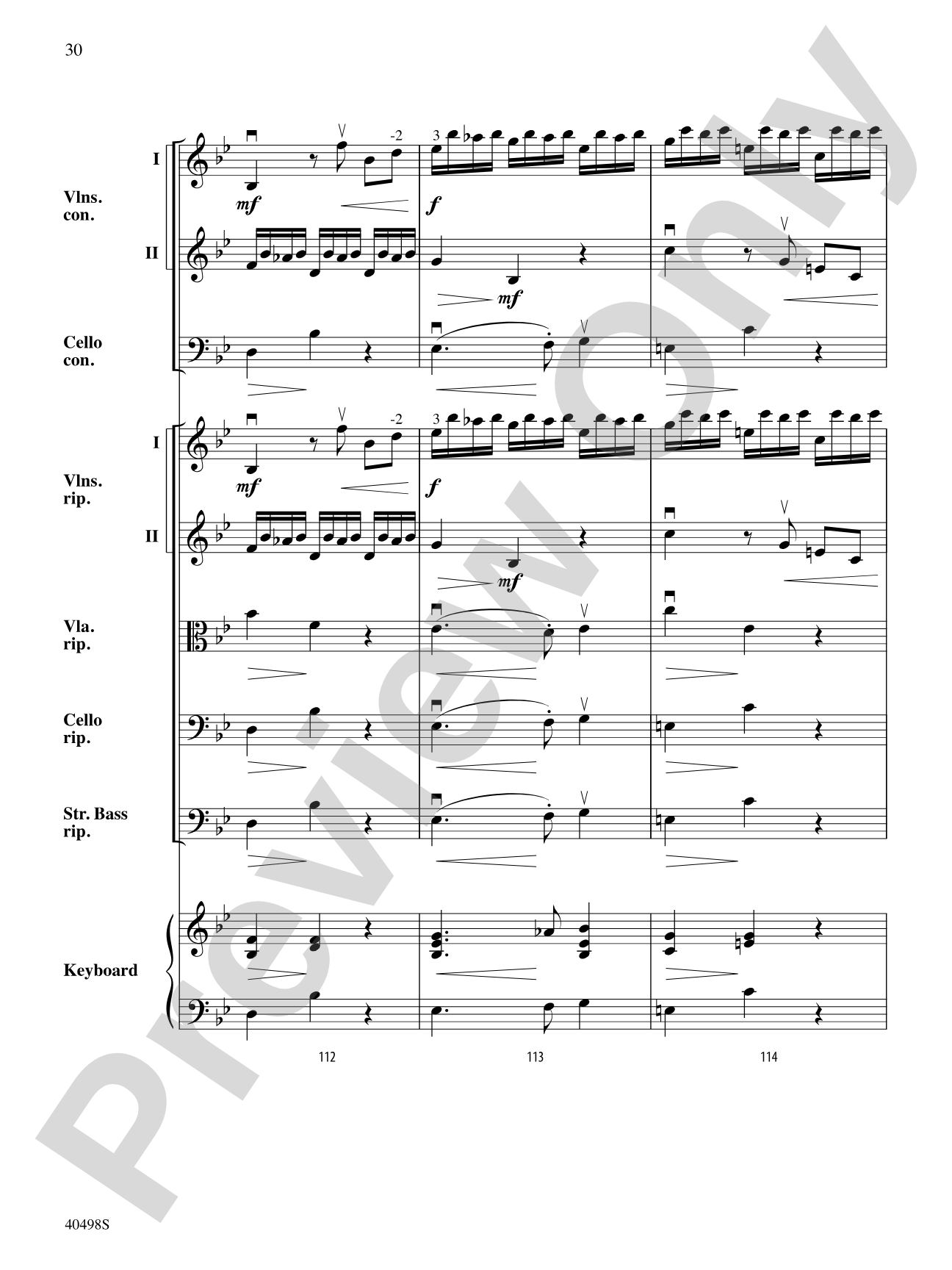
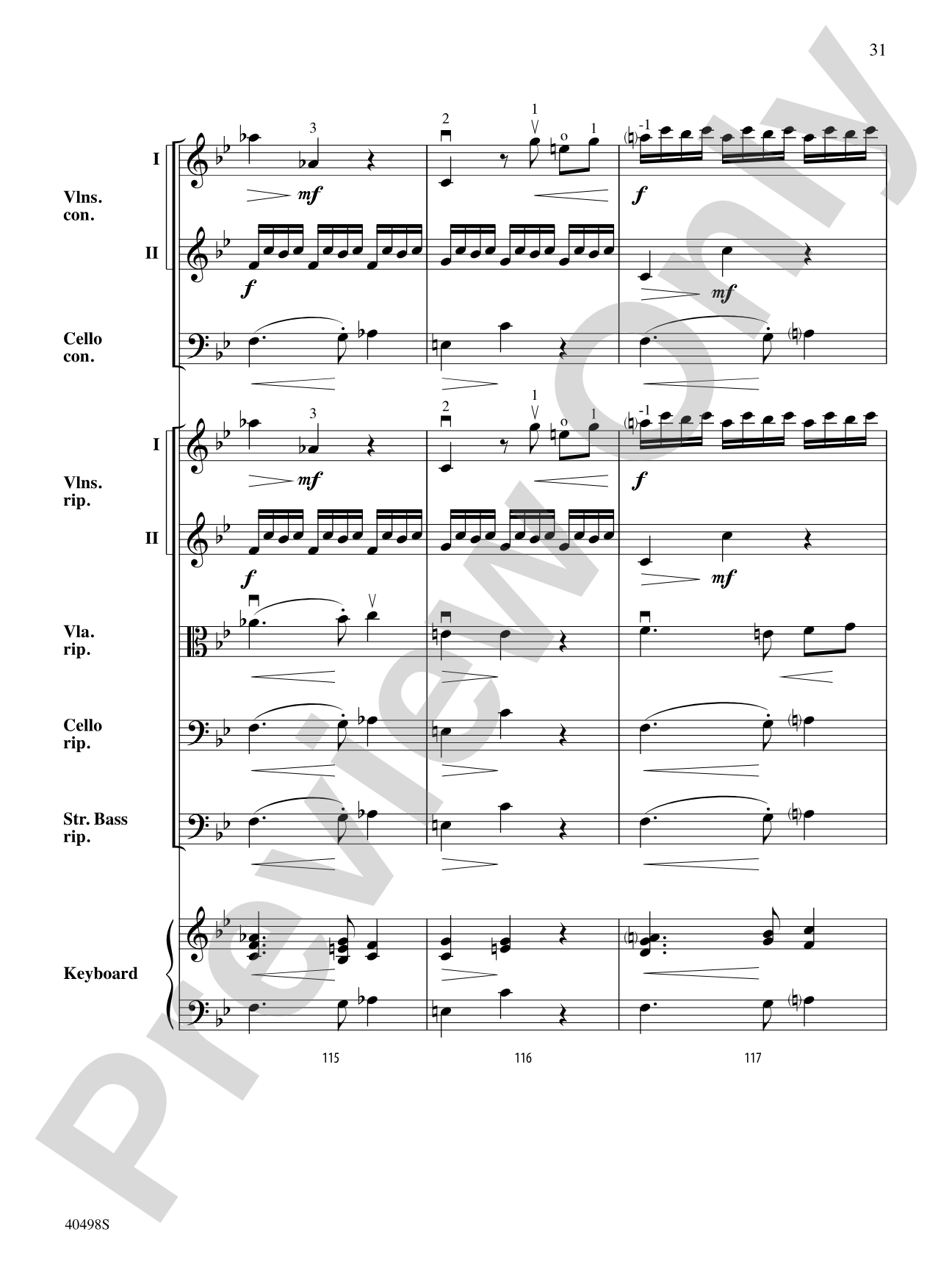
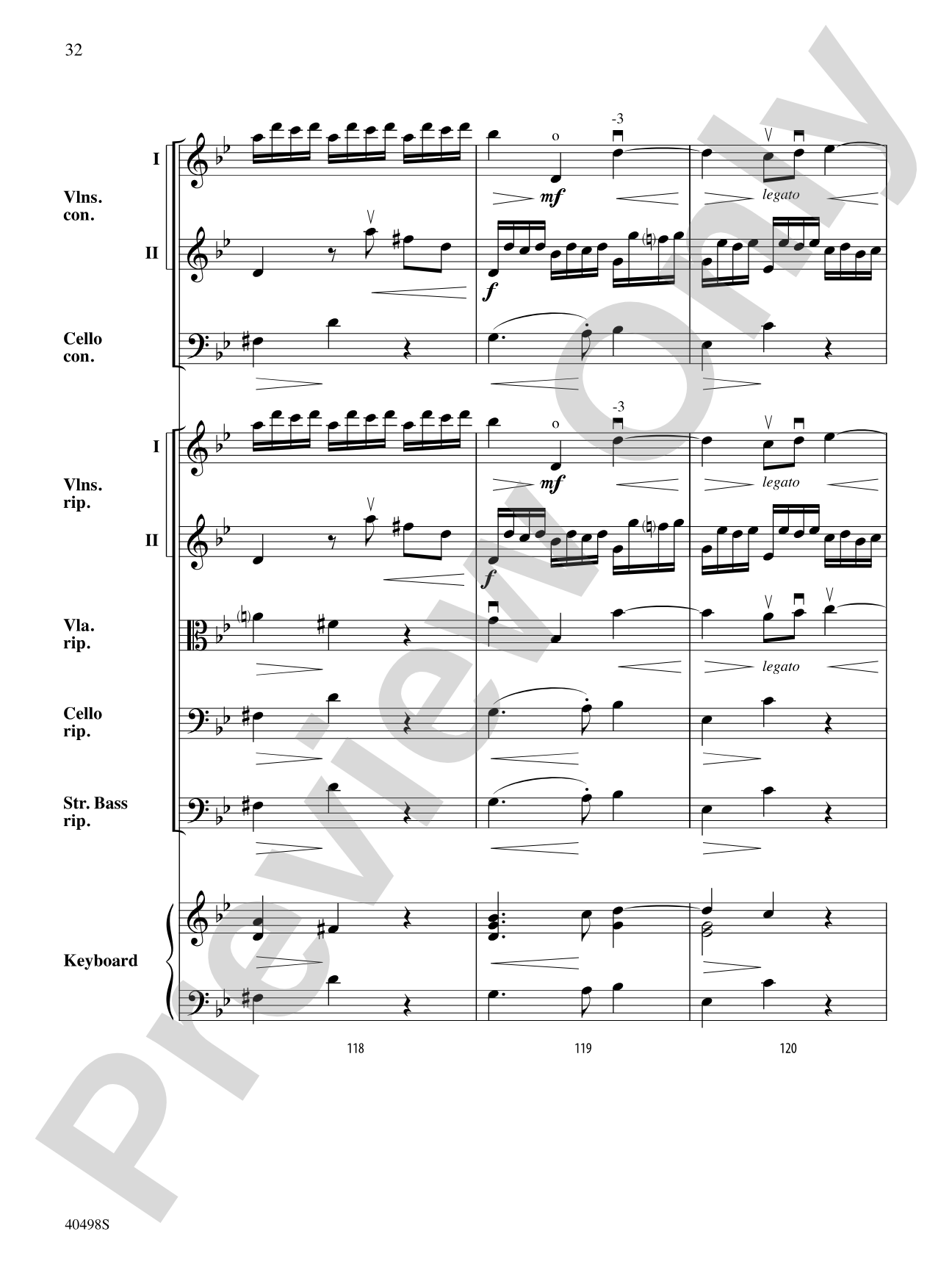
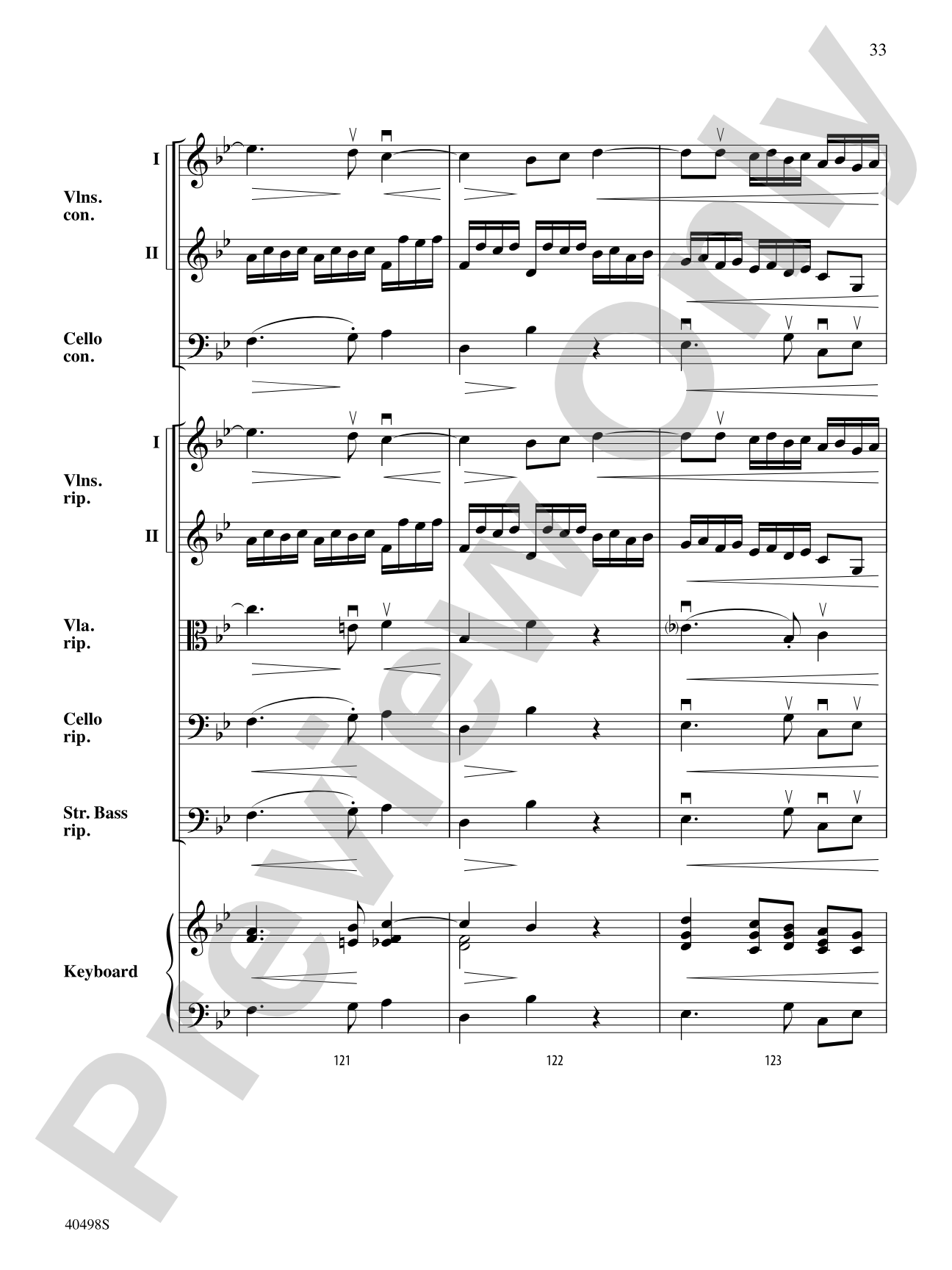
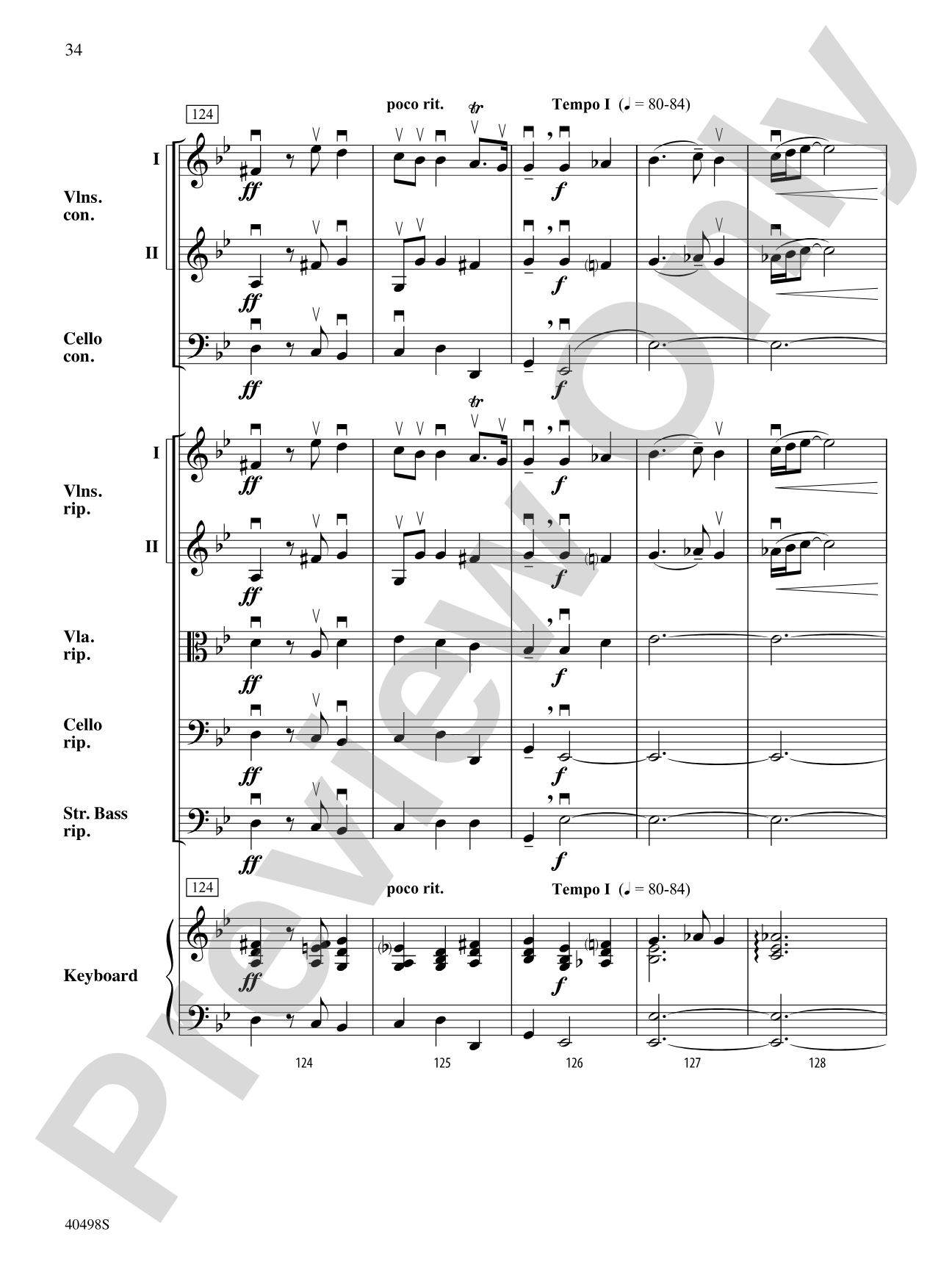
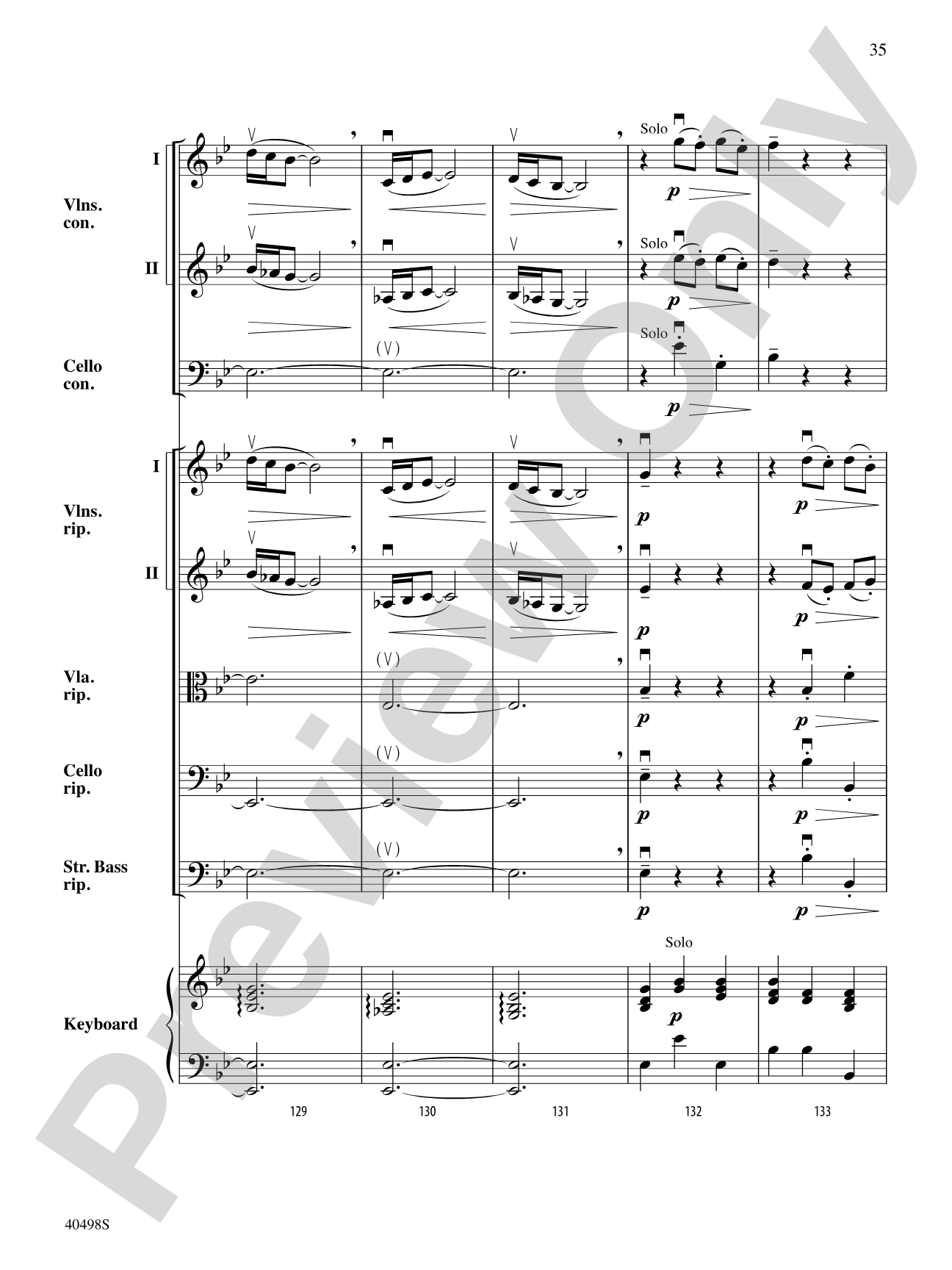
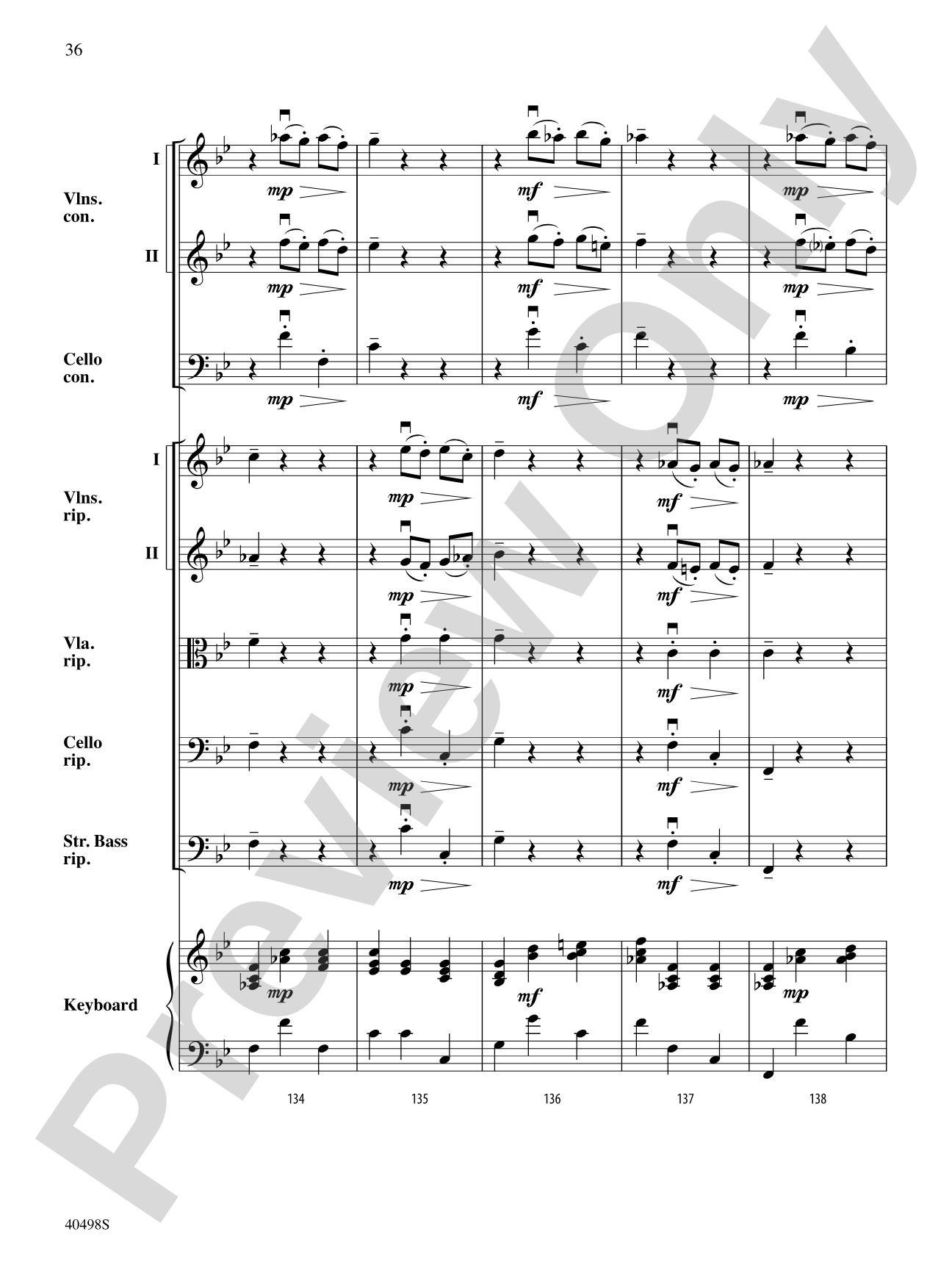
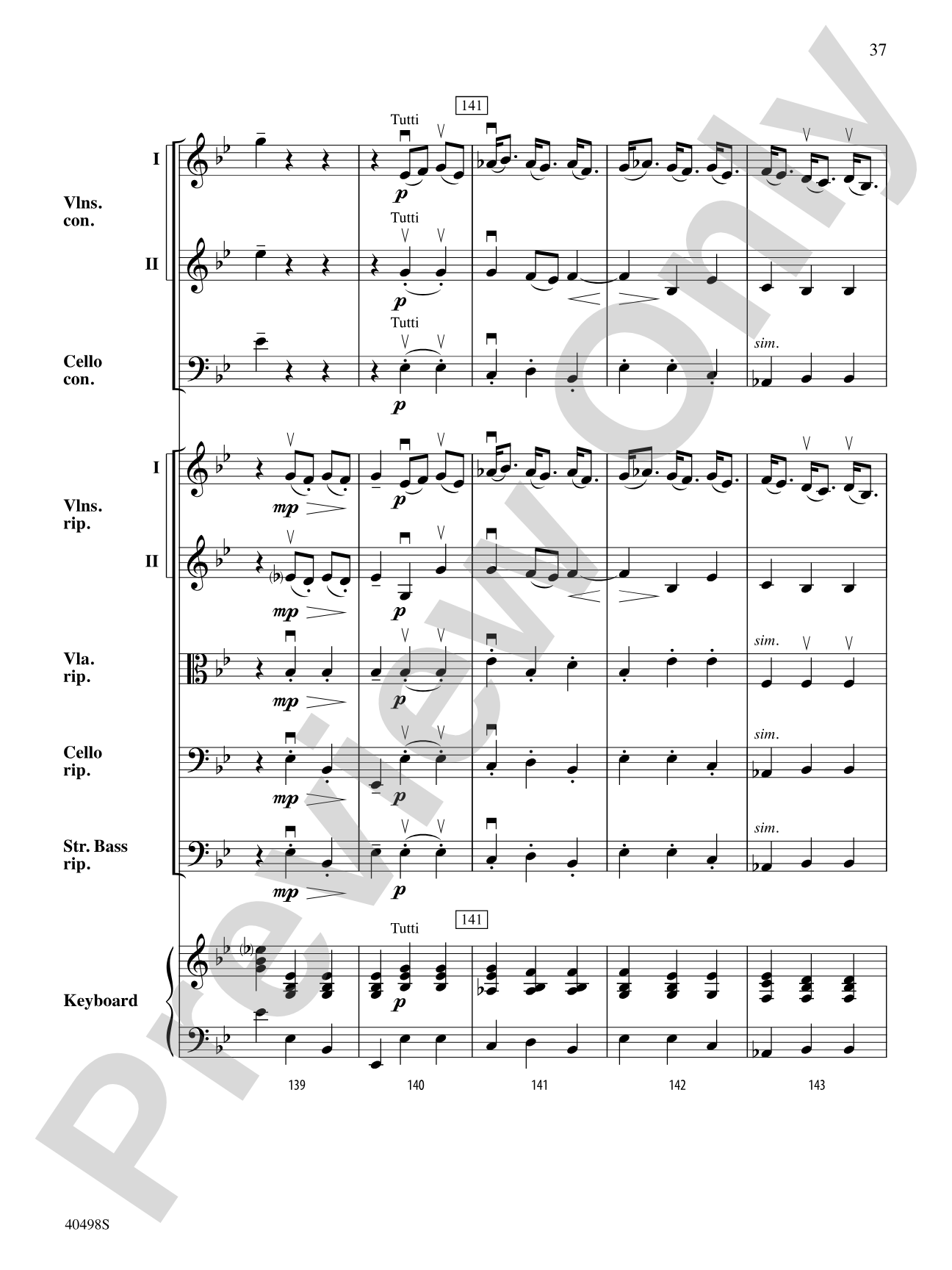
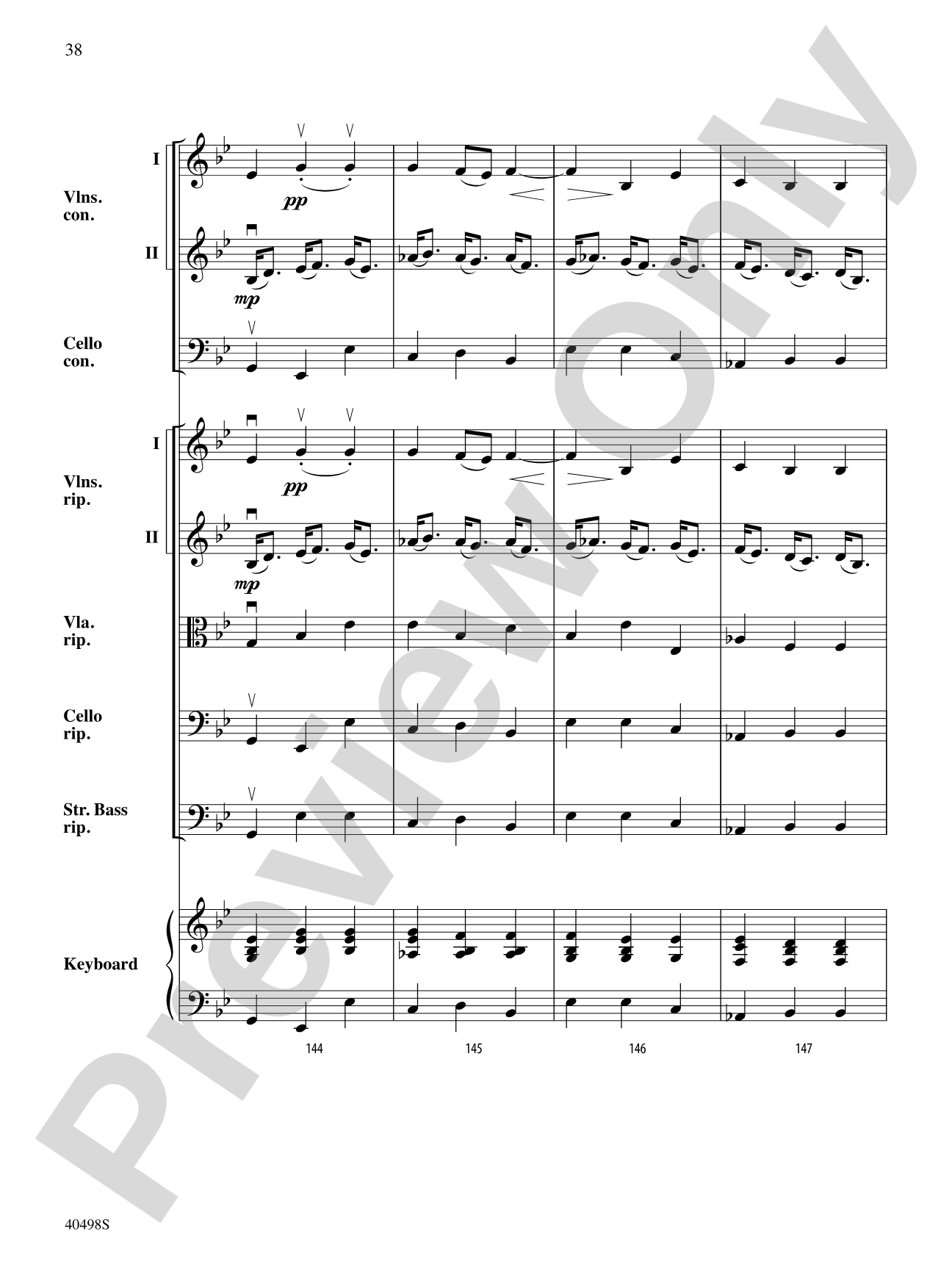
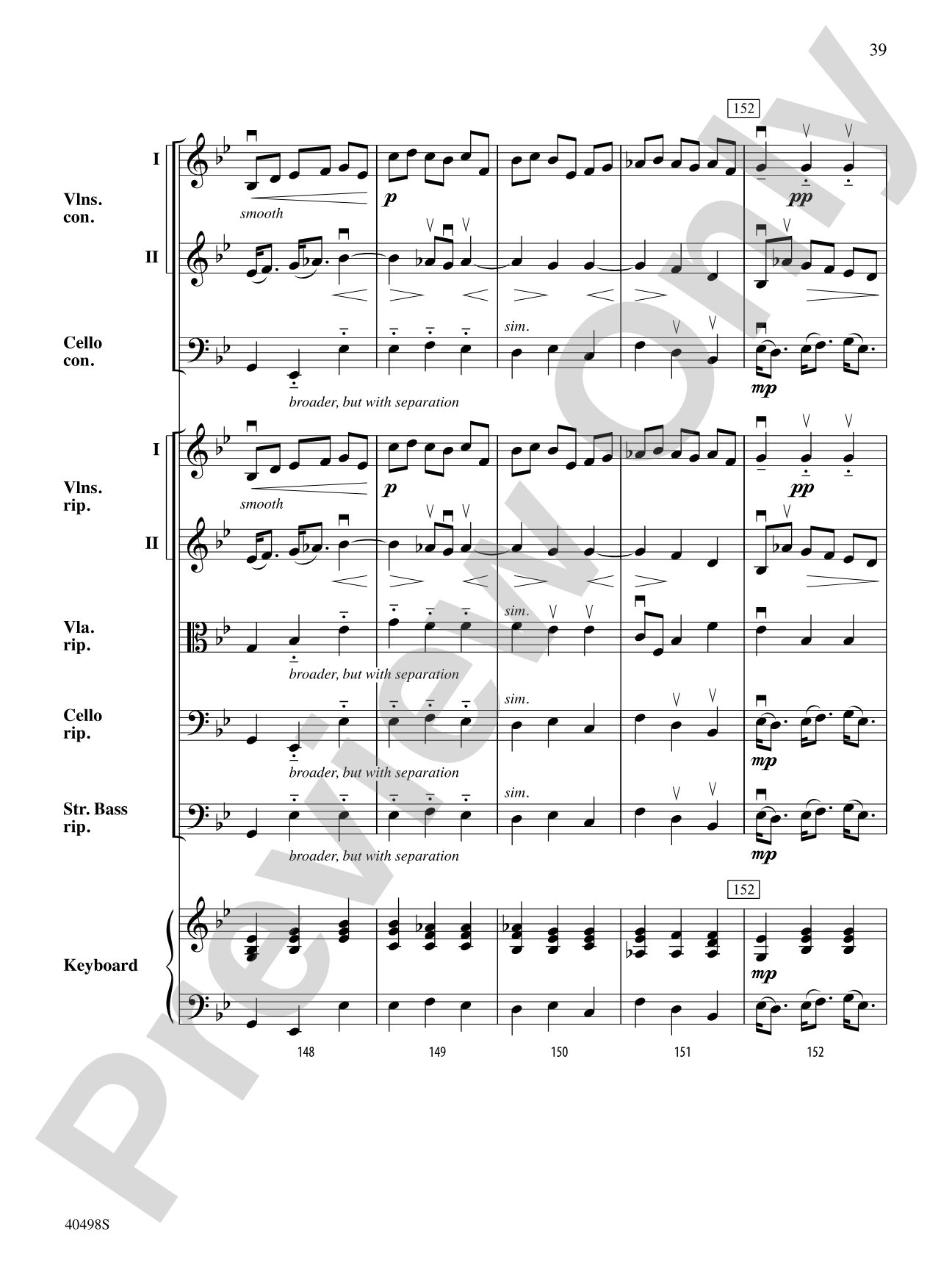
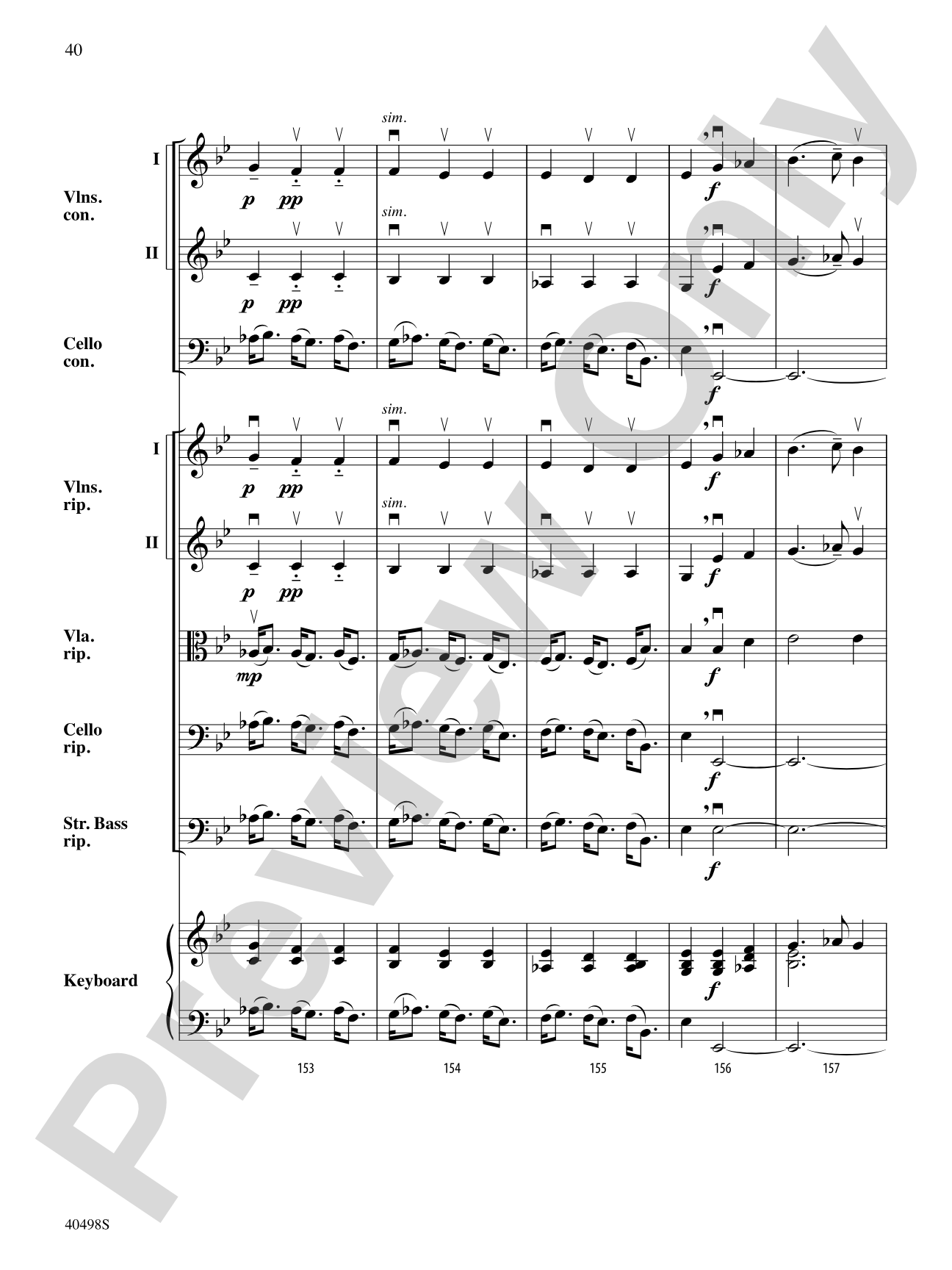
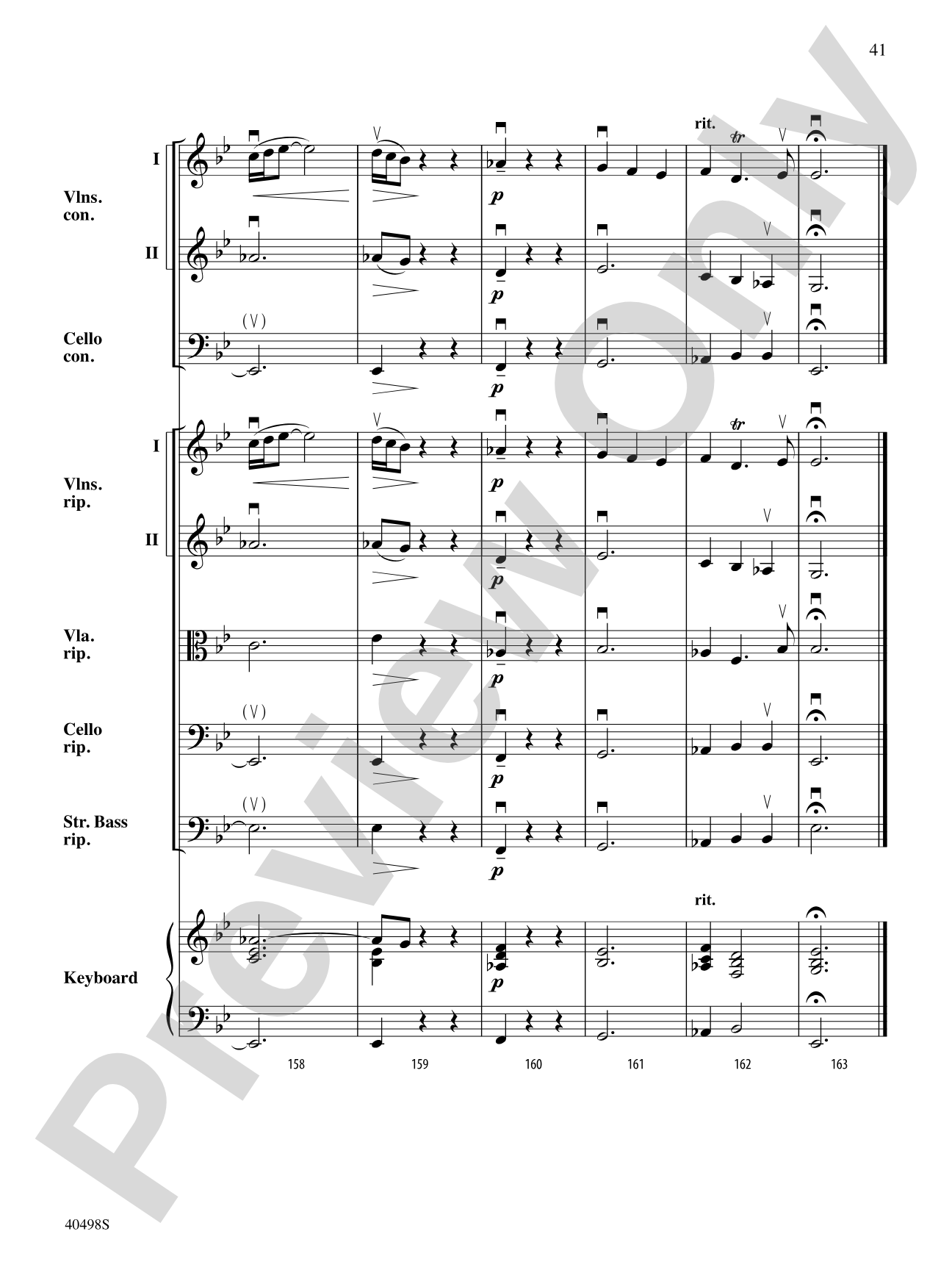




Musette from Concerto Grosso No. 6: String Orchestra Conductor Score & Parts
Op. 6, No. 6
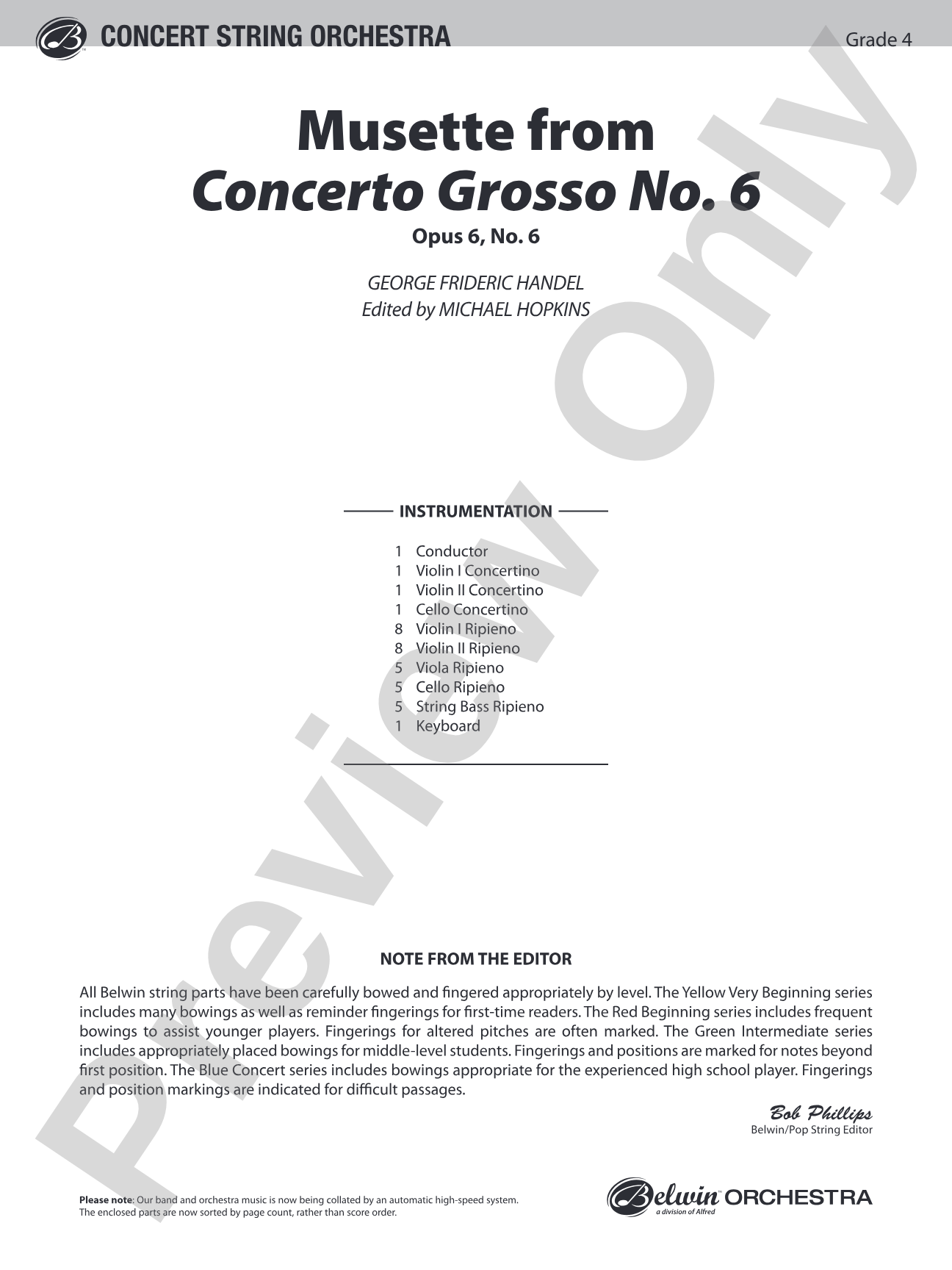
By George Frideric Handel / ed. Michael Hopkins
Grade: 4
Item: 00-PK-0005776

$59.00
Pickup currently not available
Buy Extra Parts (Digital PDF Download)
Parts Added to Cart!
Description
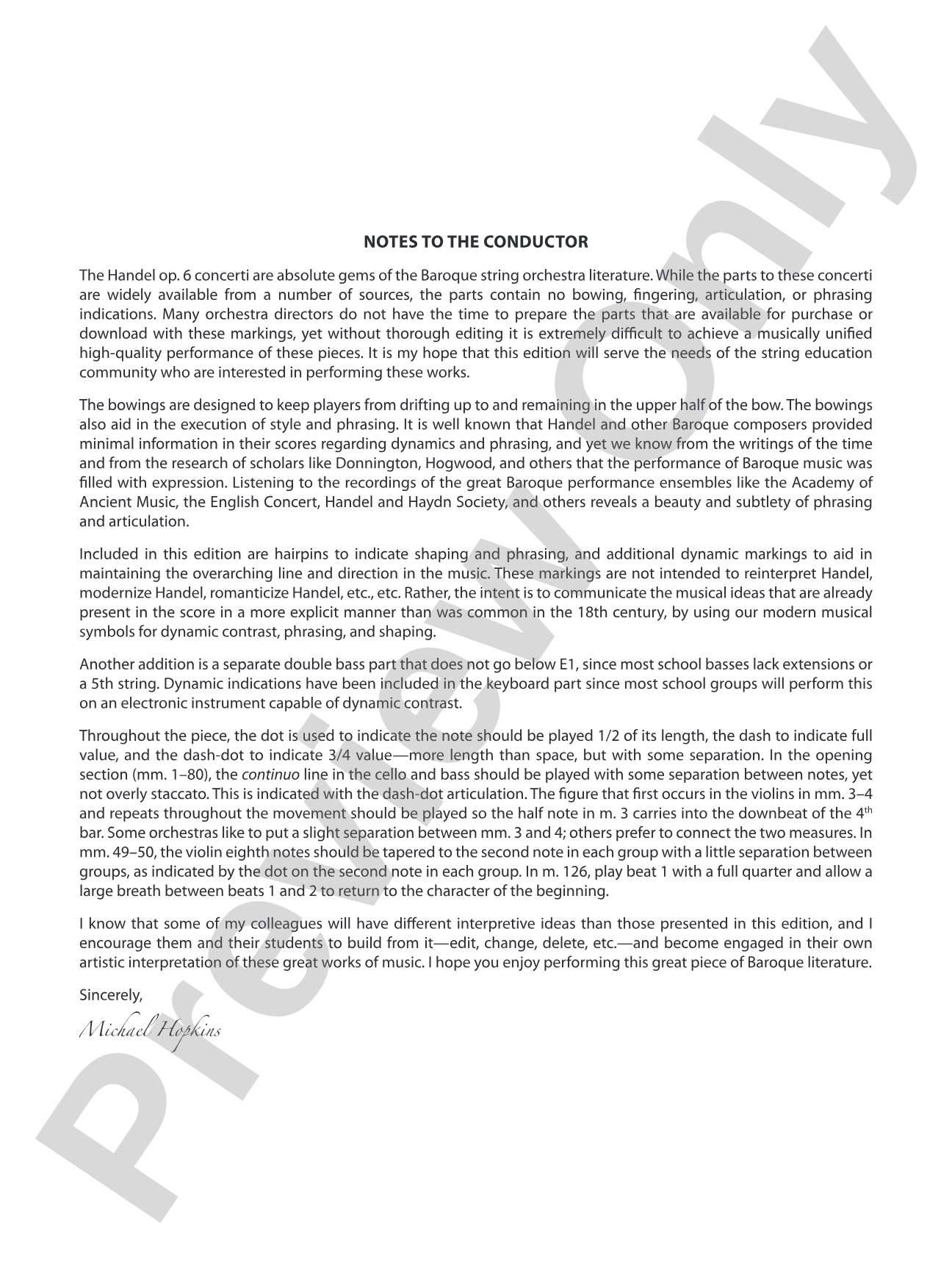
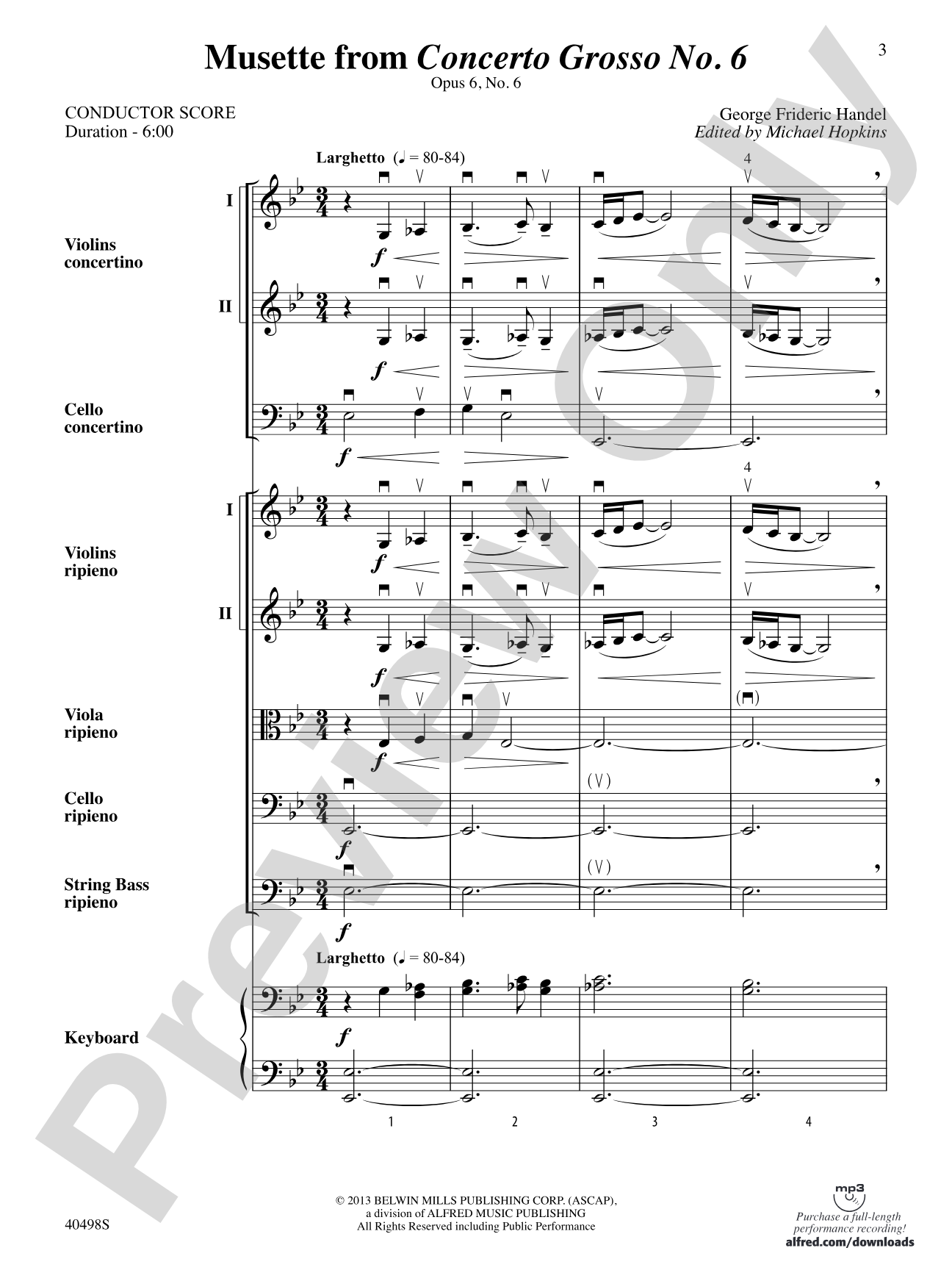
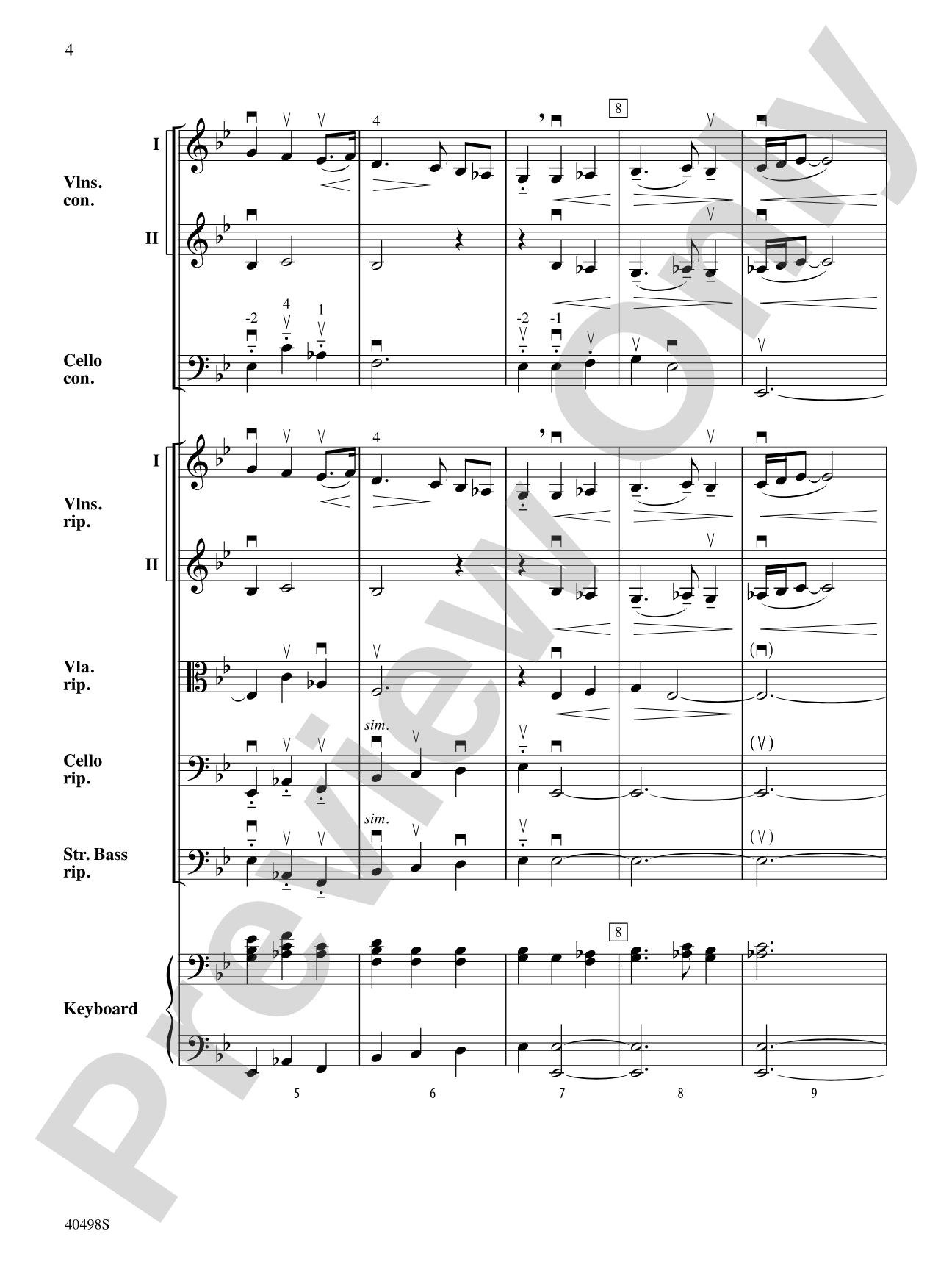
The Handel Op. 6 Concerti are absolute gems of the Baroque string orchestra literature. While the parts to these concerti are widely available from a number of sources, they contain no bowings or fingerings, and no phrasing indications. Many orchestra directors do not have the time to prepare the parts that are available for purchase or download with these markings, yet without thorough editing, it is extremely difficult to achieve a musically unified high-quality performance of these pieces. It is our hope that this edition will serve the needs of the string education community who are interested in performing these works. This title is available in MakeMusic Cloud.


Don't just read it, hear it, play along with it, and watch your students grow with it. In MakeMusic Cloud, Musette from Concerto Grosso No. 6: String Orchestra Conductor Score & Parts comes alive with professional accompaniment, adjustable tempo, and built-in practice tools that turn solo practice into real progress.
Open in the Player
Jump straight in and assign it today.
Start Your Free Trial
Open this title and explore the full library in minutes.
Sample Audio
1
Audio File
--:--
0:00
0:00
Sample Video
No sample videos found.
Additional Details
Series:
Belwin Concert String Orchestra
Publisher:
Alfred Music
Page Count:
140
SKU:
00-PK-0005776
More about this title
About the Composer: George Frideric Handel
George Frideric Handel (1685, 1759) was a master of instrumental writing whose Concerti Grossi established the genre as a cornerstone of Baroque orchestration. His ability to balance solo and tutti sections while maintaining forward harmonic momentum made these works essential training ground for ensemble musicians across centuries.
Handel's string writing is direct and elegant, avoiding unnecessary technical display in favor of clarity and musicality. His melodic gift was matched by his practical understanding of what strings could sustain and articulate, which is why these works remain both performable at educational levels and musically sophisticated.
Why we love this
This edition solves a persistent problem for string directors: Handel's concerti exist in many urtext sources, but they arrive without the interpretive guidance that Grade 4 orchestras need to perform them with musical coherence. Michael Hopkins's careful editing adds bowings, fingerings, and phrasing marks that allow your students to focus on ensemble blend and Baroque style rather than deciphering performance logistics. The result is a musically unified score that actually sounds like Handel, not a collection of individual parts being read for the first time.
What to expect
The Musette from Concerto Grosso No. 6 dances with elegant restraint. Ornamental figures twist over a steady harmonic foundation while the ensemble maintains crisp articulation and transparent texture. There is formality here, but also warmth; the piece moves with the grace of court music without feeling stiff or remote.
Who it's for
Grade 4 string orchestras performing at festivals, concerts, or competitions looking for Baroque repertoire with thorough editing already in place. Directors who want their students to experience canonical string literature without spending rehearsal time on interpretive markup. Orchestras ready to tackle contrapuntal textures and period-appropriate style with pedagogical support.
How to get the most out of it
- Shape the melodic lines with gentle articulation that honors the dotted rhythms without rushing; Baroque bowings sit naturally when the ensemble commits to phrase structure rather than mechanical precision.
- Balance the ripieno strings against the concertino soloists by adjusting dynamic relationships rather than absolute volume; this reveals the inner voices that make the harmonic progression audible.
- Establish a clear metric pulse in the opening but allow rubato in cadences and transitions; Baroque music lives in the space between structural regularity and expressive freedom.
- Use the Hopkins edition's fingerings as written to build consistency across your orchestra; standardized fingerings reduce tuning issues in double-stops and extended passages.
How to use it
Program this as a centerpiece of a Baroque concert or festival set, pairing it with shorter works from the same era to build context around Handel's compositional voice. It also works beautifully as a bridge between educational repertoire and canonical masterworks in mixed-genre concerts, signaling your orchestra's technical growth and musical ambition.
Skills your students will build
- Baroque articulation and ornamentation (dotted rhythms, slurred figures)
- Transparent ensemble balance and voice leading awareness
- Intonation in extended positions and harmonic progressions
- Interpretive phrasing within the edited score's guidance
- Rhythmic precision in ensemble contexts with independent string parts