Mt. Everest Cover Image

Mt. Everest: Full Orchestra Conductor Score & Parts

$95.00 USD
Sale price  $95.00 USD Regular price 
Skip to product information
Mt. Everest Cover Image

Mt. Everest: Full Orchestra Conductor Score & Parts

By Rossano Galante

Grade: 4

Item: 00-50333

Need it now?

Buy Digital Version
$95.00
Shipped

One moment…

Description
This programmatic work embarks on a musical journey to the summit of the world's highest peak, Mt. Everest. The piece opens with a bold trumpet statement, supported by rhythmic ostinati in the winds, setting the stage for an ascent both daring and triumphant. The main theme, first introduced in the horns, is later taken up by the trumpets with a soaring horn obligato. A reflective, lyrical passage offers a moment of serenity before the music builds toward a powerful recapitulation. The piece culminates in a grand, majestic fanfare, evoking the awe-inspiring grandeur of Everest. This orchestral arrangement was inspired by composer Chris Bernotas.

Mt. Everest: Full Orchestra Conductor Score & Parts isn't in MakeMusic Cloud just yet...but it could be. Let us know you'd like to see it, and you'll help shape what comes next. In the meantime, start a free trial and dive into thousands of interactive titles your students can play along with today.

Sample Pages

Sample Audio
0:00
0:00
Sample Video
Additional Details
Series: Belwin Symphonic Full Orchestra
Publisher: Alfred Music
ISBN10: 1-4706-8026-2
ISBN13: 978-1-4706-8026-8
UPC: 038081604558
SKU: 00-50333

More about this title

About the Composer: Rossano Galante
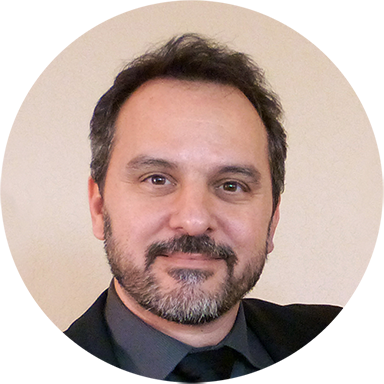
Rossano Galante

Rossano Galante studied trumpet performance at SUNY Buffalo before earning acceptance to the University of Southern California's Film Scoring Program in 1992, where he studied under the late Jerry Goldsmith. His work as an orchestrator spans over eighty studio films, collaborating with composers including Marco Beltrami, Christophe Beck, and Brian Tyler on projects ranging from the Marvel Cinematic Universe to major studio releases across multiple genres.

Beyond his film work, Galante maintains an active career as a concert composer, with commissions from ensembles worldwide and more than 68 published compositions across leading music publishers including Alfred, Schirmer, Hafabra, and Curnow. His orchestral writing draws from his deep experience translating compositional vision into richly detailed, playable scores.

Why we love this

Galante brings his film orchestration expertise directly into the concert hall here, crafting a narrative arc that's genuinely theatrical without ever feeling overwrought for the ensemble or the listener. The structure rewards careful conducting: you'll shape distinct musical moments, the bold opening, the lyrical turning point, the architectural climb to the finale, that give your orchestra real dramatic purpose. It's the kind of piece that sounds ambitious and polished in a contest or festival setting while remaining accessible at the Grade 4 level.

What to expect

The music captures the relentless pull of elevation, you feel the steady climb in the ostinati, the breathless reach of the soaring horn obligato, and finally the serene clarity of high altitude before the triumphant descent into that majestic final statement. It's cinematic in scope but orchestrated with clarity and purpose.

Who it's for

This score works well for orchestras with solid fundamentals ready to tackle a longer, multi-section work with genuine dramatic shape. Grade 4 ensembles with reliable brass and wind sections will find the material rewarding without overshooting their technical range. It's an excellent choice for festival programming or concert closers where you want impact without excessive difficulty.

How to get the most out of it

  • Establish the rhythmic ostinati in the winds from the opening trumpet statement with absolute precision; this foundational pulse supports the entire ascent and shapes how the main theme will land.
  • Balance the horn obligato against the trumpet melody during the soaring section so both lines sing distinctly; this requires careful dynamic shaping rather than simply playing the written dynamics as written.
  • Use the reflective passage as an opportunity to shift the ensemble's energy and breath. This moment of serenity is earned only if the preceding climb has been driven and focused.
  • The final fanfare demands commitment to both tempo and dynamic clarity. Resist the urge to slow down; let the majestic feel come from precision and unified articulation across all sections.

How to use it

This programmatic work serves as a strong concert closer or contest selection, where its clear narrative arc and dramatic pacing will hold an audience's attention. Place it after lighter fare to let its orchestral weight and thematic development stand out, or pair it with other nature-inspired or journey-themed works to create a cohesive programming statement.

Skills your students will build

  • Balancing multiple thematic layers (melody, obligato, and rhythmic support) simultaneously
  • Sustaining ensemble focus through extended dynamic and tempo changes
  • Executing tight rhythmic ostinati while maintaining musical expression
  • Bringing character and nuance to different structural sections (bold opening, lyrical middle, powerful recapitulation)
  • Responding to dramatic and programmatic intent in orchestral writing

You May Also Like