
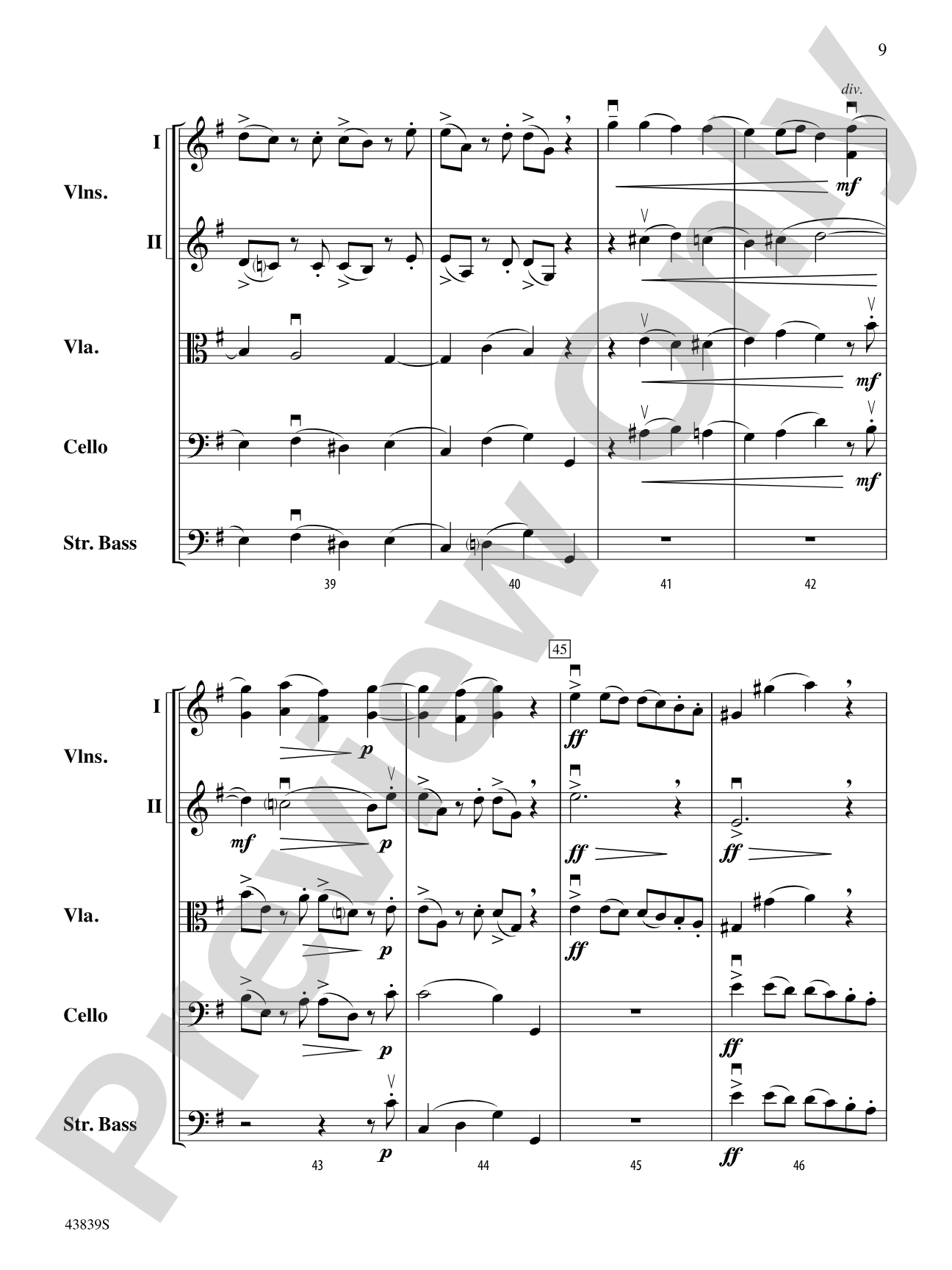
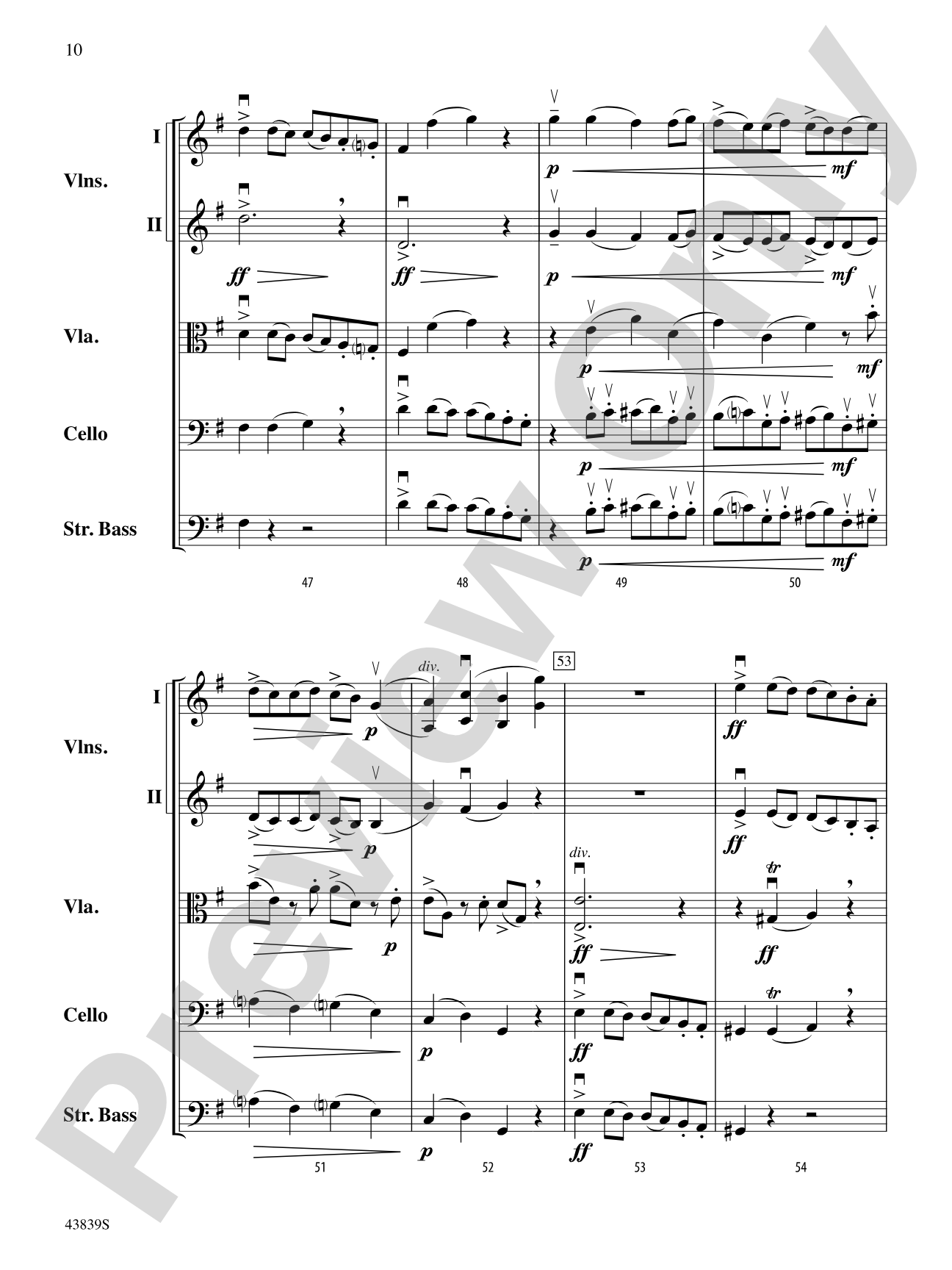
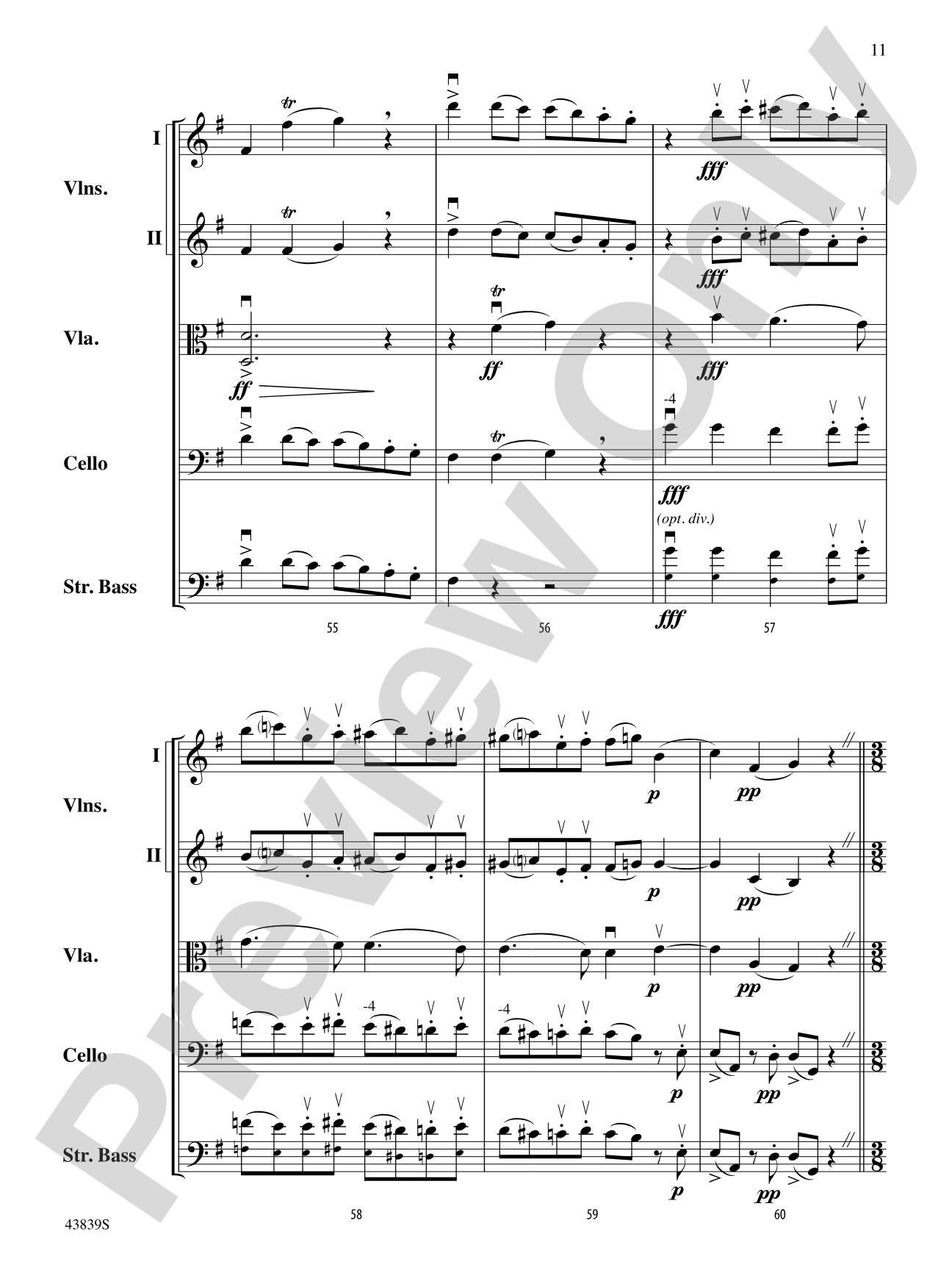
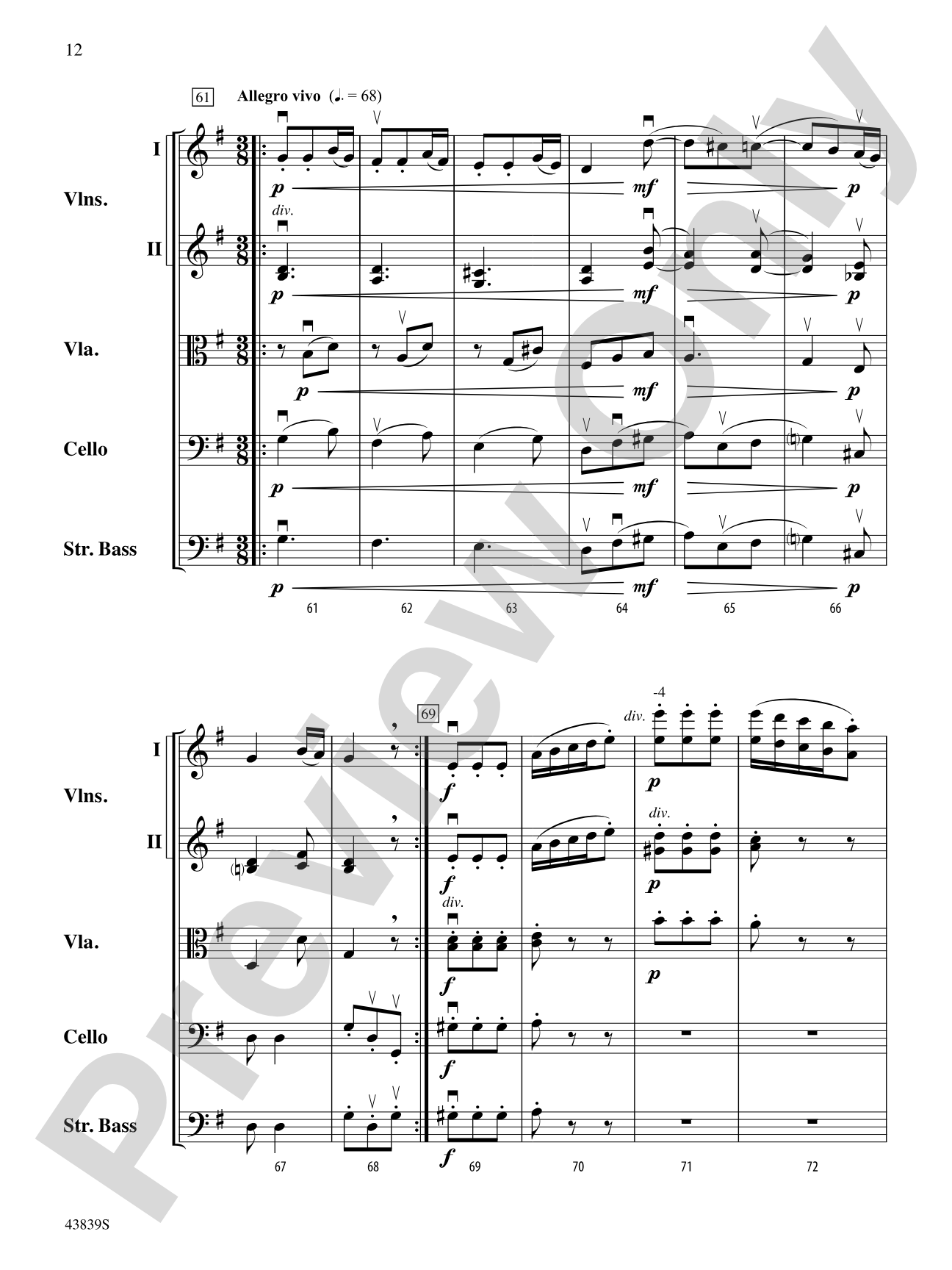
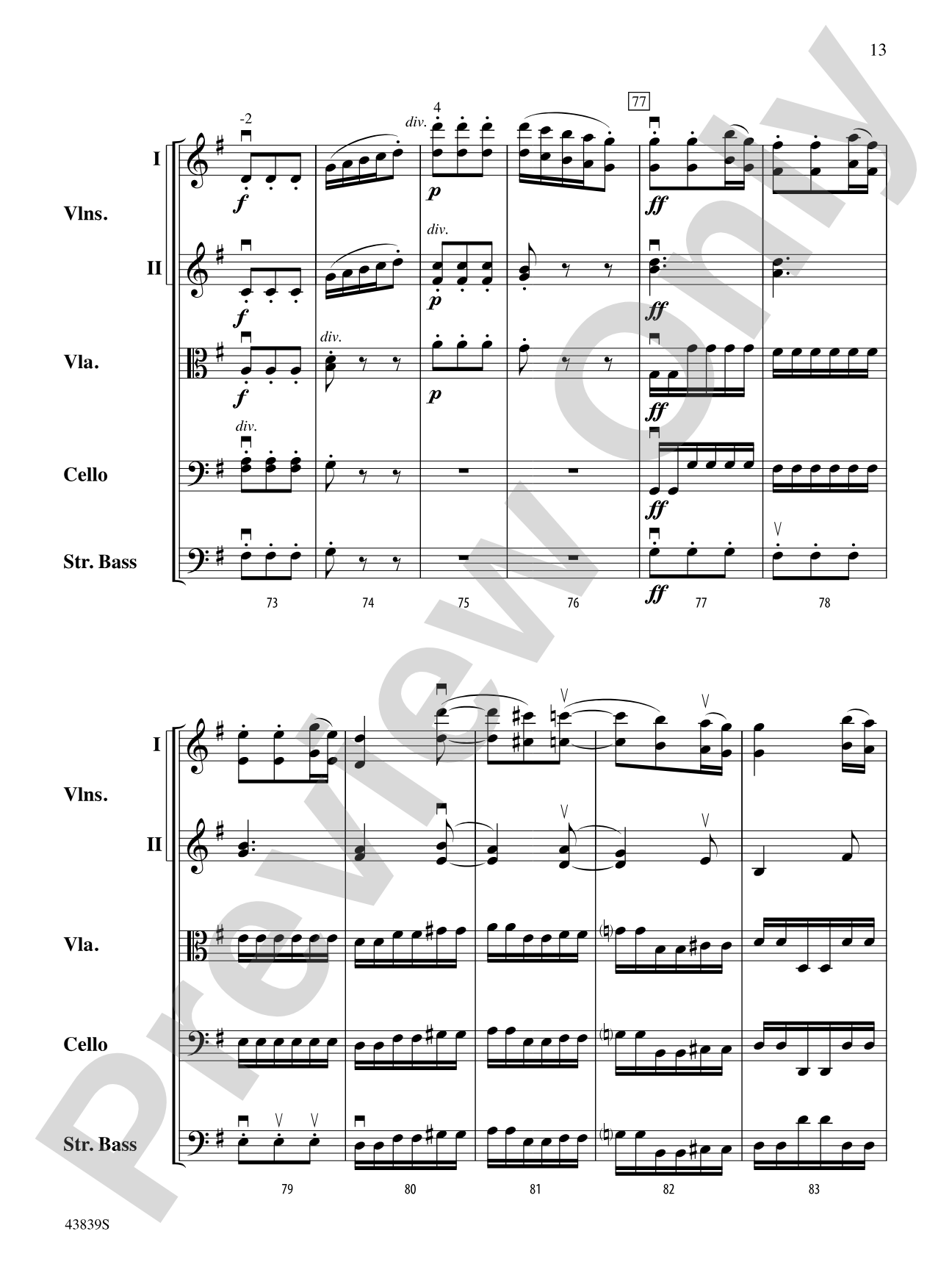
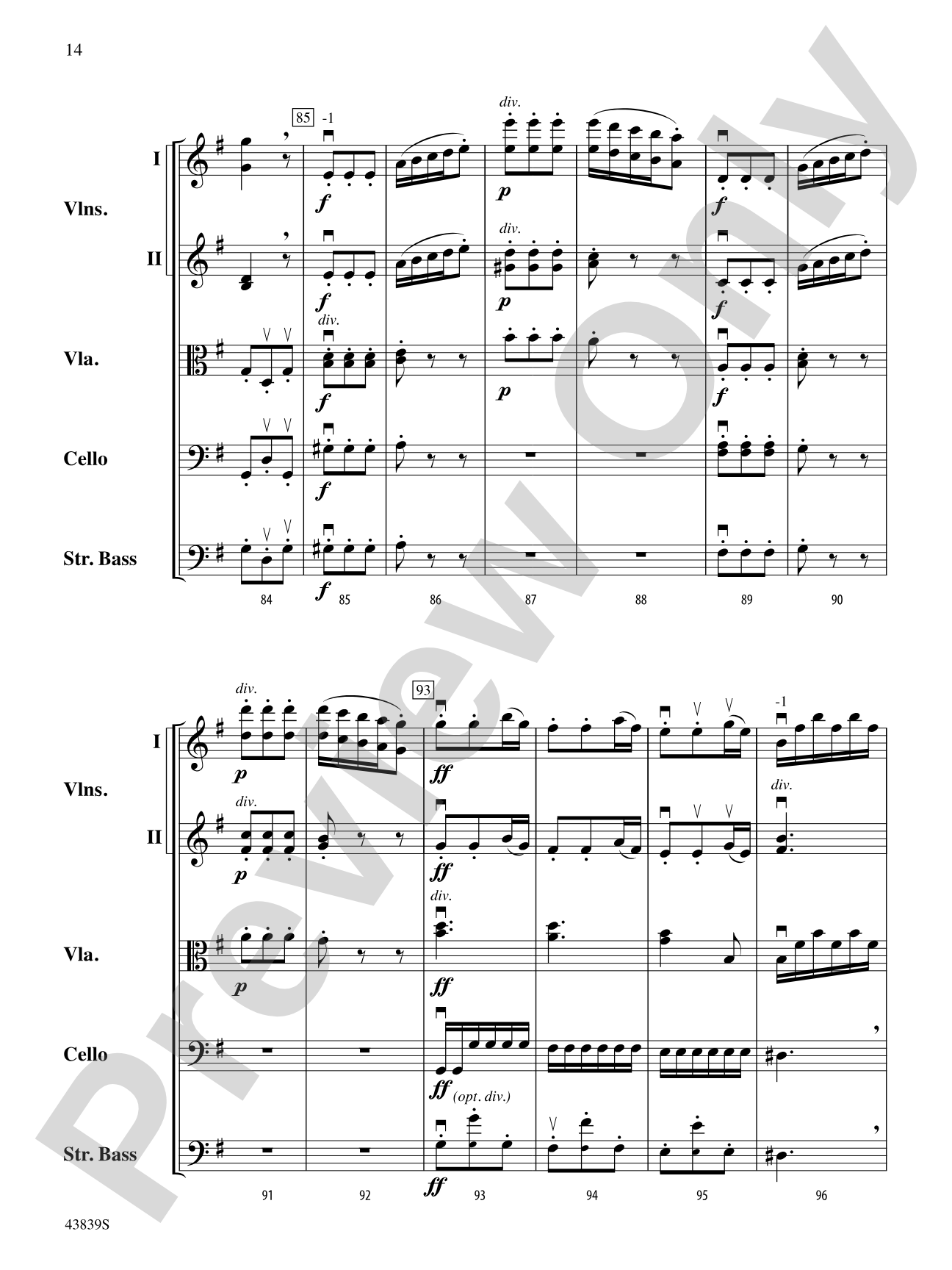
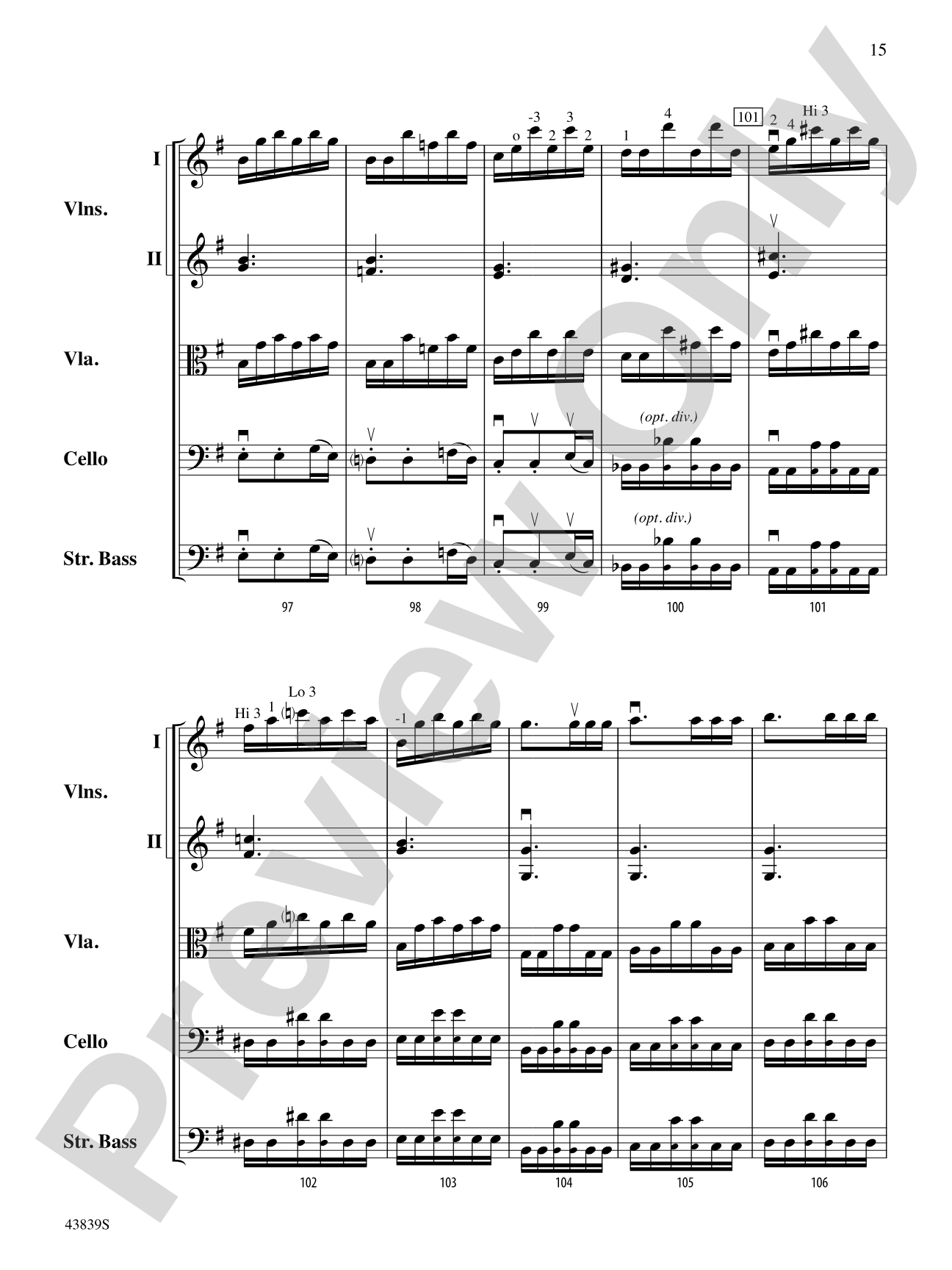
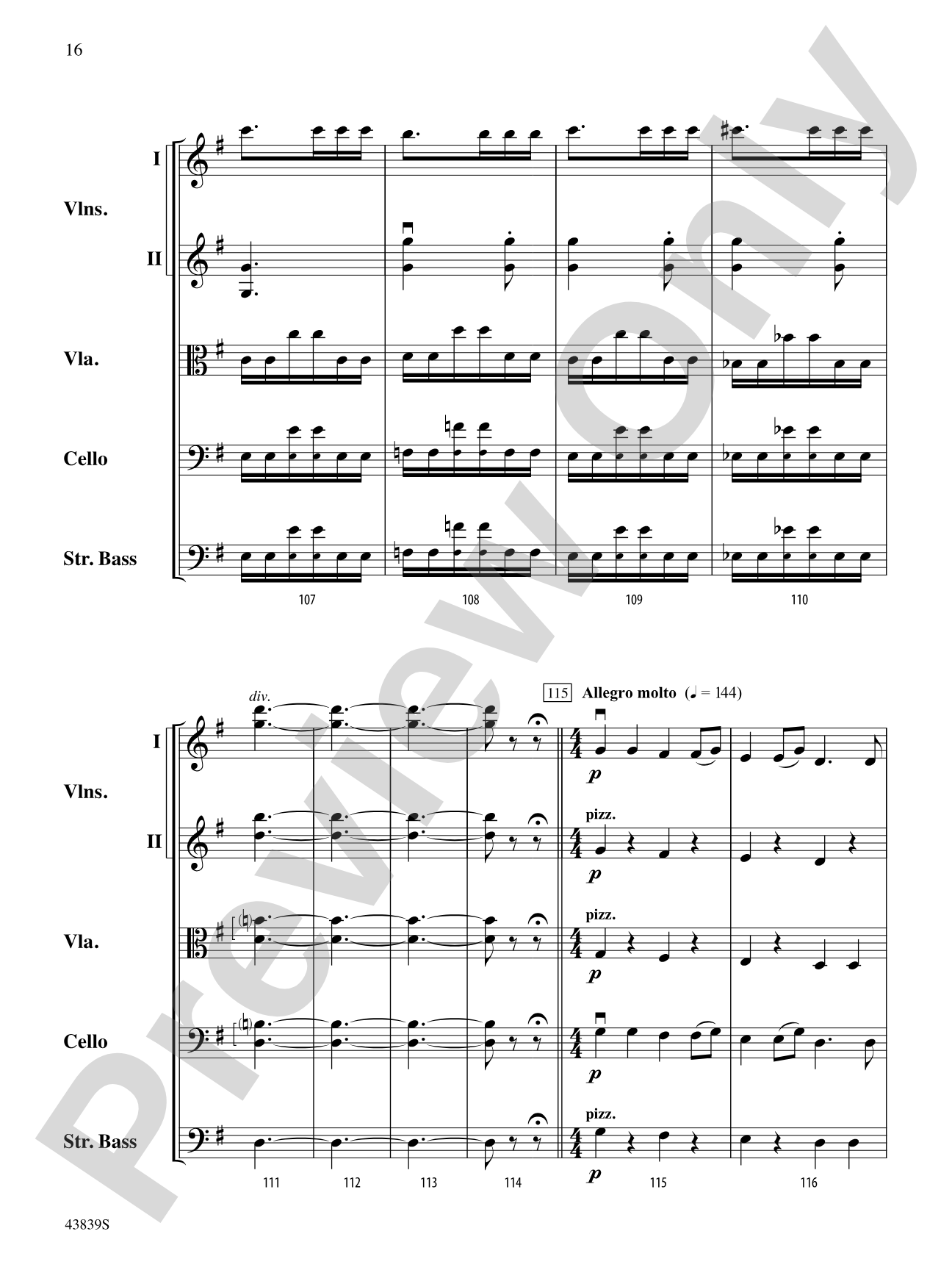
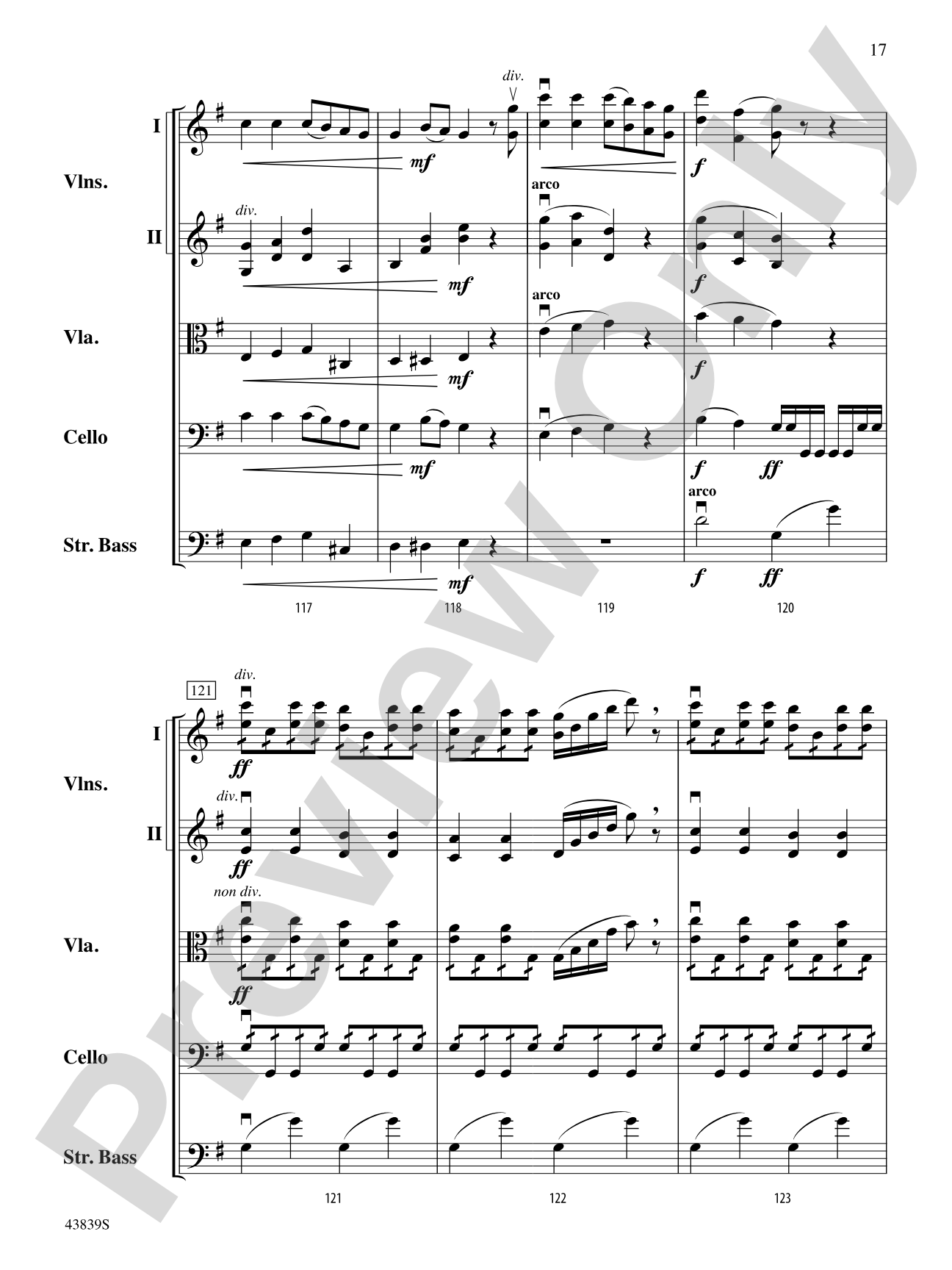
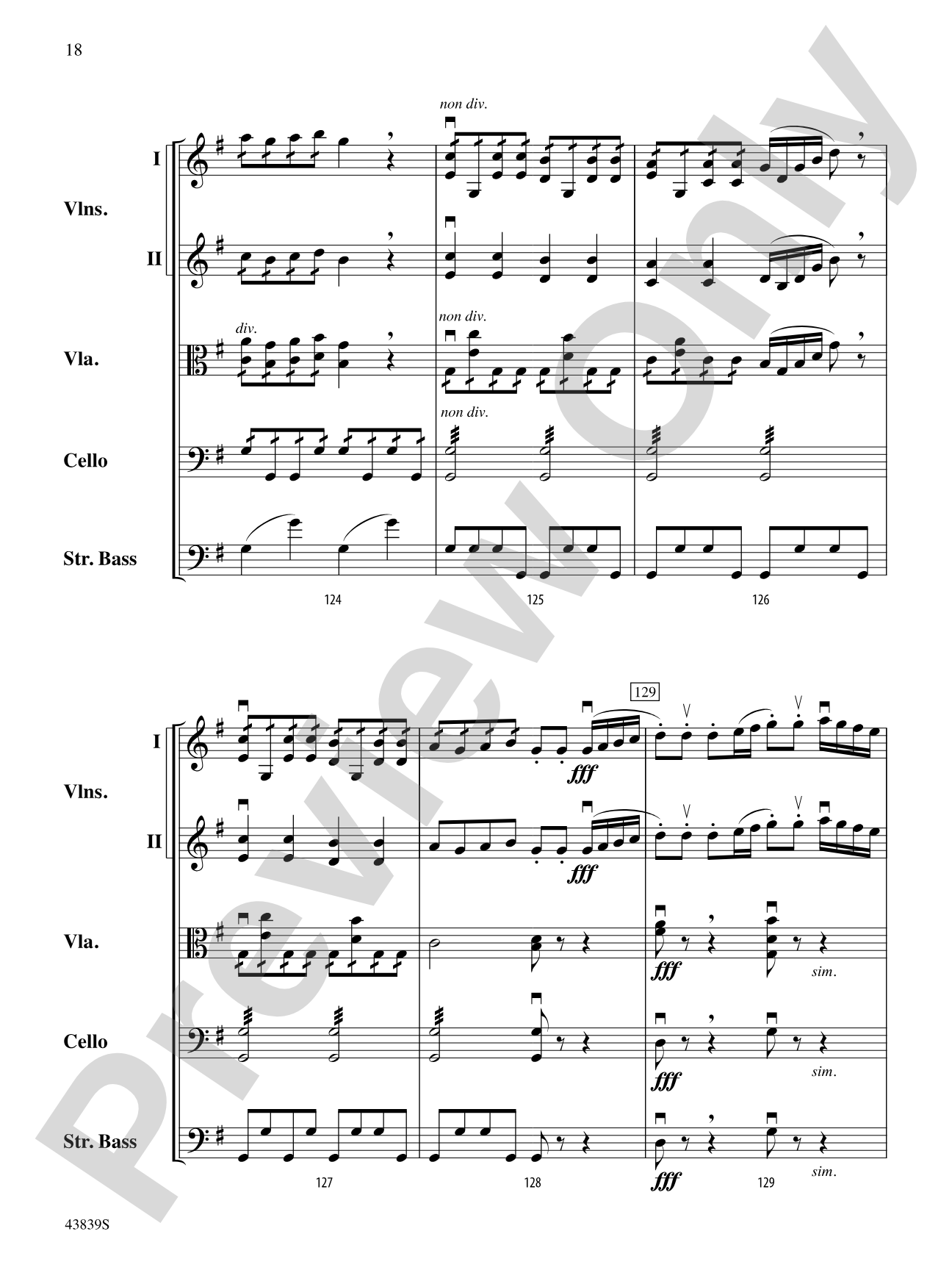
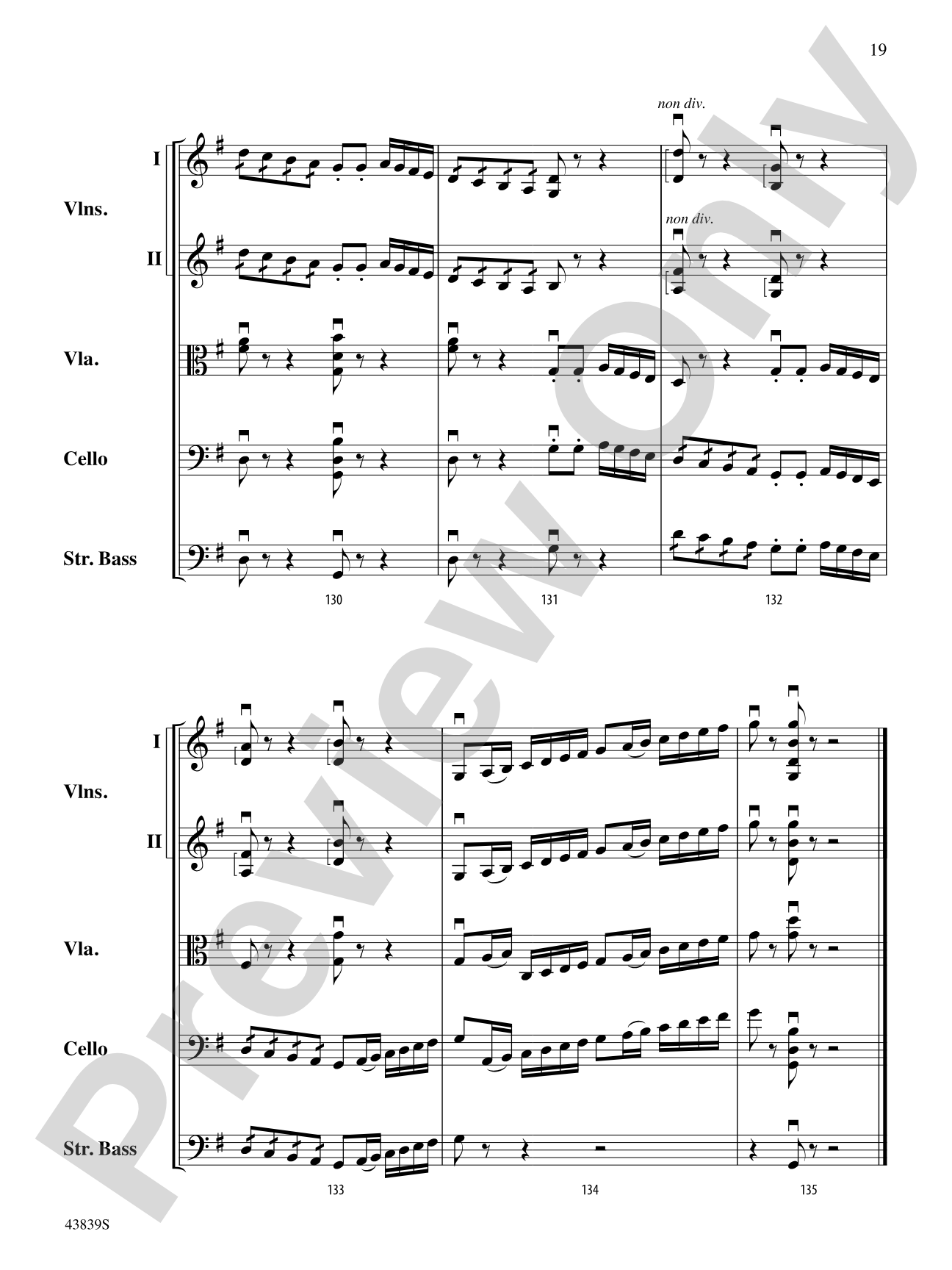

Mozartiana: Score
From Suite No. 4
By Piotr Ilyich Tchaikovsky [Peter Ilyich Tchaikovsky] / arr. Todd Parrish
Grade: 4
Item: 00-PR-0005177
$9.00
Pickup currently not available
Description
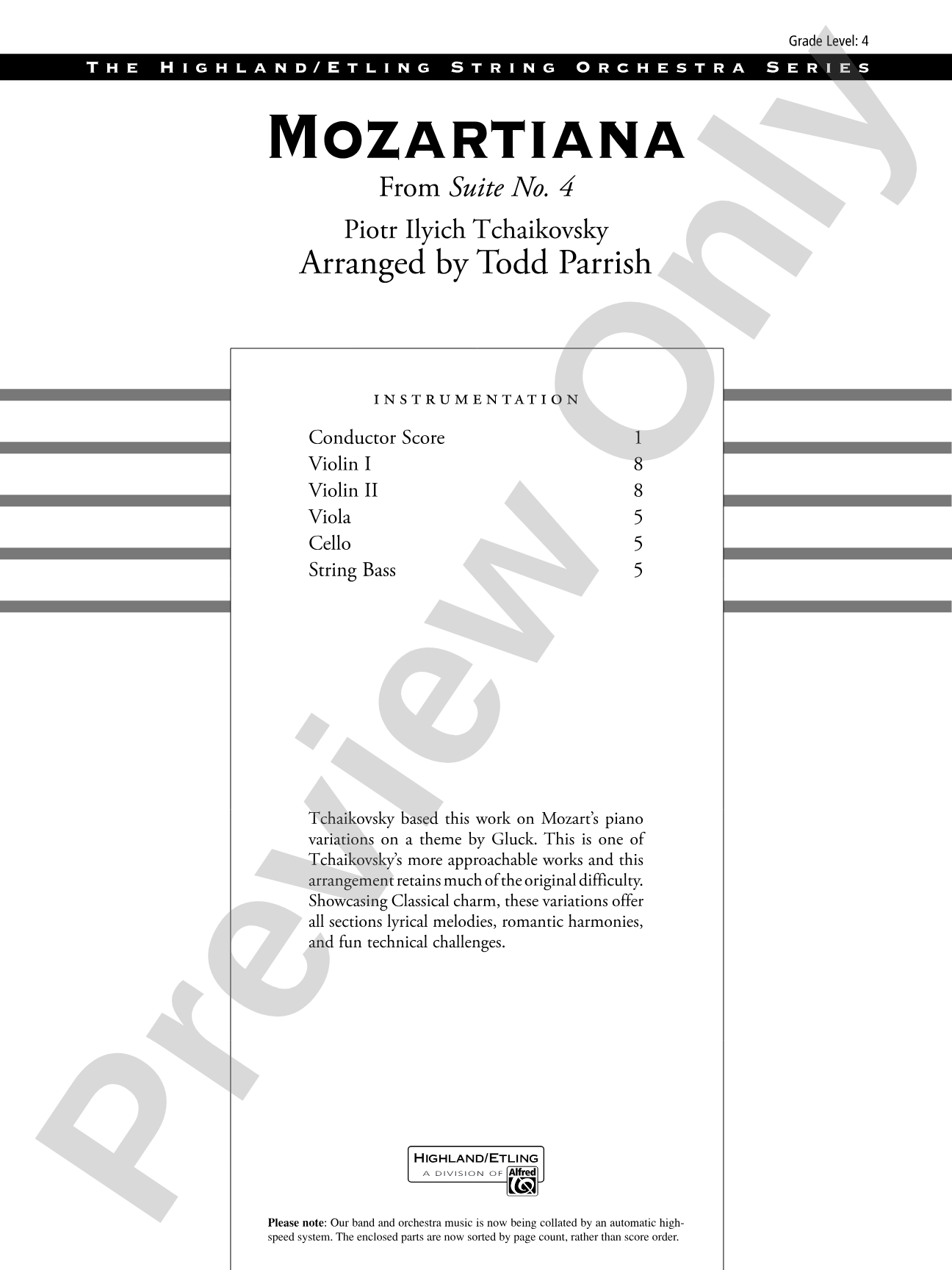
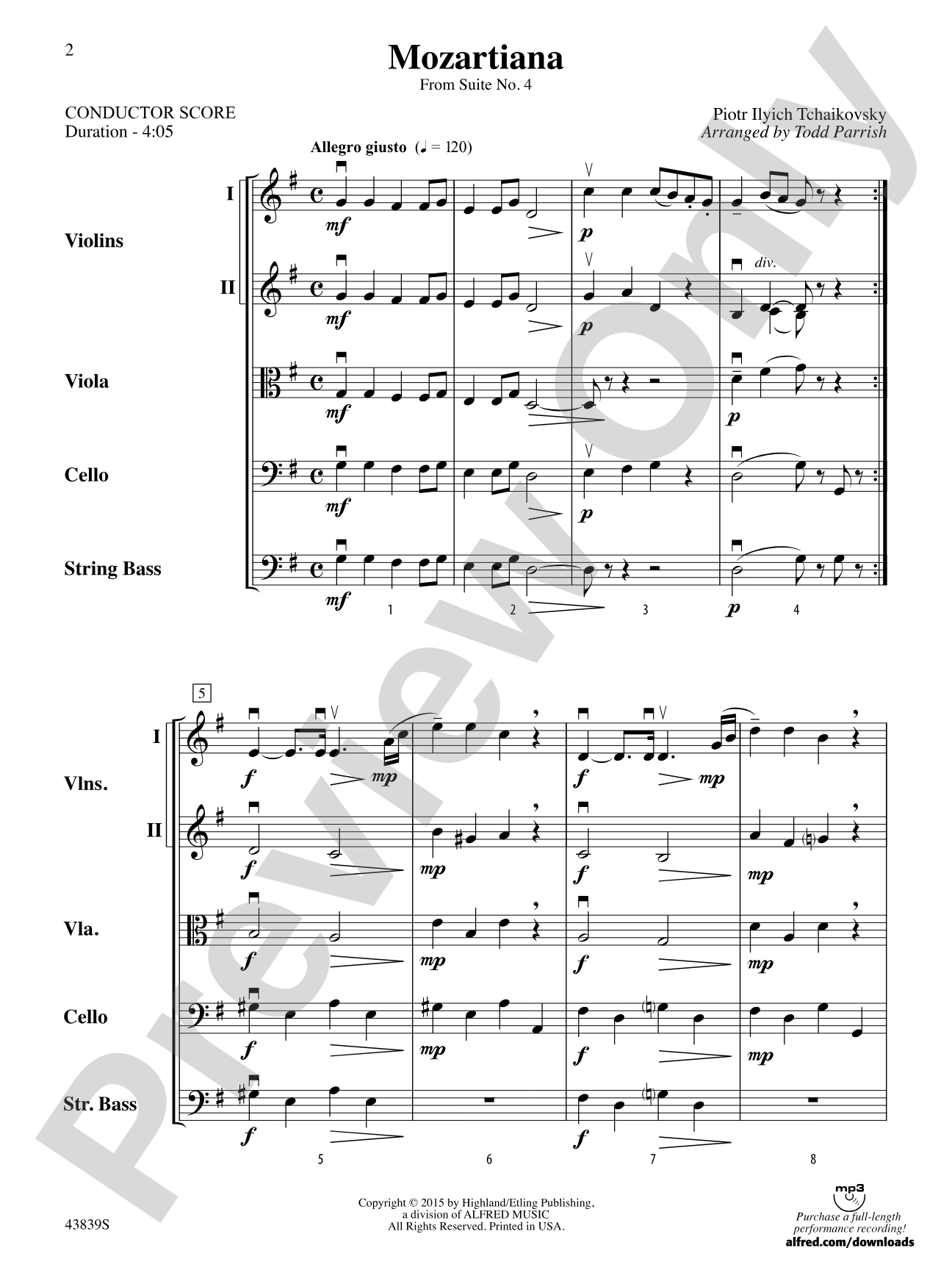
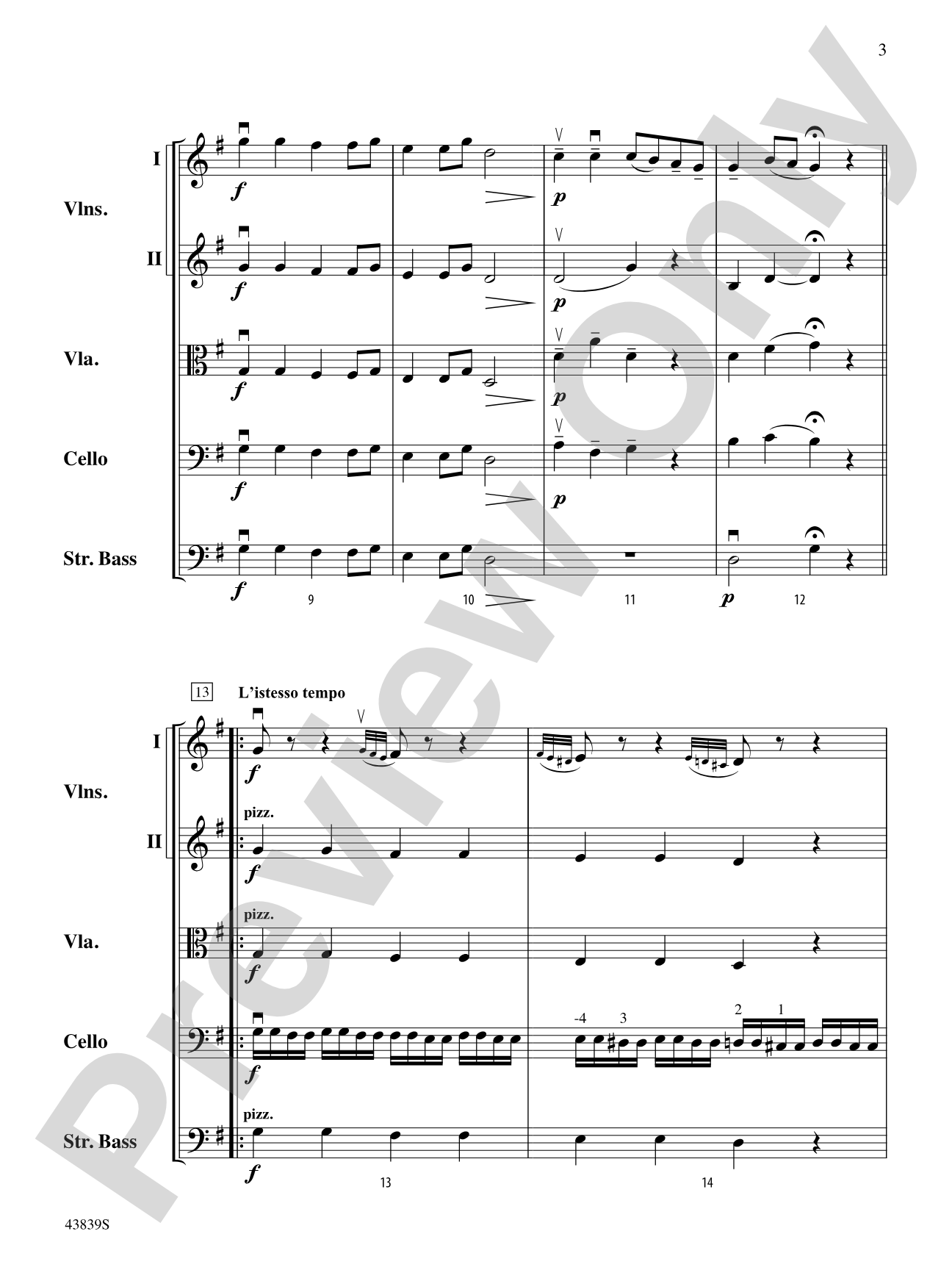
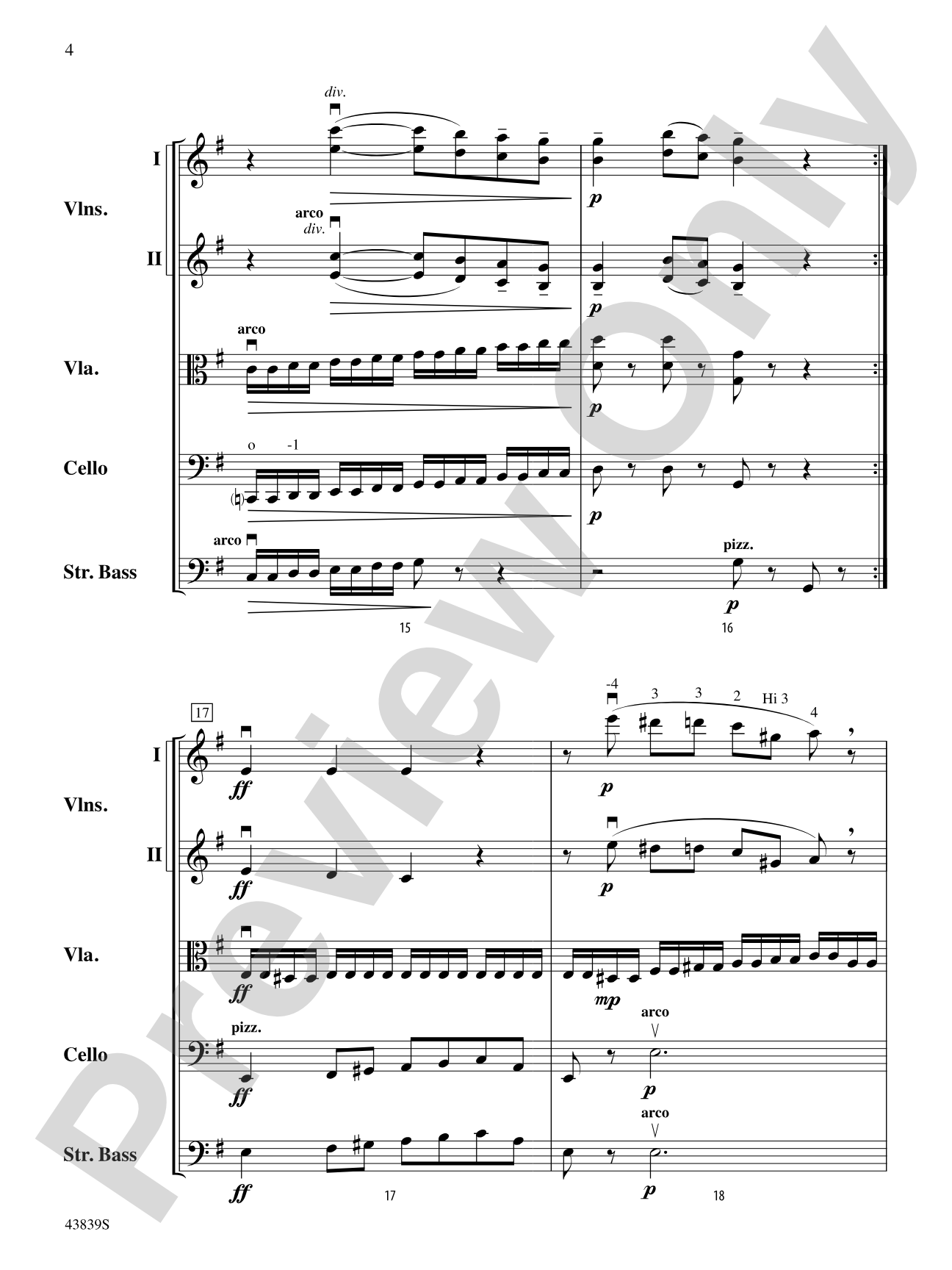
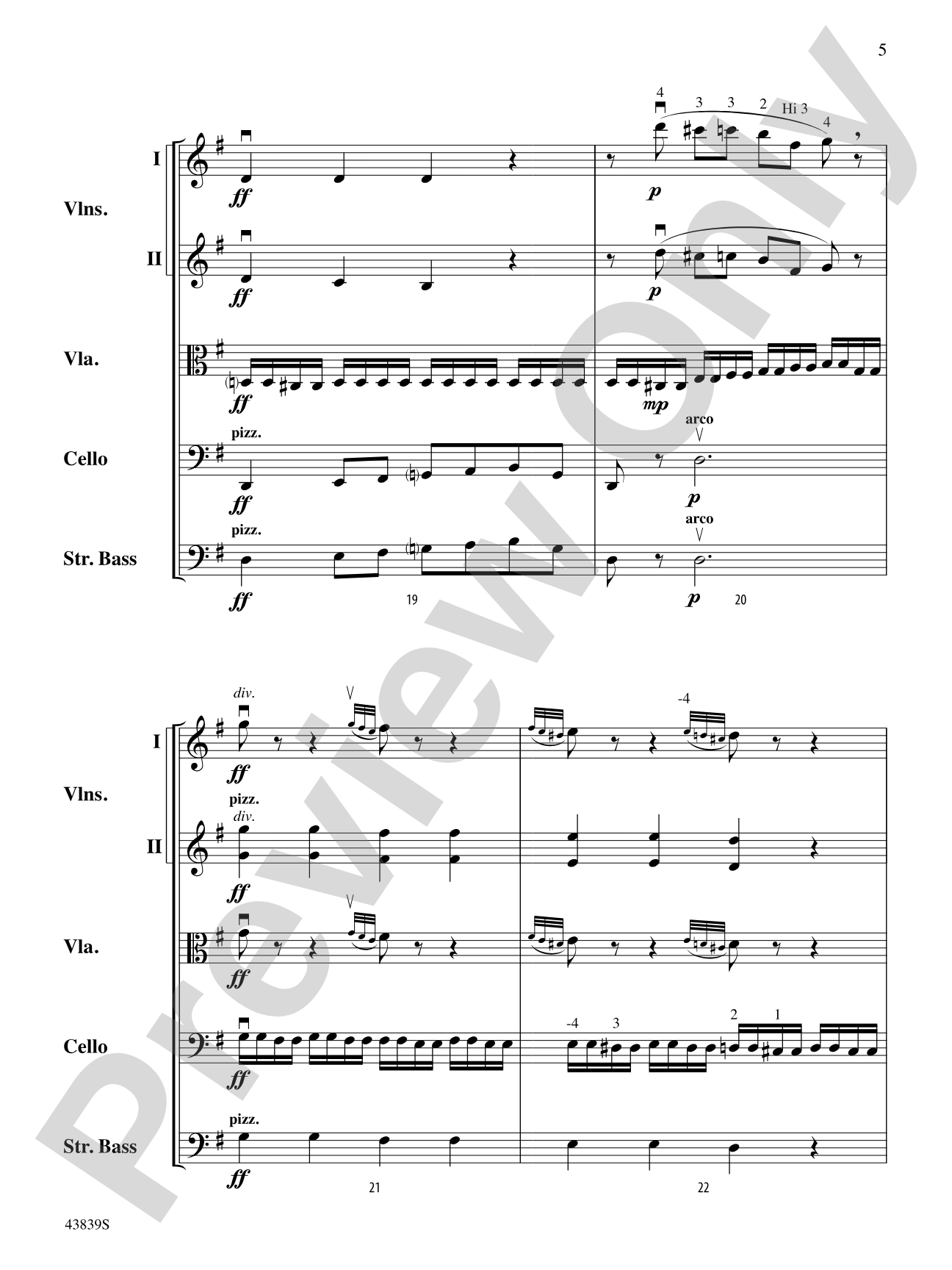
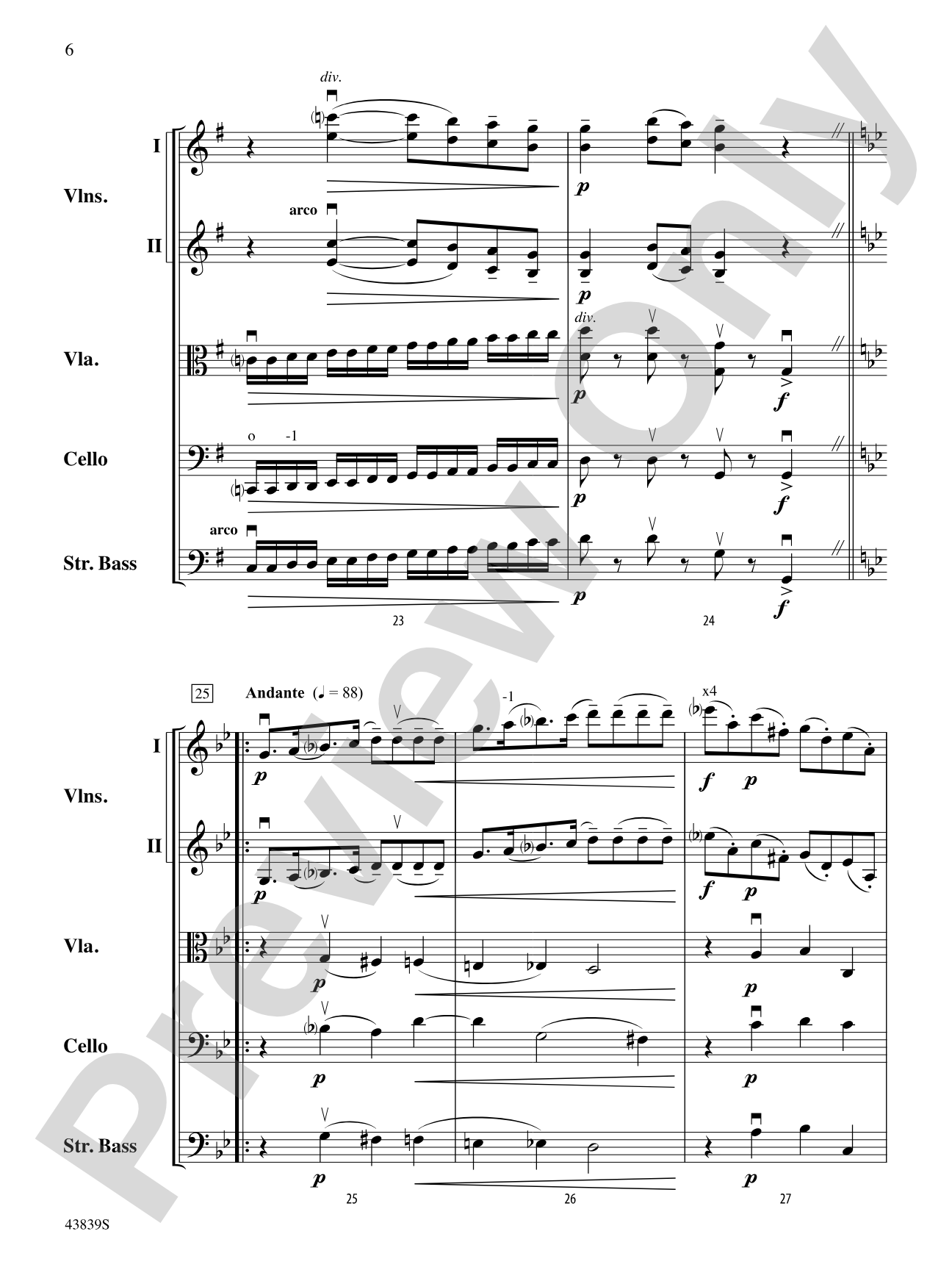
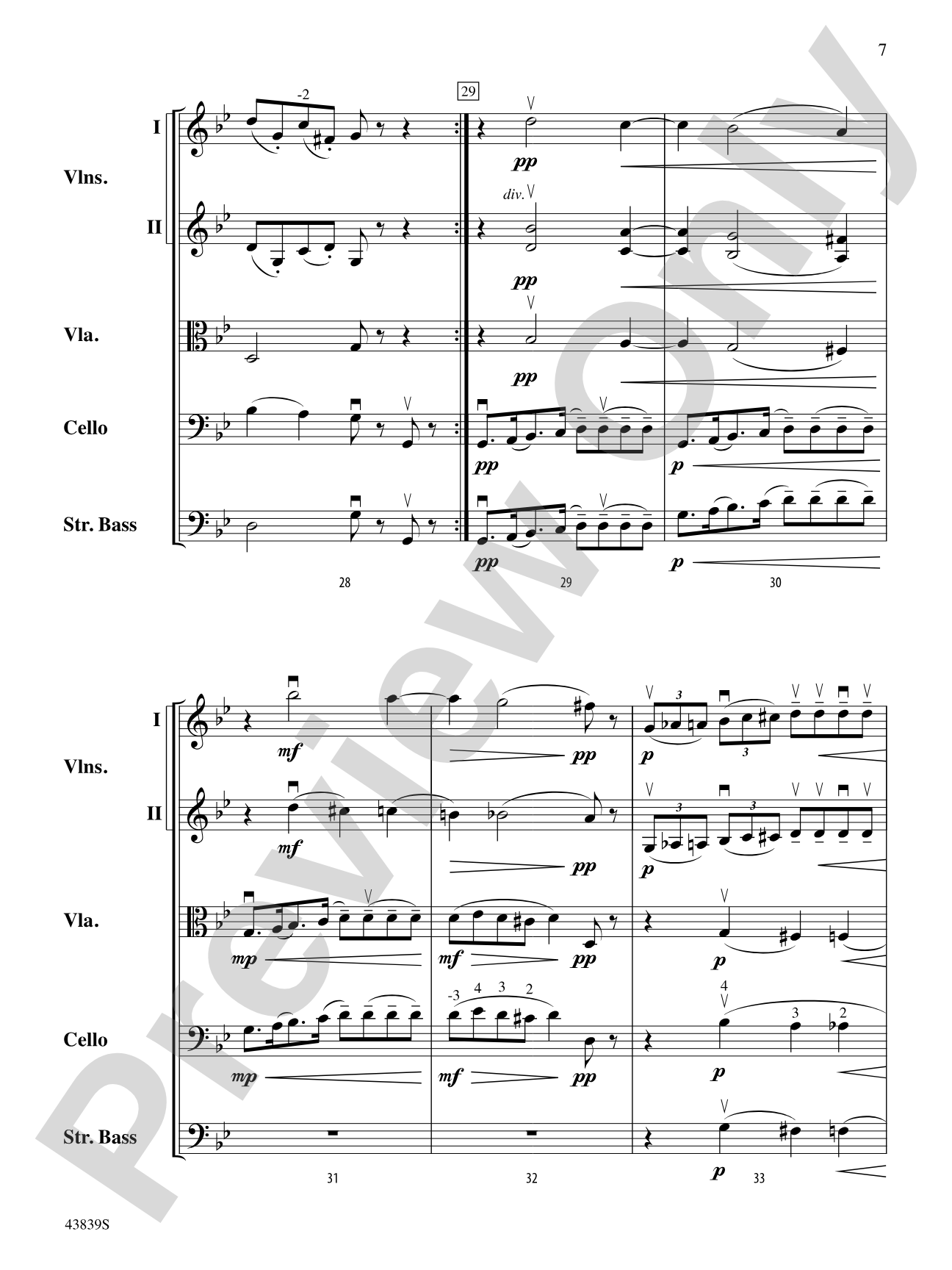
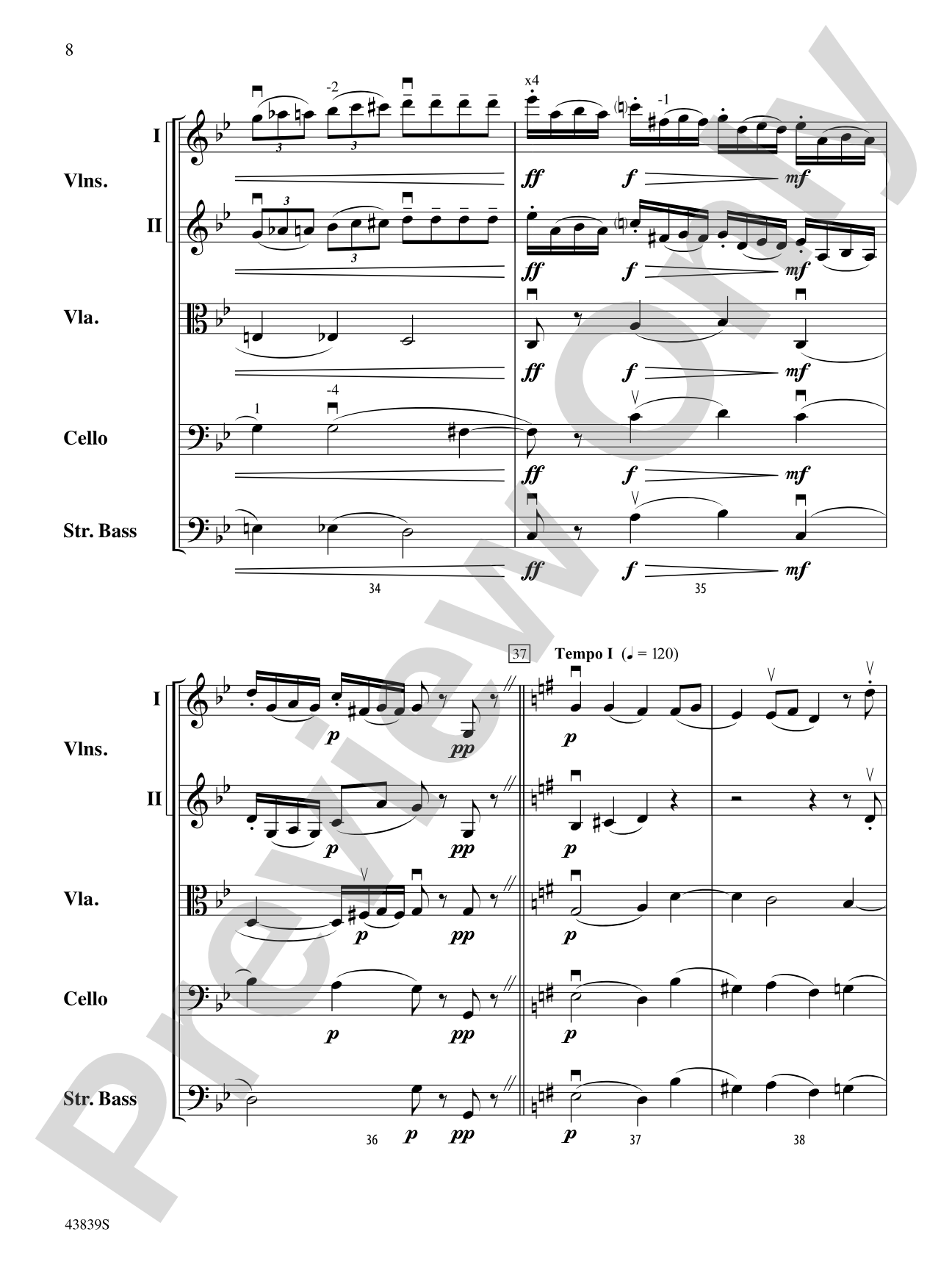
Tchaikovsky based this work on Mozart's piano variations on a theme by Gluck. While close to the original, this arrangement is very approachable. Showcasing Classical charm, these variations offer all sections lyrical melodies, romantic harmonies, and fun technical challenges. (4:05)


Don't just read it, hear it, play along with it, and watch your students grow with it. In MakeMusic Cloud, Mozartiana: Score comes alive with professional accompaniment, adjustable tempo, and built-in practice tools that turn solo practice into real progress.
Open in the Player
Jump straight in and assign it today.
Start Your Free Trial
Open this title and explore the full library in minutes.
Sample Audio
1
Audio File
--:--
0:00
0:00
Sample Video
No sample videos found.
Additional Details
Series:
Highland/Etling String Orchestra
Publisher:
Alfred Music
Page Count:
124
SKU:
00-PR-0005177
More about this title
About the Composer: Piotr Ilyich Tchaikovsky
Piotr Ilyich Tchaikovsky (1840–1893) stands among the most performed composers of the Romantic era, known for his gift for sweeping melody and emotional directness. His genius lay in making sophisticated harmonic language and orchestral color accessible to audiences worldwide, a quality that earned him both popular acclaim and respect from fellow musicians. Tchaikovsky's deep knowledge of the orchestra shaped everything he wrote, whether symphonies, ballets, or the character pieces and arrangements that rounded out his catalog.
Why we love this
Todd Parrish has crafted an arrangement that honors Tchaikovsky's orchestration instincts while keeping the technical demands reasonable for a Grade 4 ensemble. Your orchestra gets to play authentic Romantic textures—responsive voice leading, shapely phrasing, and harmonic color—without requiring advanced technique. It's the kind of score that sounds lush and confident in performance but doesn't demand perfection to be satisfying.
What to expect
Elegant and spirited in turns, this score wraps you in the warm harmonic language of the Russian Romantic school. Each variation unfolds with lyrical grace, moving between tender passages and moments of genuine virtuosity. The overall effect feels sophisticated and generous, never fussy or overly arranged.
Who it's for
String orchestras at the Grade 4 level who are ready to tackle Romantic repertoire with style and musicality. This works equally well for groups aiming at a polished concert performance or preparing for festival competition. Young players benefit from engaging with one of the era's finest orchestrators through an arrangement that respects both the music and their developing skills.
How to get the most out of it
- Shape the lyrical lines across the full length of each variation rather than phrase by phrase. Aim for one breath per section, letting the melody breathe naturally with the accompaniment.
- Balance the interplay between sections carefully. When violas or lower strings carry a theme, resist the urge to support it too heavily from above; let inner voices shine.
- Attend to the harmonic shifts between variations. Tchaikovsky's use of key color and romantic harmonies will resonate only if transitions feel intentional and the overall arch stays clear.
- Address technical passages with rhythmic clarity first, then overlay expression. The romantic character comes through best when ensemble precision is assured.
How to use it
Mozartiana works beautifully as a centerpiece concert piece or as a significant contest selection that demonstrates your orchestra's artistic maturity without requiring advanced technical chops. Pair it with a Baroque original or a contemporary character piece to explore how composers interpret and reimagine existing material across genres and eras.
Skills your students will build
- Sustaining lyrical line across extended phrases and variations
- Balance between melodic and accompaniment roles within the orchestra
- Responding to harmonic shifts and Romantic-era voice leading
- Maintaining rhythmic precision during technical passages without sacrificing expression
- Collective attention to orchestral color and texture