
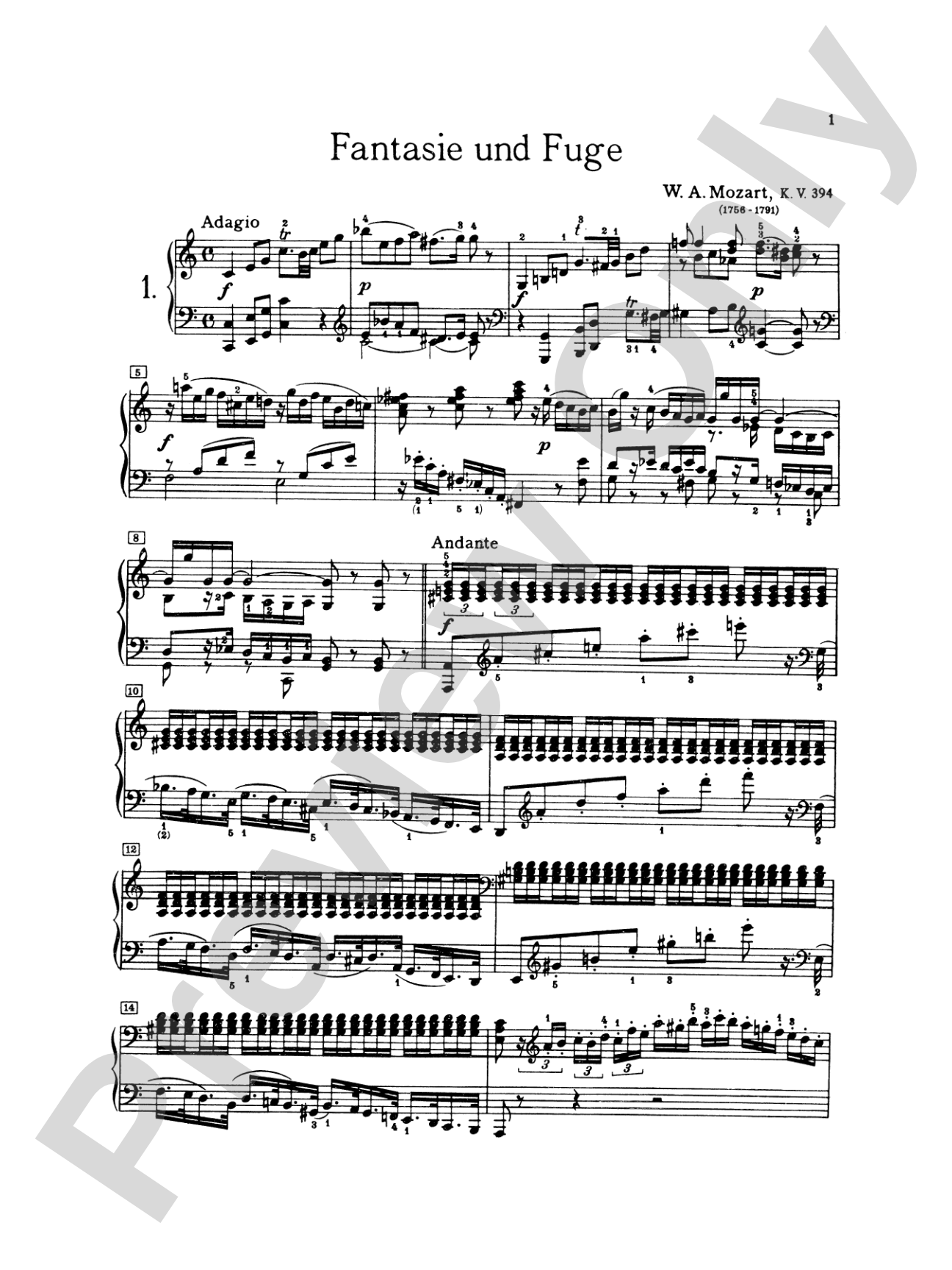
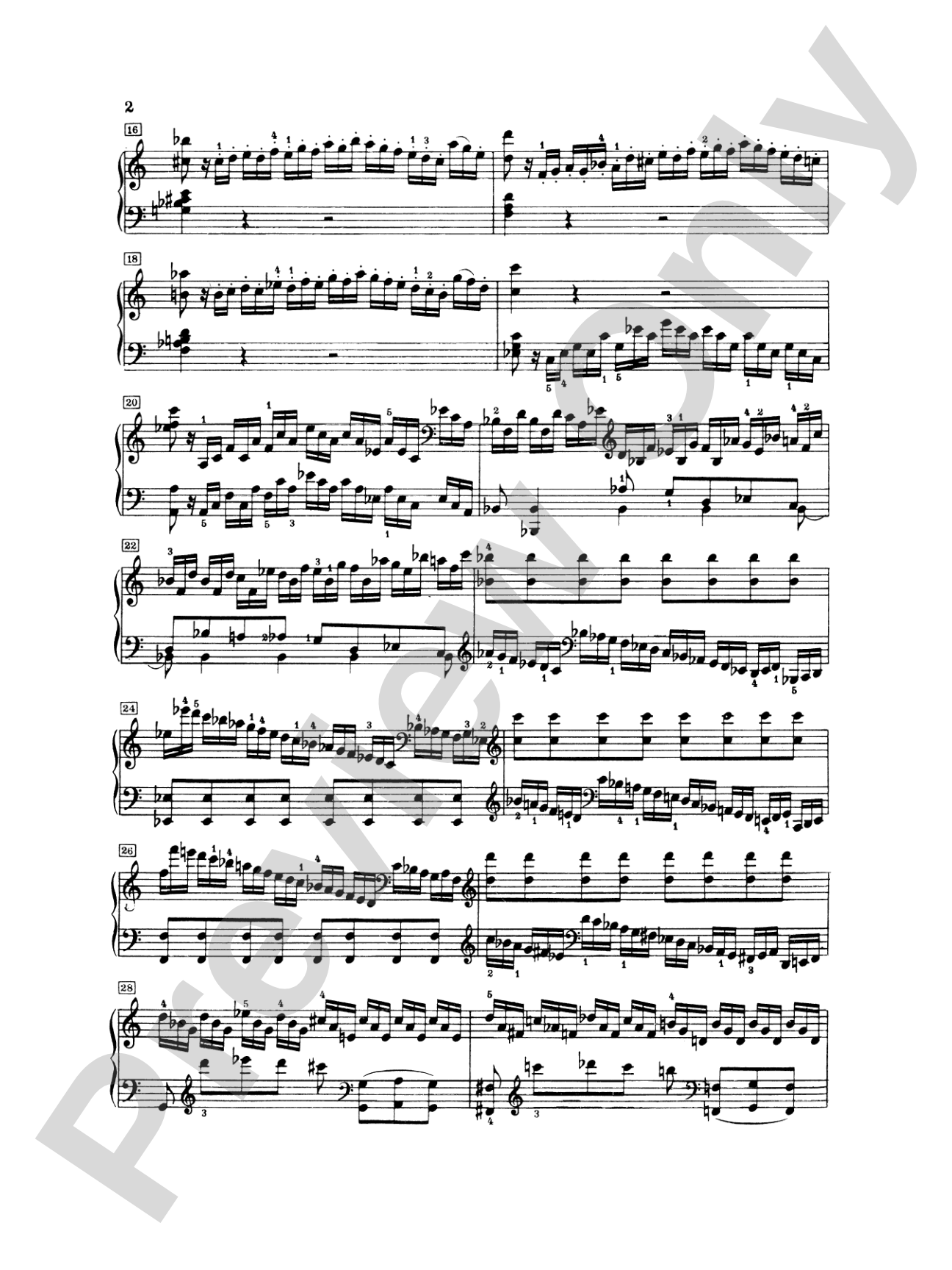
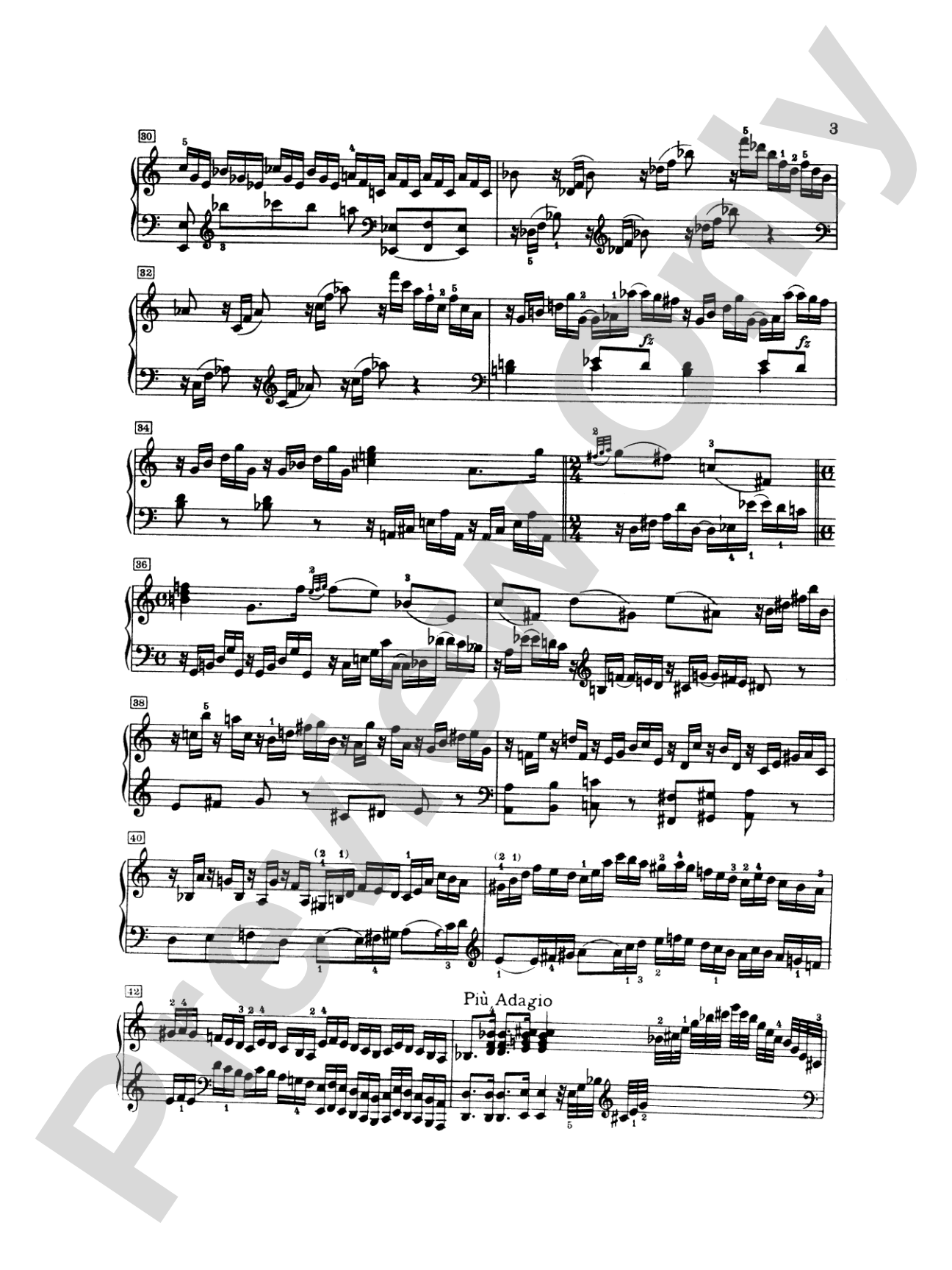
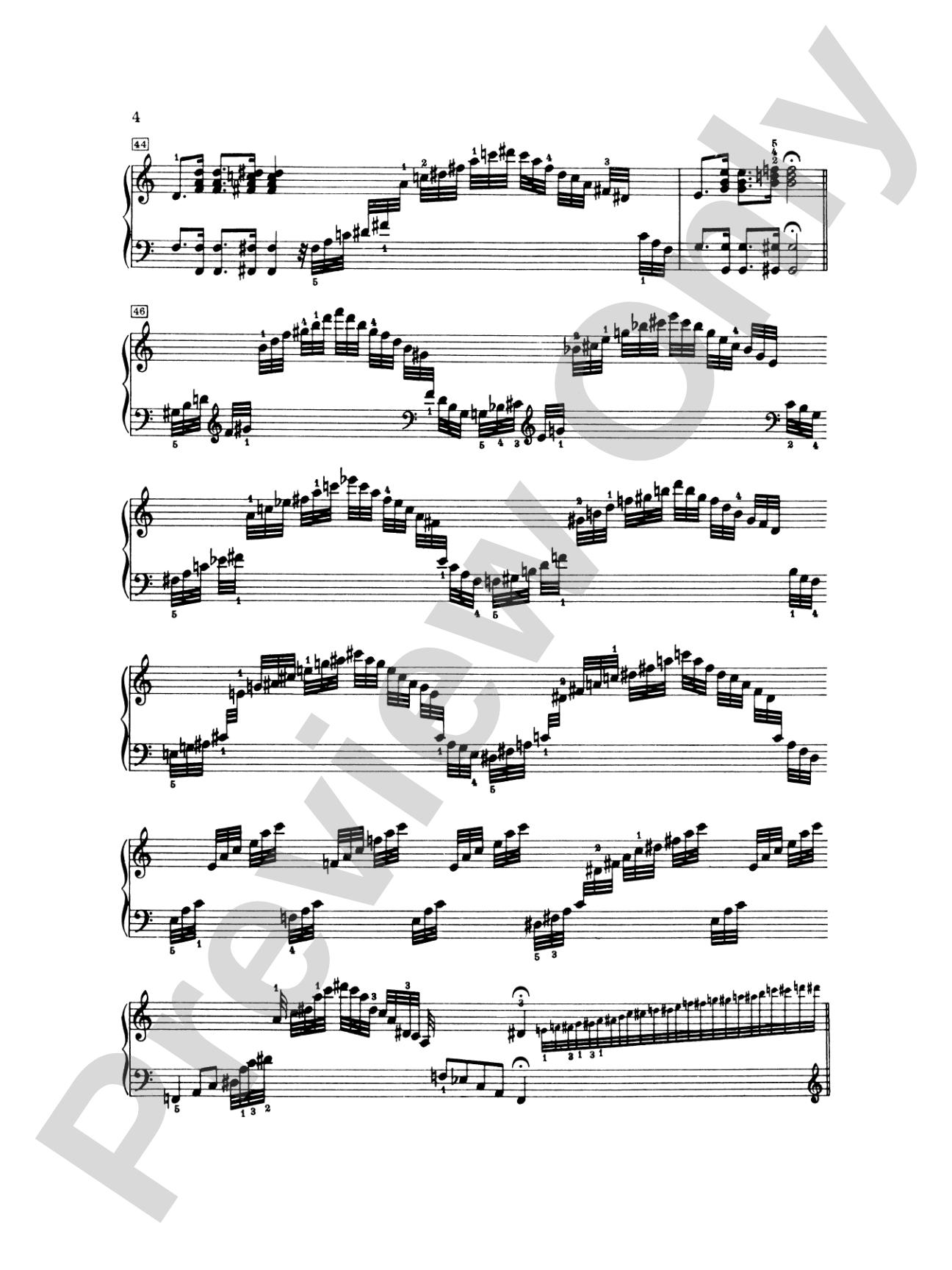
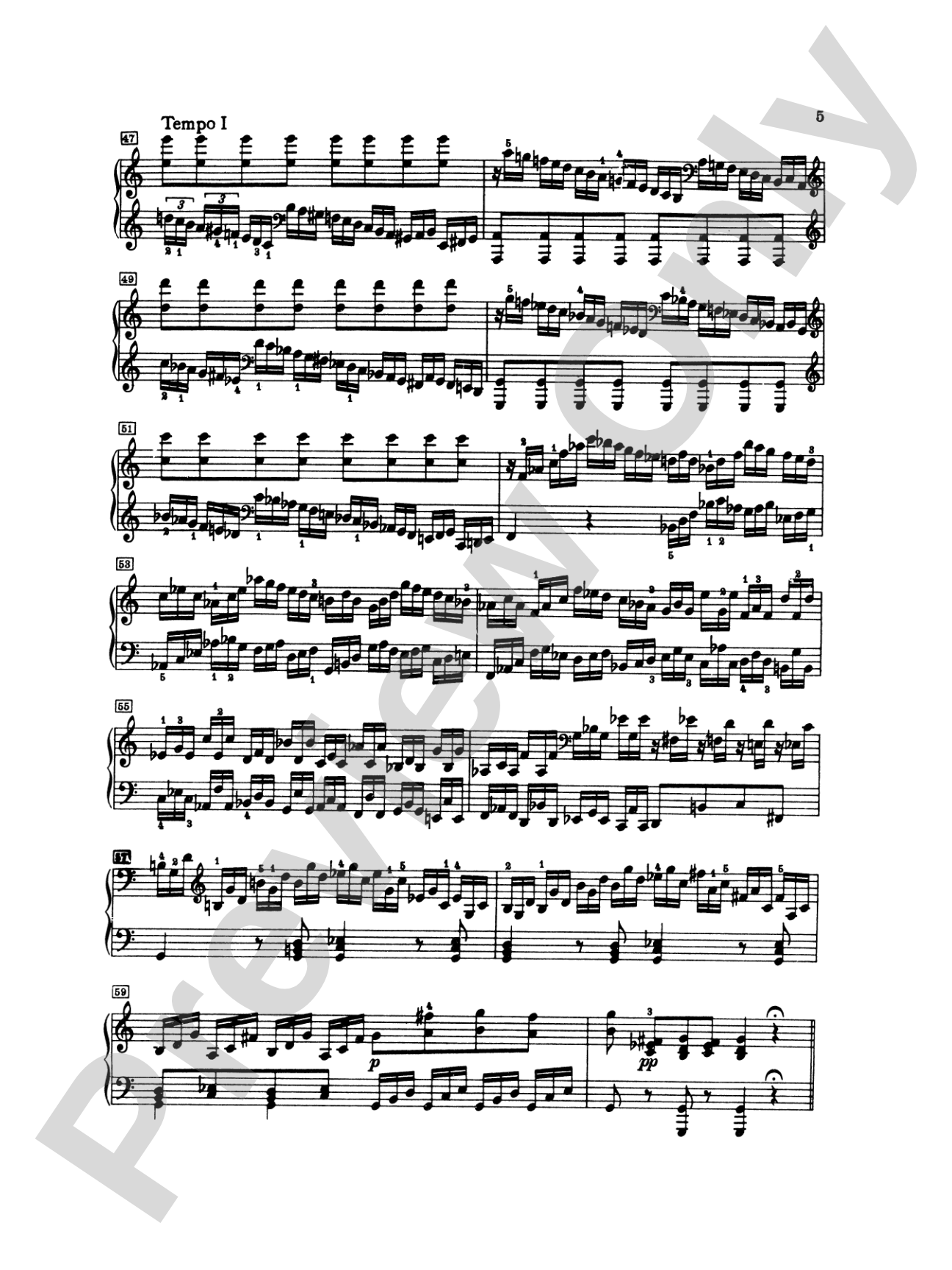
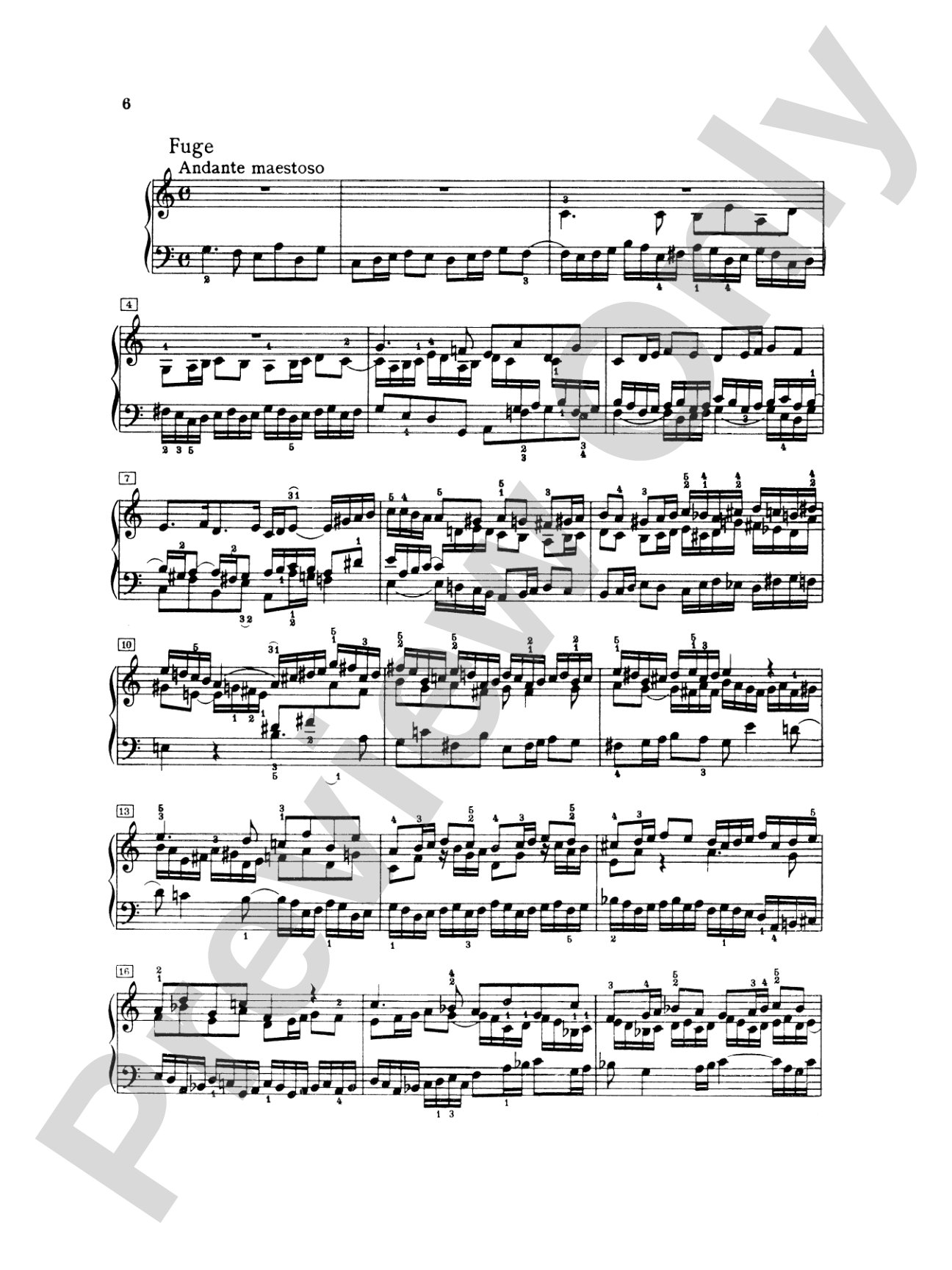
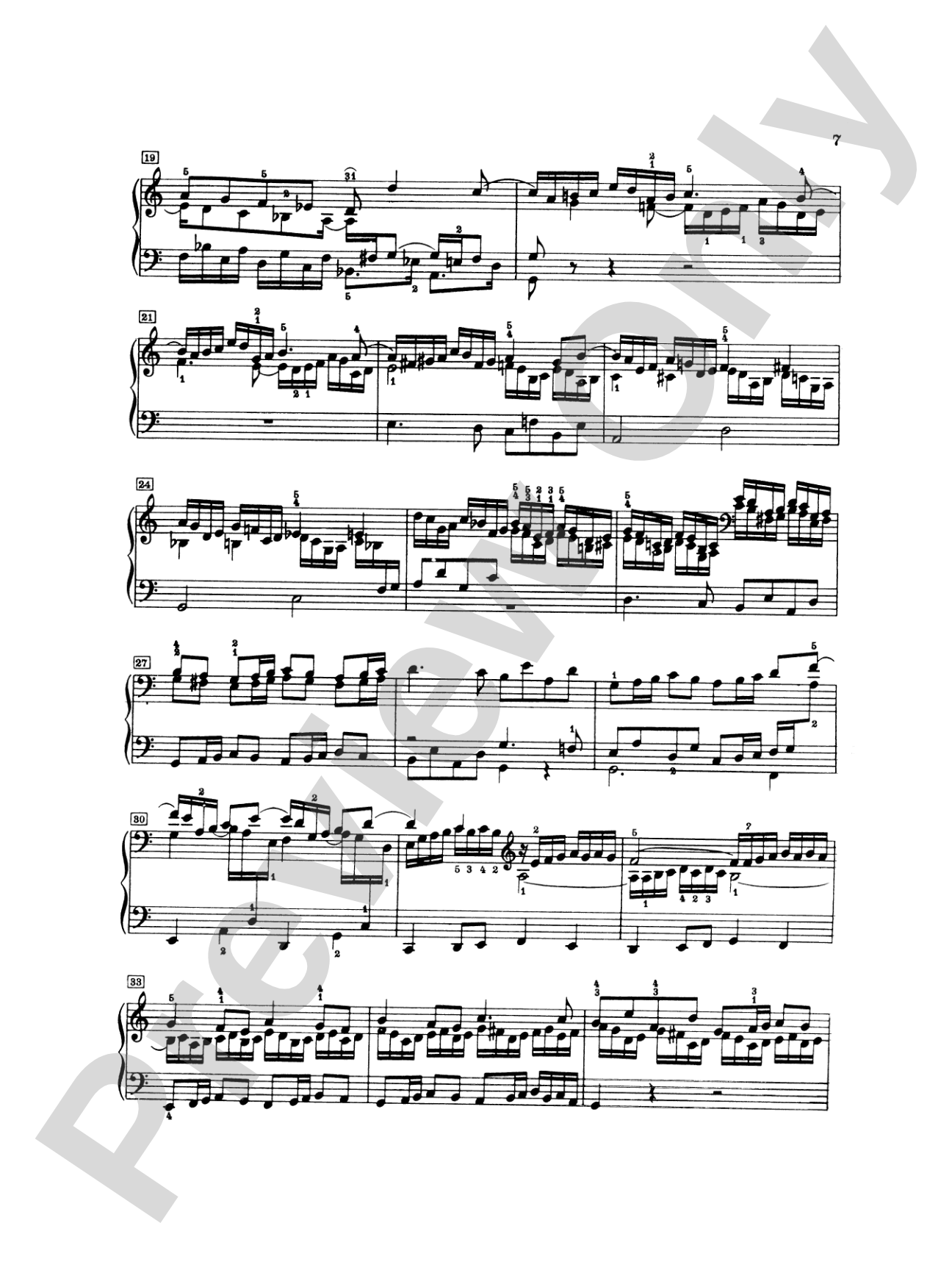
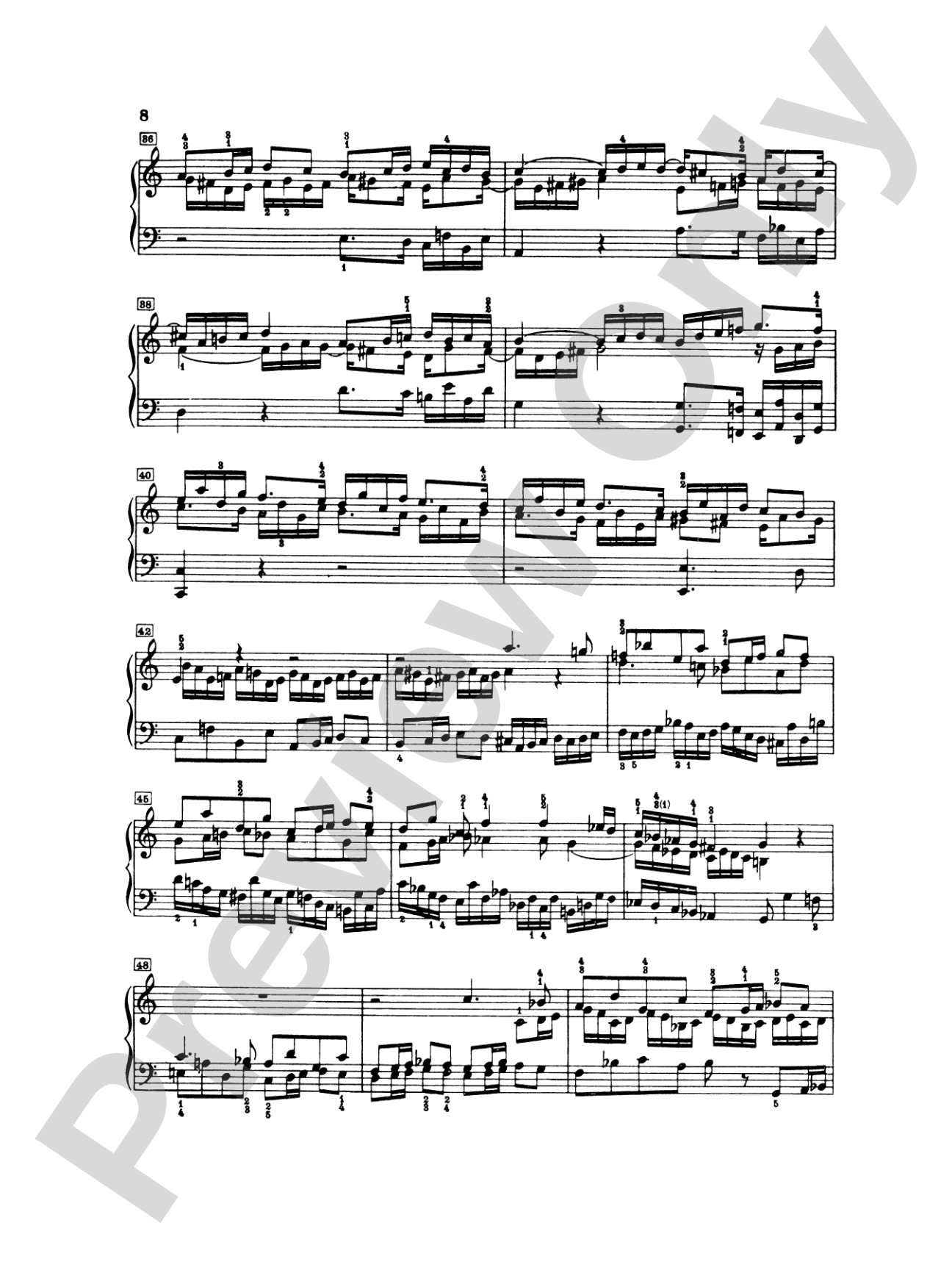

Mozart: Various Piano Pieces: Piano Book
By Wolfgang Amadeus Mozart
Item: 00-PK-0003236

$12.99
Pickup currently not available
Buy Extra Parts (Digital PDF Download)
| Product | Price | Quantity |
|---|---|---|
| Mozart: Various Piano Pieces | $0.99 | |
| Mozart: Various Piano Pieces | $0.99 | |
| Mozart: Various Piano Pieces | $0.99 | |
| Mozart: Various Piano Pieces | $0.99 | |
| Mozart: Various Piano Pieces | $0.99 | |
| Mozart: Various Piano Pieces | $0.99 | |
| Mozart: Various Piano Pieces | $0.99 | |
| Mozart: Various Piano Pieces | $0.99 | |
| Mozart: Various Piano Pieces | $0.99 | |
| Mozart: Various Piano Pieces | $0.99 | |
| Mozart: Various Piano Pieces | $0.99 |
Parts Added to Cart!
Related Items
Various Pieces: Piano Book |
$12.95
|
View |
Description
(Fantasias, Rondos)


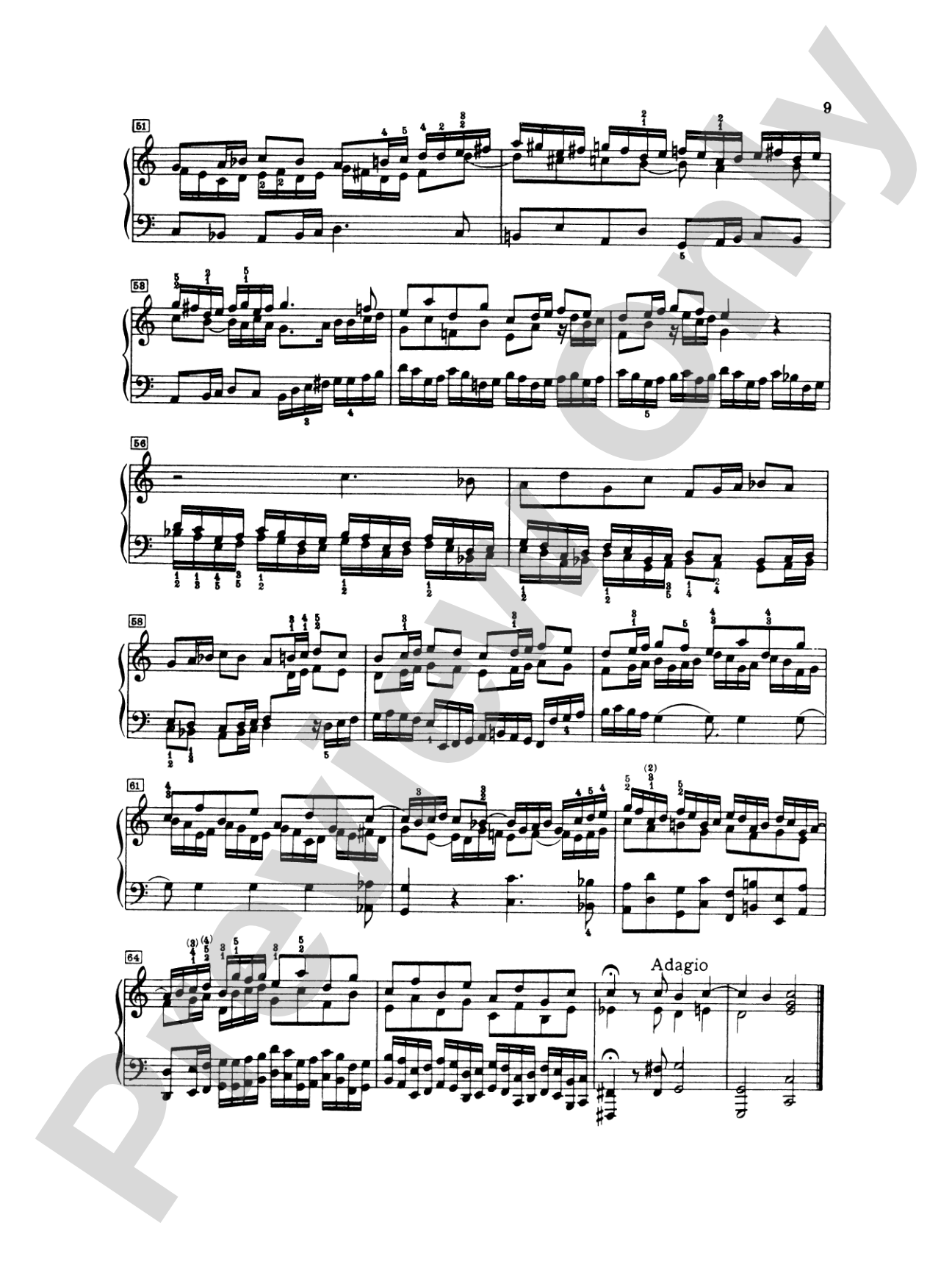
Don't just read it, hear it, play along with it, and watch your students grow with it. In MakeMusic Cloud, Mozart: Various Piano Pieces: Piano Book comes alive with professional accompaniment, adjustable tempo, and built-in practice tools that turn solo practice into real progress.
Open in the Player
Jump straight in and assign it today.
Start Your Free Trial
Open this title and explore the full library in minutes.
Sample Audio
No sample audio found.
Sample Video
No sample videos found.
Additional Details
Series:
Kalmus Edition
Publisher:
Alfred Music
Page Count:
72
SKU:
00-PK-0003236
More about this title
About the Composer: Wolfgang Amadeus Mozart
Wolfgang Amadeus Mozart (1756-1791) composed over 600 works across every major genre during his brief but astonishingly productive life. His keyboard writing combines technical brilliance with melodic grace, setting the standard for piano composition that would influence generations of composers. Mozart's ability to write music of both intellectual rigor and emotional directness made him central to the Classical era.
Why we love this
This collection gathers some of Mozart's most rewarding keyboard works in a single, affordable resource. Fantasias and rondos showcase his gift for balancing structural clarity with improvisatory flair, giving pianists genuine musical substance without the technical extremes of the concertos. Teachers value this edition for its clean, accessible format and the variety it brings to repertoire planning.
What to expect
Mozart's keyboard writing speaks with elegance and wit. These pieces blend classical balance with moments of genuine virtuosity, alternating between lyrical passages that sing on the keyboard and passages that demand precision and clarity. There's a sense of dialogue throughout, as if Mozart is having a direct conversation with the performer.
Who it's for
This collection serves intermediate to advanced piano students ready for substantive Classical repertoire beyond simplified arrangements. Teachers building a solo recital program or preparing students for competitions and exams will find reliable, artistically complete works here.
How to get the most out of it
- Shape the ornamental passages with clarity rather than speed; Mozart's embellishments serve the melody, not vice versa.
- Attend to the harmonic rhythm in the slower sections—the subtle shifts in accompaniment patterns deserve intentional voicing.
- Balance Alberti figurations by keeping the hand relaxed and the bass note distinct; let the texture breathe rather than rush it.
- Honor the dramatic contrasts between sections; rondos especially depend on strong characterization of each theme to land their formal design.
How to use it
Program individual pieces as recital openers or closers where their formal perfection and charm set a professional tone. Fantasias work especially well in mixed programs featuring Romantic or contemporary works, anchoring the concert in Classical tradition. Students preparing for ABRSM, RCM, or other certification exams will find reliable, recognized repertoire here.
Skills your students will build
- Executing Alberti bass patterns with rhythmic independence and evenness
- Shaping ornaments (turns, trills, arpeggios) idiomatically for the Classical style
- Understanding rondo form (ABACA) and tracking thematic returns across a complete work
- Managing hand position and rotation in scalar and figurative passages
- Recognizing harmonic progressions and voicing block chords in Classical context
- Balancing melody and accompaniment with textural awareness