

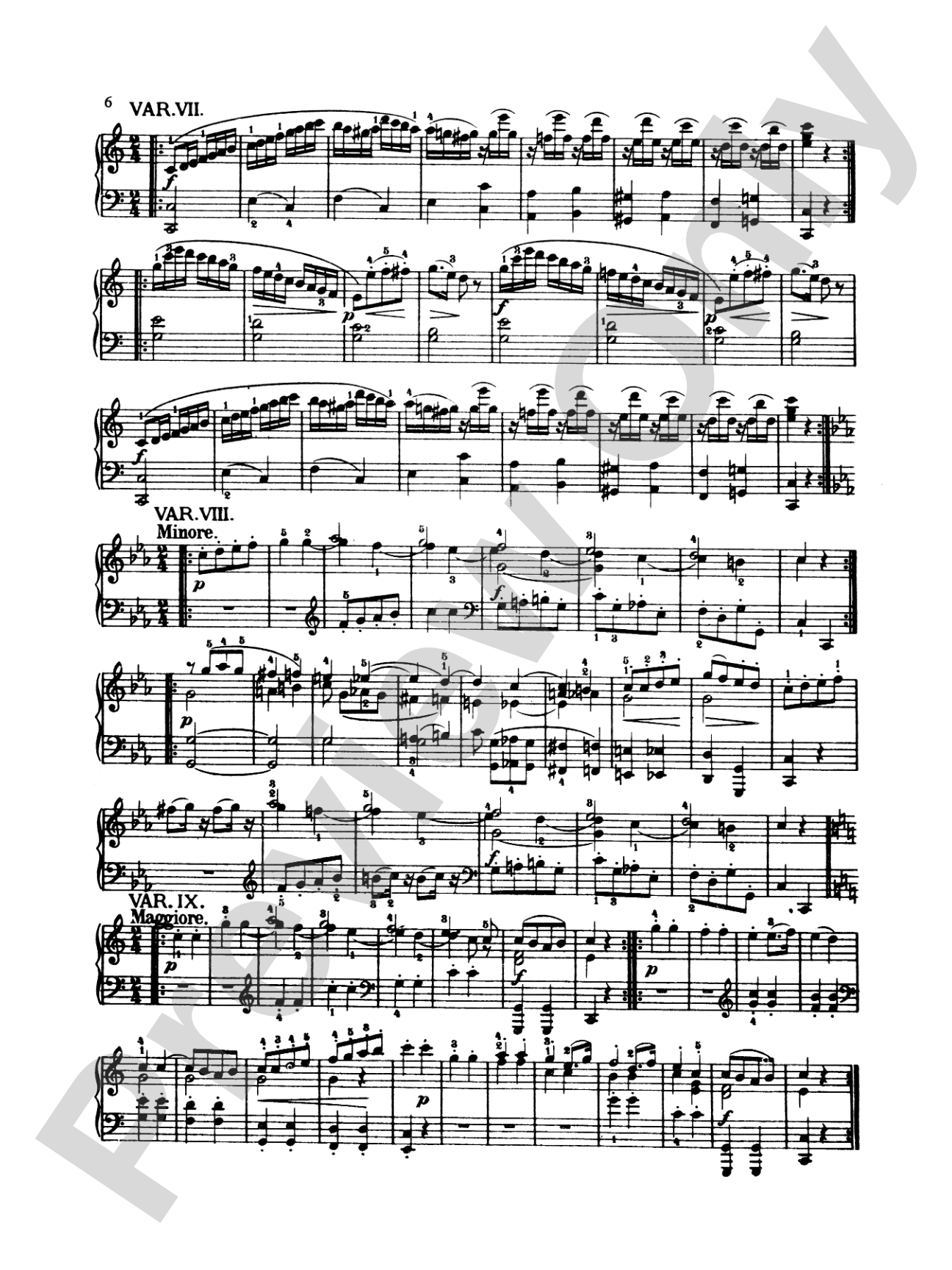
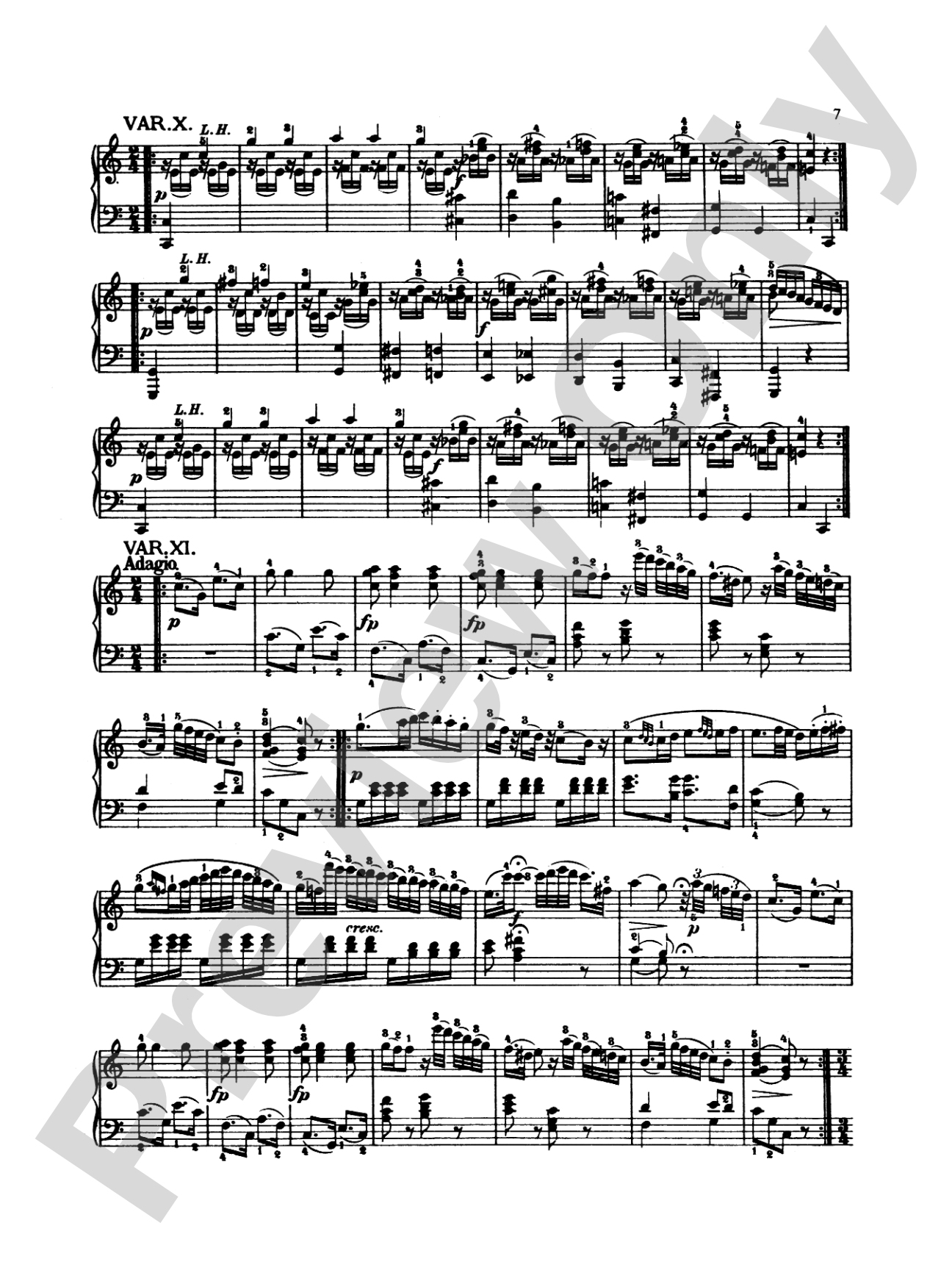
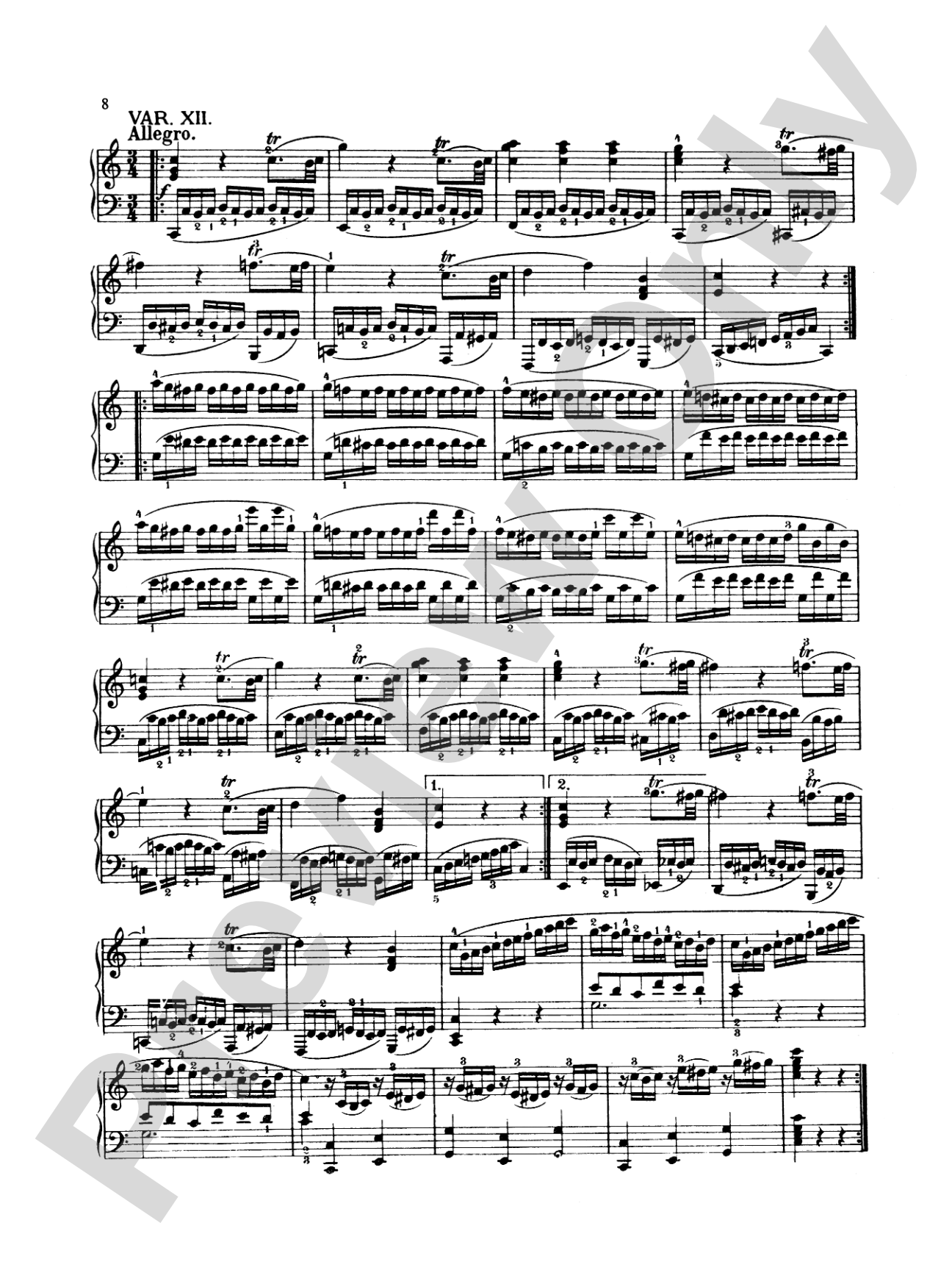

Mozart: Variations on "Ah, Vous Dirai-Je, Maman": Piano
By Wolfgang Amadeus Mozart
Item: 00-PK-0003237

$7.99
Pickup currently not available
Buy Extra Parts (Digital PDF Download)
| Product | Price | Quantity |
|---|---|---|
| Mozart: Variations on "Ah, Vous Dirai-Je, Maman" | $6.99 |
Parts Added to Cart!
Related Items
Twelve Variations on "Ah, Vous Dirais-Je, Maman": Piano |
$7.95
|
View |
Description


Don't just read it, hear it, play along with it, and watch your students grow with it. In MakeMusic Cloud, Mozart: Variations on "Ah, Vous Dirai-Je, Maman": Piano comes alive with professional accompaniment, adjustable tempo, and built-in practice tools that turn solo practice into real progress.
Open in the Player
Jump straight in and assign it today.
Start Your Free Trial
Open this title and explore the full library in minutes.
Sample Audio
No sample audio found.
Sample Video
No sample videos found.
Additional Details
Series:
Kalmus Edition
Publisher:
Alfred Music
Page Count:
8
SKU:
00-PK-0003237
More about this title
About the Composer: Wolfgang Amadeus Mozart
Wolfgang Amadeus Mozart (1756-1791) composed across every major genre of his era and fundamentally shaped the Classical sound. His gift for melody and his ability to build complexity from simple material made him a model for composers who followed. Mozart's piano works range from virtuosic concertos to intimate character pieces, and they remain central to the solo repertoire because they demand both technical brilliance and musical maturity.
Why we love this
These variations take one of the most recognizable melodies in Western music and transform it through elegant, inventive keyboard writing that feels fresh every time. The work sits perfectly at the intersection of showpiece and study: students get to explore texture, voicing, and stylistic control while performing something genuinely musical and satisfying.
What to expect
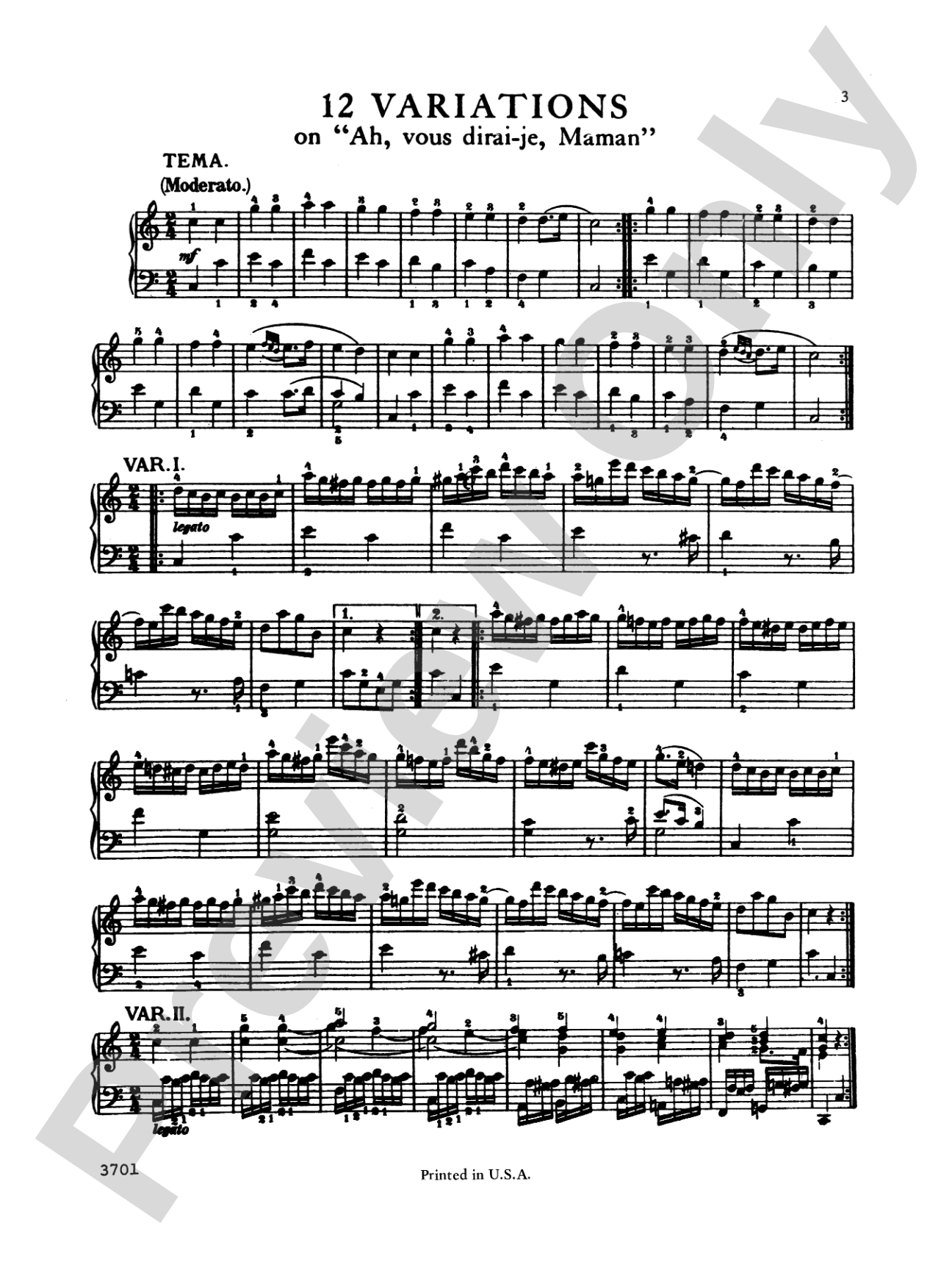
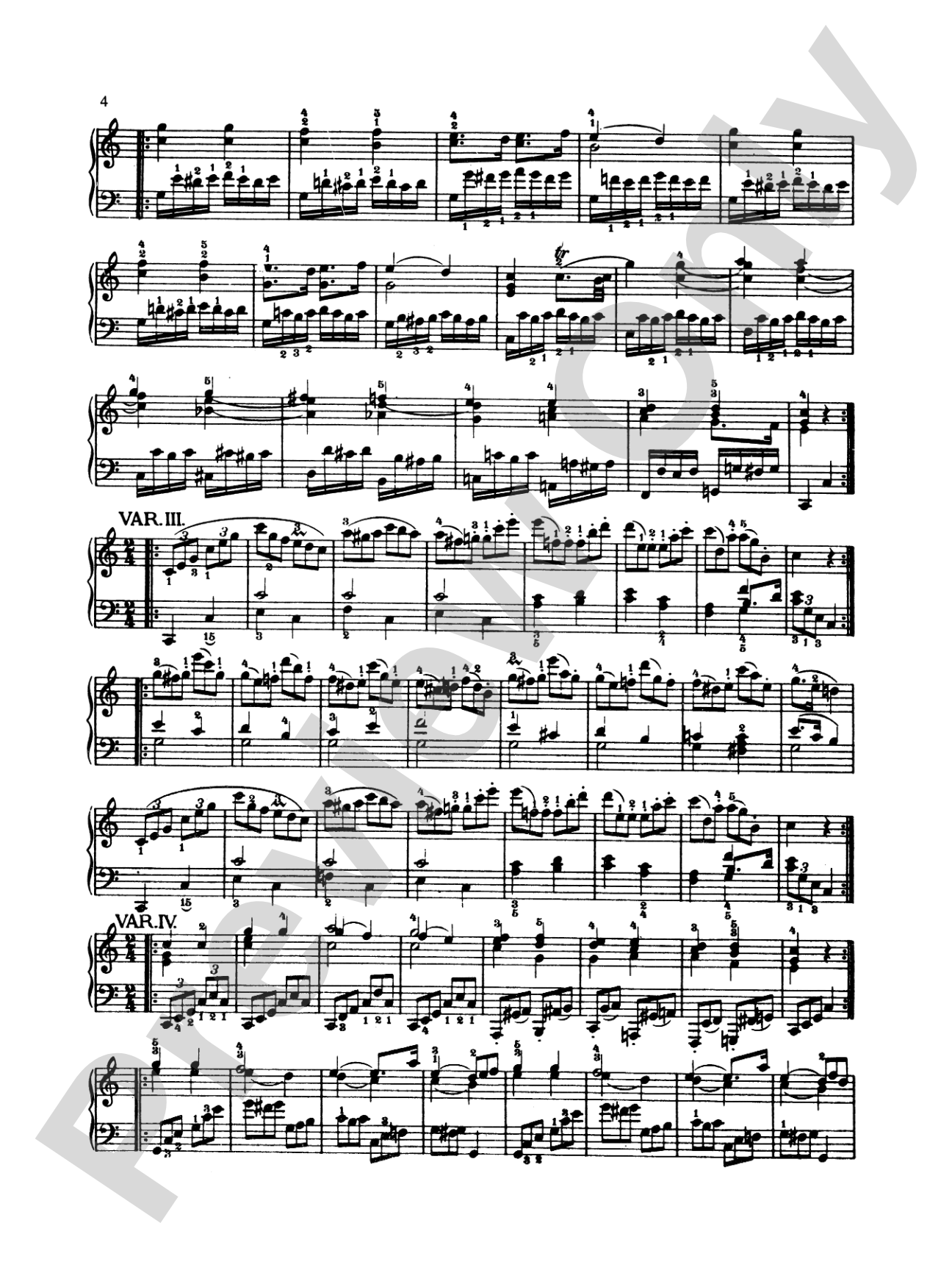
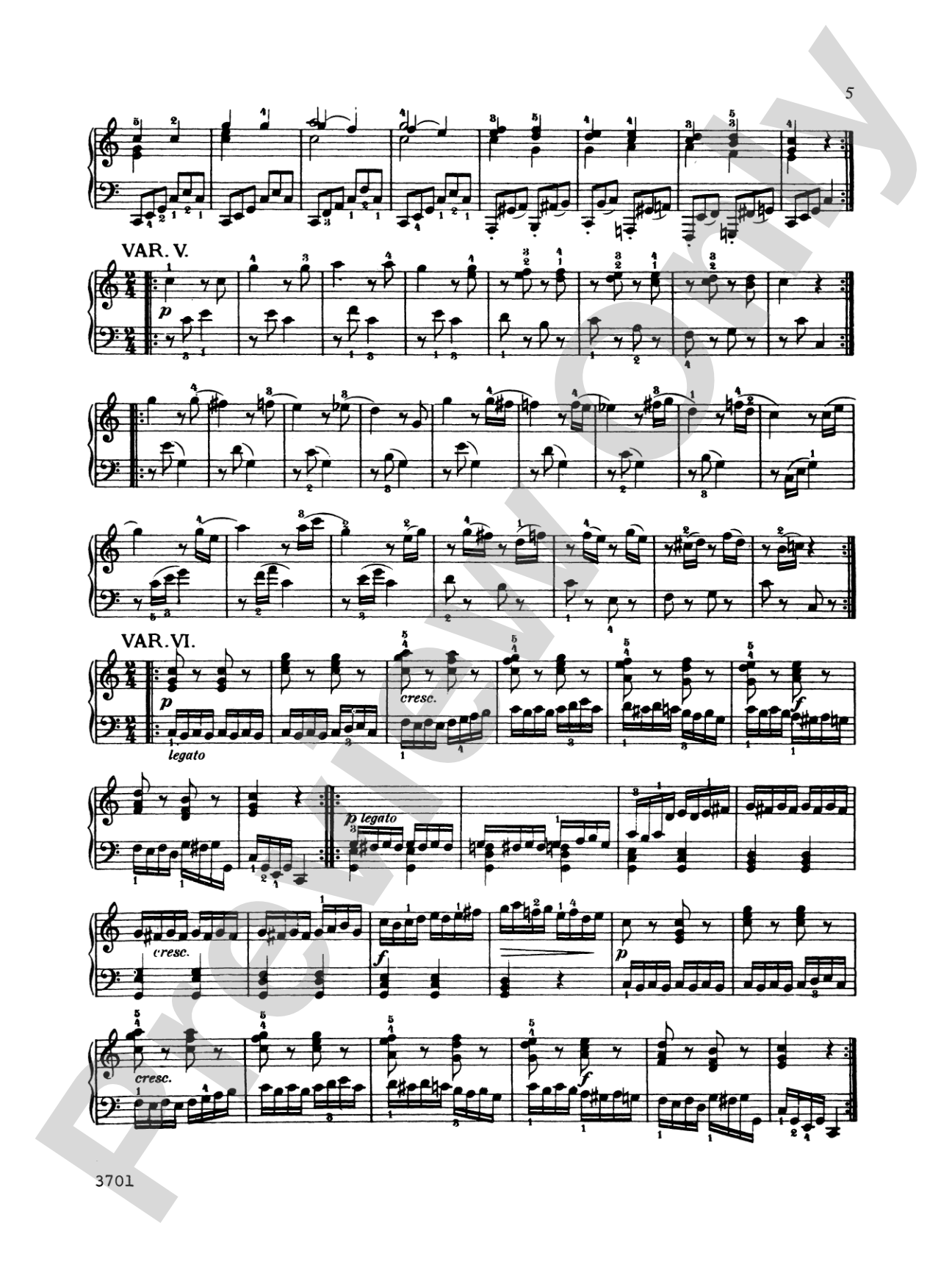
The familiar tune appears and reappears like a face seen in different light, sometimes playful, sometimes brilliant with ornament, sometimes reshaped by new accompaniment patterns. Each variation unfolds with the clarity and proportion of a small architectural gem; there is never a wasted note, yet the cumulative effect feels effortless and graceful.
Who it's for
Advanced pianists preparing for recitals, competitions, or diploma exams will find this a stylistically essential work that strengthens their command of Classical rhetoric and keyboard technique. Students working toward contemporary exam syllabi benefit from its direct connection to Mozart's aesthetic principles and its range of technical demands.
How to get the most out of it
- Maintain the clarity of the theme through each variation by keeping the primary melodic voice distinct, even when surrounding voices become busier.
- Respect the tempo relationships between variations; Mozart's intent is to show contrast through figuration and texture as much as through tempo changes.
- Listen closely to hand balance in the more elaborate variations so that passage work doesn't obscure harmonic motion or thematic content.
- Shape each variation as a complete musical statement rather than rushing to the next section; the architecture of the whole work depends on this clarity.
How to use it
Feature this as a solo work on a recital dedicated to Classical literature, or pair it with other Mozart keyboard works to create a thematic program. It works equally well as a concert opener that establishes elegance and control or as a showcase piece that lets a promising student demonstrate maturity in style and execution.
Skills your students will build
- Variation form and developmental writing
- Baroque and Classical ornament execution
- Hand independence and polyphonic texture control
- Maintenance of thematic integrity through changing accompaniment
- Stylistically informed phrasing and proportion