
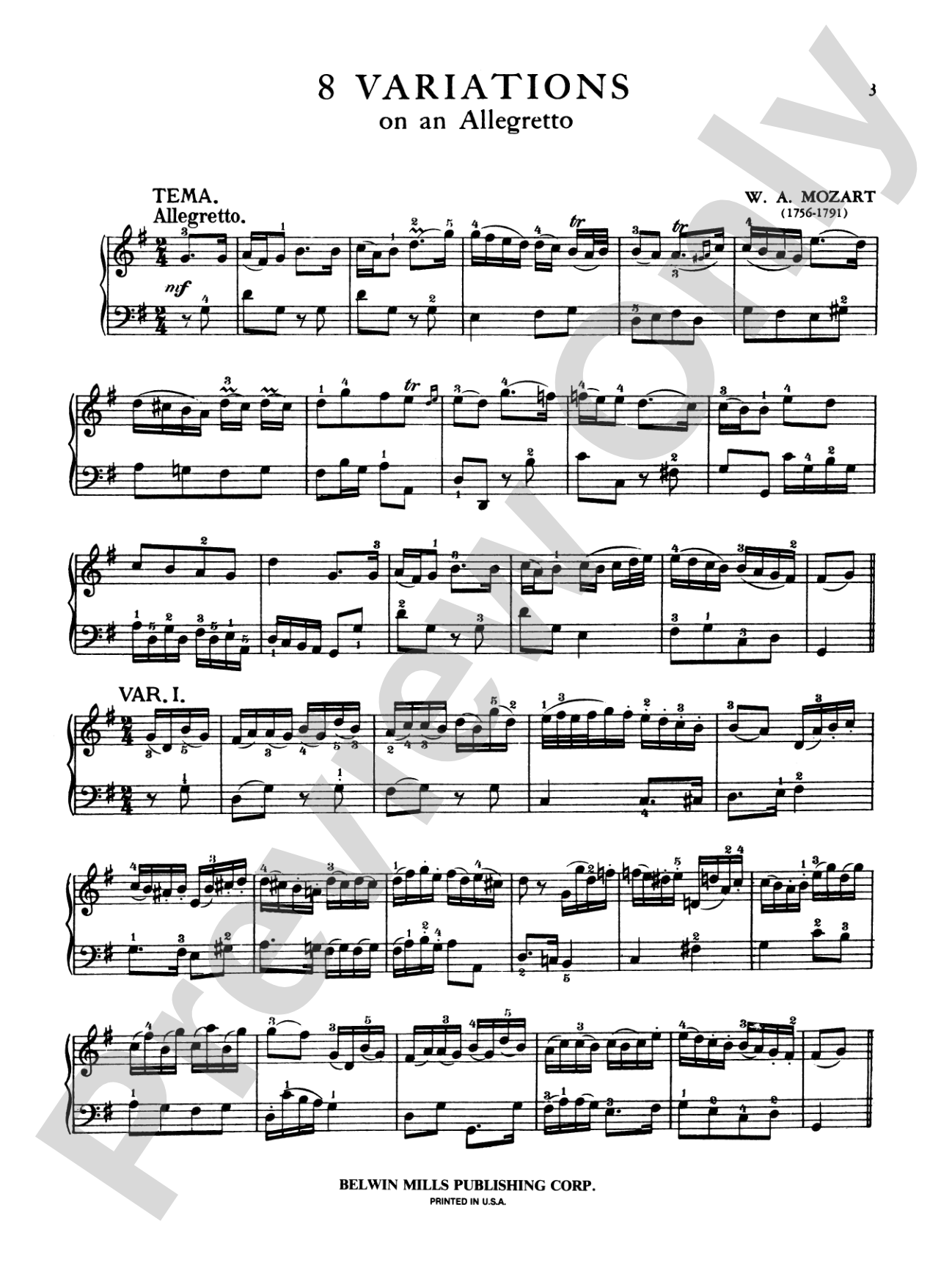
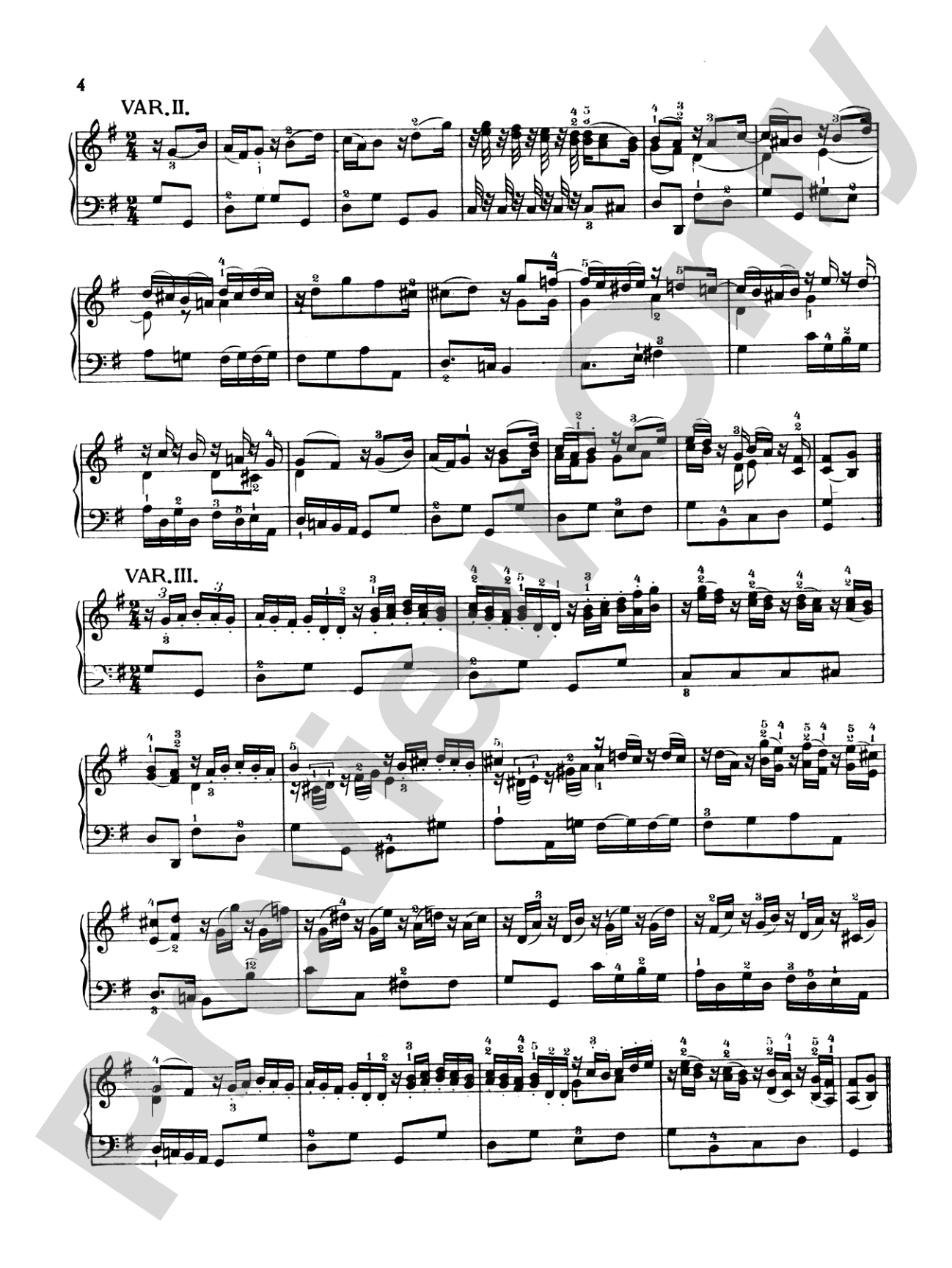
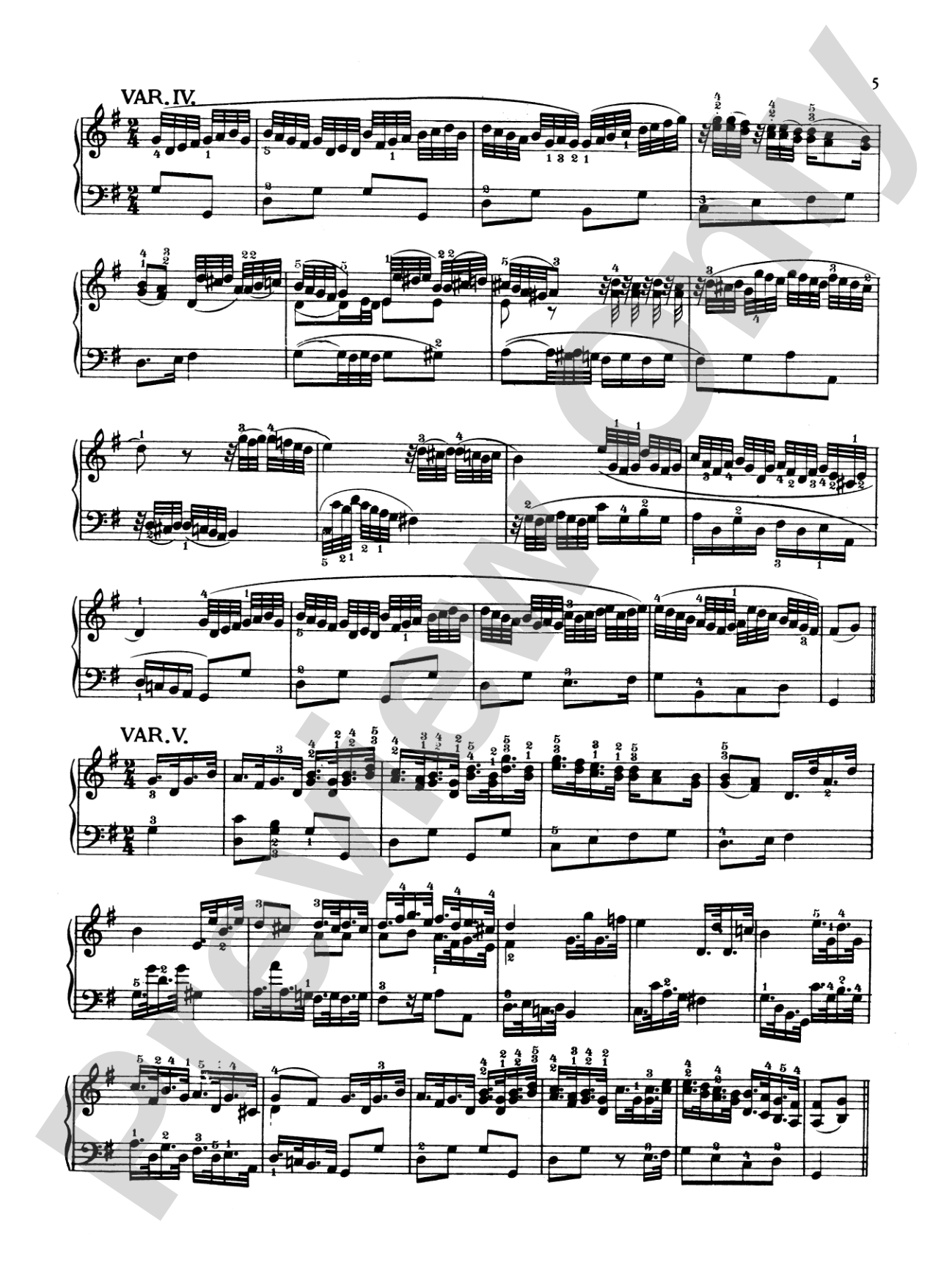
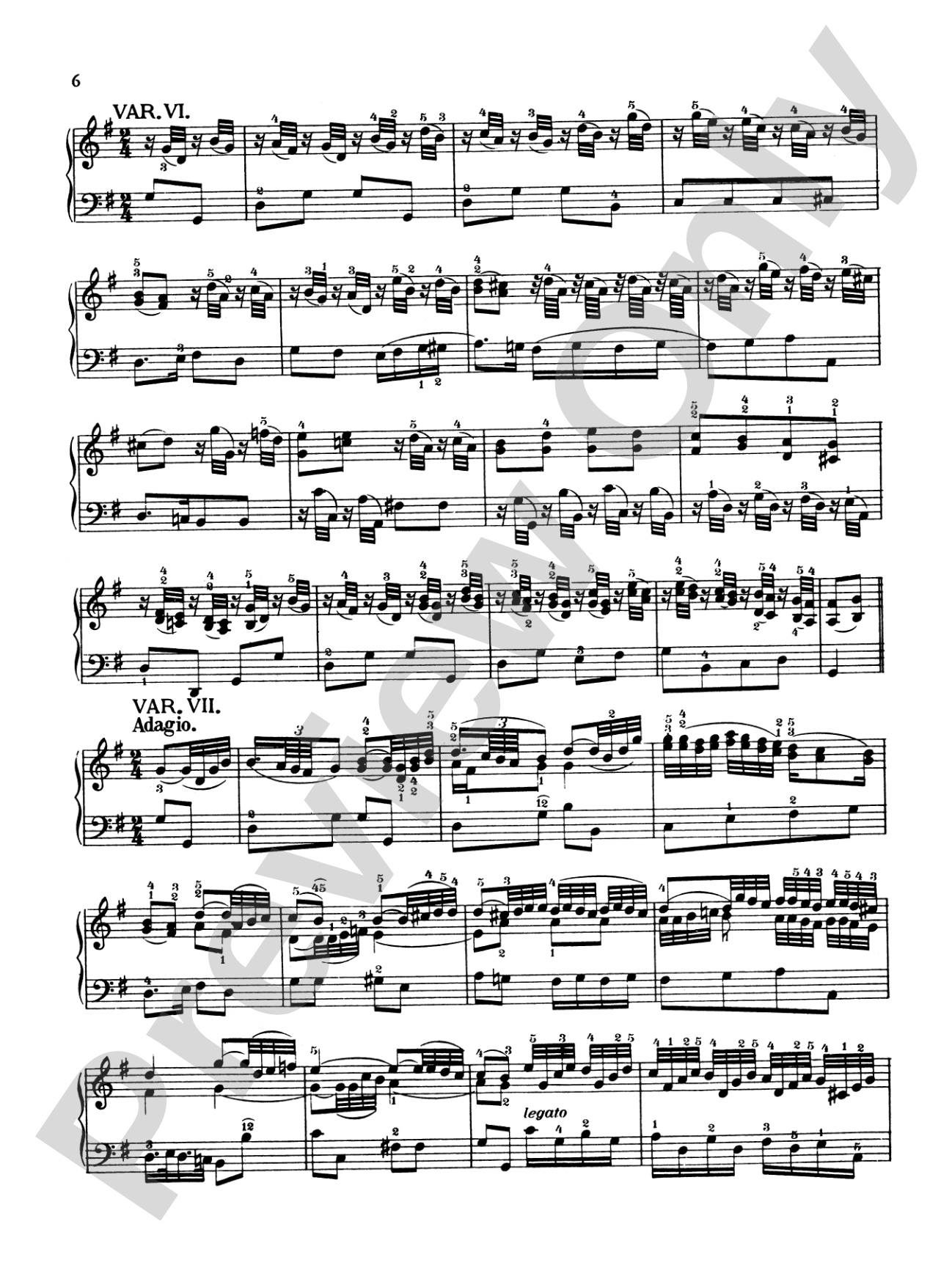
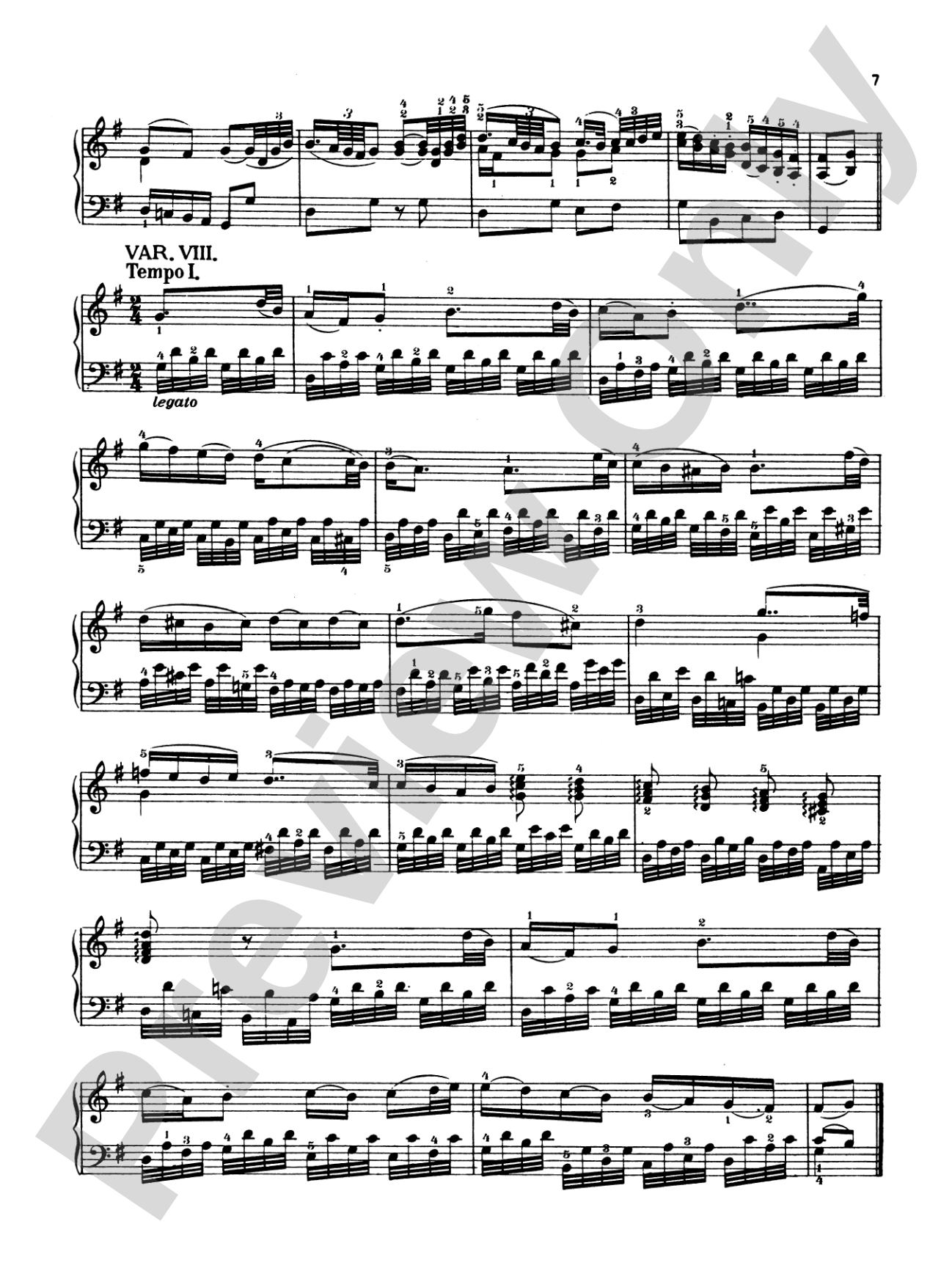

Mozart: Variations, Complete: Piano Book
By Wolfgang Amadeus Mozart
Level: Intermediate / Advanced
Item: 00-PK-0003232

$14.99
Pickup currently not available
Buy Extra Parts (Digital PDF Download)
| Product | Price | Quantity |
|---|---|---|
| Mozart: Variations, Complete | $0.99 | |
| Mozart: Variations, Complete | $0.99 | |
| Mozart: Variations, Complete | $0.99 | |
| Mozart: Variations, Complete | $0.99 | |
| Mozart: Variations, Complete | $0.99 | |
| Mozart: Variations, Complete | $0.99 | |
| Mozart: Variations, Complete | $0.99 | |
| Mozart: Variations, Complete | $0.99 | |
| Mozart: Variations, Complete | $0.99 | |
| Mozart: Variations, Complete | $0.99 | |
| Mozart: Variations, Complete | $0.99 | |
| Mozart: Variations, Complete | $0.99 | |
| Mozart: Variations, Complete | $0.99 | |
| Mozart: Variations, Complete | $0.99 | |
| Mozart: Variations, Complete | $0.99 | |
| Mozart: Variations, Complete | $0.99 | |
| Mozart: Variations, Complete | $0.99 |
Parts Added to Cart!
Related Items
Variations, Complete: Piano Book |
$14.95
|
View |
Description


Don't just read it, hear it, play along with it, and watch your students grow with it. In MakeMusic Cloud, Mozart: Variations, Complete: Piano Book comes alive with professional accompaniment, adjustable tempo, and built-in practice tools that turn solo practice into real progress.
Open in the Player
Jump straight in and assign it today.
Start Your Free Trial
Open this title and explore the full library in minutes.
Sample Audio
No sample audio found.
Sample Video
No sample videos found.
Additional Details
Series:
Kalmus Edition
Publisher:
Alfred Music
Page Count:
120
SKU:
00-PK-0003232
More about this title
About the Composer: Wolfgang Amadeus Mozart
Wolfgang Amadeus Mozart (1756-1791) composed across every major genre of his era and left behind a catalog that remains central to the Classical repertoire. His pianistic writing is distinguished by its clarity, elegant phrasing, and seamless integration of virtuosity with musical substance. Mozart's variations, in particular, showcase his genius for taking a simple theme and exploring it through harmonic enrichment, textural variation, and structural ingenuity—techniques that continue to reward both performers and listeners.
Why we love this
These variations represent Mozart at his most inventive yet approachable. Each set builds a complete musical journey from a modest theme, giving intermediate and advanced pianists genuine interpretive choices without requiring the technical extremes of the concertos. The writing feels natural under the hands while remaining intellectually engaging for serious students.
What to expect
Mozart's variations unfold like a conversation between the composer and performer. Each section feels inevitable yet surprising, built from elegant melodic fragments that transform through harmonic recoloring, rhythmic shift, and textural play. The music is graceful and purposeful without a wasted note.
Who it's for
This collection serves intermediate and advanced pianists ready to expand beyond standard sonata forms into the variation genre. Students benefit from seeing how a master composer develops material, and teachers find reliable repertoire for recitals, competitions, and concert programming.
How to get the most out of it
- Maintain clarity in the theme before each variation. Listeners need to hear the connection between the original melody and its transformation, so resist the urge to rush or obscure the underlying structure.
- Shape each variation as a distinct character. Mozart's variations aren't mere technical exercises; they're small character pieces that benefit from differentiated articulation, dynamics, and pedal choices.
- Balance ornamentation with structure. Passagework and embellishment should enhance the musical line rather than bury it. Clarity serves Mozart's compositional intent.
- Listen to multiple recorded interpretations. Professional pianists bring different tempo choices and coloristic approaches to these works; exposure to varied interpretations helps you develop your own voice.
How to use it
Feature a single variation set as a transition piece between heavier works, or program several variations back-to-back to showcase the pianist's interpretive range and stylistic control. These pieces also work well in educational contexts where you want to demonstrate Classical formal thinking and compositional technique.
Skills your students will build
- Recognition of theme-and-variations form
- Harmonic analysis across multiple settings of the same material
- Articulation and pedal control in Classical style
- Ornamentation and passage work execution
- Interpretation of character shifts within a unified framework