
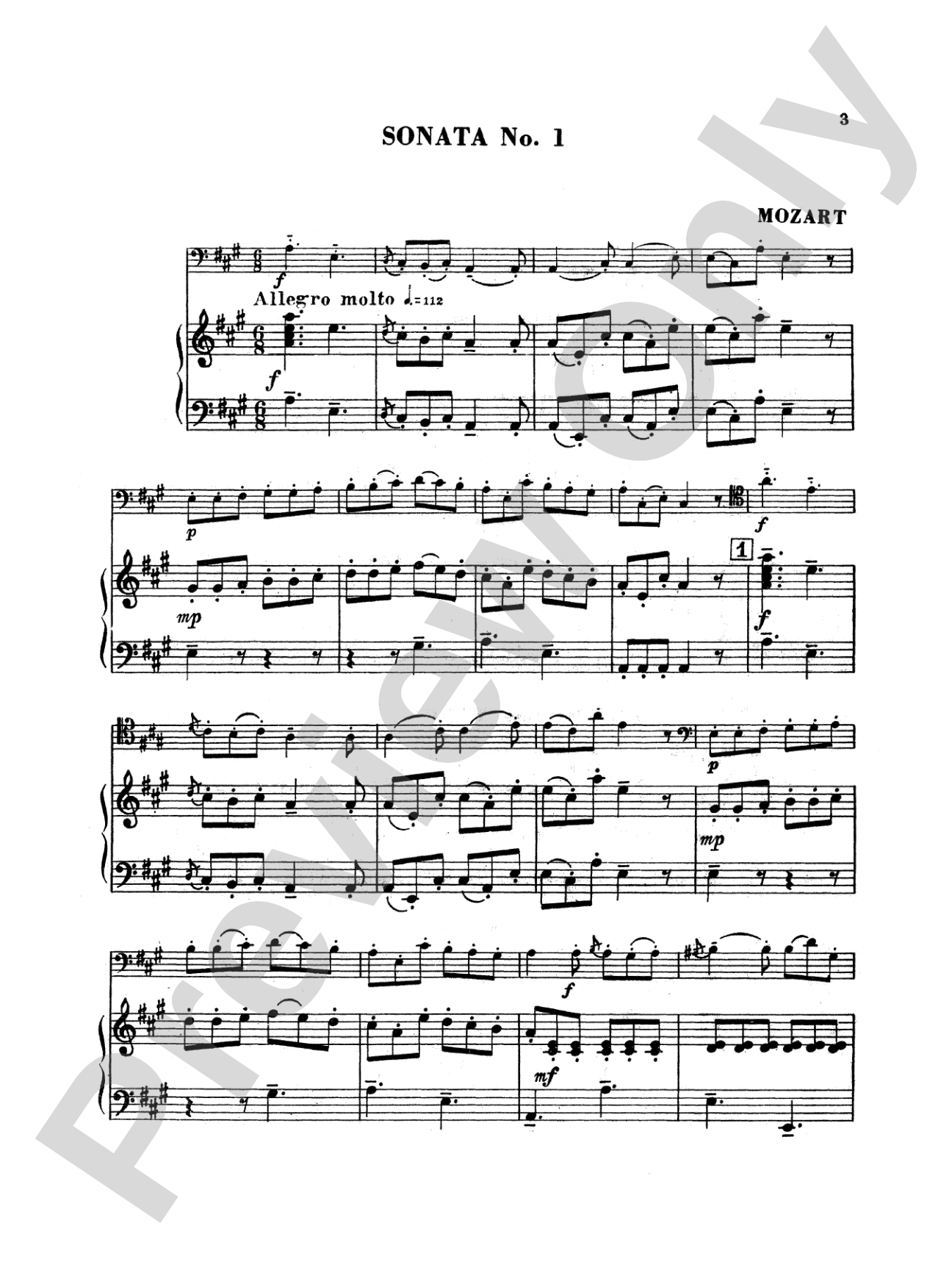
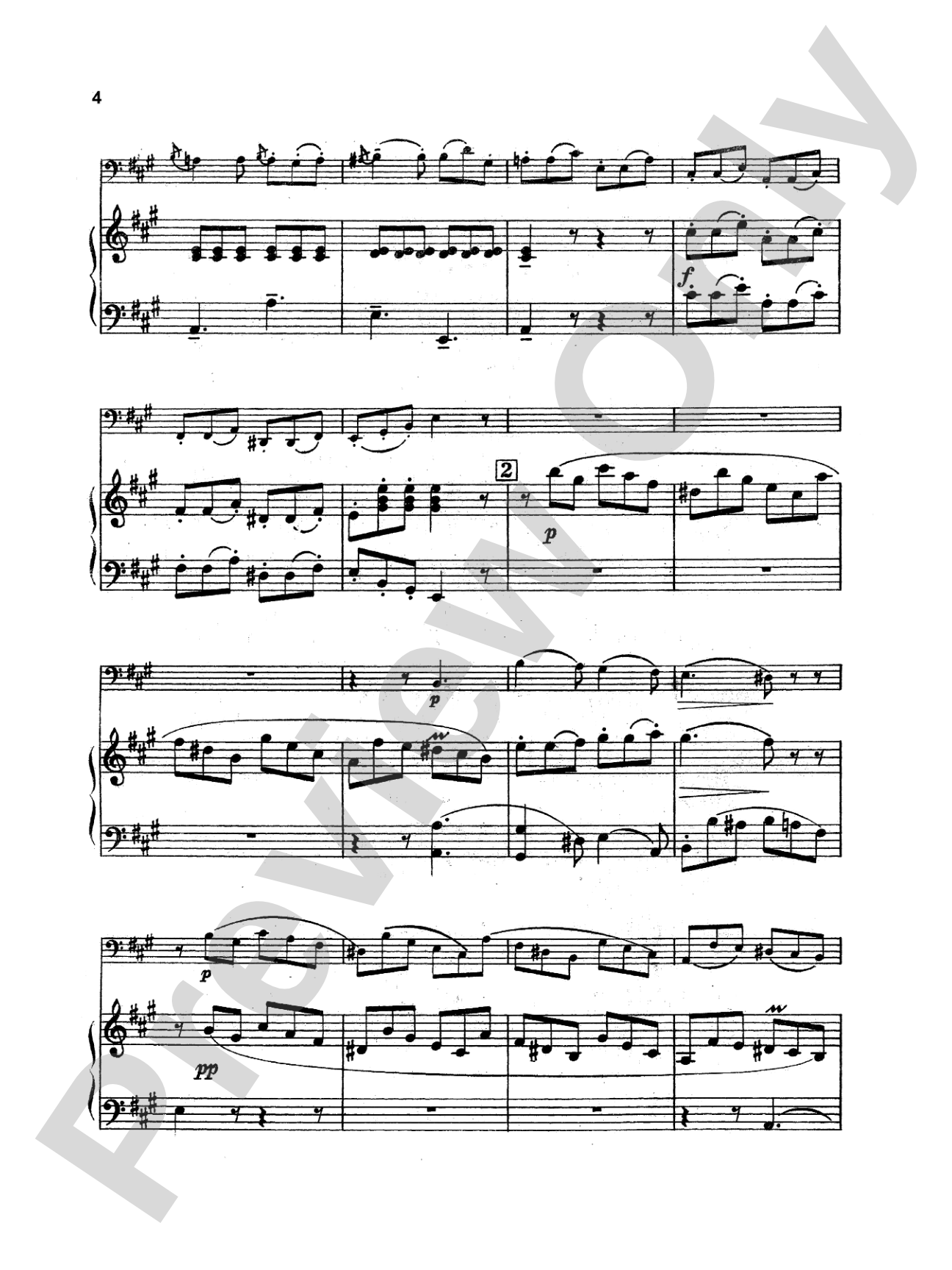
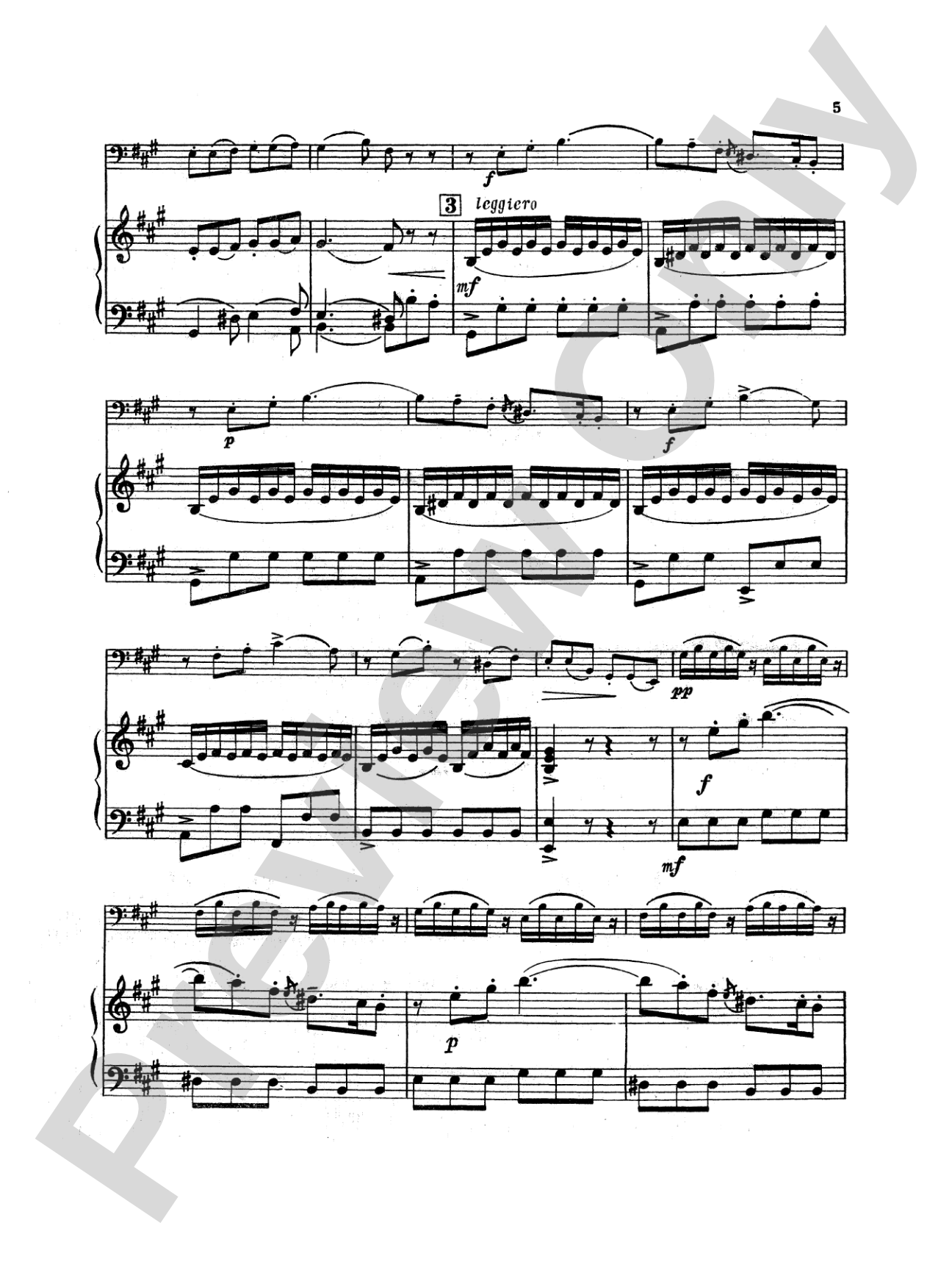
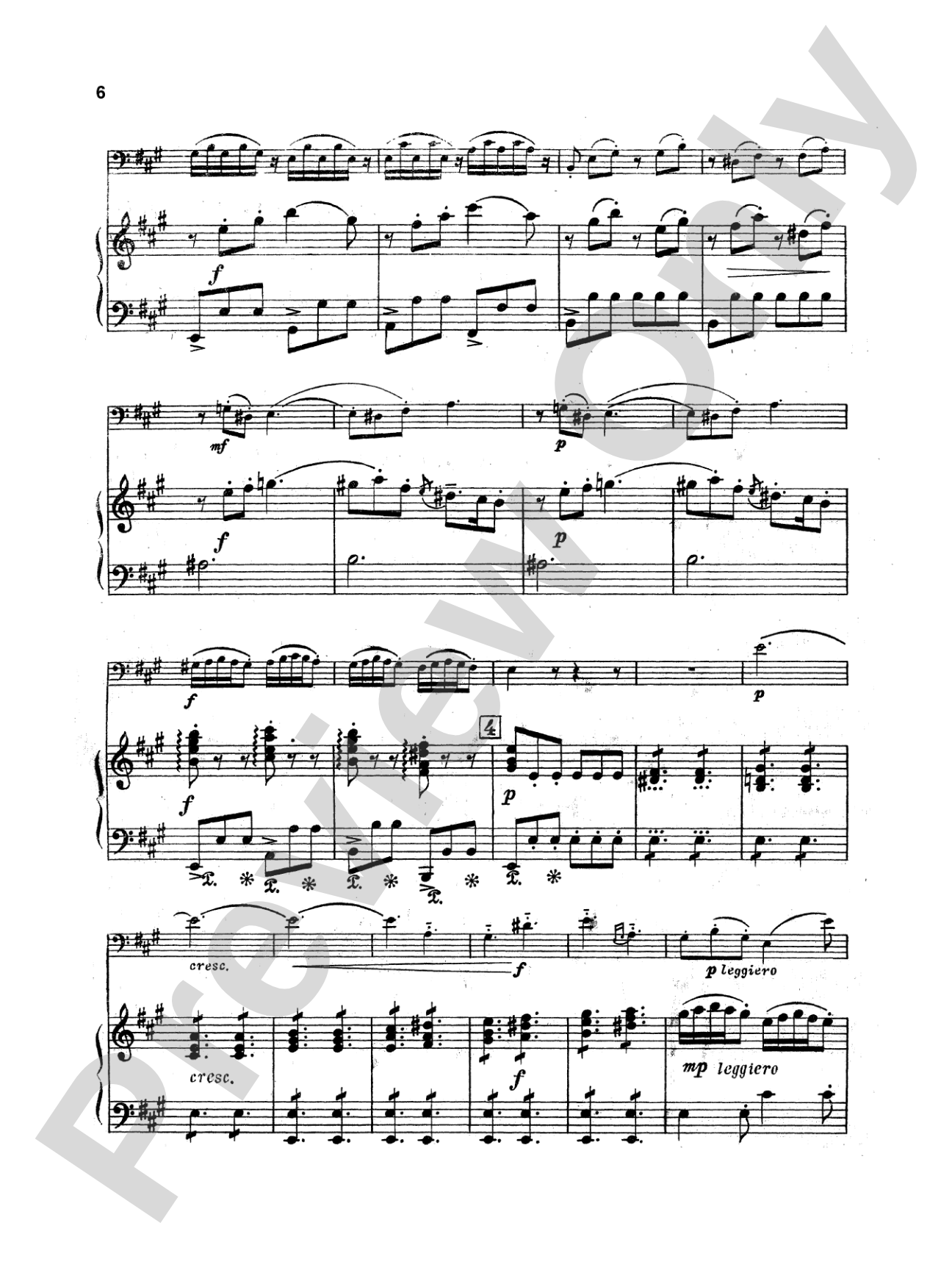
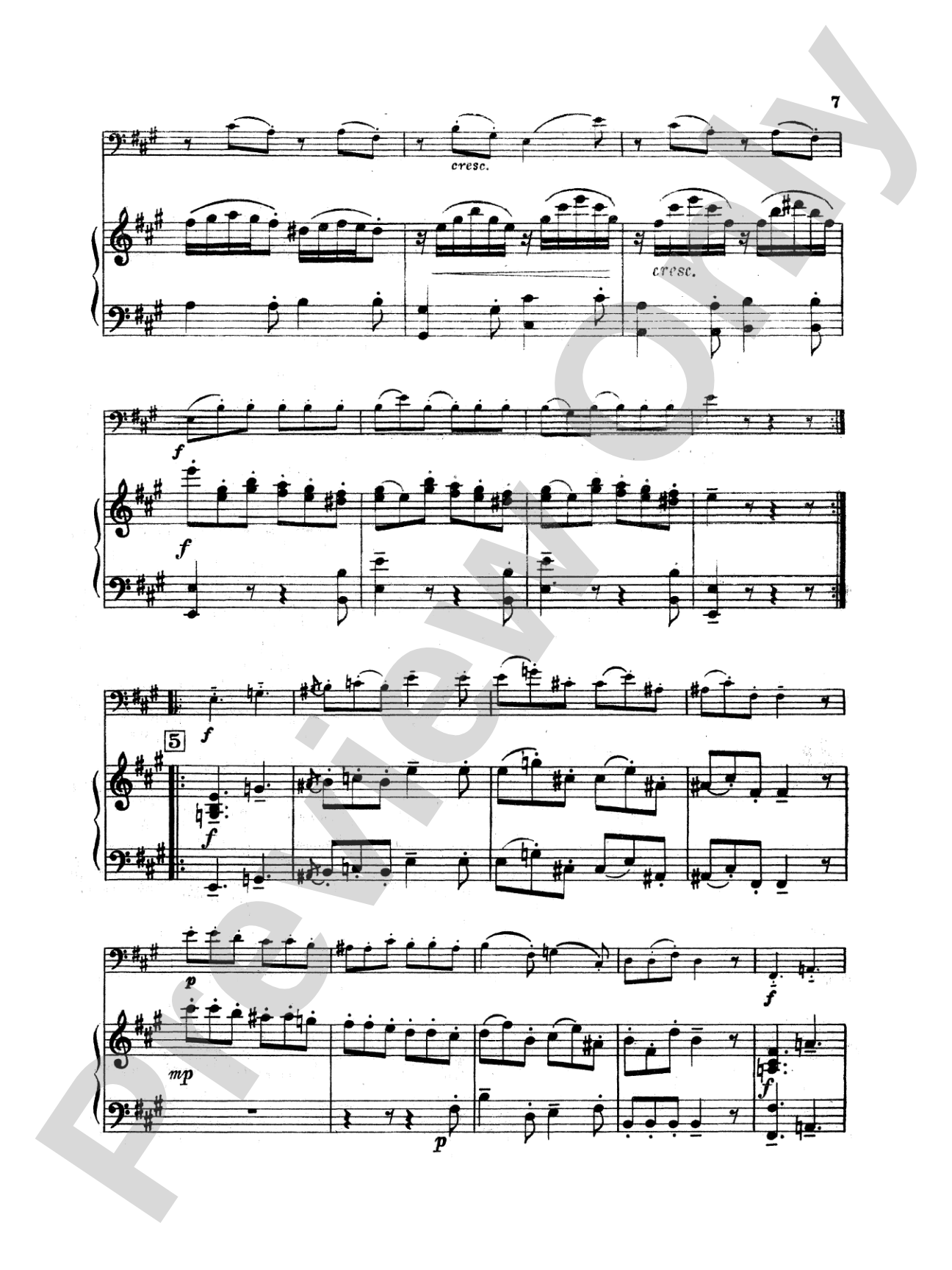
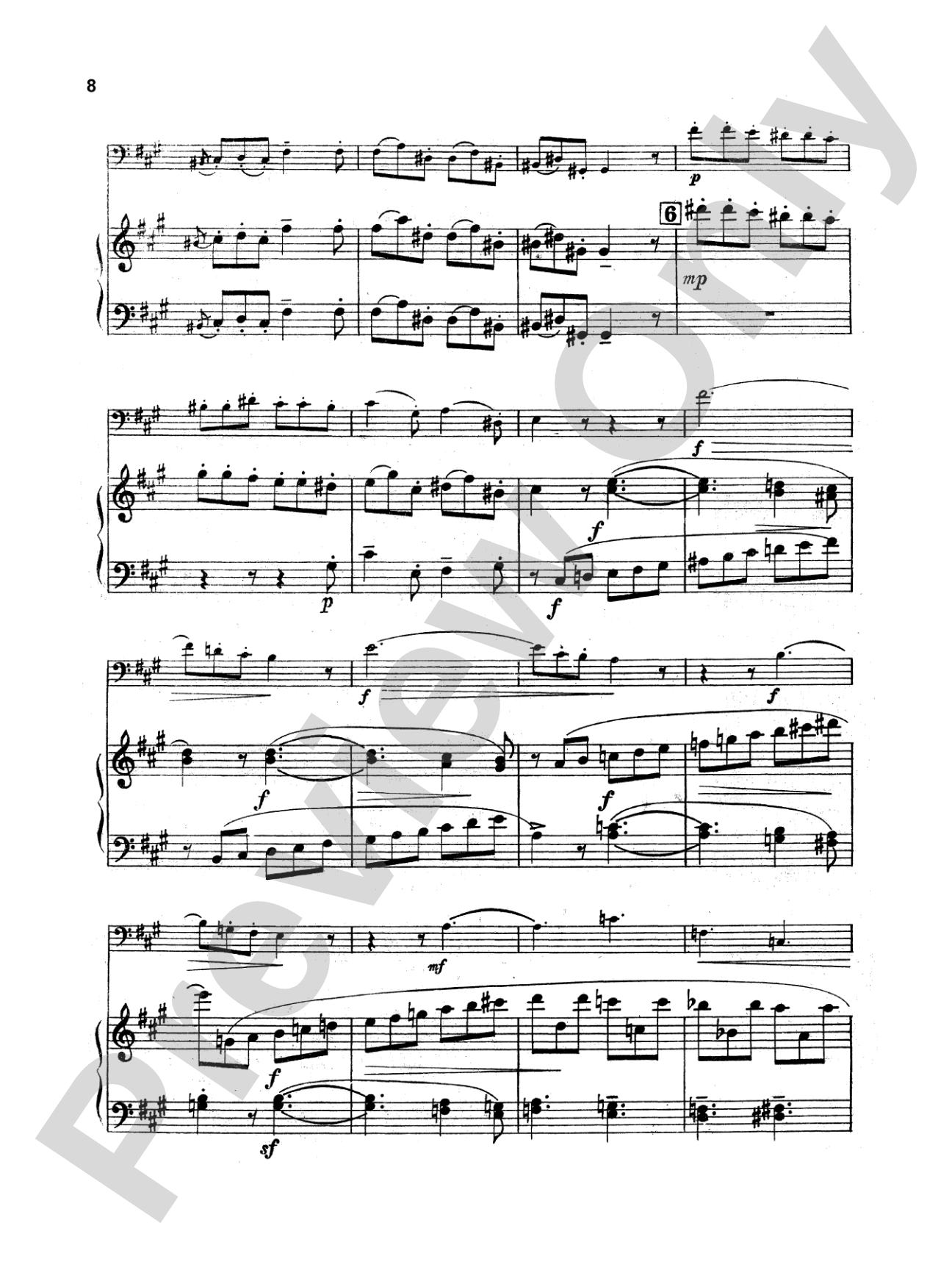
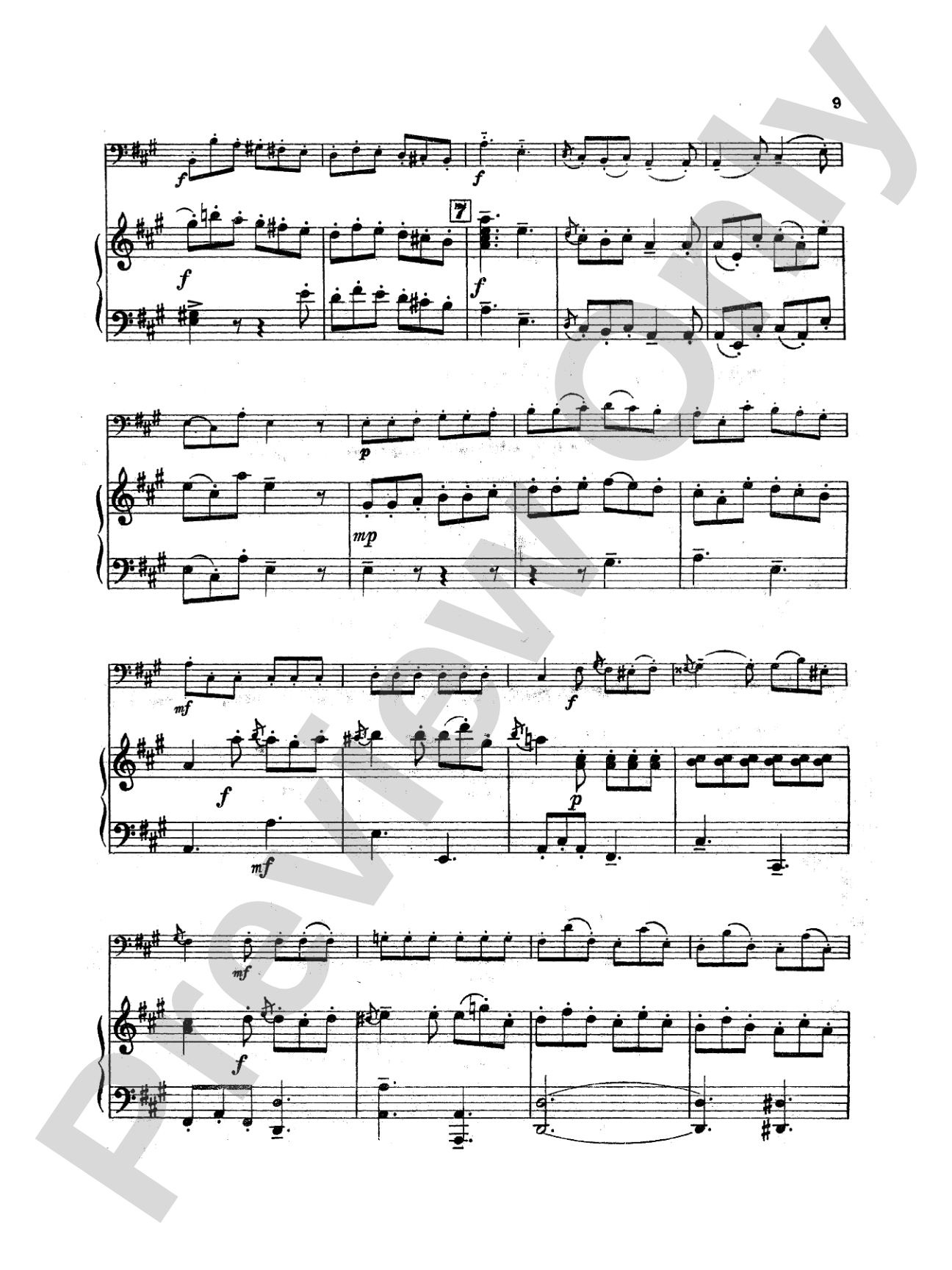
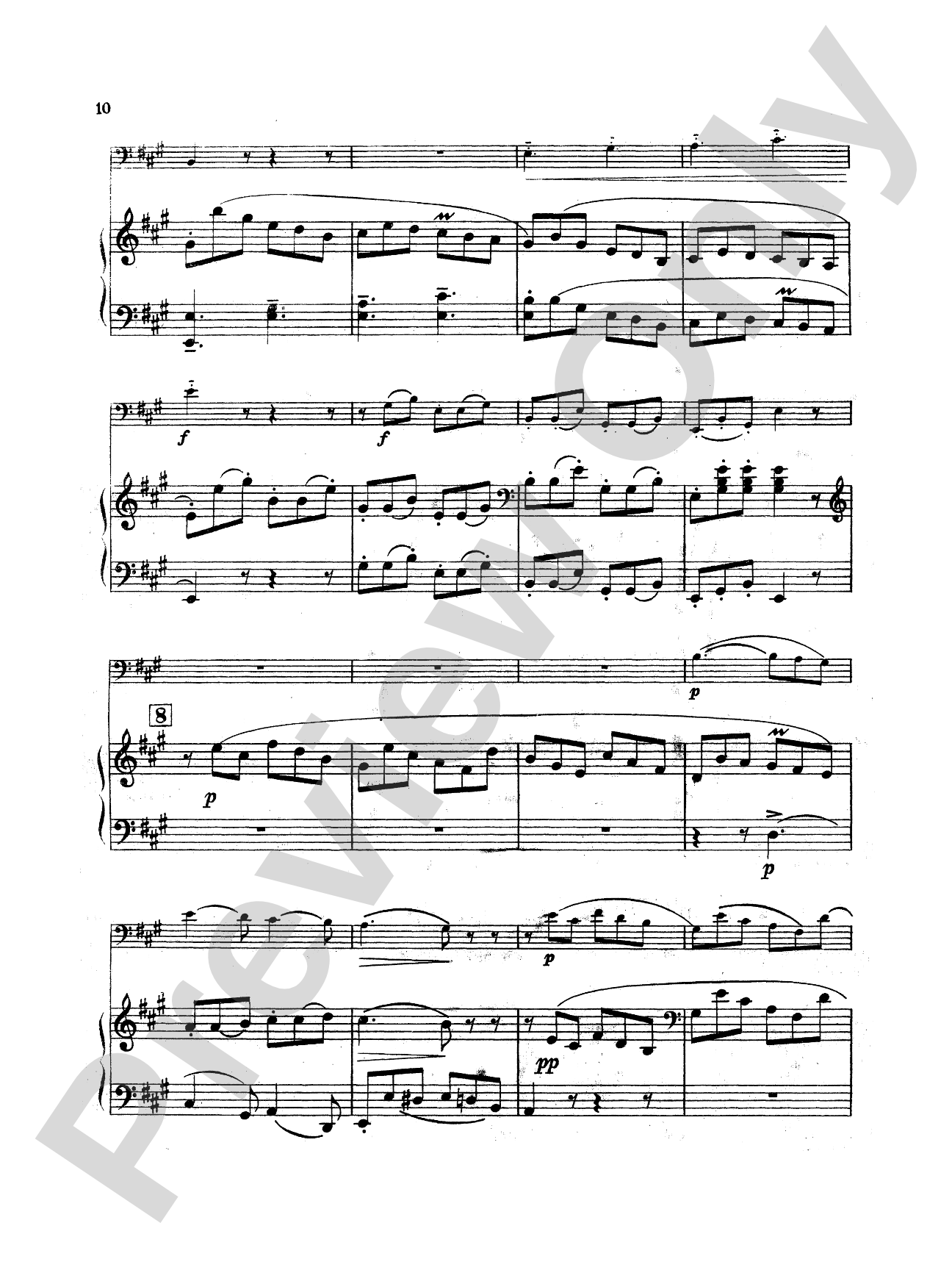
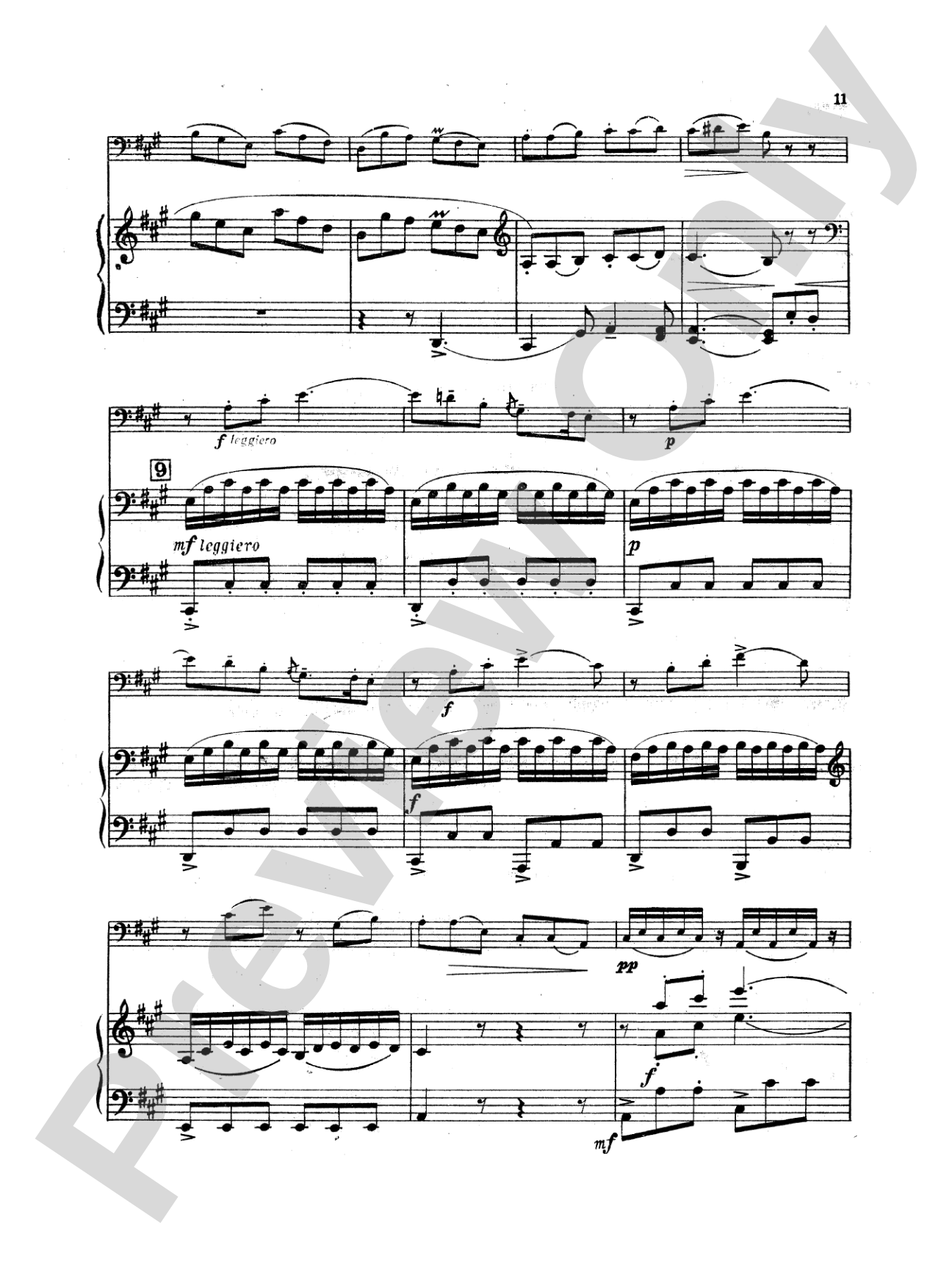
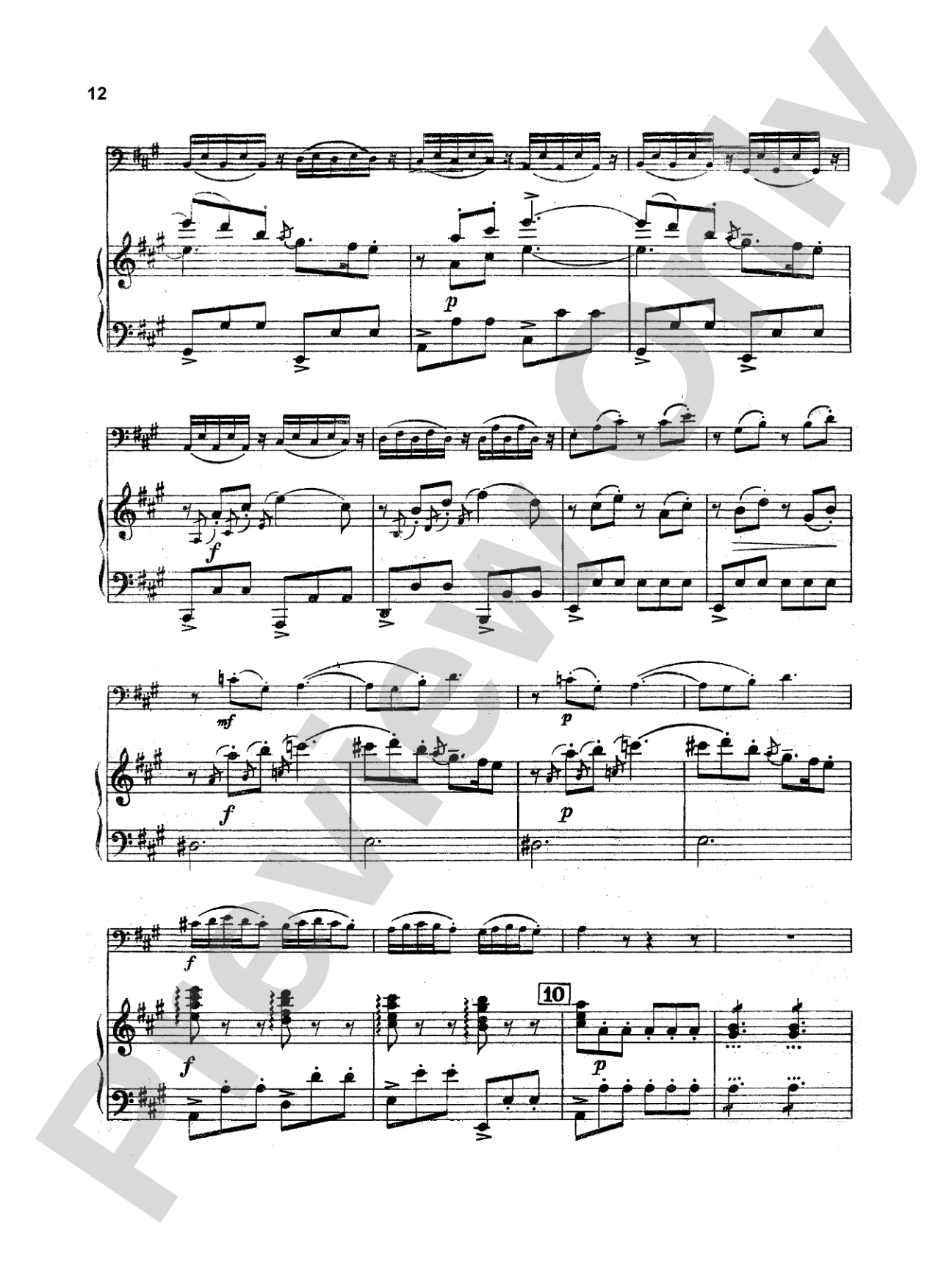
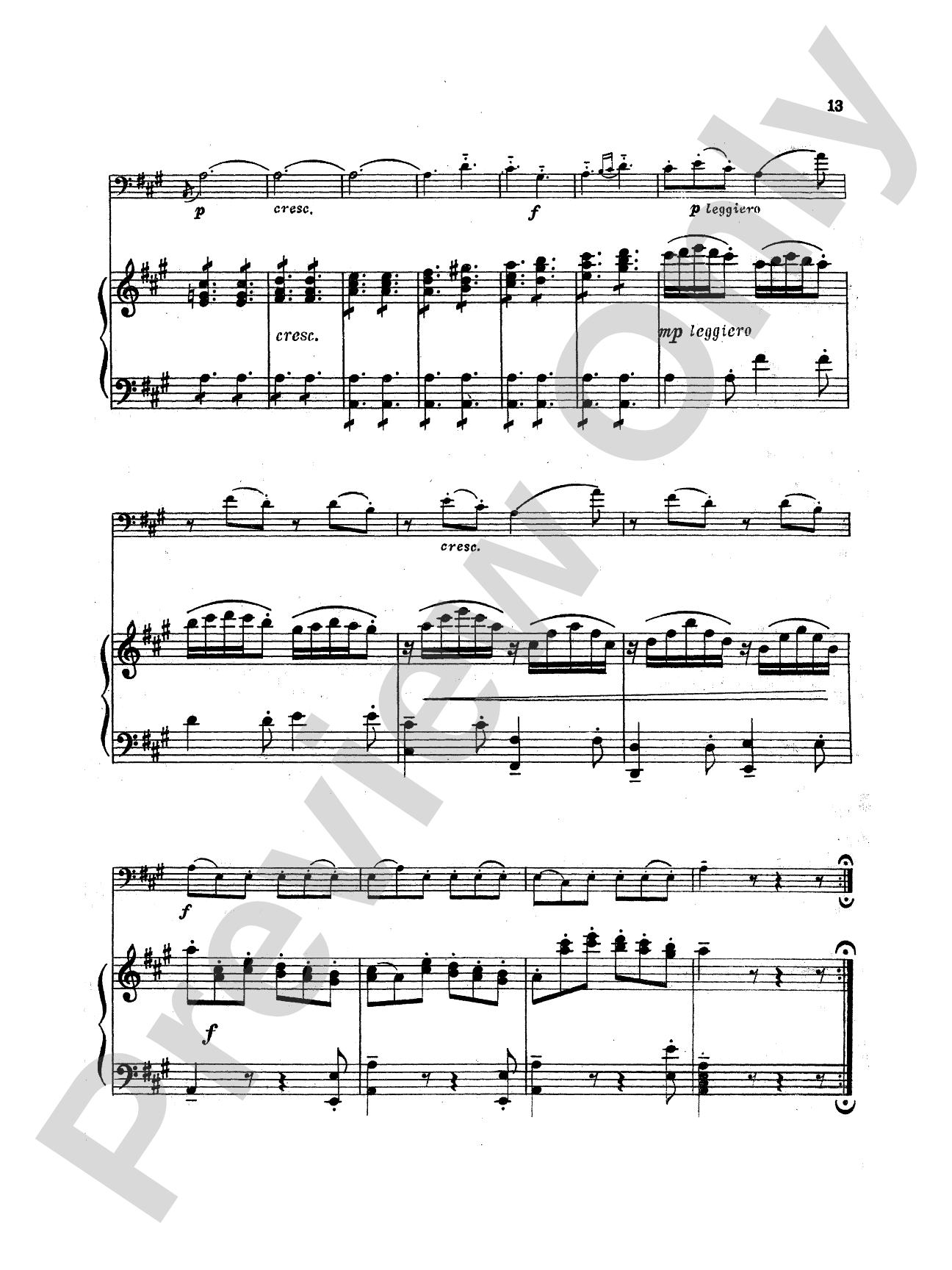

Mozart: Two Sonatas: Bassoon & Piano Part(s)
By Wolfgang Amadeus Mozart
Item: 00-PK-0003440

$10.99
Pickup currently not available
Buy Extra Parts (Digital PDF Download)
| Product | Price | Quantity |
|---|---|---|
| Mozart: Two Sonatas | $4.99 | |
| Mozart: Two Sonatas | $4.99 |
Parts Added to Cart!
Related Items
Two Sonatas: Bassoon & Piano Part(s) |
$10.95
|
View |
Description


Don't just read it, hear it, play along with it, and watch your students grow with it. In MakeMusic Cloud, Mozart: Two Sonatas: Bassoon & Piano Part(s) comes alive with professional accompaniment, adjustable tempo, and built-in practice tools that turn solo practice into real progress.
Open in the Player
Jump straight in and assign it today.
Start Your Free Trial
Open this title and explore the full library in minutes.
Sample Audio
No sample audio found.
Sample Video
No sample videos found.
Additional Details
Series:
Kalmus Edition
Publisher:
Alfred Music
Page Count:
36
SKU:
00-PK-0003440
Instrumentation:
Bassoon & Piano
More about this title
About the Composer: Wolfgang Amadeus Mozart
Wolfgang Amadeus Mozart (1756-1791) composed across every major genre of his time, from opera and symphony to chamber music and concertos. His work for woodwind instruments combines technical brilliance with lyrical grace, often pushing performers toward greater expressive range and control.
Why we love this
These sonatas sit at the intersection of Classical elegance and genuine virtuosity. Mozart's writing for bassoon respects the instrument's lyrical warmth while demanding real technical facility, making them equally rewarding for contest preparation and concert performance.
What to expect
Mozart's bassoon writing has an almost conversational quality, alternating between moments of cantabile warmth and passages of nimble figuration. The Classical aesthetic demands precision and transparency while rewarding performers who shape each phrase with intention.
Who it's for
Advanced high school and college bassoonists preparing for regional or state competitions will find substantial material here. These sonatas also serve solo recital performers seeking repertoire that combines pedagogical value with authentic artistic challenge.
How to get the most out of it
- Balance the melodic line between the two hands of the pianist. The bassoon's voice should sing clearly, but Mozart's piano writing is rarely accompaniment alone.
- Shape phrases with attention to harmonic rhythm rather than bar lines. Mozart's harmonic language creates natural breathing points that may not align with traditional phrase lengths.
- Articulate cleanly in passage work without sacrificing the legato quality that defines Classical woodwind style. Lightness and clarity go hand in hand here.
How to use it
Feature these sonatas as part of a chamber concert or solo competition set where they complement larger ensemble works. Their length and character make them ideal opening or closing pieces for a recital focused on woodwind repertoire.
Skills your students will build
- Dynamic control across a wide range of dynamics from pp to ff
- Articulation in fast passage work while maintaining musical legato
- Phrasing in Classical context with attention to harmonic structure
- Intonation awareness in the context of collaborative piano playing
- Stylistic interpretation of eighteenth-century compositional conventions