
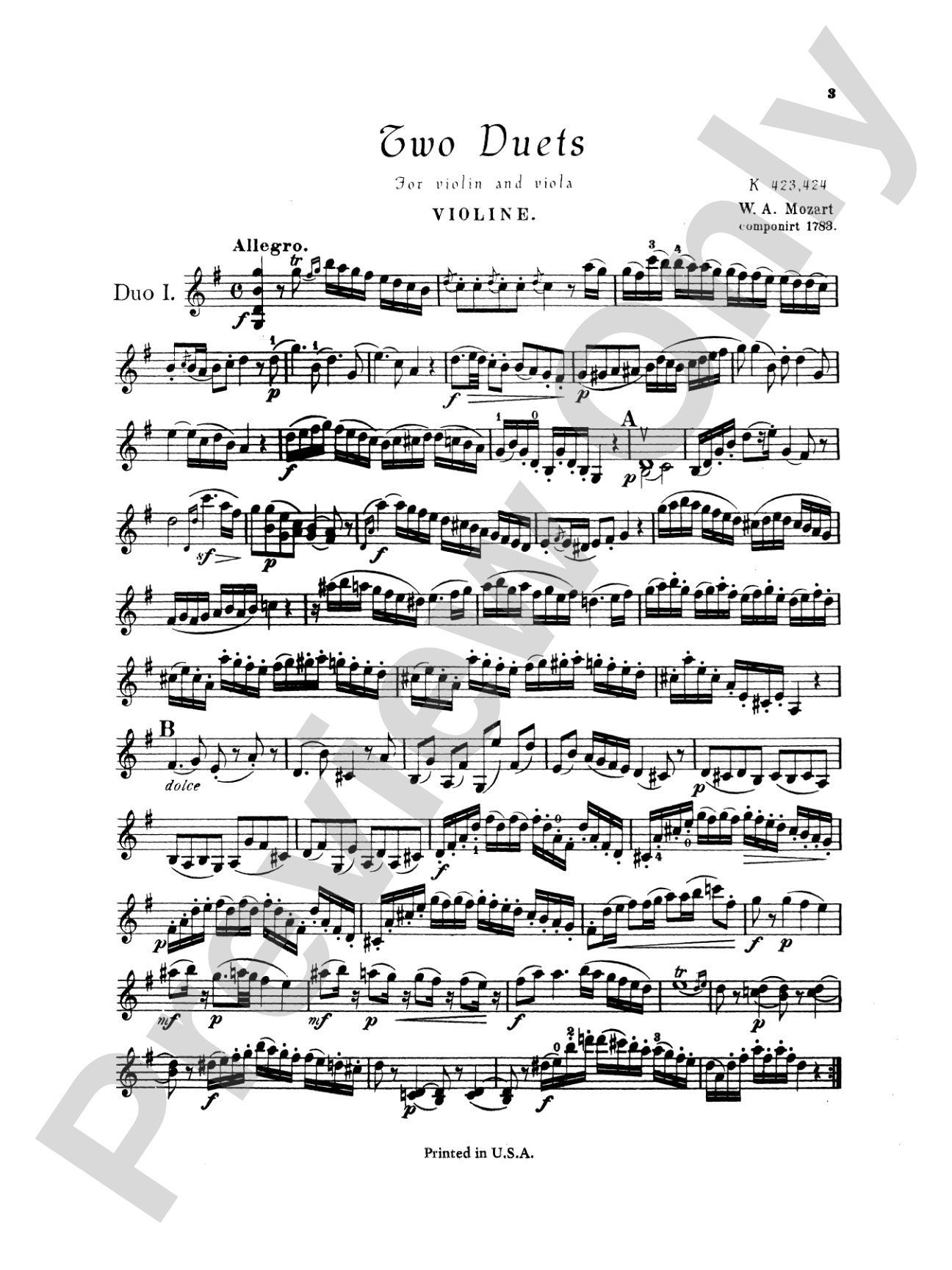
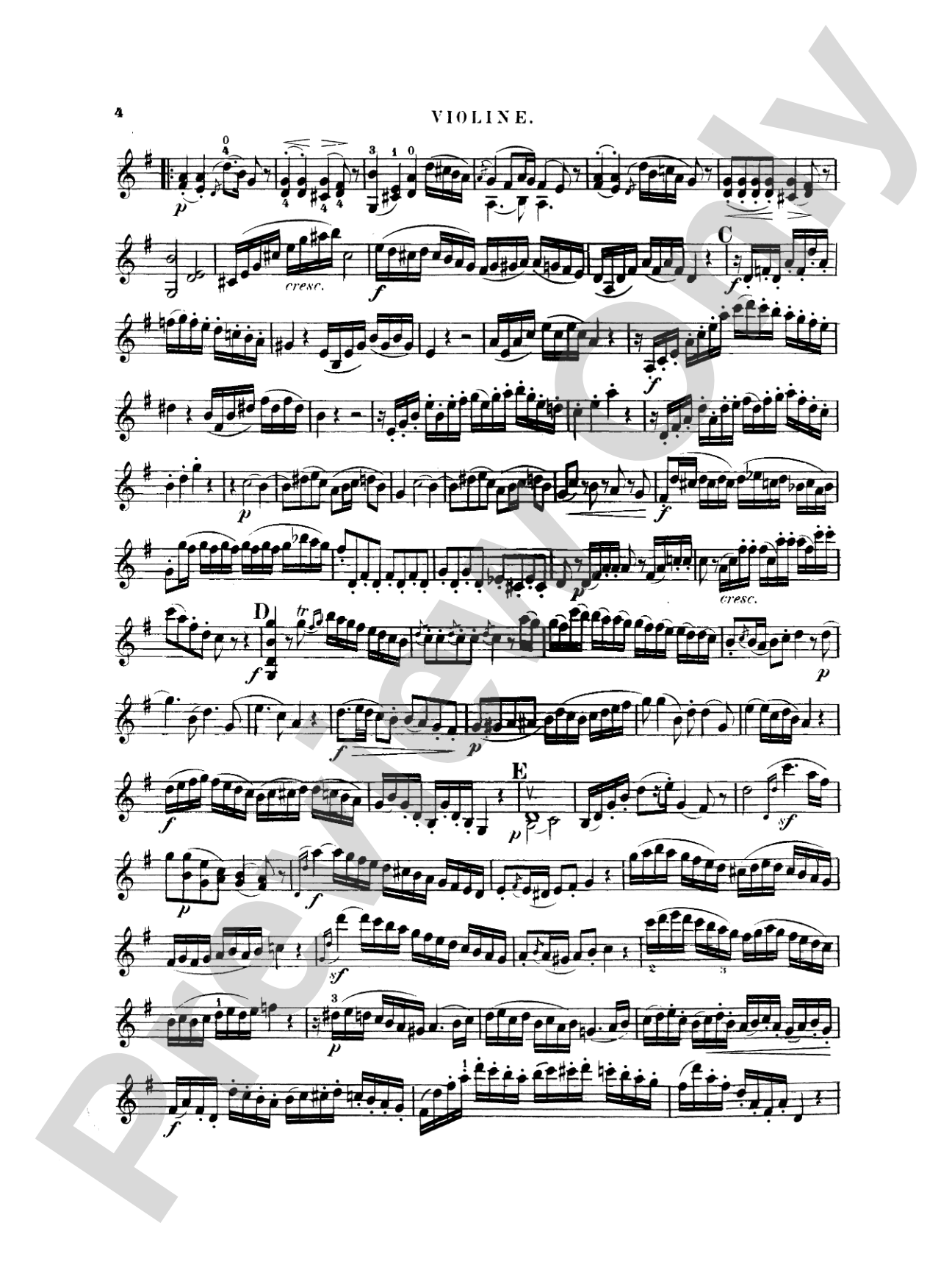
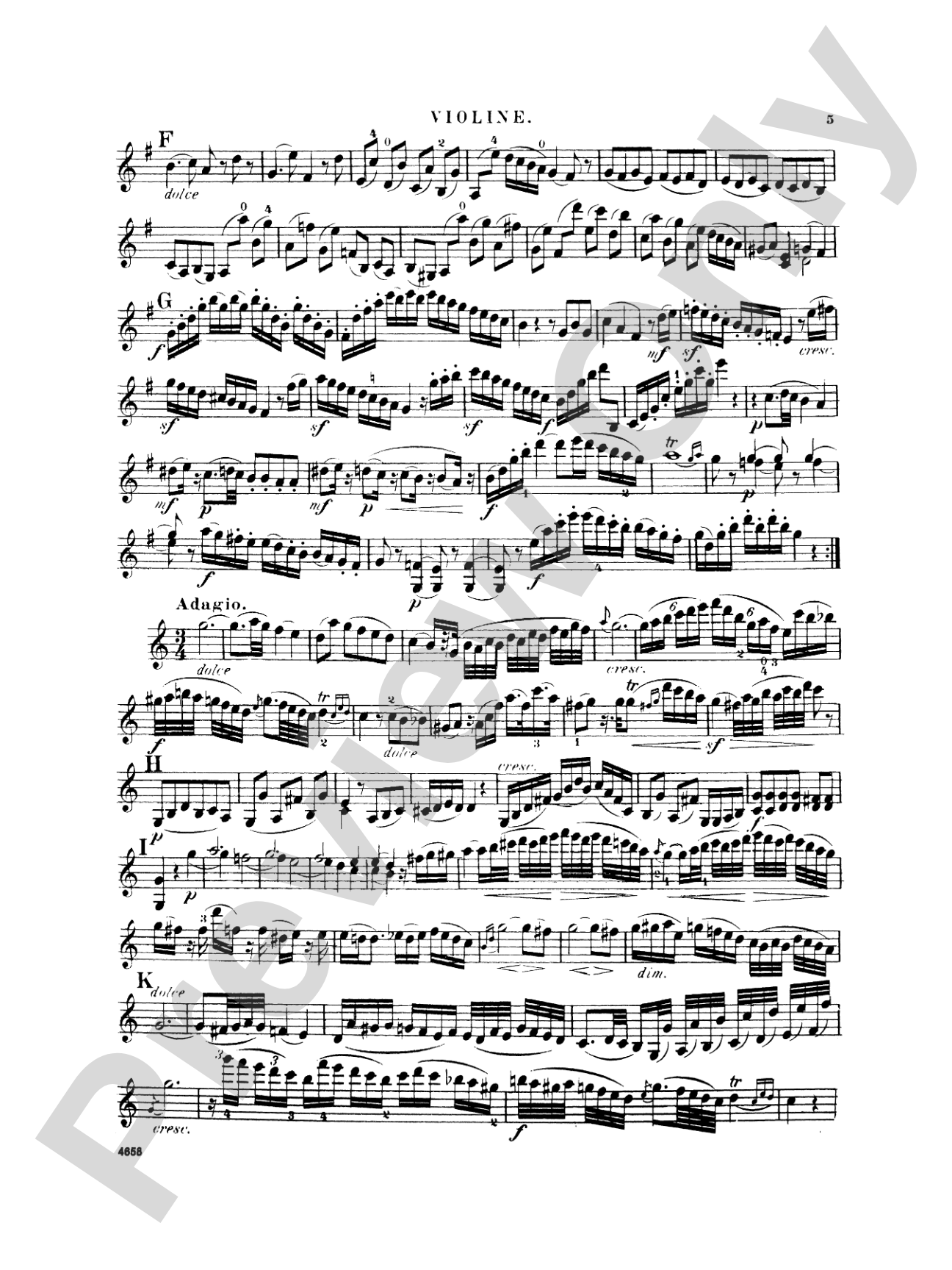
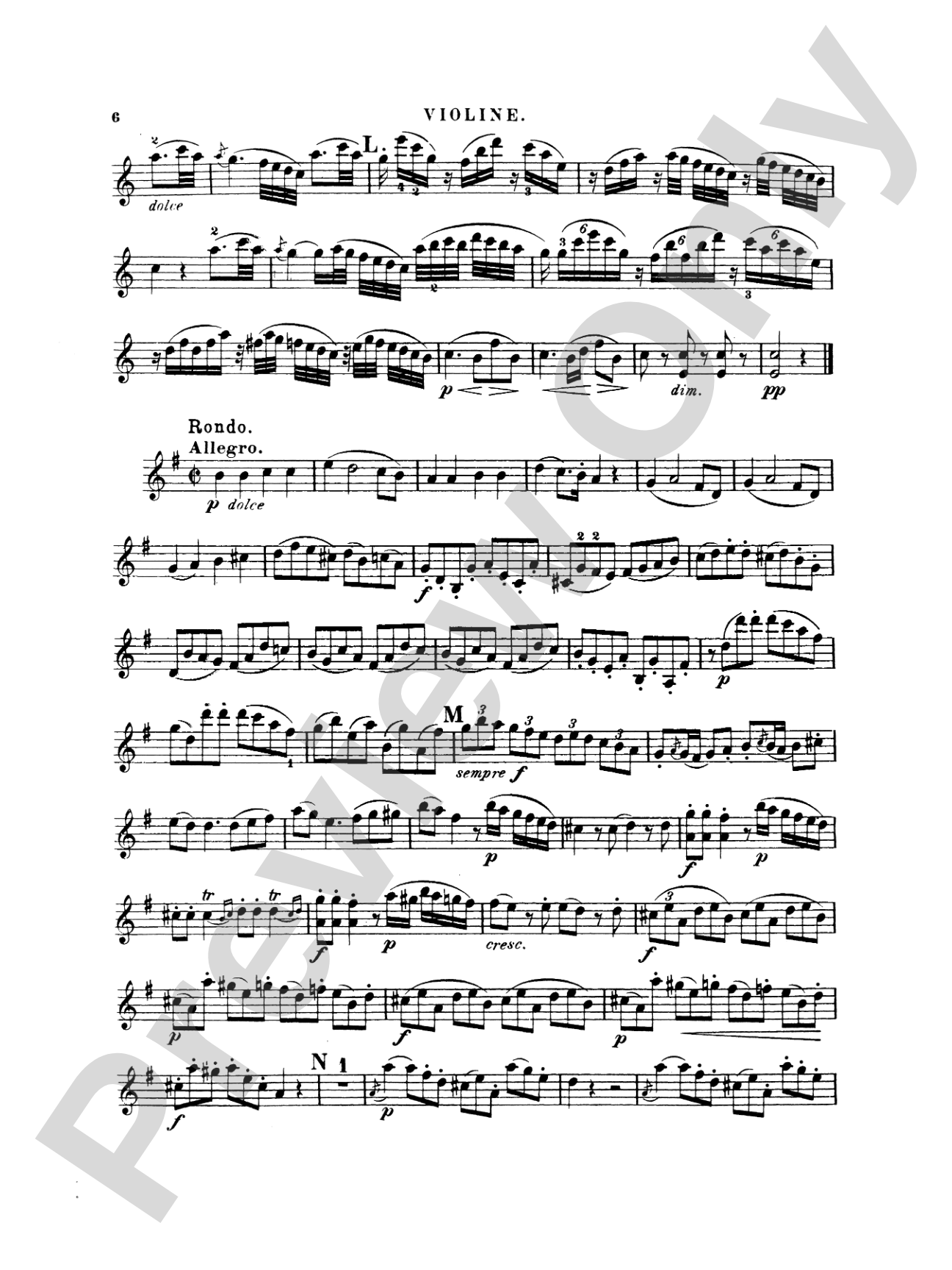
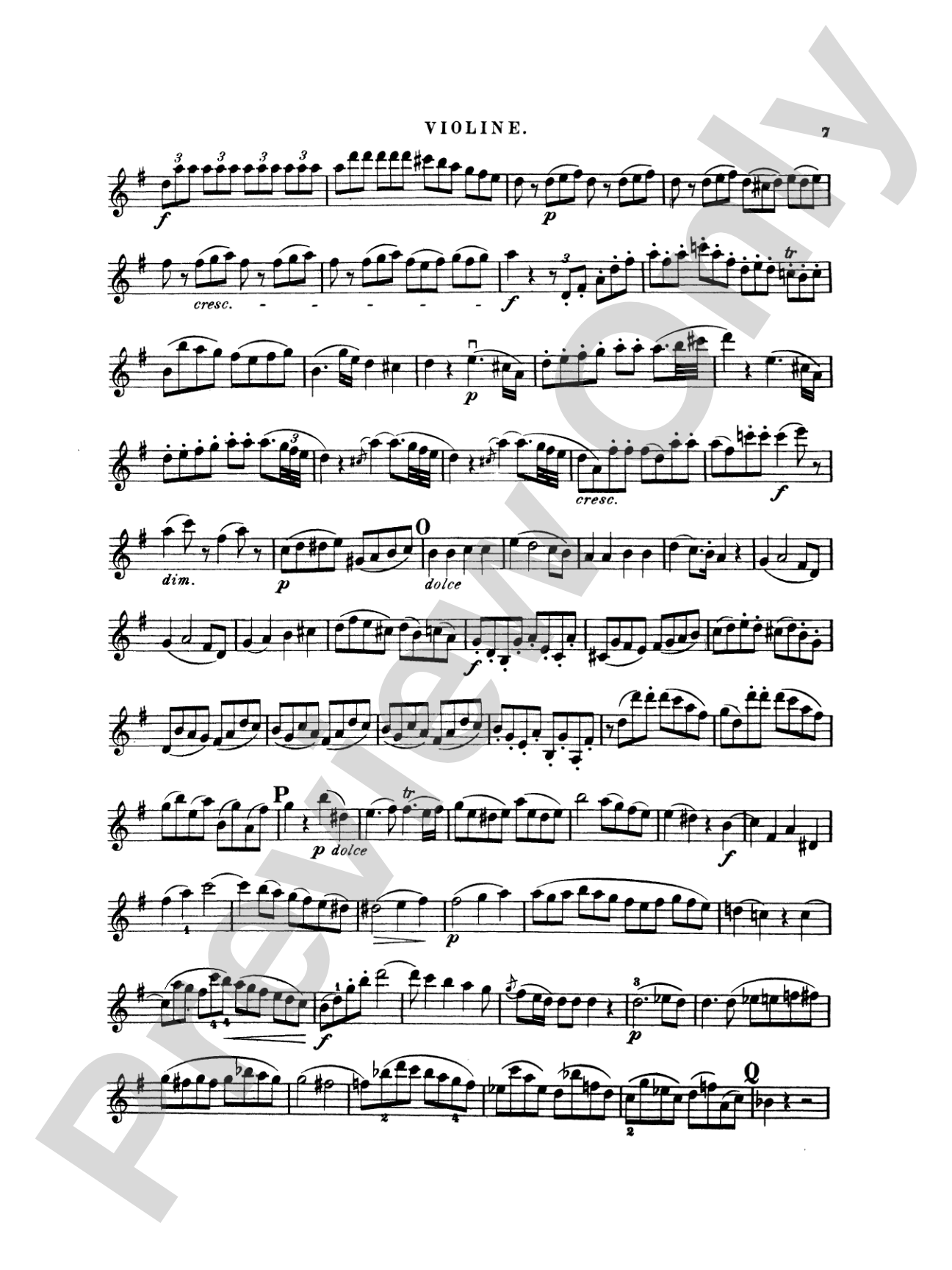
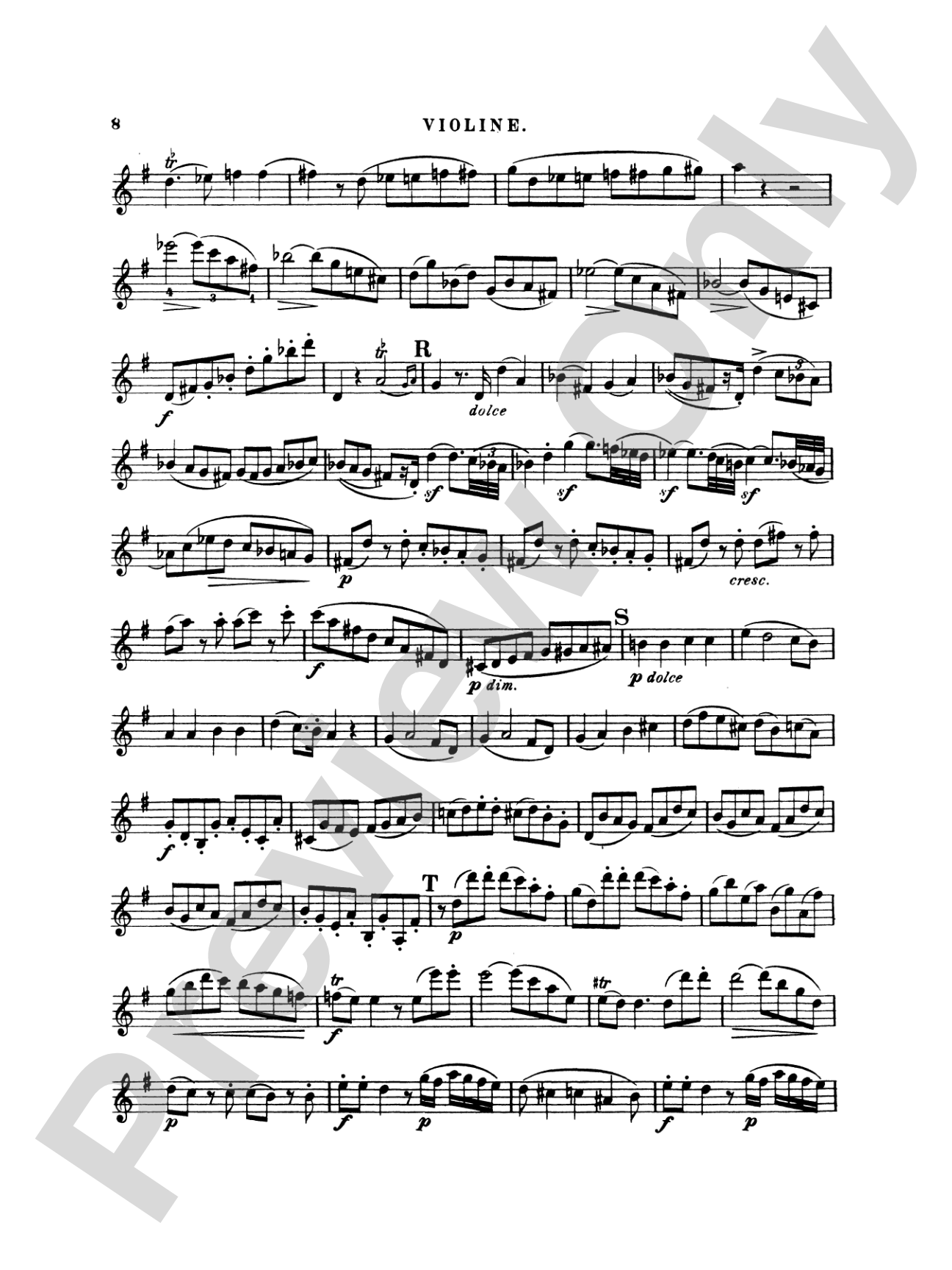
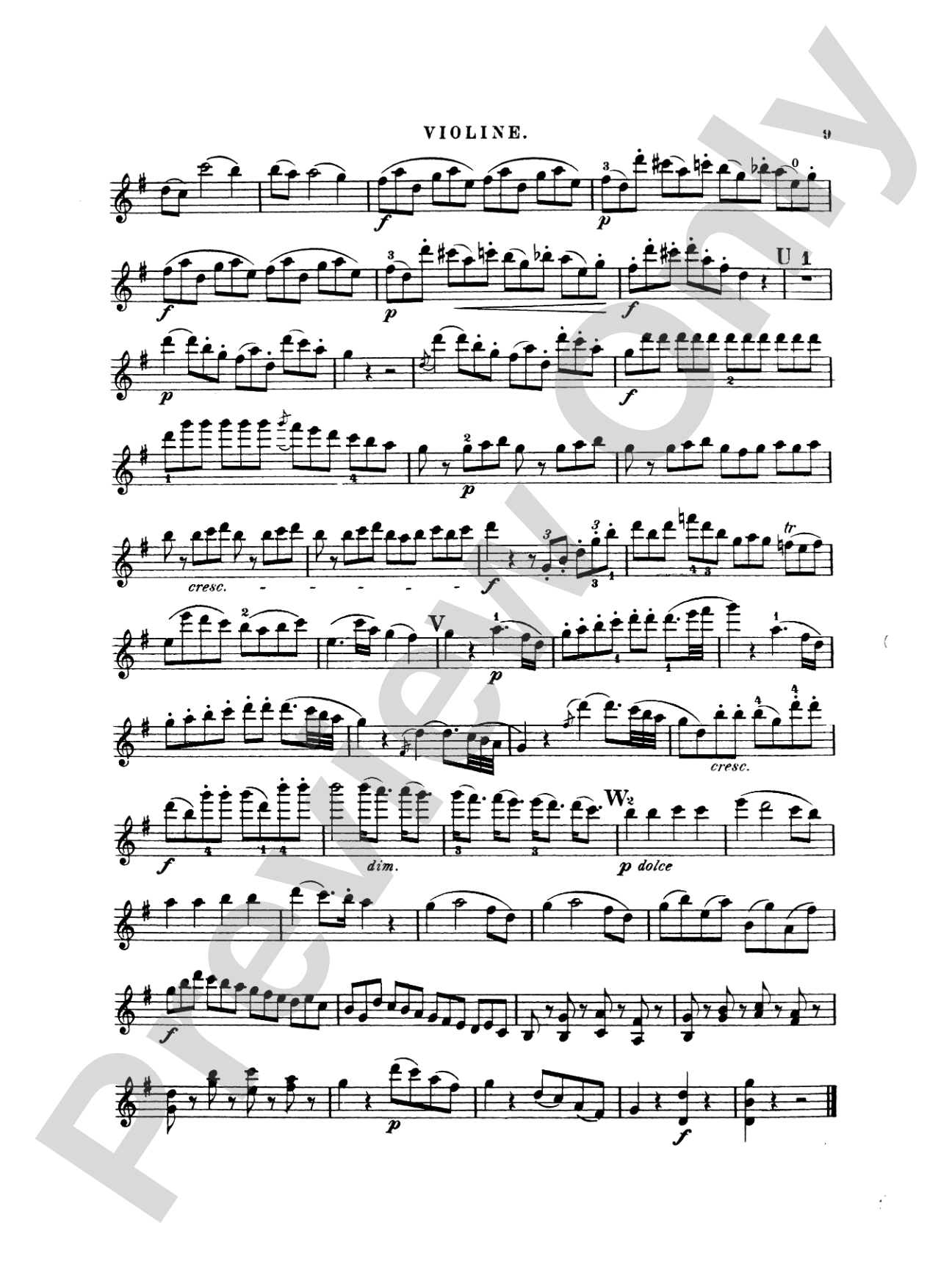

Mozart: Two Duets, K. 423, K. 424: String Duo Book
By Wolfgang Amadeus Mozart
Item: 00-PK-0003586

$9.99
Pickup currently not available
Buy Extra Parts (Digital PDF Download)
| Product | Price | Quantity |
|---|---|---|
| Mozart: Two Duets, K. 423, K. 424 | $1.99 | |
| Mozart: Two Duets, K. 423, K. 424 | $1.99 | |
| Mozart: Two Duets, K. 423, K. 424 | $1.99 | |
| Mozart: Two Duets, K. 423, K. 424 | $1.99 |
Parts Added to Cart!
Related Items
Two Duets, K. 423, K. 424: String Duo Book |
$9.95
|
View |
Description
A String Duet for Violin and Viola composed by Wolfgang Amadeus Mozart.


Don't just read it, hear it, play along with it, and watch your students grow with it. In MakeMusic Cloud, Mozart: Two Duets, K. 423, K. 424: String Duo Book comes alive with professional accompaniment, adjustable tempo, and built-in practice tools that turn solo practice into real progress.
Open in the Player
Jump straight in and assign it today.
Start Your Free Trial
Open this title and explore the full library in minutes.
Sample Audio
No sample audio found.
Sample Video
No sample videos found.
Additional Details
Series:
Kalmus Edition
Publisher:
Alfred Music
Page Count:
28
SKU:
00-PK-0003586
More about this title
About the Composer: Wolfgang Amadeus Mozart
Wolfgang Amadeus Mozart (1756-1791) mastered every musical form of his time, from opera to symphony to chamber music. His violin and viola duets, composed during his Vienna years, showcase the conversational elegance that defines his style: two equally important voices trading phrases, answering each other, and weaving together with crystalline clarity.
Why we love this
These duets sit at a rare intersection: they're substantial enough to engage advanced students seriously, yet transparent enough that the dialogue between instruments sings immediately. Mozart's harmonic language feels effortless, but the writing demands real attention to balance, intonation, and phrasing from both players.
What to expect
Intimate, refined, and intellectually satisfying. The music unfolds with apparent ease, yet every phrase feels inevitable and carefully crafted. There's a sense of two musicians thinking in real time, responding to each other with wit, grace, and perfect proportion.
Who it's for
Advanced student duos and semi-professional ensembles seeking authentic Classical-era repertoire. These works reward violinists and violists working at the upper intermediate to advanced level who have developed the control and musicianship for genuine chamber dialogue.
How to get the most out of it
- Shape phrases as if the violin and viola are having a conversation; resist the urge to rush or blur the lines where one voice answers the other.
- Lock the bowings early, even if both parts don't spell out identical markings. Unified articulation in dialogue passages makes the musical idea read clearly.
- Listen constantly for intonation at unison moments and when voices move in parallel intervals. The transparency of Mozart's texture exposes tuning issues instantly.
- Balance the viola part equally with the violin line. Mozart wrote both voices to matter; undercutting the viola diminishes the entire musical conception.
How to use it
Program these as a concert centerpiece or festival performance, where they'll shine alongside other chamber works from the Classical period. Alternatively, use them as teaching demonstrations of voice leading and musical conversation for students learning ensemble repertoire.
Skills your students will build
- Balancing two equal melodic voices within a transparent texture
- Reading and executing Classical-era articulation and phrasing conventions
- Chamber intonation, particularly at unison and parallel intervals
- Responding musically to a partner's phrasing and breathing
- Understanding harmonic function and voice leading in dialogue form