
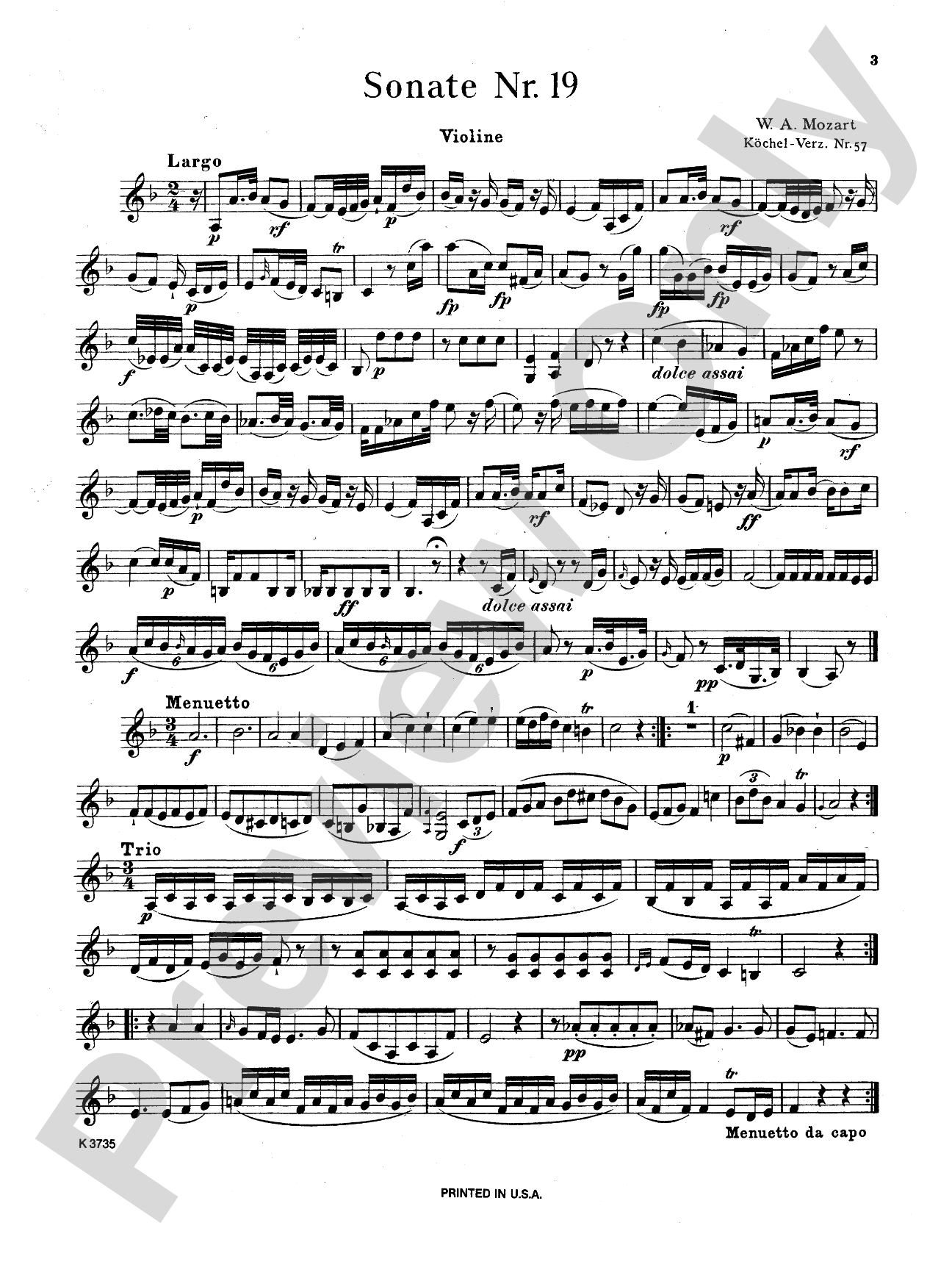
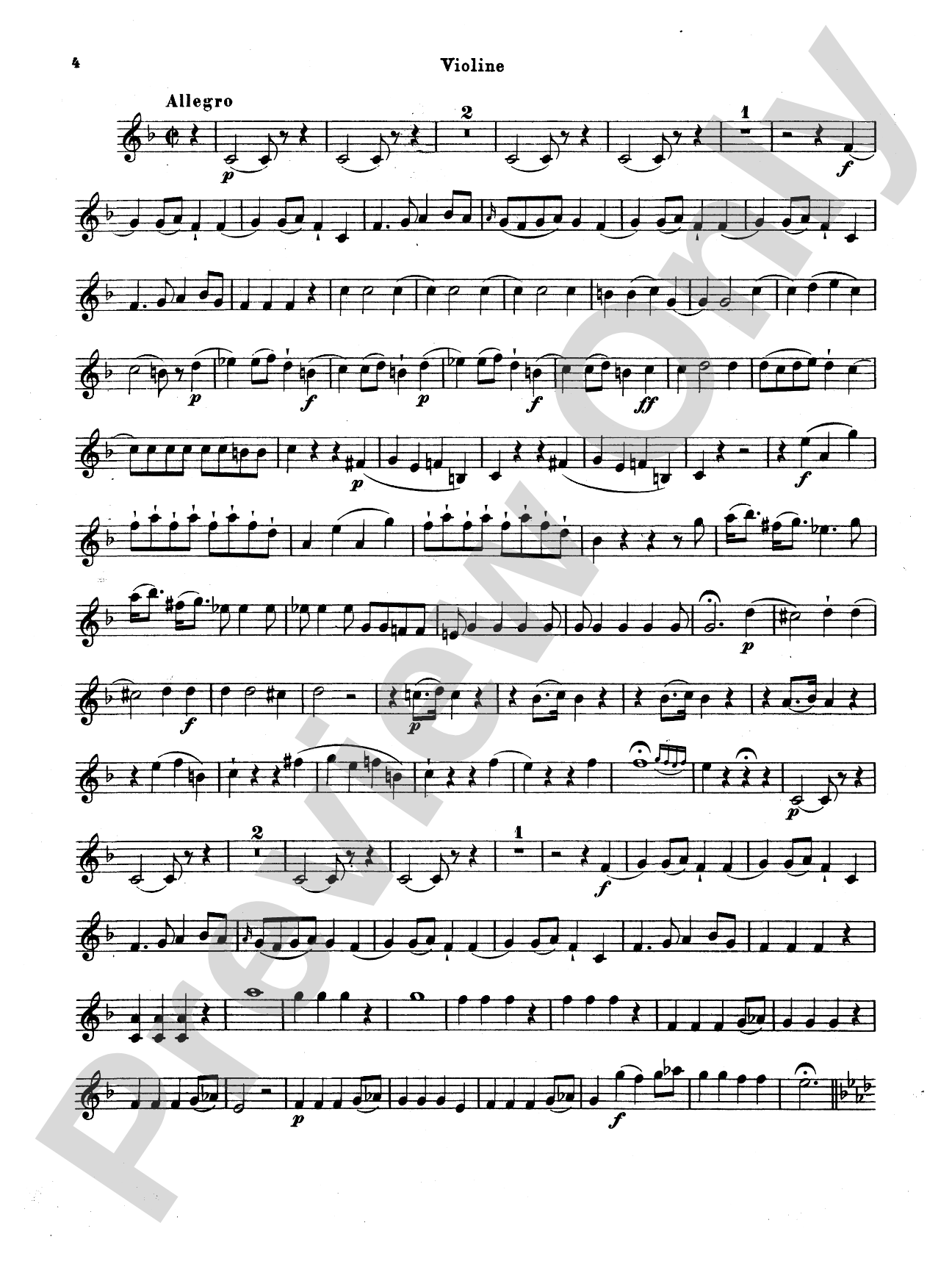
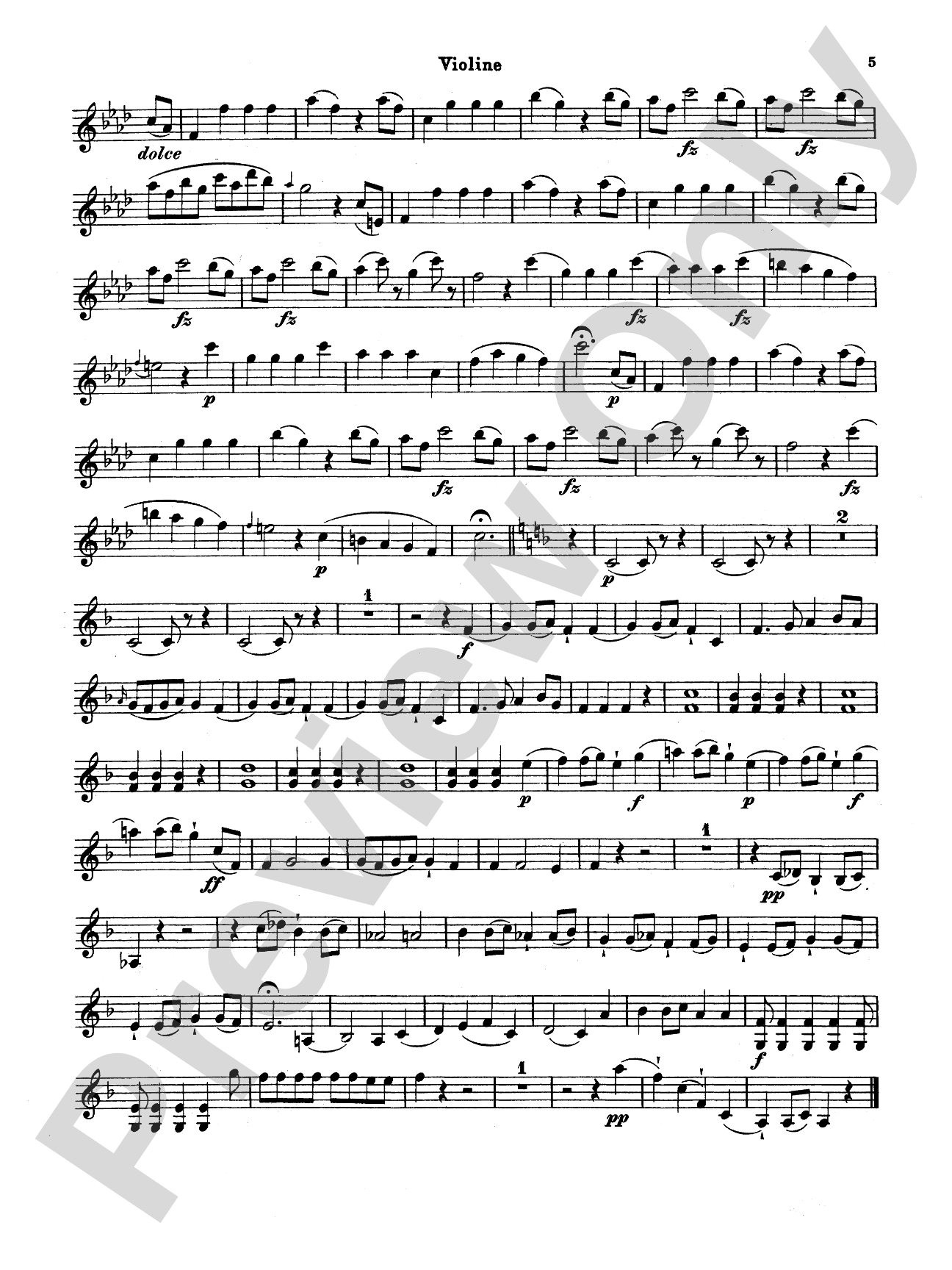

Mozart: Twenty Sonatas (Urtext), Volume I: Violin Comb Bound Book
By Wolfgang Amadeus Mozart
Item: 00-PK-0003257

$29.99
Pickup currently not available
Buy Extra Parts (Digital PDF Download)
Parts Added to Cart!
Related Items
Twenty Sonatas (Urtext Edition): Violin Comb Bound Book |
$29.95
|
View |
Description
K. 57, 58, 60, 269, 301, 302, 303, 304, 305, 306, 376, 377. The comb binding creates a lay-flat book that is perfect for study and performance.


Don't just read it, hear it, play along with it, and watch your students grow with it. In MakeMusic Cloud, Mozart: Twenty Sonatas (Urtext), Volume I: Violin Comb Bound Book comes alive with professional accompaniment, adjustable tempo, and built-in practice tools that turn solo practice into real progress.
Open in the Player
Jump straight in and assign it today.
Start Your Free Trial
Open this title and explore the full library in minutes.
Sample Audio
No sample audio found.
Sample Video
No sample videos found.
Additional Details
Series:
Kalmus Edition
Publisher:
Alfred Music
Page Count:
212
SKU:
00-PK-0003257
More about this title
About the Composer: Wolfgang Amadeus Mozart
Wolfgang Amadeus Mozart (1756-1791) composed over 600 works across every major genre during his brief lifetime, fundamentally shaping the Classical style. His violin sonatas occupy a unique pedagogical space: they demand technical fluency and interpretive maturity while remaining accessible to advanced students, making them essential repertoire for developing violinists.
Why we love this
These twelve sonatas span Mozart's creative life and showcase the evolution of his keyboard-and-violin writing, from early Baroque-influenced textures to fully realized Classical dialogue. Unlike his more famous concertos, the sonatas offer violinists genuine chamber music partnerships where the piano is a true collaborator, not accompaniment. They reward thoughtful interpretation without requiring Romantic-era virtuosity.
What to expect
These works balance Classical elegance with genuine emotional range. The first movements crackle with energy and dialogue between instruments, while slow movements offer space for expressive playing without melodrama. Minuets display courtly charm and rhythmic sophistication that rewards careful ensemble work.
Who it's for
Advanced high school and early college-level violinists seeking substantial yet manageable chamber repertoire, as well as studio teachers building comprehensive Classical-era programs. Pianists and violinists preparing for collaborative recitals will find these sonatas central to their Mozart studies.
How to get the most out of it
- Balance the melodic lines carefully, especially in the faster movements where both instruments carry equal thematic weight. Mozart's textures are transparent by design; clarity serves the music better than lush tone.
- Attend to the printed articulation and dynamic markings precisely. Mozart's notation is economical; every marking contributes to phrase shape and character.
- Approach ornamentation with period style in mind. Trills typically begin on the upper note and align with the harmonic rhythm rather than the beat.
- Use the lay-flat binding to mark fingering and bow distribution before rehearsal. These sonatas benefit from detailed preparation, and having the score lie open during practice saves rehearsal time.
How to use it
Feature these sonatas in student recitals throughout the year, selecting works from different stylistic periods within the set to showcase musical growth. They also pair well on faculty or guest artist recitals, providing familiar touchstones for audiences while offering violinists a chance to demonstrate chamber music partnership.
Skills your students will build
- Reading and executing Classical-period articulation and ornamentation
- Balancing and shaping melodic lines within transparent textures
- Responding to harmonic rhythm and phrasing cues from the keyboard partner
- Managing technical passage work at various tempos without sacrificing musical line
- Interpreting period-appropriate expression within the constraints of Classical style