
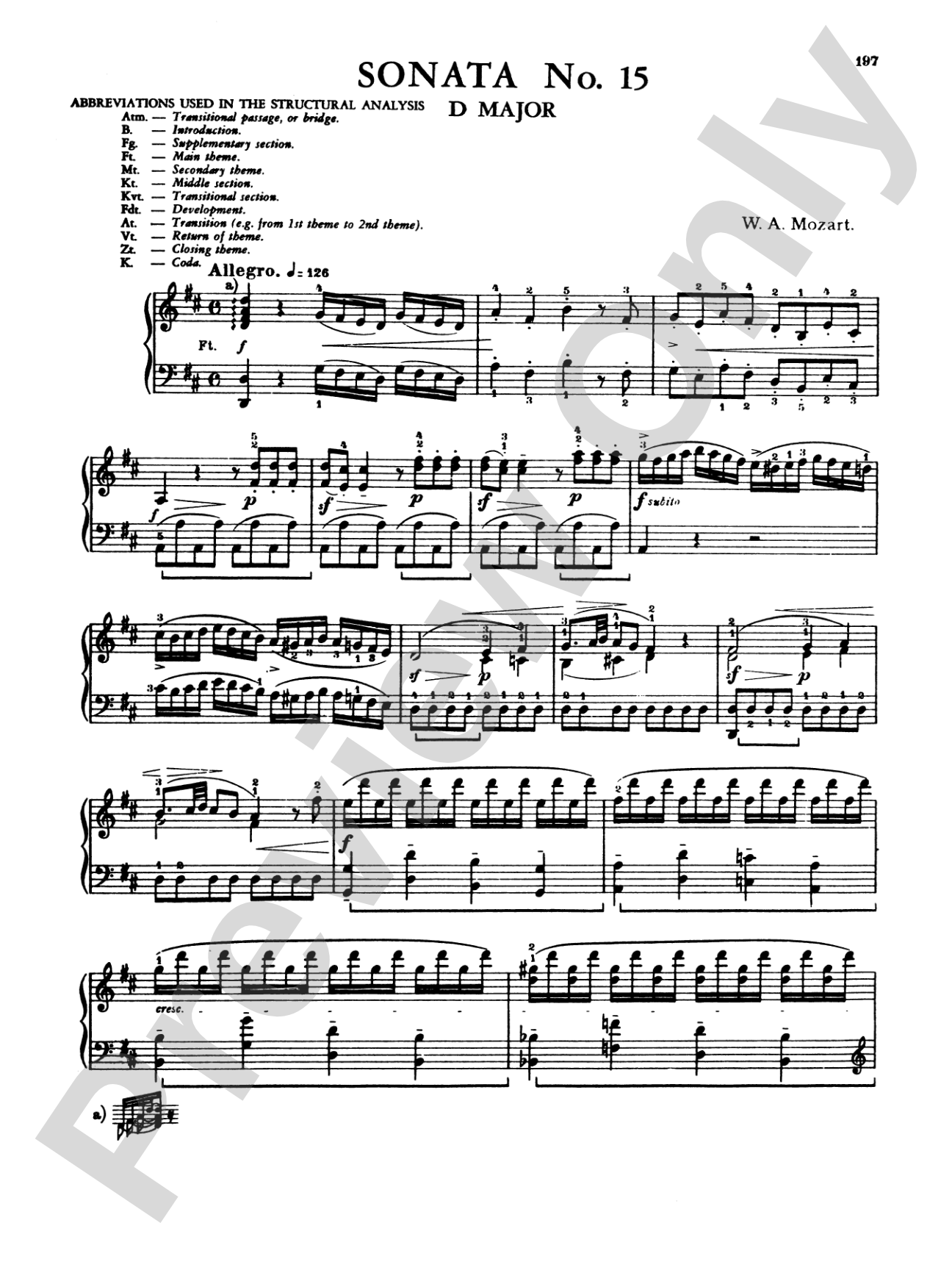
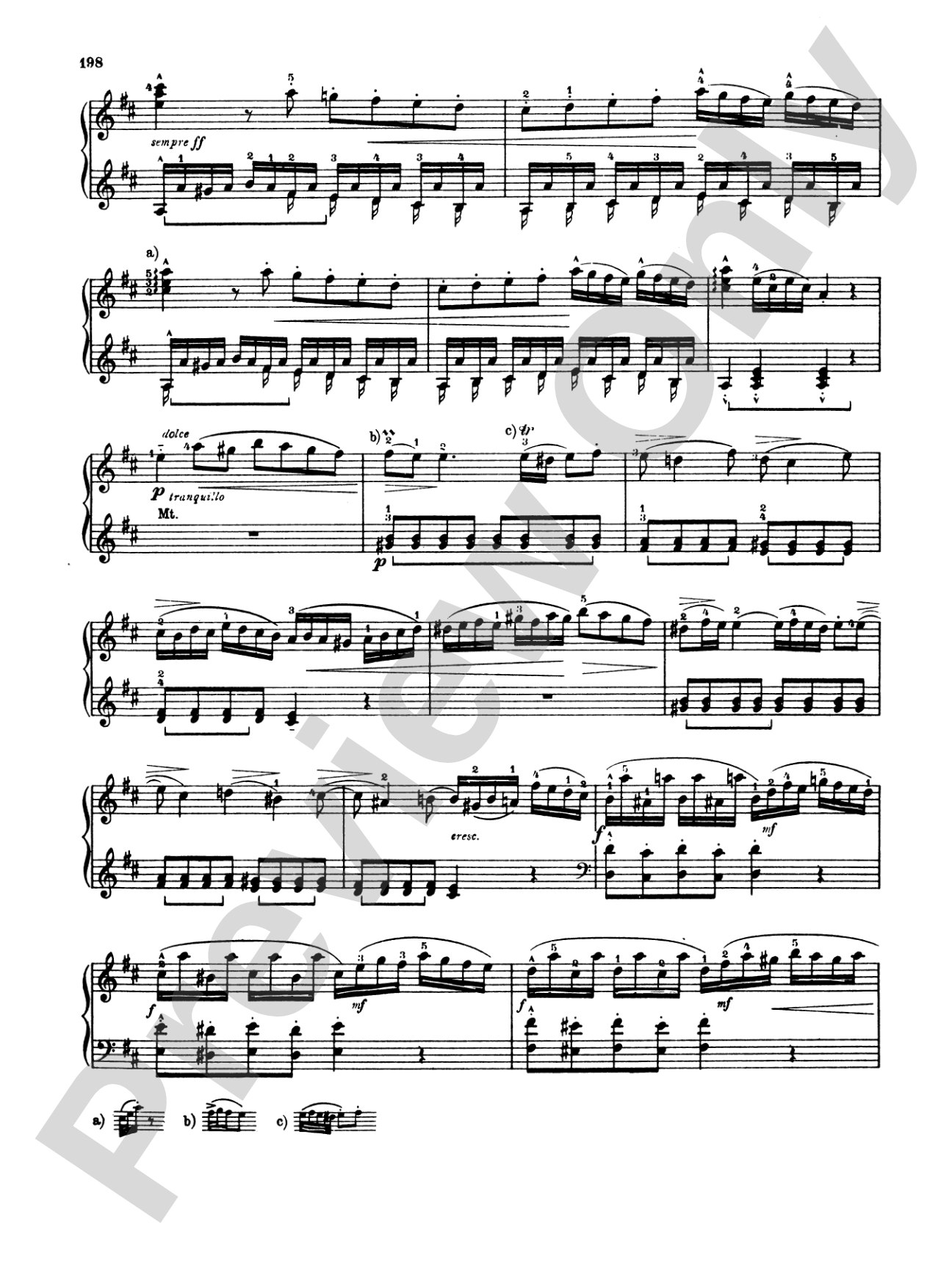
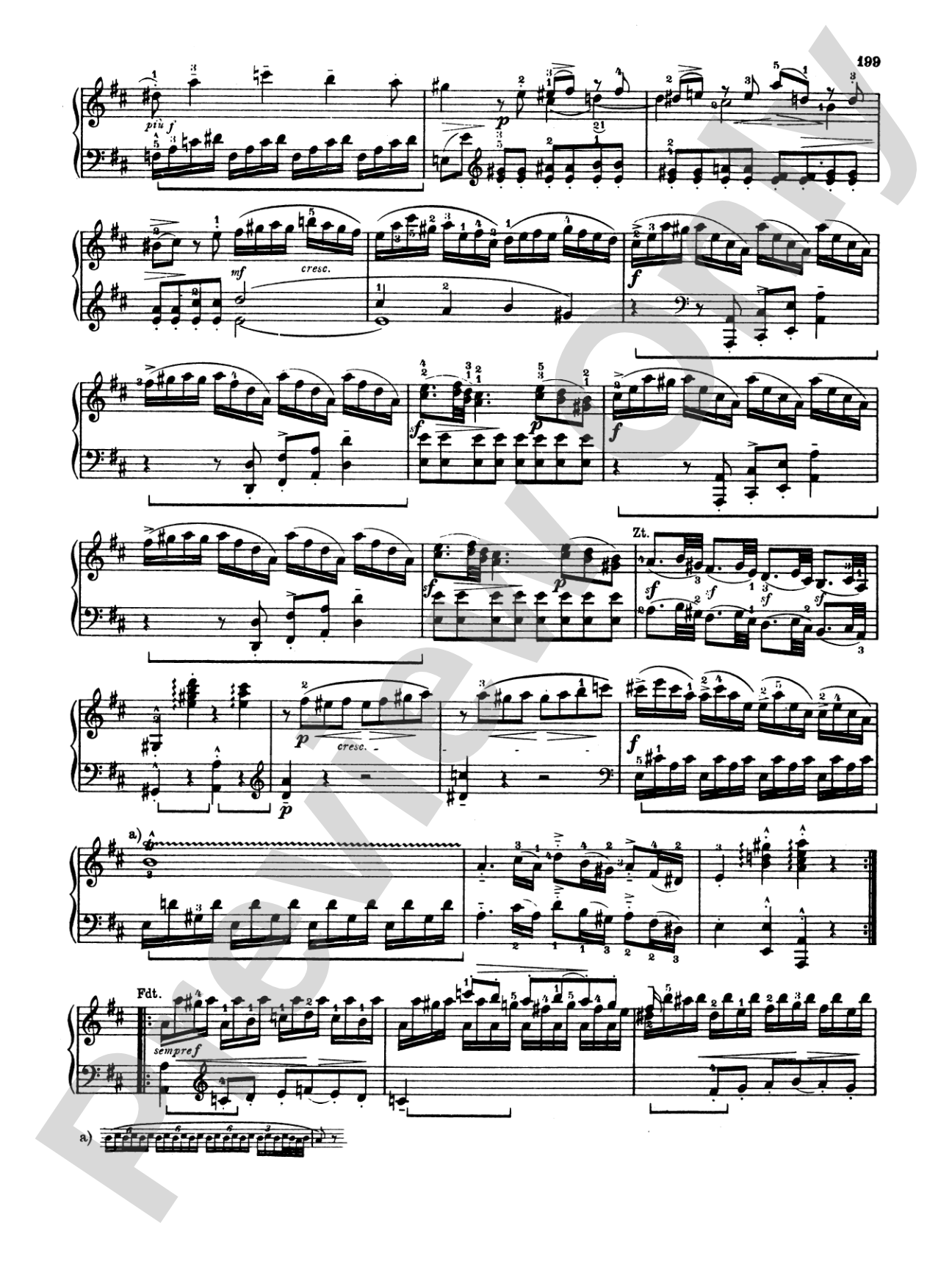
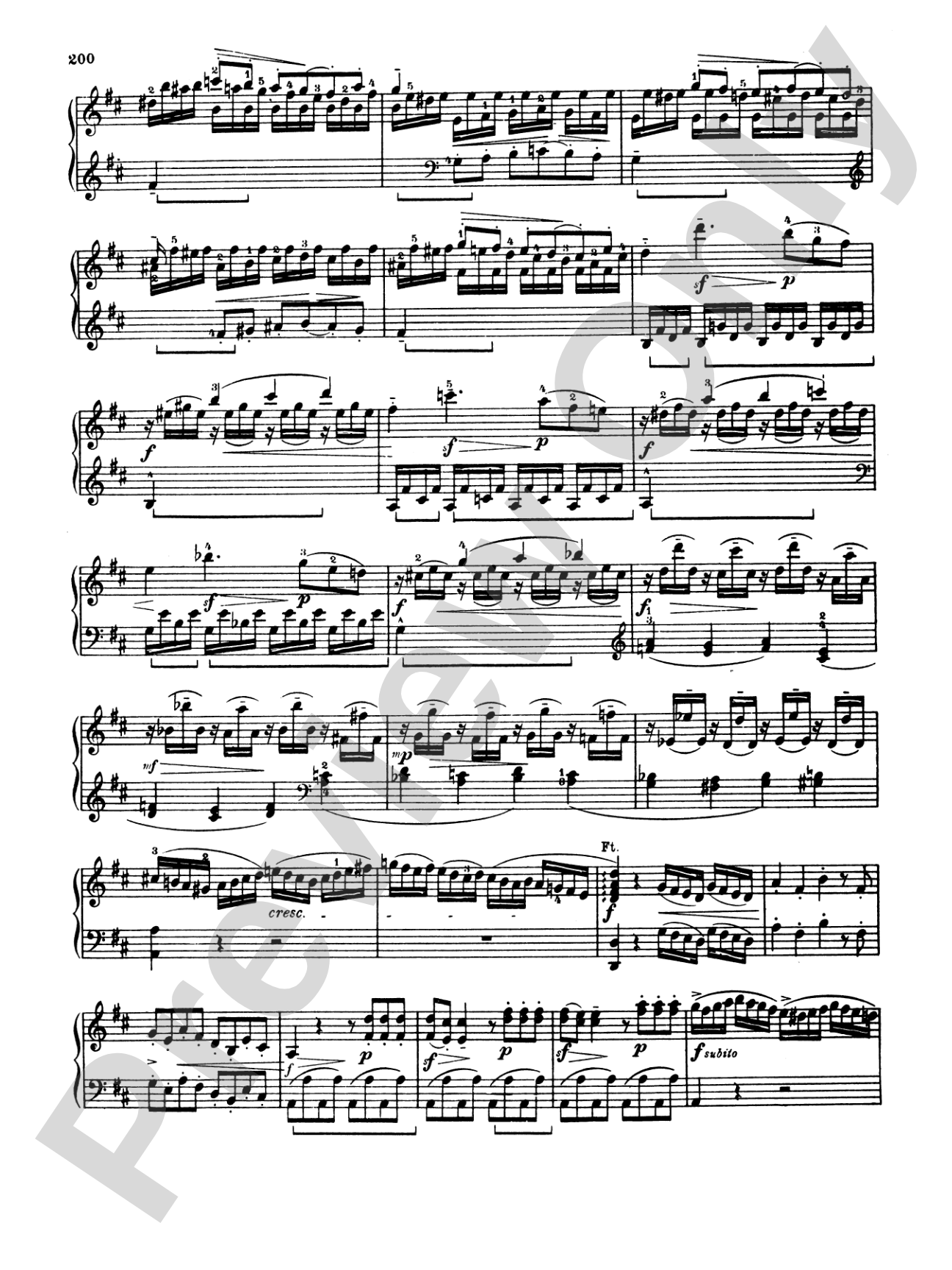
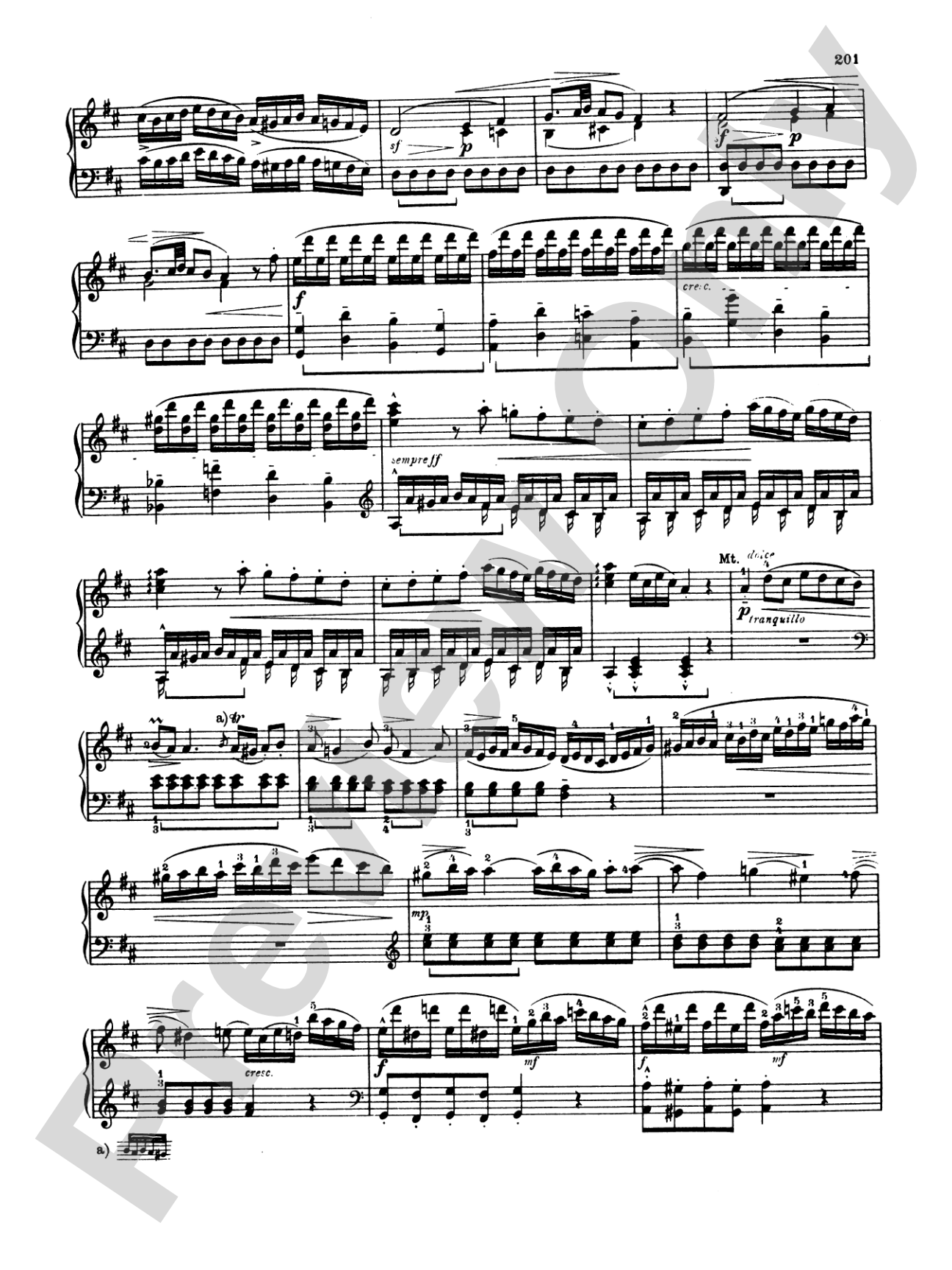

Mozart: Twenty Sonatas (Ed. Béla Bartók)
By Wolfgang Amadeus Mozart / ed. Béla Bartók
Level: Advanced
Item: 00-PC-0008642
$0.99
Pickup currently not available
Description
This collection includes a preface by Alexander Lipsky. Contents: Sonata No. 1 in C Major * Sonata No. 2 in G Major * Sonata No. 3 in C Major * Sonata No. 4 in F Major * Sonata No. 5 in C Major * Sonata No. 6 in F Major * Sonata No. 7 in F Major * Sonata No. 8 in B-Flat Major * Sonata No. 9 in A Major * Sonata No. 10 in B-Flat Major * Sonata No. 11 in C Major * Sonata No. 12 in B-Flat Major * Sonata No. 13 in D Major * Sonata No. 14 in D Major * Sonata No. 15 in D Major * Sonata No. 16 in A Minor * Sonata No. 17 in F Major * Fantasia and Sonata No. 18 in C Minor * Sonata No. 19 in E-Flat Major * Sonata No. 20 in B-Flat Major.


Don't just read it, hear it, play along with it, and watch your students grow with it. In MakeMusic Cloud, Mozart: Twenty Sonatas (Ed. Béla Bartók) comes alive with professional accompaniment, adjustable tempo, and built-in practice tools that turn solo practice into real progress.
Open in the Player
Jump straight in and assign it today.
Start Your Free Trial
Open this title and explore the full library in minutes.
Sample Audio
No sample audio found.
Sample Video
No sample videos found.
Additional Details
Series:
Kalmus Edition
Publisher:
Alfred Music
Page Count:
304
SKU:
00-PC-0008642
More about this title
About the Composer: Wolfgang Amadeus Mozart
Wolfgang Amadeus Mozart (1756-1791) composed over 600 works across every major genre, establishing himself as one of history's most prolific and influential musicians before his death at thirty-five. His eighteen piano sonatas span his career from childhood prodigy to mature composer, documenting his evolving harmonic language, structural sophistication, and pianistic invention. Mozart's sonatas remain foundational to classical piano literature, balancing technical demands with elegant melodic writing and structural clarity that reward both performer and listener.
Why we love this
Béla Bartók's edition brings rigor and insight to these essential works, making the sonatas accessible without sacrificing interpretive depth. The collection spans Mozart's entire output in the form, giving advanced pianists the opportunity to trace the composer's development across two decades of musical maturation. This single volume contains the full arc of classical sonata form at its most elegant and intellectually rewarding.
What to expect
These sonatas move between crystalline elegance and genuine emotional depth, from the straightforward charm of early C Major works to the searching introspection of the minor-key sonatas. Each piece balances formal architecture with surprising harmonic turns and moments of genuine lyrical beauty. The collection as a whole feels like a masterclass in balance: technical facility never overshadows musical intent, and structural intelligence never crowds out human warmth.
Who it's for
Advanced pianists preparing a comprehensive study of classical sonata form, competition repertoire, or recital programming will find this Bartók edition indispensable. Teachers using sonatas as the core of a student's technical and musical development benefit from having all twenty works in one reliable source. Pianists studying the roots of European keyboard music and the transition from eighteenth-century style to romantic expression will value the complete chronological view.
How to get the most out of it
- Attend to Mozart's careful dynamic markings and textural layering; the music often rewards a transparent touch that allows inner voices to sing rather than a heavy romantic sound.
- The earlier sonatas (particularly those in major keys) benefit from a bright, articulate approach to passage work, while later works like the A Minor and C Minor sonatas demand more harmonic weight.
- Use the preface by Alexander Lipsky as a guide to structural signposts and historical context; understanding Mozart's formal intentions clarifies phrasing and shape.
- Practice slow movements with particular attention to ornamentation and rubato; Mozart's simplicity conceals considerable expressive depth.
How to use it
Feature individual sonatas across multiple recitals rather than attempting the full collection in one sitting; pairing a multi-movement Mozart sonata with romantic or modern works creates compelling contrast and historical context. Consider programming a single early sonata as an elegant opening work, or reserve later sonatas like the A Minor for more ambitious concert positions. Advanced students performing complete sonatas in competition or degree recitals should have immediate access to the full collection for comparison and interpretation.
Skills your students will build
- Formal analysis of sonata allegro, rondo, and theme-and-variations forms
- Period-appropriate ornamentation and interpretation of classical articulation
- Hand independence and transparent voice leading in counterpoint
- Stylistic flexibility across major and minor tonalities spanning four decades of composition
- Harmonic navigation through modulation and structural pivot points
- Expressive restraint and balance between technical display and musical substance