
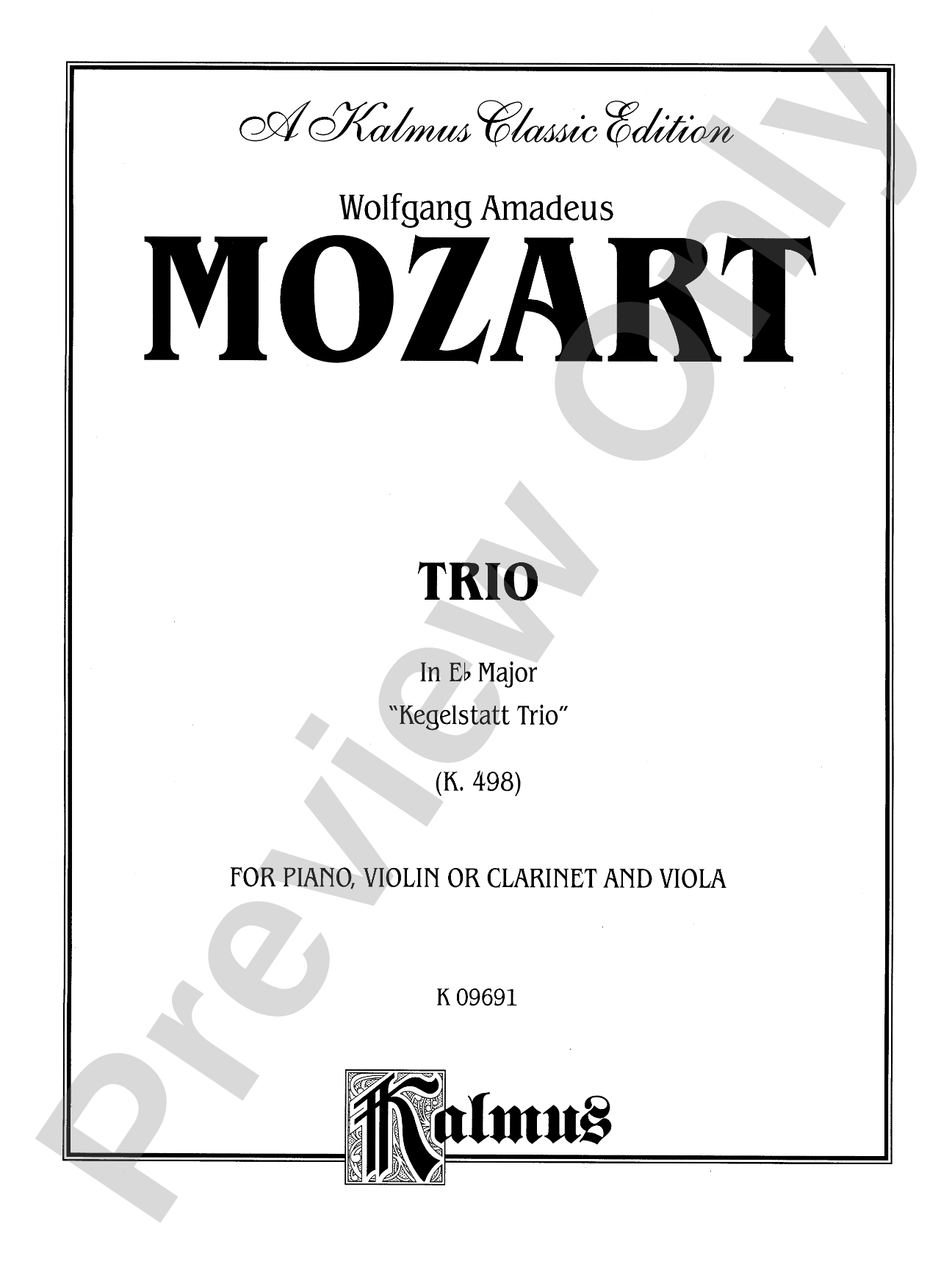

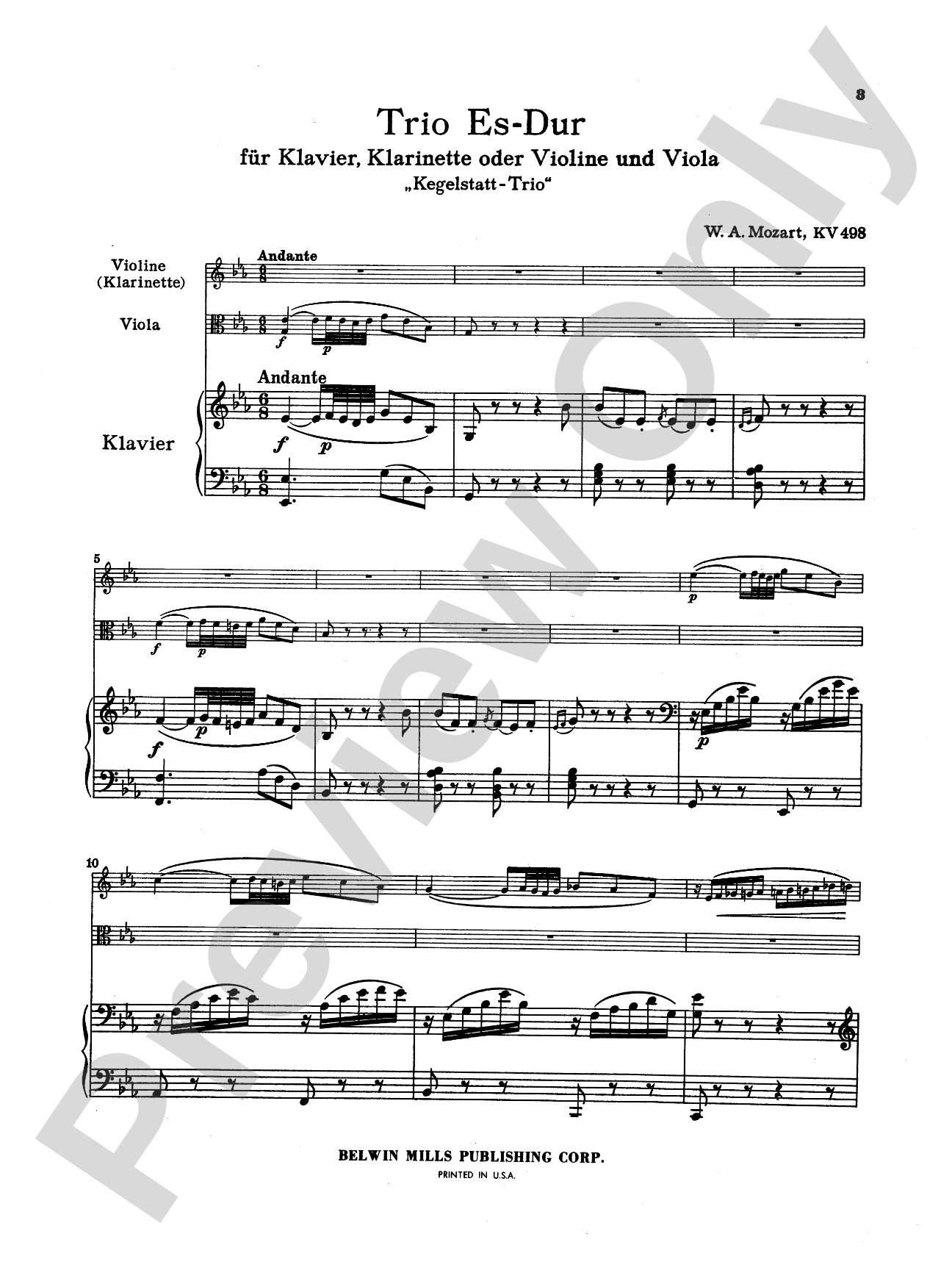
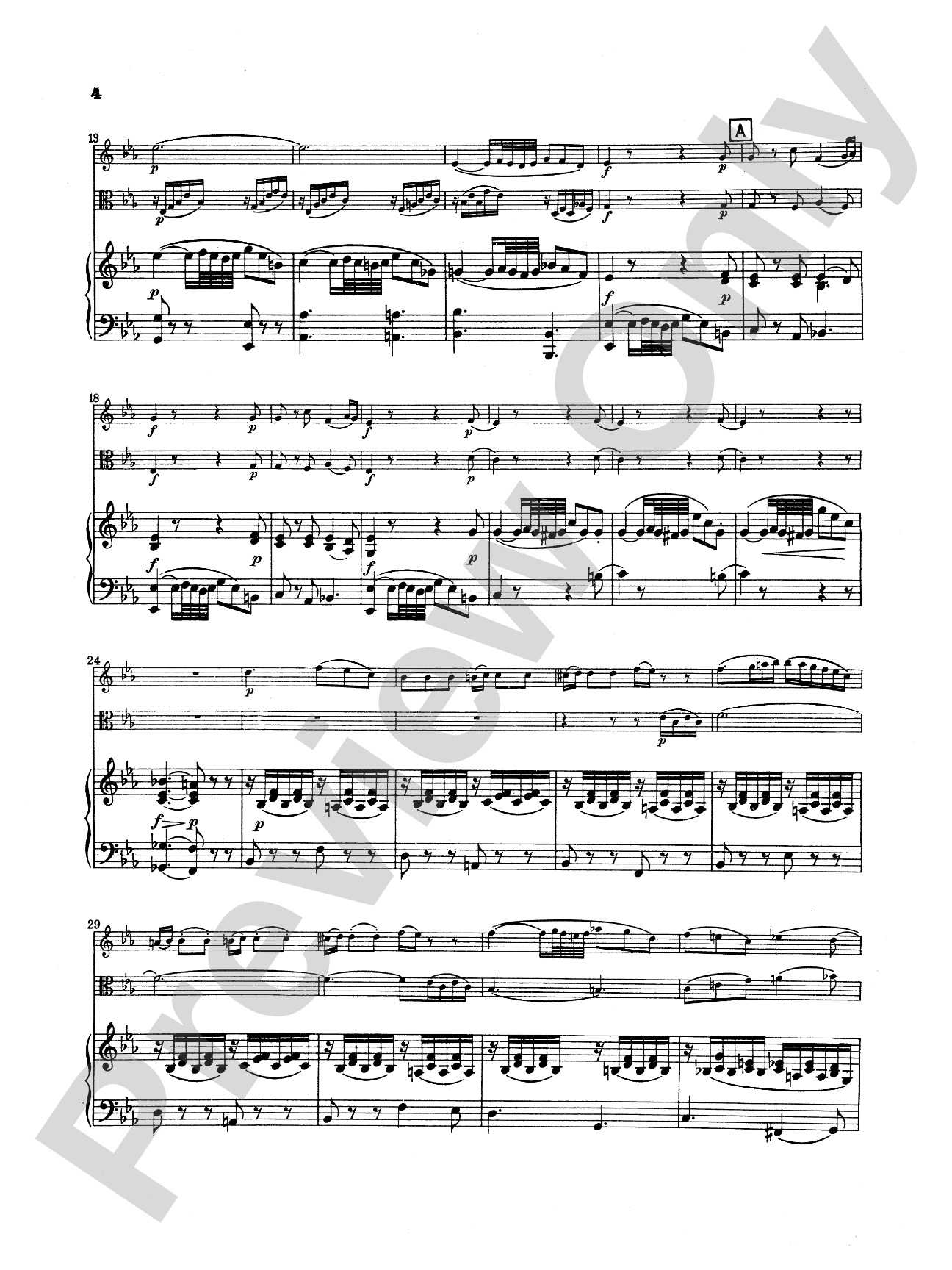
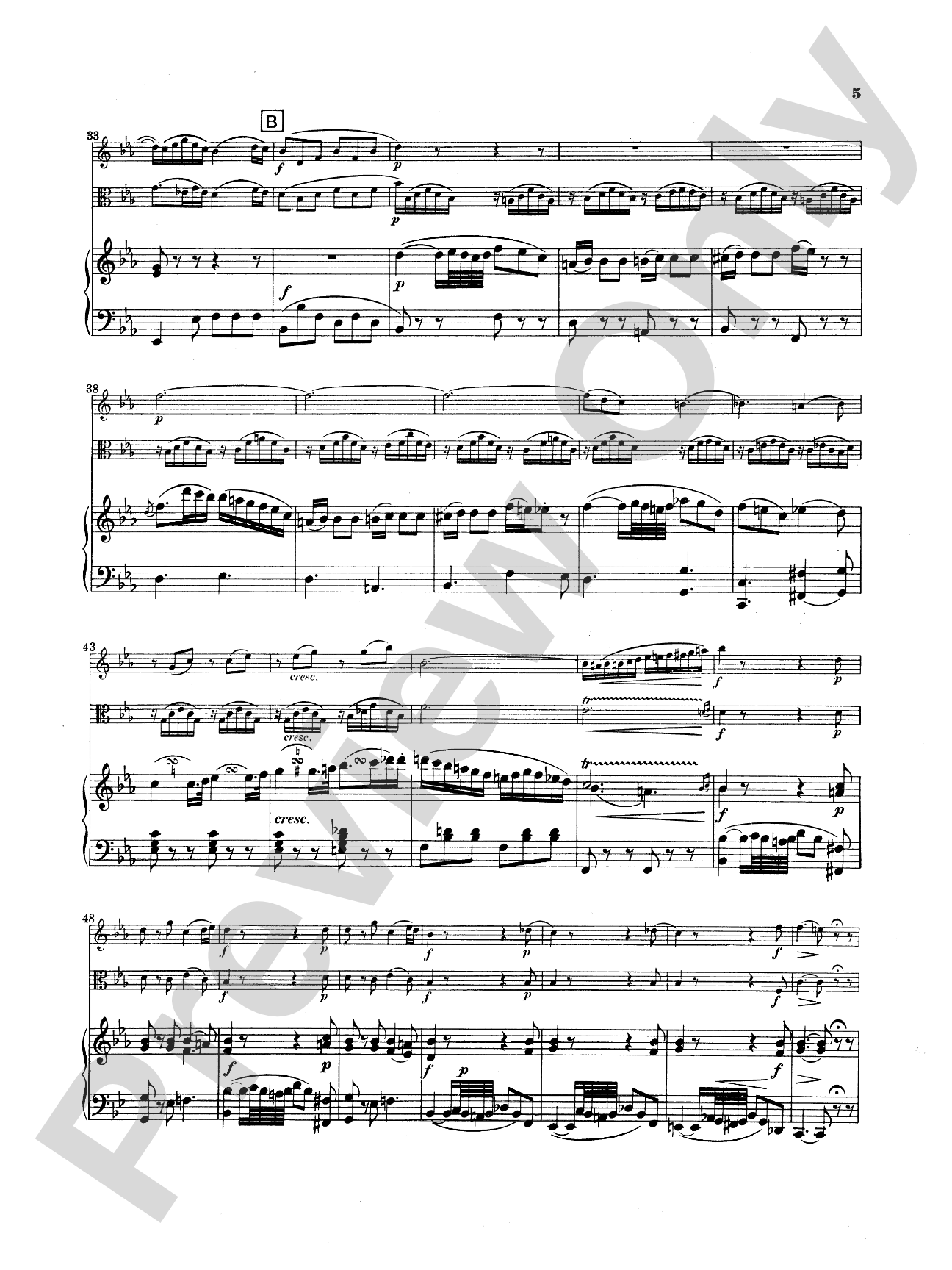
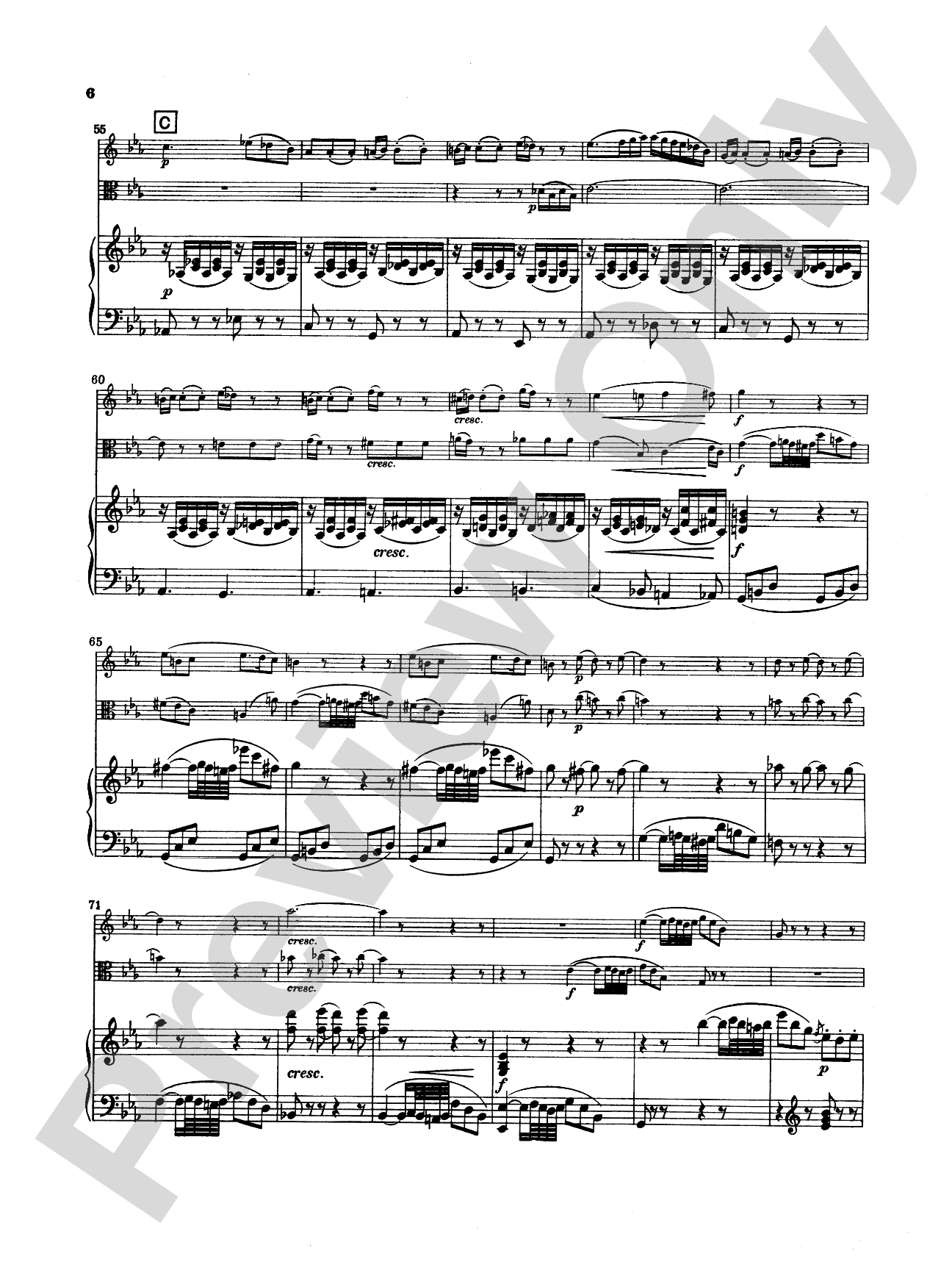
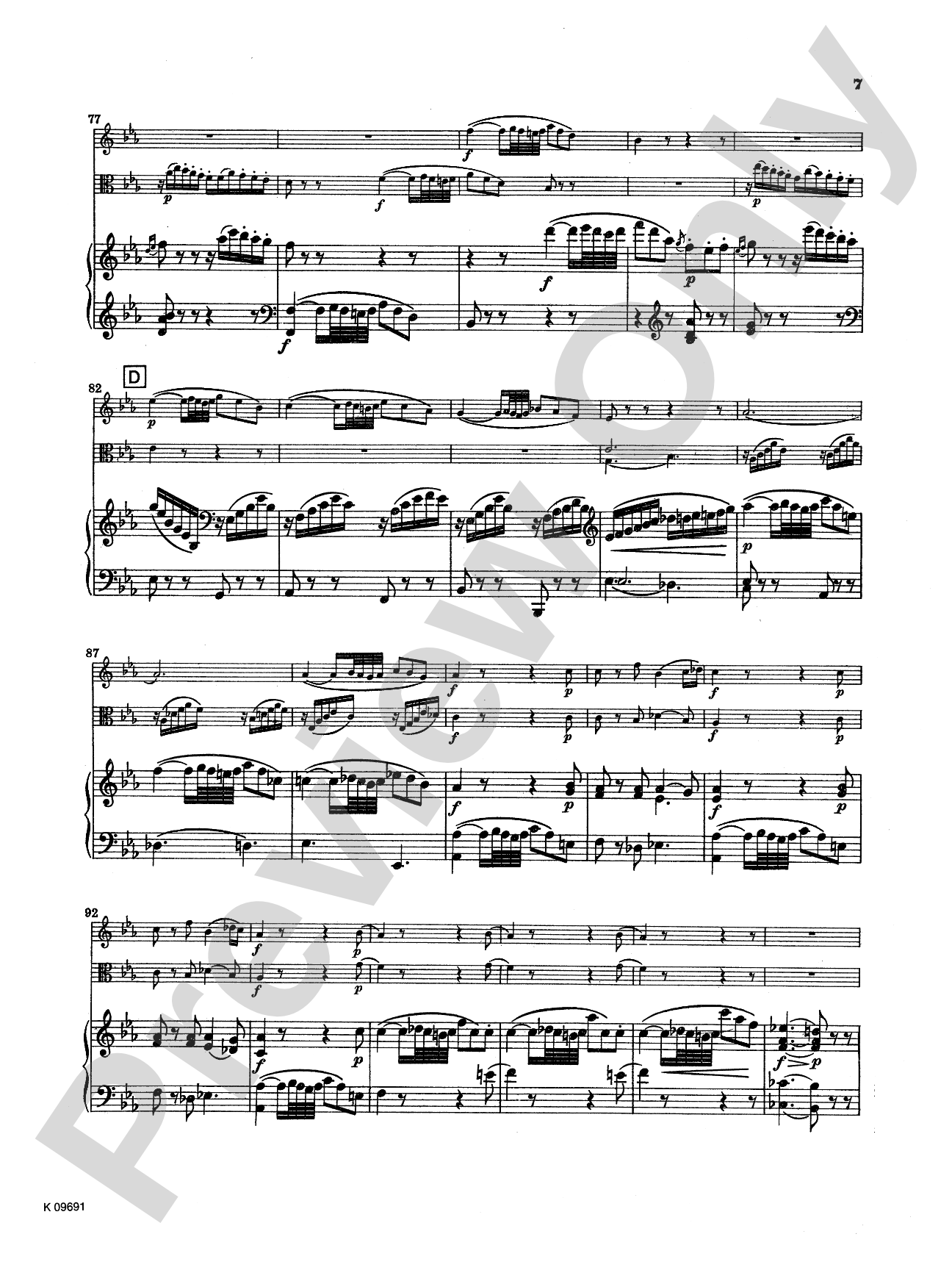
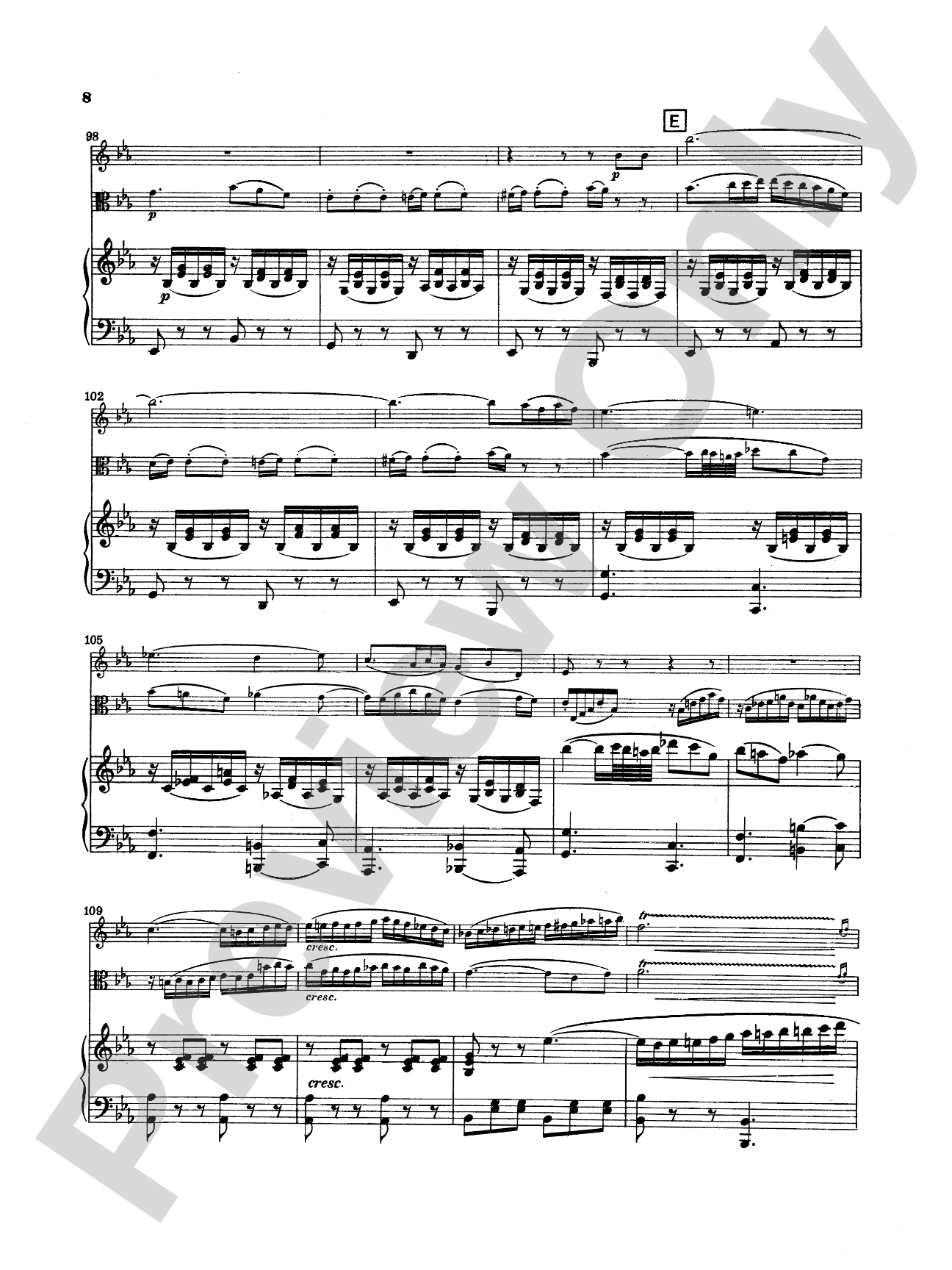
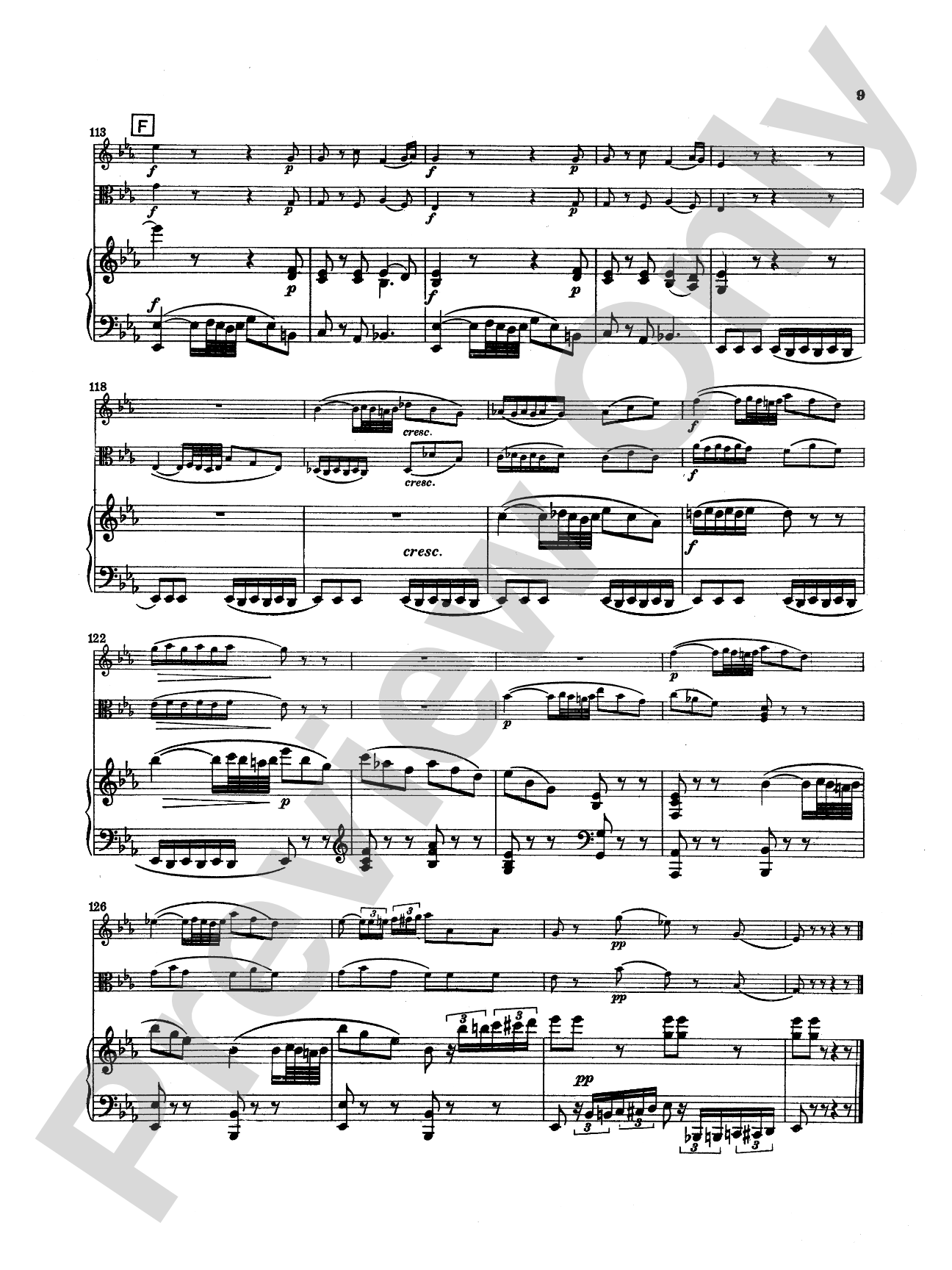
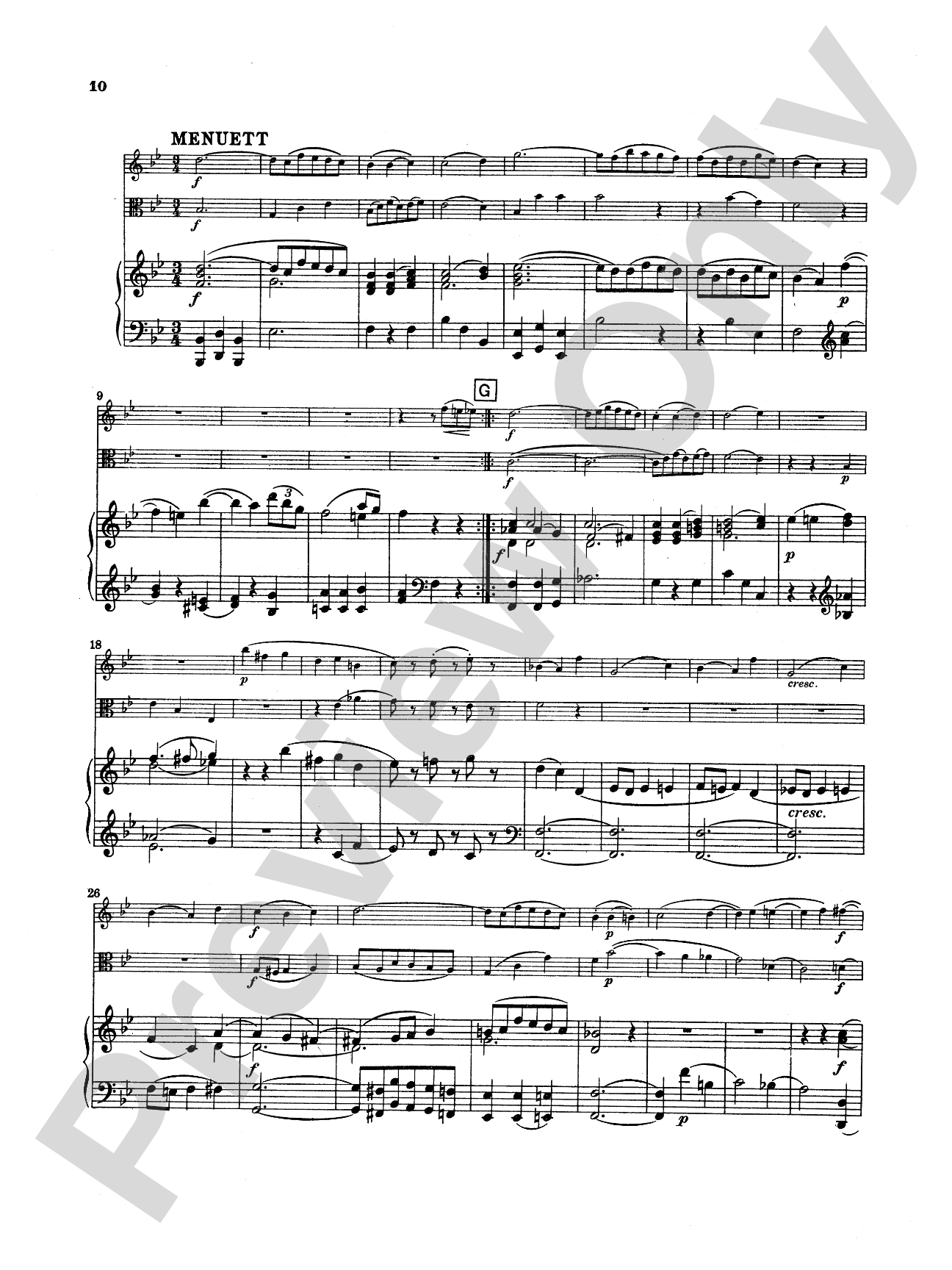
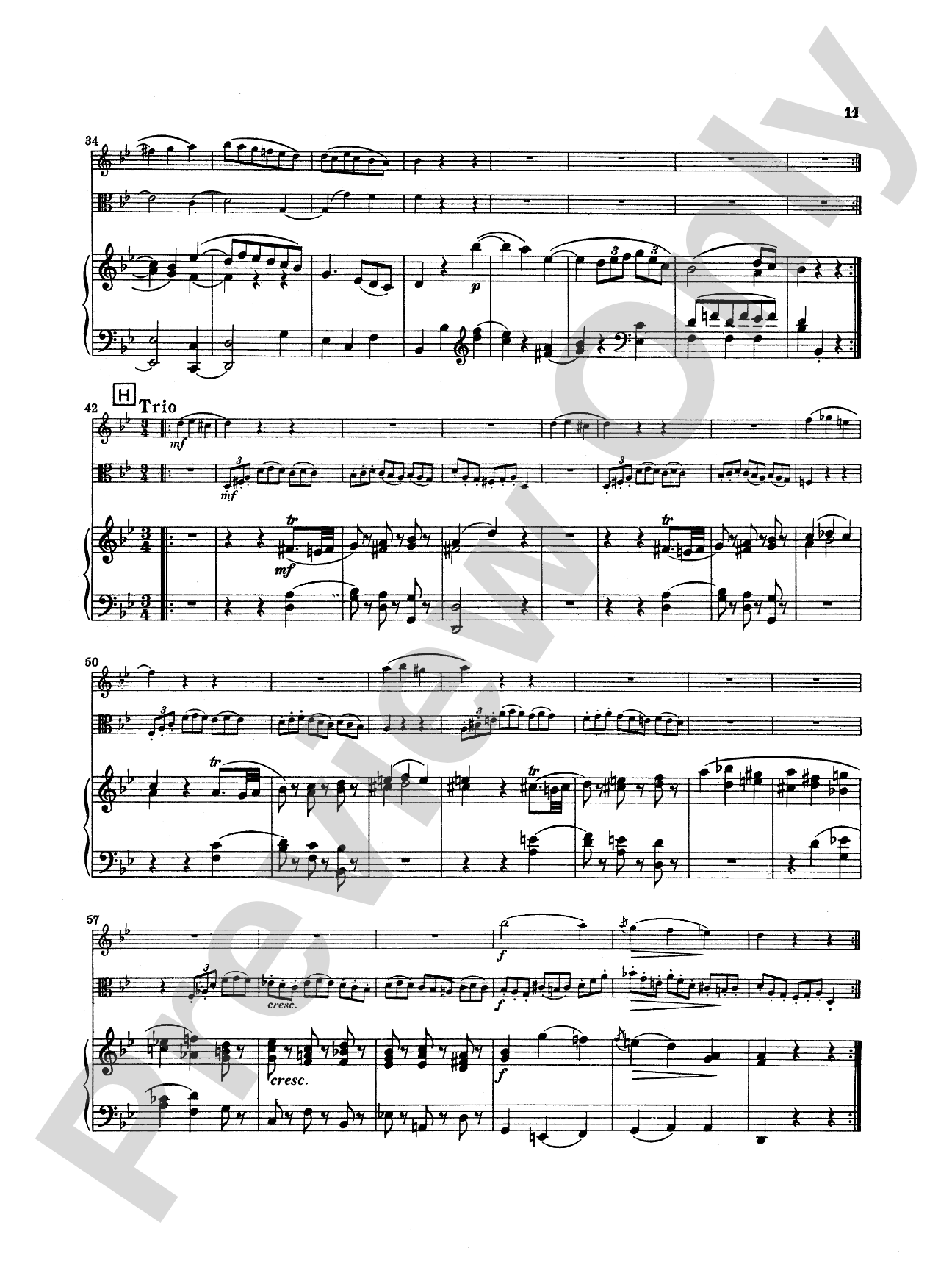
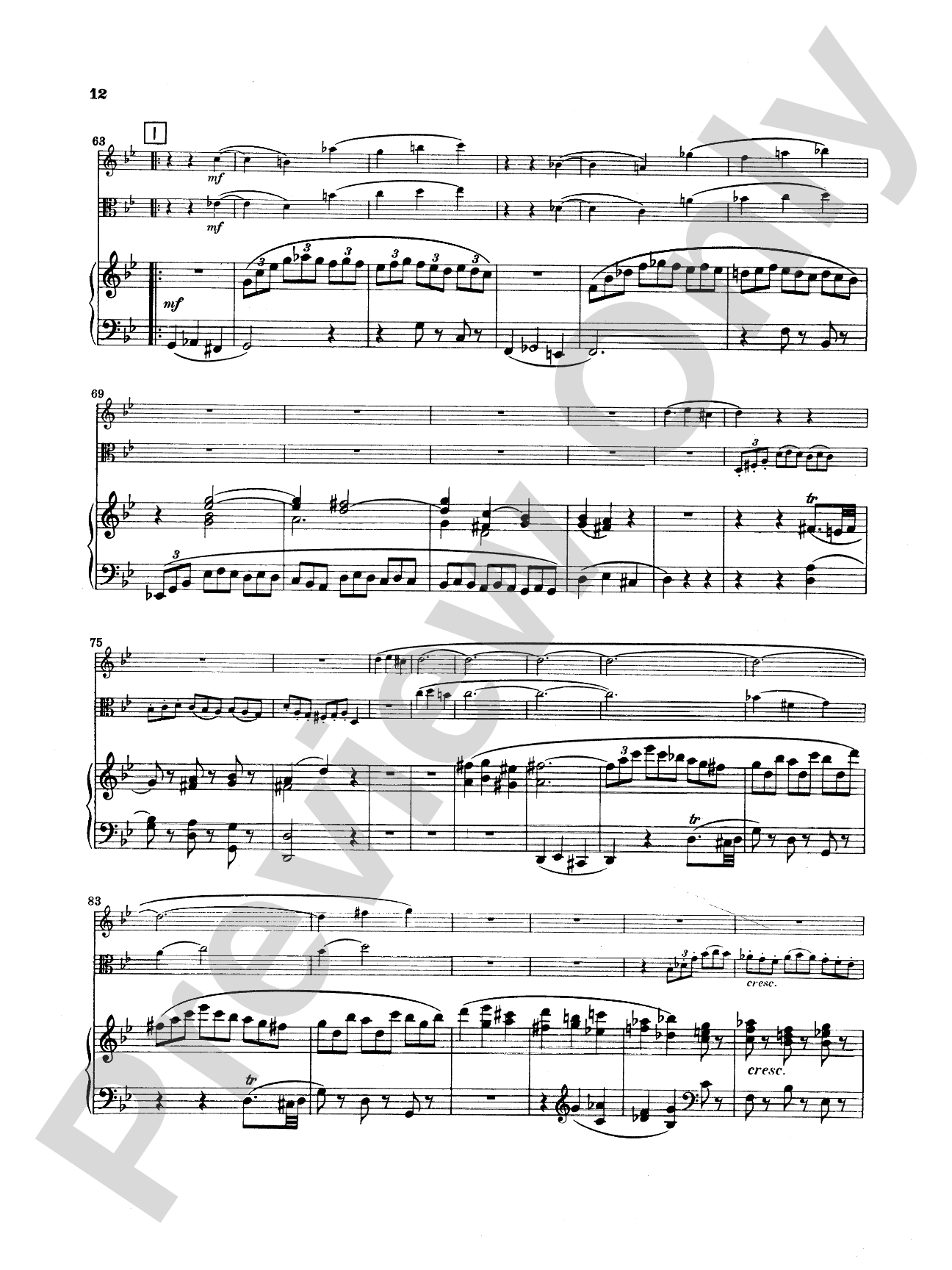
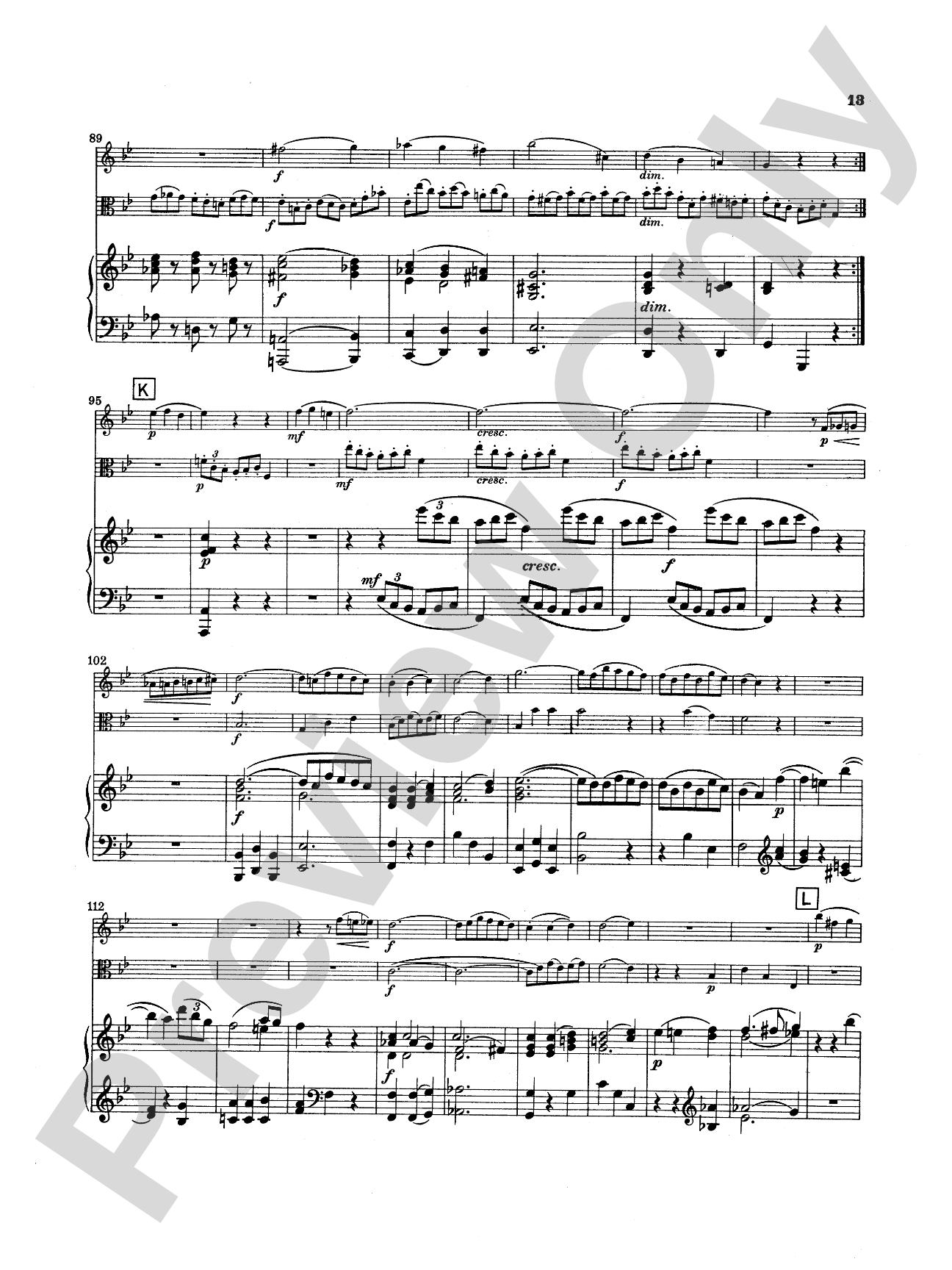
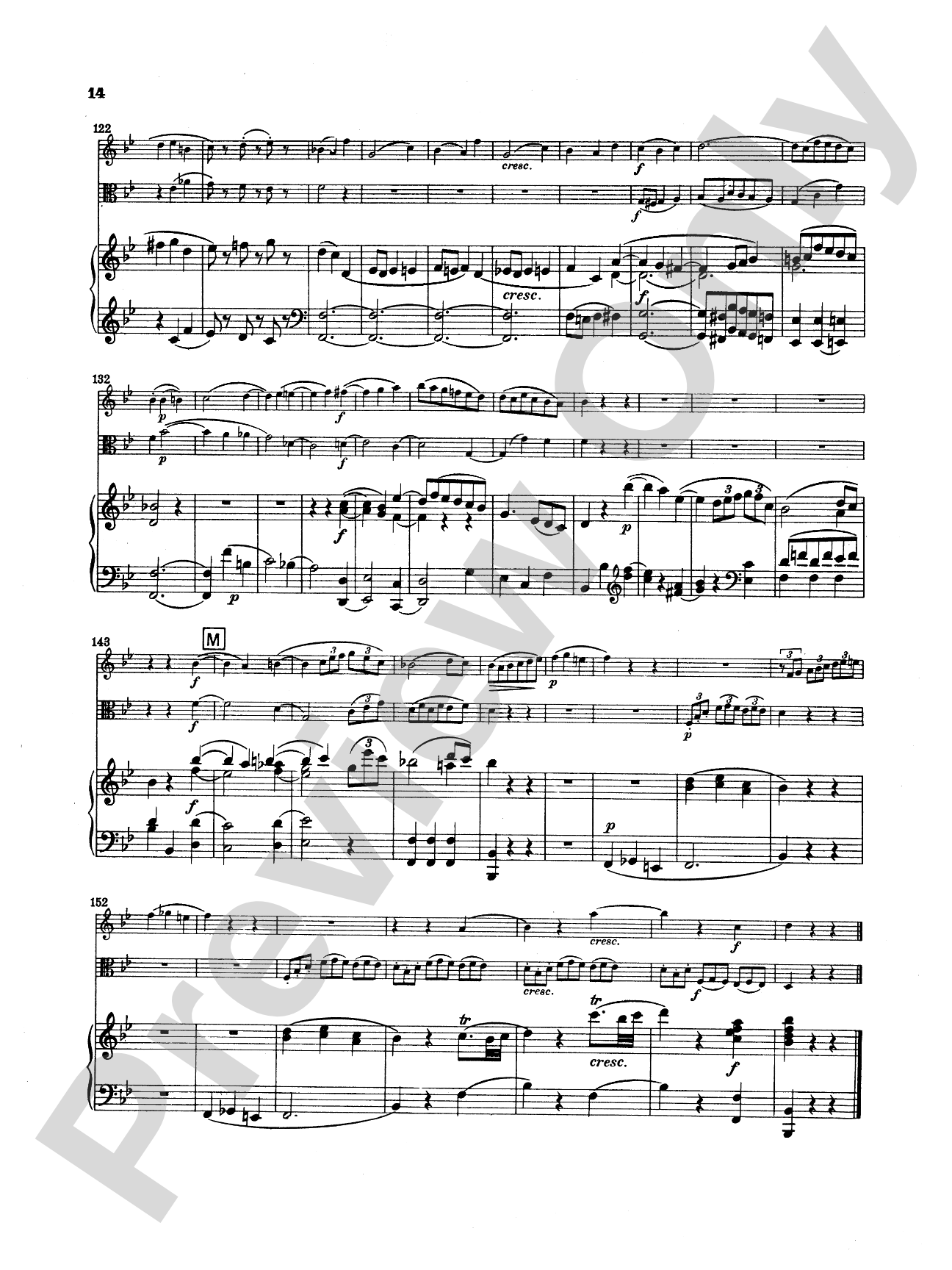
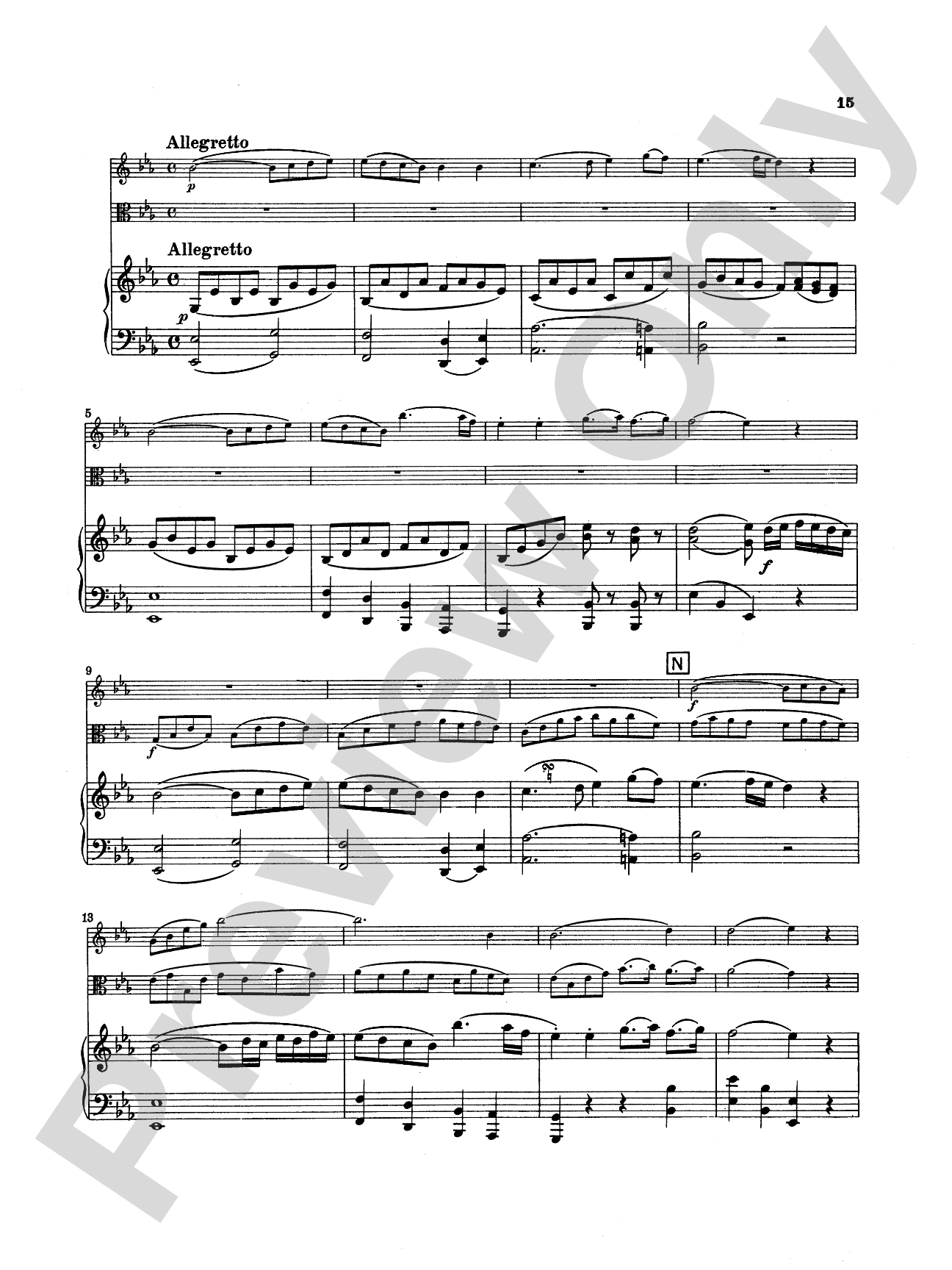
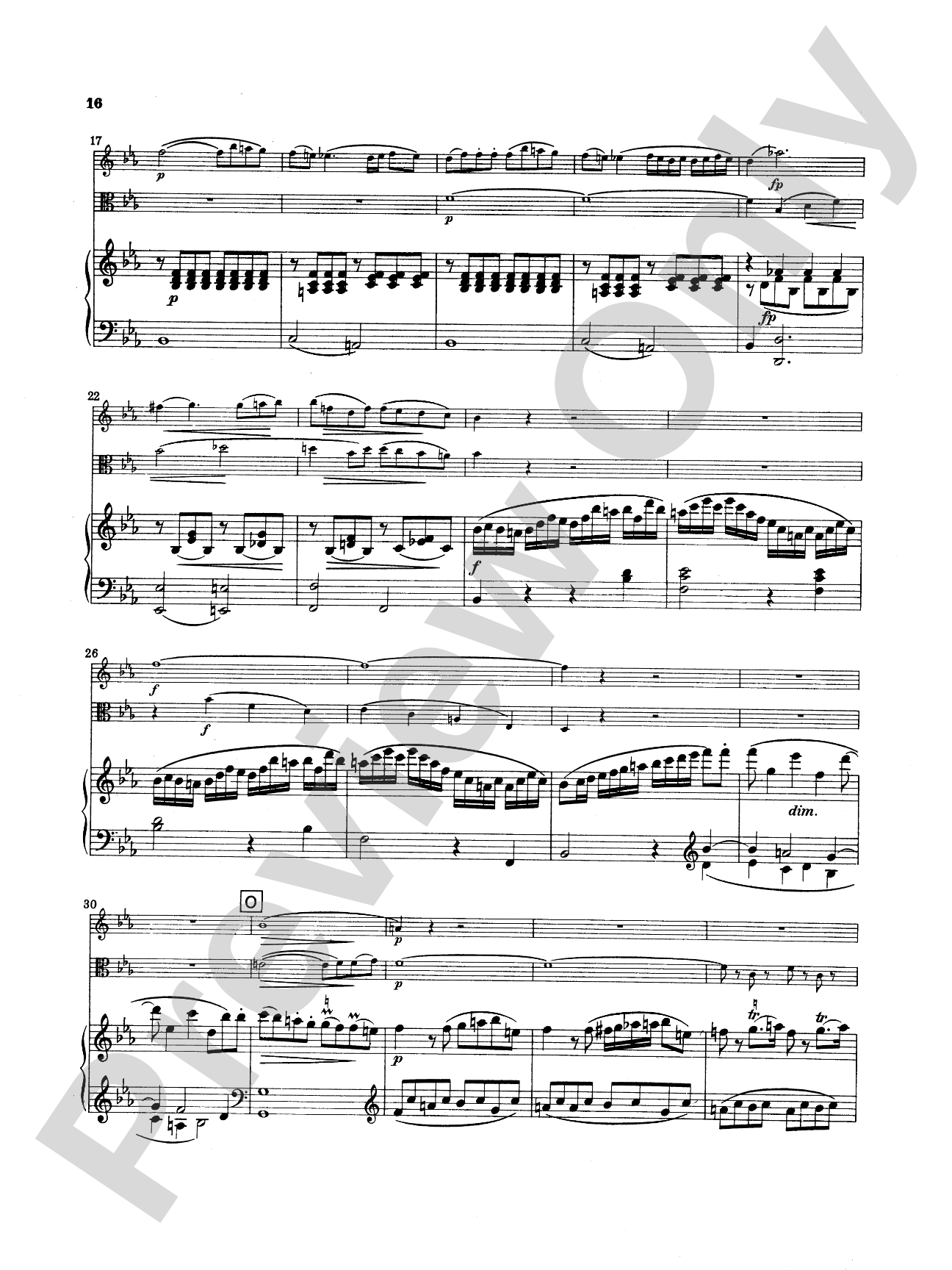
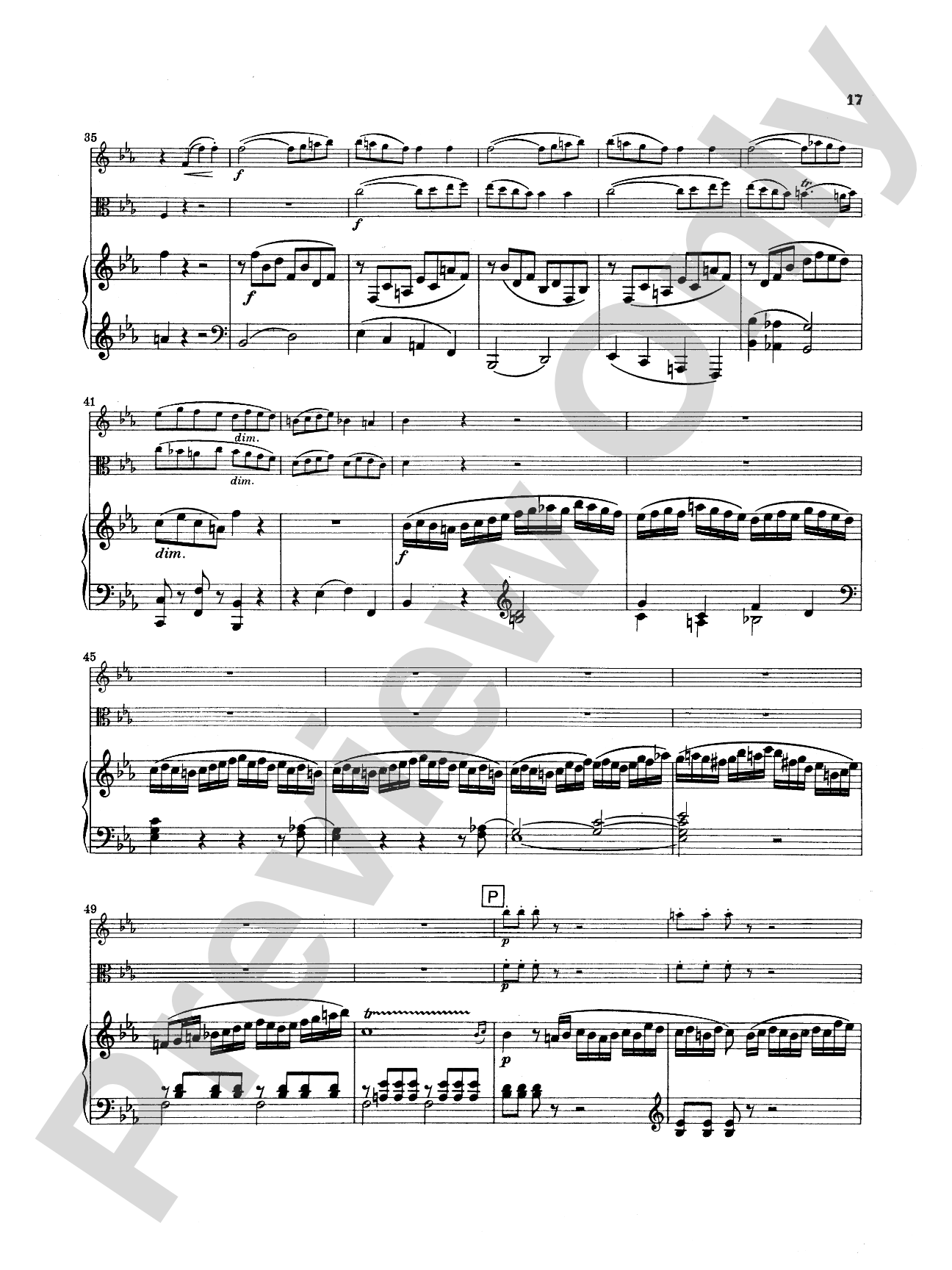
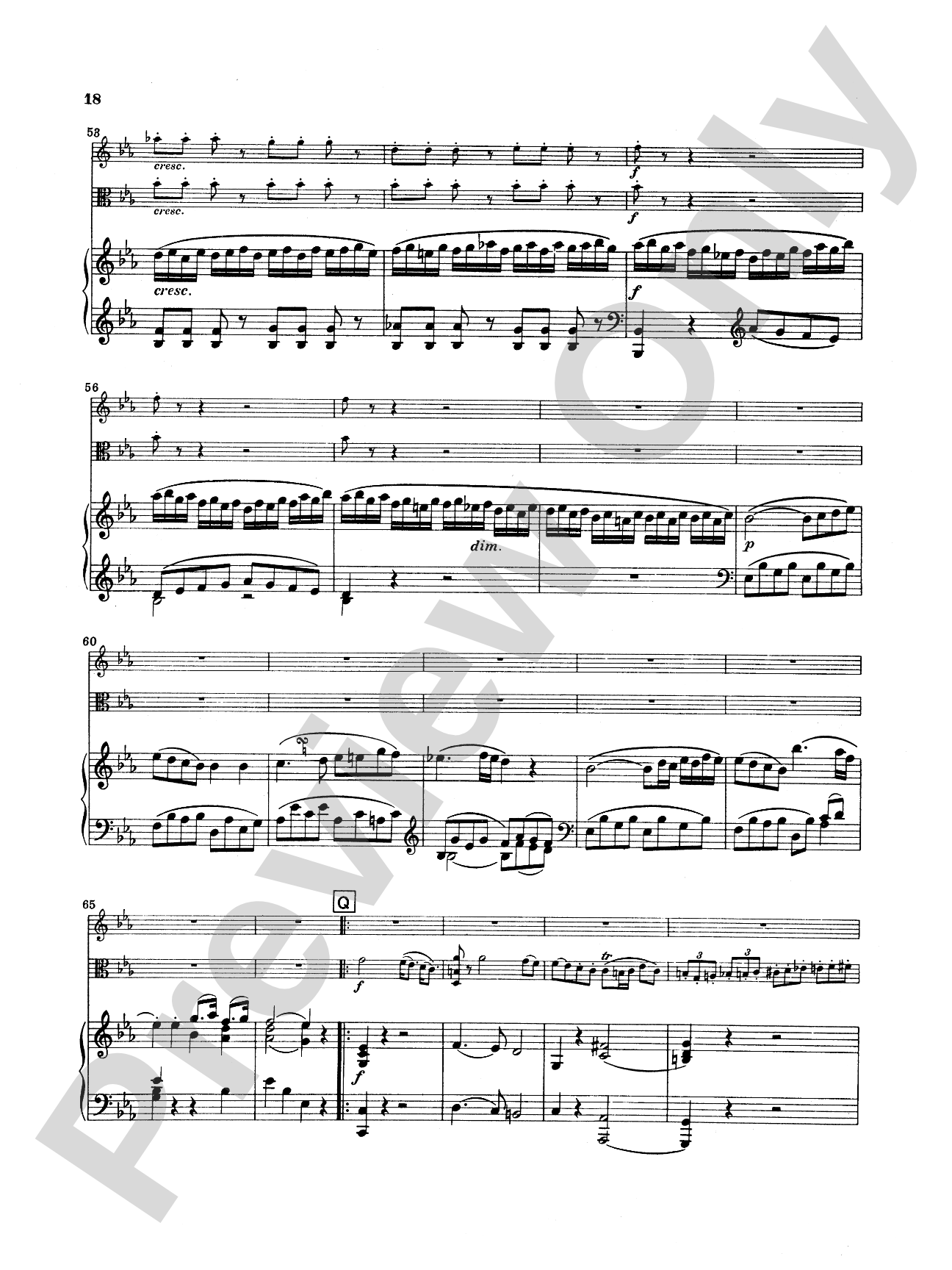
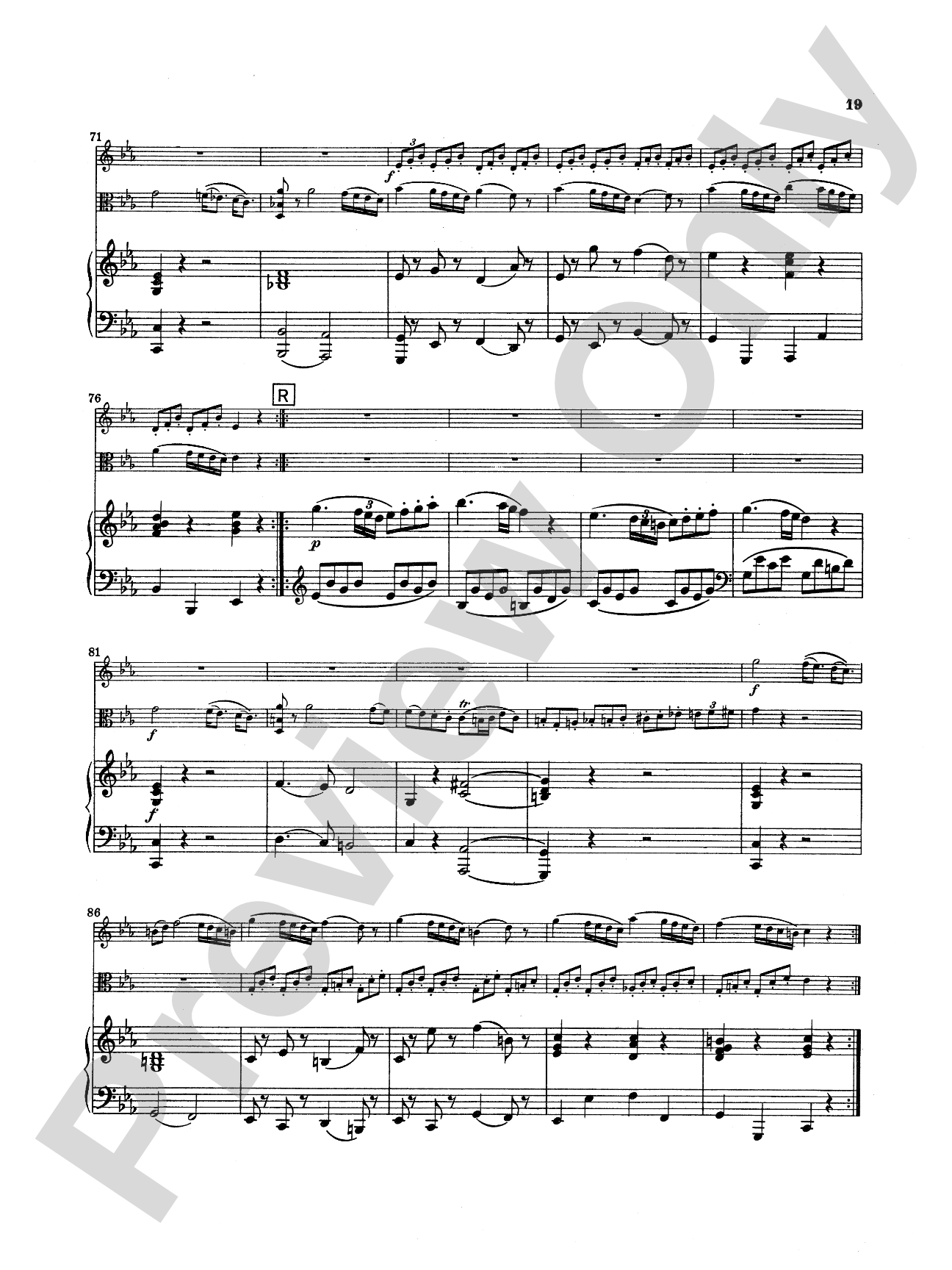
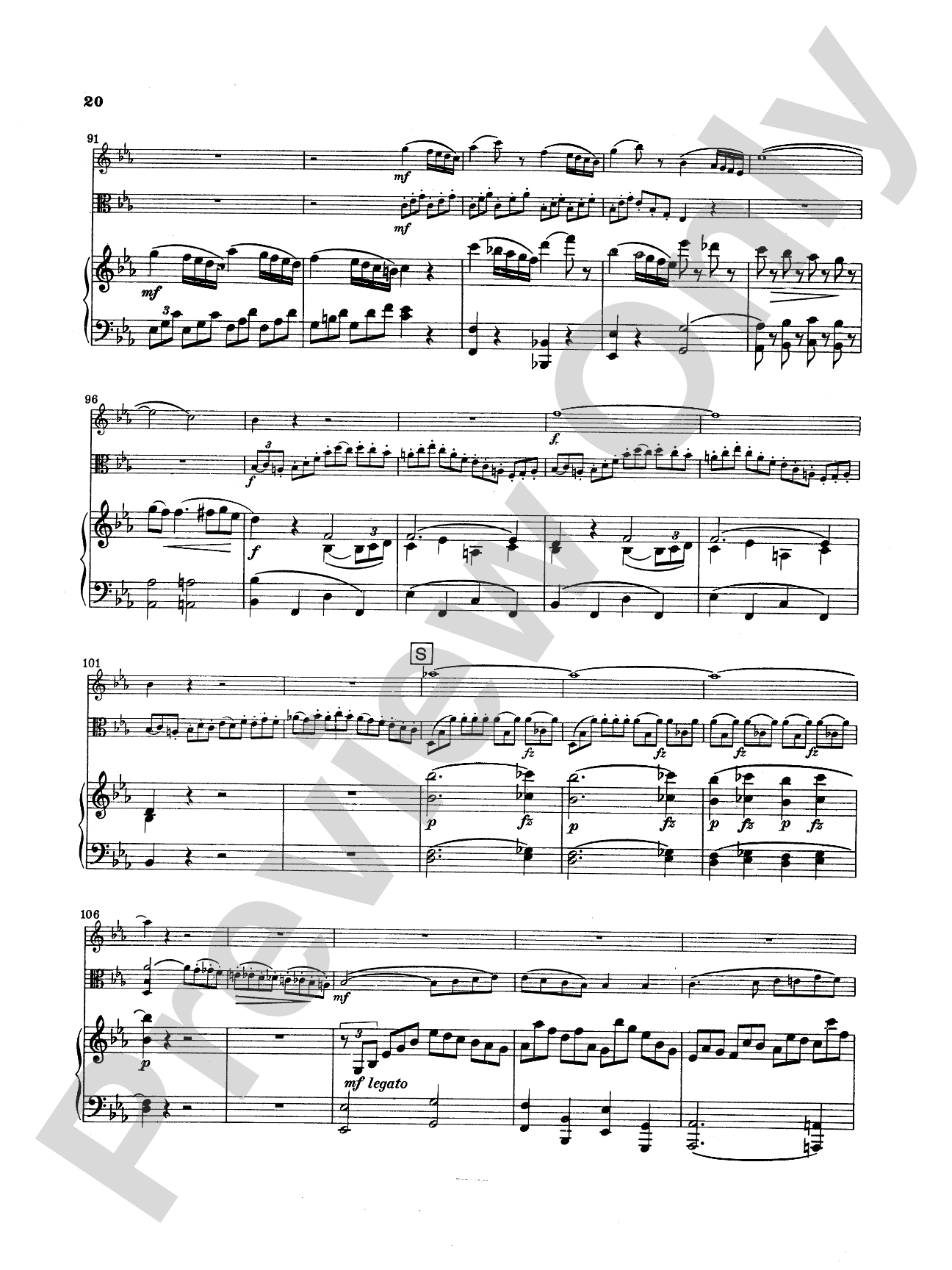
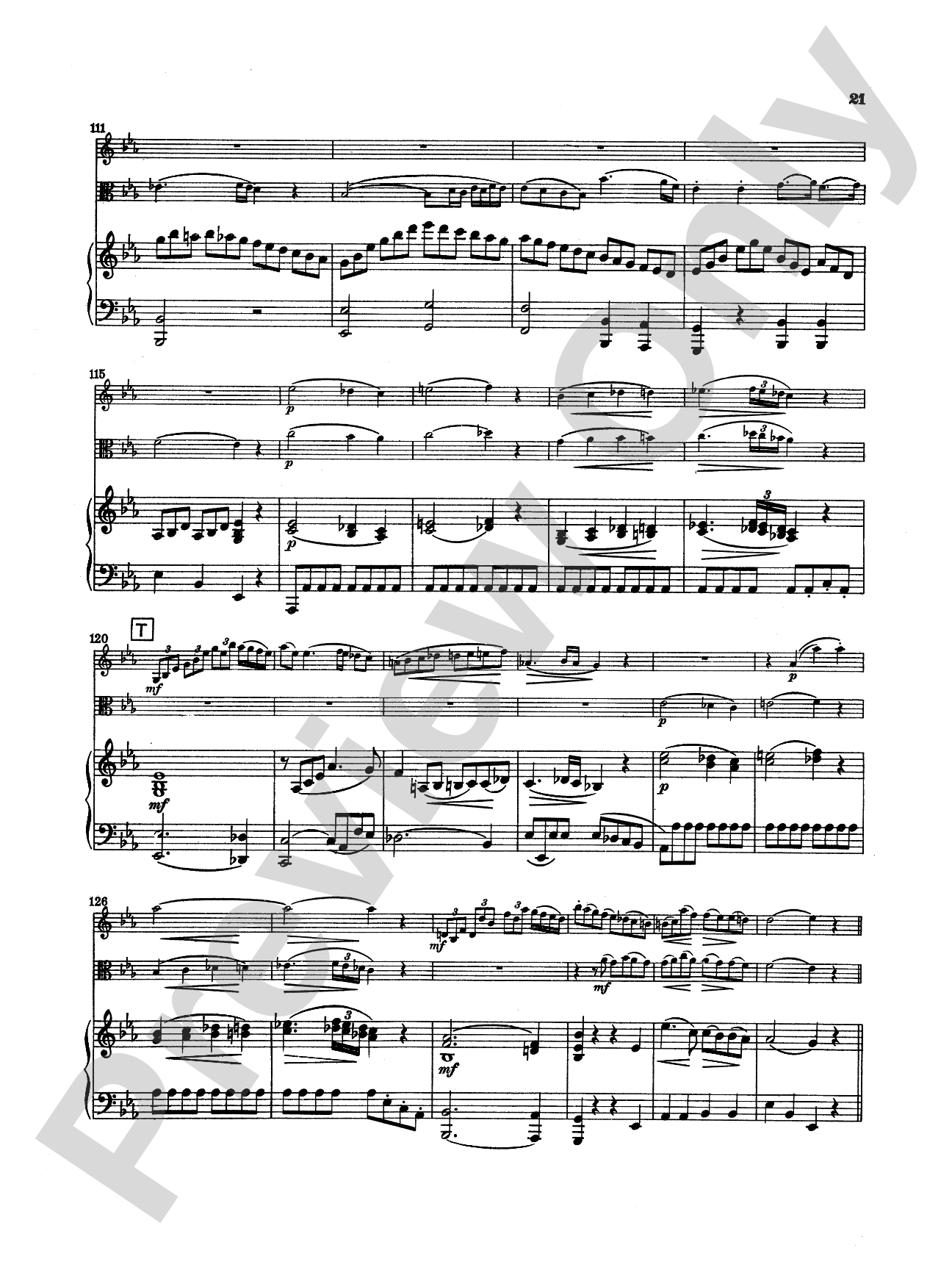
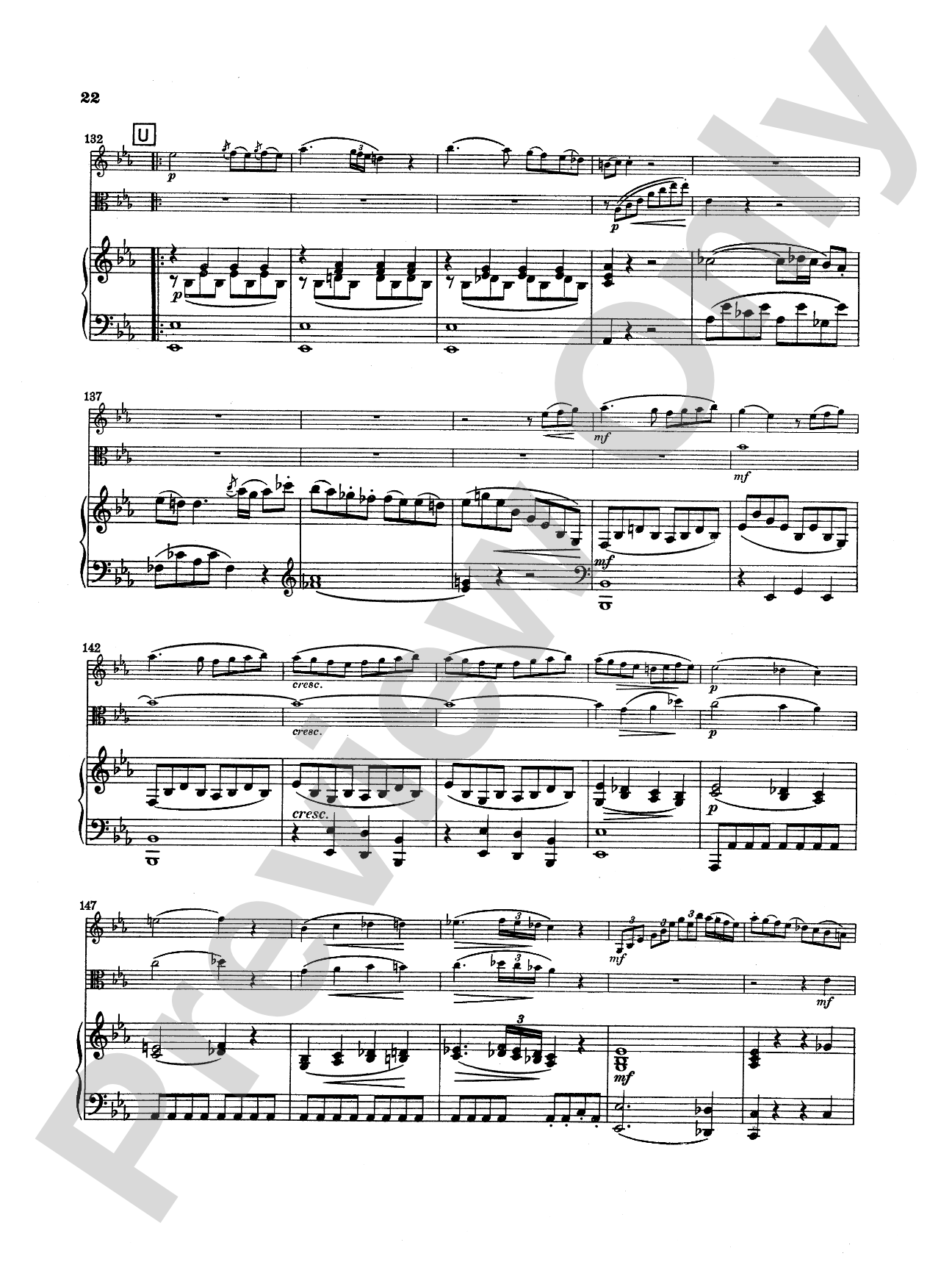
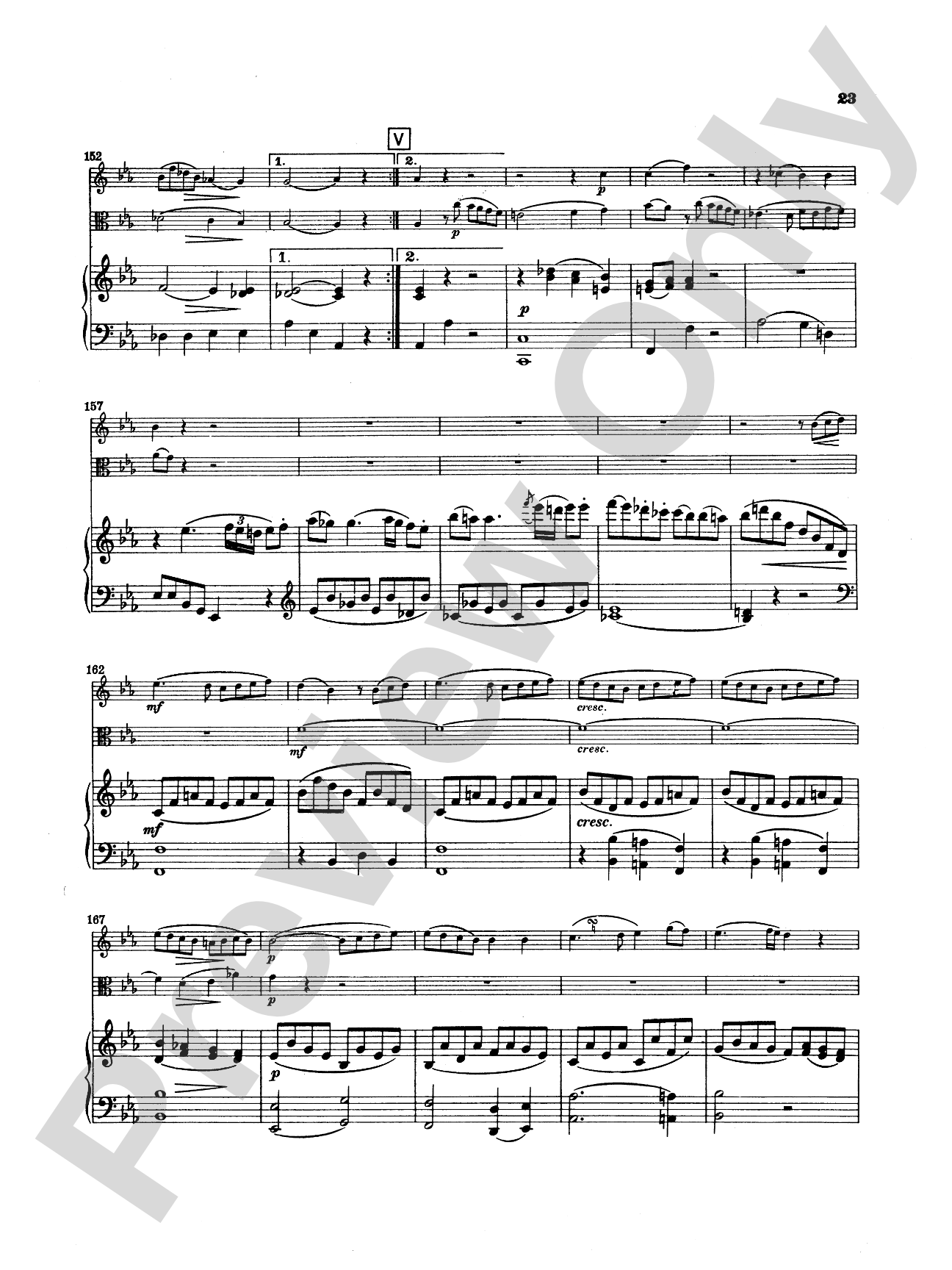
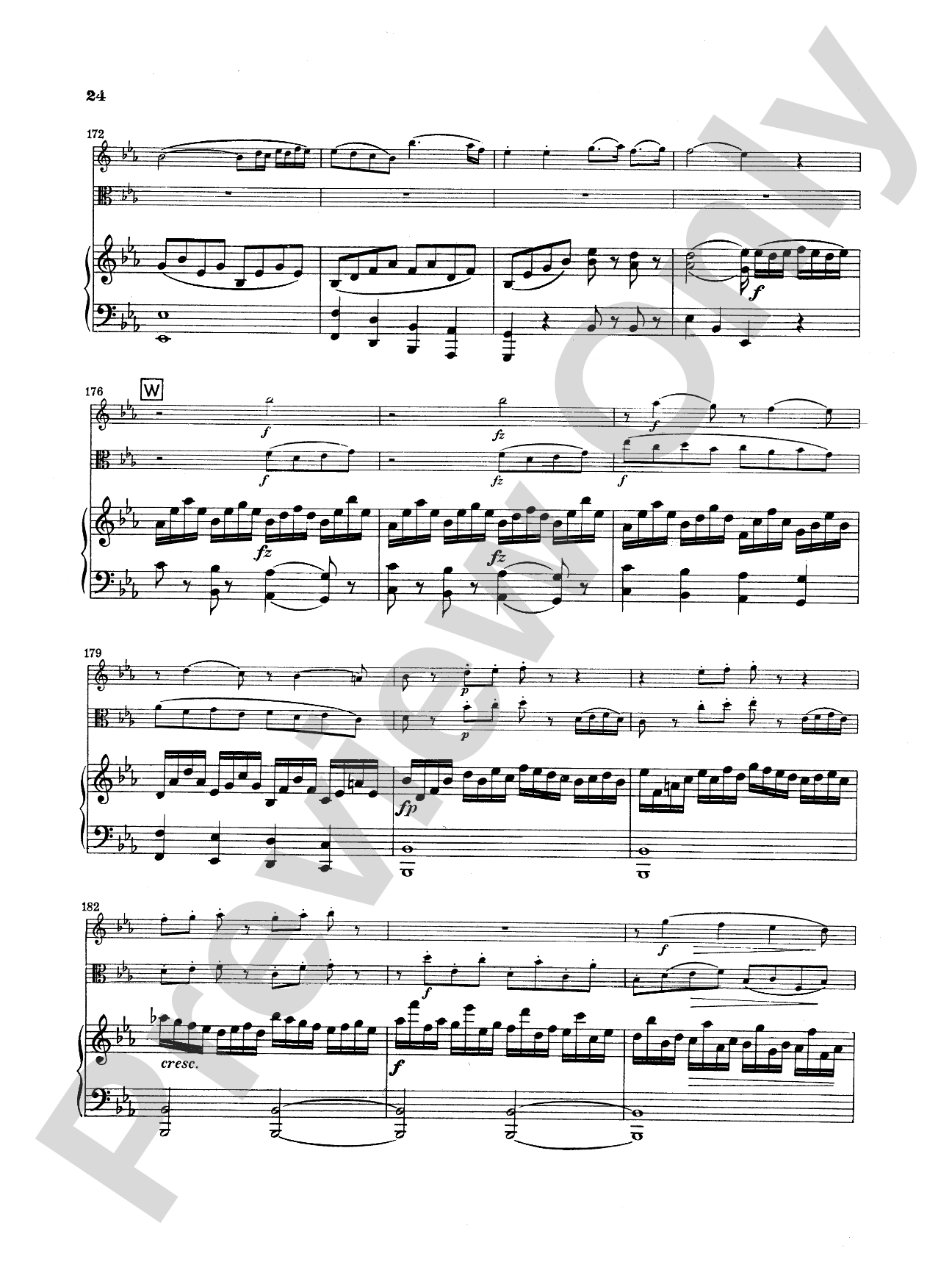
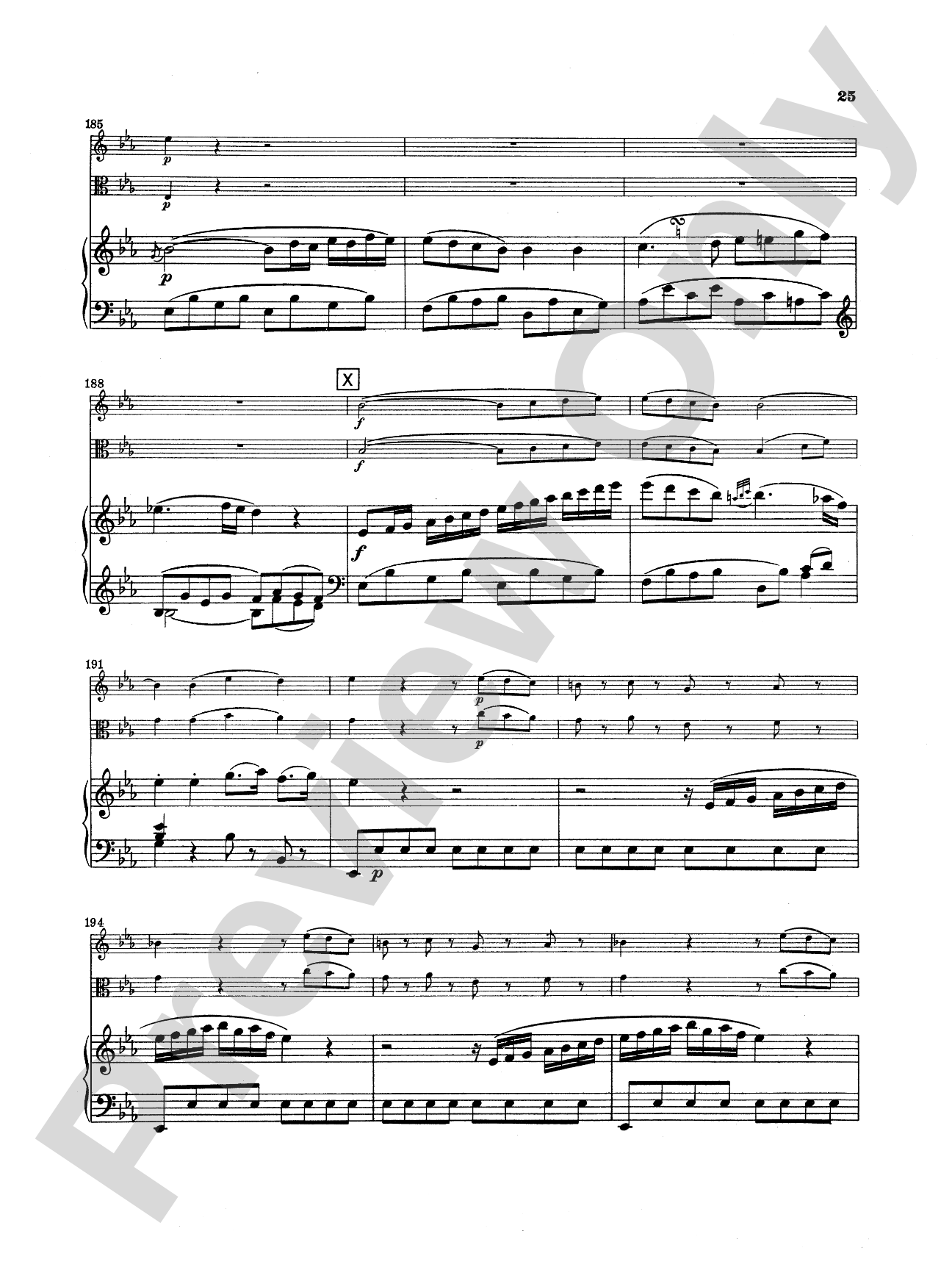
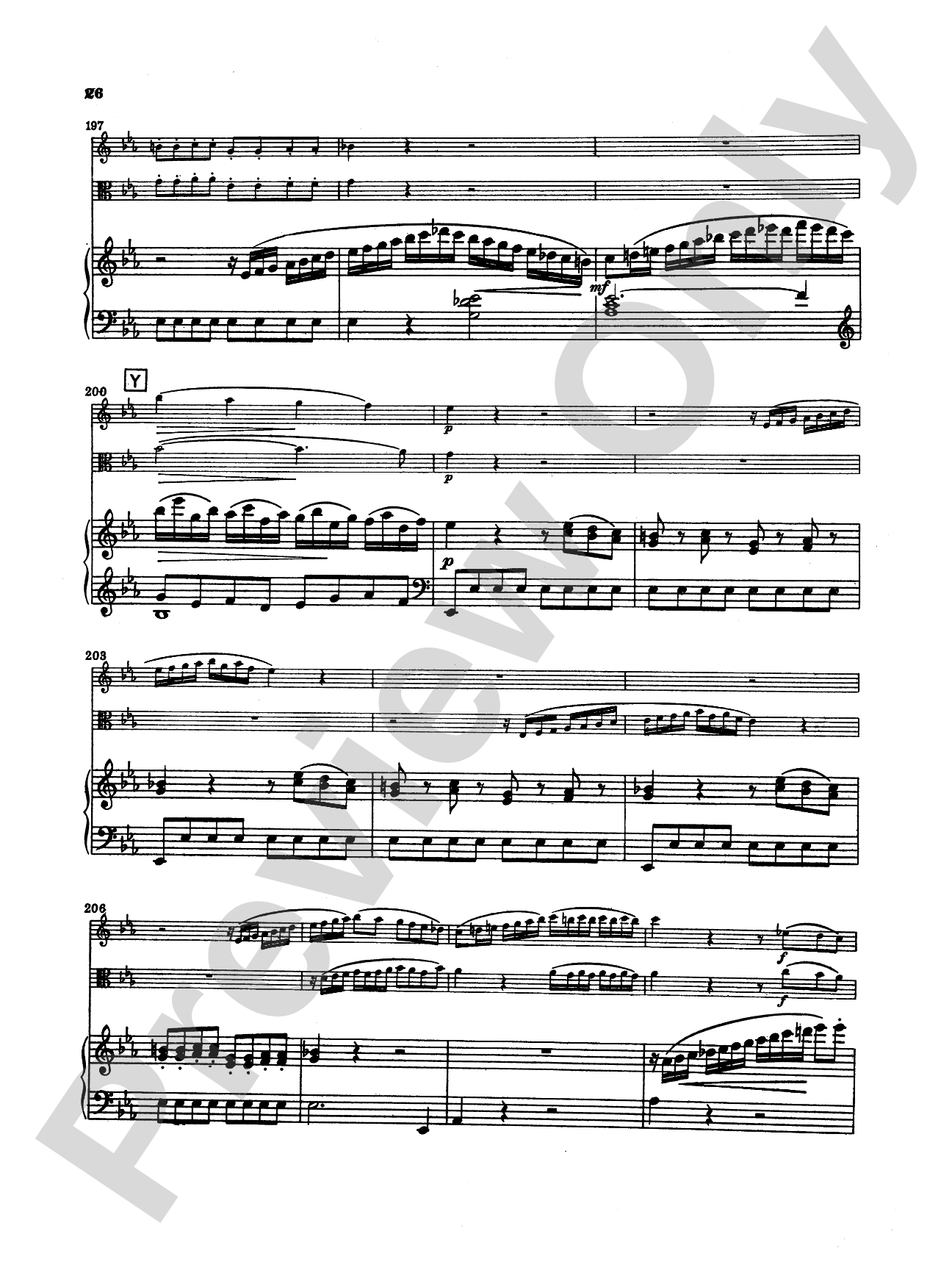
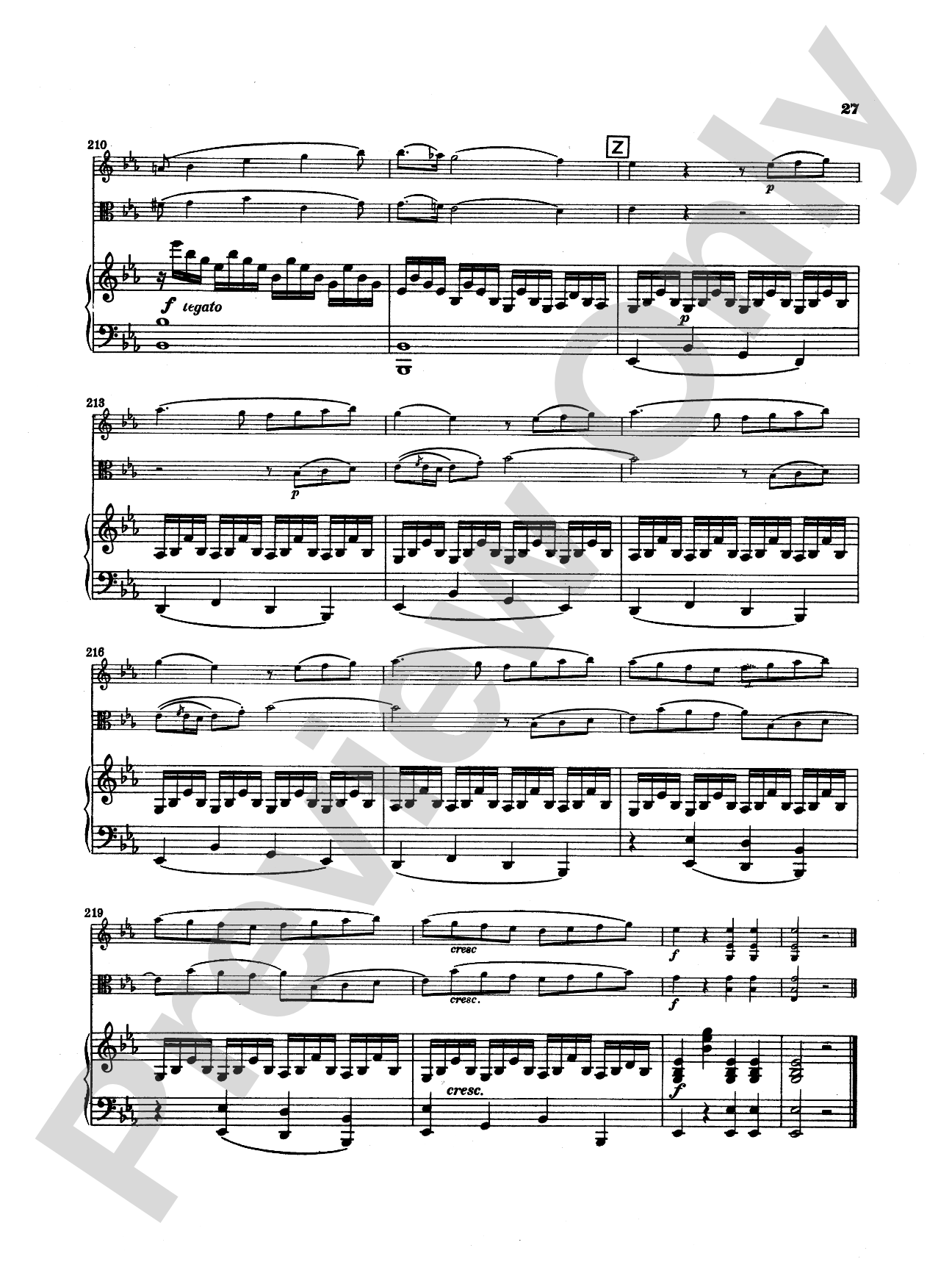


Mozart: Trio in E flat Major, "Kegelstatt Trio" (K. 498): Chamber Trio Score & Parts
By Wolfgang Amadeus Mozart
Item: 00-PK-0003830

$12.95
Pickup currently not available
Buy Extra Parts (Digital PDF Download)
| Product | Price | Quantity |
|---|---|---|
| Mozart: Trio in E flat Major, "Kegelstatt Trio" (K. 498) | $11.95 |
Parts Added to Cart!
Related Items
Trio in E-flat, K. 498: Chamber Trio Score & Parts |
$12.95
|
View |
Description


Don't just read it, hear it, play along with it, and watch your students grow with it. In MakeMusic Cloud, Mozart: Trio in E flat Major, "Kegelstatt Trio" (K. 498): Chamber Trio Score & Parts comes alive with professional accompaniment, adjustable tempo, and built-in practice tools that turn solo practice into real progress.
Open in the Player
Jump straight in and assign it today.
Start Your Free Trial
Open this title and explore the full library in minutes.
Sample Audio
No sample audio found.
Sample Video
No sample videos found.
Additional Details
Series:
Kalmus Edition
Publisher:
Alfred Music
Page Count:
44
SKU:
00-PK-0003830
Instrumentation:
Piano, Clarinet, & Viola
More about this title
About the Composer: Wolfgang Amadeus Mozart
Wolfgang Amadeus Mozart (1756-1791) composed across every major genre of his time and fundamentally shaped the Classical era's musical language. His output spans 626 works catalogued by Köchel, from operas and symphonies to intimate chamber music written for friends and patrons. Mozart's chamber works reveal a composer equally invested in crafting rewarding parts for mixed ensembles as he was in writing for large orchestras; his trios, duos, and wind serenades showcase his gift for counterpoint and melodic invention across equal instrumental voices.
For educators, Mozart's chamber music demonstrates how sophisticated musical ideas live in accessible harmonic language. His clarinet writing in particular influenced the instrument's development during the Classical period, and works like the Kegelstatt Trio remain pedagogically valuable for building musical maturity and ensemble balance.
Why we love this
This trio speaks to serious chamber musicians while remaining within reach of advanced students. The Kegelstatt's nickname (from a German bowling game) hints at its lighter character, yet Mozart's handling of three equal voices creates genuine musical discourse. Performers get to grapple with period-appropriate articulation, phrasing across different timbral colors, and the kind of balance problems that teach ensemble listening.
What to expect
Conversational and graceful, with moments of playful surprise. The Kegelstatt flows between lyrical passages where the three voices trade melodic responsibility and sections of gentle interplay that feel almost dance-like. There's an intimacy here, a sense of three skilled friends making music together rather than performing for an audience.
Who it's for
Advanced chamber musicians preparing a recital program, high school or undergraduate students studying Classical trio literature, and ensembles building toward competition or festival performances. This work demands secure intonation, independent musical thinking from each player, and ensemble experience beyond beginner level.
How to get the most out of it
- Shape the clarinet and viola lines with careful dynamic awareness; the piano often anchors harmonic structure while the winds should float above with vocal phrasing.
- Address the triplet/sixteenth-note rhythmic figures that appear throughout by establishing their context within the measure's beat; clarity here prevents the ensemble from sounding rushed.
- Balance the dialogue between instruments in development sections where the motivic exchange quickens; mark who is "leading" in each passage so the supporting voices can listen and respond.
- Attend to the printed articulation marks as period-specific guidance; slurred figures in the winds often need slightly longer air support to connect smoothly across phrase boundaries.
How to use it
Pair this with another Classical chamber work to create a thematic recital exploring different instrumental combinations of the era. It also makes an excellent anchor piece for chamber music competitions or showcases, as its familiarity to adjudicators allows them to focus on ensemble quality and interpretation rather than navigating unfamiliar repertoire.
Skills your students will build
- Balancing three independent melodic lines with different timbral qualities
- Reading and executing period articulation conventions in Classical chamber music
- Maintaining precise intonation across register changes and extended passages
- Collaborating with ensemble partners to shape phrasing across entire movements
- Understanding harmonic function and voice leading in Classical sonata forms