
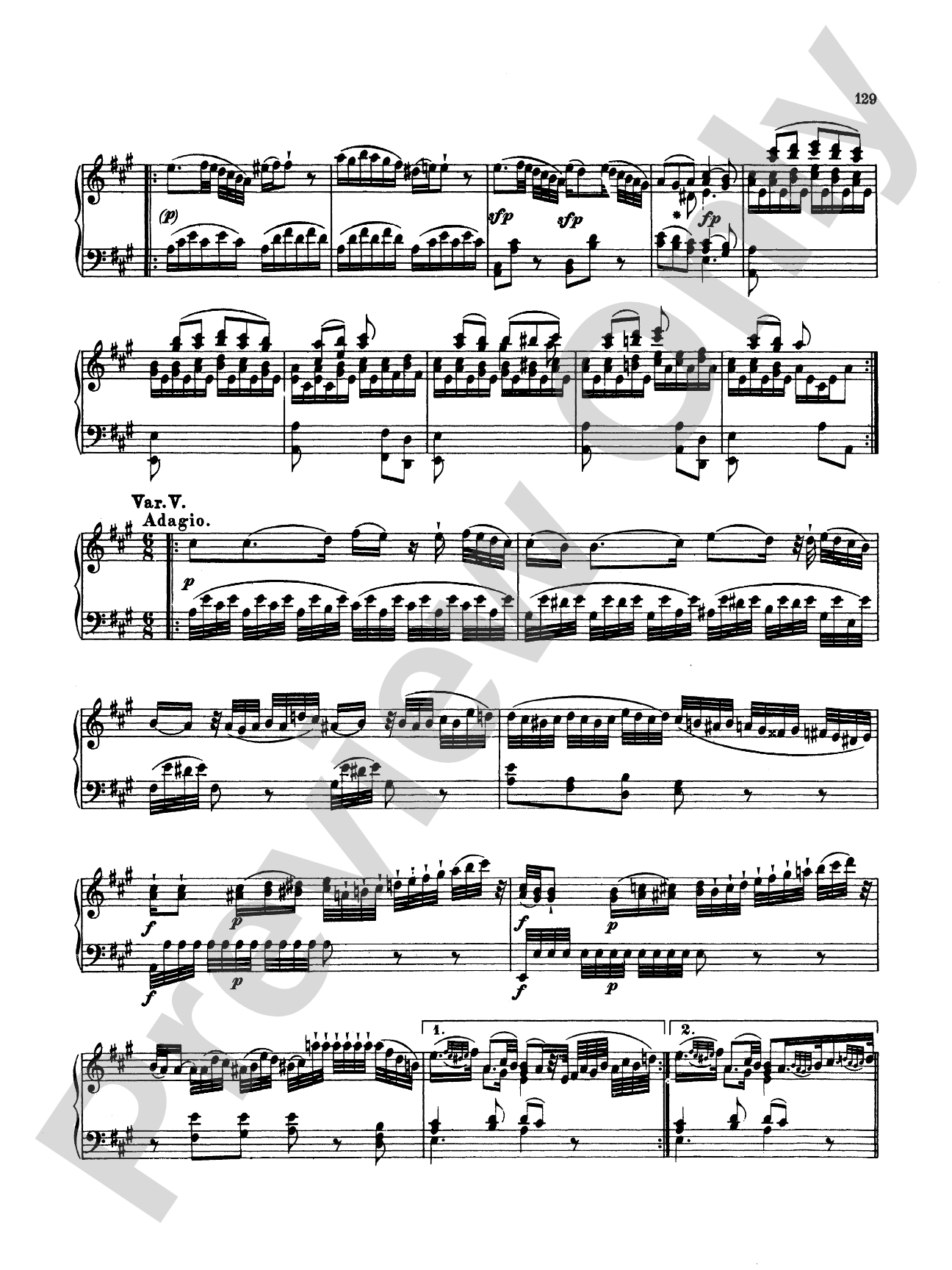
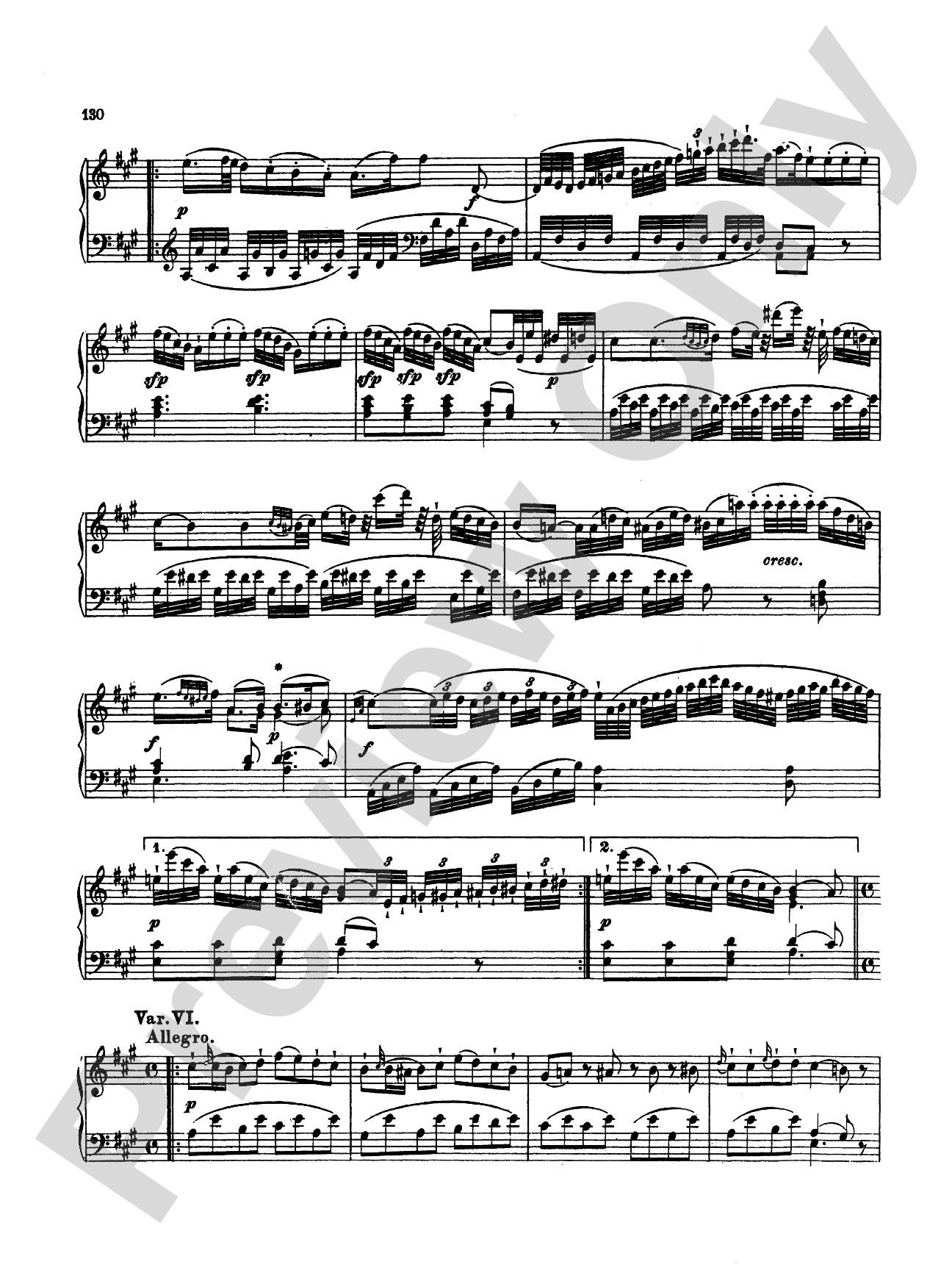
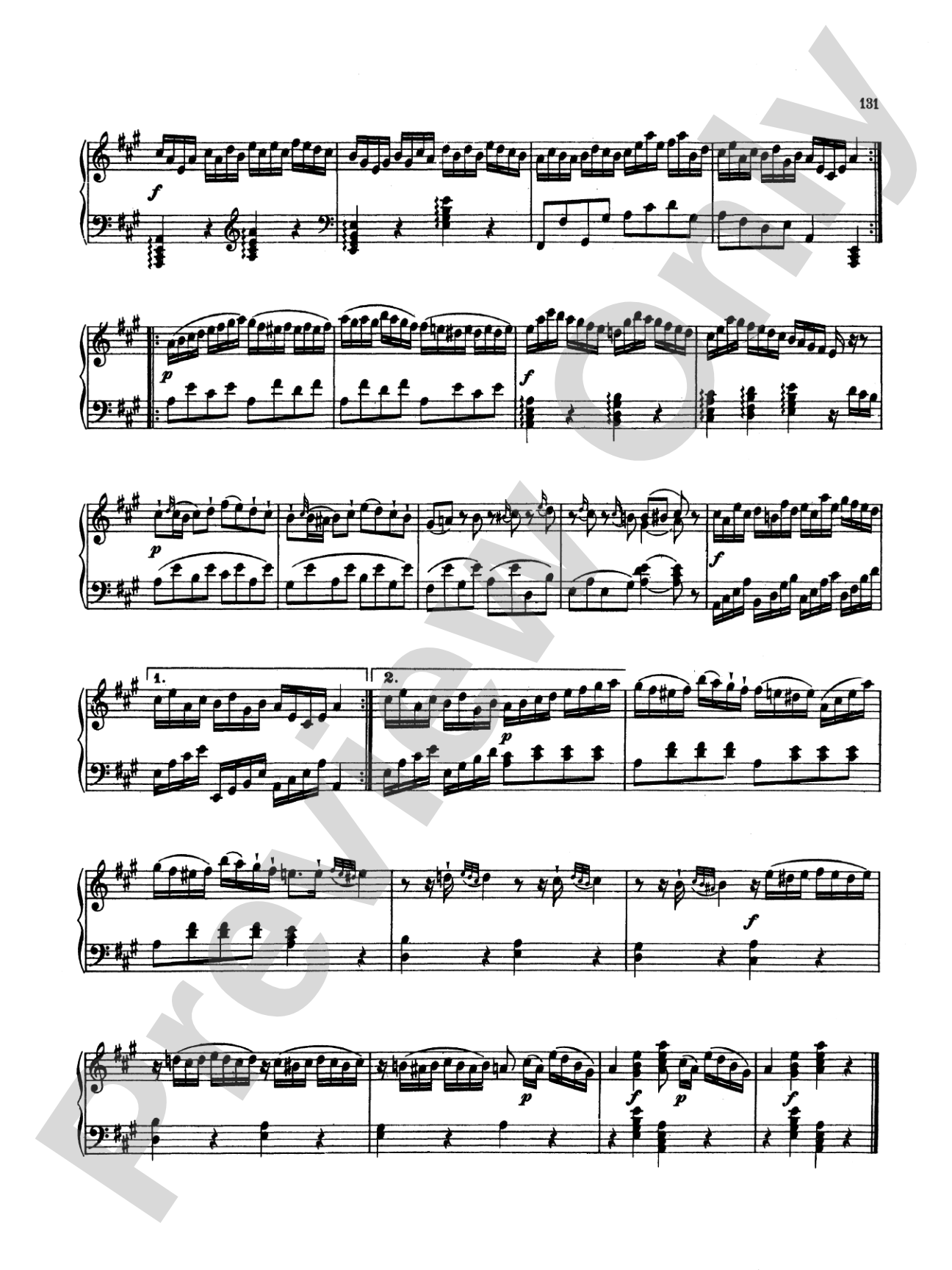
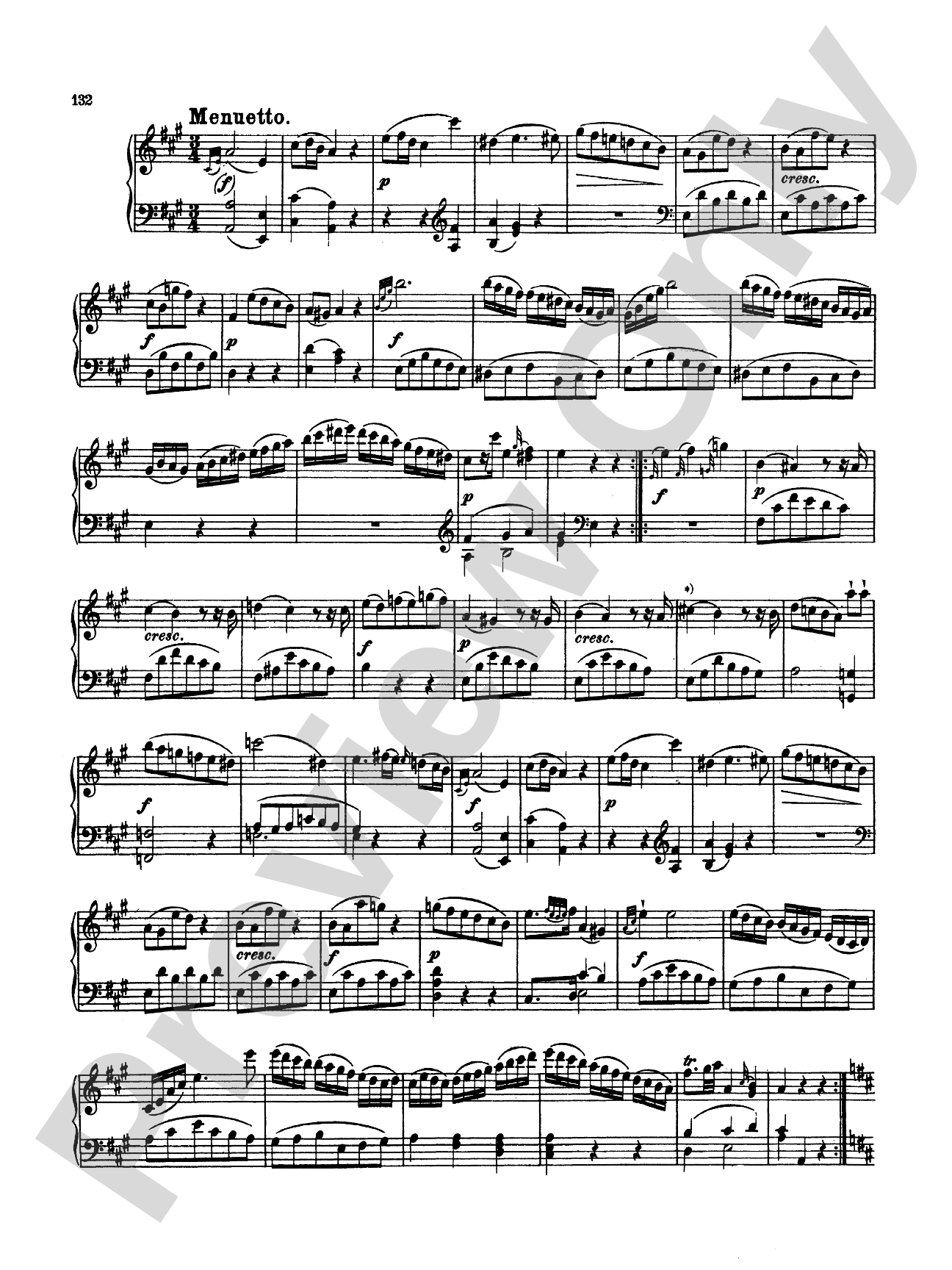
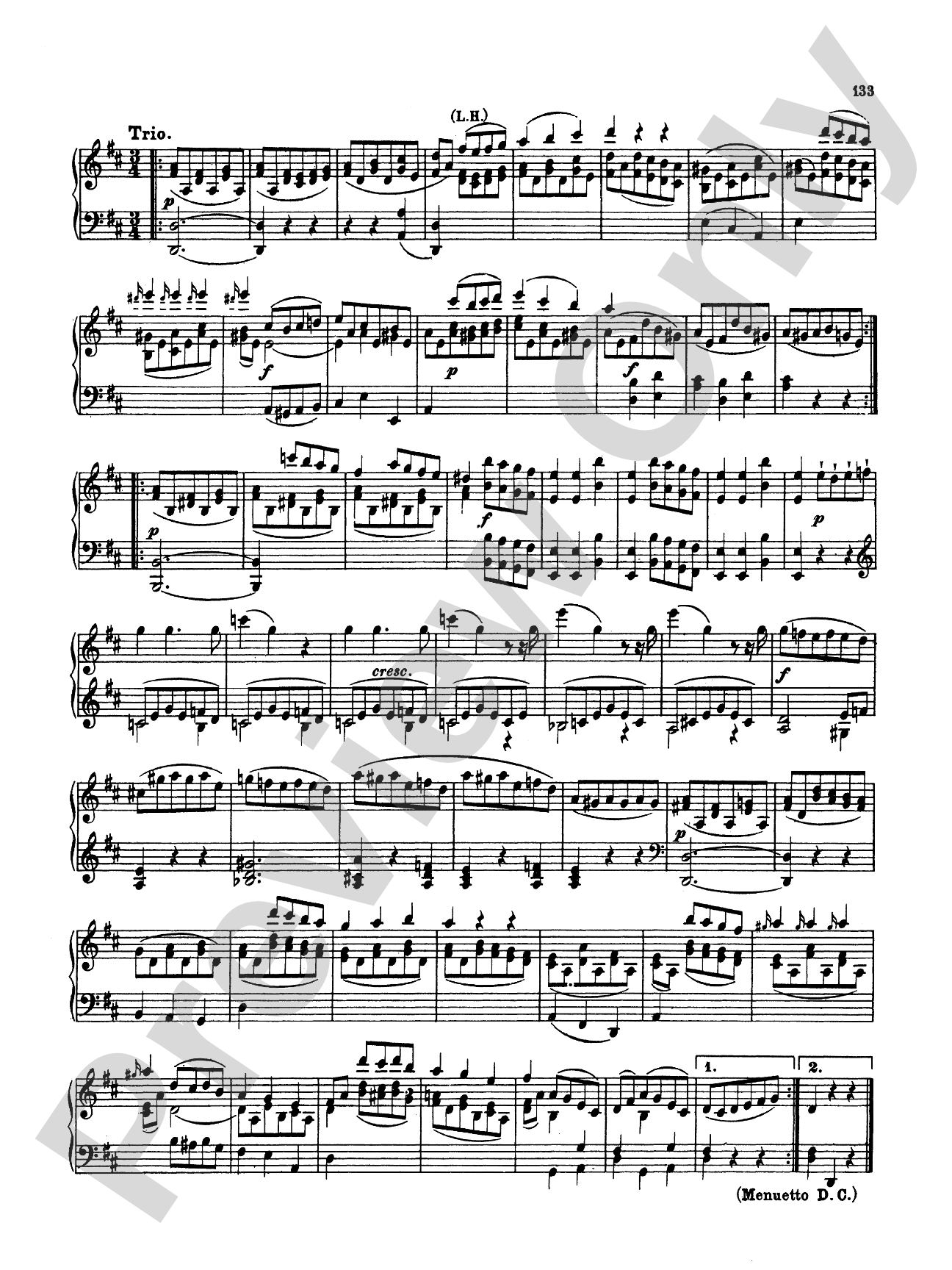
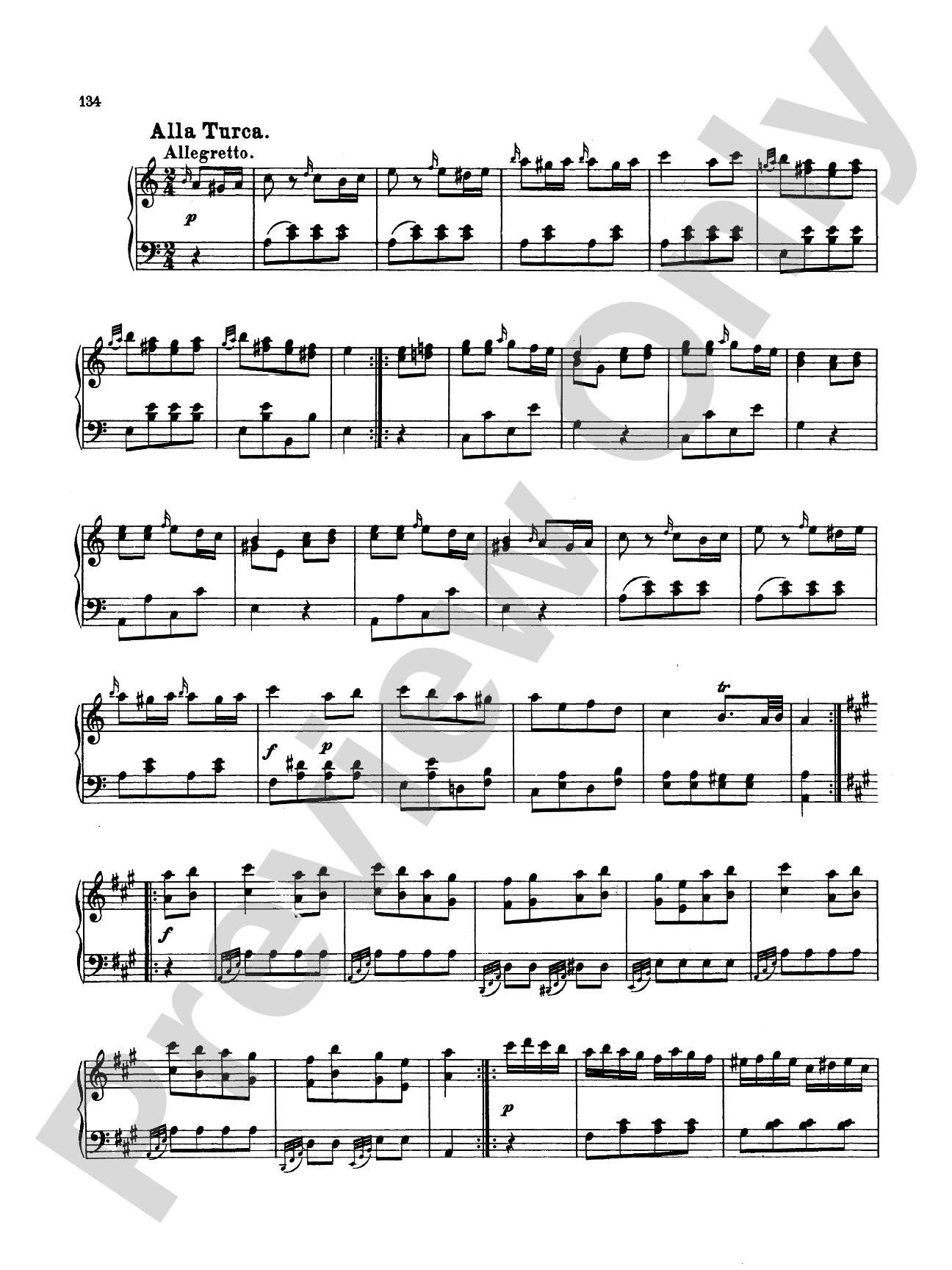
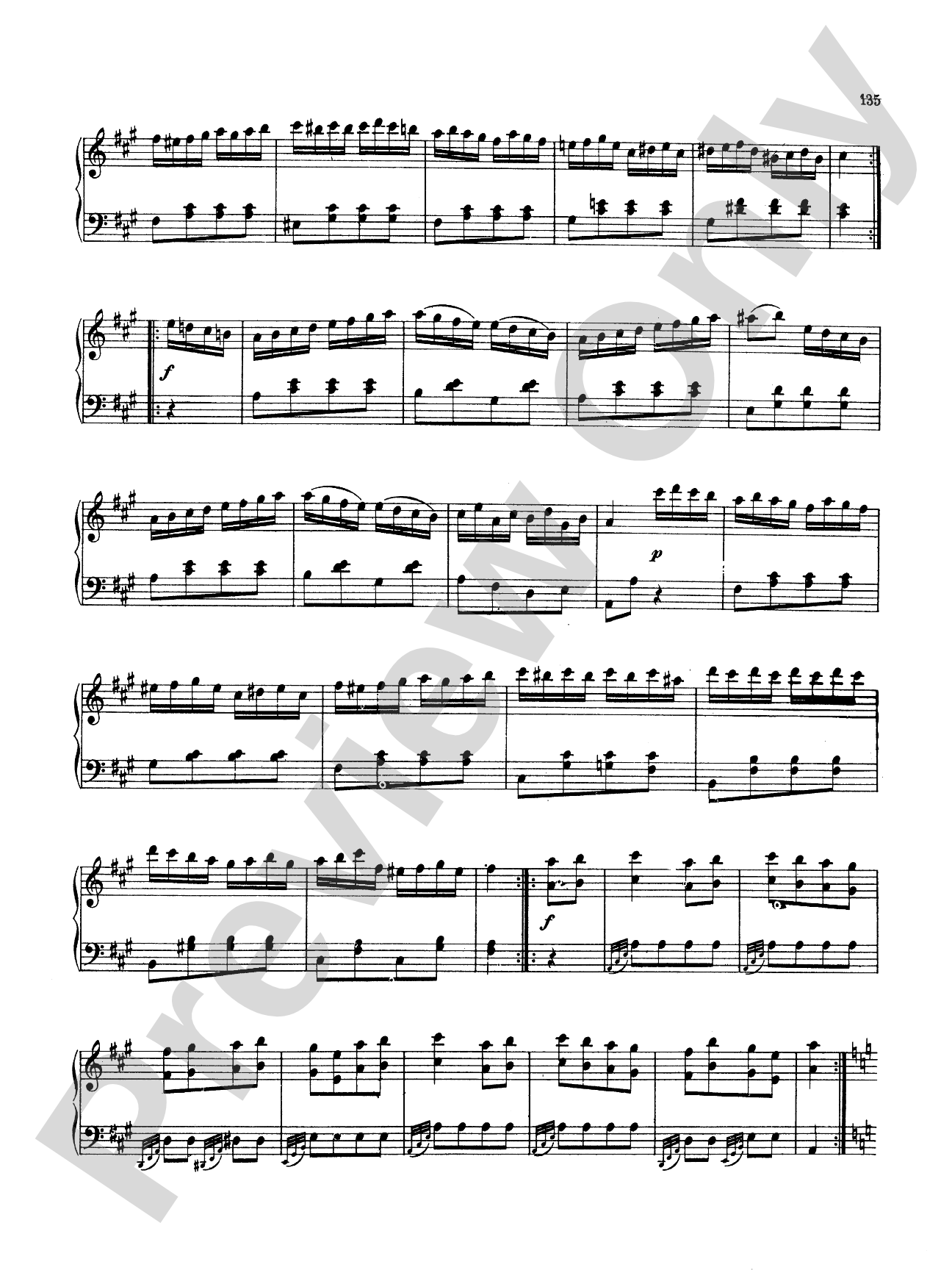
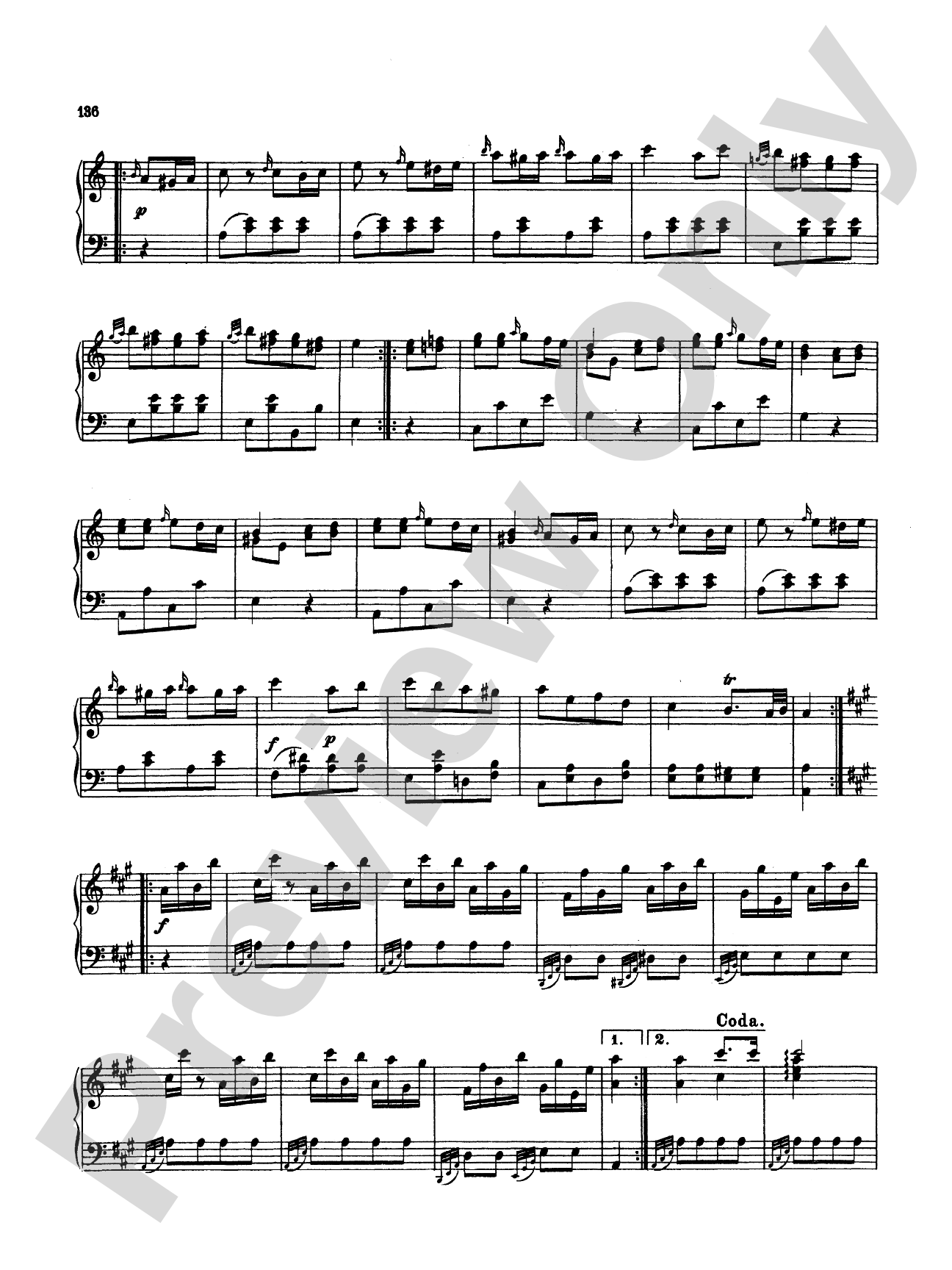
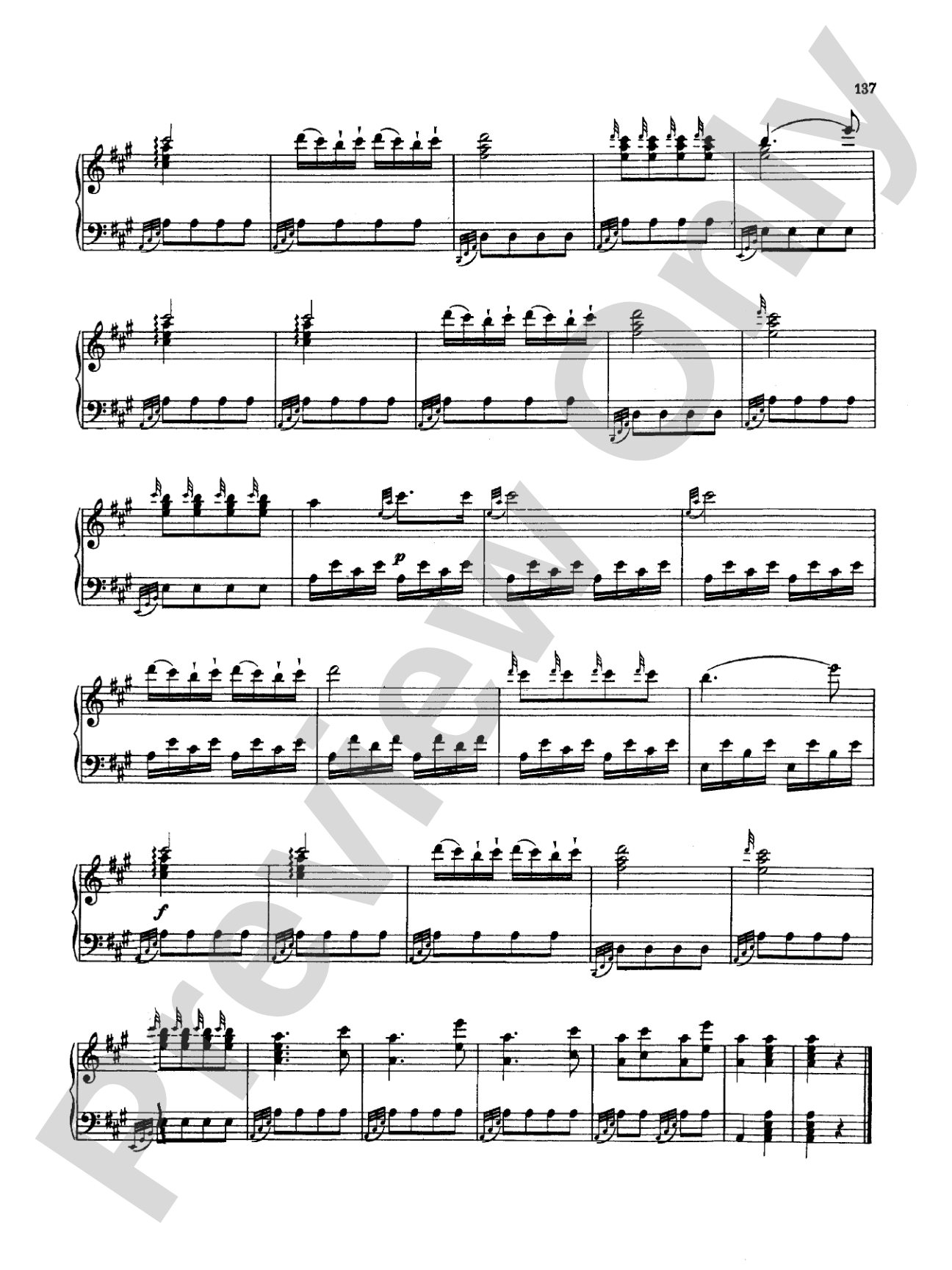

Mozart: Sonatas (Volume B): Piano Book
For Piano
By Wolfgang Amadeus Mozart
Item: 00-PK-0003230

$14.99
Pickup currently not available
Buy Extra Parts (Digital PDF Download)
| Product | Price | Quantity |
|---|---|---|
| Mozart: Sonatas (Volume B) | $0.99 | |
| Mozart: Sonatas (Volume B) | $0.99 | |
| Mozart: Sonatas (Volume B) | $0.99 | |
| Mozart: Sonatas (Volume B) | $0.99 | |
| Mozart: Sonatas (Volume B) | $0.99 | |
| Mozart: Sonatas (Volume B) | $0.99 | |
| Mozart: Sonatas (Volume B) | $0.99 | |
| Mozart: Sonatas (Volume B) | $0.99 | |
| Mozart: Sonatas (Volume B) | $0.99 | |
| Mozart: Sonatas (Volume B) | $0.99 | |
| Mozart: Sonatas (Volume B) | $0.99 |
Parts Added to Cart!
Related Items
Sonatas and Three Fantasias, Volume II (Nos. 11-20): Piano Book |
$14.95
|
View |
Description
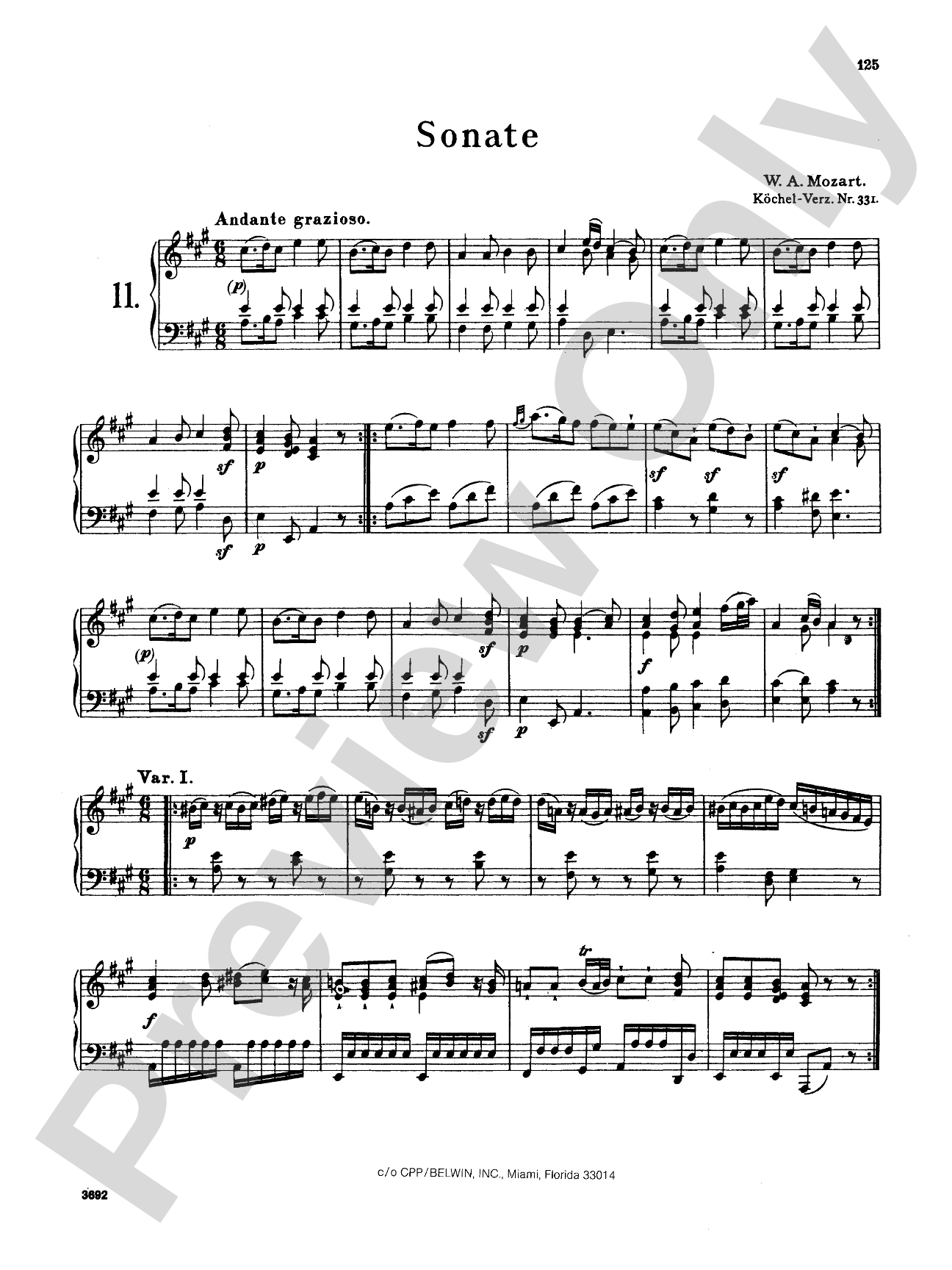
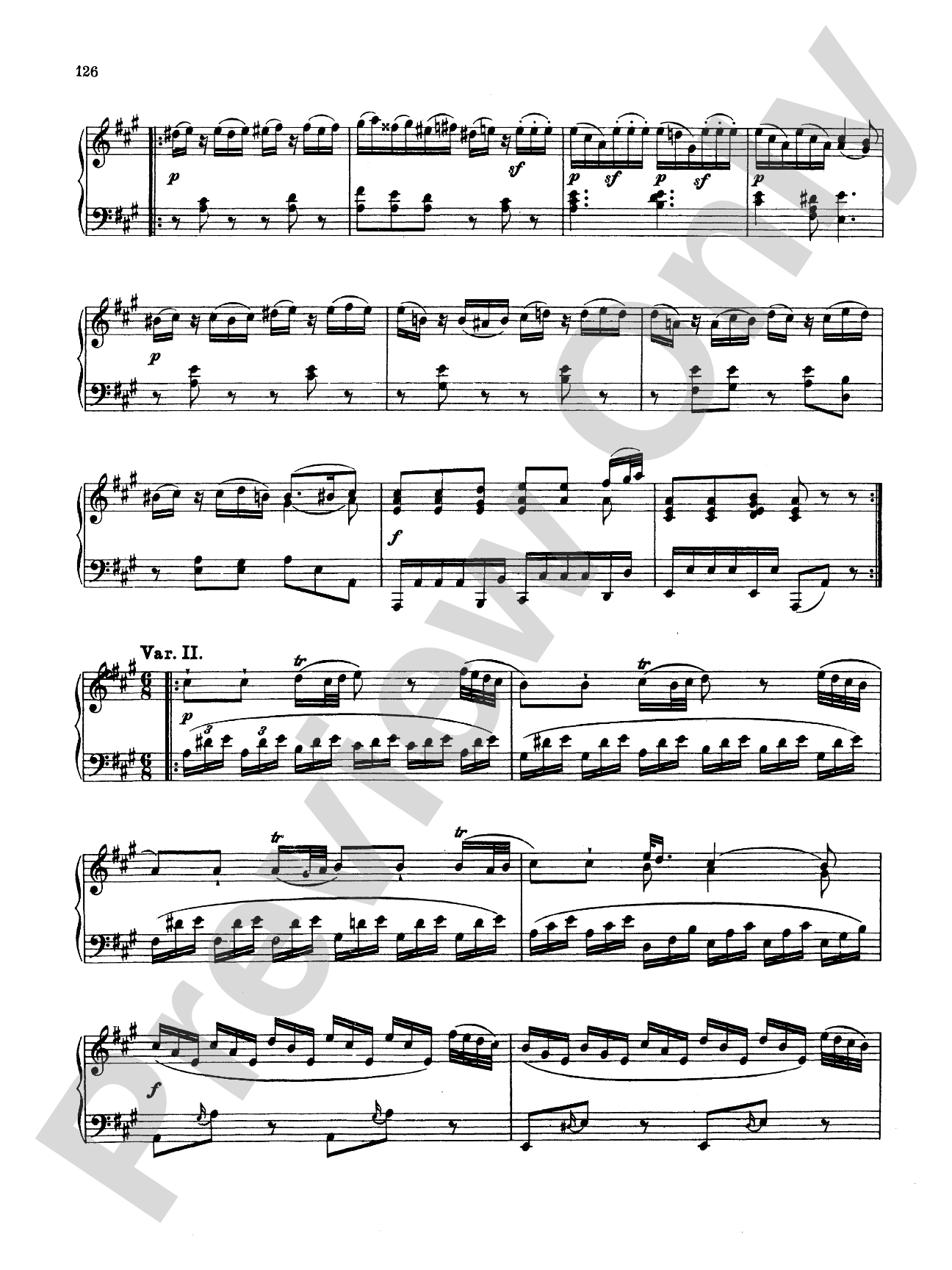
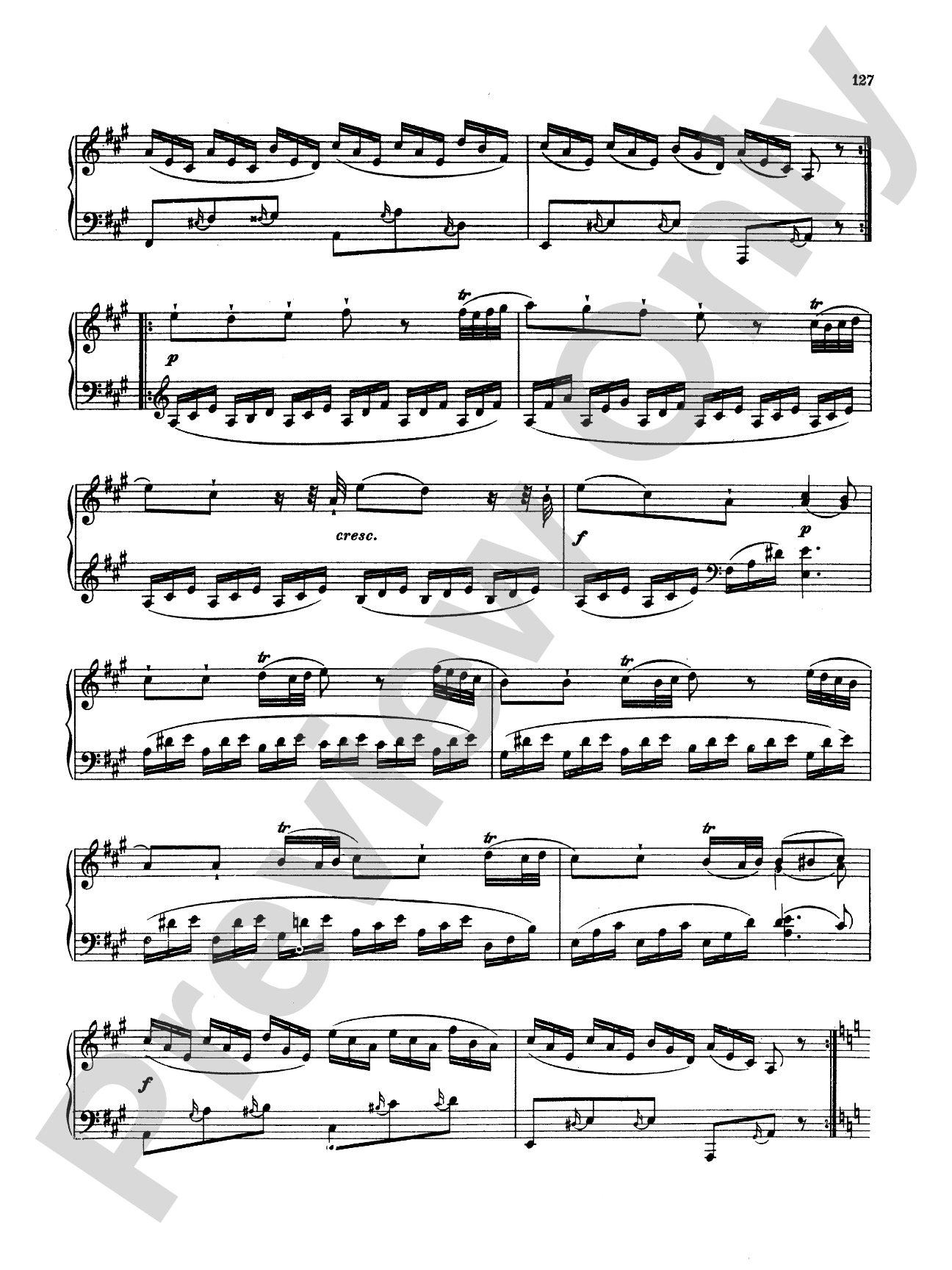
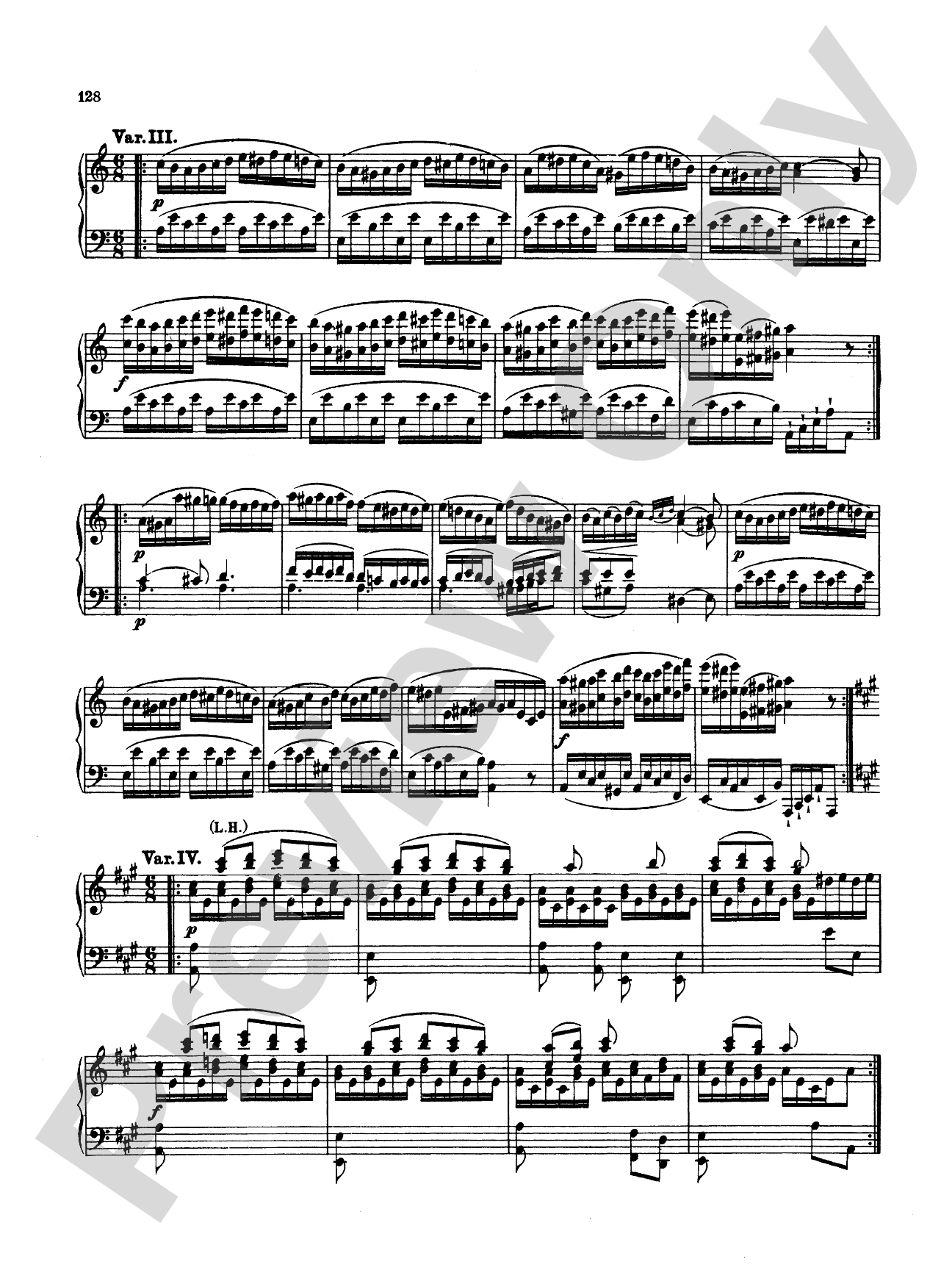
Titles: No. 11, Sonata in A Major * No. 12, Sonata in F Major * Sonata 13, Sonata in B Major * 14a, Fantasy No. 4 * 14b, Sonata in C Minor * No. 15, Sonata in C Major * No. 16, Sonata in B Major * No. 17, Sonata in D Major * No. 18, Fantasy No. 1 with Fugue in C Major * No. 19, Fantasy No. 2 in C Minor * No. 20, Fantasy No. 3 in D Minor.


Don't just read it, hear it, play along with it, and watch your students grow with it. In MakeMusic Cloud, Mozart: Sonatas (Volume B): Piano Book comes alive with professional accompaniment, adjustable tempo, and built-in practice tools that turn solo practice into real progress.
Open in the Player
Jump straight in and assign it today.
Start Your Free Trial
Open this title and explore the full library in minutes.
Sample Audio
No sample audio found.
Sample Video
No sample videos found.
Additional Details
Series:
Kalmus Edition
Publisher:
Alfred Music
Page Count:
120
SKU:
00-PK-0003230
More about this title
About the Composer: Wolfgang Amadeus Mozart
Wolfgang Amadeus Mozart (1756-1791) composed over 600 works across every major genre, establishing himself as one of history's most influential musicians before his death at 35. His piano sonatas represent a crucial bridge between the Classical era's formal structures and the expressive depth that would define Romanticism, making them essential repertoire for understanding how the genre evolved.
Mozart's sonatas reveal a composer equally concerned with technical brilliance and emotional sophistication. These works demand both mechanical facility and interpretive maturity from performers, offering insight into how a master balanced accessibility with artistic ambition across a long creative life.
Why we love this
This collection spans Mozart's sonata output across different periods of his life, showing genuine stylistic growth from the Classical ideals of balance and clarity toward more introspective works like the Fantasias. Students encounter not a single "Mozart style" but a living composer evolving his voice, which makes these pieces far more instructive than studying any single sonata in isolation.
What to expect
These sonatas feel conversational and generous, full of moments that catch the ear with unexpected harmonic turns or playful rhythmic gestures. The Fantasias drift into introspection and minor-key turbulence, offering striking contrast to the sunny, orderly charm of works like the A Major and C Major sonatas.
Who it's for
Intermediate to advanced pianists who are ready to engage with multi-movement sonata form and can handle moderate technical demands while bringing interpretive sophistication to phrasing and structure. This collection works equally well for students building fluency with Classical repertoire and for recitalists curating programs that need substantial, substantial solo material.
How to get the most out of it
- Approach the Fantasias (Nos. 4, 18, 19, 20) with structural awareness despite their apparent freedom; Mozart still shapes harmonic and thematic development with precision, even when form feels improvisational.
- Balance the Alberti bass patterns typical in many movements by keeping the left hand rhythmically secure but tonally transparent; these accompaniments must support, not overshadow, the melody.
- Honor the rhetorical pauses and fermatas that appear throughout these sonatas; they are not merely decorative and signal moments where harmonic or emotional weight demands breathing space.
- Pay close attention to Mozart's dynamic markings and articulation rather than imposing Romantic-era pedal technique; the clarity of individual voices and the precision of attack define the Classical aesthetic here.
How to use it
Program individual sonatas as standalone recital offerings, or draw from this collection to create a thematic evening exploring Mozart's approach to the form across different keys and periods. The Fantasias work particularly well as dramatic centerpieces flanked by more familiar sonata movements, giving audiences a window into Mozart's darker, more experimental side.
Skills your students will build
- Multi-movement sonata form across varied harmonic contexts (major, minor, and unusual tonal relationships)
- Alberti bass and other Classical accompaniment patterns with rhythmic precision and tonal balance
- Structural listening and phrasing across longer spans while maintaining rhythmic integrity
- Interpretive choices in Classical repertoire without imposing later Romantic conventions
- Technical facility in scale work, hand crossing, and passage work appropriate to the Classical idiom