
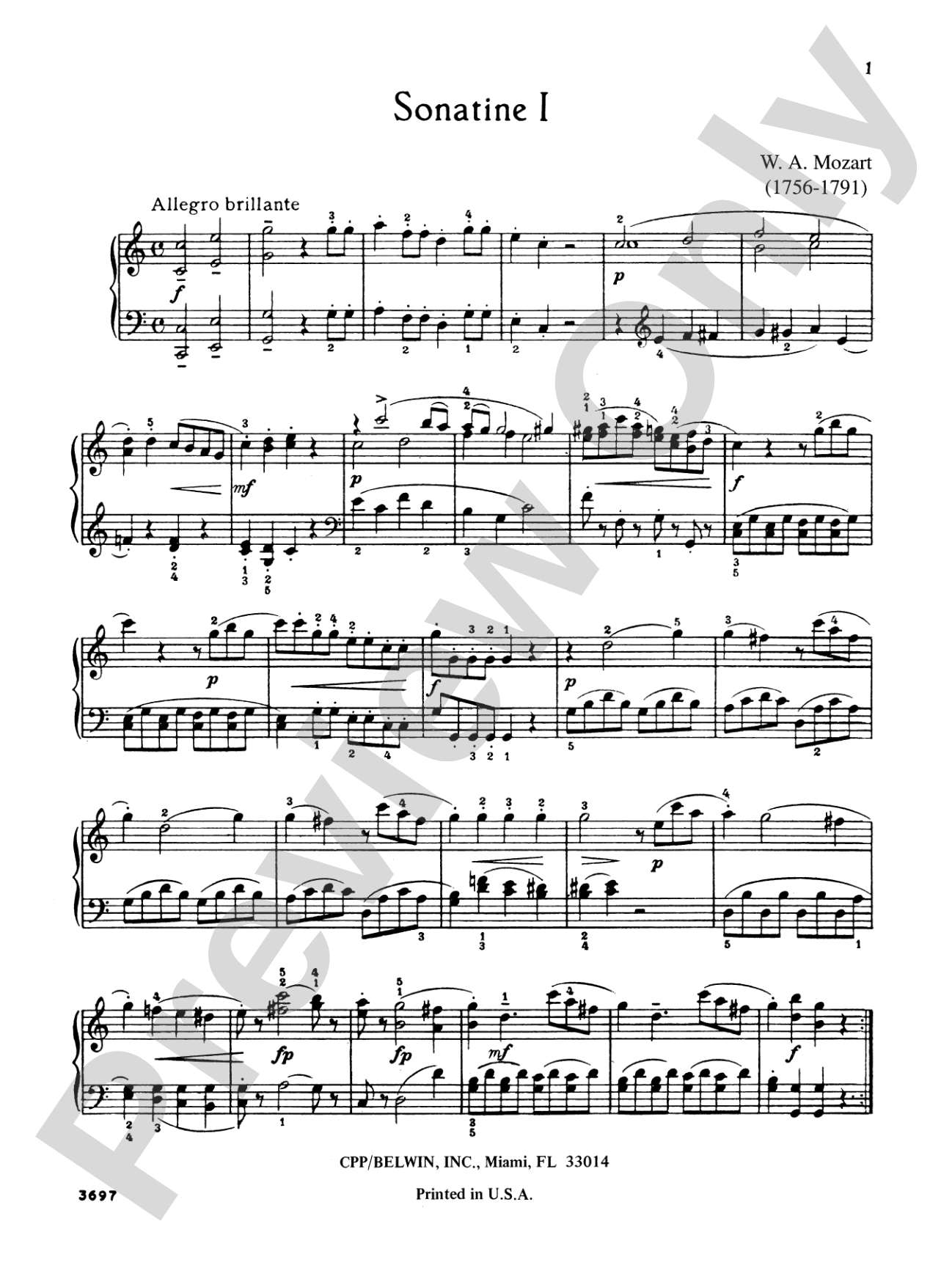
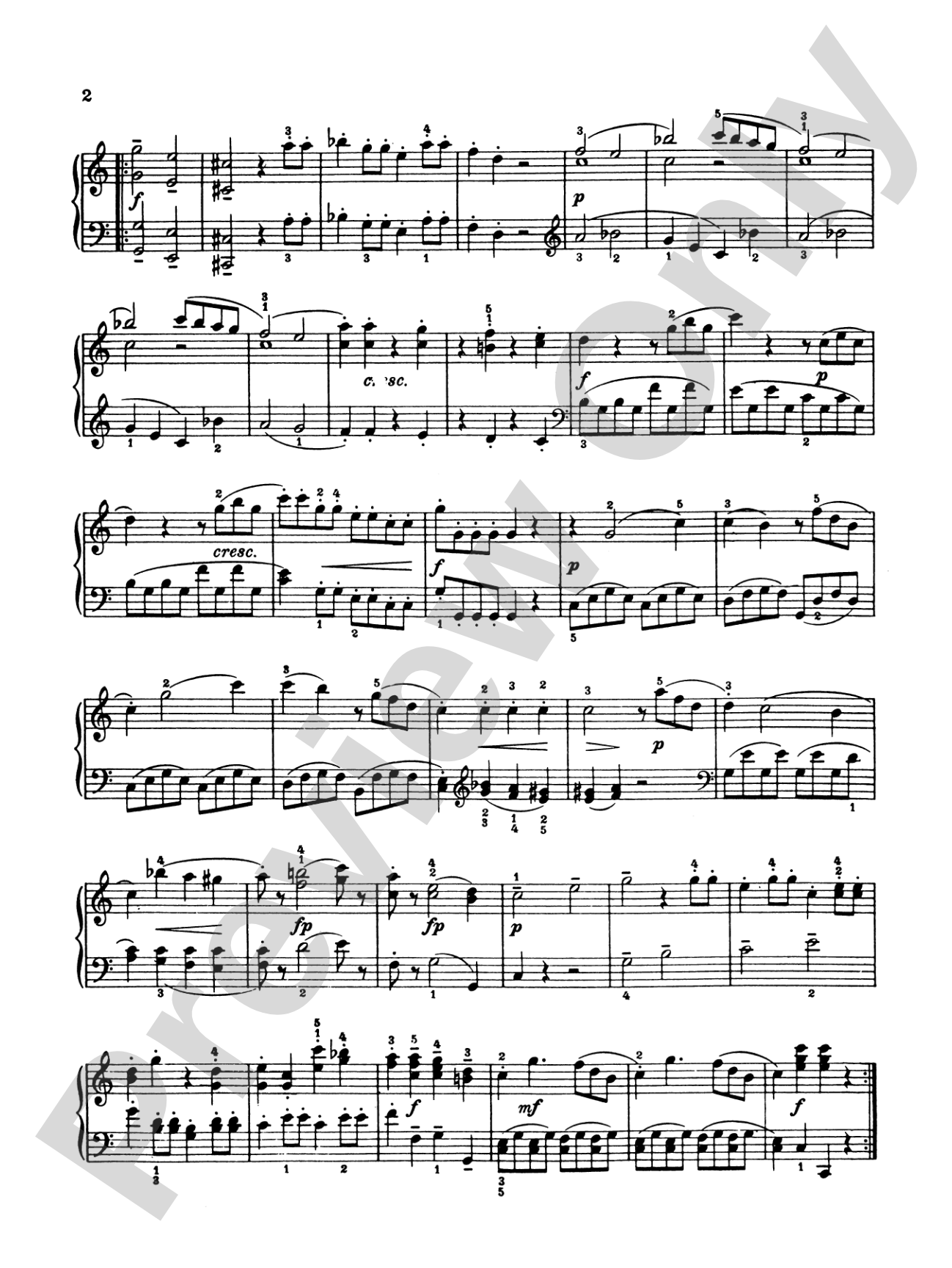
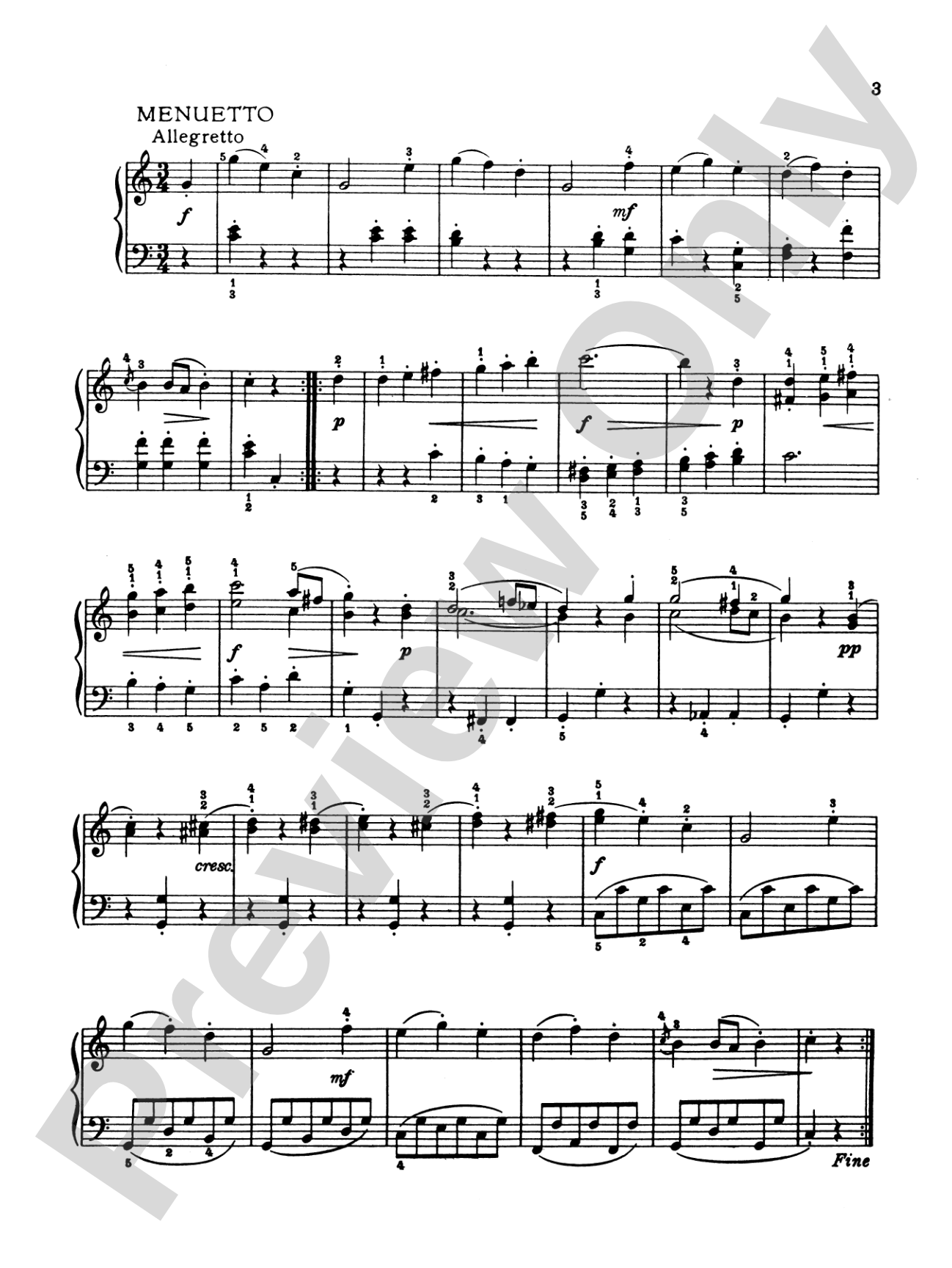
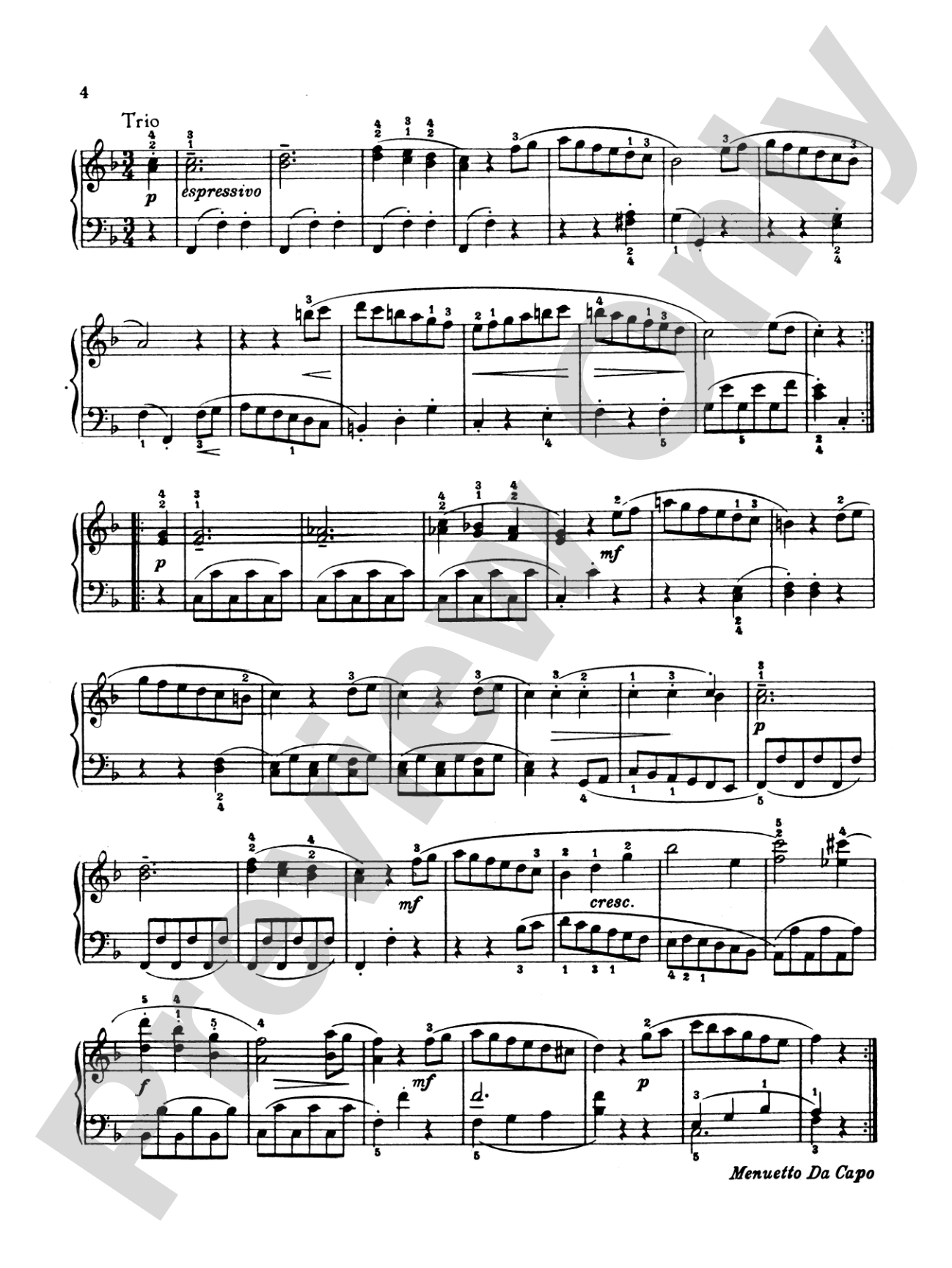
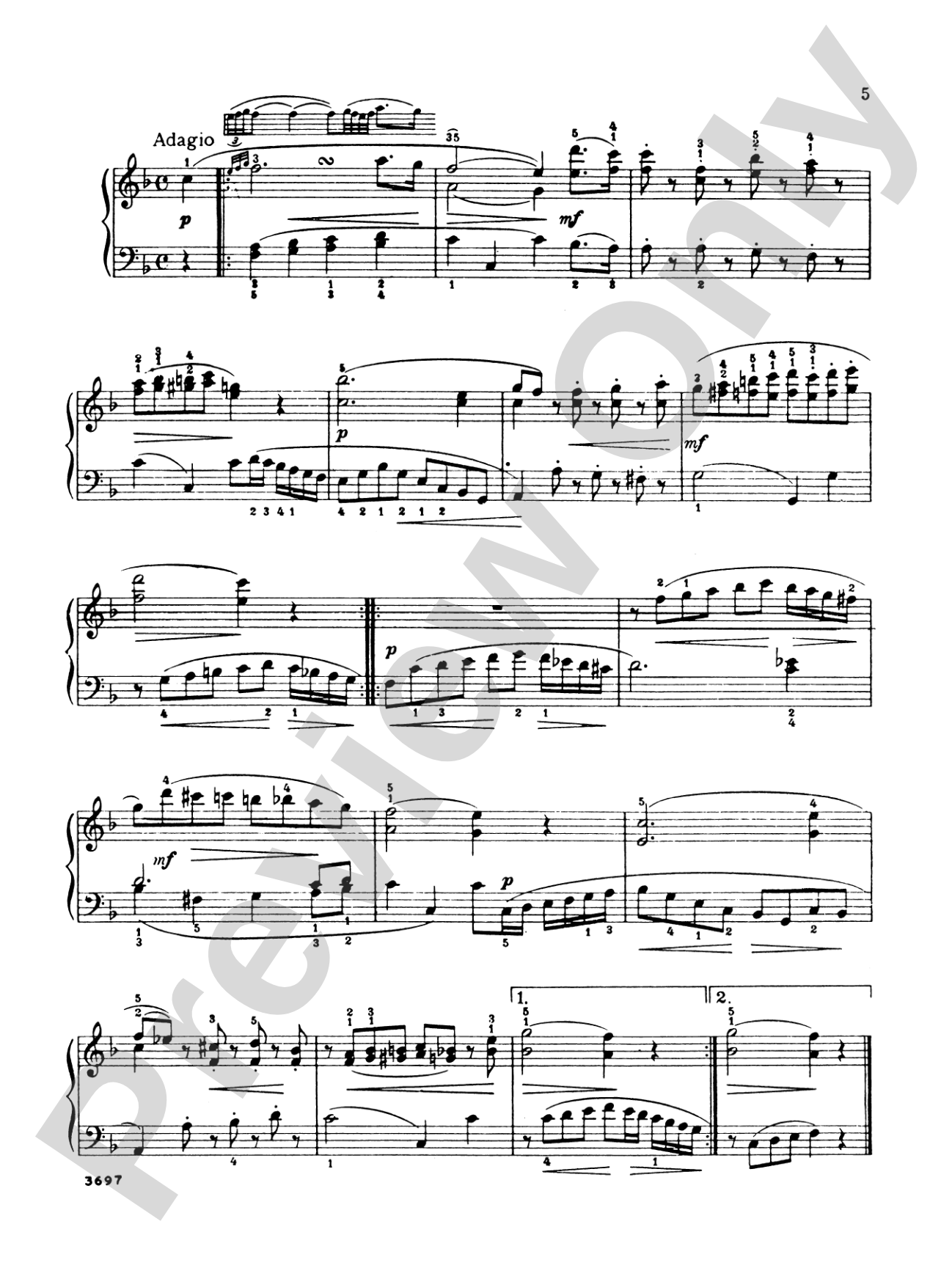
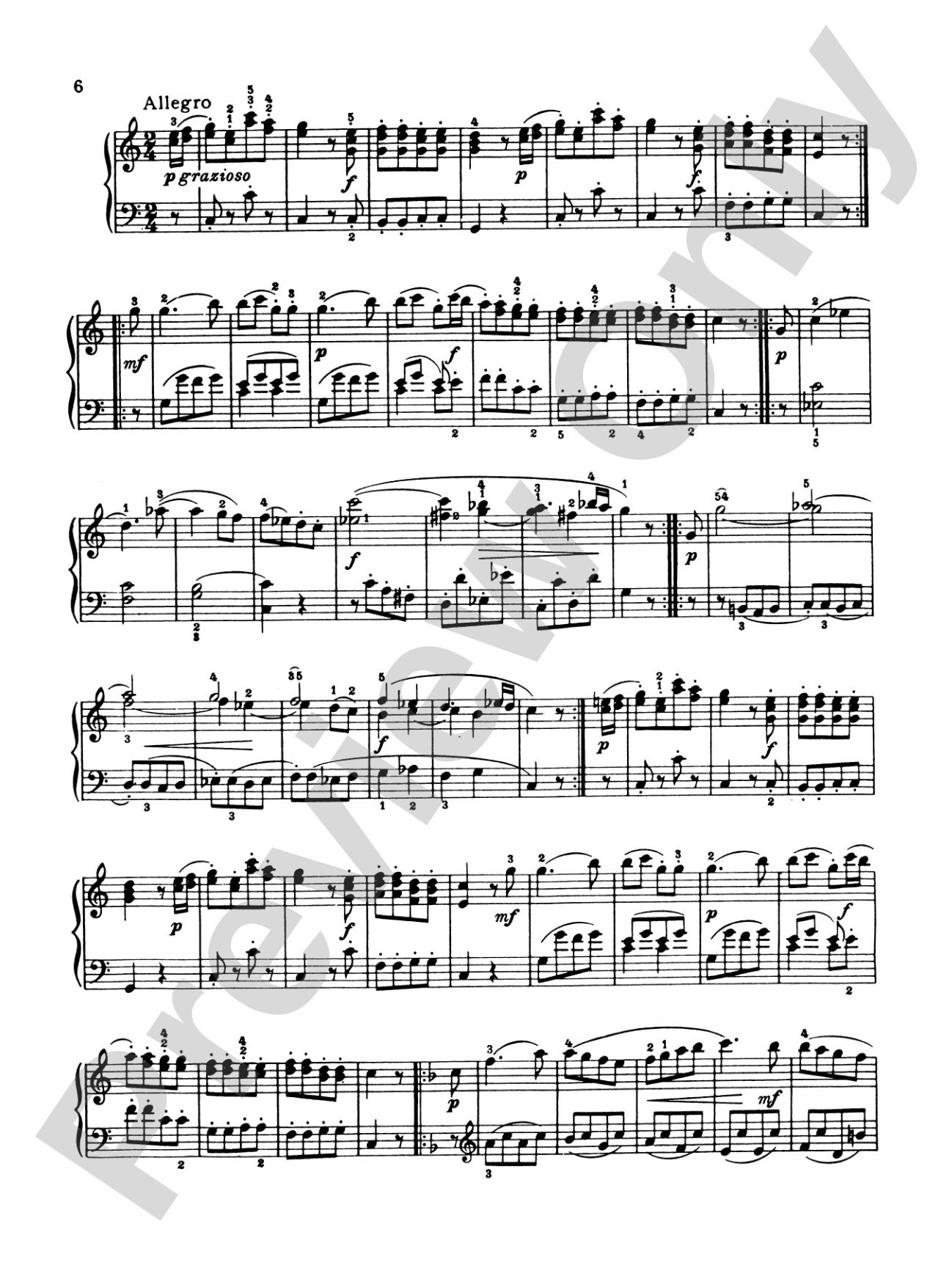
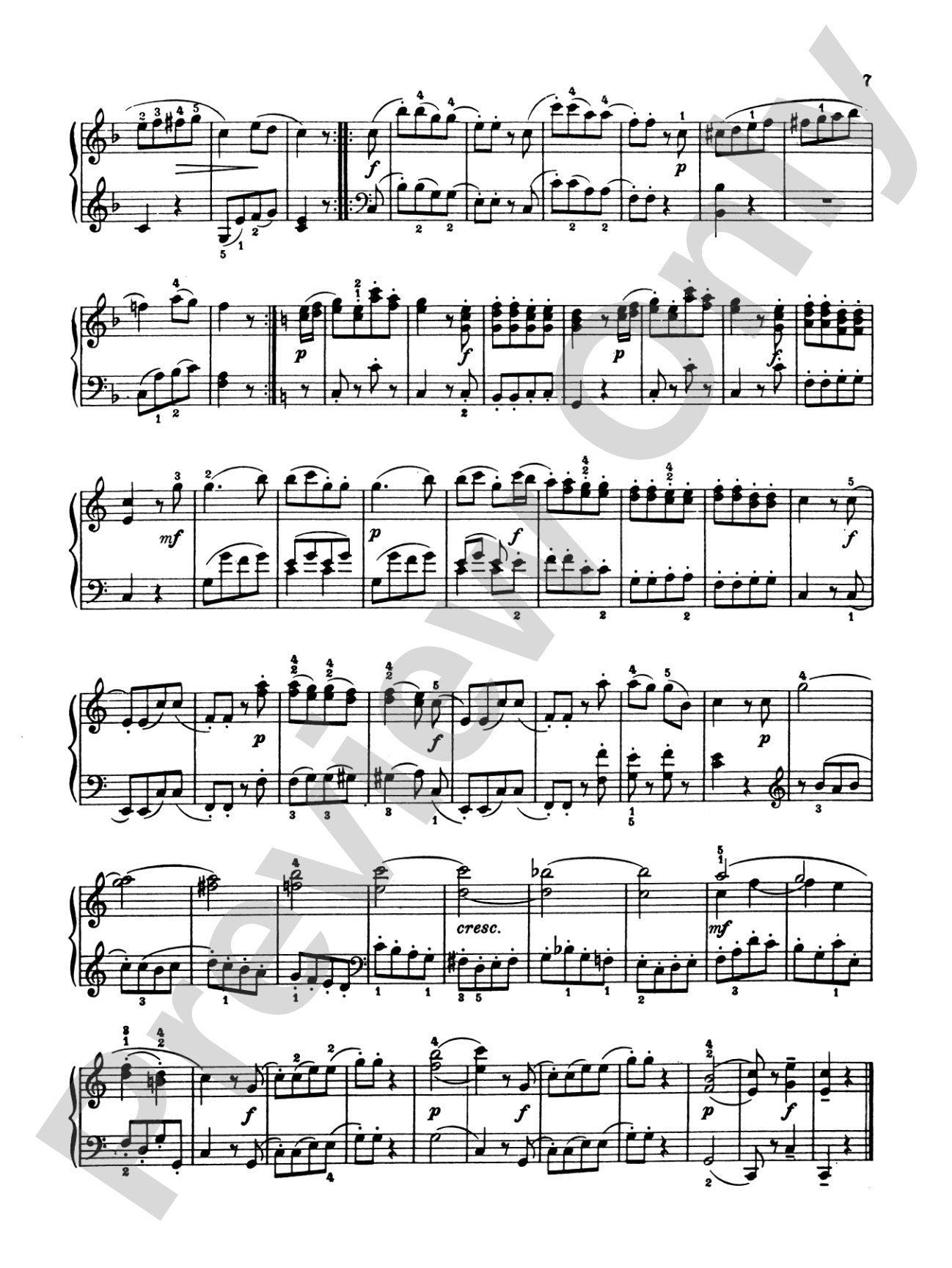

Mozart: Six Viennese Sonatinas: Piano Book
By Wolfgang Amadeus Mozart
Item: 00-PK-0003234

$9.99
Pickup currently not available
Buy Extra Parts (Digital PDF Download)
| Product | Price | Quantity |
|---|---|---|
| Mozart: Six Viennese Sonatinas | $0.99 | |
| Mozart: Six Viennese Sonatinas | $0.99 | |
| Mozart: Six Viennese Sonatinas | $0.99 | |
| Mozart: Six Viennese Sonatinas | $0.99 | |
| Mozart: Six Viennese Sonatinas | $0.99 | |
| Mozart: Six Viennese Sonatinas | $0.99 |
Parts Added to Cart!
Related Items
Six Viennese Sonatinas: Piano Book |
$9.95
|
View |
Description


Don't just read it, hear it, play along with it, and watch your students grow with it. In MakeMusic Cloud, Mozart: Six Viennese Sonatinas: Piano Book comes alive with professional accompaniment, adjustable tempo, and built-in practice tools that turn solo practice into real progress.
Open in the Player
Jump straight in and assign it today.
Start Your Free Trial
Open this title and explore the full library in minutes.
Sample Audio
No sample audio found.
Sample Video
No sample videos found.
Additional Details
Series:
Kalmus Edition
Publisher:
Alfred Music
Page Count:
36
SKU:
00-PK-0003234
More about this title
About the Composer: Wolfgang Amadeus Mozart
Wolfgang Amadeus Mozart (1756-1791) shaped the Classical era through his prolific output across every major genre. Born in Salzburg, he achieved mastery of compositional form while still a child, and his works became the foundation for how we understand harmonic language, phrase structure, and instrumental idiom.
Mozart's sonatinas occupy a fascinating middle ground in his output. Written for students and amateur pianists, they distill his genius for melody and proportion into forms that remain musically substantial without overwhelming developing players. These works demonstrate that accessibility and sophistication are not opposites.
Why we love this
These sonatinas anchor a student's understanding of Classical form without resorting to simplification or condescension. Each piece balances technical accessibility with genuine musical ideas, making them ideal for pianists ready to move beyond early-elementary method books into real repertoire. They've remained standard teaching fare for nearly two centuries because they work.
What to expect
Elegant and conversational, with melodies that feel like they're being confided to you directly. The textures are cleanly voiced and proportional; there's a lightness of spirit here even in minor keys, and a sense that every phrase has something worth saying.
Who it's for
Pianists in the early intermediate range (approximately grades 4-6 in traditional method book progression) who are ready for single-movement and multi-movement works grounded in actual Classical structures. Teachers seeking repertoire that bridges the gap between method books and the larger sonata literature will find these essential.
How to get the most out of it
- Shape each phrase with clear point of arrival; Mozart's melodies sing best when you hear them as complete musical thoughts rather than note-by-note journeys
- Keep the Alberti bass patterns rhythmically alive and texturally transparent; resist the urge to weight every eighth note equally
- Observe all repeats unless otherwise marked; the internal repetitions are structural and often reveal new details on the second hearing
- Pay attention to articulation markings and rests as actively as you do to notes; Mozart uses silence to define phrasing
How to use it
Program individual sonatinas on student recitals alongside works by Beethoven, Schumann, or Kabalevsky to show the breadth of Classical and early Romantic writing. They also work beautifully as a teaching sequence across a full year, with students working through multiple pieces to internalize the conventions of the form.
Skills your students will build
- Recognizing and executing sonata form (exposition, development, recapitulation)
- Playing alberti bass patterns with rhythmic clarity and textural independence from melody
- Phrase shaping and articulation in Classical style
- Sight-reading and interpreting classical articulation markings (staccato, legato, accent)
- Hand independence and two-part writing clarity