
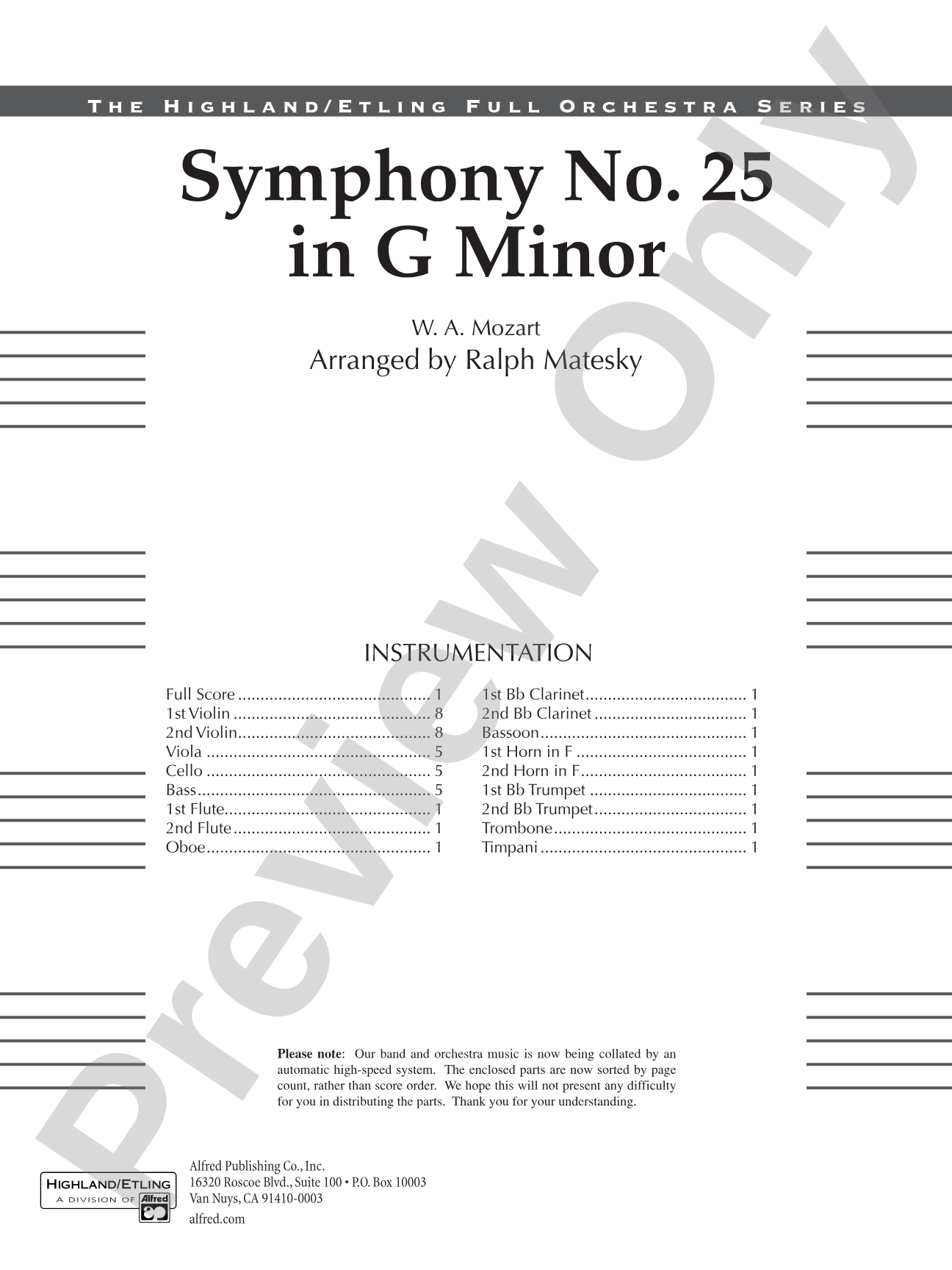

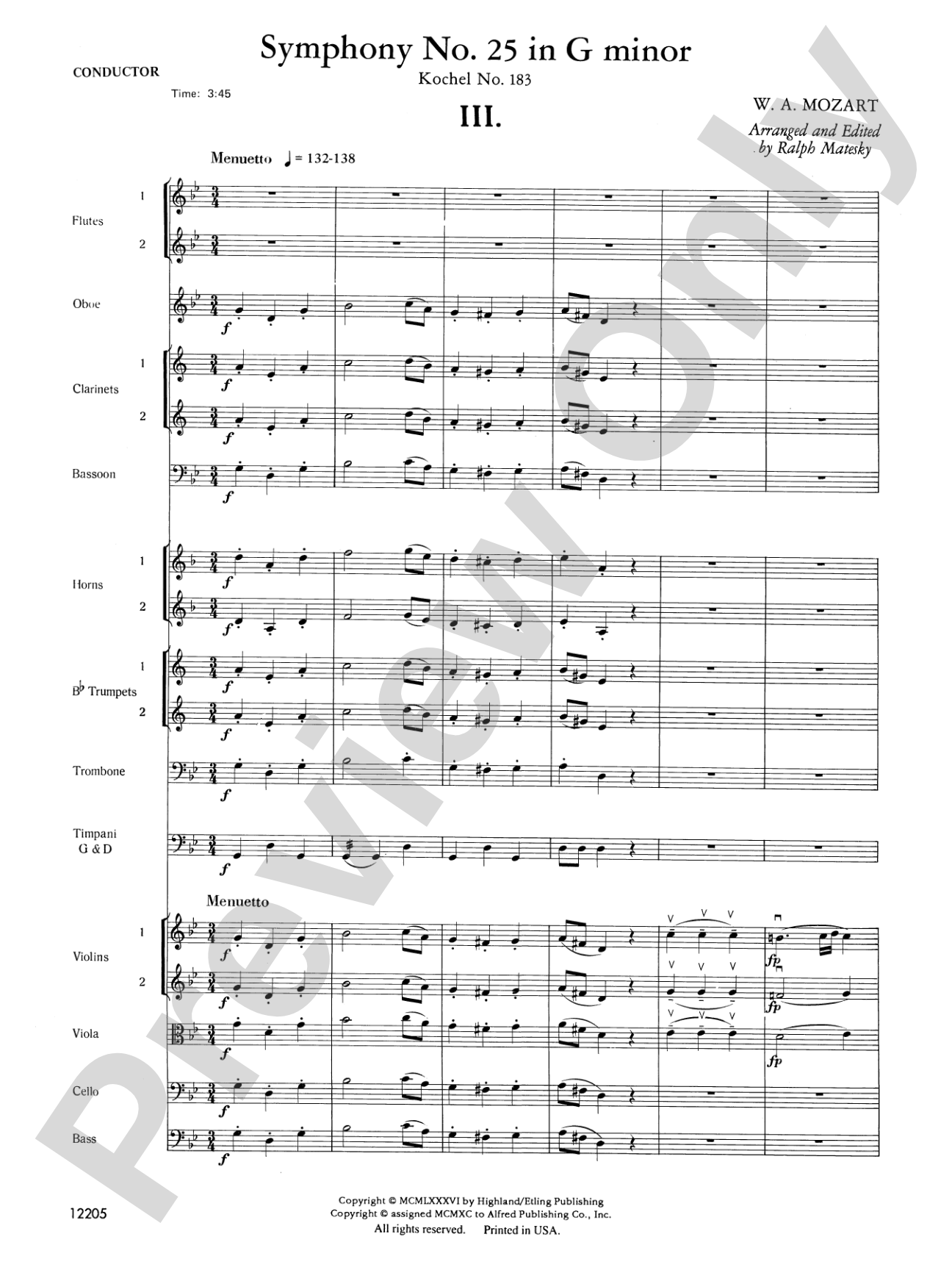
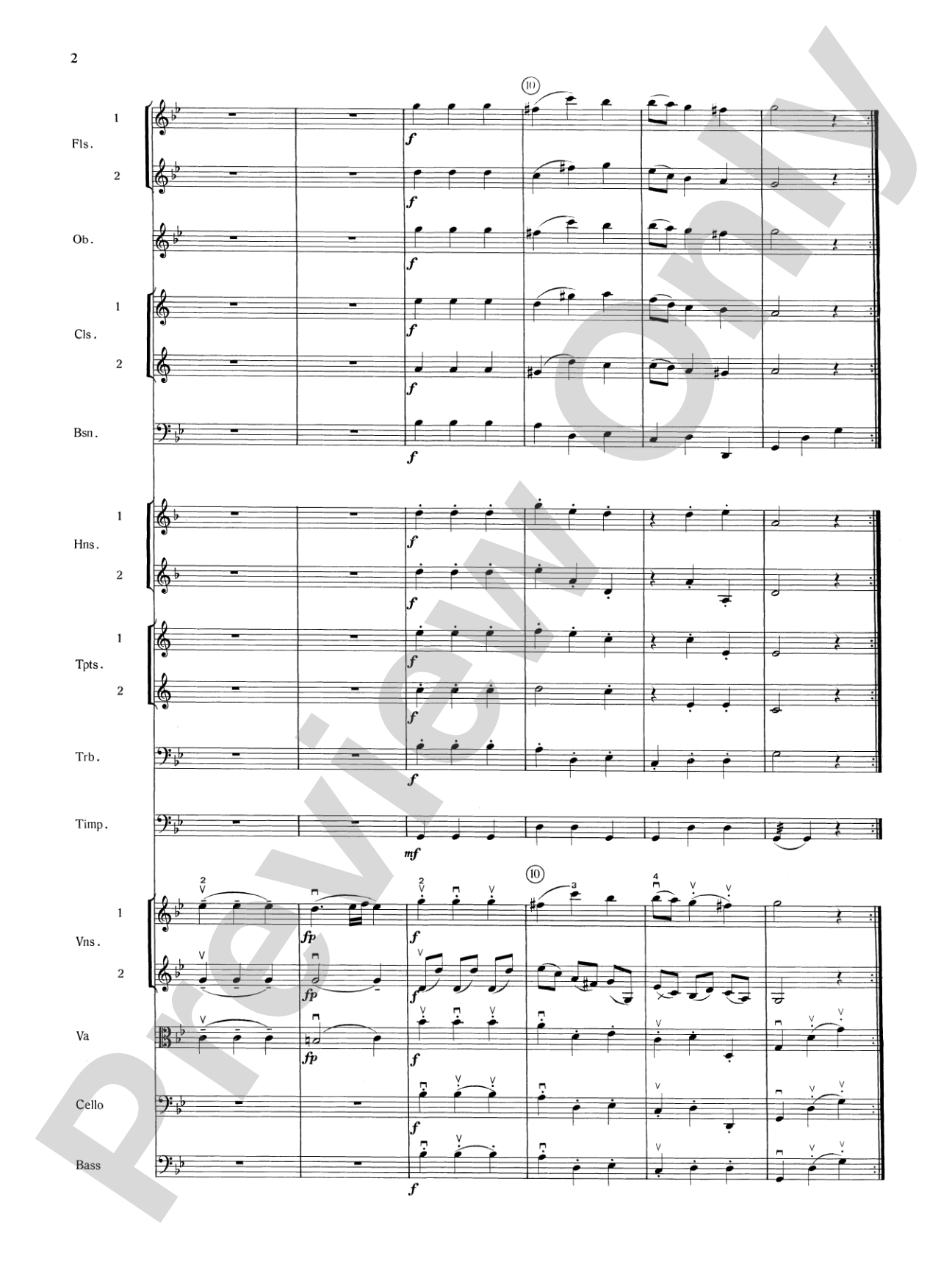
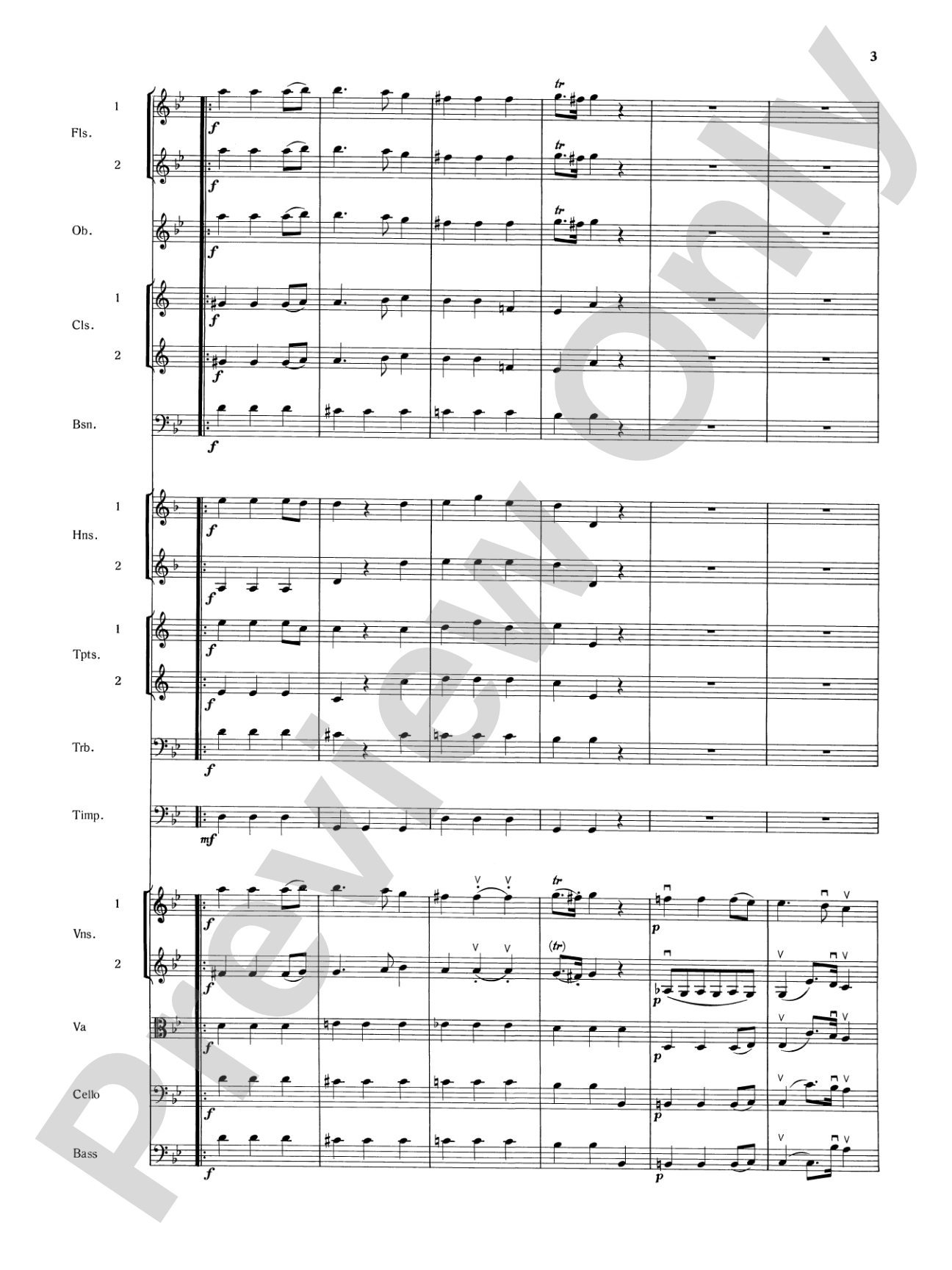
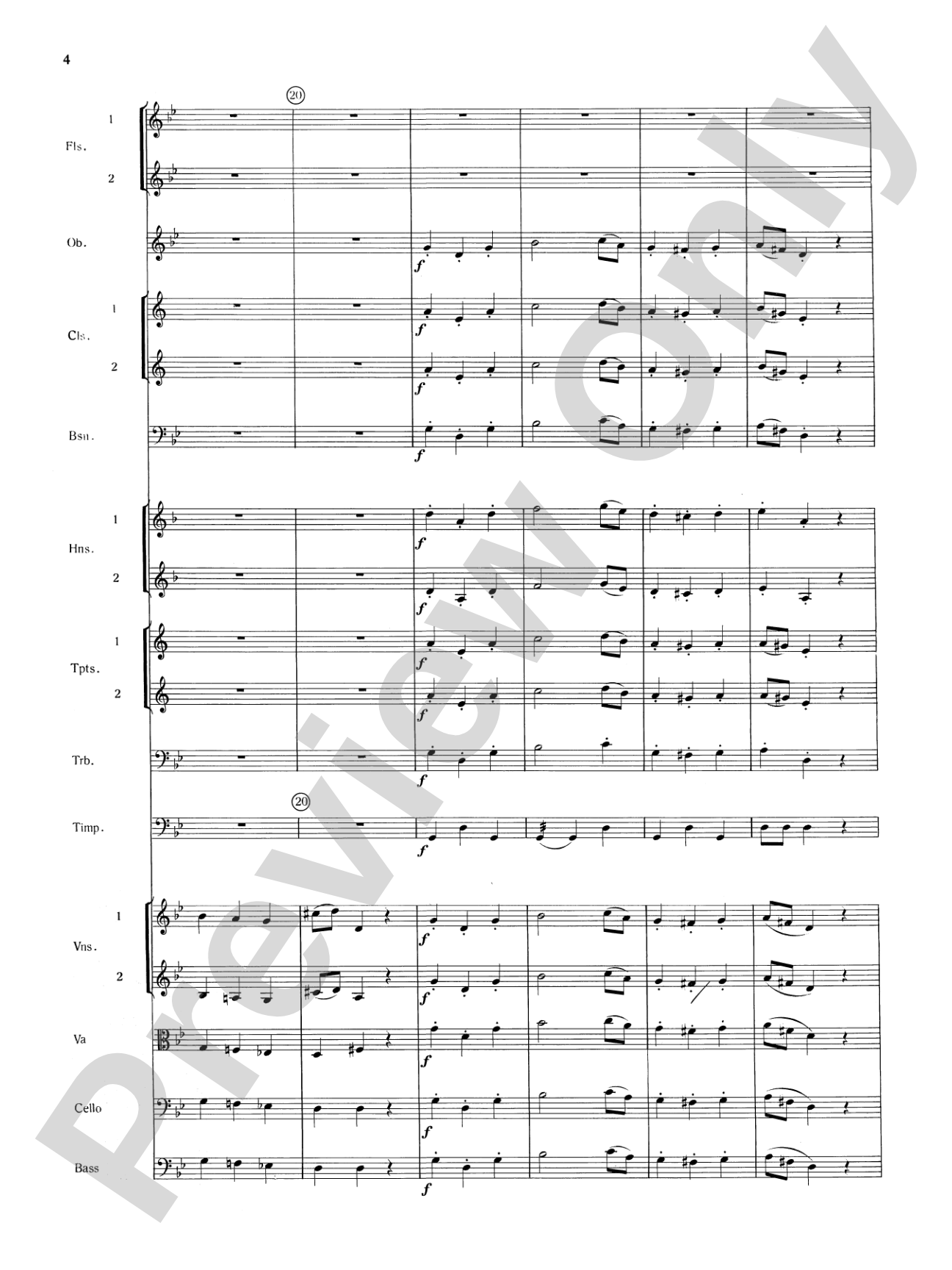
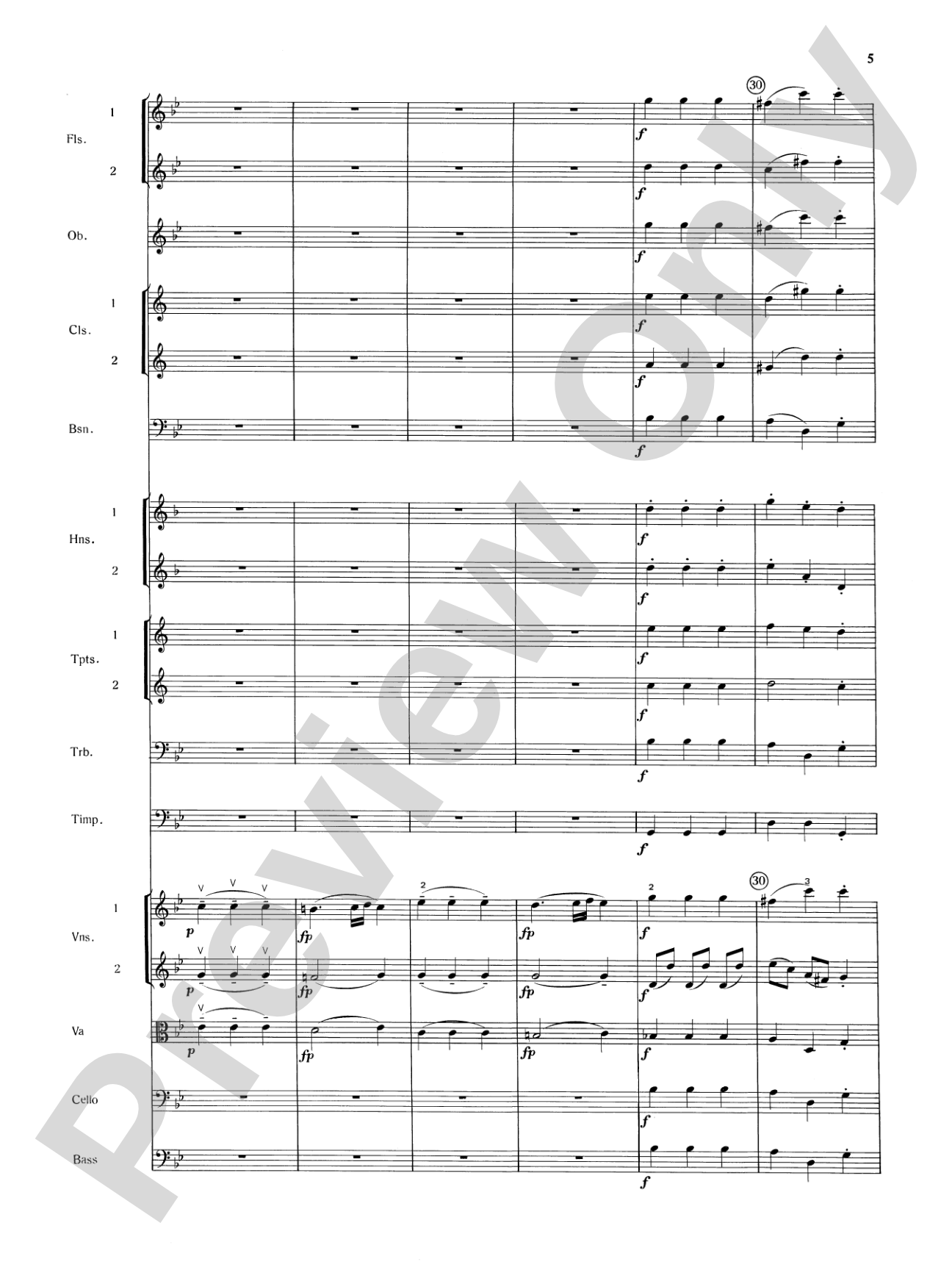
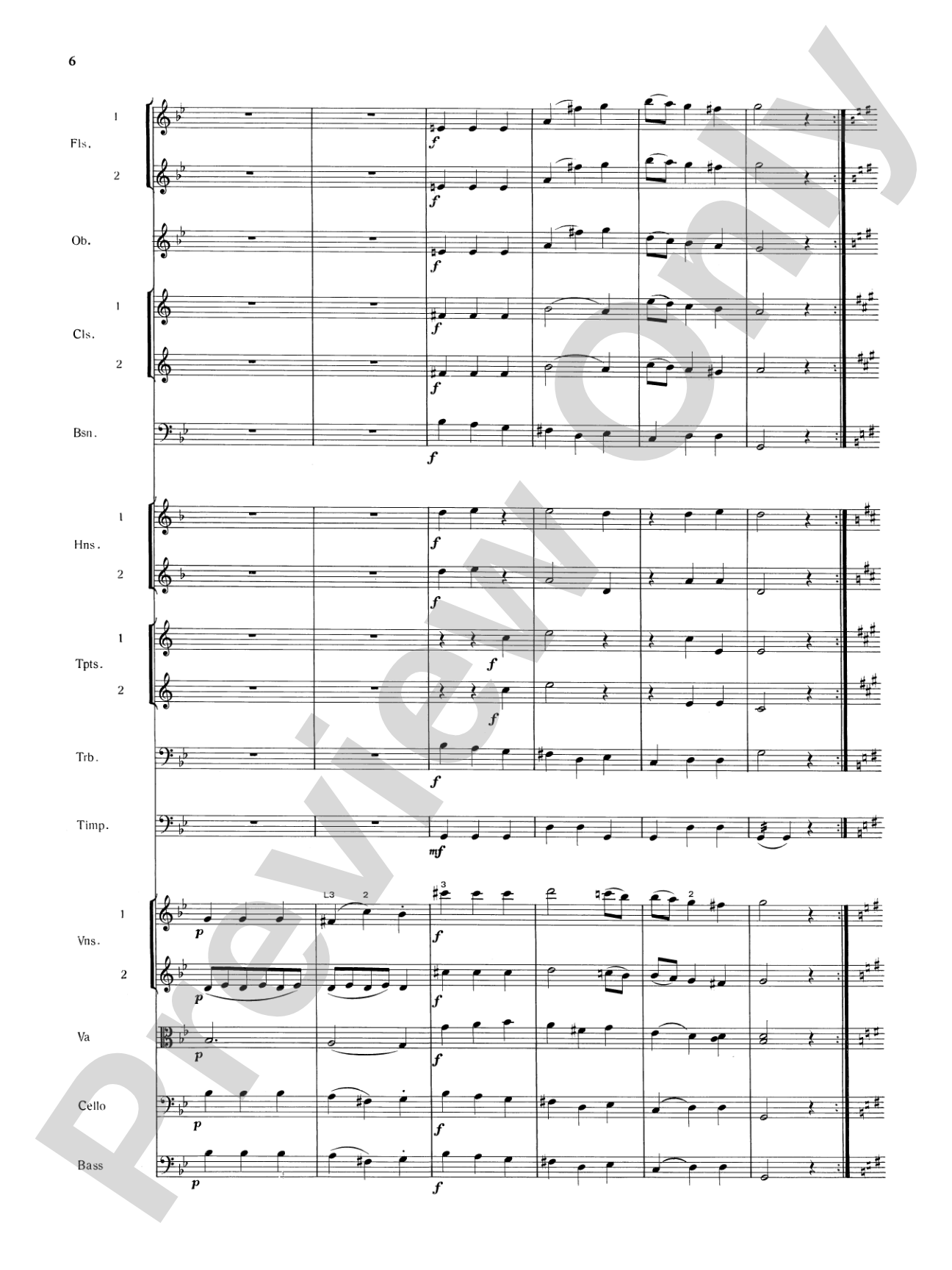
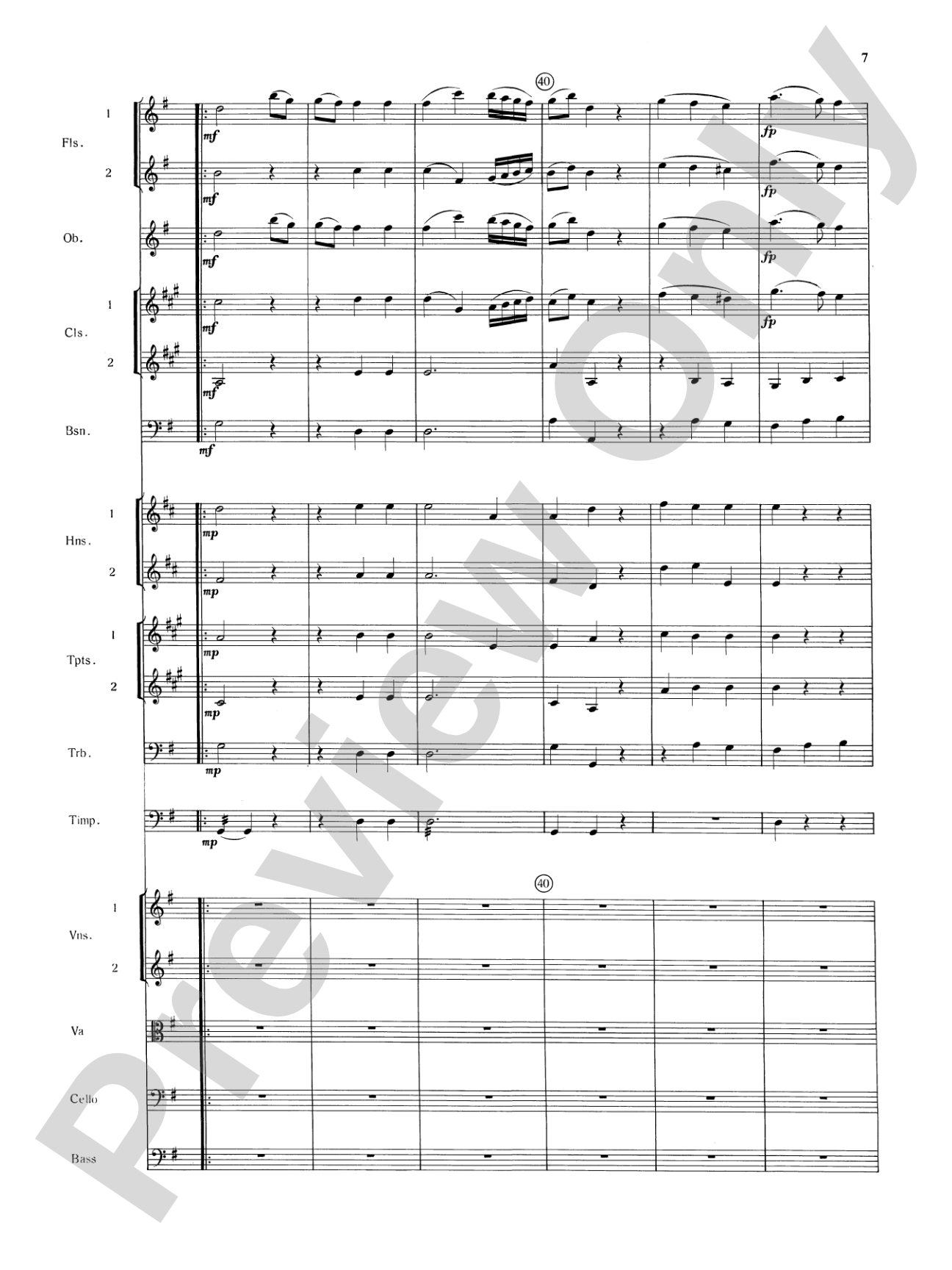
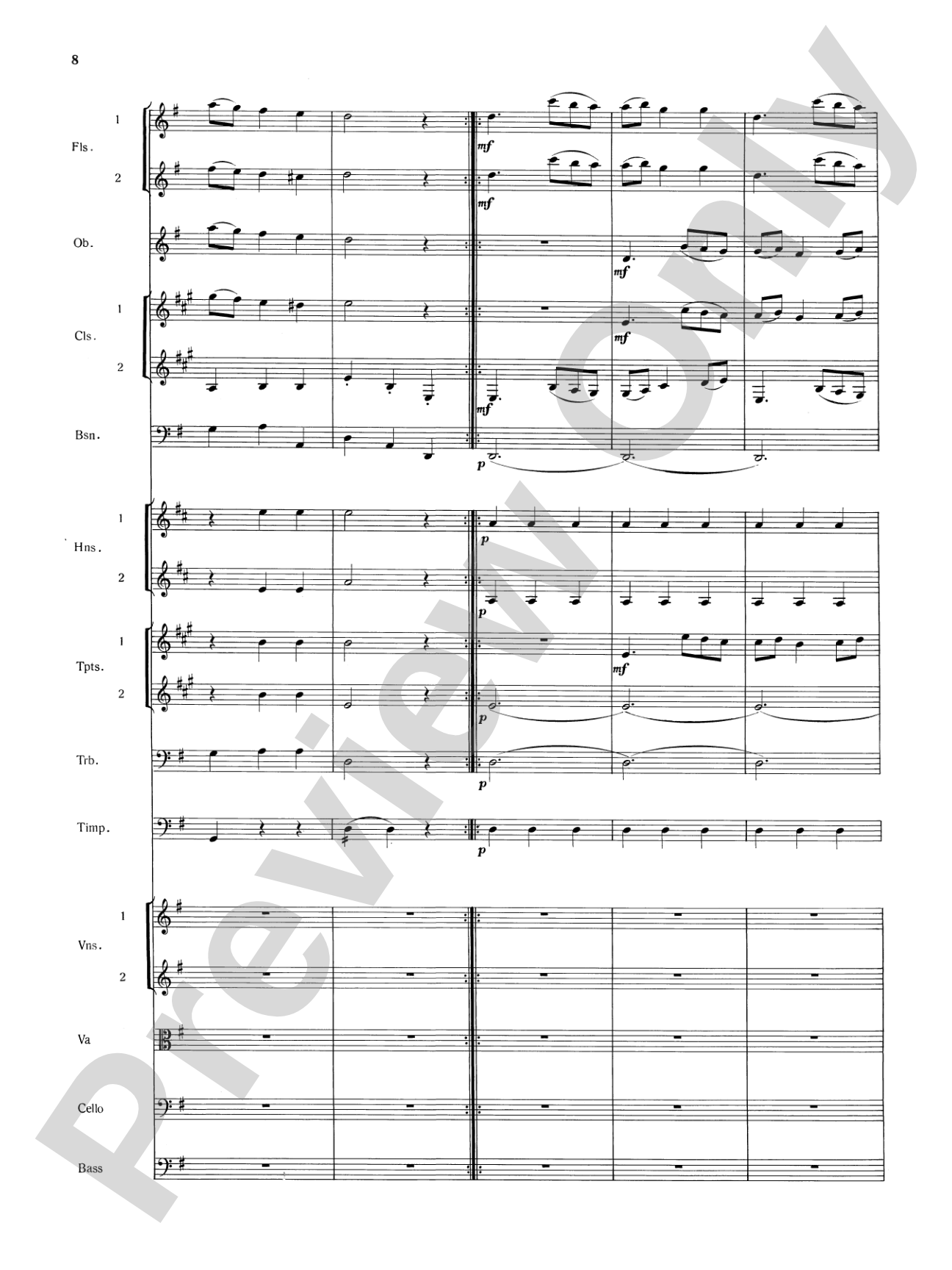
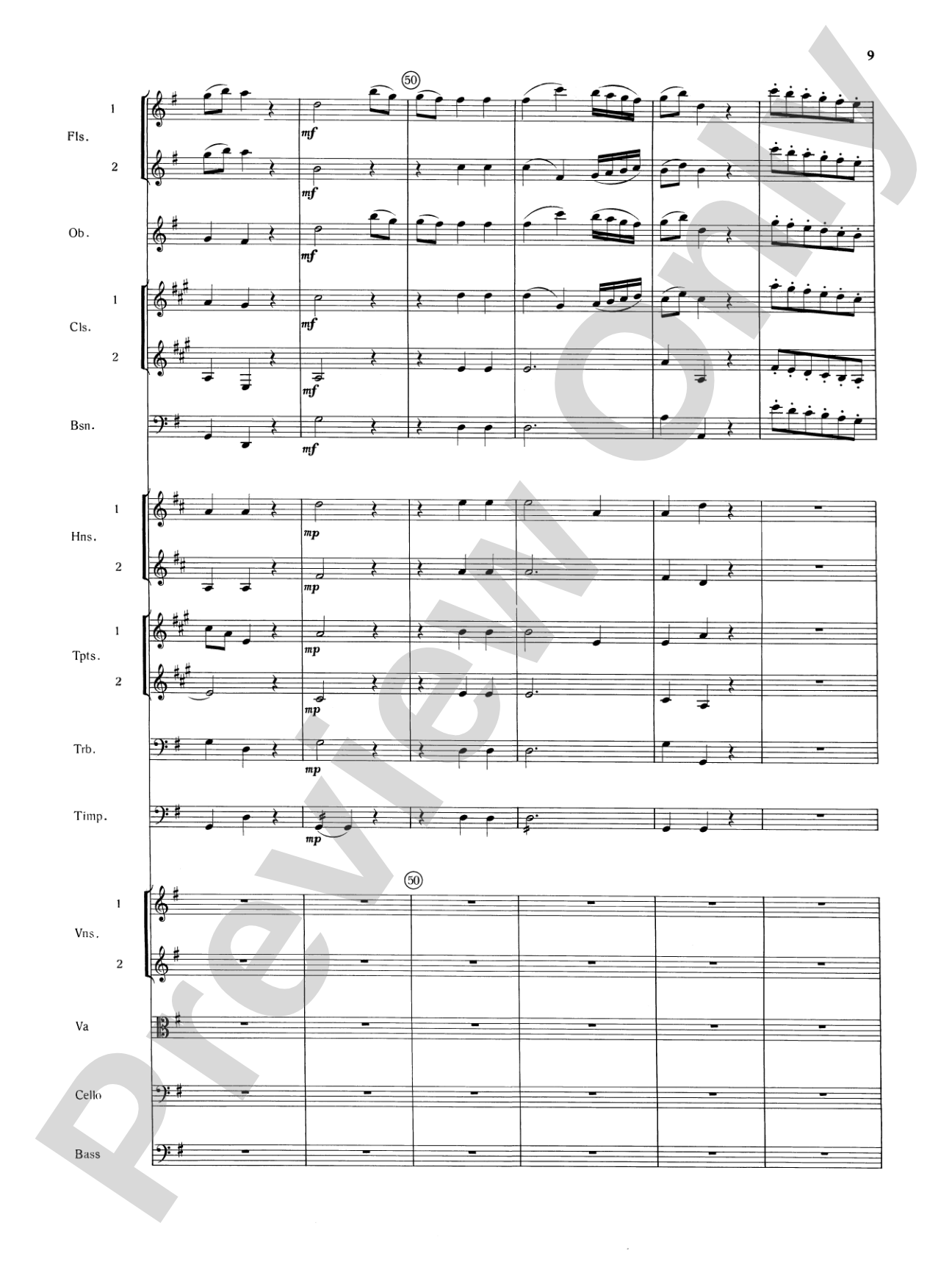
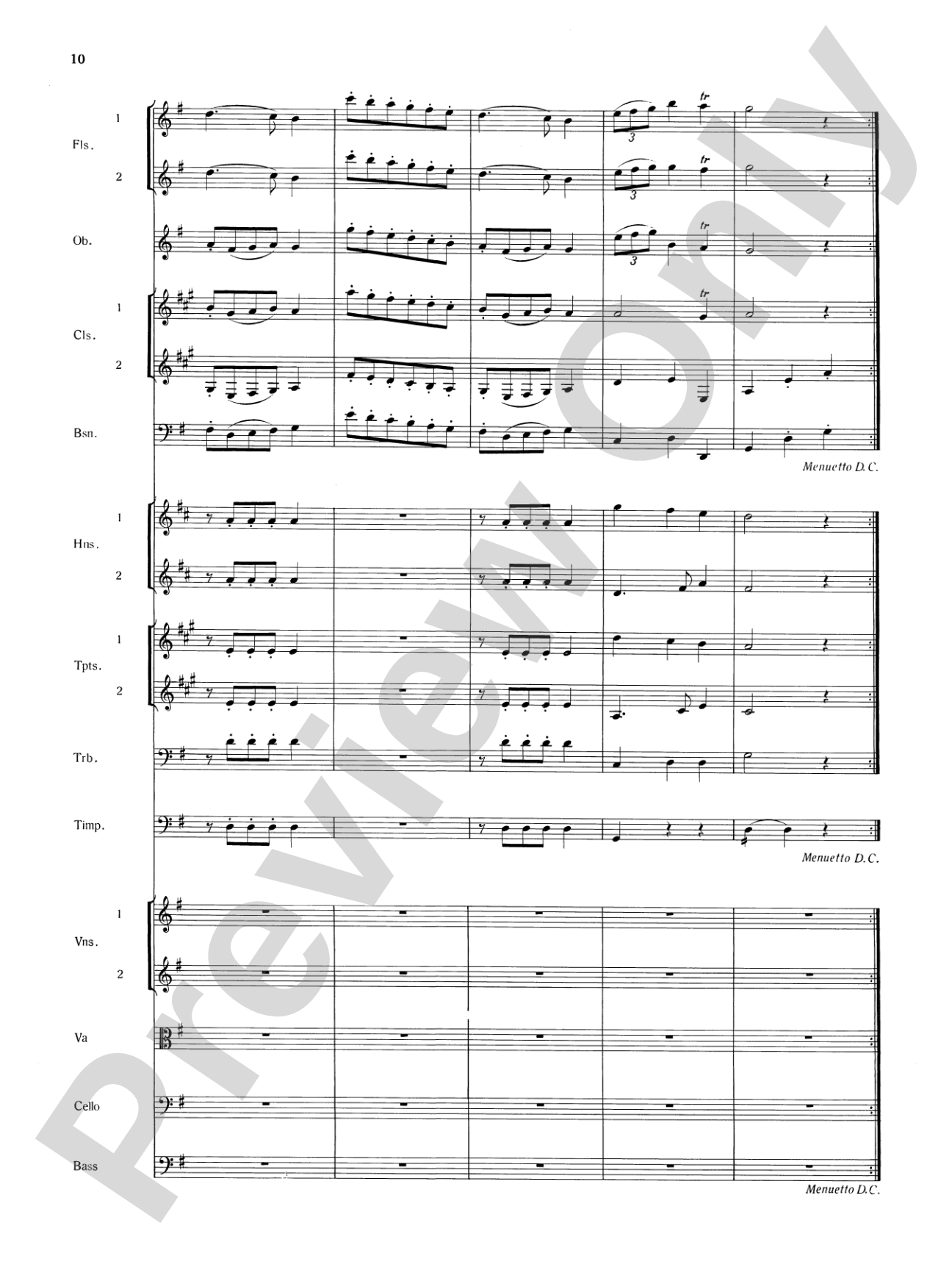
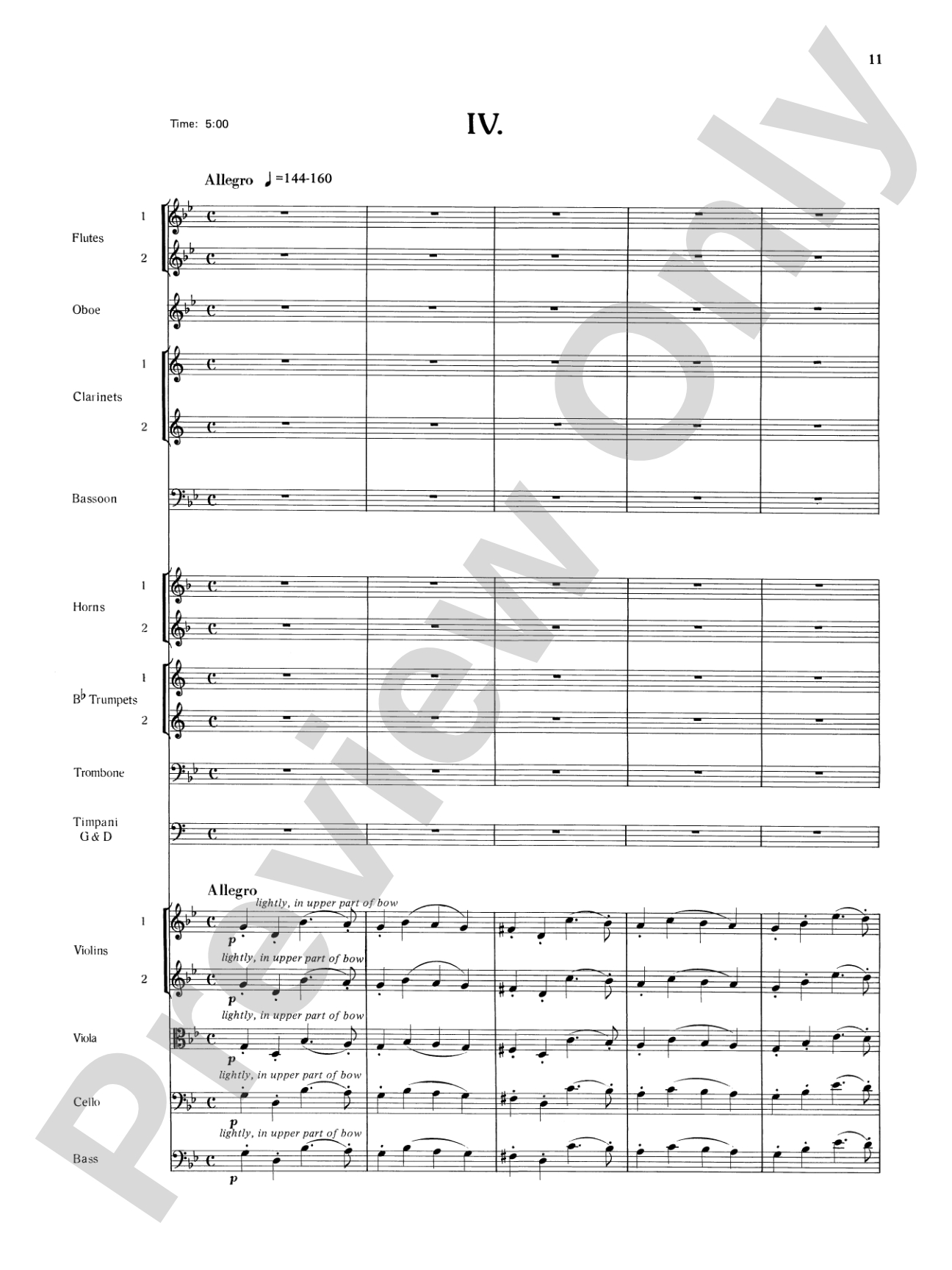
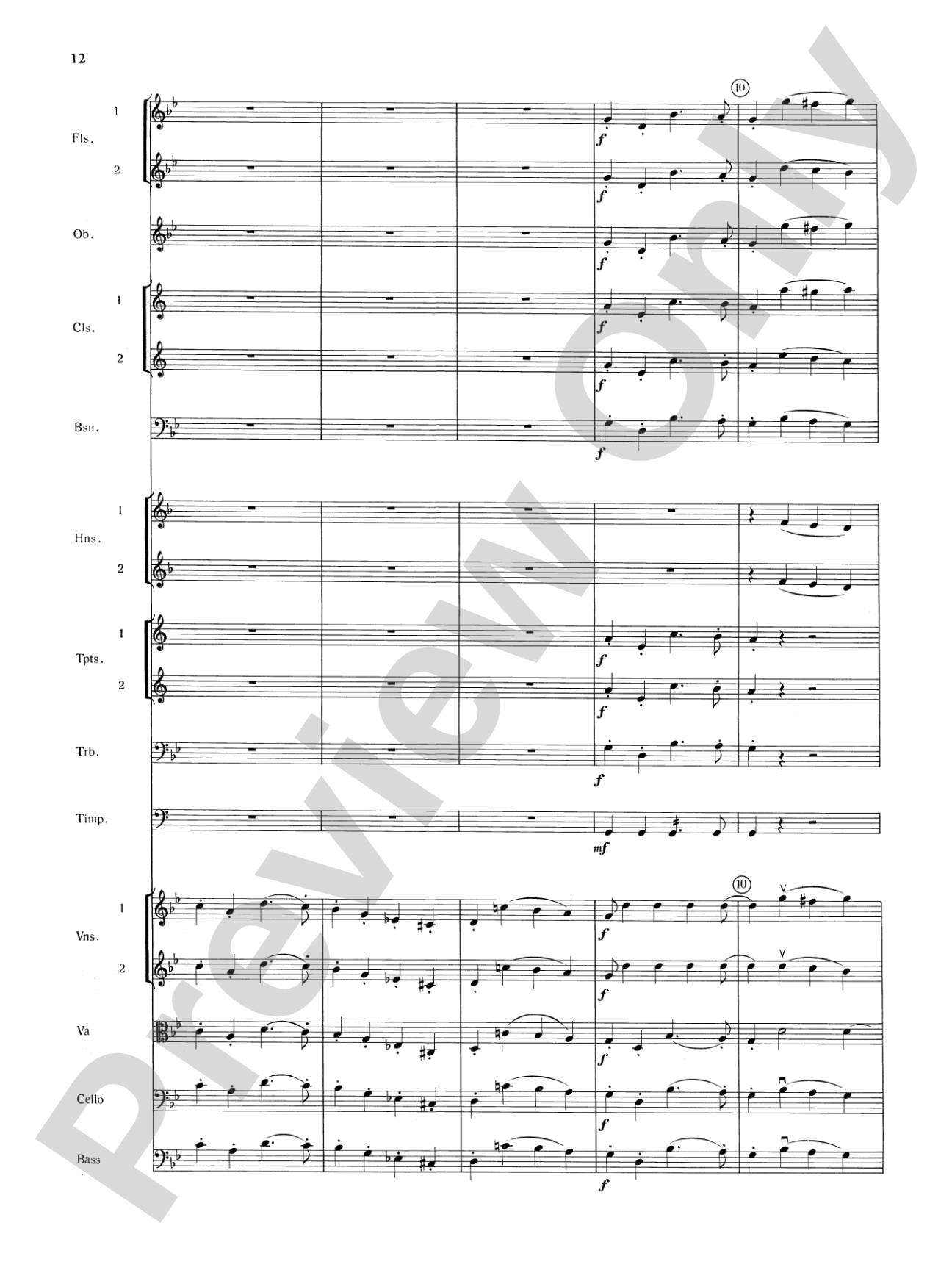
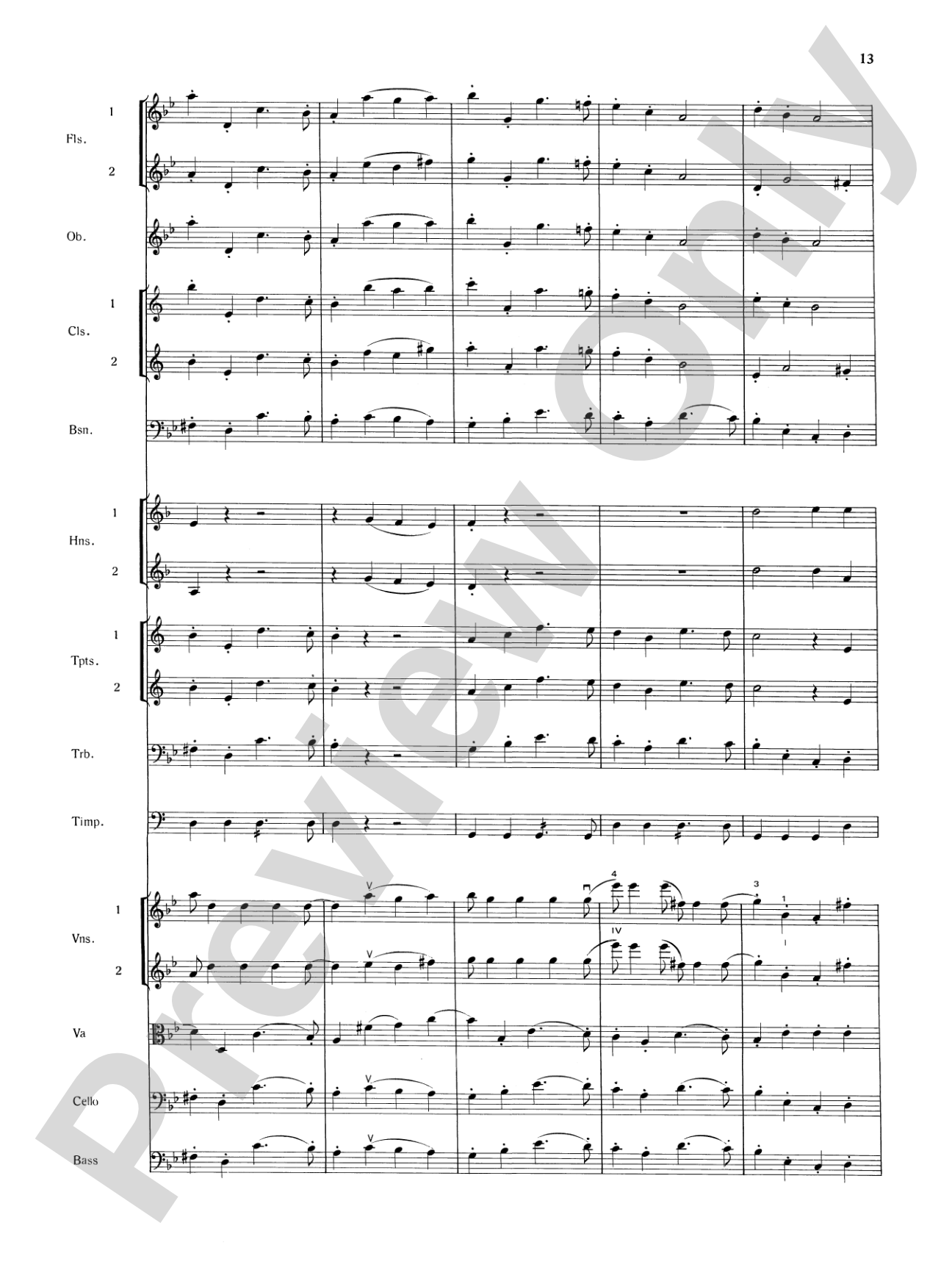
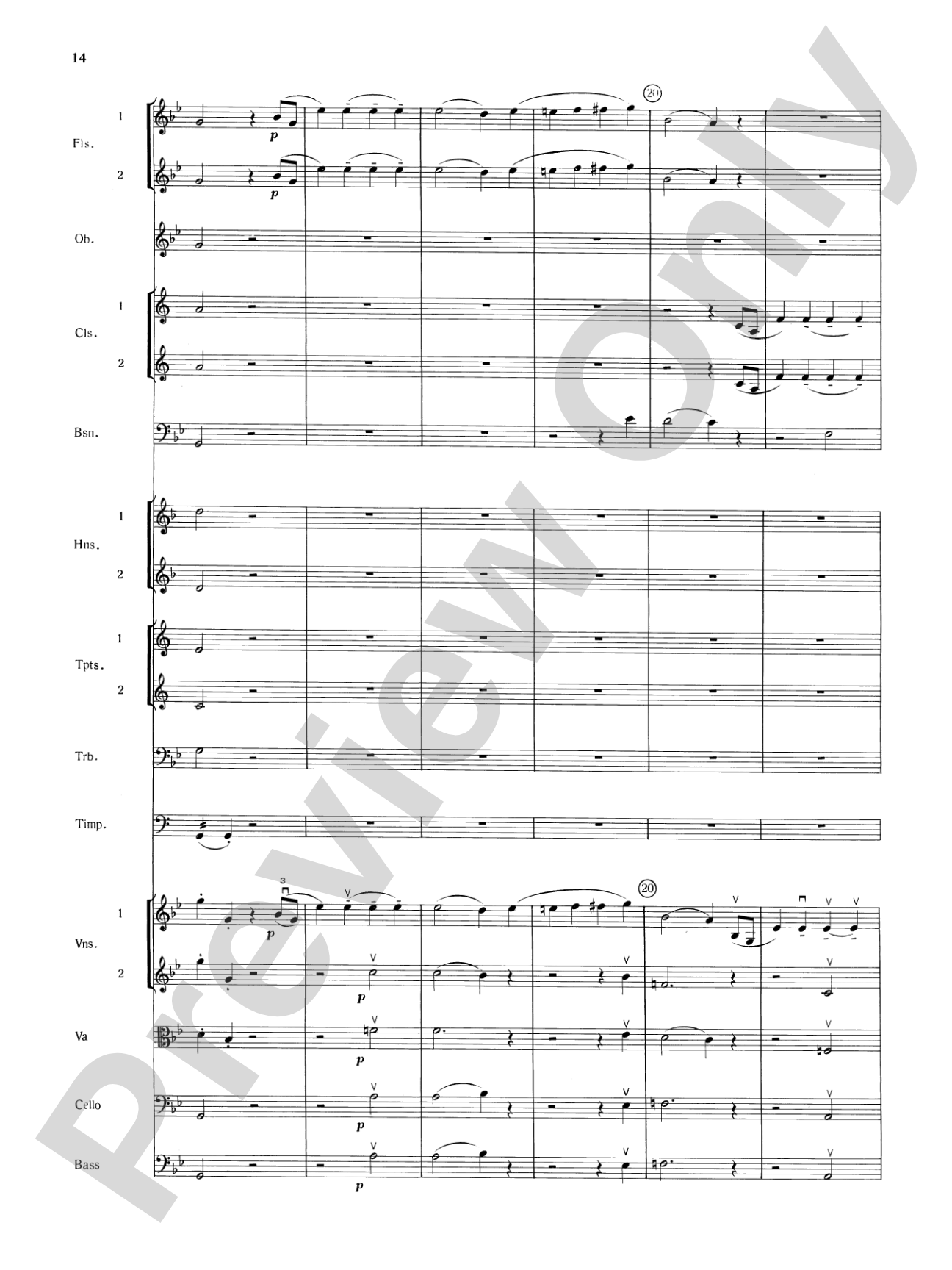
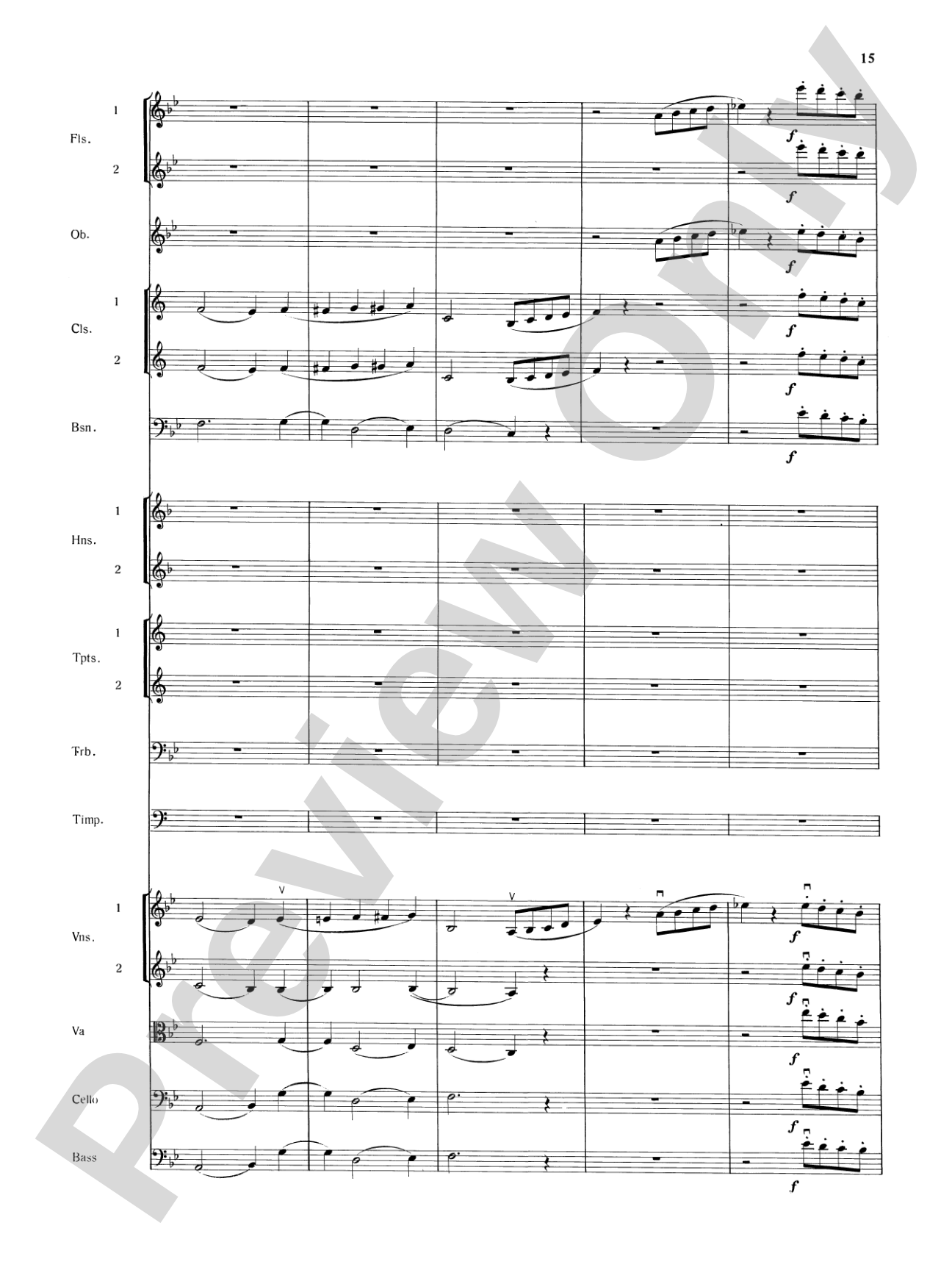
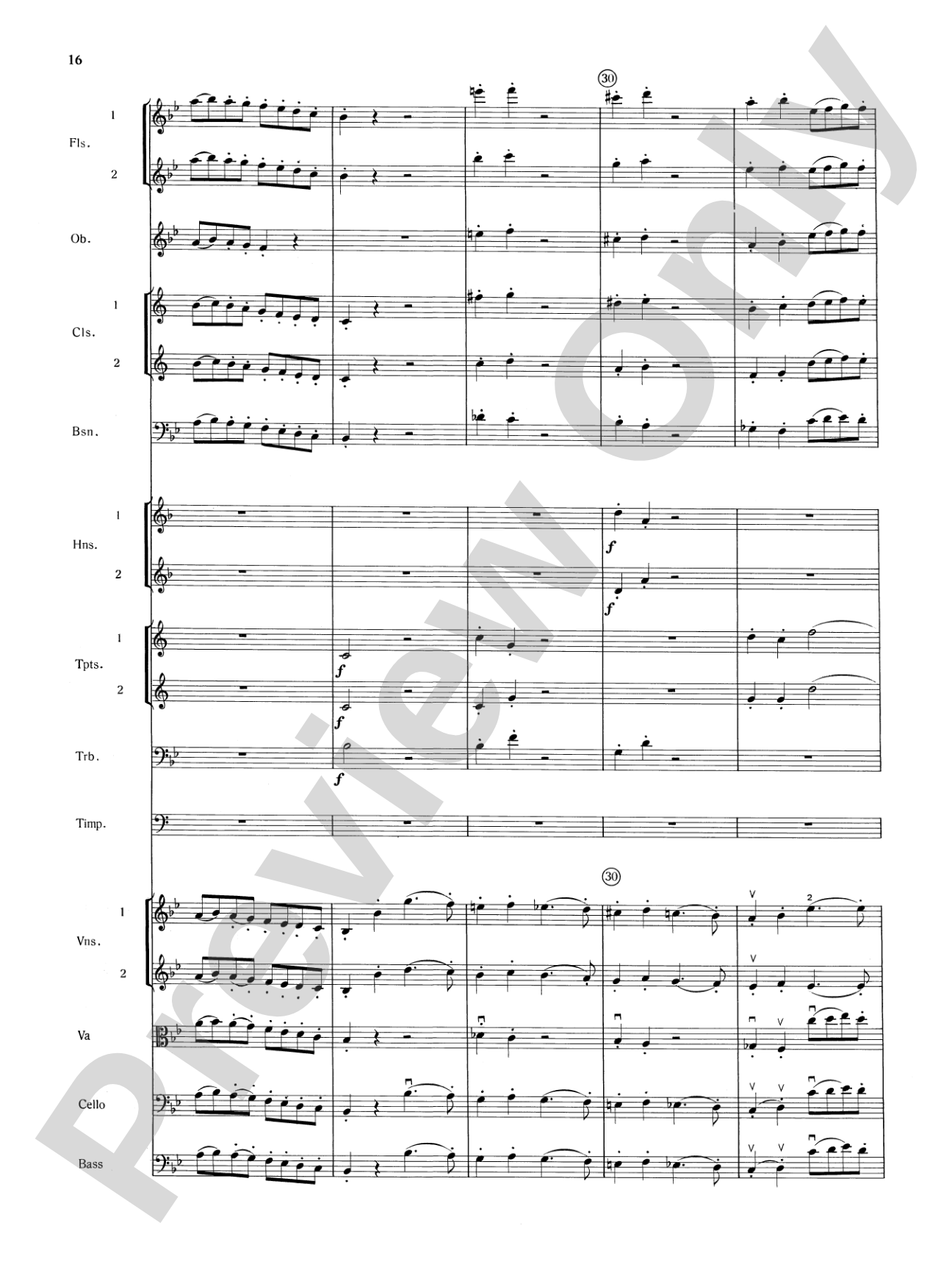
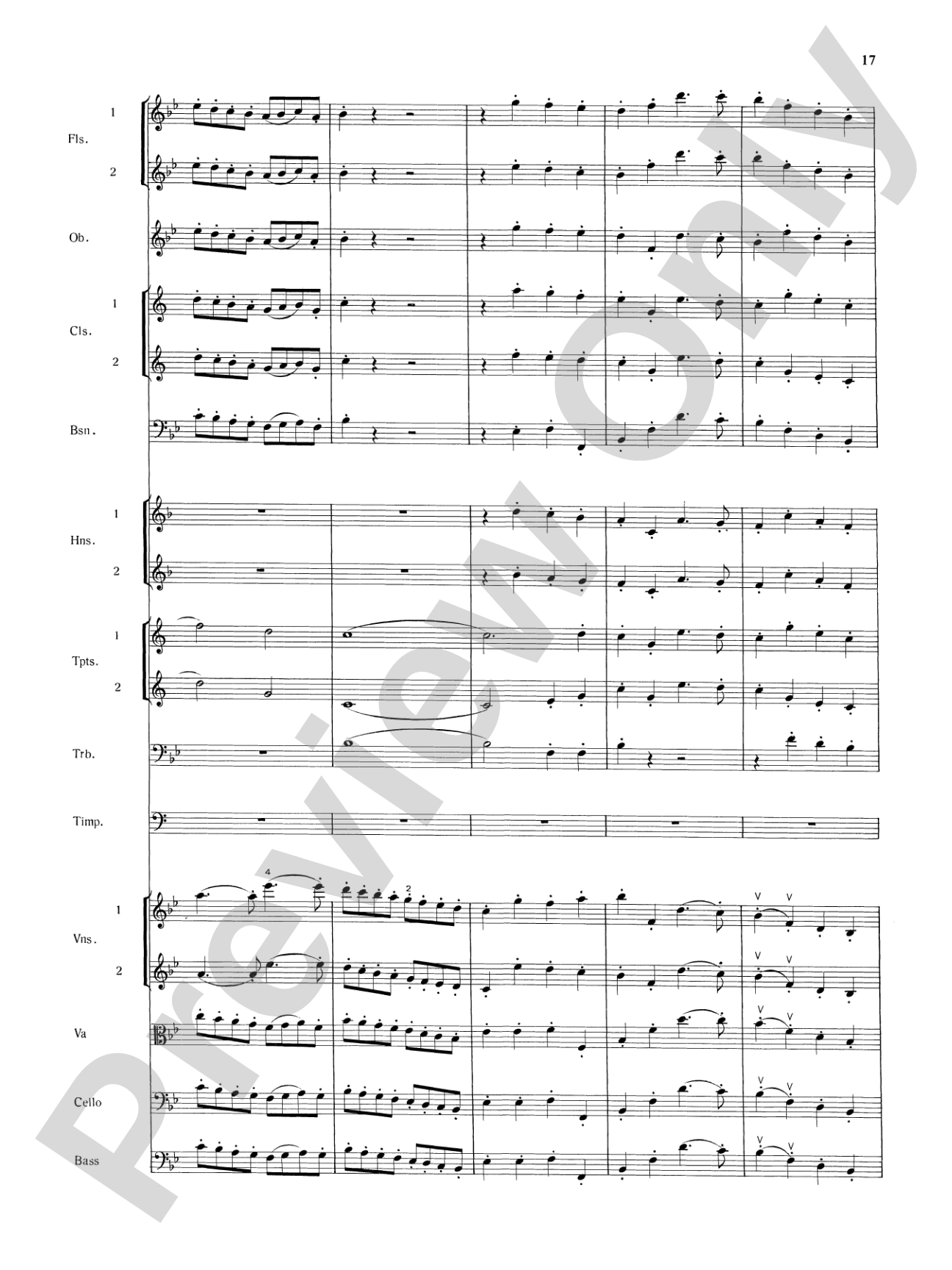
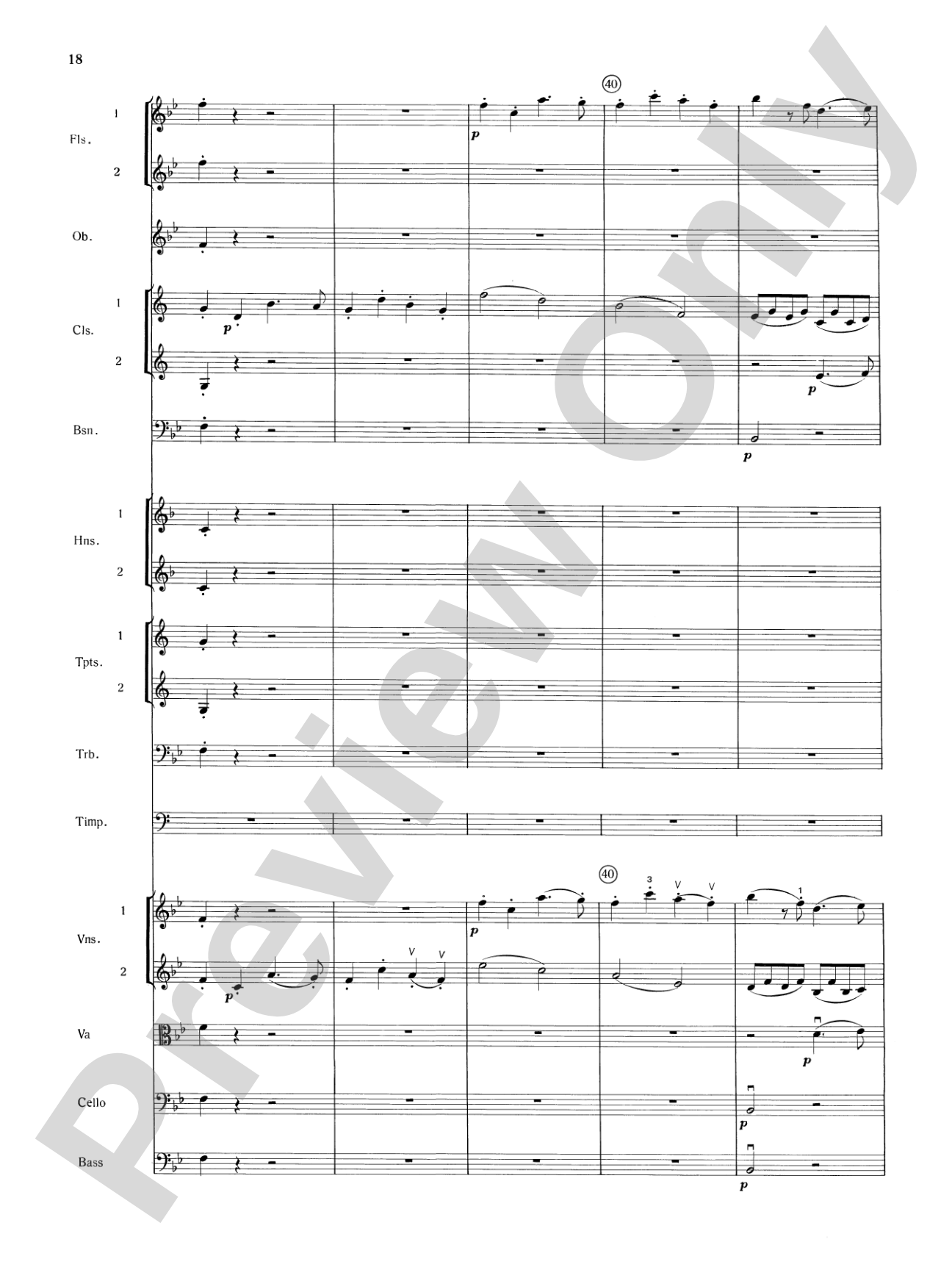
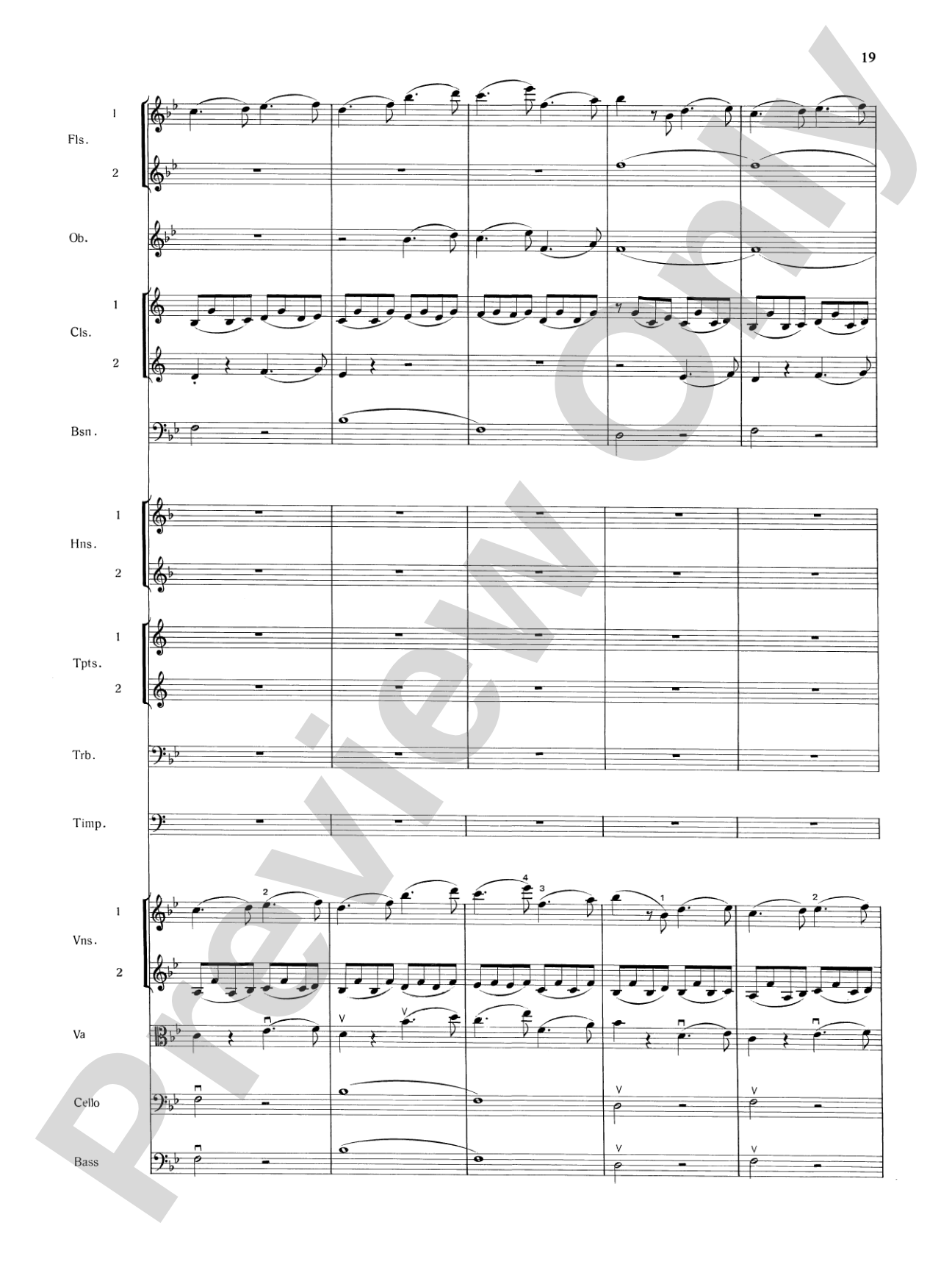
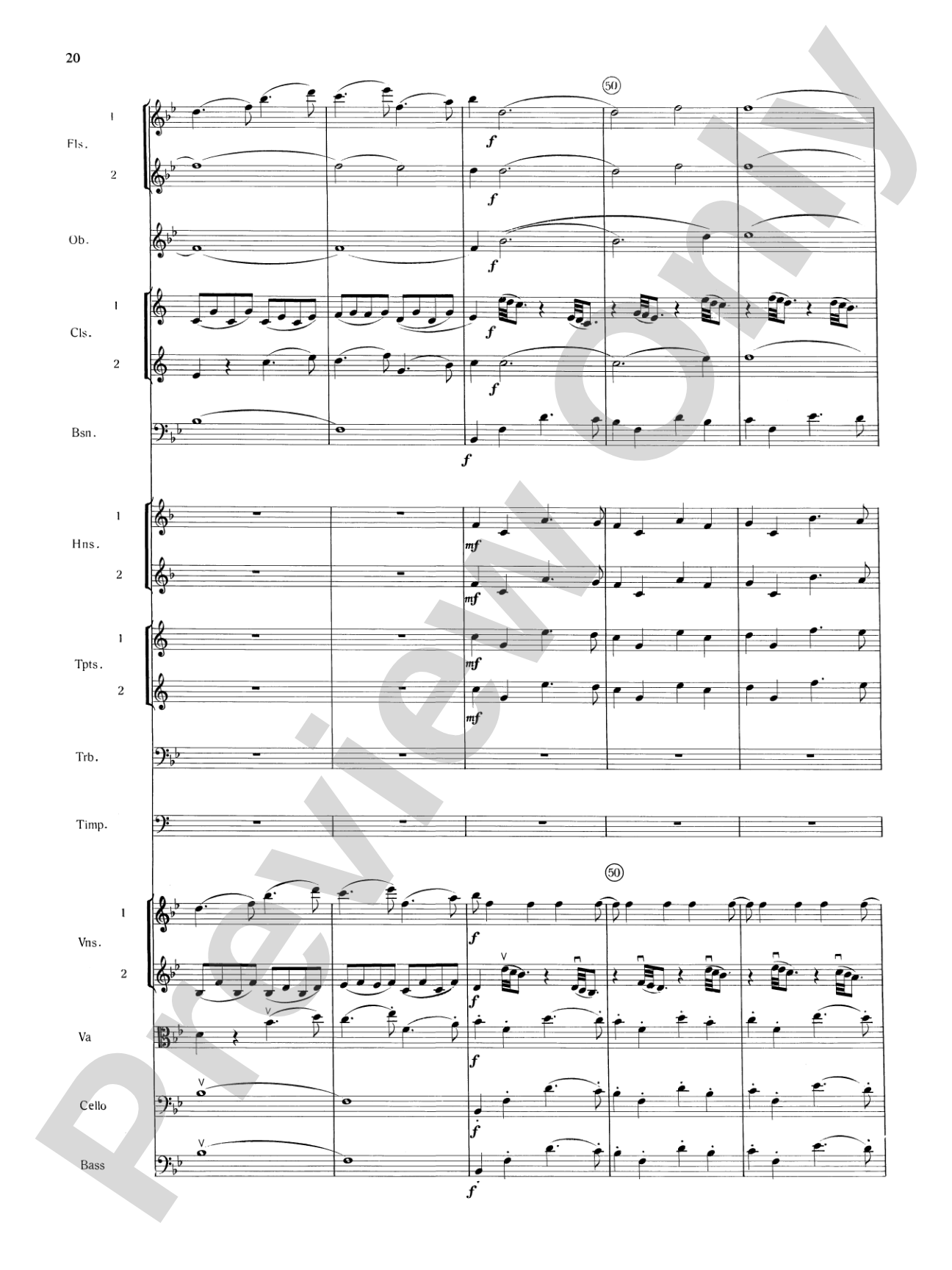
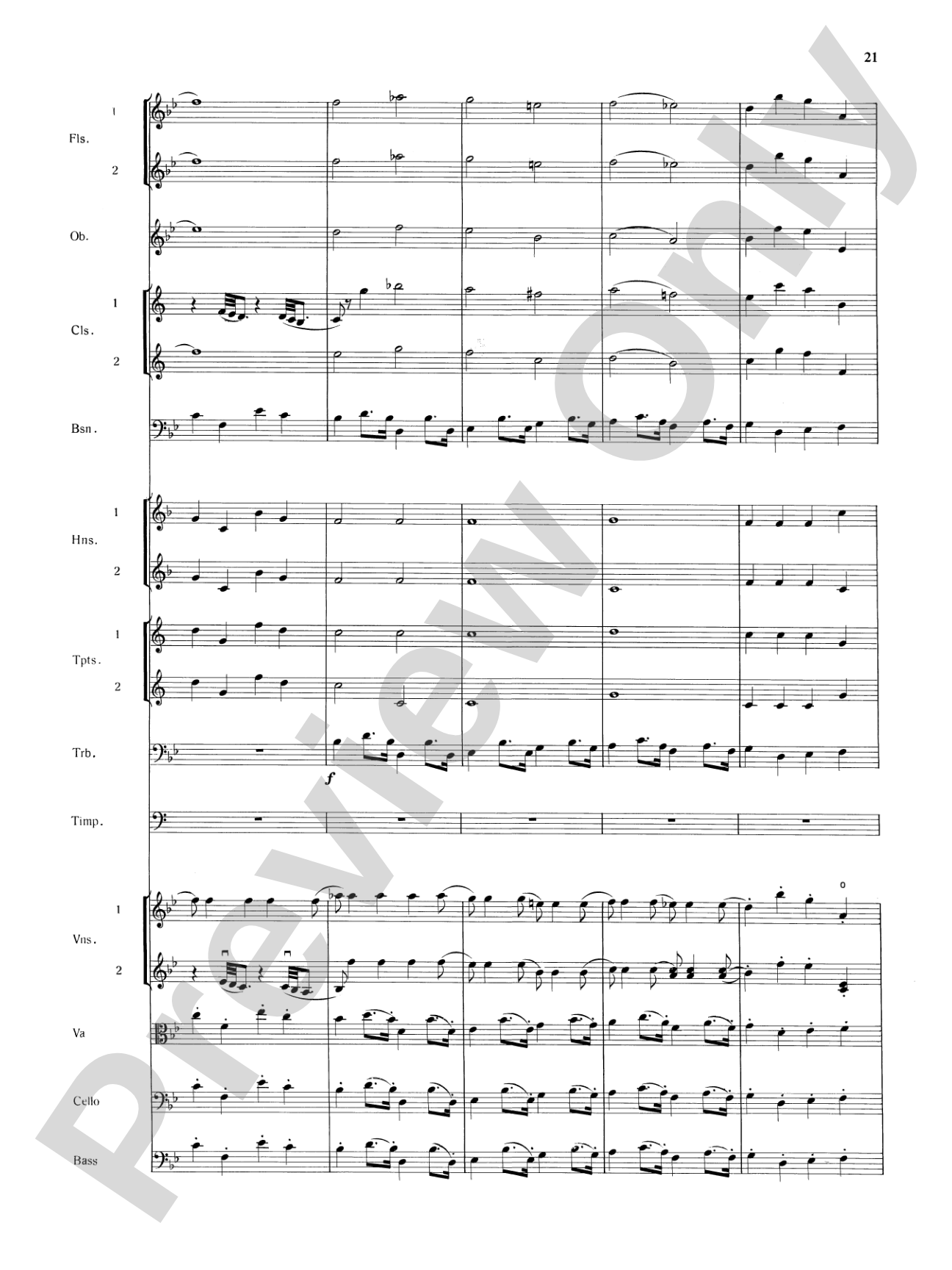
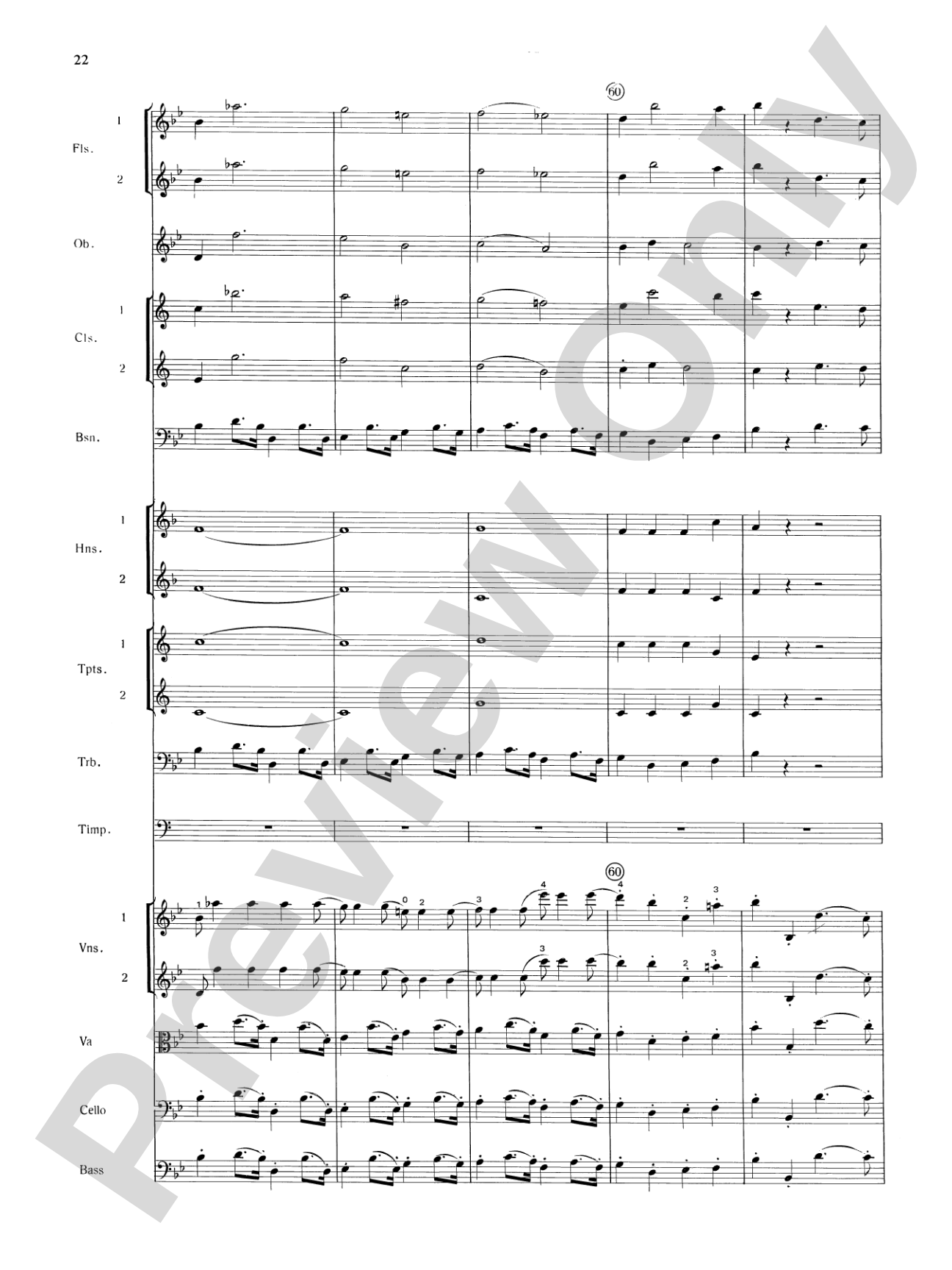
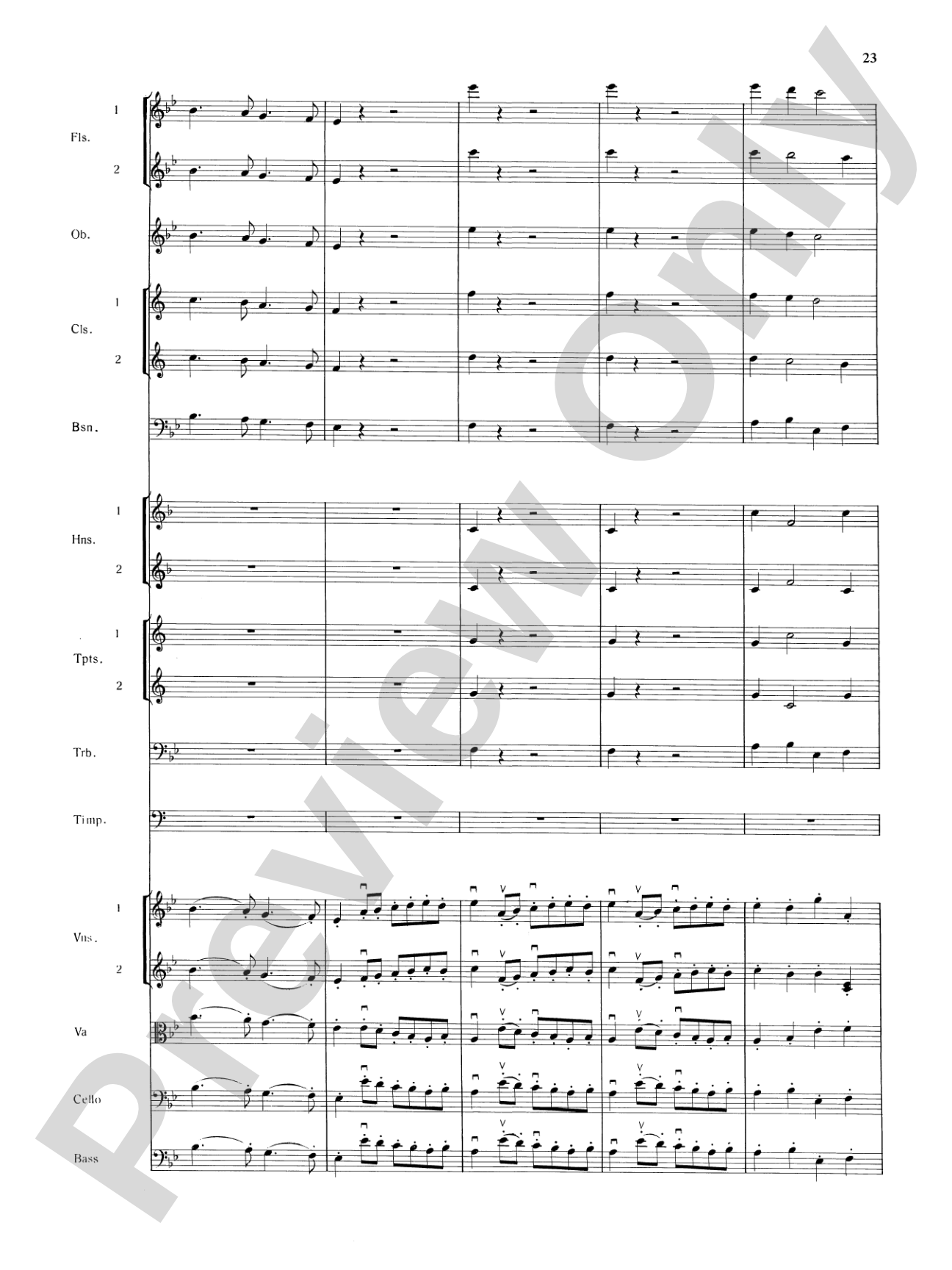
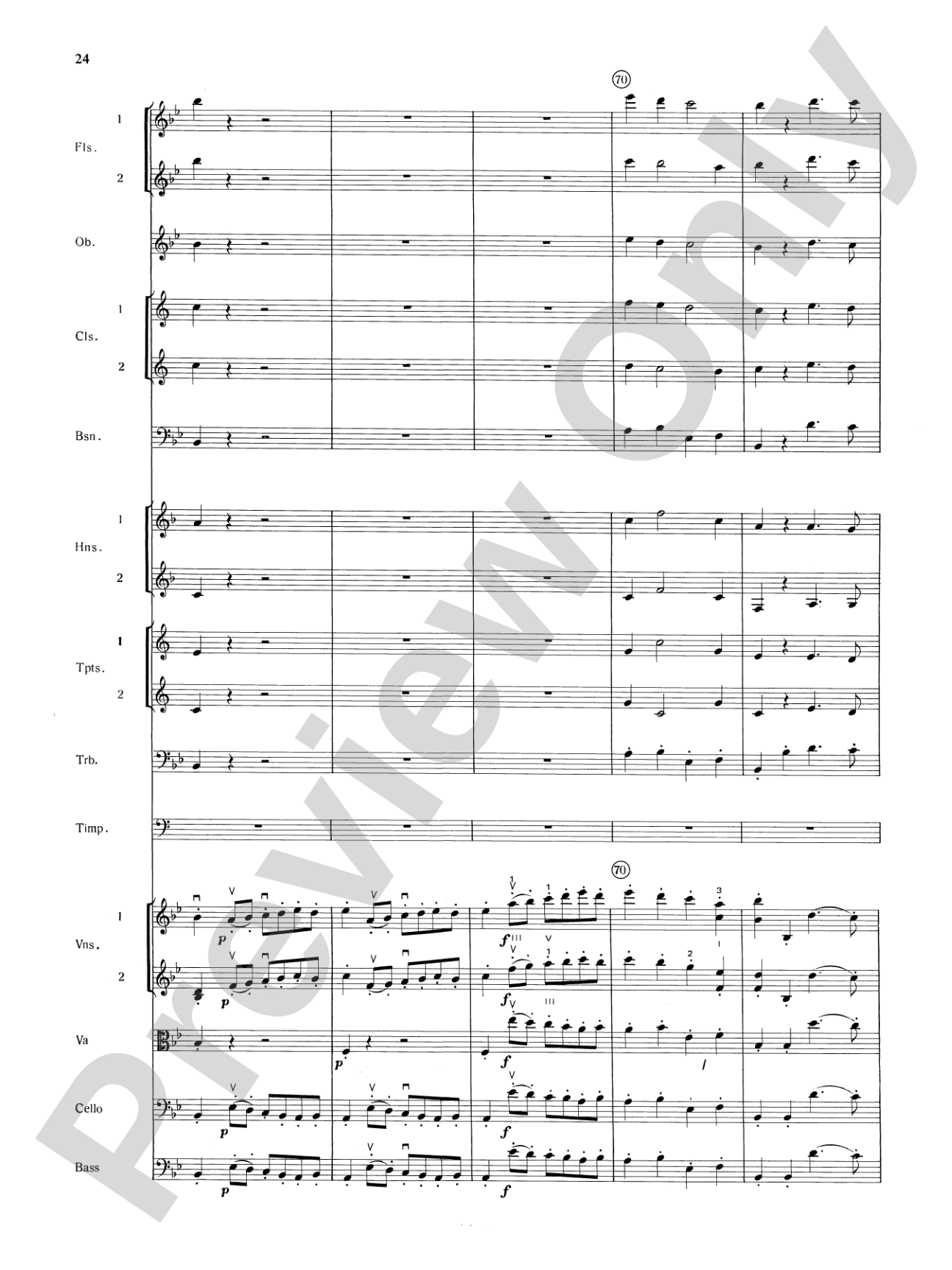
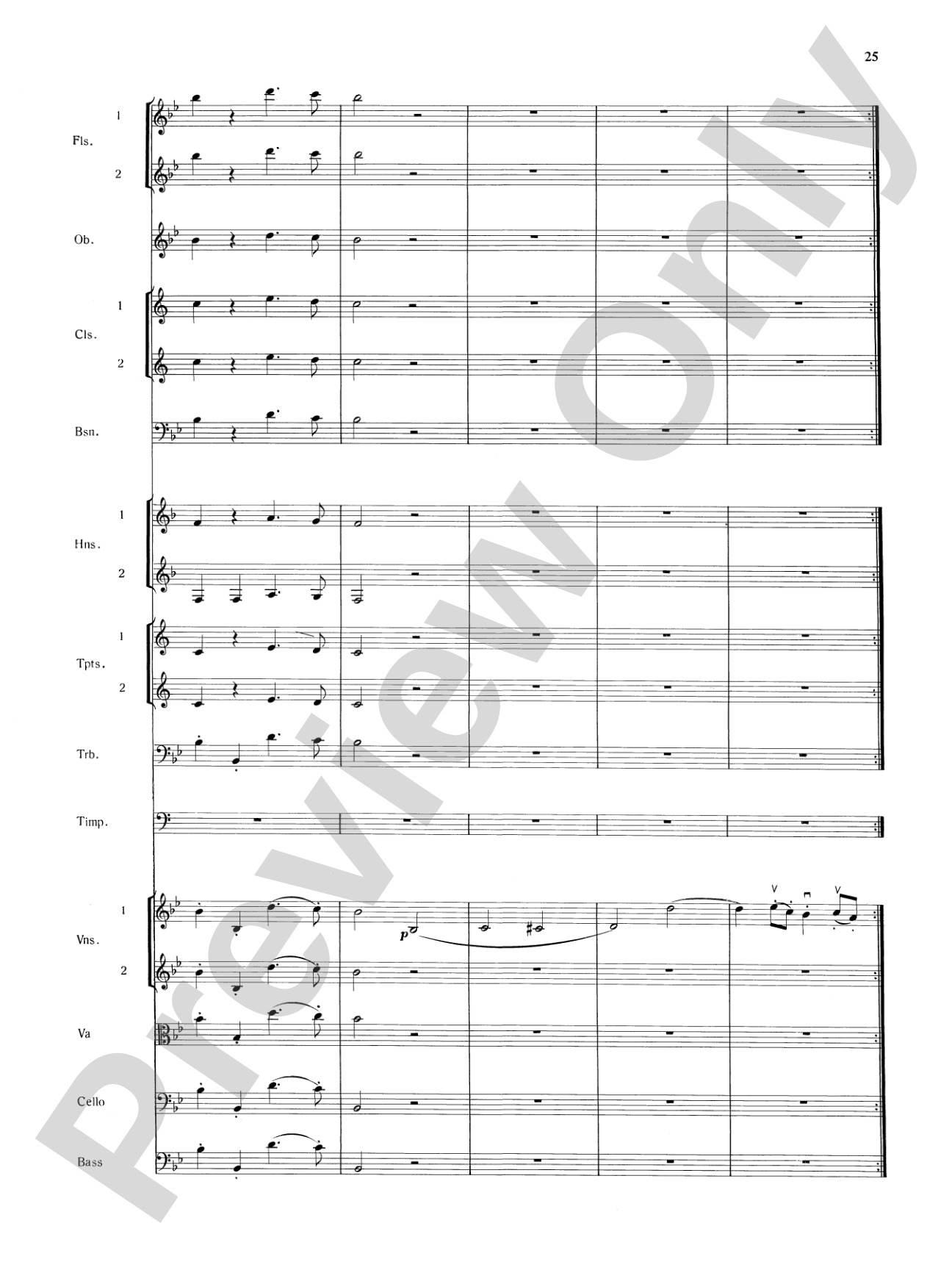
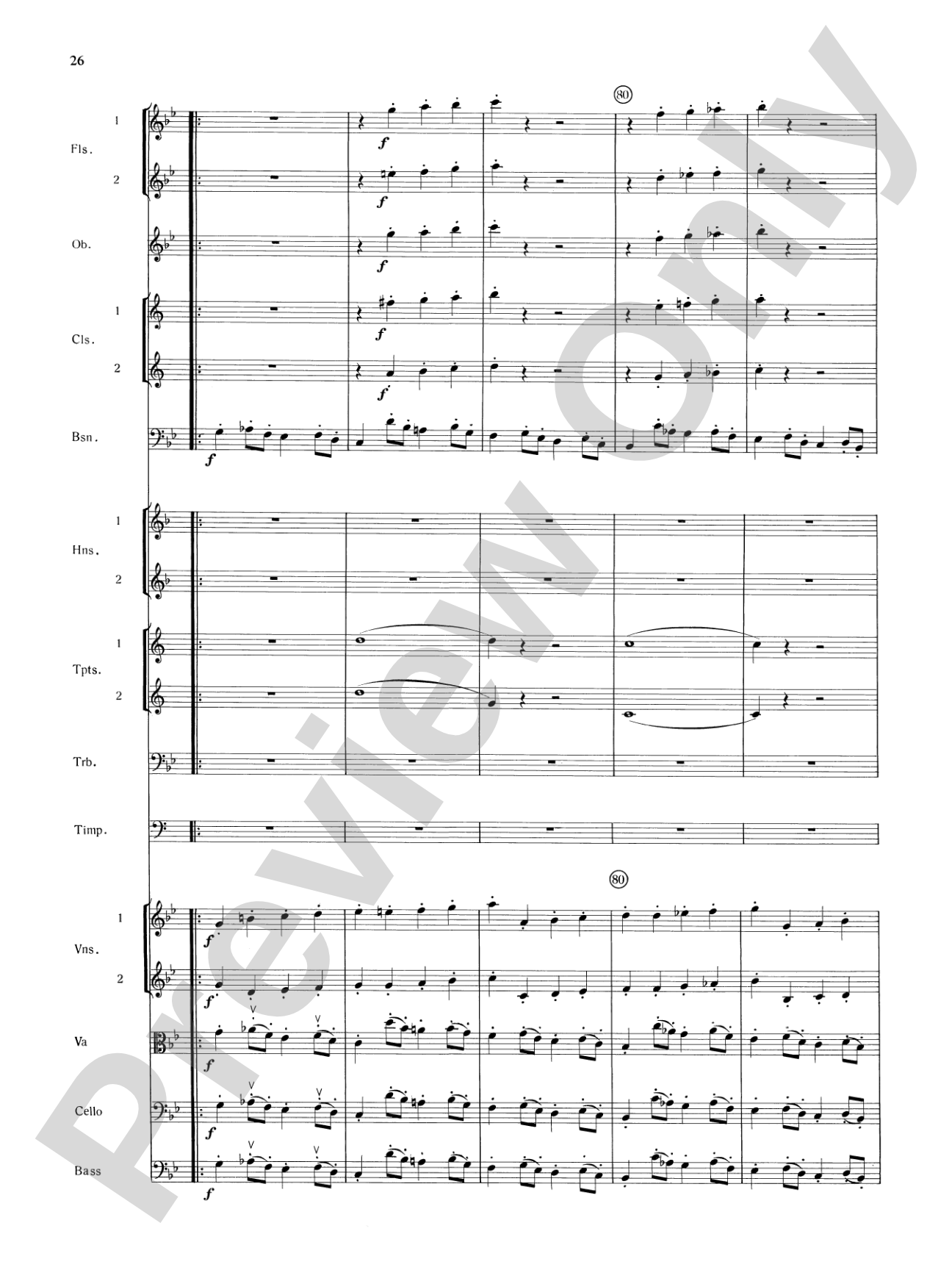
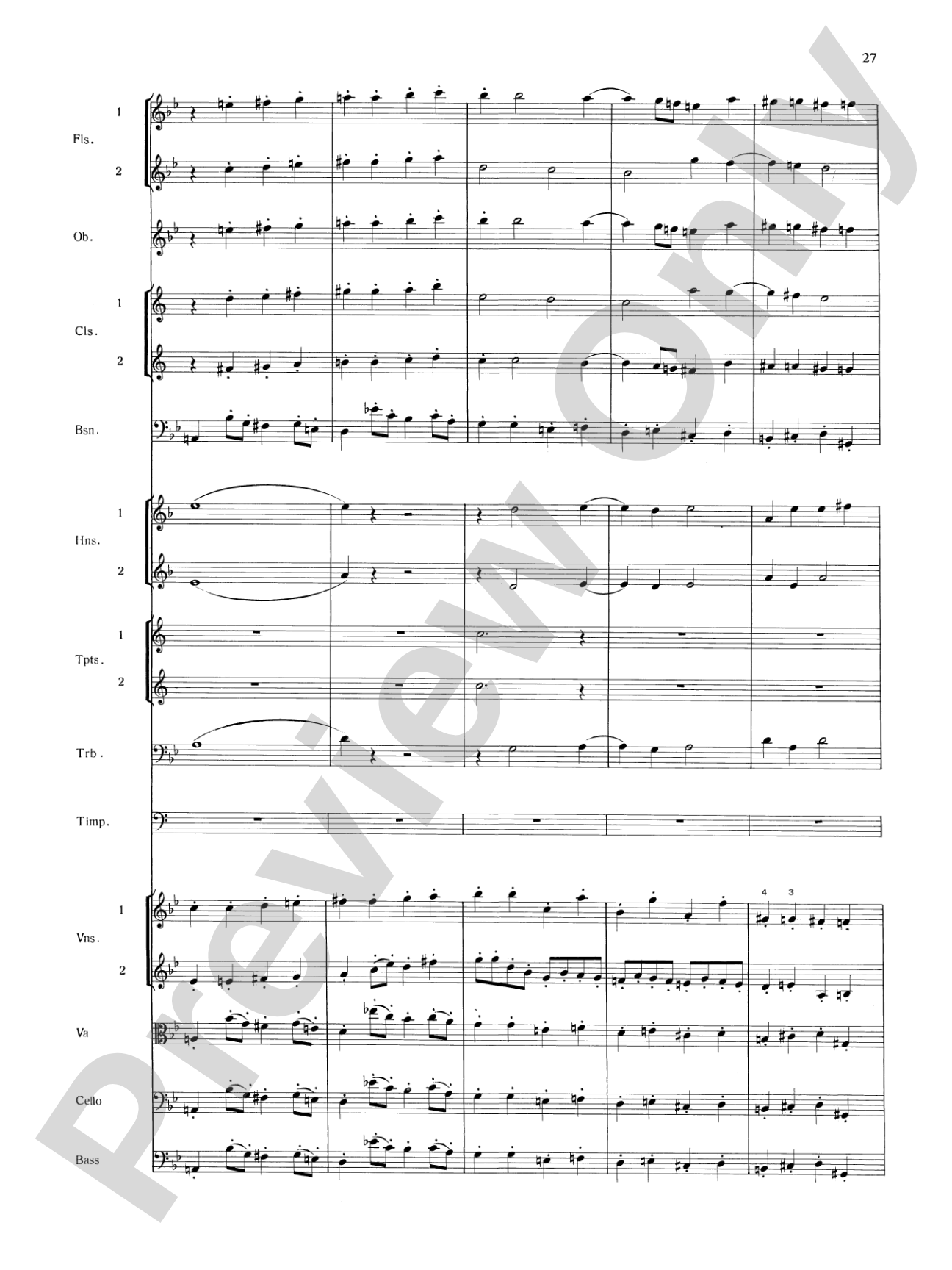
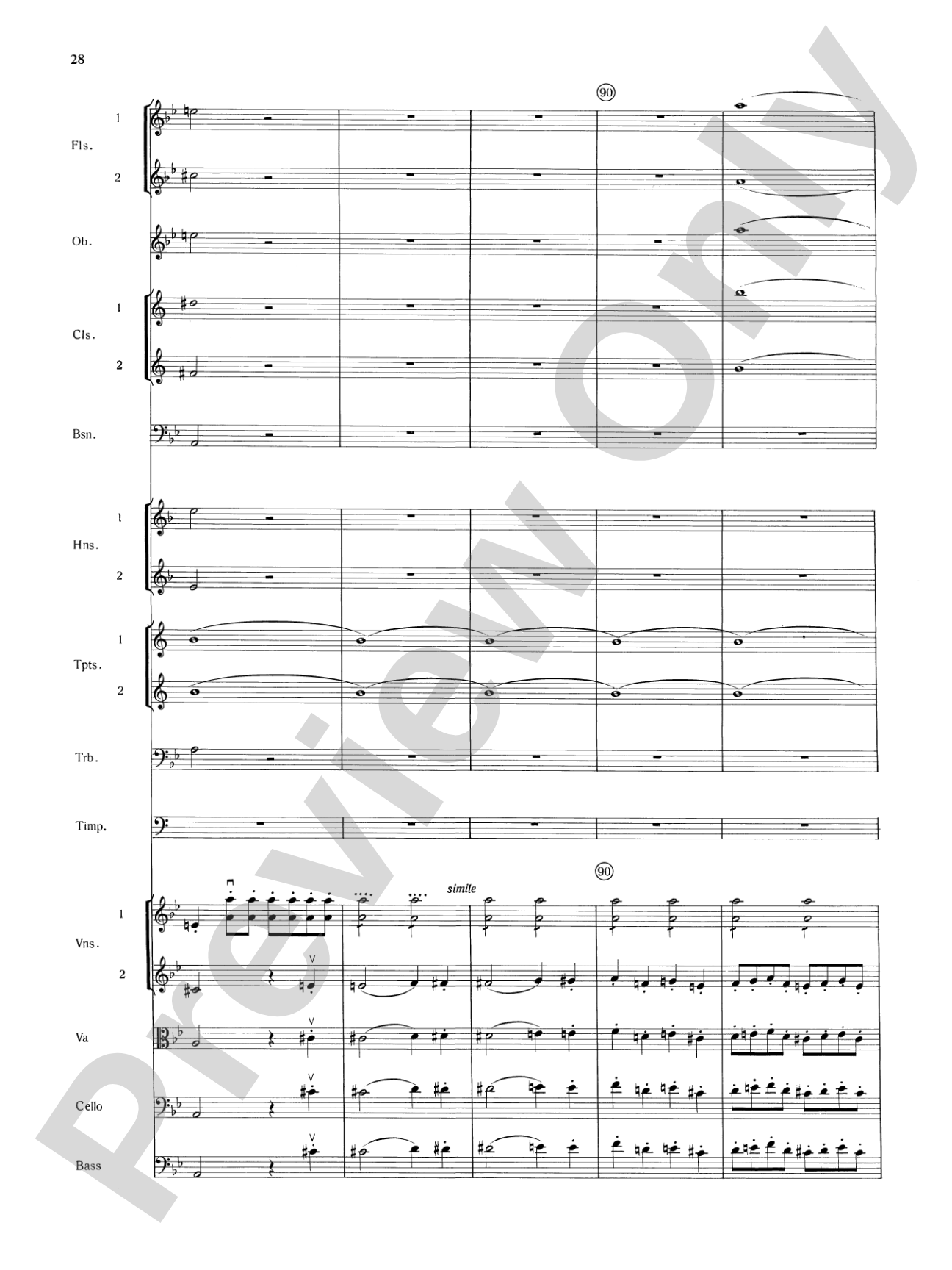
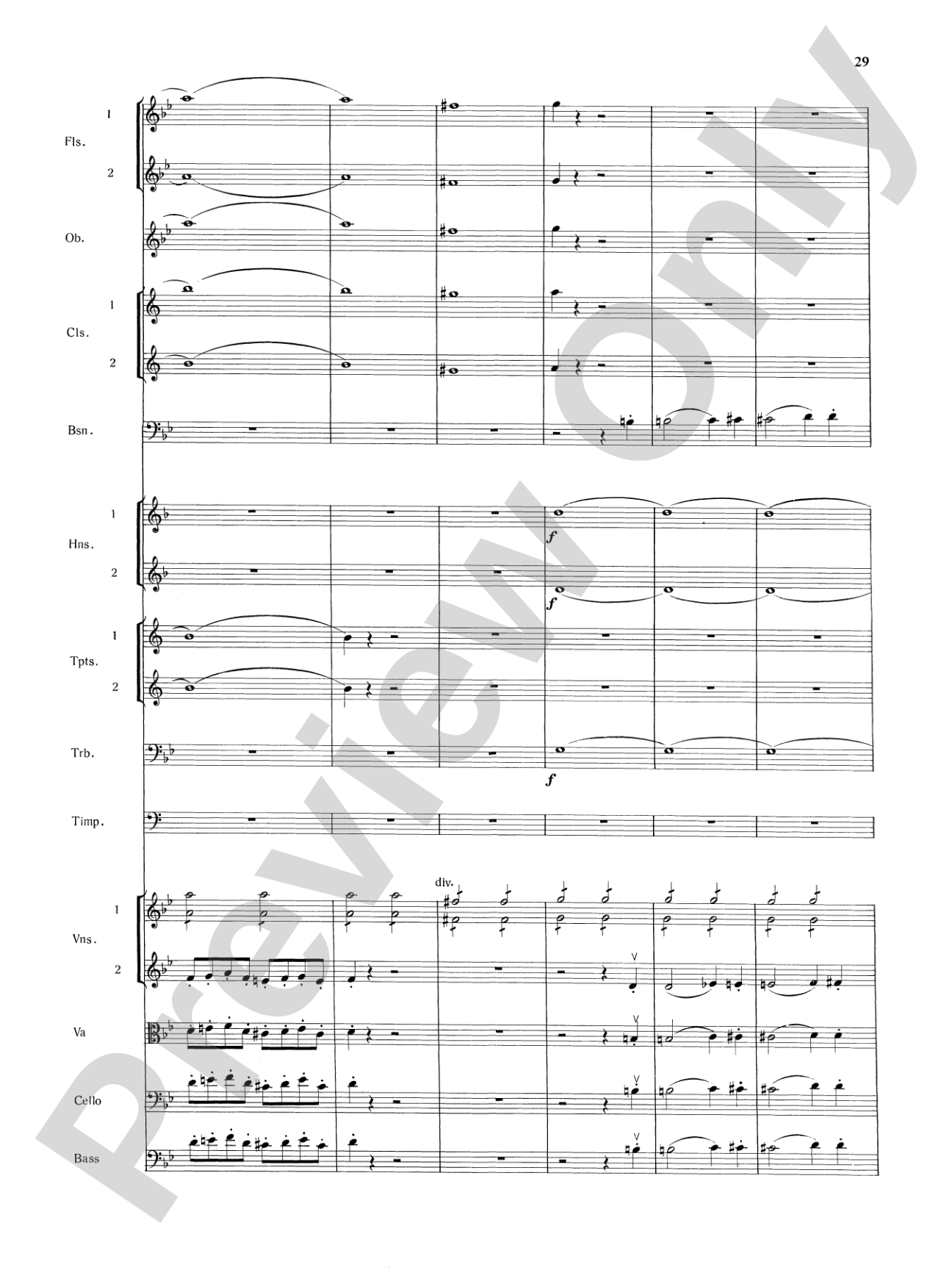
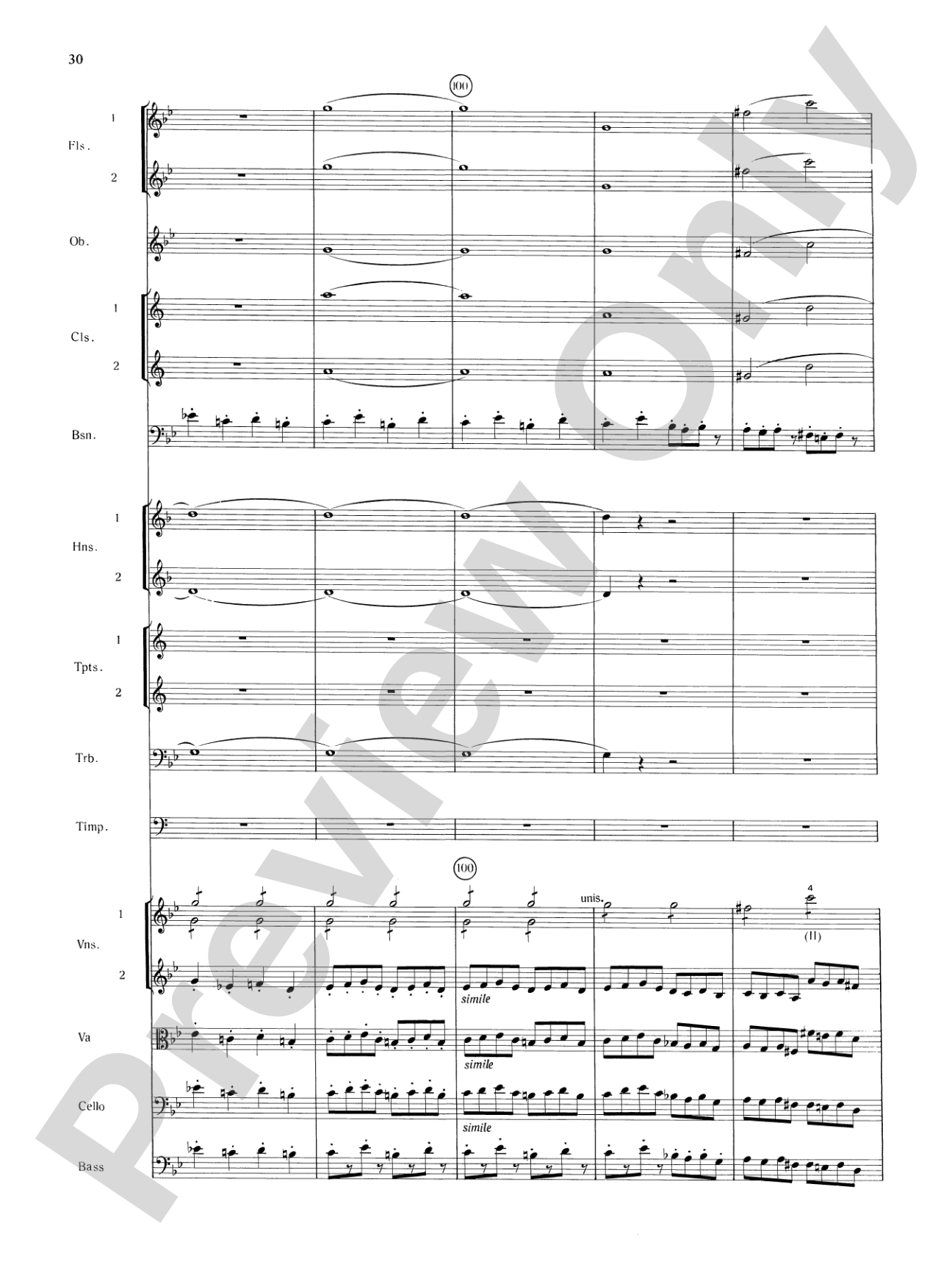
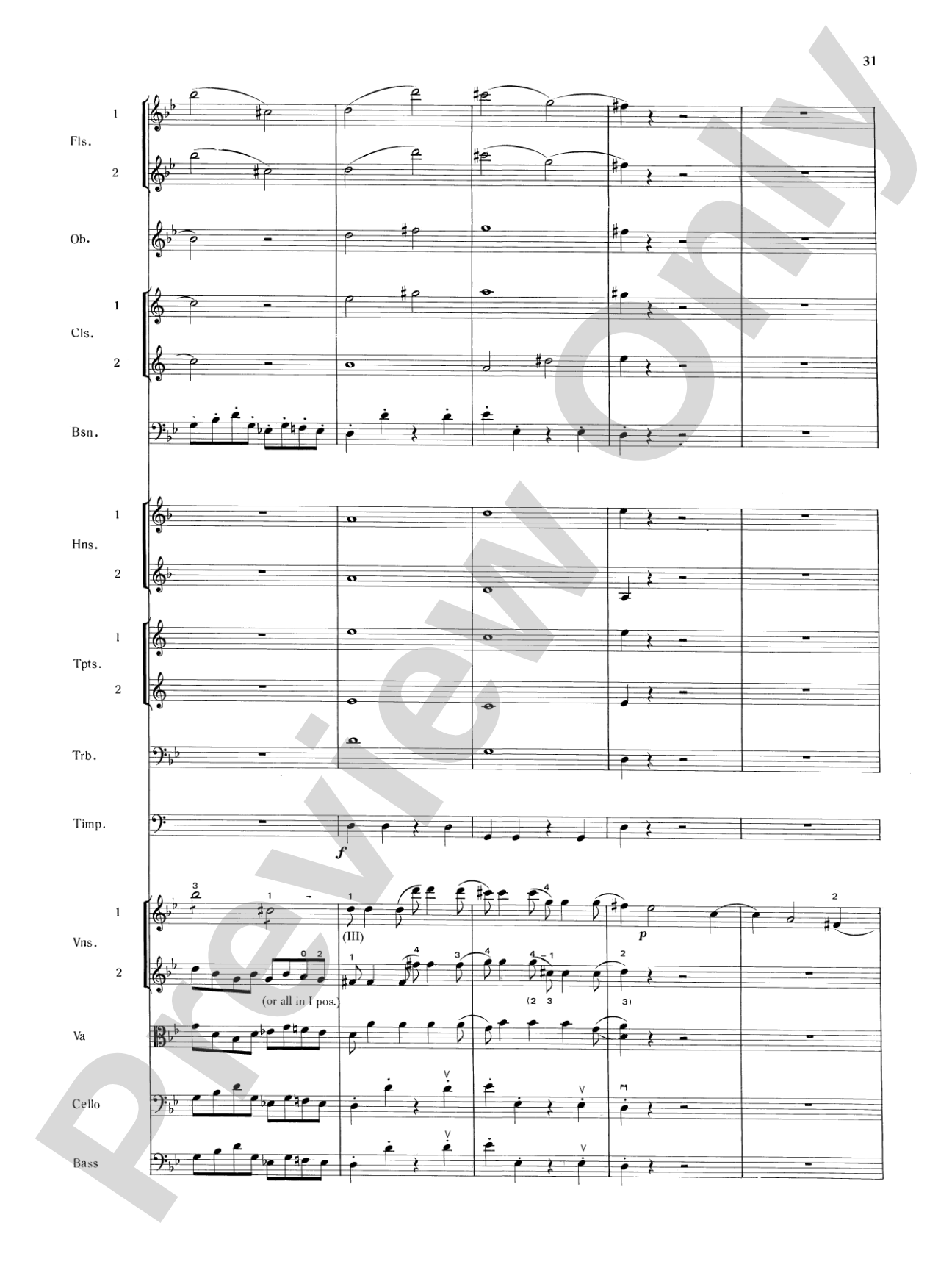
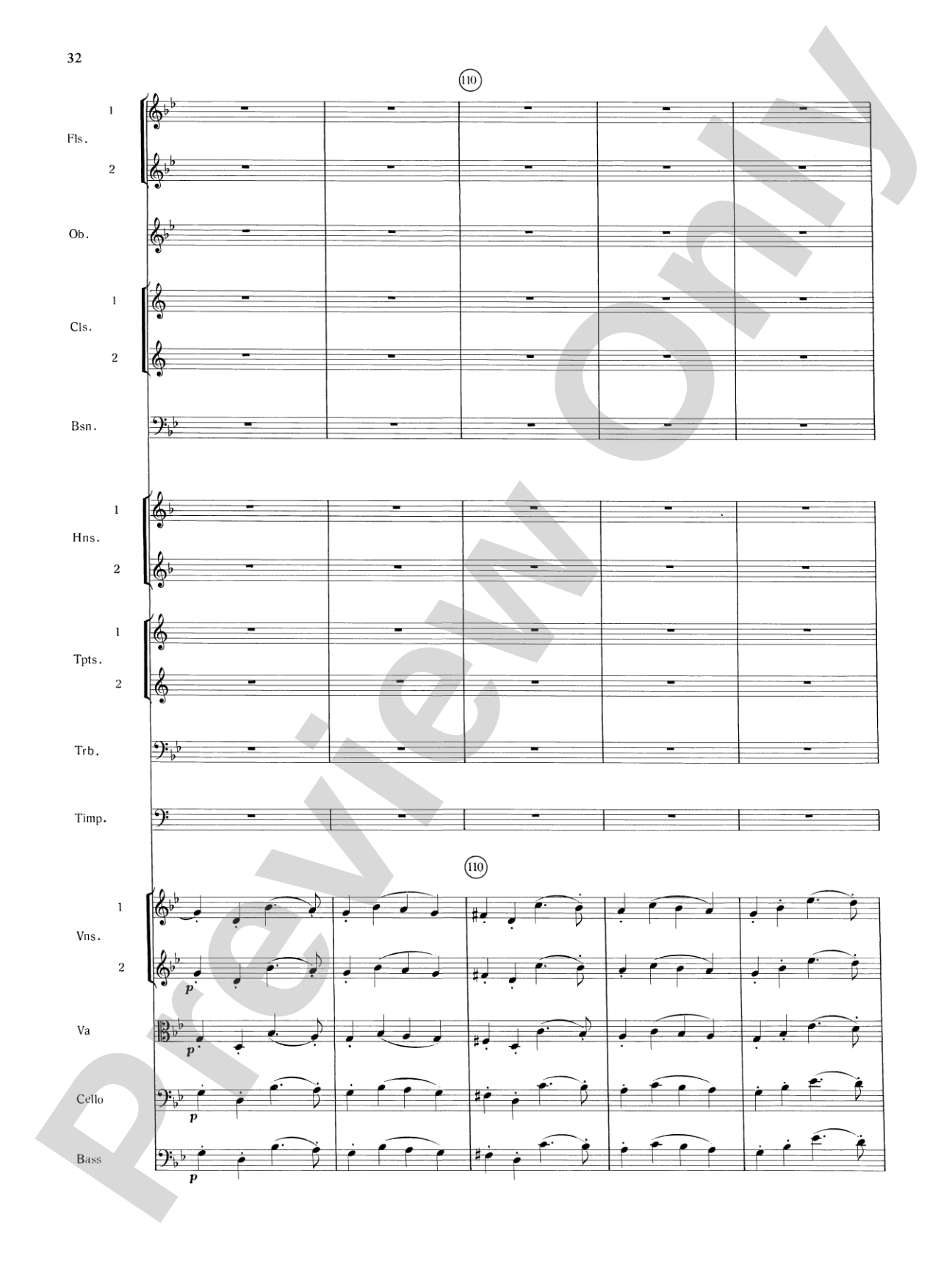
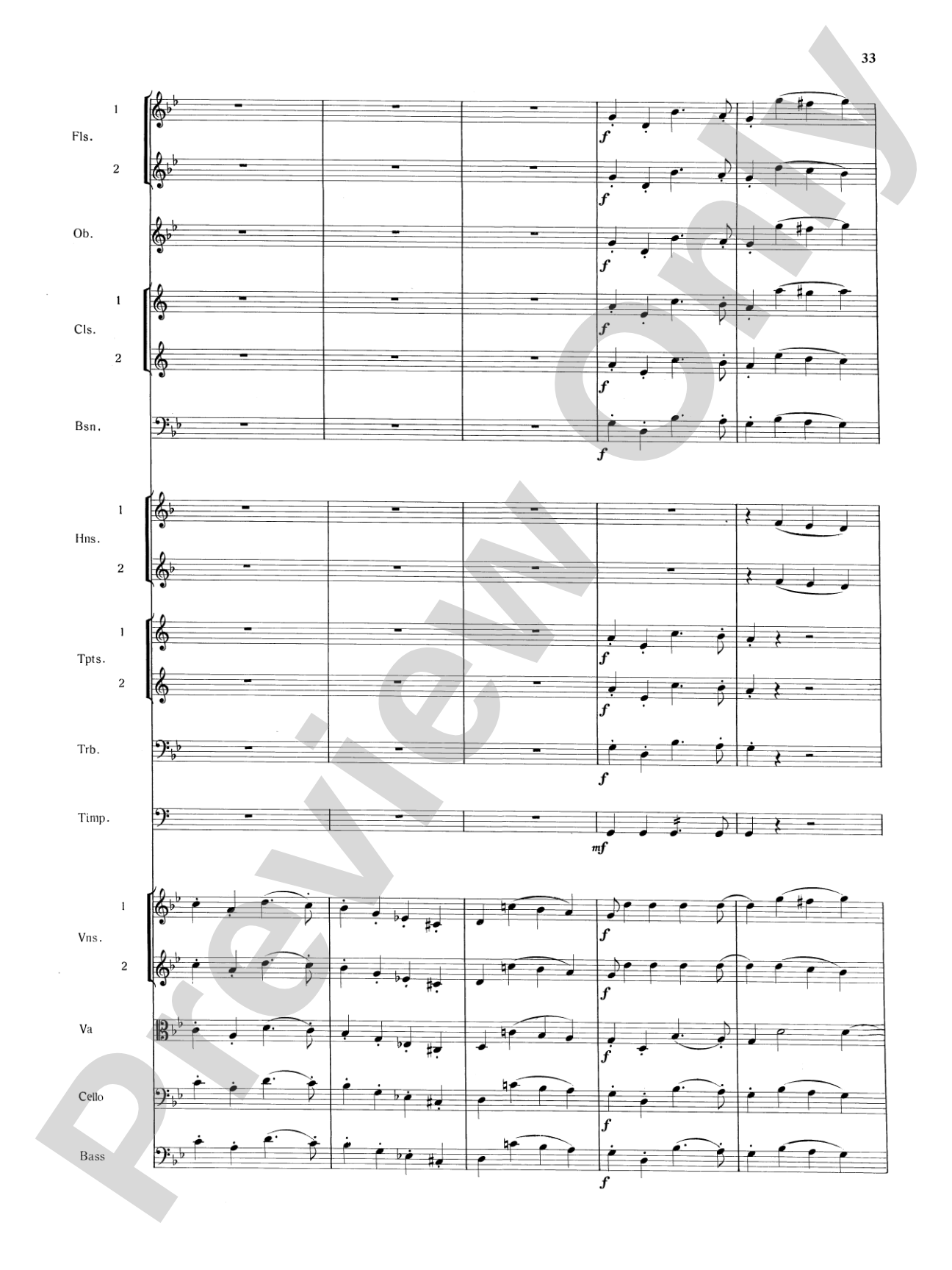
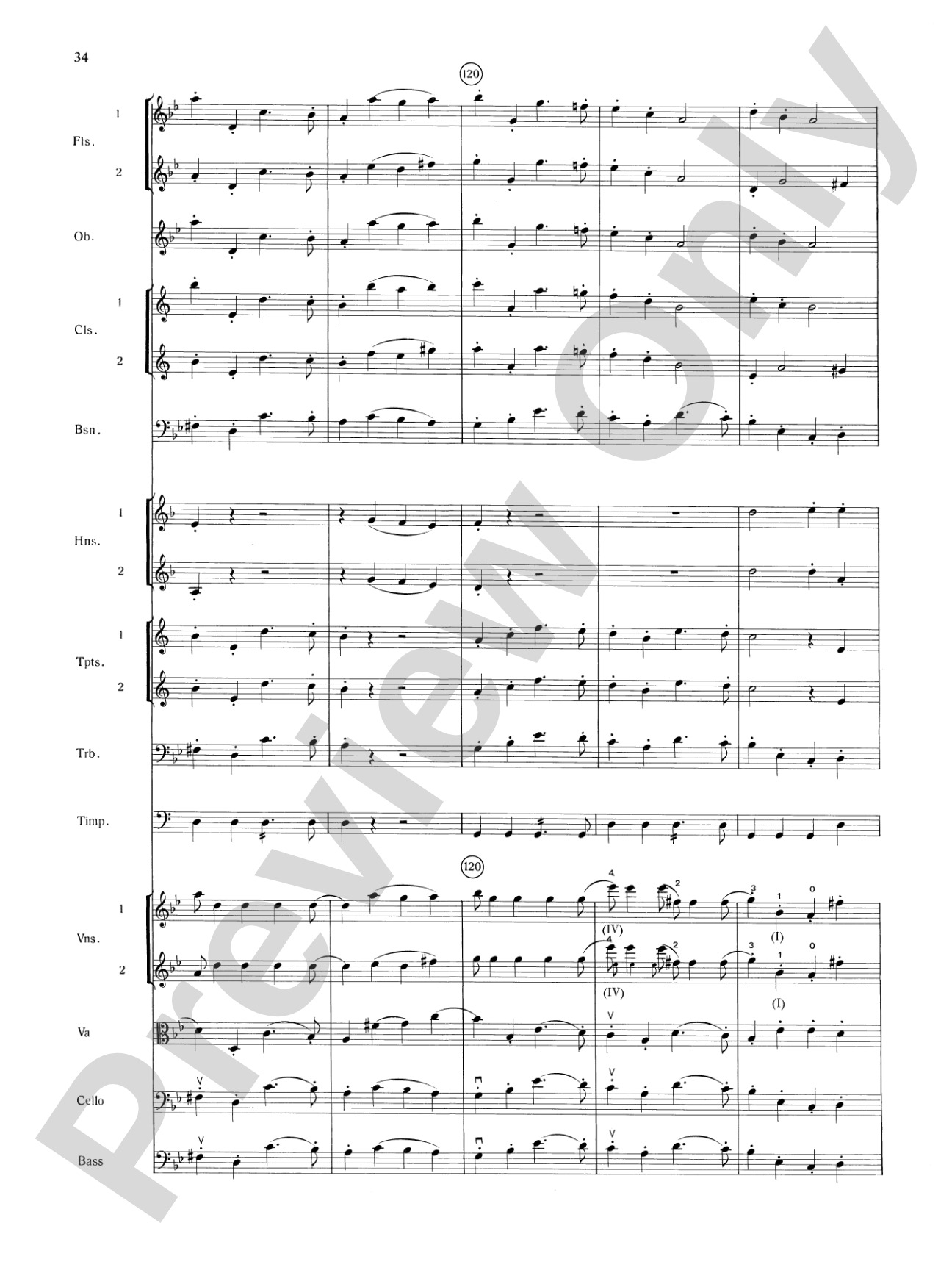
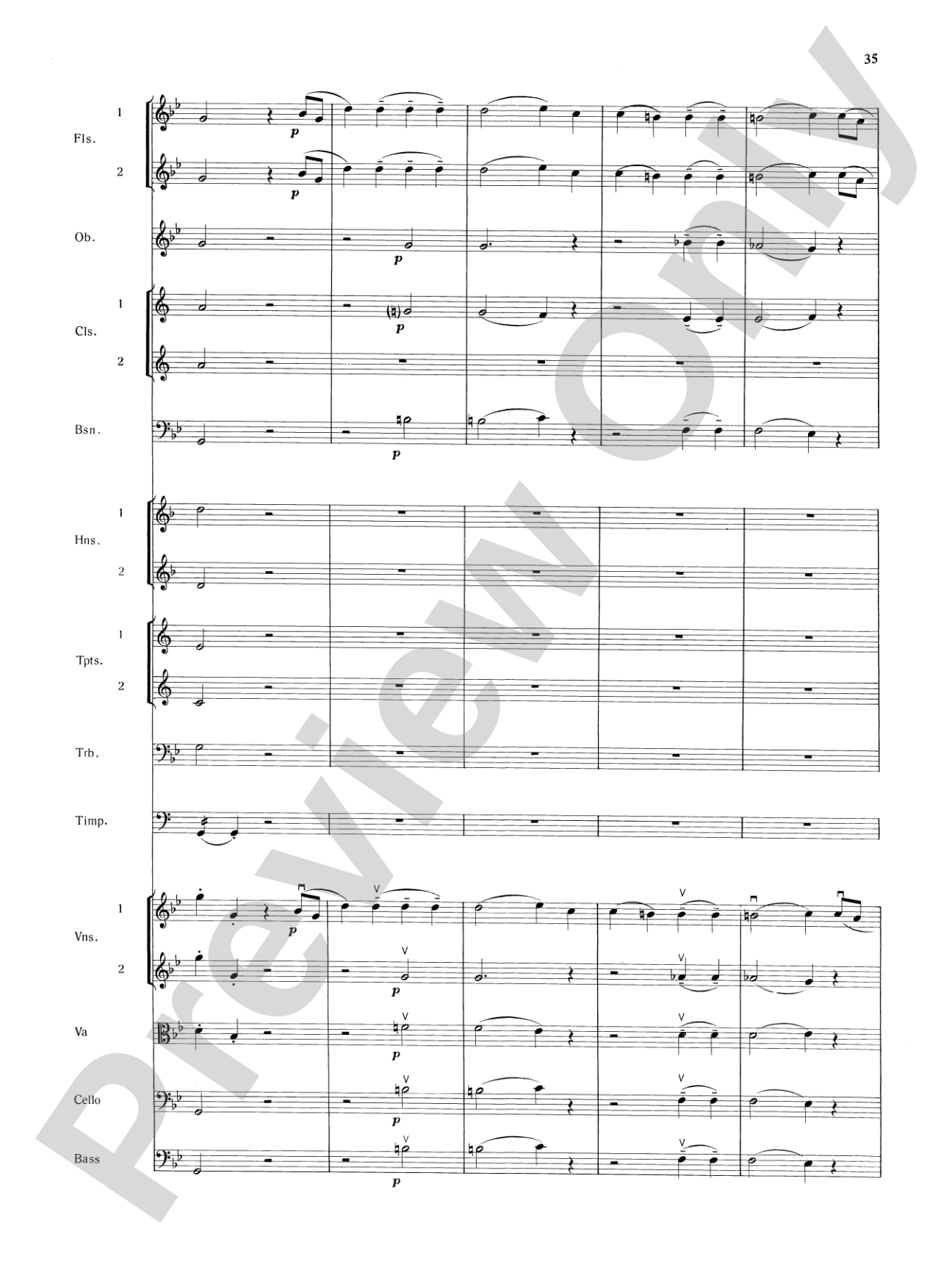
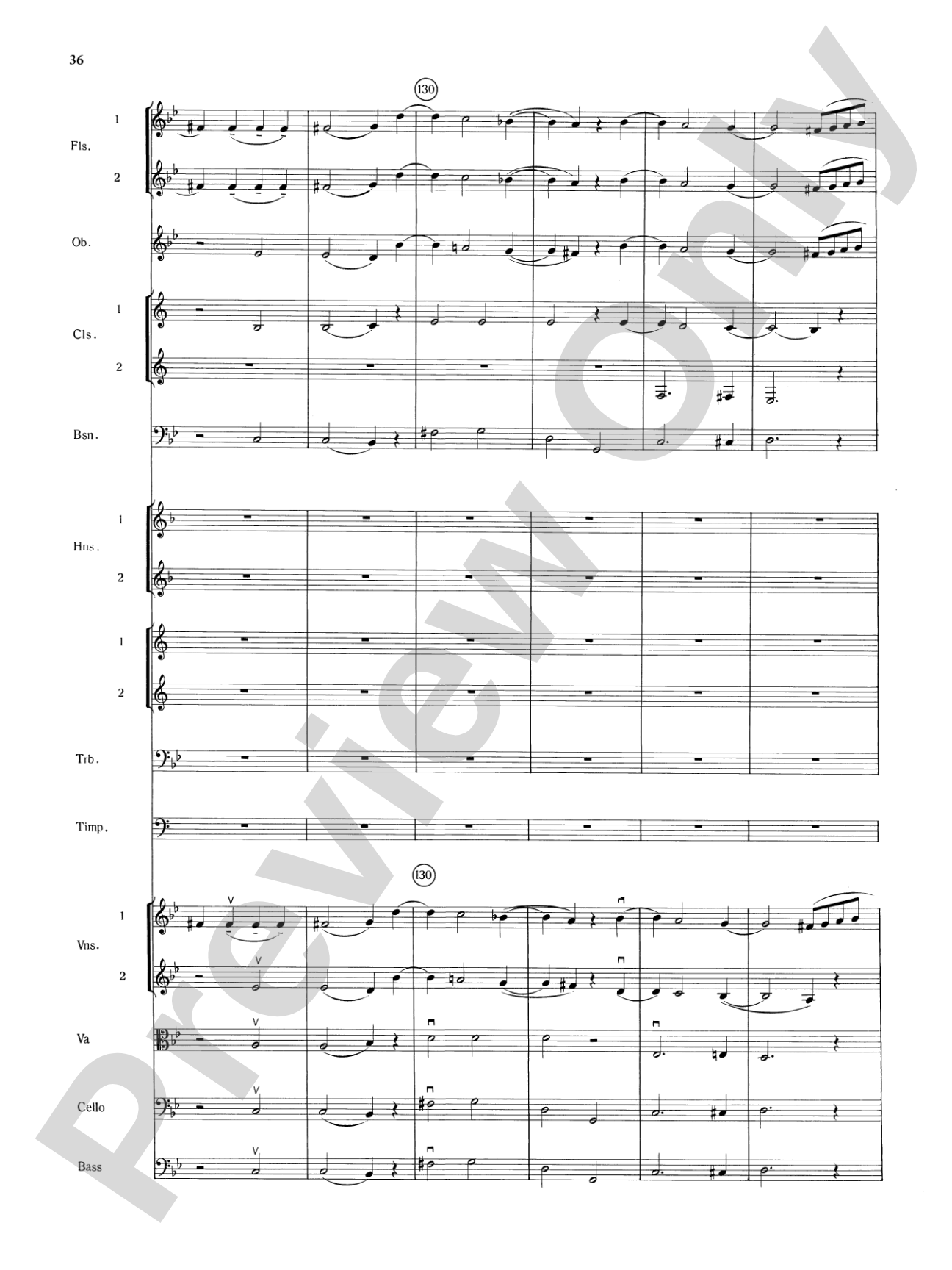
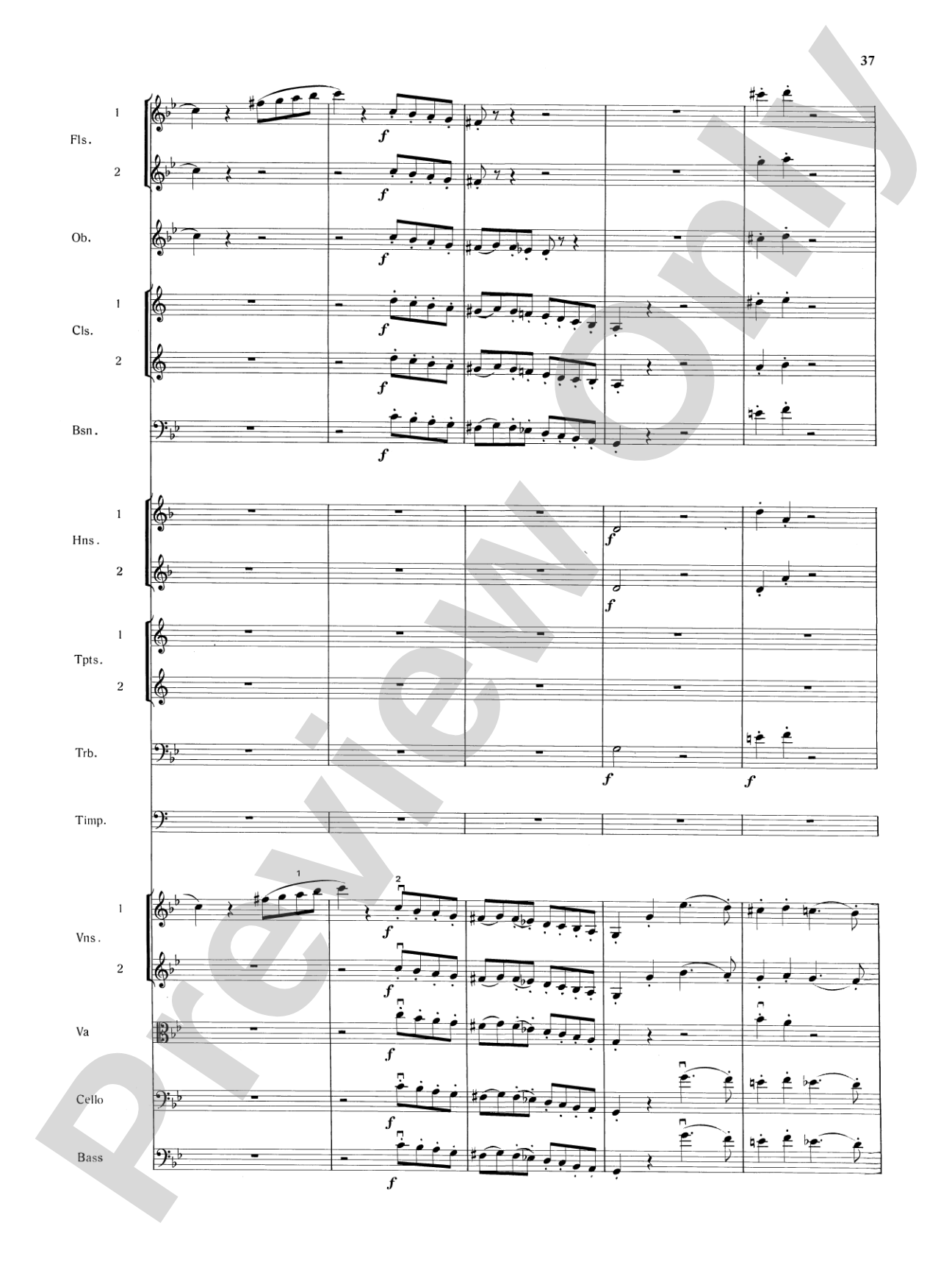
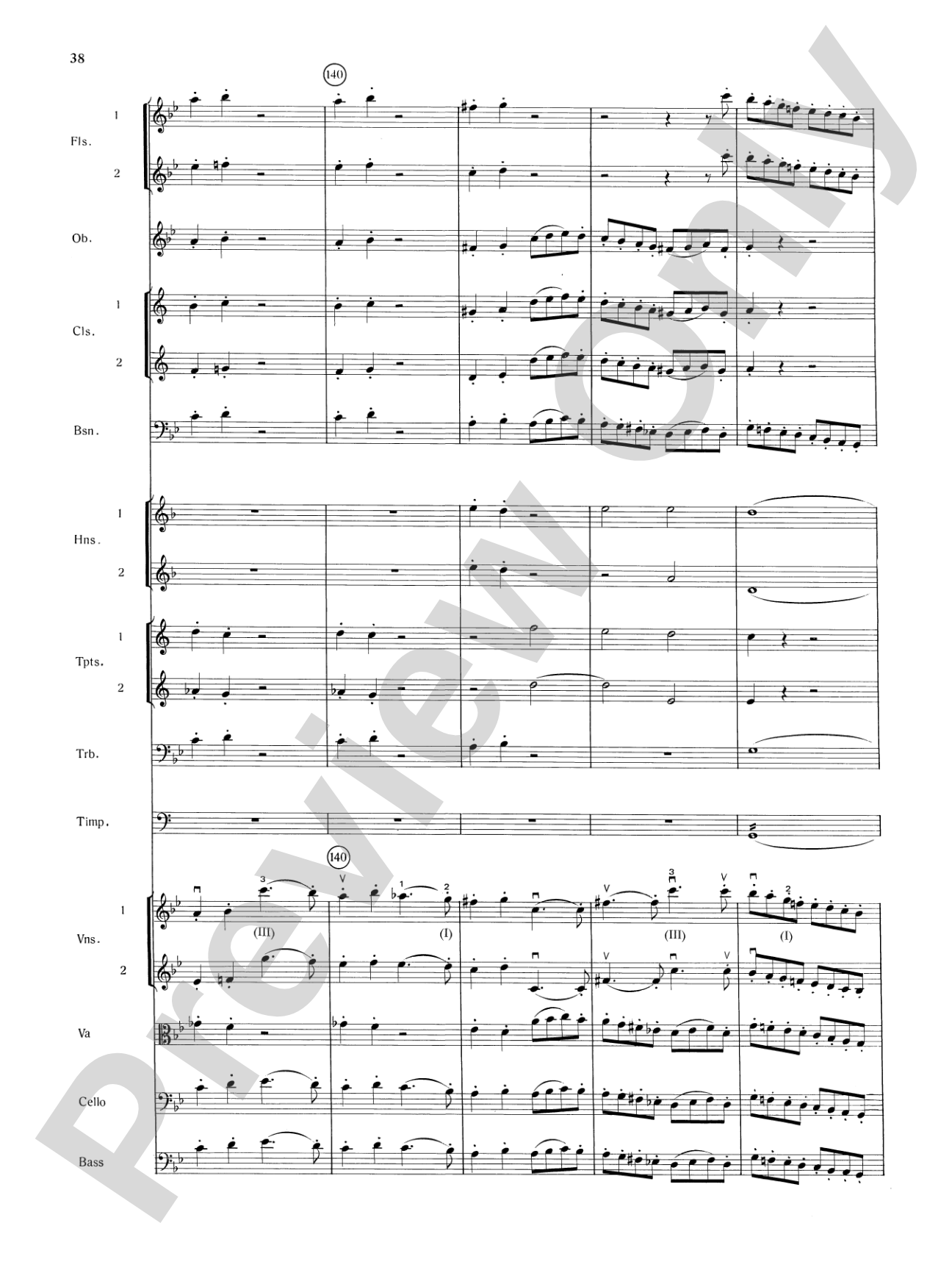
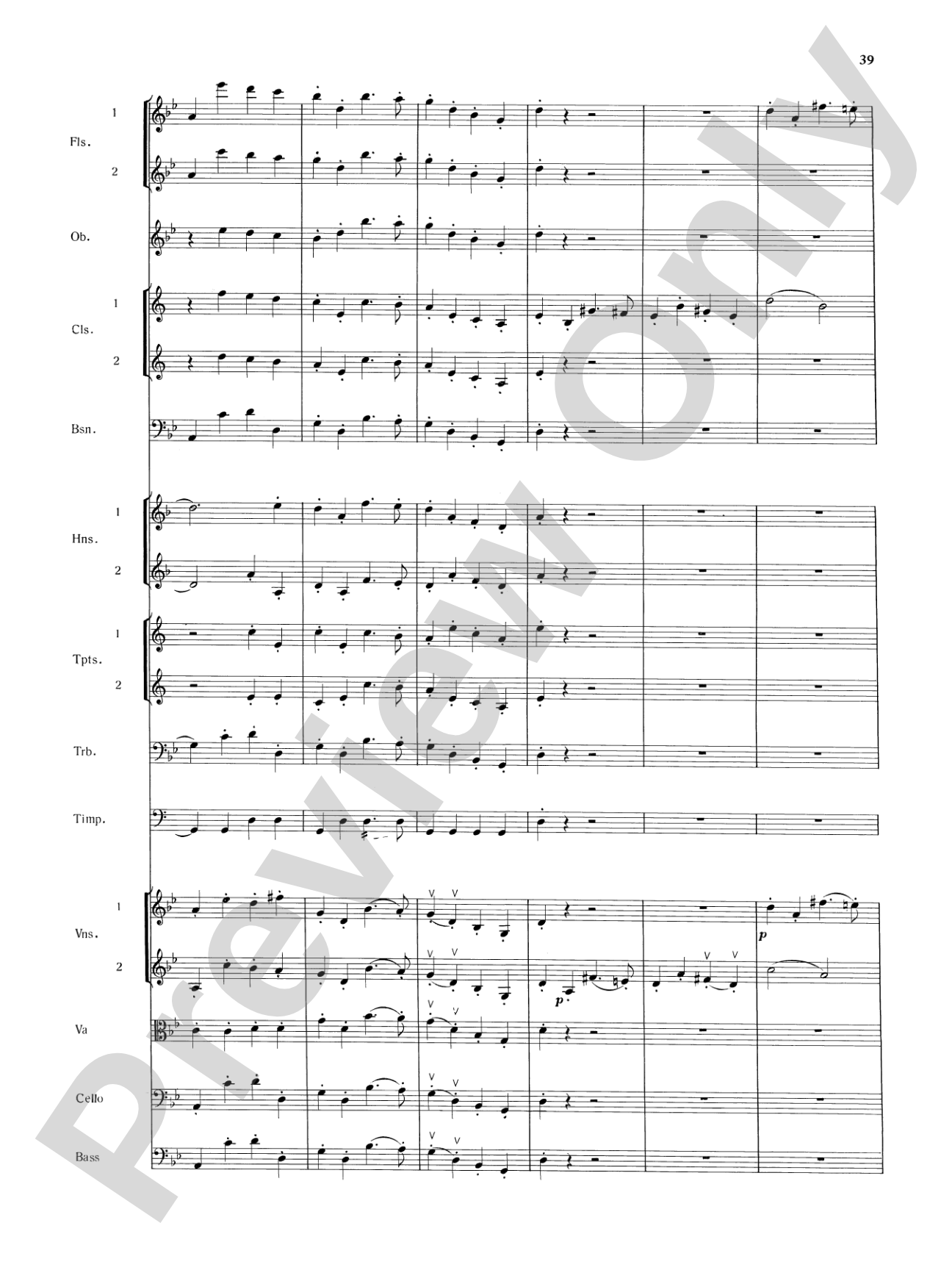
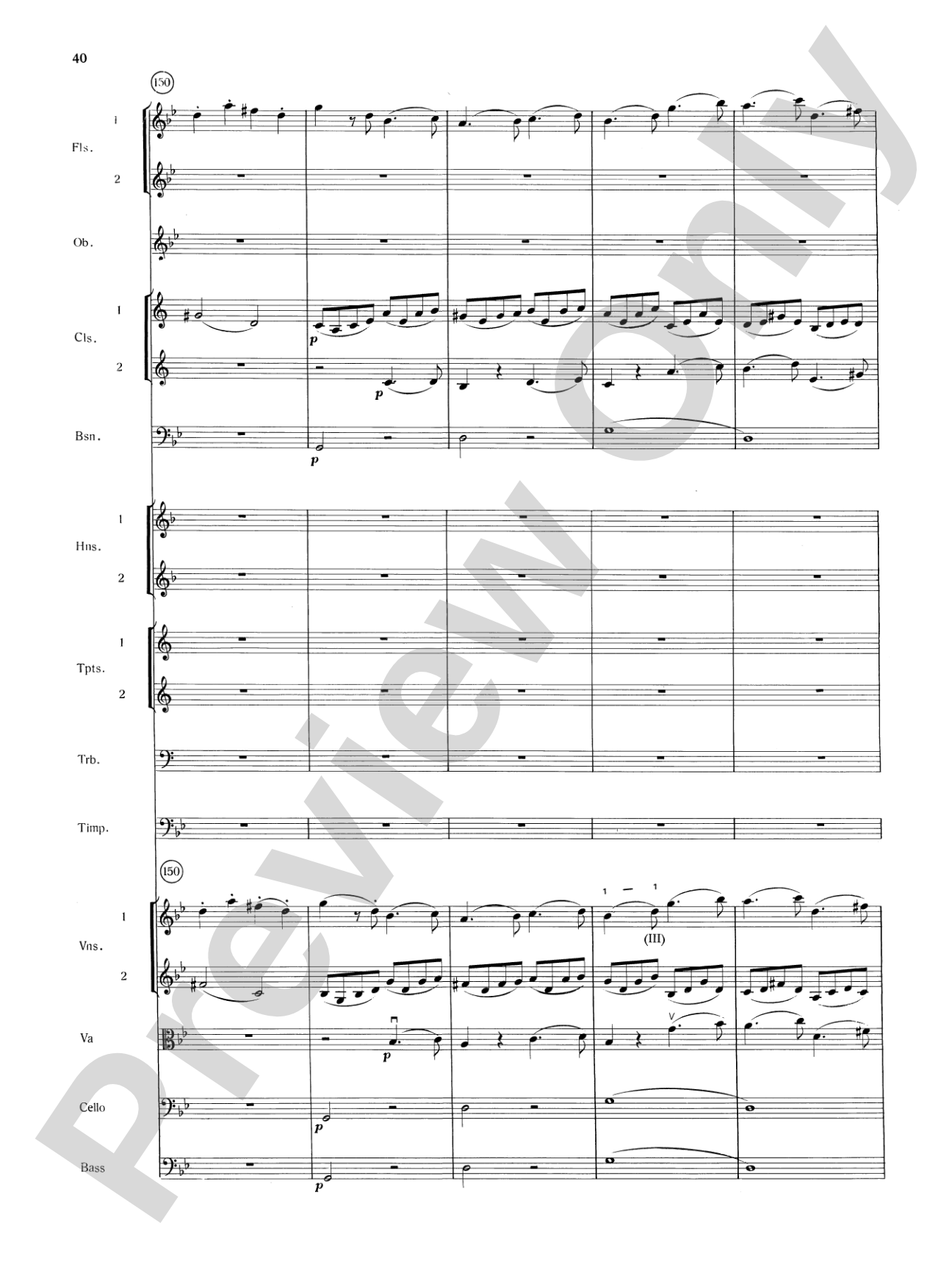
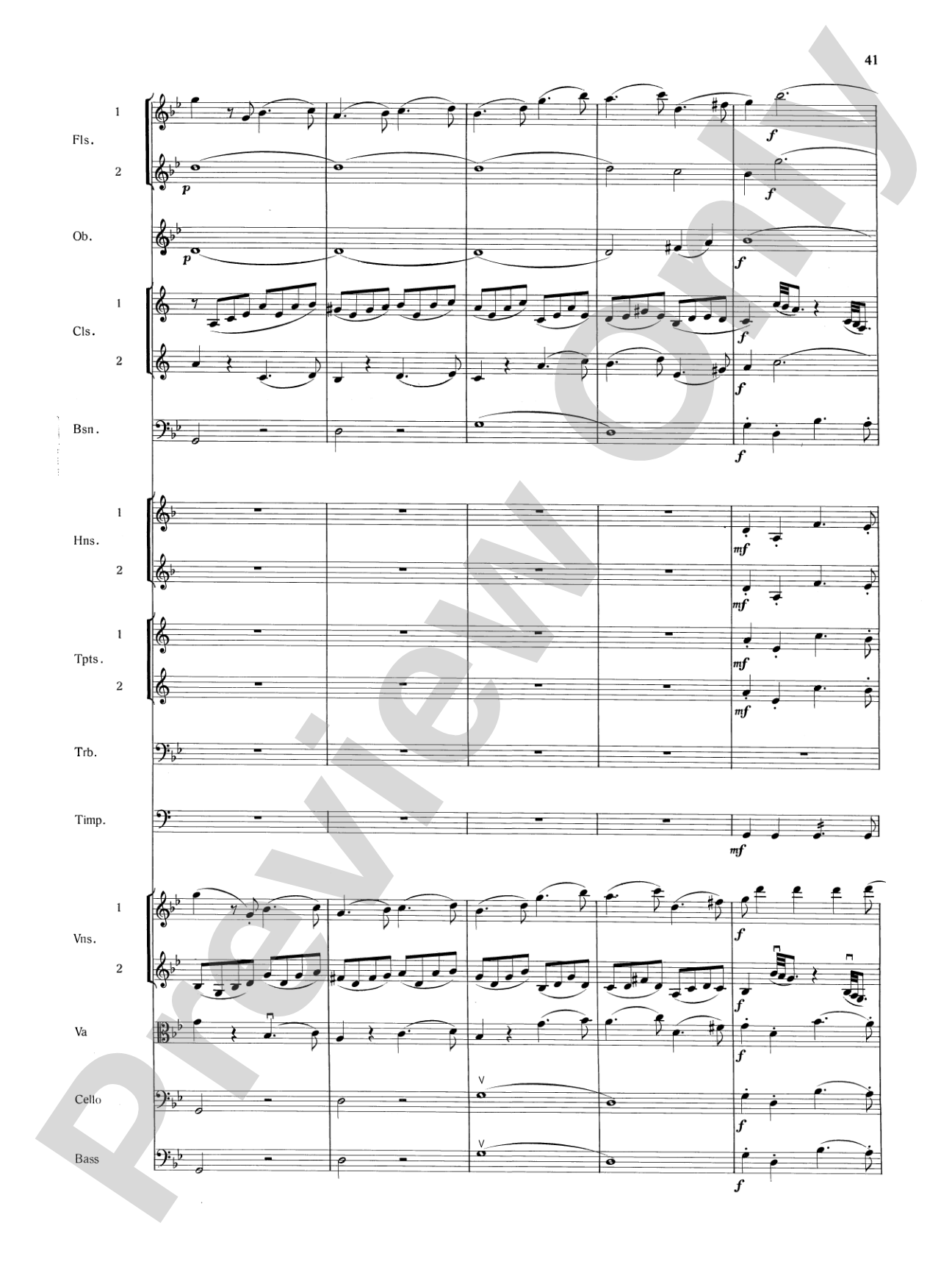
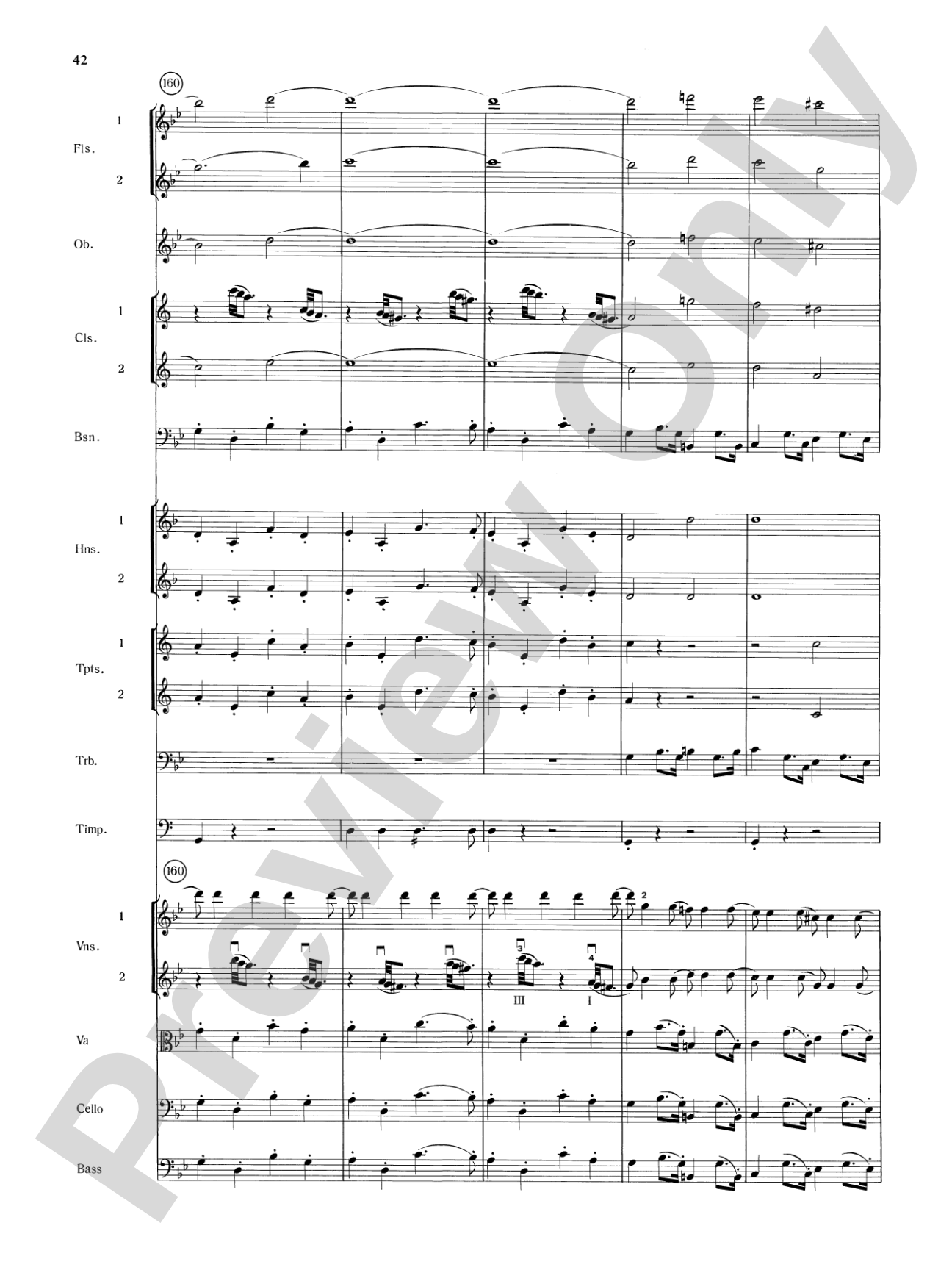
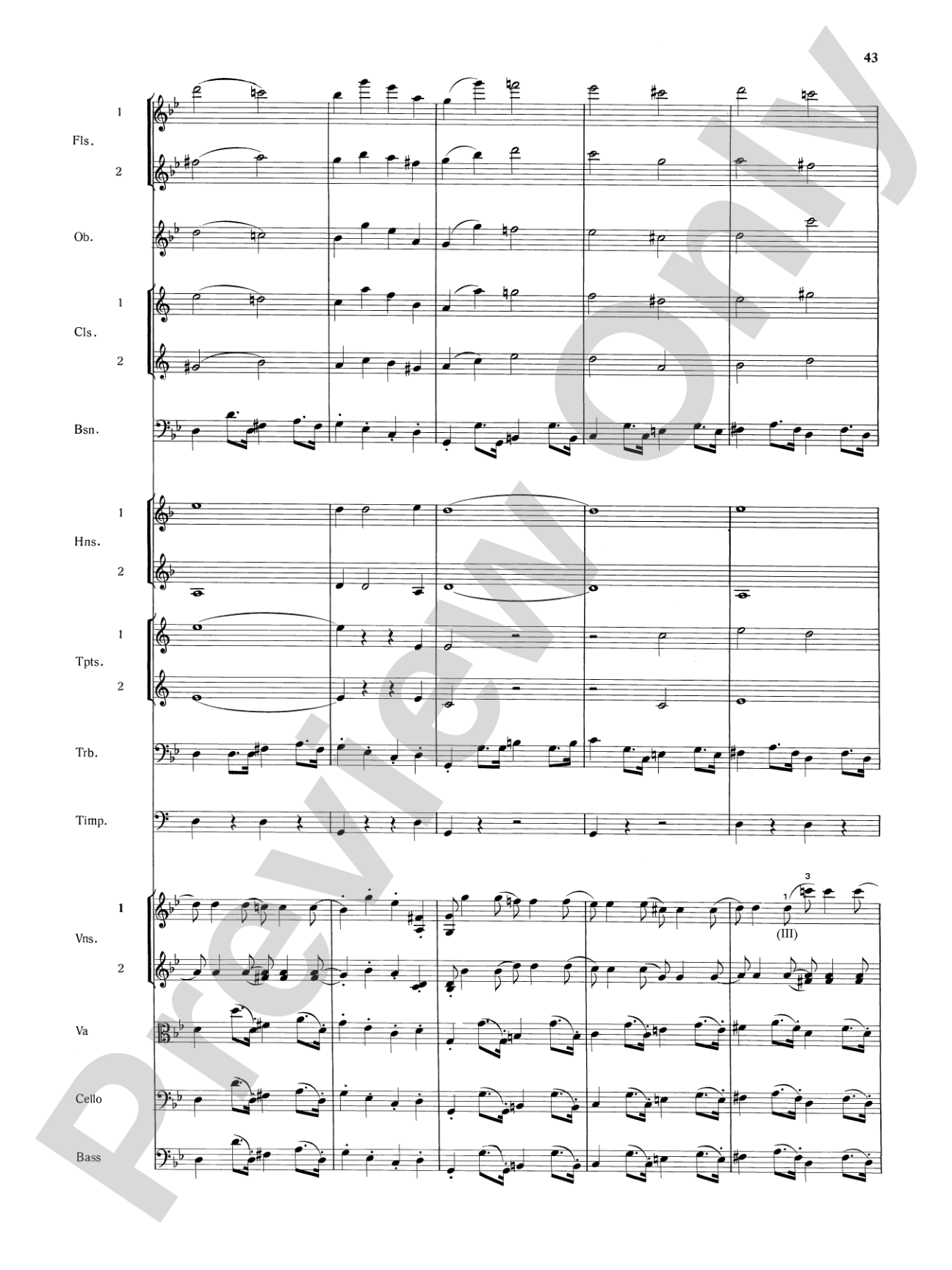
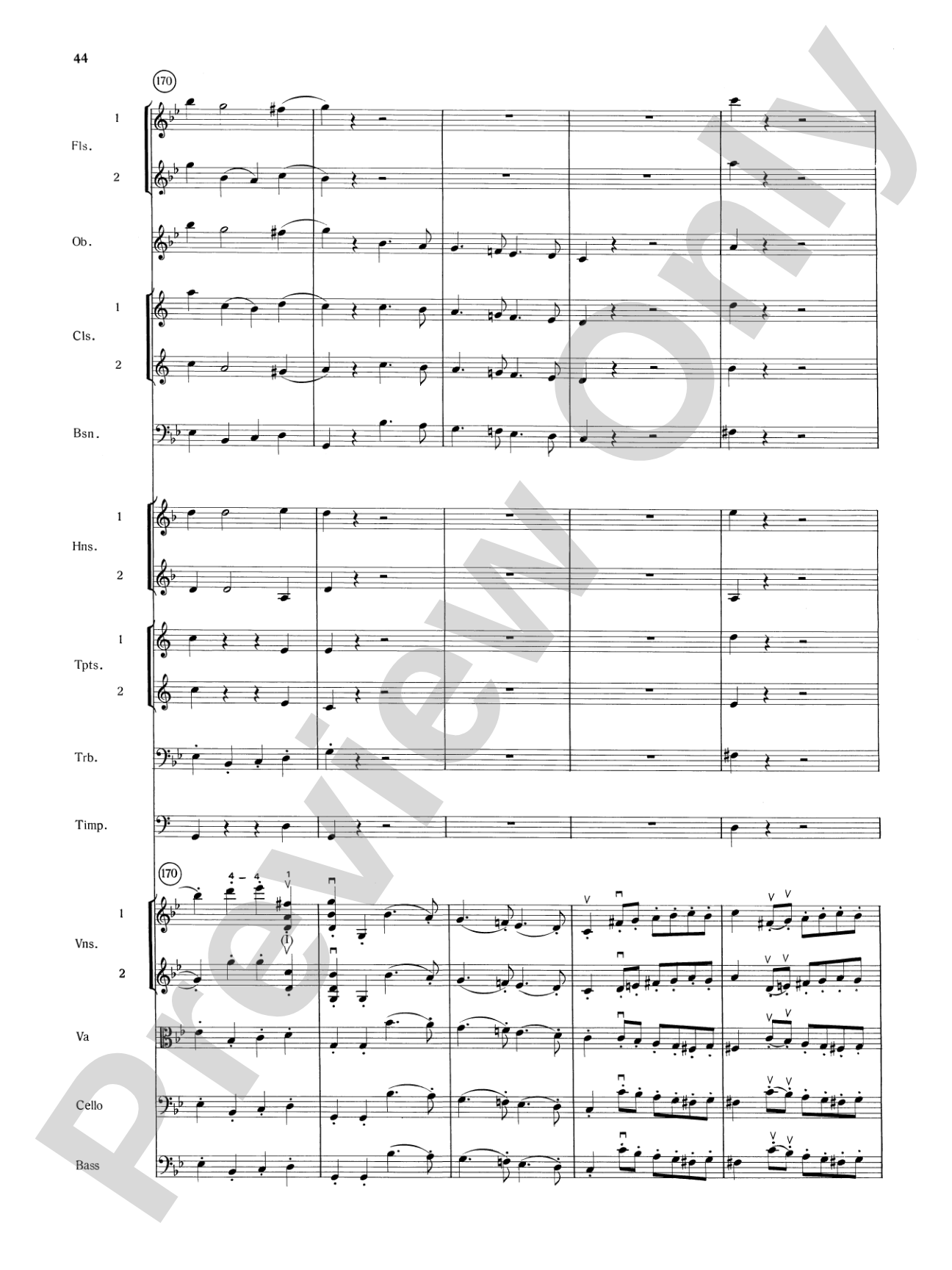
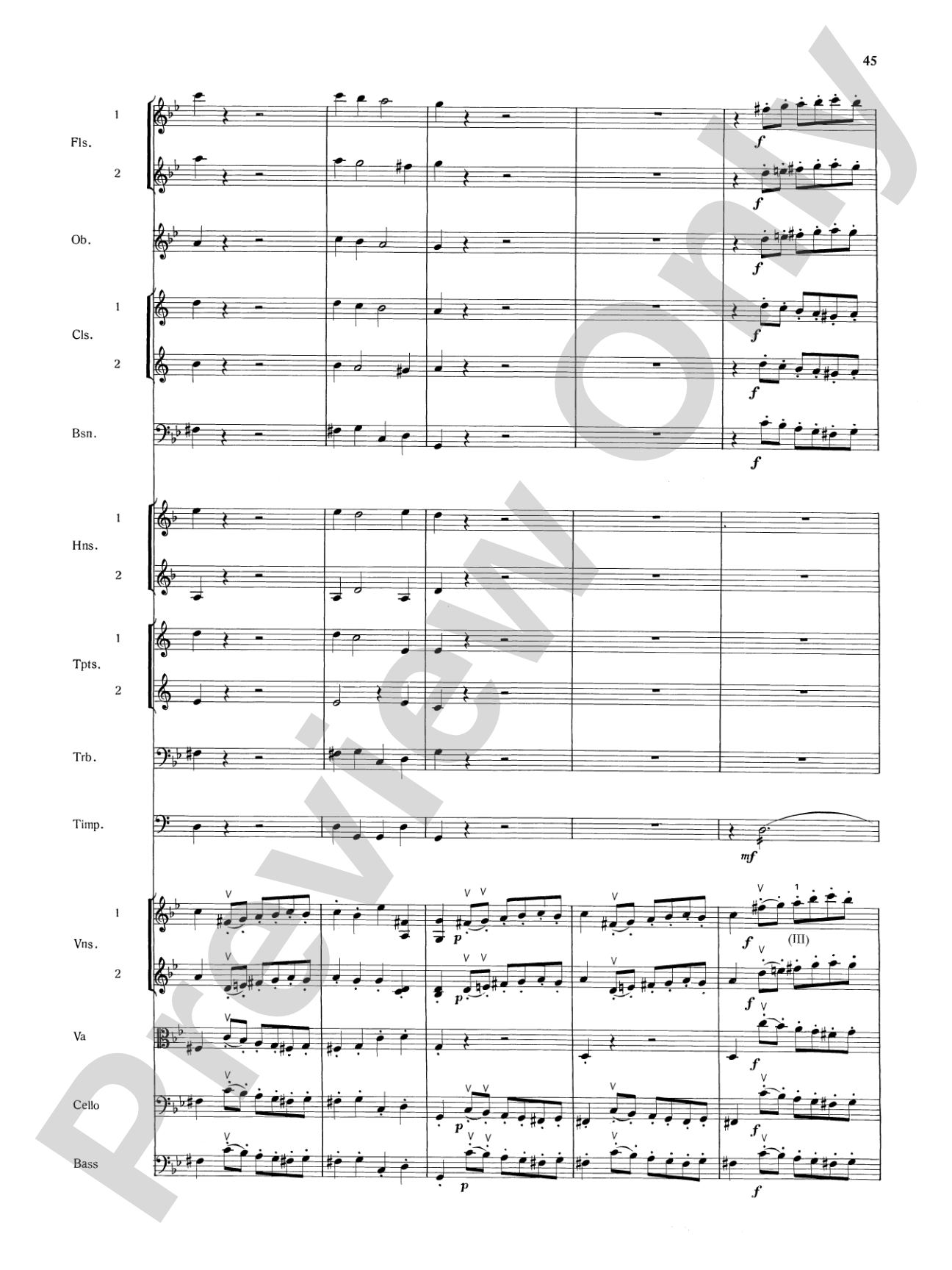
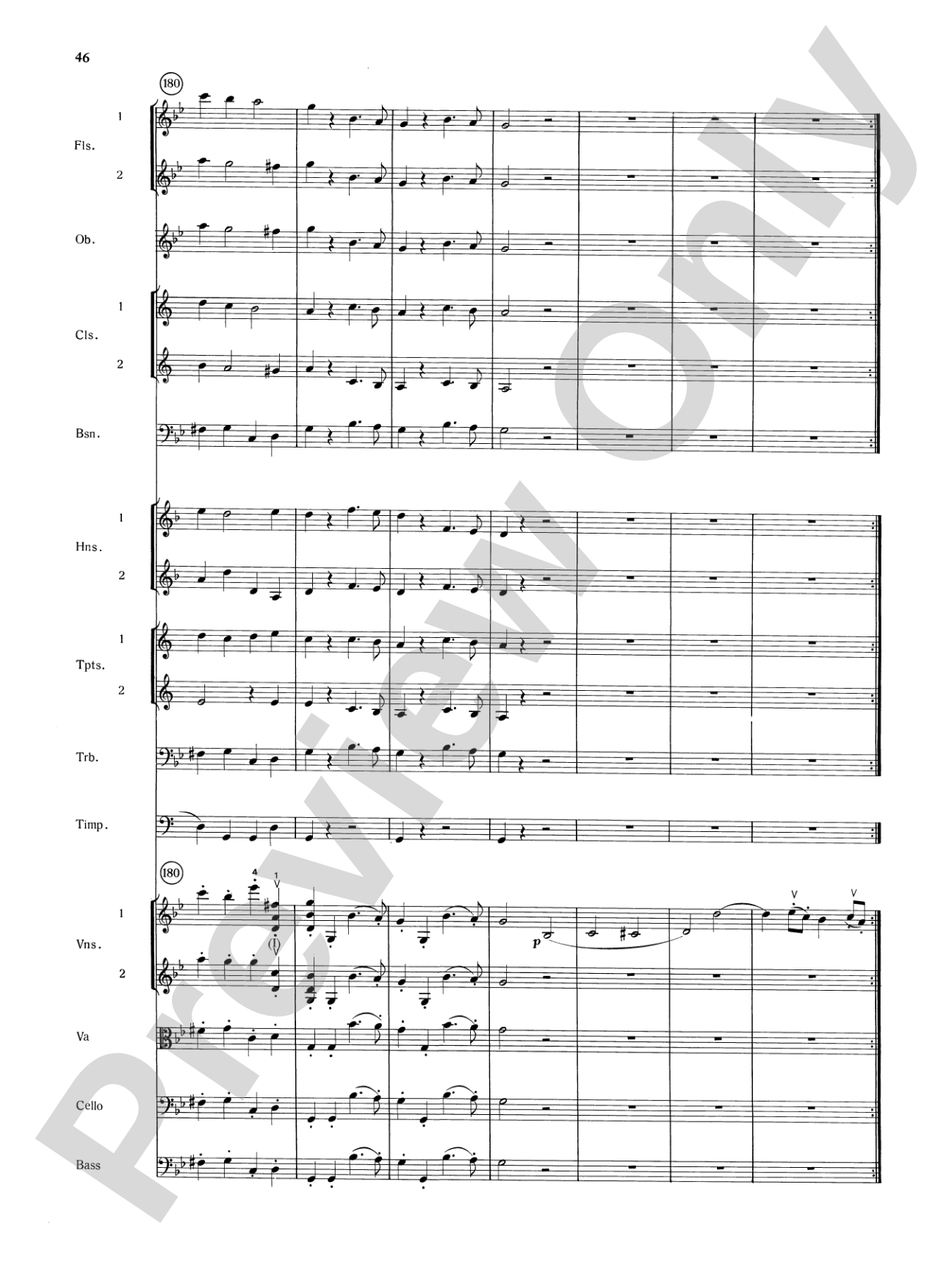
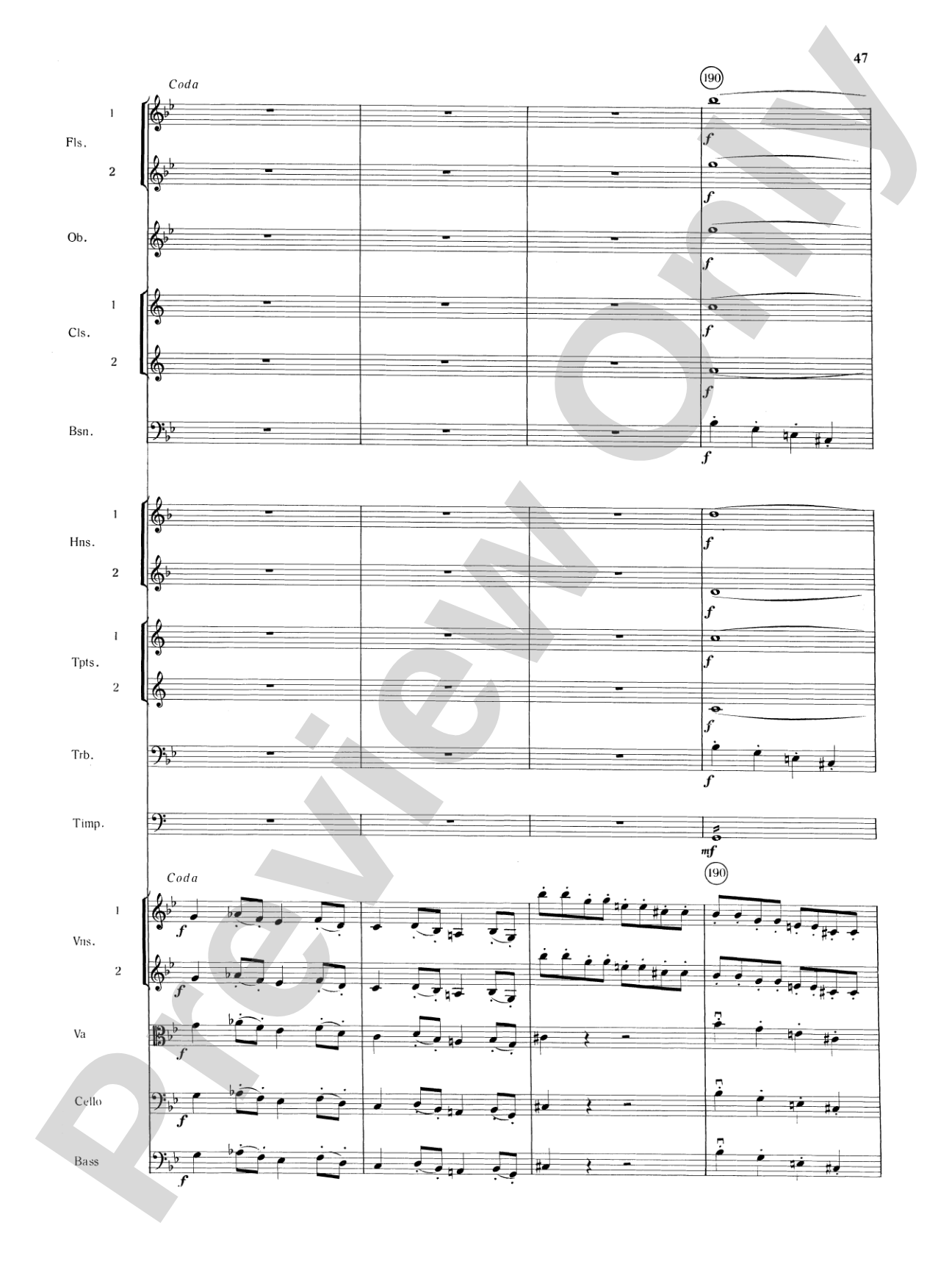
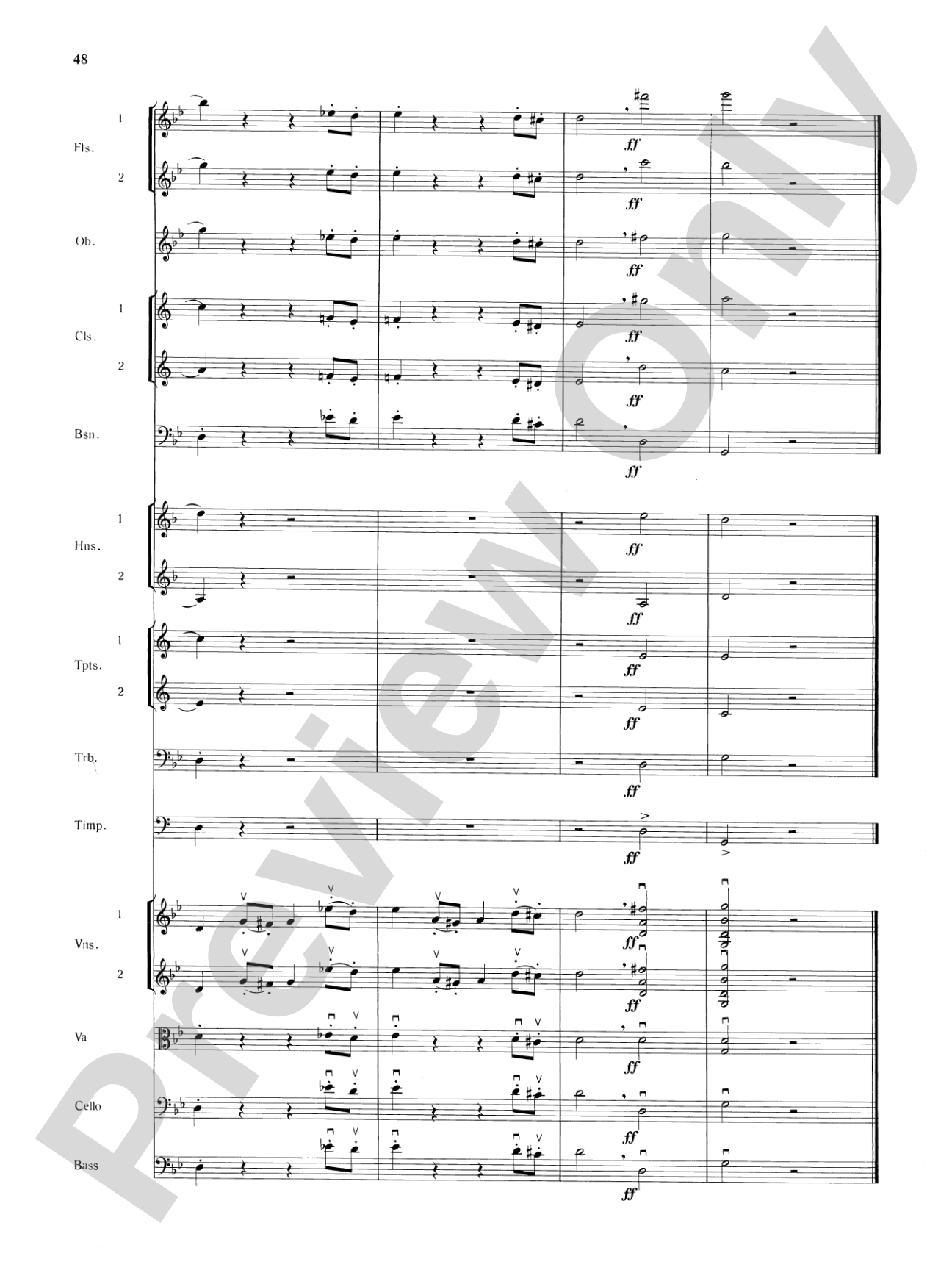

Mozart's Symphony No. 25 in G Minor, 3rd & 4th Movements: Score
By Wolfgang Amadeus Mozart / arr. Ralph Matesky
Grade: 4
Item: 00-PR-0000052
$9.00
Pickup currently not available
Description


Don't just read it, hear it, play along with it, and watch your students grow with it. In MakeMusic Cloud, Mozart's Symphony No. 25 in G Minor, 3rd & 4th Movements: Score comes alive with professional accompaniment, adjustable tempo, and built-in practice tools that turn solo practice into real progress.
Open in the Player
Jump straight in and assign it today.
Start Your Free Trial
Open this title and explore the full library in minutes.
Sample Audio
No sample audio found.
Sample Video
No sample videos found.
Additional Details
Series:
Highland/Etling Full Orchestra
Publisher:
Alfred Music
Page Count:
160
SKU:
00-PR-0000052
More about this title
About the Arranger: Ralph Matesky
Ralph Matesky built his reputation as an arranger who understands how to make classical masterworks accessible to student orchestras without sacrificing musical integrity. His work with the Highland/Etling series demonstrates a deep commitment to pedagogical clarity, ensuring that young musicians encounter genuine repertoire rather than simplified substitutes.
Why we love this
Mozart's G minor symphony ranks among his most emotionally turbulent works, and Matesky's arrangement preserves the intensity of the original while making it accessible to Grade 4 orchestras. The finale's relentless energy and the Andante's lyrical restraint give your orchestra a chance to tackle genuine musical substance without drowning in technical excess. This is the kind of masterwork that reminds students why they play.
What to expect
Turbulent and urgent. The G minor tonality carries an urgency that Classical form can barely contain; the third movement's minuet-and-trio offers respite without sentimentality, while the finale launches into relentless propulsion. It feels like watching Mozart wrestle with darker emotions while maintaining absolute structural control.
Who it's for
Intermediate to advanced full orchestras ready to perform genuine symphonic repertoire. This score demands secure reading, intonation awareness, and the orchestral discipline to execute Mozart's lean, transparent scoring. It suits ensembles with enough string depth and wind confidence to handle extended passages with chamber-like precision.
How to get the most out of it
- Balance the first violins' thematic material against the lower strings and winds; Mozart's orchestration relies on clear voice leading, not volume.
- Shape the Andante's long lines with deliberate phrase breathing; younger orchestras often rush through legato passages, which flattens the movement's quiet intensity.
- Lock the finale's rhythmic drive early in rehearsal. The relentless sixteenth-note figures need precision and collective confidence before you work on character.
- Attend to dynamic contrast between sections. Mozart wrote for clarity, not wash; unexpected softs are as important as the forte moments.
How to use it
Position this as a centerpiece for a concert emphasizing orchestral maturity and stylistic range. It pairs well alongside lighter Baroque or early Classical works to showcase your ensemble's versatility, or program it as the anchor of a festival entry. The dramatic arc across both movements gives audiences a genuine symphonic experience in a compact package.
Skills your students will build
- Transparent orchestral balance in Classical textures
- Reading and executing extended passages in minor keys with rhythmic clarity
- Sustaining phrase direction across slow movements without dragging tempo
- Coordinating independent wind and string sections in dialogue-driven writing
- Dynamic control and attack precision in Allegro movements with driving rhythmic figures