
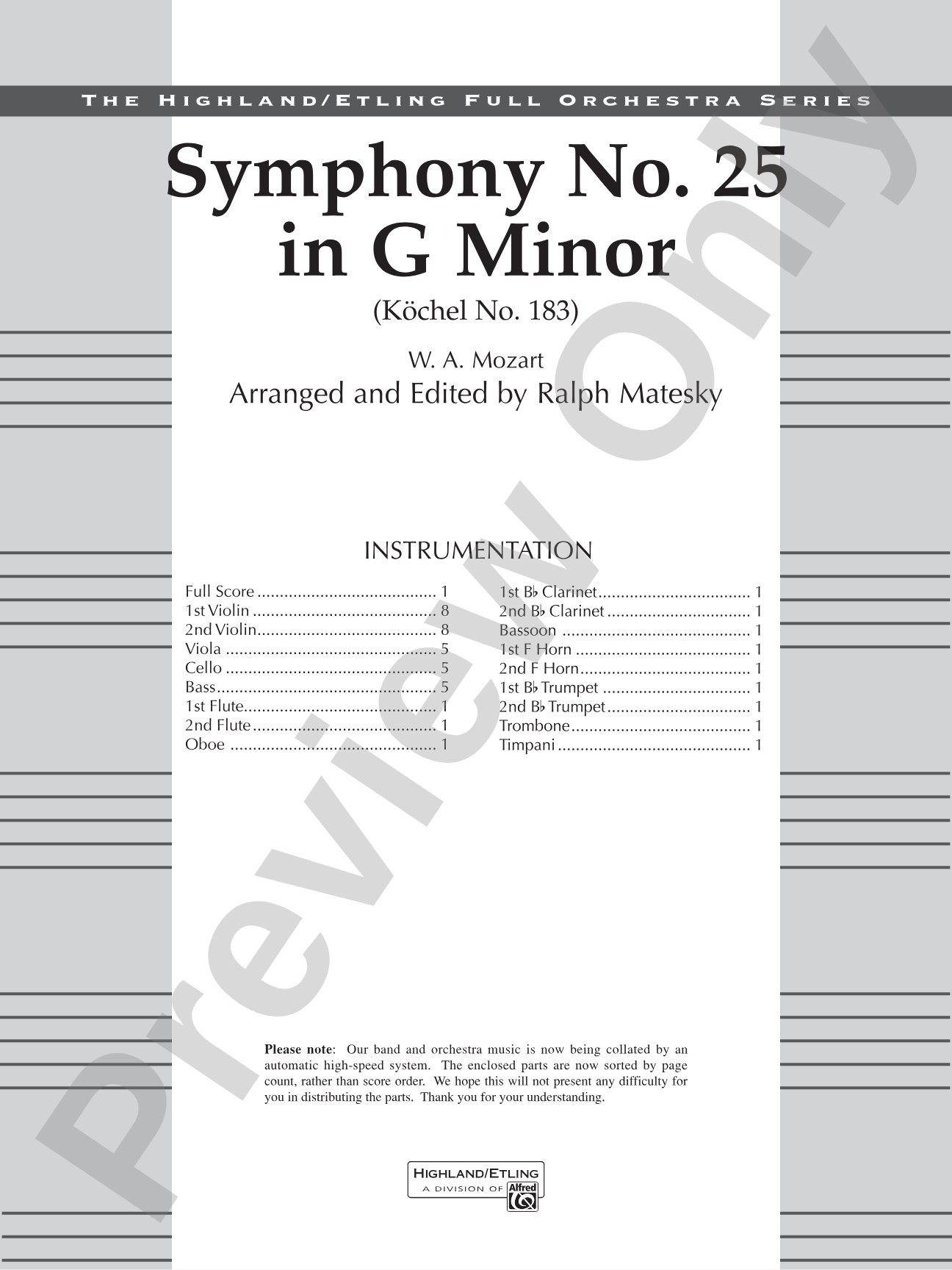

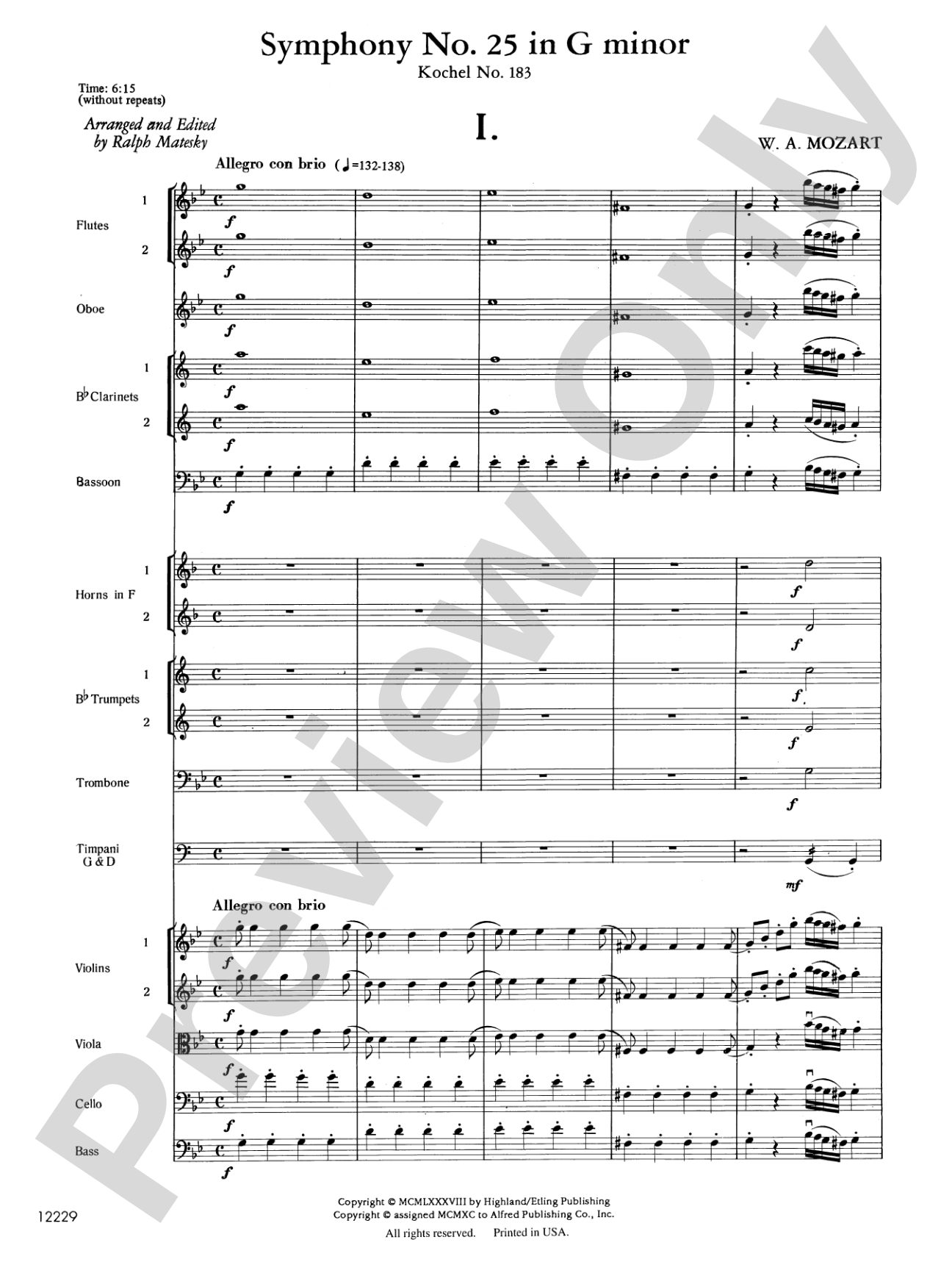
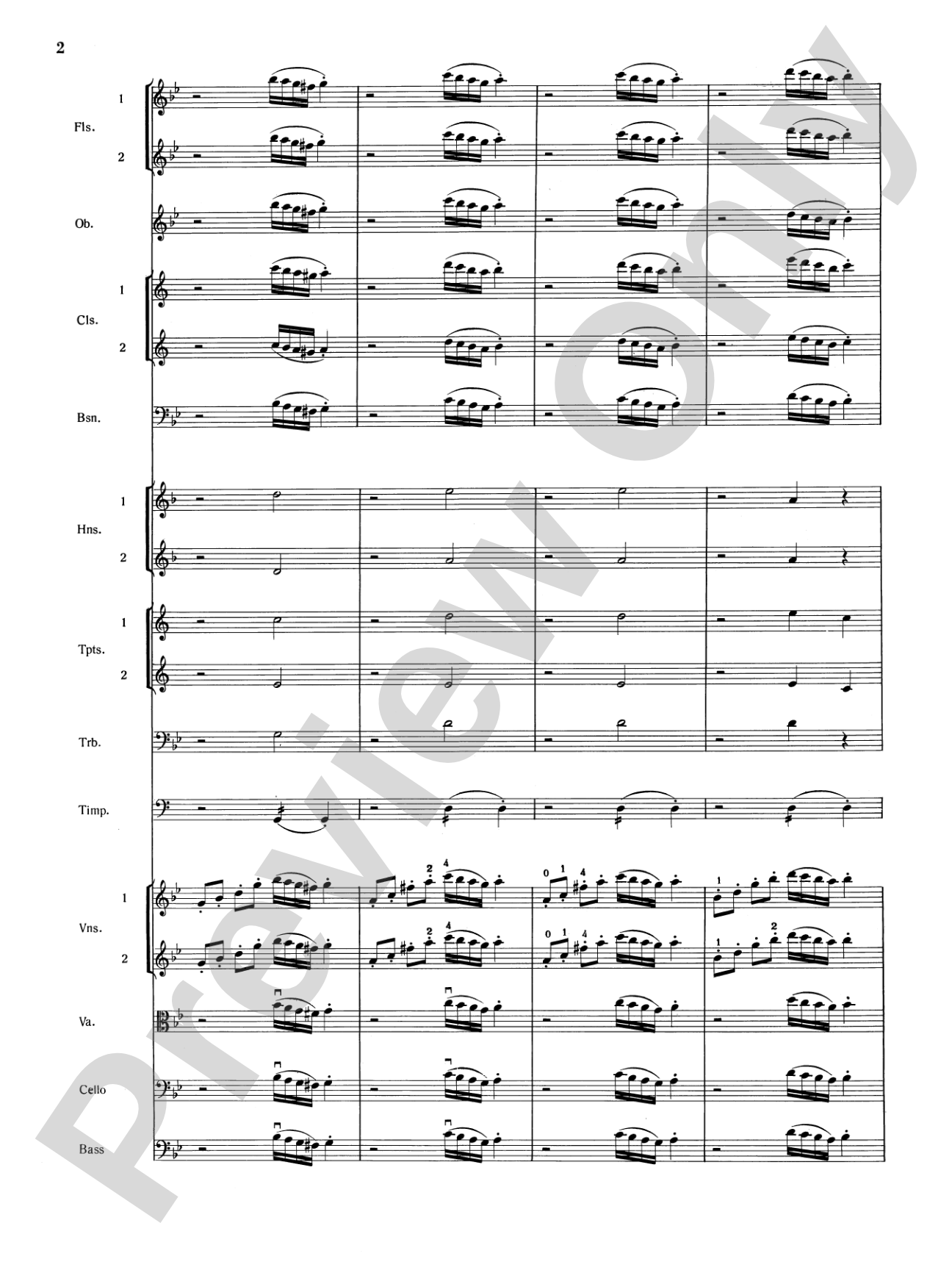
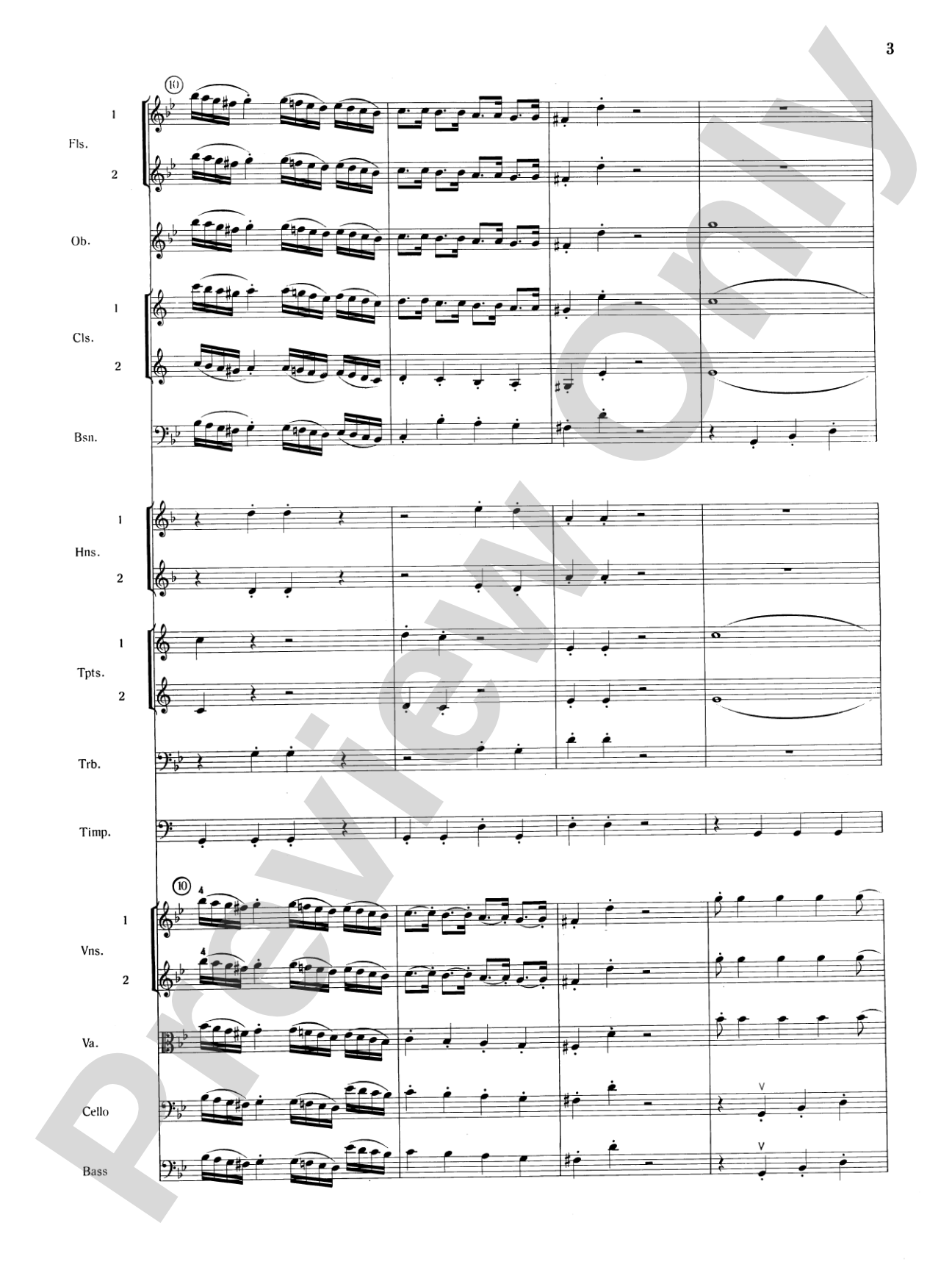
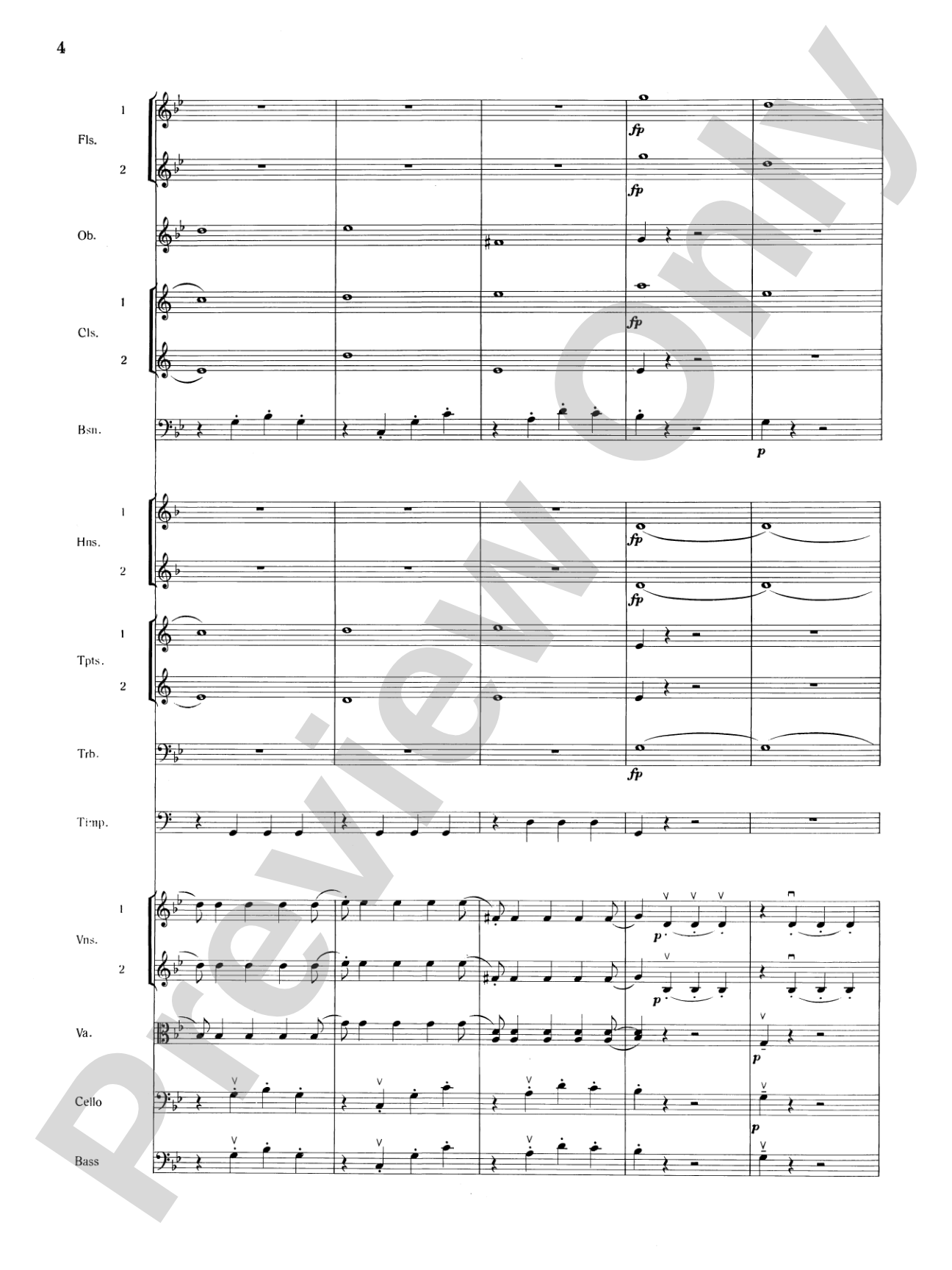
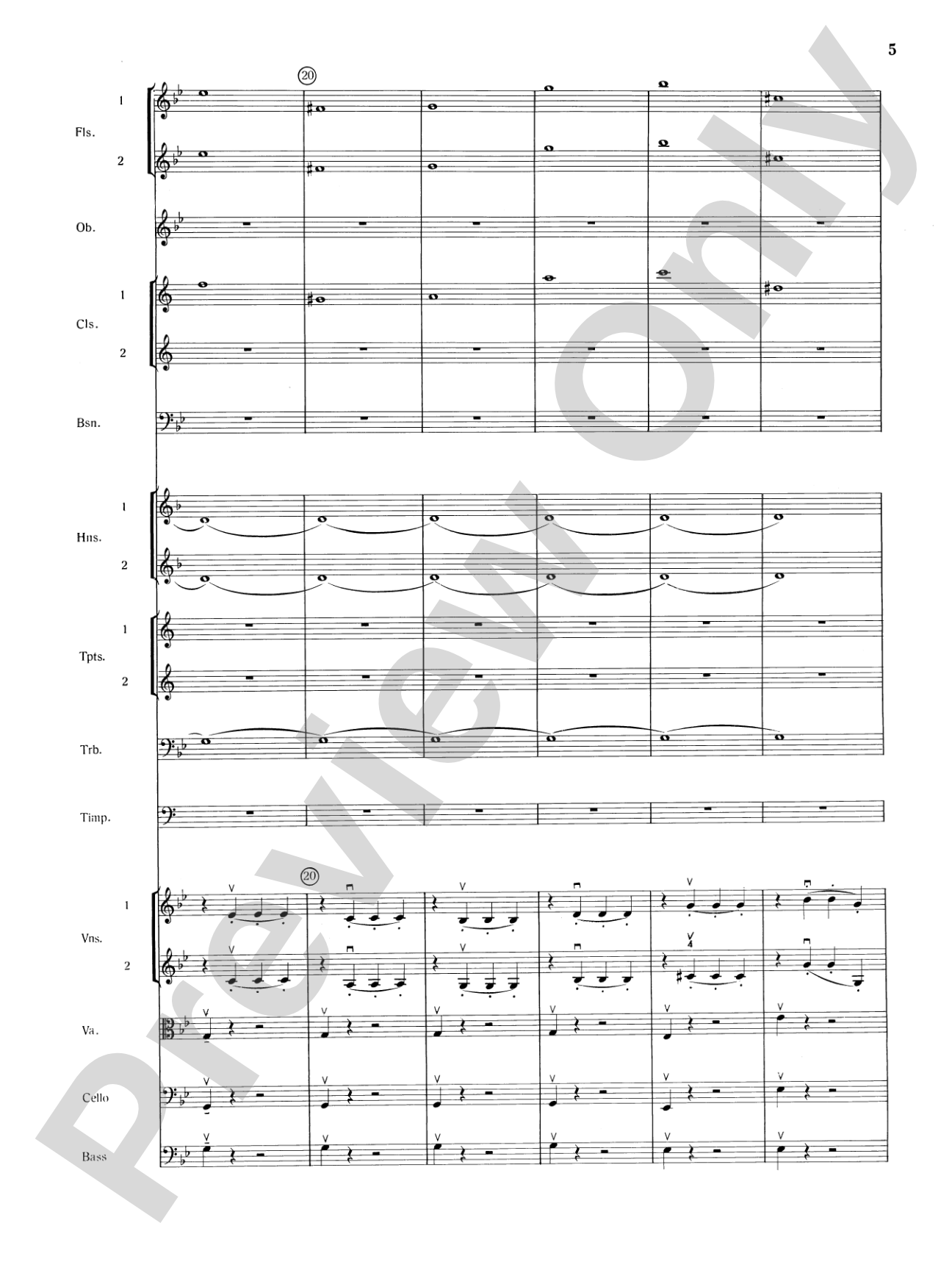
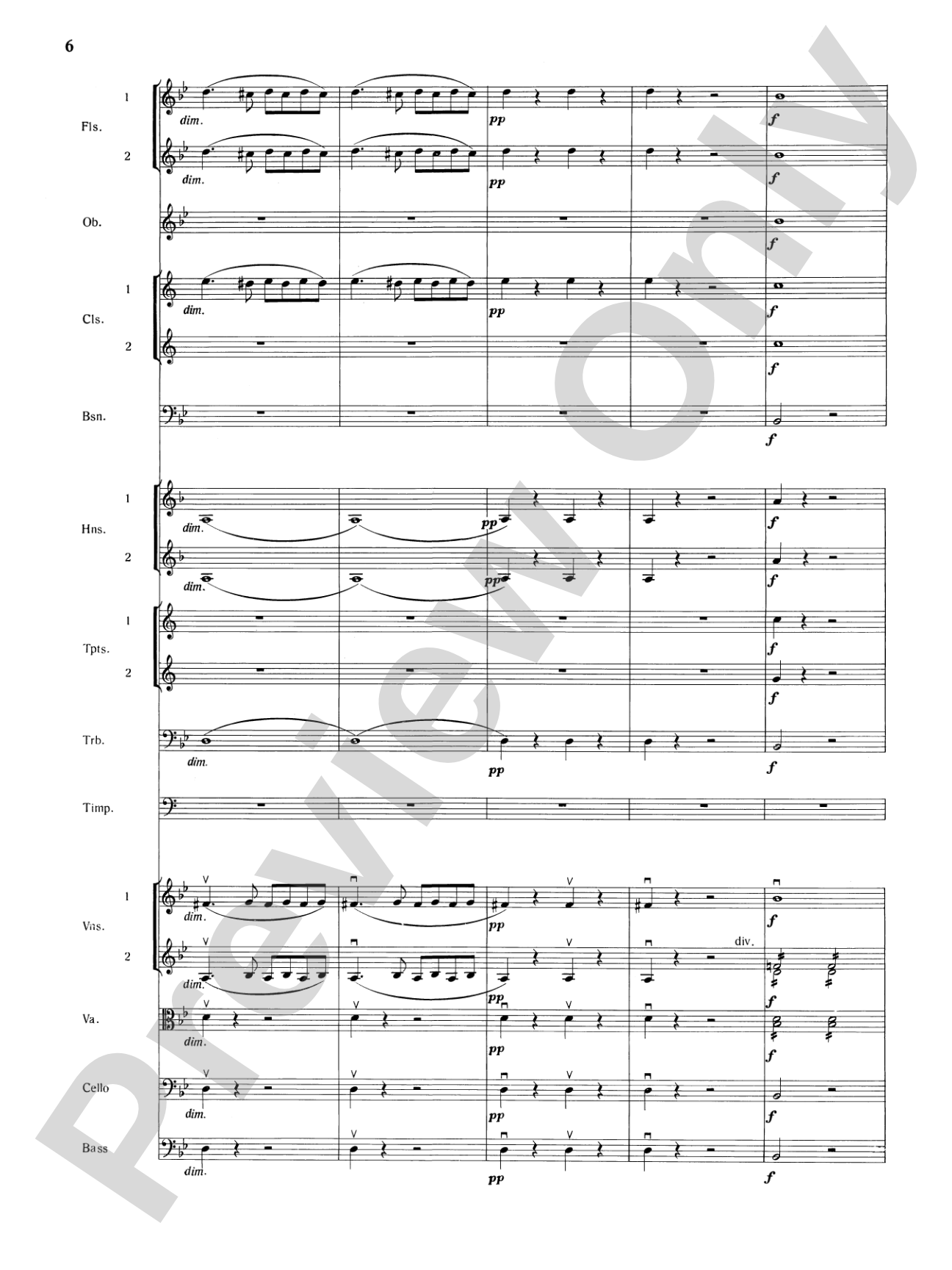
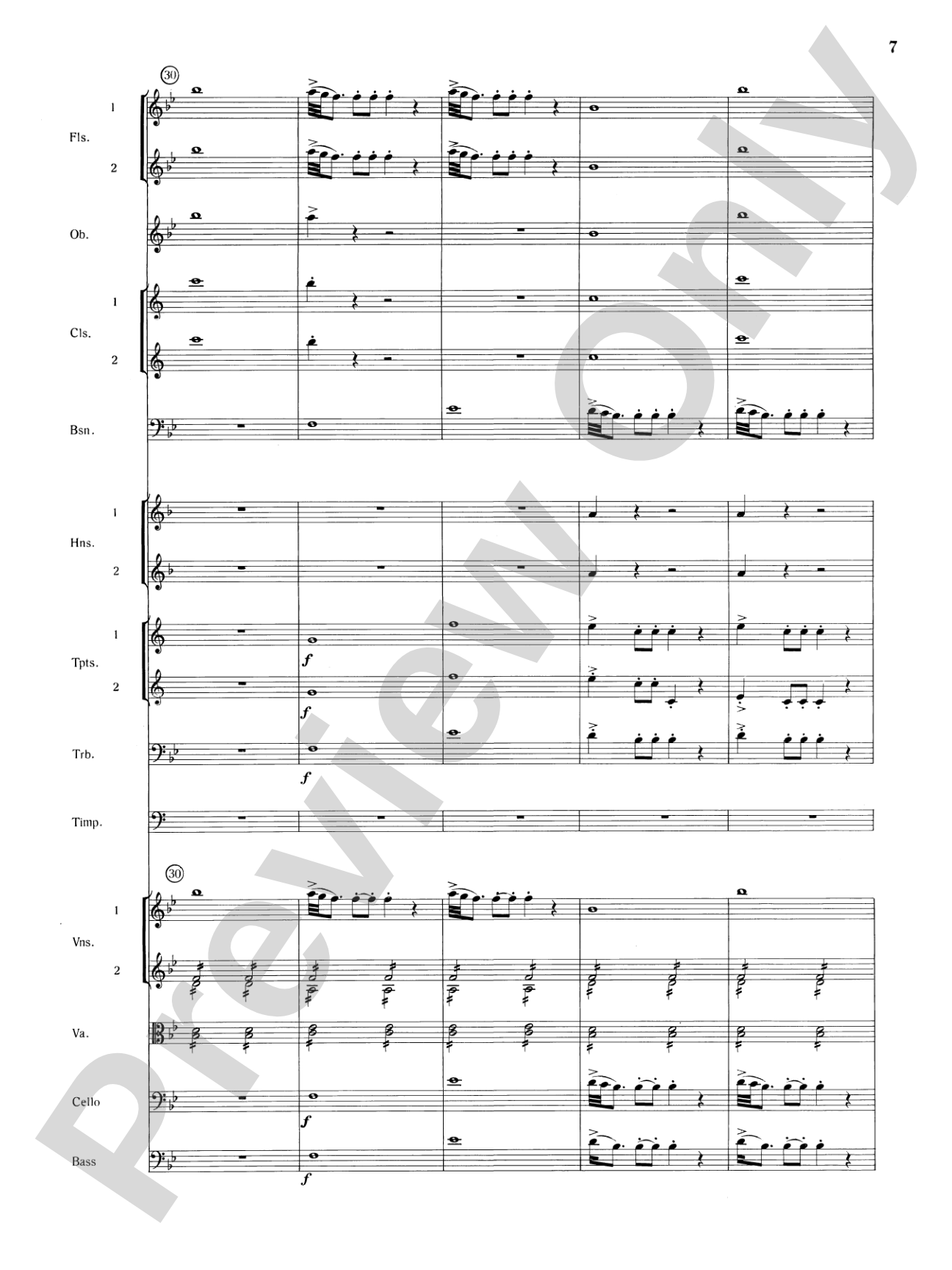
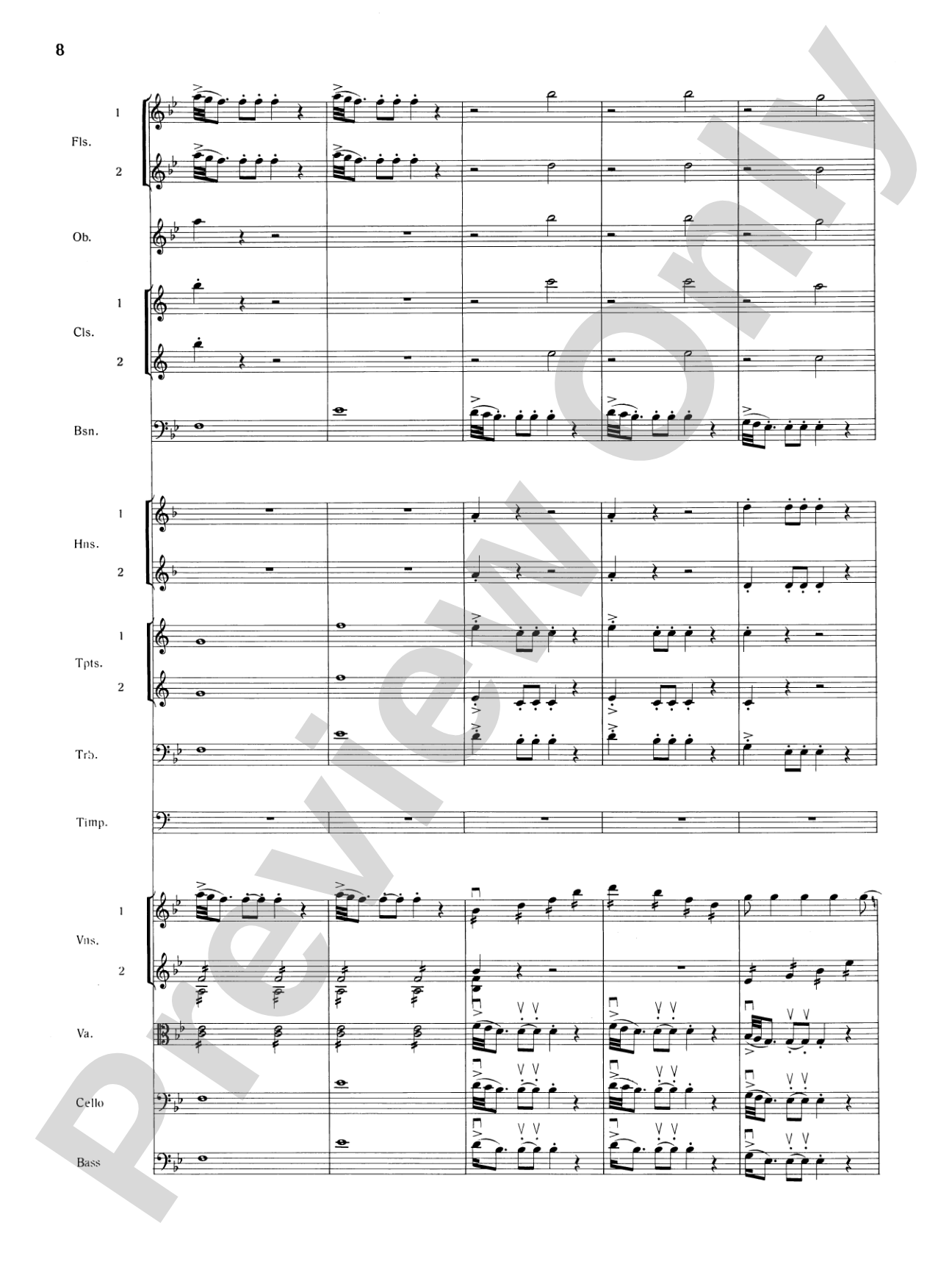
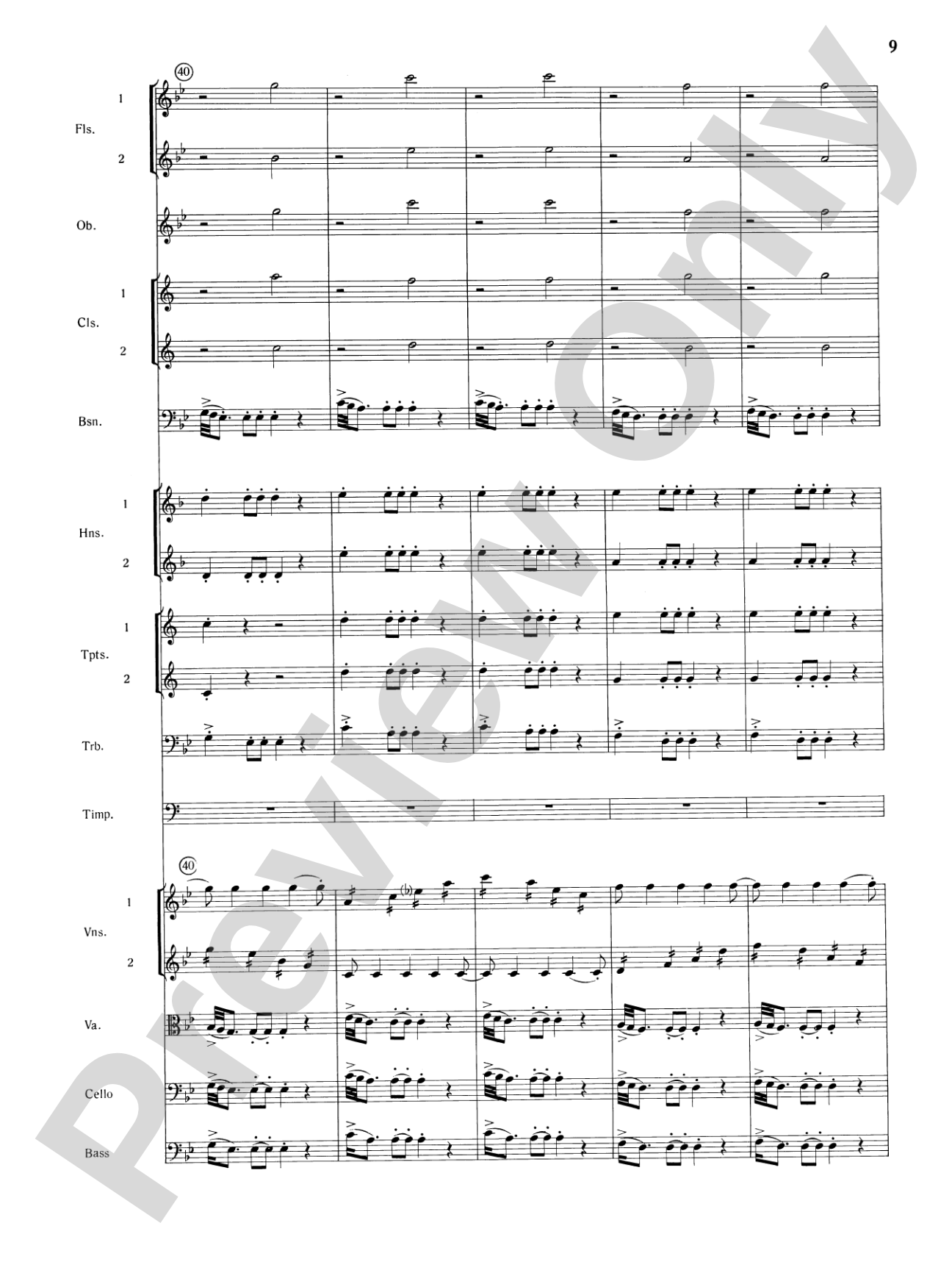
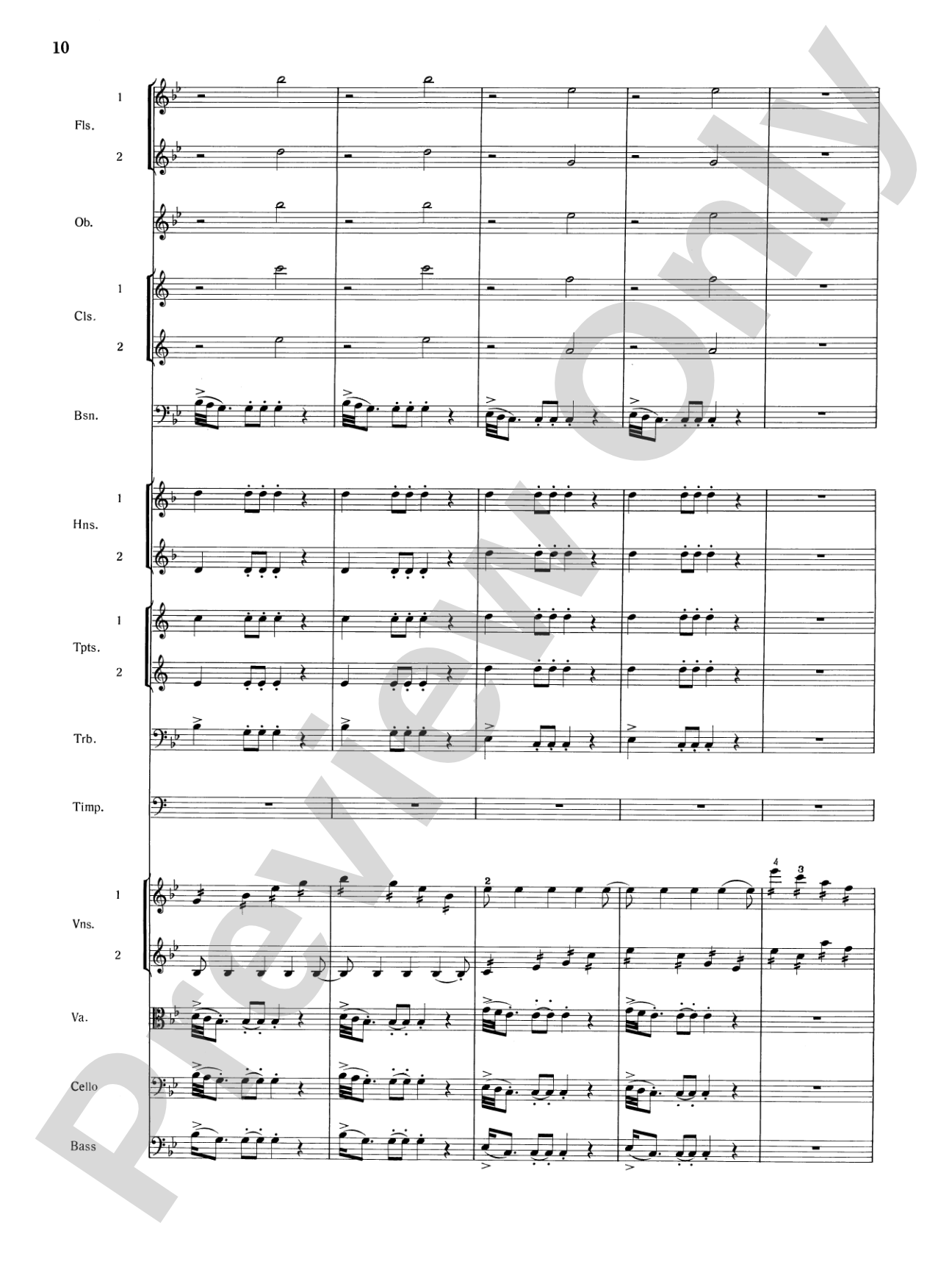
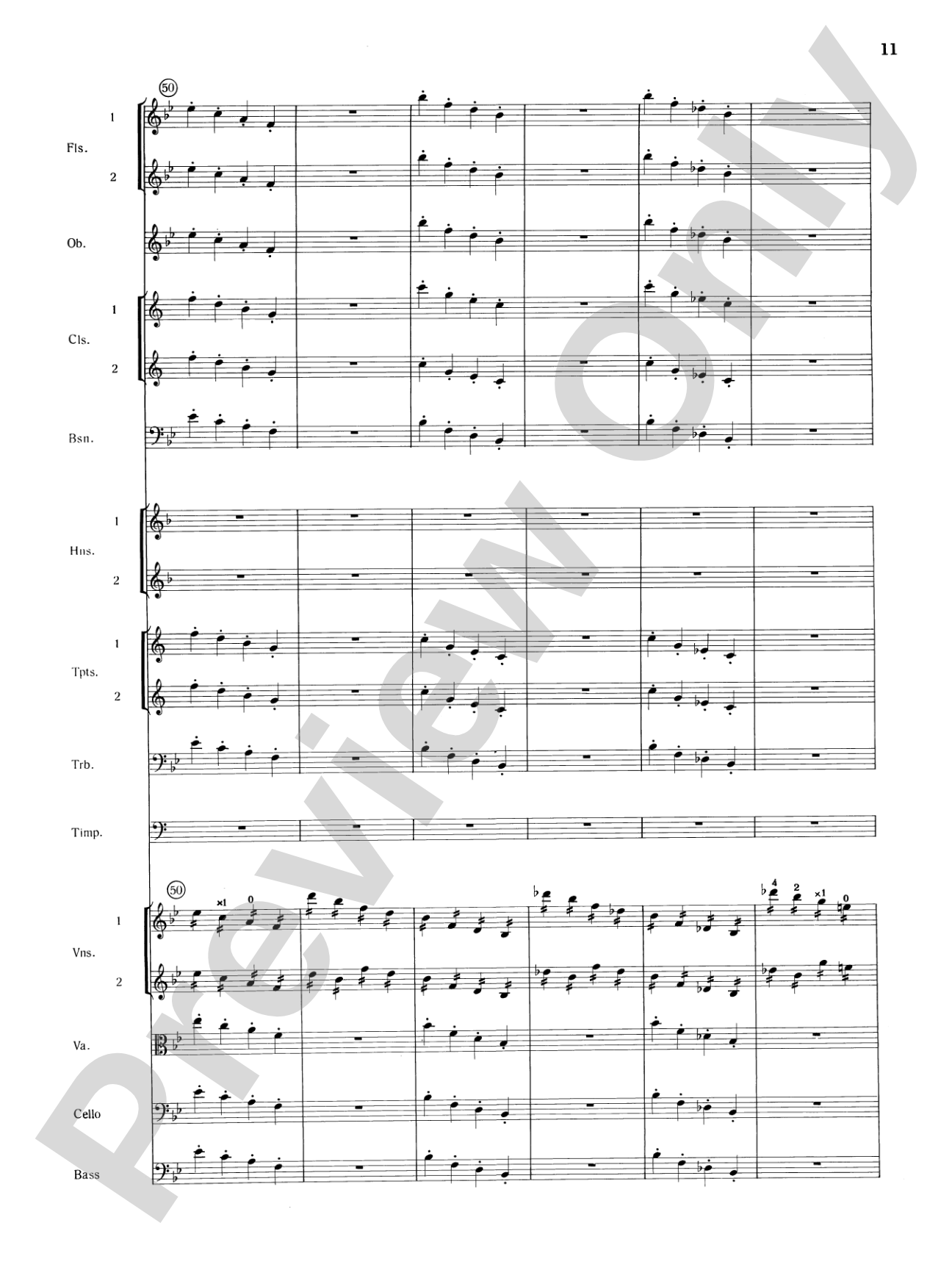
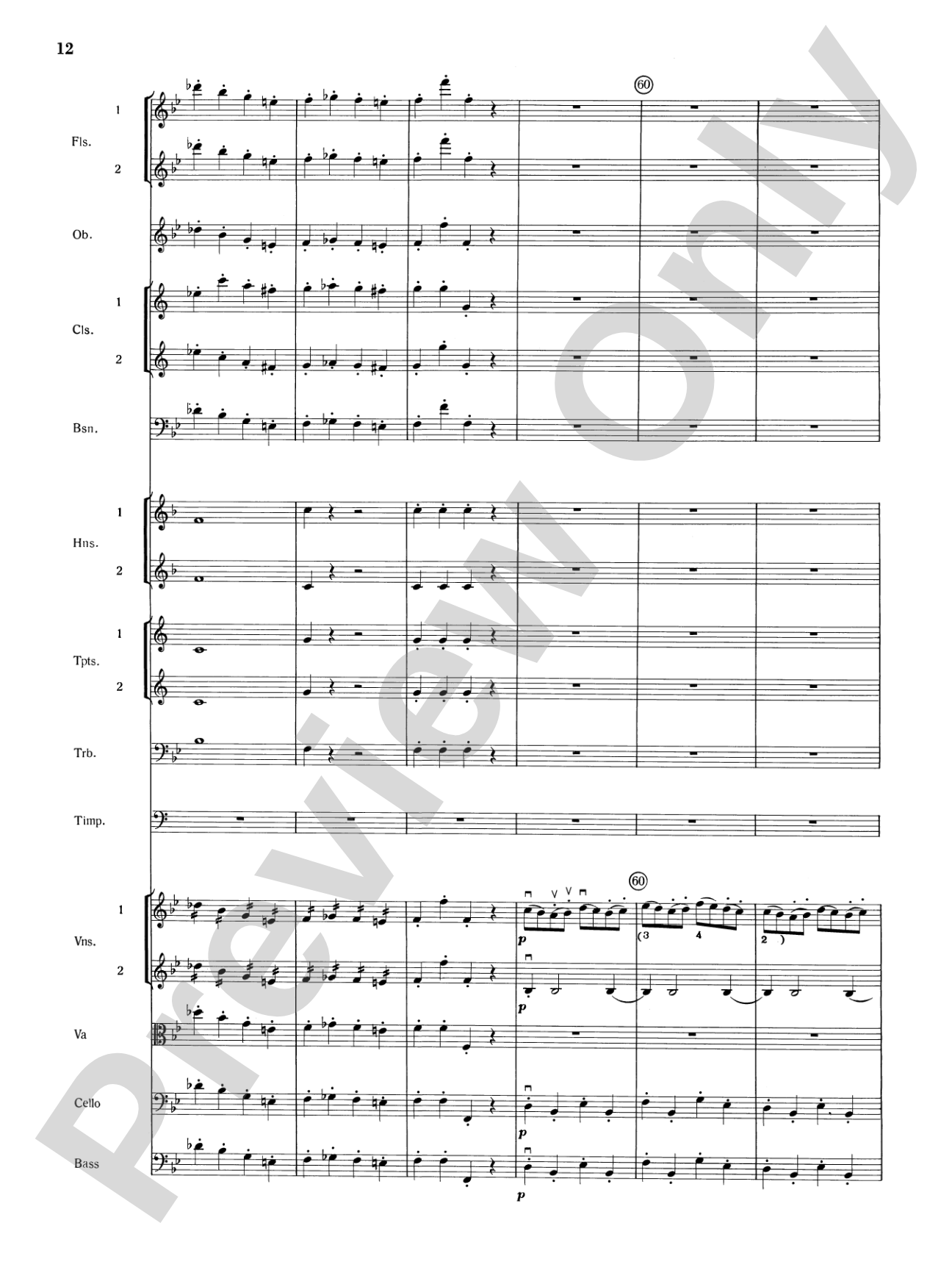
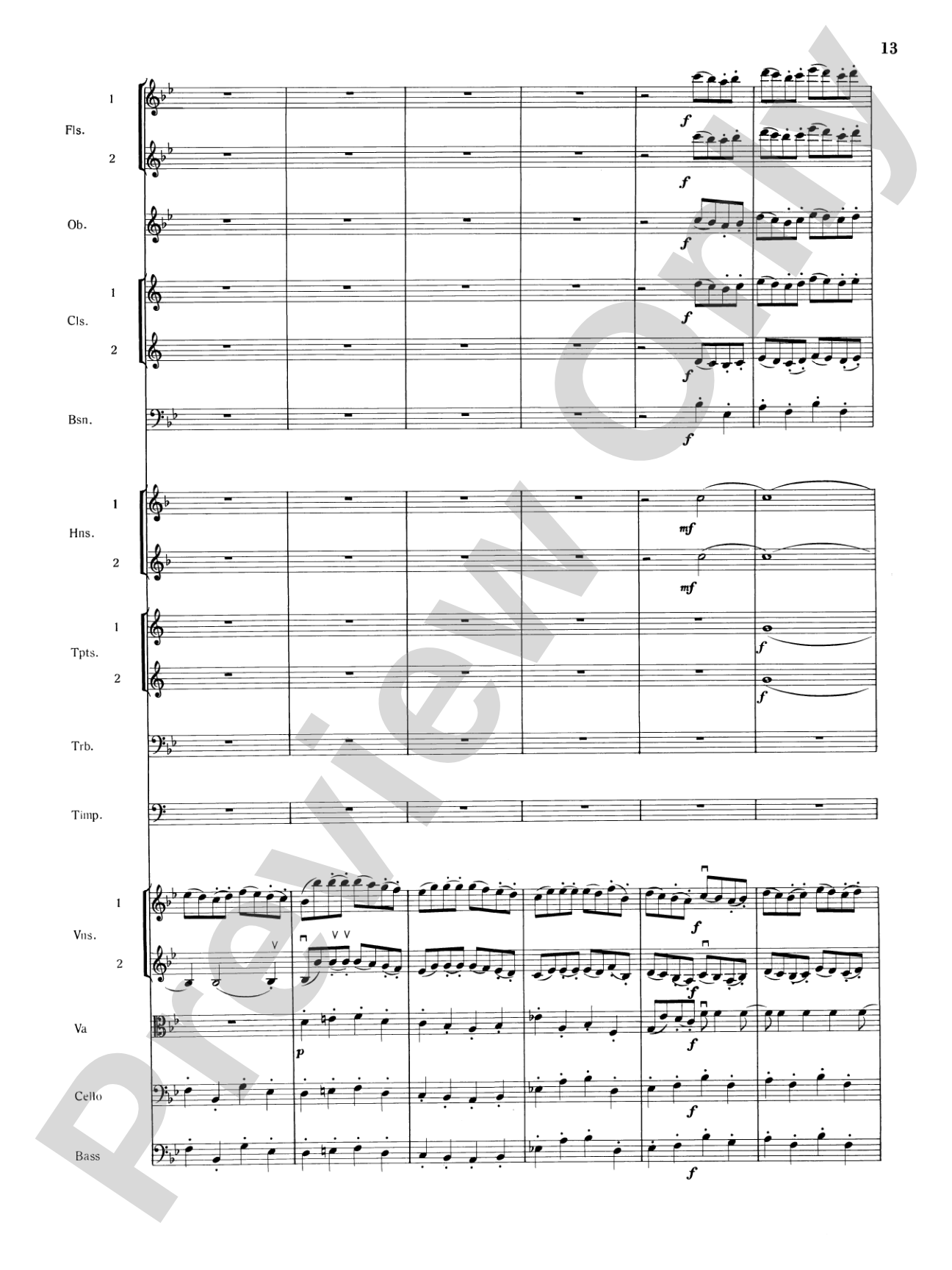
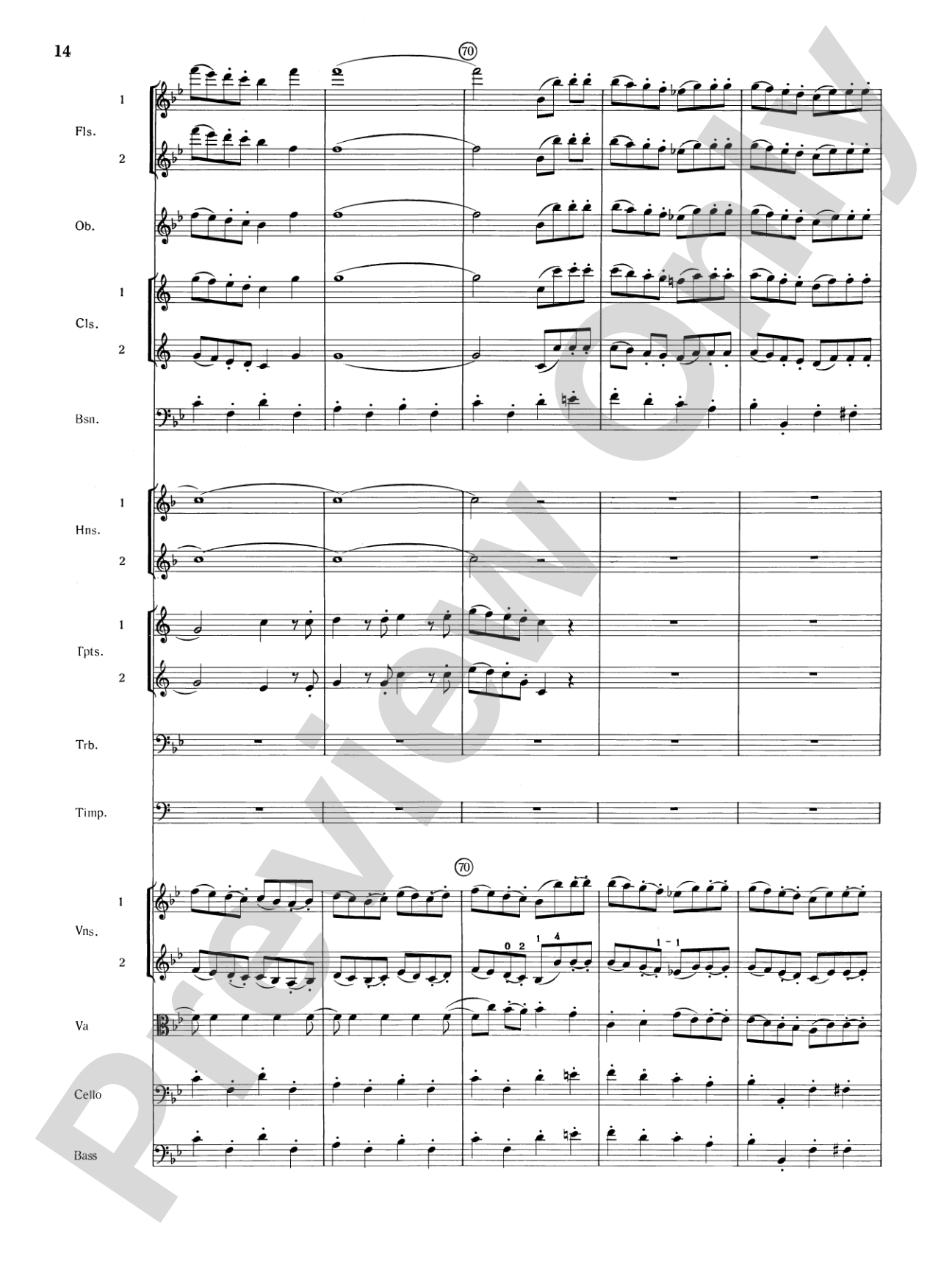
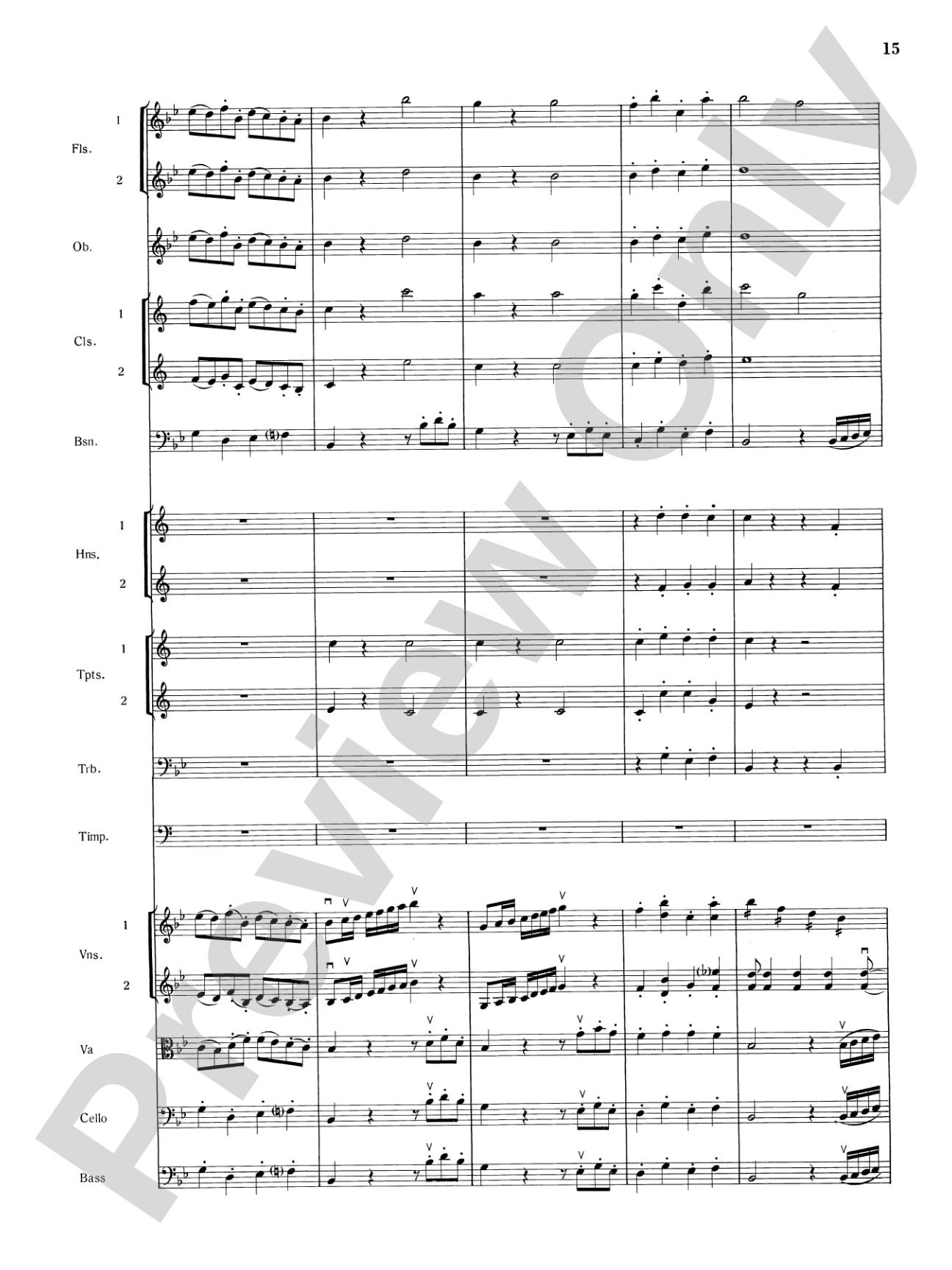
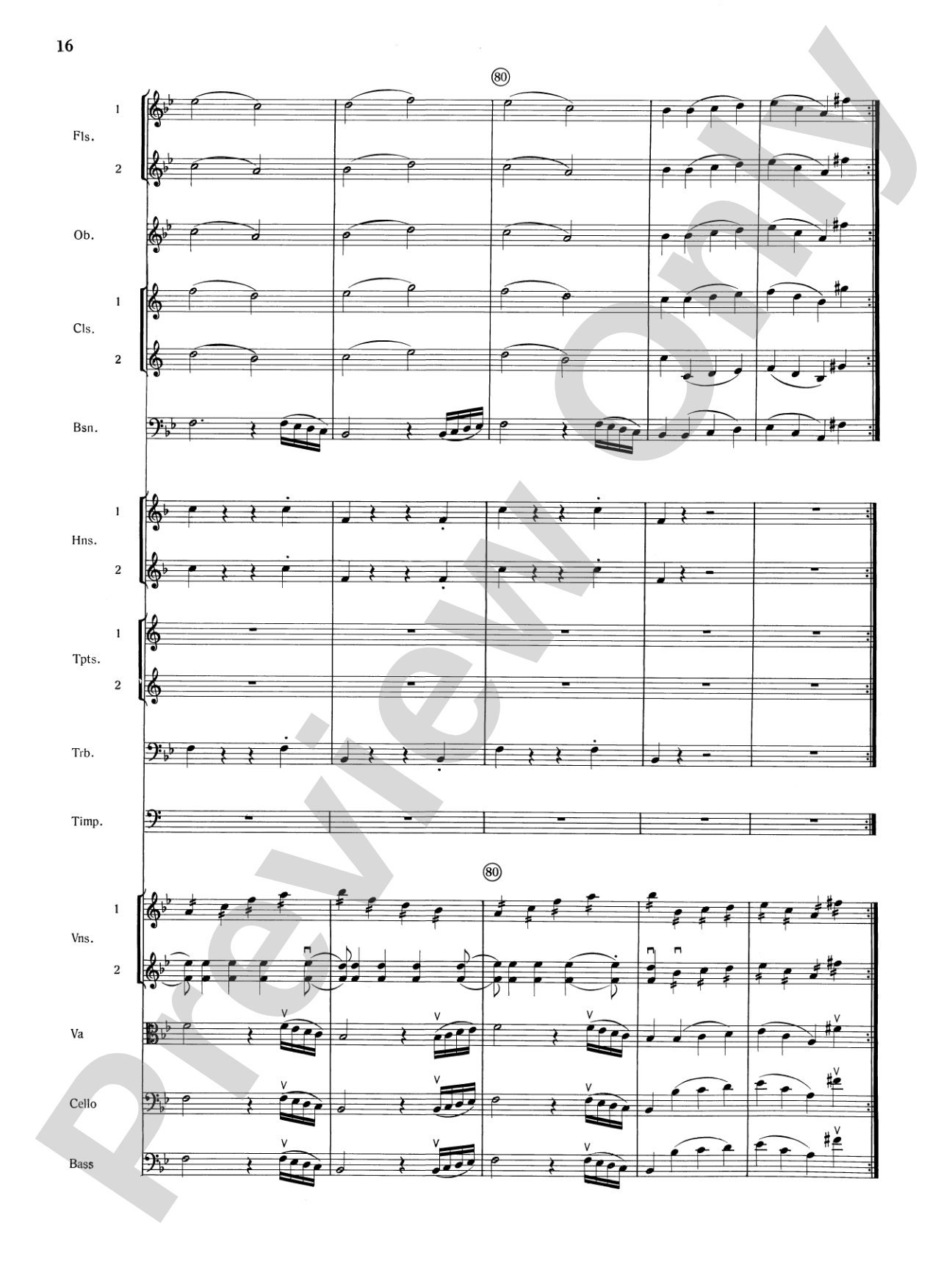
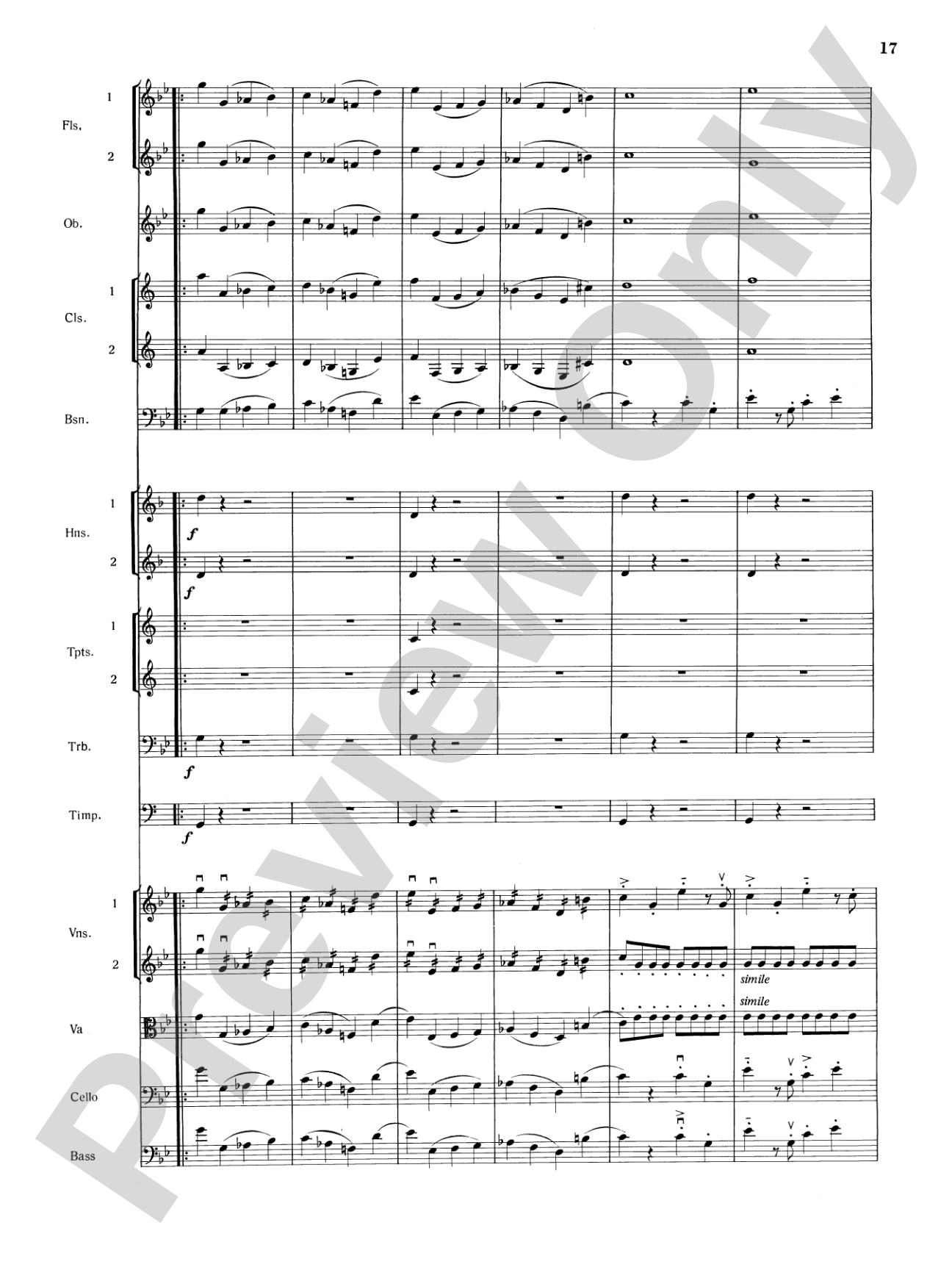
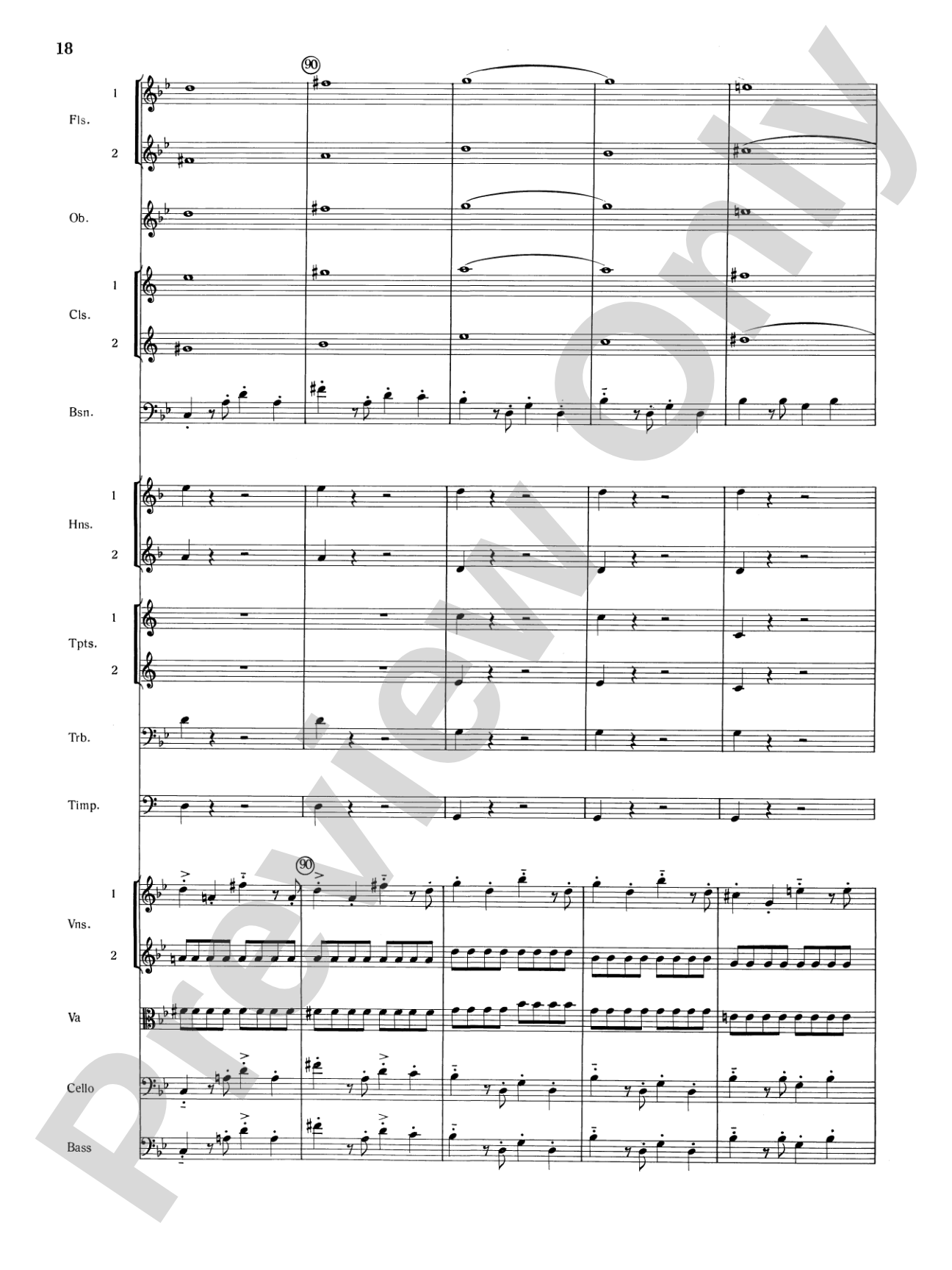
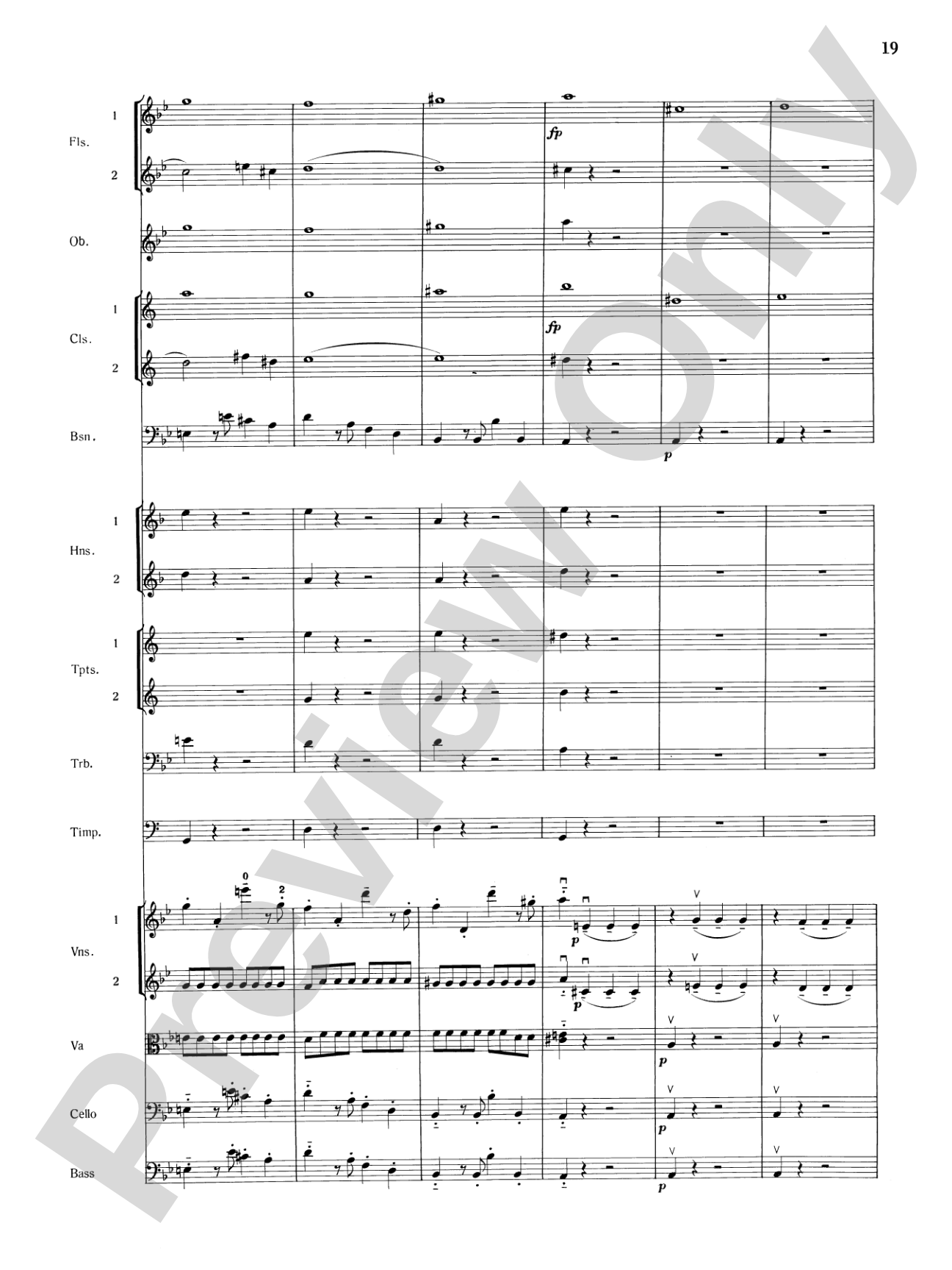
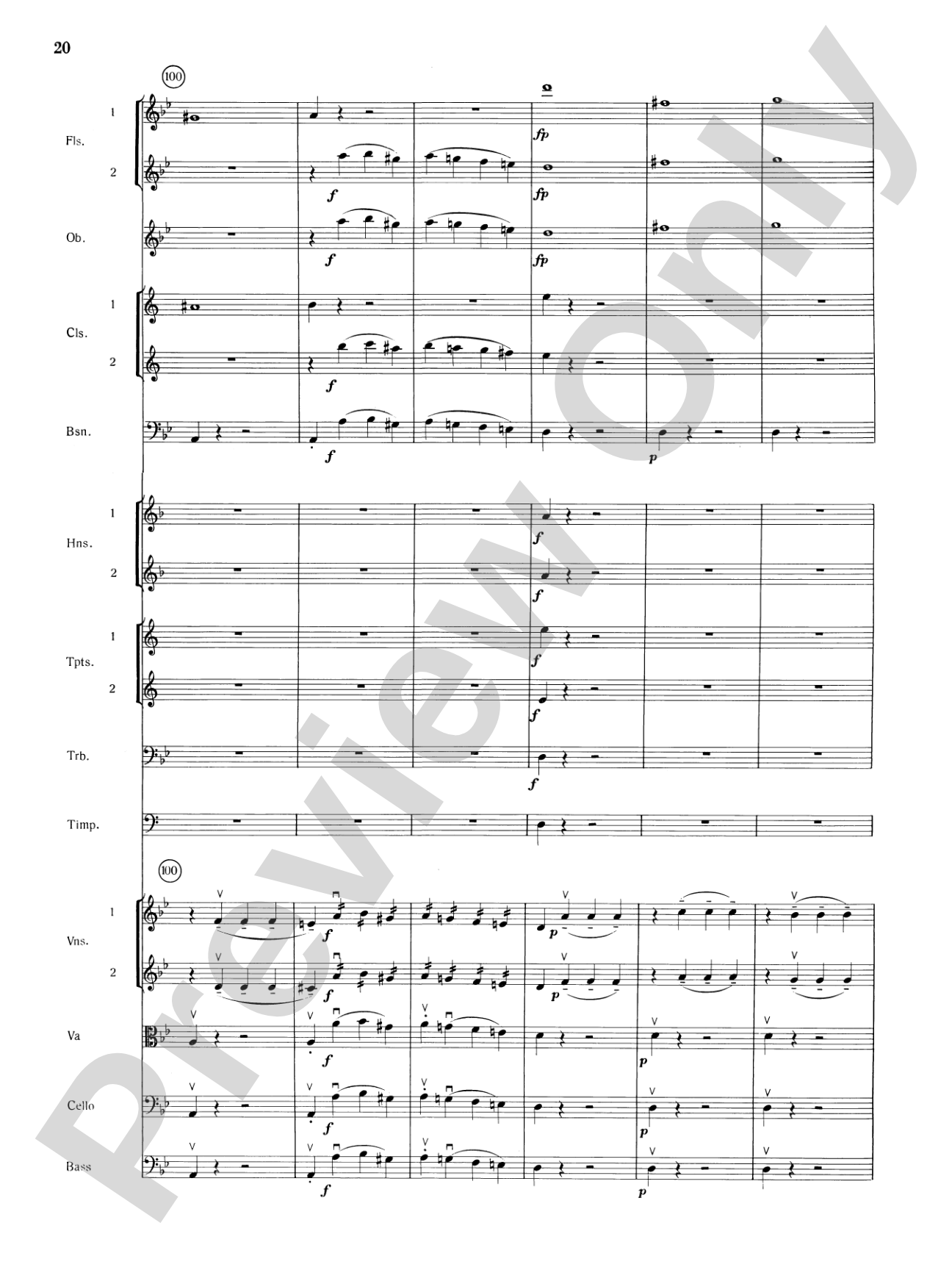
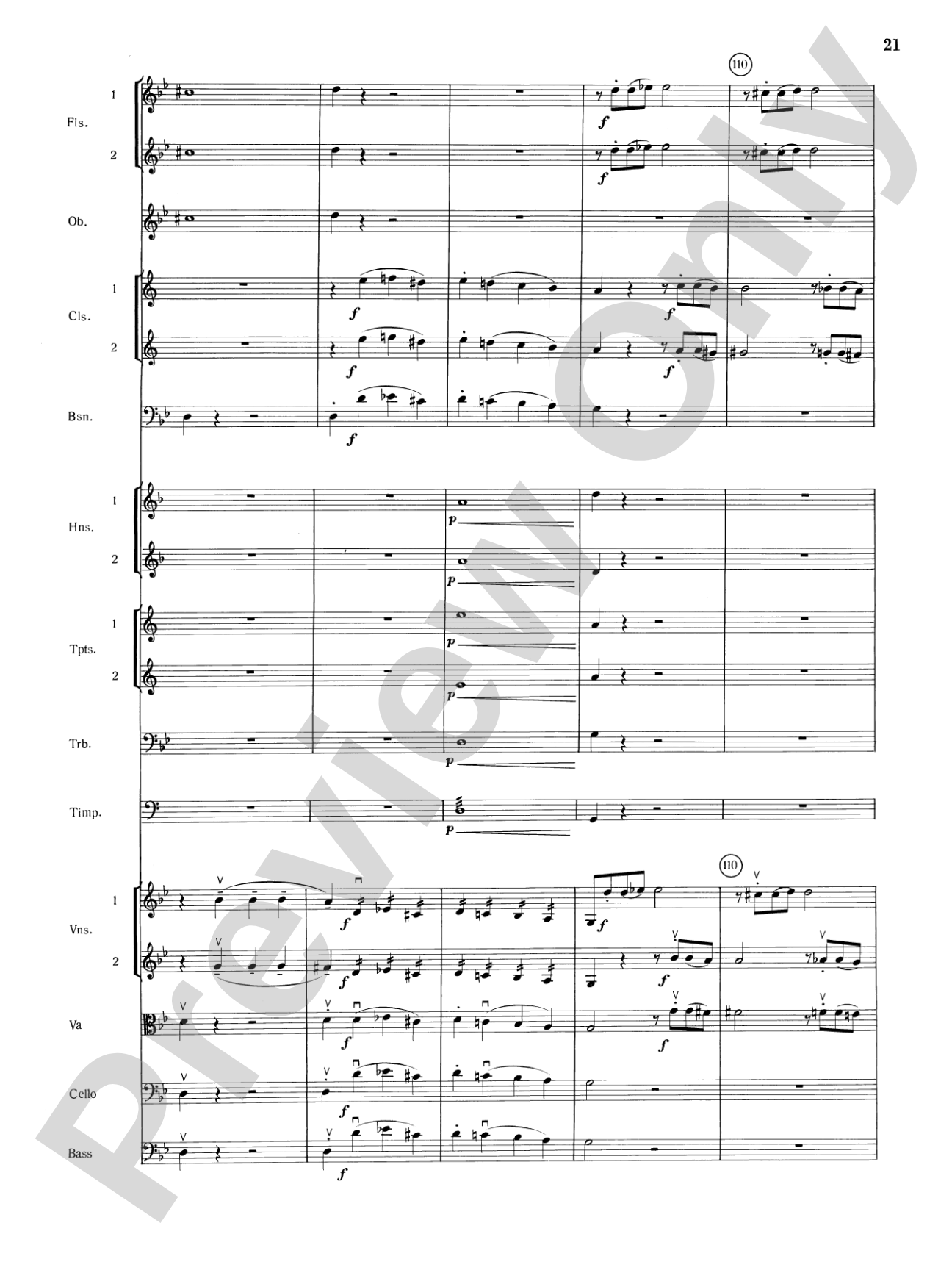
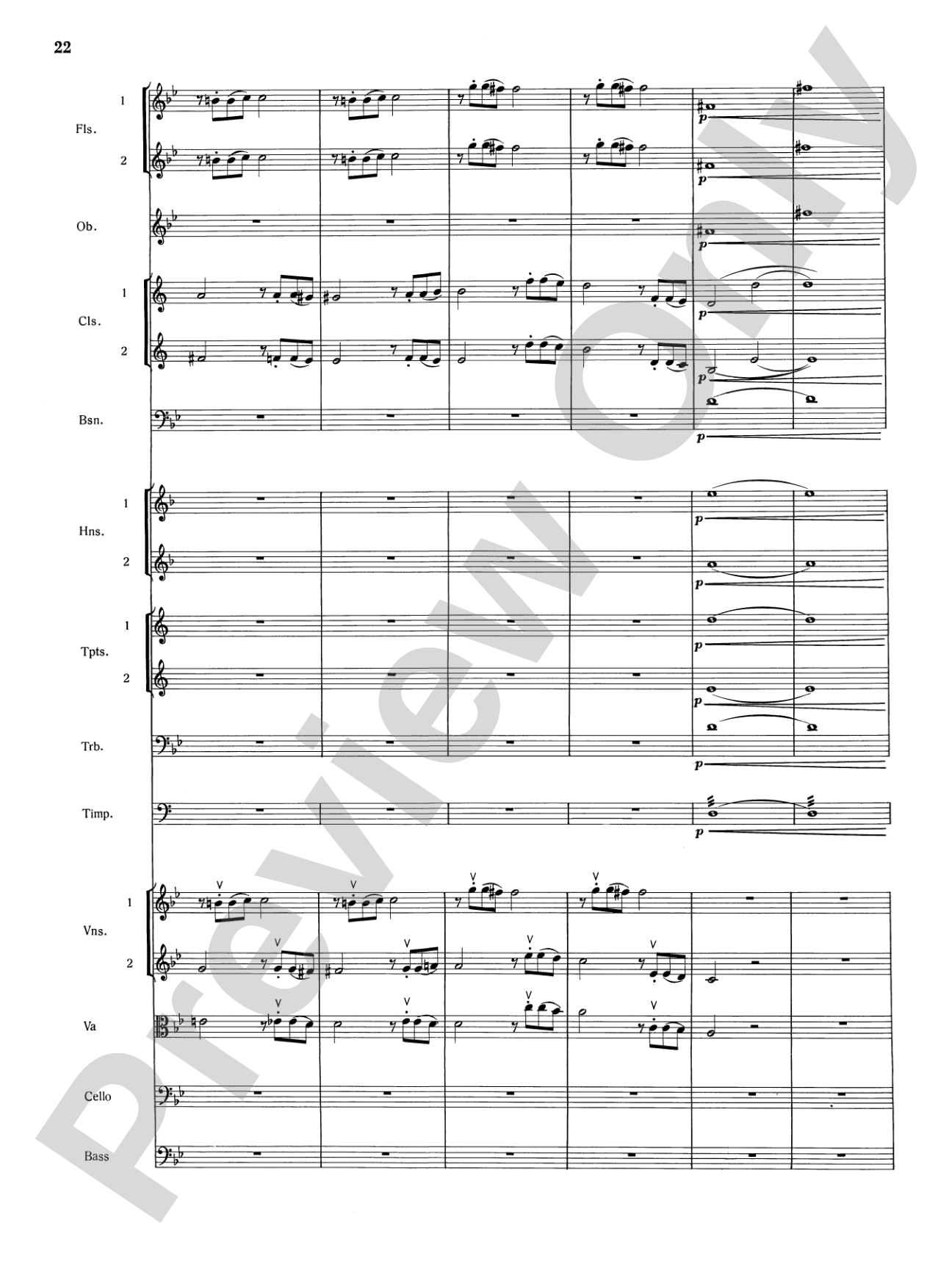
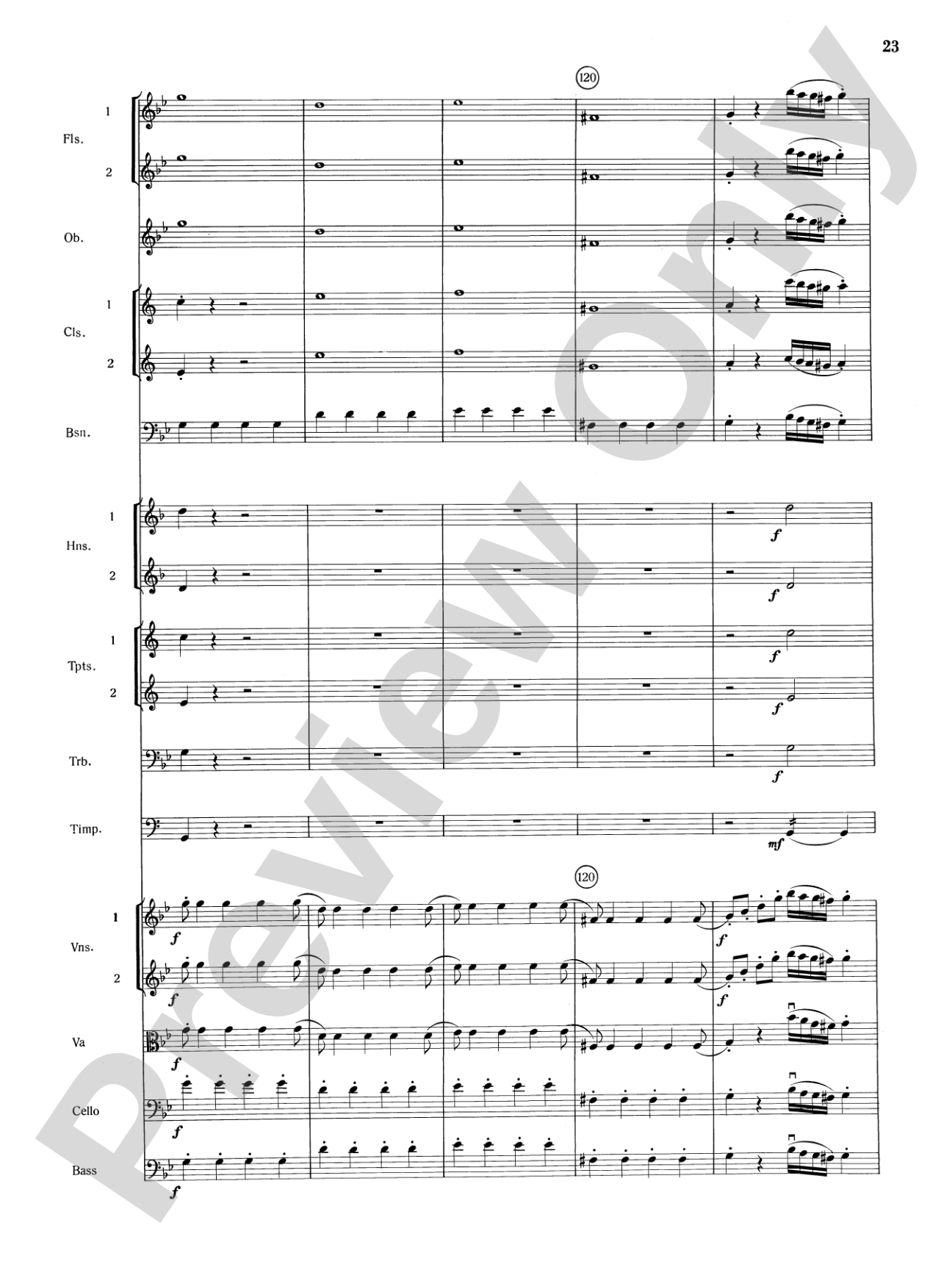
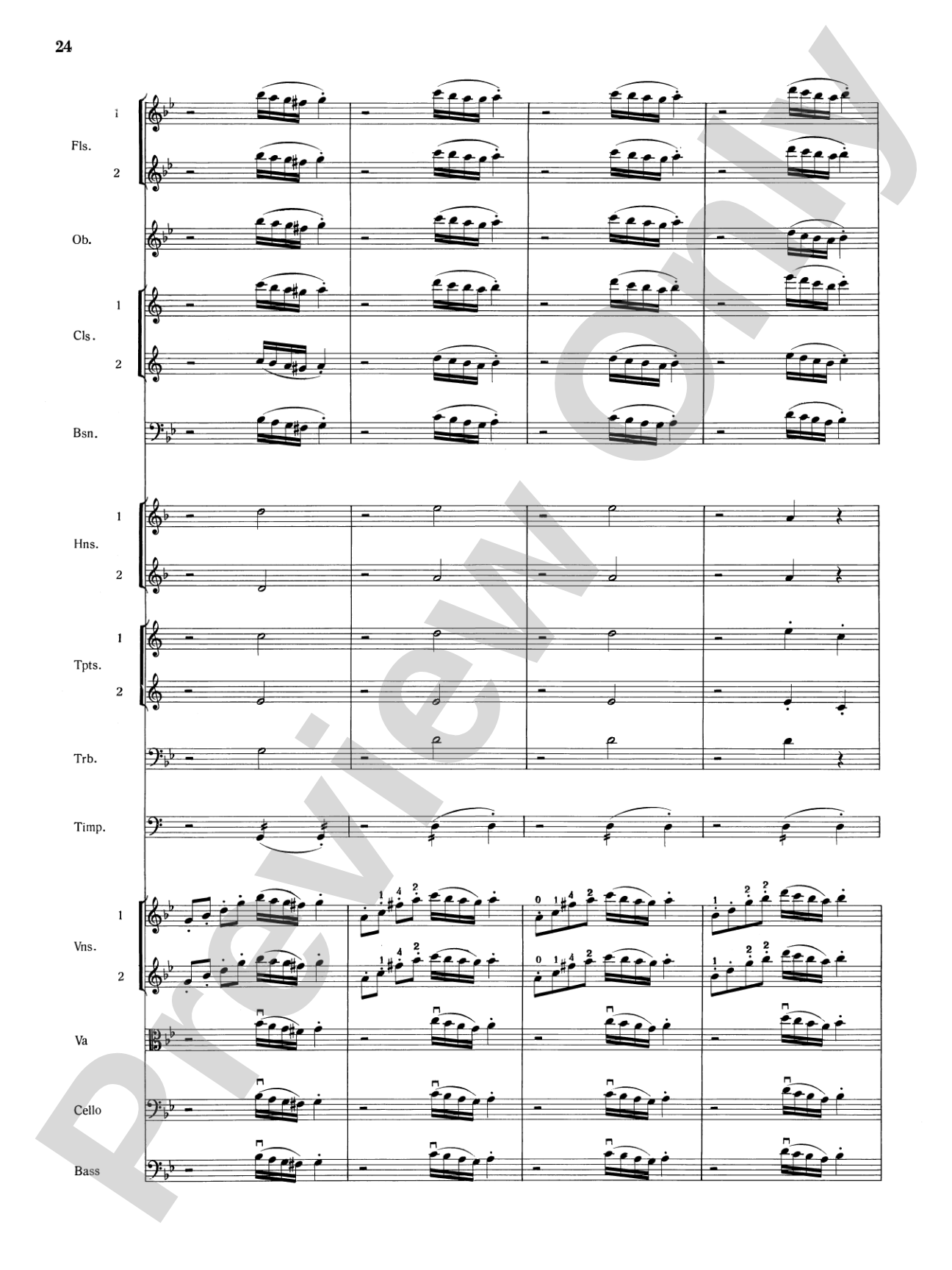
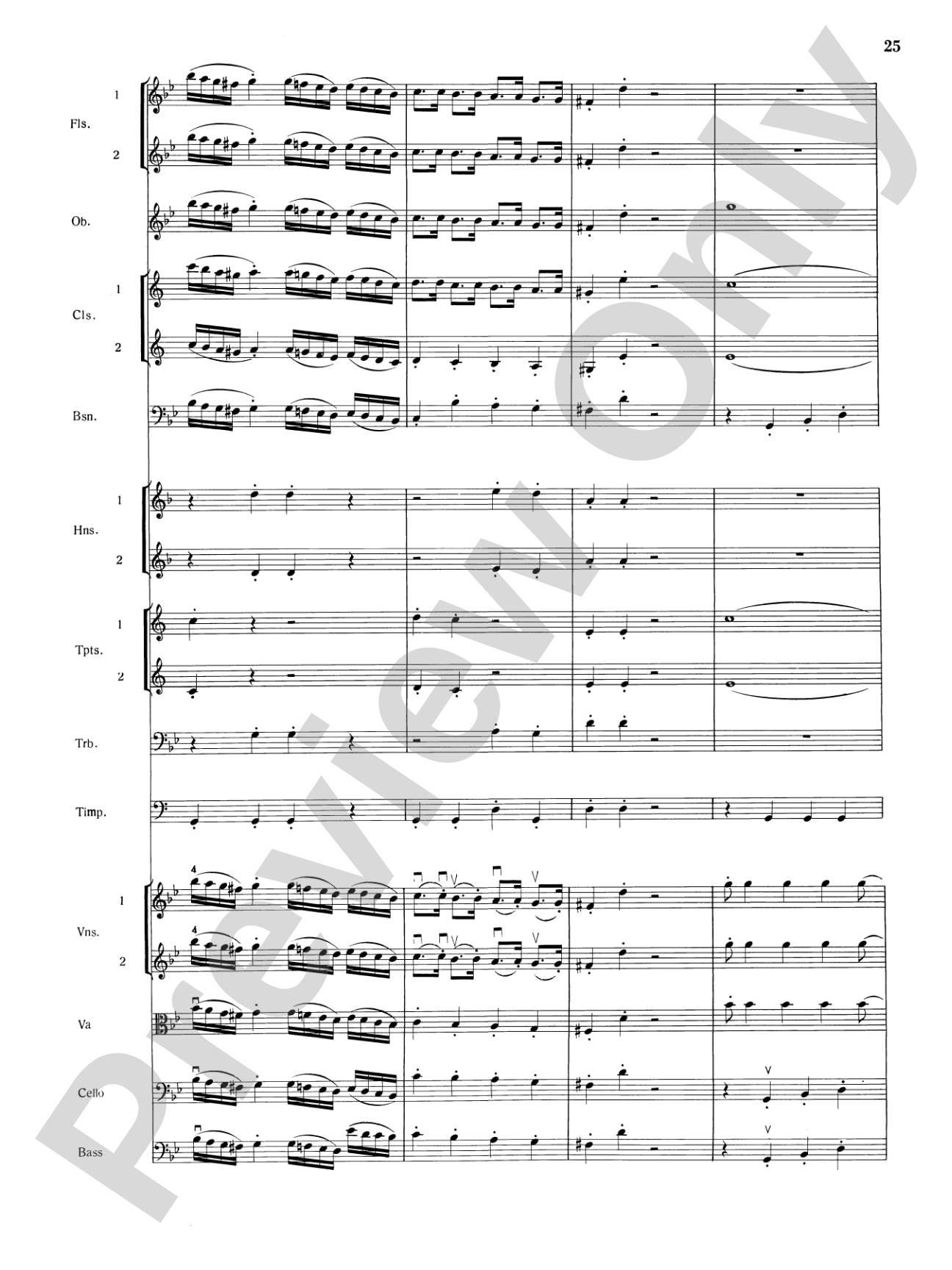
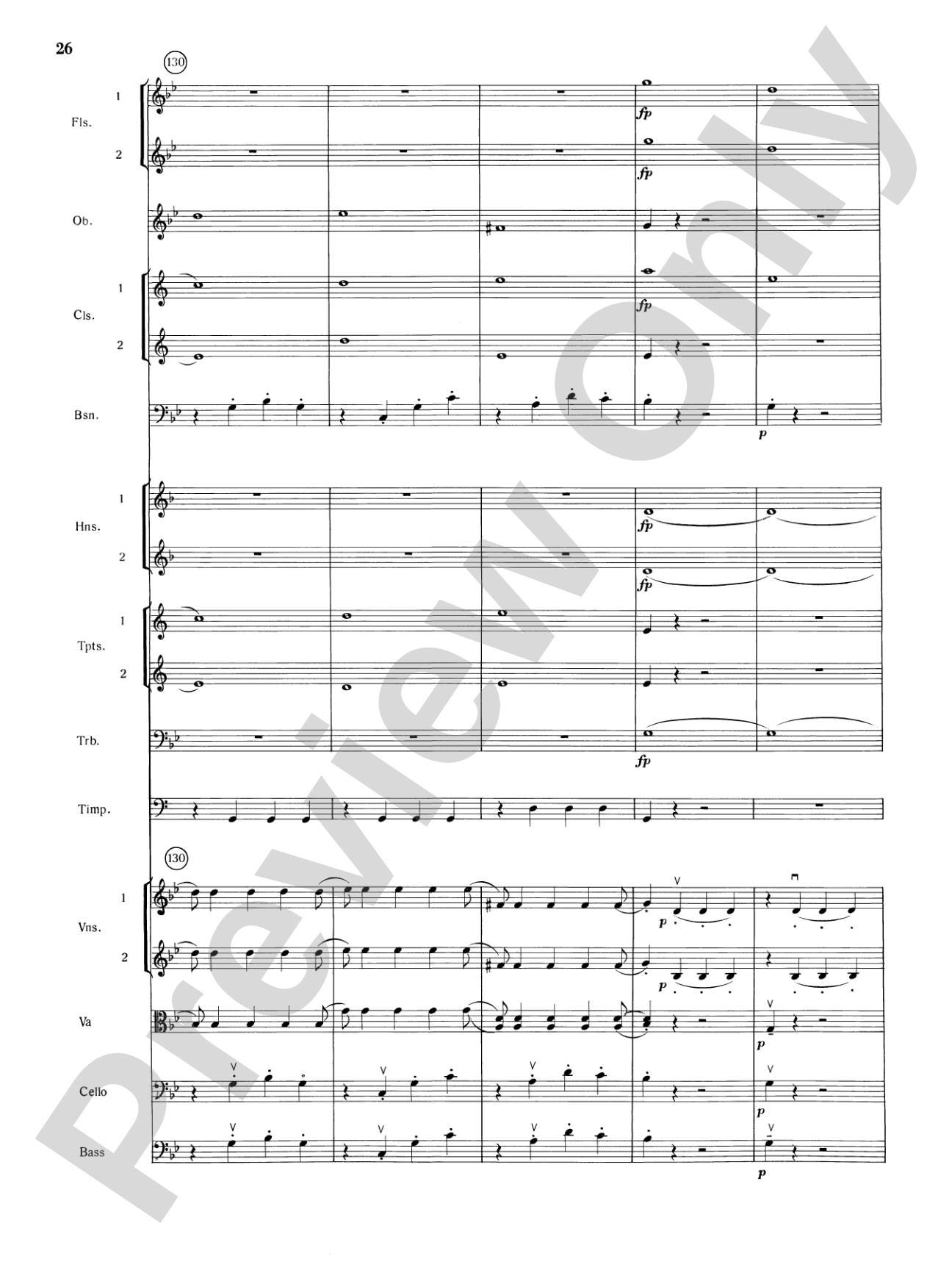
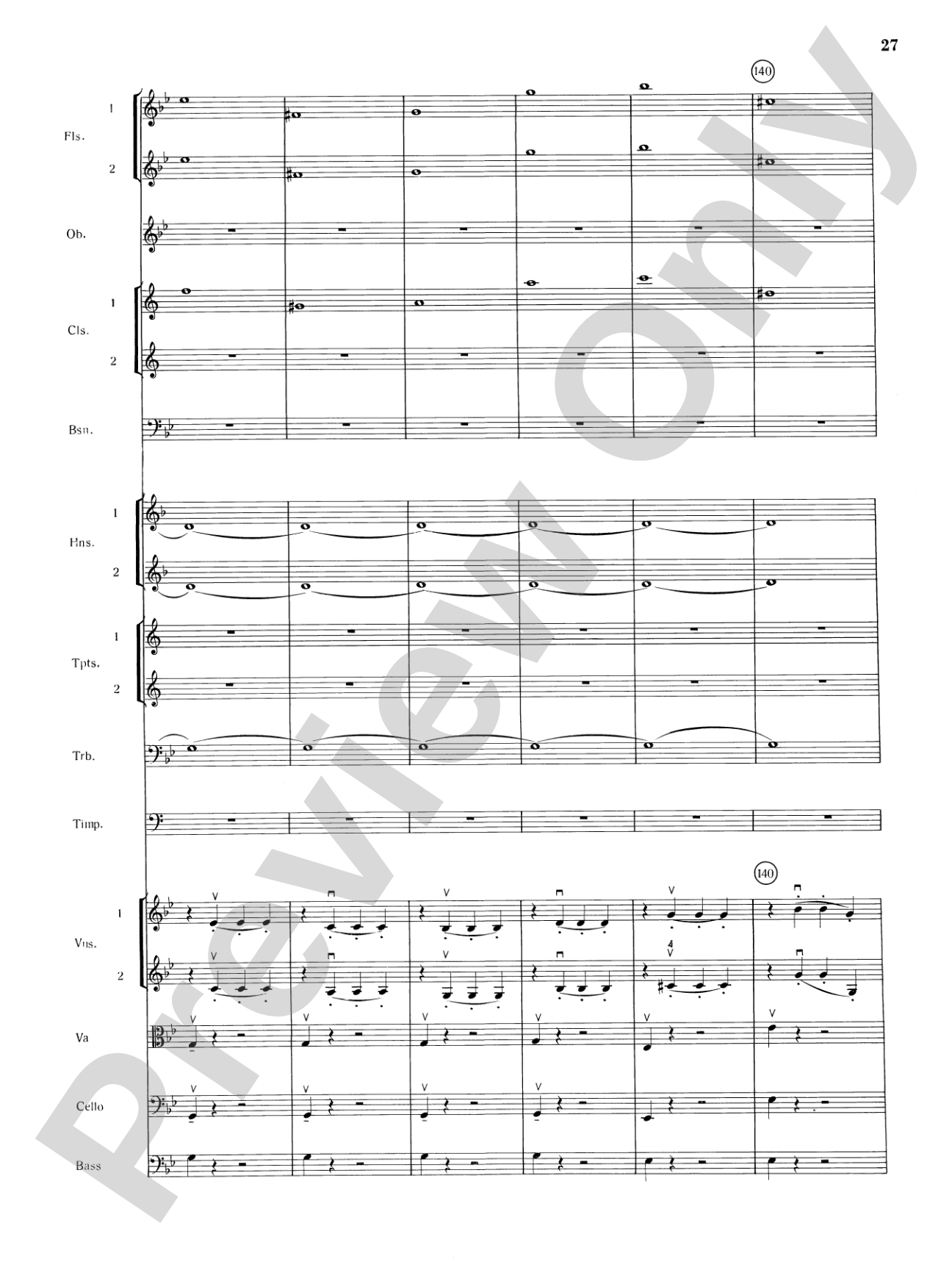
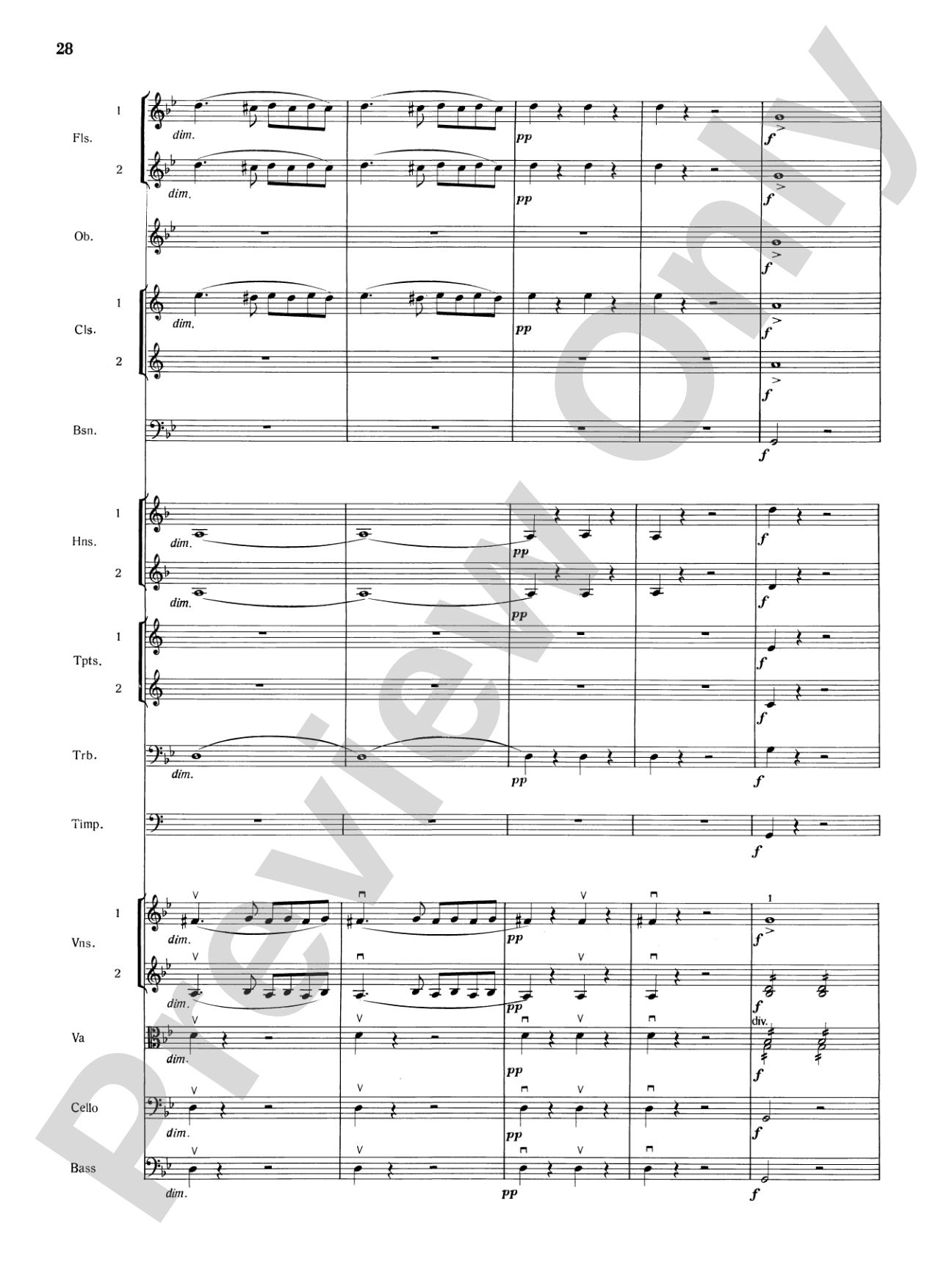
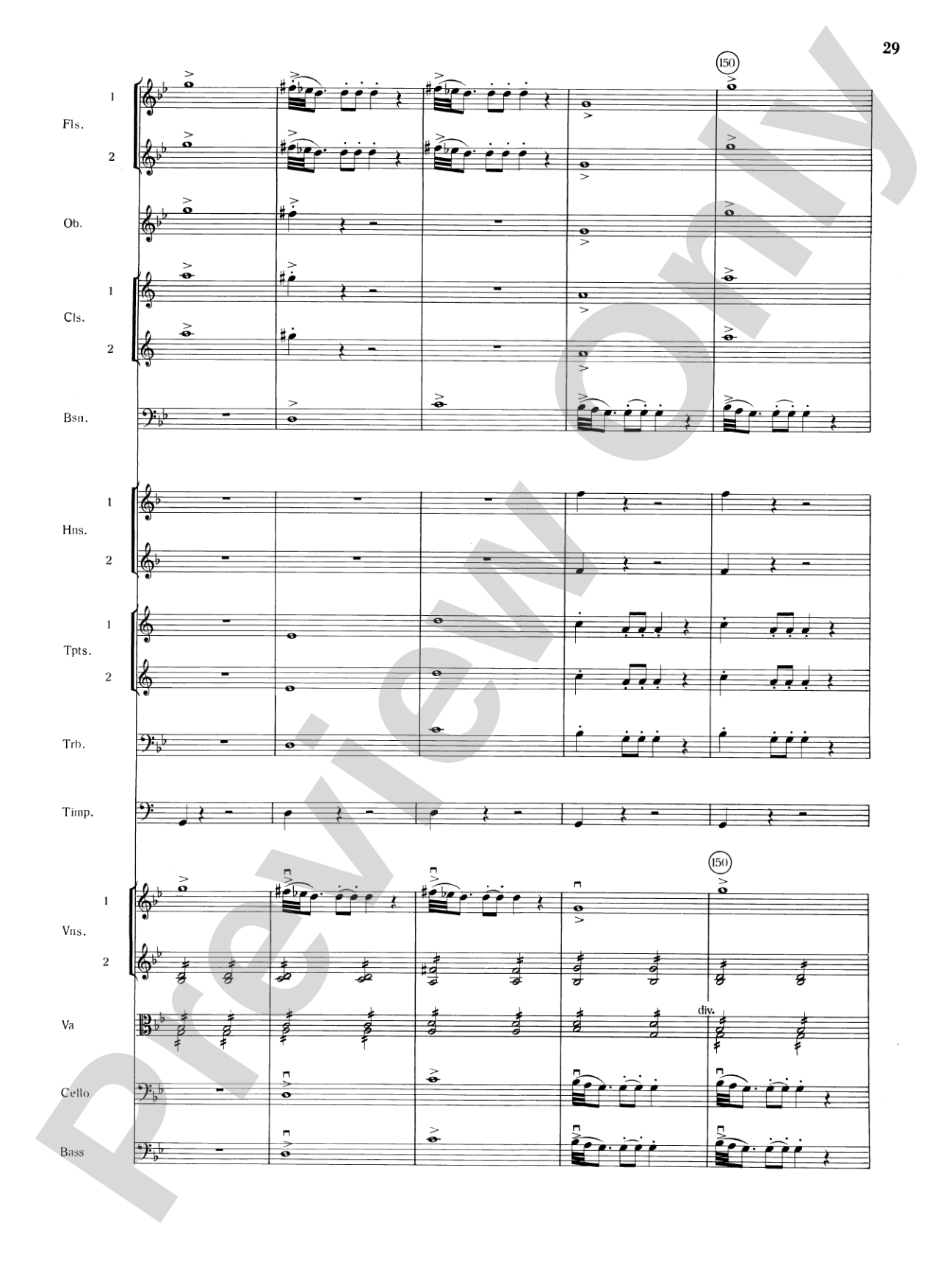
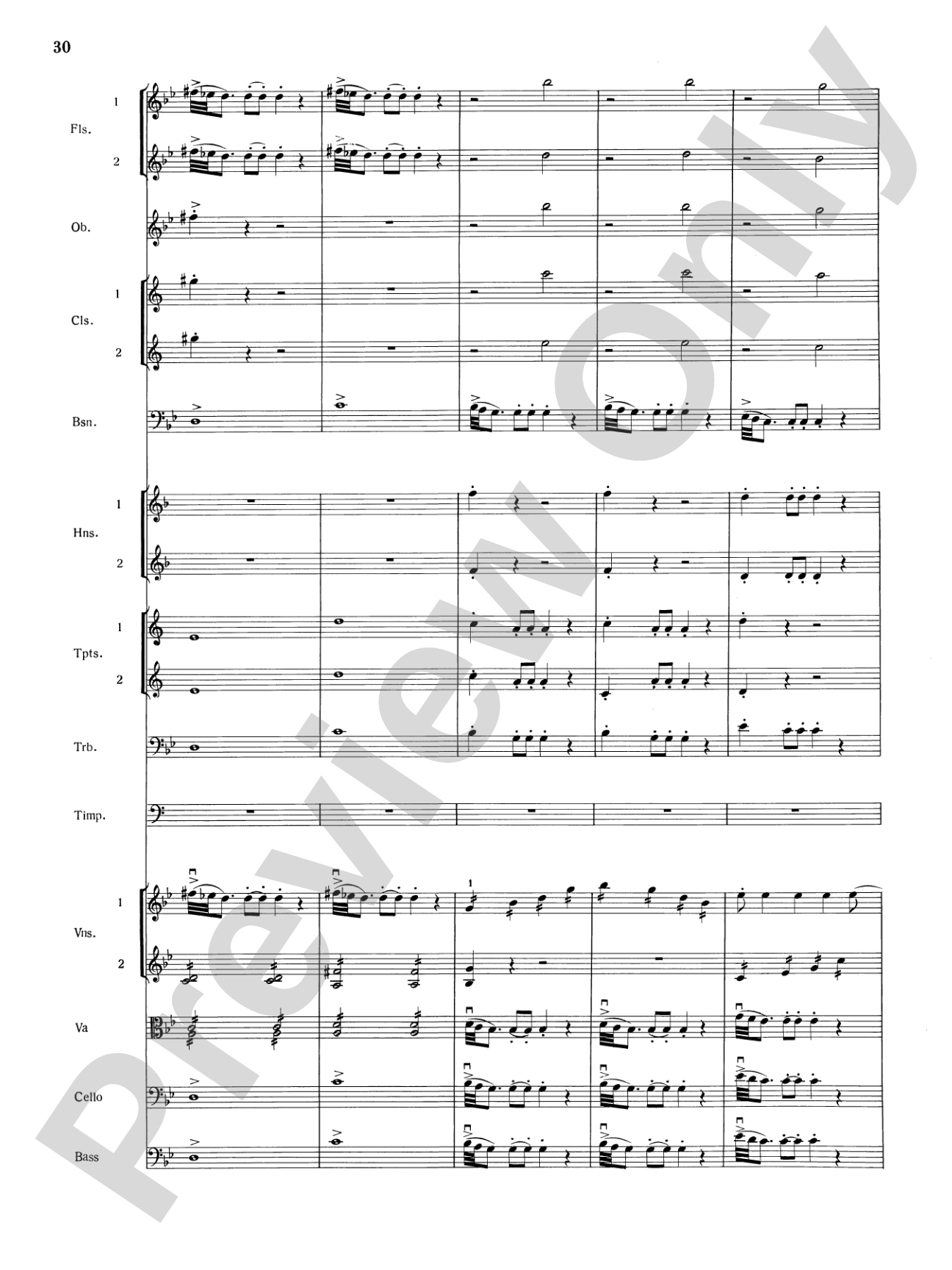
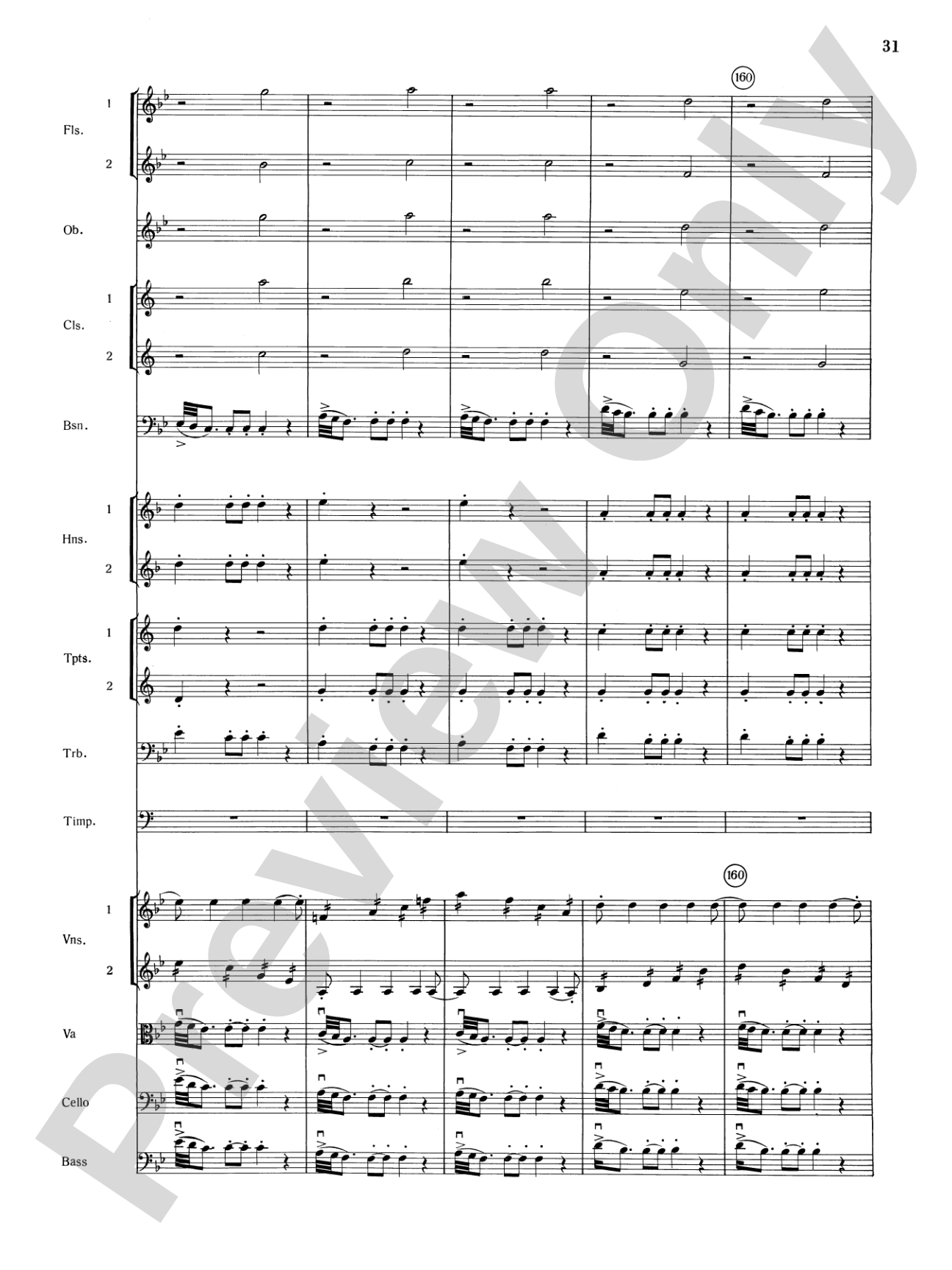
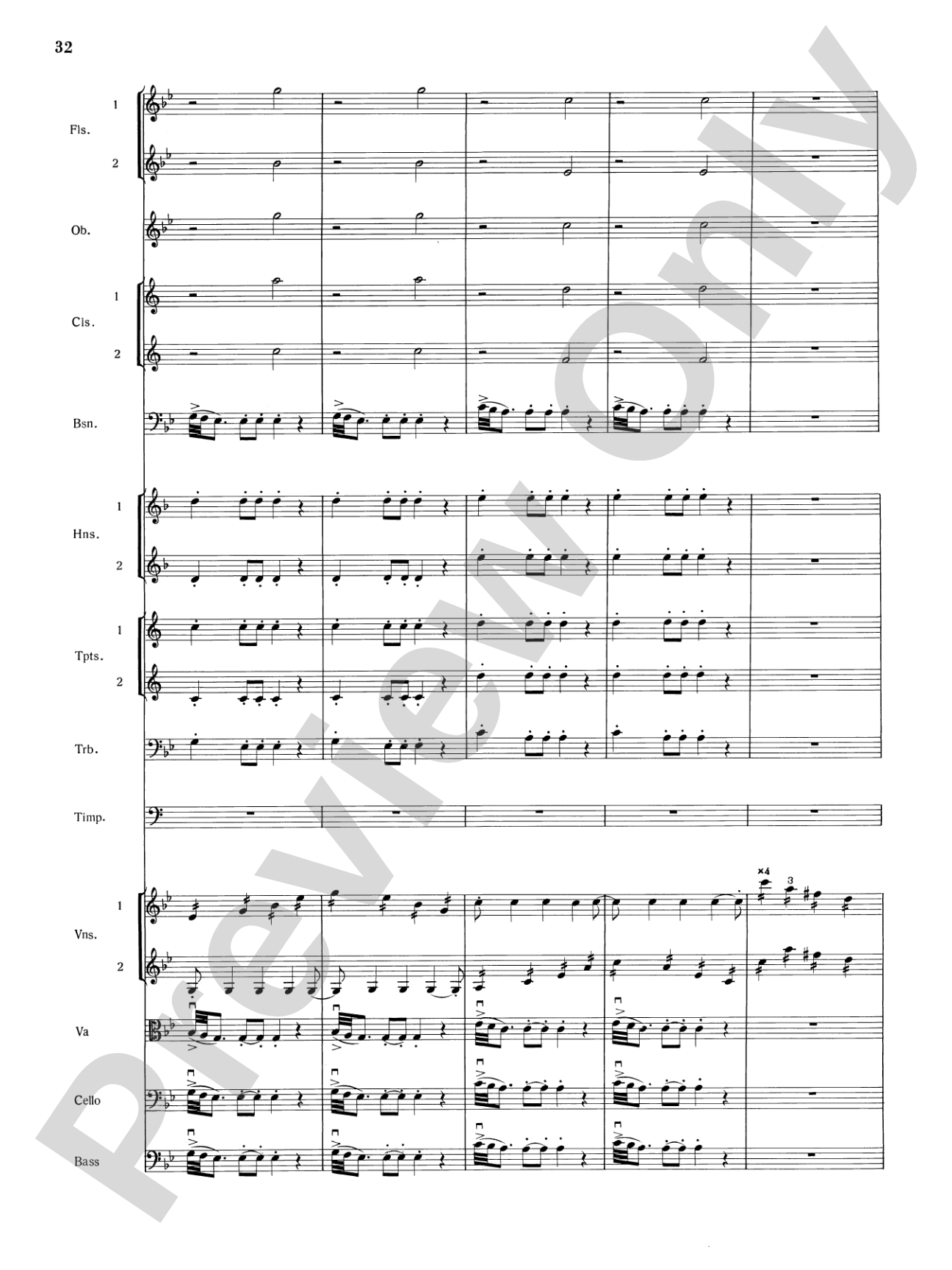
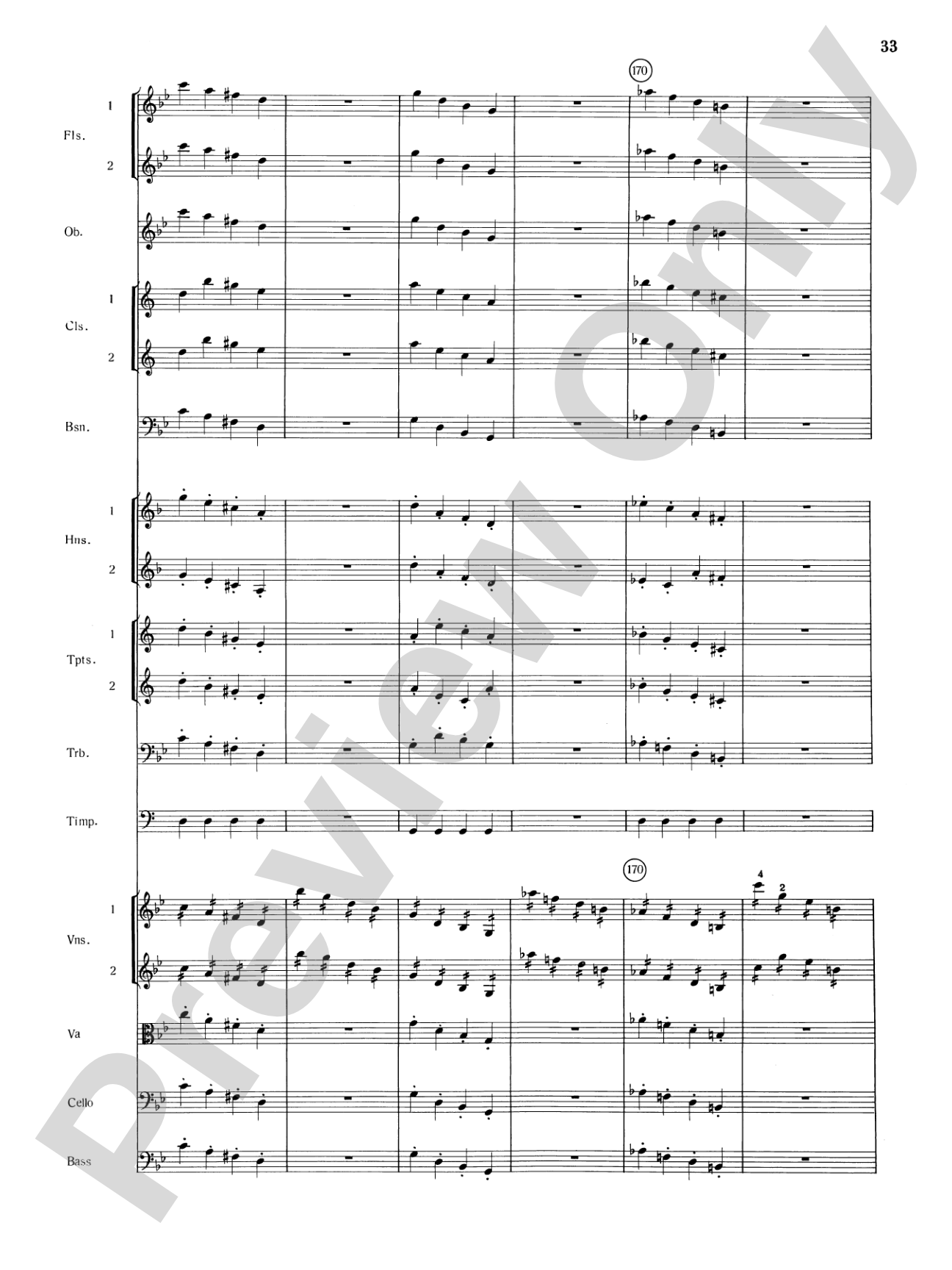
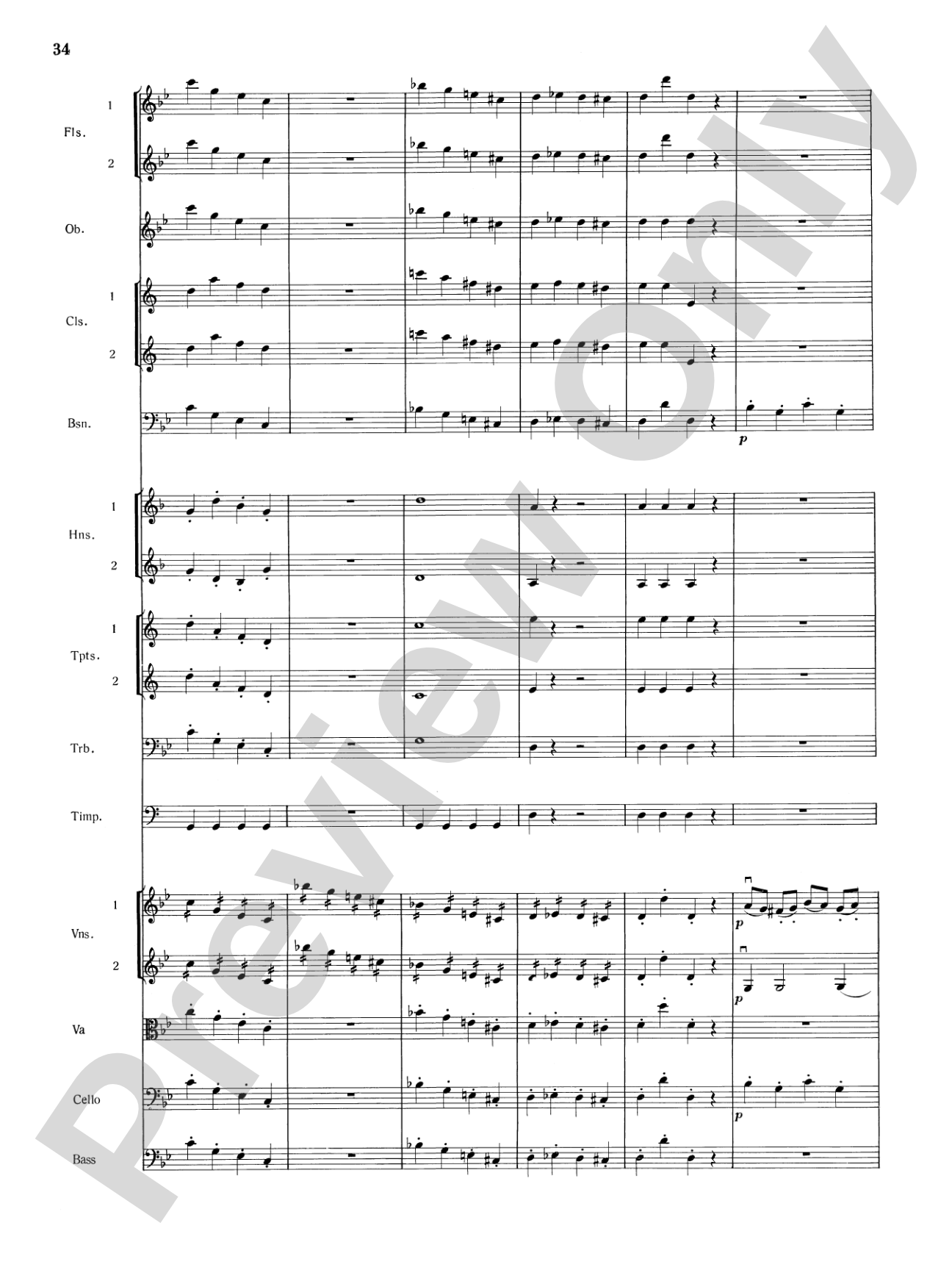
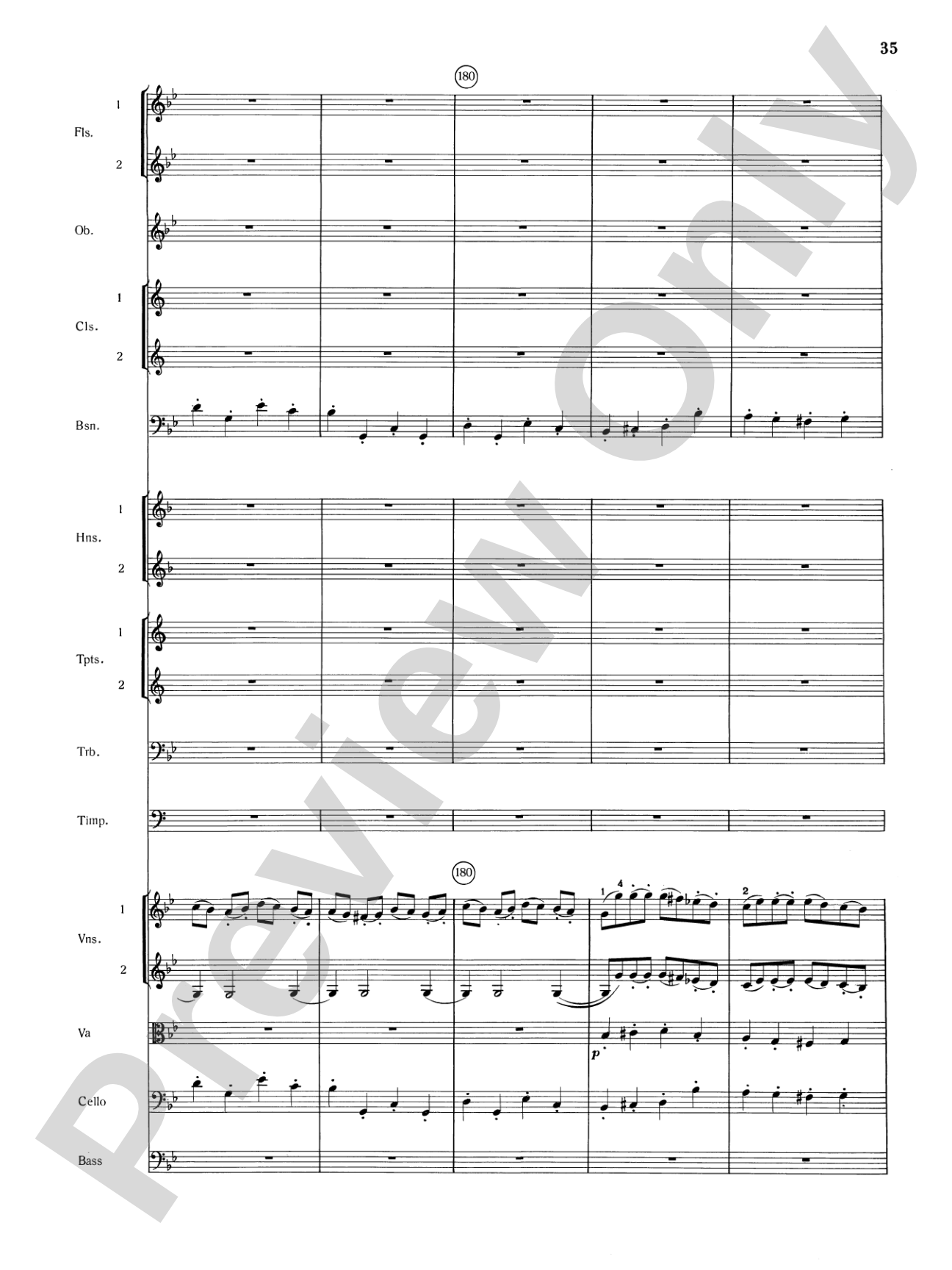
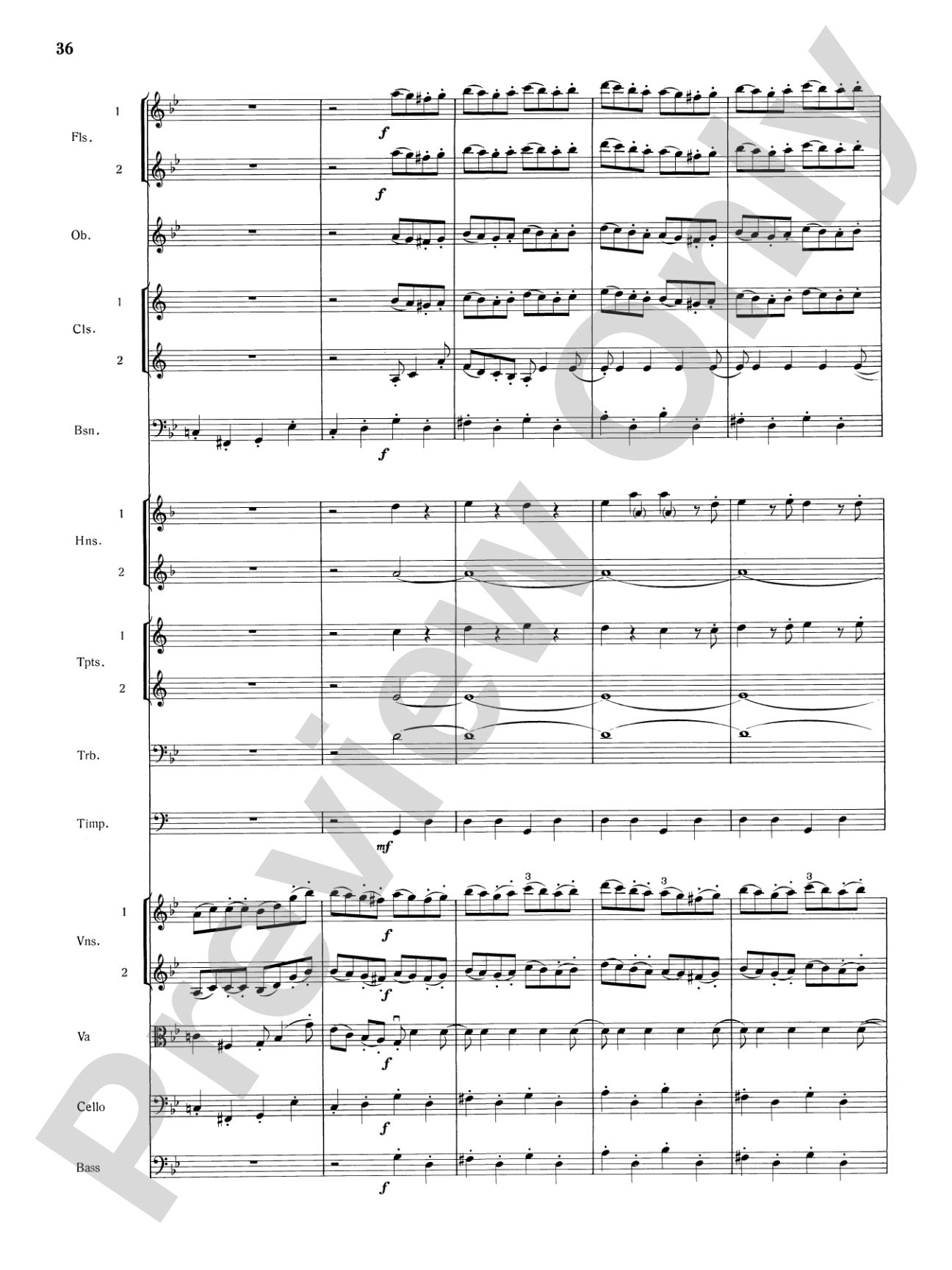
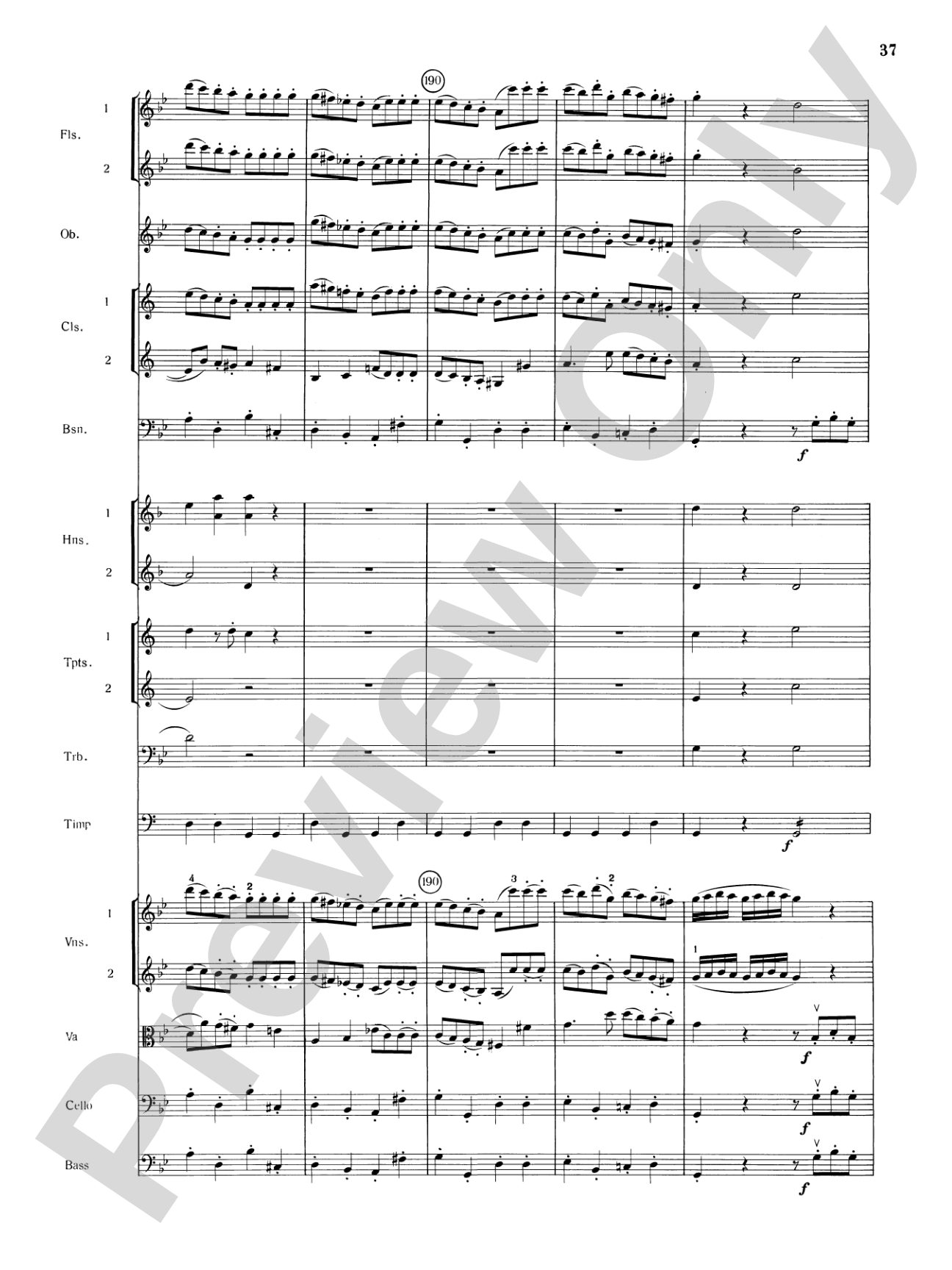
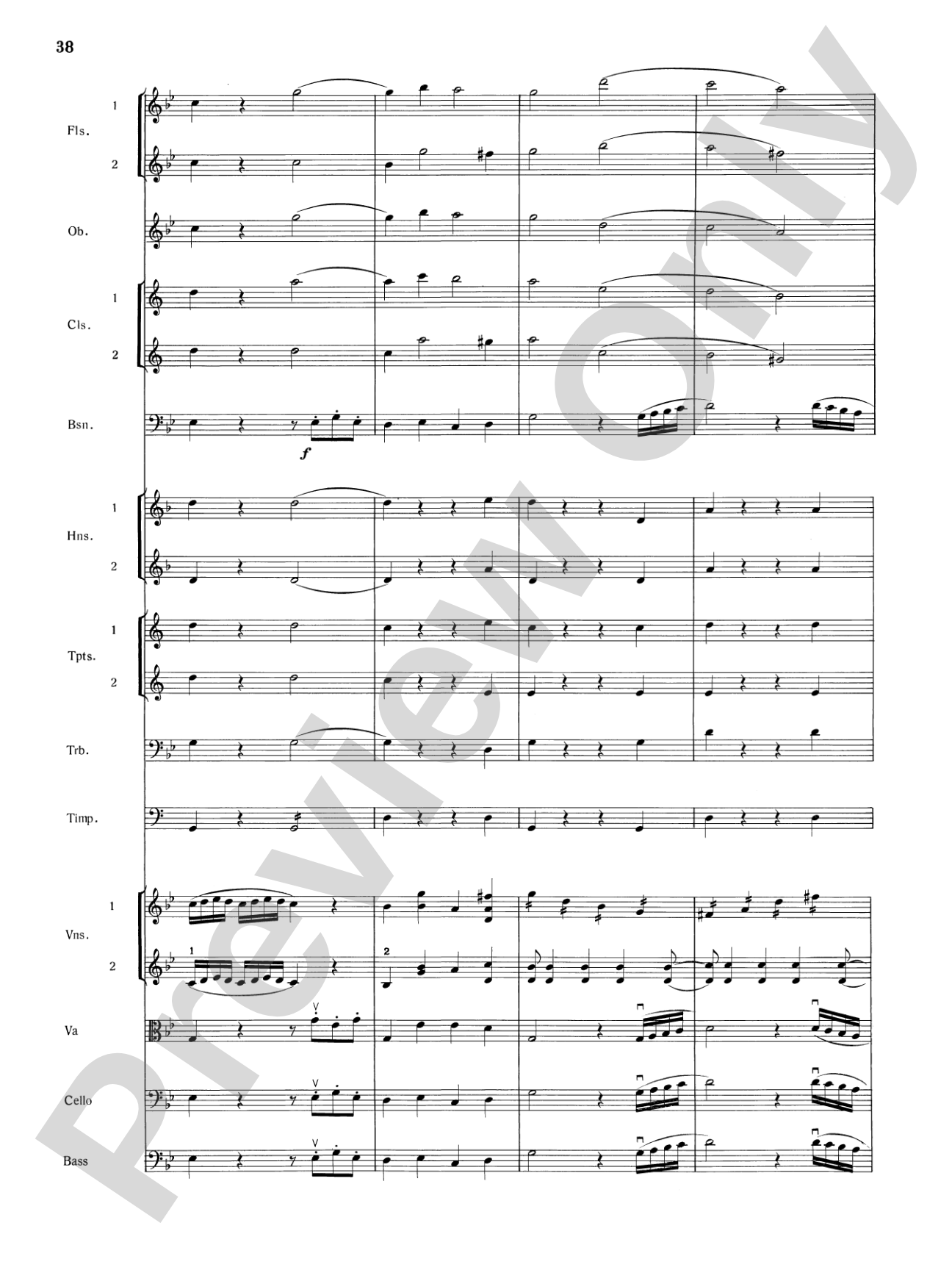
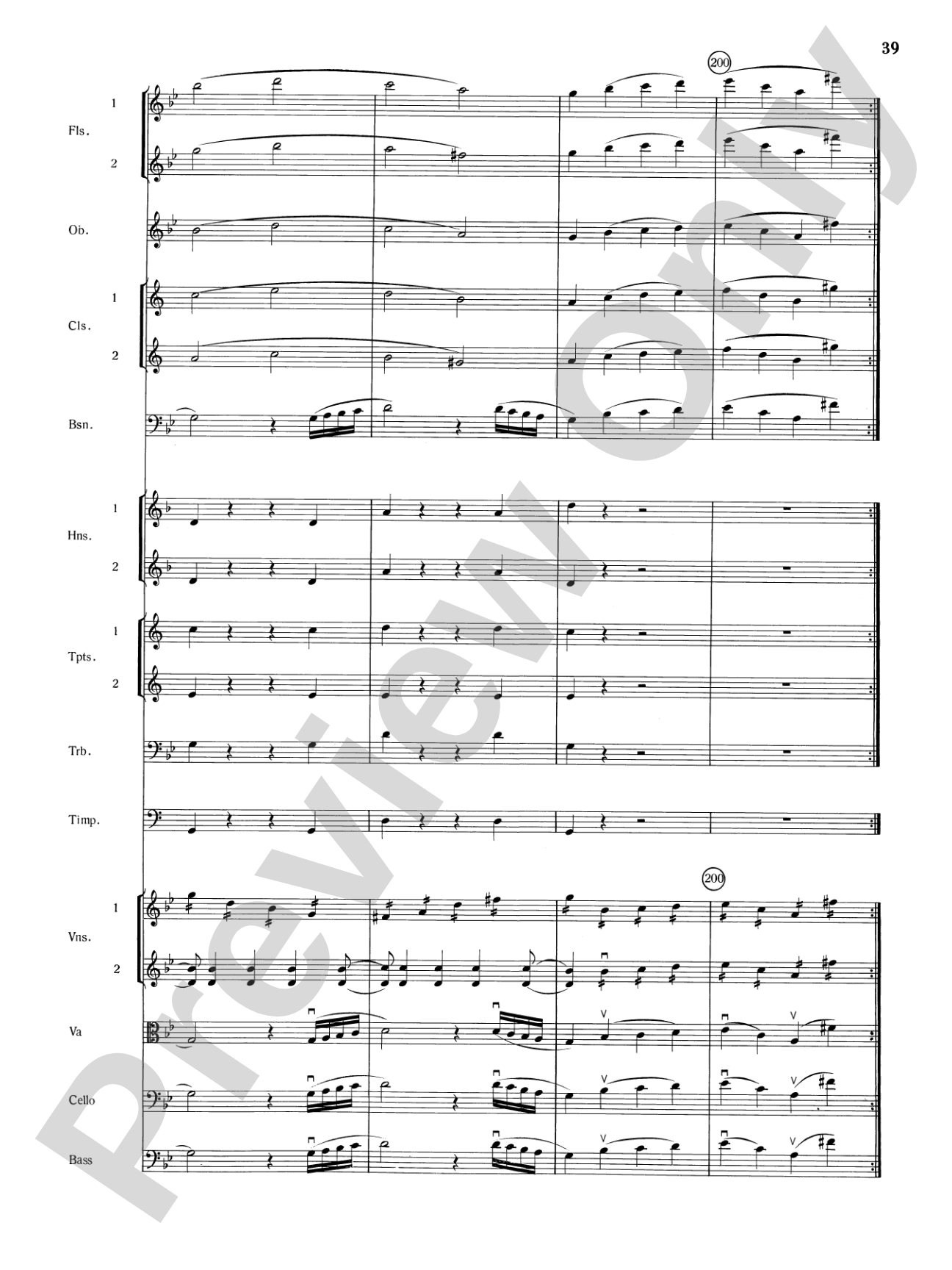
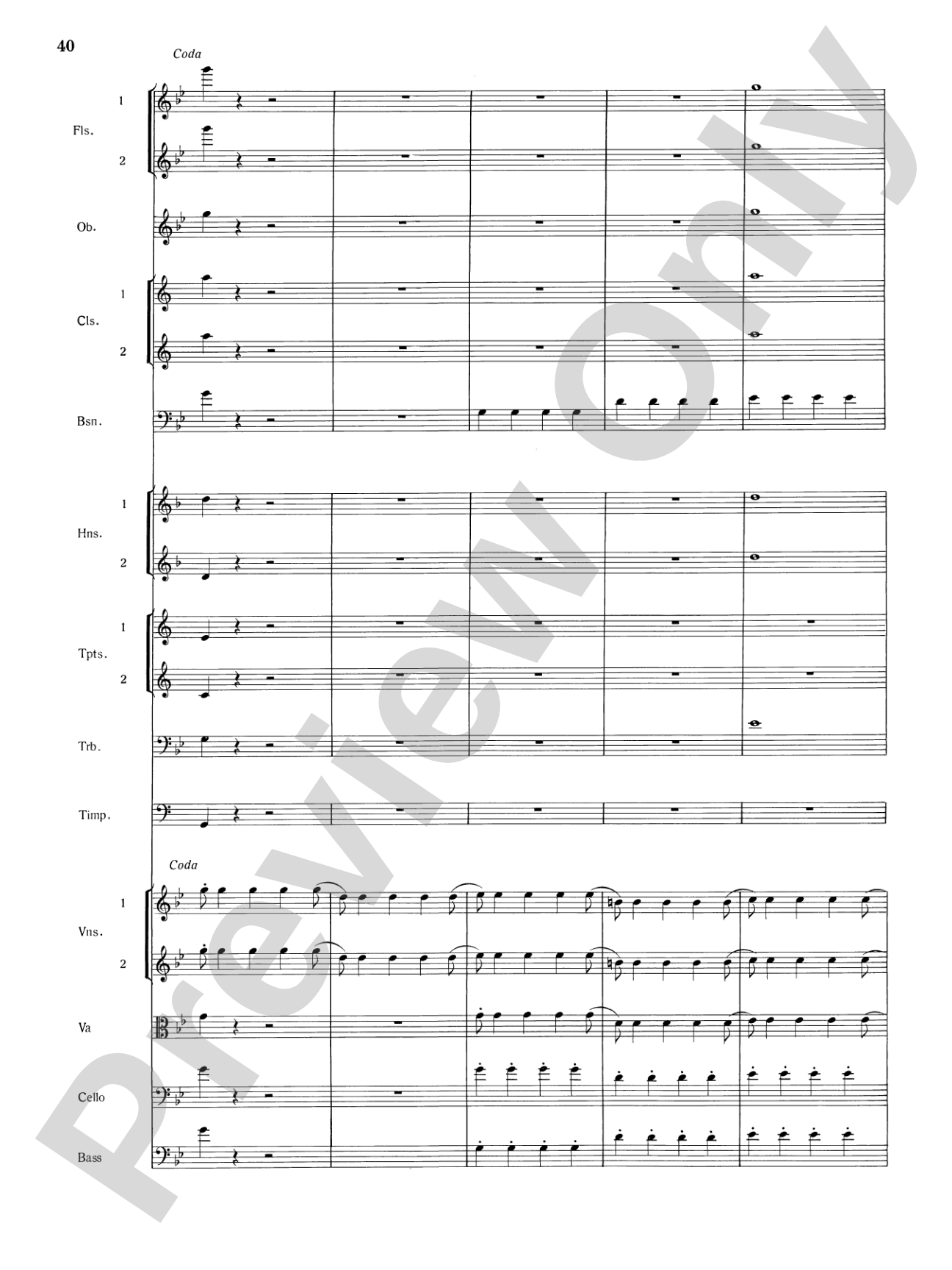
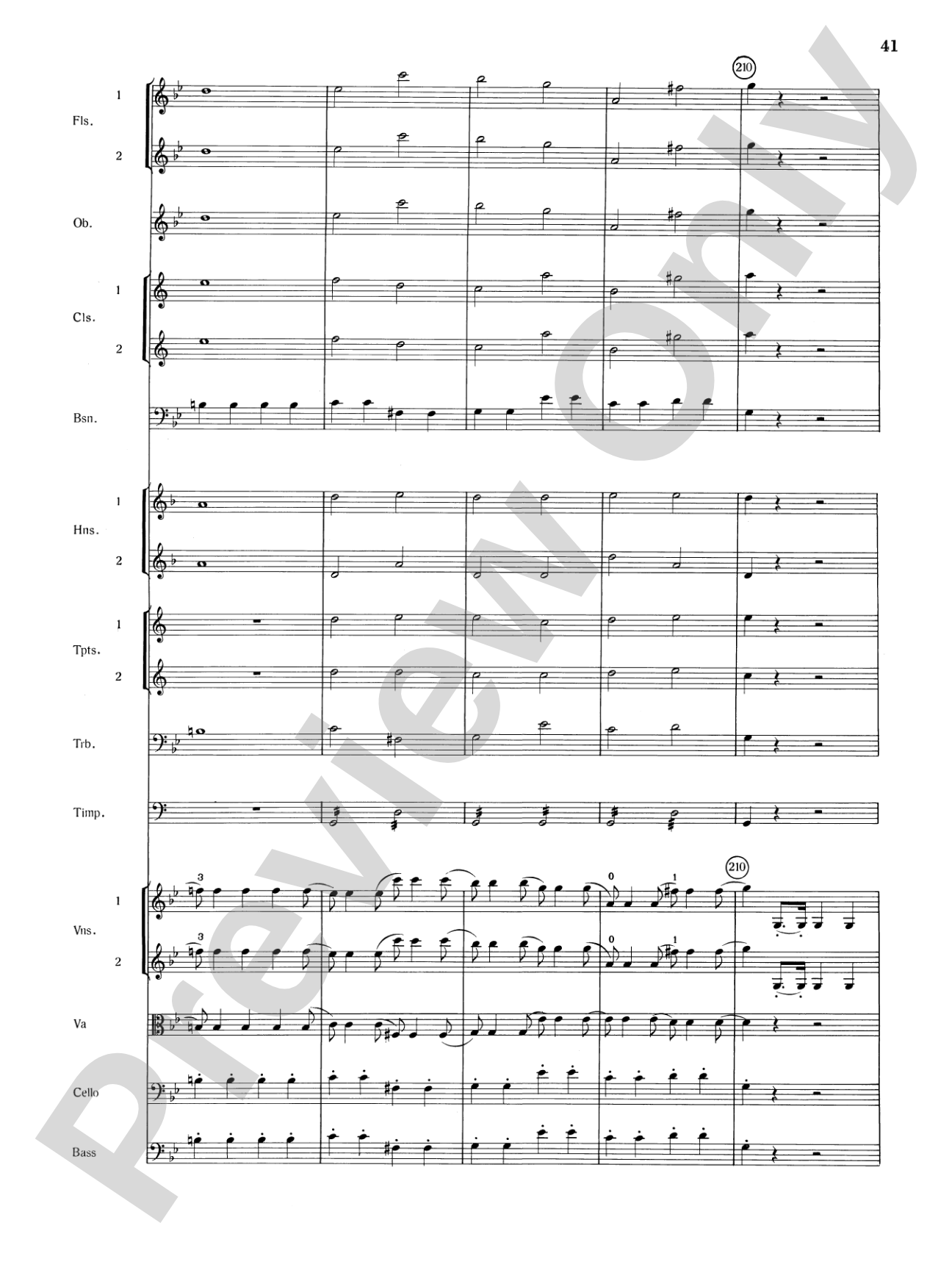
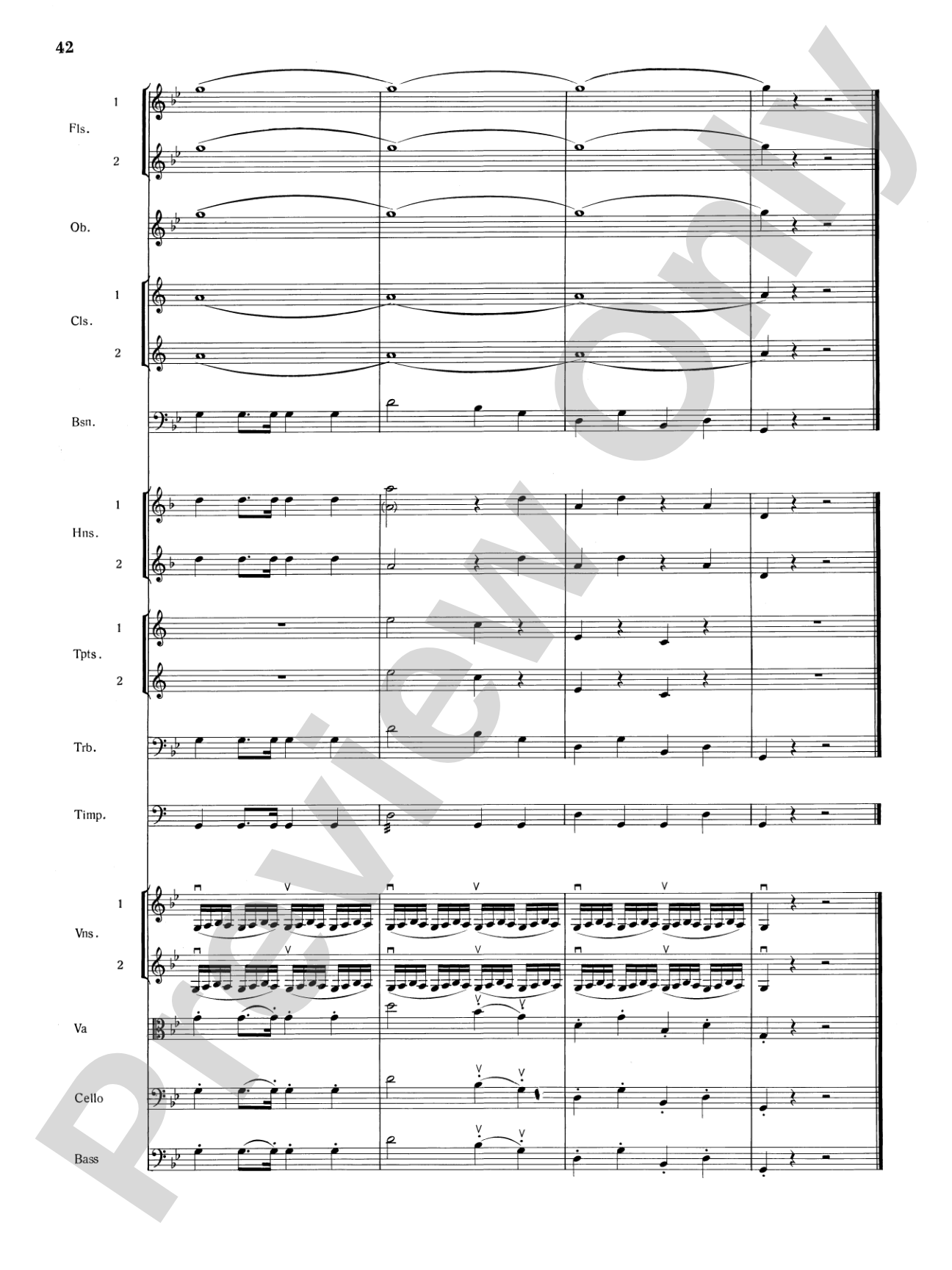
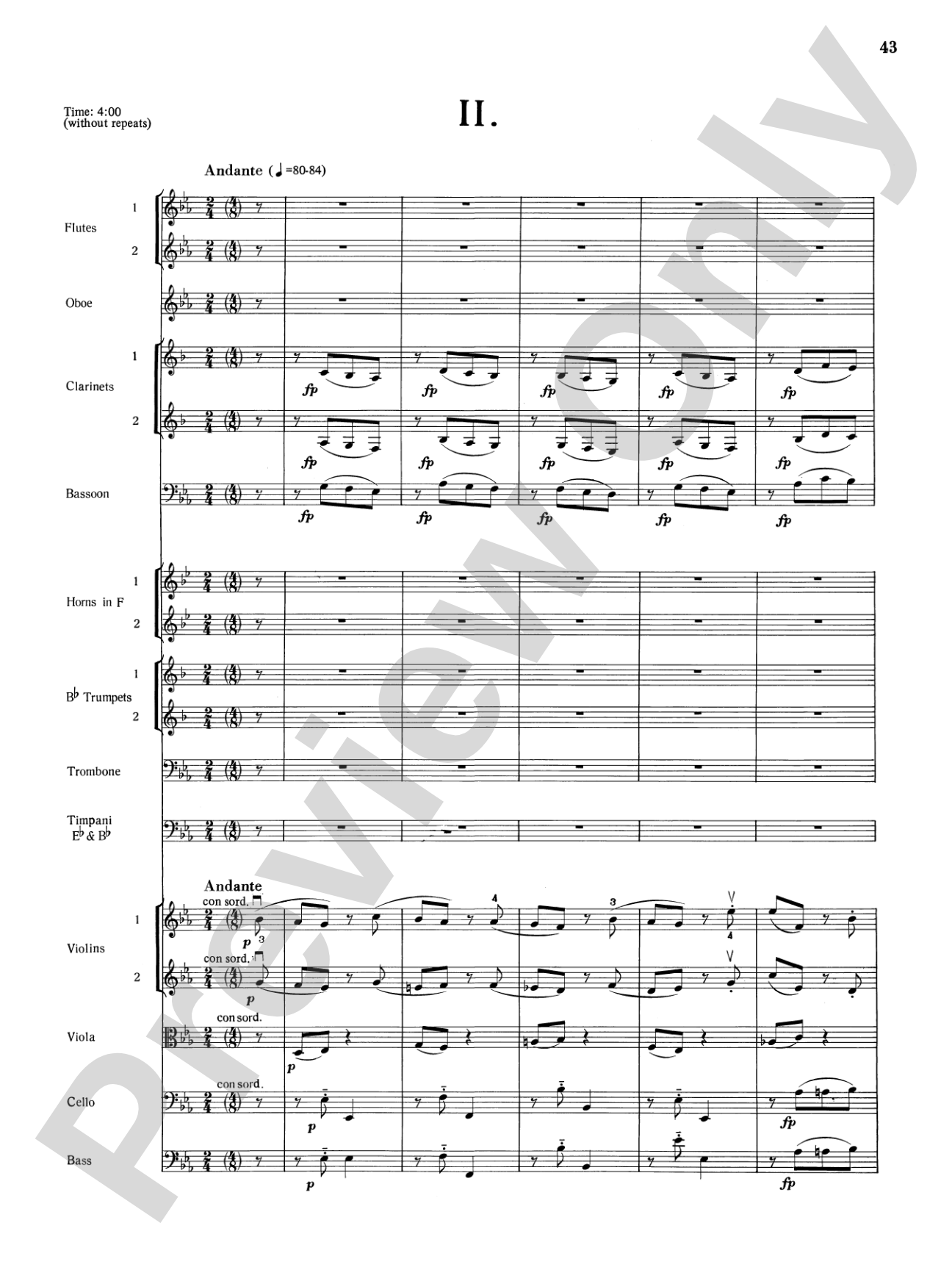
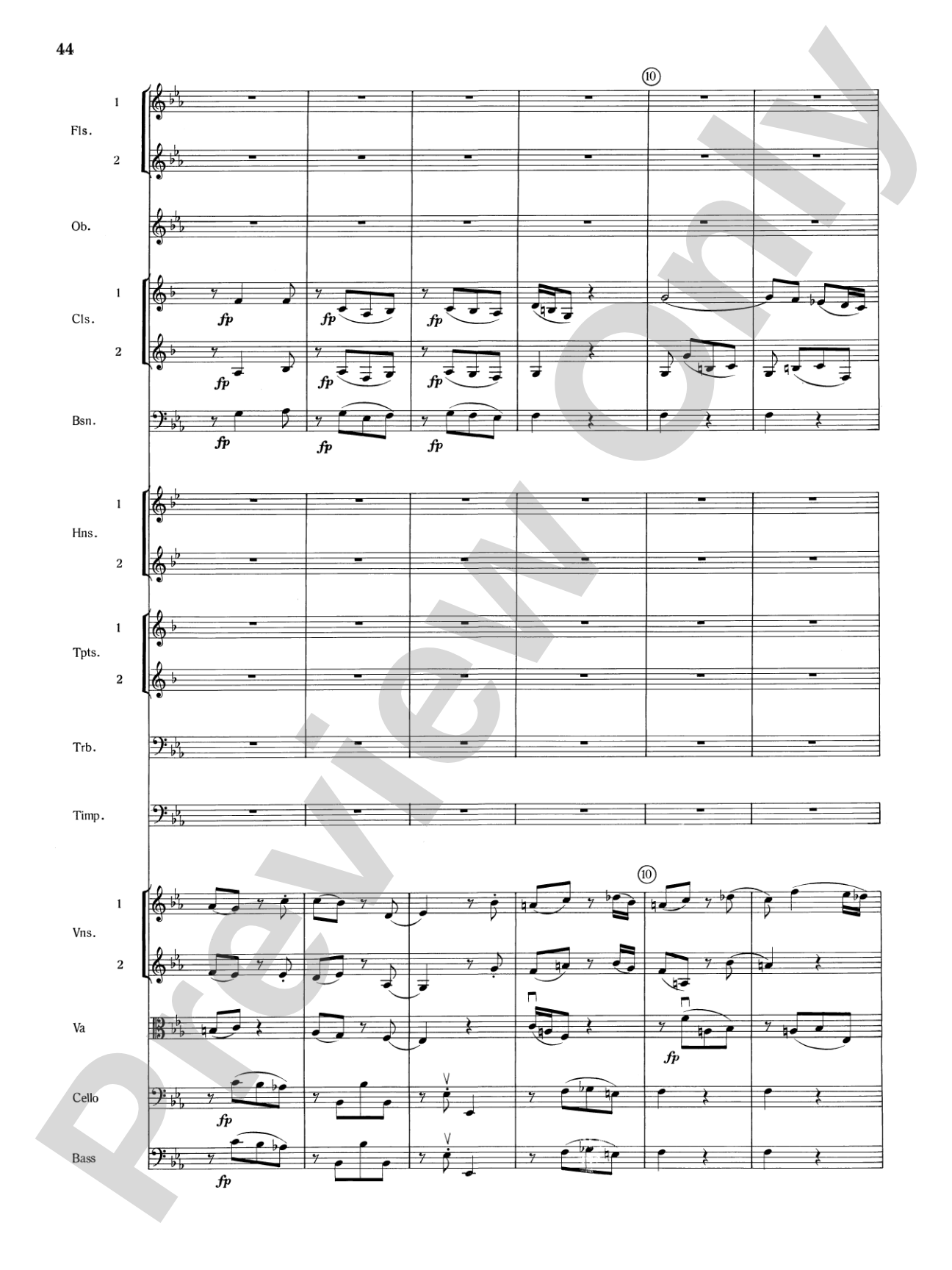
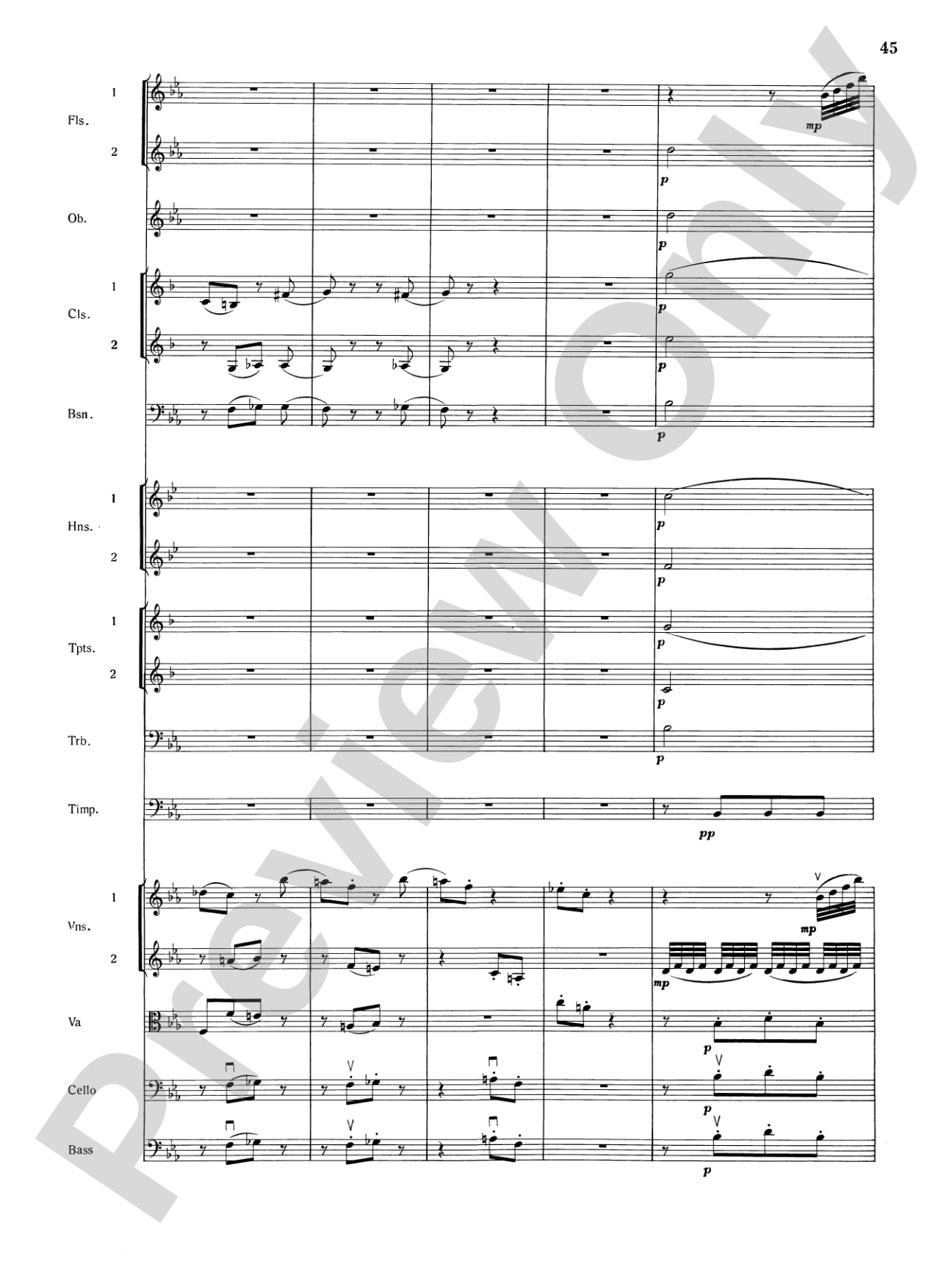
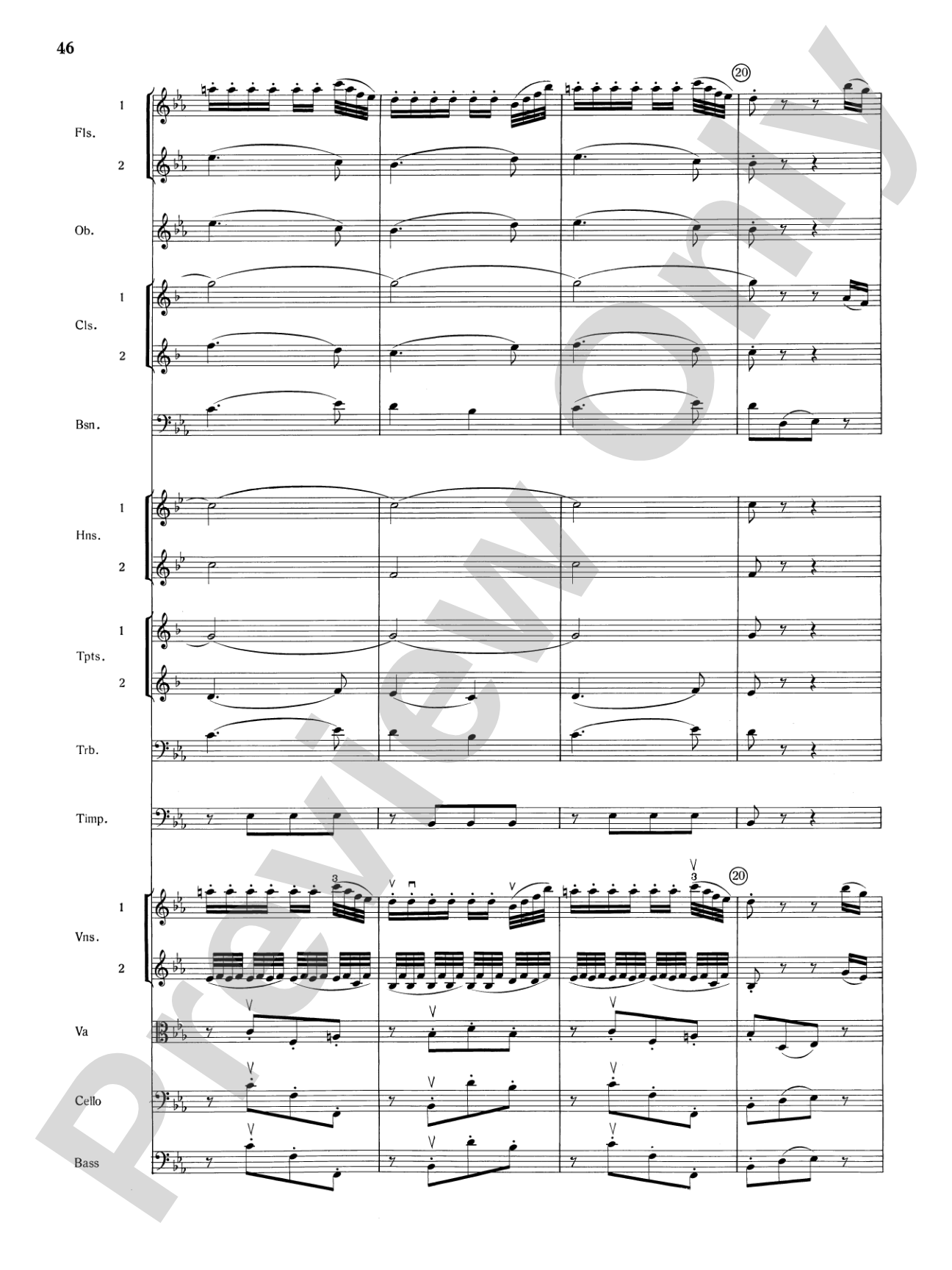
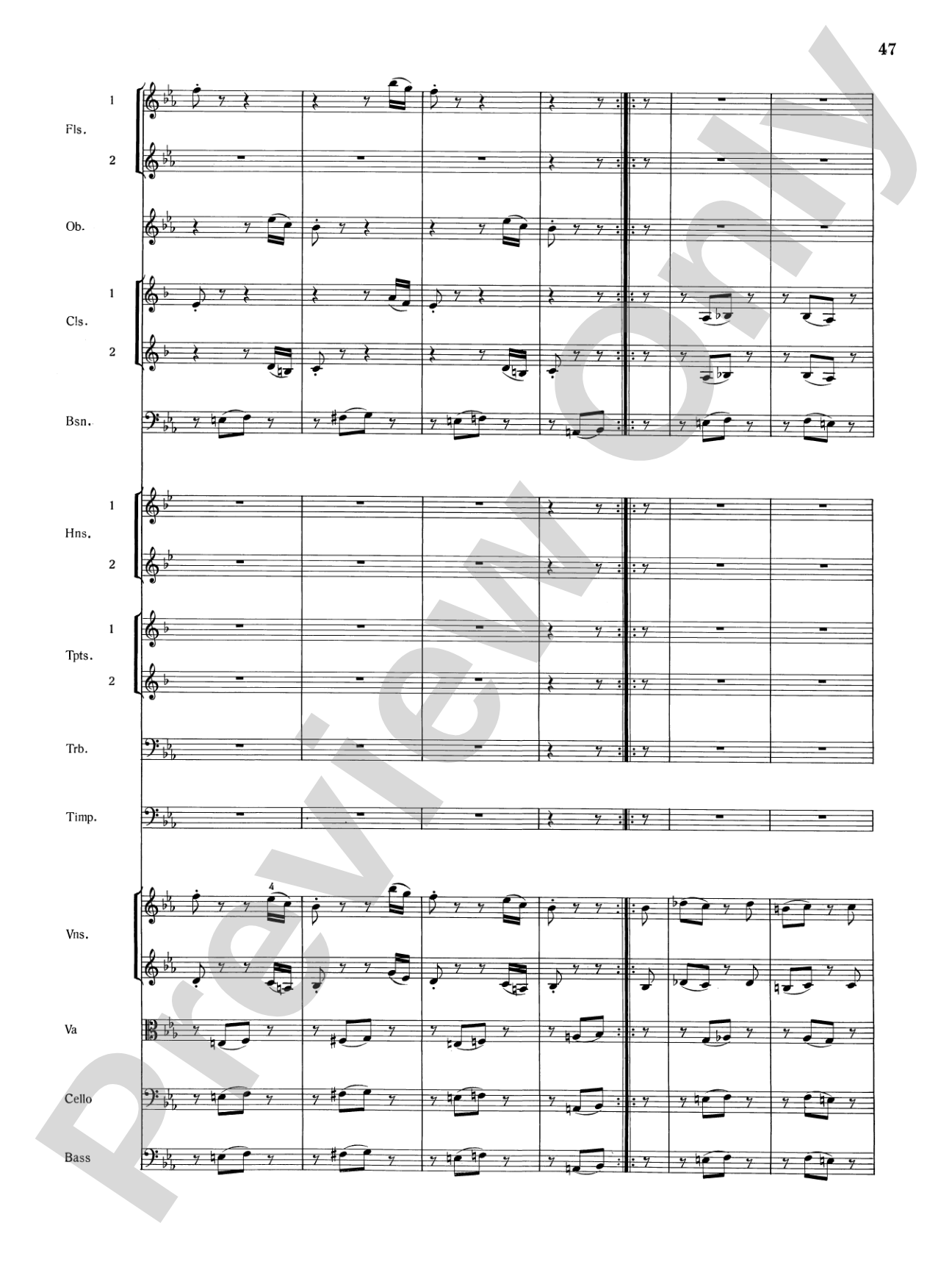
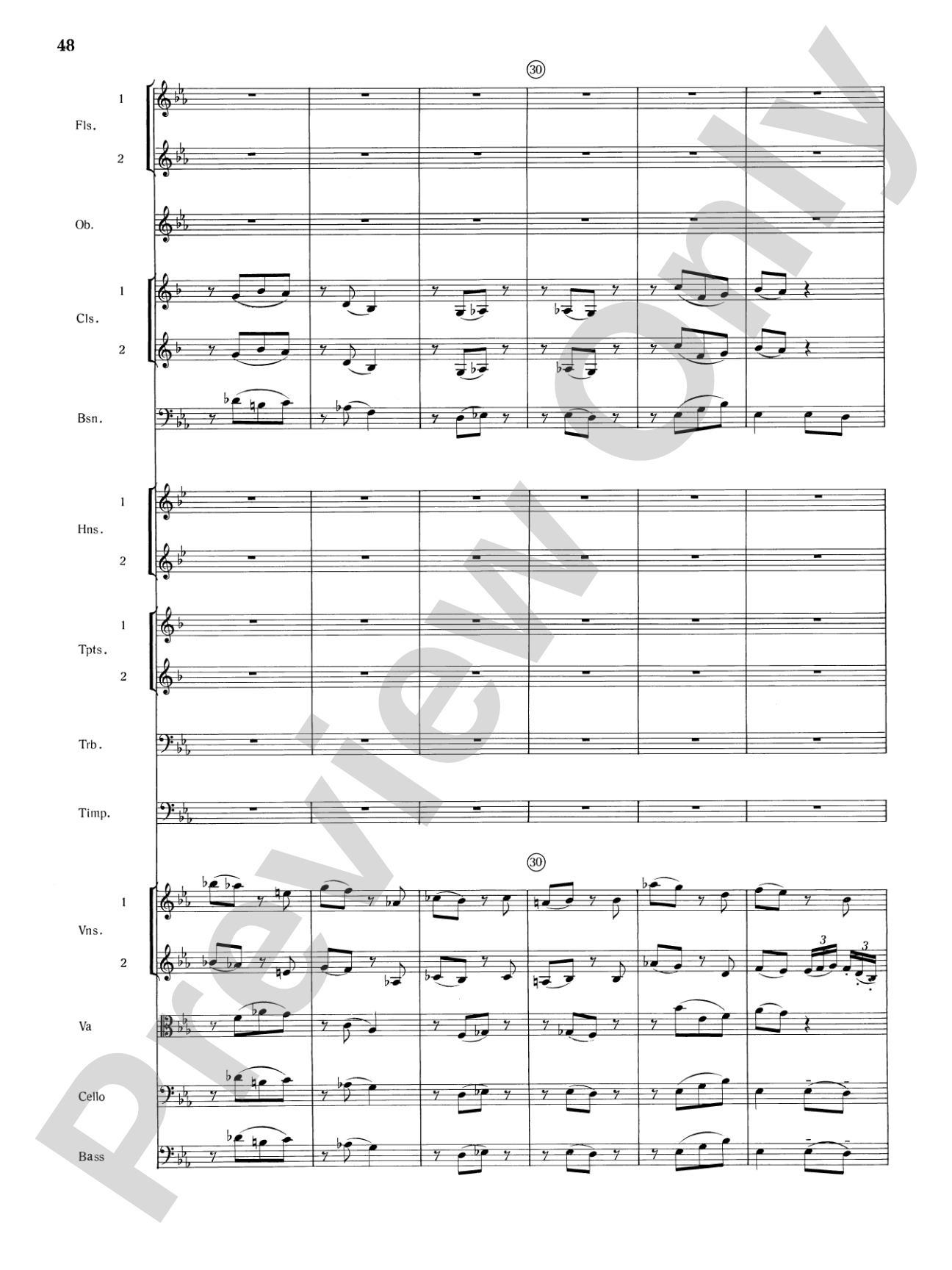

Mozart's Symphony No. 25 in G Minor, 1st & 2nd Movements: Full Orchestra Conductor Score & Parts
By Wolfgang Amadeus Mozart / arr. Ralph Matesky
Grade: 4
Item: 00-PK-0000067

$85.00
Pickup currently not available
Buy Extra Parts (Digital PDF Download)
Parts Added to Cart!
Description


Don't just read it, hear it, play along with it, and watch your students grow with it. In MakeMusic Cloud, Mozart's Symphony No. 25 in G Minor, 1st & 2nd Movements: Full Orchestra Conductor Score & Parts comes alive with professional accompaniment, adjustable tempo, and built-in practice tools that turn solo practice into real progress.
Open in the Player
Jump straight in and assign it today.
Start Your Free Trial
Open this title and explore the full library in minutes.
Sample Audio
No sample audio found.
Sample Video
No sample videos found.
Additional Details
Series:
Highland/Etling Full Orchestra
Publisher:
Alfred Music
Page Count:
296
SKU:
00-PK-0000067
More about this title
Why we love this
Mozart's G minor symphony is a masterpiece of emotional intensity, and Matesky's arrangement makes it accessible to Grade 4 orchestras without sacrificing the work's dramatic power. The inclusion of both first and second movements gives students a substantial musical experience, and the contest/festival designation confirms this is repertoire built to showcase ensemble growth and precision.
What to expect
The first movement crackles with the restless energy of G minor, all urgent urgency and stormy chromatic motion. The second movement settles into a tender, almost melancholic reflection, offering a moment of repose before the dramatic trajectory returns.
Who it's for
Grade 4 orchestras ready to tackle canonical repertoire with cultural weight. This arrangement suits ensembles with developing technical facility and expressive maturity, offering a path toward performing a genuine symphonic work rather than a simplified sketch.
How to get the most out of it
- Balance the opening theme carefully across the strings. The unison melody needs clarity, but the inner voices and bass line must support it without overwhelm.
- Attend to Mozart's dynamic markings with specificity. The contrast between forte and piano is essential to the classical aesthetic; resist the urge to over-amplify either extreme.
- Shape phrases around cadences rather than bar lines. This prevents the motion from feeling rigid and helps younger ensembles understand harmonic direction.
- In the second movement's lyrical passages, encourage sustained, singing tone from all sections. Wind releases must be coordinated and gentle to maintain the movement's introspective character.
How to use it
Program this as a centerpiece on a classical/romantic themed concert, or use it to anchor a repertoire set focused on symphonic literature. The two-movement structure works especially well at festival or contest formats where sustained musical statement matters.
Skills your students will build
- Reading complex orchestration with independent string and wind parts
- Responding to period-appropriate phrasing and articulation conventions
- Balancing ensemble texture across mixed dynamics and register shifts
- Understanding harmonic function within sonata-form structure
- Sustaining concentration through a multi-movement work