
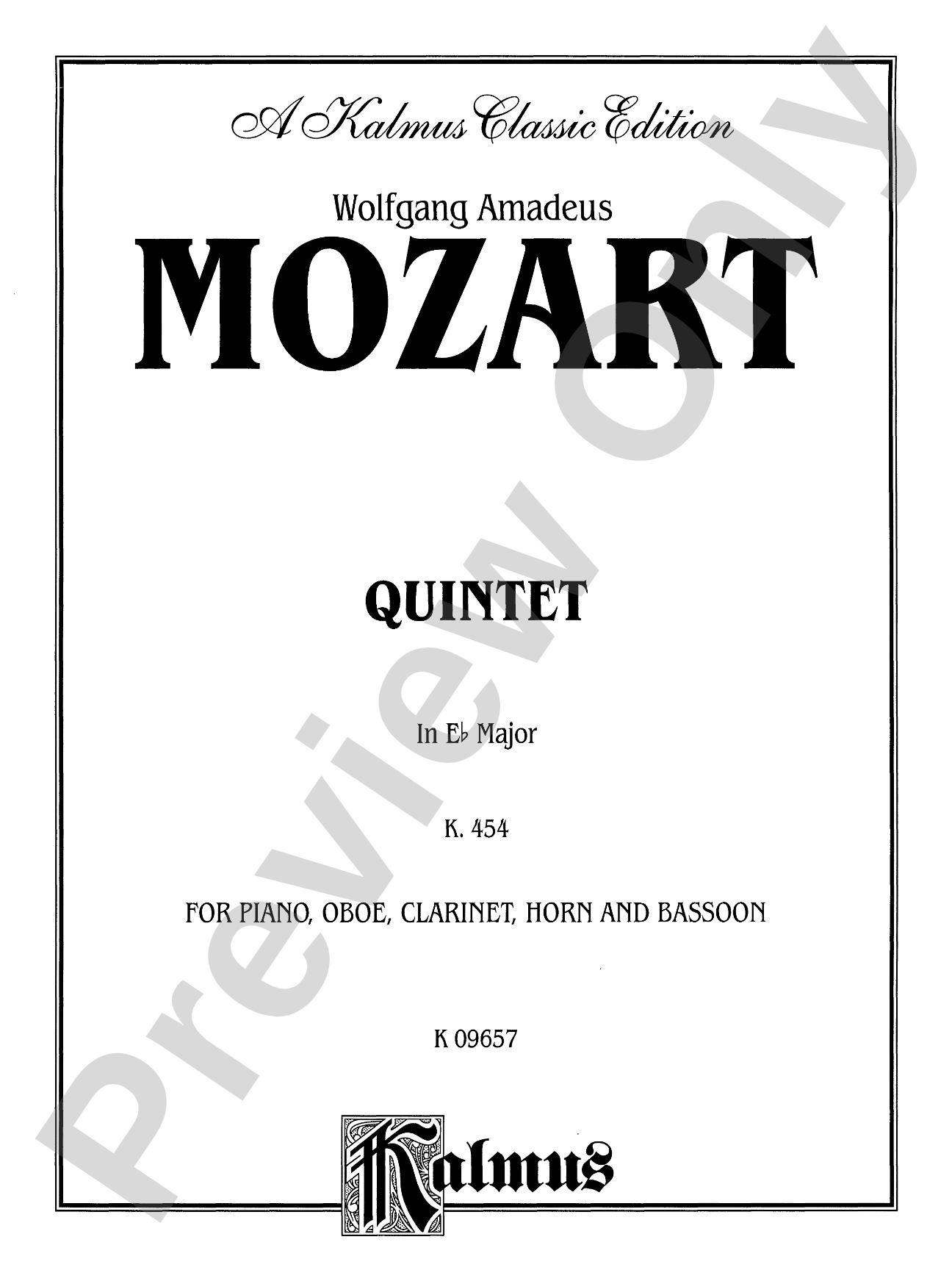
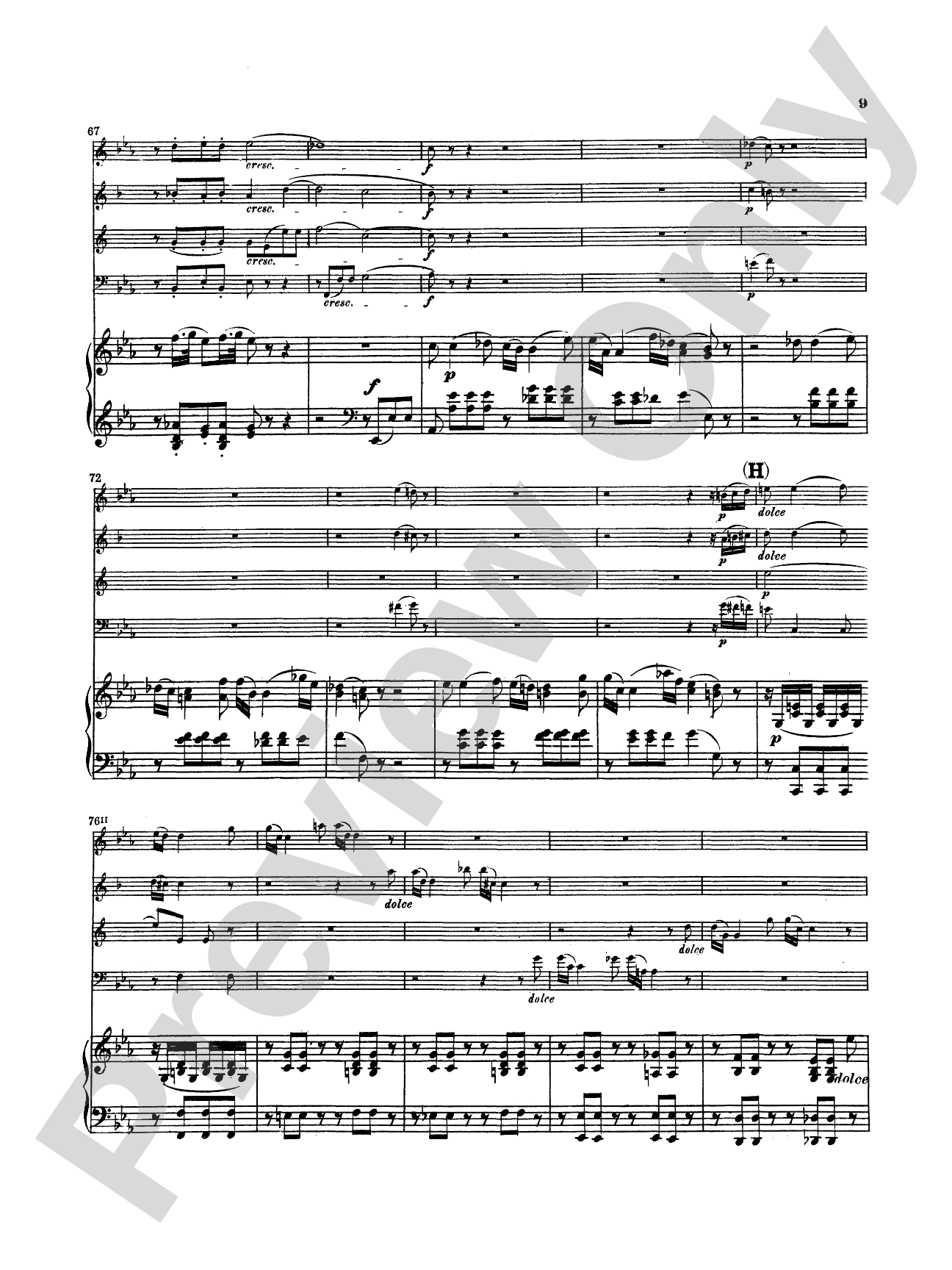
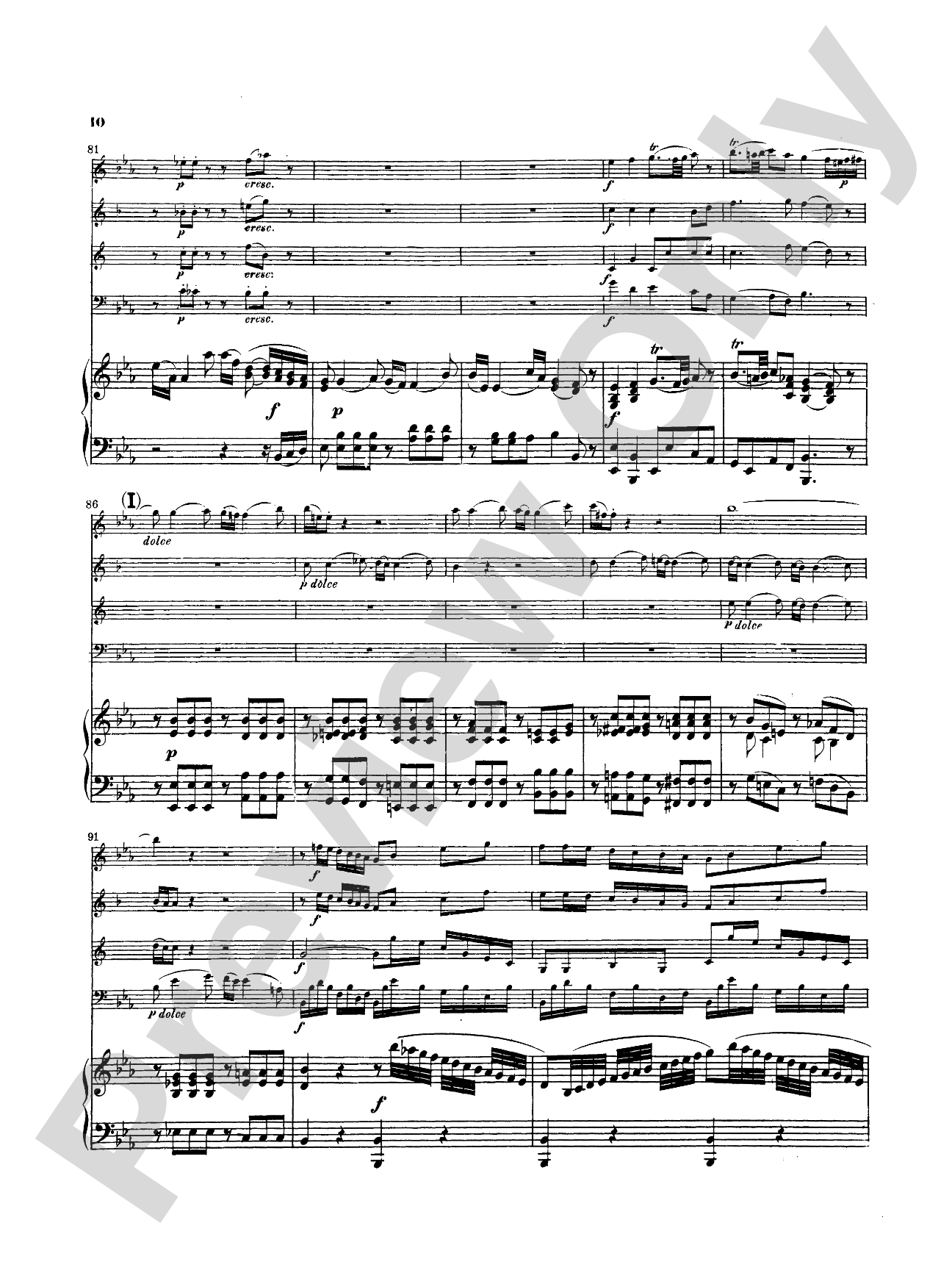
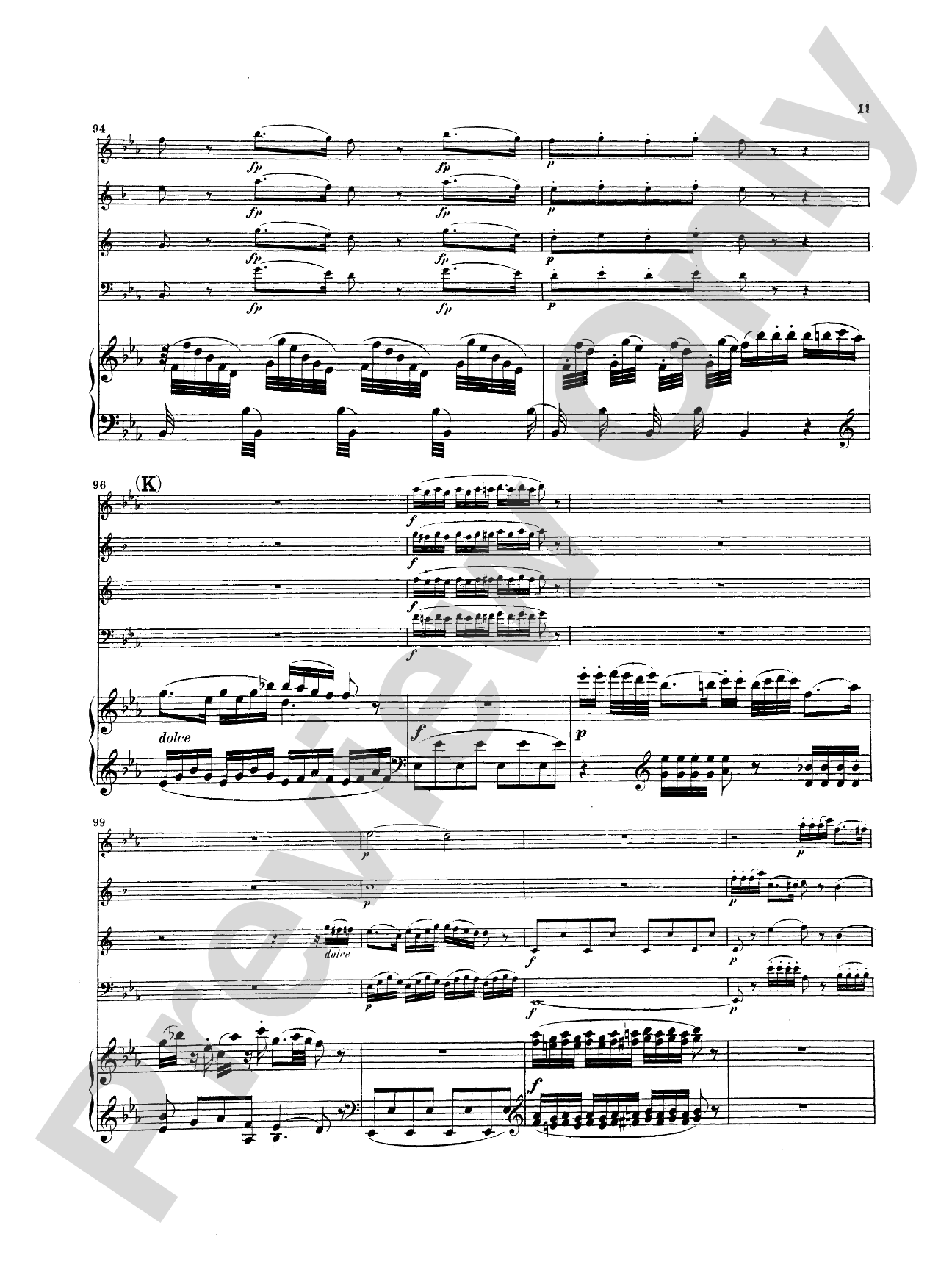
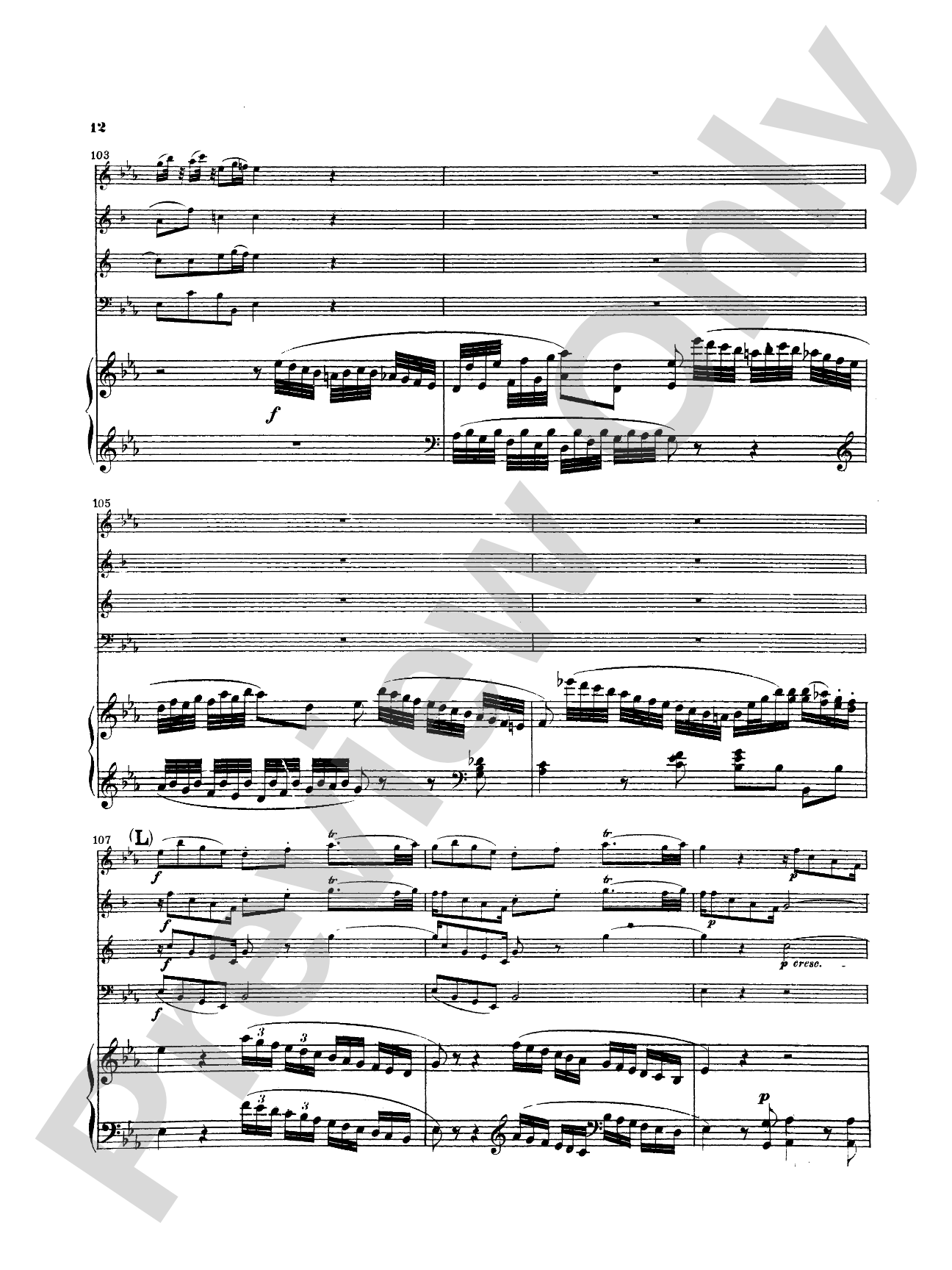
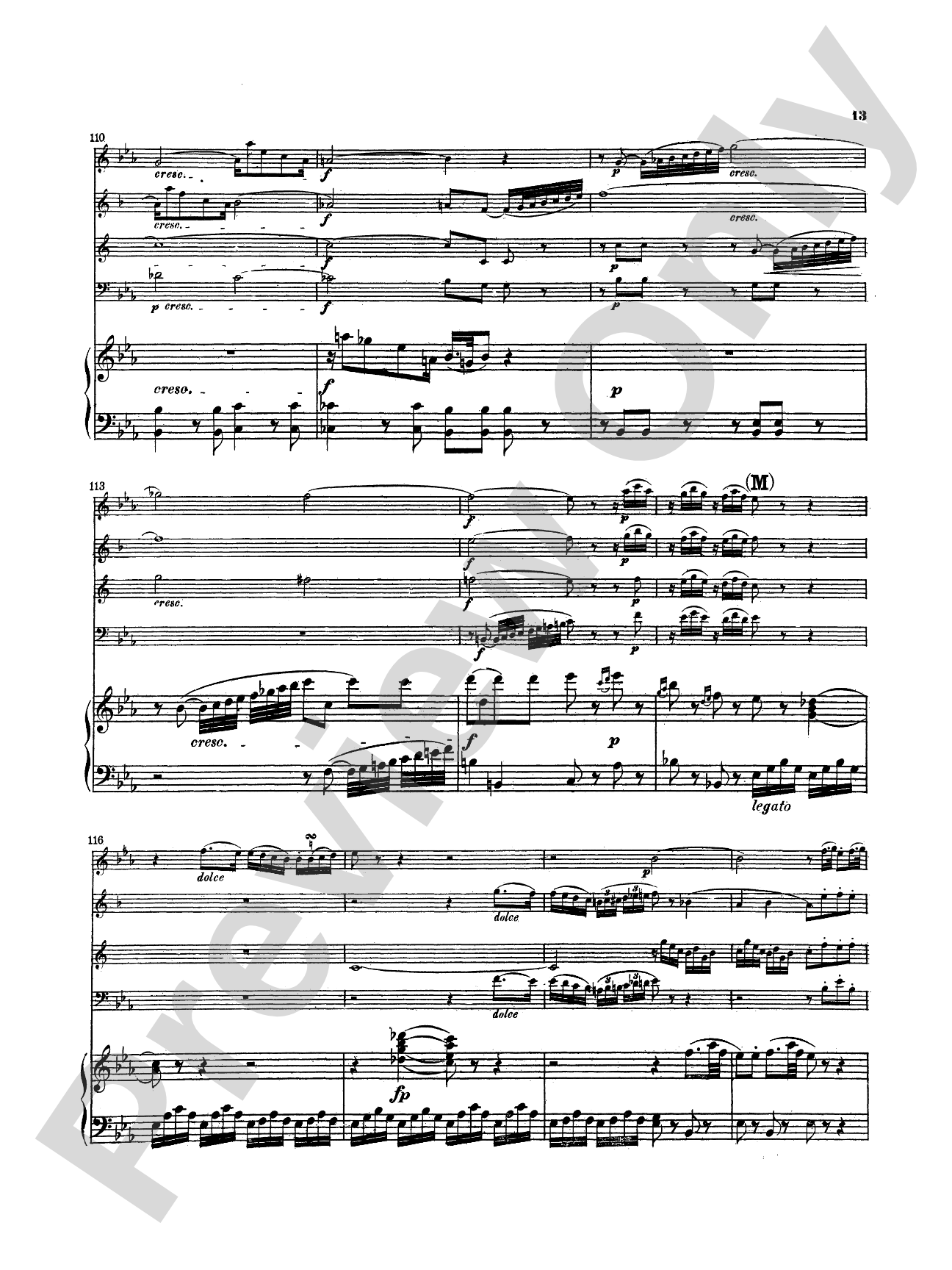
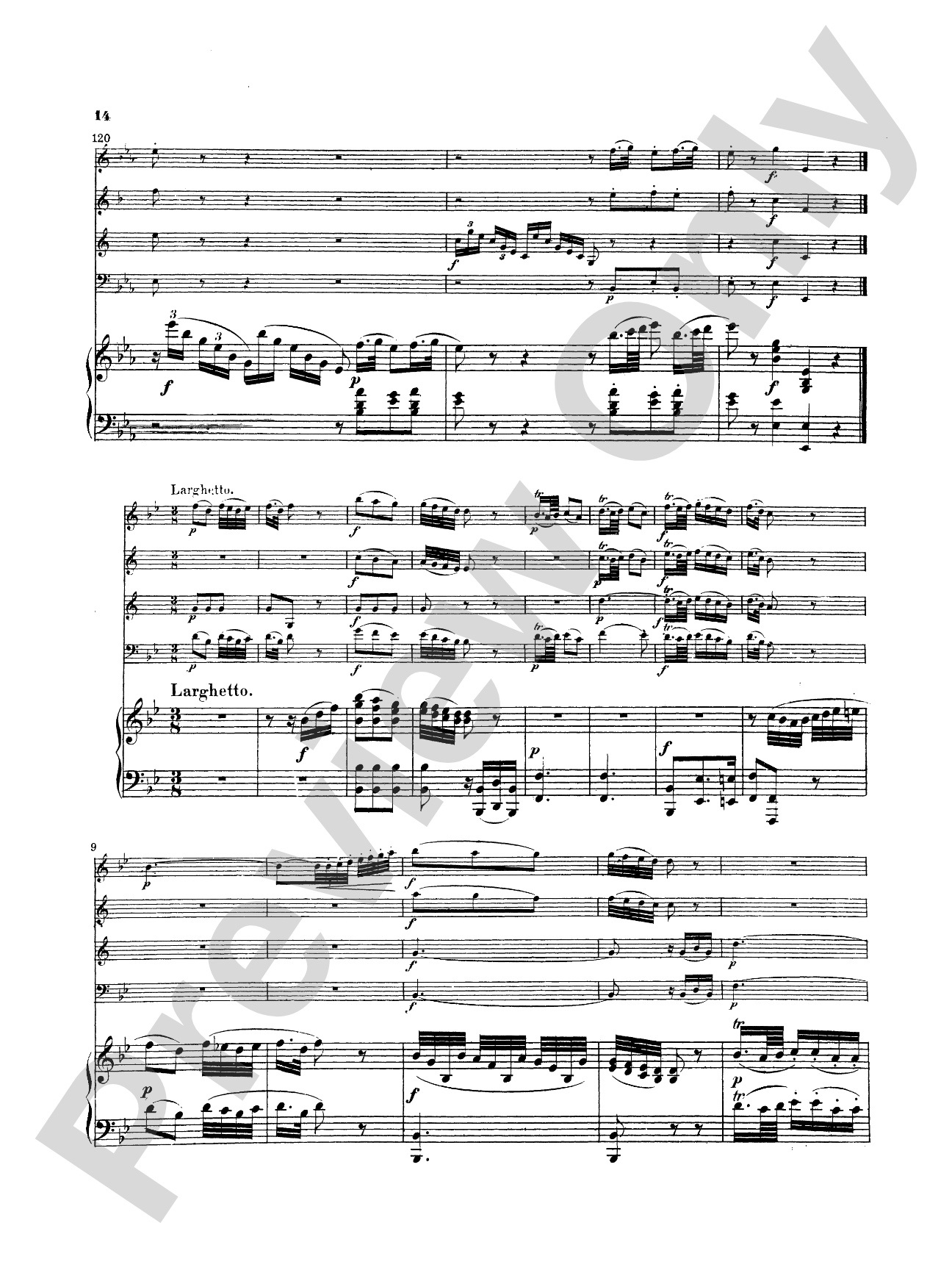
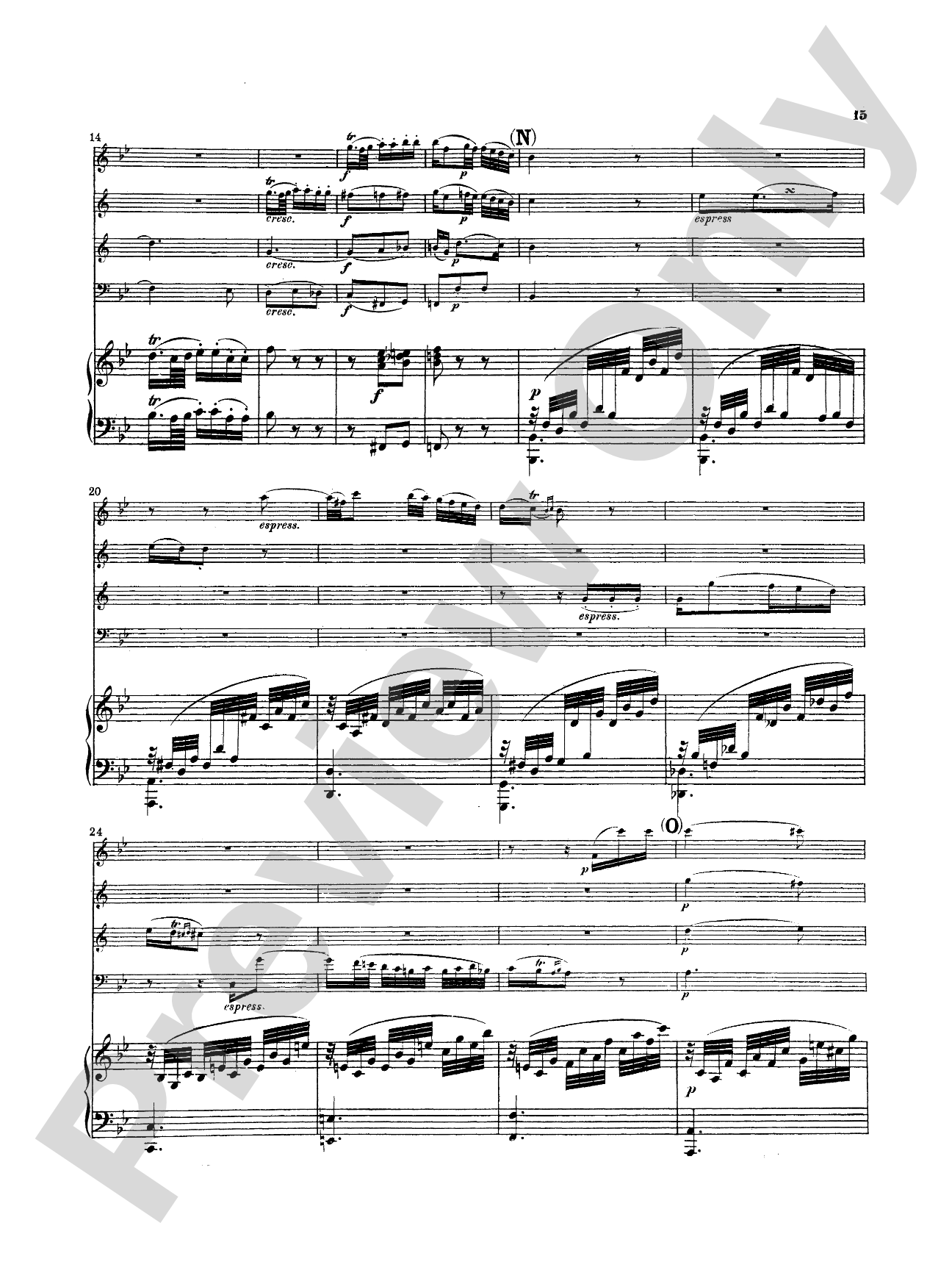
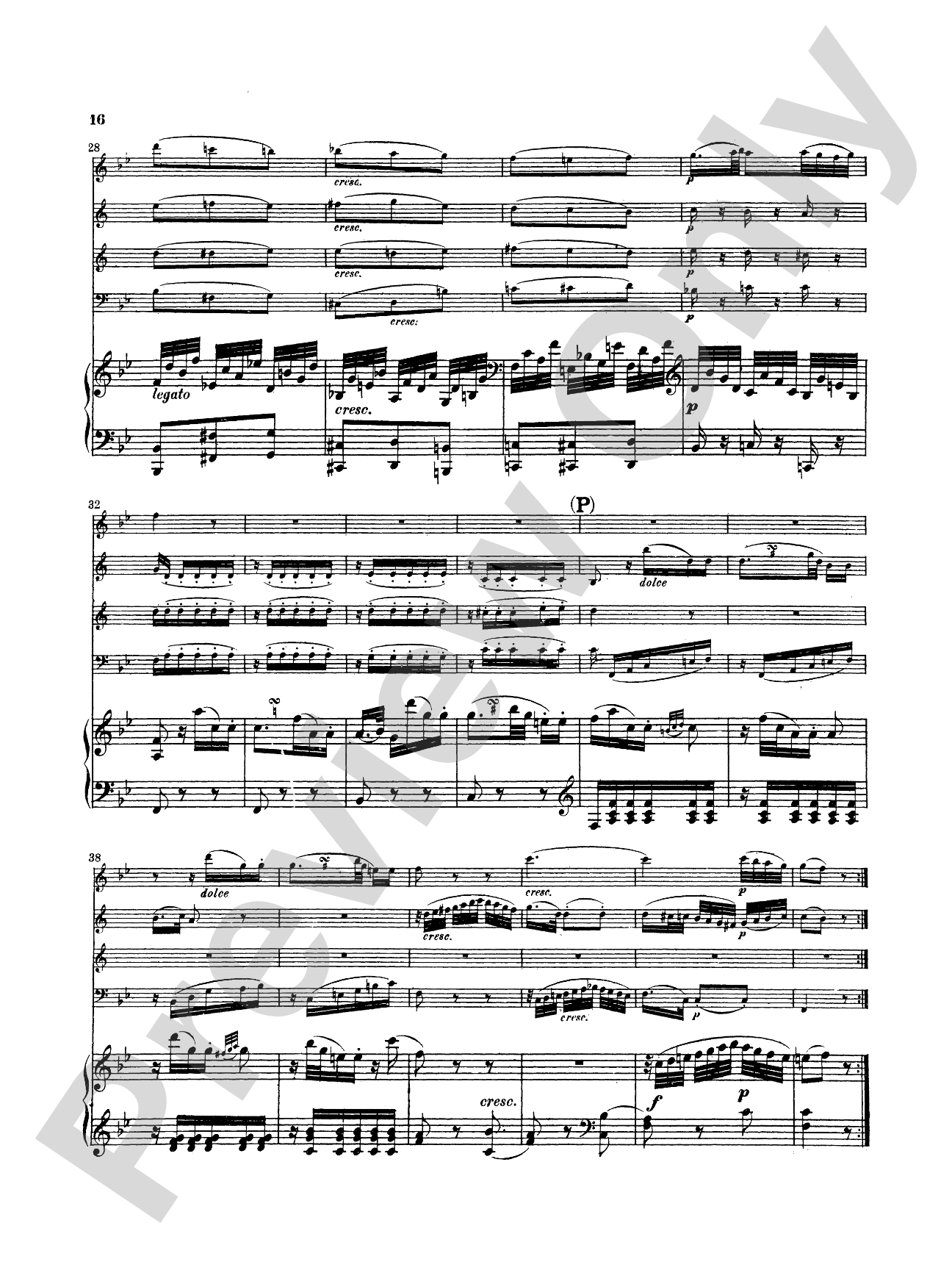
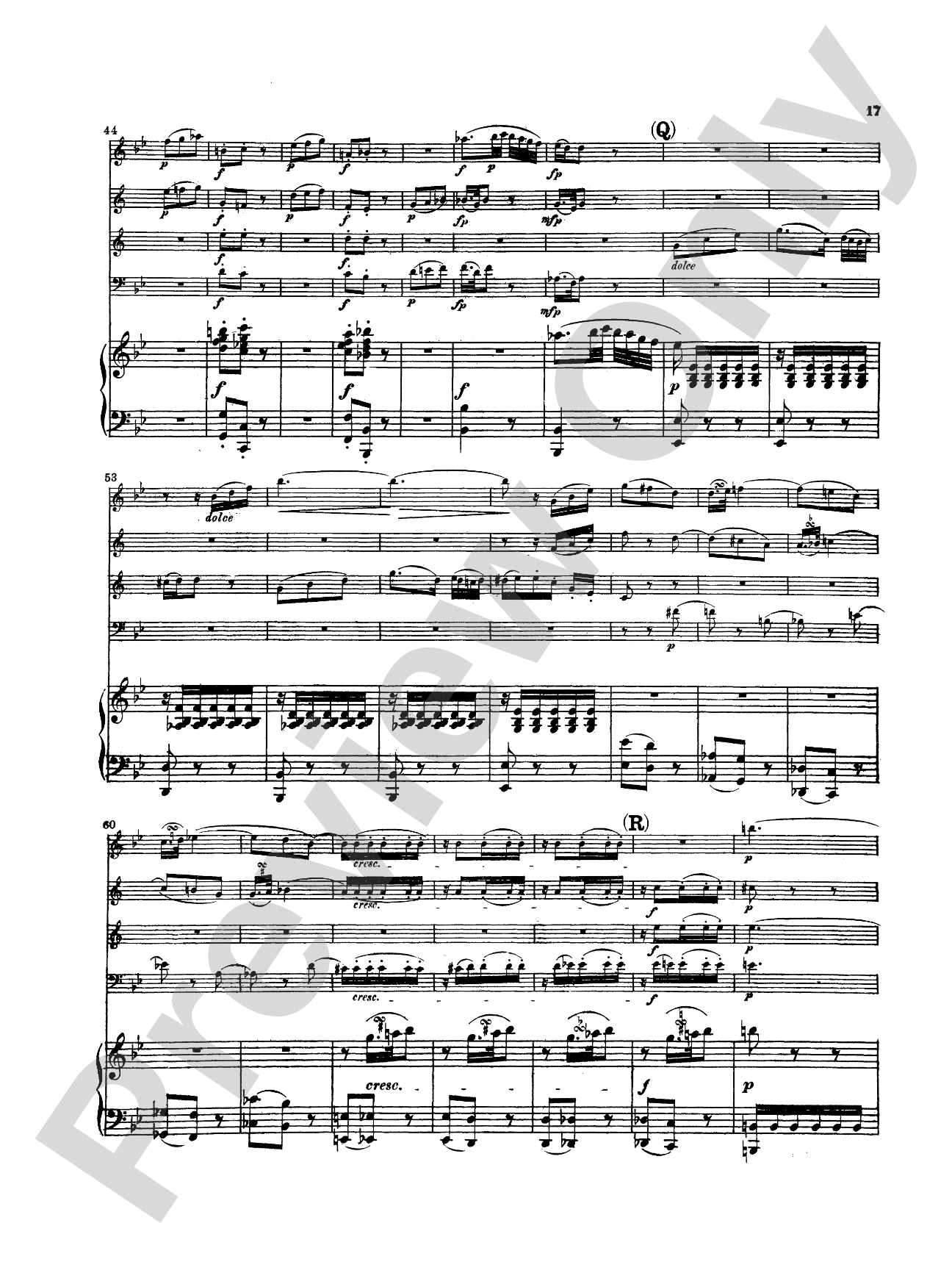
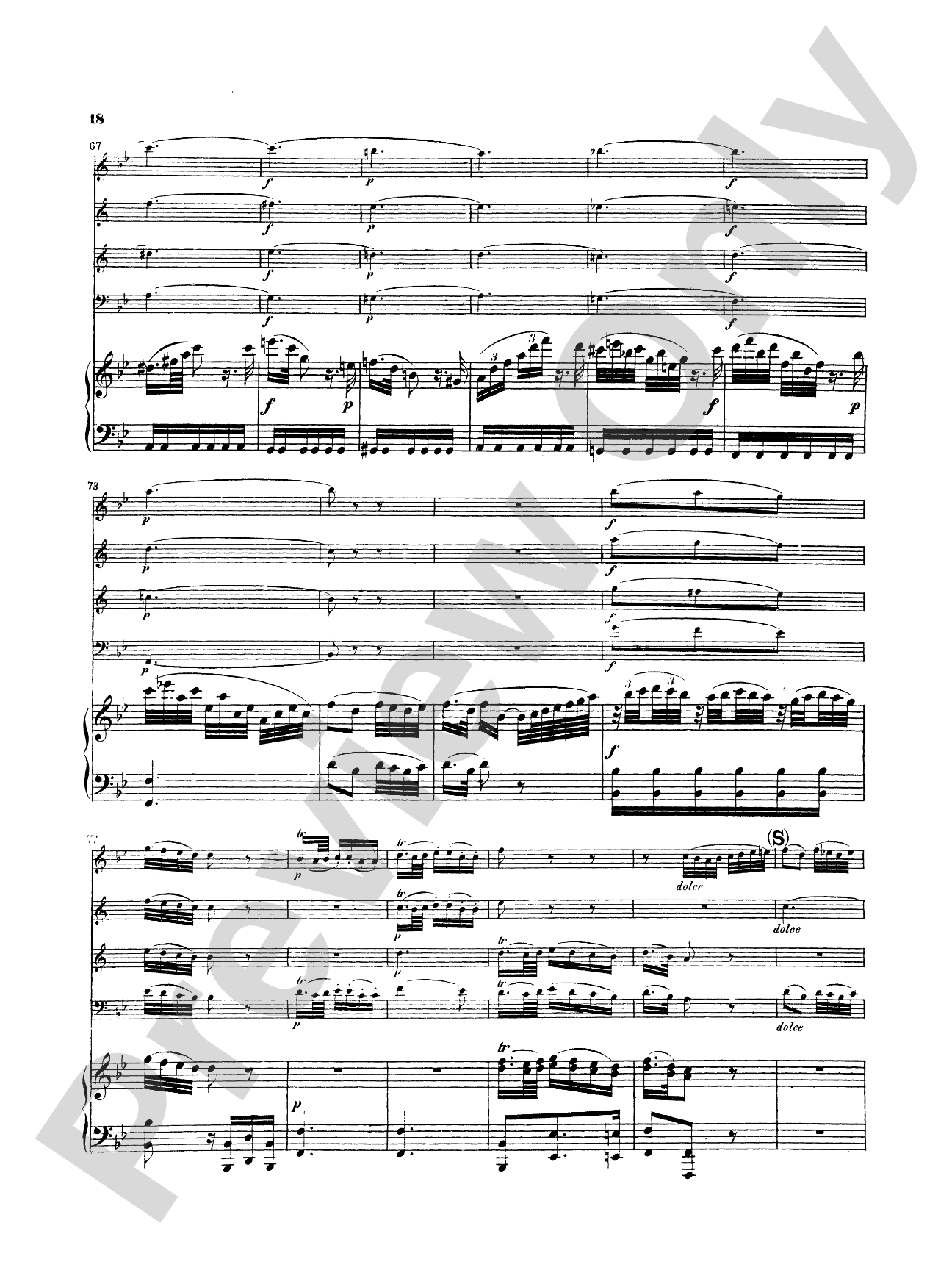
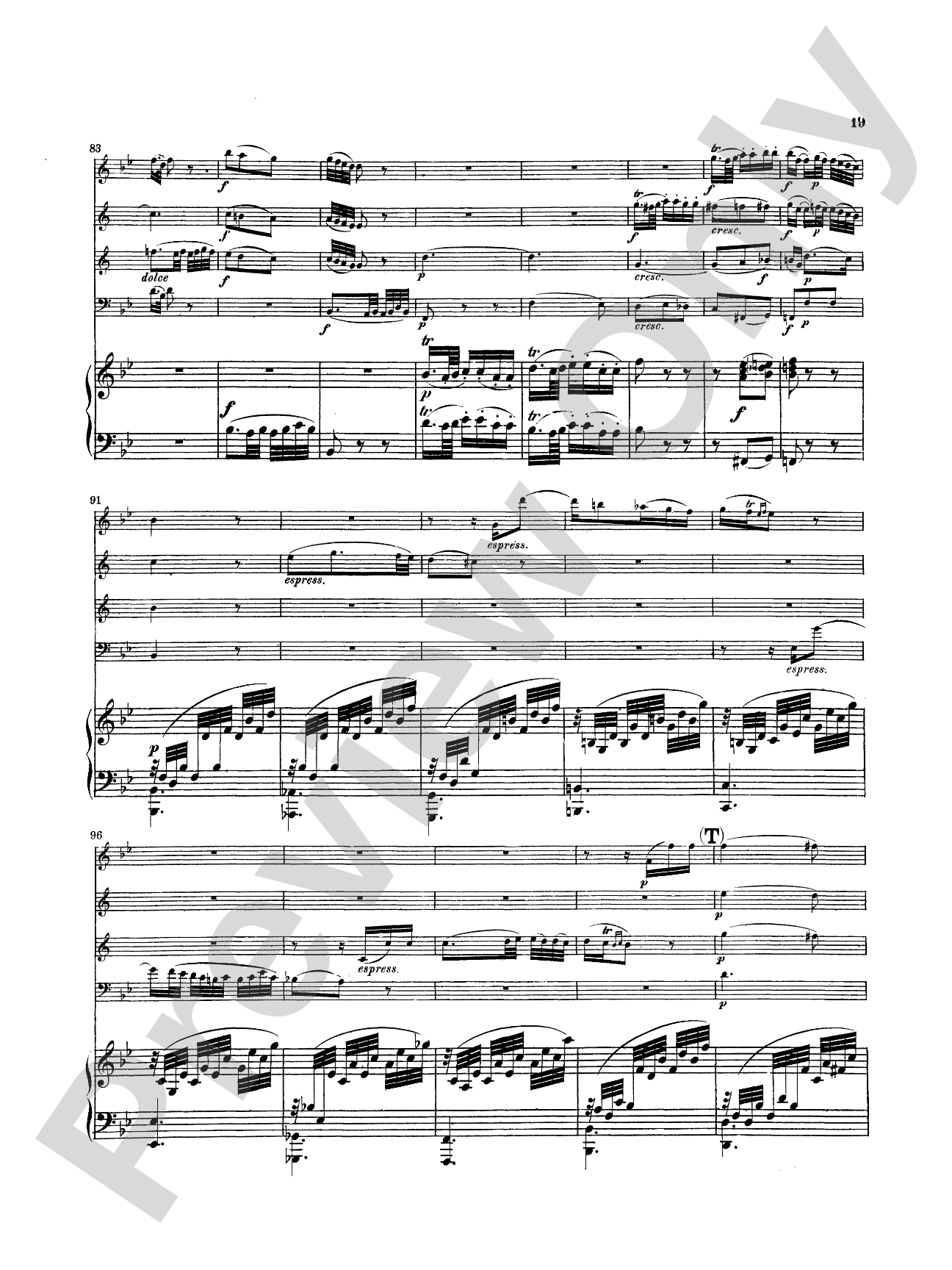
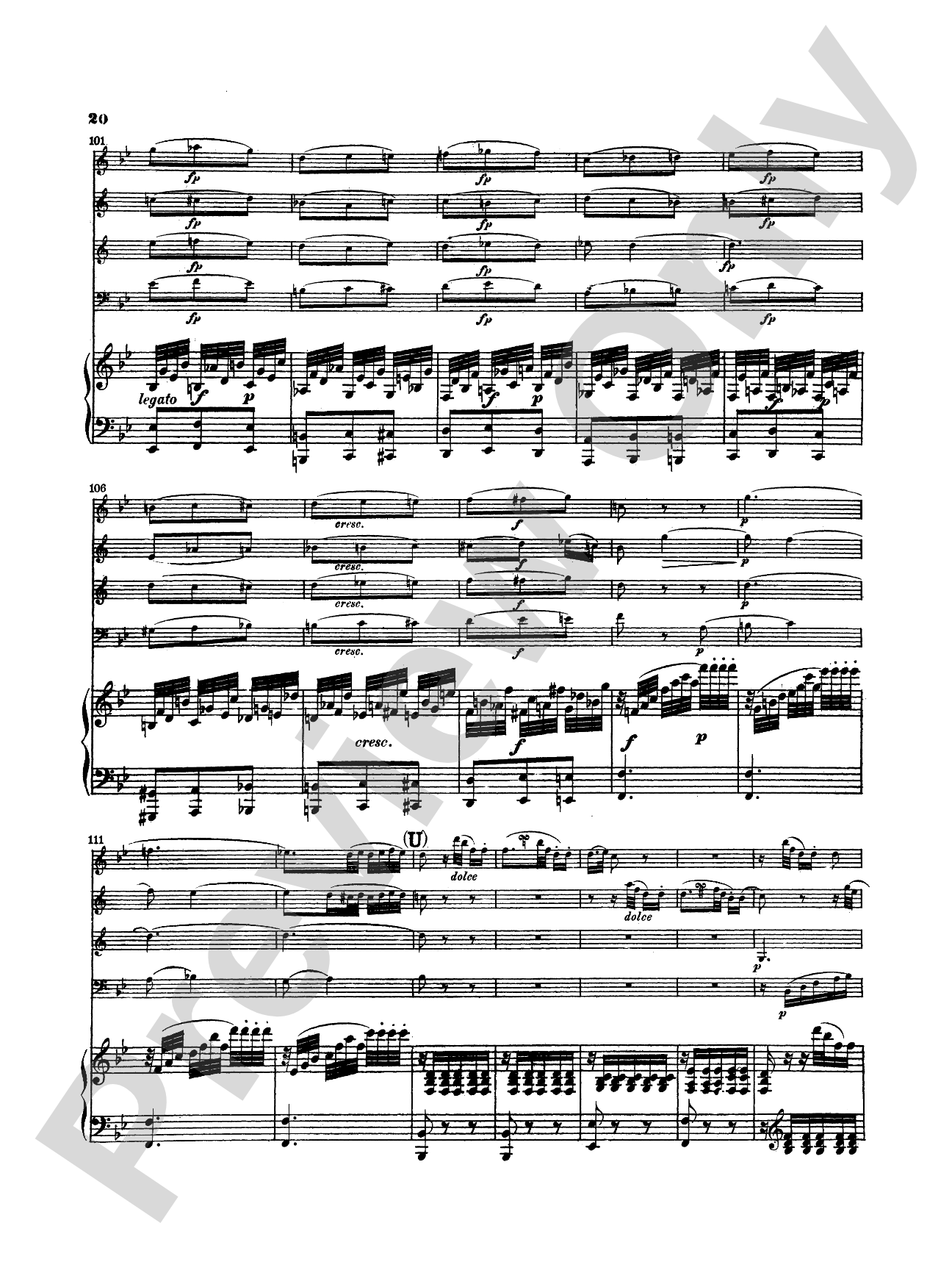
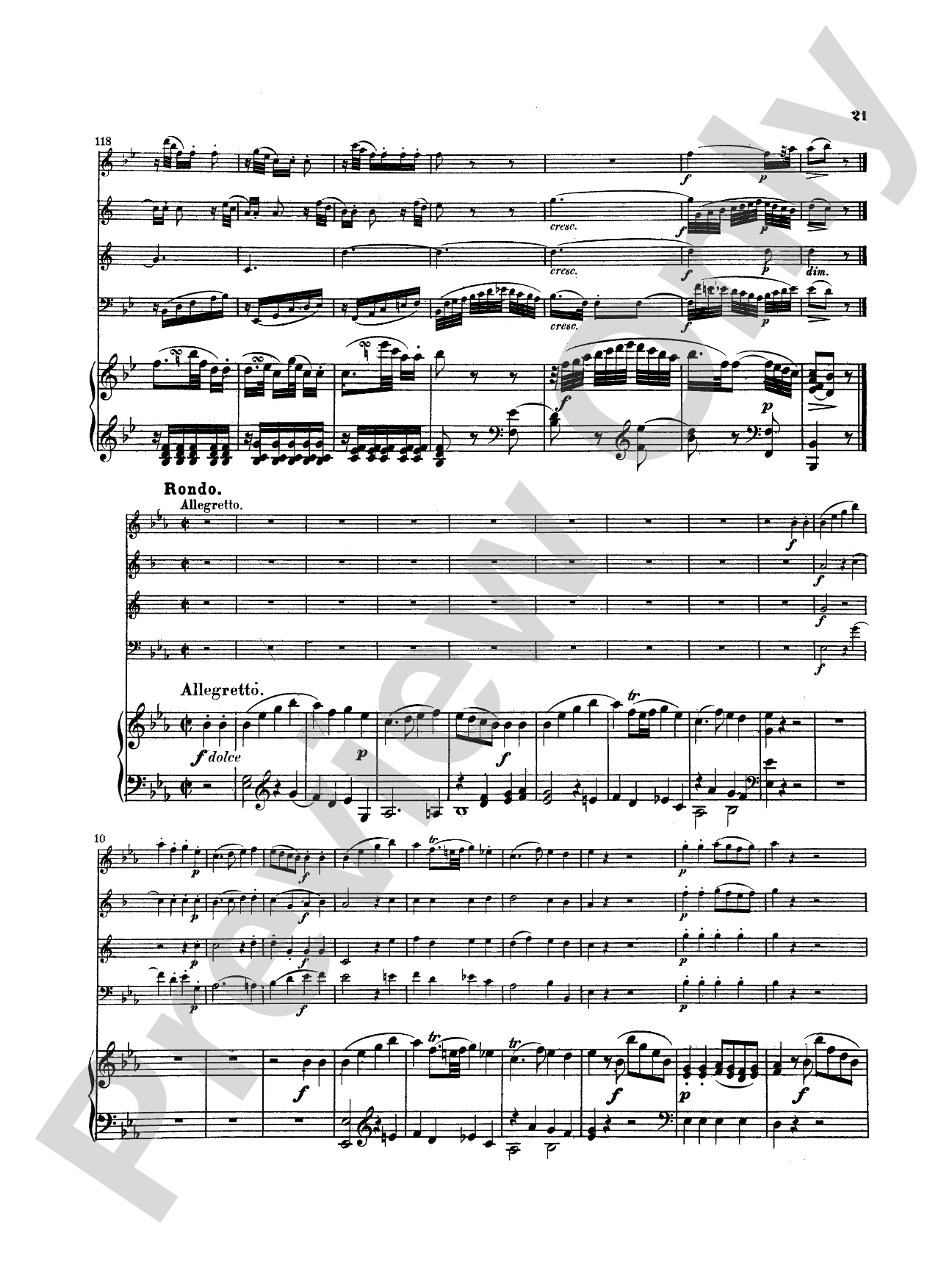
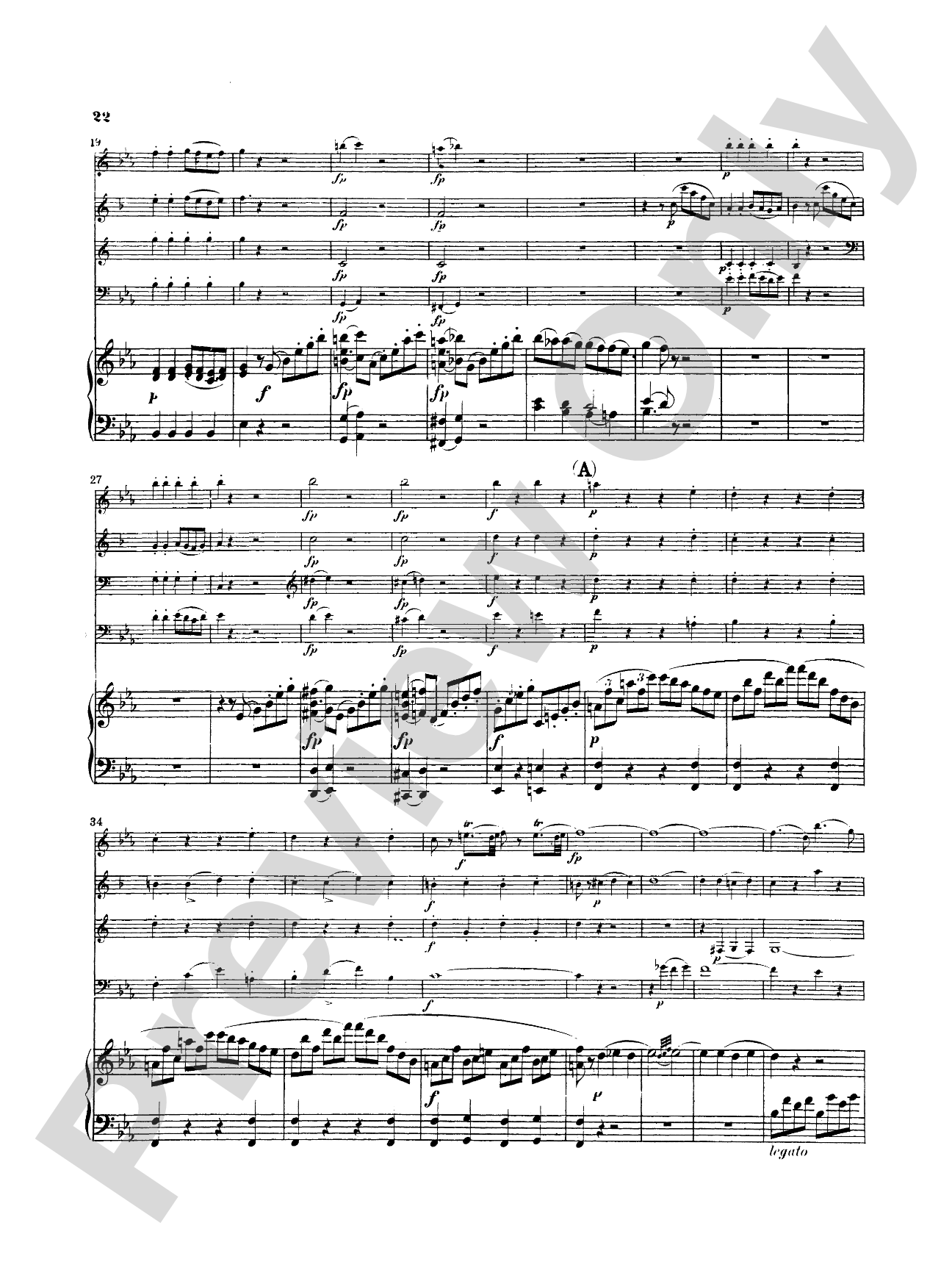
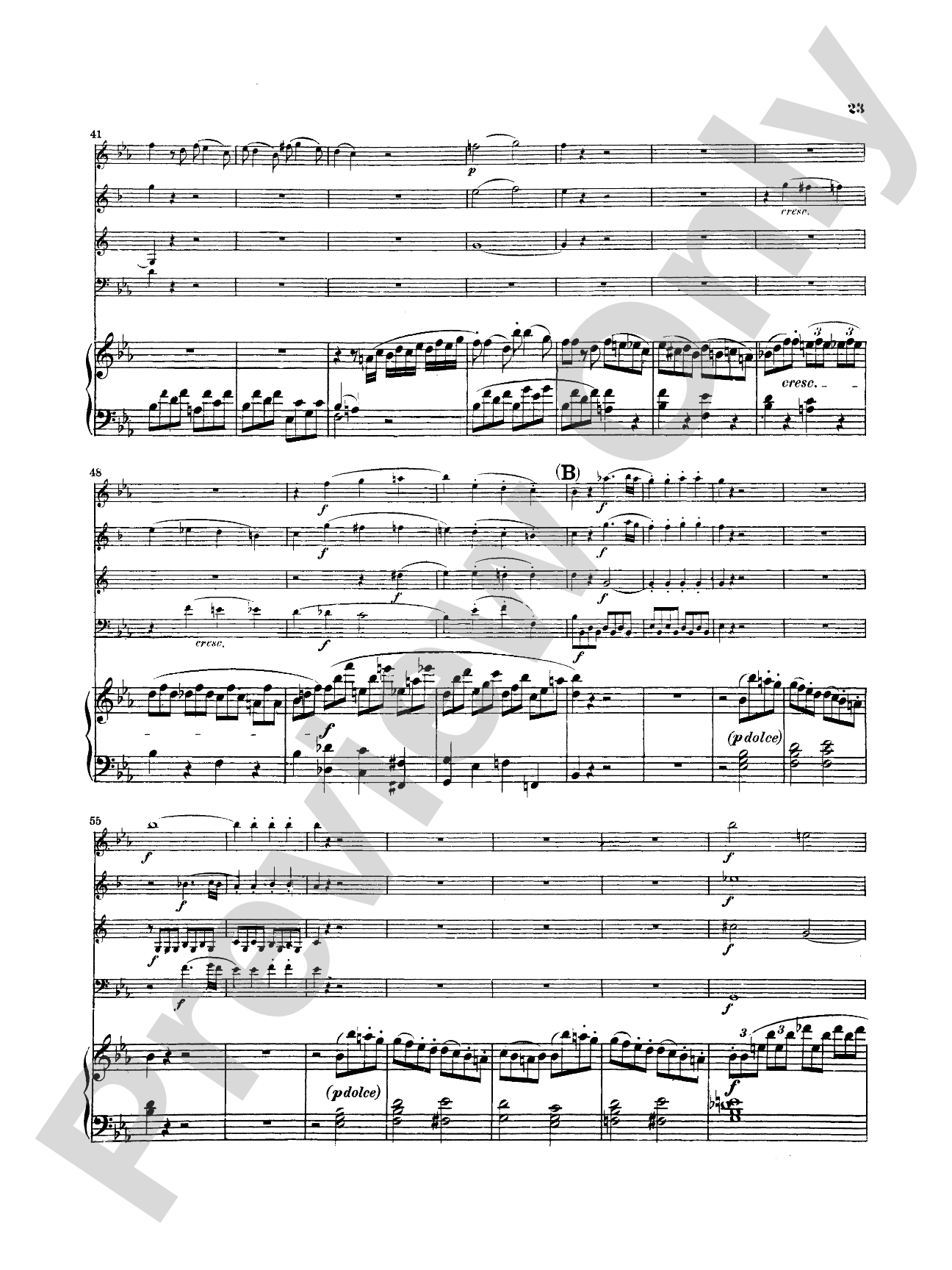
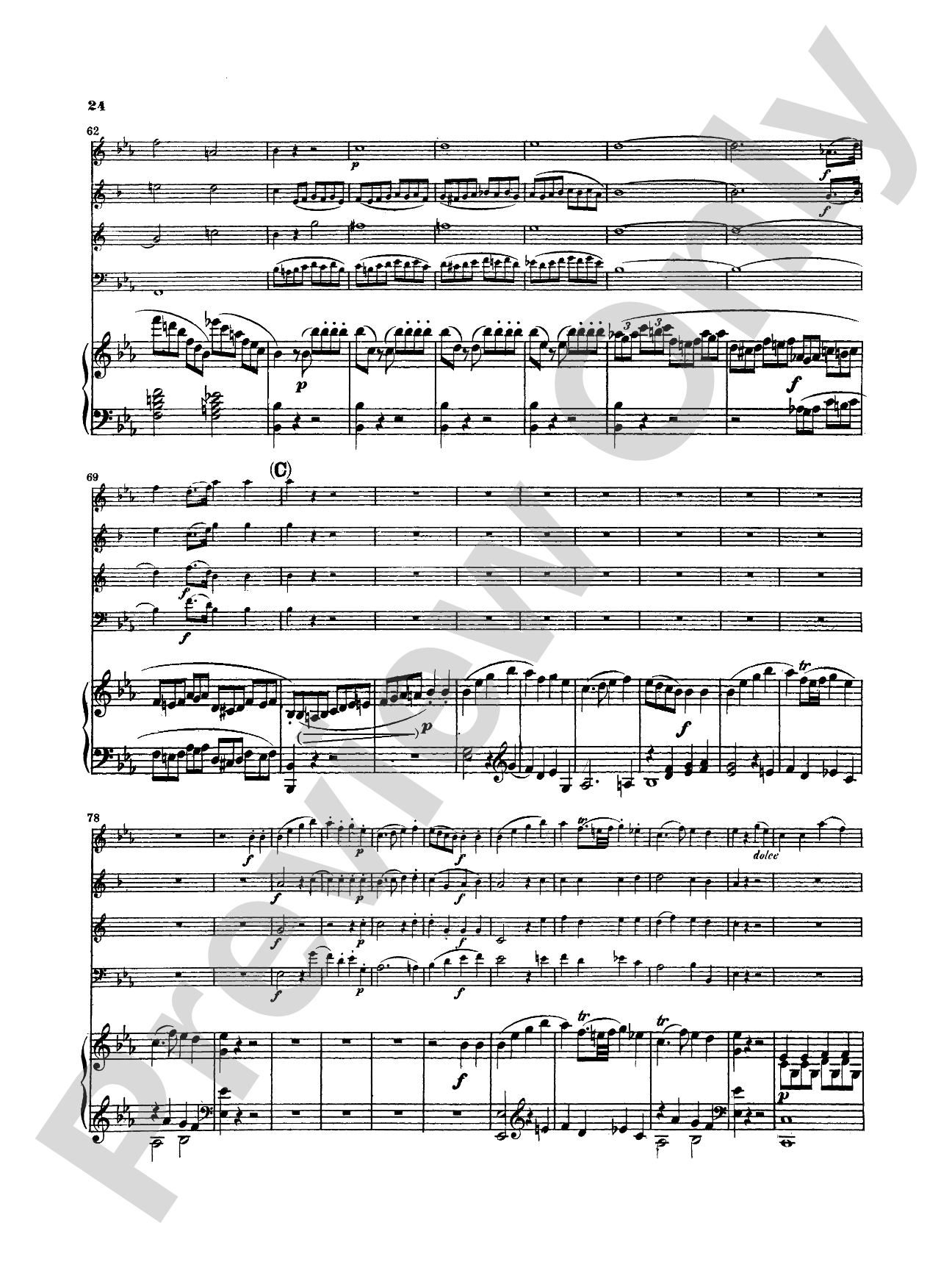
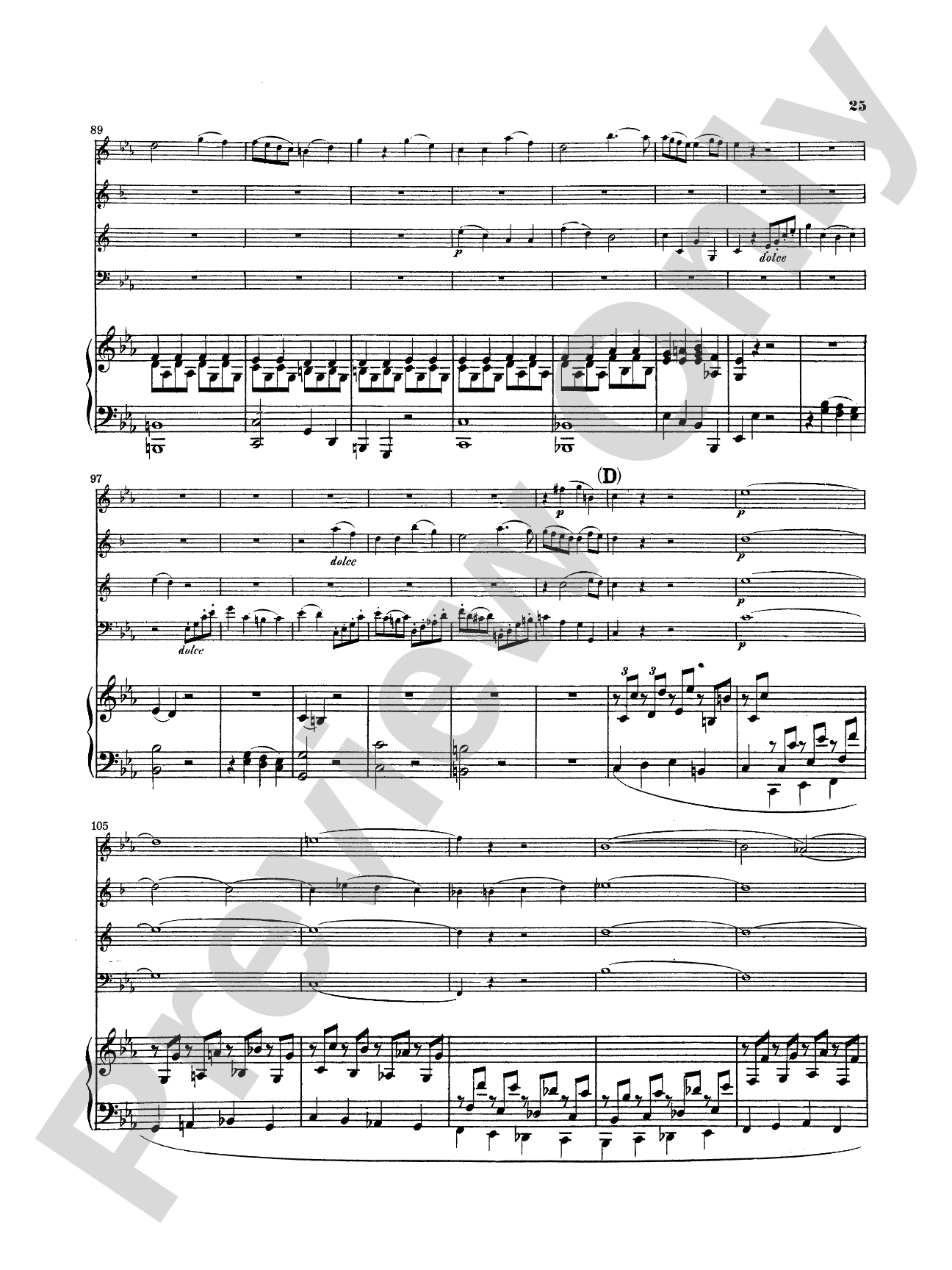
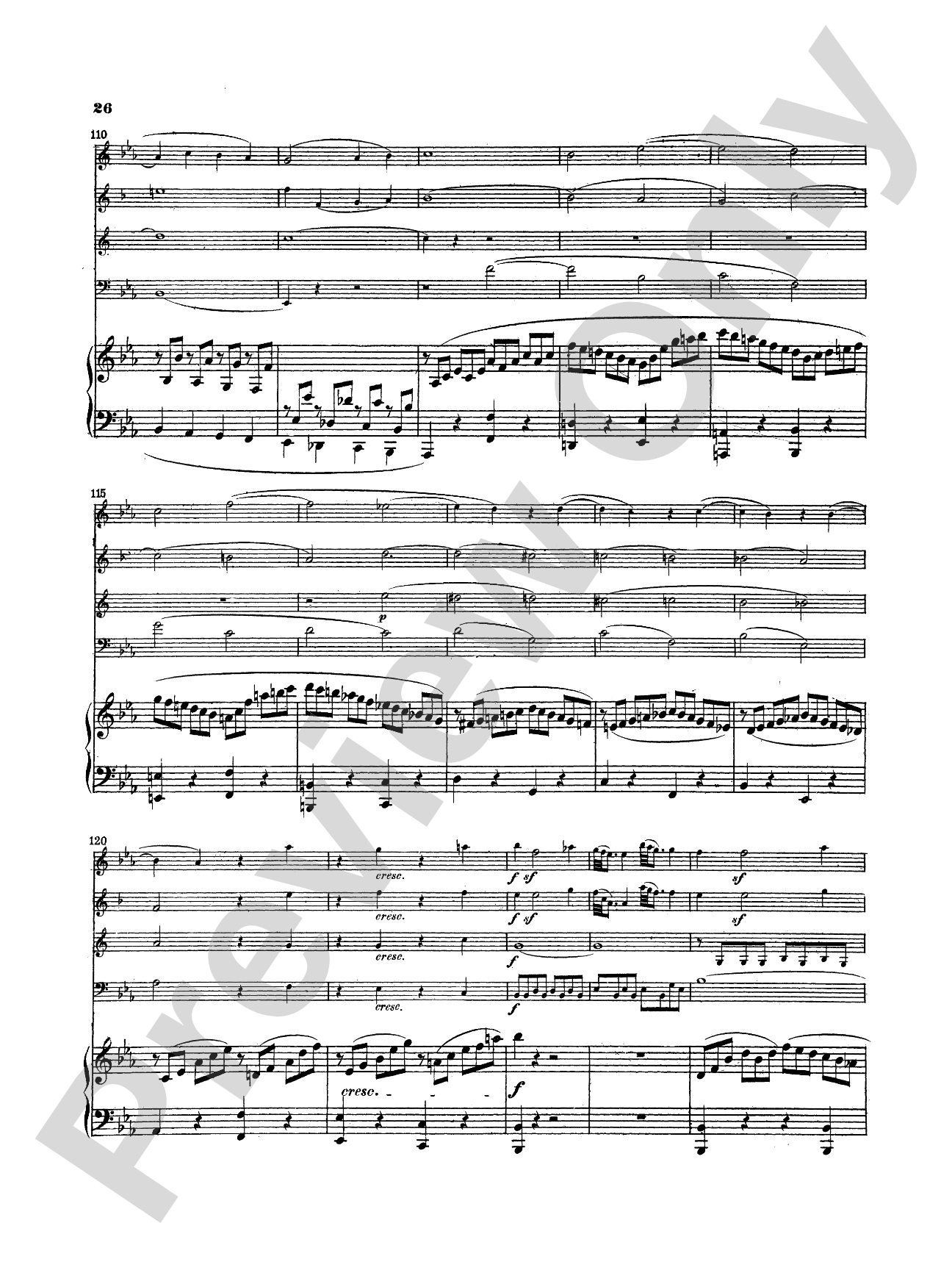
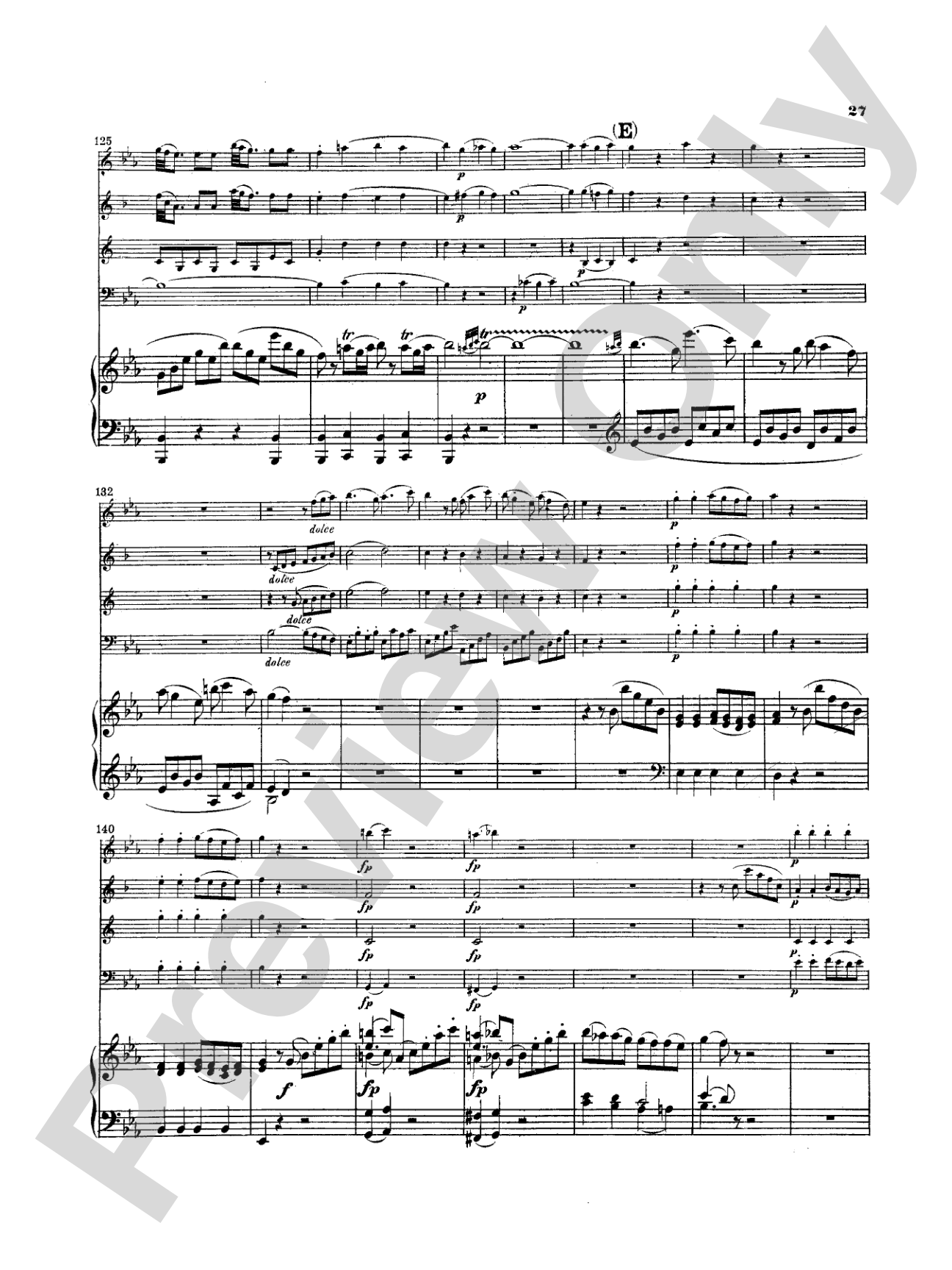
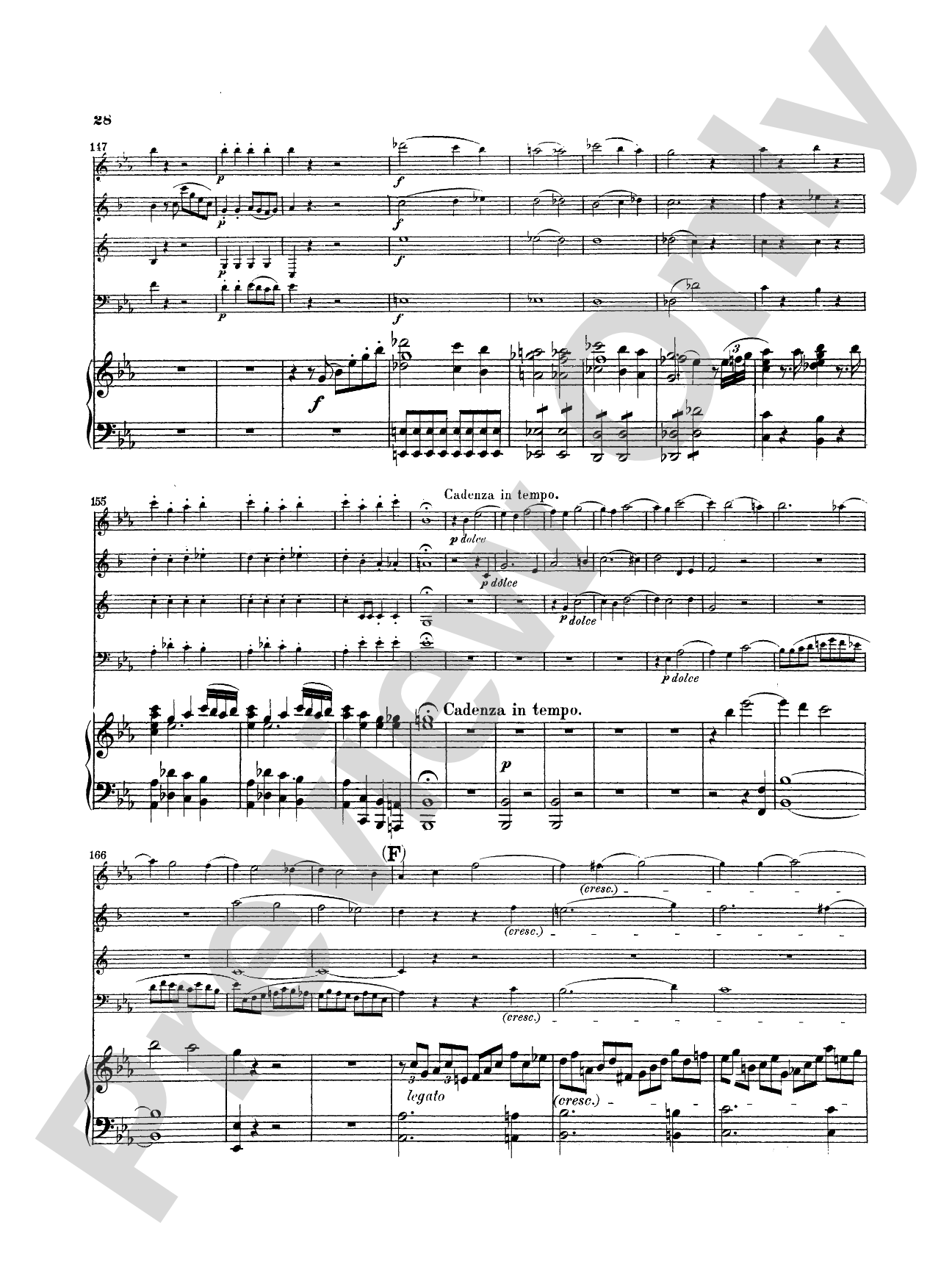
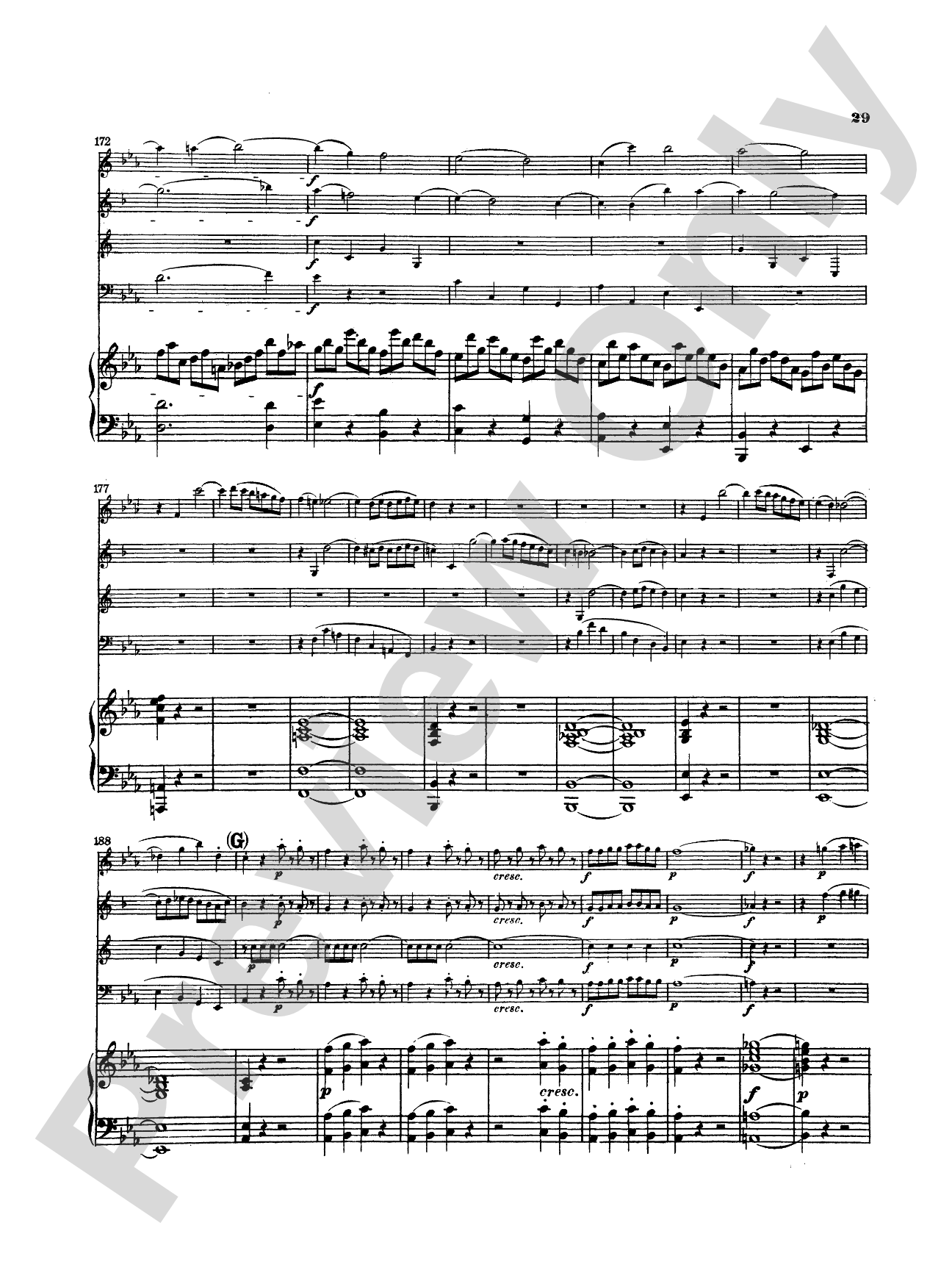
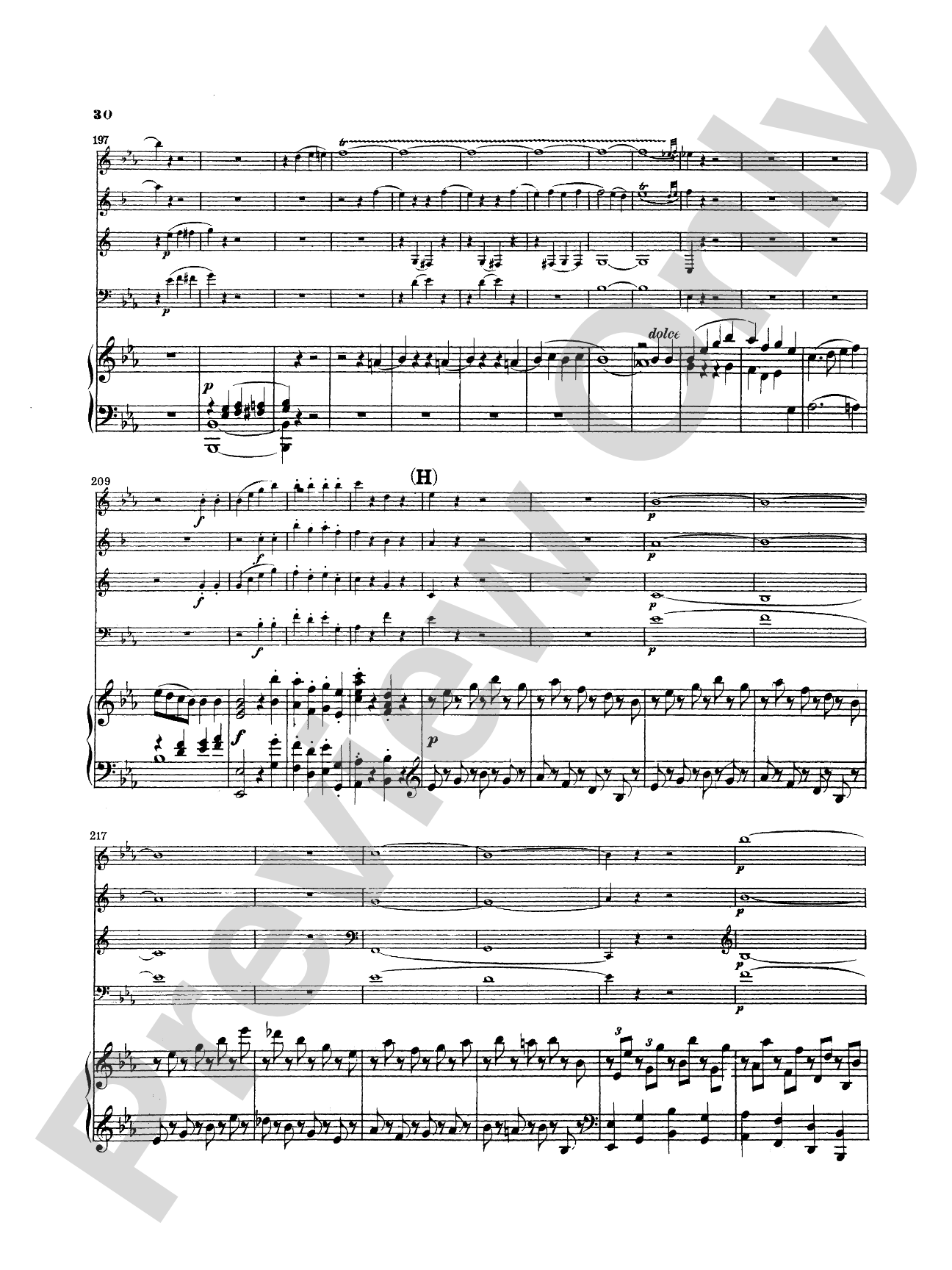
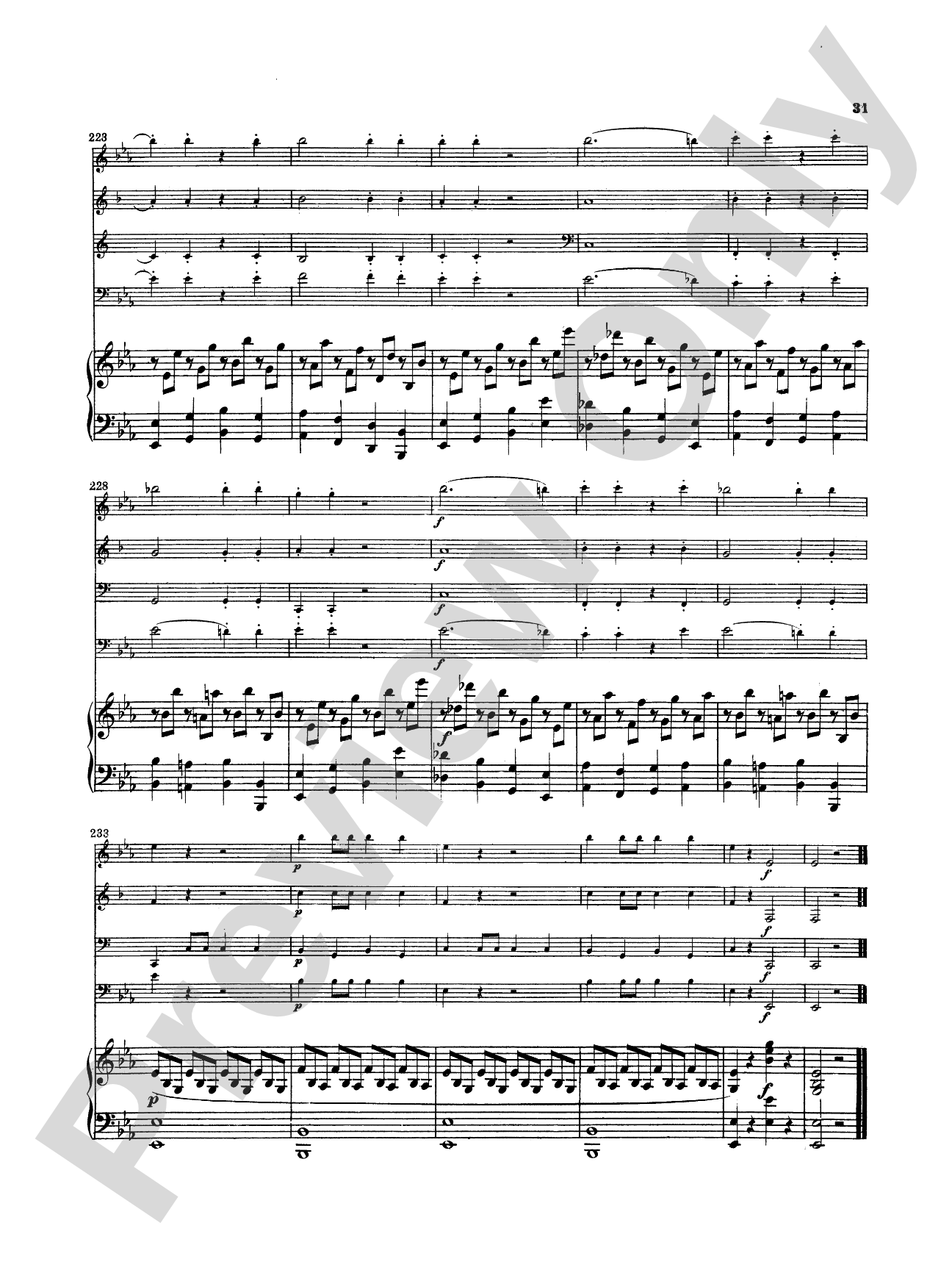


Mozart: Quintet, in E flat Major (K. 454): Chamber Quintet Book
For Piano, Oboe, Clarinet, Horn and Bassoon
By Wolfgang Amadeus Mozart
Item: 00-PK-0003826

$14.95
Pickup currently not available
Buy Extra Parts (Digital PDF Download)
| Product | Price | Quantity |
|---|---|---|
| Mozart: Quintet, in E flat Major (K. 454) (for piano, oboe, clarinet, horn, and bassoon) | $13.95 |
Parts Added to Cart!
Related Items
Quintet in E-flat, K. 452: Chamber Quintet Book |
$14.95
|
View |
Description
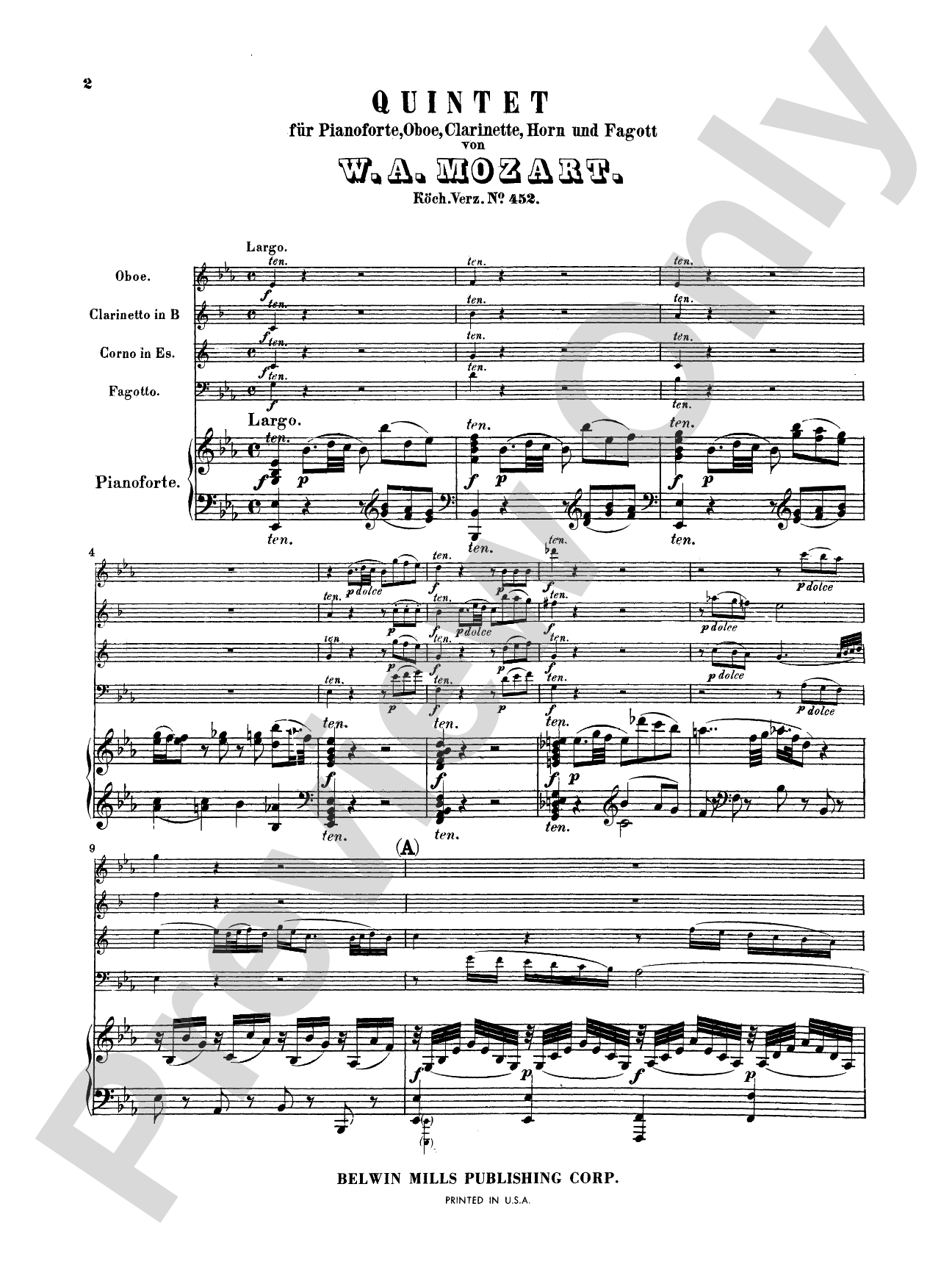
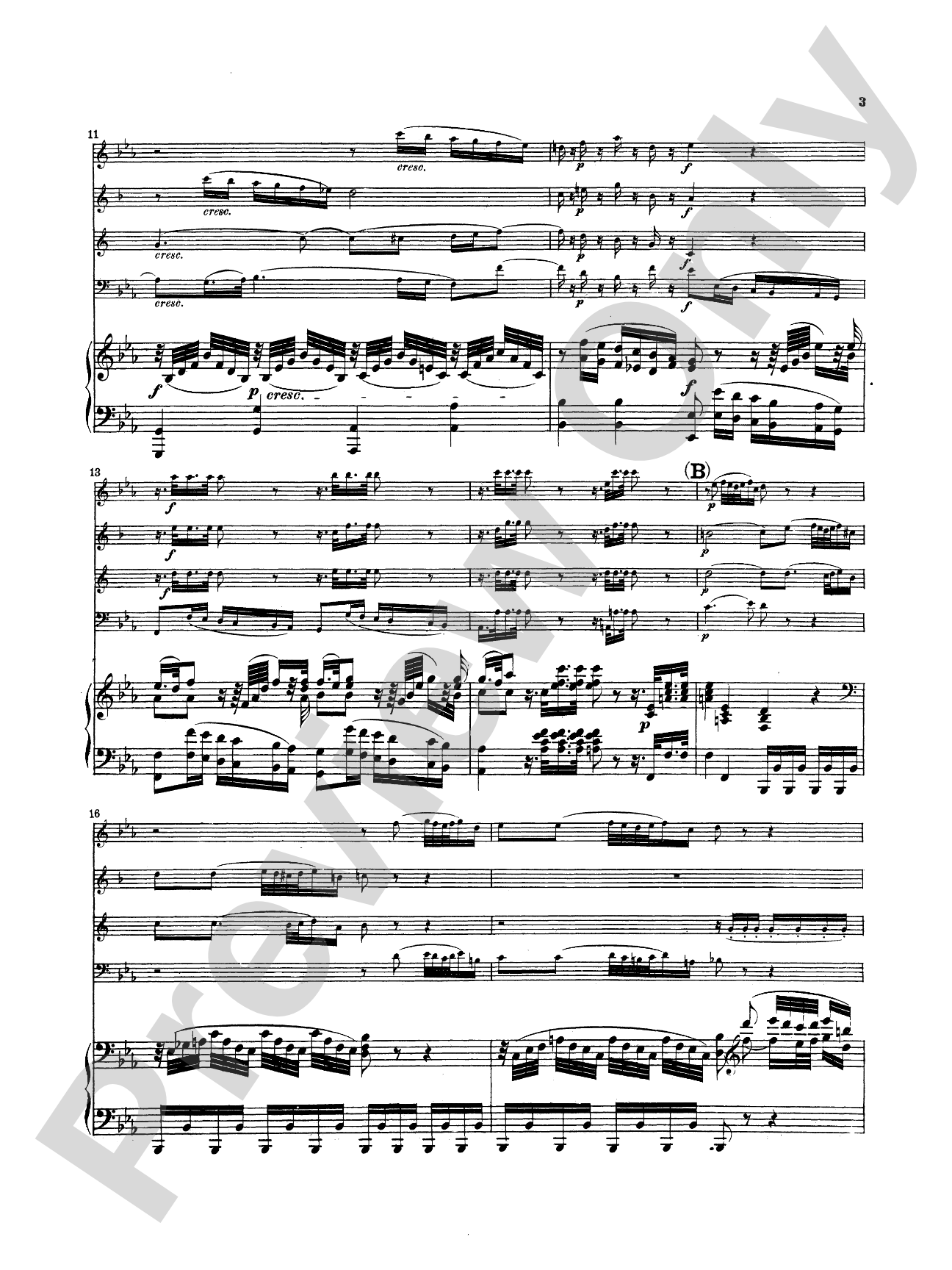
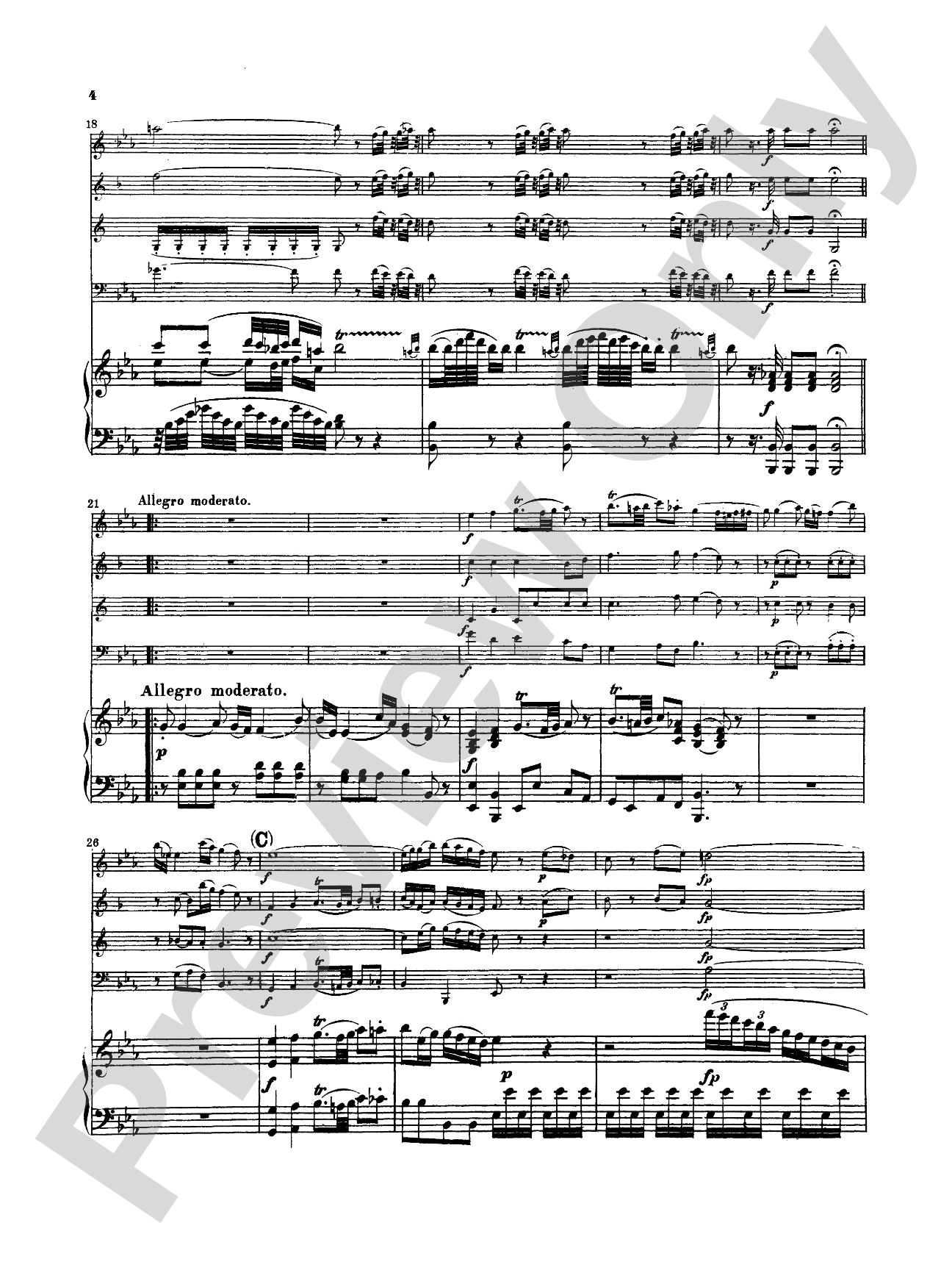
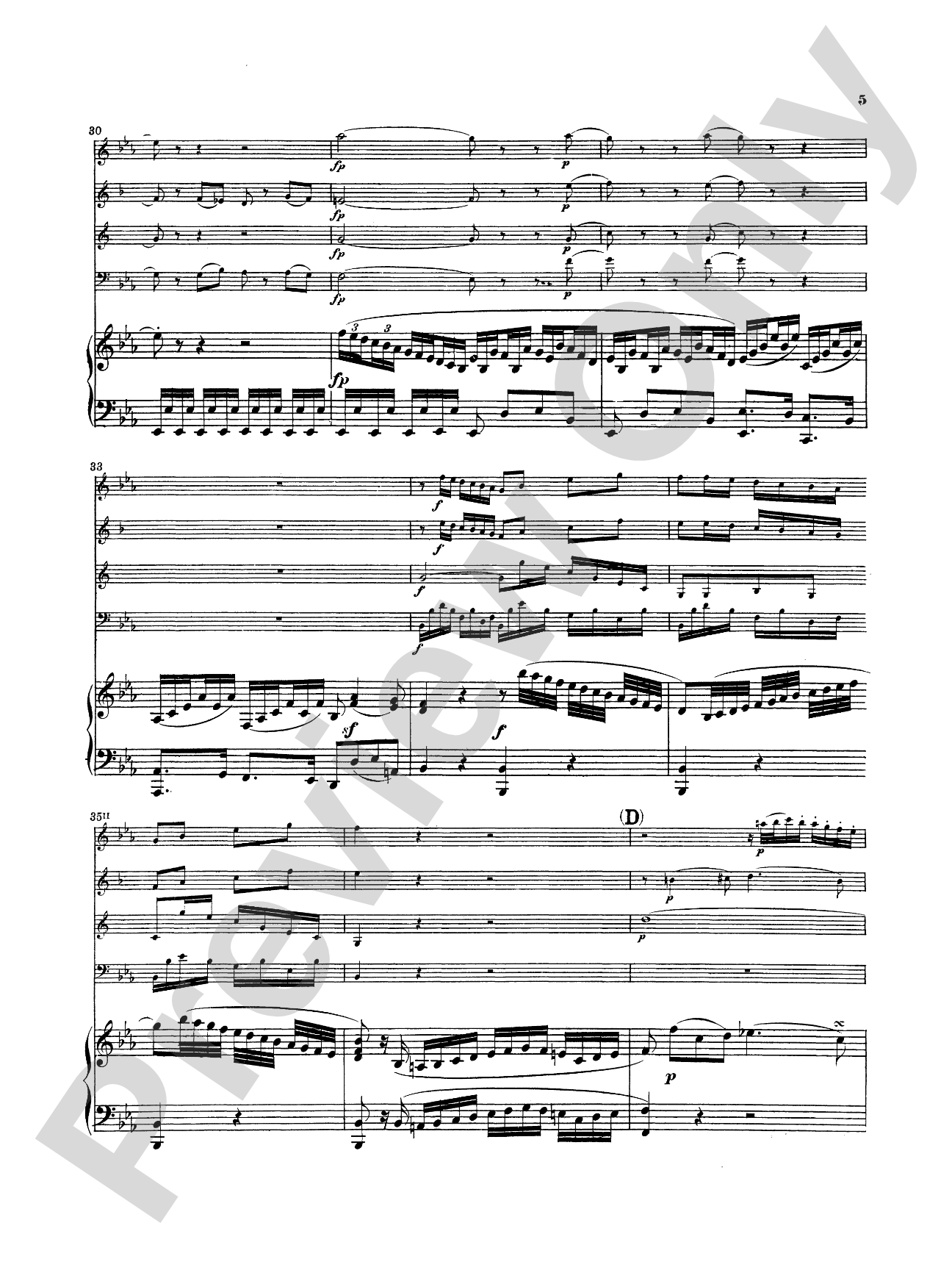
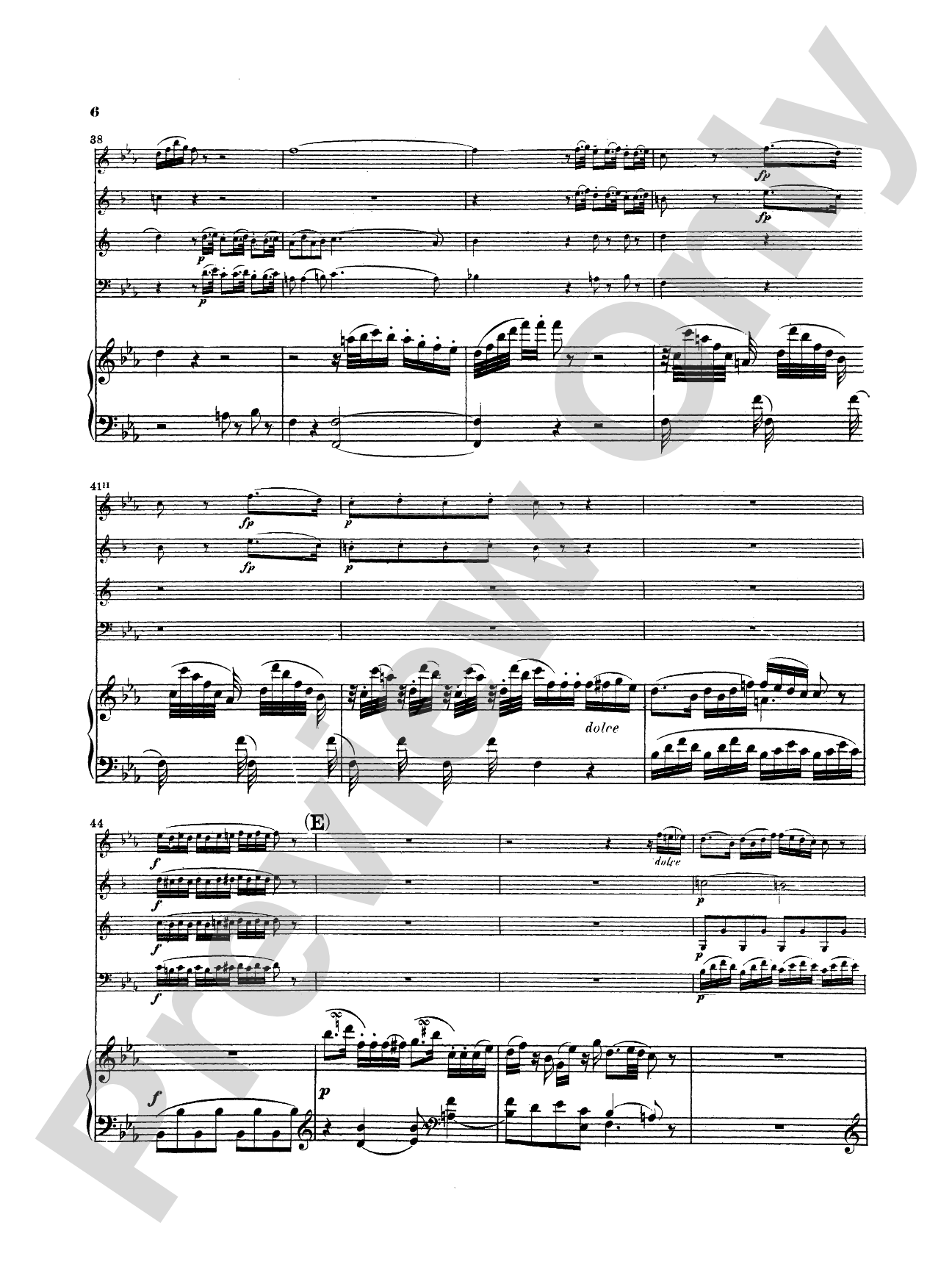
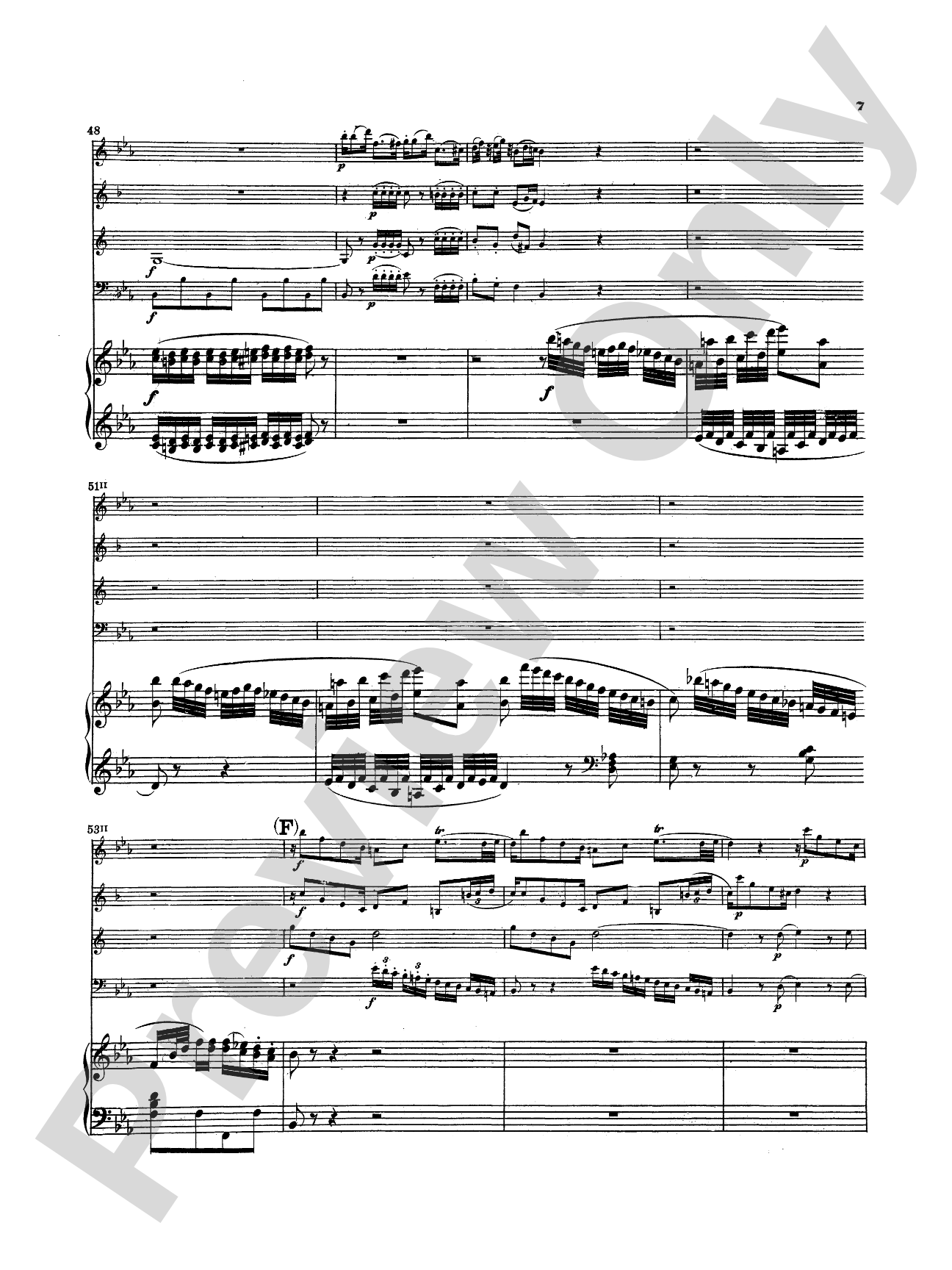
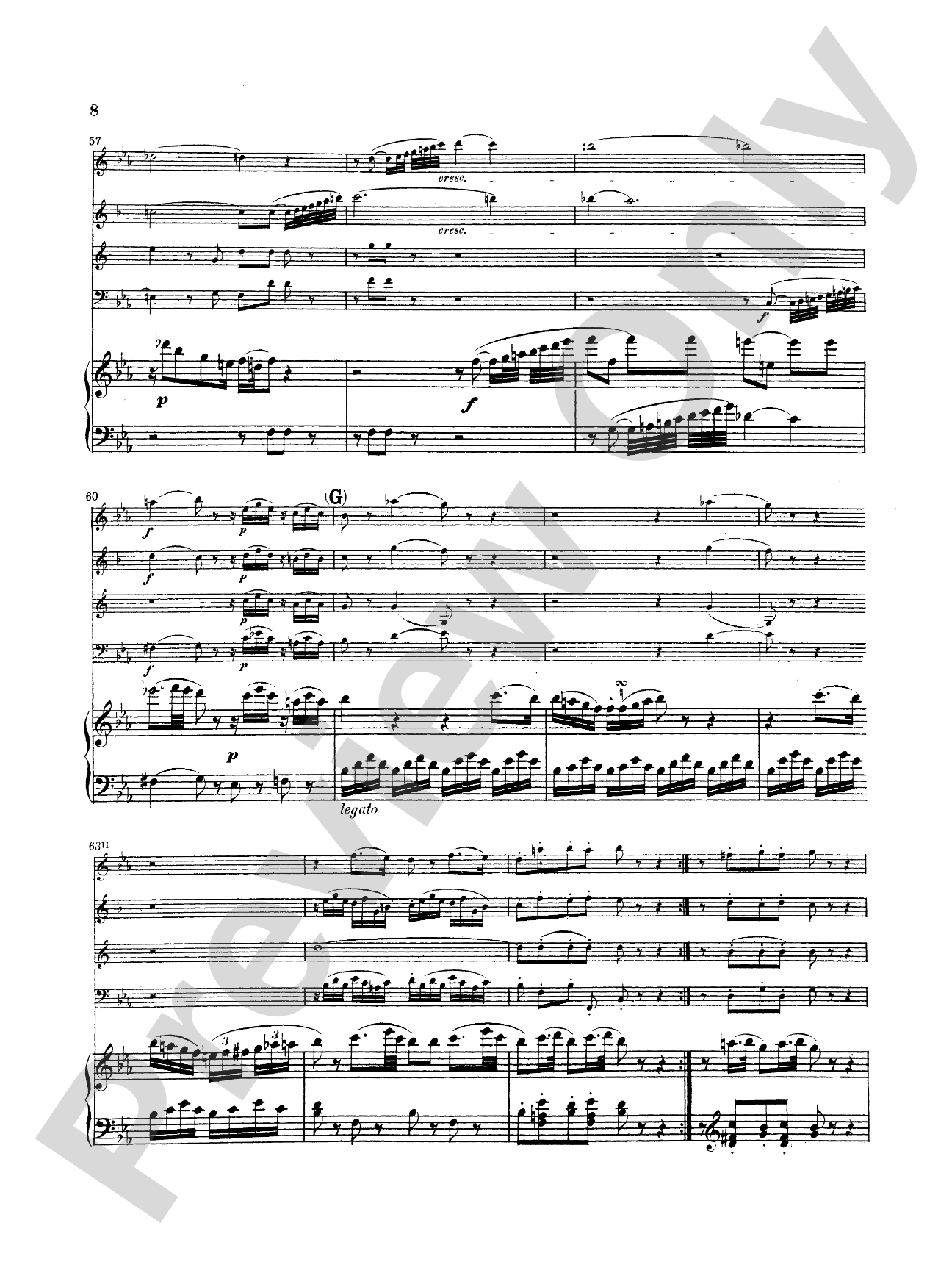
A quintent for Piano, Oboe, Clarinet, Horn and Bassoon, composed by Wolfgang Amadeus Mozart.


Don't just read it, hear it, play along with it, and watch your students grow with it. In MakeMusic Cloud, Mozart: Quintet, in E flat Major (K. 454): Chamber Quintet Book comes alive with professional accompaniment, adjustable tempo, and built-in practice tools that turn solo practice into real progress.
Open in the Player
Jump straight in and assign it today.
Start Your Free Trial
Open this title and explore the full library in minutes.
Sample Audio
No sample audio found.
Sample Video
No sample videos found.
Additional Details
Series:
Kalmus Edition
Publisher:
Alfred Music
Page Count:
48
SKU:
00-PK-0003826
More about this title
About the Composer: Wolfgang Amadeus Mozart
Wolfgang Amadeus Mozart (1756-1791) composed over 600 works across every genre of his time, from symphonies and concertos to operas, chamber music, and sacred music. His output during his brief 35 years shaped the Classical period and remains foundational to the repertoire every serious musician encounters. Mozart's chamber works, particularly his quintets and serenades, showcase his gift for transparent orchestration, graceful melody, and harmonic sophistication that never sacrifices ensemble balance for display.
For educators, Mozart's chamber music offers unparalleled value in teaching ensemble independence, period style, and collaborative listening. His writing respects each voice as essential, never subordinating the winds to the keyboard or vice versa. These qualities make his quintets ideal for advancing chamber musicians toward professional-level musicianship.
Why we love this
This quintet sits at the intersection of accessibility and sophistication. The writing is clean and transparent enough that ensemble members can clearly hear their role within the whole, yet the harmonic language and structural architecture demand real interpretive maturity. It's the kind of piece that rewards repeated rehearsal and reveals new details each time through.
What to expect
Mozart's voice emerges immediately: galant elegance without sentimentality, wit balanced against genuine lyricism, and a sense of proportion that feels inevitable. The ensemble moves through moments of intimacy and play, with the piano weaving gently beneath and around the winds, creating an atmosphere of cultivated conversation among friends.
Who it's for
This quintet serves advanced chamber ensembles with strong keyboard and wind players who are ready for Classical-era writing and the collaborative demands it requires. It works equally well for a piano student studying Mozart's chamber works or a wind quintet with piano seeking repertoire that engages all five instruments as genuine partners.
How to get the most out of it
- Attend closely to the keyboard's role as both accompanist and soloist. Mozart shifts the textural hierarchy frequently; clarity requires constant communication between the pianist and the wind players about who drives the phrase in each moment.
- Shape each entrance of the wind instruments with deliberate articulation and dynamic awareness. The writing assumes the players understand period conventions; a tentative entrance undermines Mozart's elegant orchestration.
- Balance the ensemble by seating the ensemble so the oboe, clarinet, horn, and bassoon can project without dominating the piano, whose delicate passagework easily disappears if the winds push too hard.
- Maintain rhythmic precision in the accompaniment patterns, especially in faster sections. Evenness in the keyboard rhythm gives the wind players a secure foundation for expressive phrasing.
How to use it
Program this as a centerpiece in a chamber music concert, pairing it with another Mozart work or a contemporary string piece to frame it within the Classical canon. Its 48 pages suggest a substantial performance; it serves well as a self-contained concert work or as part of a themed program exploring Mozart's wind writing.
Skills your students will build
- Balancing solo and accompaniment roles across multiple instruments
- Shaping phrases in period style with attention to harmonic rhythm
- Coordinating attacks and releases across five independent parts
- Reading and interpreting Classical-era articulation and ornamentation
- Listening critically within an ensemble to adjust volume and blend