
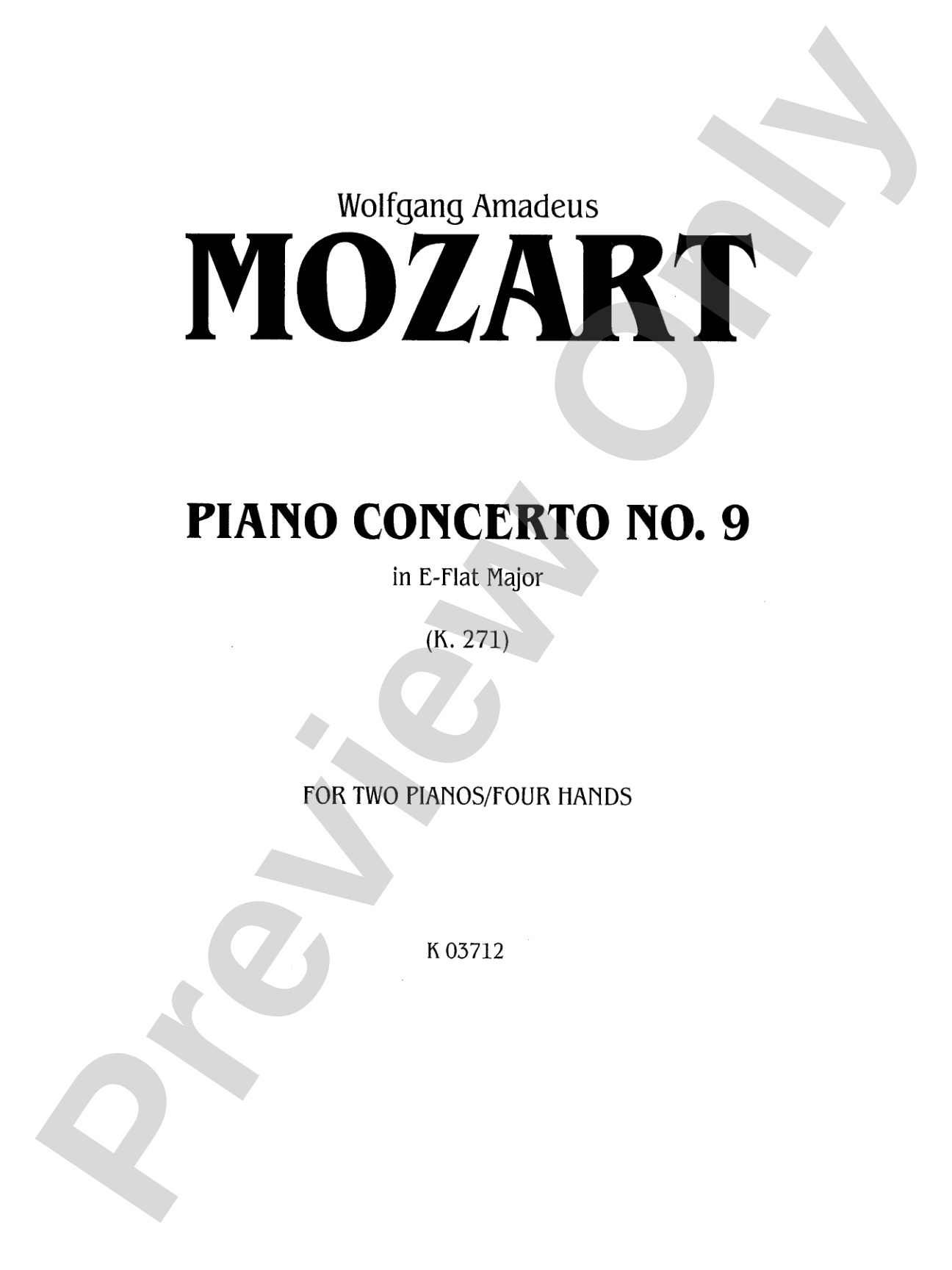

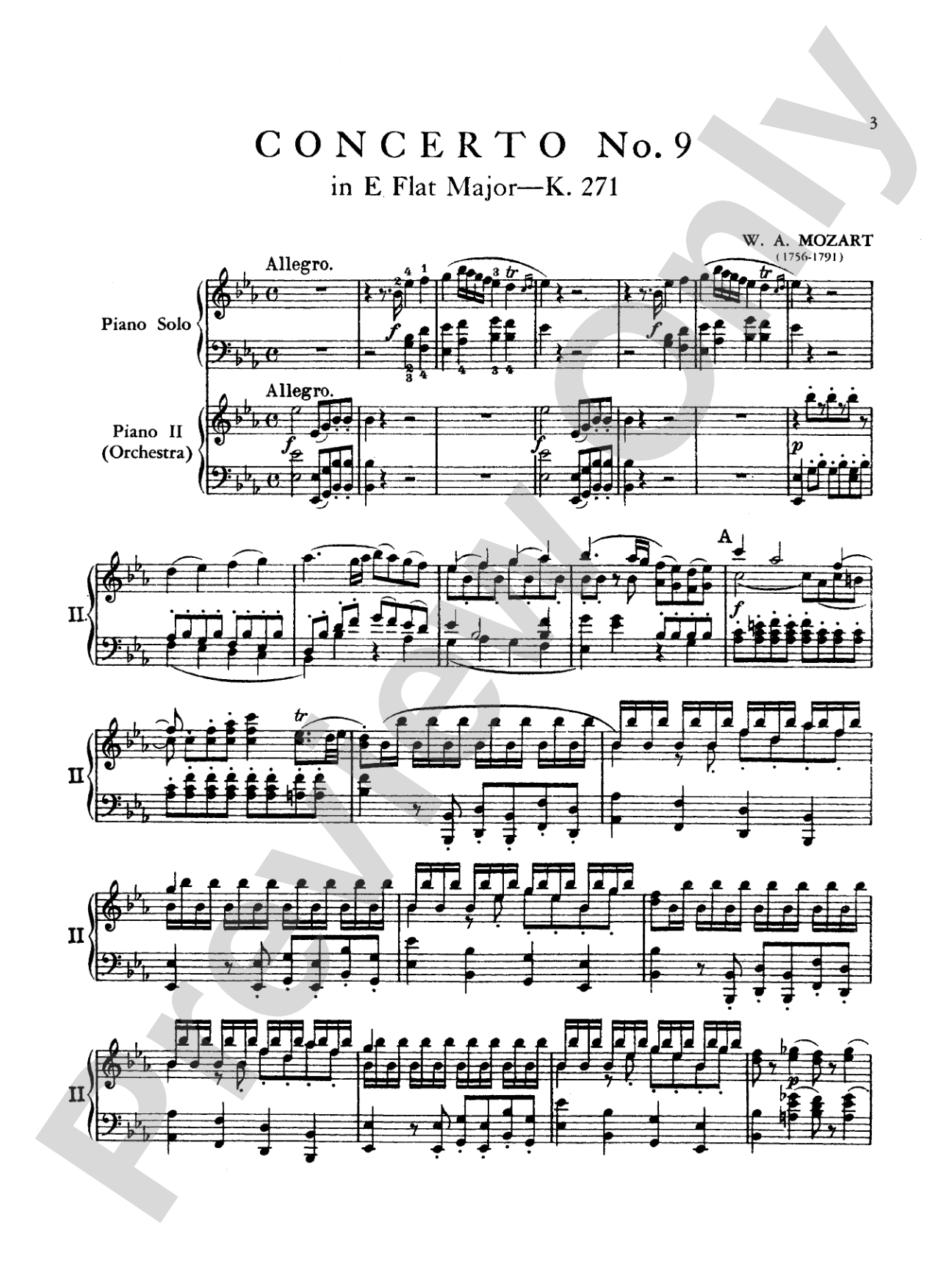
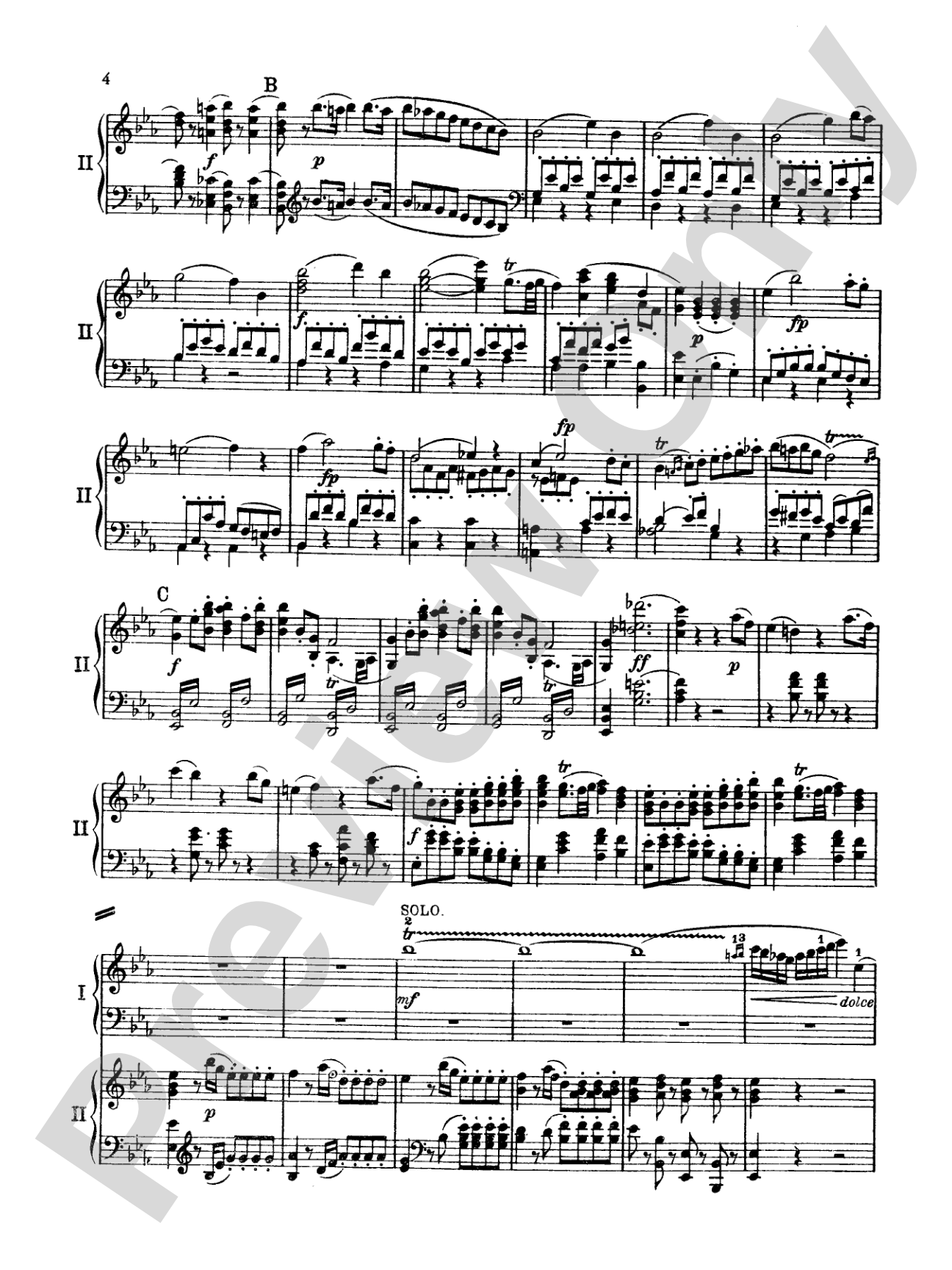
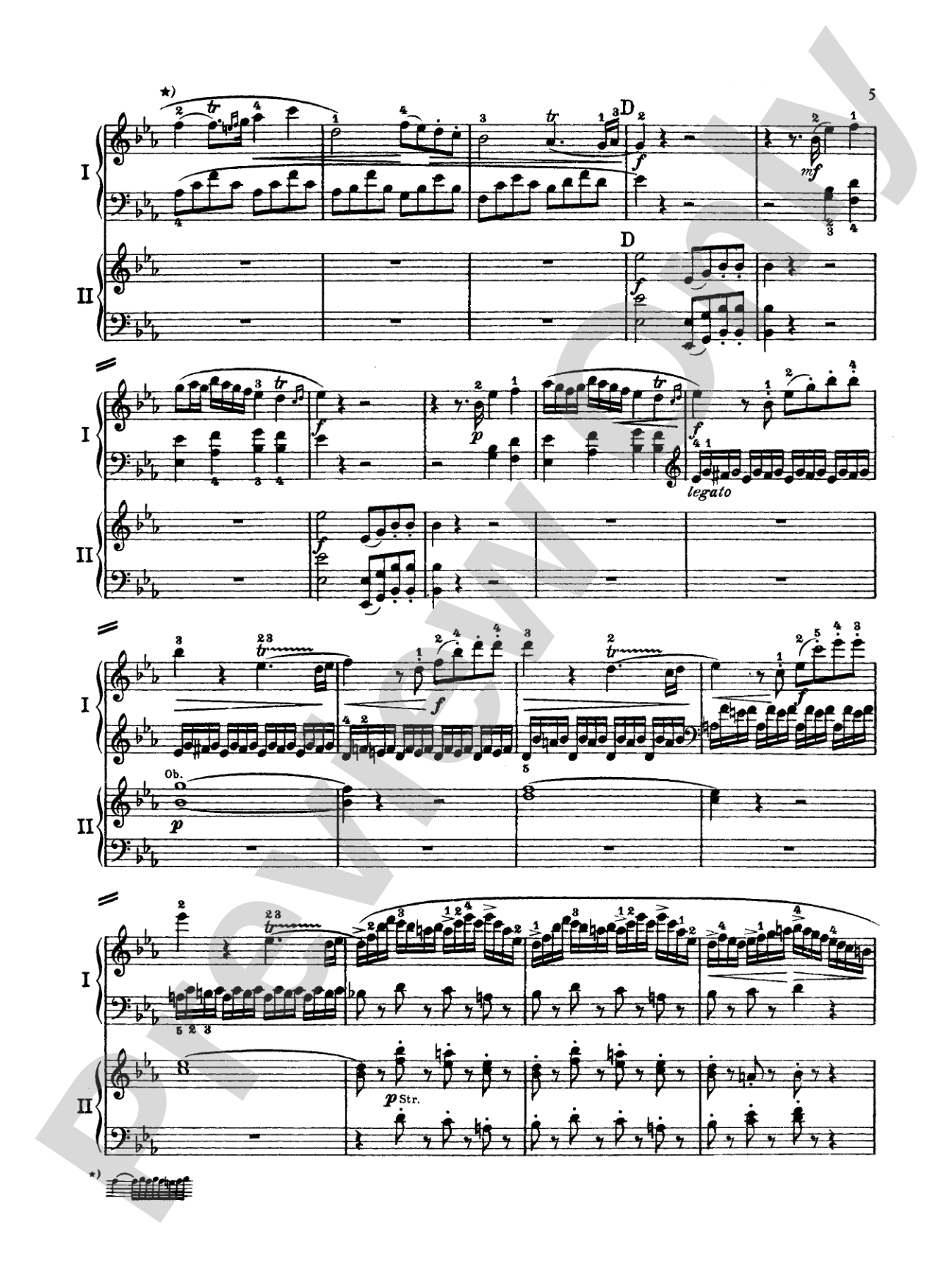

Mozart: Piano Concerto No. 9 in E flat Major, K. 271
By Wolfgang Amadeus Mozart
Level: Advanced
Item: 00-PC-0008713
$10.95
Pickup currently not available
Description
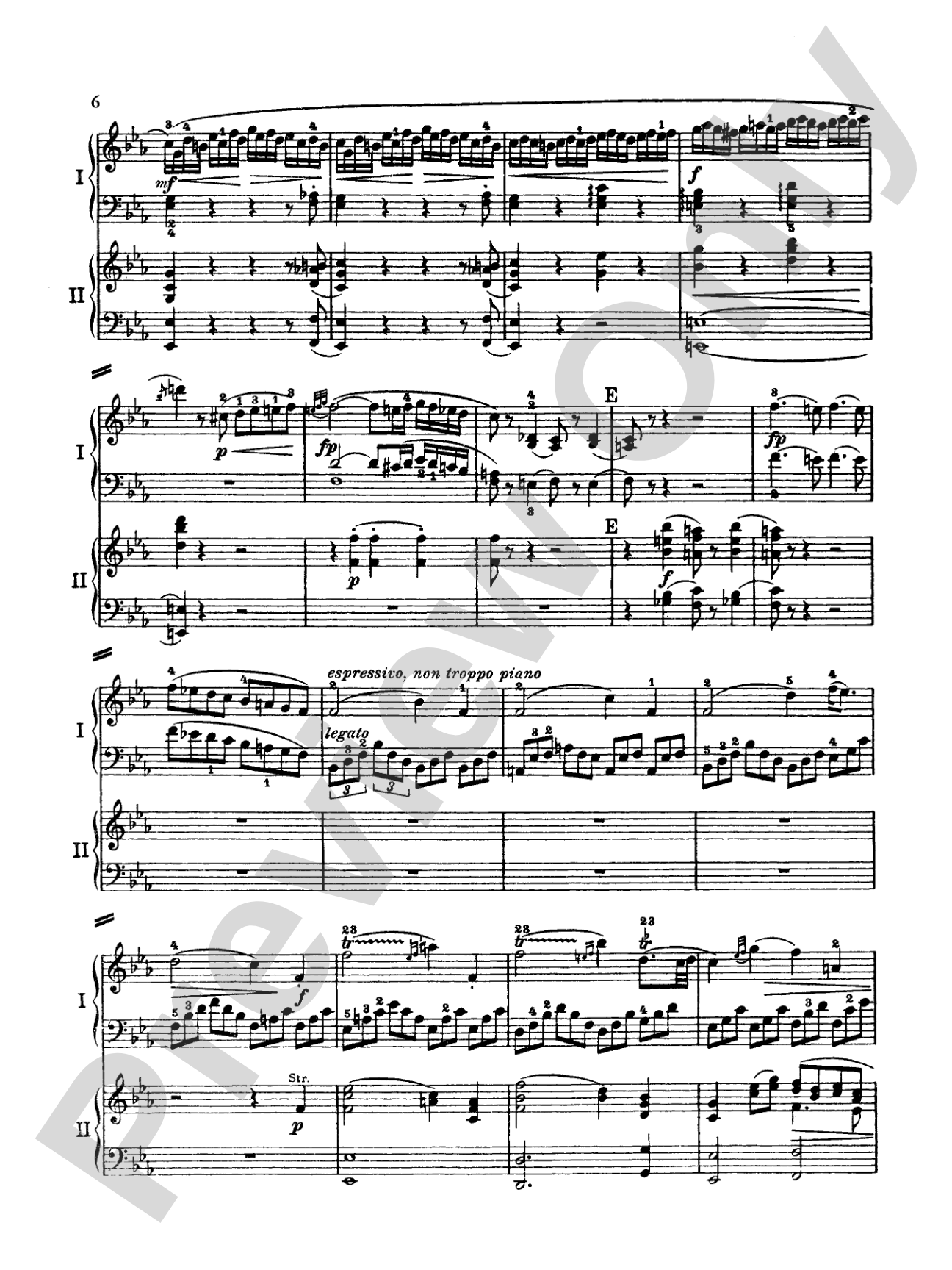
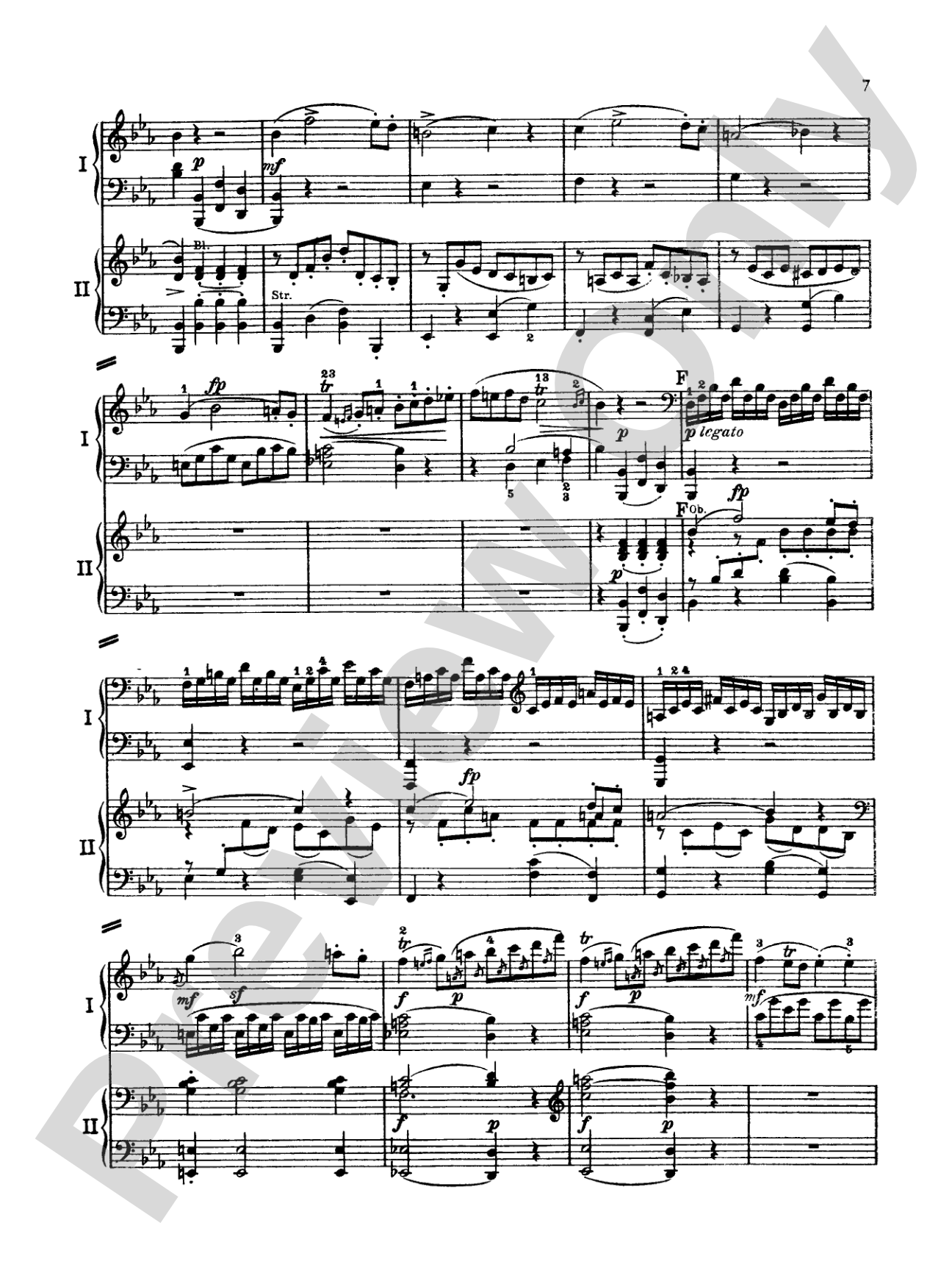
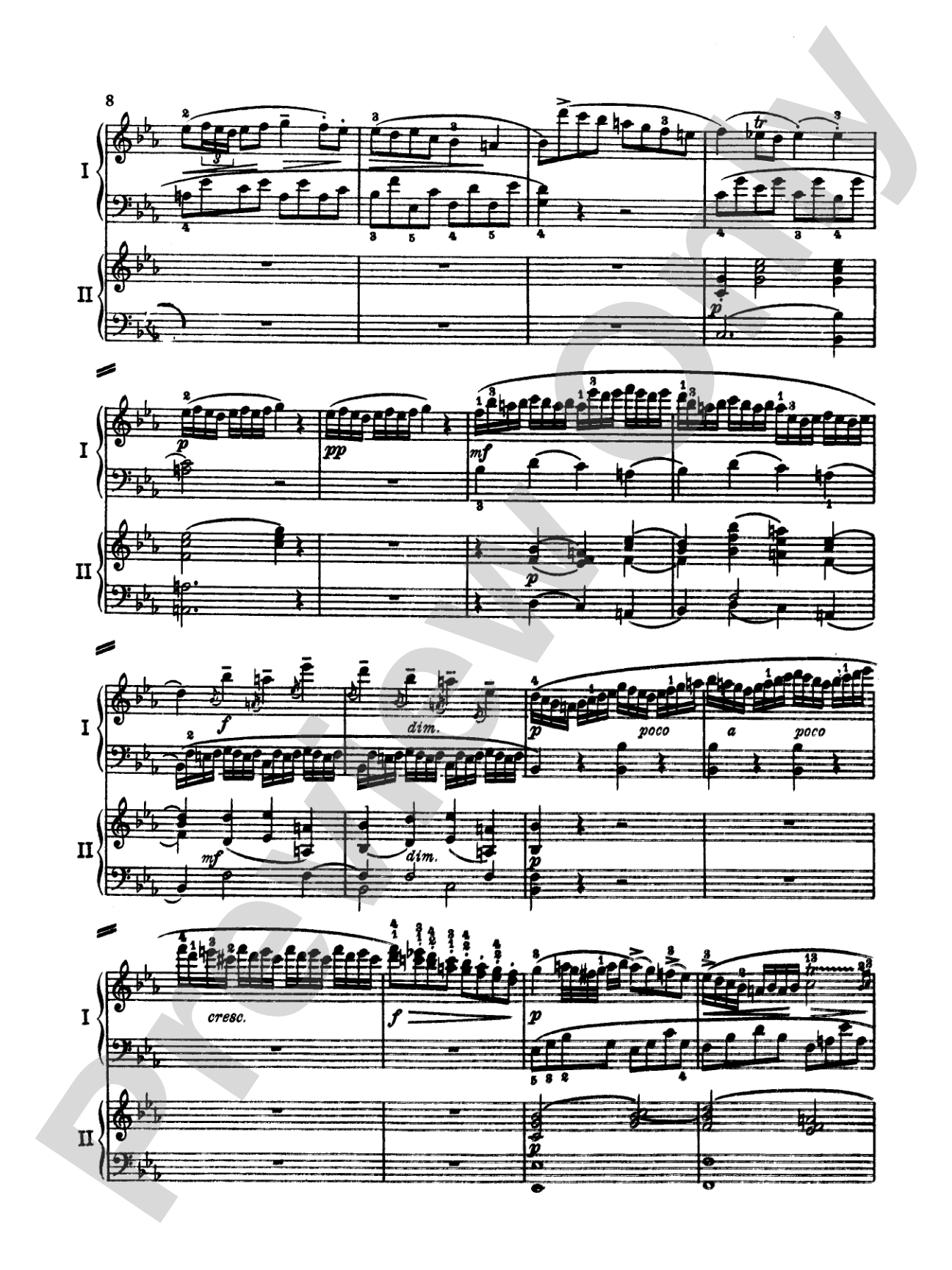
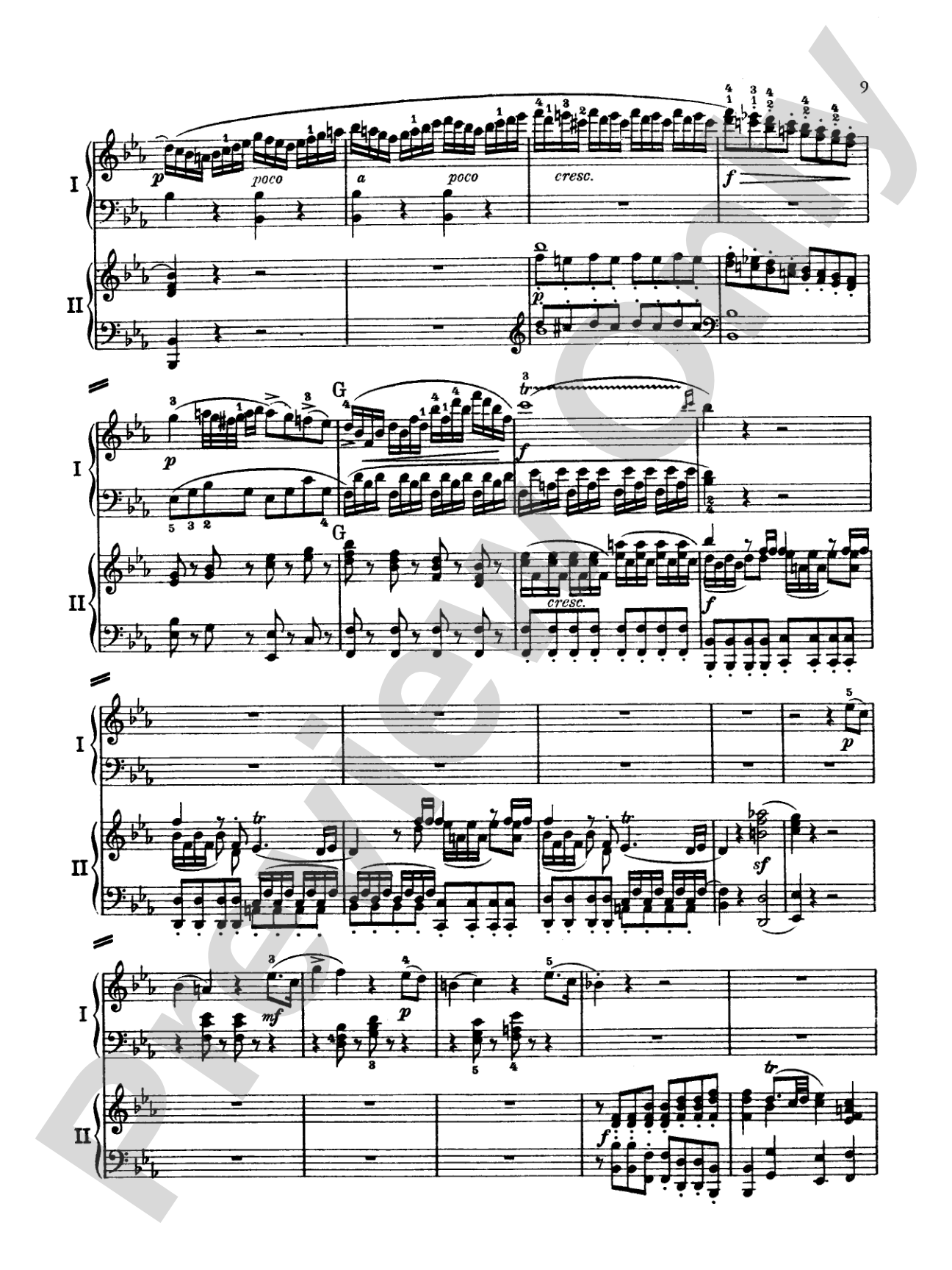
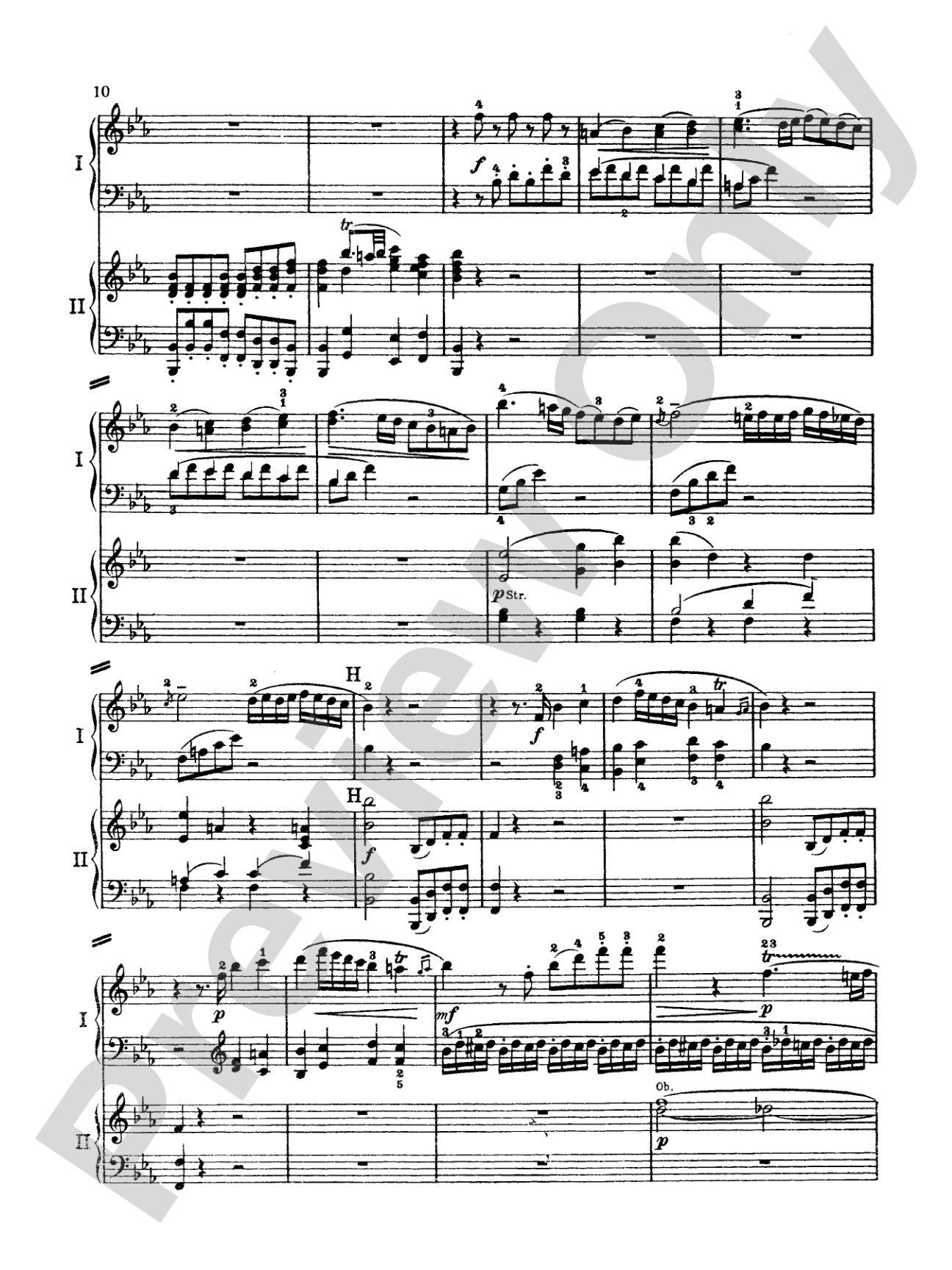
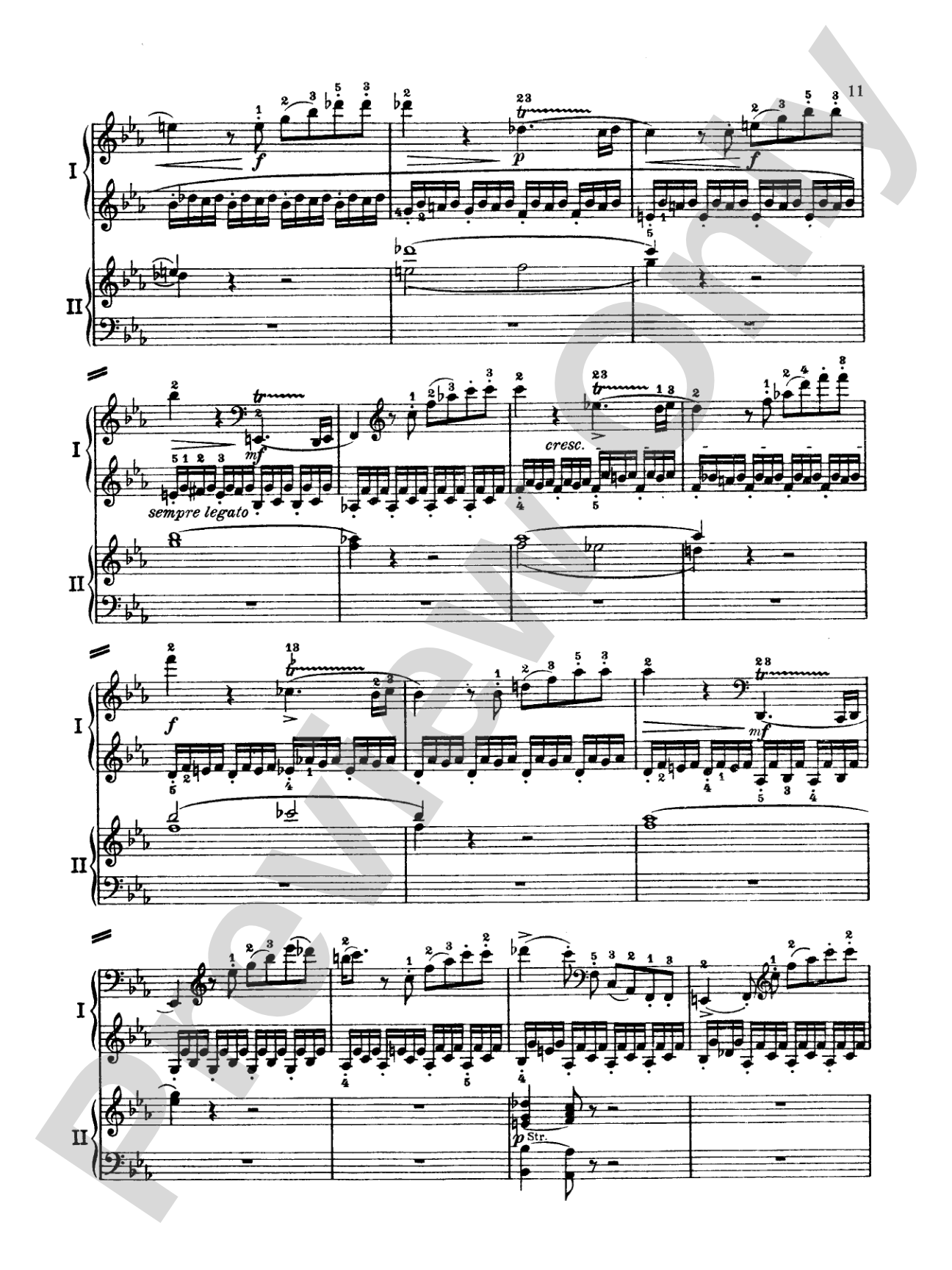
Expertly arranged Piano Duet by Wolfgang Amadeus Mozart from the Kalmus Edition series. This Advanced Piano Duet (2 Pianos, 4 Hands) is from the Classical era. 2 copies are required for performance.


Don't just read it, hear it, play along with it, and watch your students grow with it. In MakeMusic Cloud, Mozart: Piano Concerto No. 9 in E flat Major, K. 271 comes alive with professional accompaniment, adjustable tempo, and built-in practice tools that turn solo practice into real progress.
Open in the Player
Jump straight in and assign it today.
Start Your Free Trial
Open this title and explore the full library in minutes.
Sample Audio
No sample audio found.
Sample Video
No sample videos found.
Additional Details
Series:
Kalmus Edition
Publisher:
Alfred Music
Page Count:
52
SKU:
00-PC-0008713
More about this title
About the Composer: Wolfgang Amadeus Mozart
Wolfgang Amadeus Mozart (1756-1791) composed across every major genre of his time and produced masterworks that remain central to the concert repertoire. His 27 piano concertos represent the height of Classical elegance, blending virtuosic display with profound musical substance. Mozart's ability to write idiomatically for the piano while maintaining sophisticated harmonic language and orchestral thinking makes his concertos essential study for advanced pianists.
Why we love this
K. 271 stands as one of Mozart's finest achievements in the genre, written when he was just 17. This arrangement opens the work to pianists who don't have access to a full orchestra, allowing advanced duos to experience the brilliance of Mozart's orchestration reimagined across two instruments. The dialogue between primo and secondo parts reveals the structural clarity and harmonic sophistication that make this concerto a turning point in Mozart's artistic development.
What to expect
The opening movement dances with graceful energy and subtle drama, alternating between elegant solo figuration and orchestral tuttis that sparkle across both keyboards. The slow movement offers intimate lyricism before the final rondo returns to wit, sparkle, and the crystalline joy that defines Mozart's gift for melody and form.
Who it's for
This arrangement serves advanced pianists seeking substantial four-hand repertoire that matches their technical and musical maturity. It works equally well for two solo pianists preparing for collaborative performance or for studio teachers who want to showcase their advanced students in a work of genuine artistic merit.
How to get the most out of it
- Establish clear leadership: the primo part carries the primary musical line through most passages, so the secondo player must listen intently and provide precise accompaniment that supports rather than dominates
- Shape phrases across the full two-piano texture by coordinating dynamic contours and tempo inflections between both players, since the orchestral sweep of the original depends on unified interpretation
- Practice the cadenza sections with particular attention to rhythmic precision and balance; these virtuosic passages demand technical facility from both parts and clarity about who is "soloist" in each moment
- Tune your instruments carefully before rehearsals and performances, as the rapid passagework and full sonorities will expose any intonation problems between pianos
How to use it
Program this concerto arrangement as the centerpiece of a recital focused on Classical era keyboard music or as a major work alongside other collaborative chamber repertoire. It pairs well on a concert with other Mozart sonatas or chamber works, offering audiences the grandeur of a concerto experience without requiring orchestral forces.
Skills your students will build
- Ensemble listening and coordination between two independent pianists
- Orchestral reduction reading and interpretation across expanded keyboard range
- Virtuosic passagework and scalar facility at advanced tempo
- Cadenza performance and expressive phrasing in the slow movement
- Balance between solo and accompaniment roles within a duet texture