
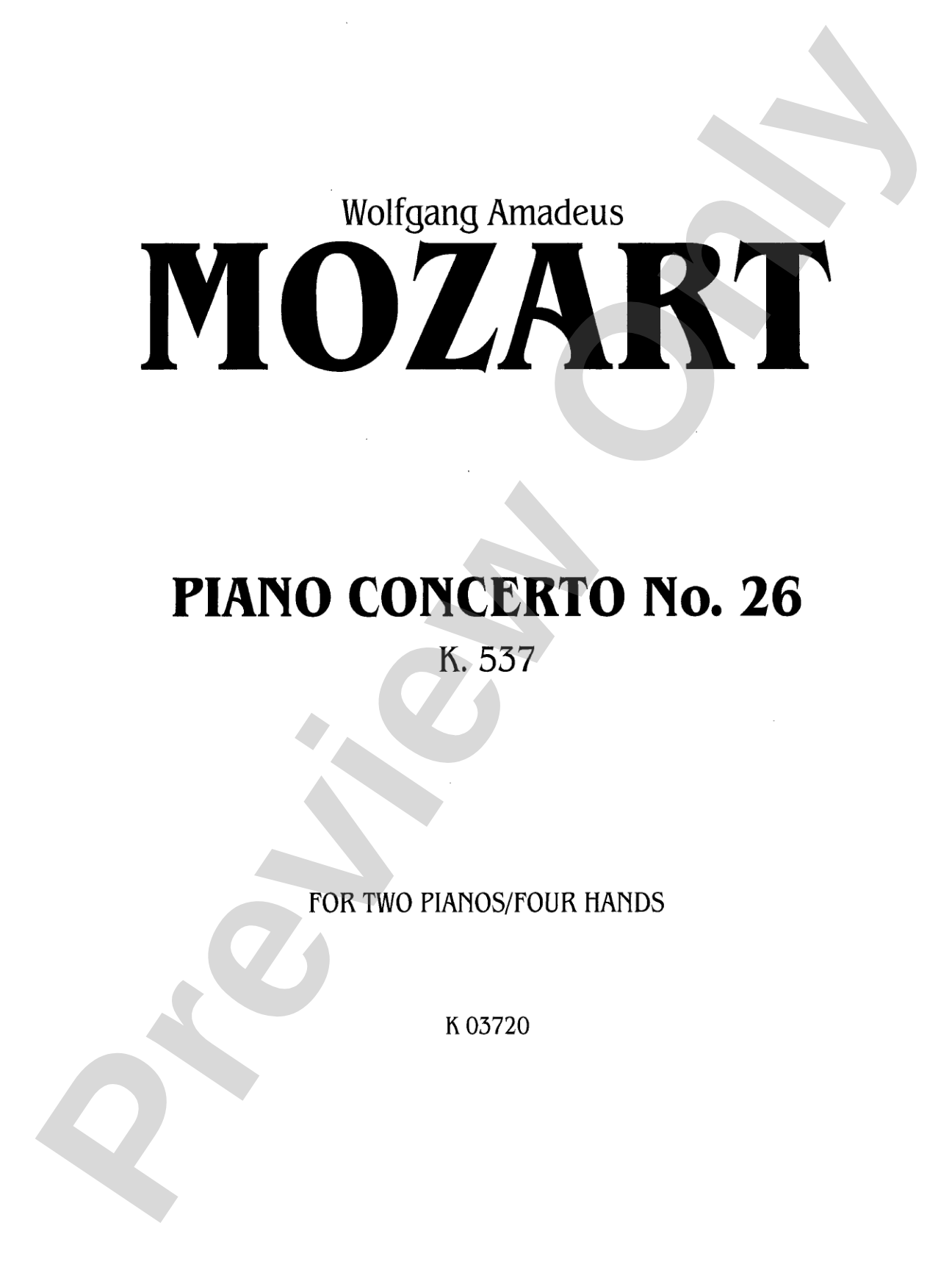
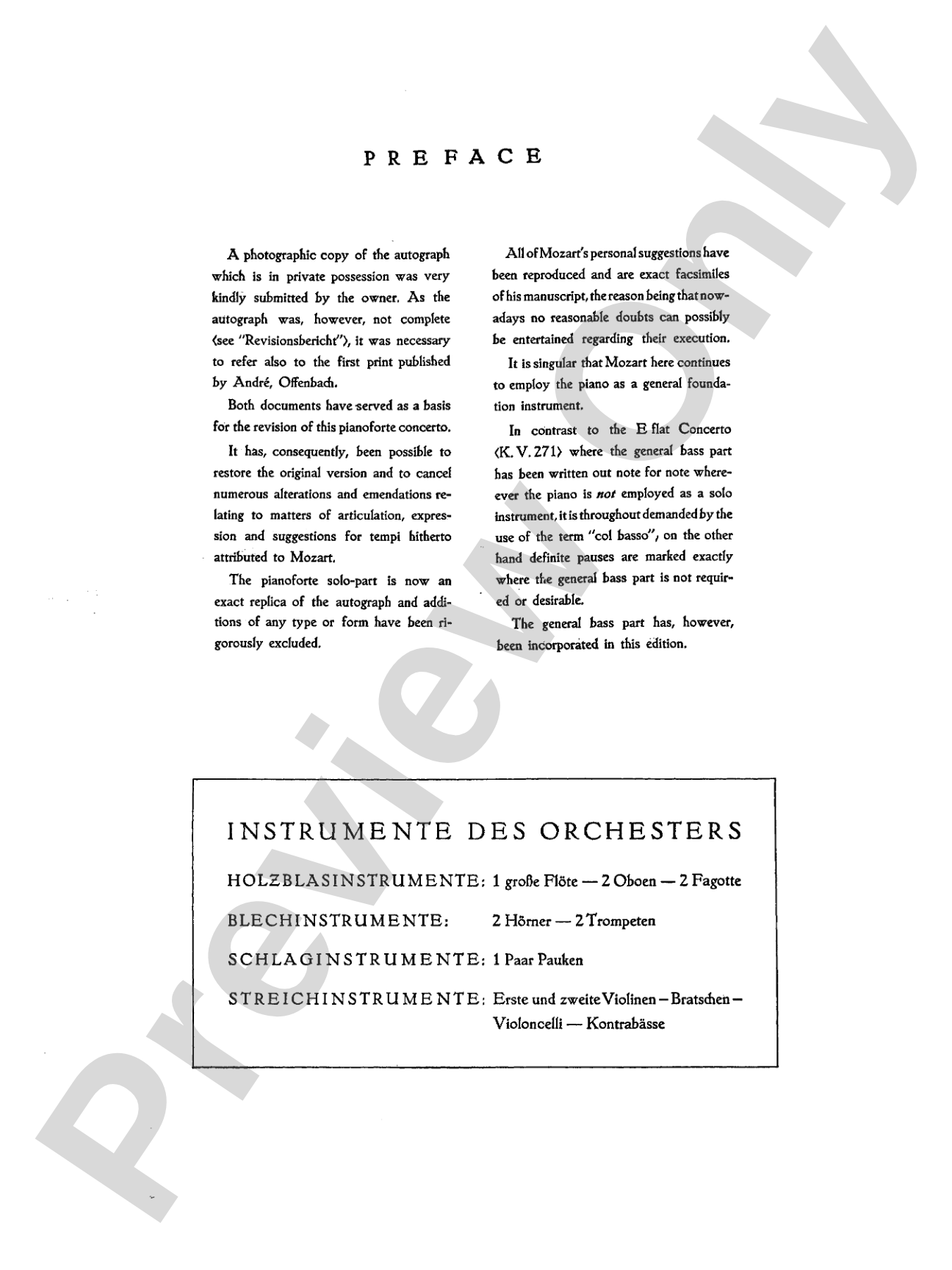
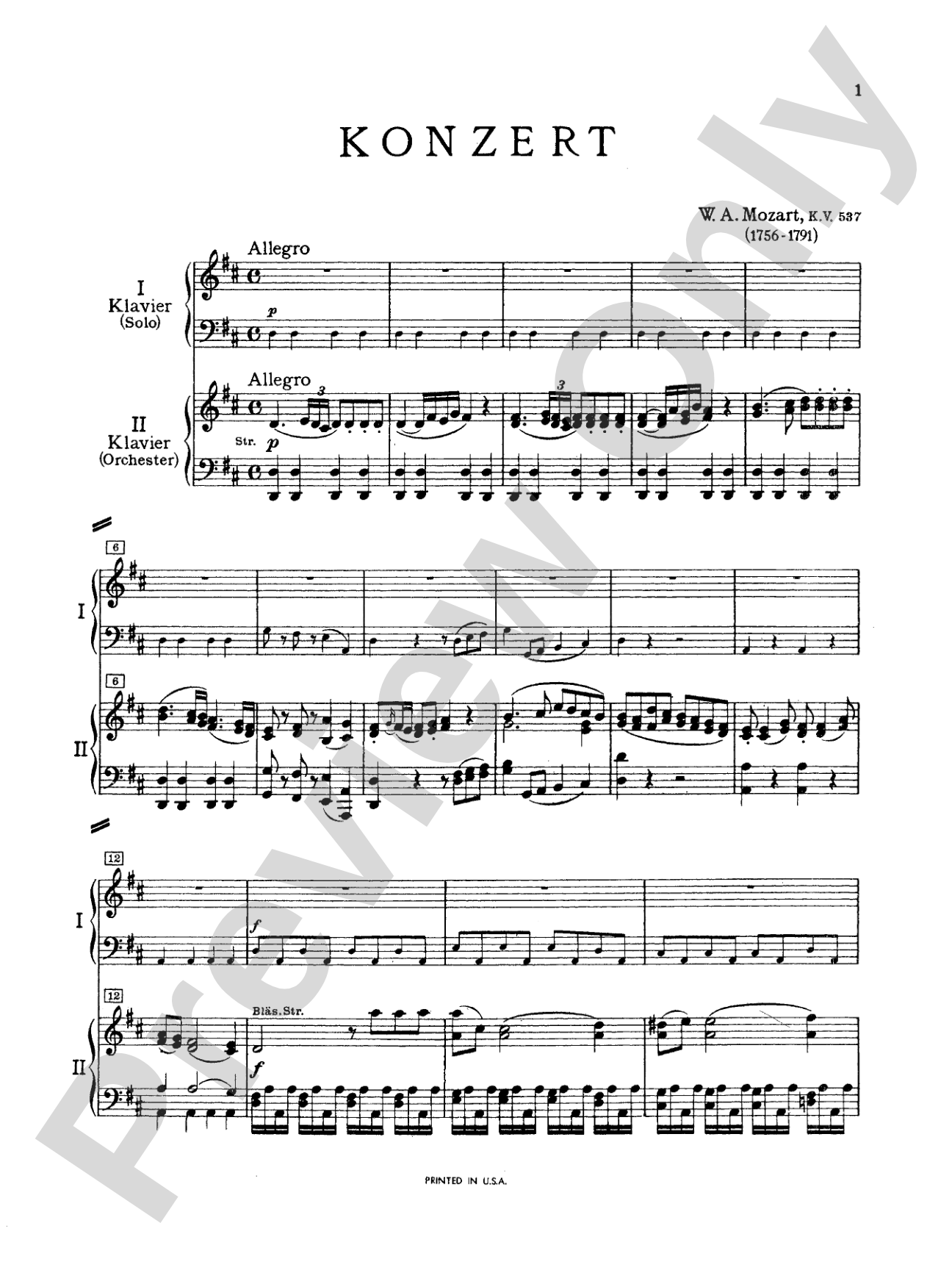
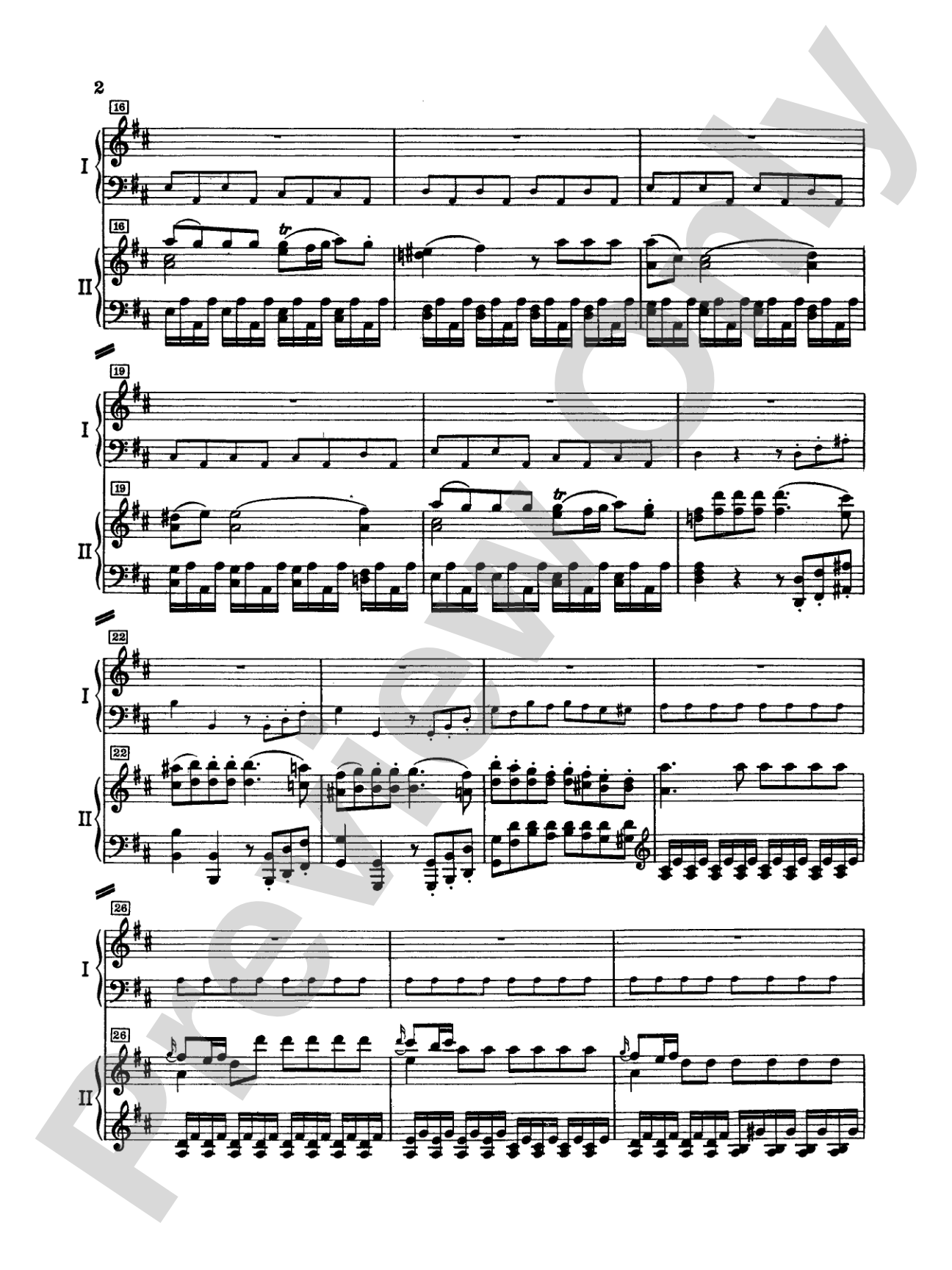
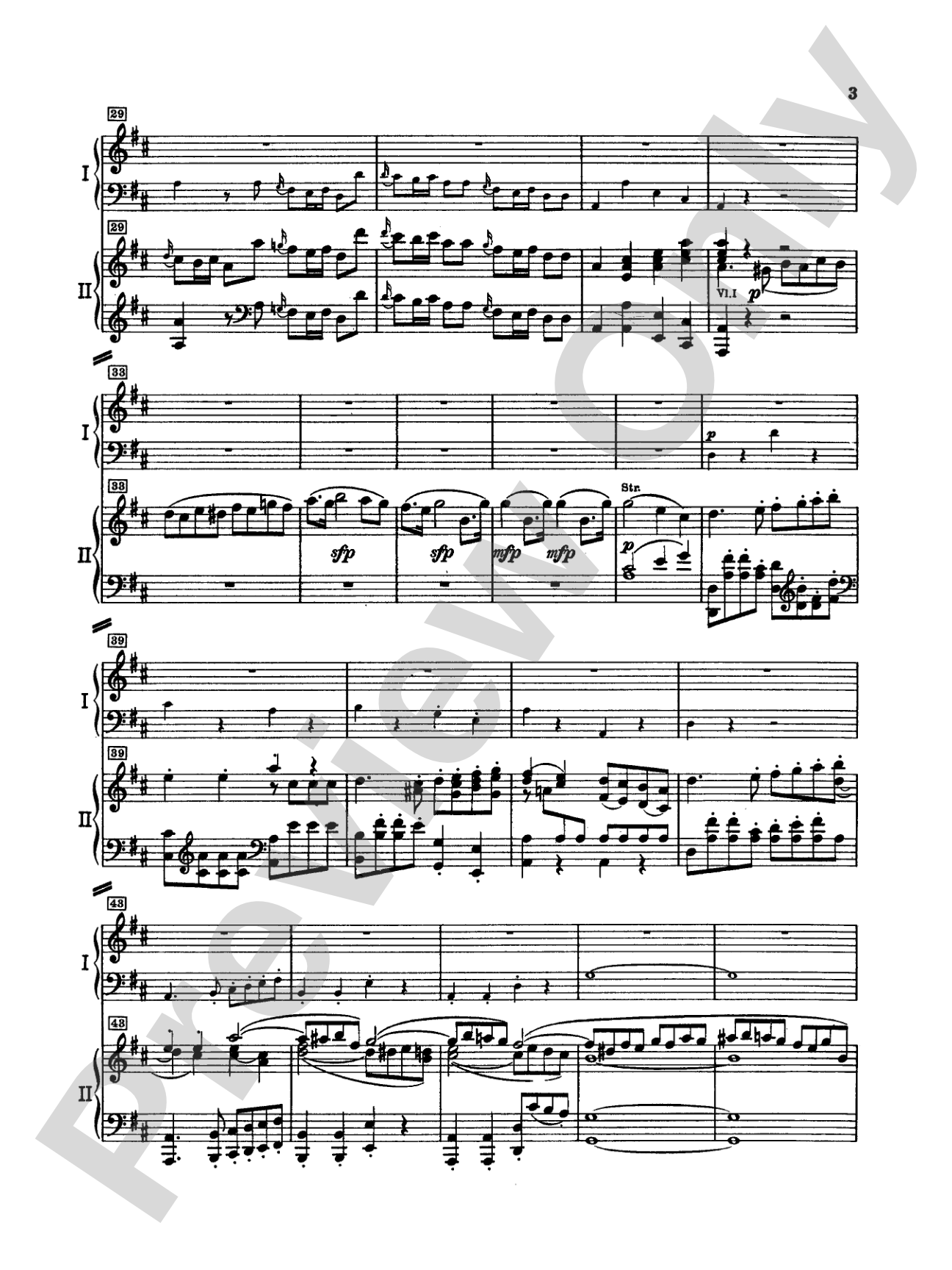
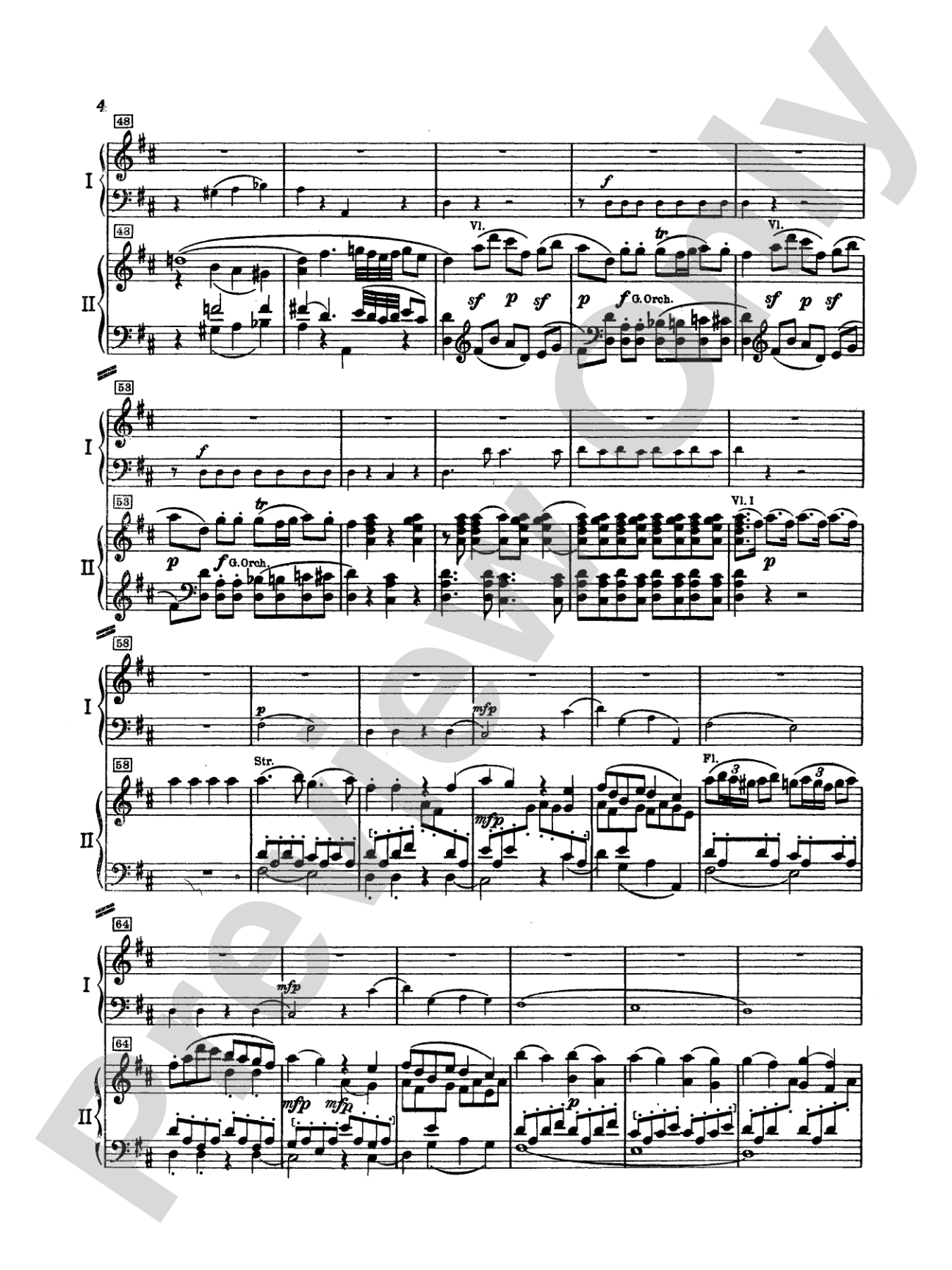
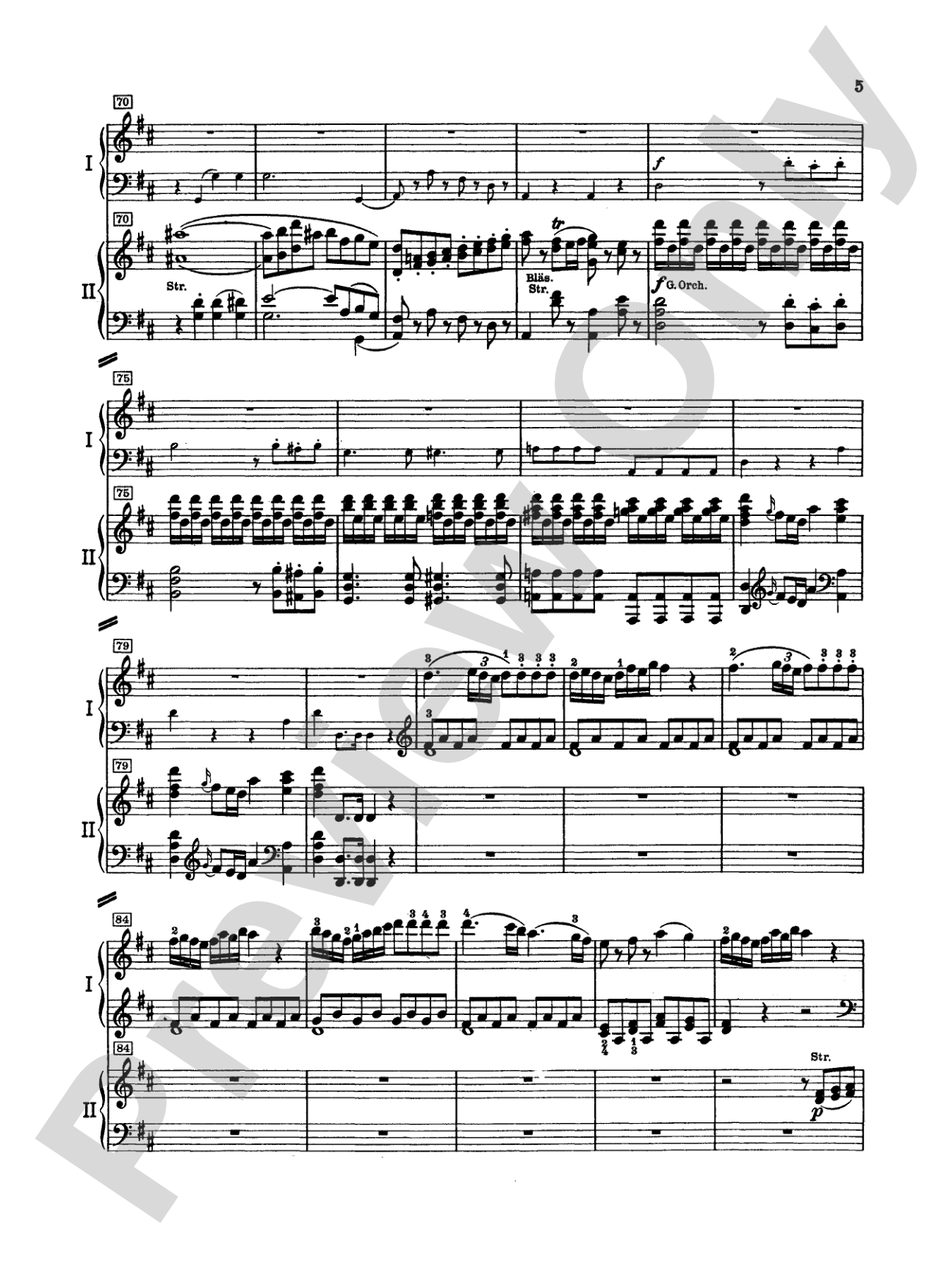
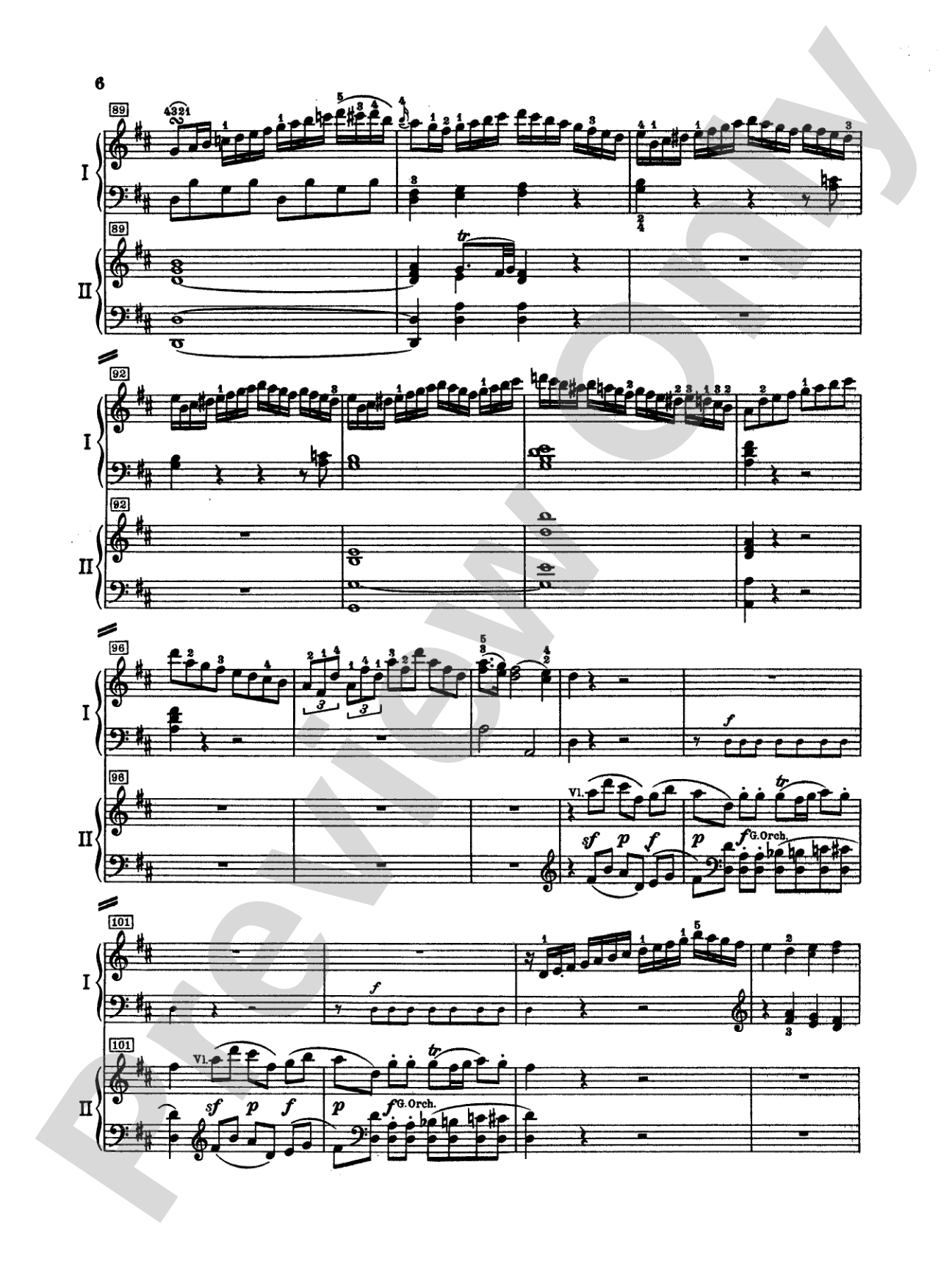
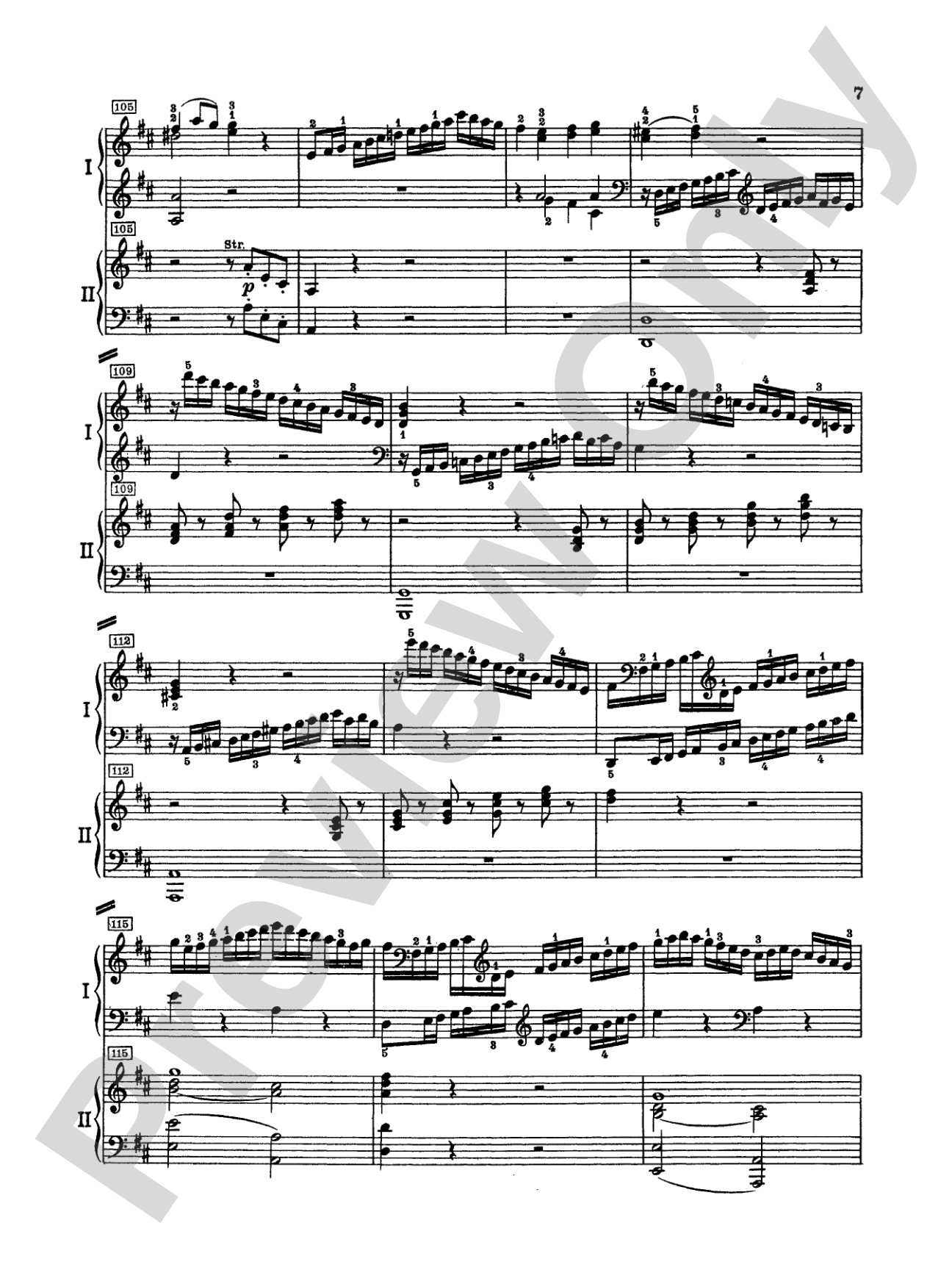
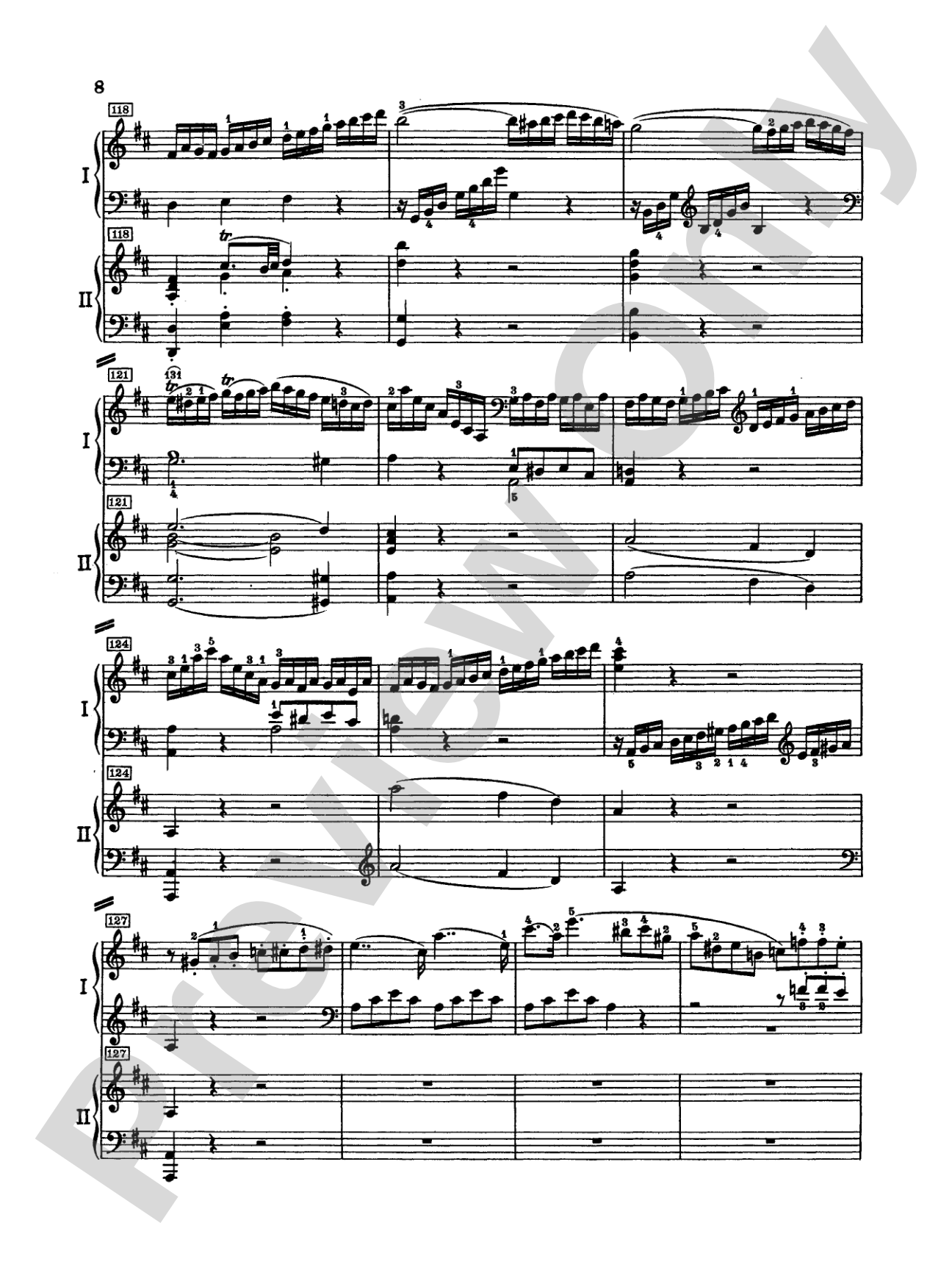
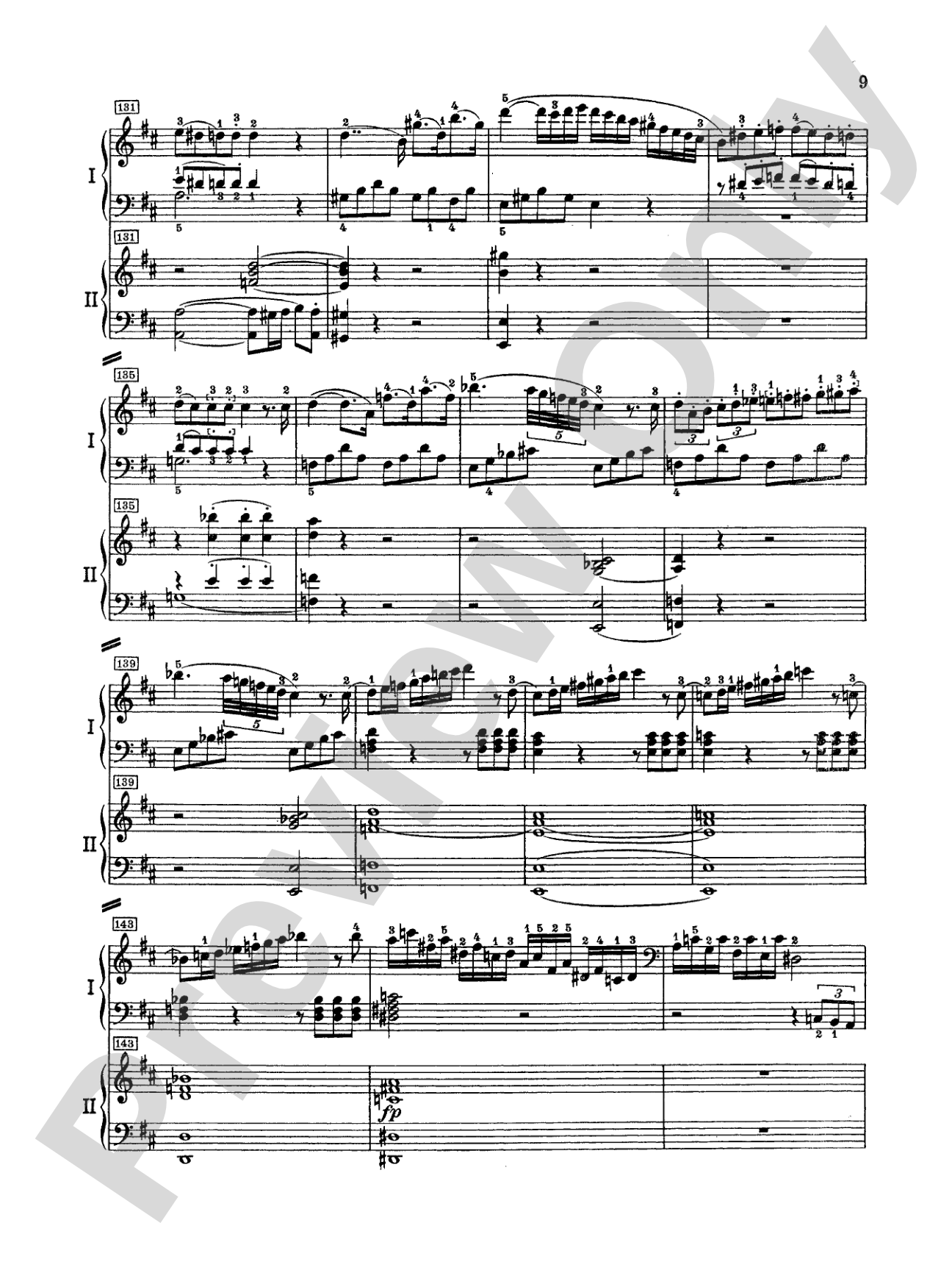
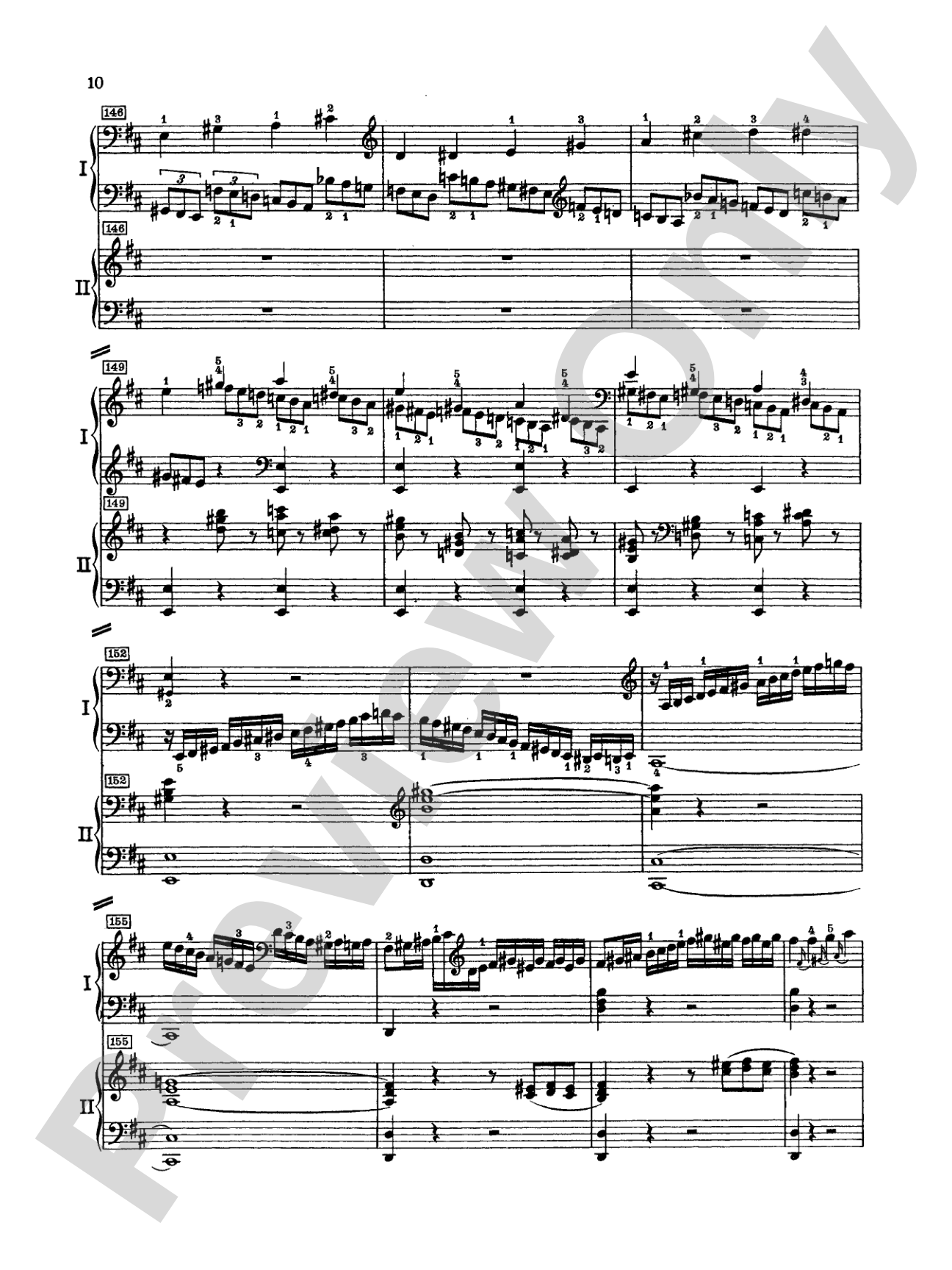
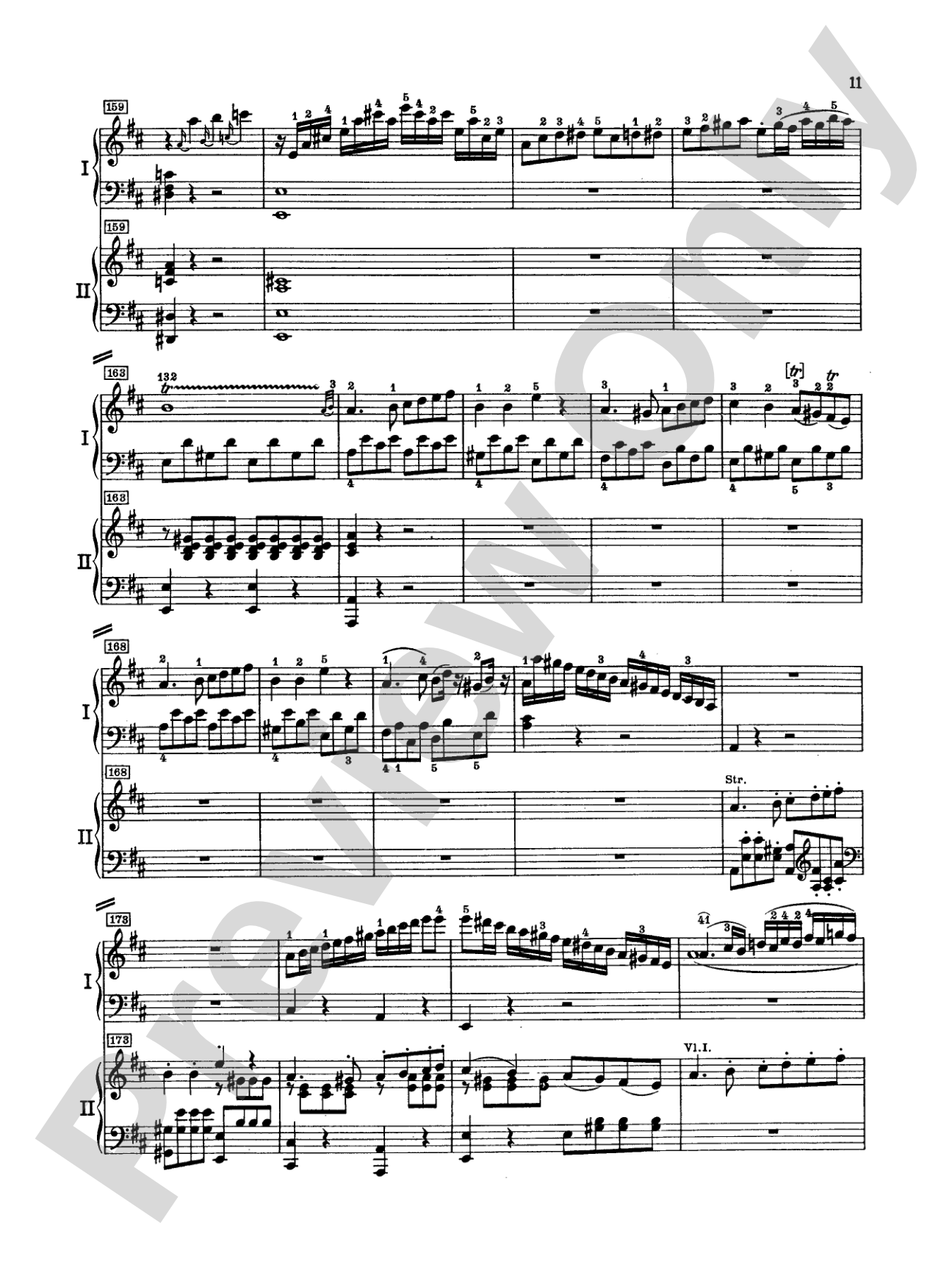
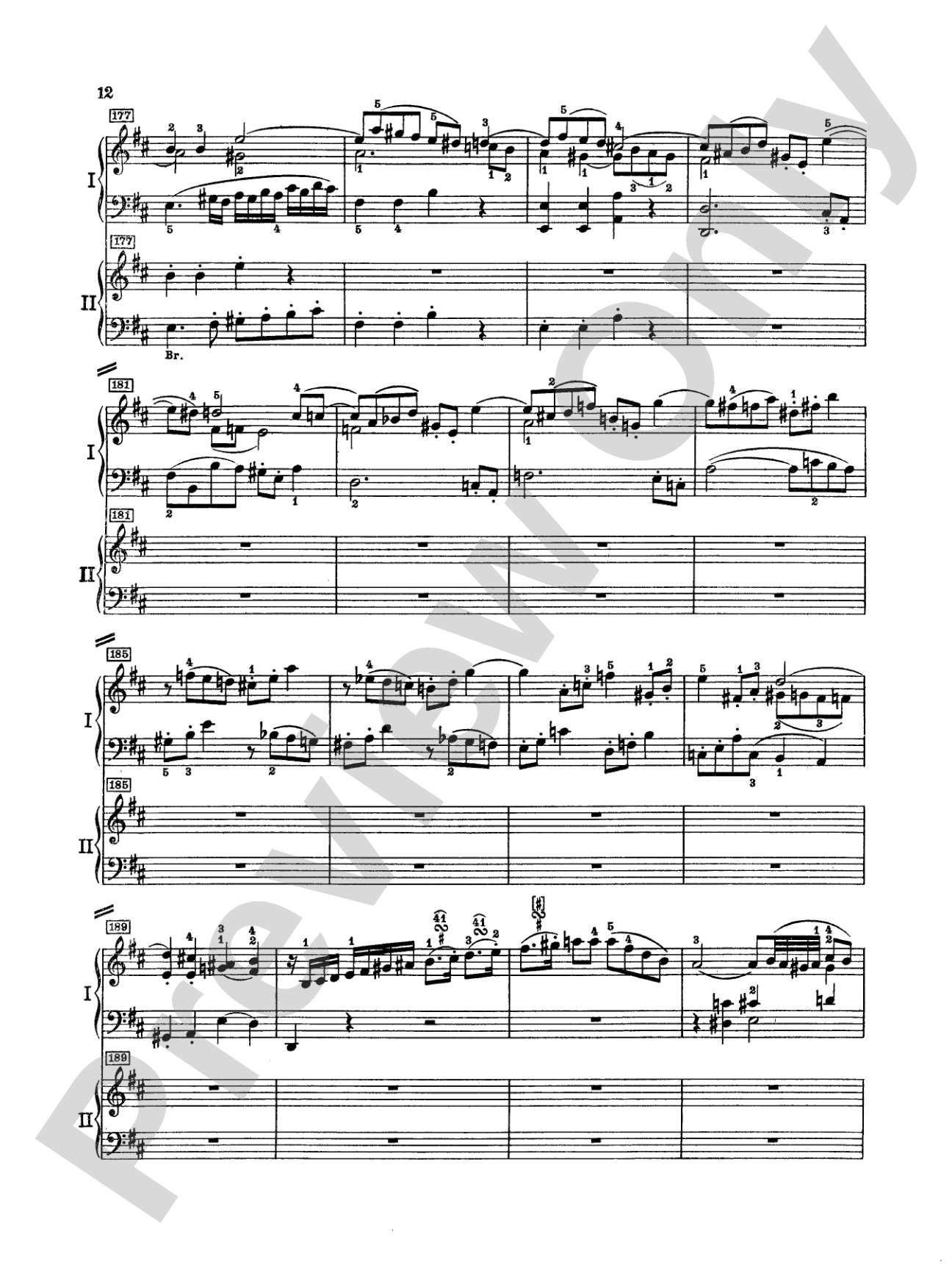
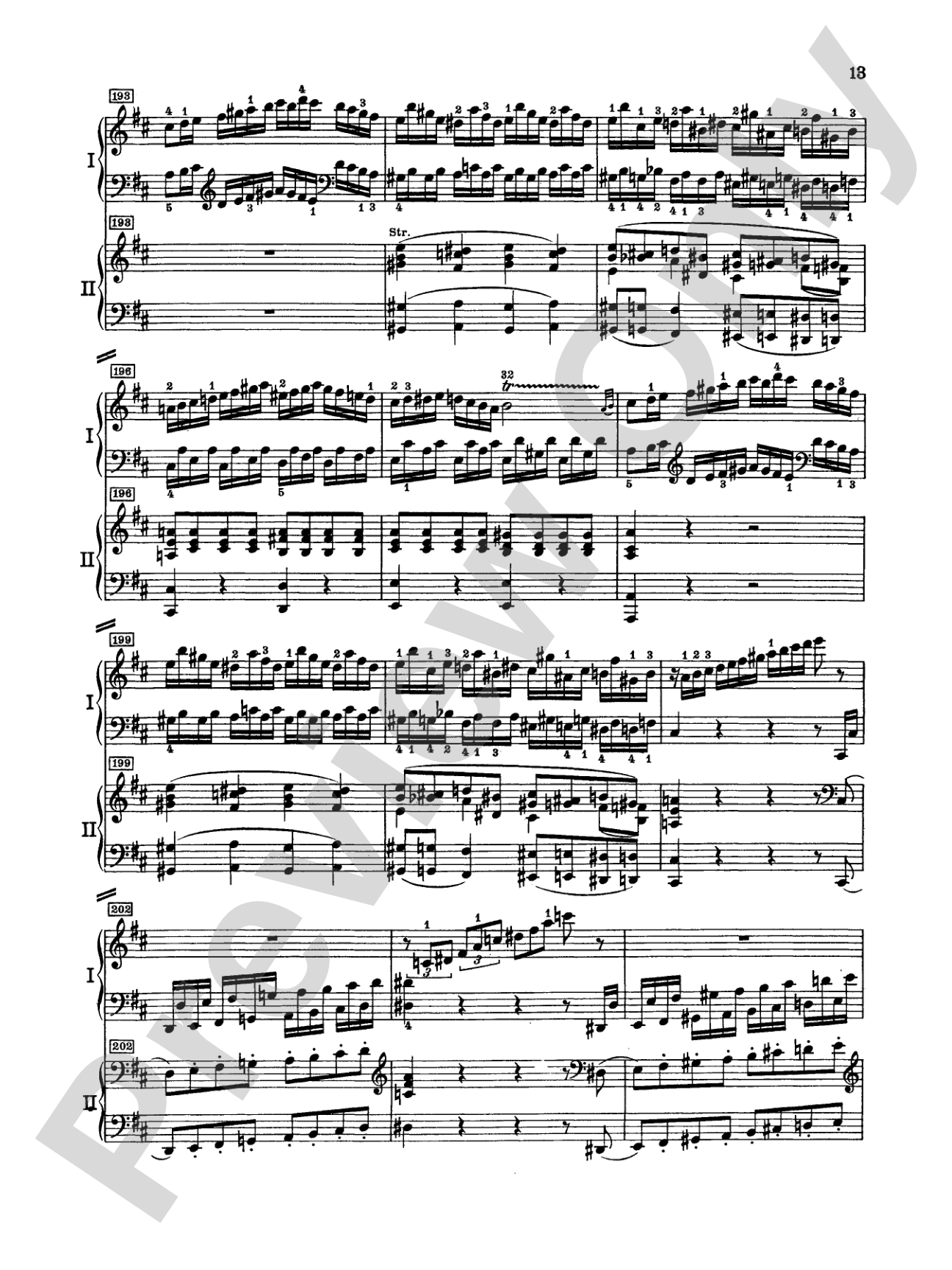
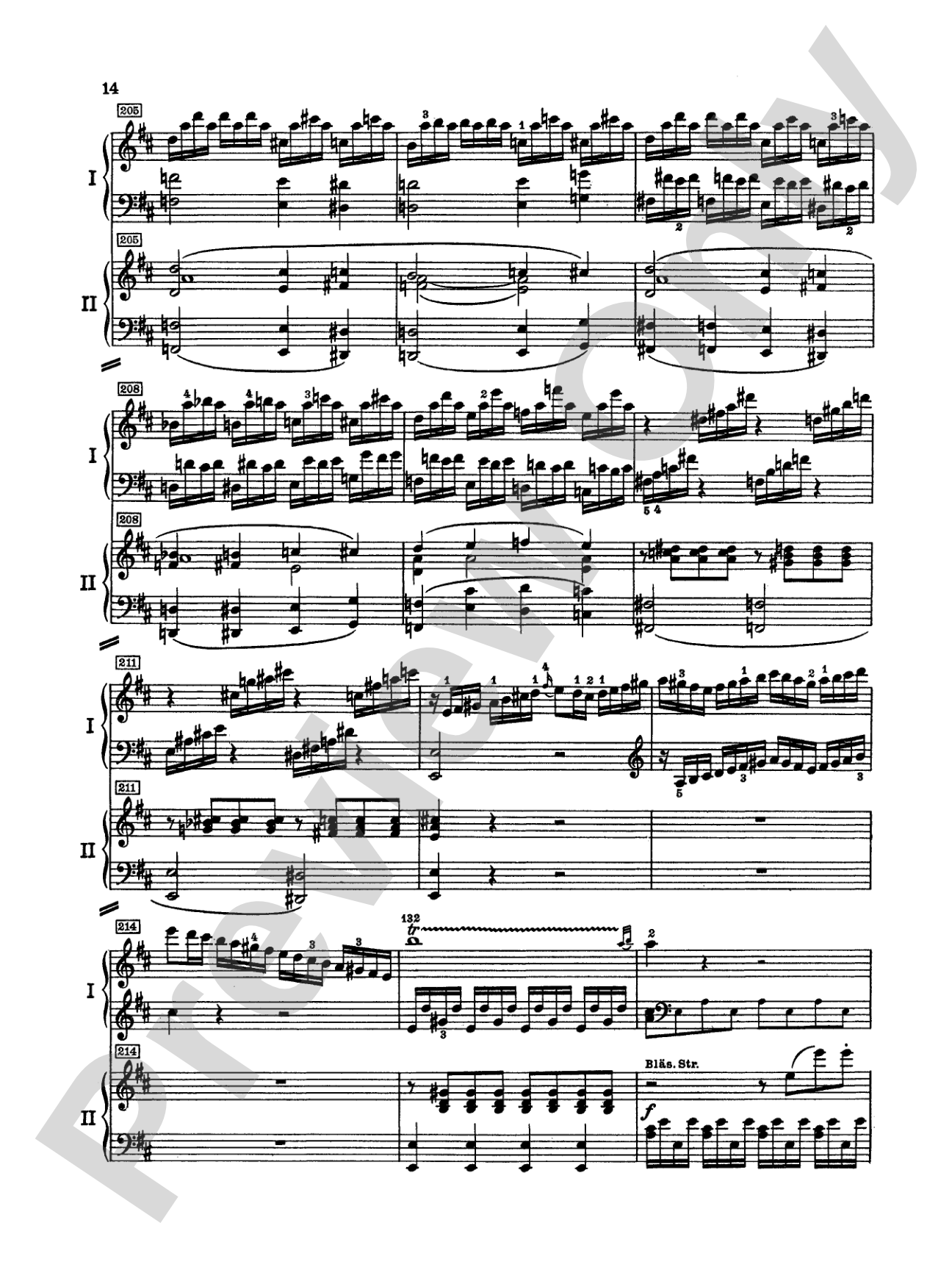
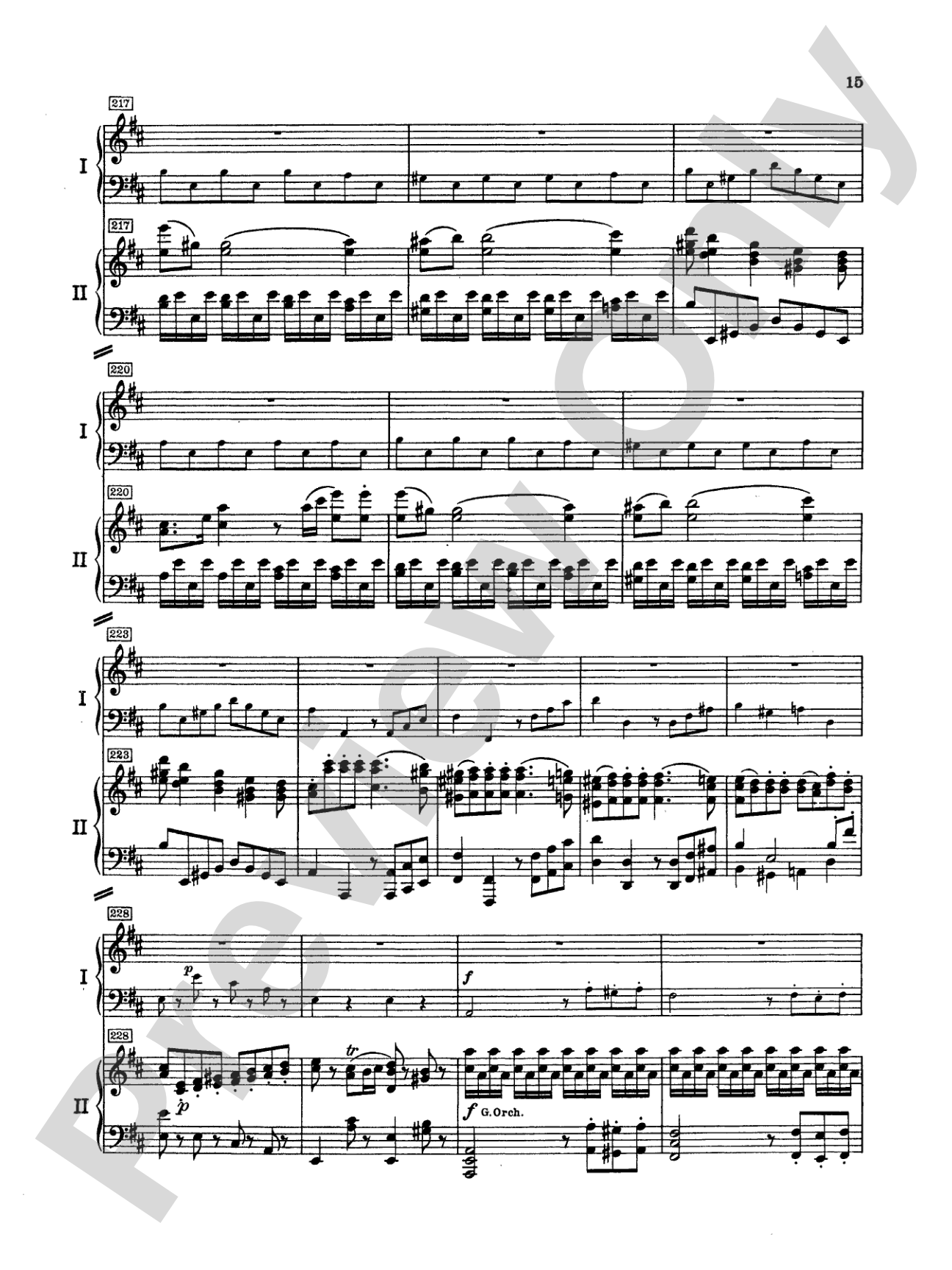
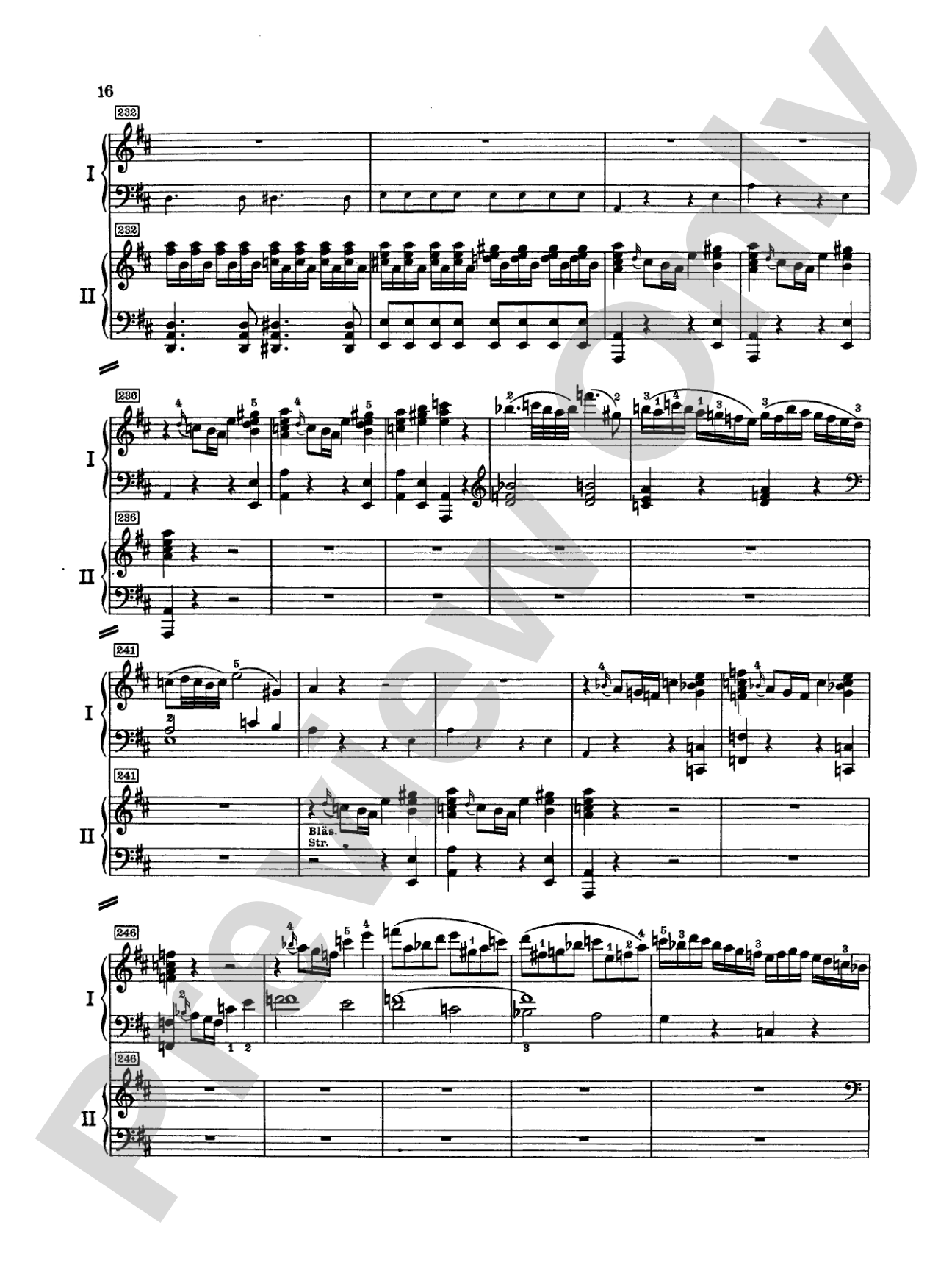
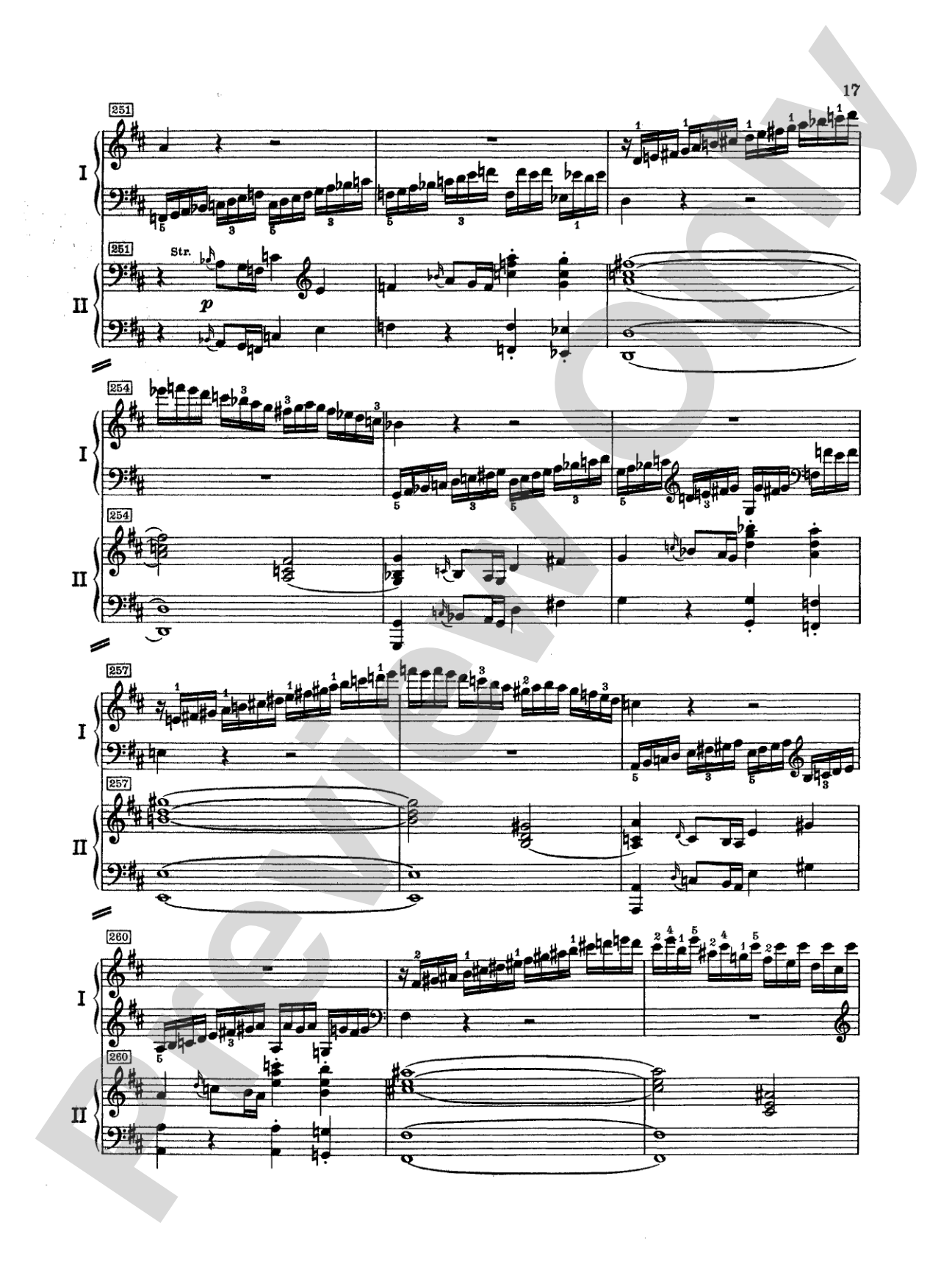
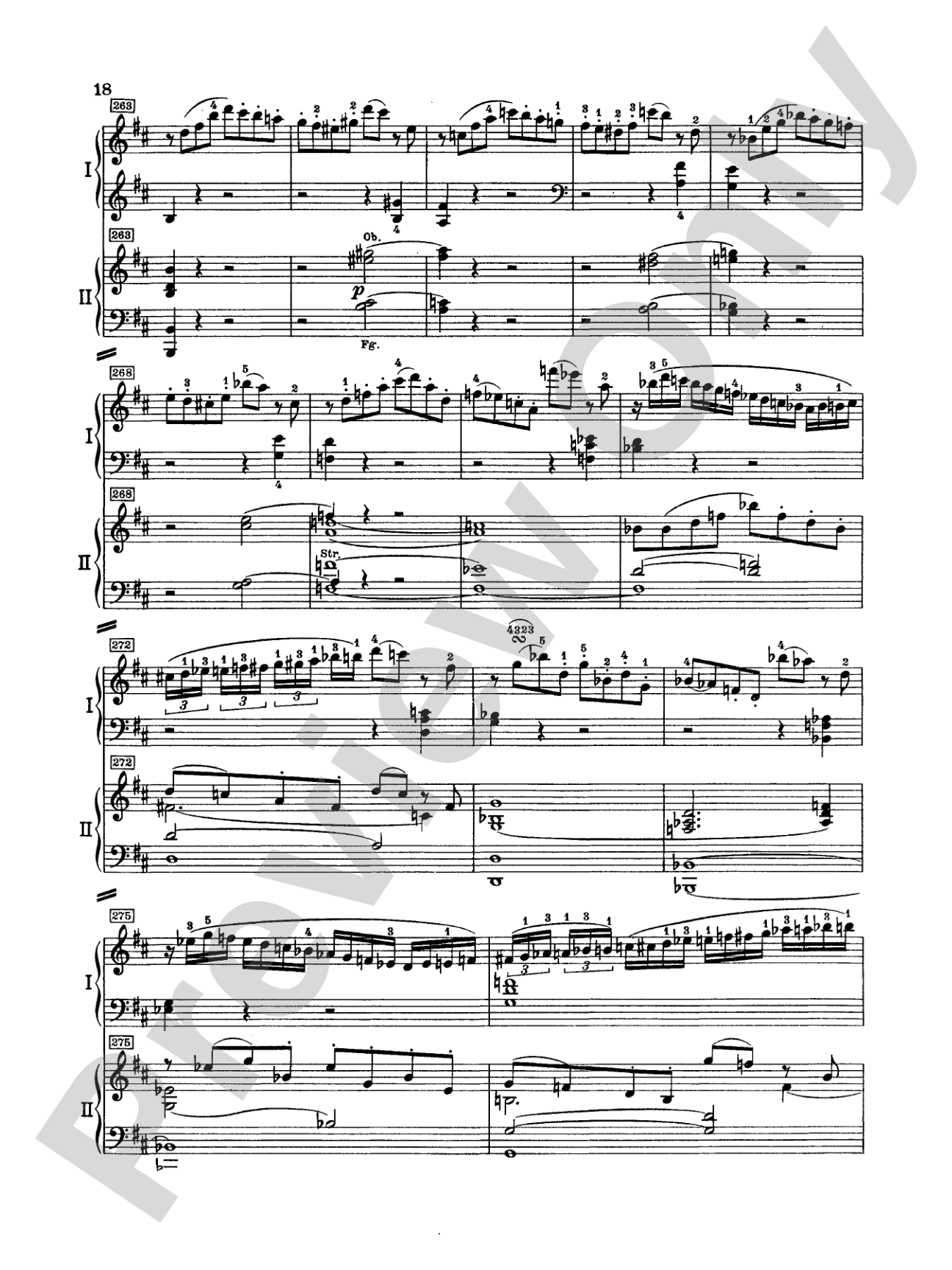
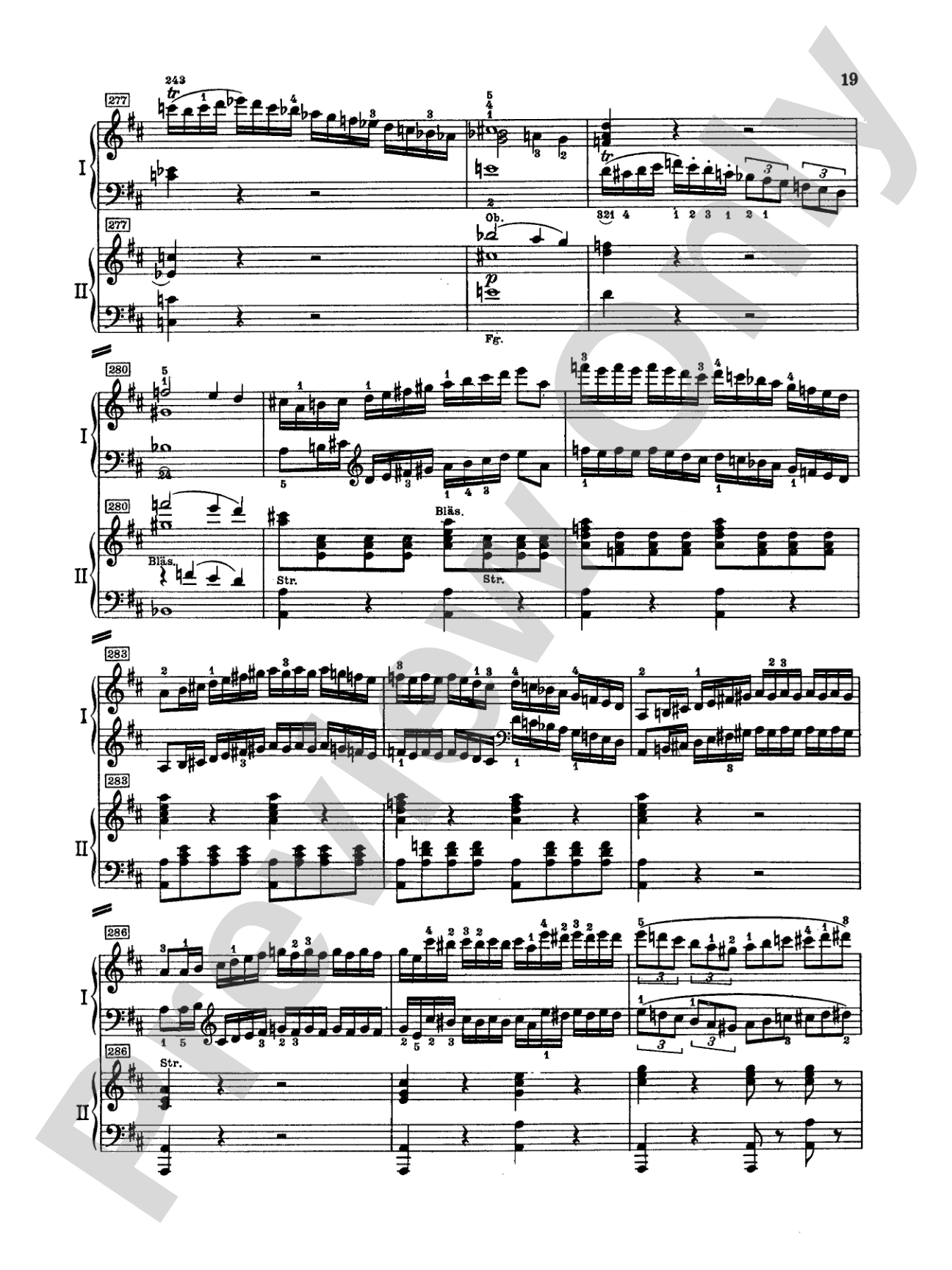
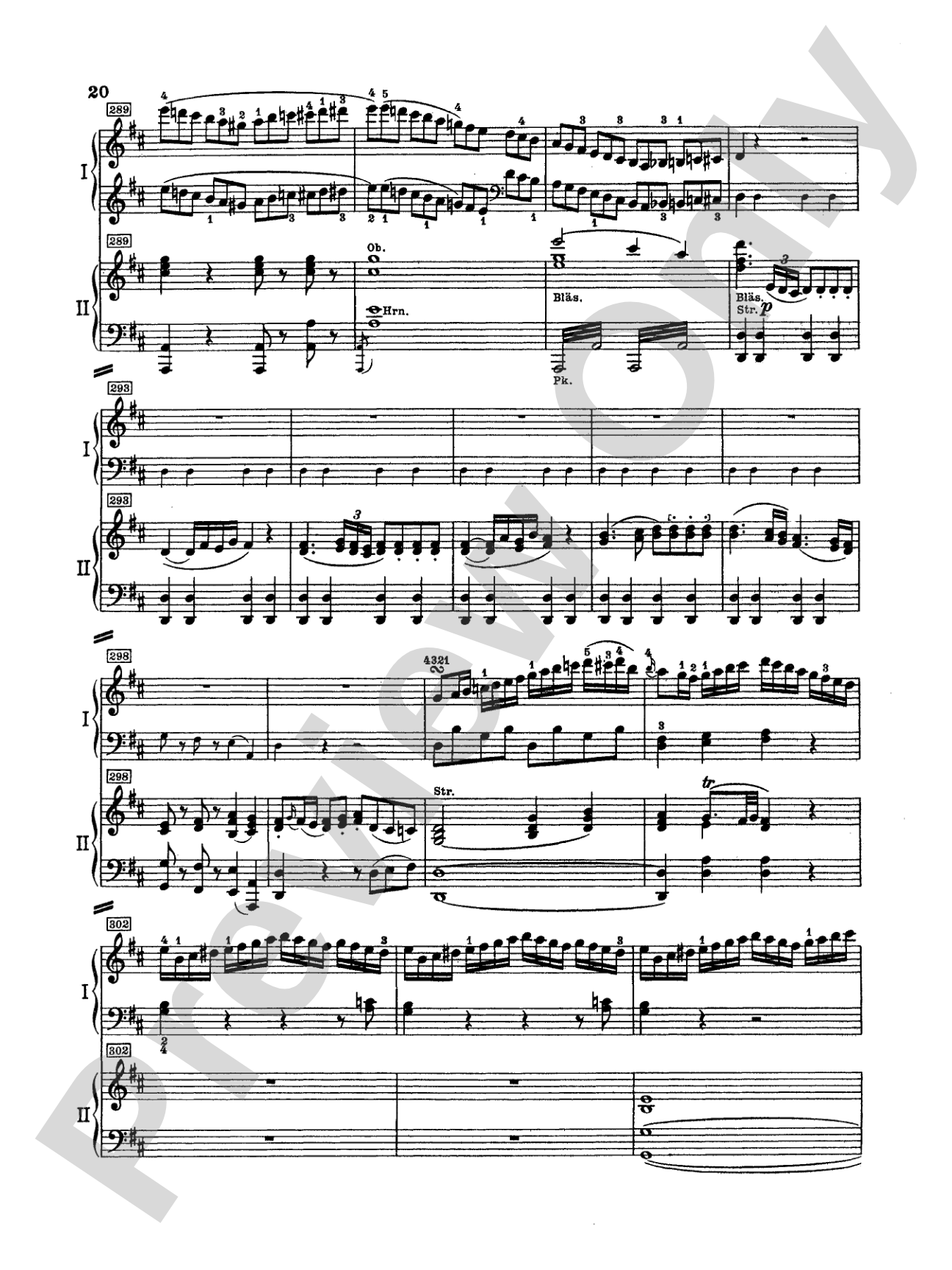
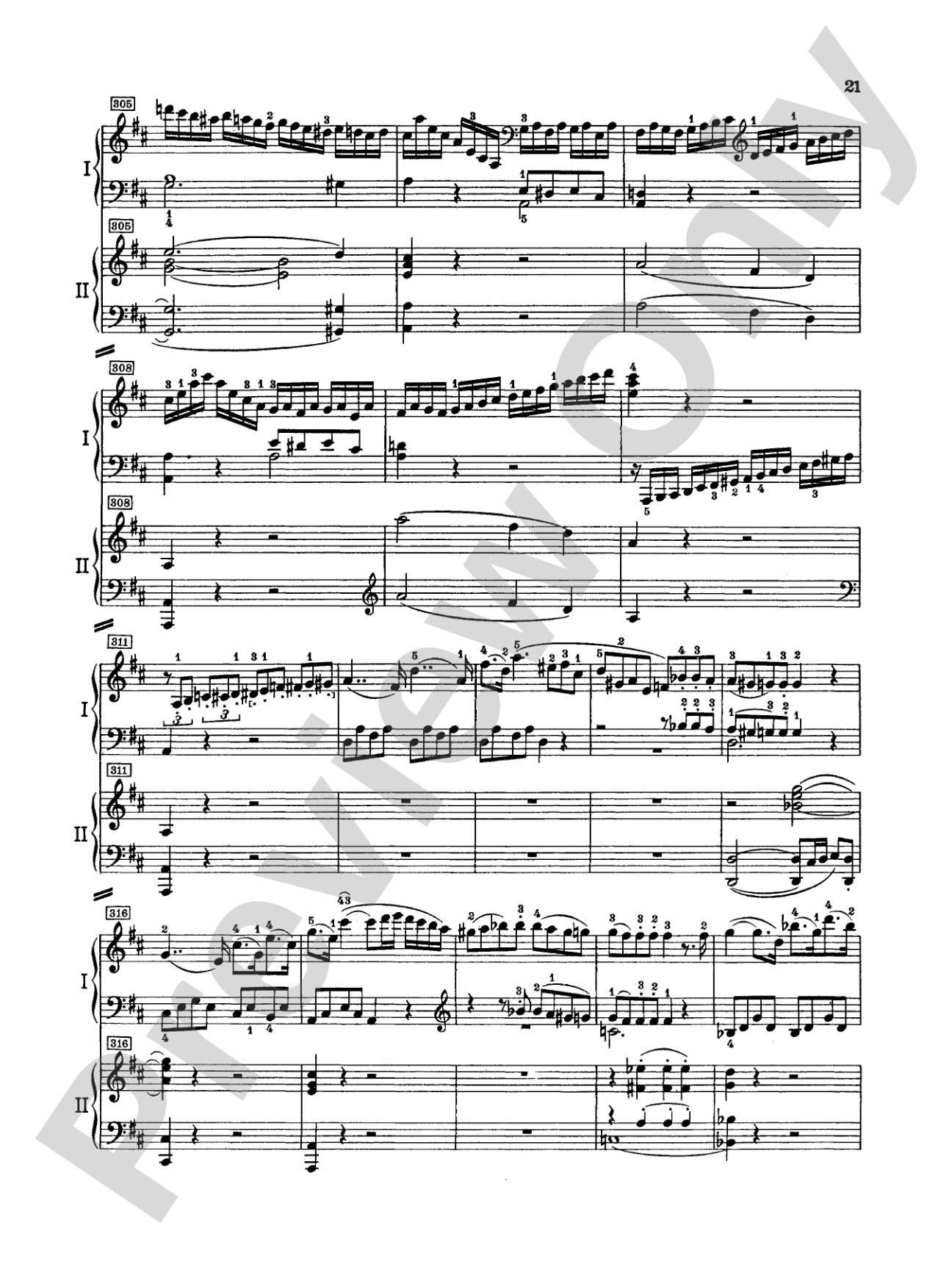
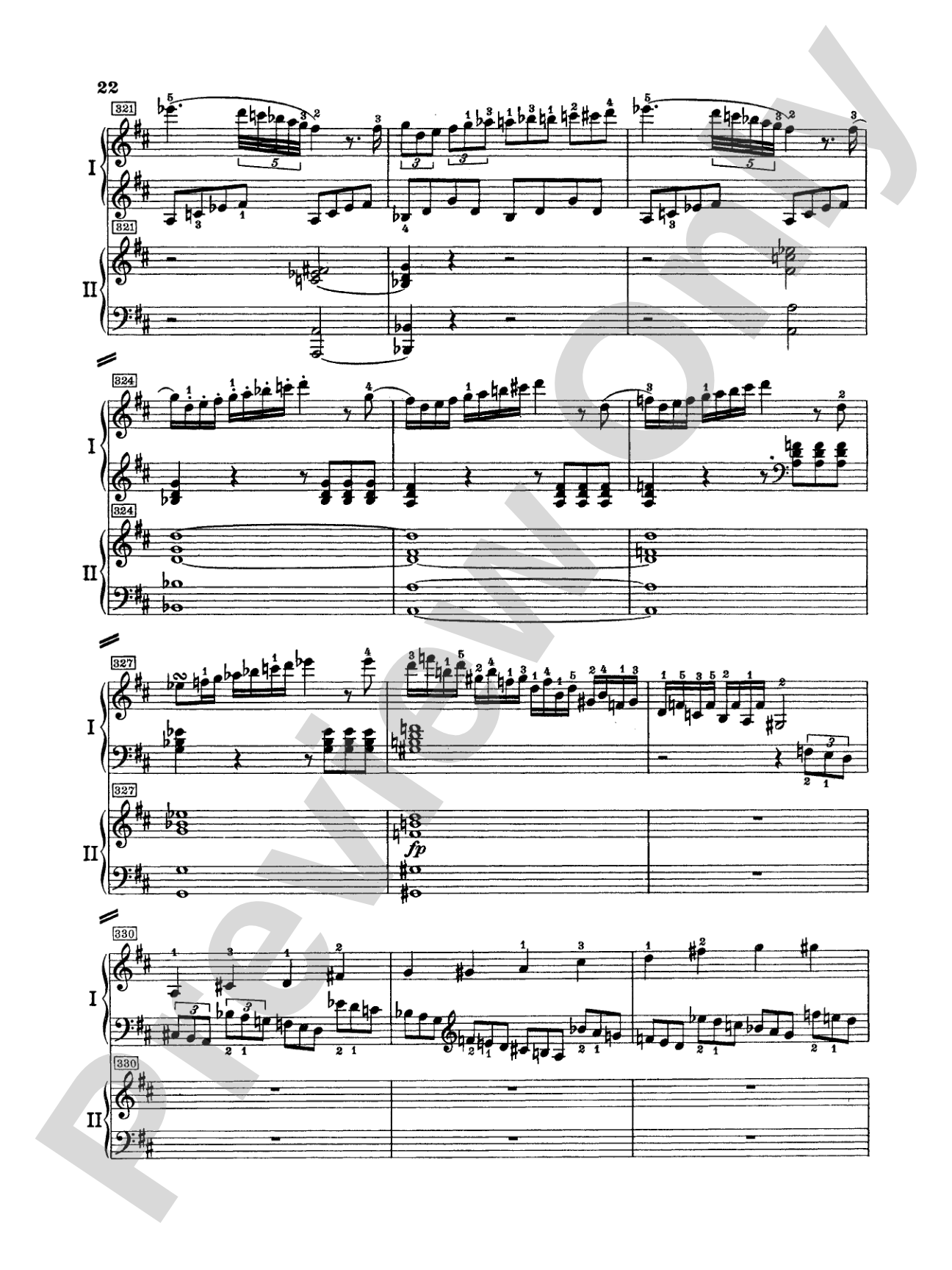
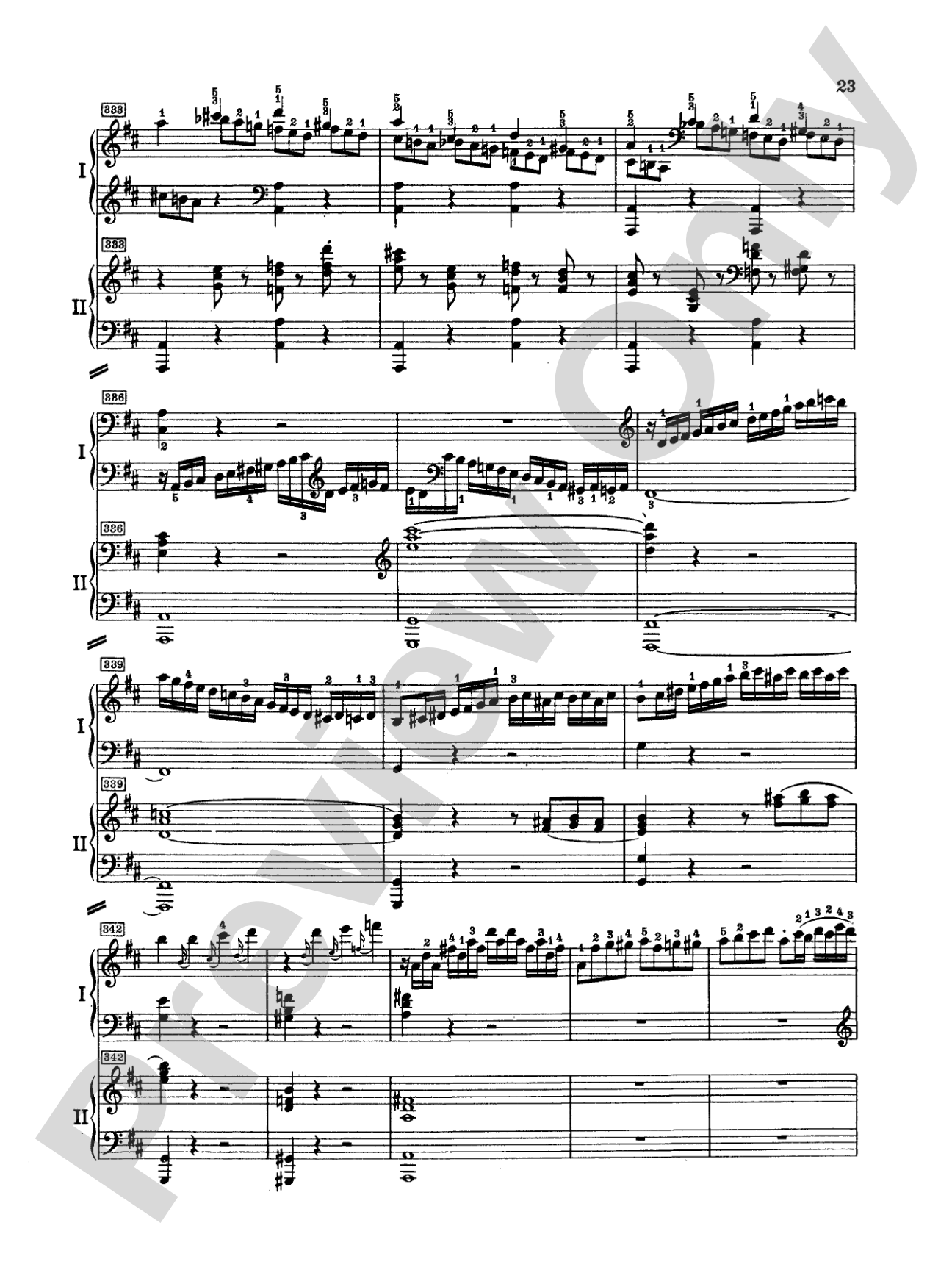
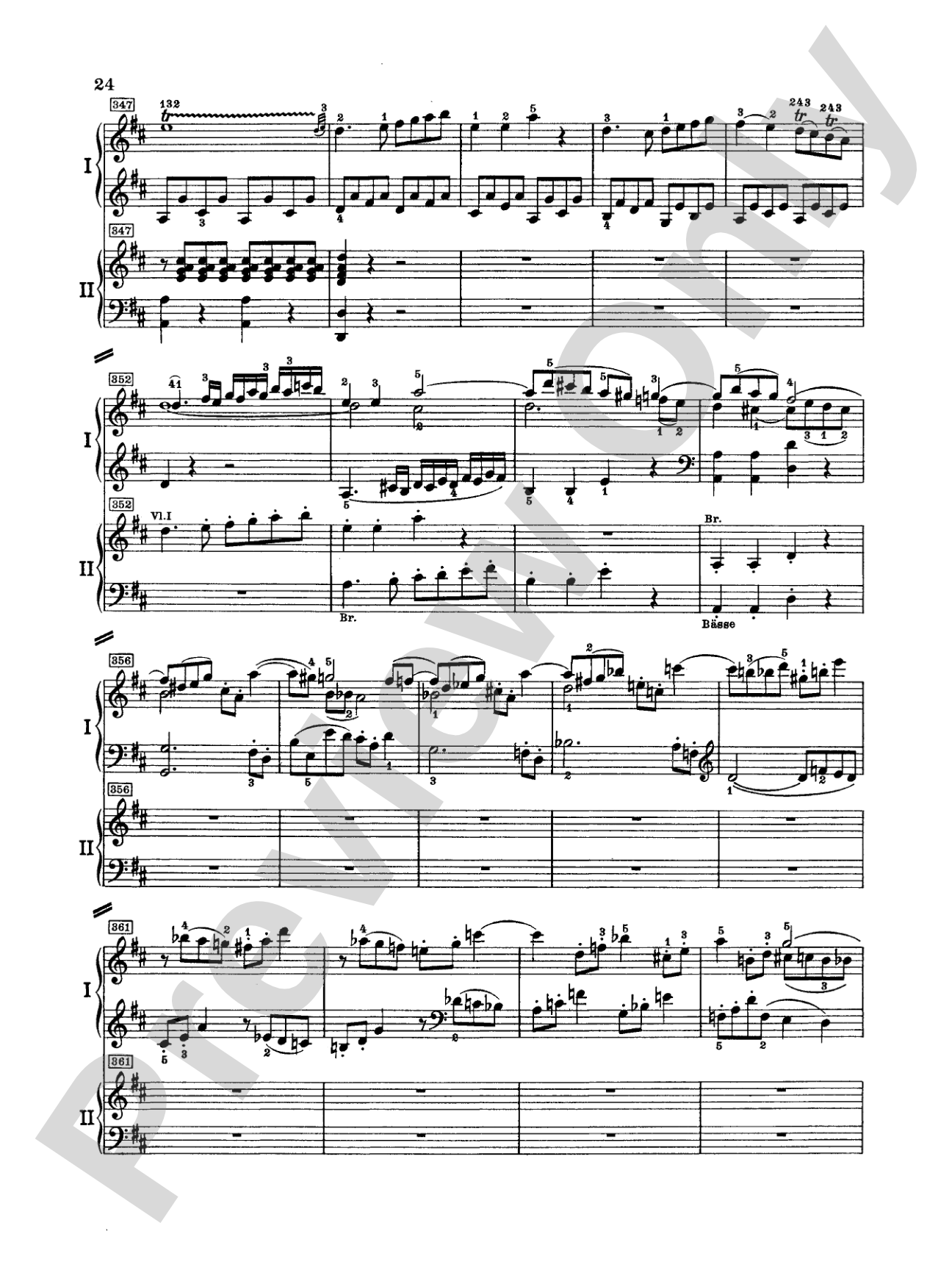
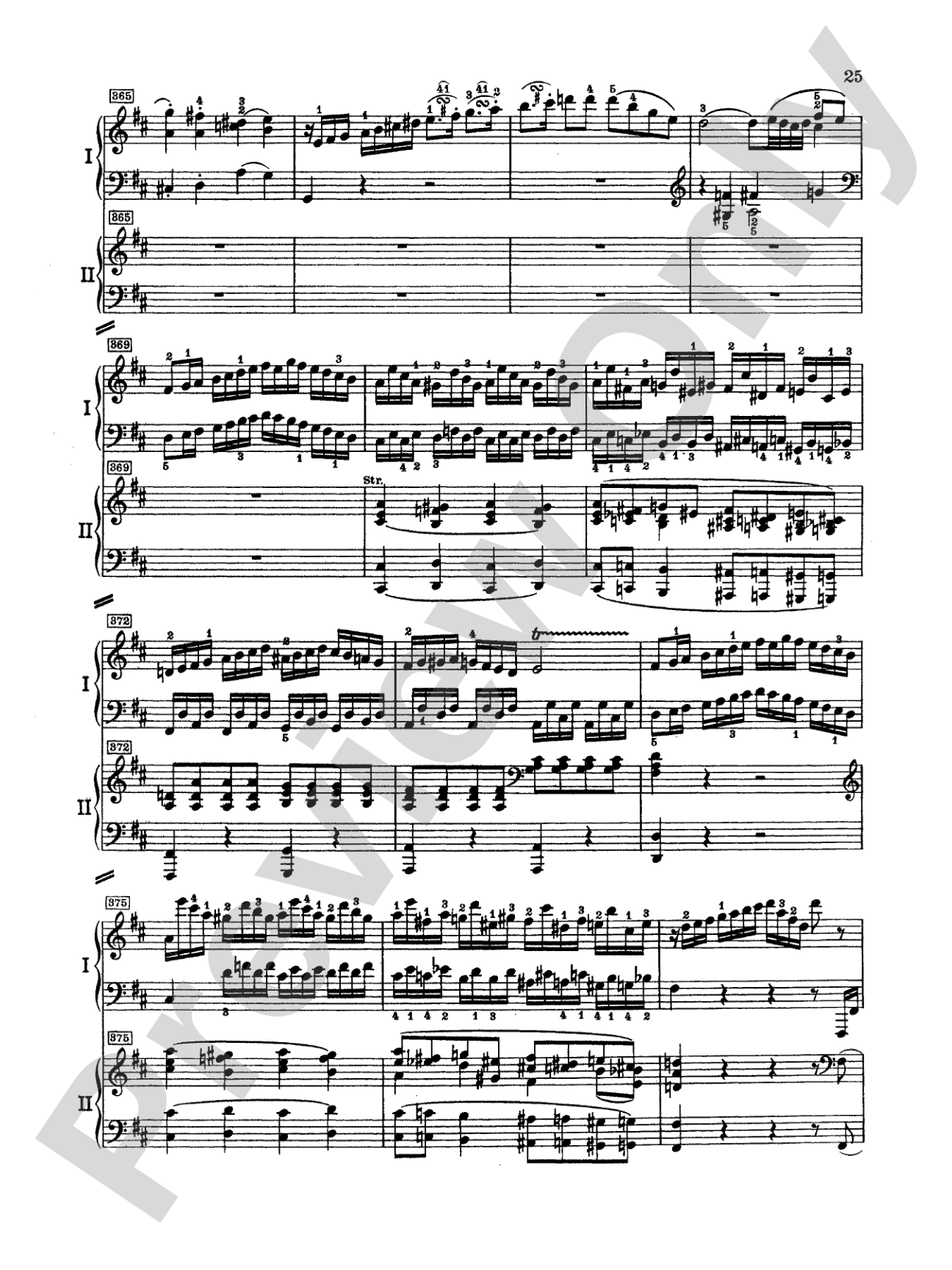
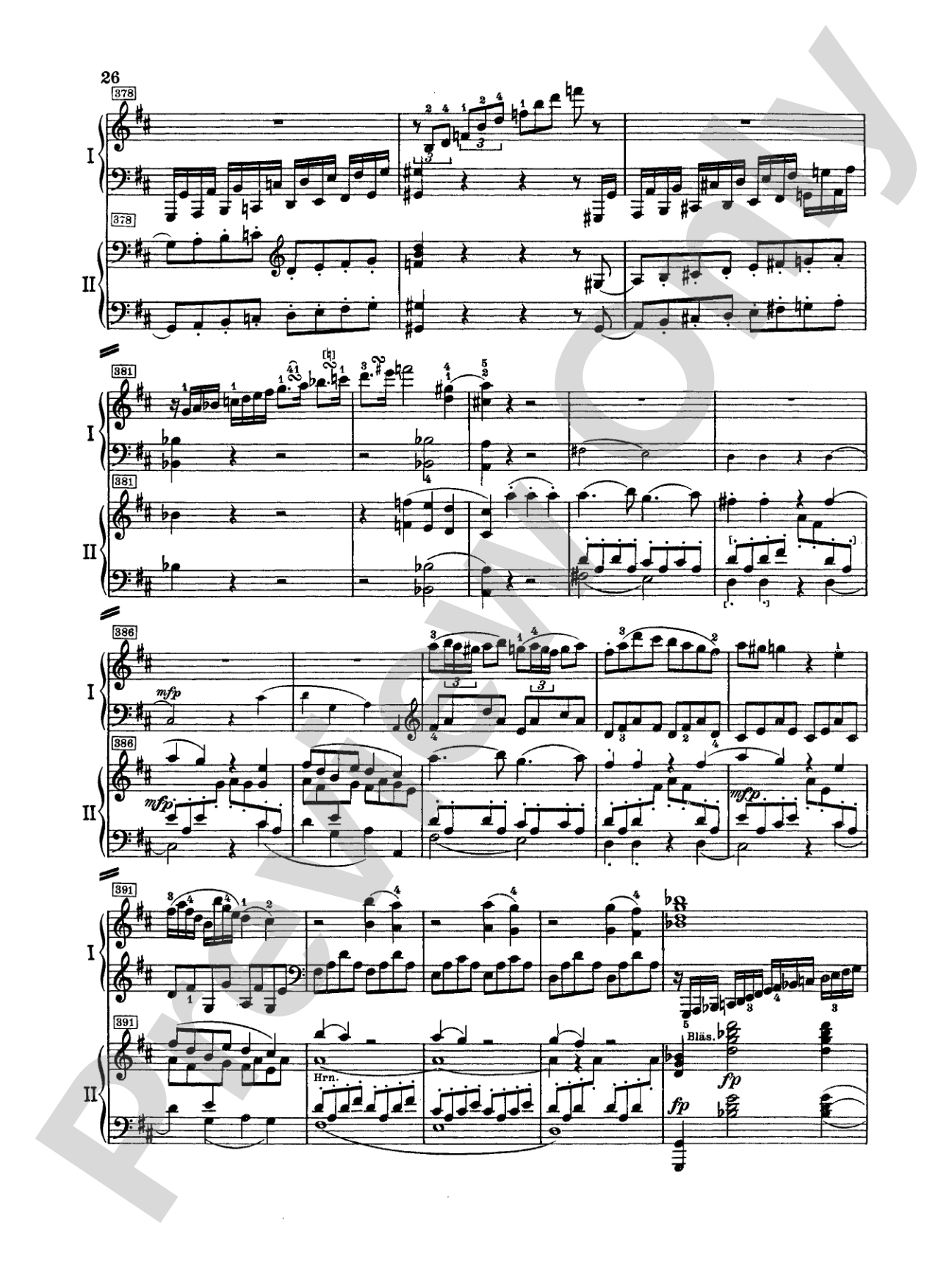
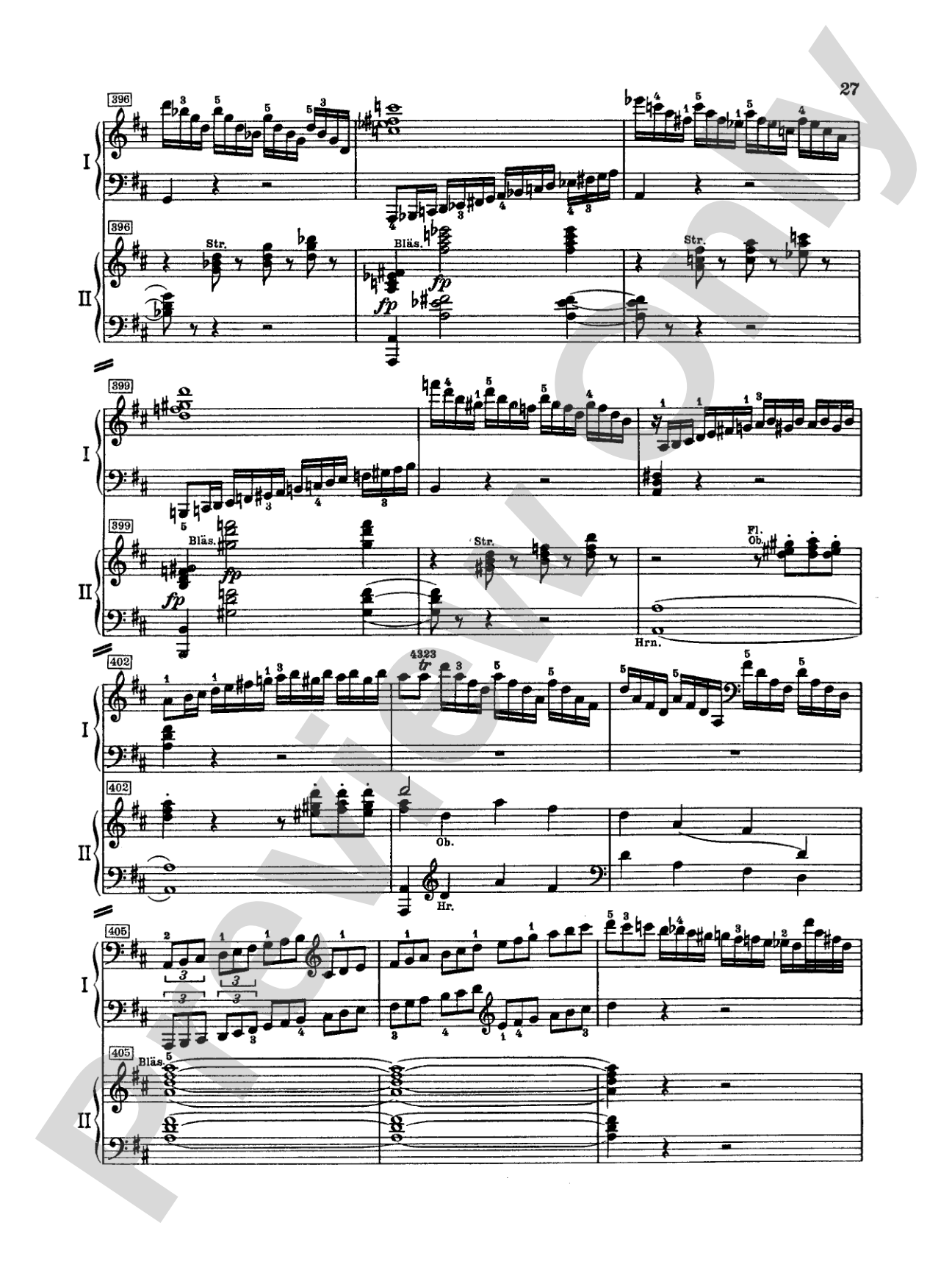
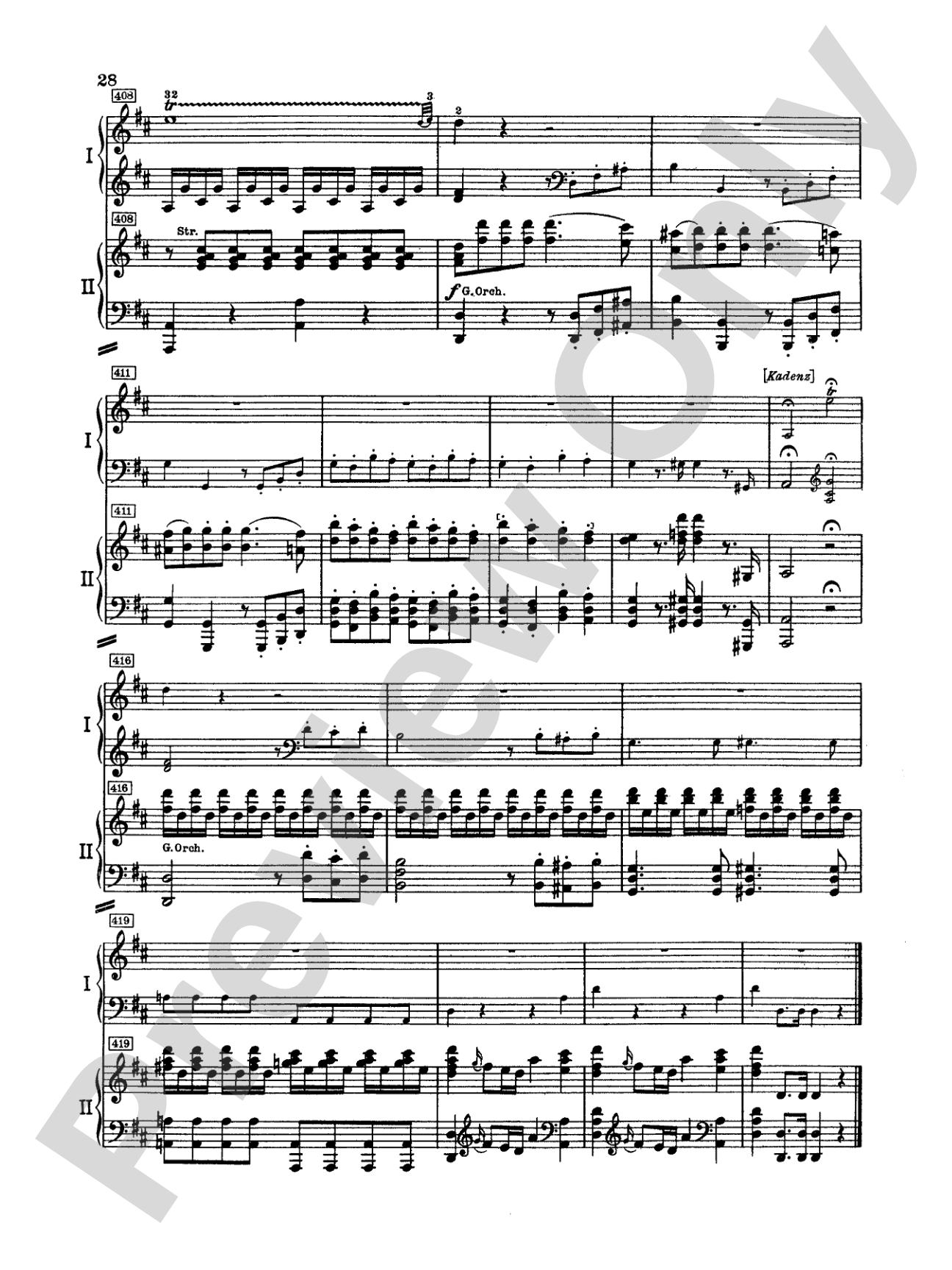
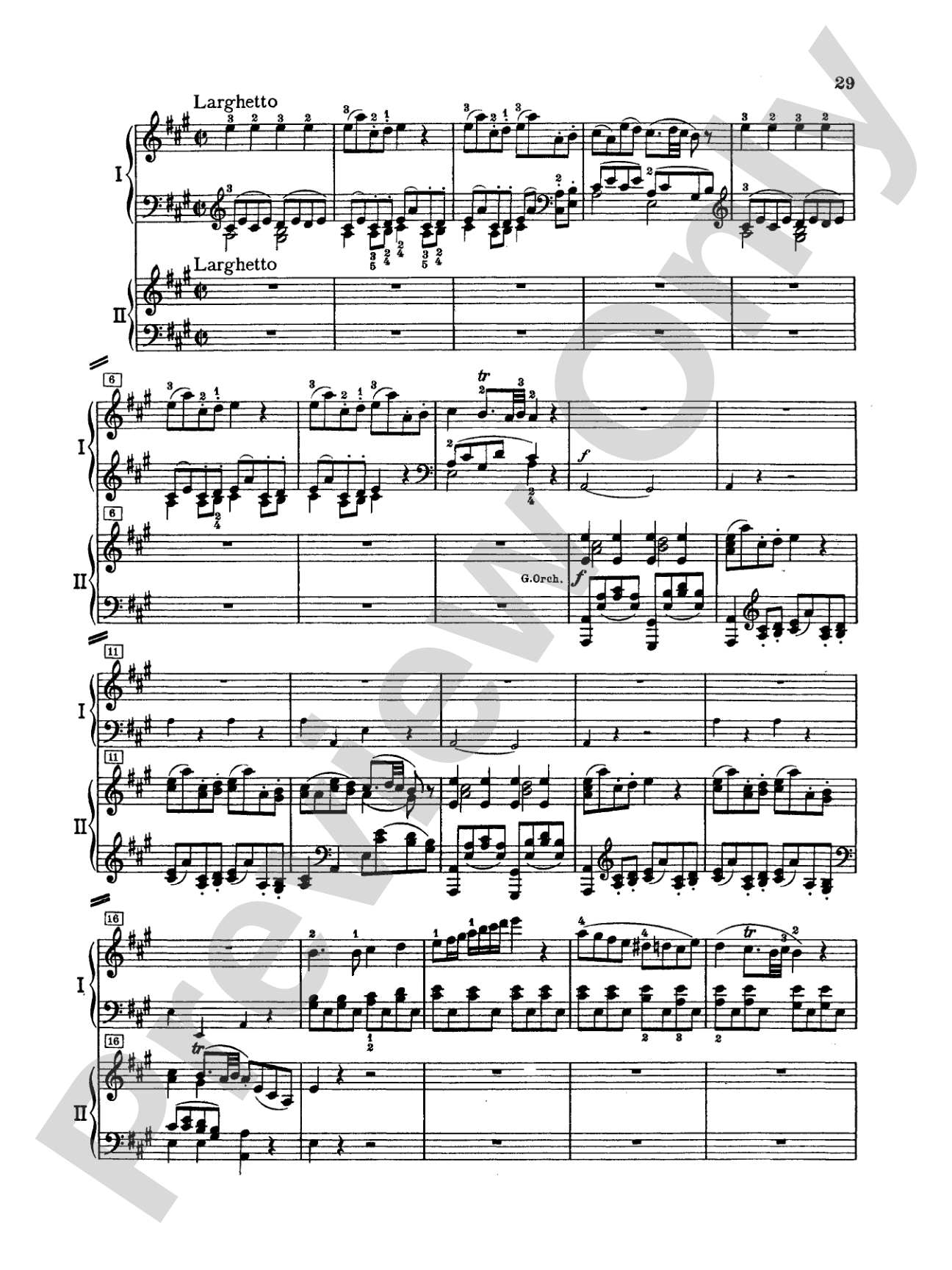
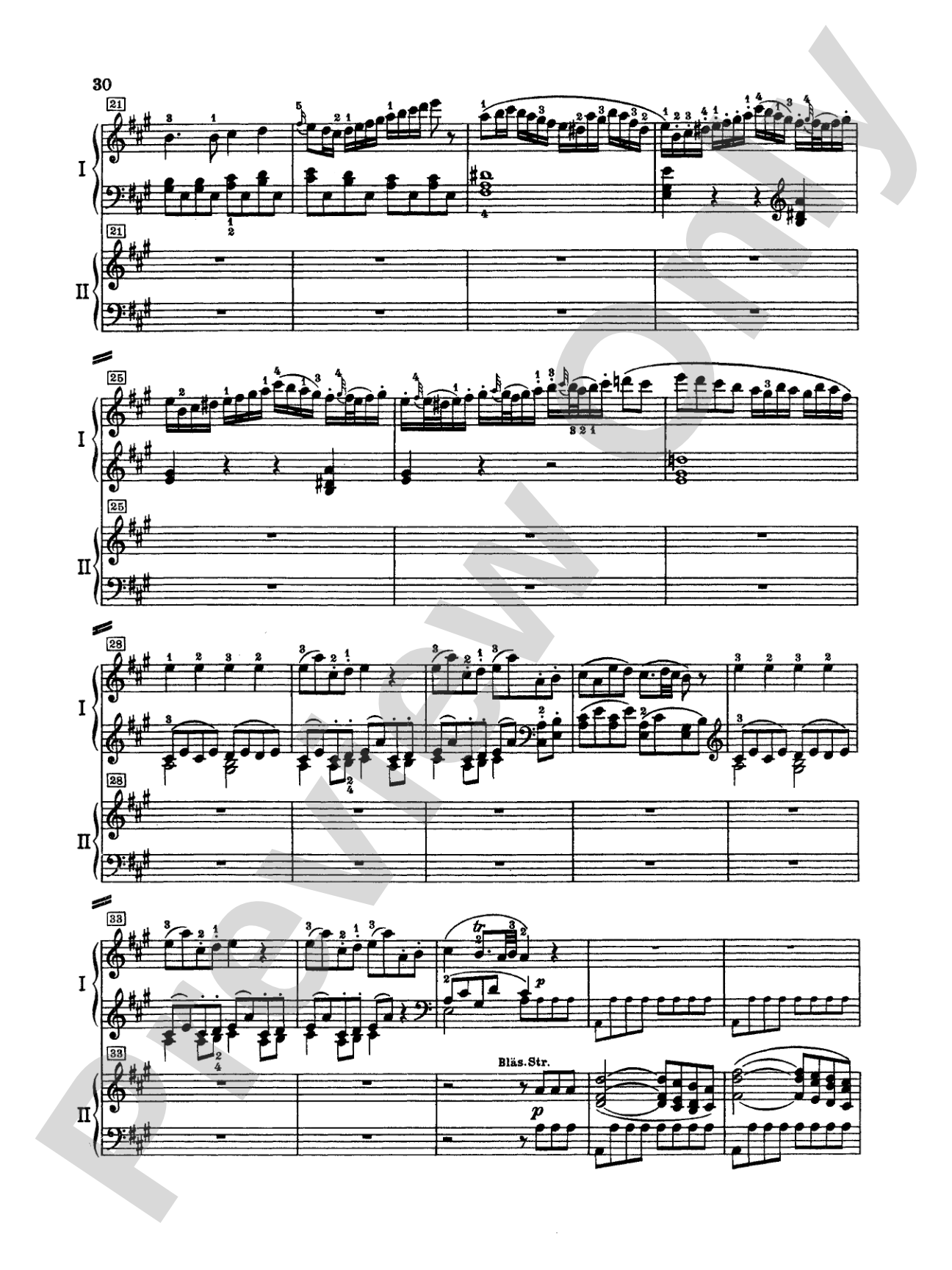
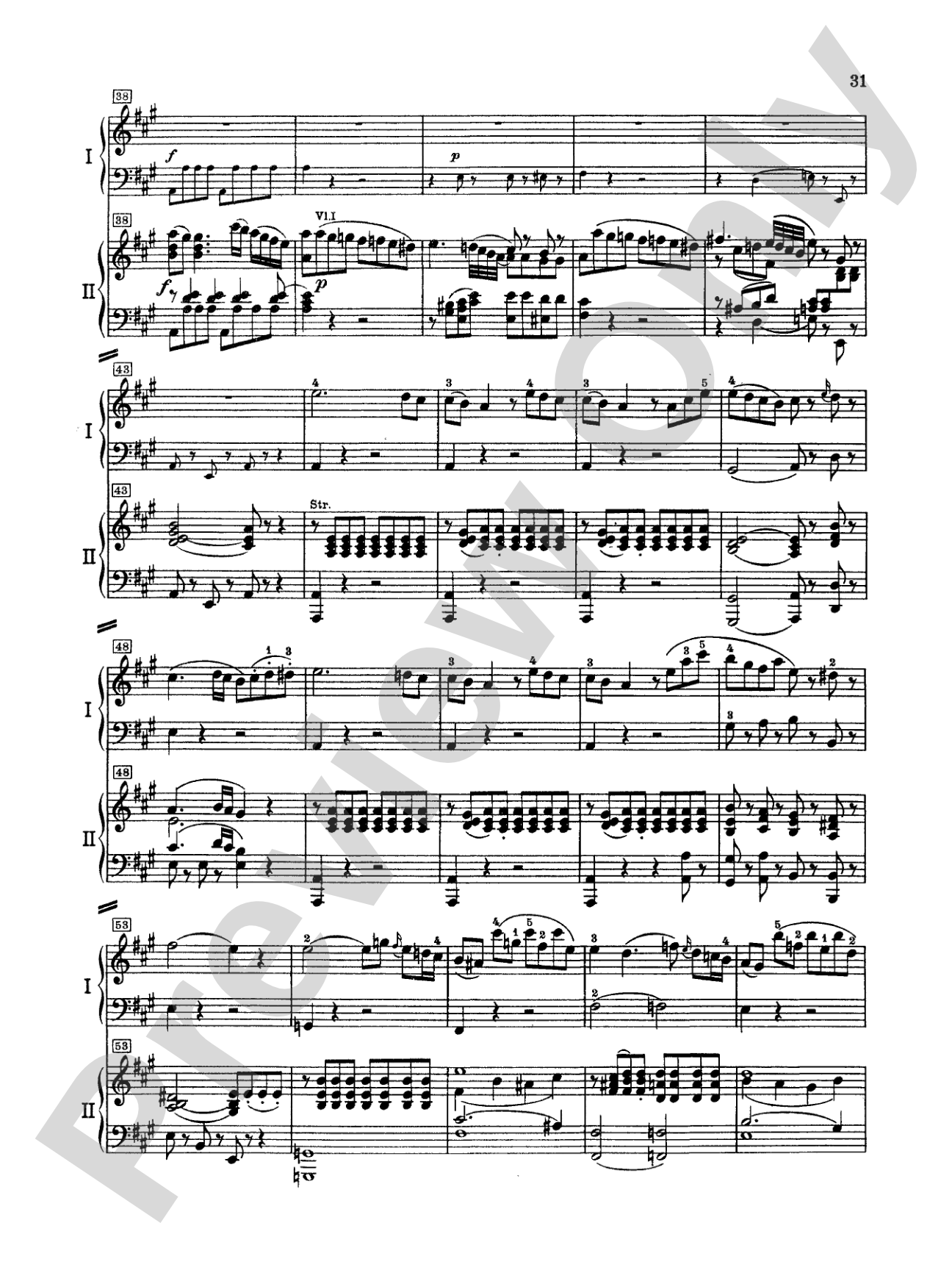
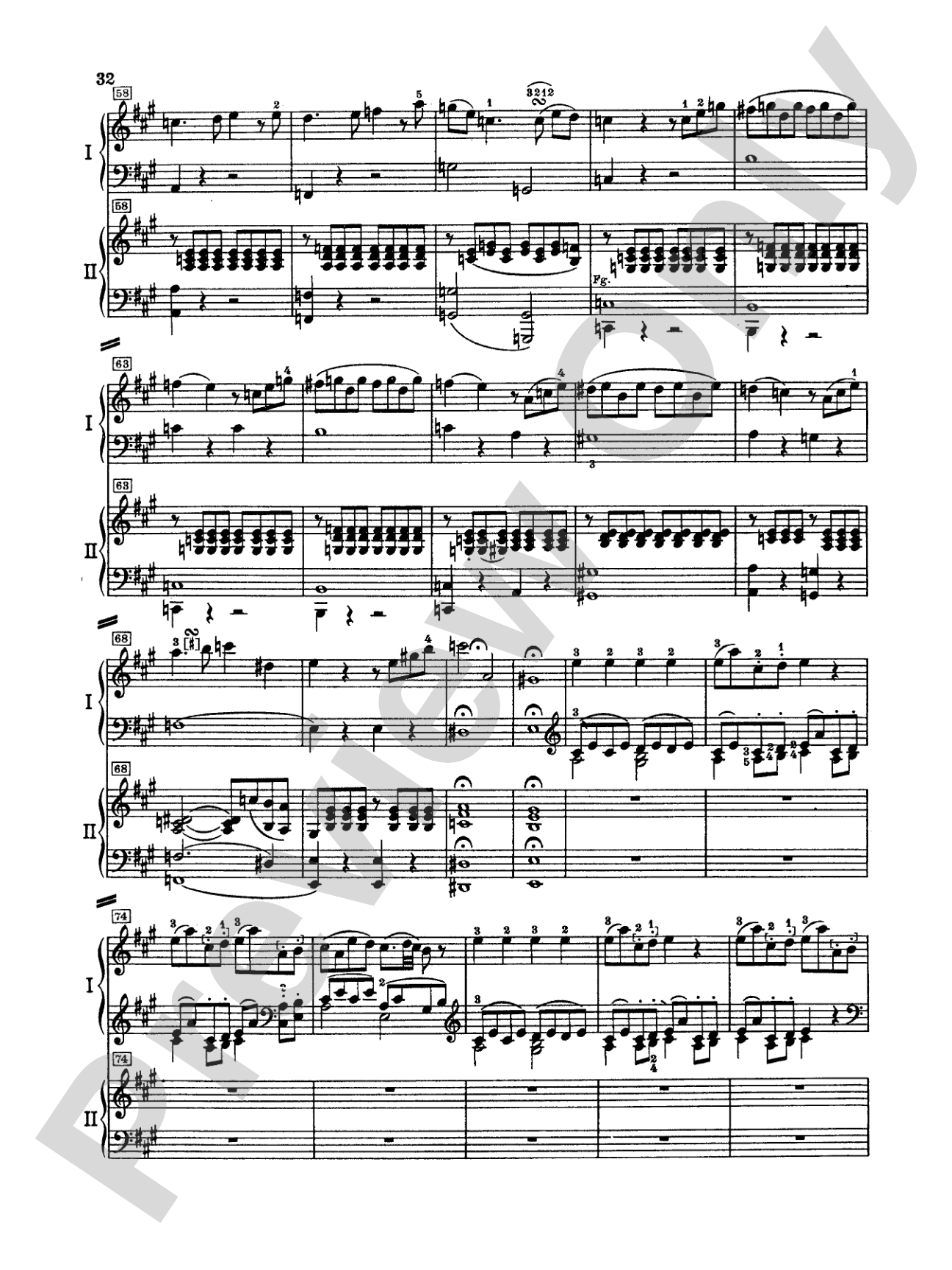
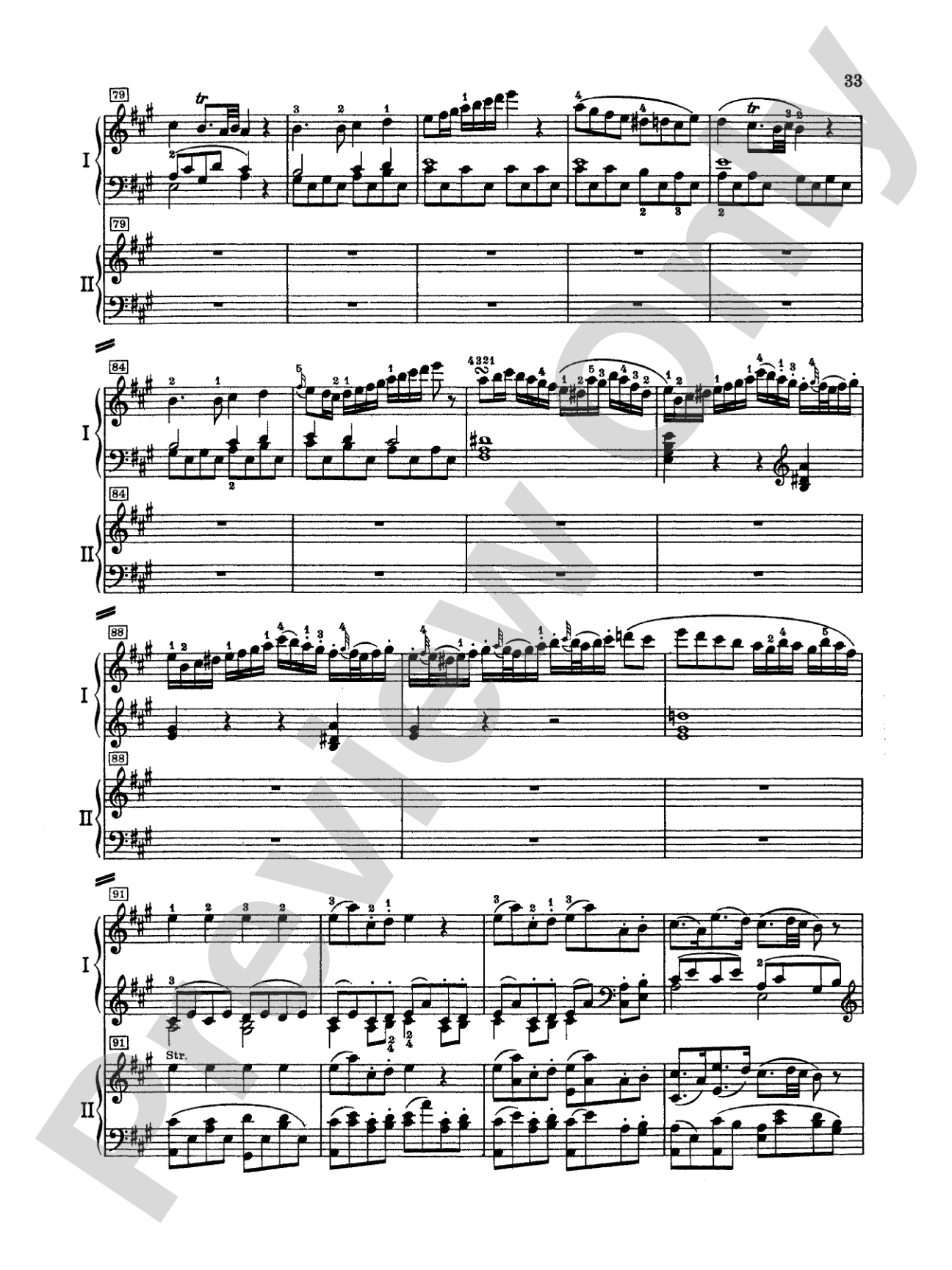
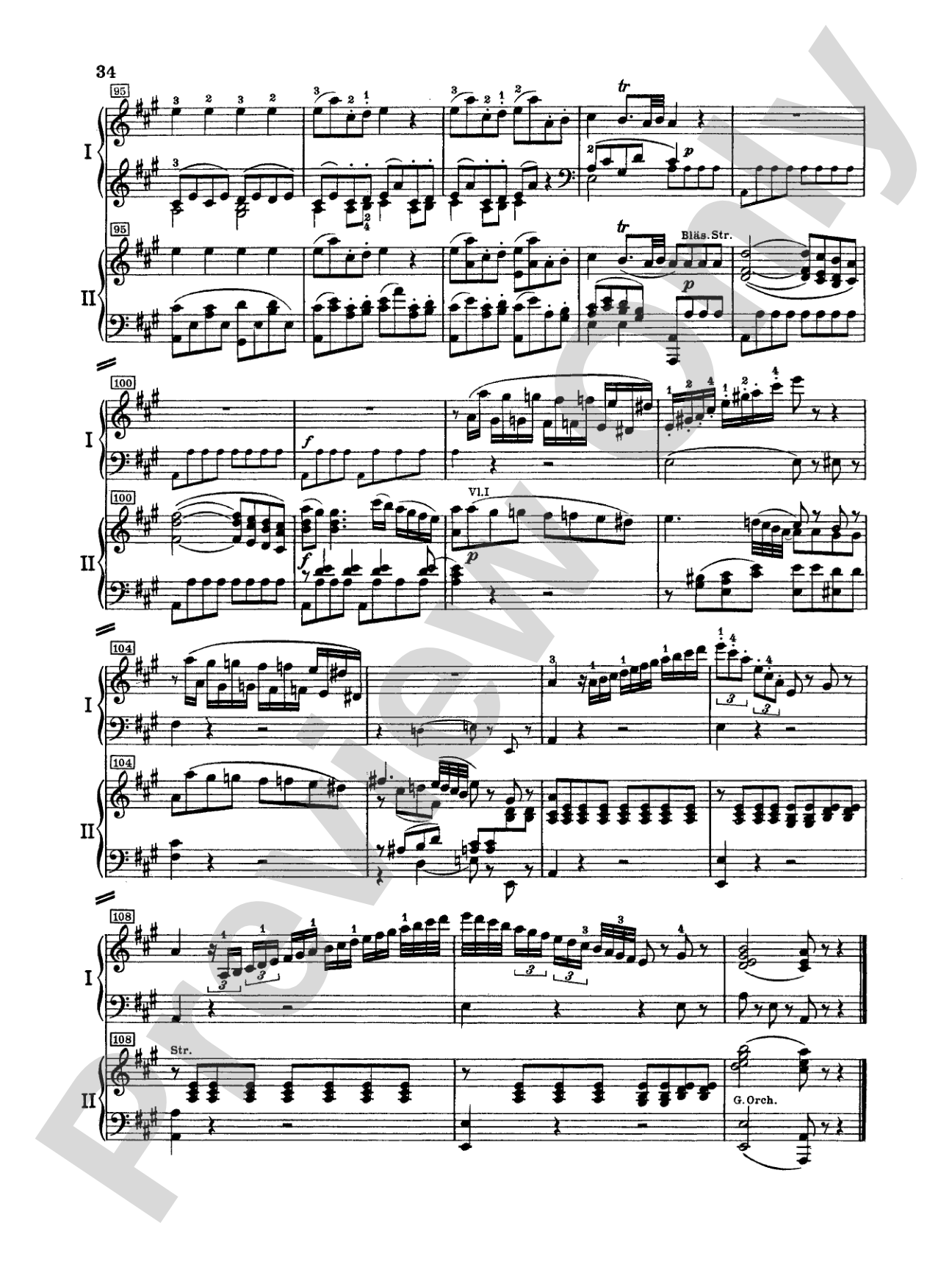
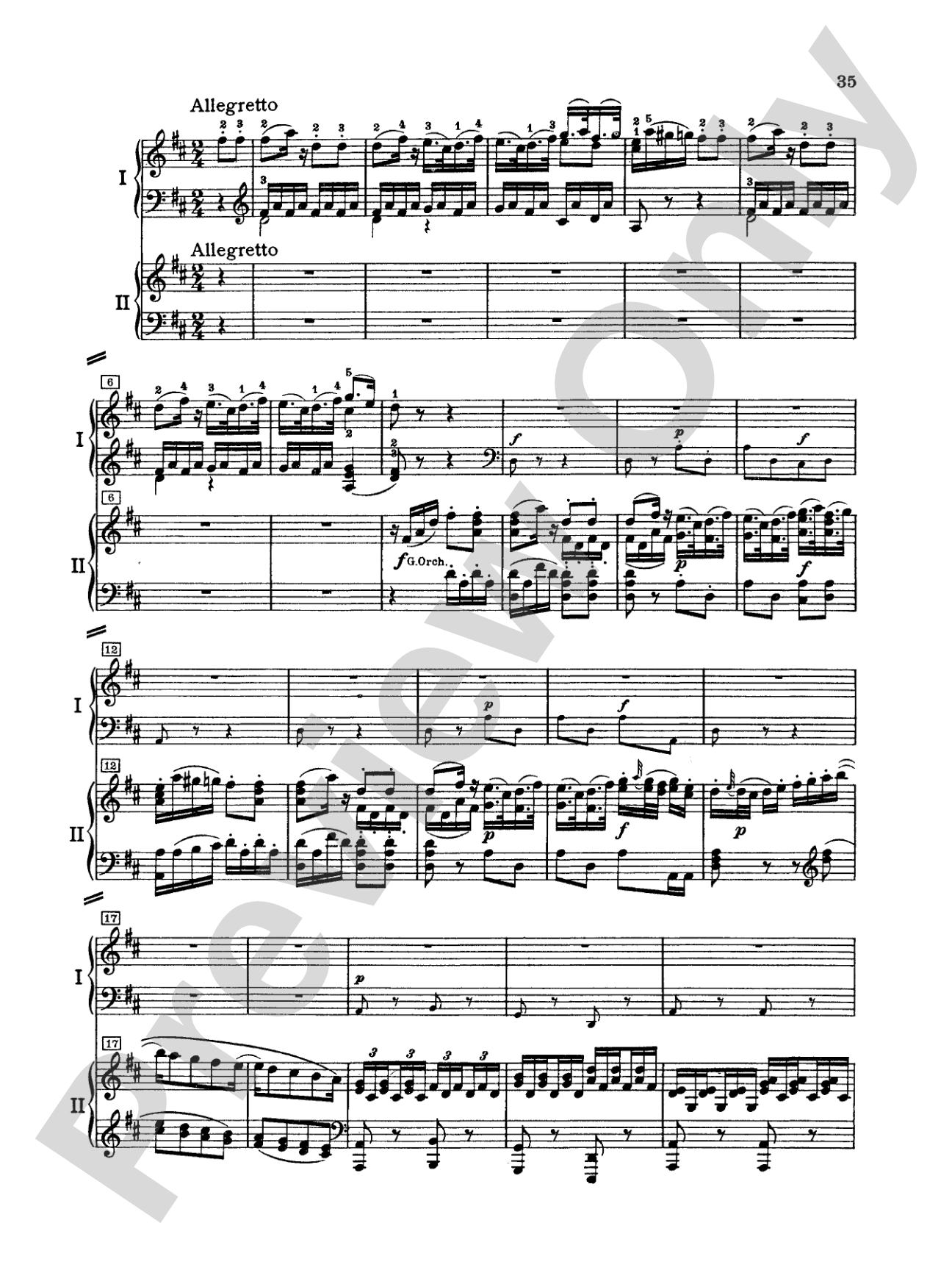
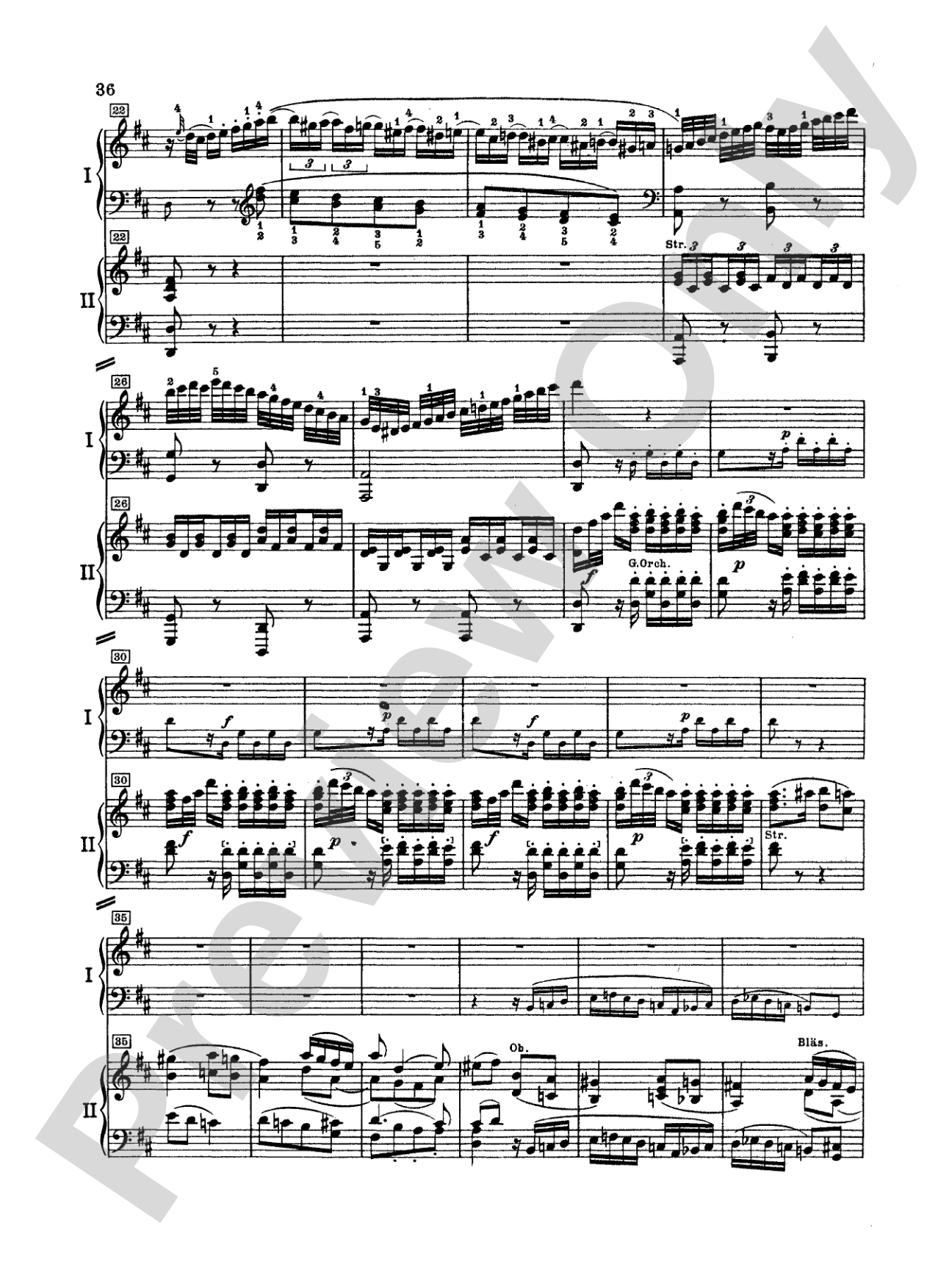
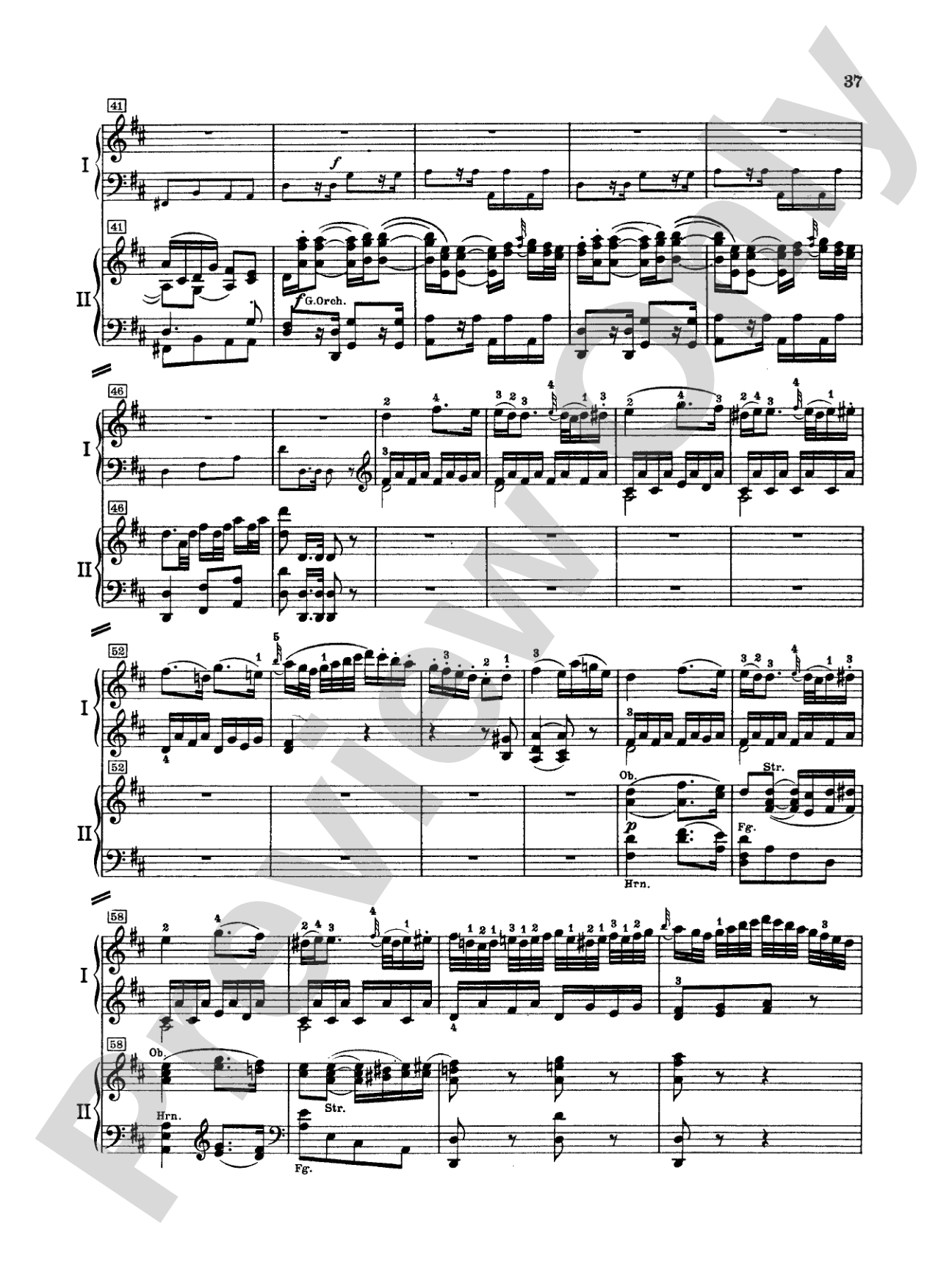
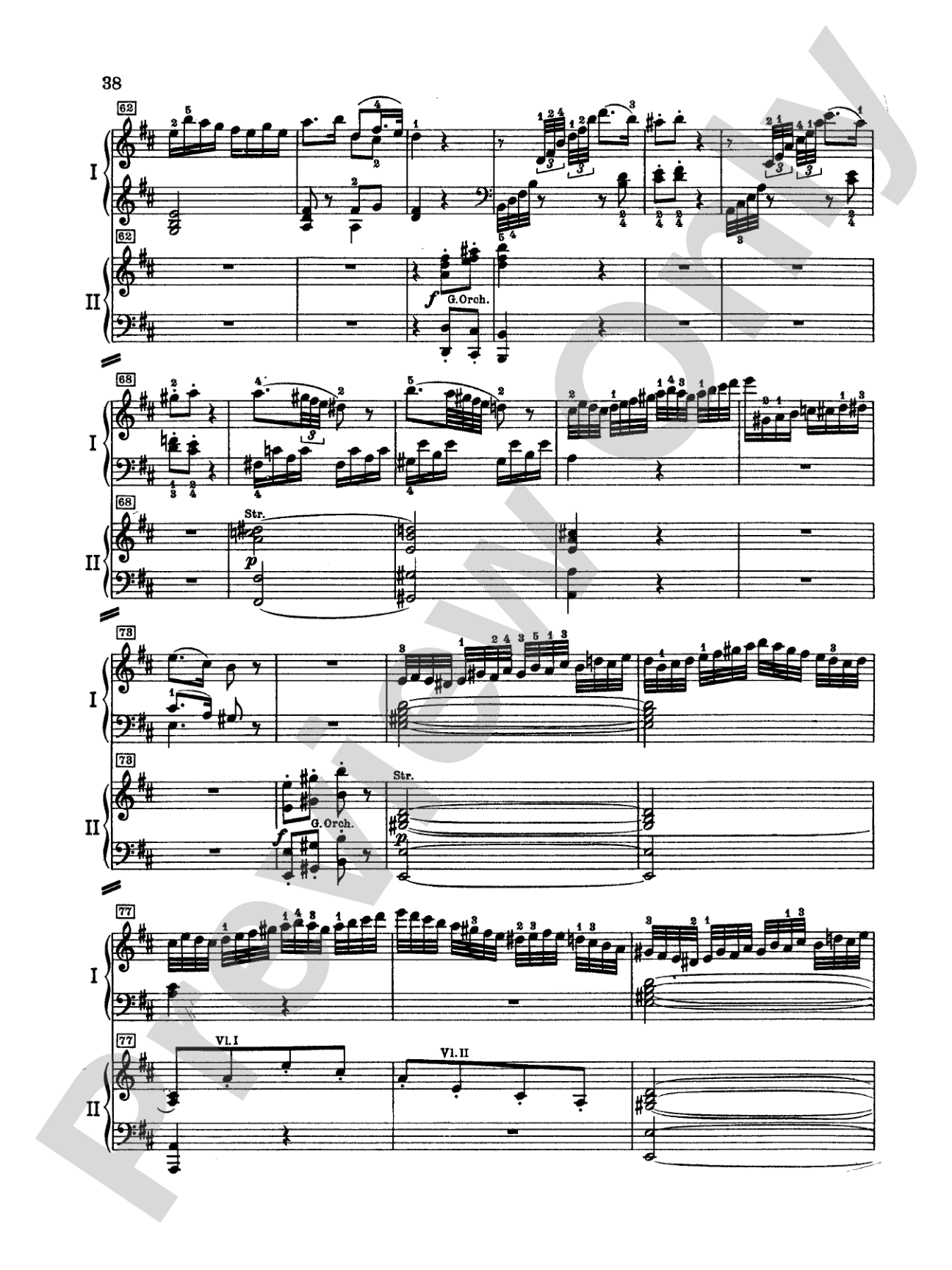
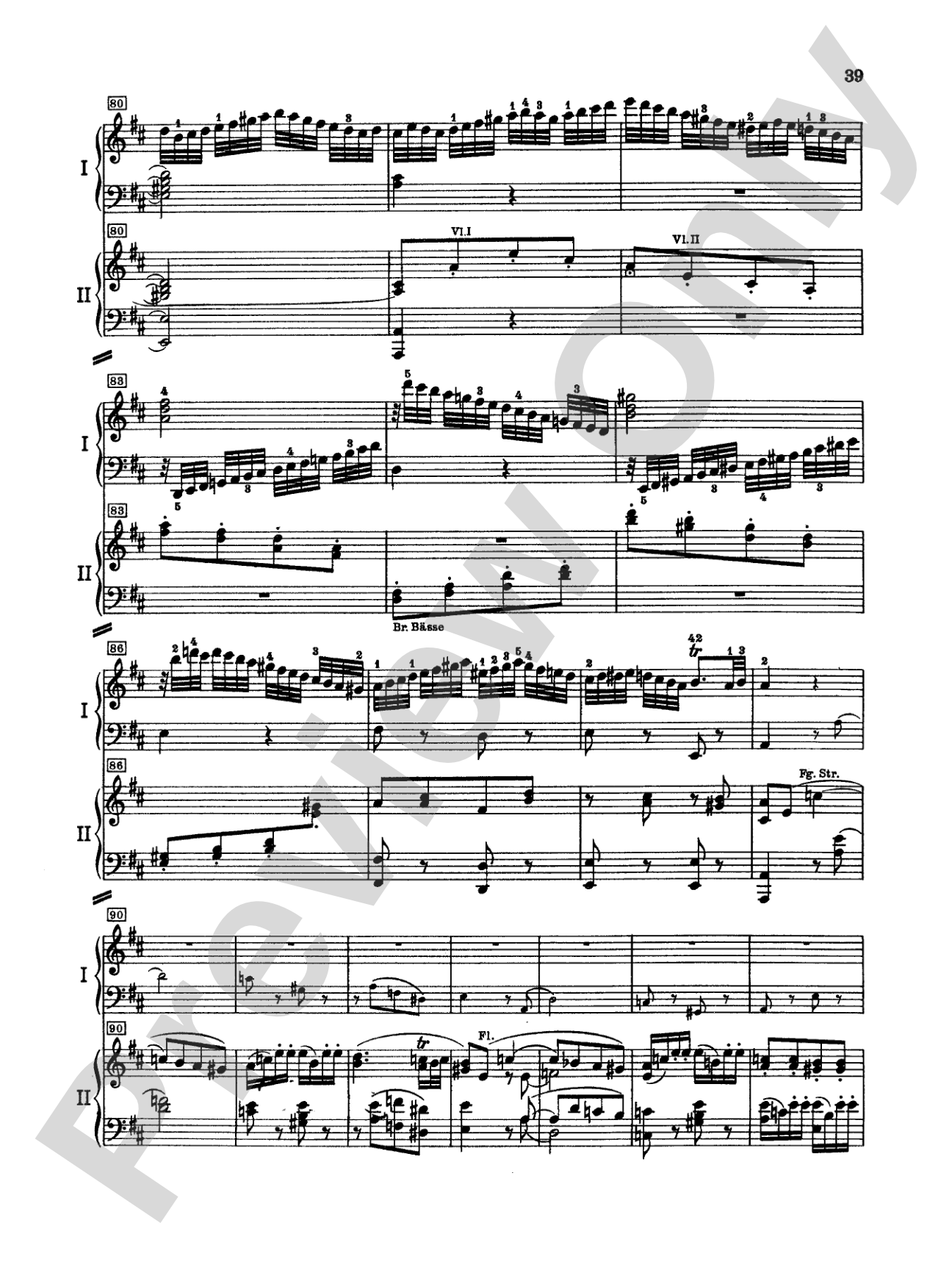
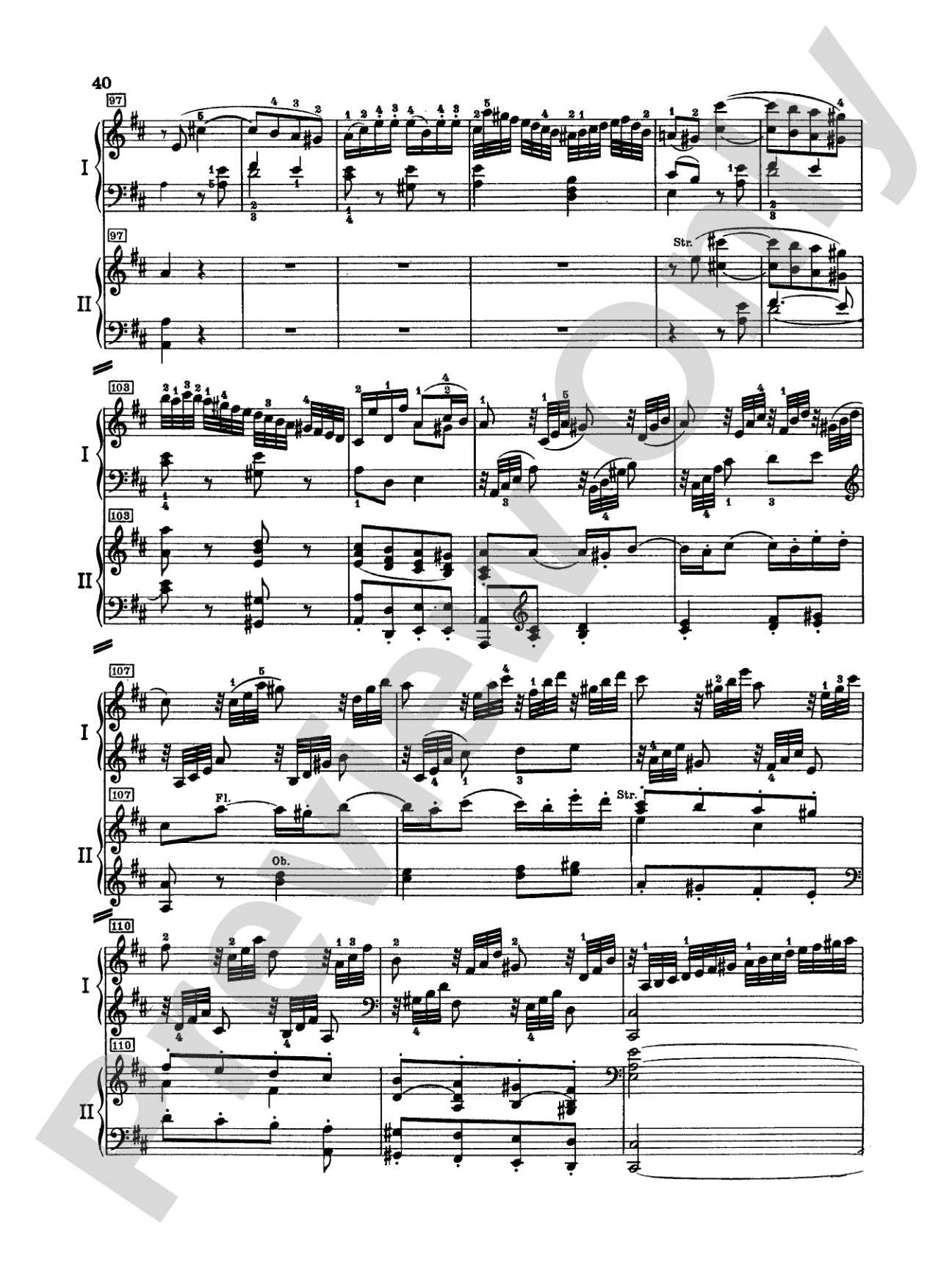
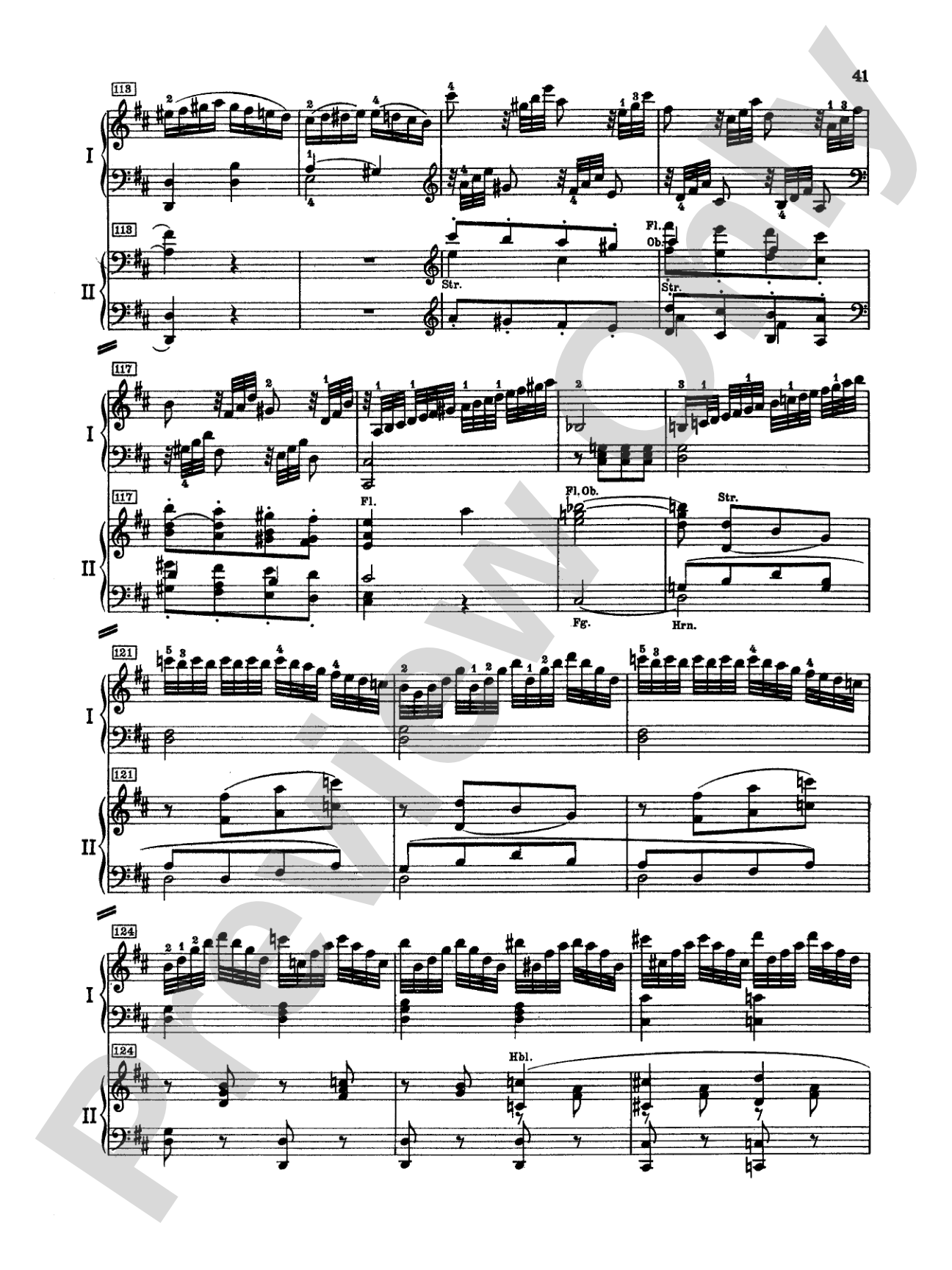
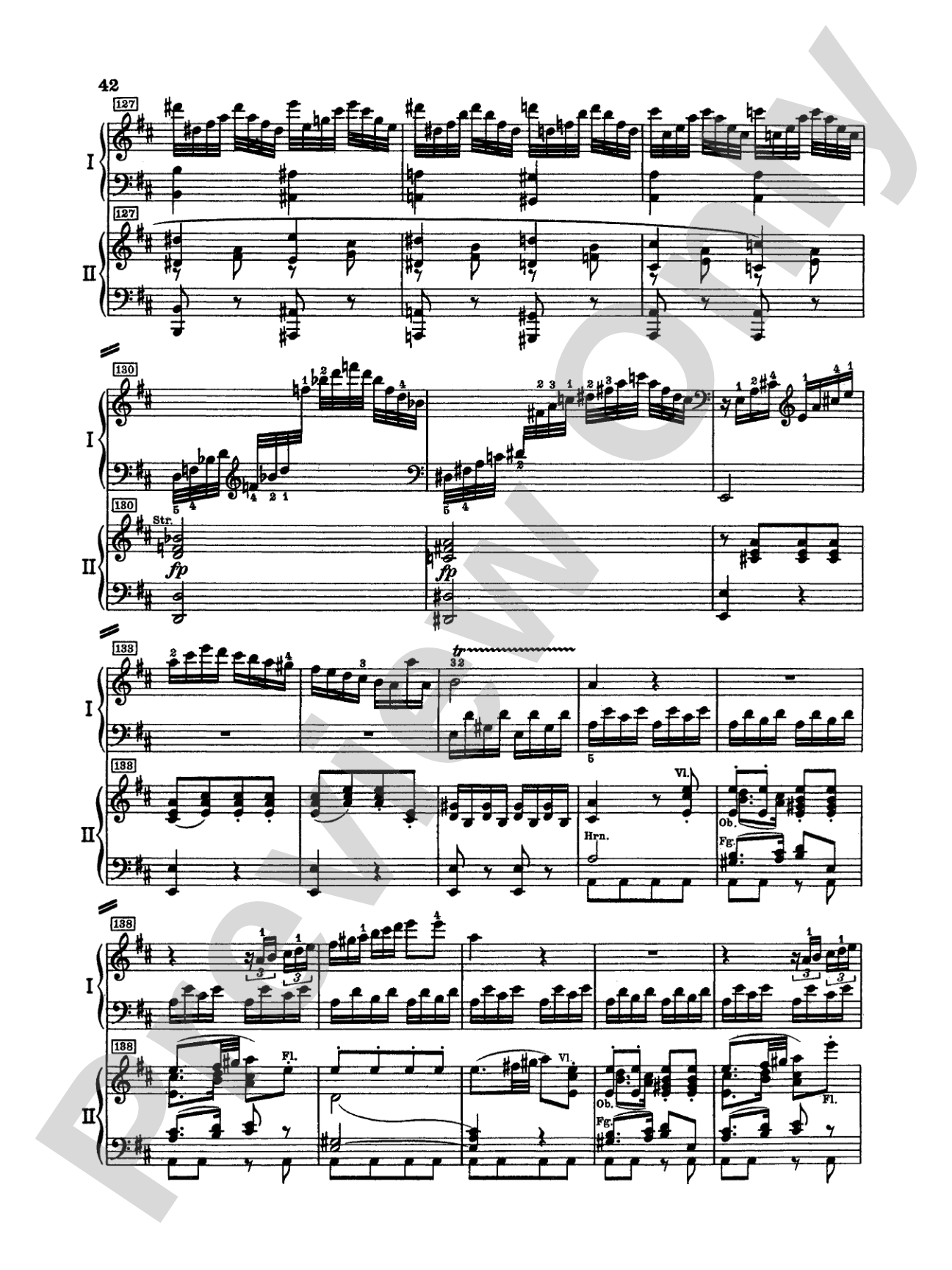
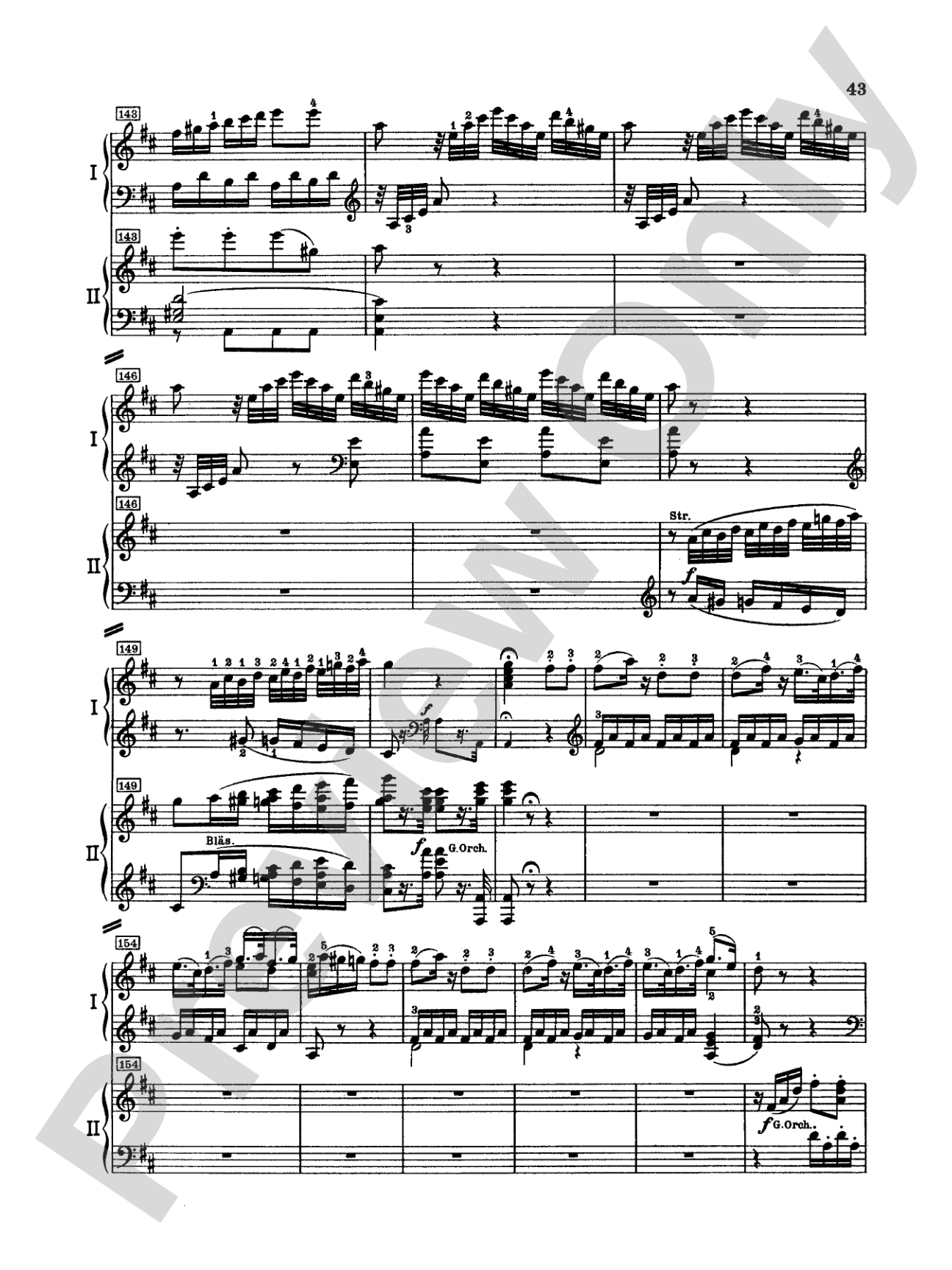
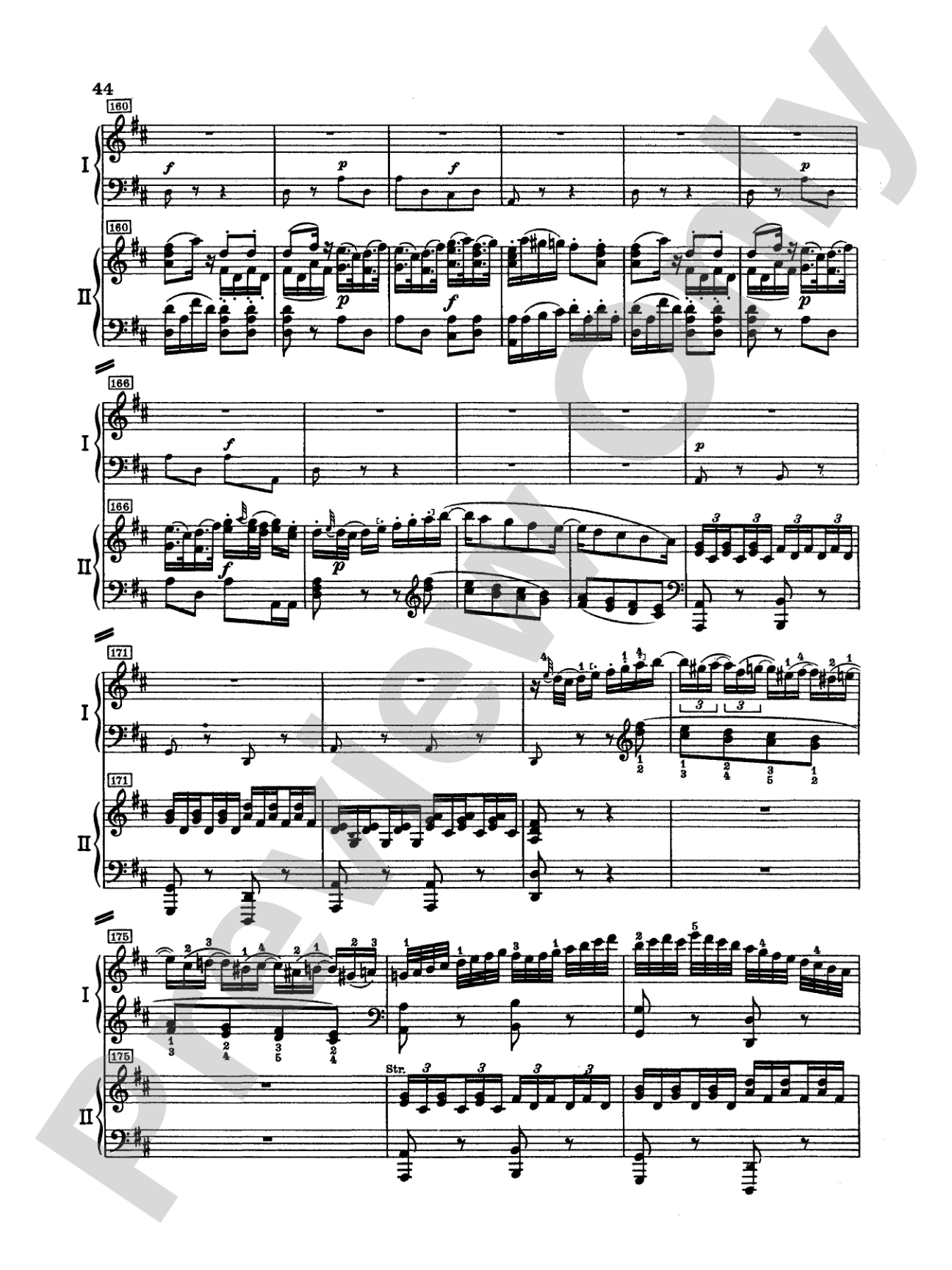
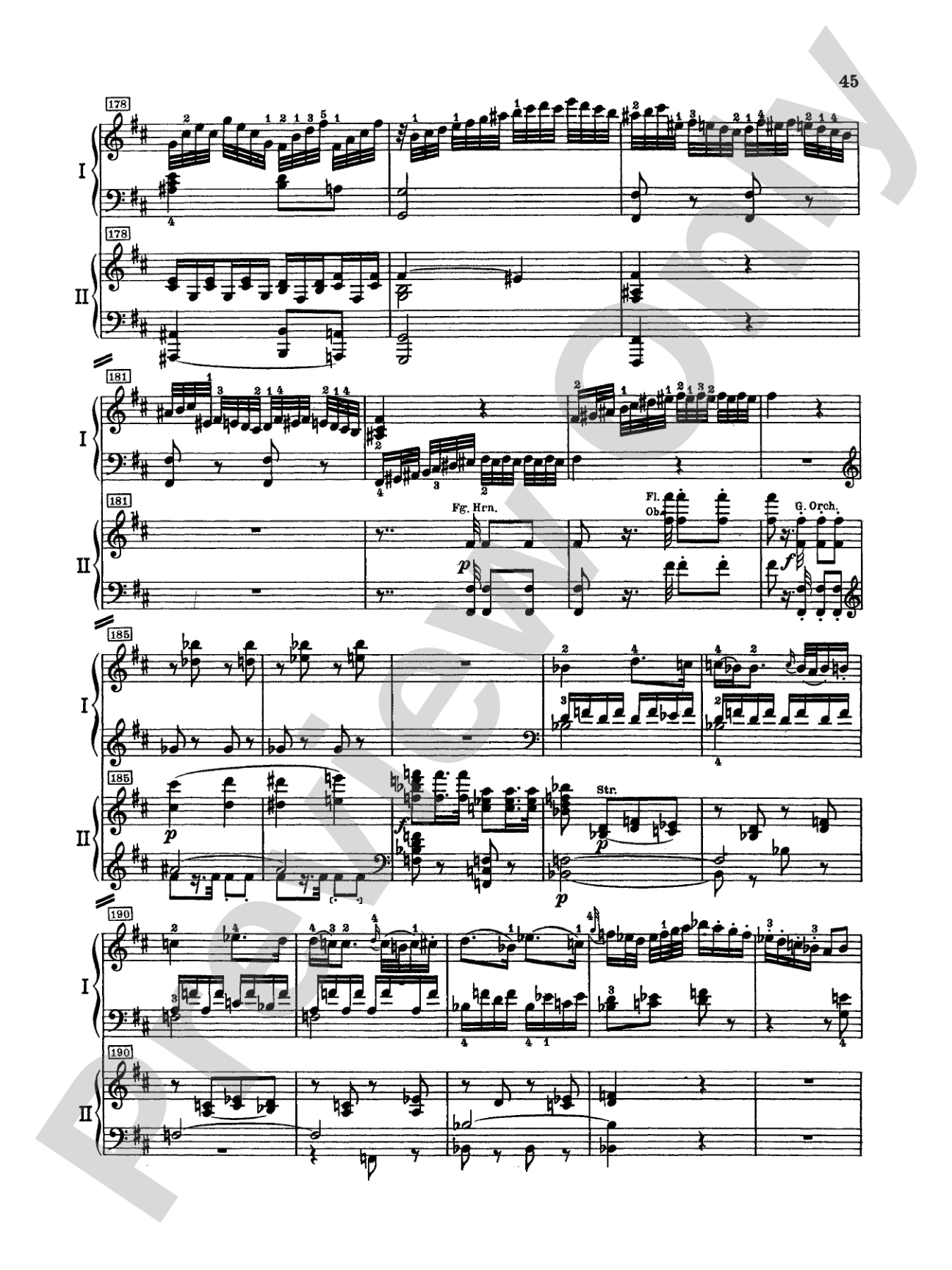
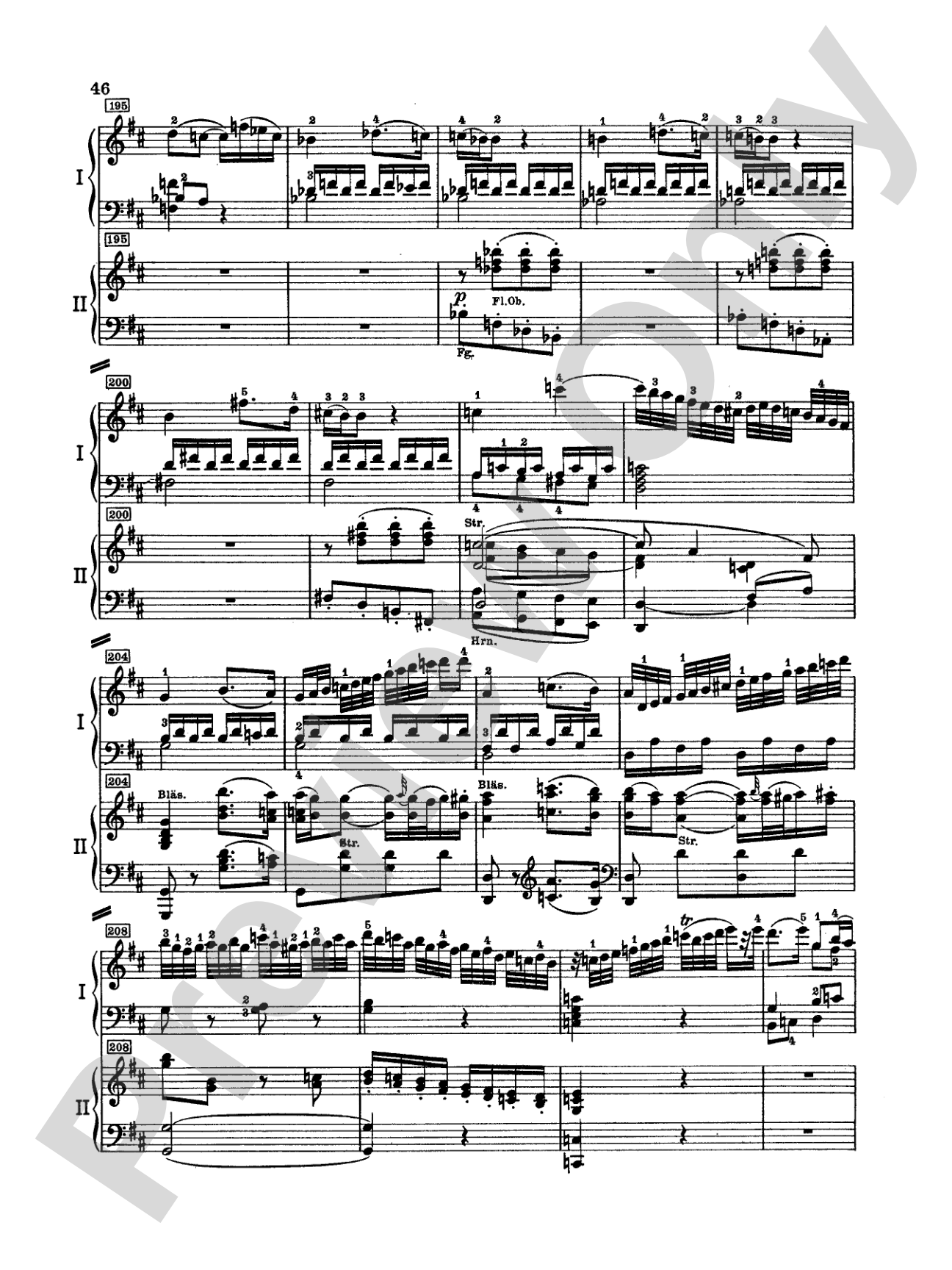
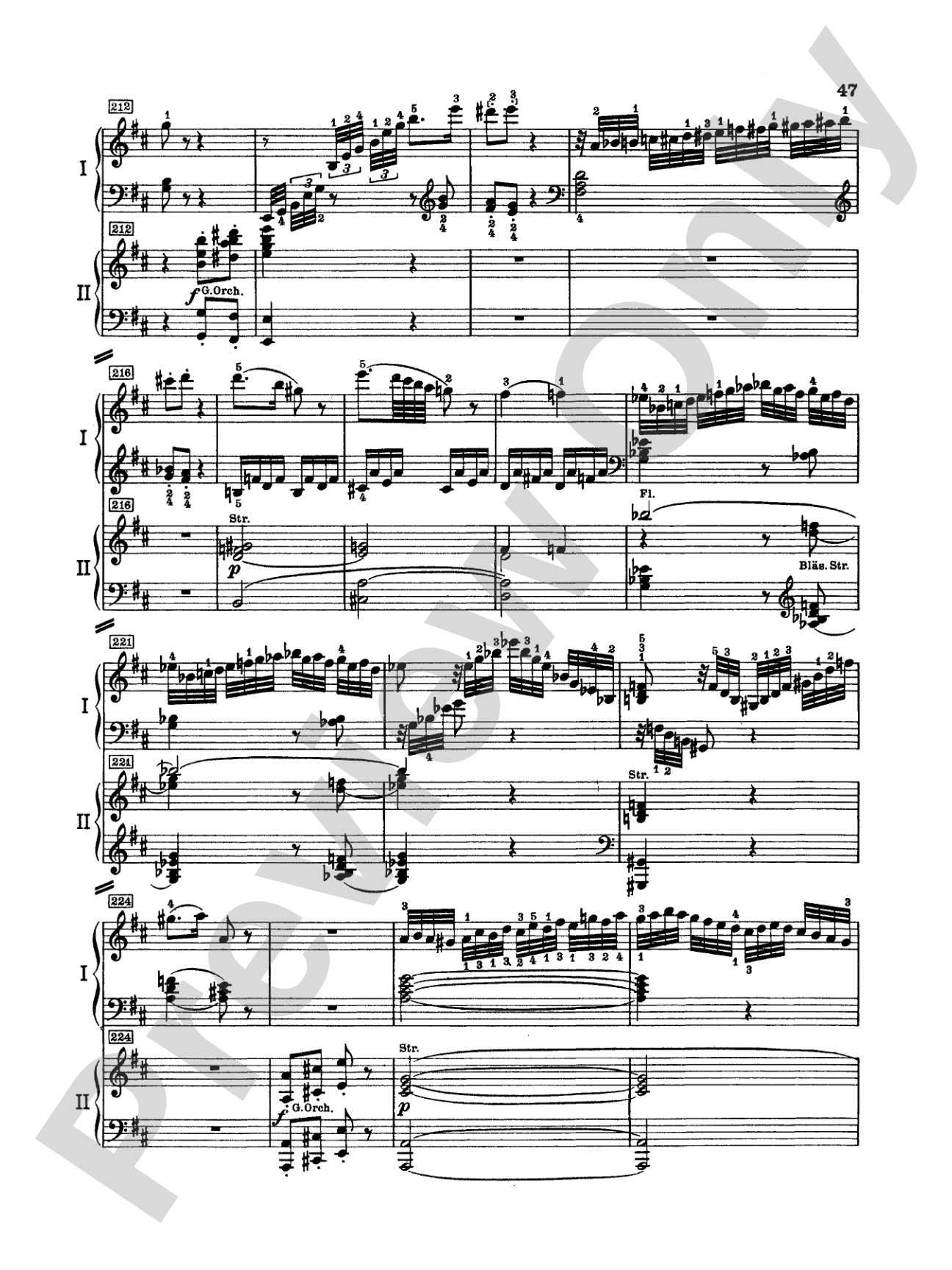
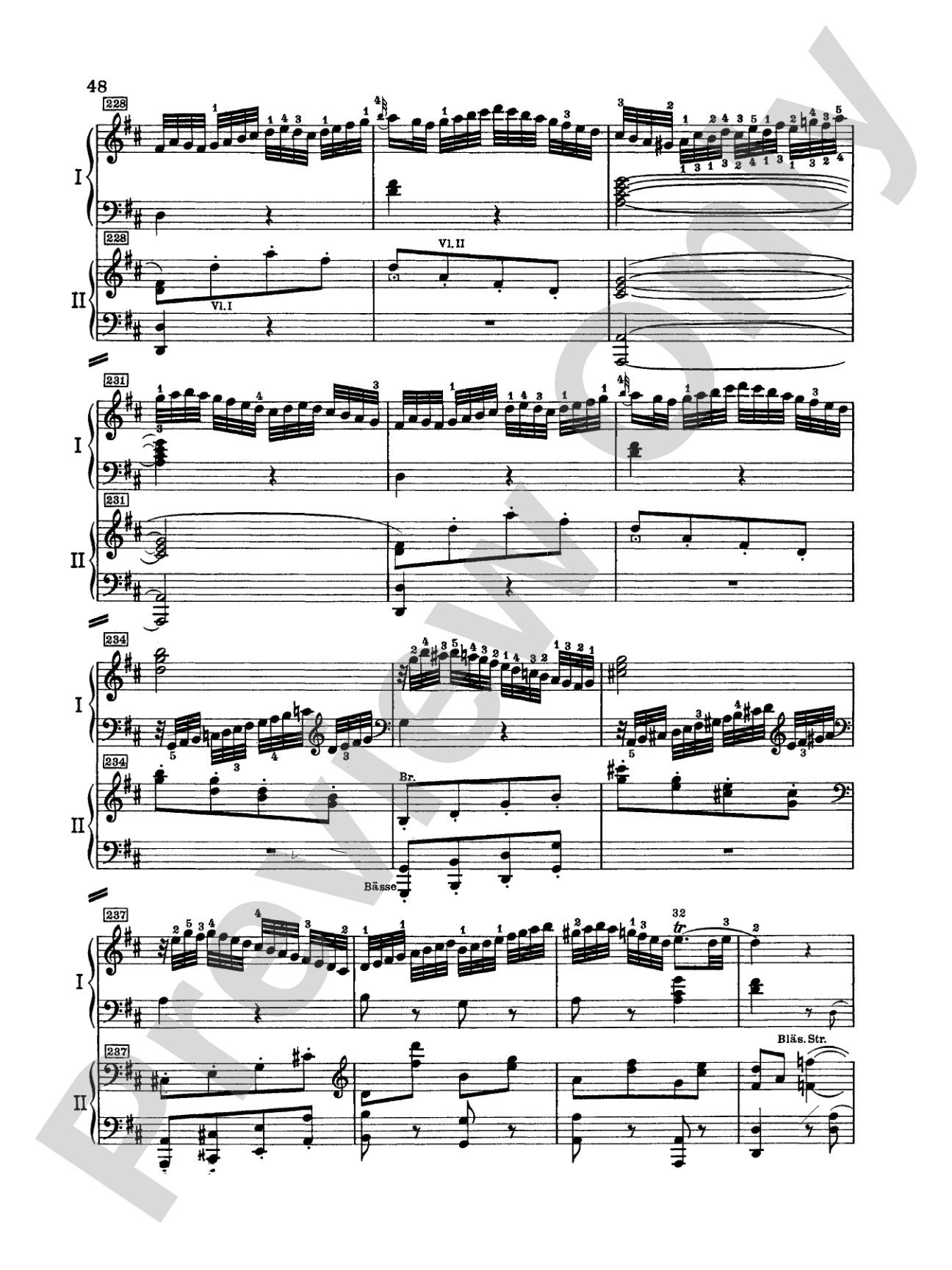

Mozart: Piano Concerto No. 26 in D Major, K. 537: Piano Duo (2 Pianos, 4 Hands) Book (2 copies required)
By Wolfgang Amadeus Mozart
Level: Advanced
Item: 00-PK-0003253

$14.95
Pickup currently not available
Buy Extra Parts (Digital PDF Download)
| Product | Price | Quantity |
|---|---|---|
| Mozart: Piano Concerto No. 26 in D Major, K. 537 | $13.95 |
Parts Added to Cart!
Related Items
Piano Concerto No. 26 in D, K. 537: Piano Duo (2 Pianos, 4 Hands) Book (2 copies required) |
$14.95
|
View |
Description
A Piano Duet for 2 pianos, 4 hands, composed by Wolfgang Amadeus Mozart.


Don't just read it, hear it, play along with it, and watch your students grow with it. In MakeMusic Cloud, Mozart: Piano Concerto No. 26 in D Major, K. 537: Piano Duo (2 Pianos, 4 Hands) Book (2 copies required) comes alive with professional accompaniment, adjustable tempo, and built-in practice tools that turn solo practice into real progress.
Open in the Player
Jump straight in and assign it today.
Start Your Free Trial
Open this title and explore the full library in minutes.
Sample Audio
No sample audio found.
Sample Video
No sample videos found.
Additional Details
Series:
Kalmus Edition
Publisher:
Alfred Music
Page Count:
60
SKU:
00-PK-0003253
More about this title
About the Composer: Wolfgang Amadeus Mozart
Wolfgang Amadeus Mozart (1756-1791) composed across all major genres during the Classical period, leaving an output of over 600 works that remain foundational to Western music. His concertos for solo instrument and orchestra represent a pinnacle of the form, balancing virtuosic display with profound structural clarity and expressive depth. Mozart's approach to the concerto influenced generations of composers and continues to define how we understand the relationship between soloist and ensemble.
Why we love this
The Piano Concerto No. 26 in D Major sits at the intersection of Mozart's mature compositional mastery and genuine pianistic brilliance. This two-piano arrangement opens the work to collaborative performance, allowing advanced students or professional duos to explore one of the Classical repertory's most refined concerti without sacrificing musical substance or technical challenge. The arrangement preserves the grandeur and architectural integrity of the original while shifting focus from soloist-and-orchestra hierarchy to genuine musical partnership.
What to expect
Sunlit and ceremonial in its opening, this work radiates the formal grace and architectural clarity of Mozart's mature style. The Larghetto movement unfolds with an intimate, almost chamber-music warmth before the finale reasserts brilliant D major optimism and virtuosic energy. Throughout, the writing feels natural to the keyboard yet suffused with the orchestral thinking that defined Mozart's instrumental mastery.
Who it's for
Advanced pianists working toward advanced repertory recitals or collaborative performance opportunities will find genuine musical and technical substance here. Professional duos seeking substantial Classical-era works that showcase both players' abilities equally can build a compelling program around this concerto. Music faculties programming faculty-student or faculty-faculty recitals benefit from the work's stature and the musical rewards it offers performers at this level.
How to get the most out of it
- Establish secure ensemble coordination in the opening tutti by rehearsing separately on each piano first, then locking the shared harmonic framework before addressing passagework.
- Balance the dialogue between pianos carefully in the solo passages; neither player should dominate, even when one carries the primary melodic line.
- Pay attention to the character shifts between movements; the opening Allegro maestoso demands confidence and formal clarity, while the Larghetto requires singing tone and patience with longer phrases.
- Use pedal judiciously in the first movement to maintain clarity in the D major texture; reserve fuller pedal color for the slower movement and finale.
How to use it
Program this as the centerpiece of a Mozart recital focused on his keyboard works, pairing it with the Piano Sonata K. 533 or other solo concerto-form music to create a compelling narrative around Mozart's evolution as a composer for the instrument. Consider it for a faculty recital that highlights collaborative leadership or for an advanced student concerto competition where the two-piano format allows peers or mentors to perform alongside a soloist in a non-hierarchical arrangement. The work's 60-page length makes it substantial enough to anchor a full recital program.
Skills your students will build
- Coordinating two independent yet interdependent keyboard parts in real time
- Reading and executing rapid passagework with precision in D major tonality
- Balancing accompaniment and solo function while maintaining forward harmonic momentum
- Sustaining phrase architecture across extended formal structures (Allegro maestoso, Larghetto, Rondo finale)
- Executing Classical-era ornamentation and articulation with stylistic authenticity
- Negotiating tempo transitions and structural navigation in large-form repertory