
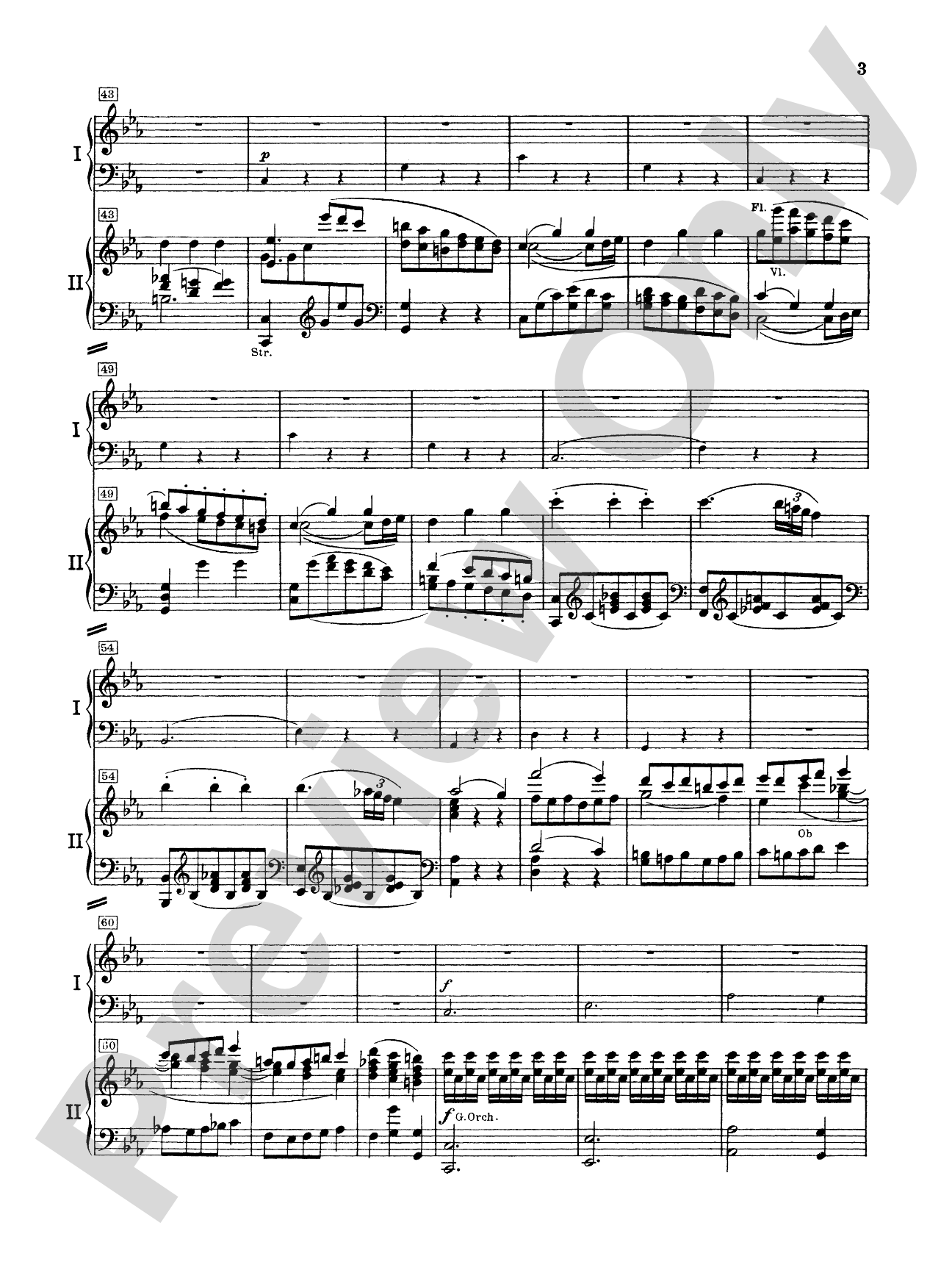
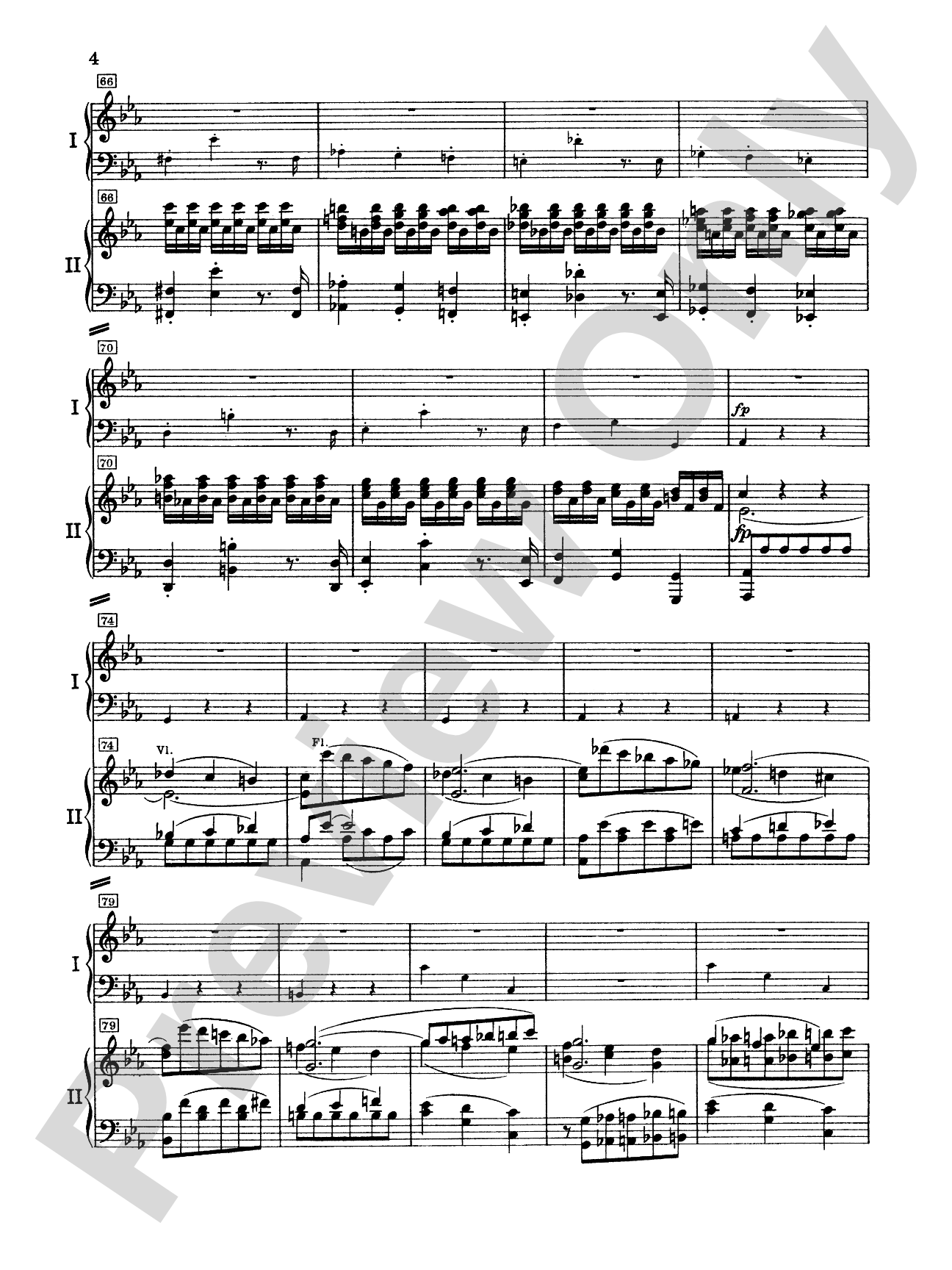
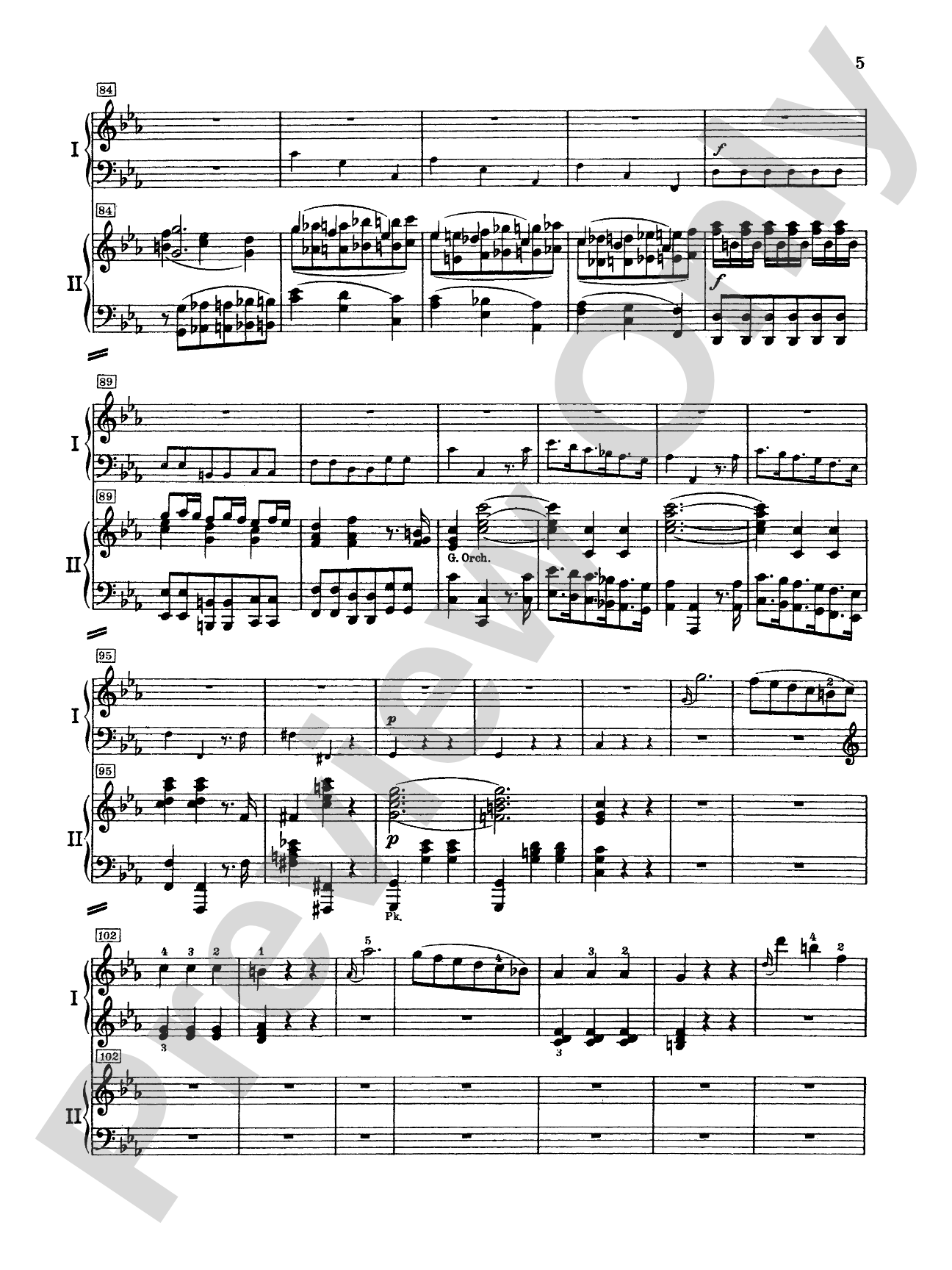
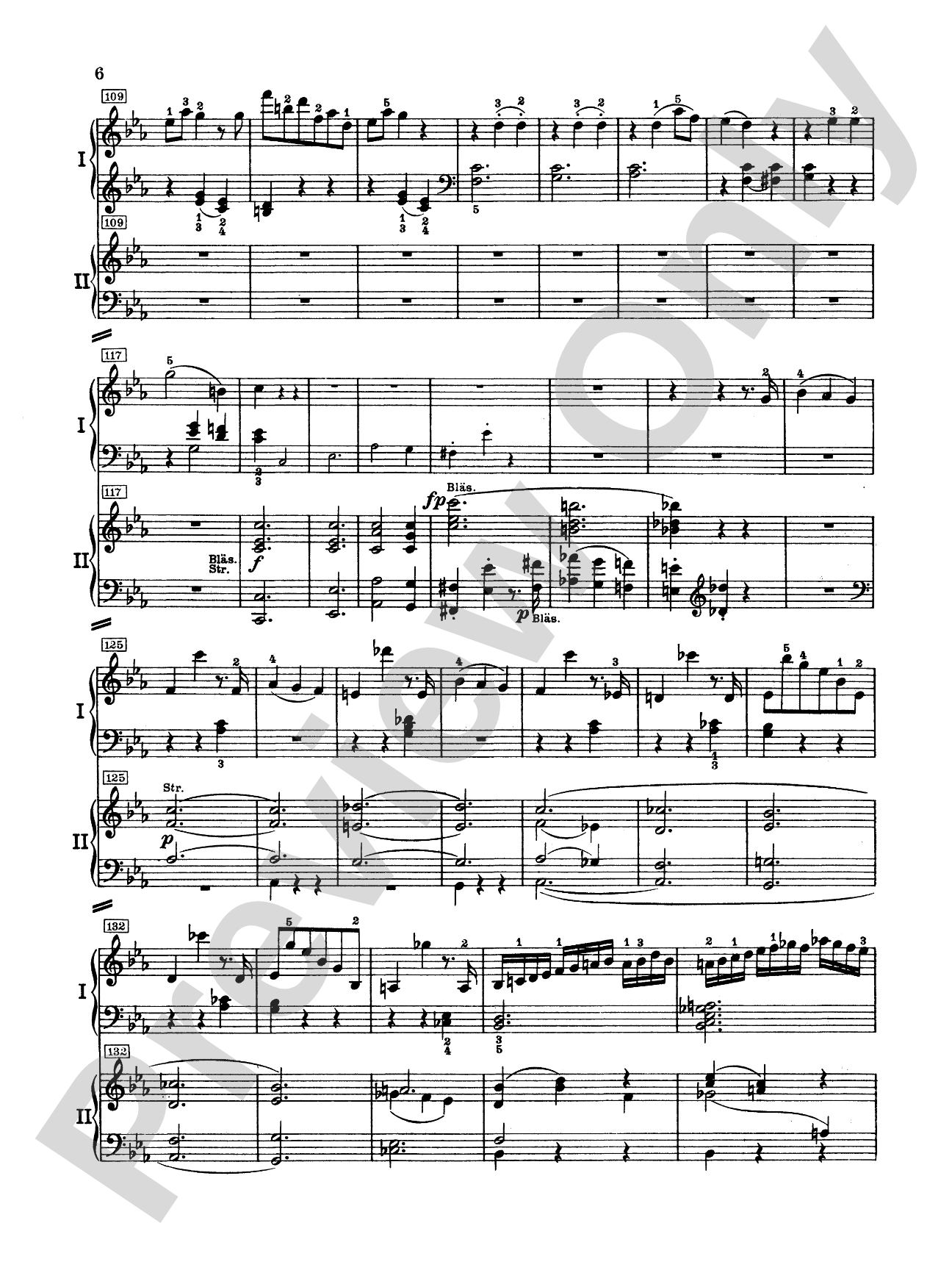
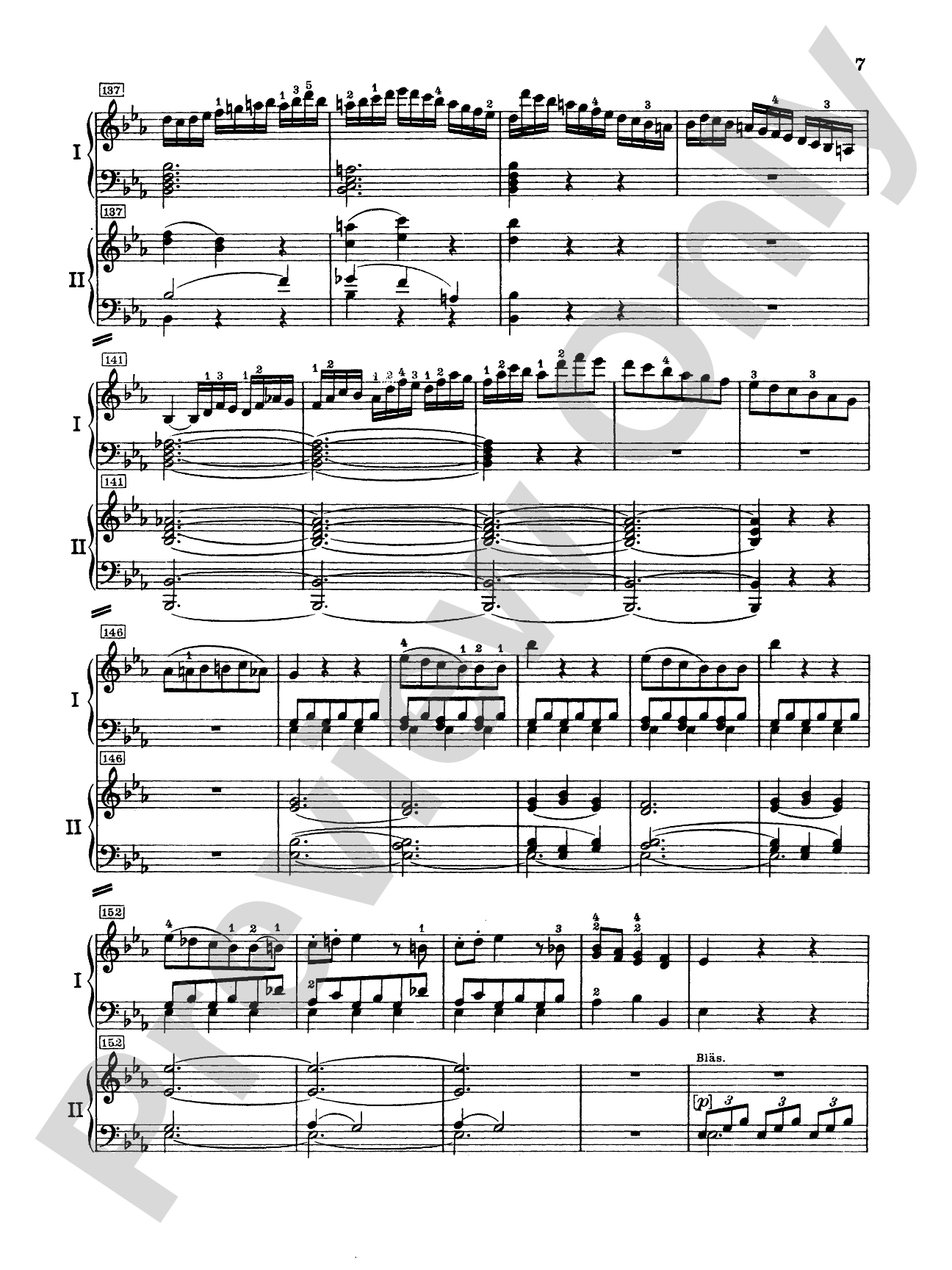
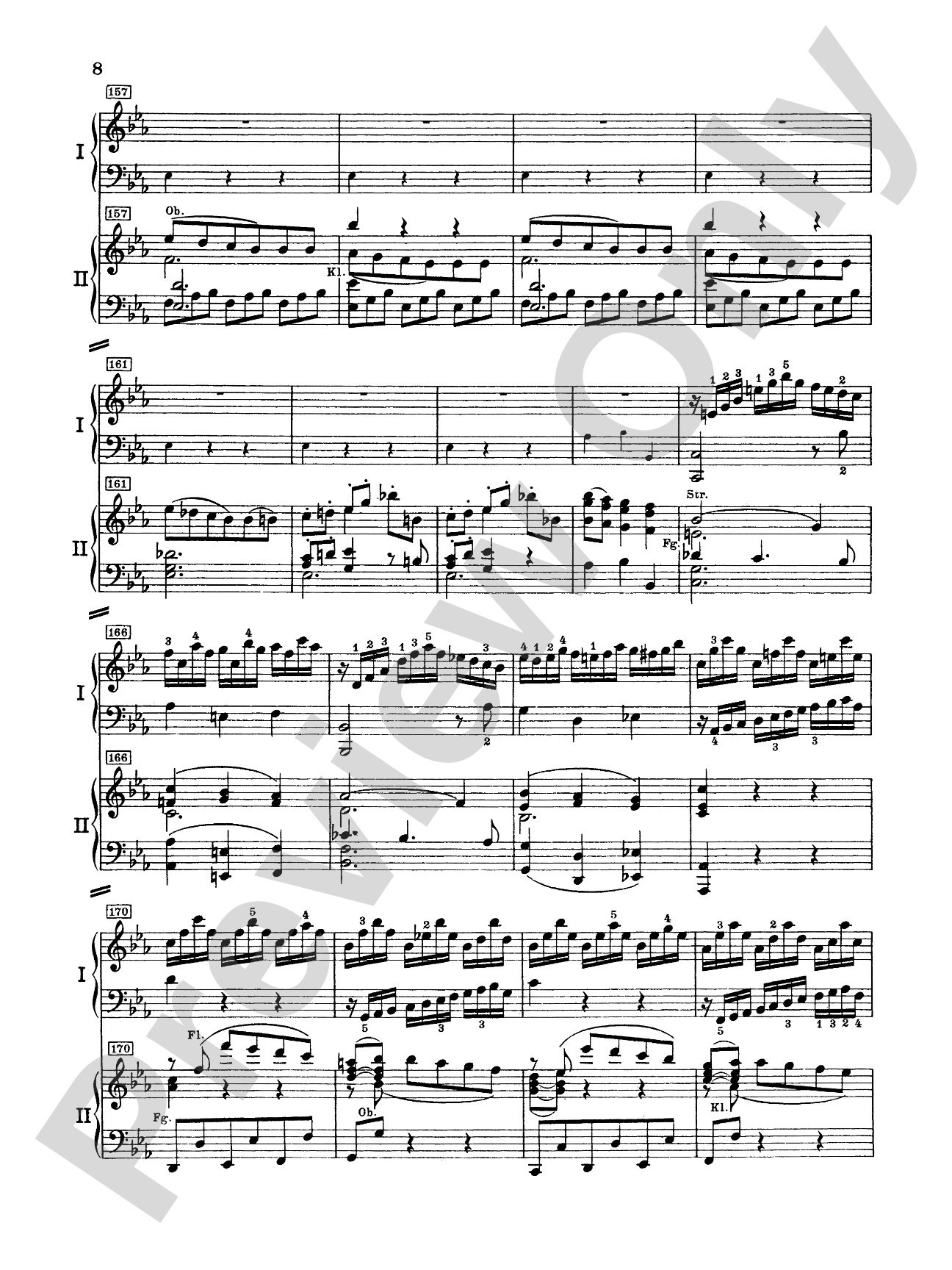
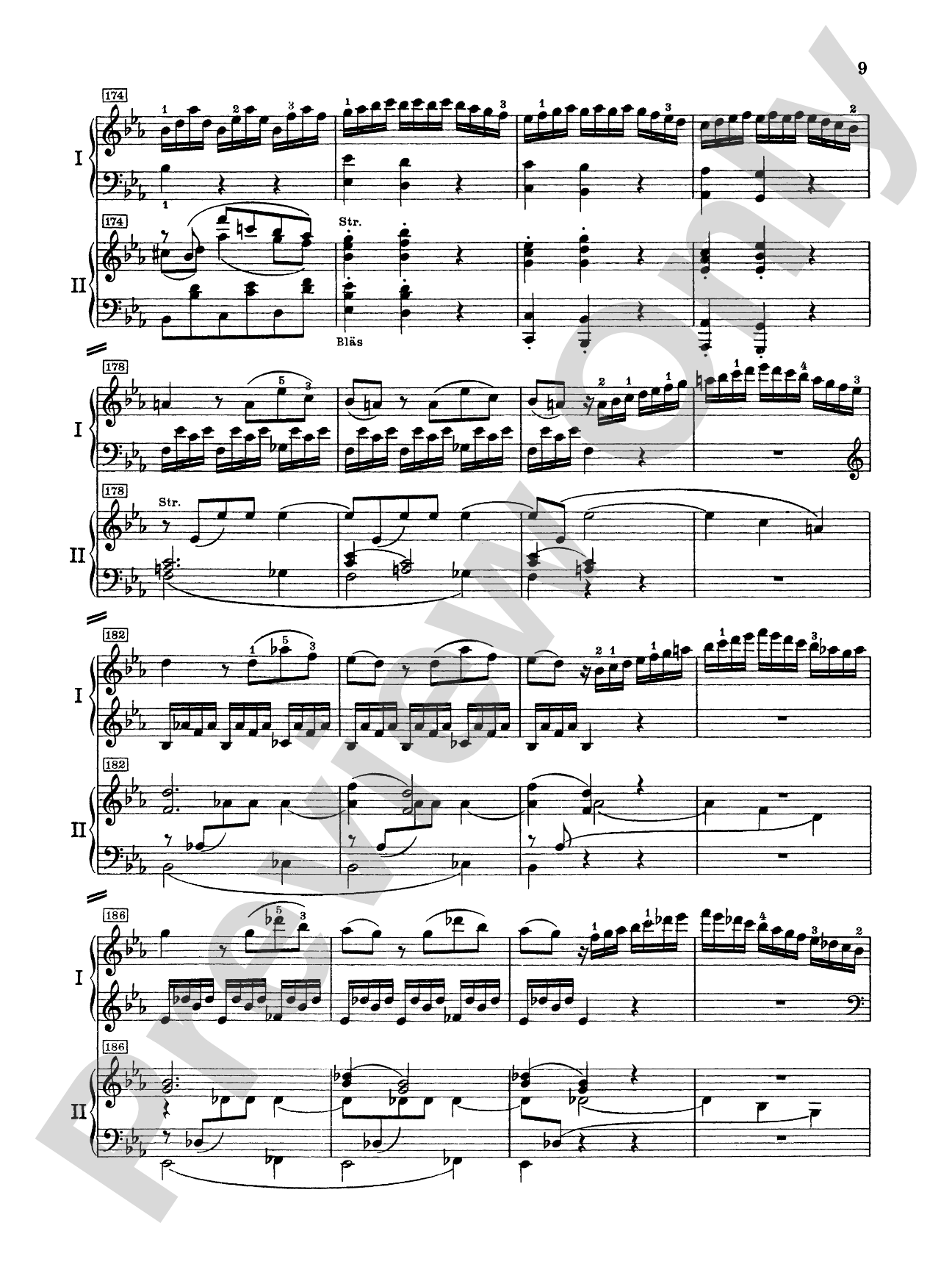
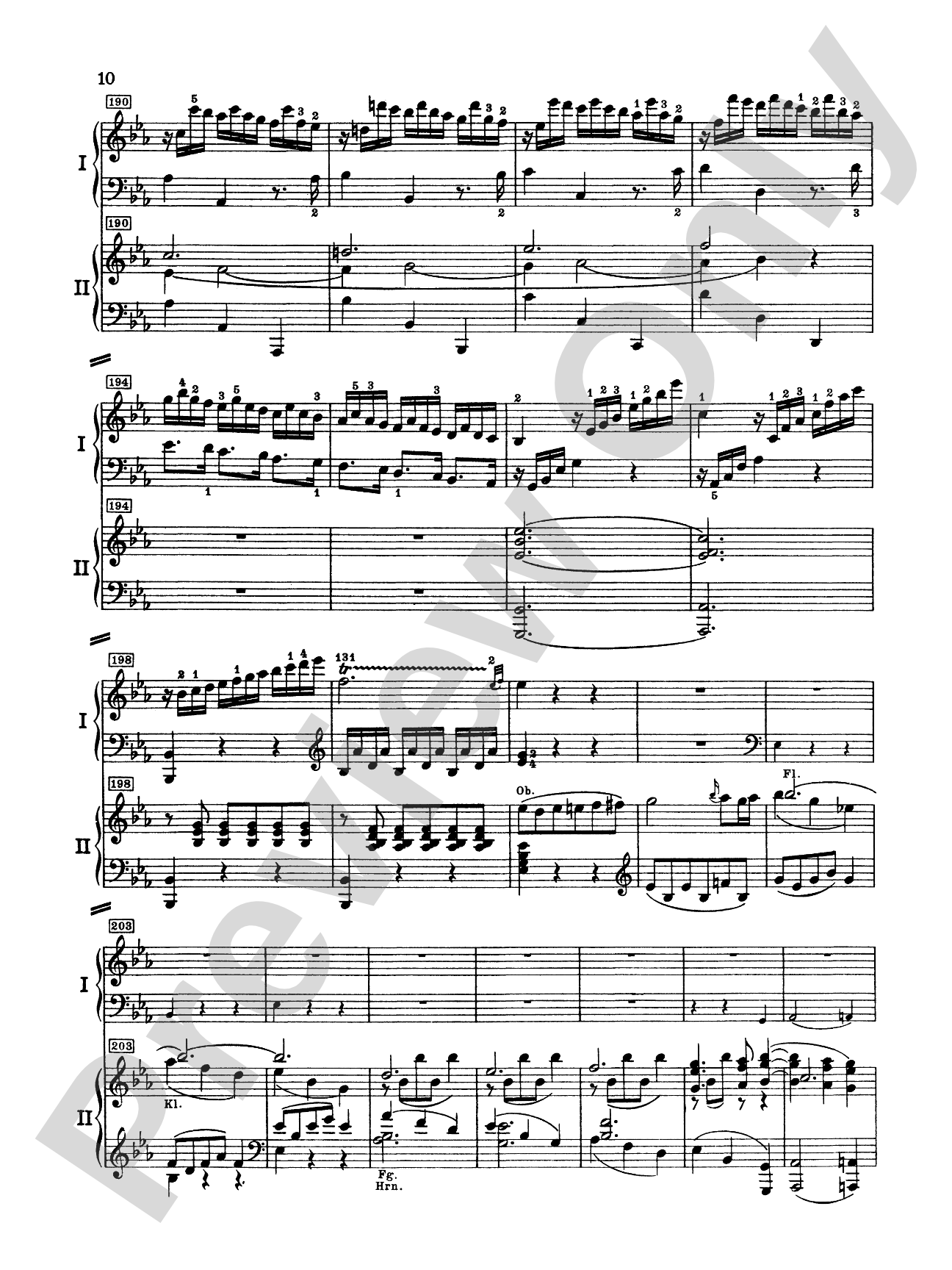
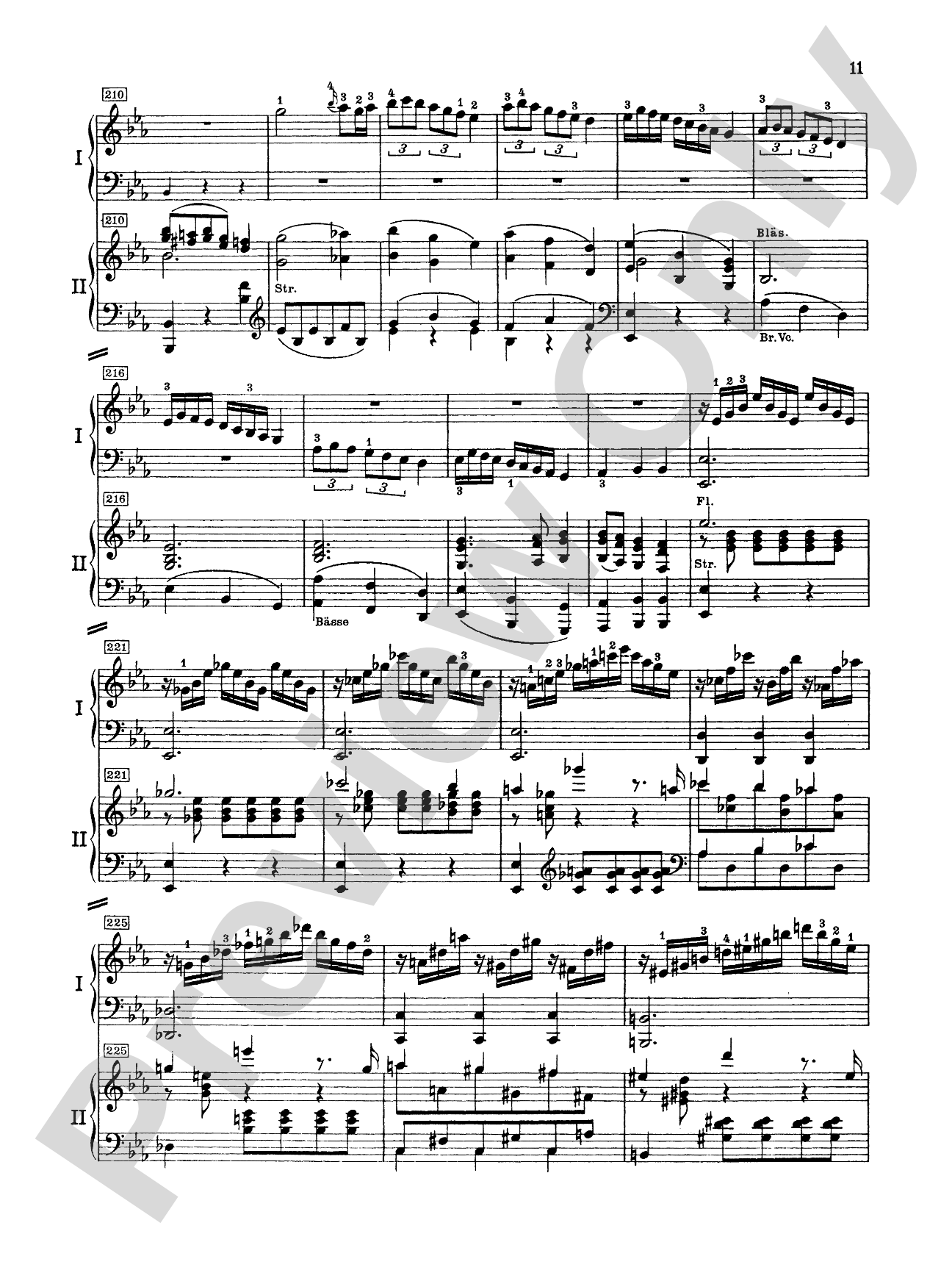
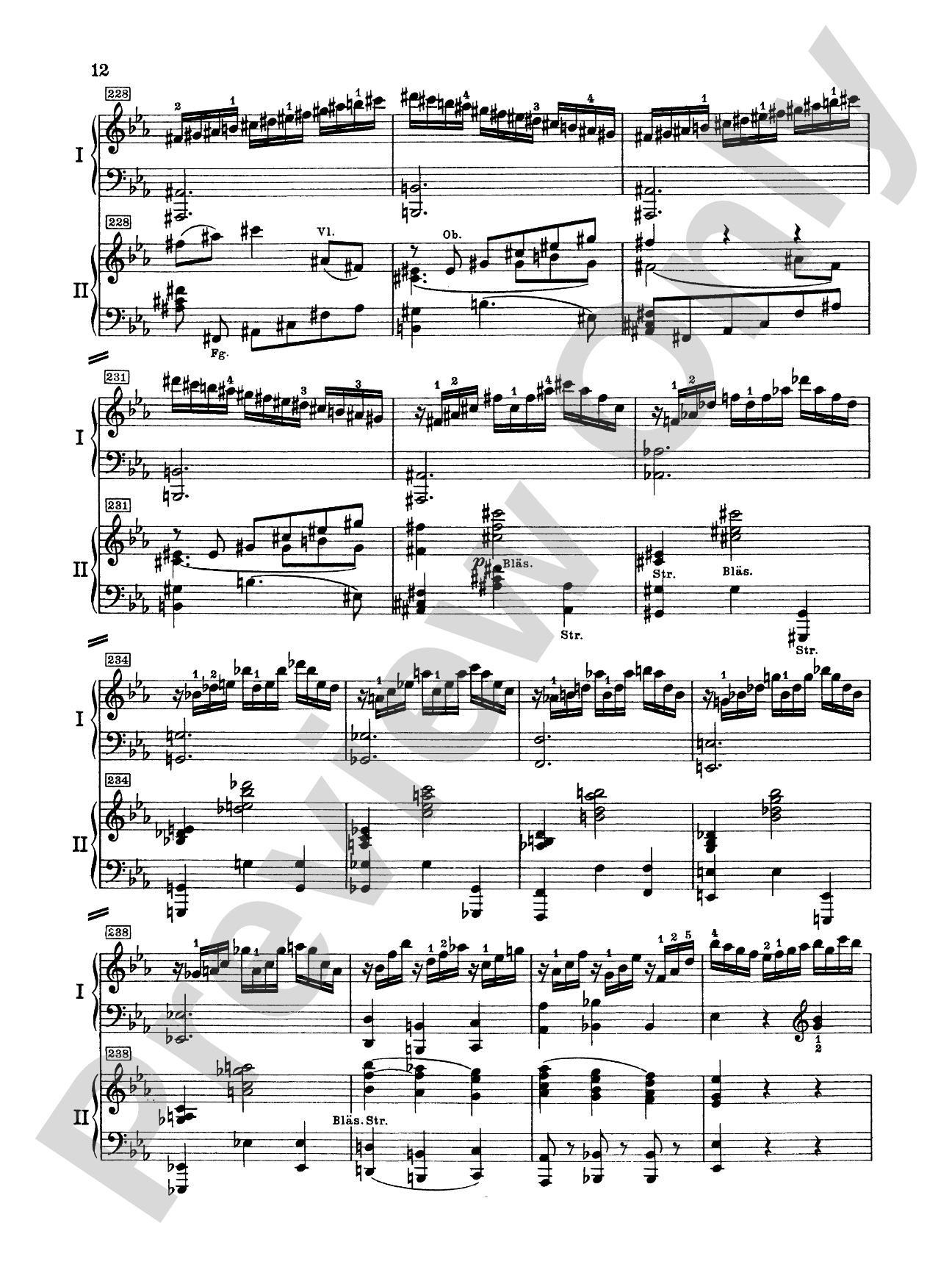
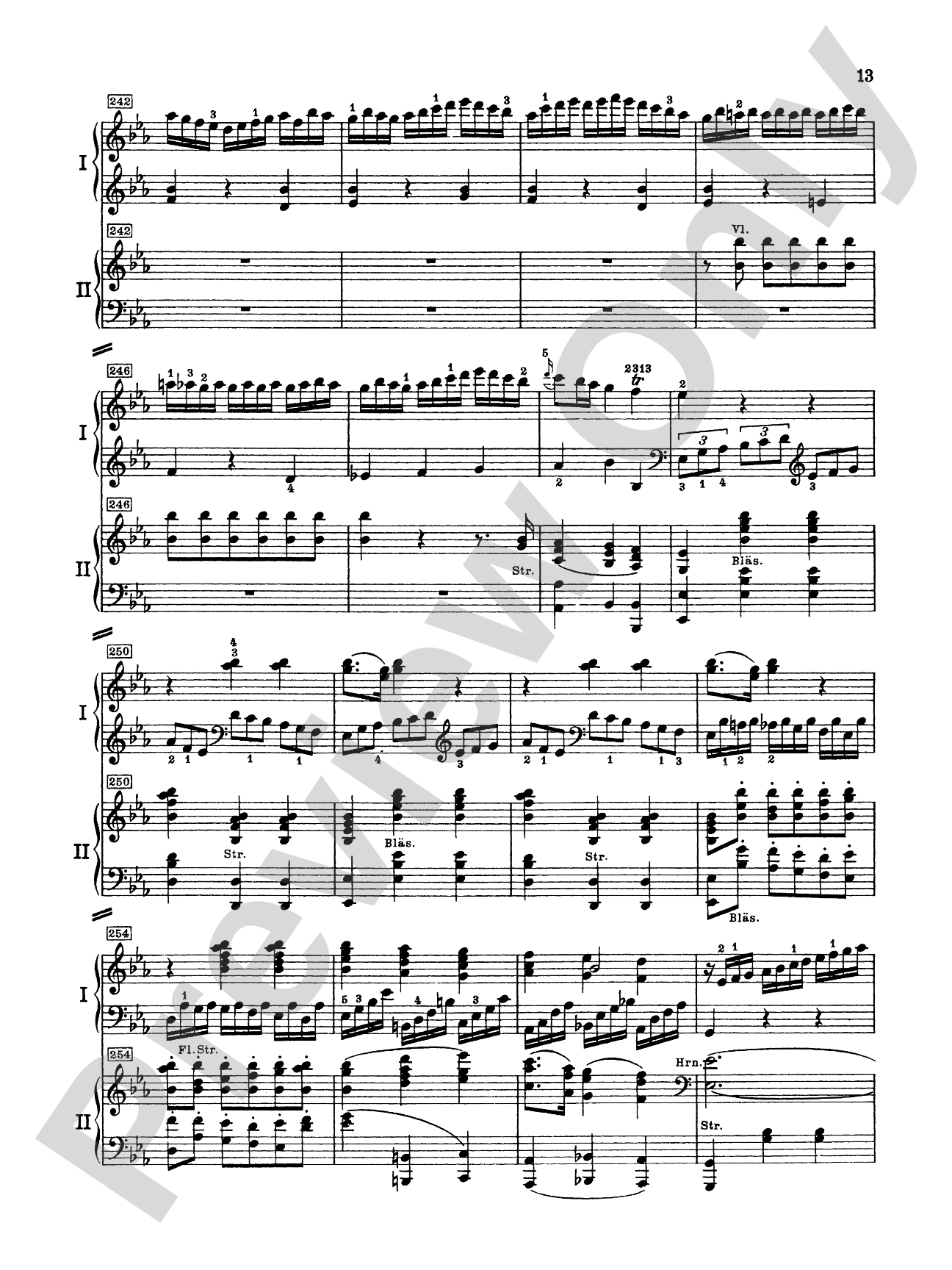
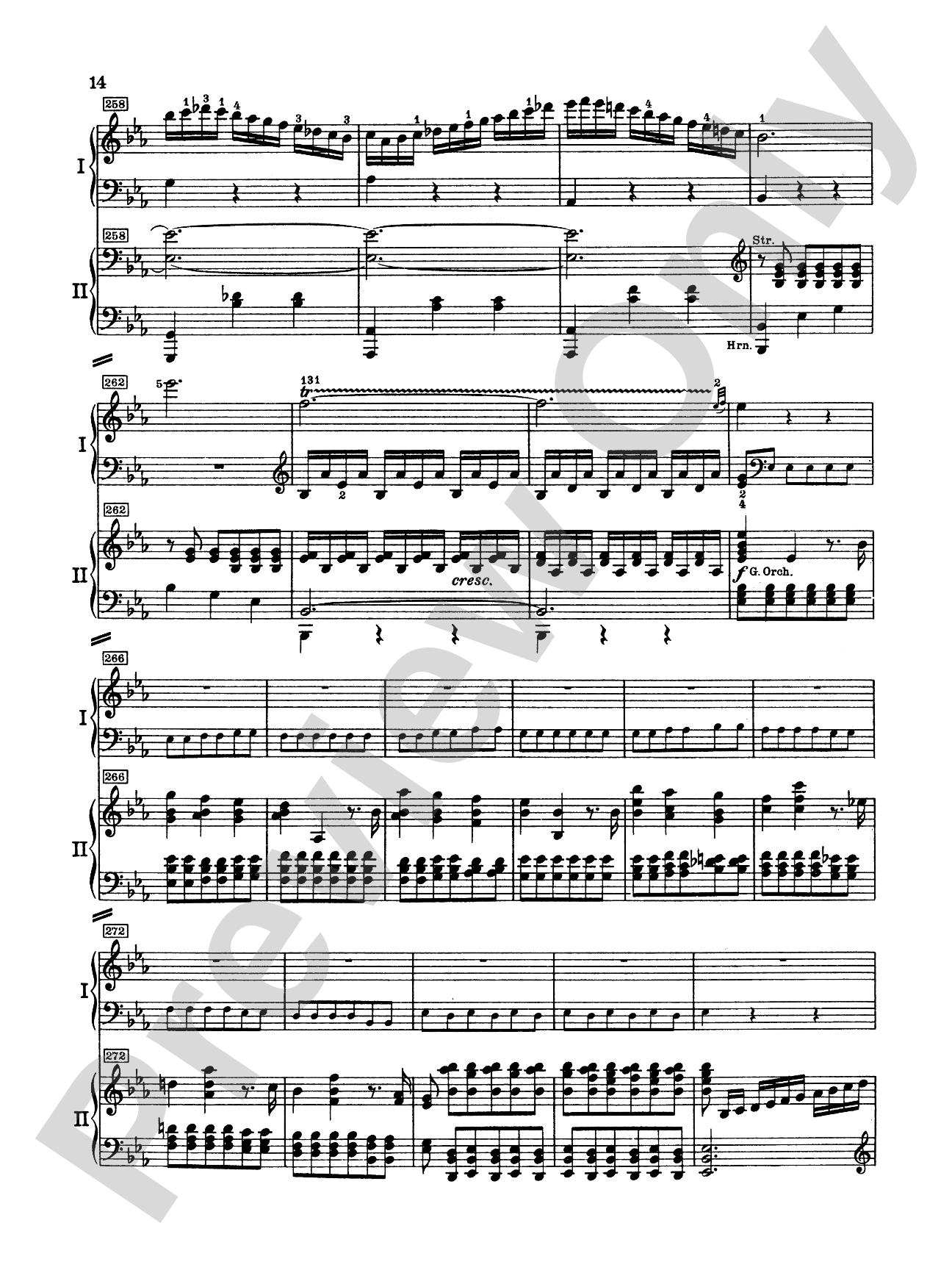
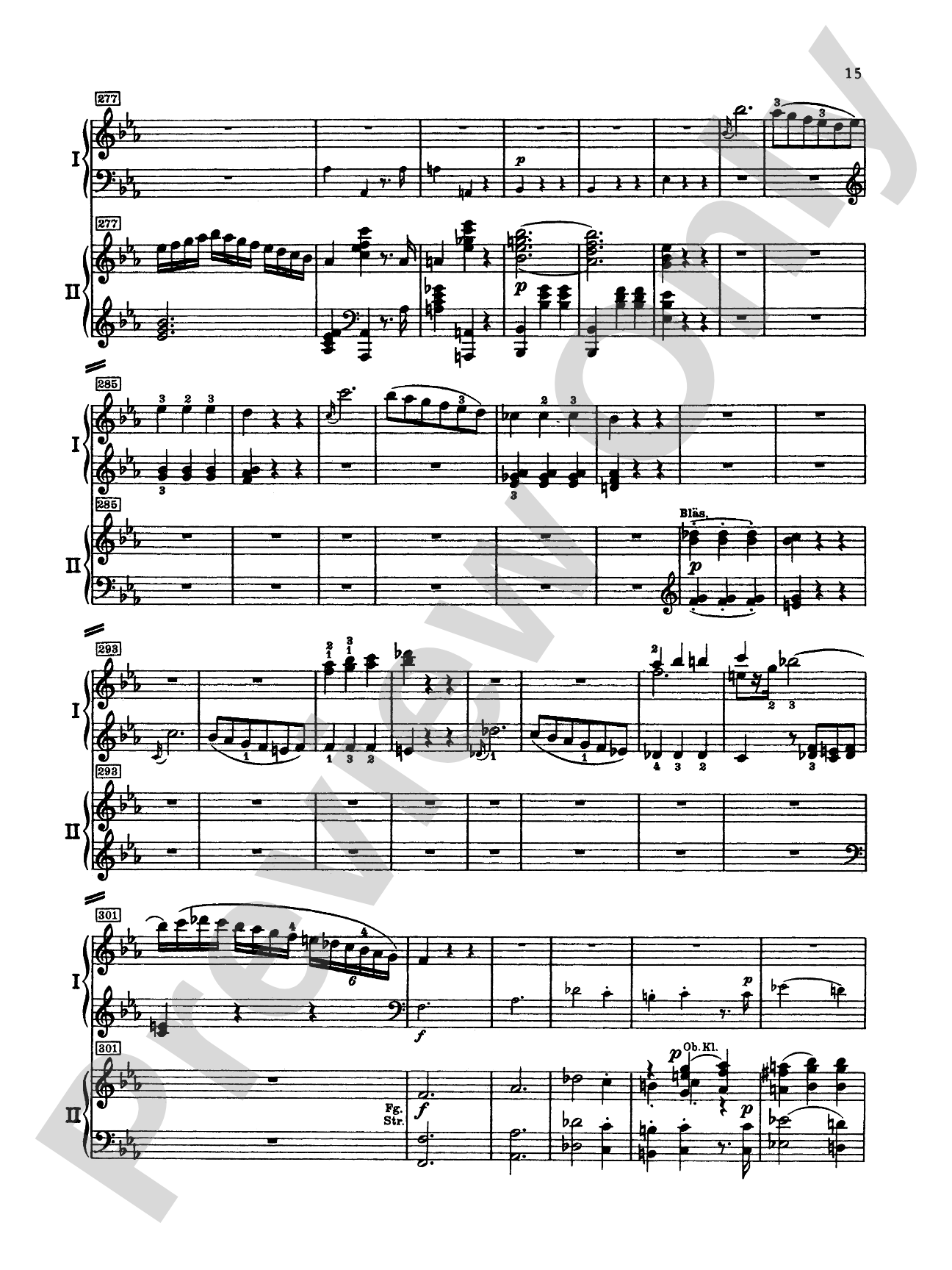
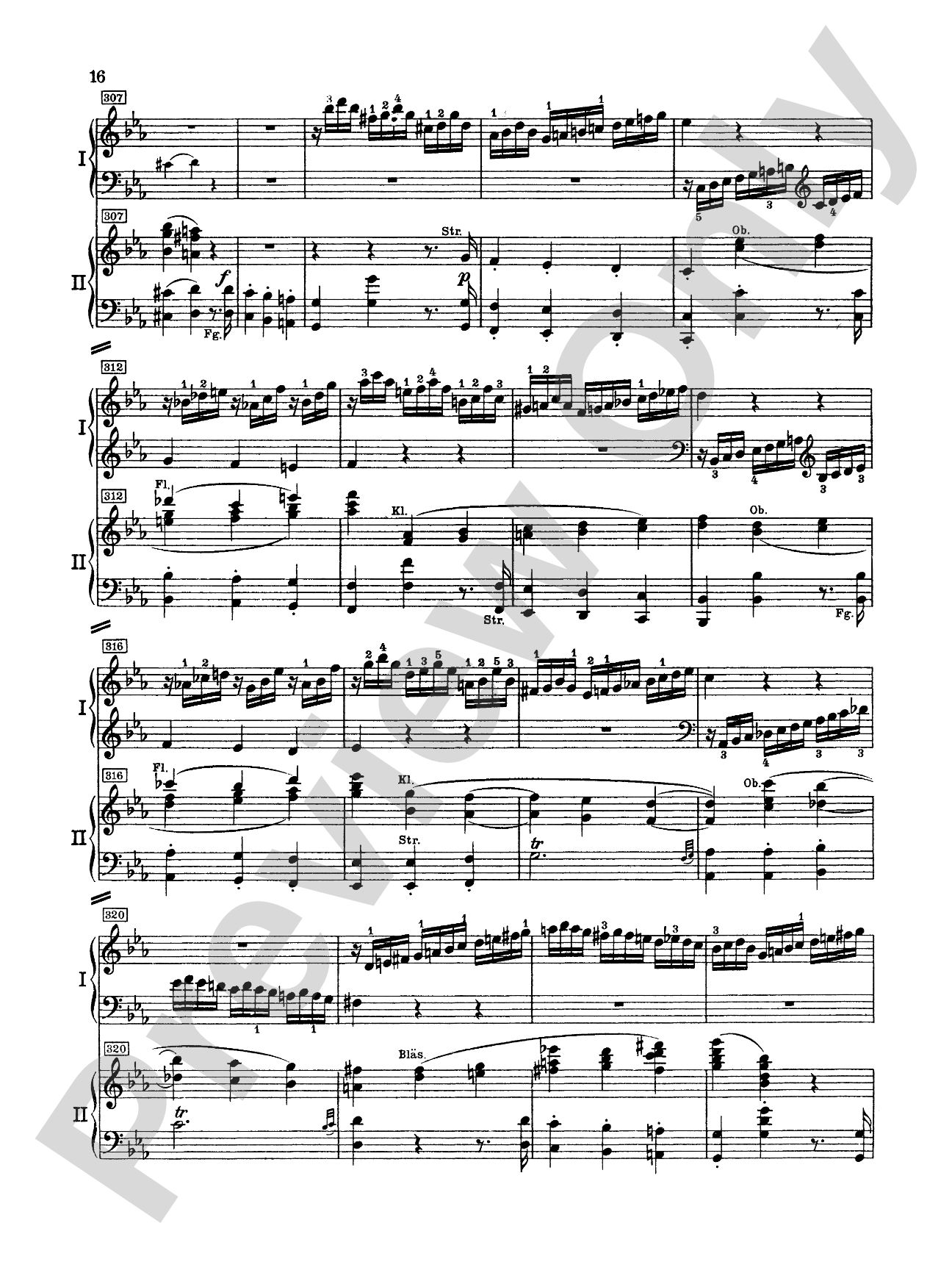
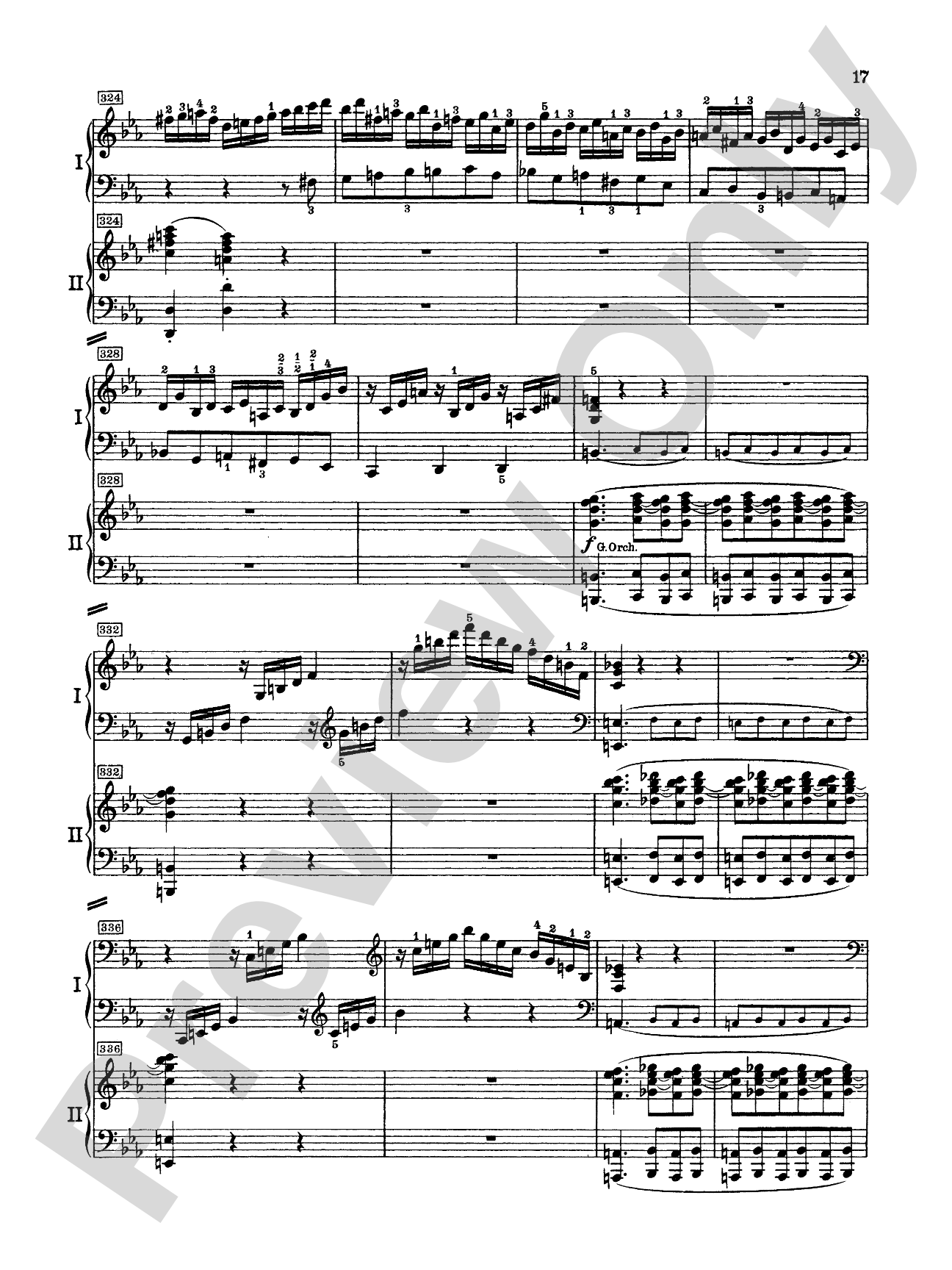
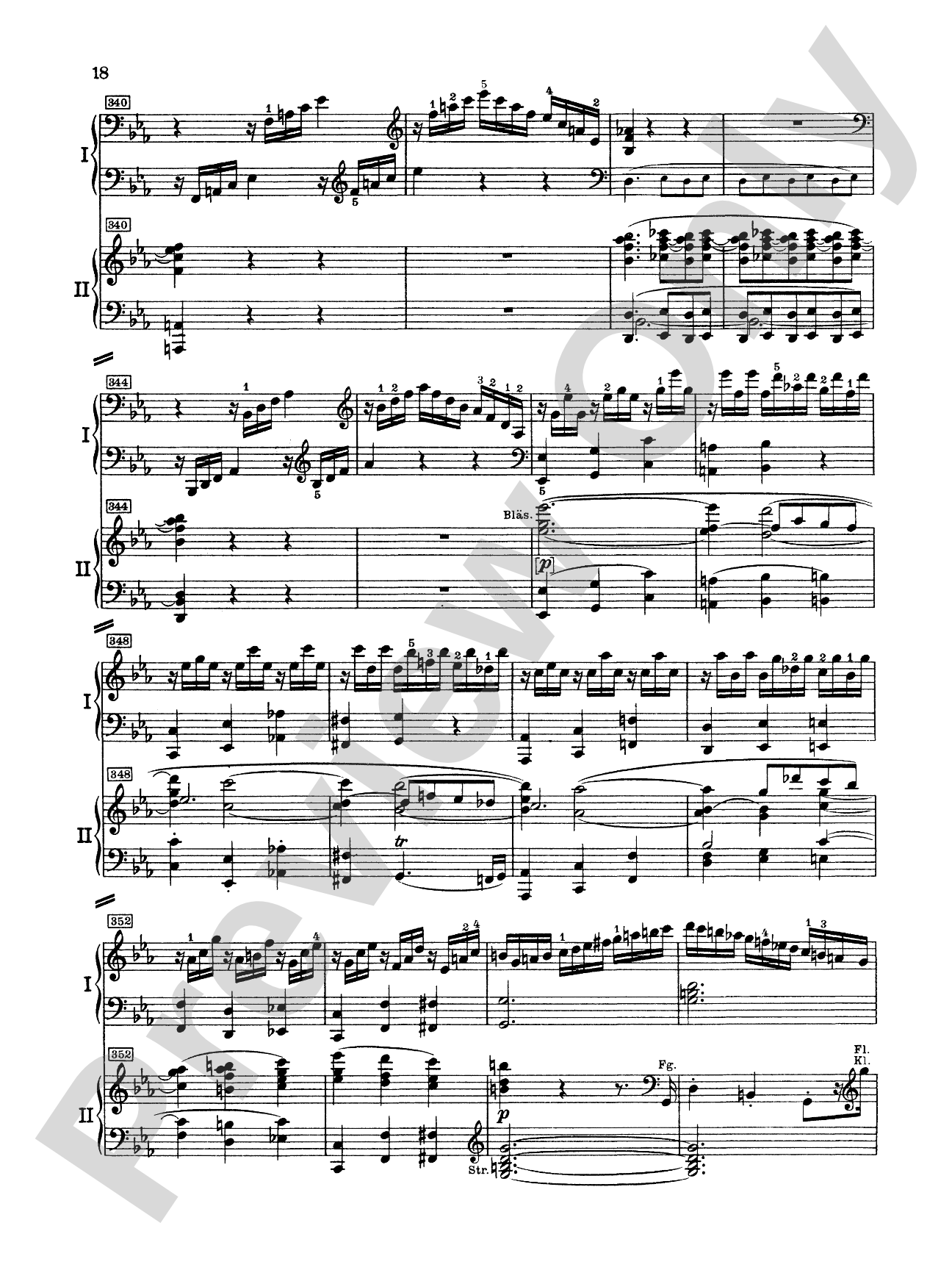
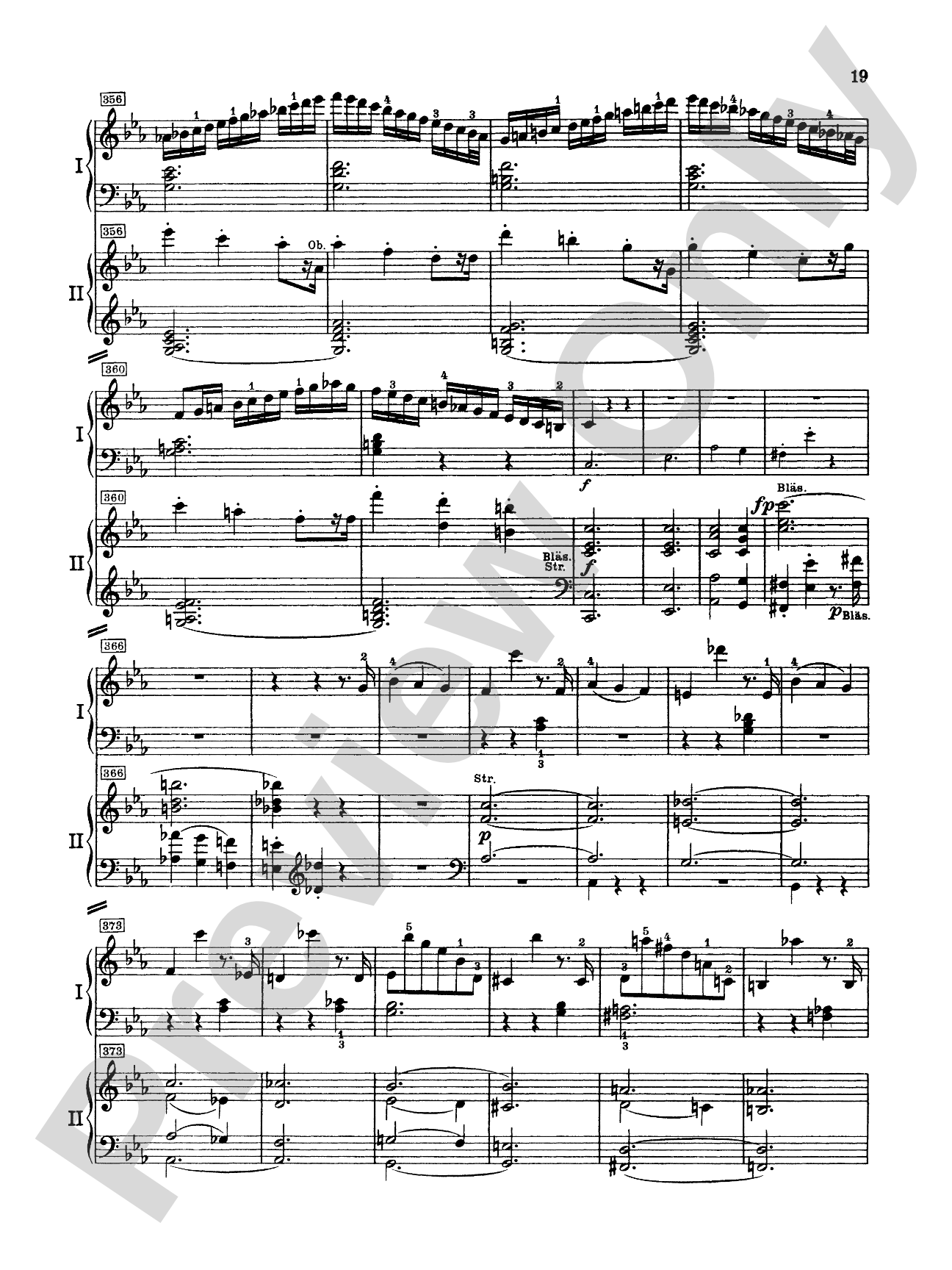
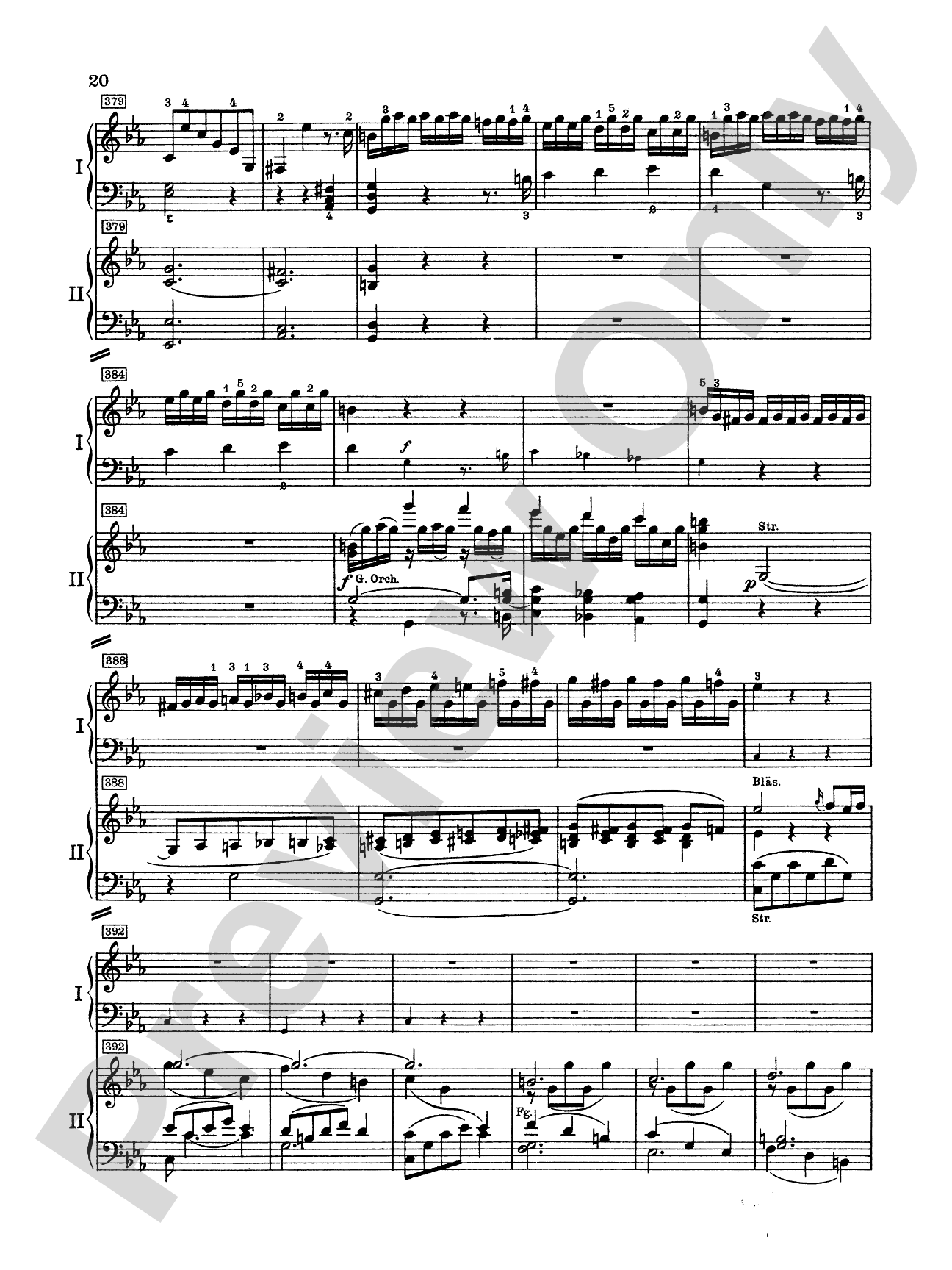
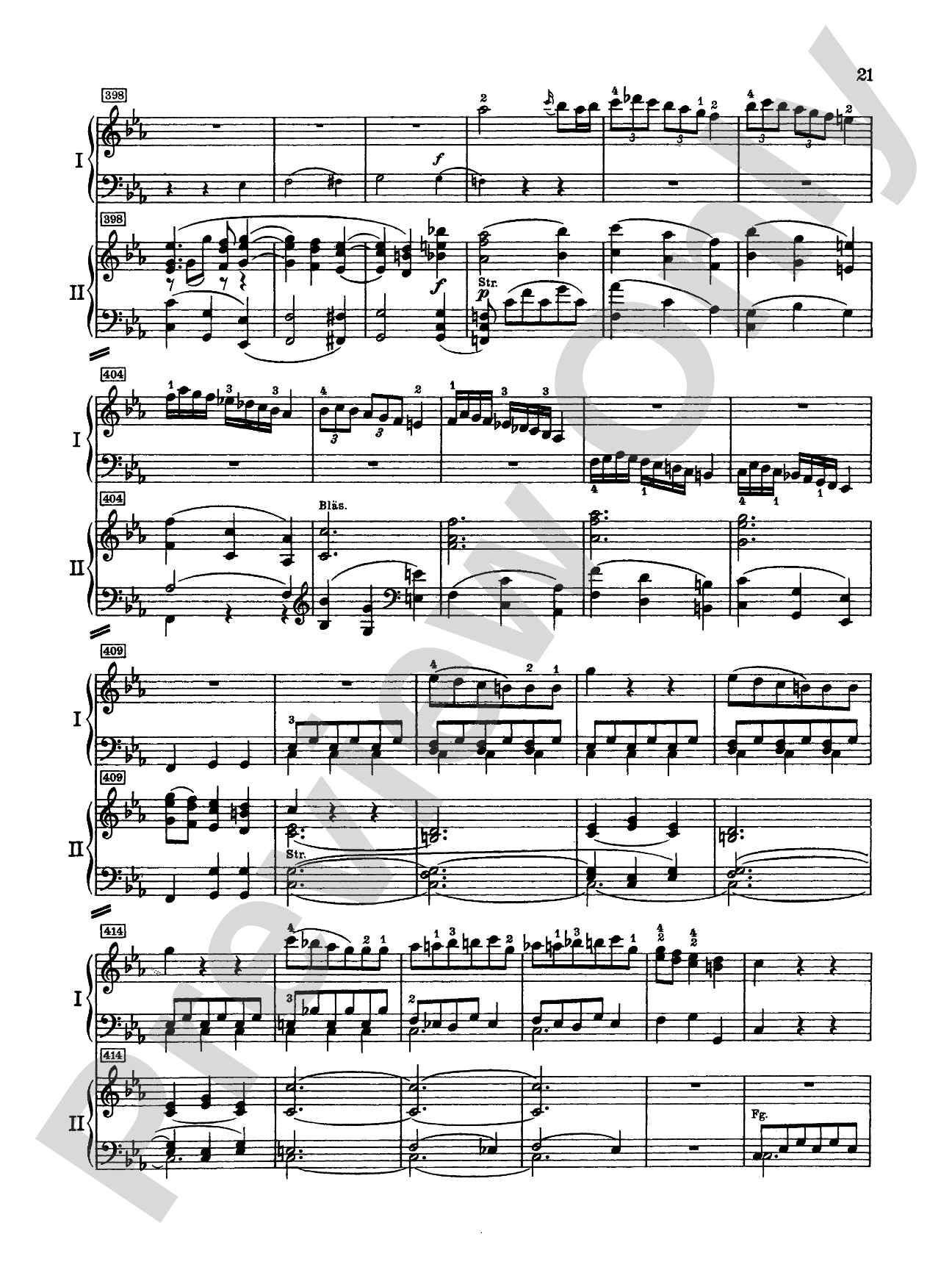
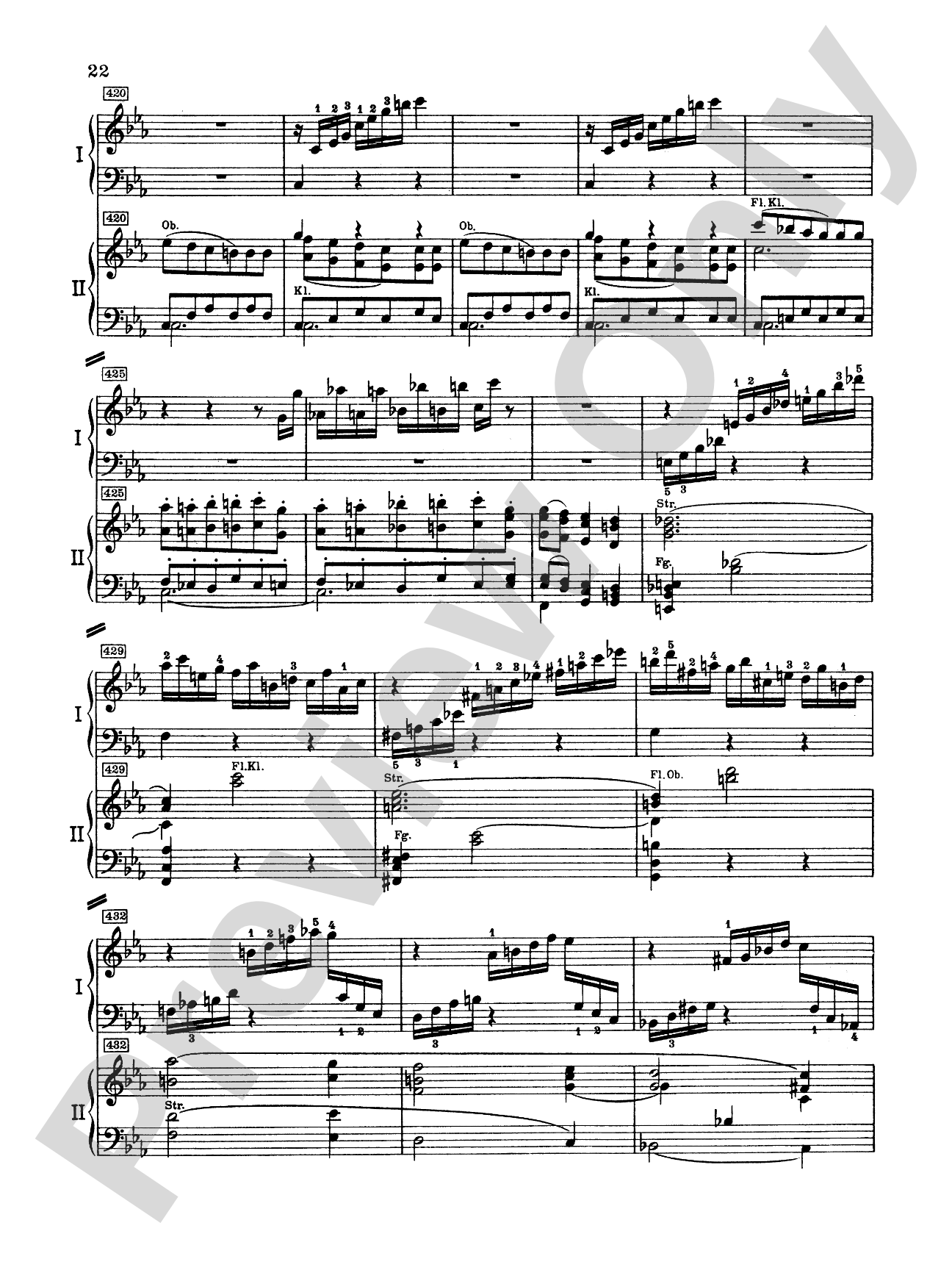
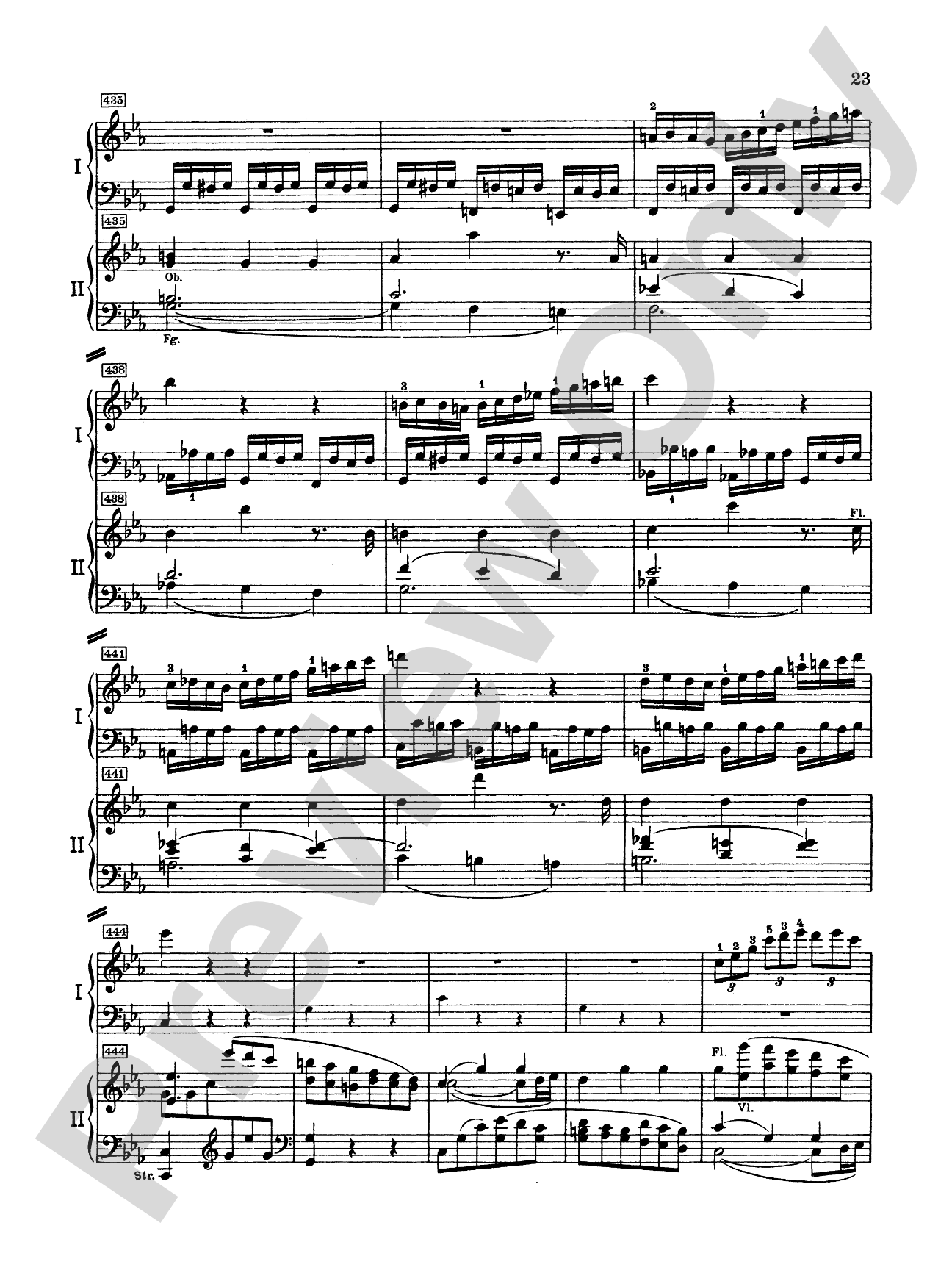
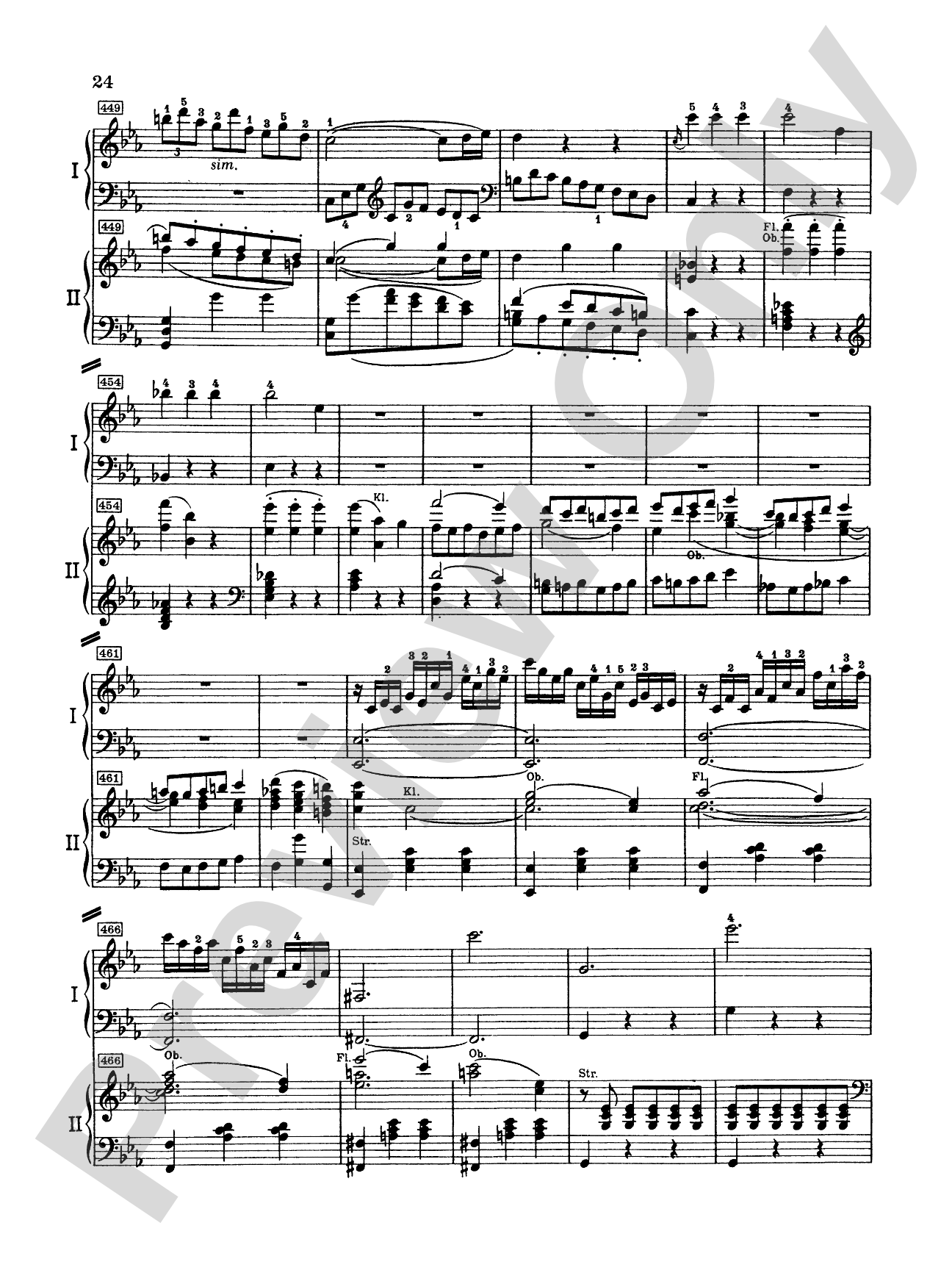
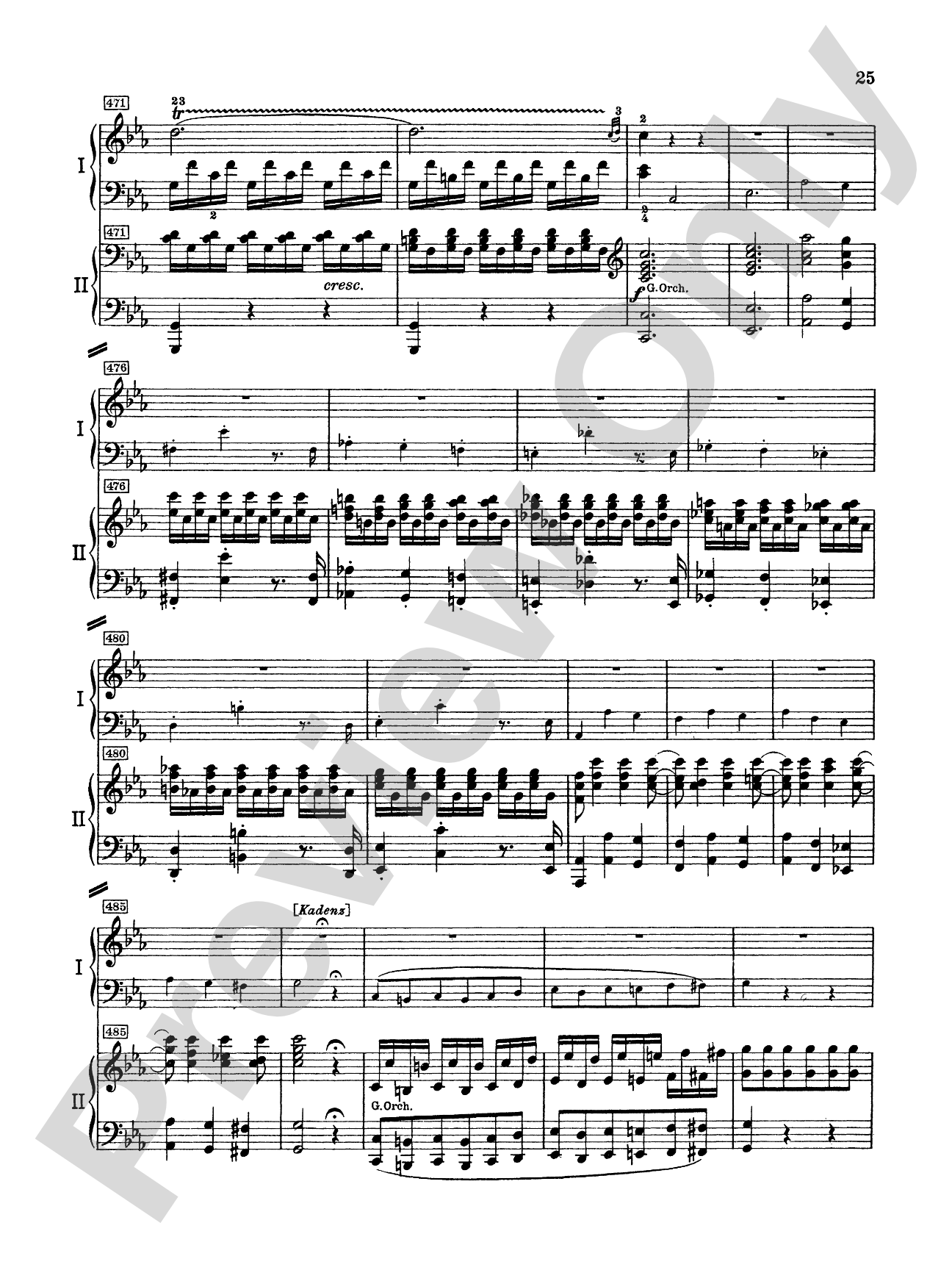
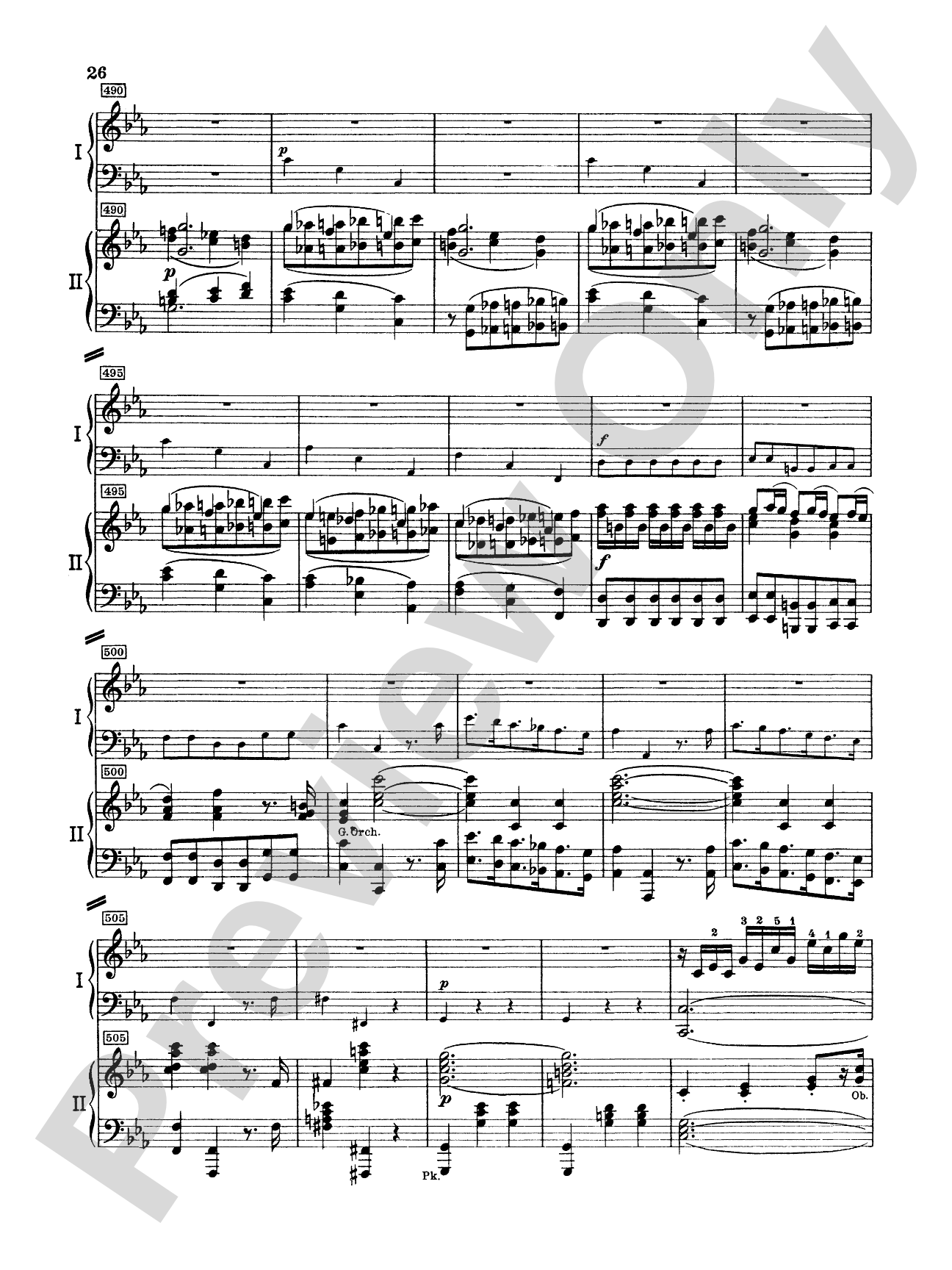
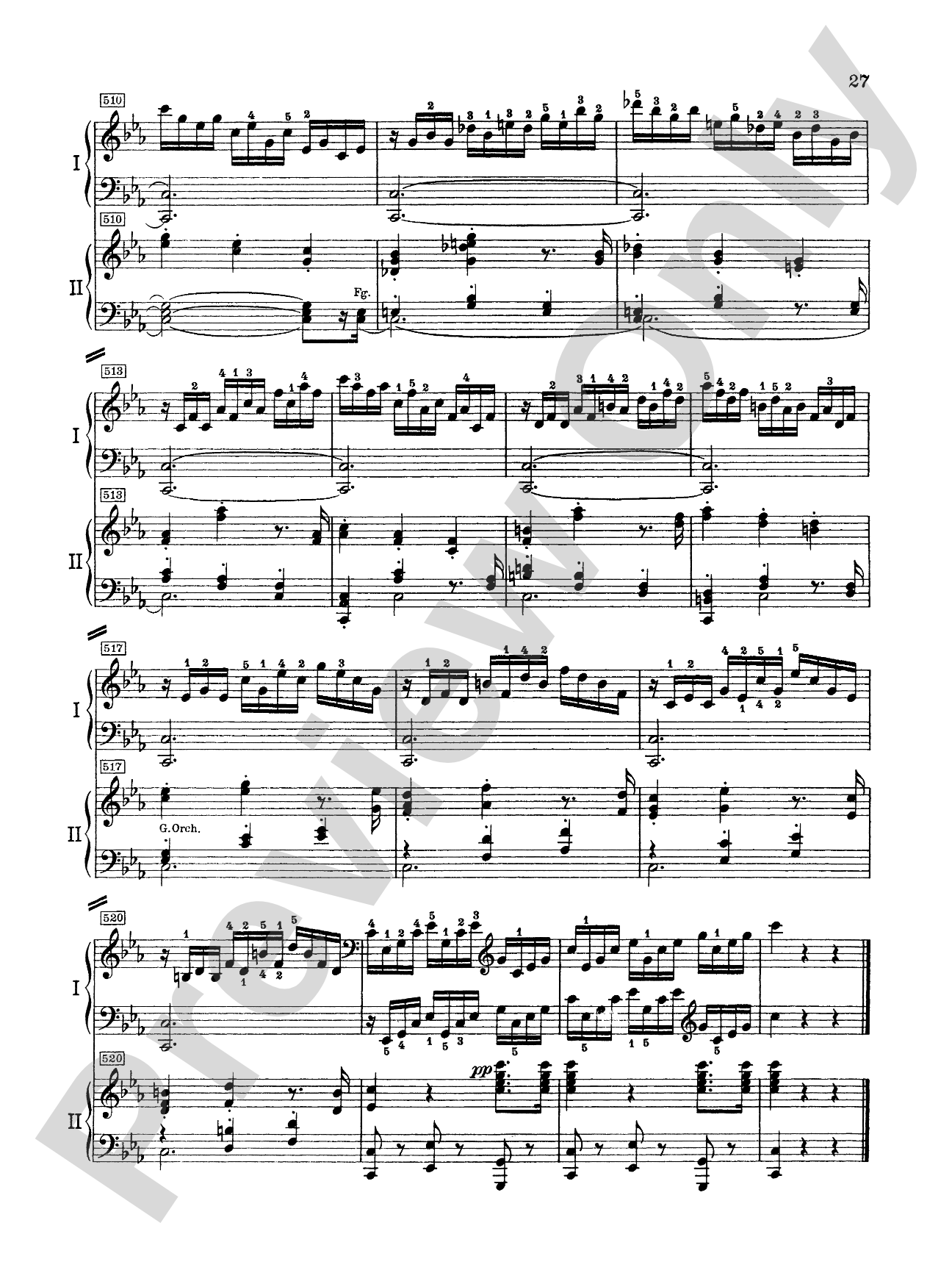
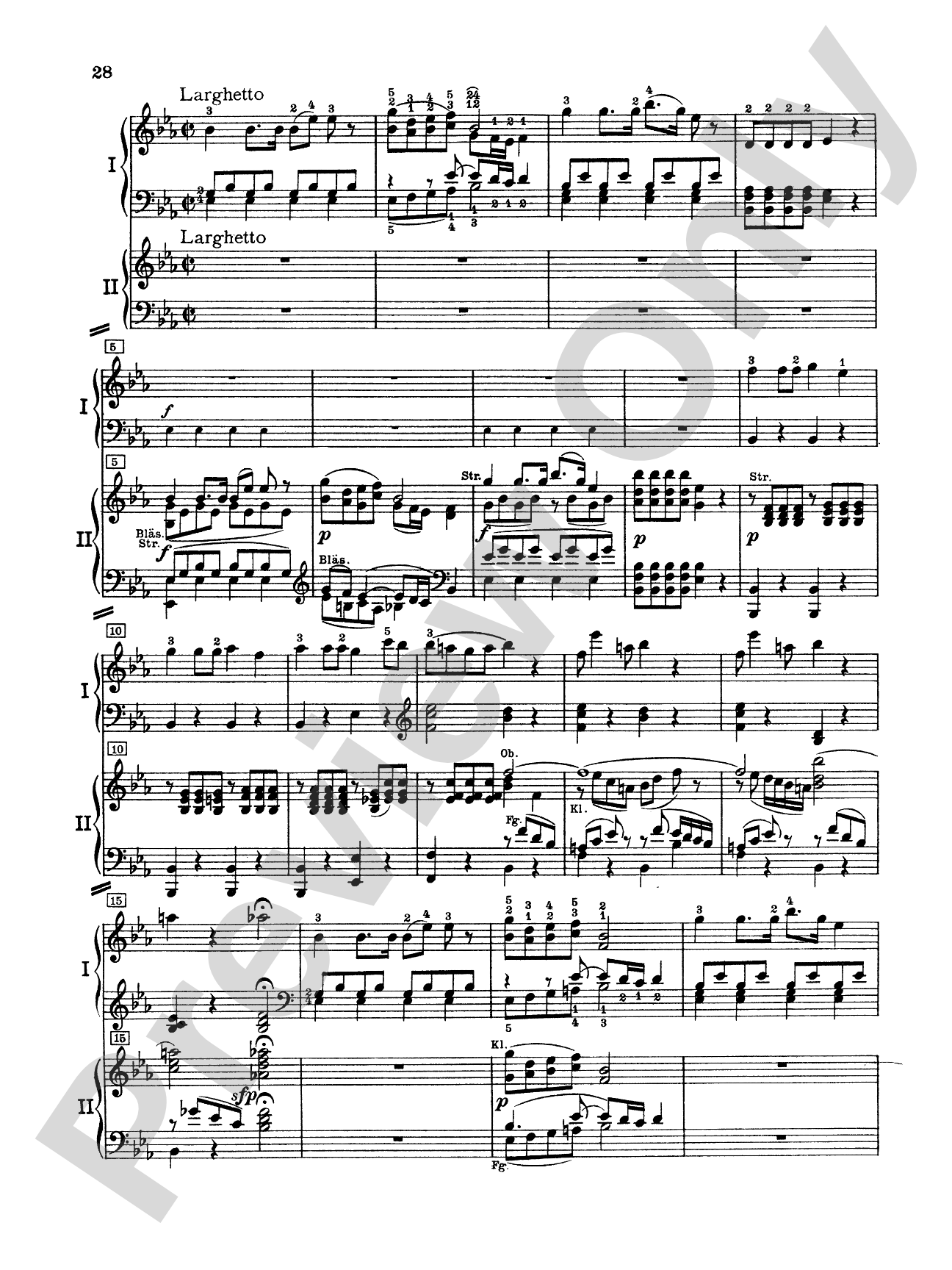
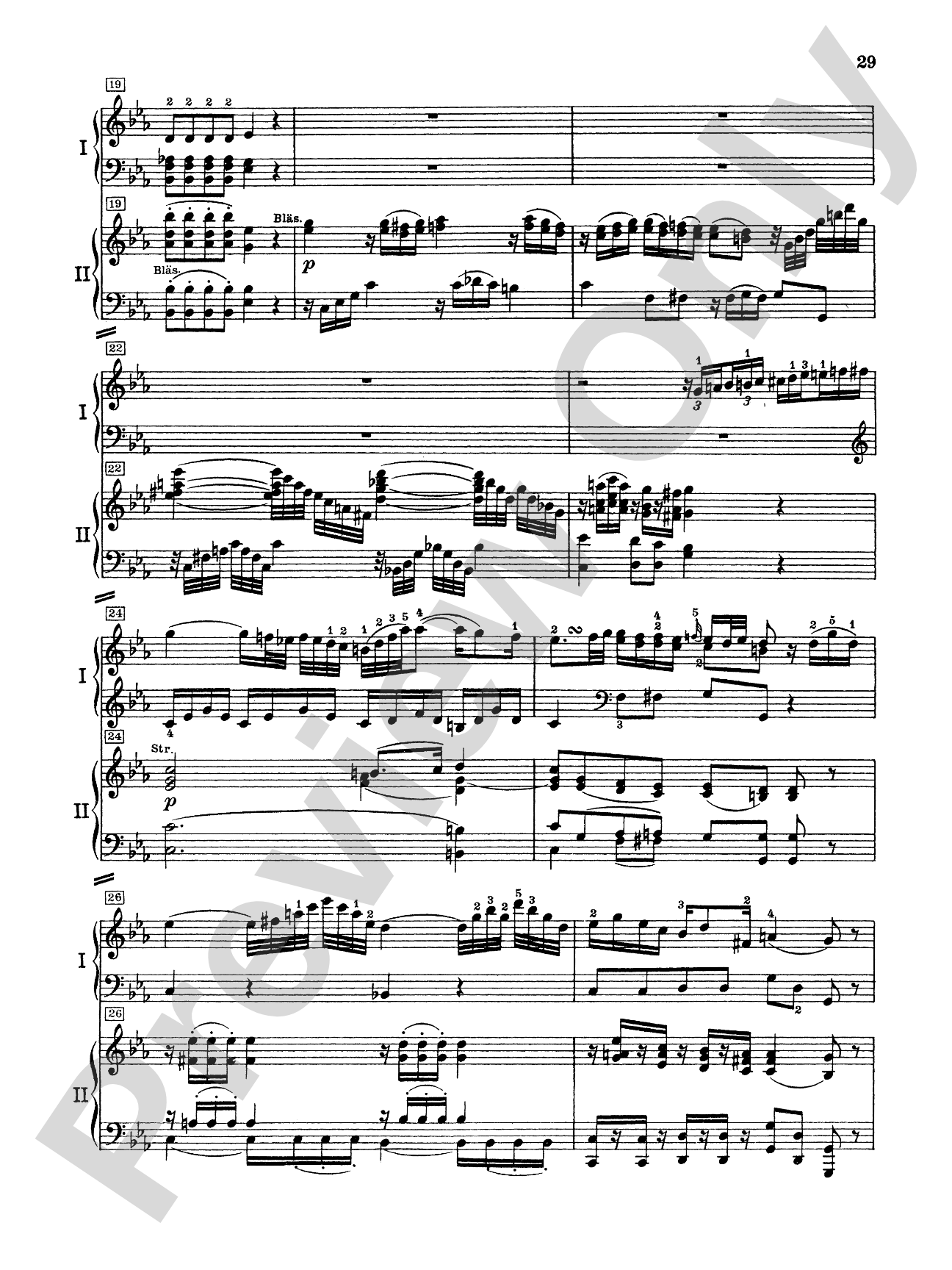
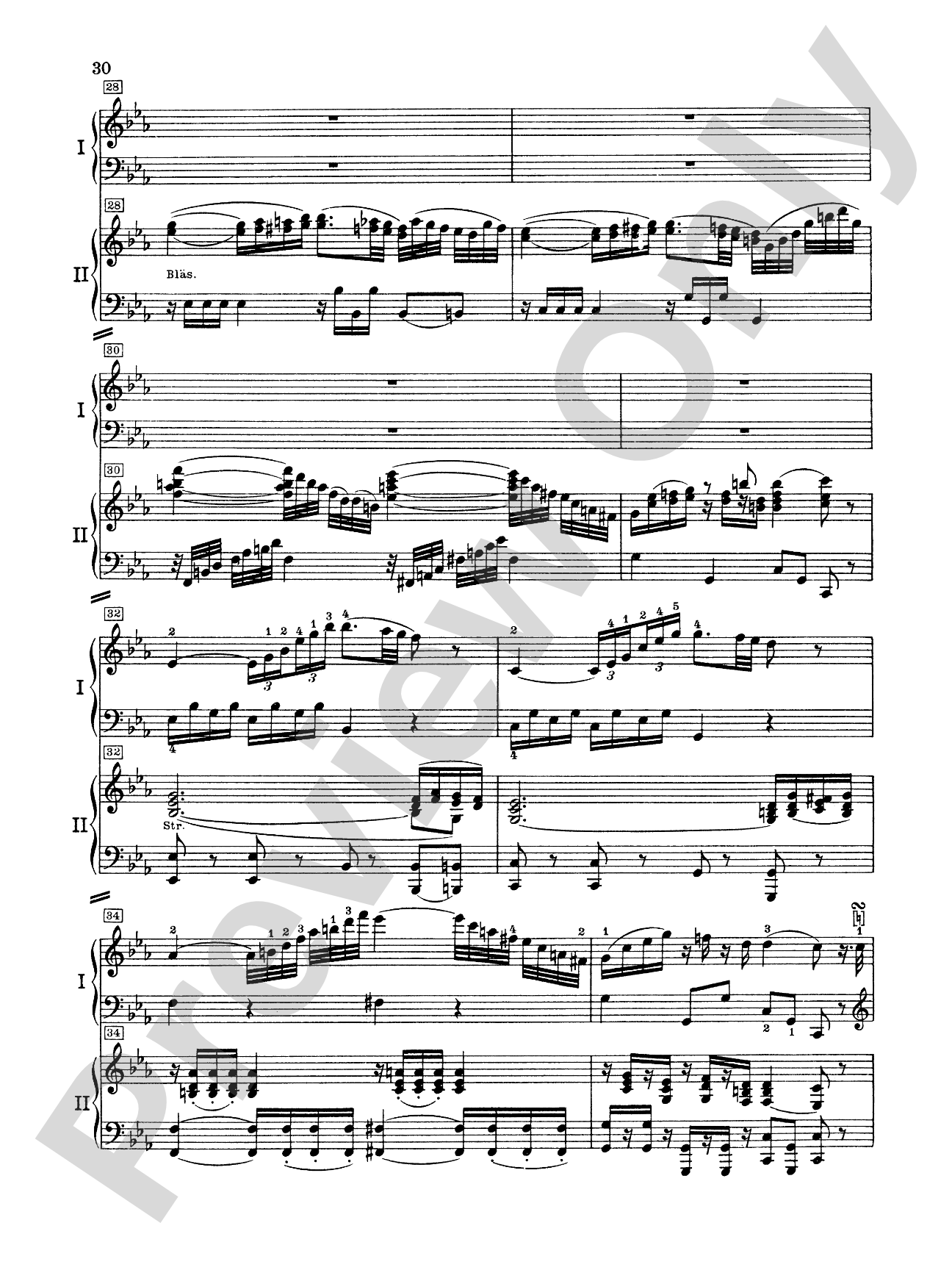
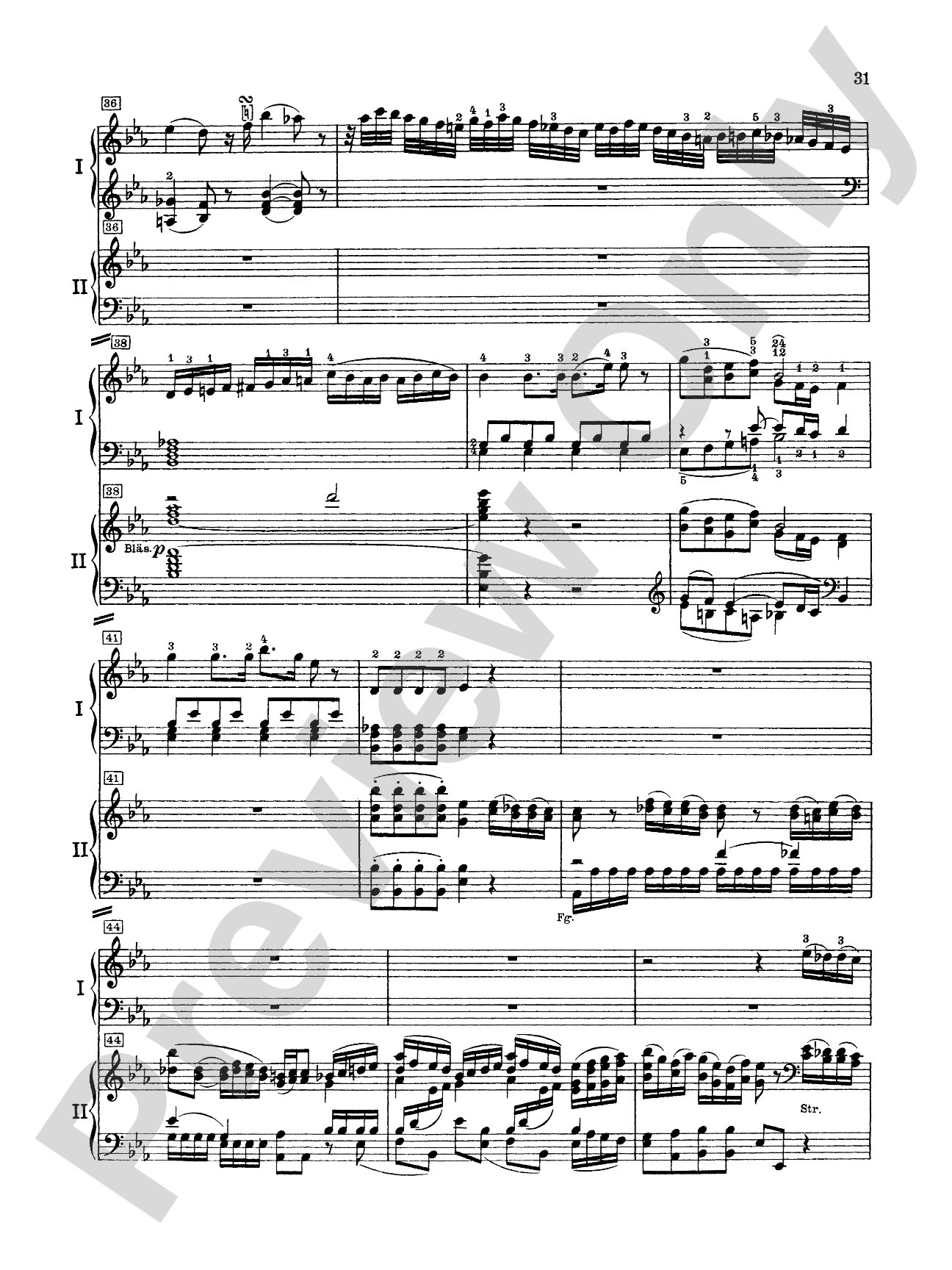
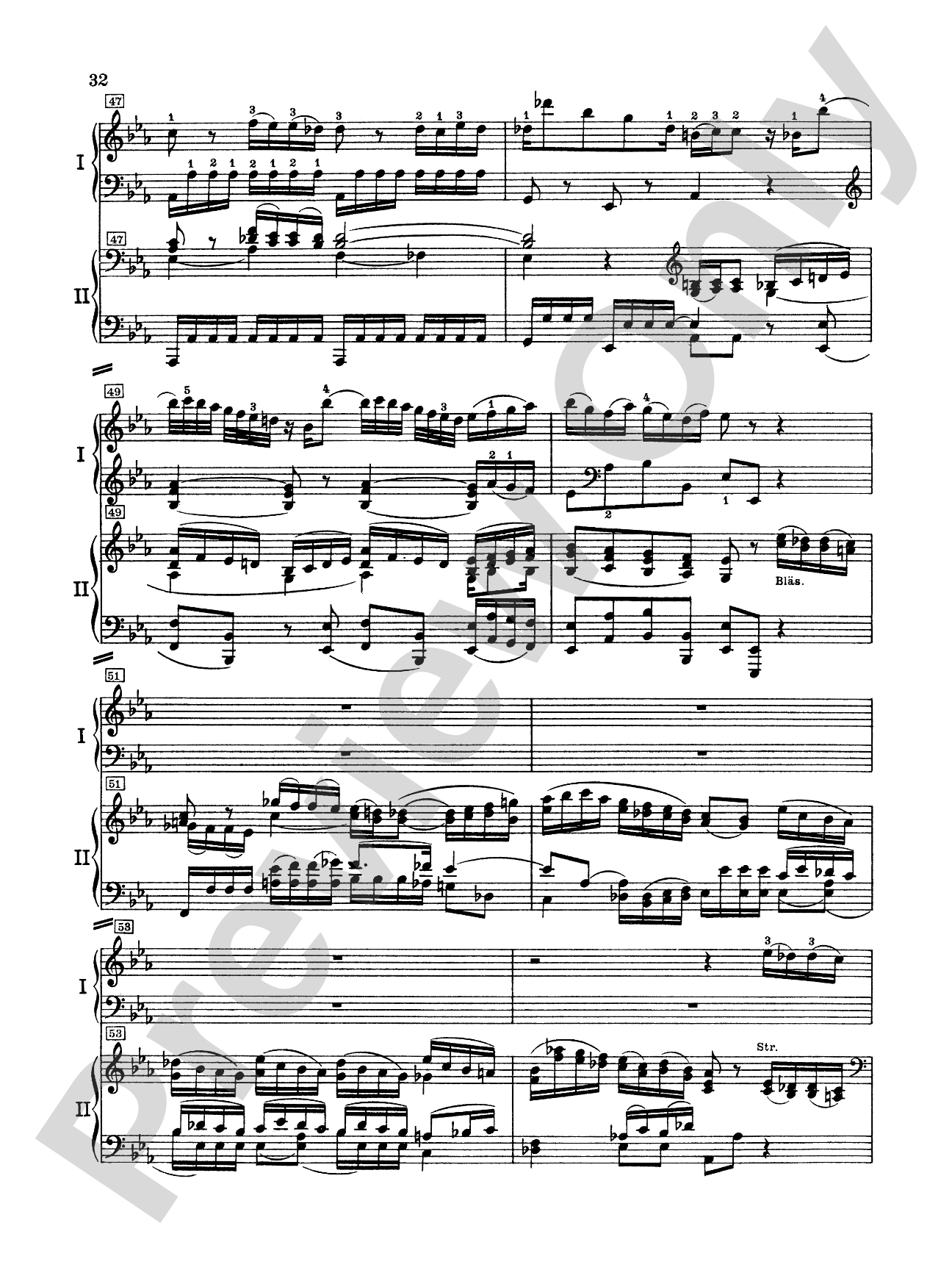
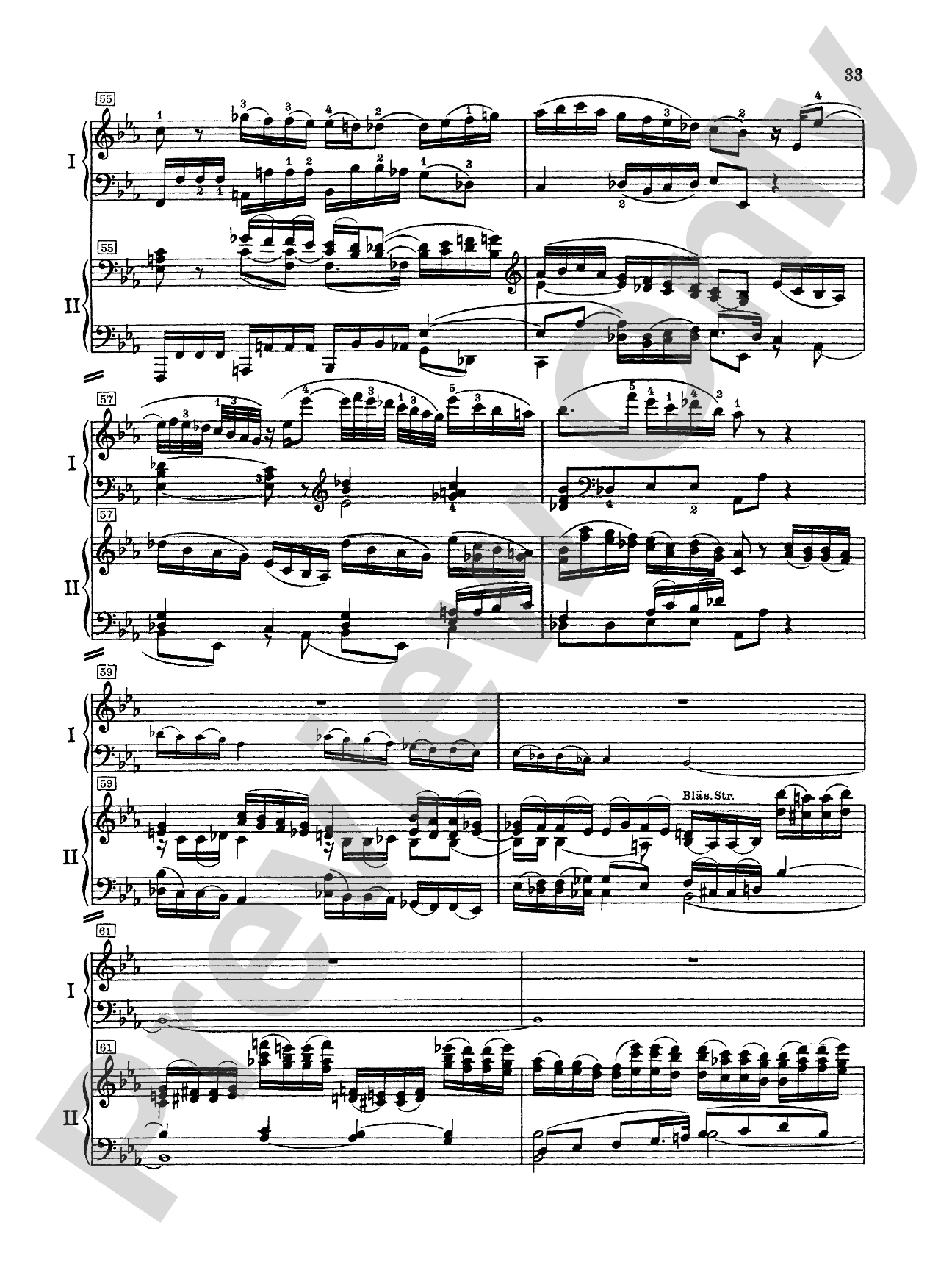
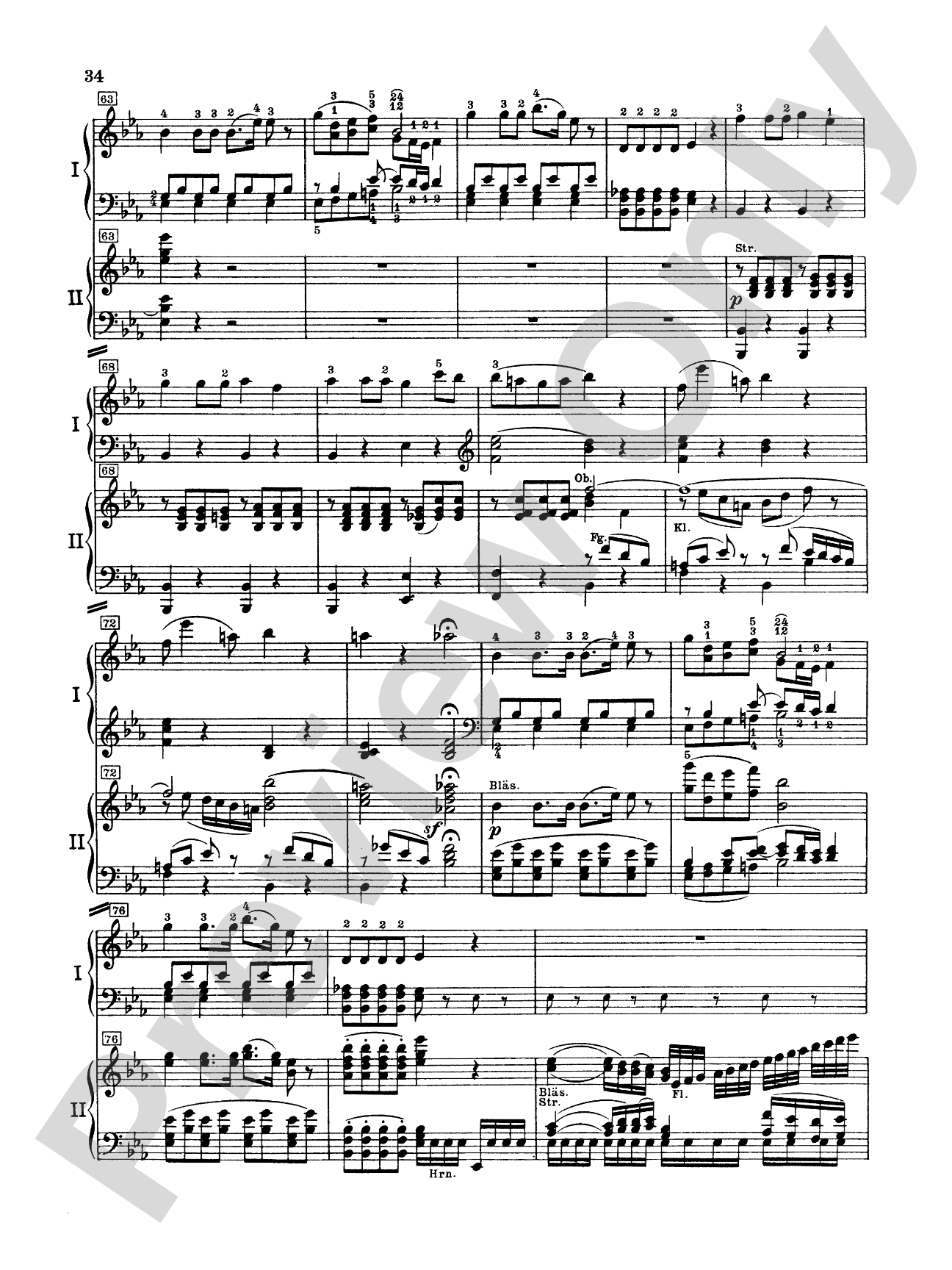
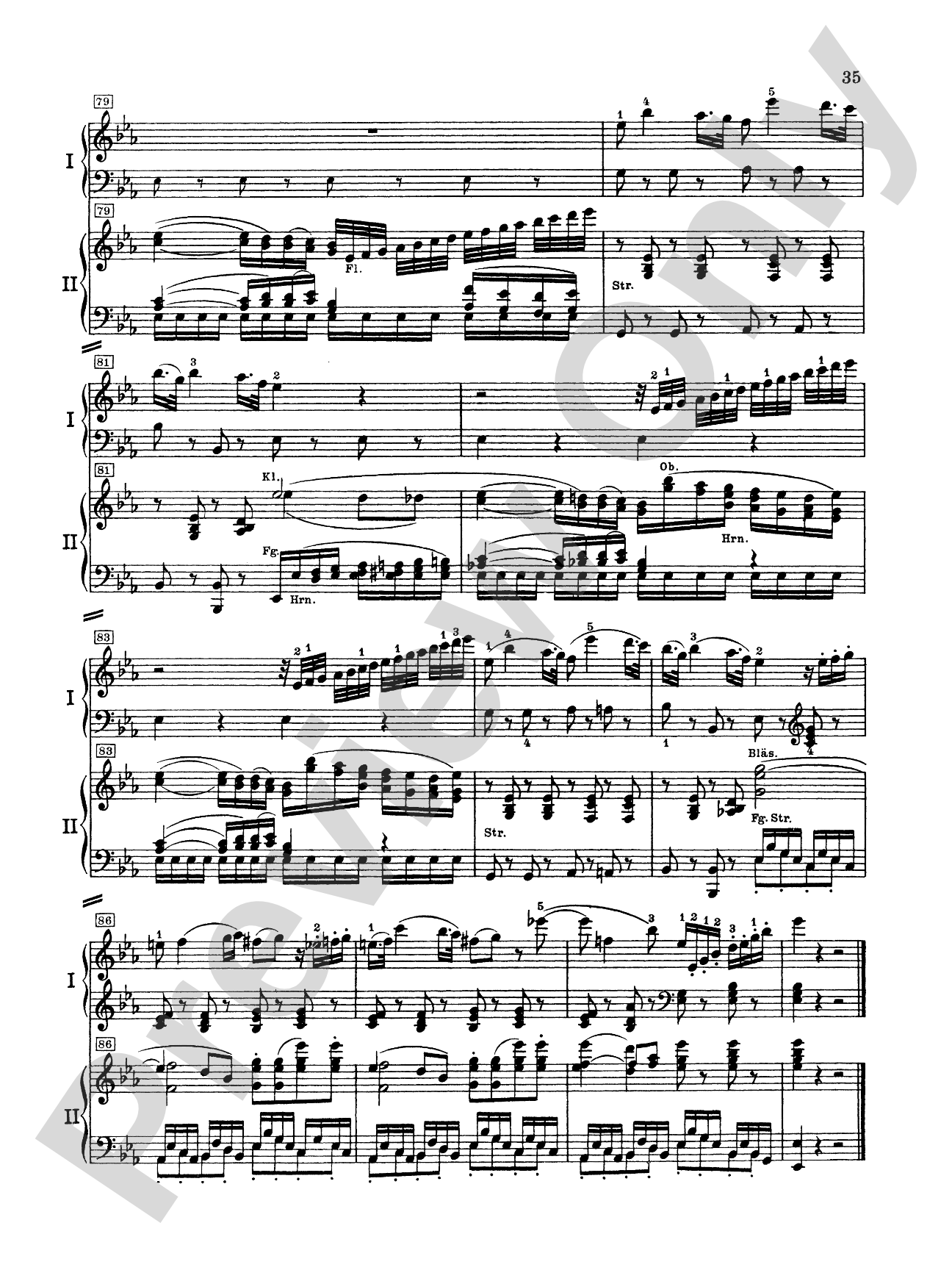
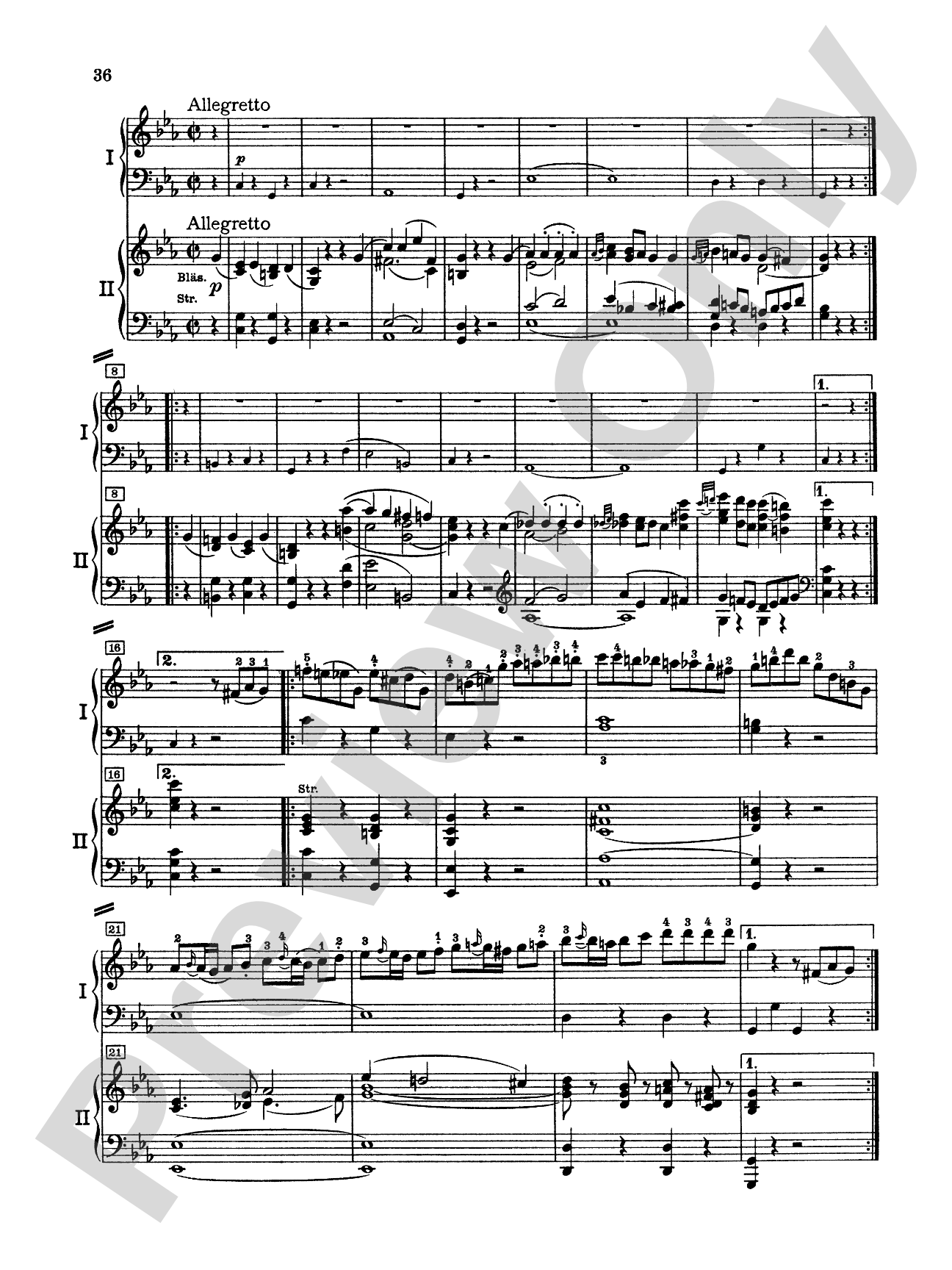
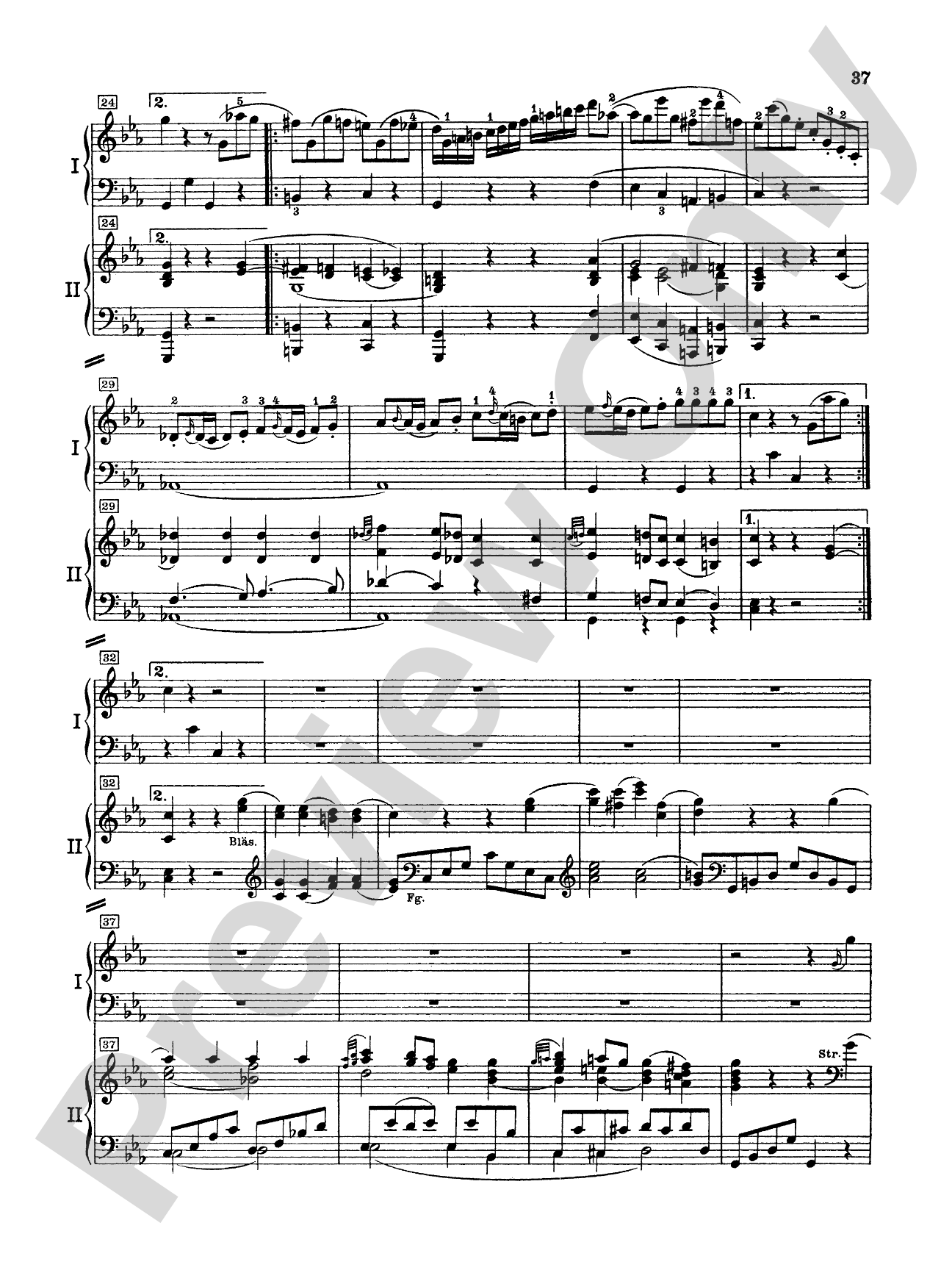
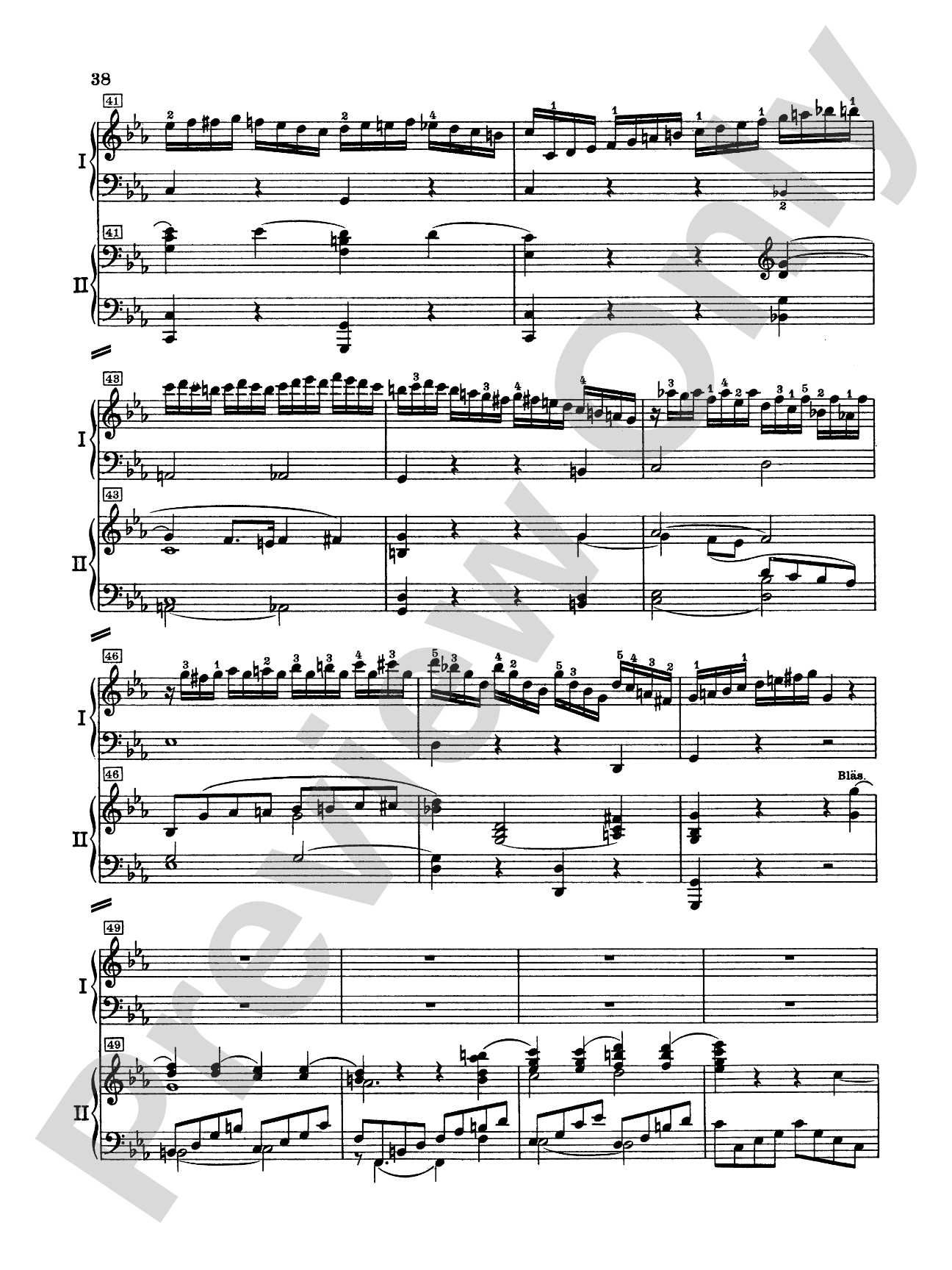
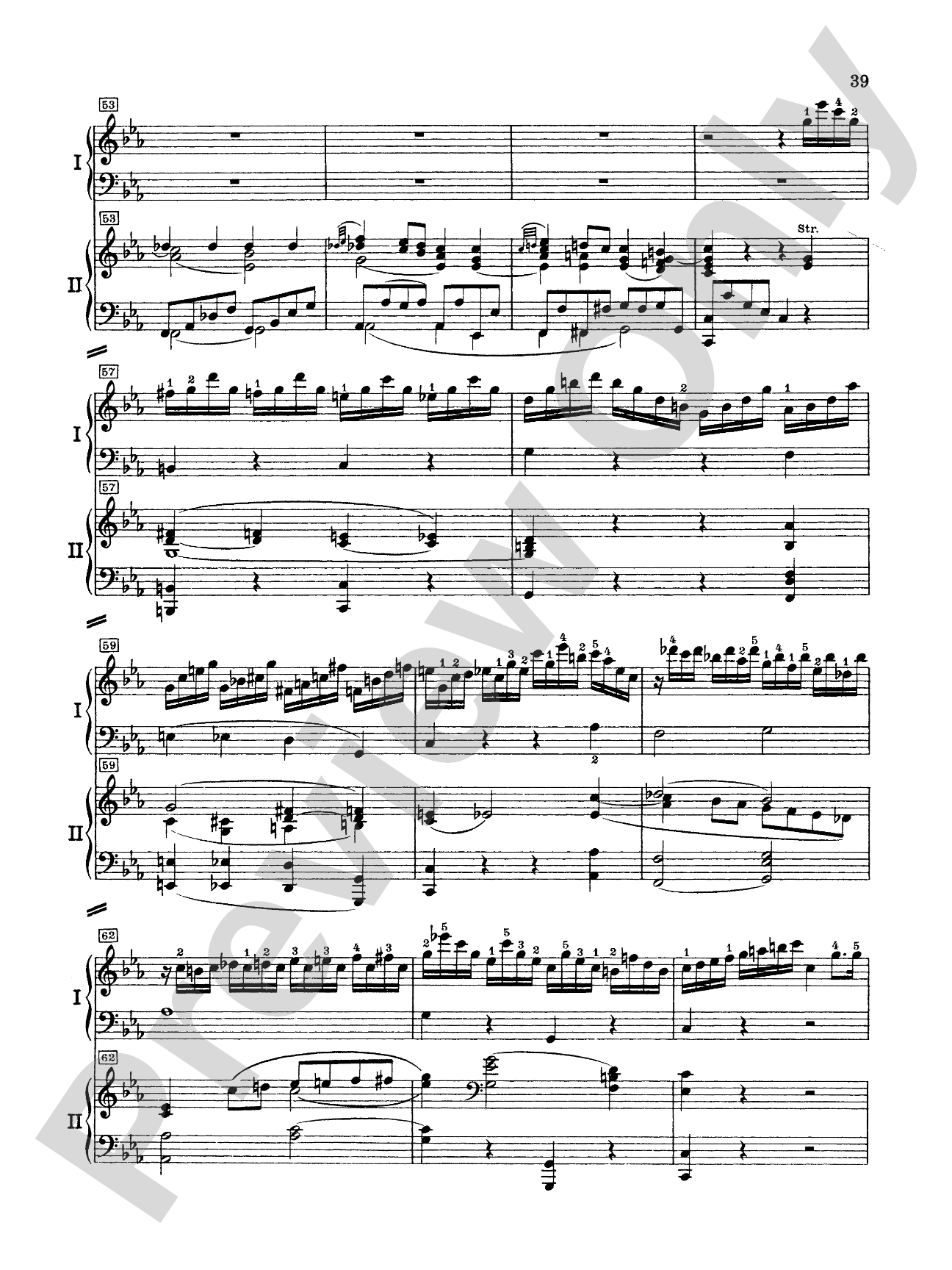
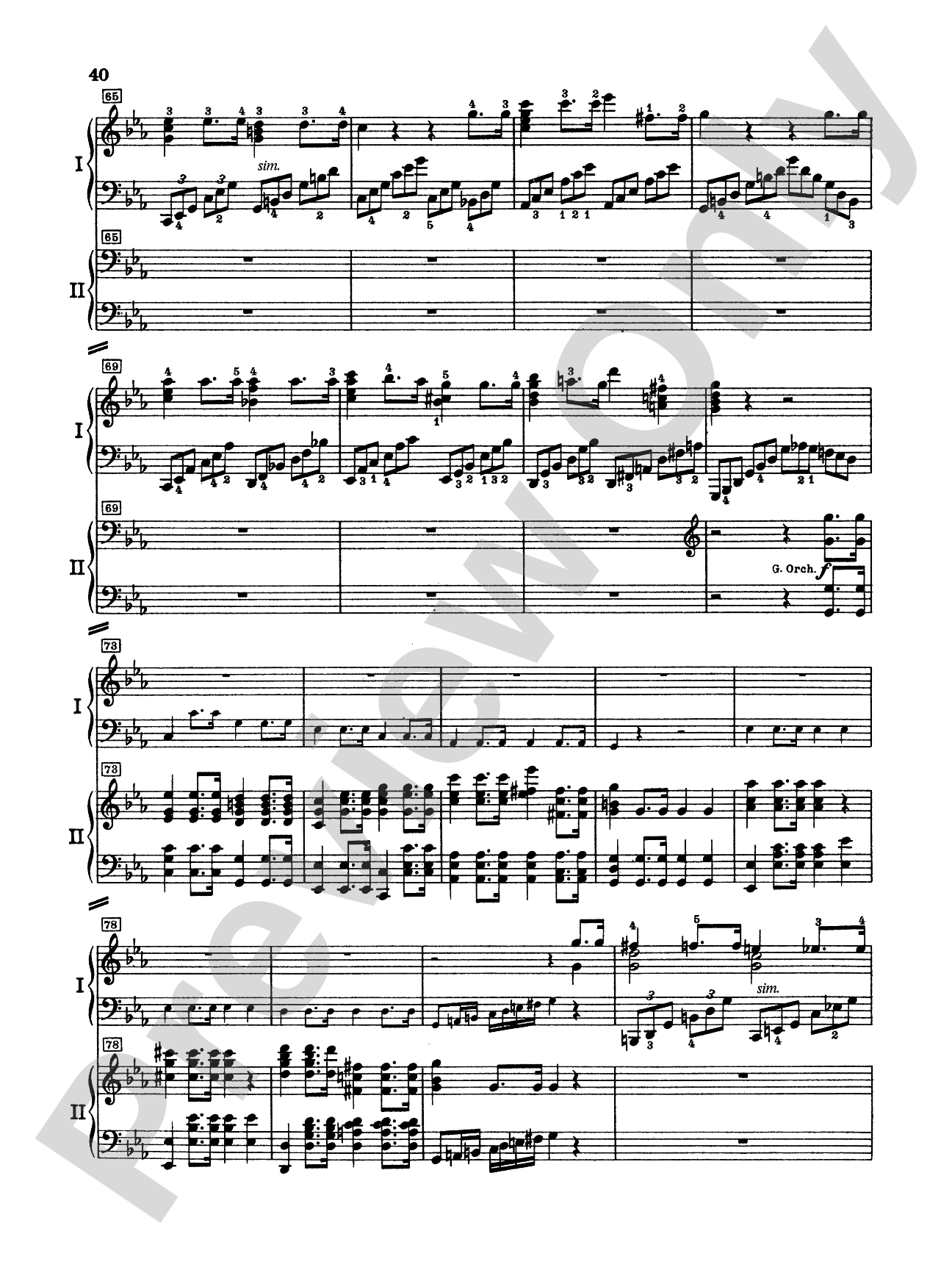
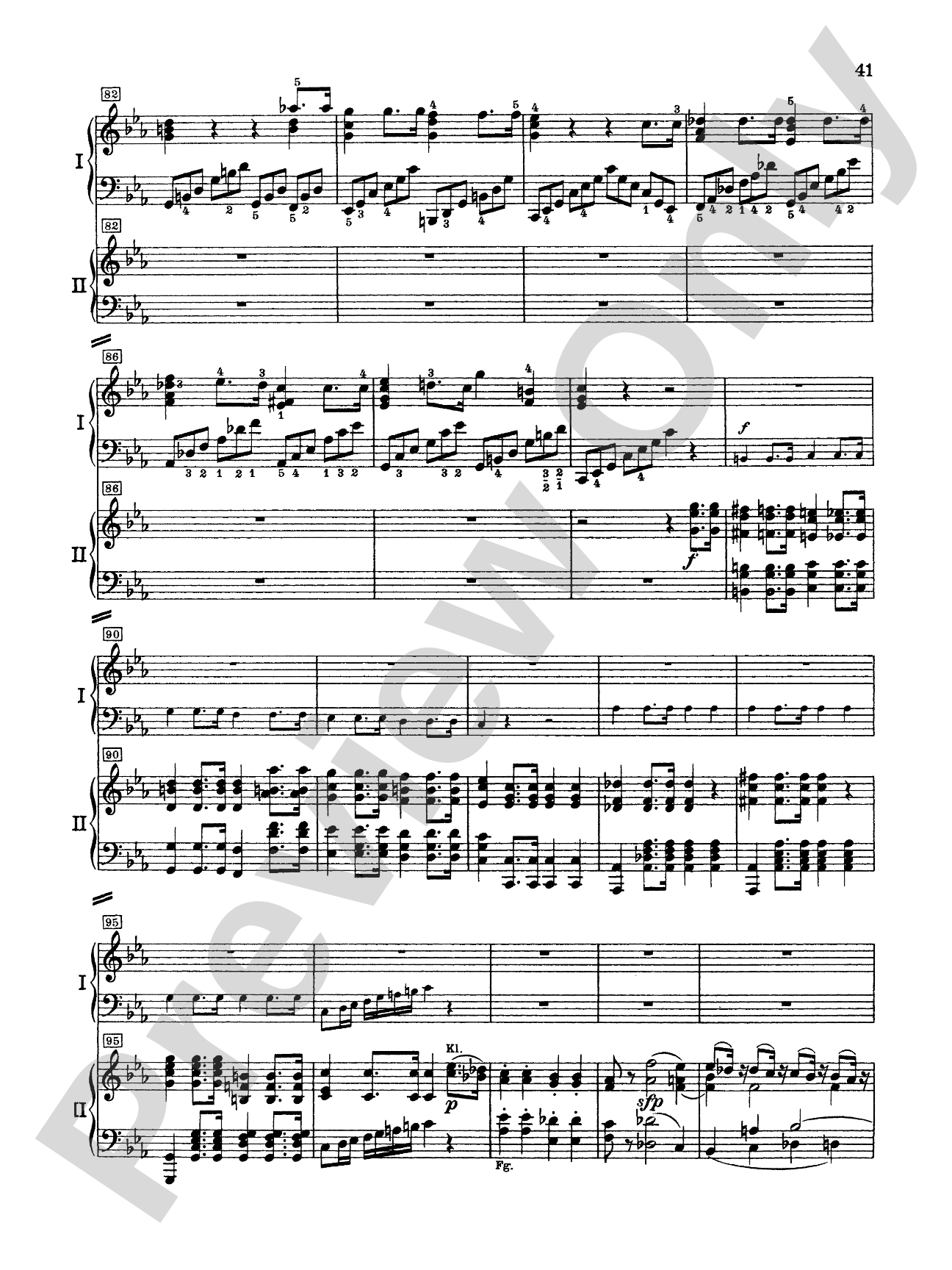
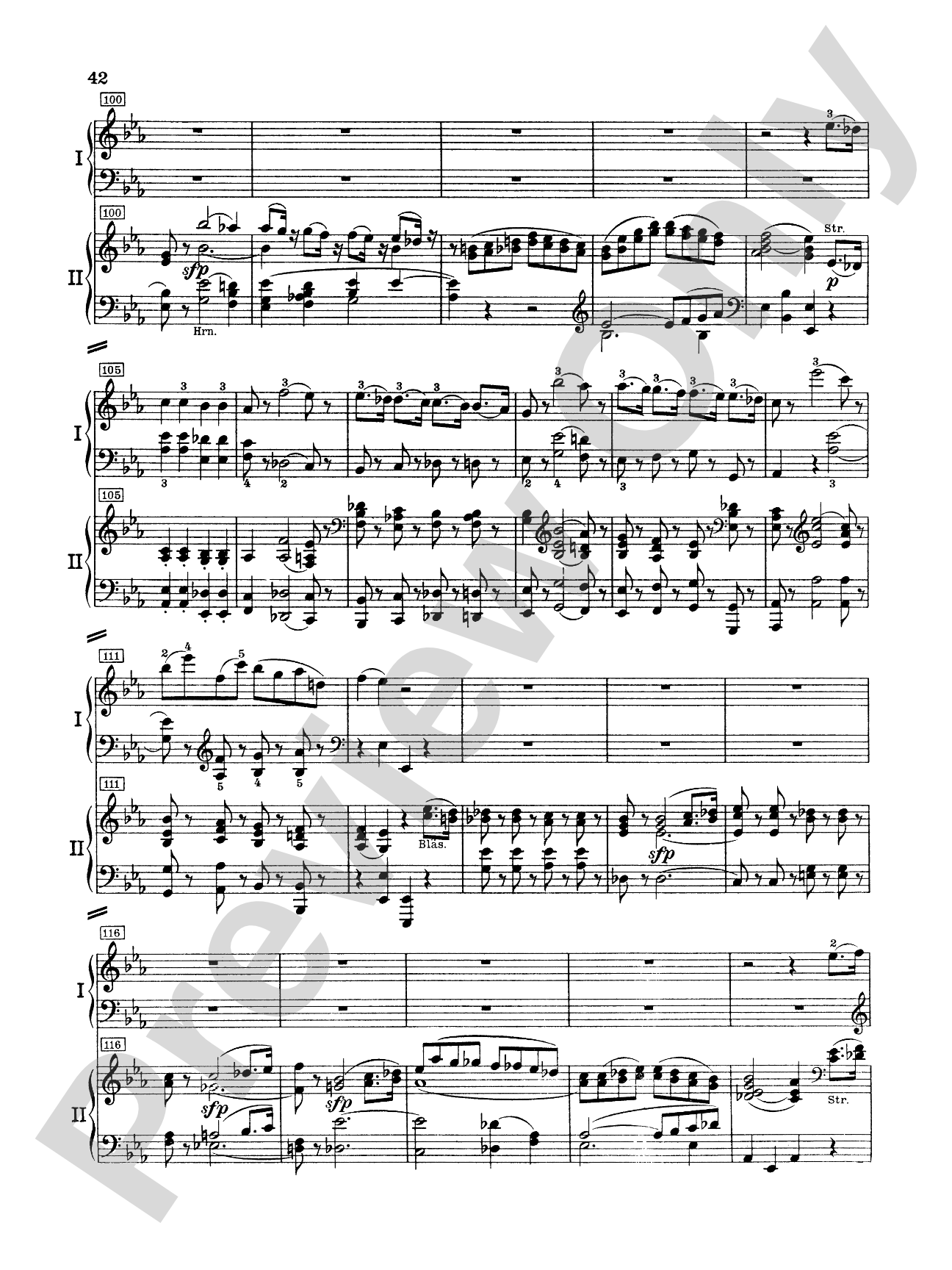
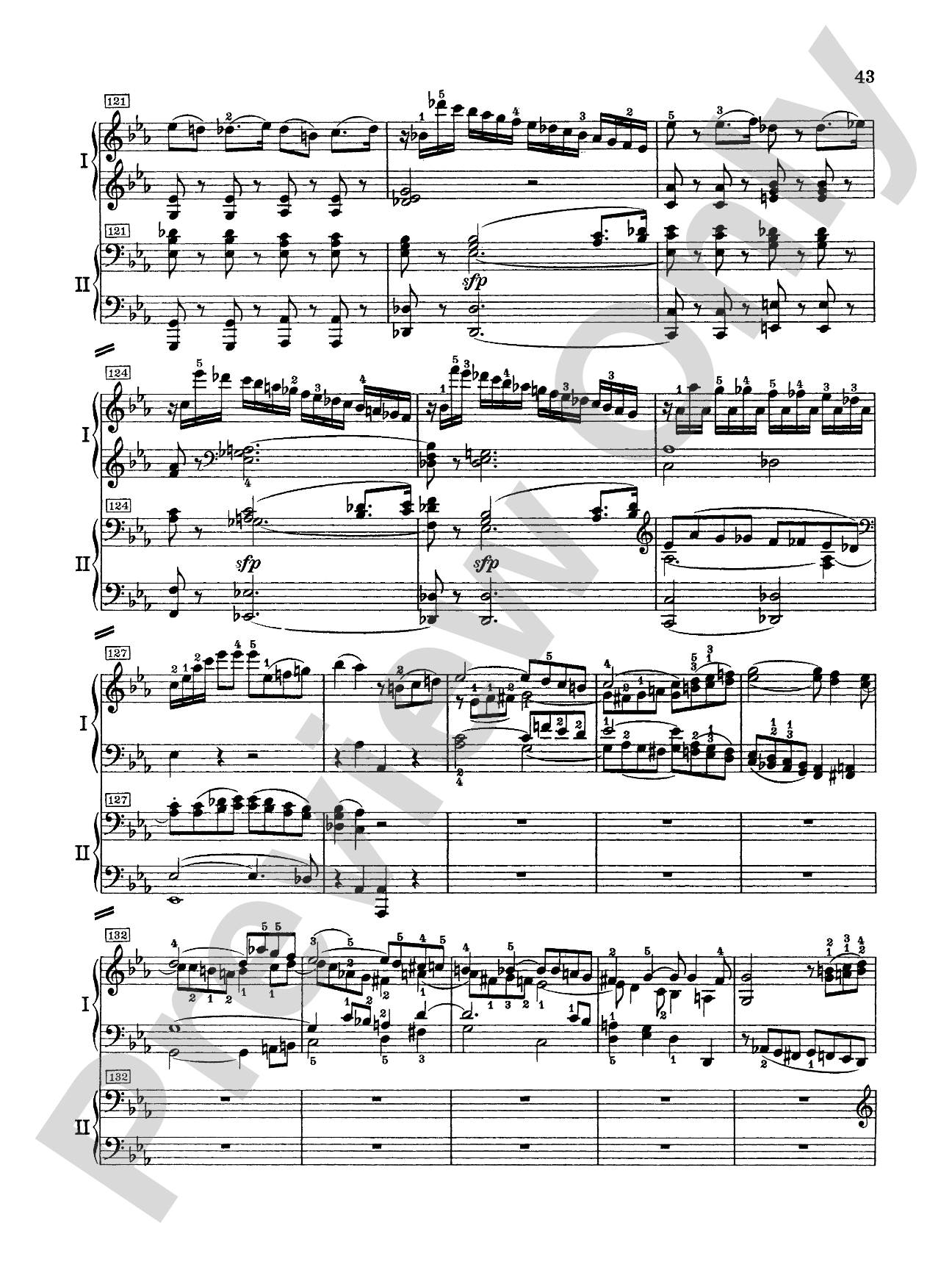
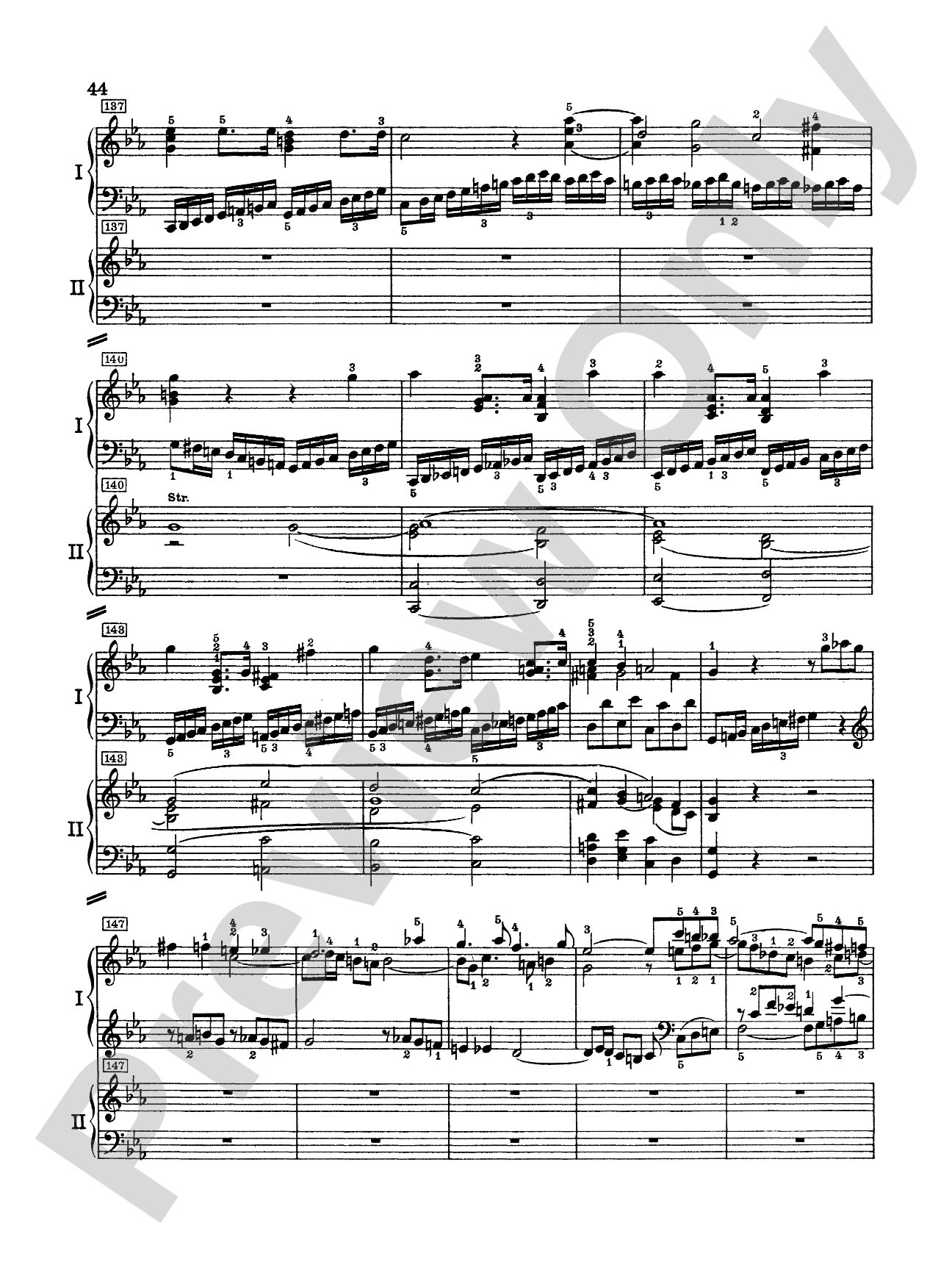
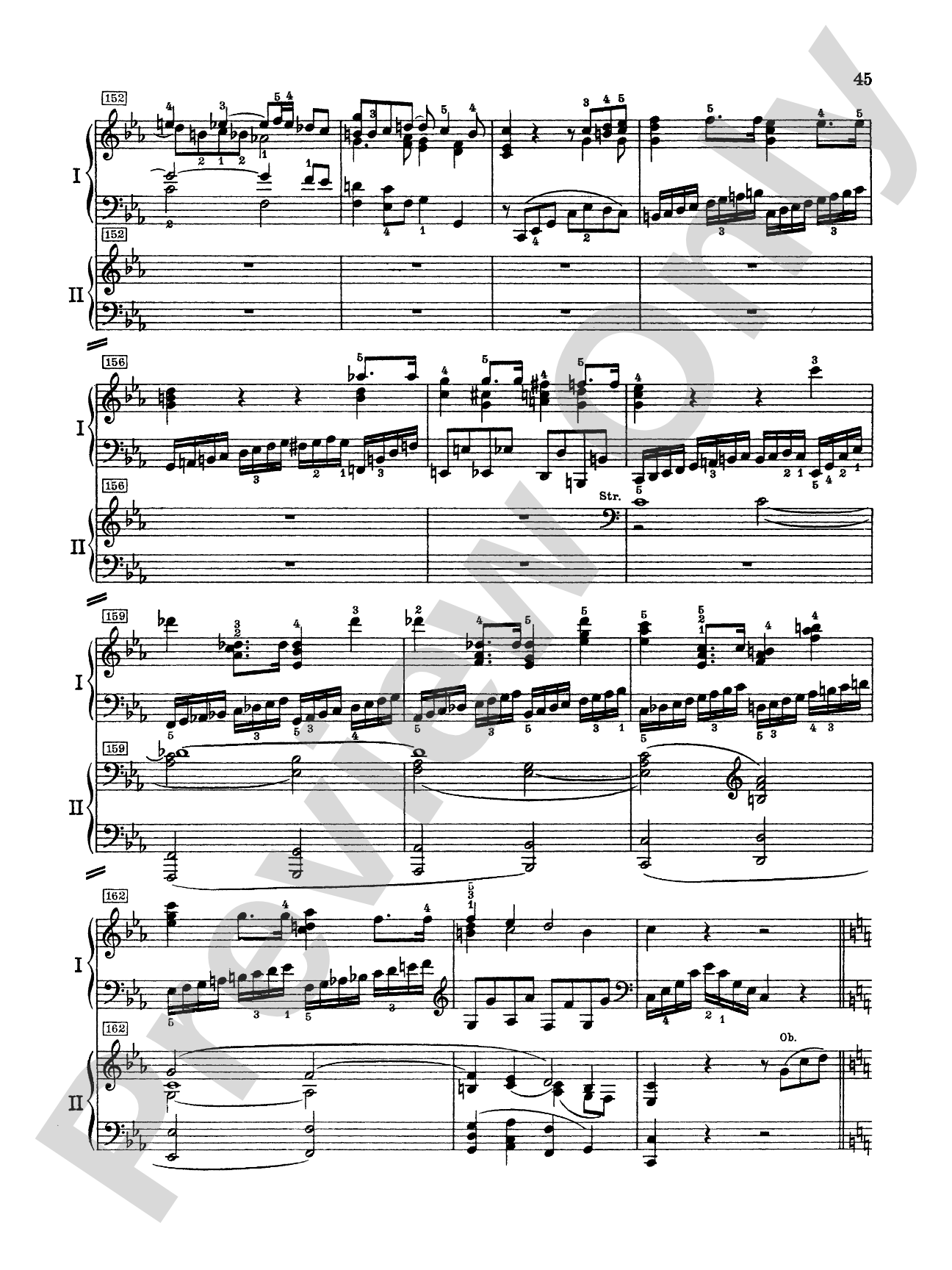
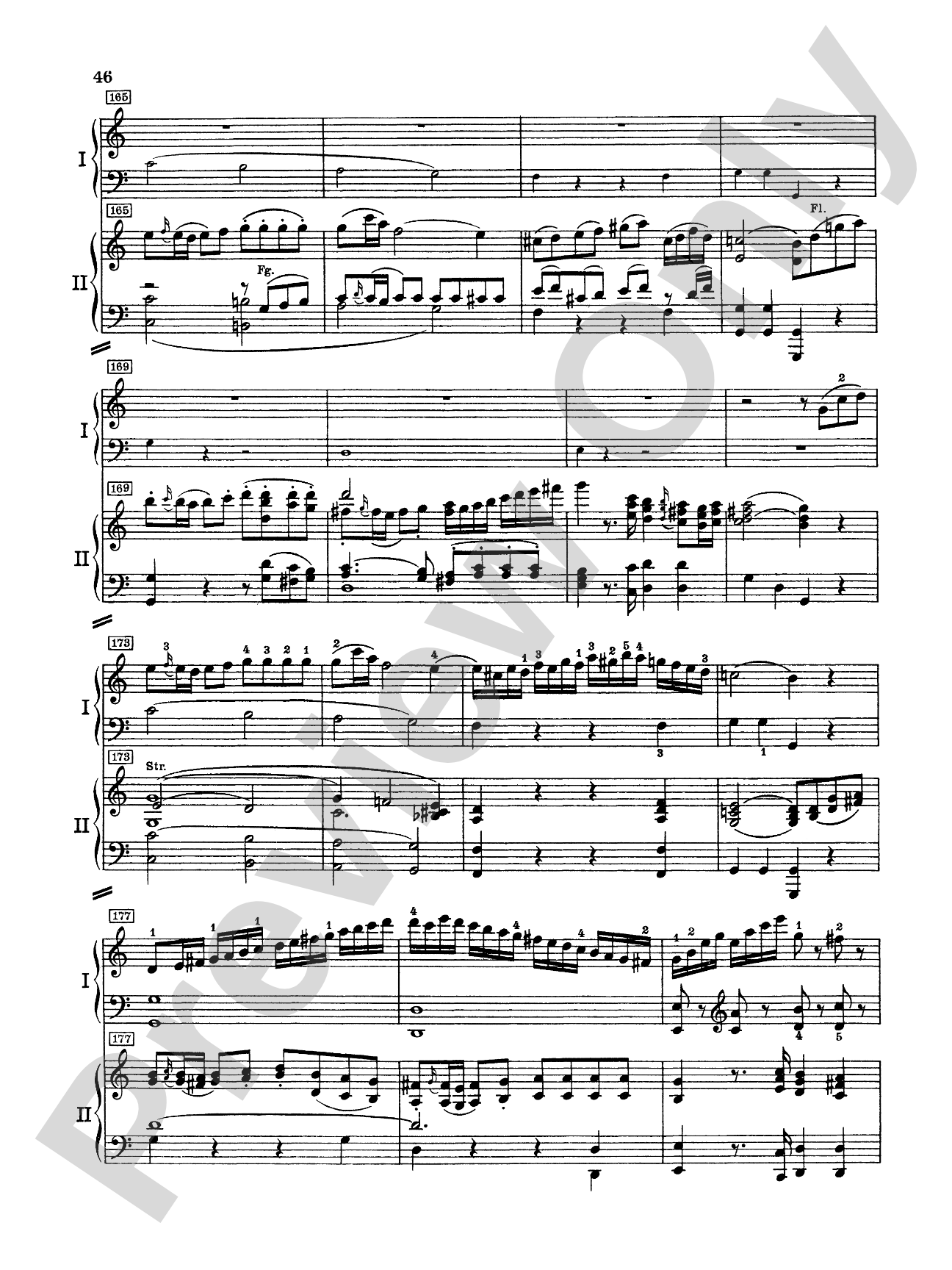
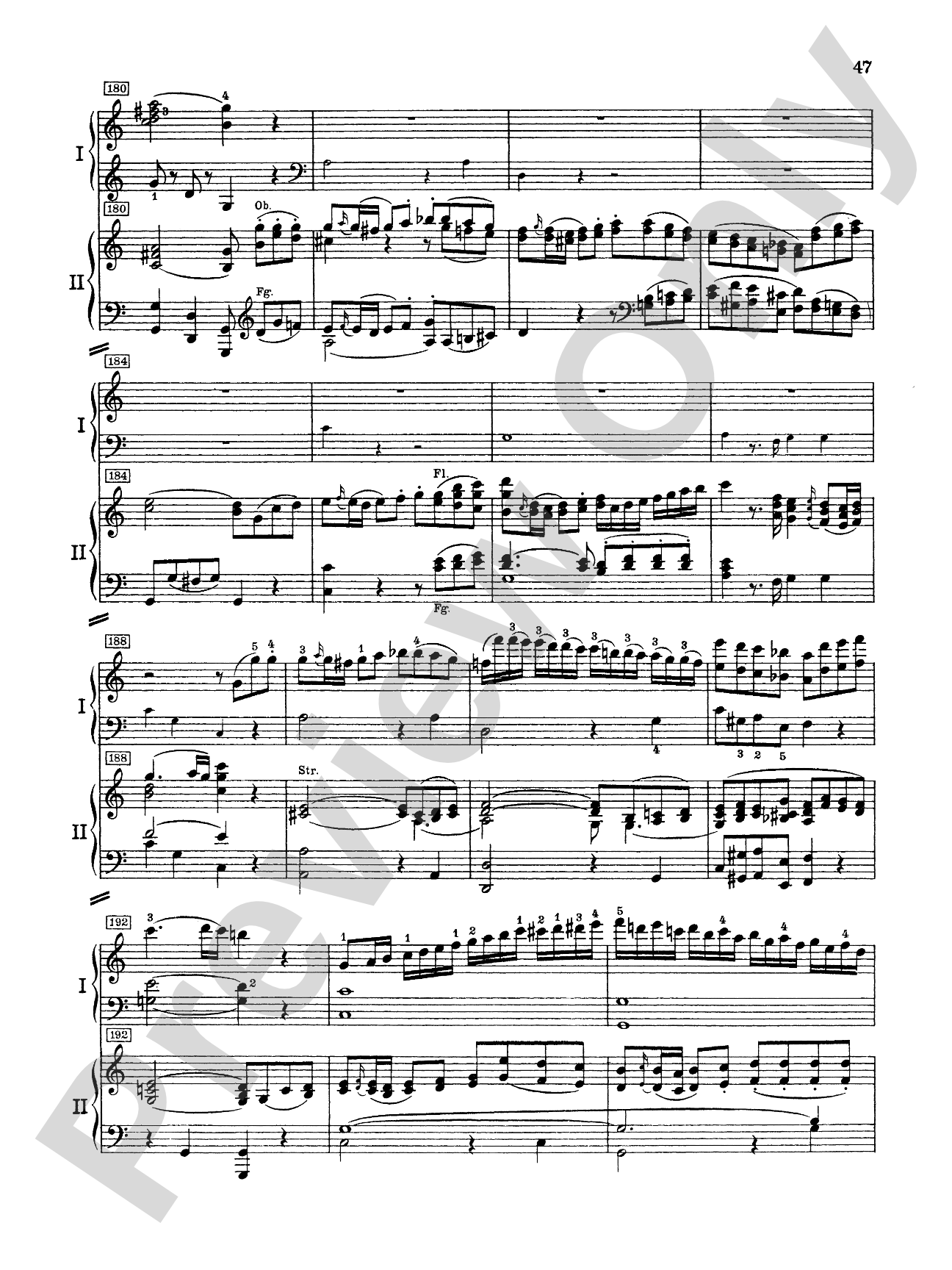
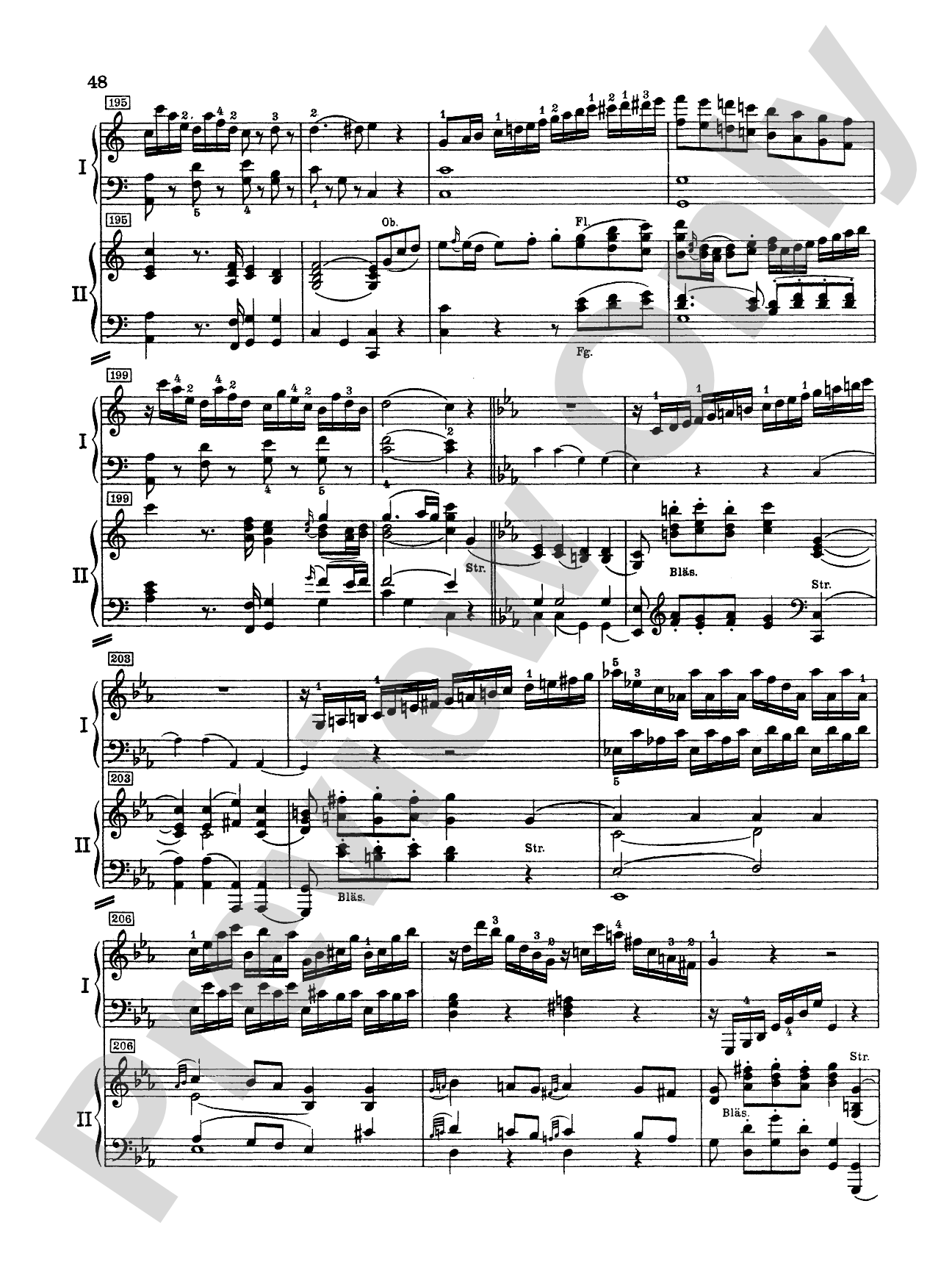

Mozart: Piano Concerto No. 24 in C Minor, K. 491: Piano Duo (2 Pianos, 4 Hands) Book (2 copies required)
By Wolfgang Amadeus Mozart
Level: Advanced
Item: 00-PK-0003252

$12.99
Pickup currently not available
Buy Extra Parts (Digital PDF Download)
| Product | Price | Quantity |
|---|---|---|
| Mozart: Piano Concerto No. 24 in C Minor, K. 491 | $11.95 |
Parts Added to Cart!
Related Items
Piano Concerto No. 24 in C Minor, K. 491: Piano Duo (2 Pianos, 4 Hands) Book (2 copies required) |
$12.99
|
View |
Description
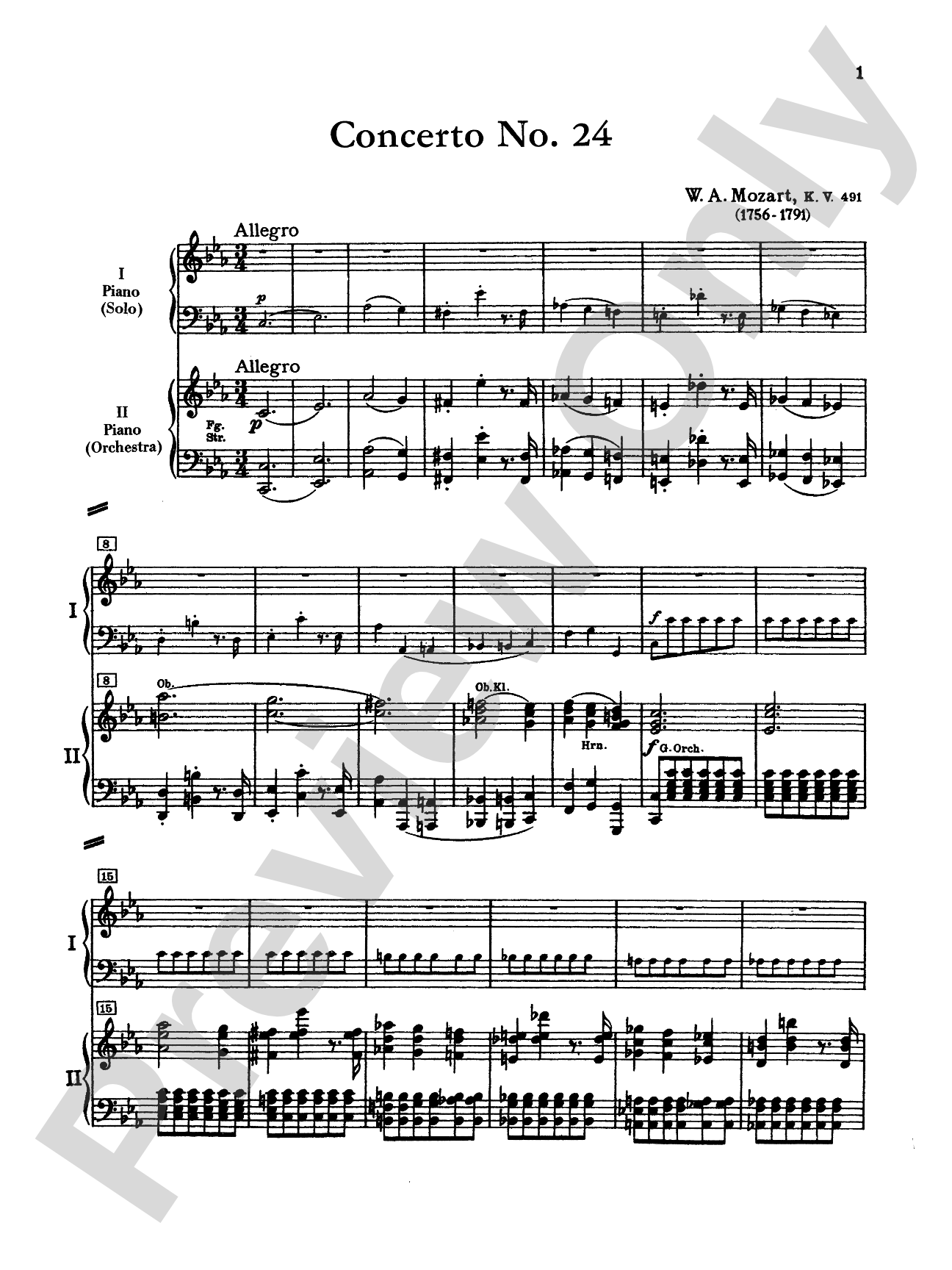
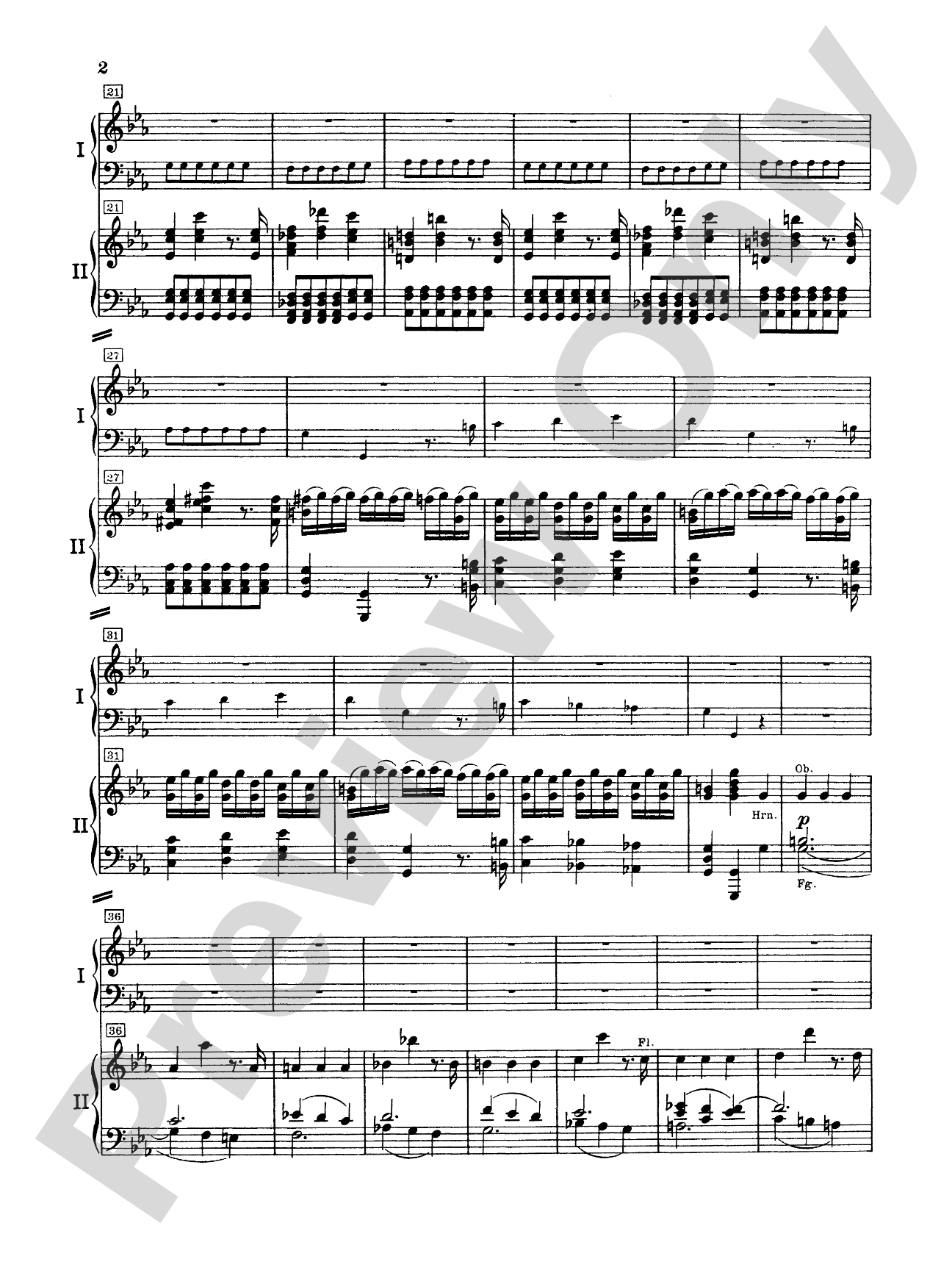
Expertly arranged Piano Duet by Wolfgang Amadeus Mozart from the Kalmus Edition series. This Advanced Piano Duet (2 Pianos, 4 Hands) is from the Classical era. 2 copies are required for performance.


Don't just read it, hear it, play along with it, and watch your students grow with it. In MakeMusic Cloud, Mozart: Piano Concerto No. 24 in C Minor, K. 491: Piano Duo (2 Pianos, 4 Hands) Book (2 copies required) comes alive with professional accompaniment, adjustable tempo, and built-in practice tools that turn solo practice into real progress.
Open in the Player
Jump straight in and assign it today.
Start Your Free Trial
Open this title and explore the full library in minutes.
Sample Audio
No sample audio found.
Sample Video
No sample videos found.
Additional Details
Series:
Kalmus Edition
Publisher:
Alfred Music
Page Count:
56
SKU:
00-PK-0003252
More about this title
About the Composer: Wolfgang Amadeus Mozart
Wolfgang Amadeus Mozart (1756–1791) stands as one of the most prolific and influential composers in Western music history. Born in Salzburg, Austria, he mastered composition, violin, and keyboard by early childhood and spent his career writing across every major genre: symphonies, concertos, operas, chamber music, and sacred works. His technical command was matched by an extraordinary gift for melody and harmonic innovation, qualities that remain central to music education at every level.
Mozart composed 27 piano concertos over his lifetime, and these works showcase both the possibilities of the Classical style and the demands of virtuosic pianism. The Piano Concerto No. 24 in C Minor, K. 491, belongs to a group of his darker, more introspective concertos and stands as one of his most profound instrumental works. His music continues to anchor the repertoire for advanced pianists and ensemble musicians.
Why we love this
This concerto pairs the architectural clarity of Classical form with emotional depth that few works at this level achieve. Two pianists bring out the dialogue between soloist and orchestra in ways a single player cannot, and the Kalmus arrangement captures the dramatic arc and orchestral colors without requiring a full ensemble. For advanced duet partnerships, it offers both technical challenge and genuine musical substance.
What to expect
The opening movement arrives with urgent, searching energy in a dark C minor tonality that feels rare in Mozart. The dialogue between the two pianos unfolds with Classical restraint but carries undercurrents of genuine passion and introspection. The Larghetto offers shelter in a major key, while the final Allegretto returns to minor-key intensity, leaving the listener in a state of unresolved tension rather than cathartic release.
Who it's for
Advanced pianists who have already mastered single-piano repertoire at the level of early Chopin or intermediate Mozart sonatas and are ready to explore ensemble partnership. This duet works well for two students at similar technical levels or for a teacher-student pairing where the teacher takes either part flexibly. It serves pianists preparing for conservatory auditions or those seeking substantial chamber music that doesn't require a full orchestra.
How to get the most out of it
- Balance the dialogue between the primo (usually the more ornamental part) and the secondo (often carrying harmonic and structural weight). The partnership requires listening as closely as a concerto soloist listens to the conductor.
- Pay attention to the minor key and the work's introspective character, especially in the outer movements. This is not showpiece writing; it demands restraint and emotional honesty.
- Coordinate pedaling carefully across two pianos. The reverb from both instruments can blur harmonic clarity if each player uses the pedal independently.
- Lock the inner-movement articulation between both parts. Eighteenth-century phrasing conventions mean precise coordination of attacks and releases matters more than raw tempo agreement.
How to use it
Program this as a centerpiece for a piano duo recital or an all-Mozart chamber music concert. It works equally well as the climactic serious work on a program that includes lighter Mozart duets or other Classical-era four-hand writing, creating a arc from accessibility to depth. For a school or studio setting, it becomes a capstone experience for a partnership that has already performed easier duets together.
Skills your students will build
- Reading and balancing two independent keyboard textures simultaneously
- Coordinating rhythmic precision across two instruments without a conductor
- Ensemble listening and responsive musical communication
- Interpreting Classical-era phrasing and harmonic language
- Managing pedal coordination on two separate instruments
- Navigating sustained technical passages (scales, arpeggios, runs) at tempo while maintaining dialogue