



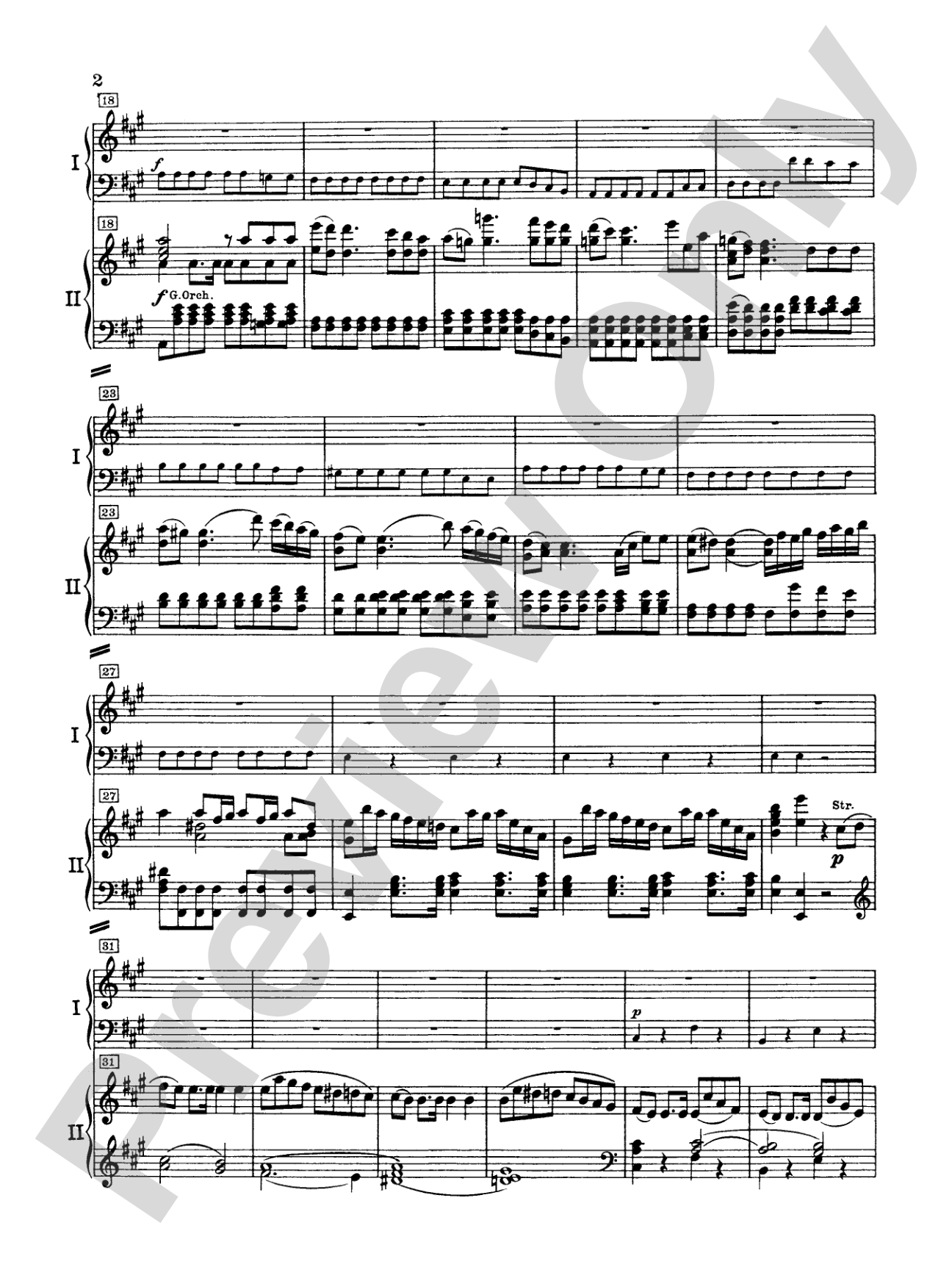
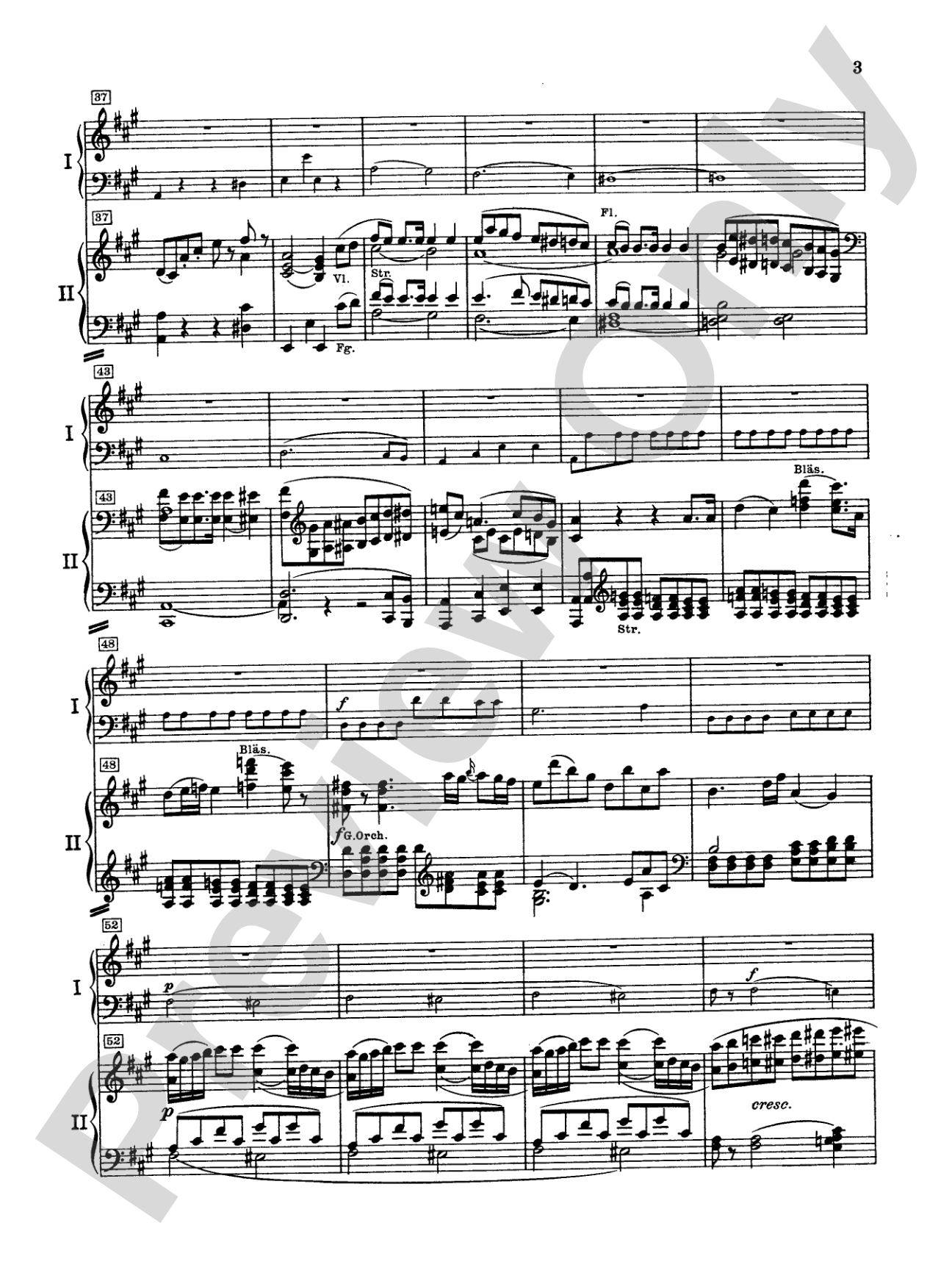
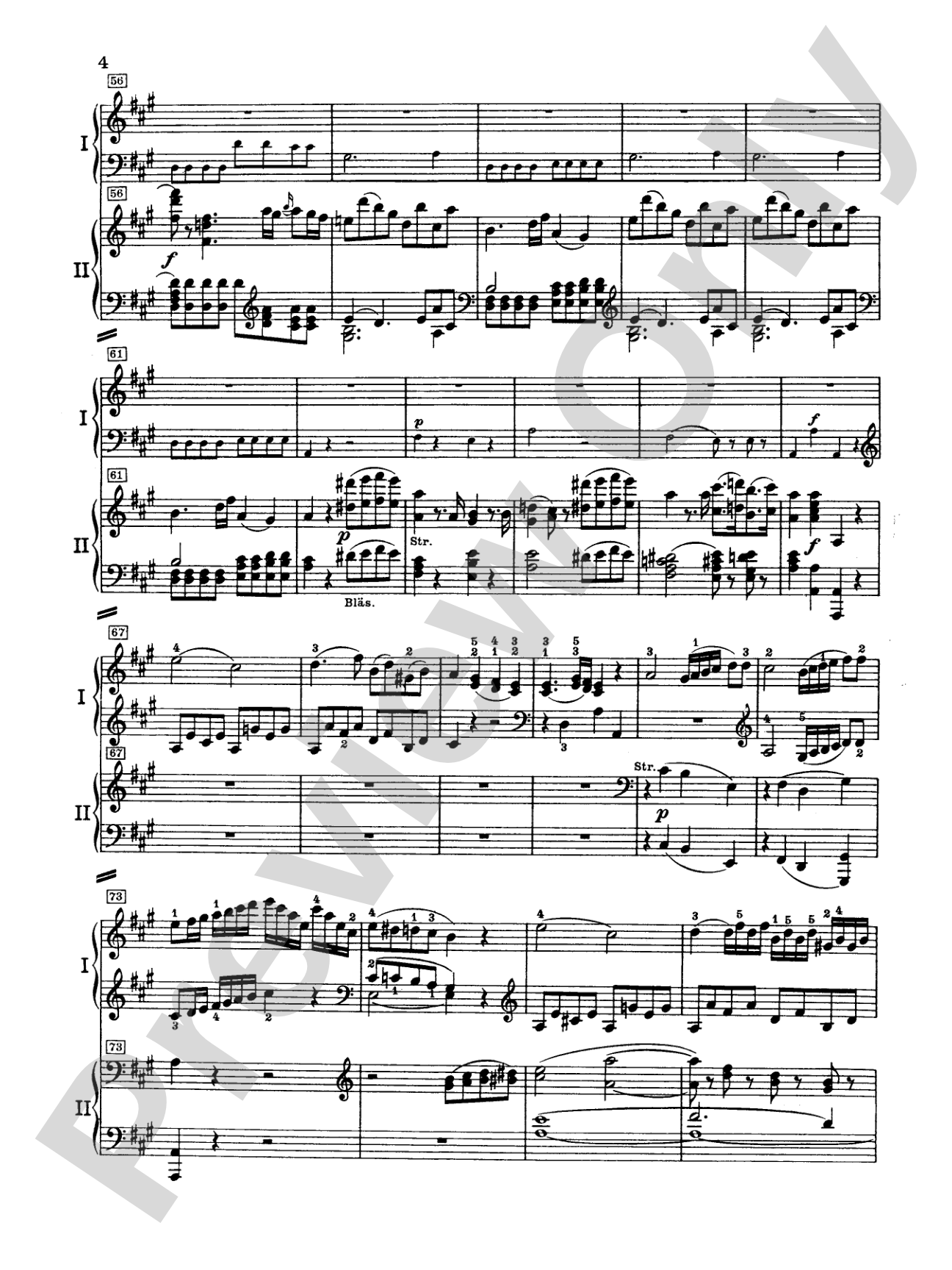
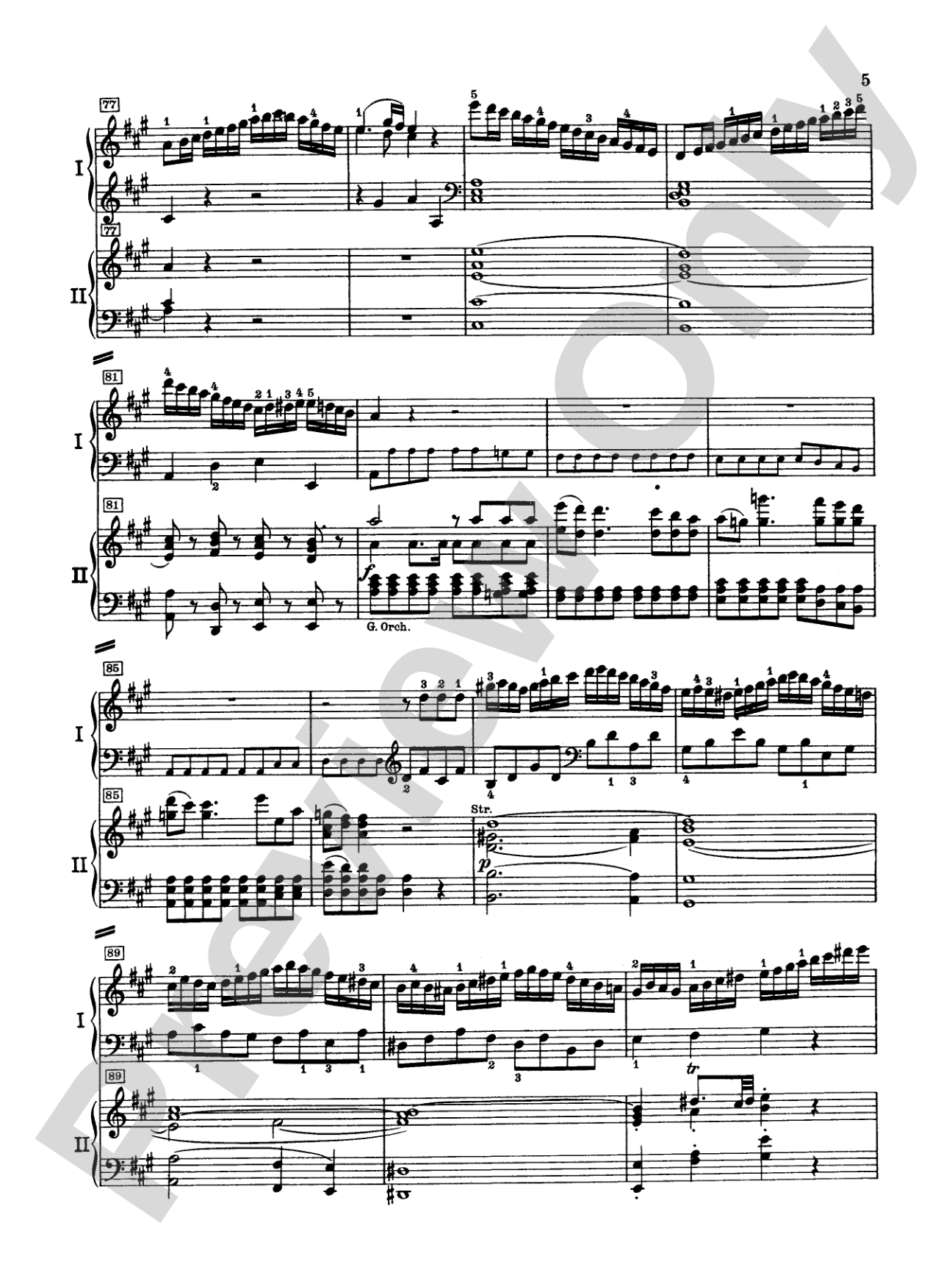
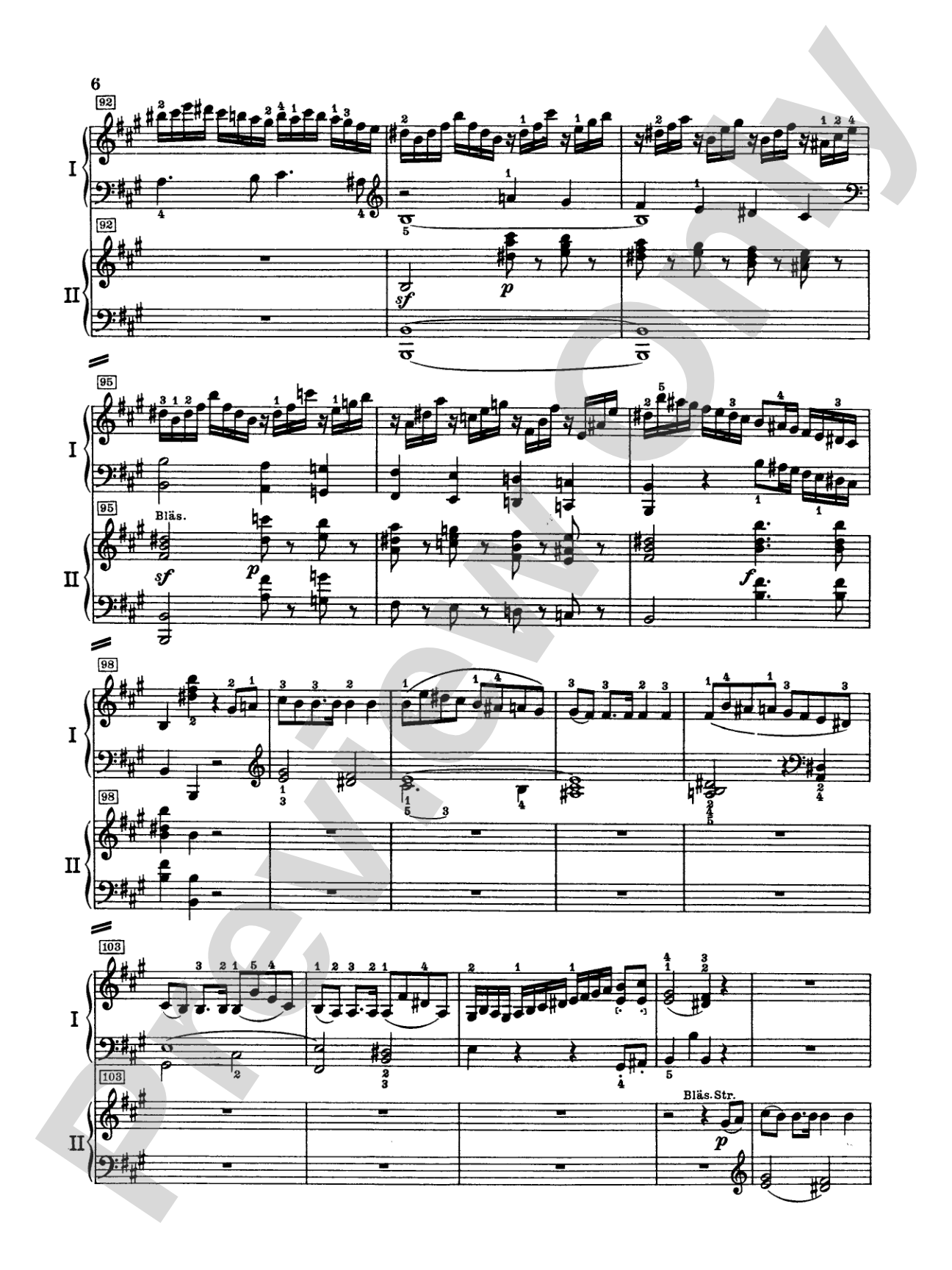
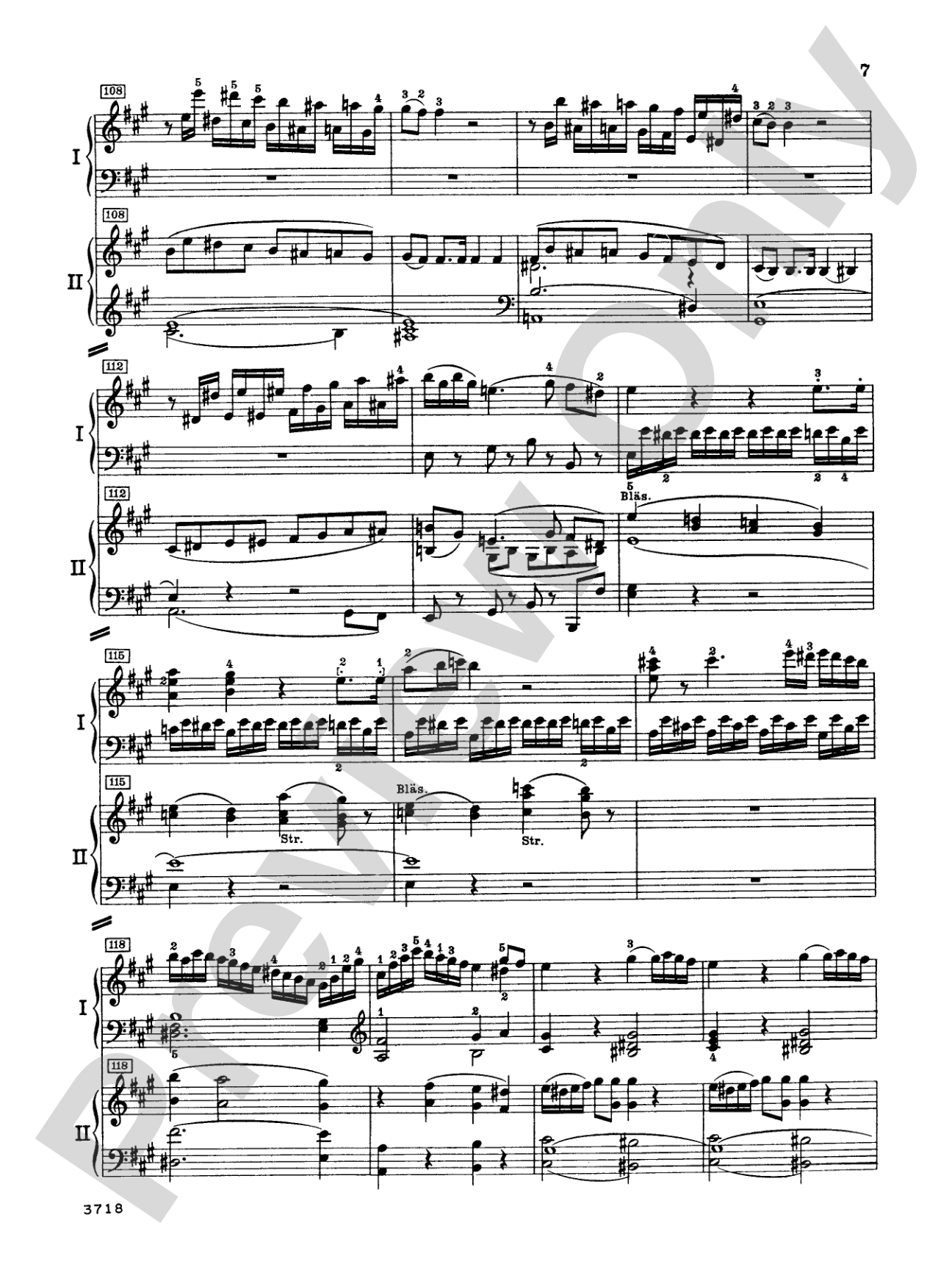
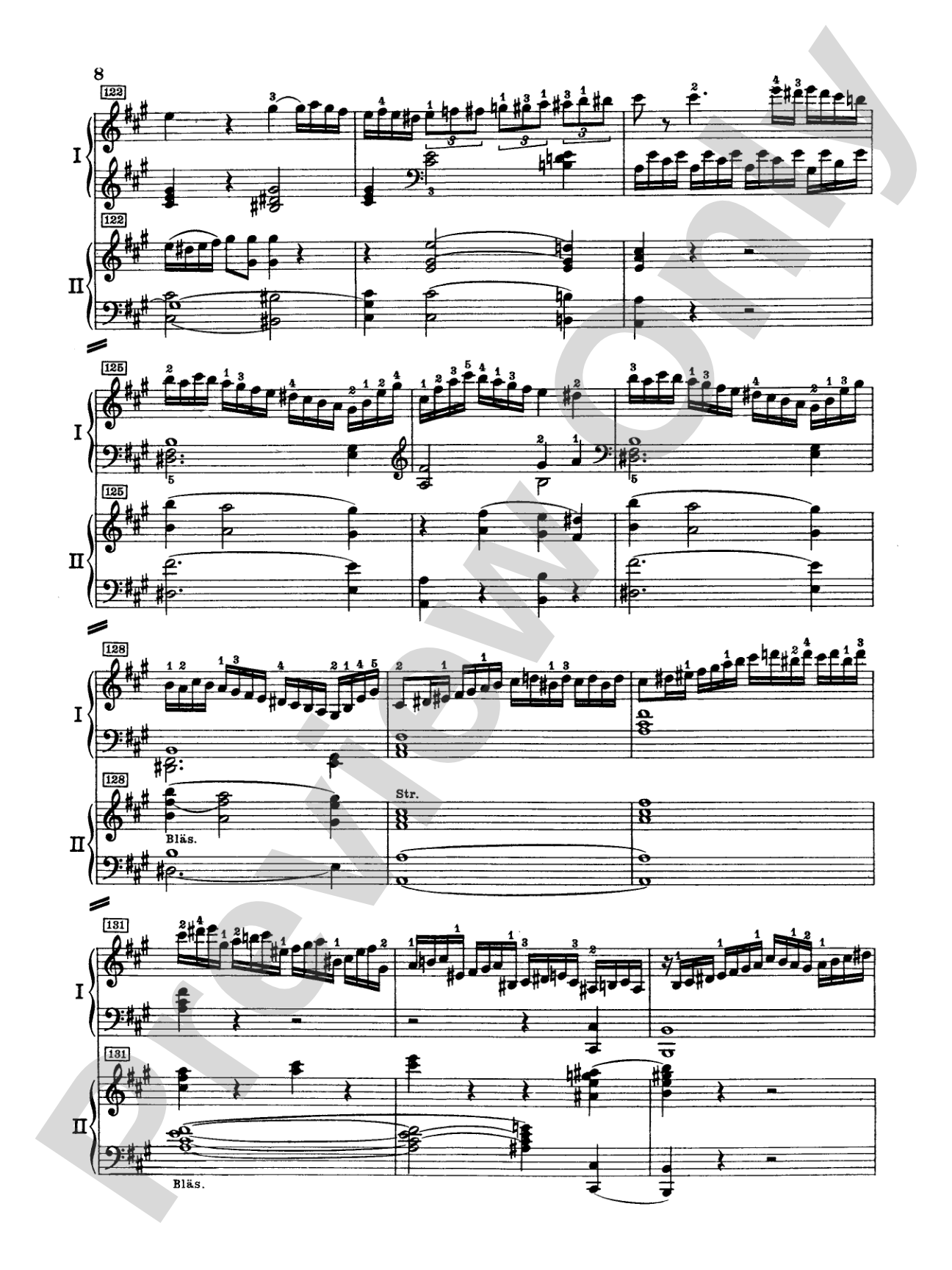
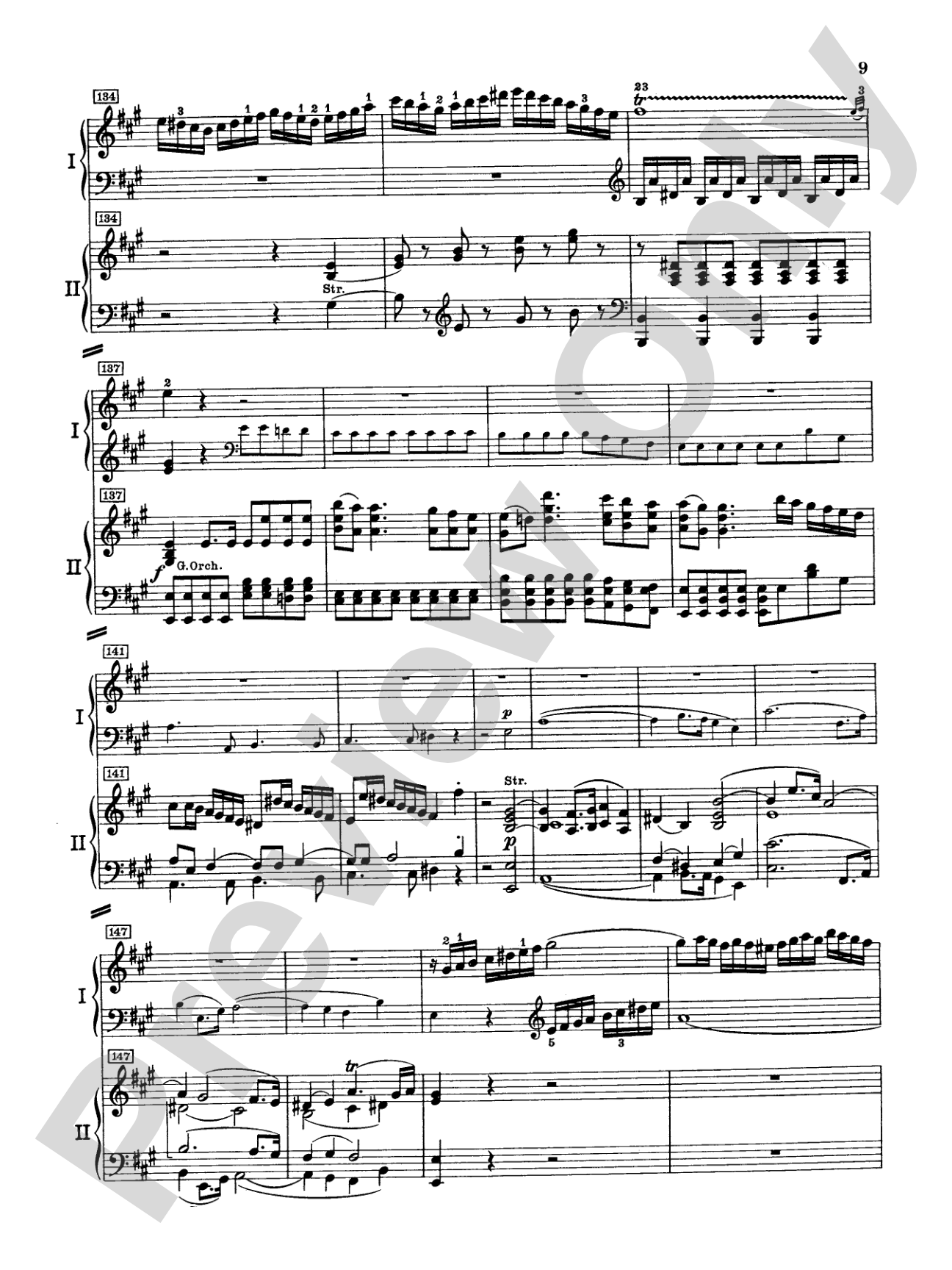
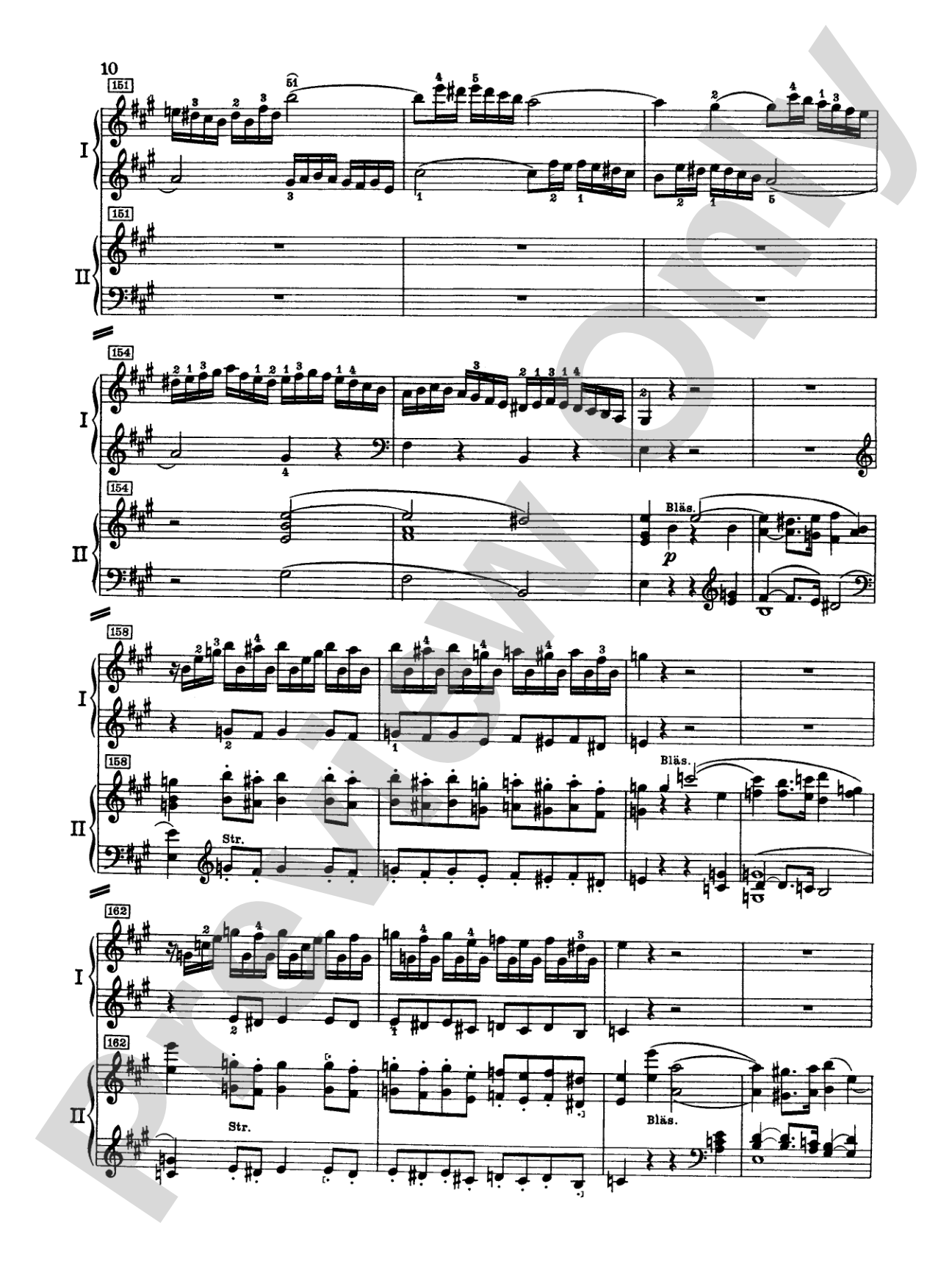
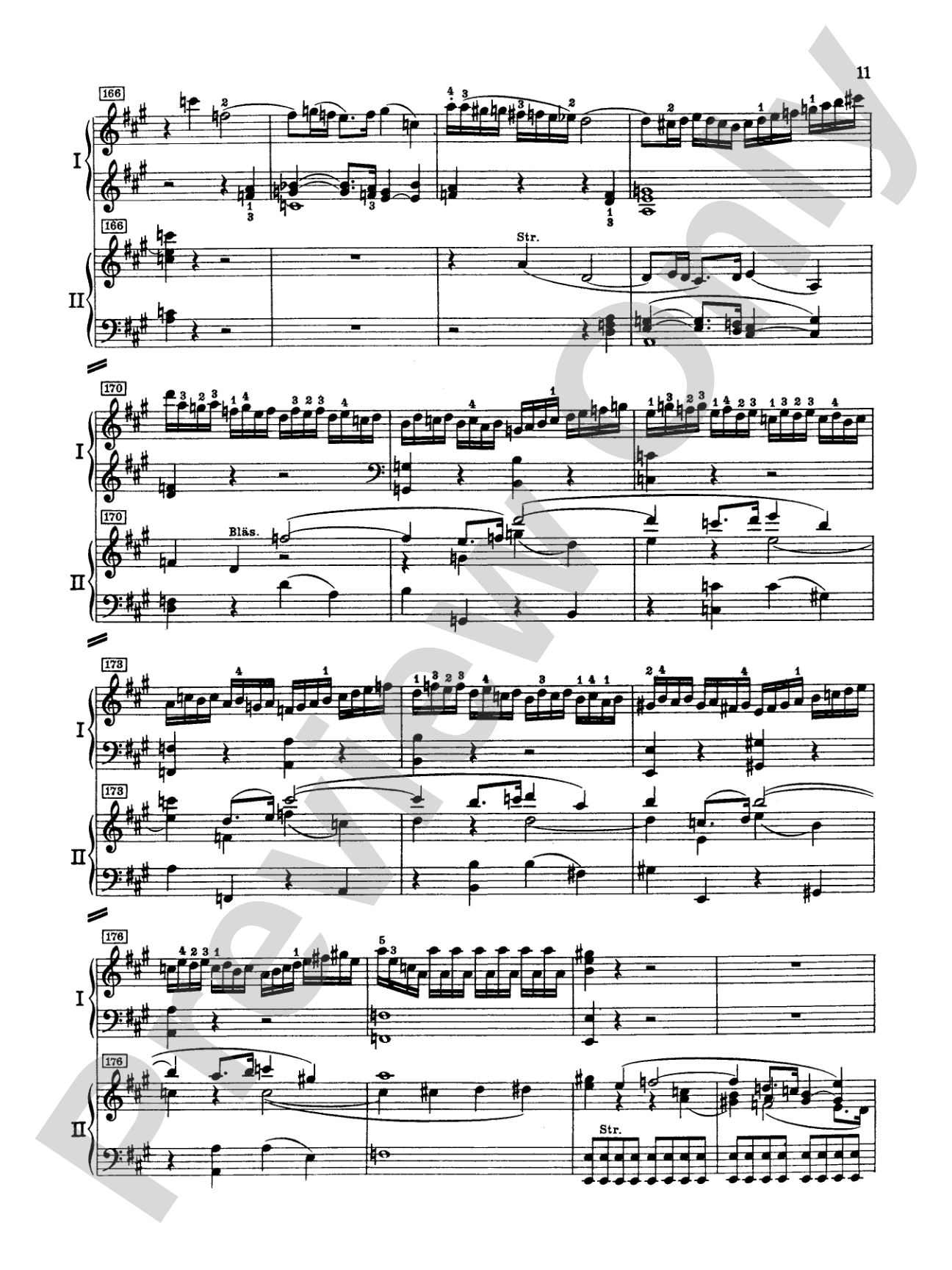
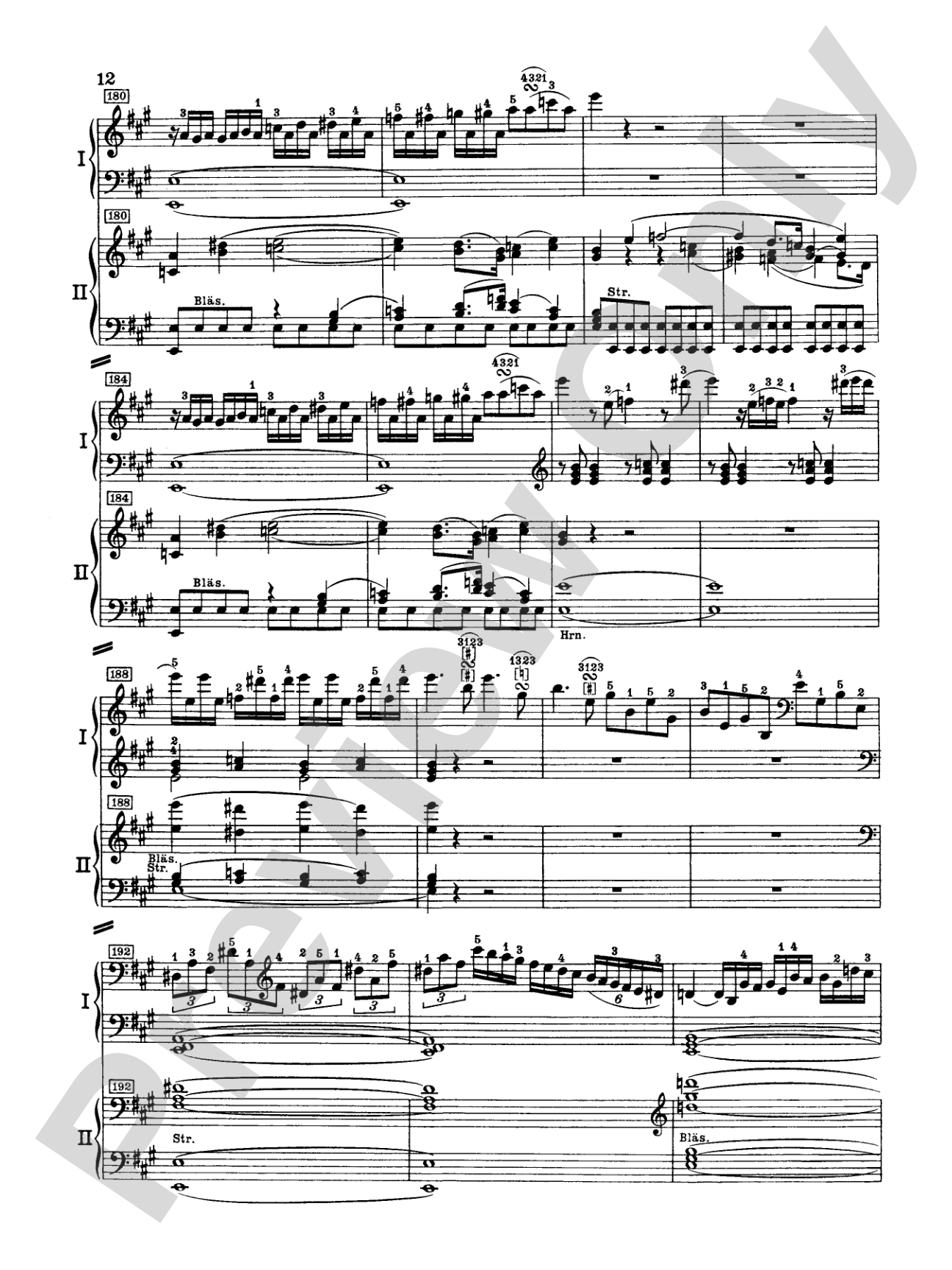
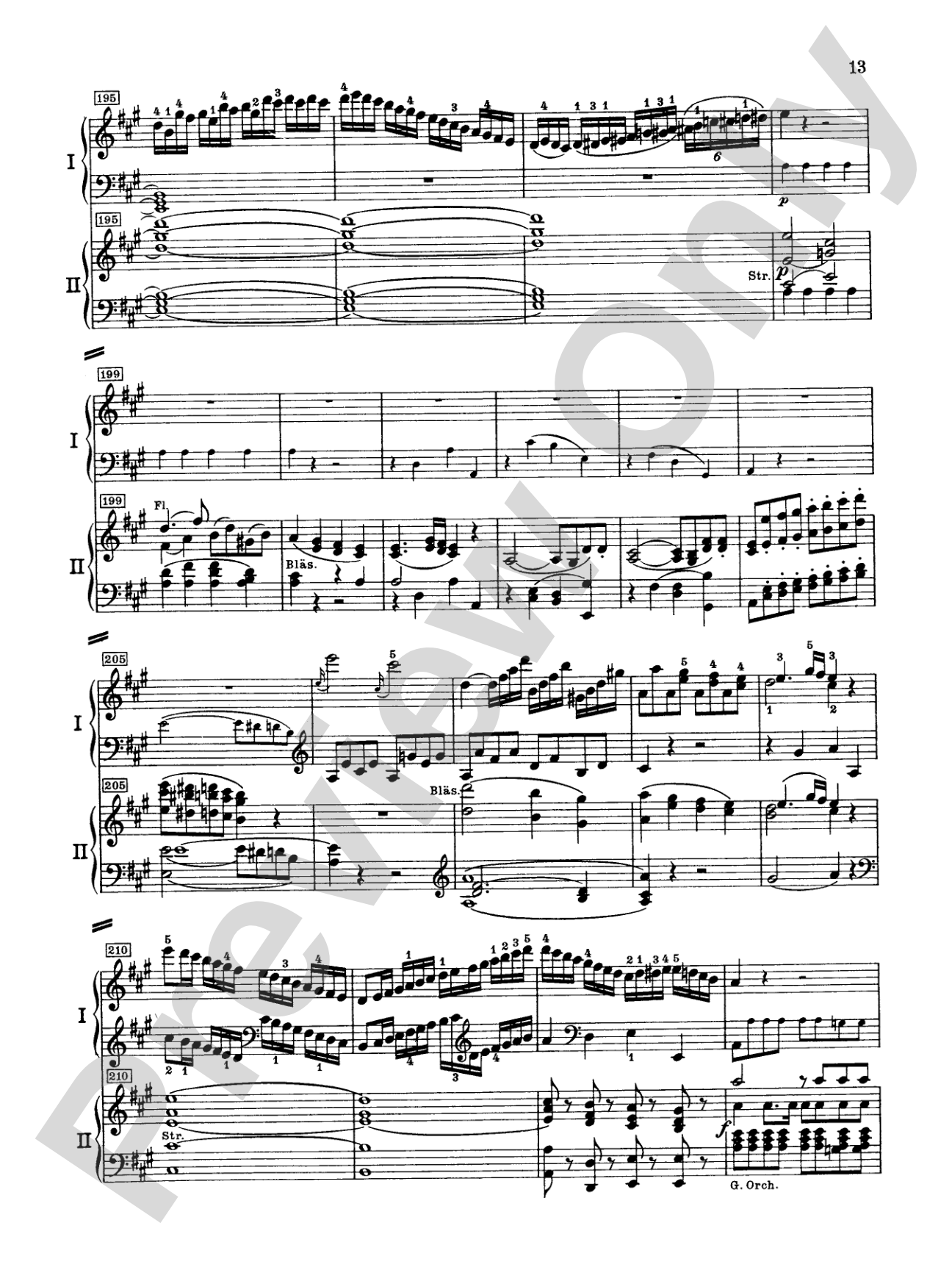
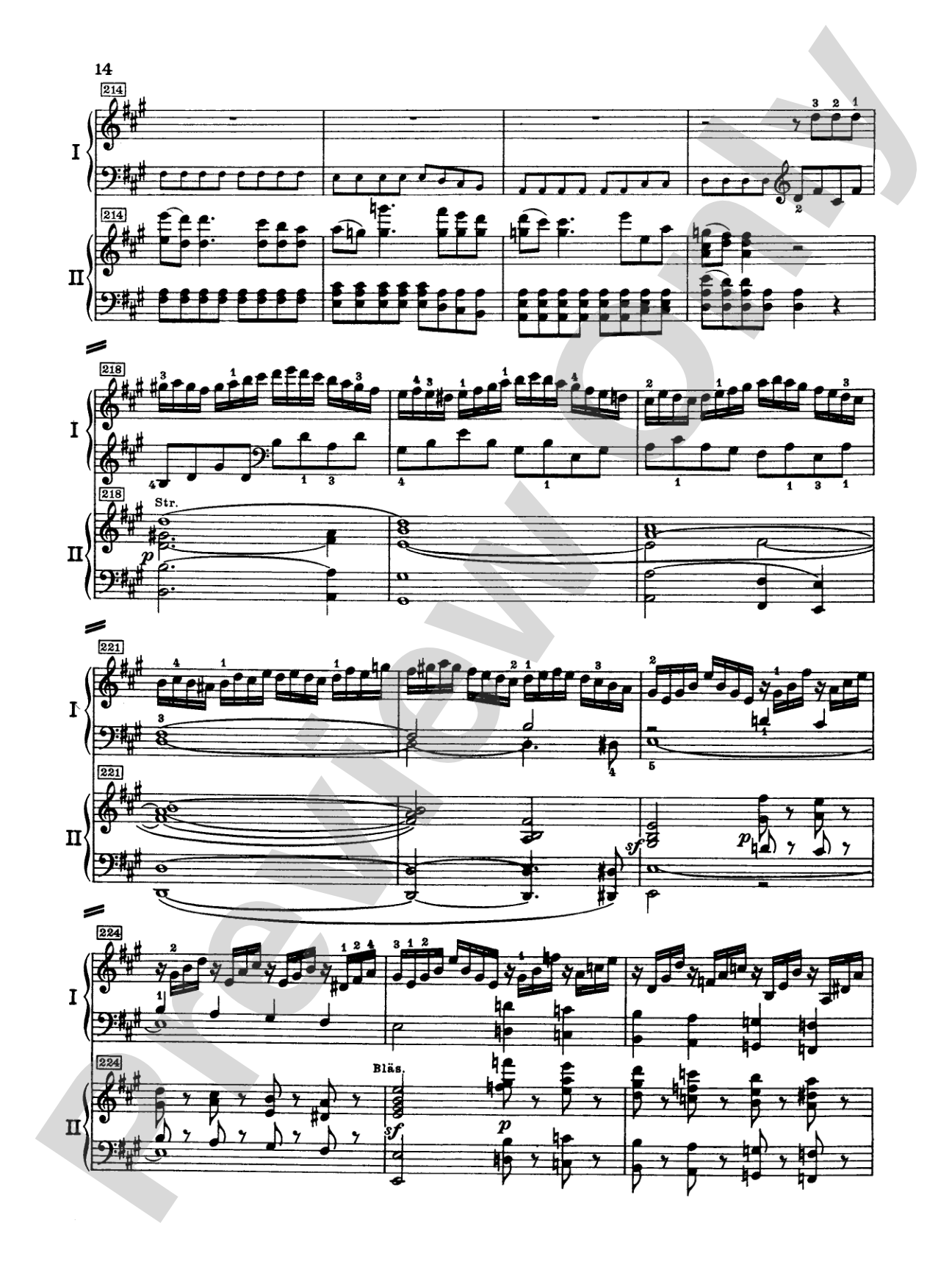
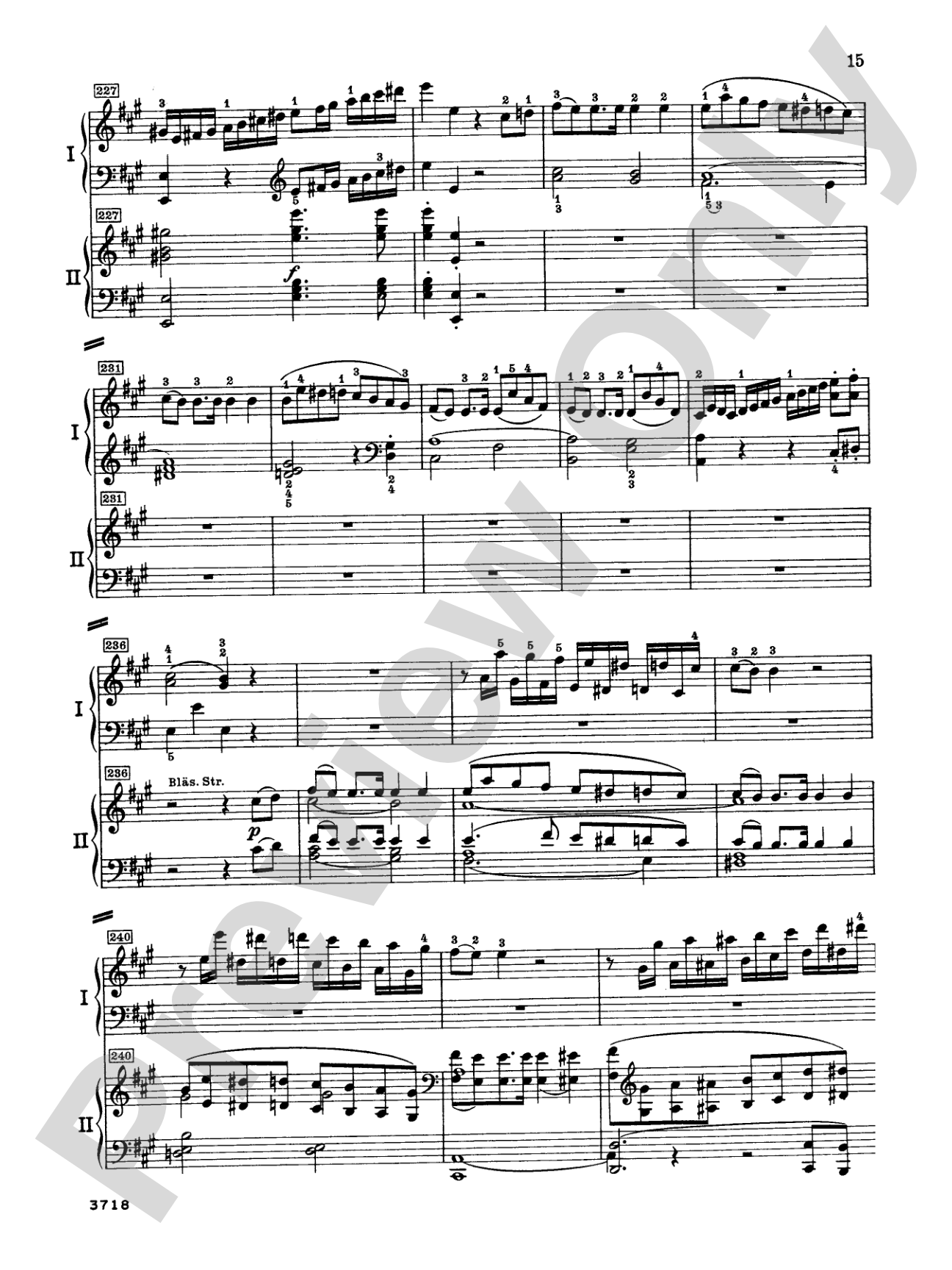
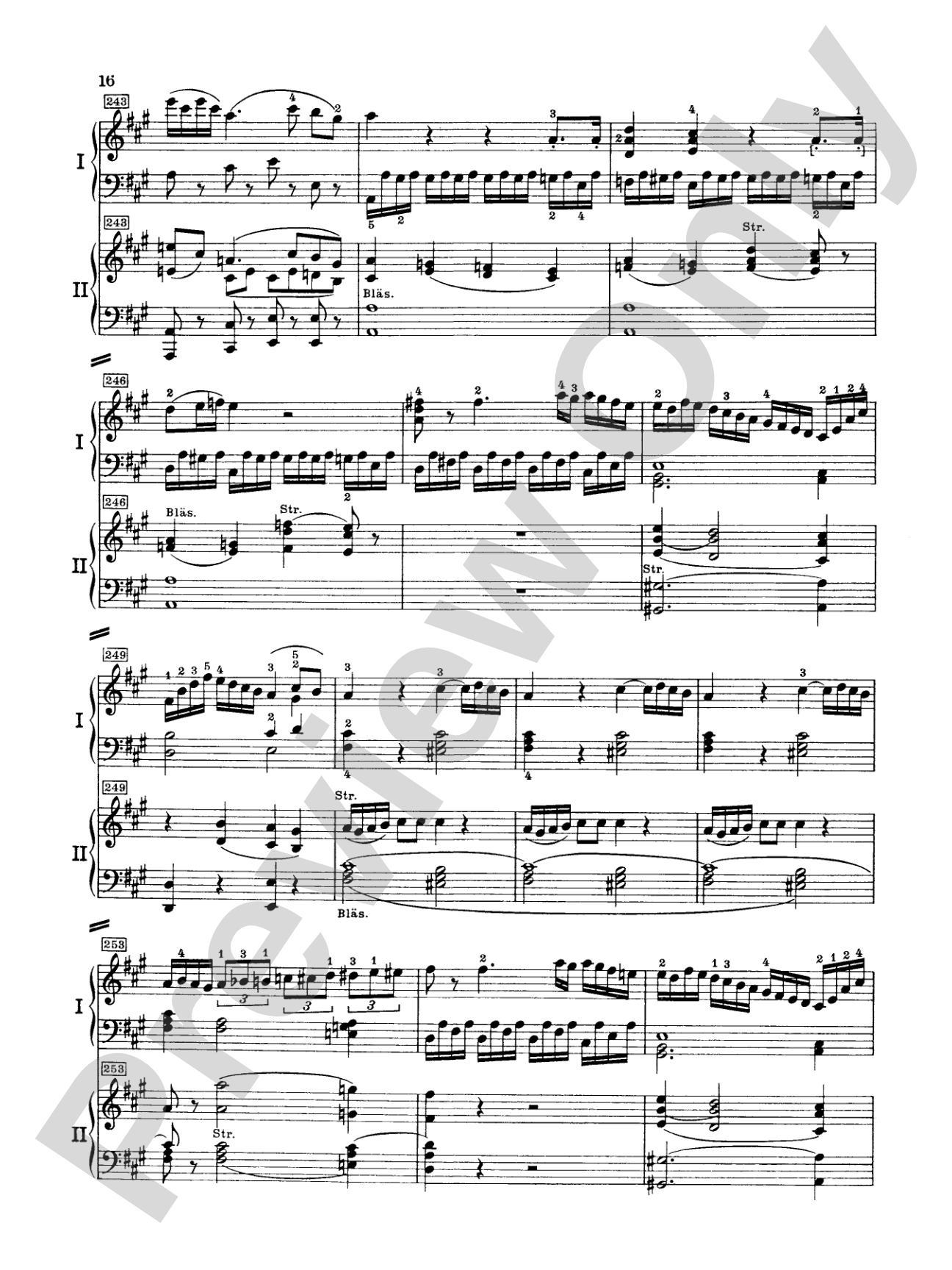
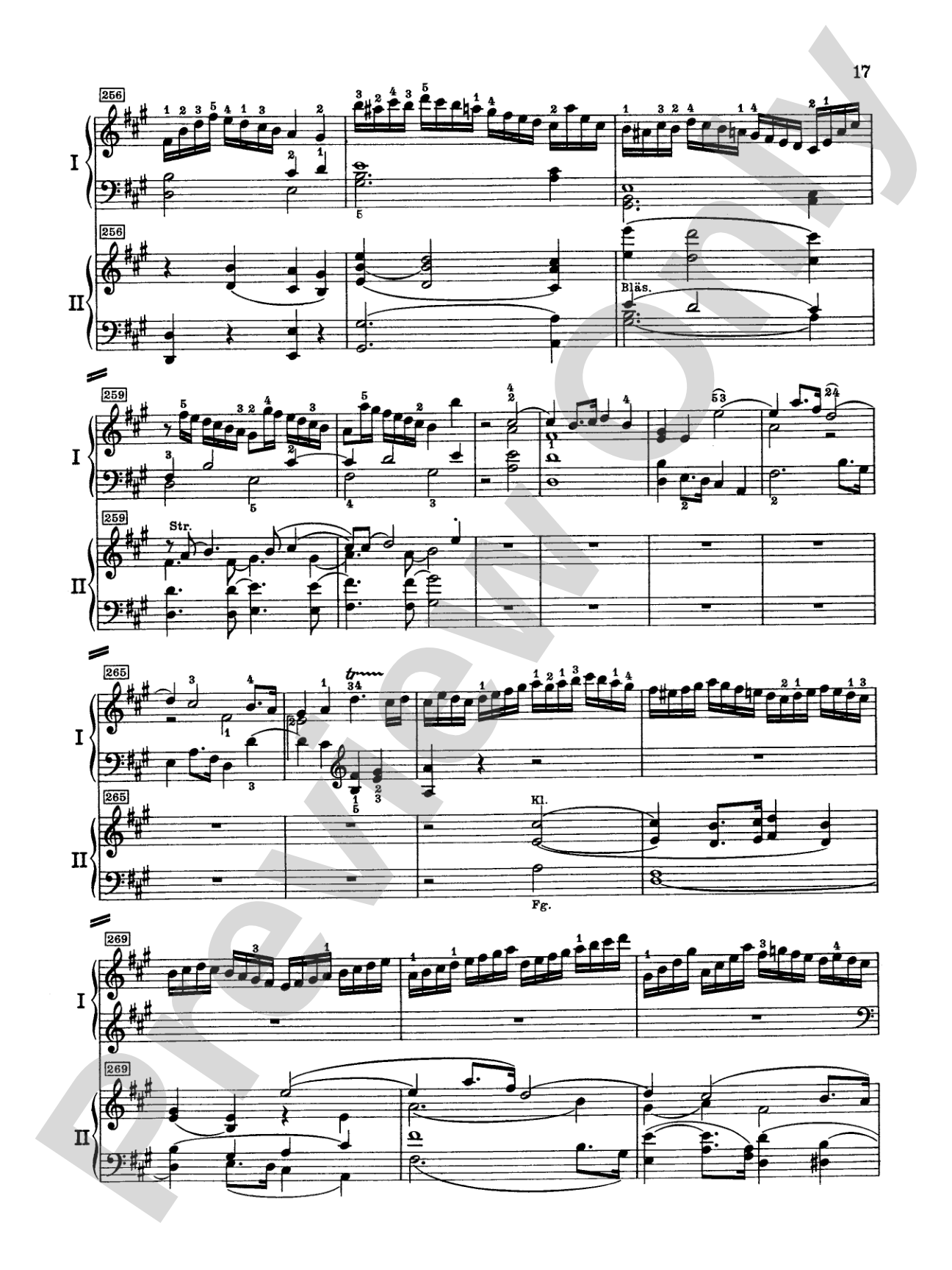
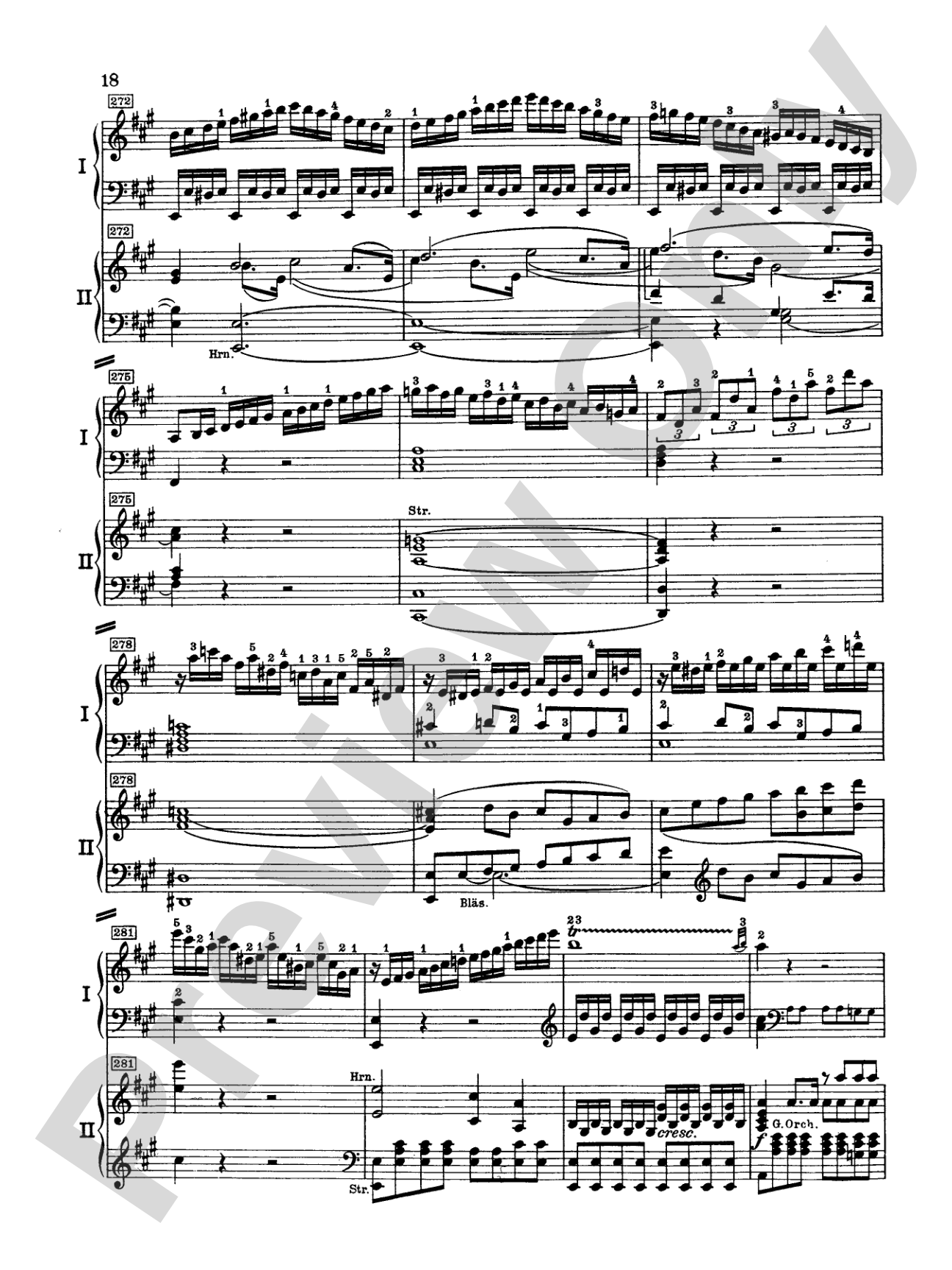
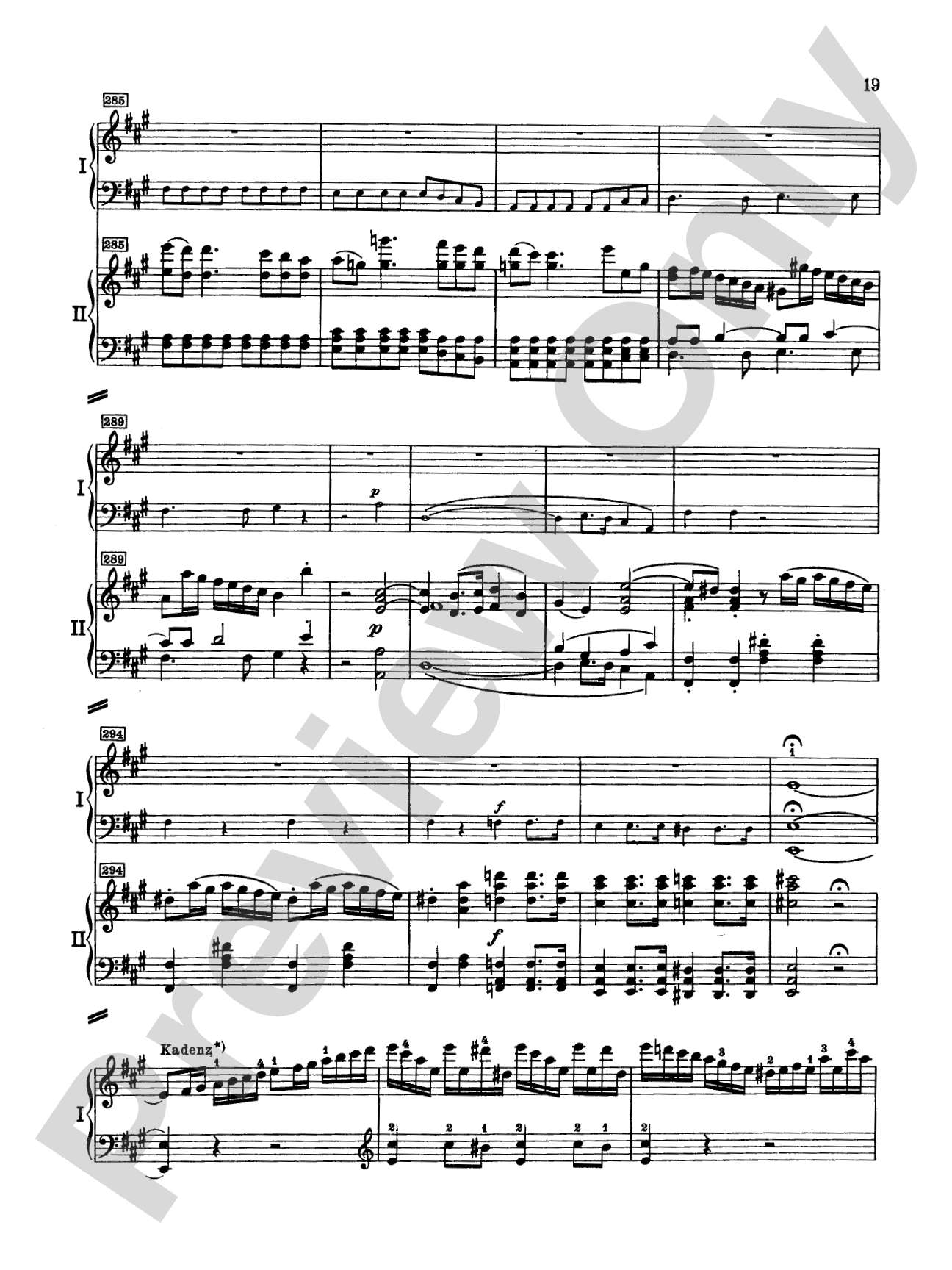
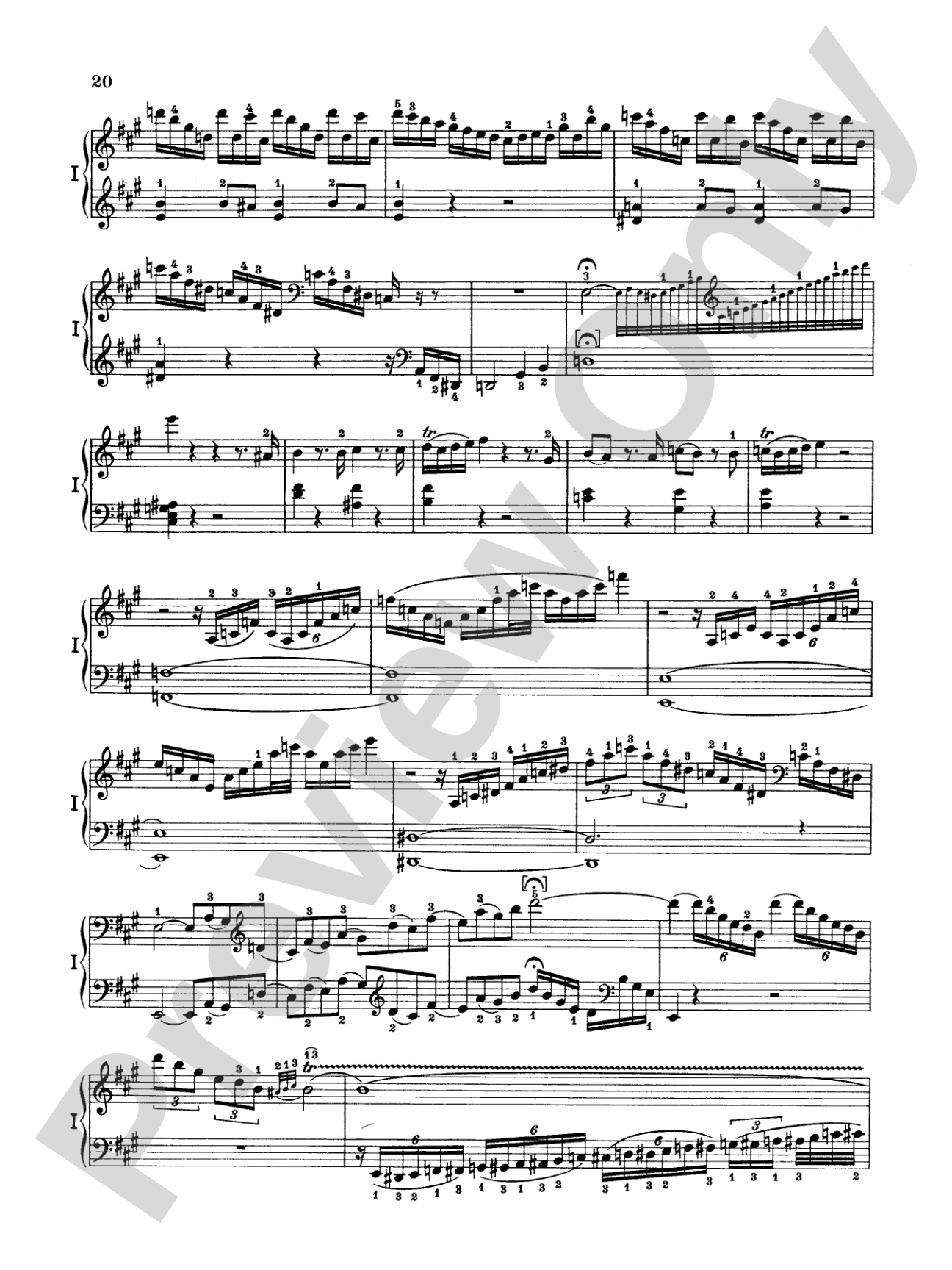
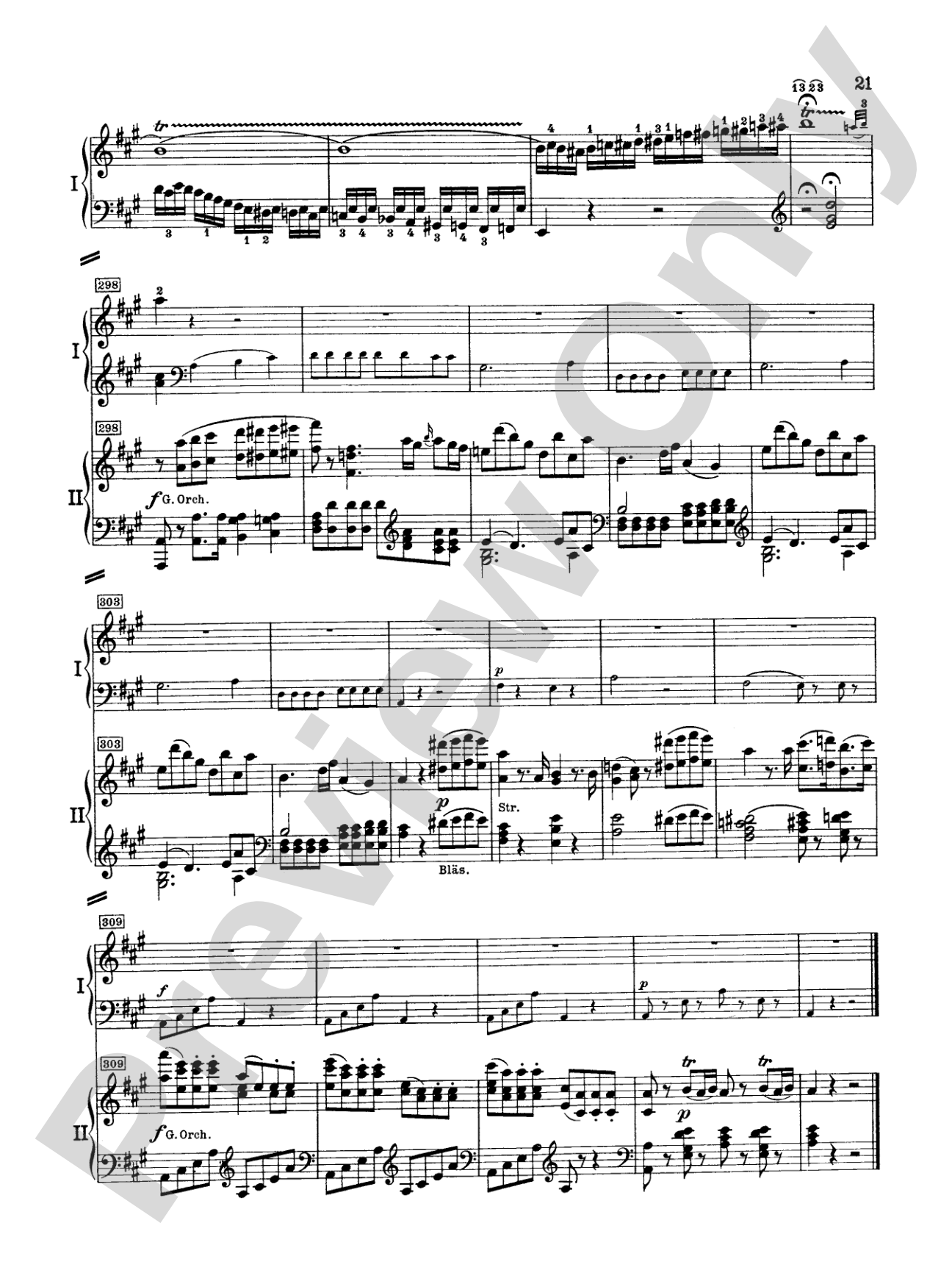
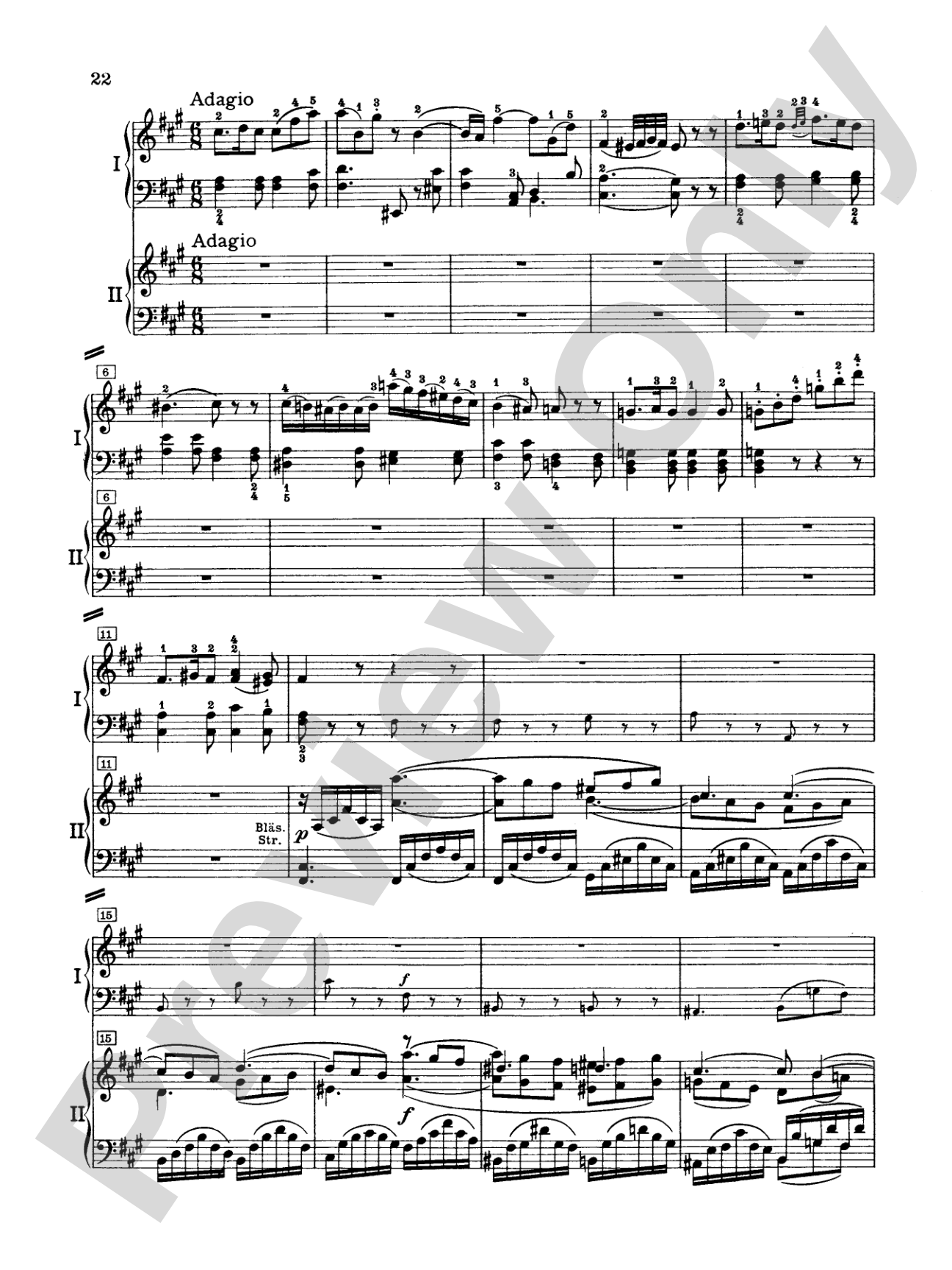
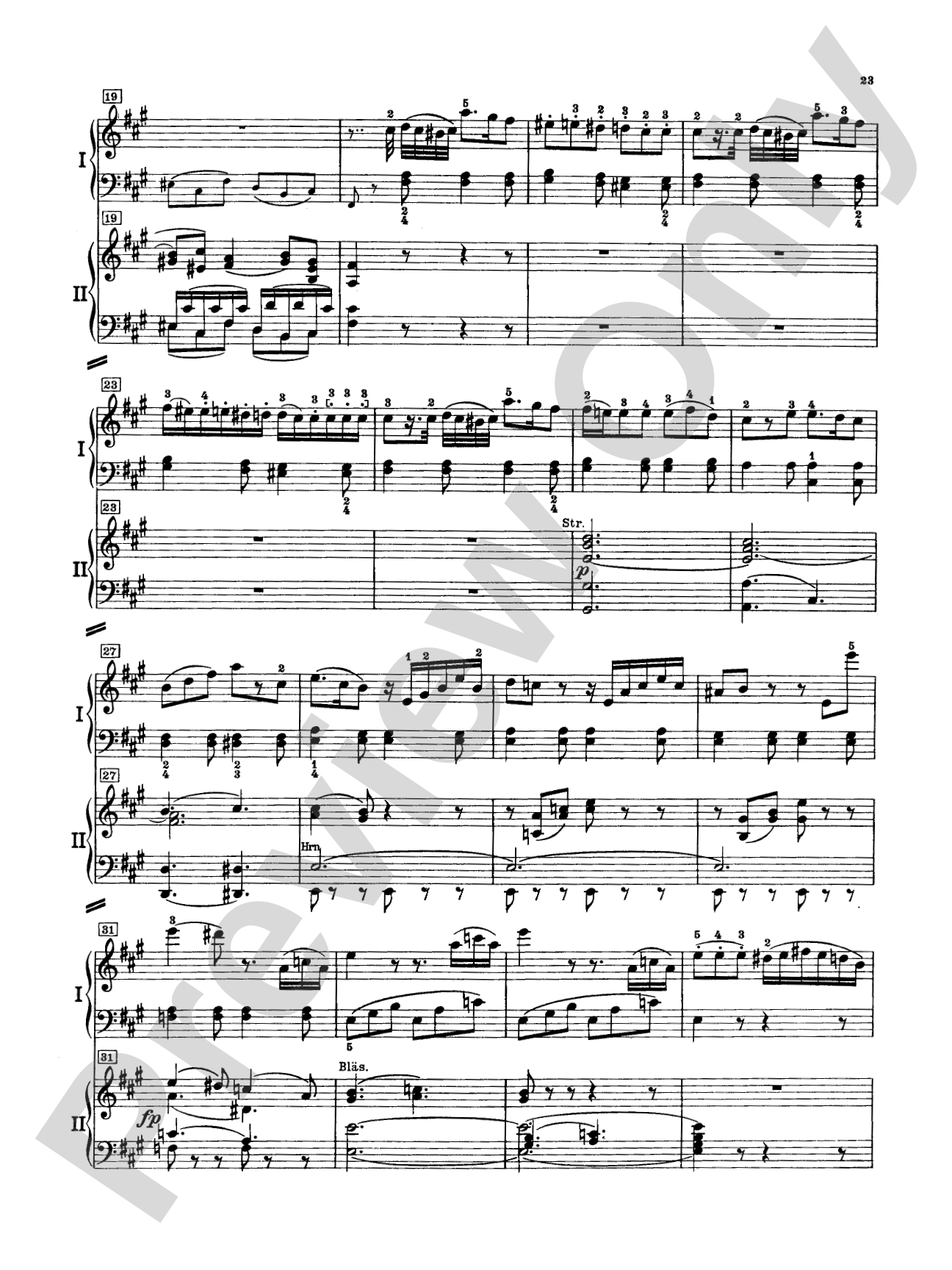
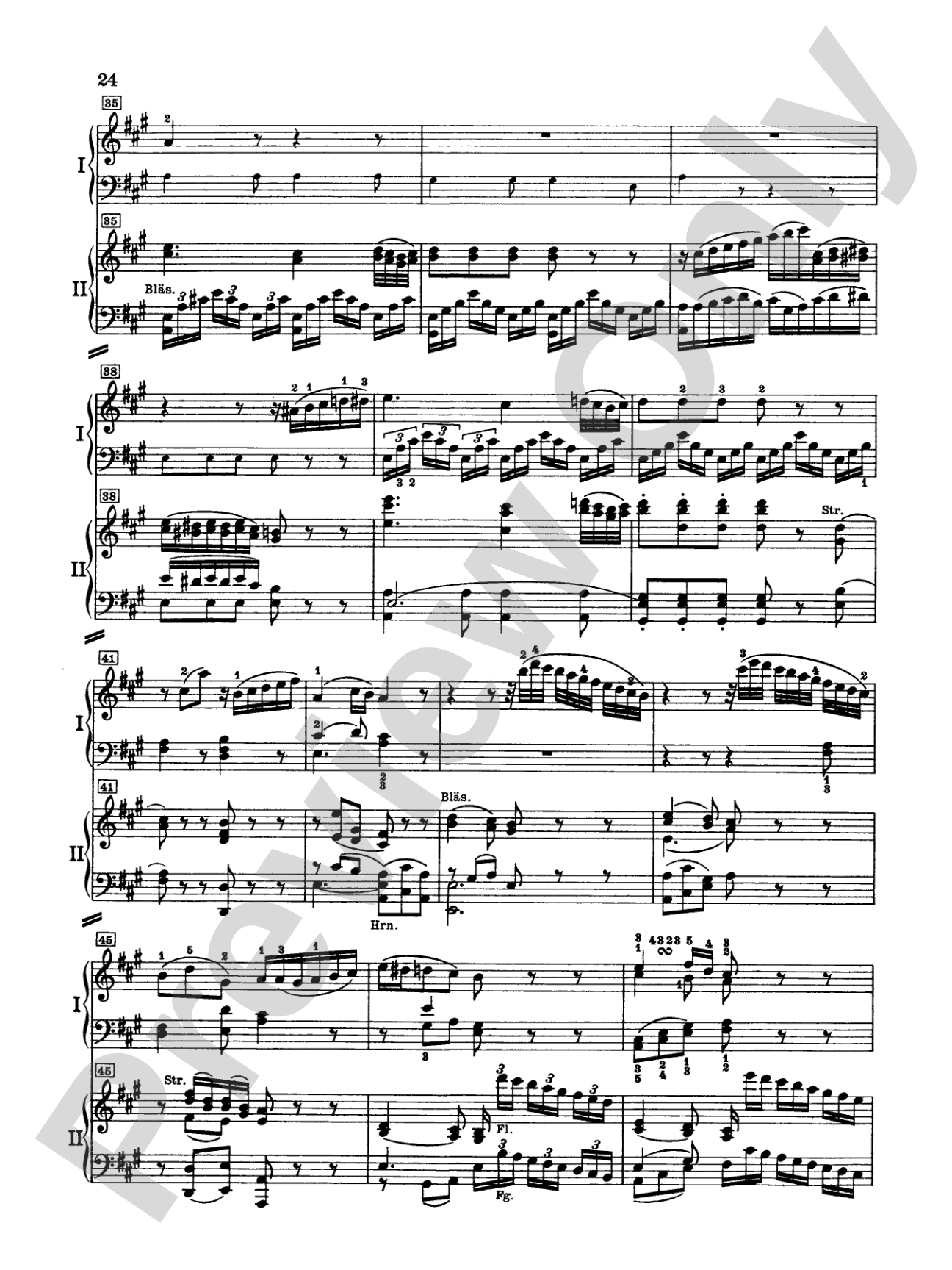
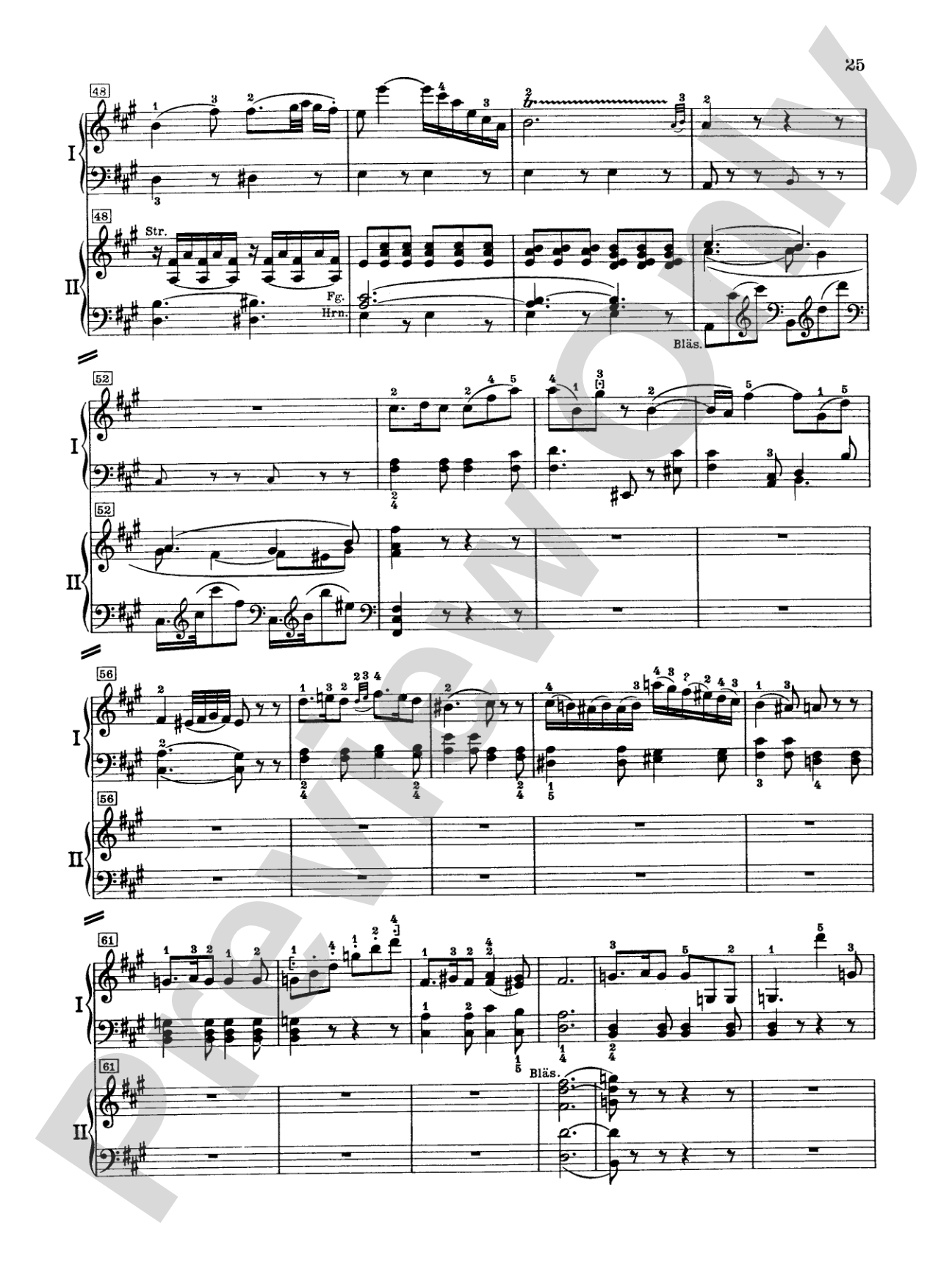
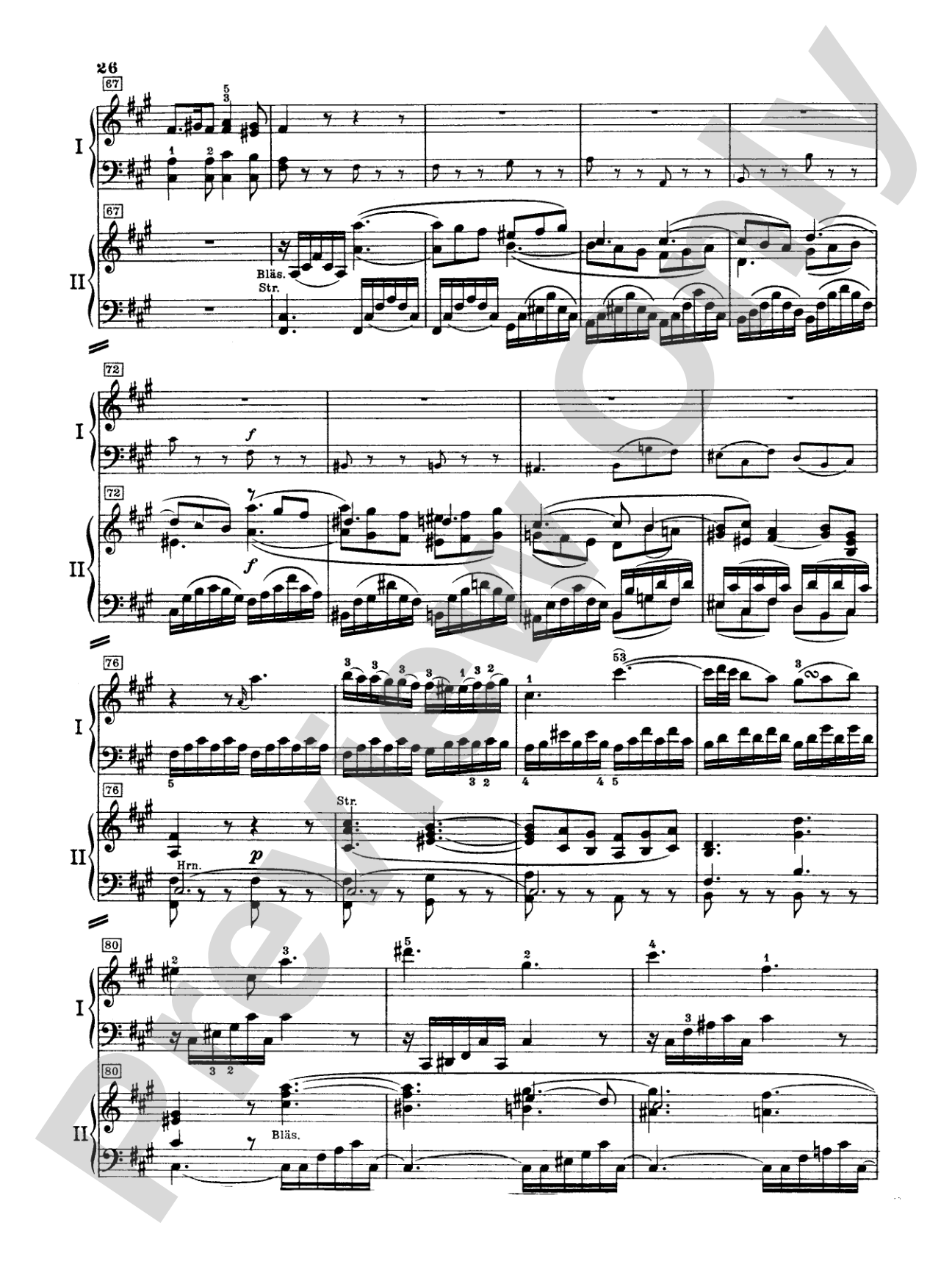
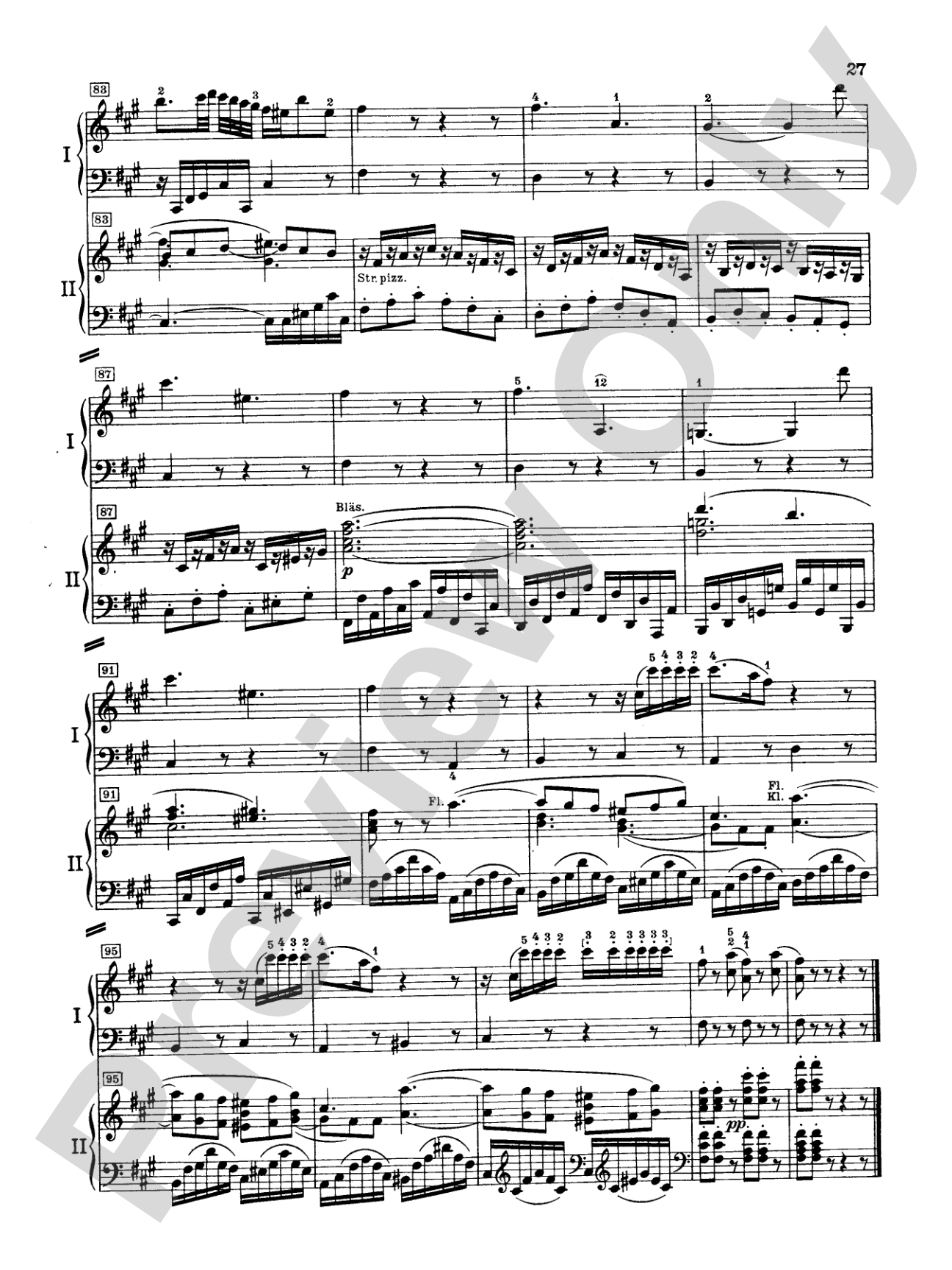
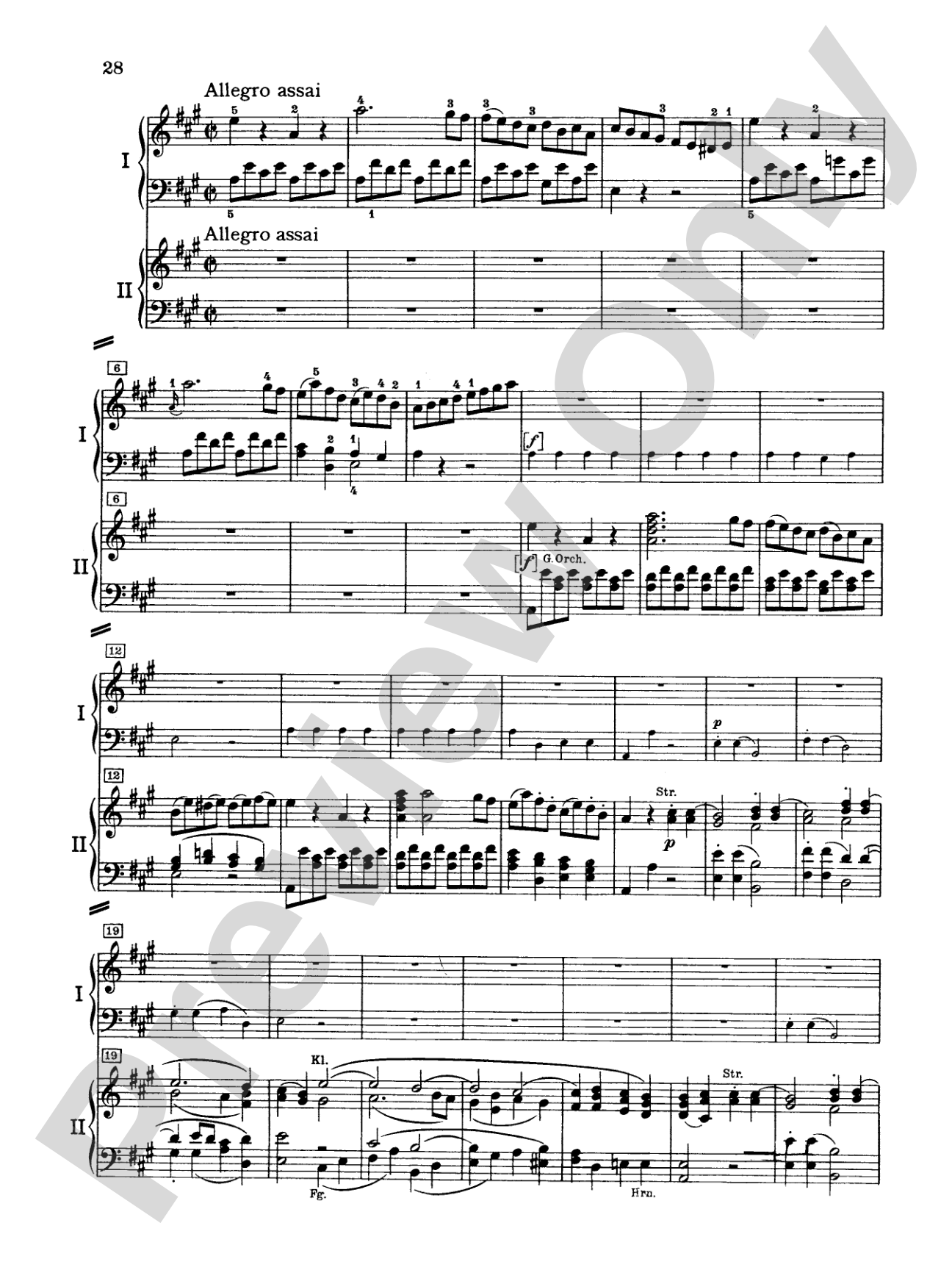
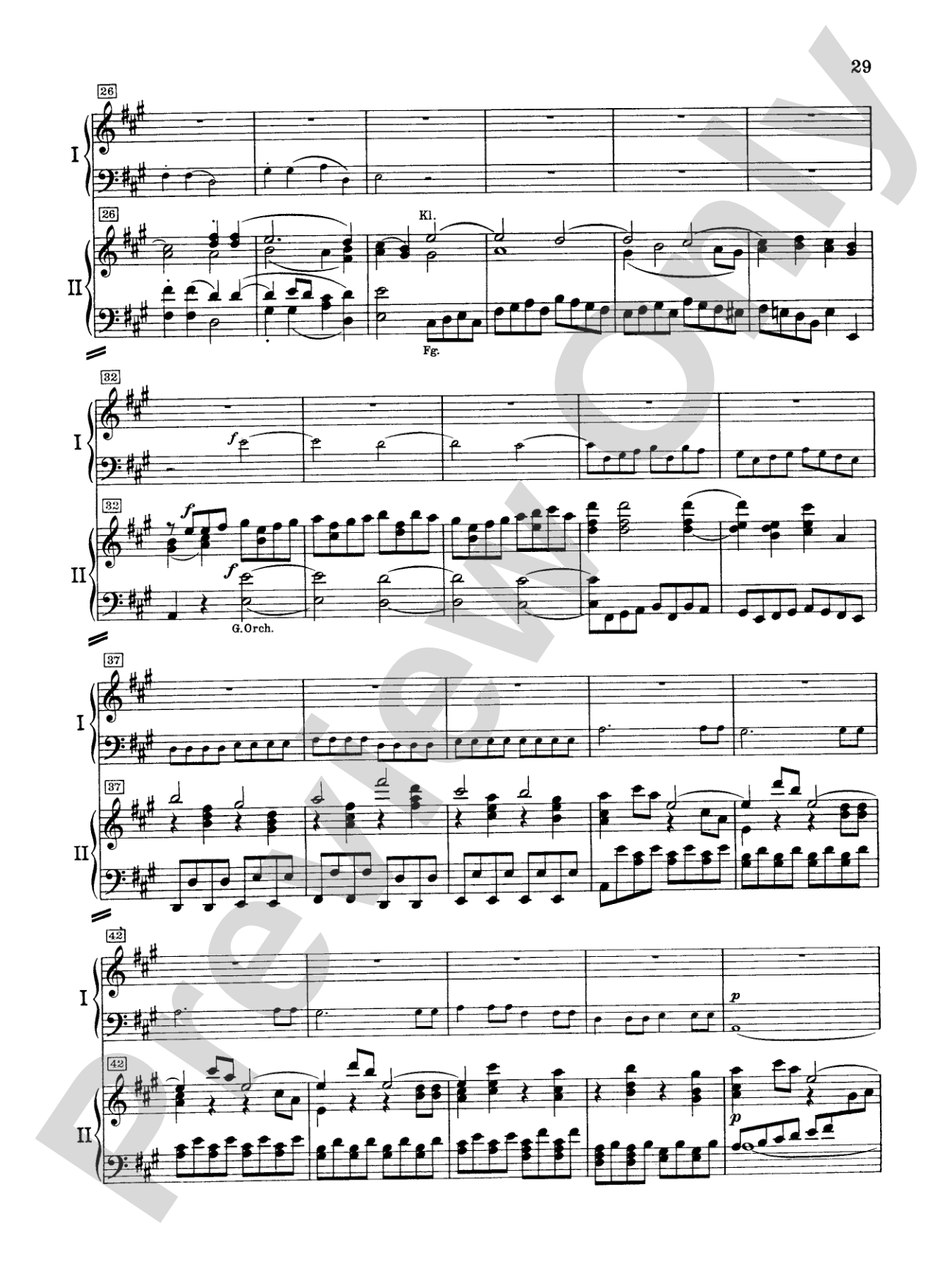
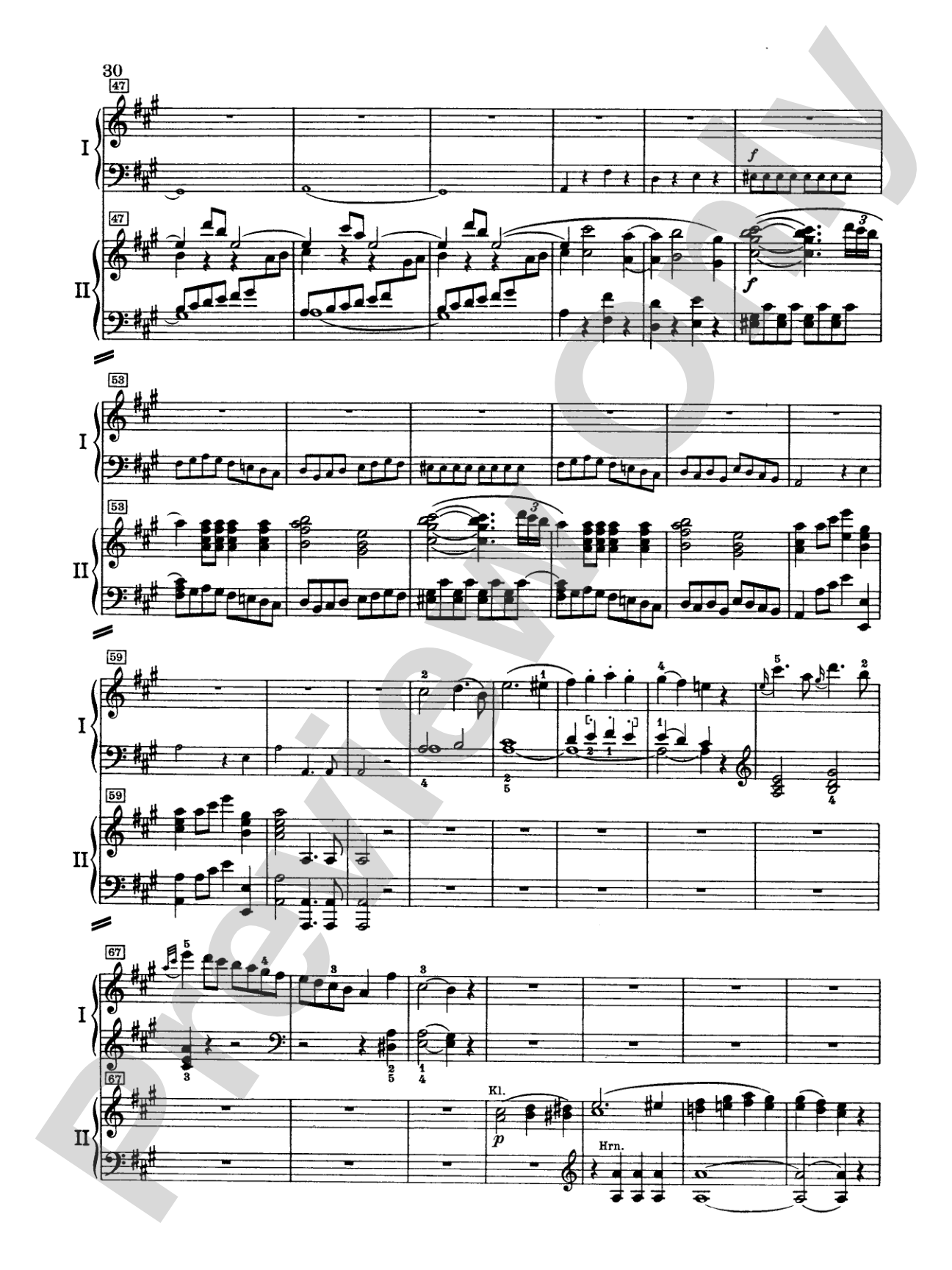
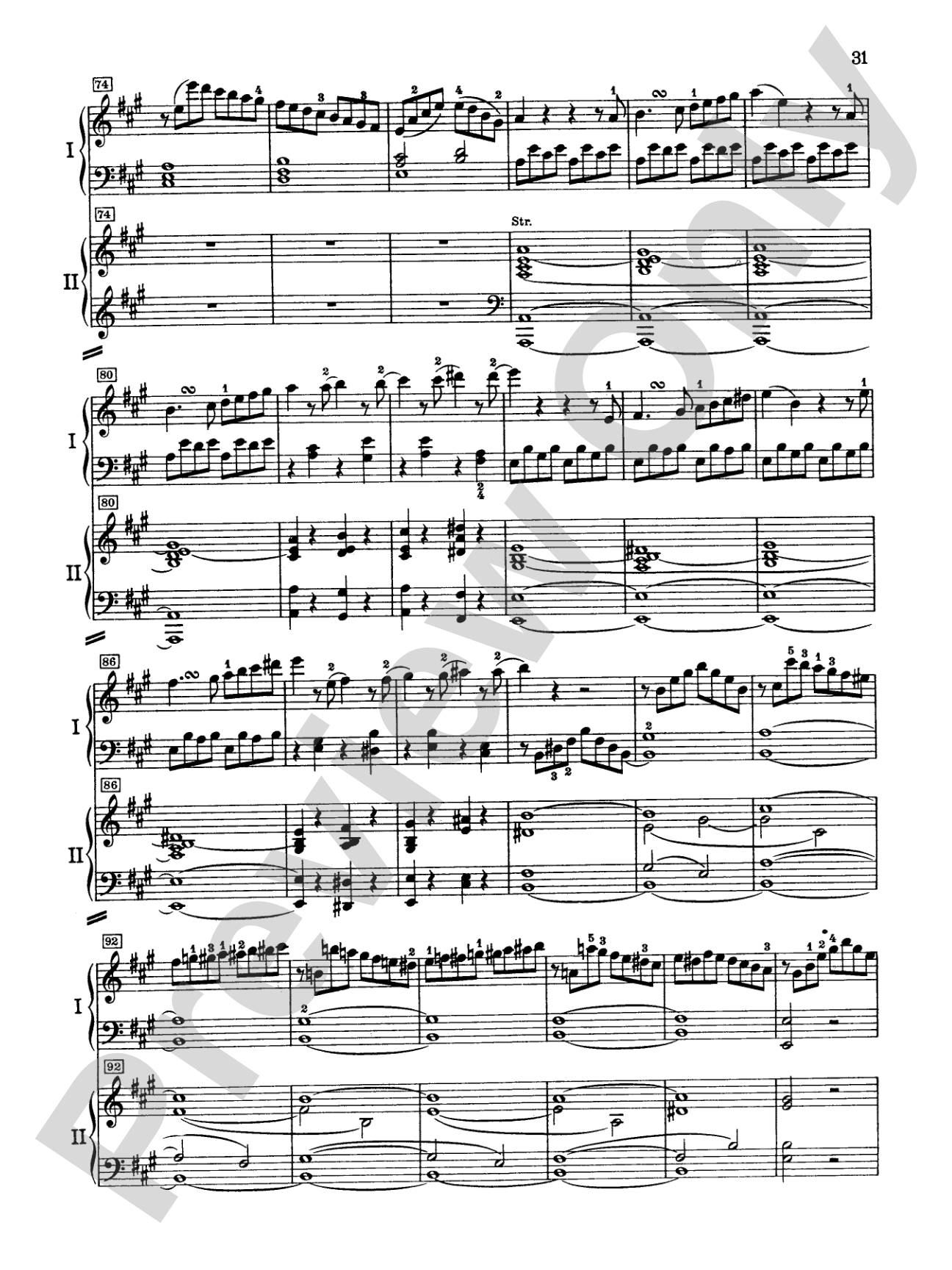
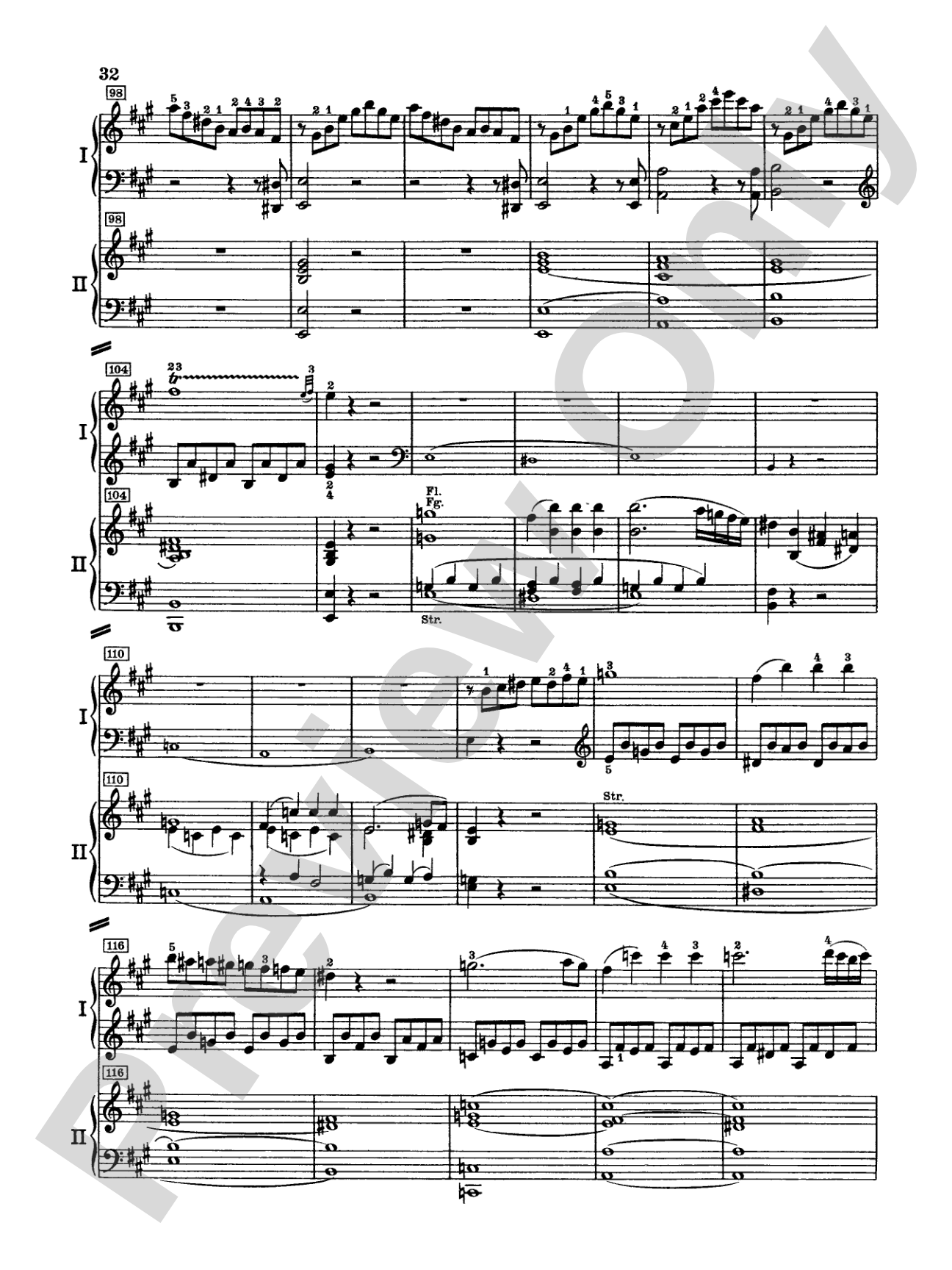
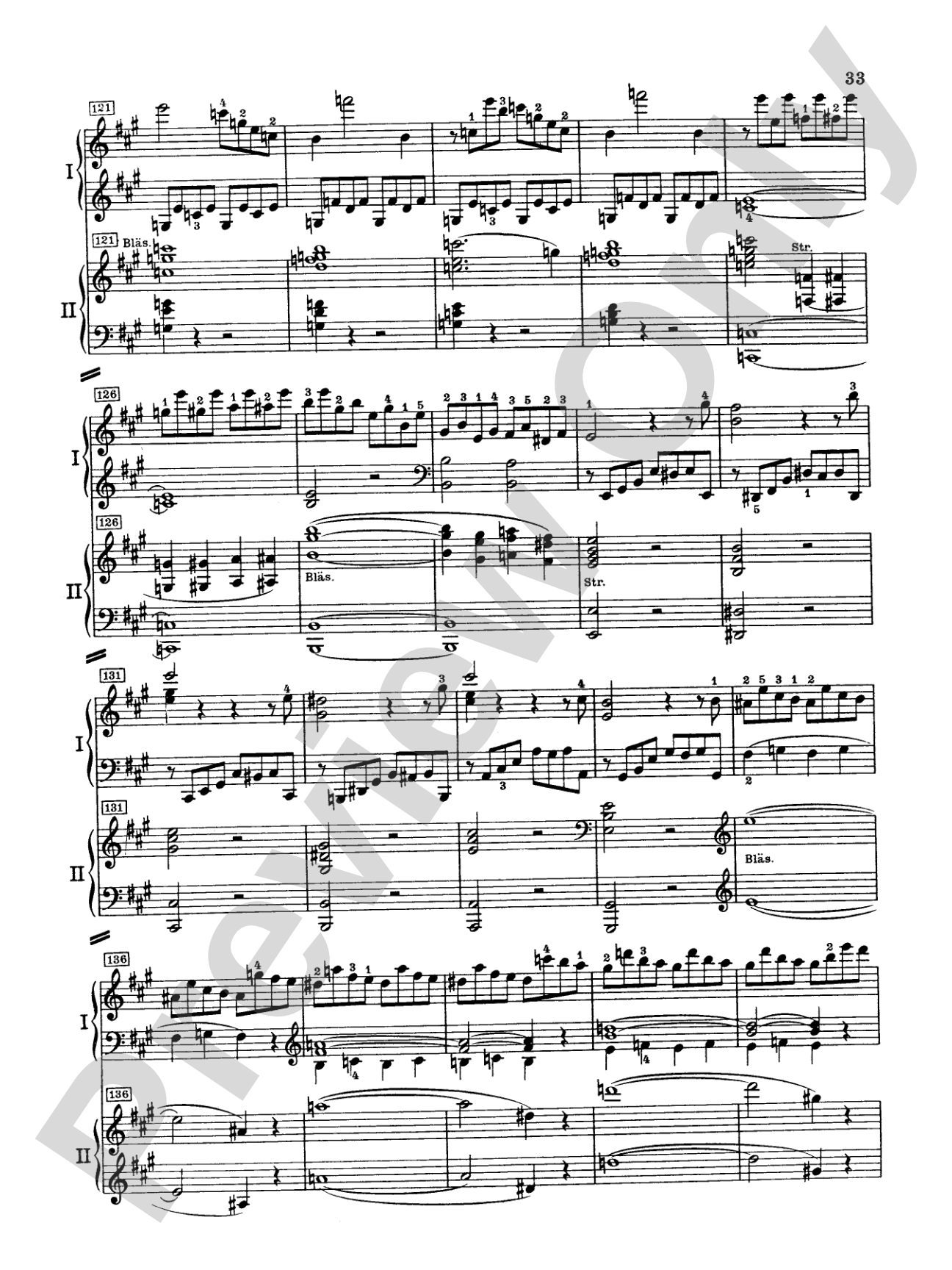
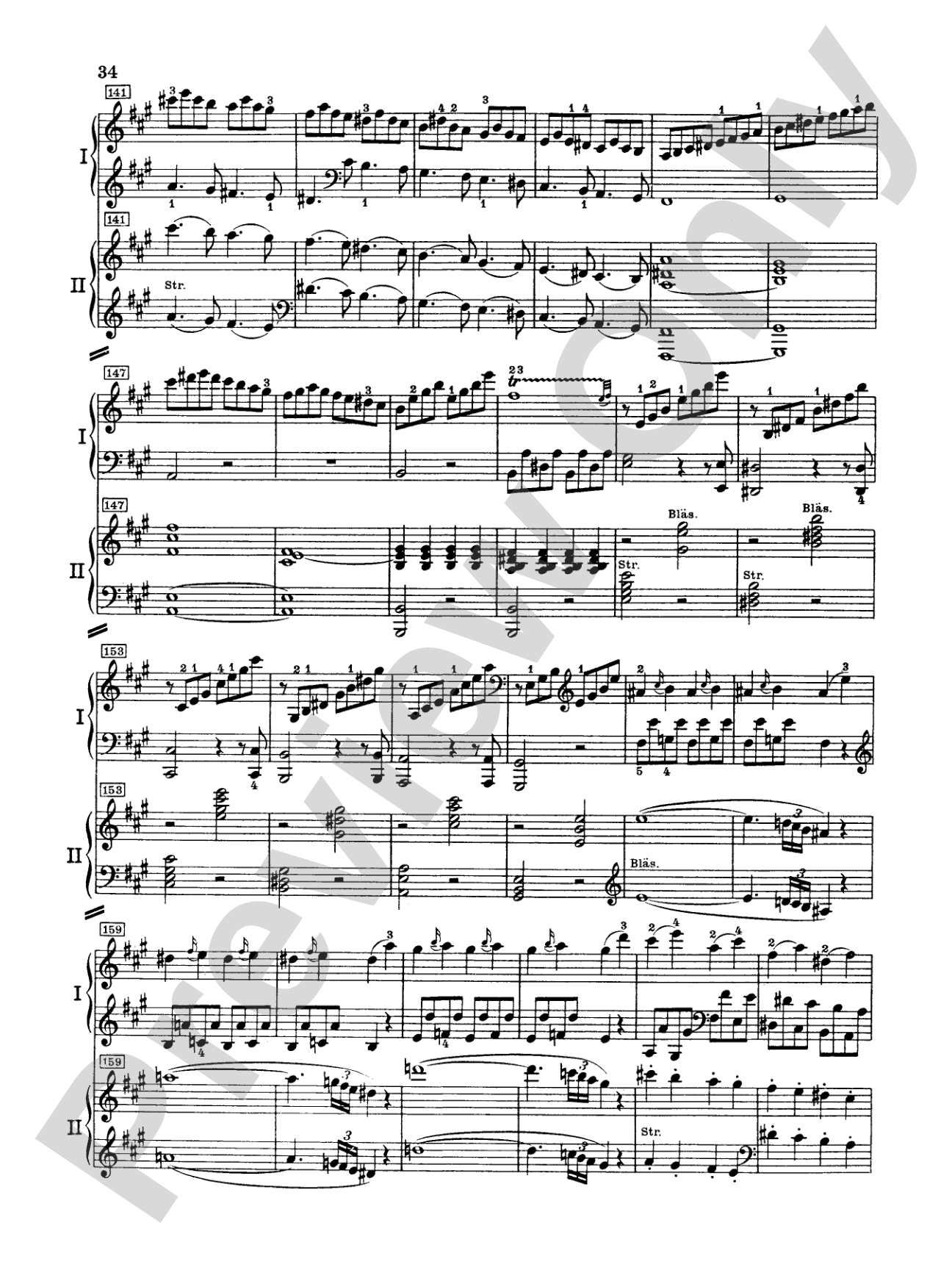
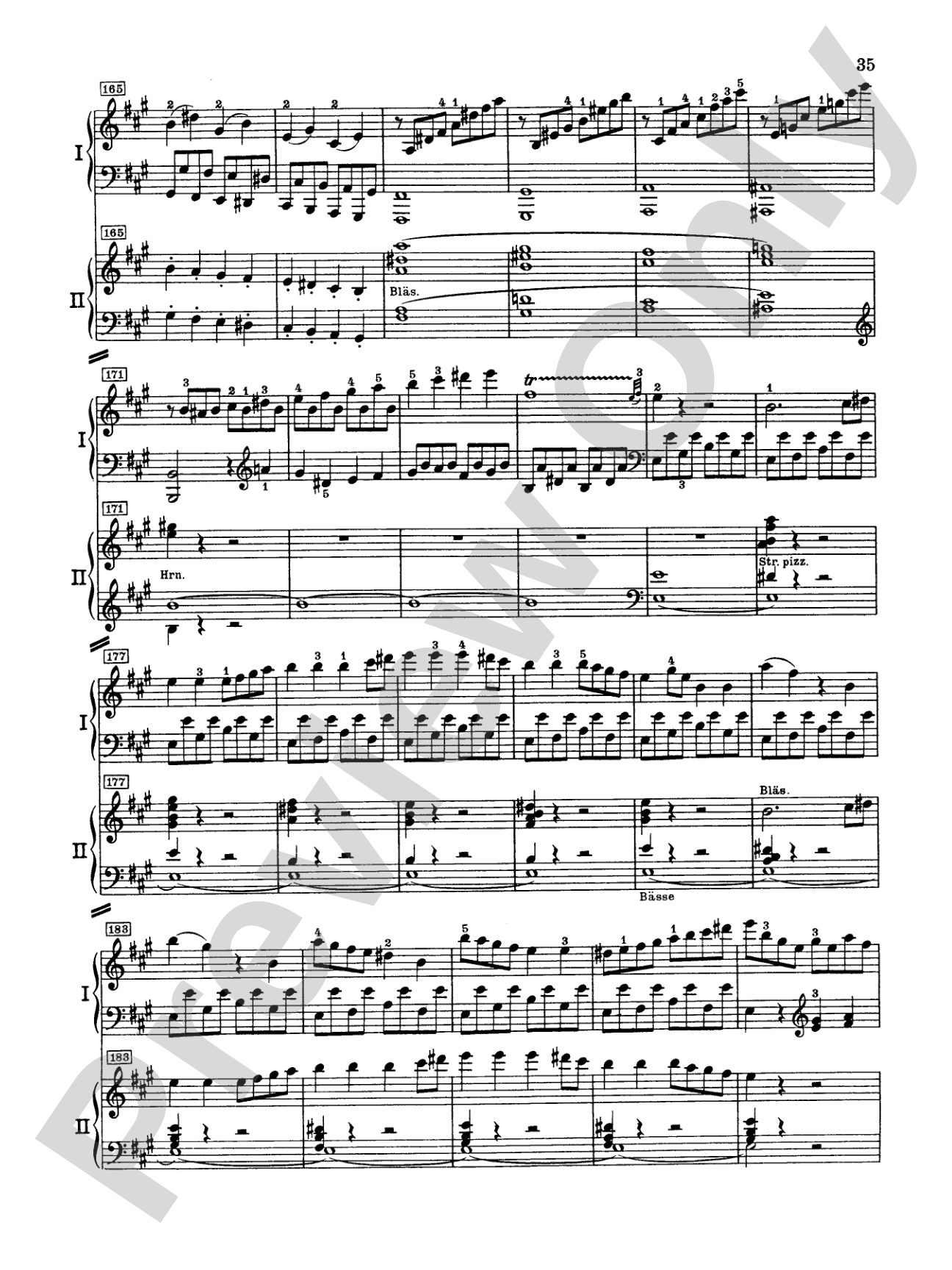
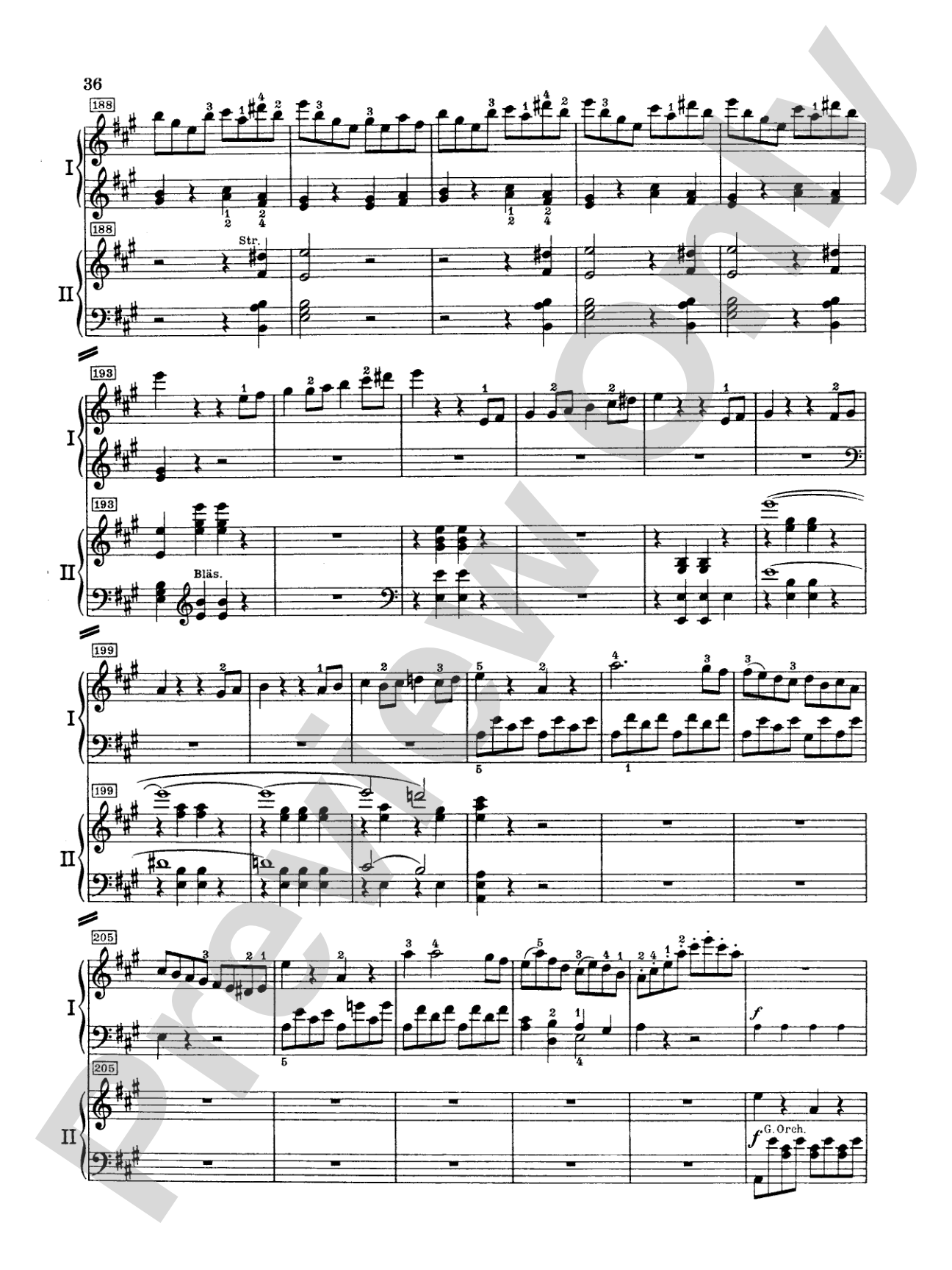
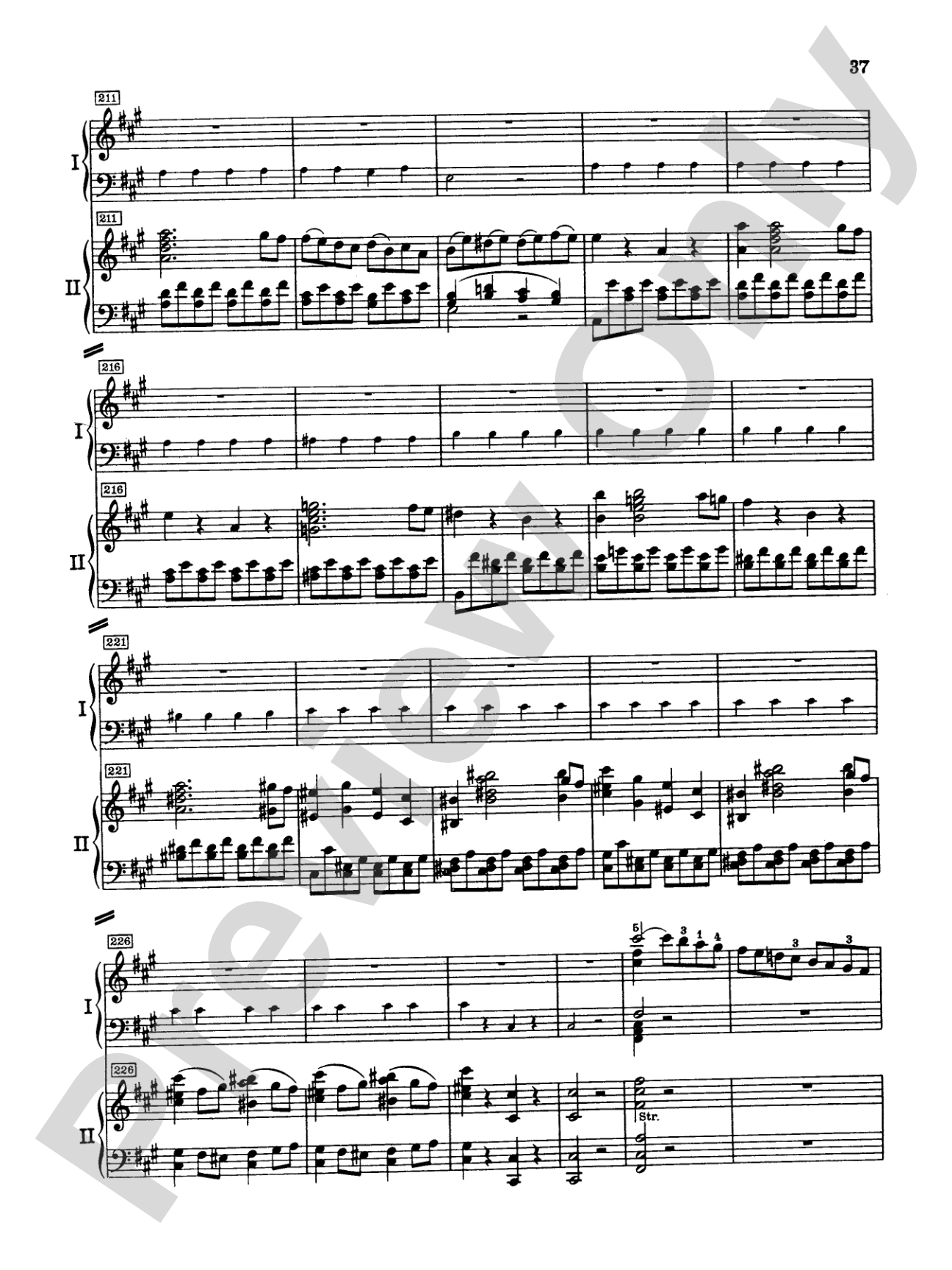
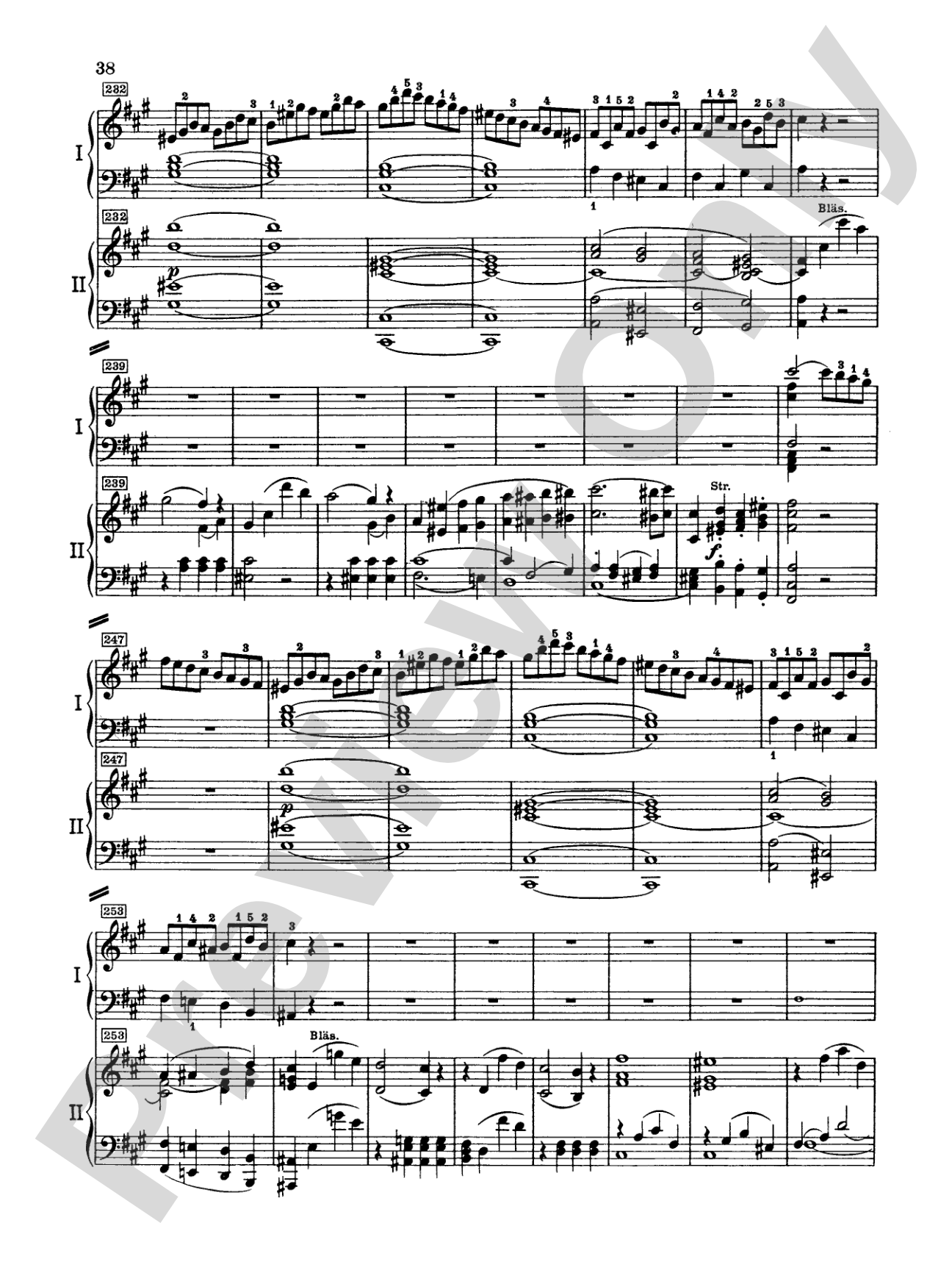
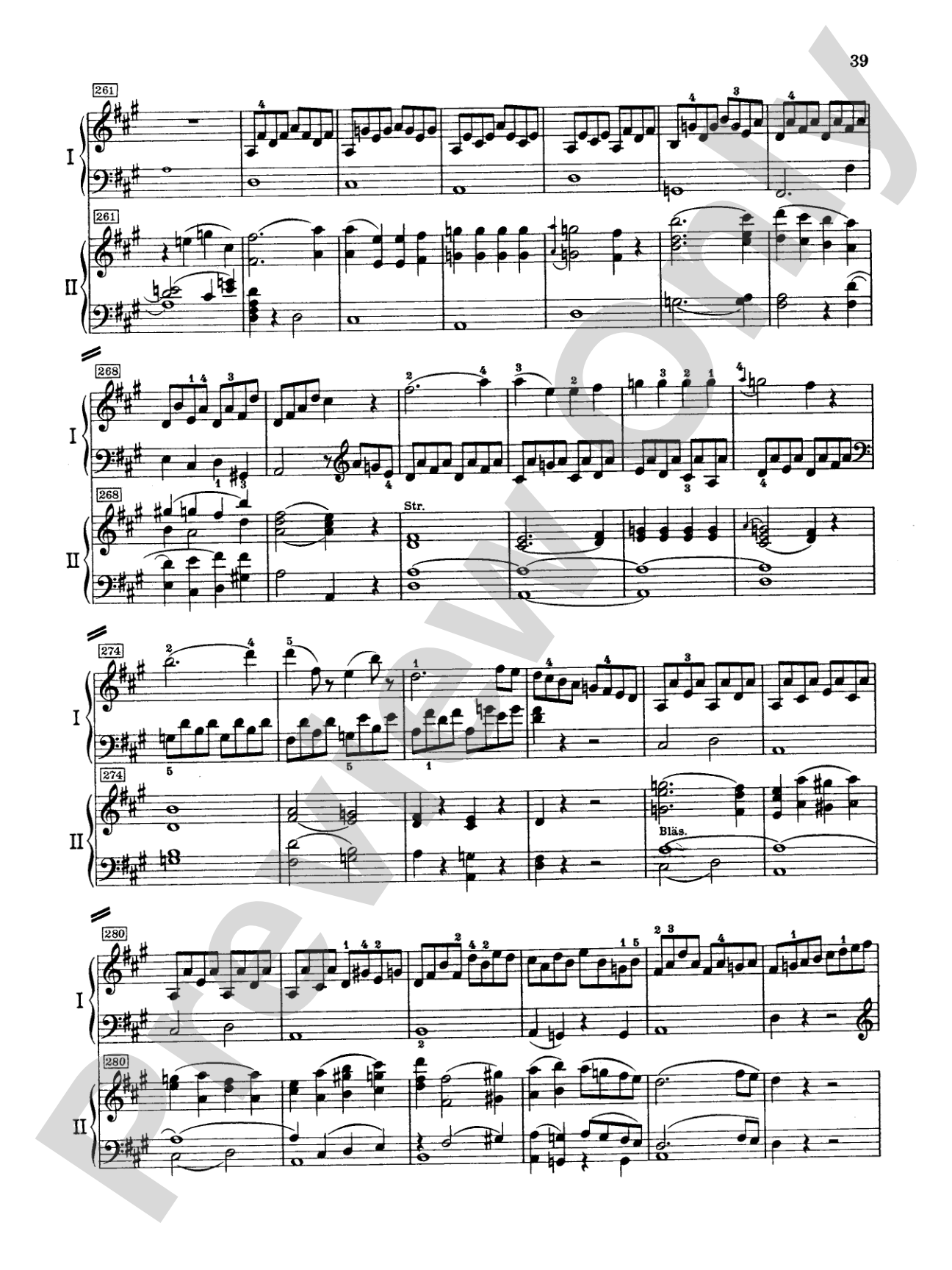
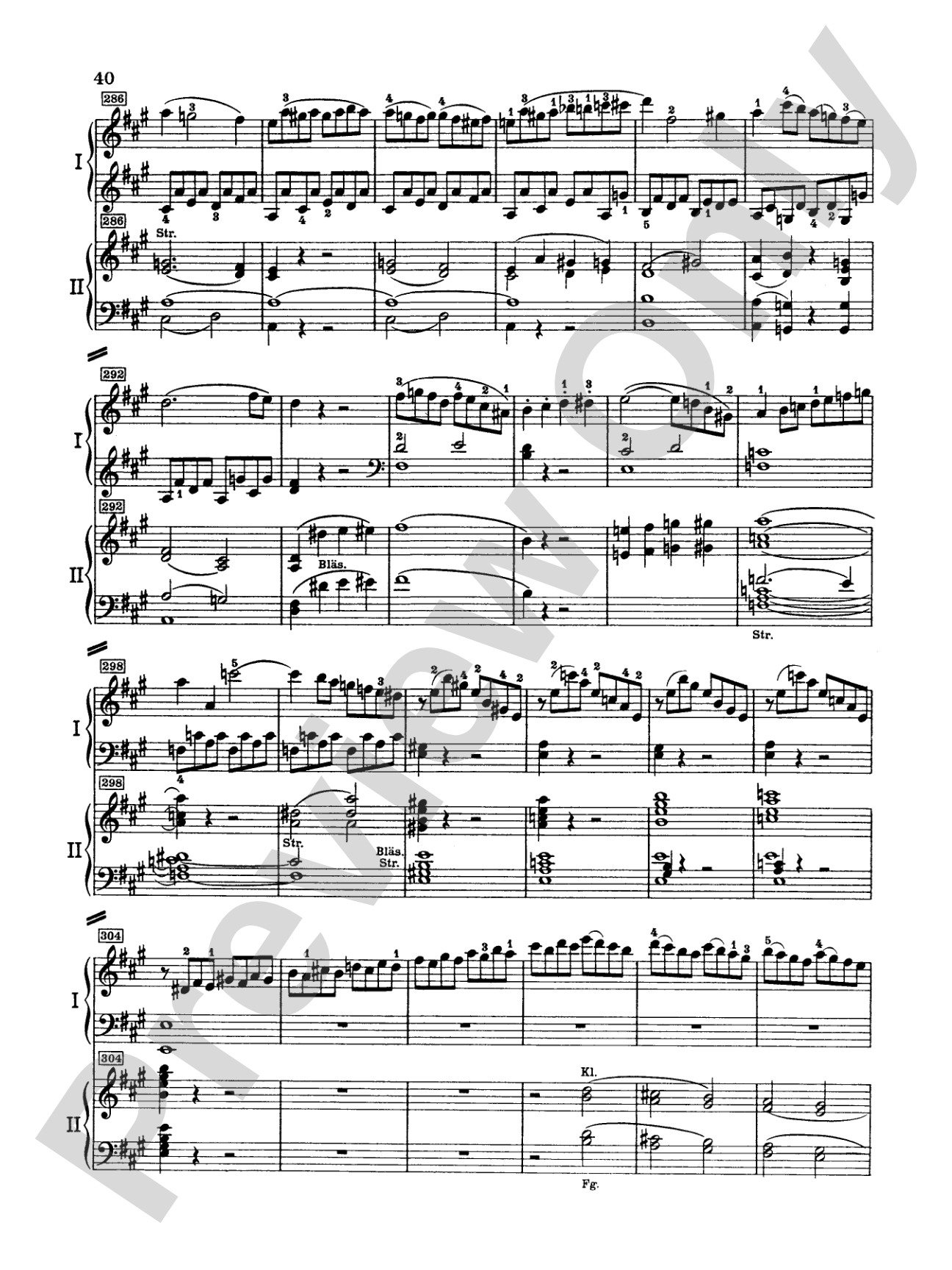
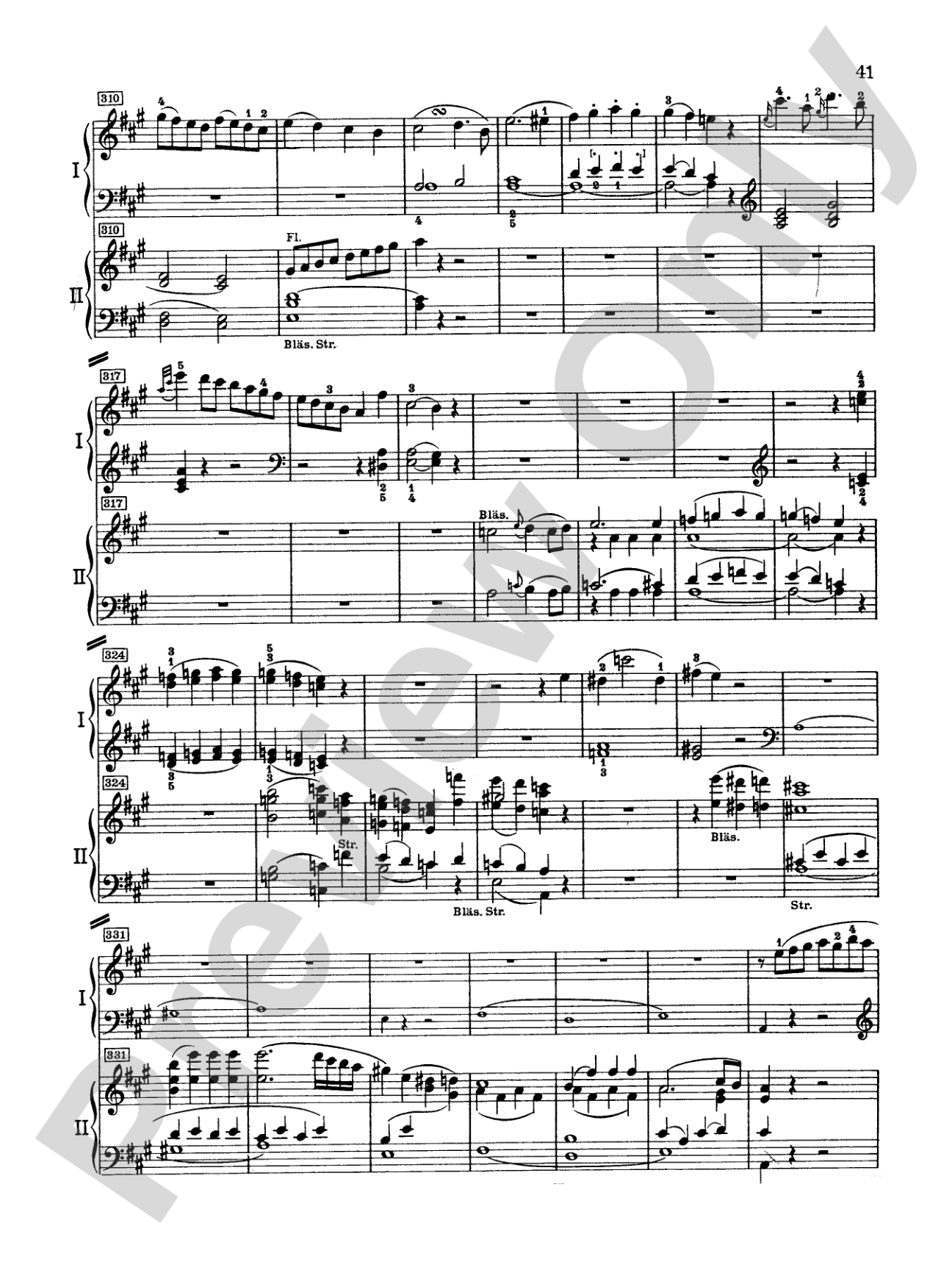
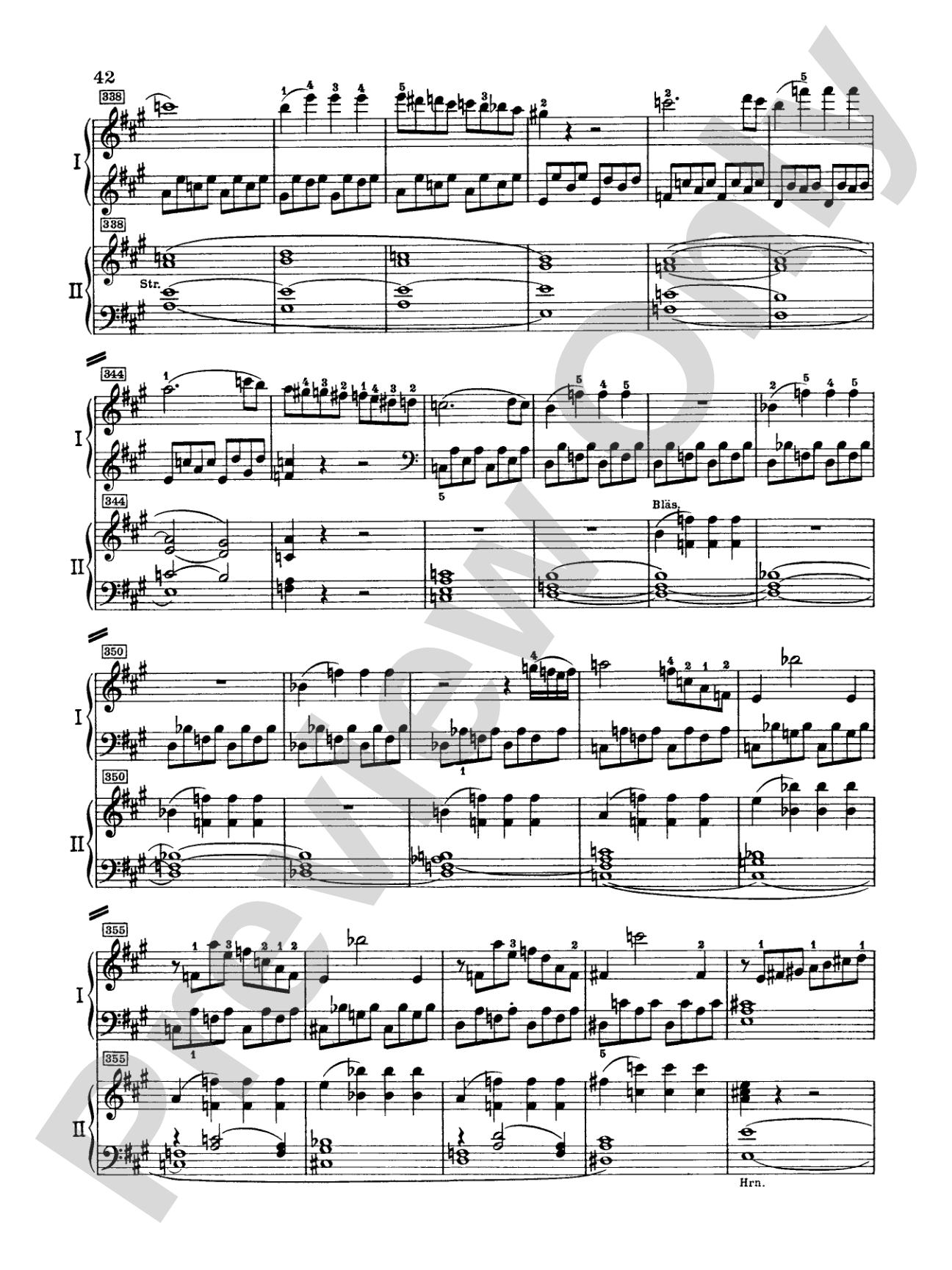
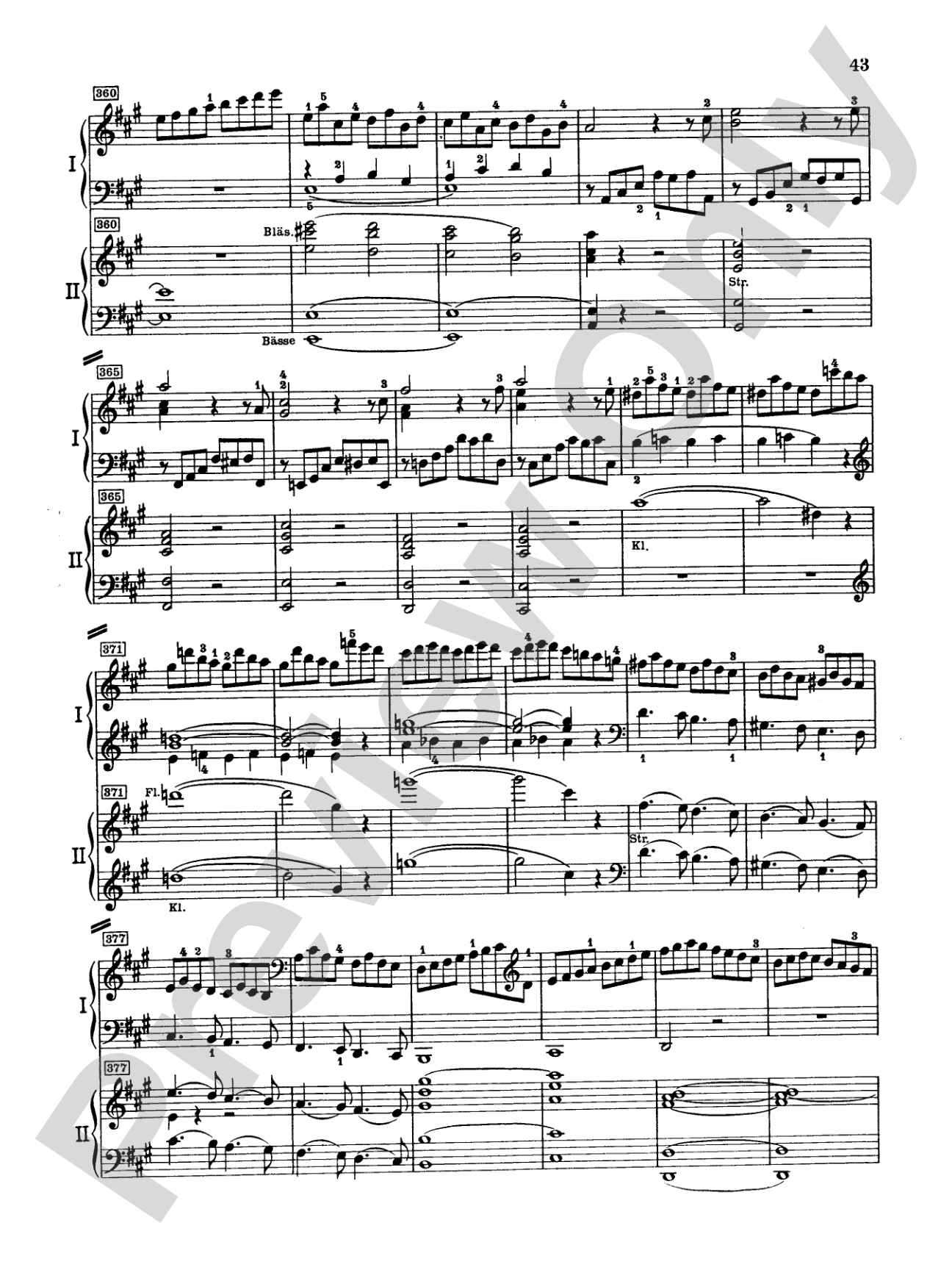
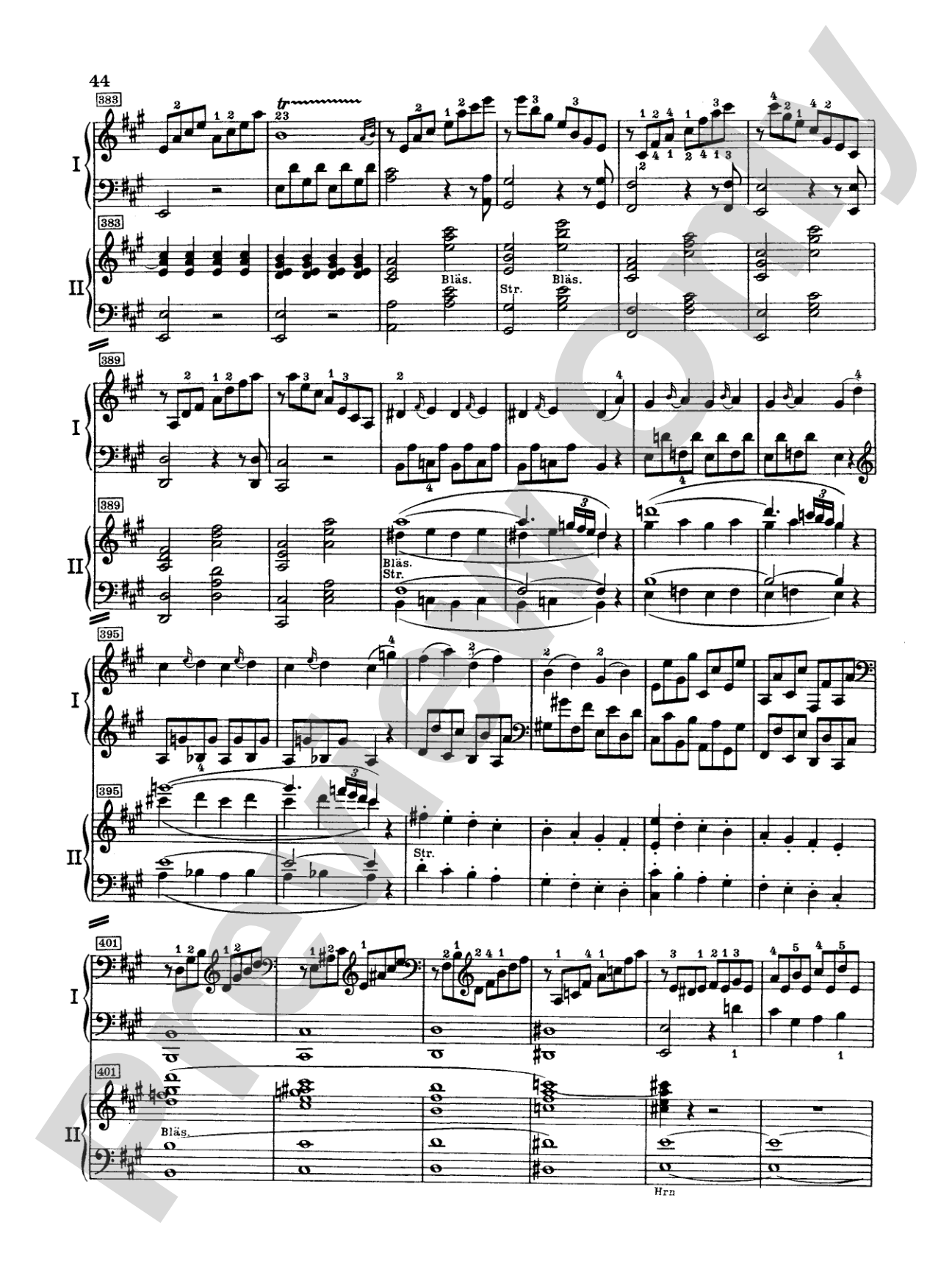

Mozart: Piano Concerto No. 23 in A Major, K. 488: Piano Duo (2 Pianos, 4 Hands) Book (2 copies required)
By Wolfgang Amadeus Mozart
Level: Advanced
Item: 00-PK-0003251

$14.95
Pickup currently not available
Buy Extra Parts (Digital PDF Download)
| Product | Price | Quantity |
|---|---|---|
| Mozart: Piano Concerto No. 23 in A Major, K. 488 | $13.95 |
Parts Added to Cart!
Related Items
Piano Concerto No. 23 in A, K. 488: Piano Duo (2 Pianos, 4 Hands) Book (2 copies required) |
$14.95
|
View |
Description
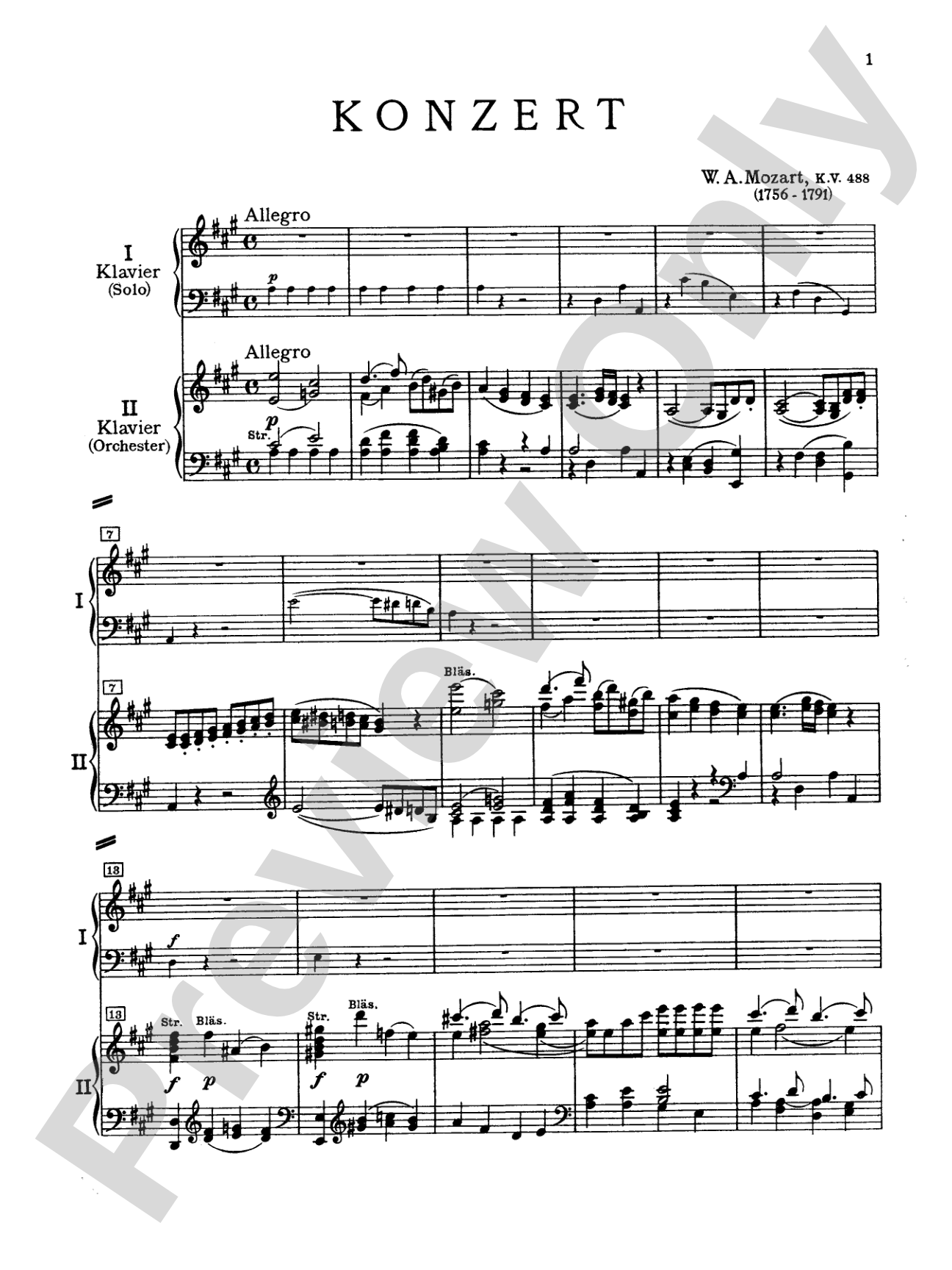
A duet, for Piano, composed by Wolfgang Amadeus Mozart for two pianos and four hands.


Don't just read it, hear it, play along with it, and watch your students grow with it. In MakeMusic Cloud, Mozart: Piano Concerto No. 23 in A Major, K. 488: Piano Duo (2 Pianos, 4 Hands) Book (2 copies required) comes alive with professional accompaniment, adjustable tempo, and built-in practice tools that turn solo practice into real progress.
Open in the Player
Jump straight in and assign it today.
Start Your Free Trial
Open this title and explore the full library in minutes.
Sample Audio
No sample audio found.
Sample Video
No sample videos found.
Additional Details
Series:
Kalmus Edition
Publisher:
Alfred Music
Page Count:
56
SKU:
00-PK-0003251
More about this title
About the Composer: Wolfgang Amadeus Mozart
Wolfgang Amadeus Mozart (1756-1791) composed during the height of the Classical period, writing across every major genre with an output that shaped Western music. His ability to balance formal clarity with emotional depth made him a model for composers throughout the 19th century and beyond. Mozart's concertos remain central to the piano repertoire because they demand both virtuosity and interpretive maturity from performers.
The K. 488 concerto, completed in 1786, shows Mozart at full command of his craft. Its elegance and architectural precision have made it a touchstone in music education, offering advanced pianists access to one of the greatest works of the Classical era.
Why we love this
This two-piano arrangement opens the K. 488 to duet performance, allowing two advanced pianists to experience one of Mozart's most refined concertos together. The dialogue between pianos captures the concerto's essential character while creating a collaborative musical experience that chamber performance at this level demands. It's a rewarding choice for recital partners seeking substantial, deeply rewarding repertoire.
What to expect
The K. 488 radiates clarity and grace, with lyrical themes that unfold naturally across a transparent harmonic landscape. Playing it as a duo deepens the pleasure of Mozart's orchestral imagination; the two pianos allow the musical ideas to breathe, creating dialogue and texture that a single performer cannot achieve. There is an intimacy here alongside the concerto's inherent sophistication.
Who it's for
This arrangement serves advanced pianists preparing for duet performance or studio partnerships. It also works for conservatory students and serious amateurs seeking to collaborate on a masterwork that values both technical command and musical sensitivity.
How to get the most out of it
- Balance the primo and secondo lines carefully; Mozart's orchestral writing translates to distinct textural roles, so the keyboard parts should not compete equally. Listen for where the thematic weight lies and adjust dynamics accordingly.
- Coordinate phrase shaping across both pianos as if you were hearing an orchestra. The elegance of the K. 488 emerges when both players breathe together and shape longer musical arcs, not individual measures.
- Give attention to the slow movement's transparency. With two pianos, clarity of texture becomes even more important; resist the temptation to fill every space with sound.
- Rehearse passage work in the outer movements with a steady pulse established between both players. The sixteenth-note figurations should feel secure and flowing, never rushed.
How to use it
Feature this duet on a chamber music concert or recital series devoted to Classical piano literature. Its 56-page span makes it substantial enough to anchor a program, and it pairs well with other Mozart or Beethoven chamber works. Consider programming it alongside sonatas or smaller-scale duo arrangements to showcase the range of collaborative piano repertoire.
Skills your students will build
- Ensemble coordination and listening across two pianos
- Balancing melodic material with accompaniment in a duet texture
- Executing Classical-era passagework with clarity and evenness
- Interpreting Mozart's phrase structure and harmonic language
- Sustained control and musicality over an extended multi-movement work