
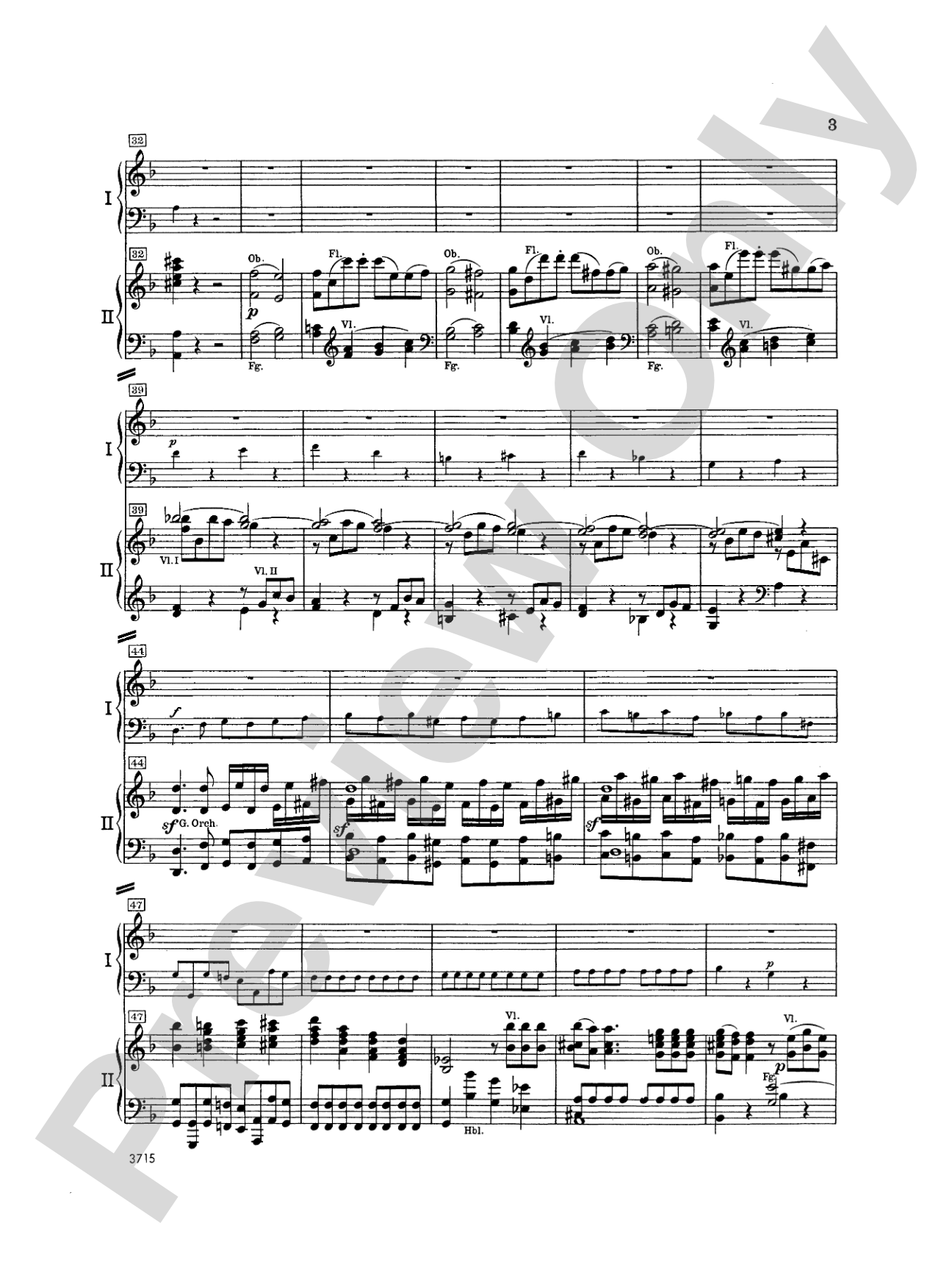
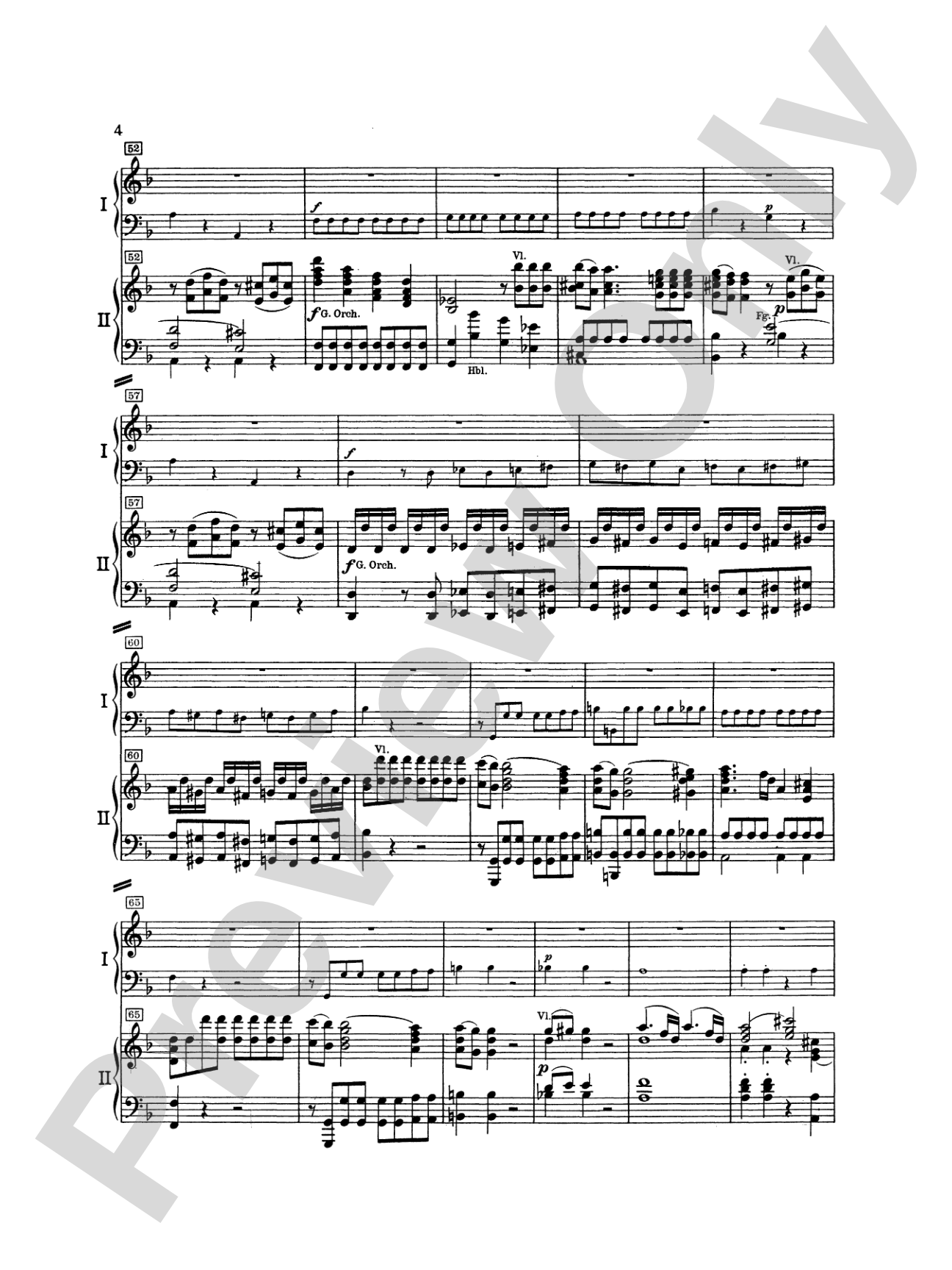
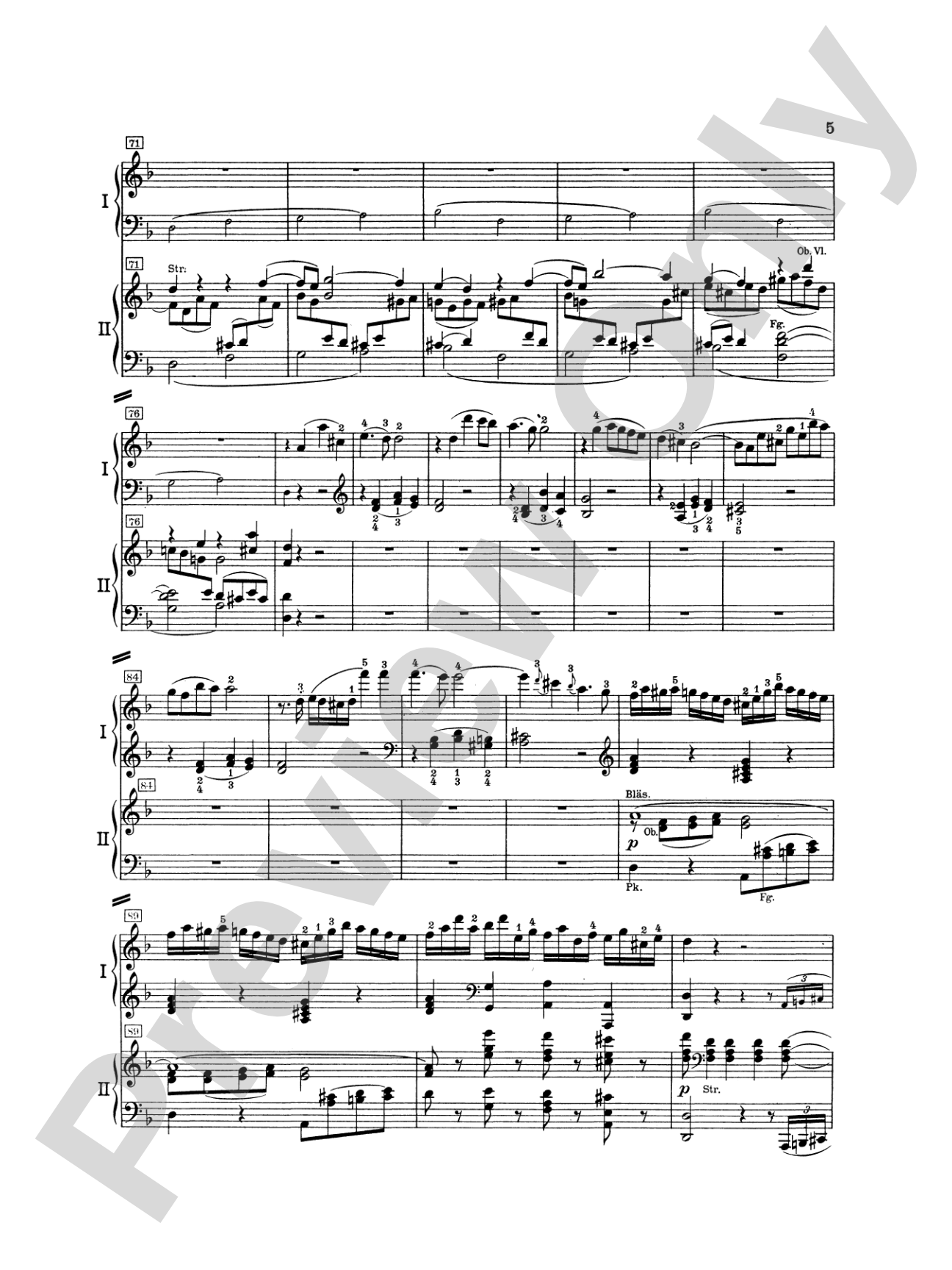
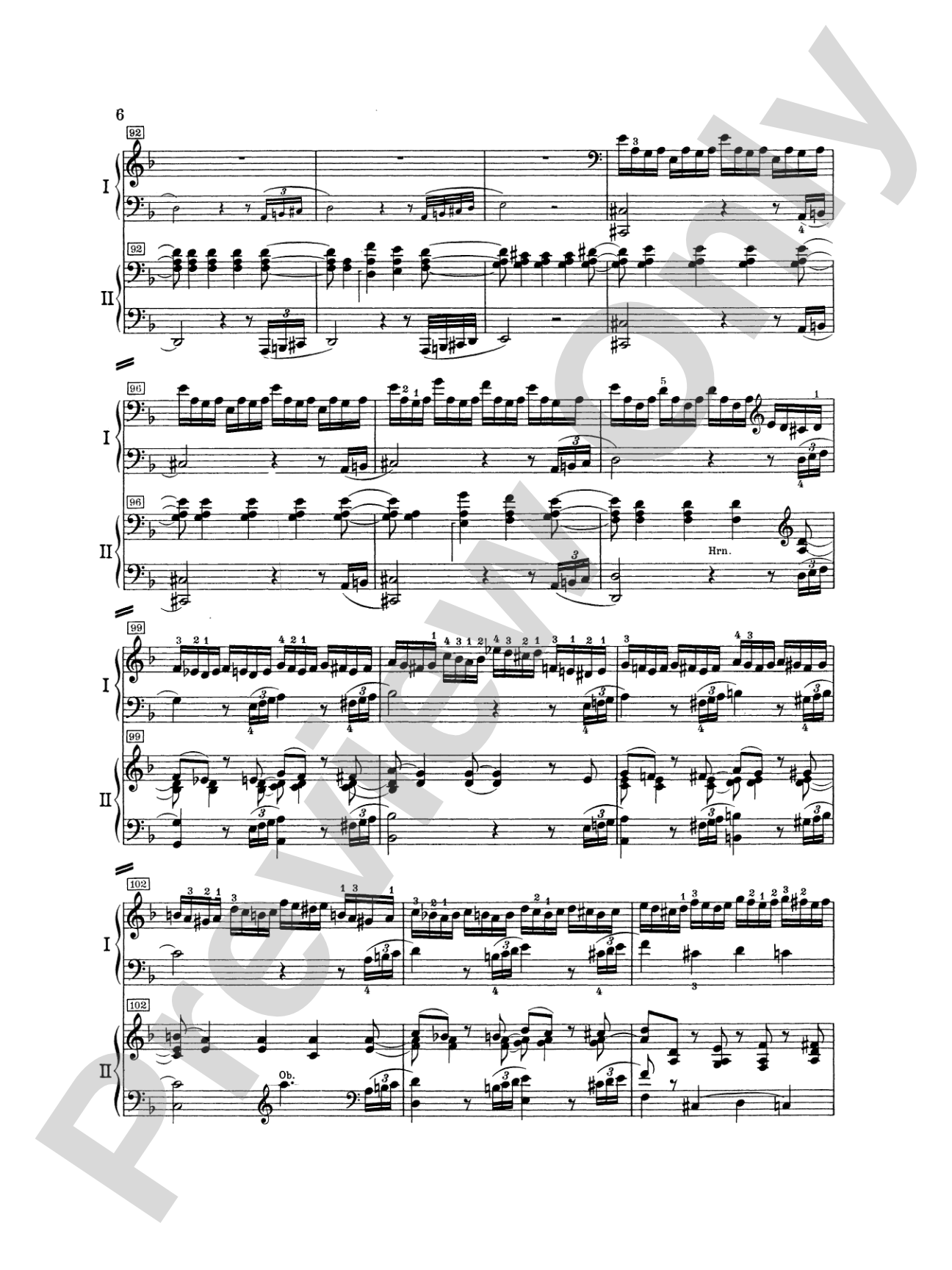
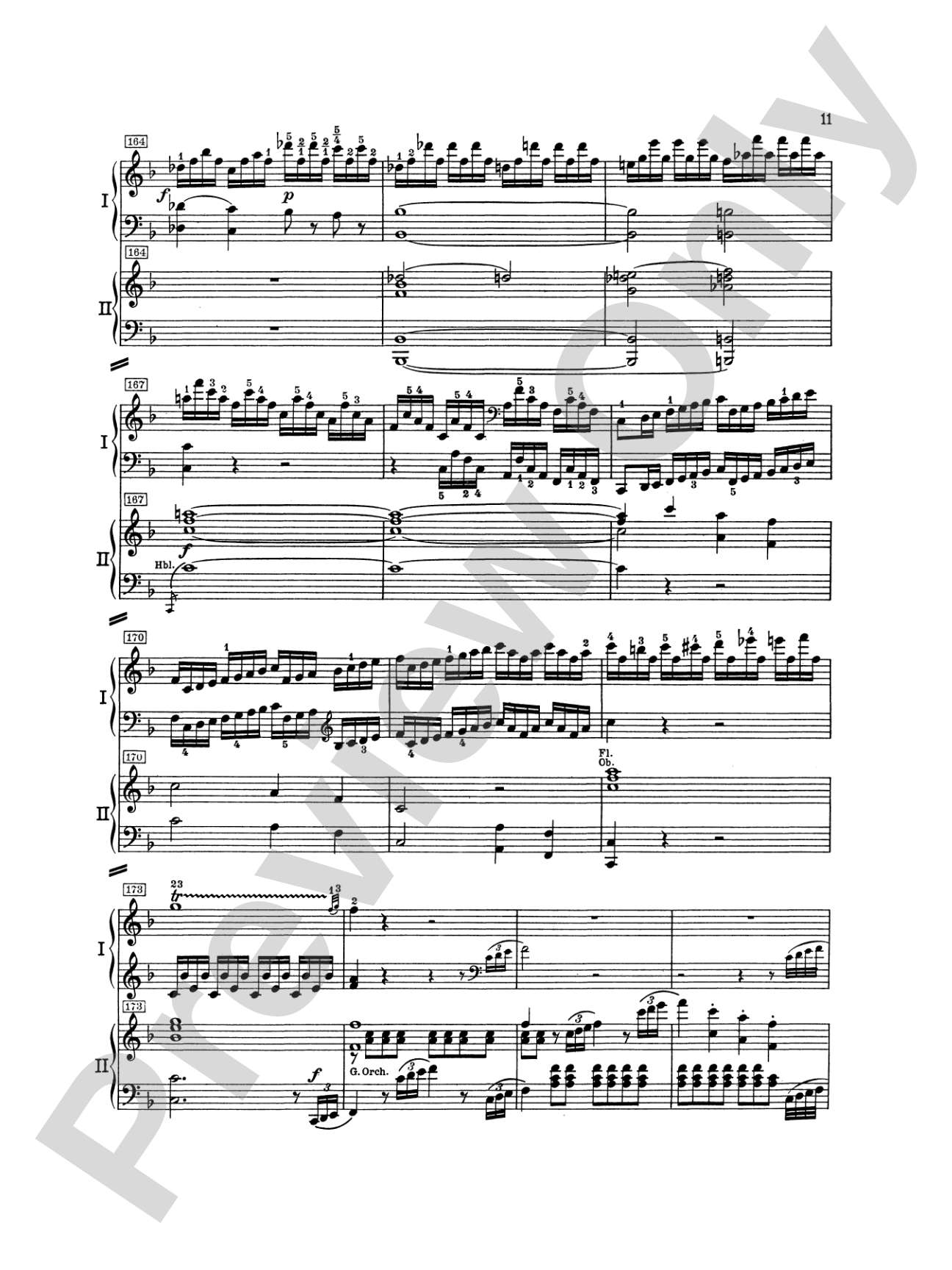
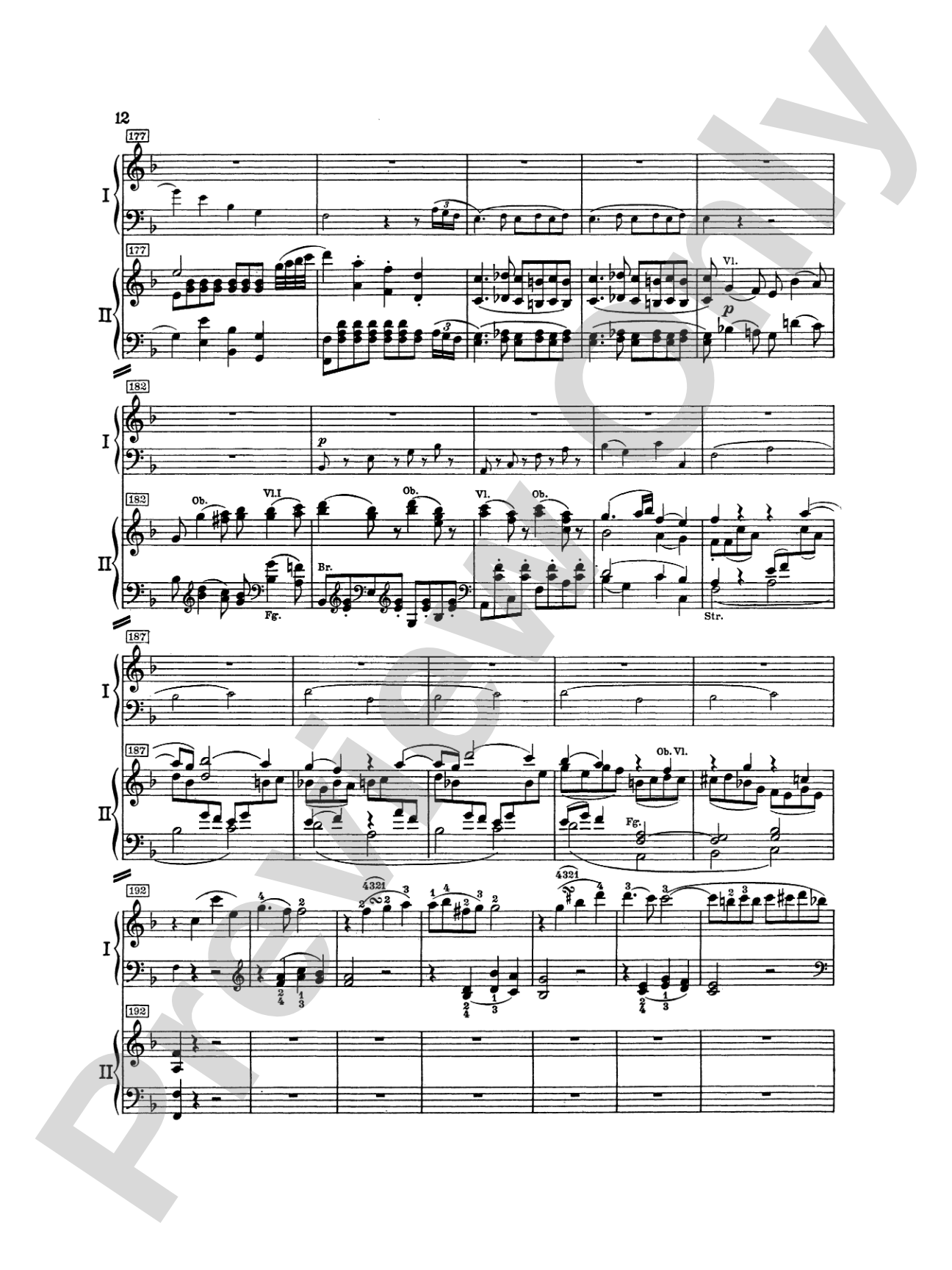
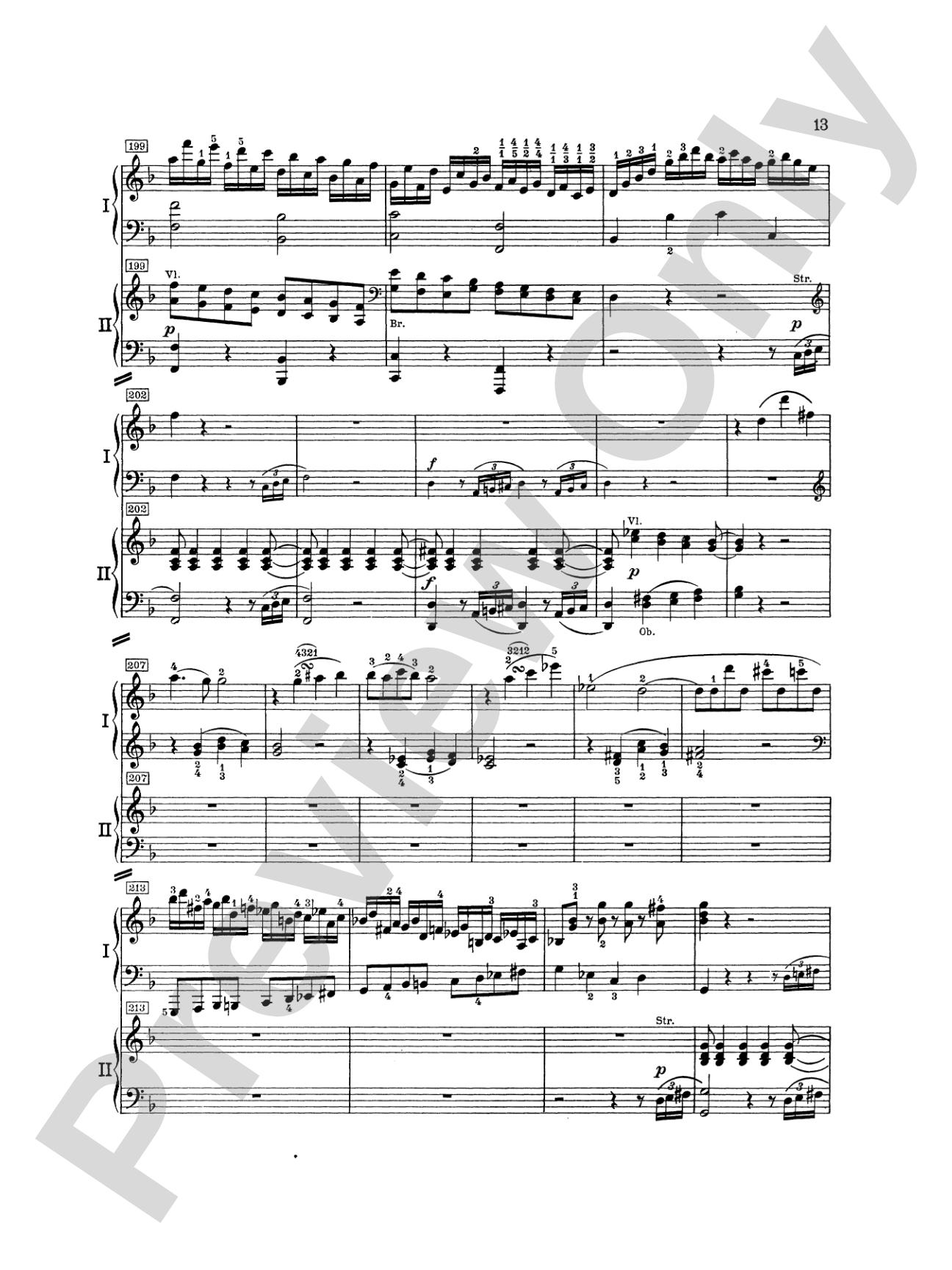
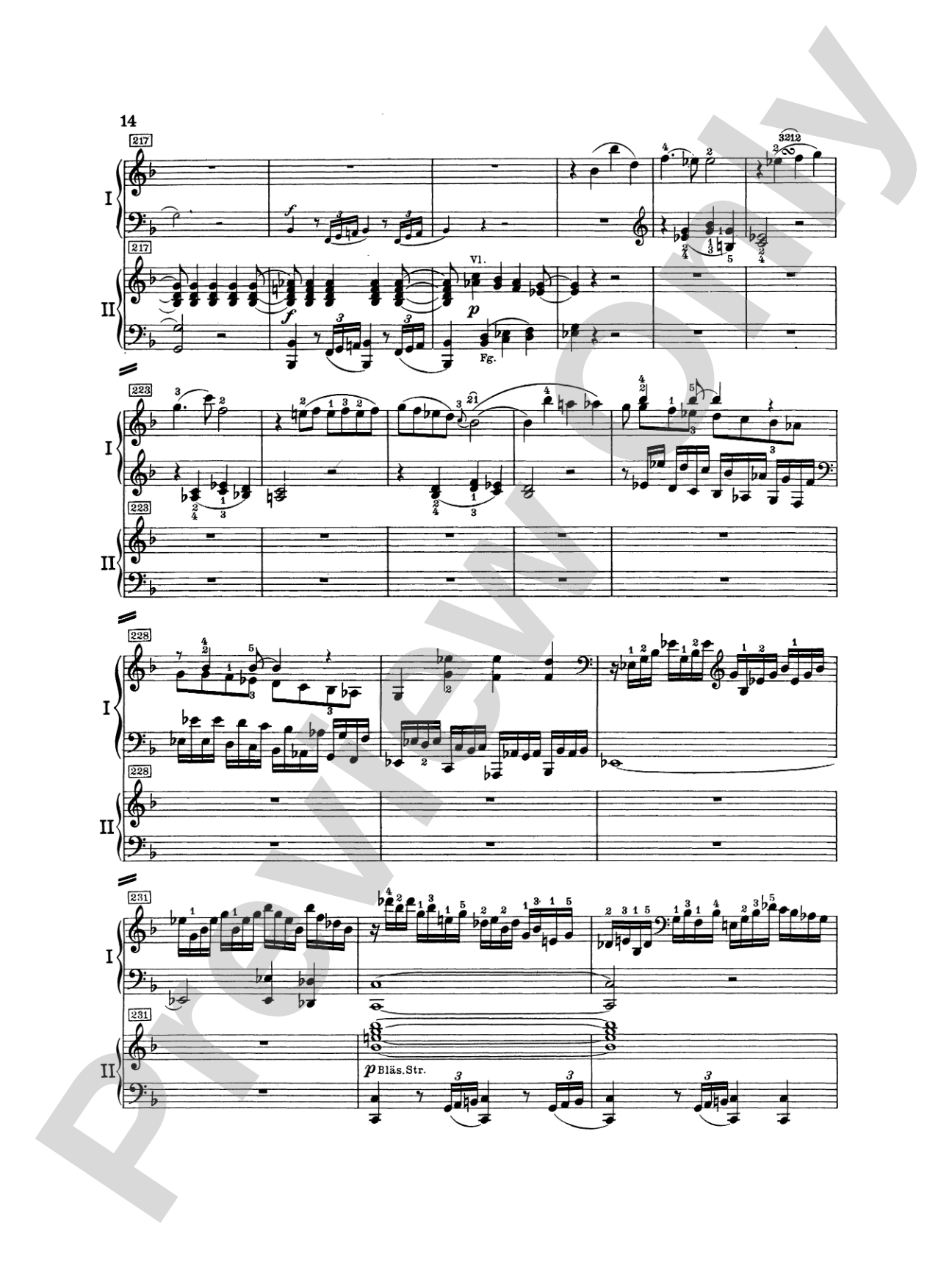
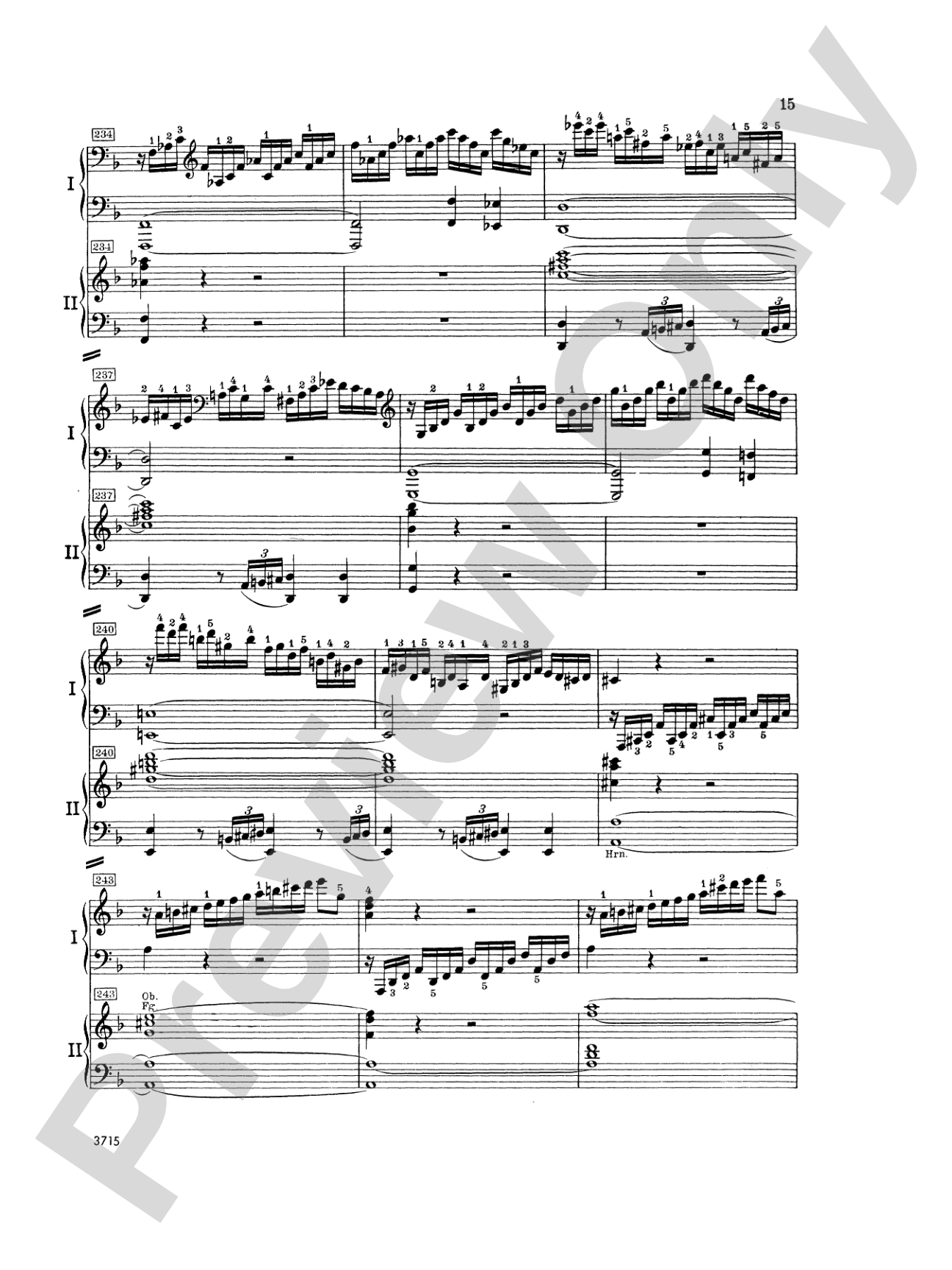
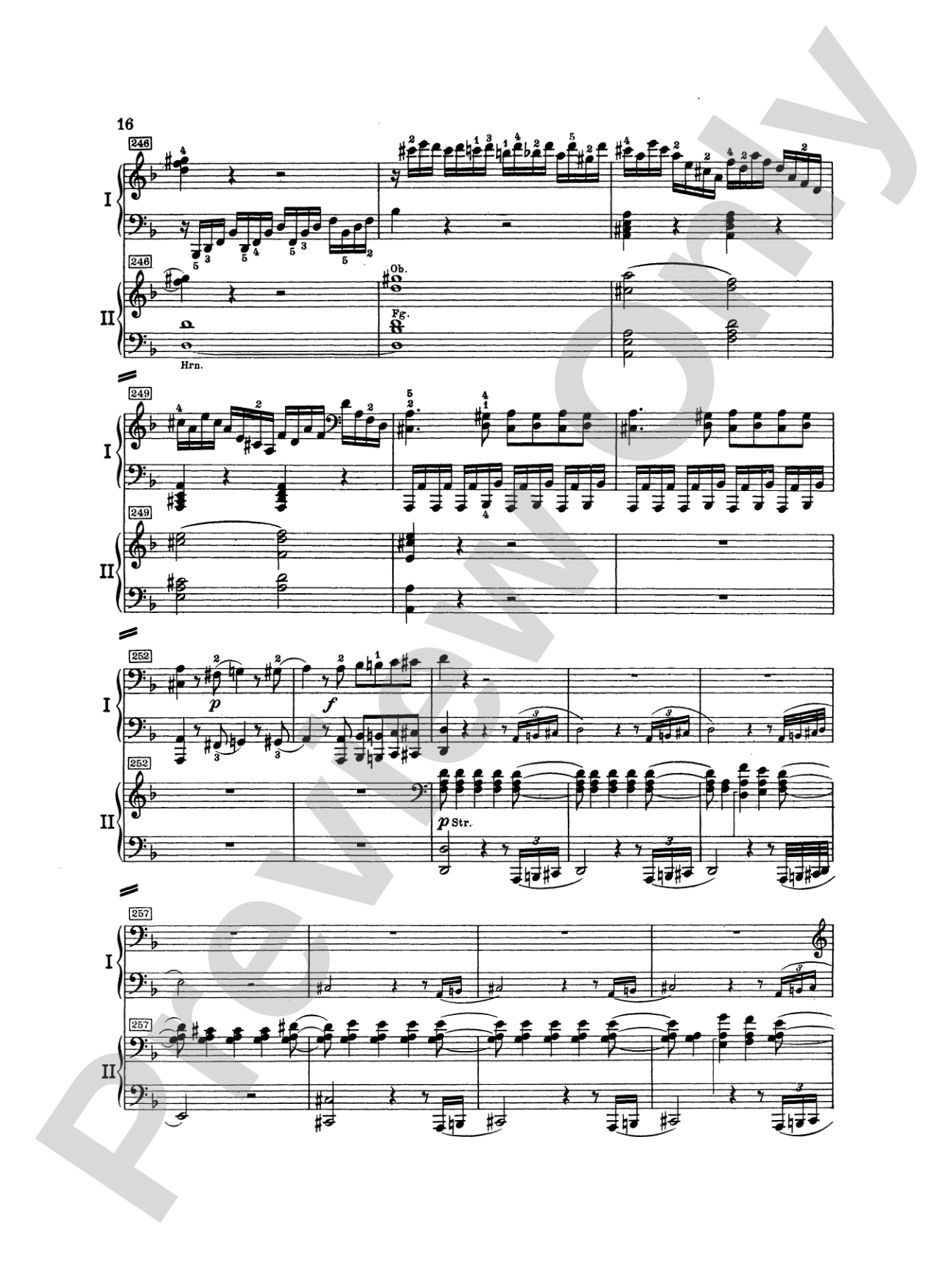
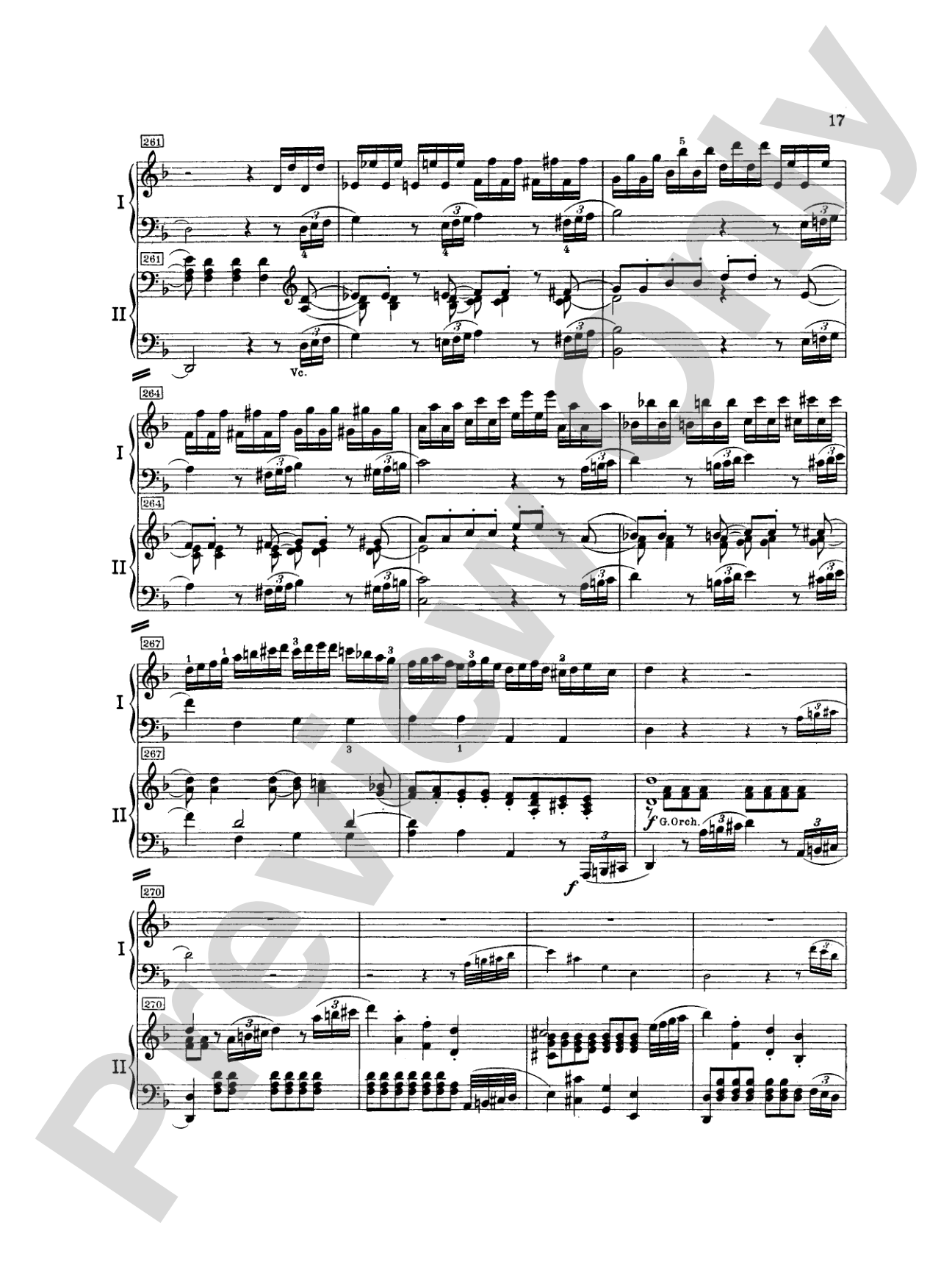
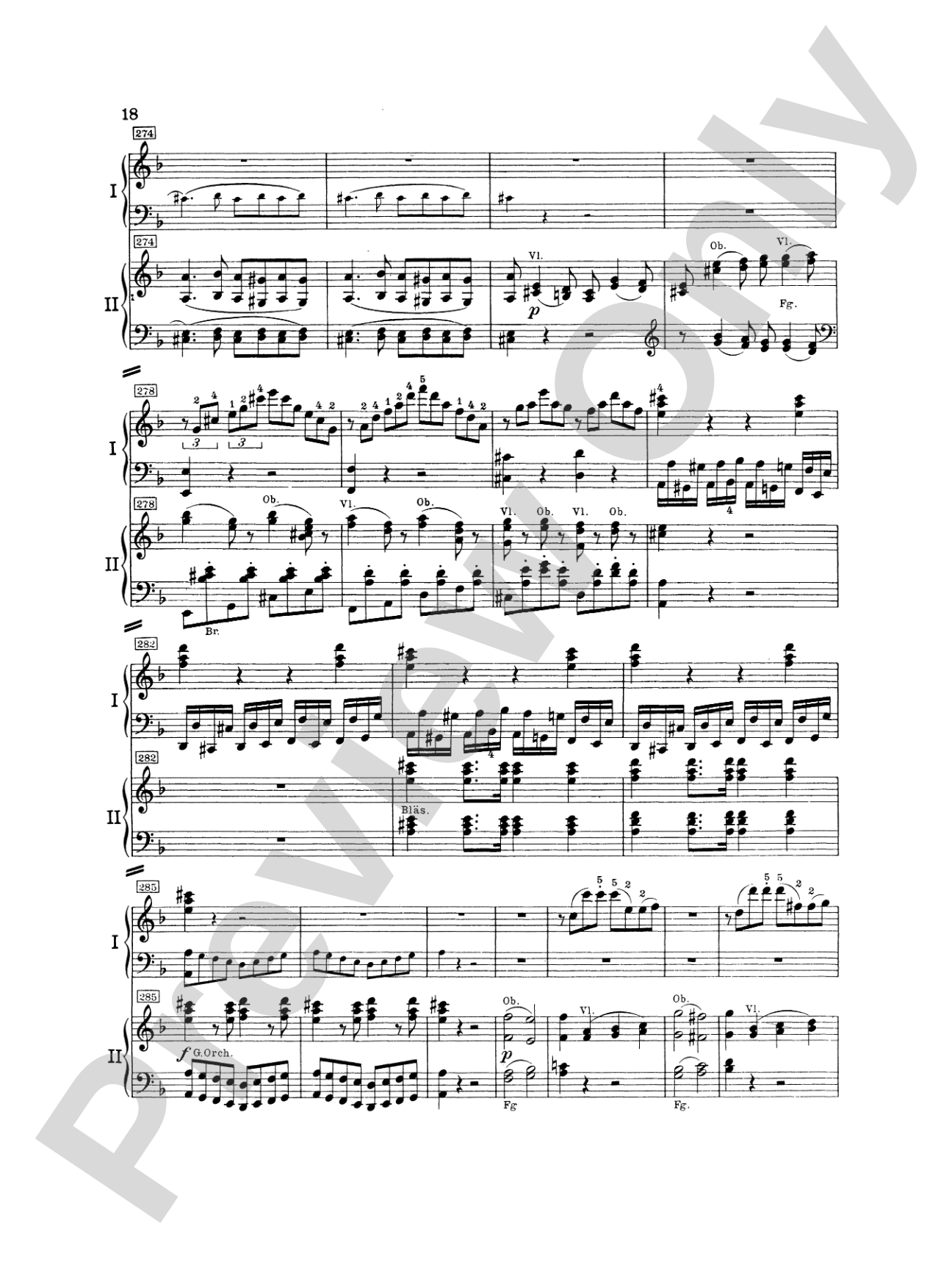
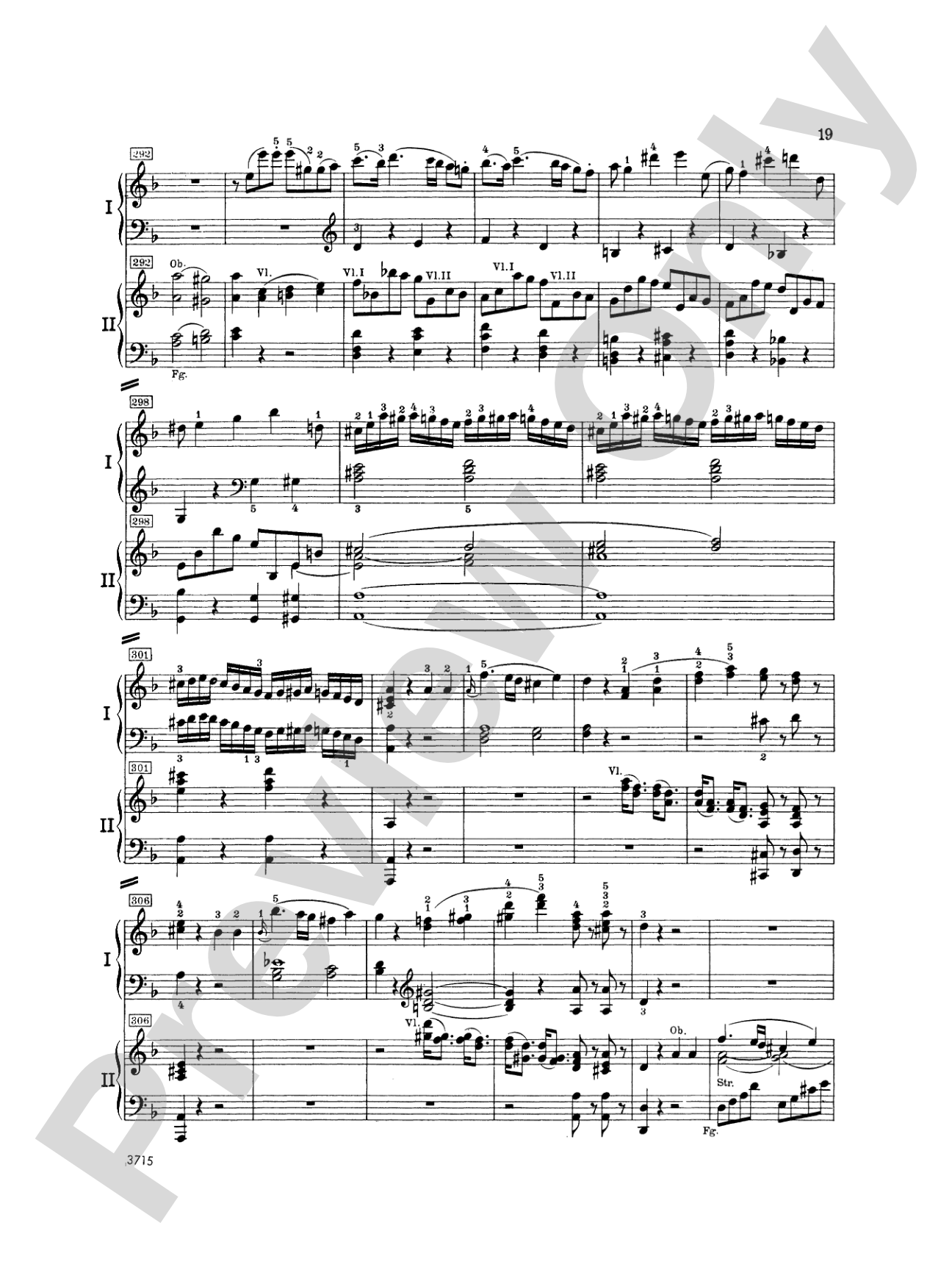
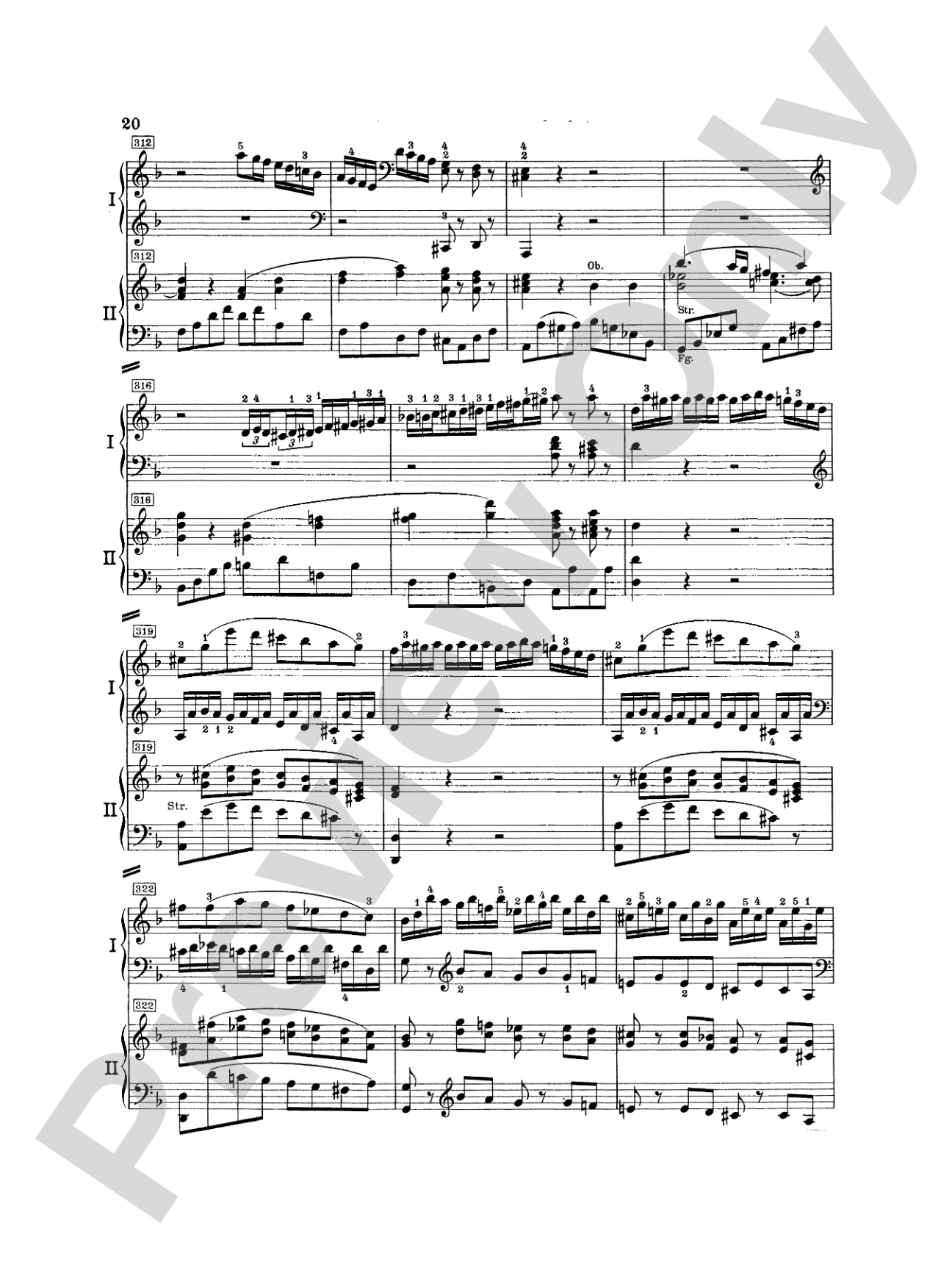
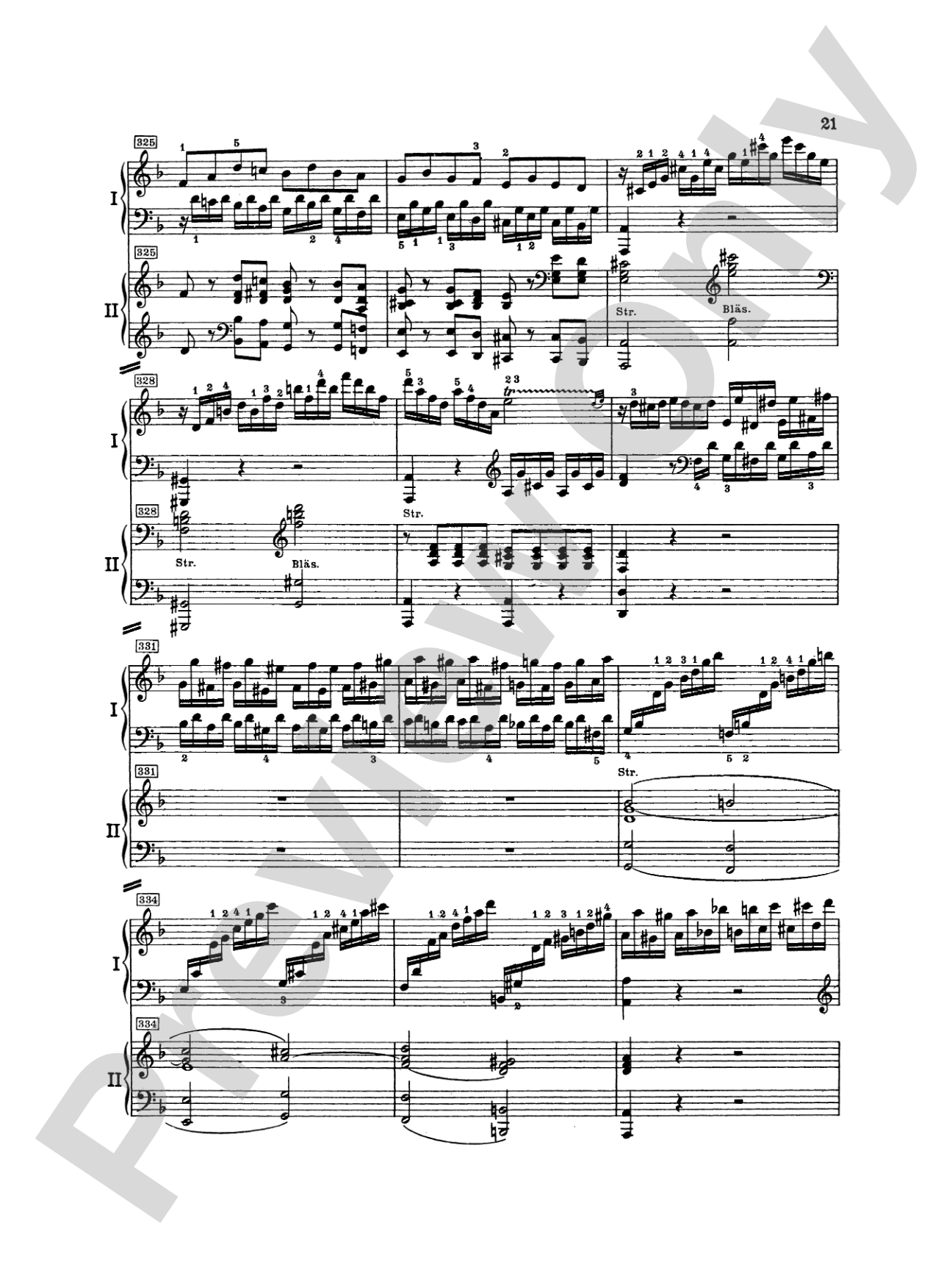
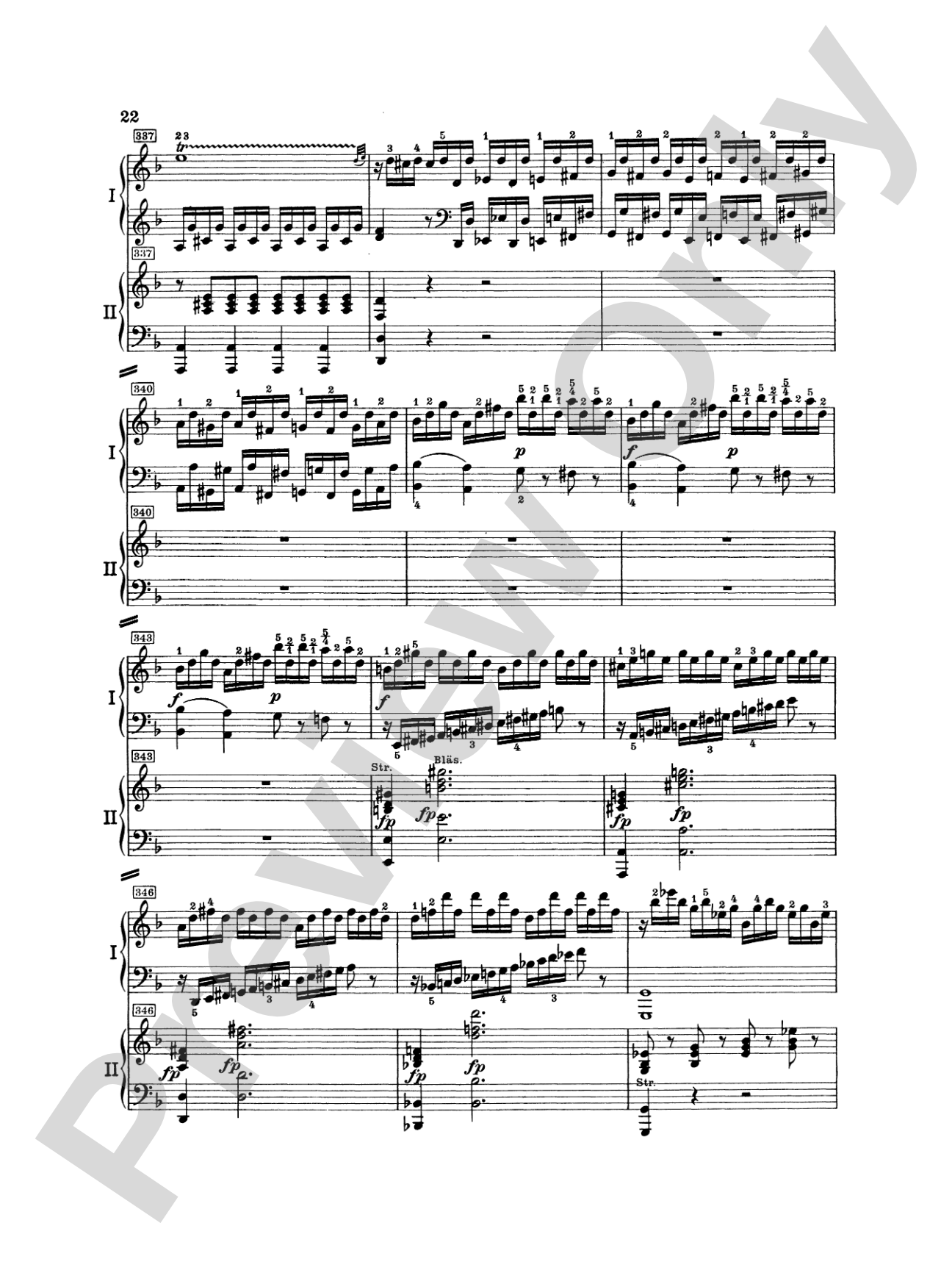
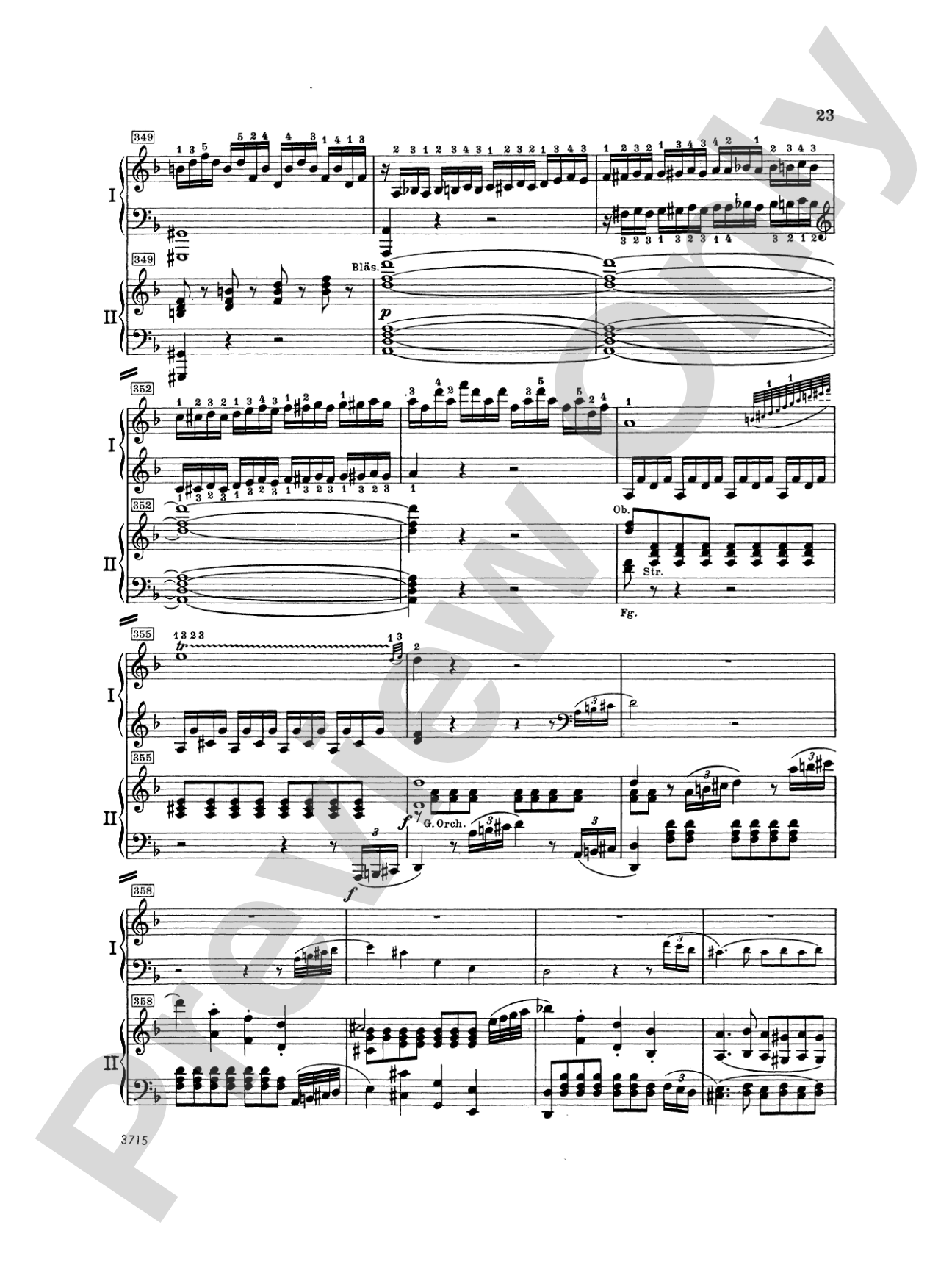
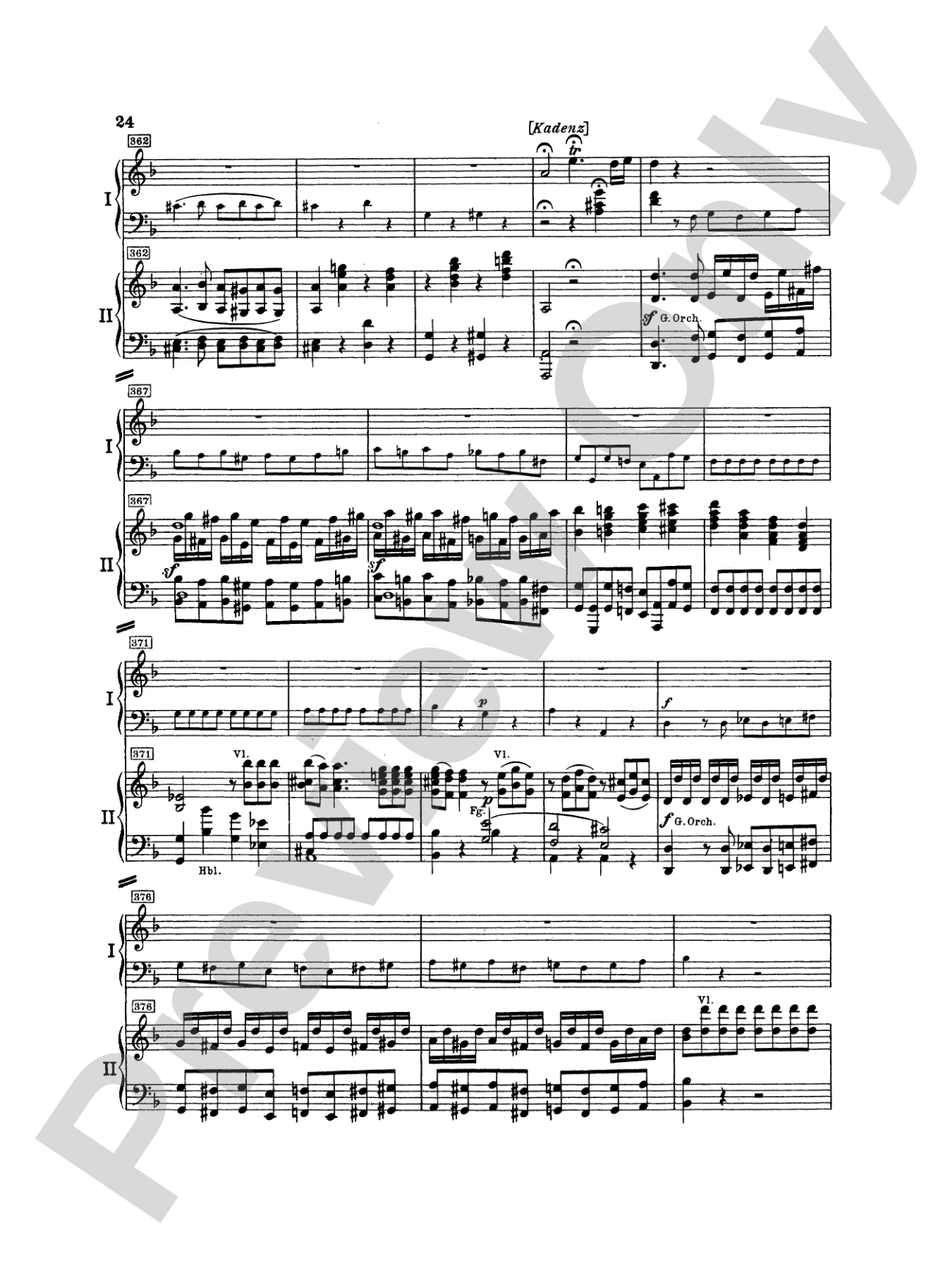
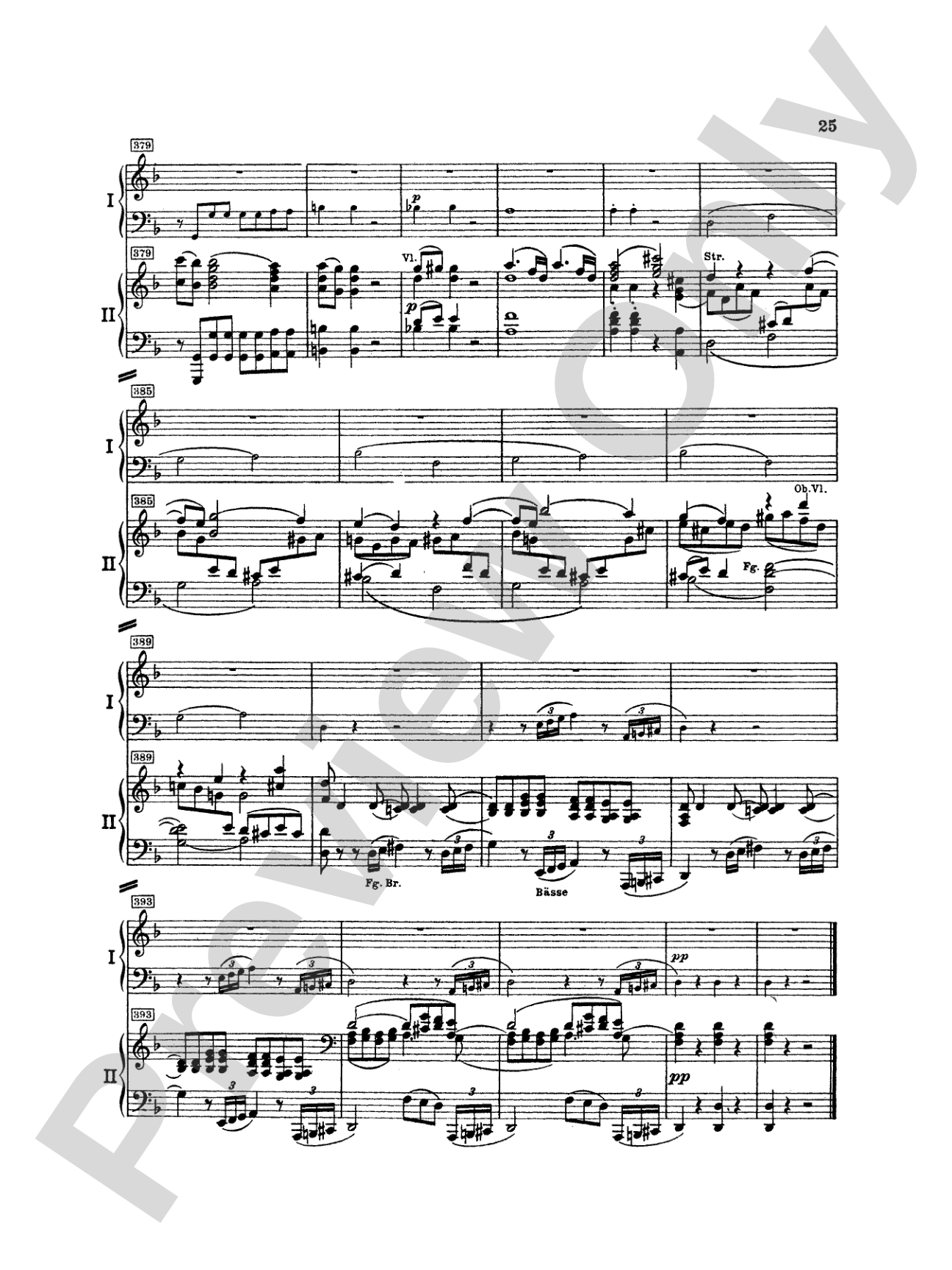
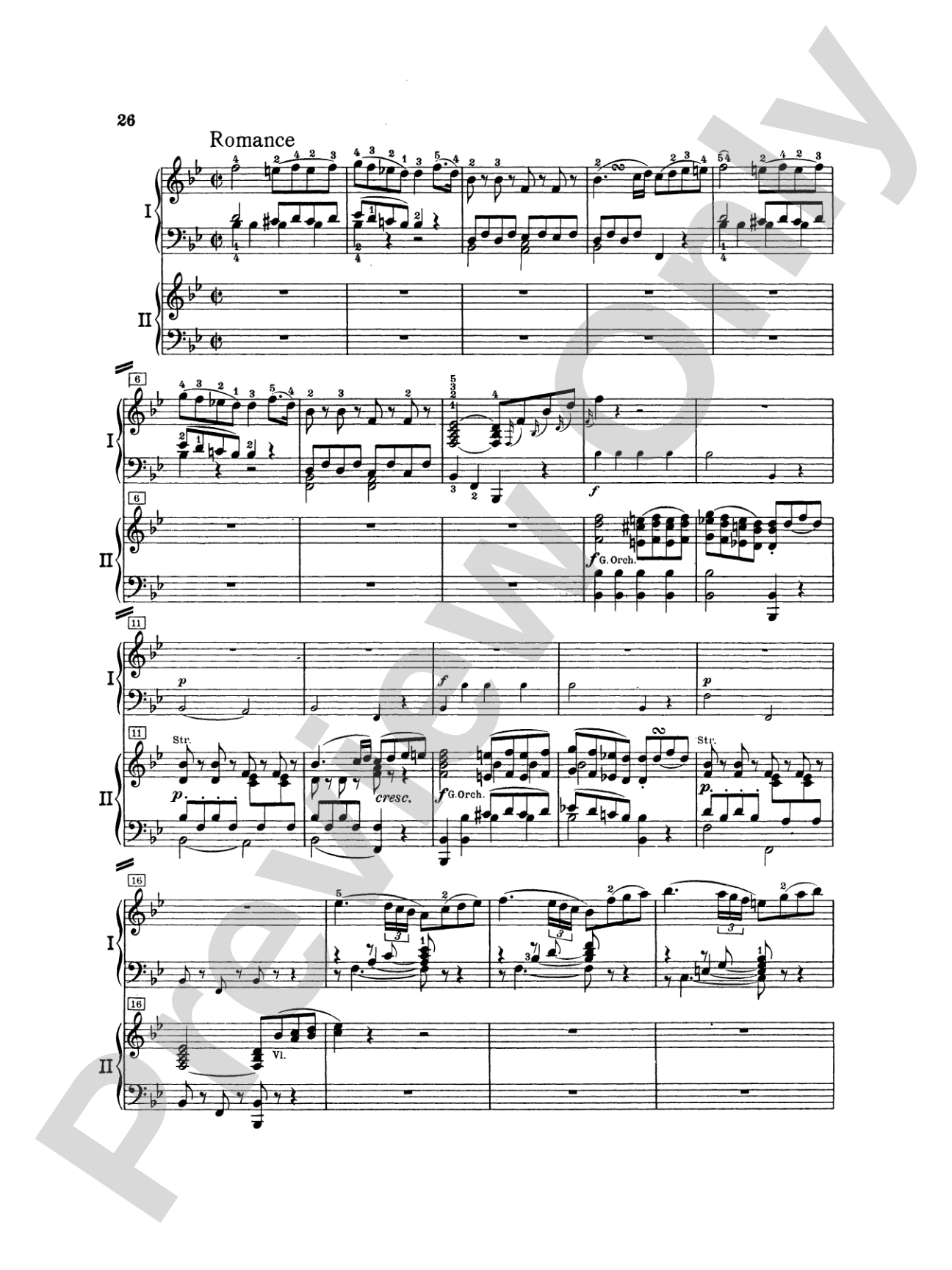
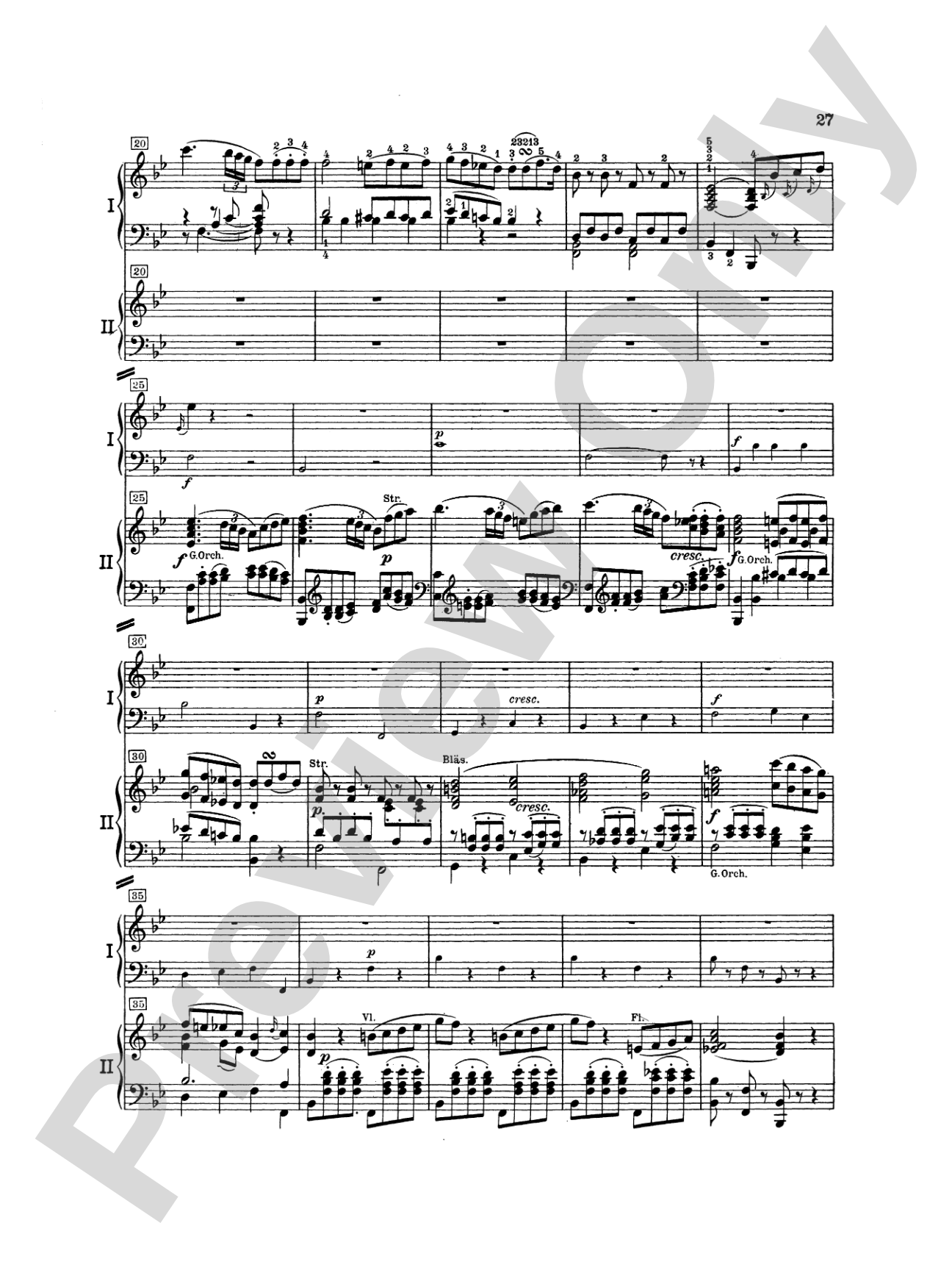
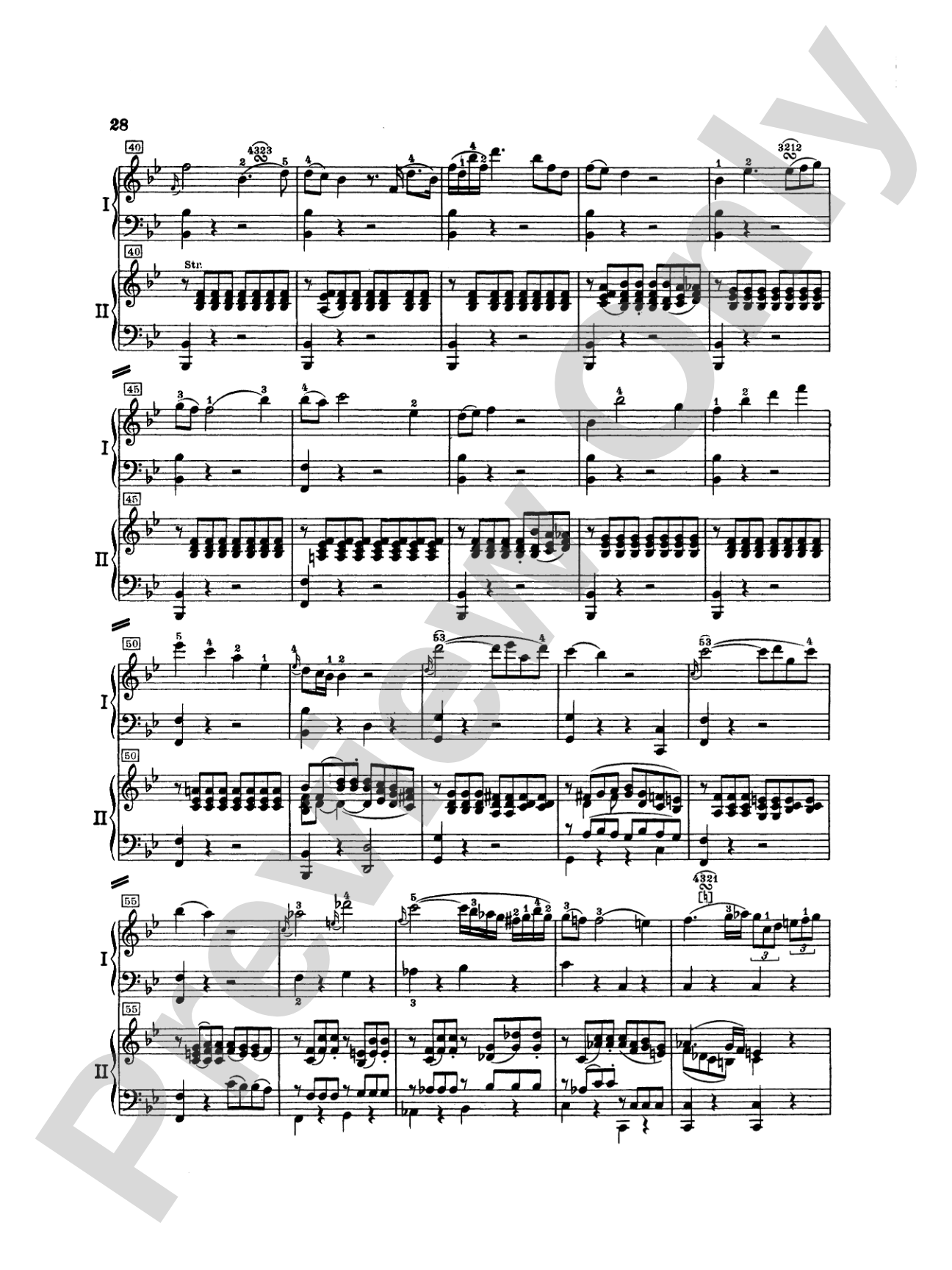
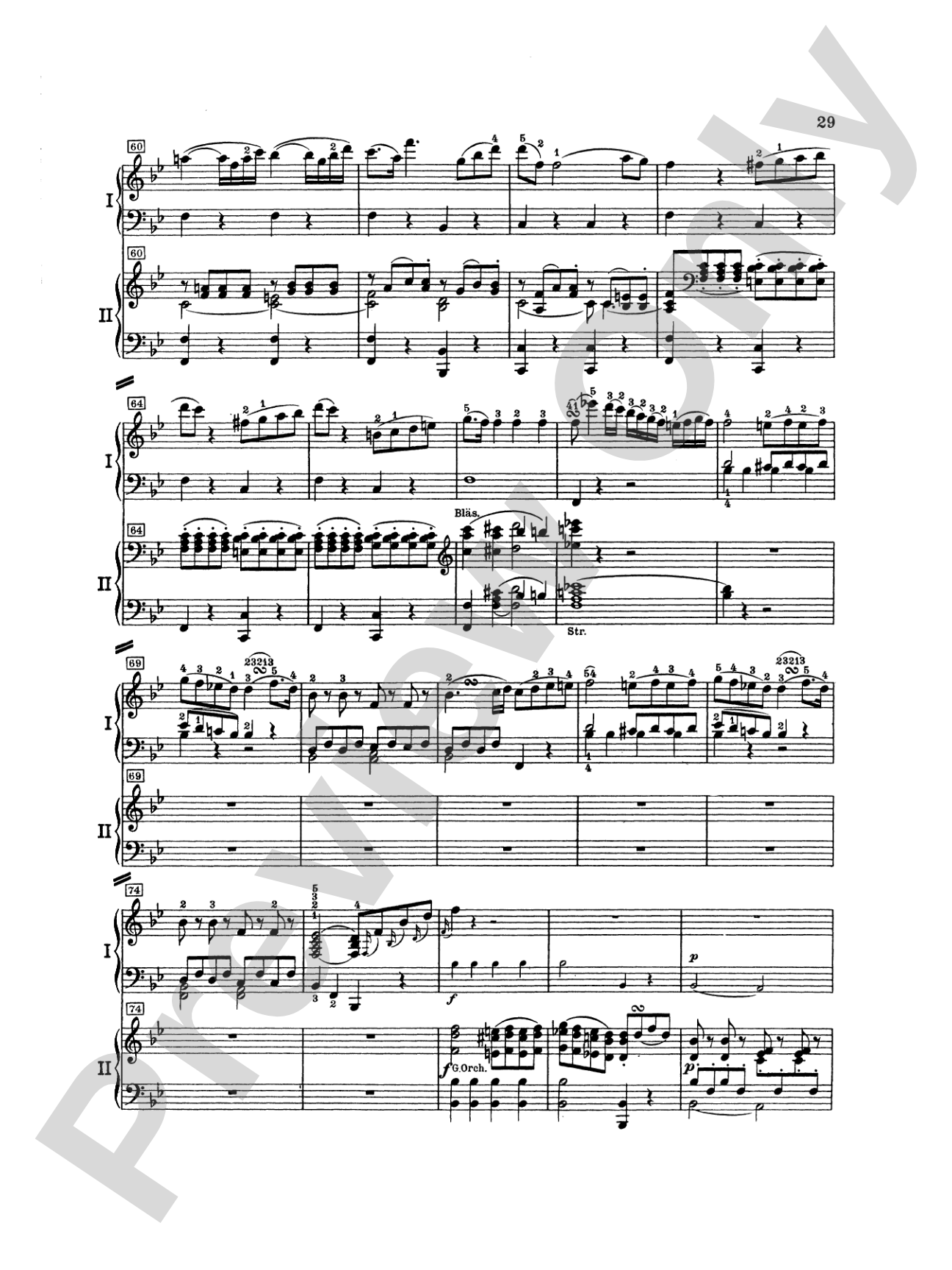
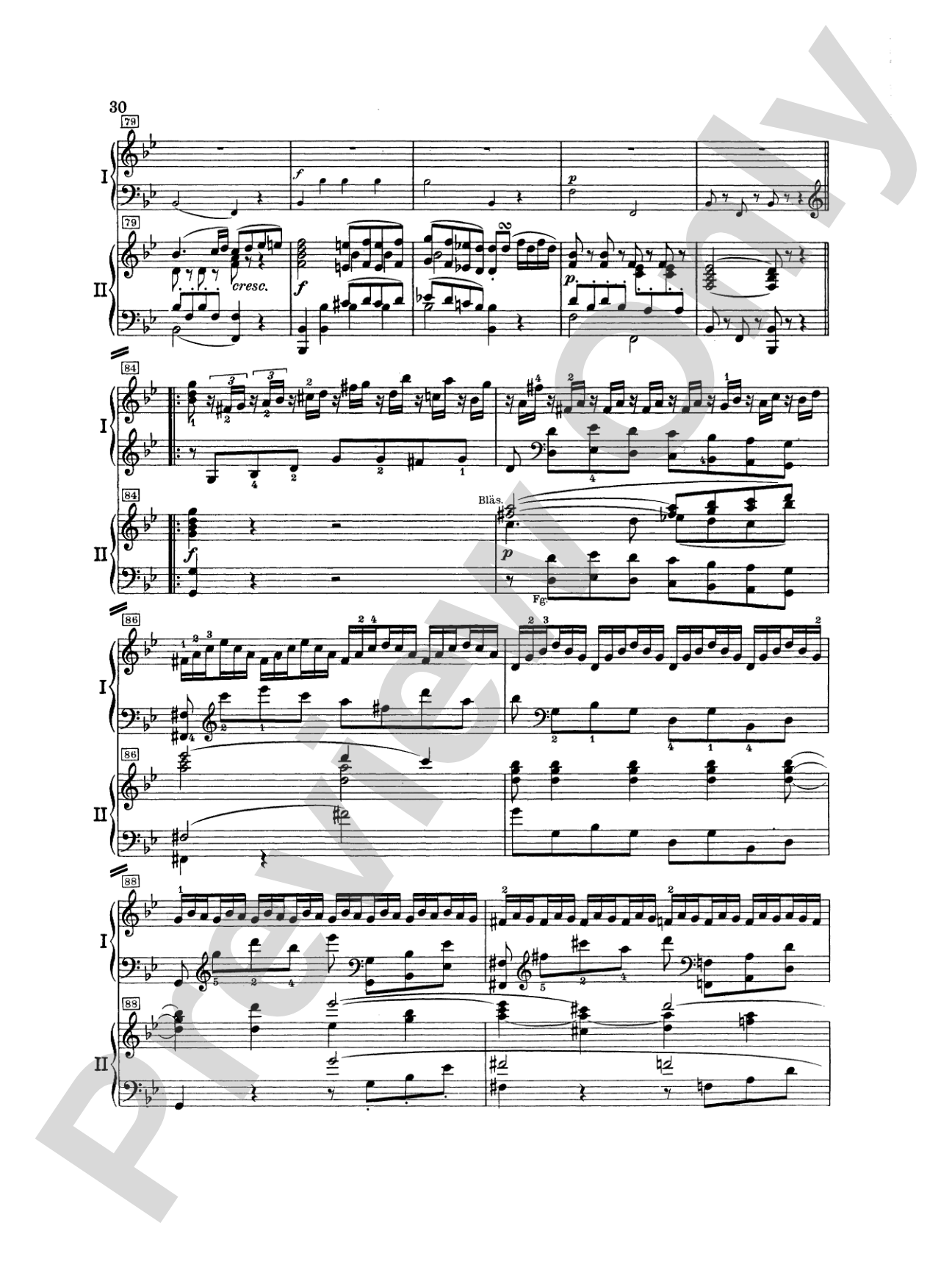
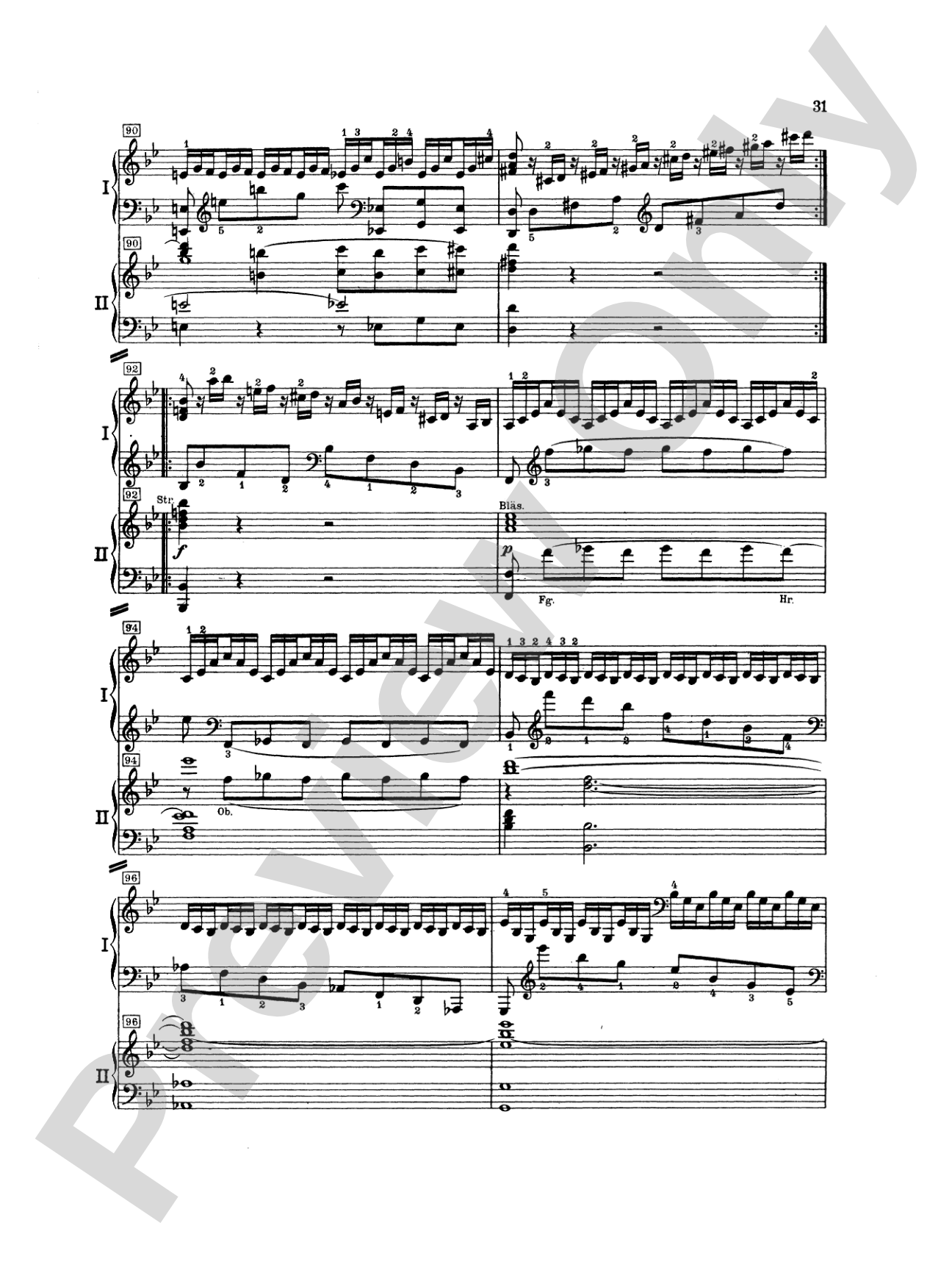
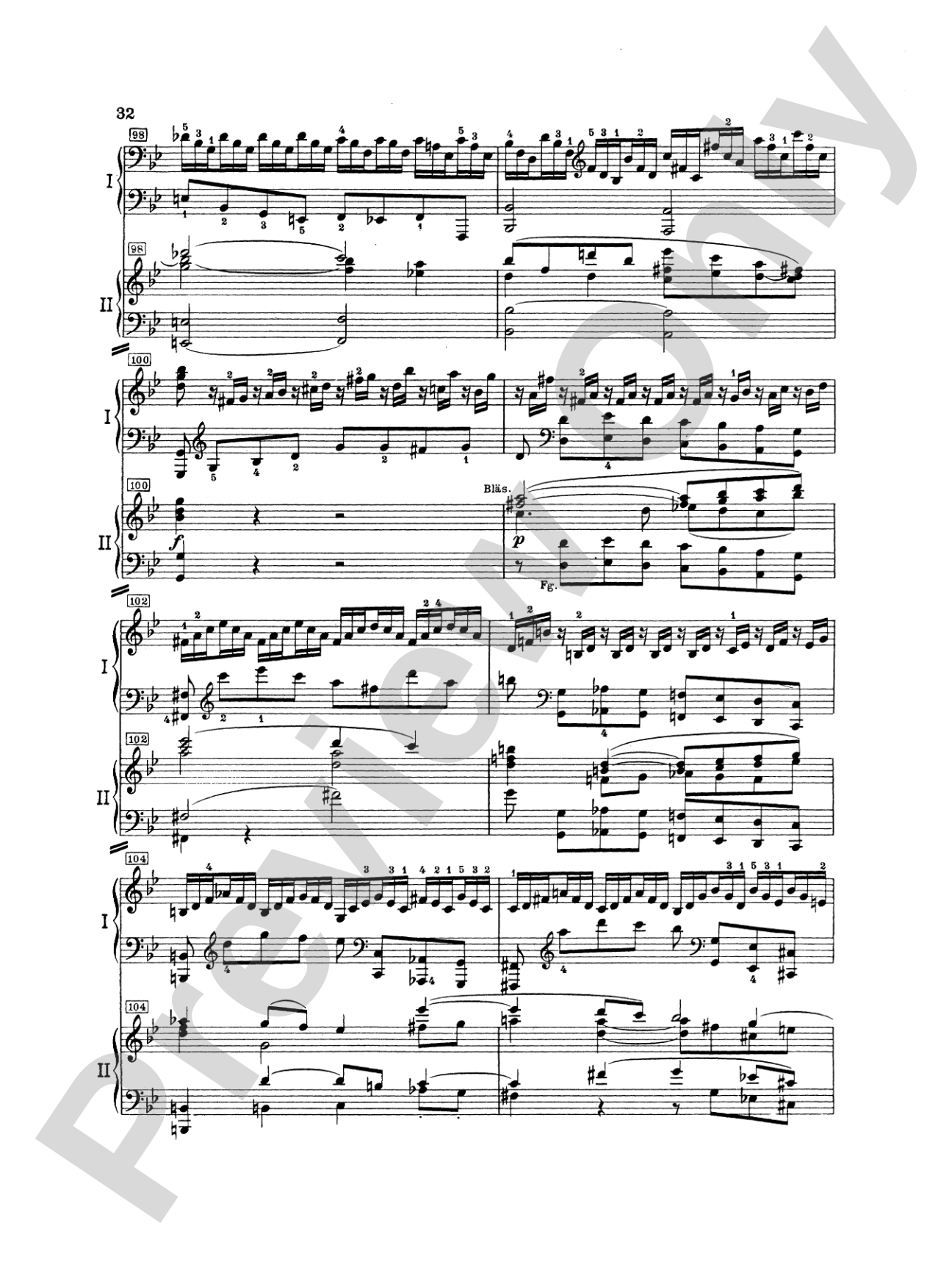
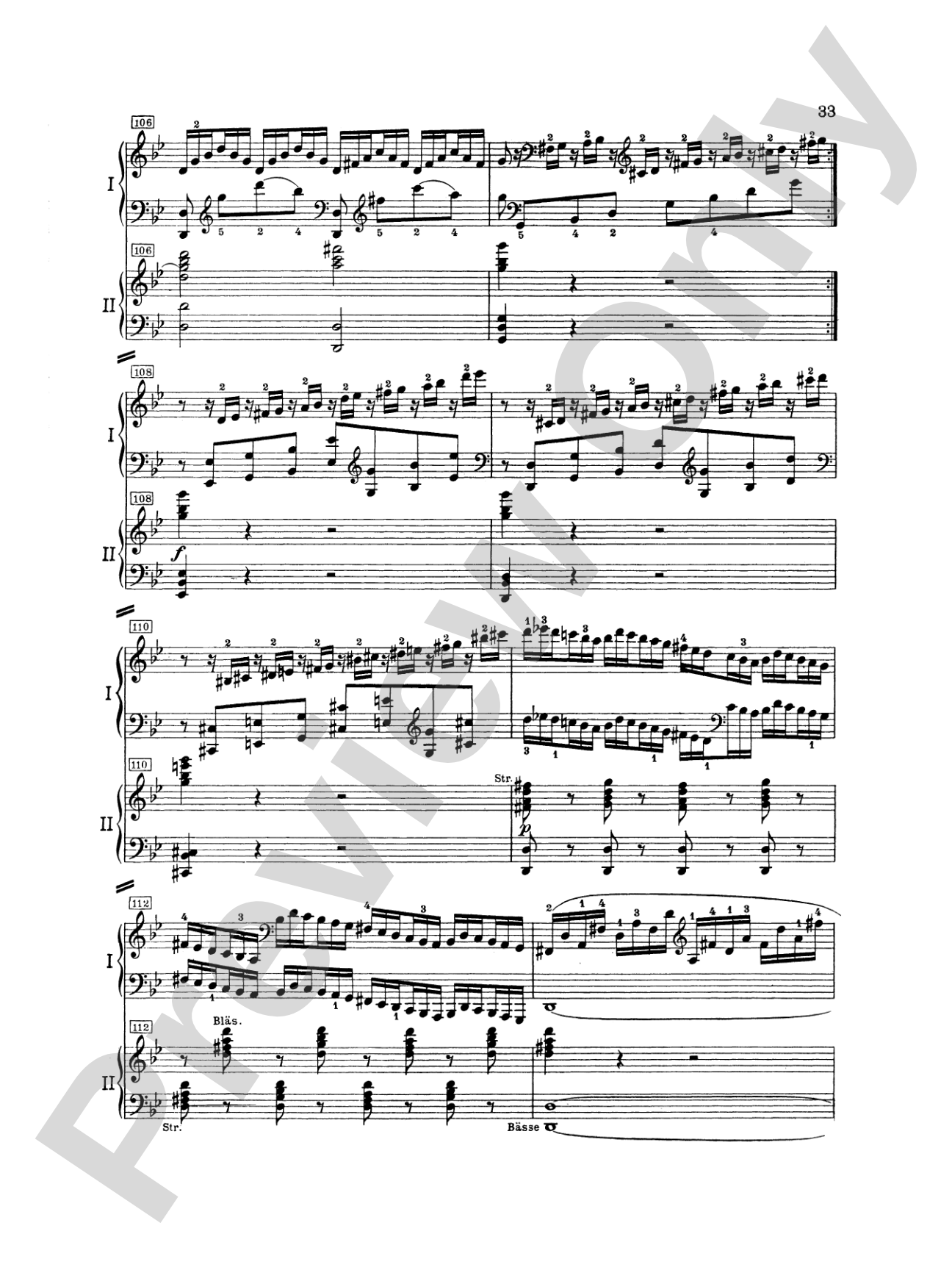
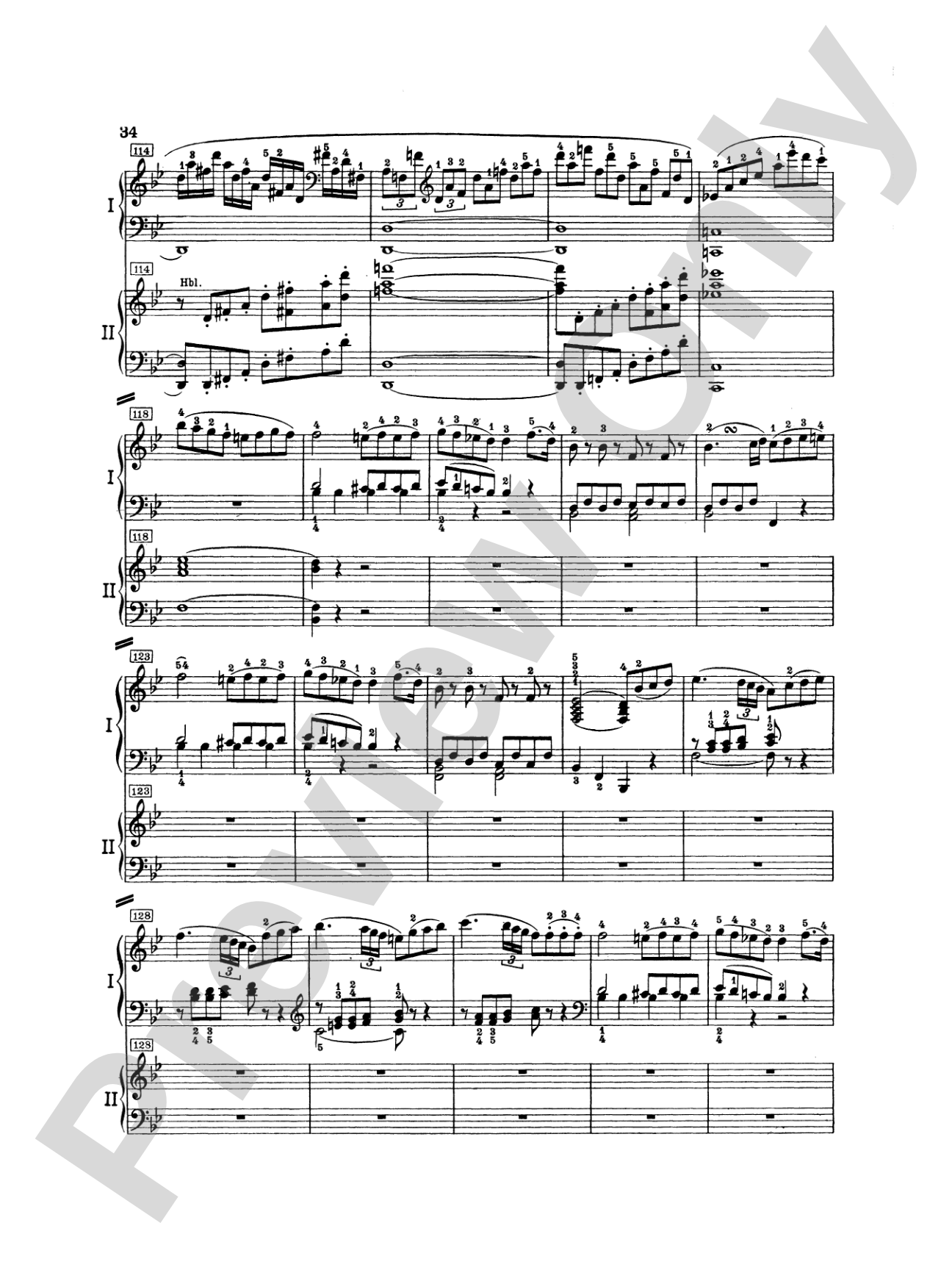
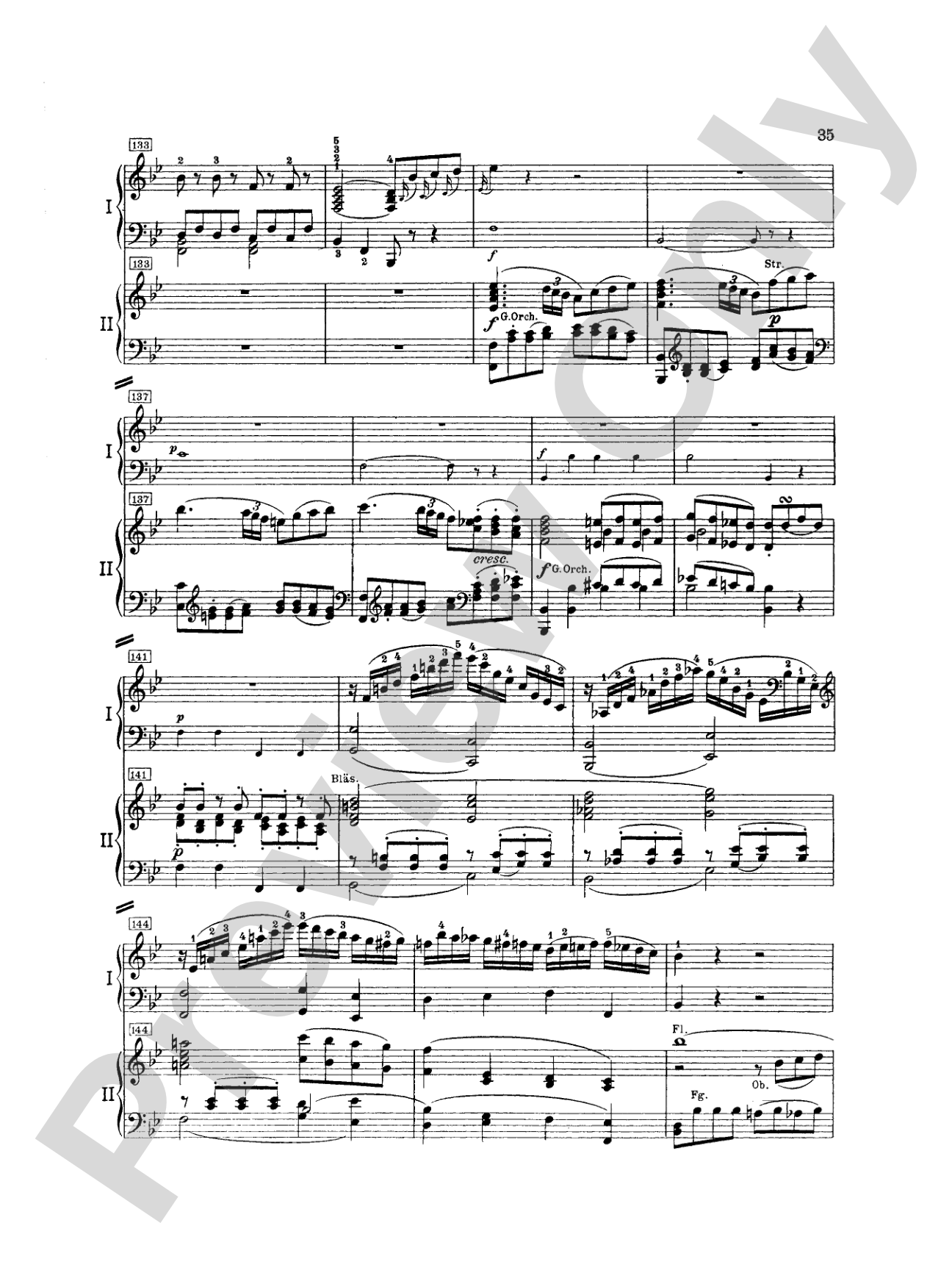
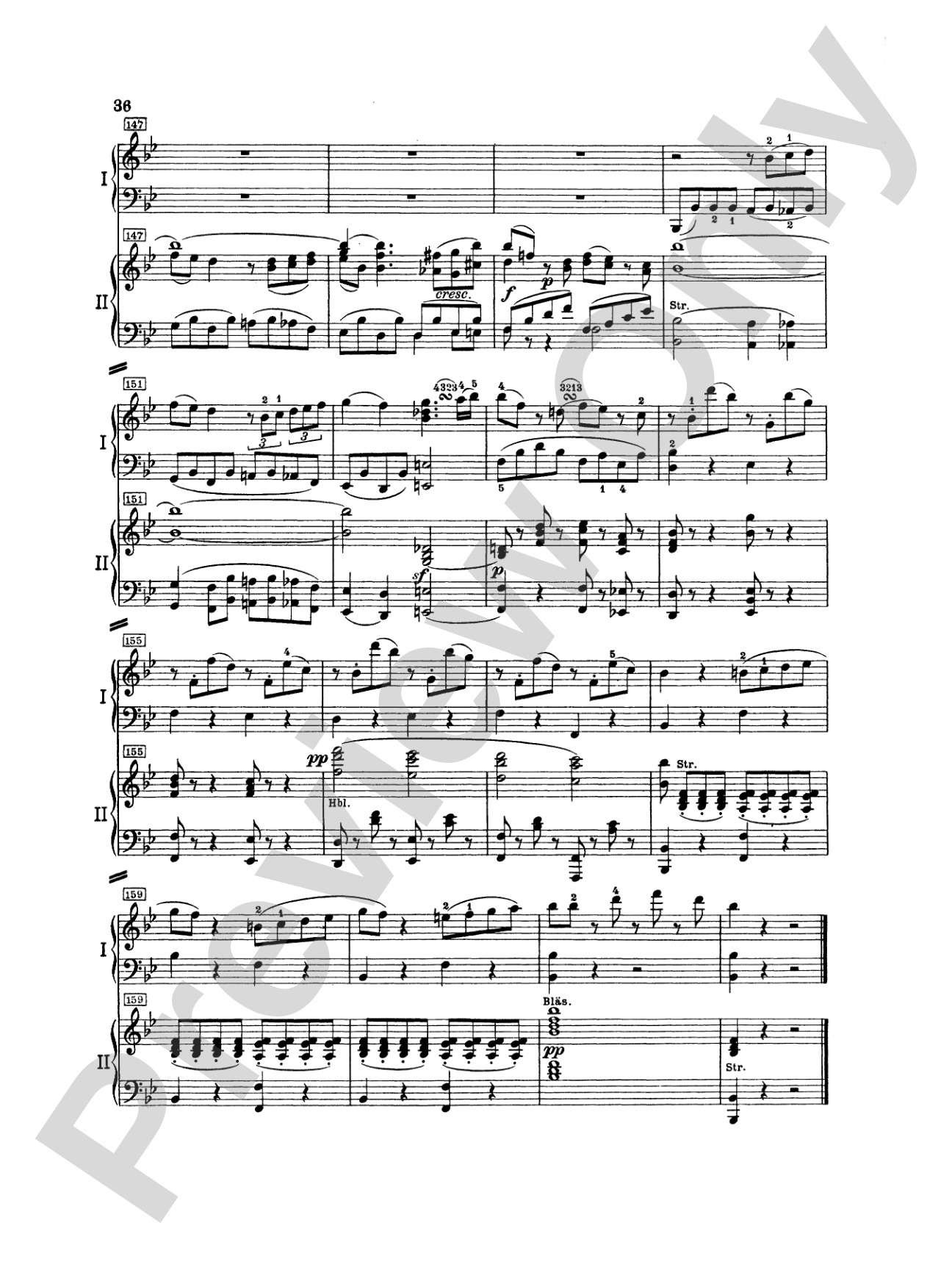
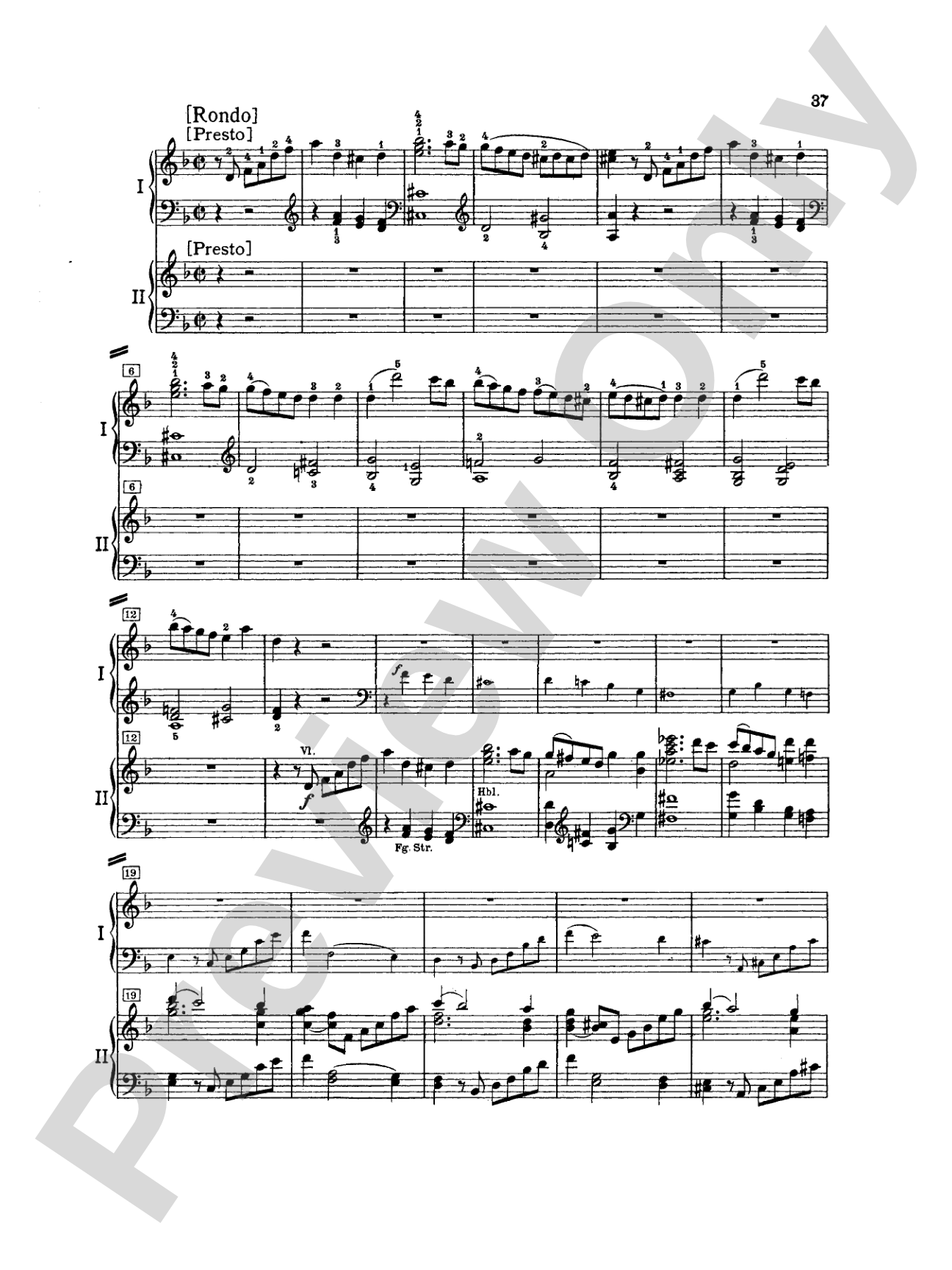
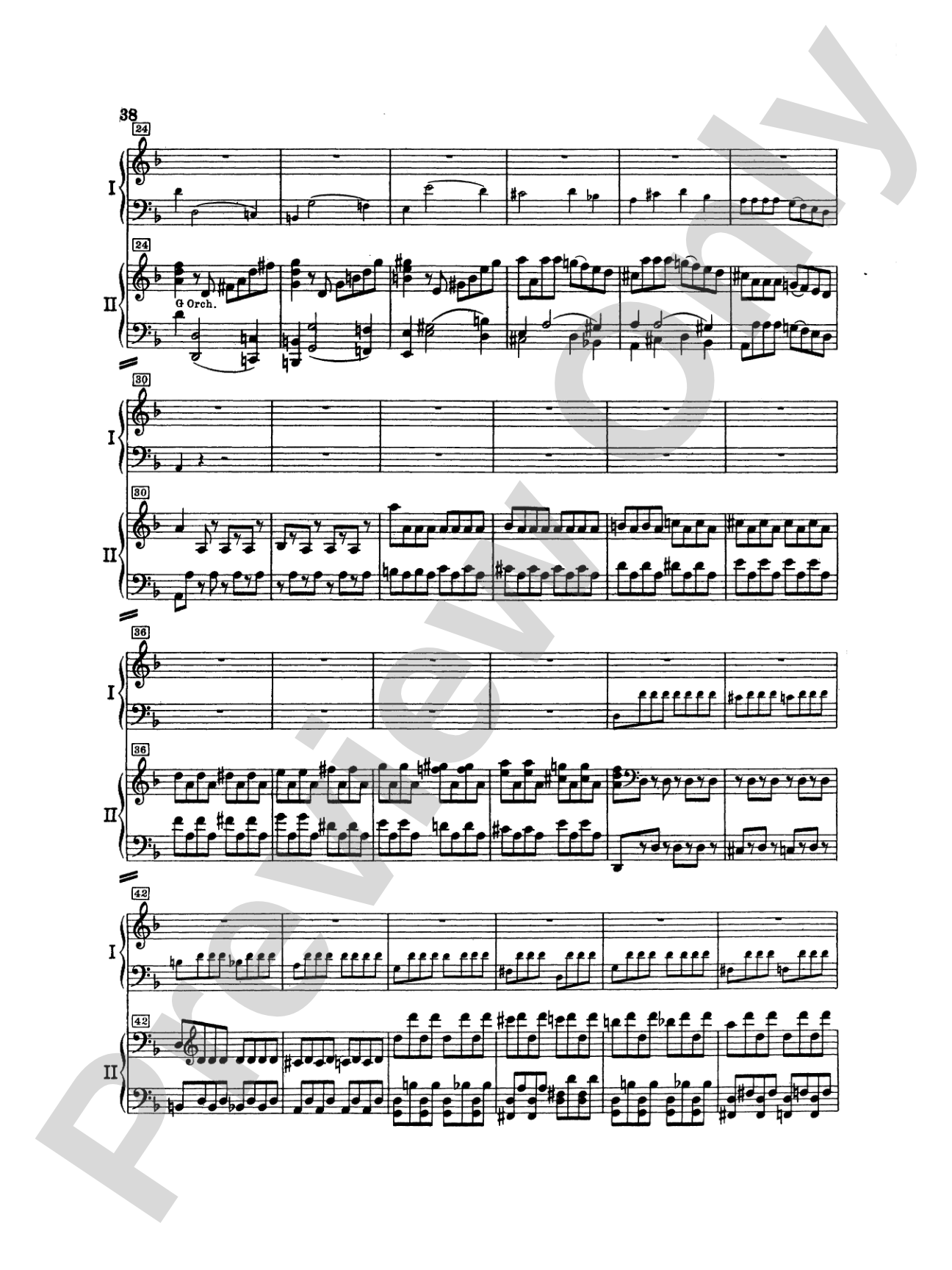
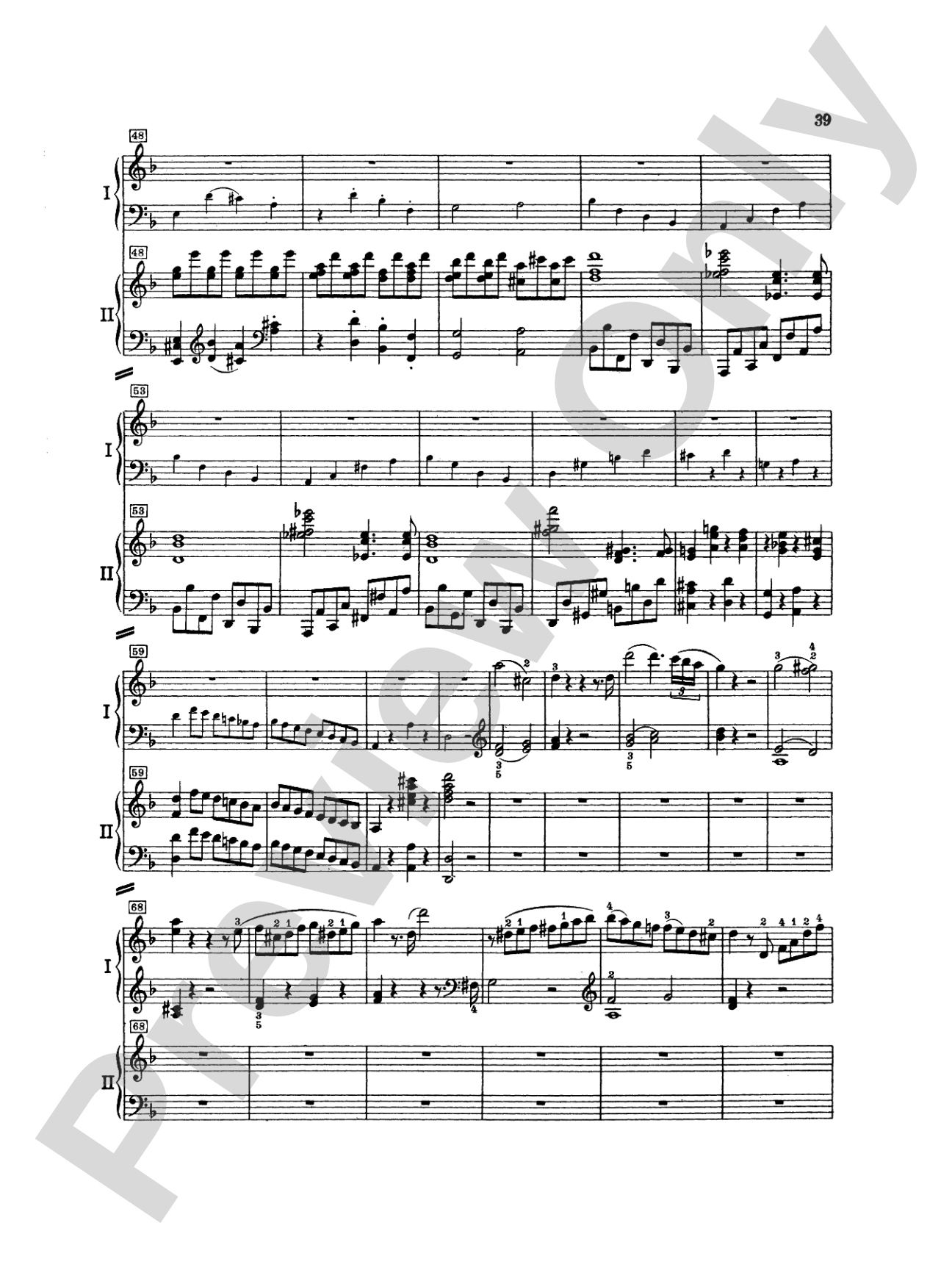
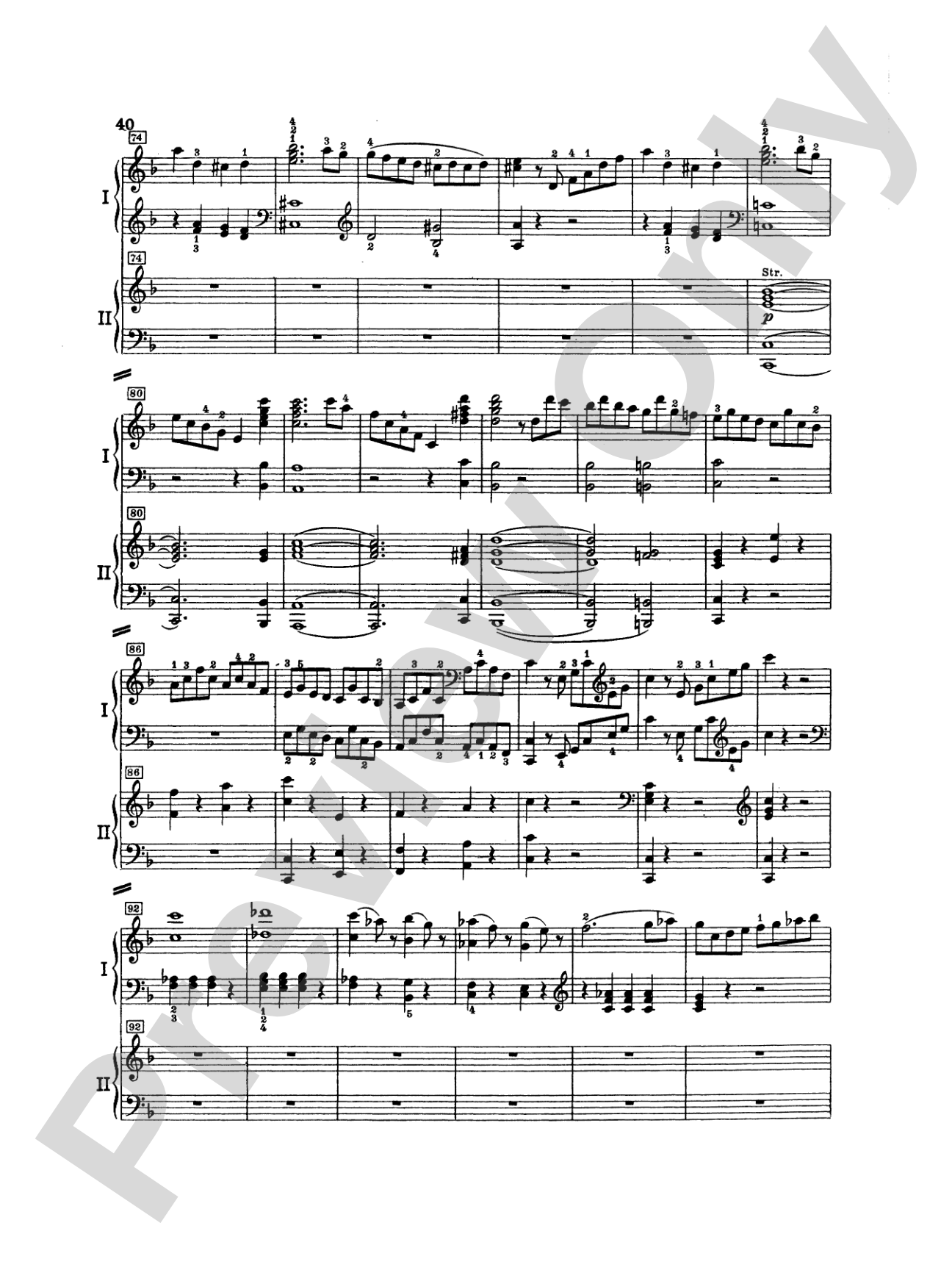
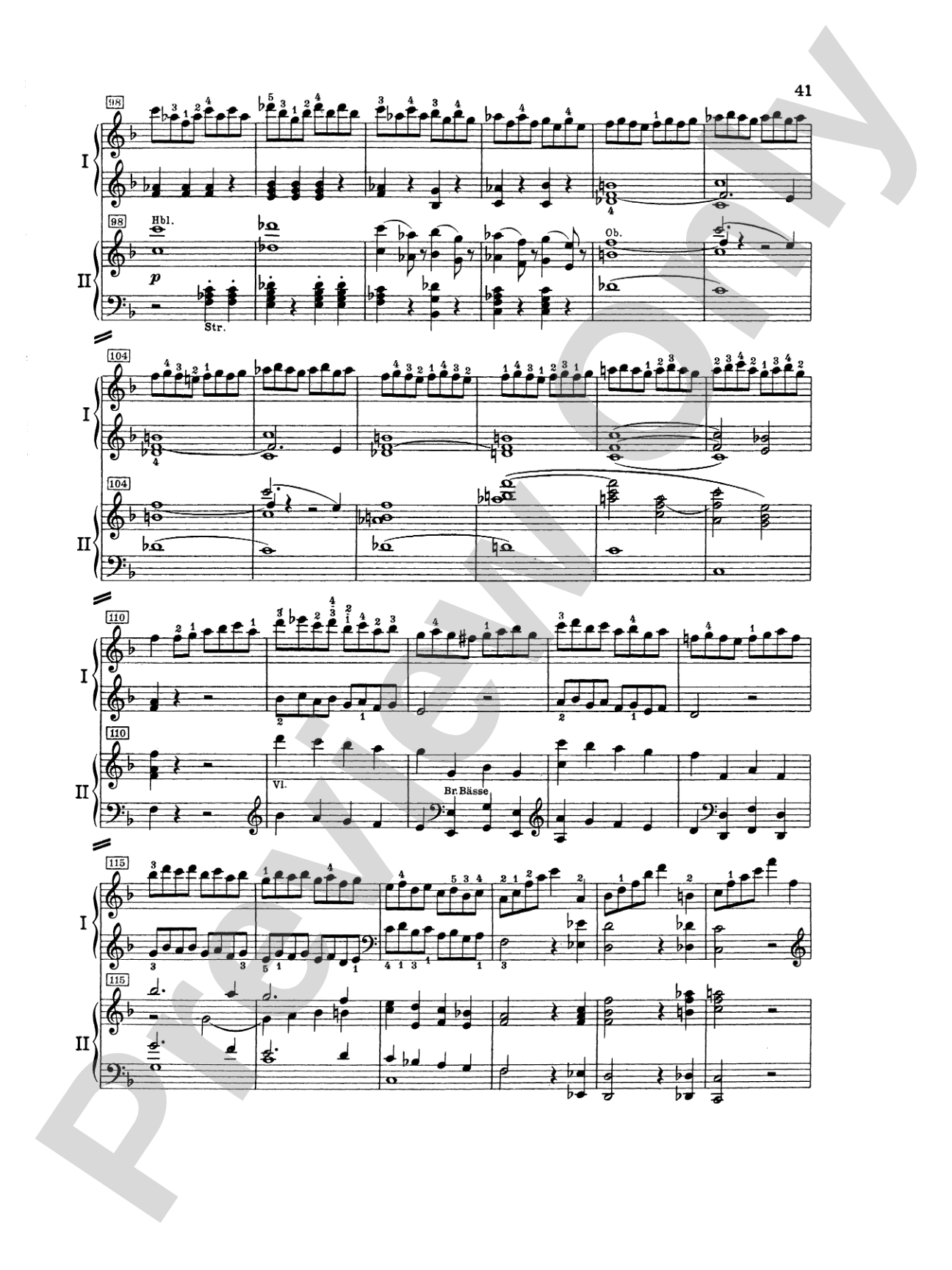
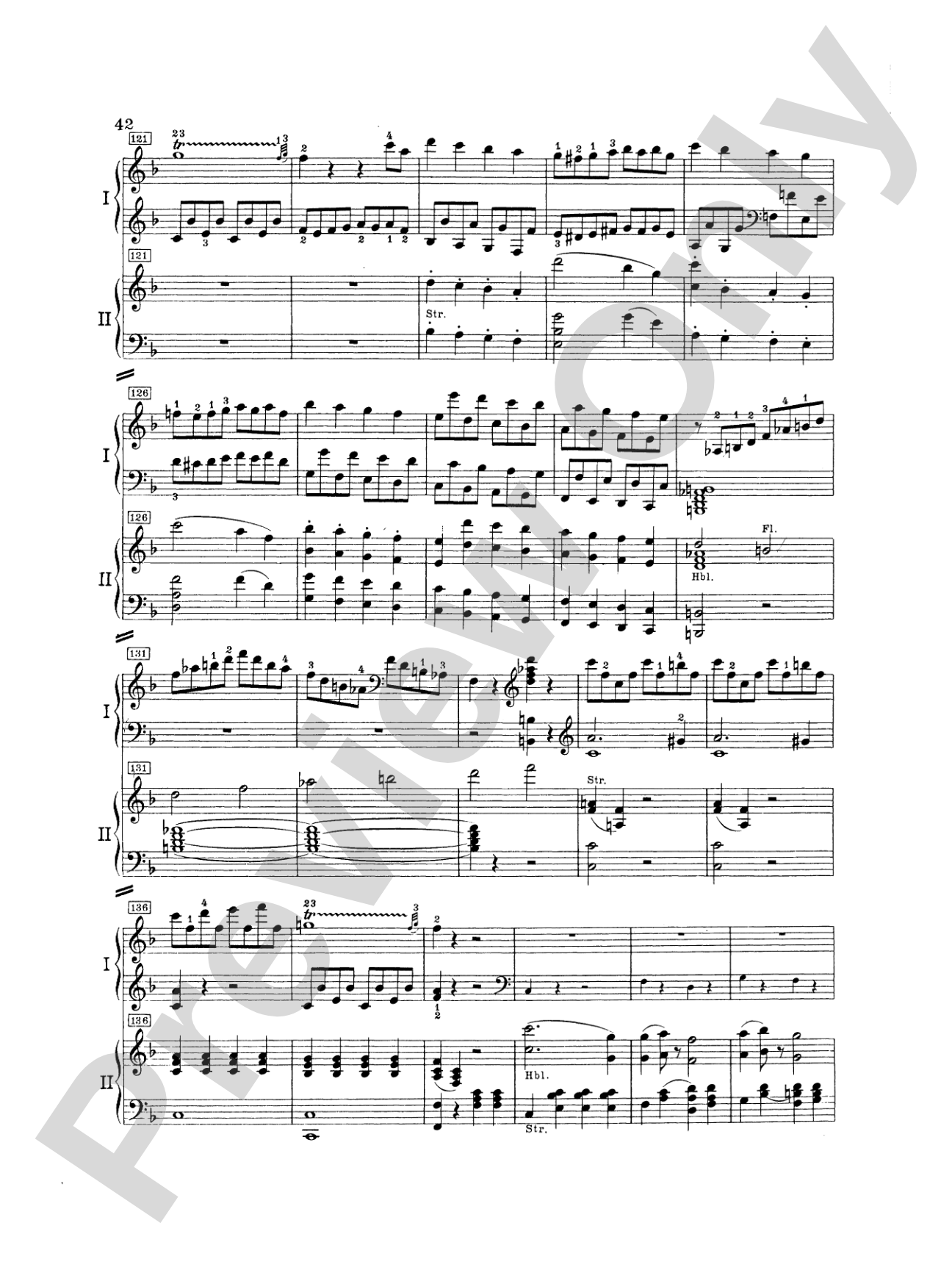
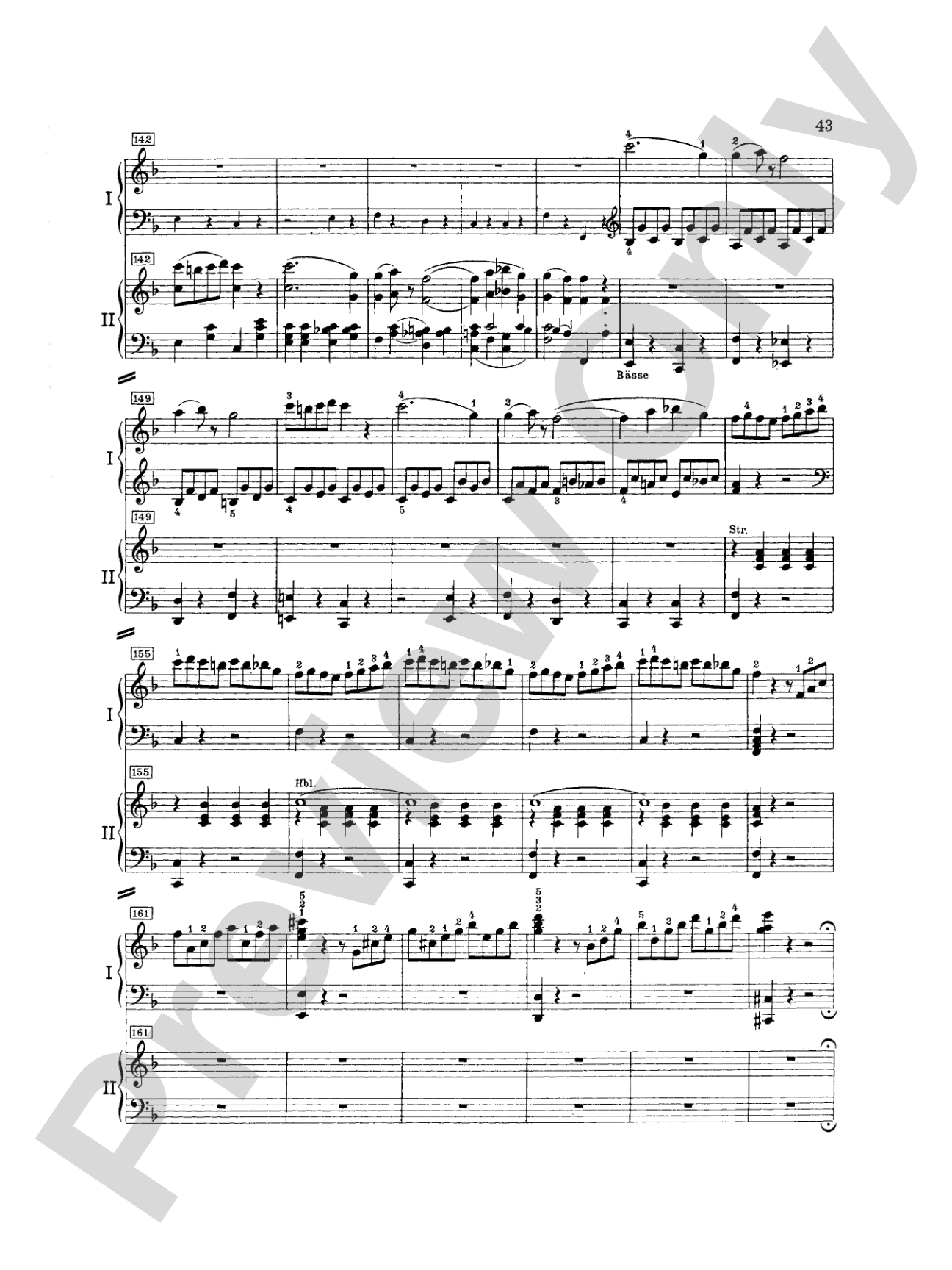
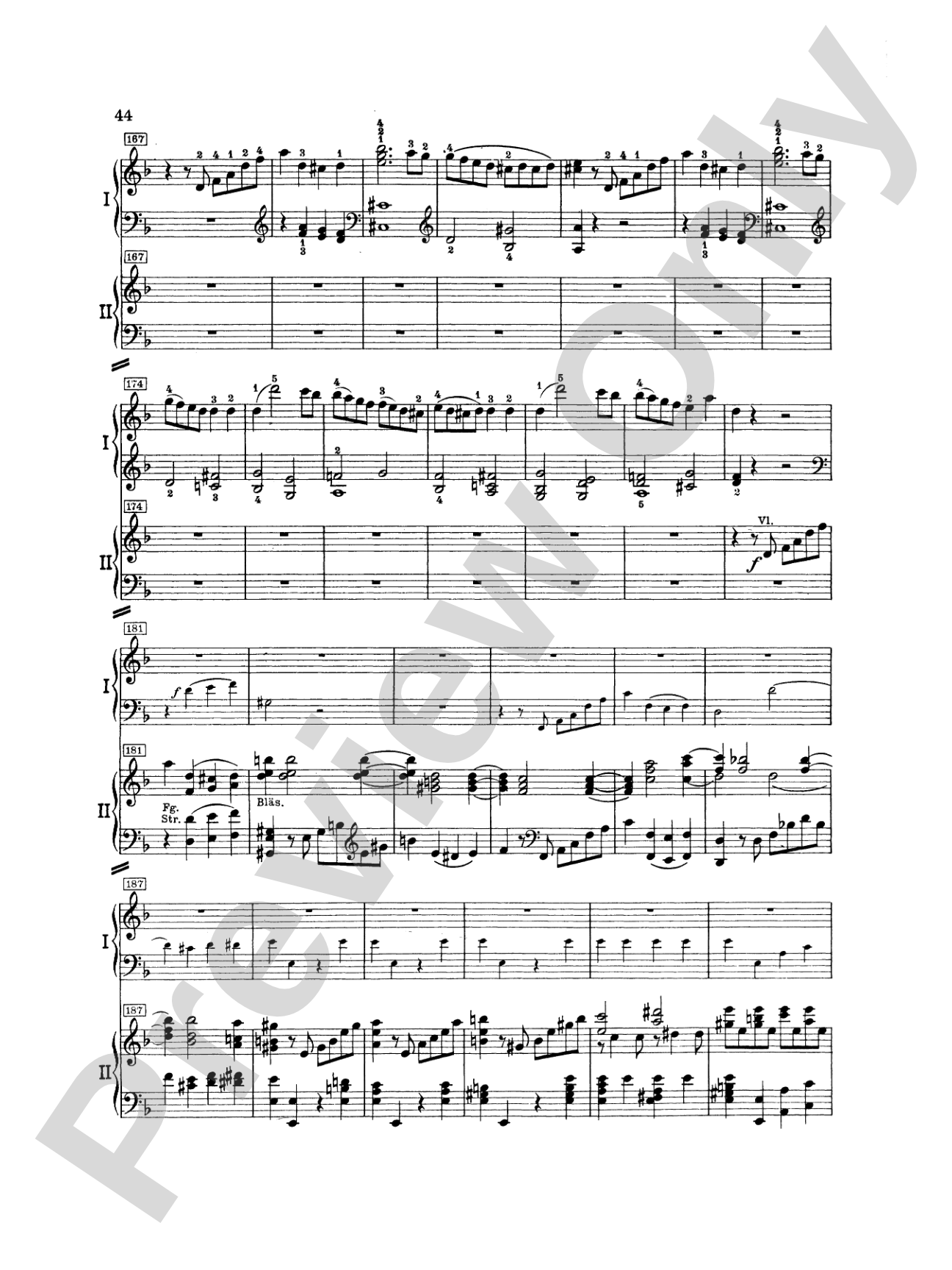
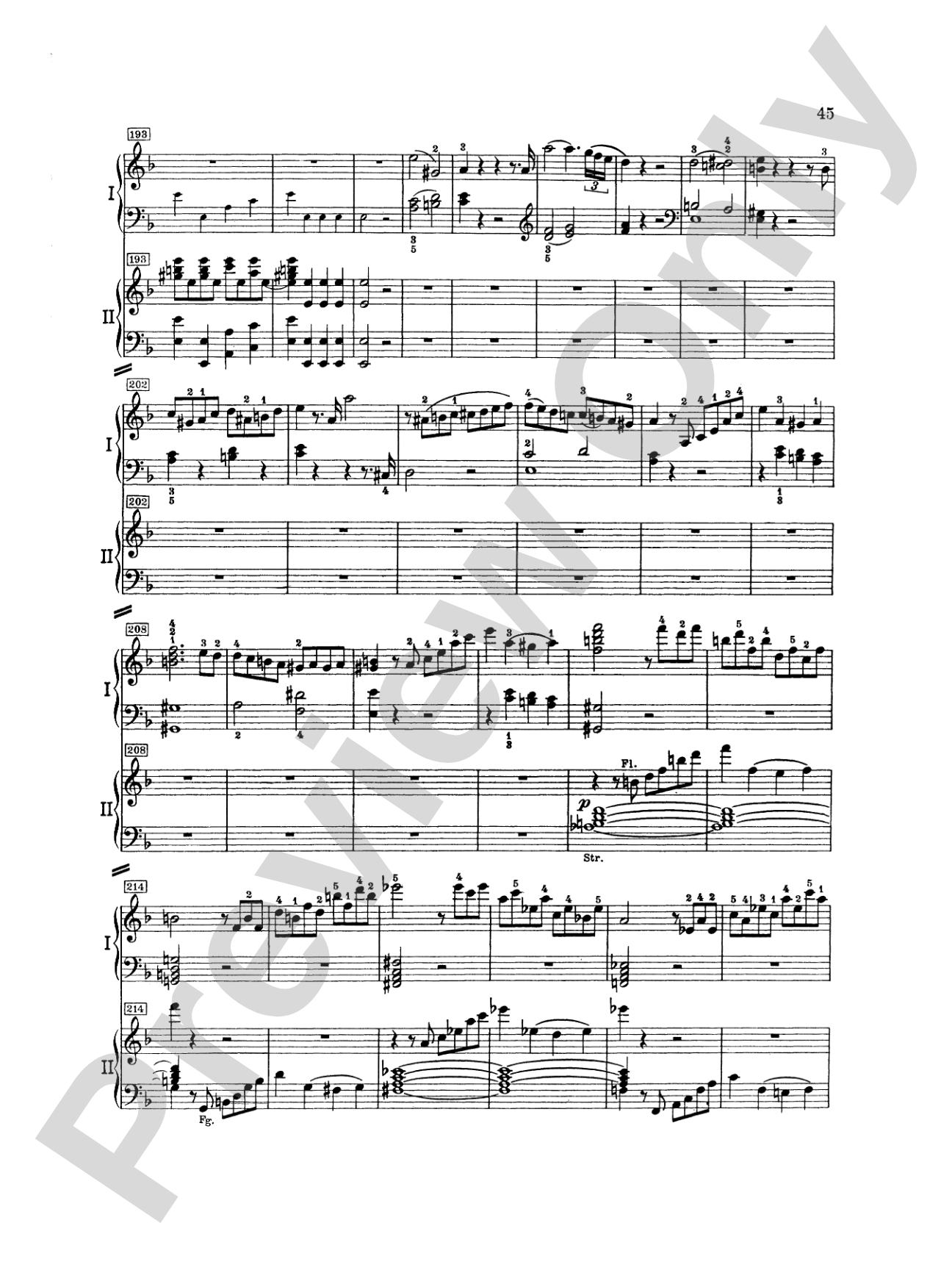
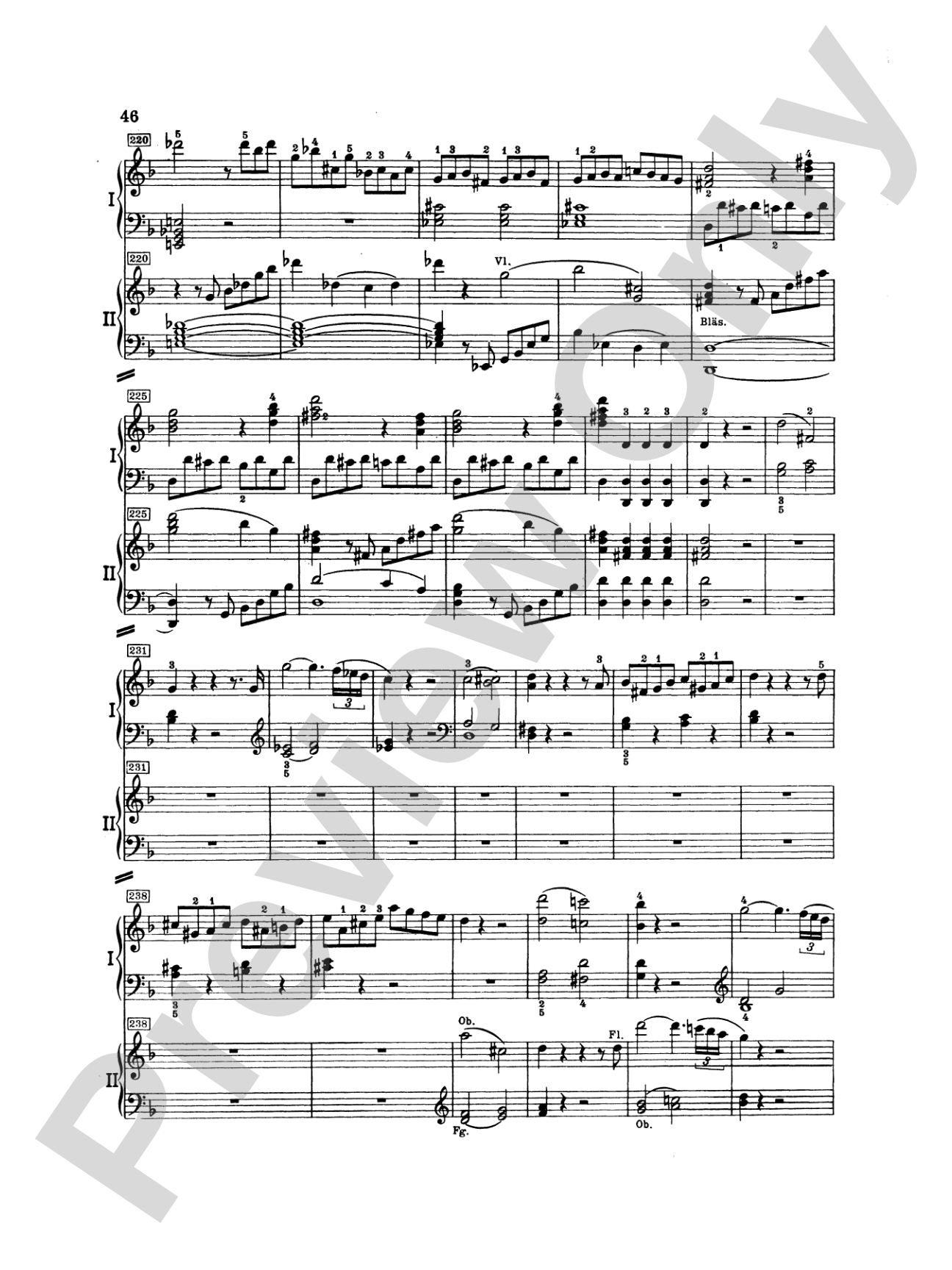
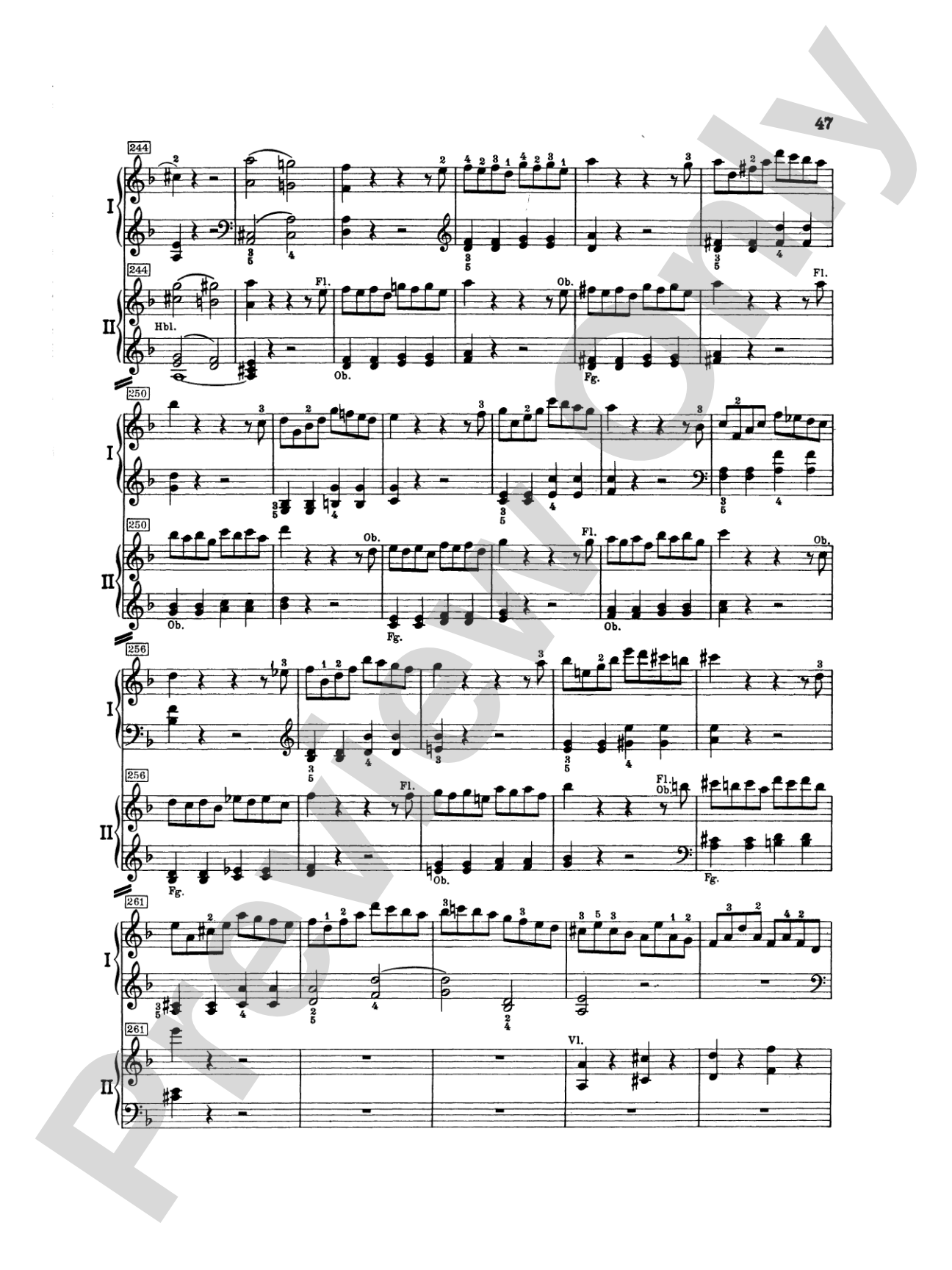


Mozart: Piano Concerto No. 20 in D Minor, K. 466: Piano Duo (2 Pianos, 4 Hands) Book (2 copies required)
By Wolfgang Amadeus Mozart
Item: 00-PK-0003248

$12.95
Pickup currently not available
Buy Extra Parts (Digital PDF Download)
| Product | Price | Quantity |
|---|---|---|
| Mozart: Piano Concerto No. 20 in D Minor, K. 466 | $11.95 |
Parts Added to Cart!
Related Items
Piano Concerto No. 20 in D Minor, K. 466: Piano Duo (2 Pianos, 4 Hands) Book (2 copies required) |
$12.95
|
View |
Description
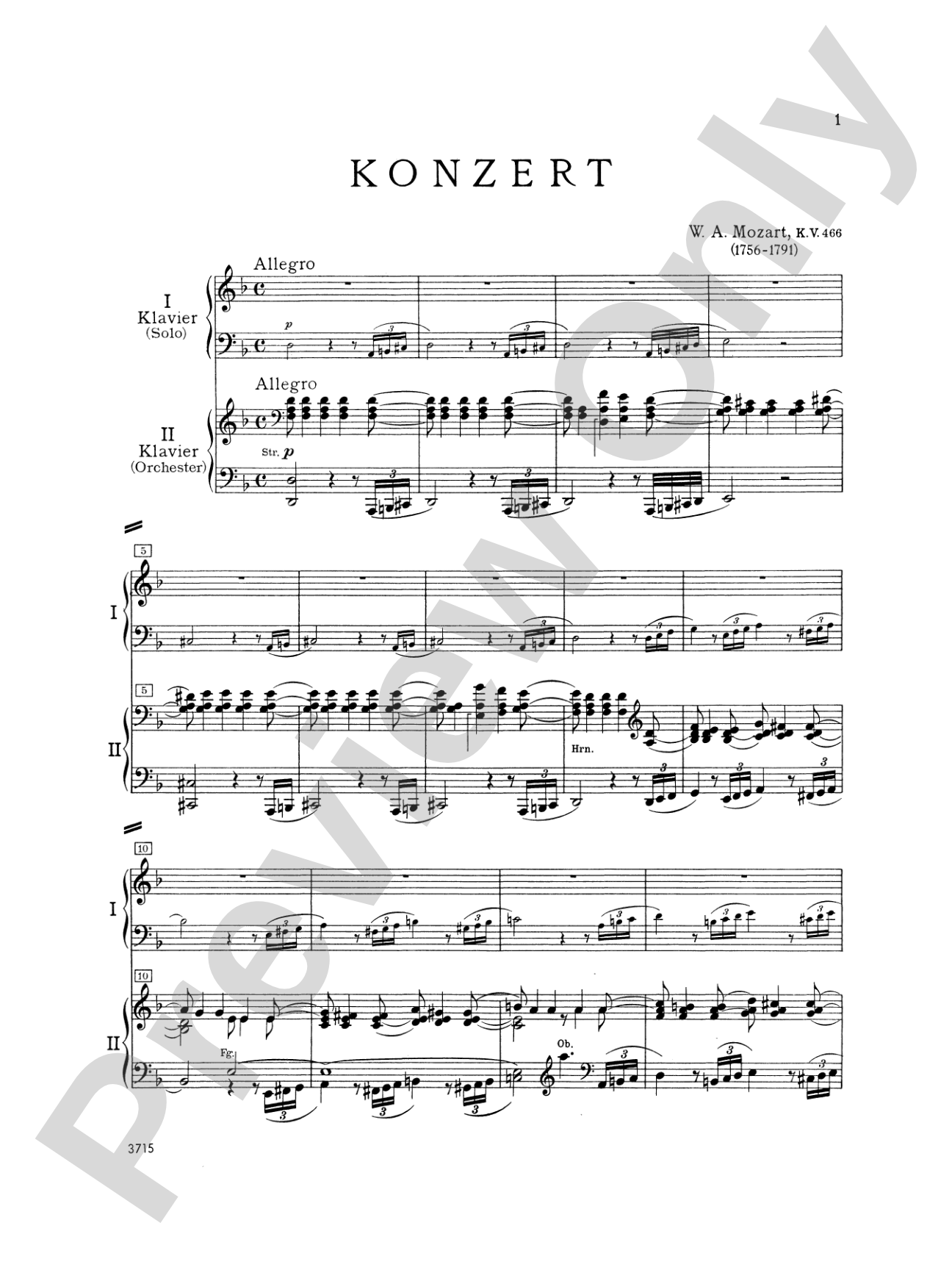
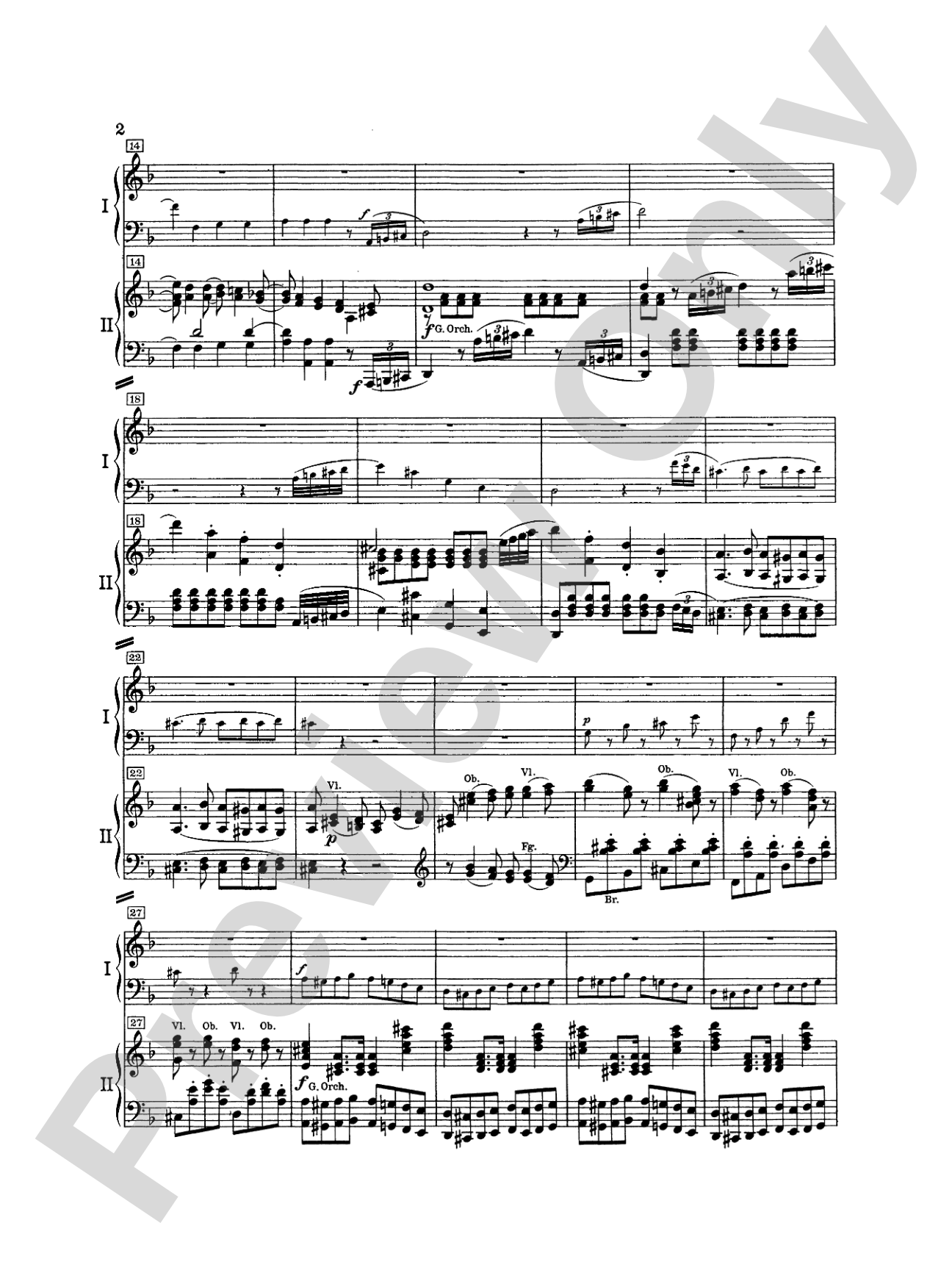
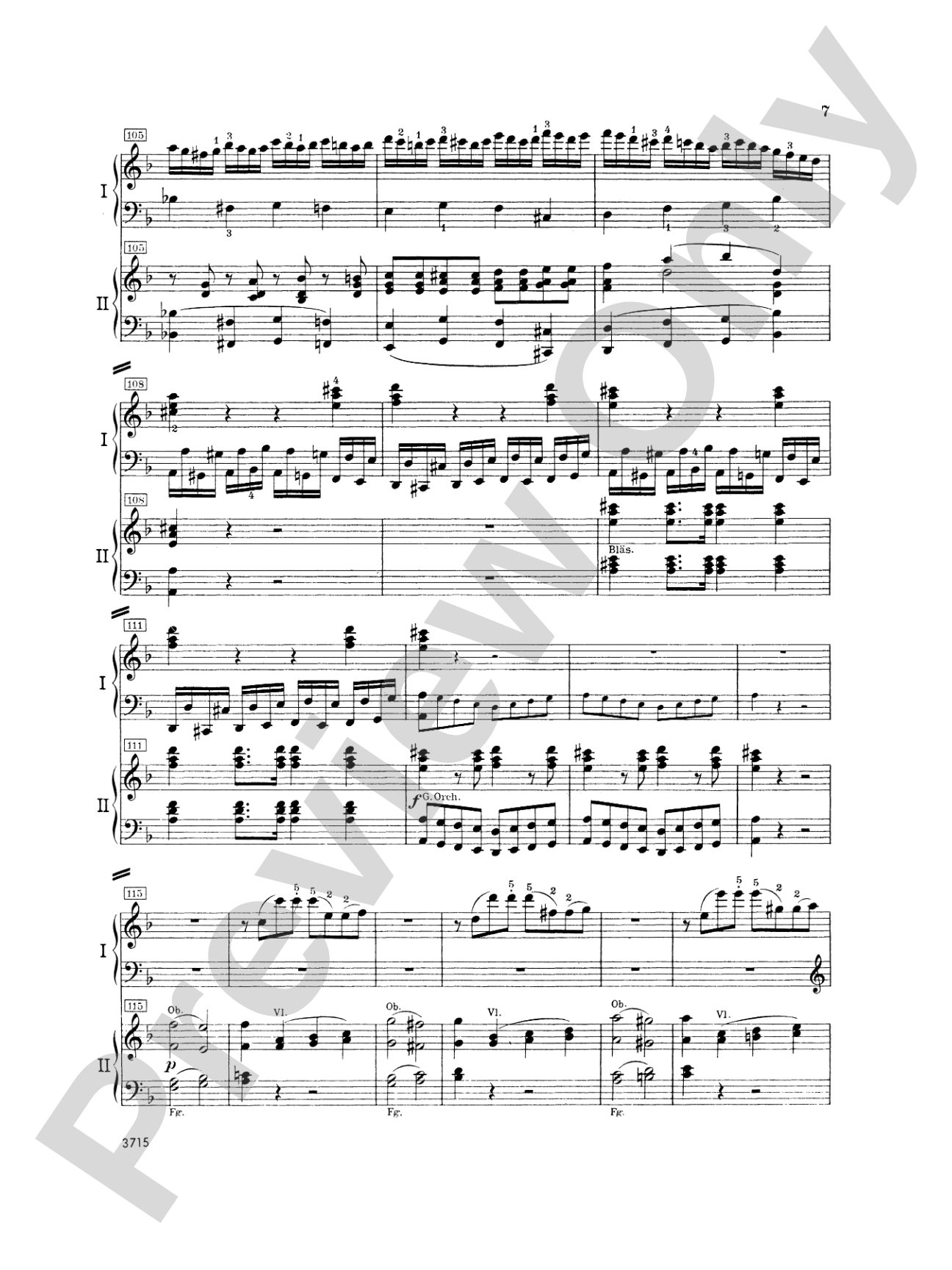
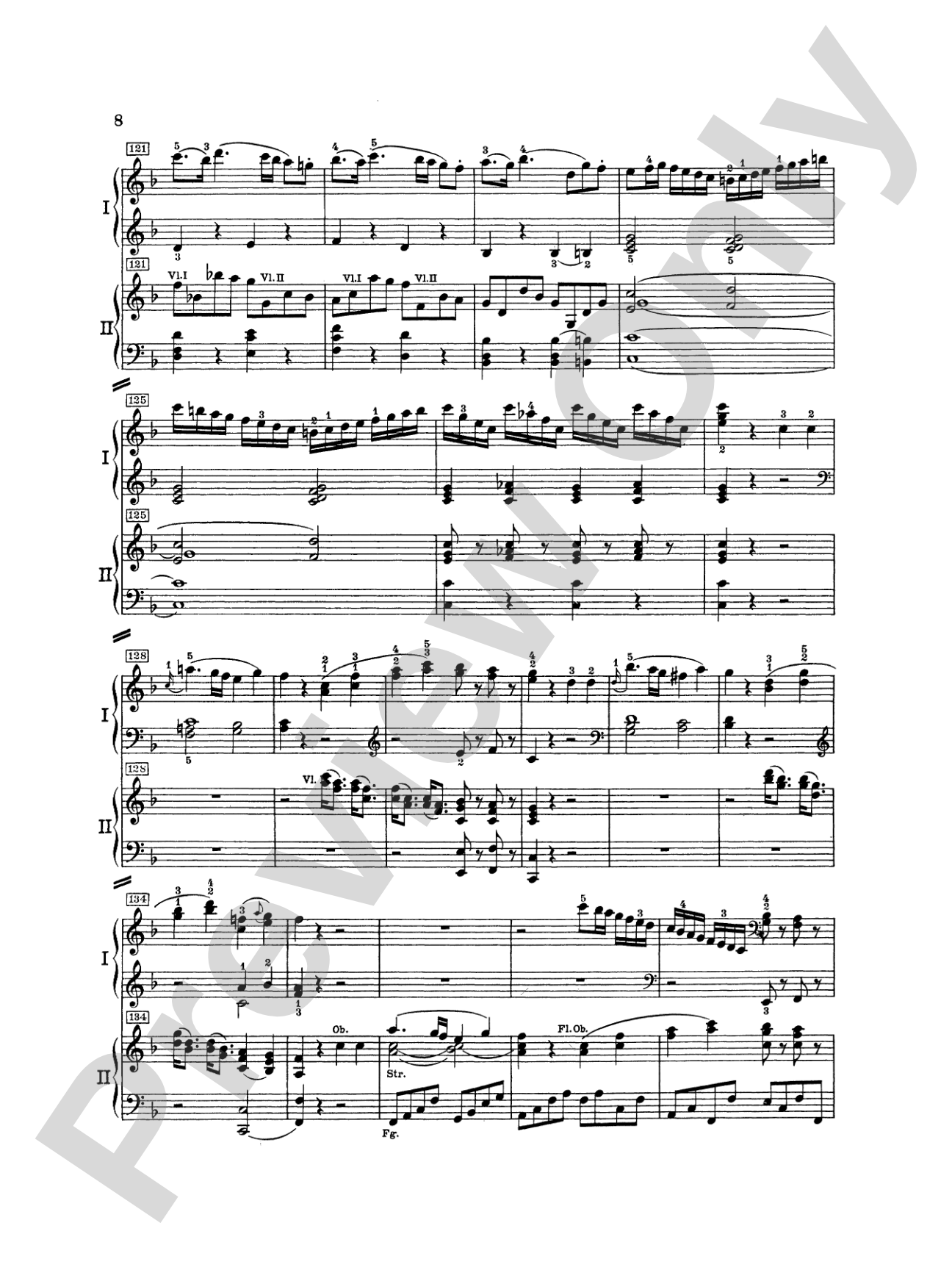
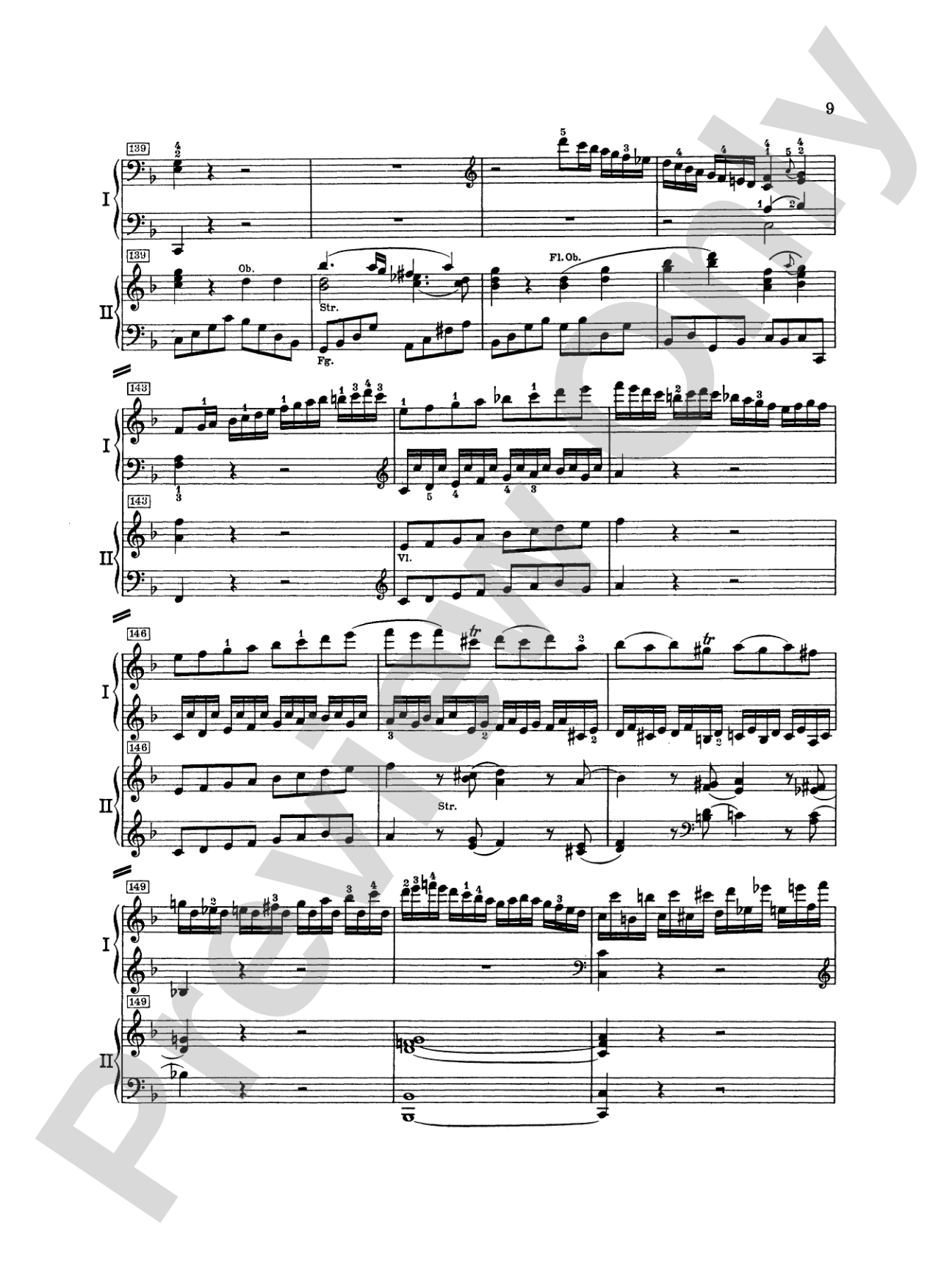
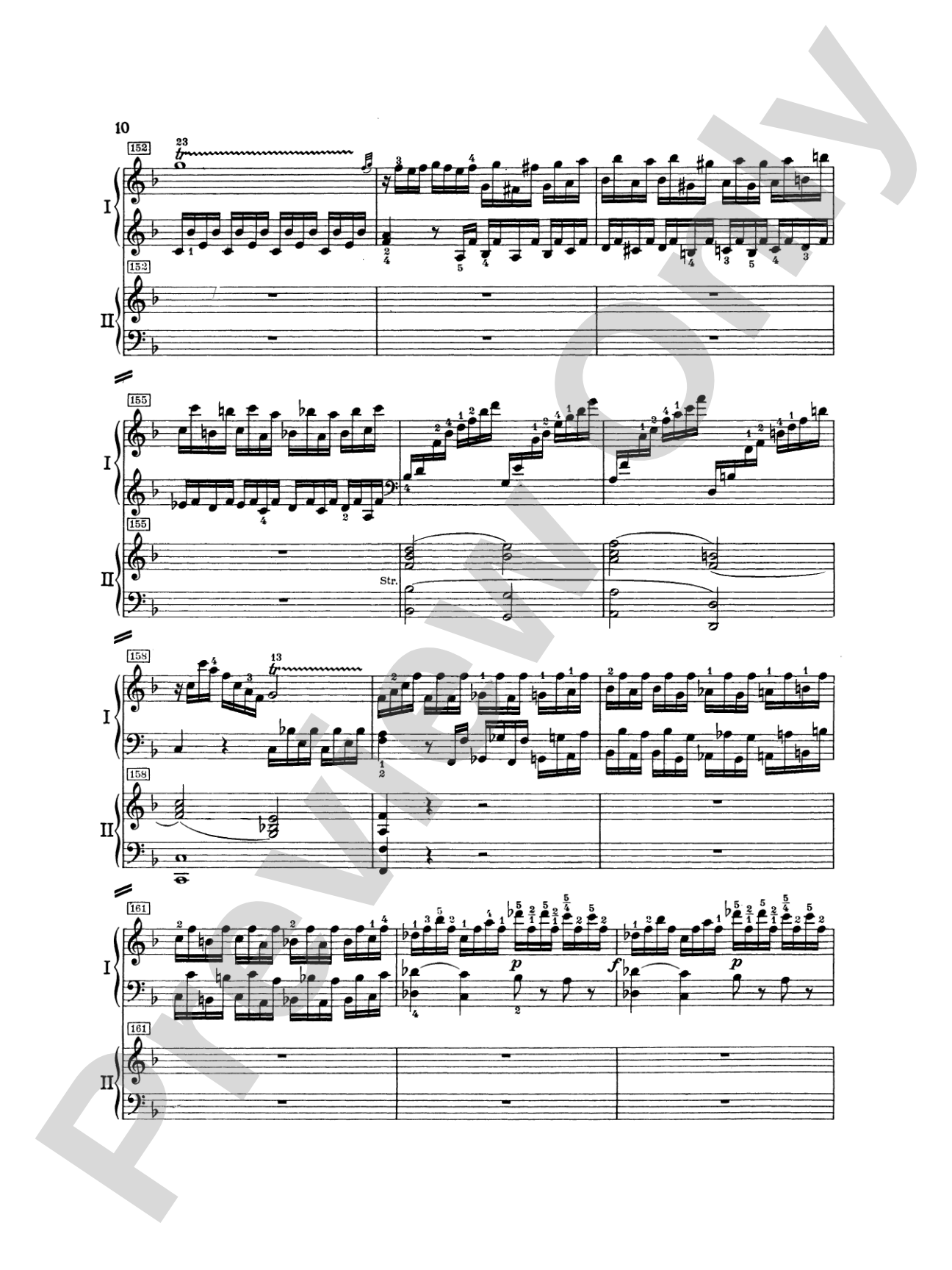
A duet, for Piano, composed by Wolfgang Amadeus Mozart for two pianos and four hands.


Don't just read it, hear it, play along with it, and watch your students grow with it. In MakeMusic Cloud, Mozart: Piano Concerto No. 20 in D Minor, K. 466: Piano Duo (2 Pianos, 4 Hands) Book (2 copies required) comes alive with professional accompaniment, adjustable tempo, and built-in practice tools that turn solo practice into real progress.
Open in the Player
Jump straight in and assign it today.
Start Your Free Trial
Open this title and explore the full library in minutes.
Sample Audio
No sample audio found.
Sample Video
No sample videos found.
Additional Details
Series:
Kalmus Edition
Publisher:
Alfred Music
Page Count:
56
SKU:
00-PK-0003248
More about this title
About the Composer: Wolfgang Amadeus Mozart
Wolfgang Amadeus Mozart (1756-1791) composed across every major genre of his time with astonishing facility and depth. His 27 piano concertos represent the pinnacle of Classical concerto writing, balancing virtuosic display with profound emotional range and structural sophistication that influenced generations of composers who followed.
Why we love this
K. 466 stands as one of Mozart's most dramatically charged concertos, and this two-piano arrangement makes it accessible to advanced pianists who want to experience the work's full architecture without requiring orchestral support. The dual-piano texture preserves the concerto's essential character while creating an intimate chamber music setting that rewards careful voicing and ensemble listening.
What to expect
Stormy and searching in the first movement, with urgent passagework and minor-key introspection that contrasts sharply with the Classical concerto convention. The central andante offers lyrical respite, while the finale restores dramatic energy with propulsive rhythmic drive and virtuosic brilliance.
Who it's for
Advanced pianists preparing for recitals, chamber music programs, or ensemble study. This arrangement serves pianists who have developed secure technique and musical maturity and seek substantial Classical repertoire beyond standard four-hand duets.
How to get the most out of it
- Balance the dialogue between primo and secondo parts with clarity; the orchestral reduction demands that both pianists maintain independence while supporting the harmonic structure.
- Attend closely to Mozart's dynamic markings and articulation, which define the rhetorical shape of each phrase far more than tempo alone.
- Coordinate pedal usage between both instruments to create a unified sound without muddying the rapid passagework typical of the first movement.
- Shape the D minor opening theme with directness and restraint; the work's drama emerges from structural tension, not romantic overstatement.
How to use it
Feature this as a substantial chamber work on a recital devoted to Mozart or Classical repertoire, or pair it with other two-piano works to create a specialized program. The piece's dramatic opening makes it an effective concert opener, while its substantial length (approximately 30-35 minutes) positions it as a centerpiece rather than supporting work.
Skills your students will build
- Ensemble coordination and independent voice leading between two instruments
- Interpreting Classical phrase structure and harmonic syntax
- Managing rapid passagework and technical figures with clarity
- Pedal control in a two-piano setting
- Understanding concerto form across multi-movement works
- Balancing virtuosity with structural clarity