
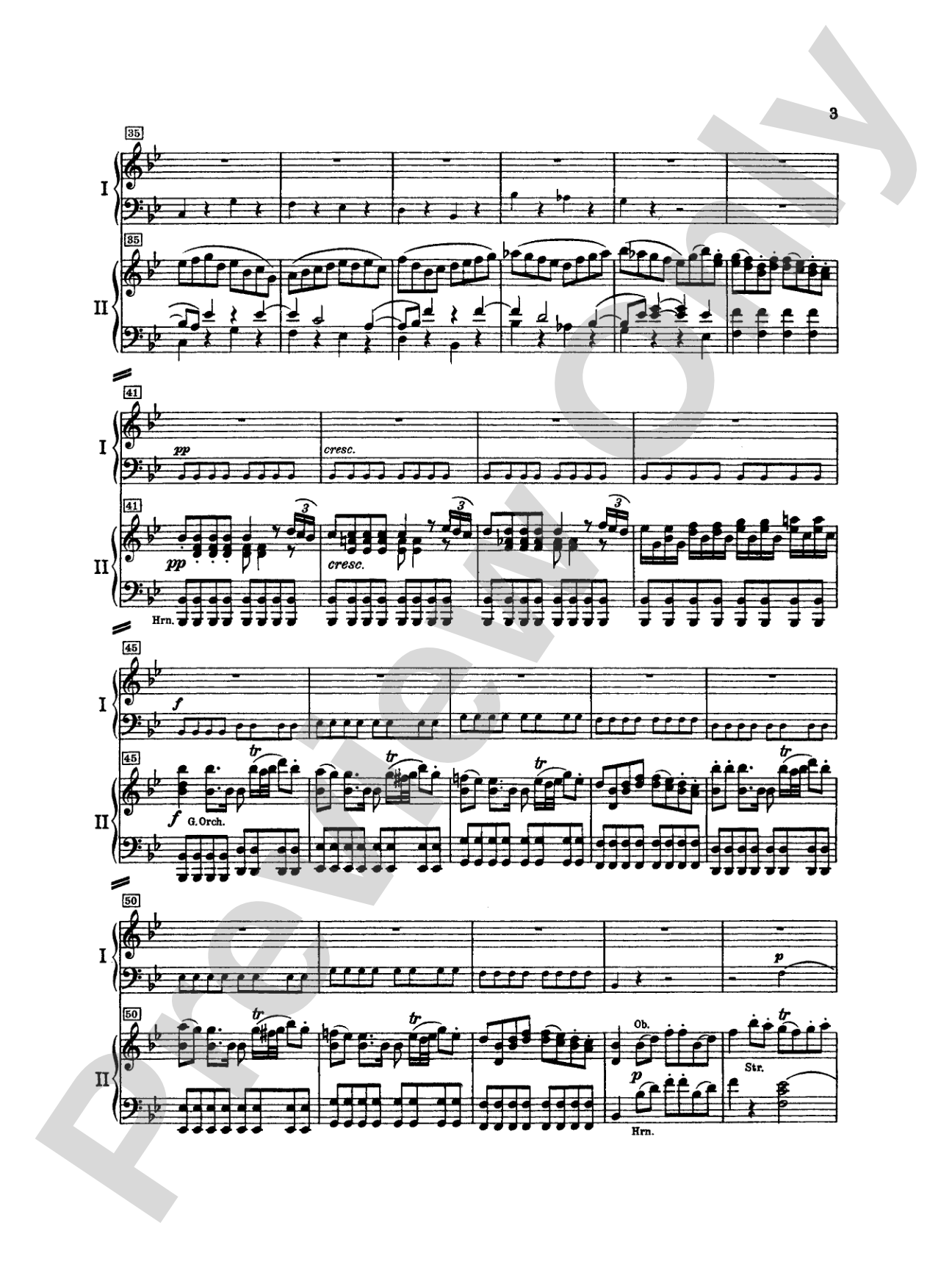
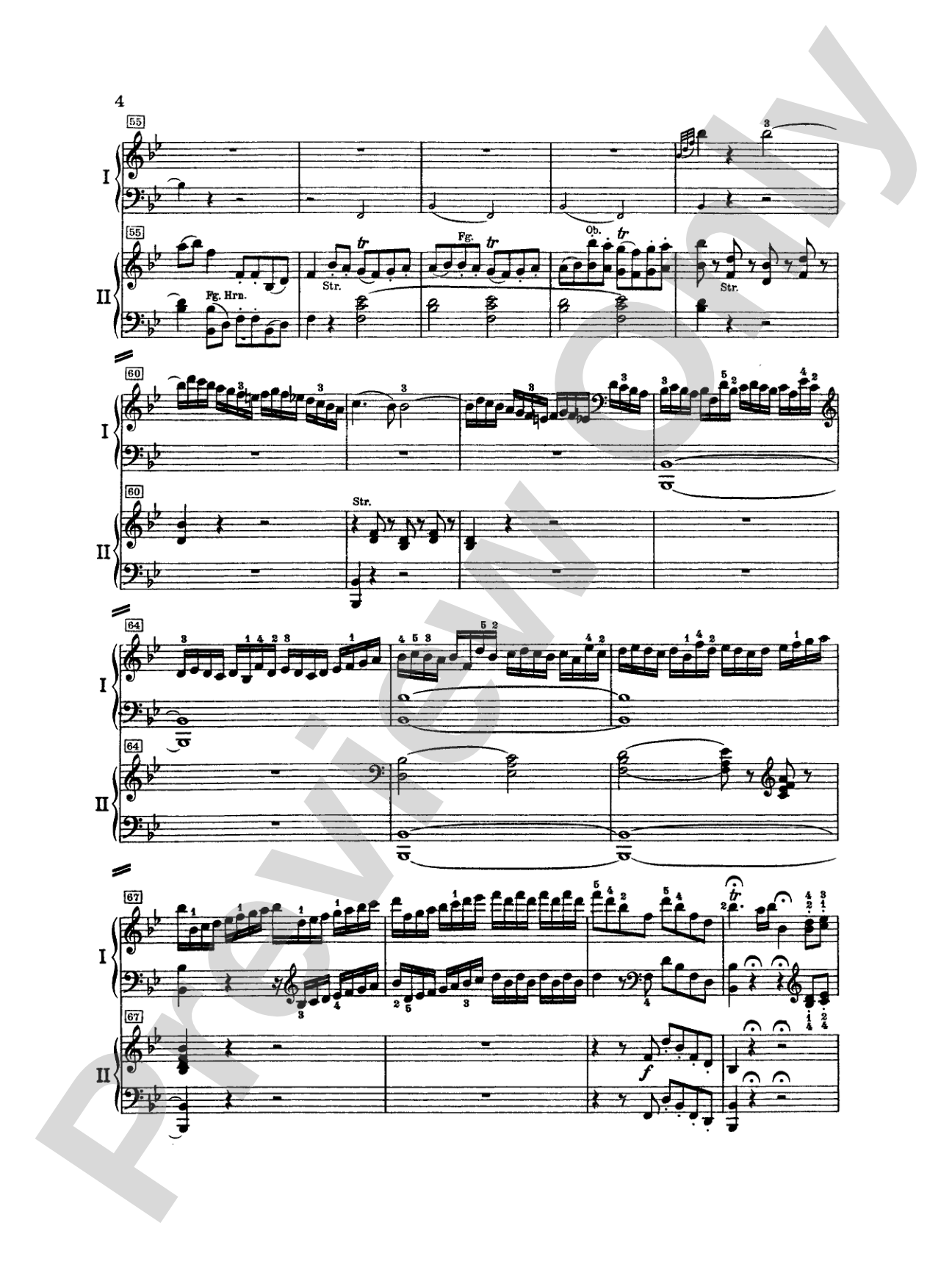
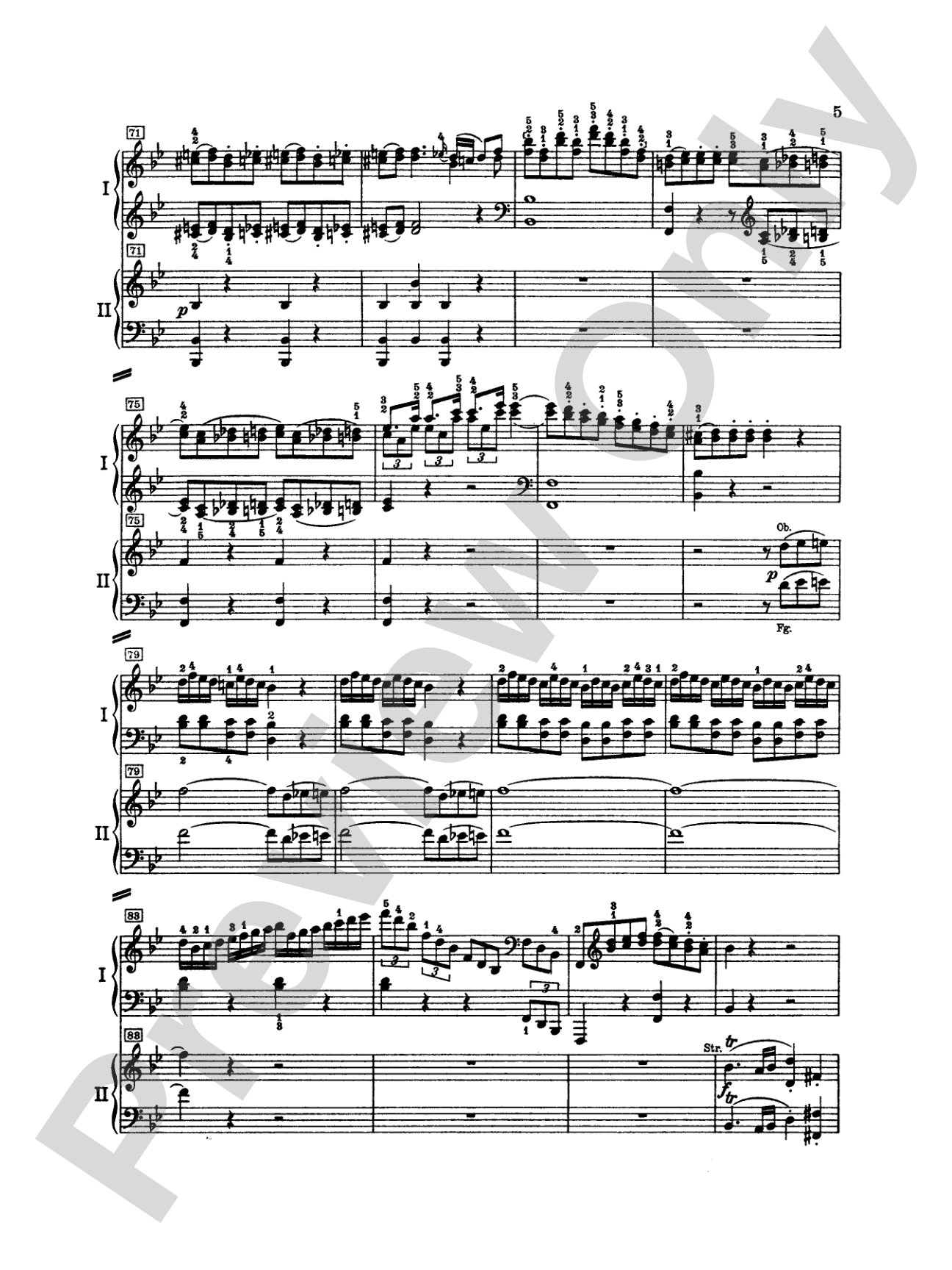
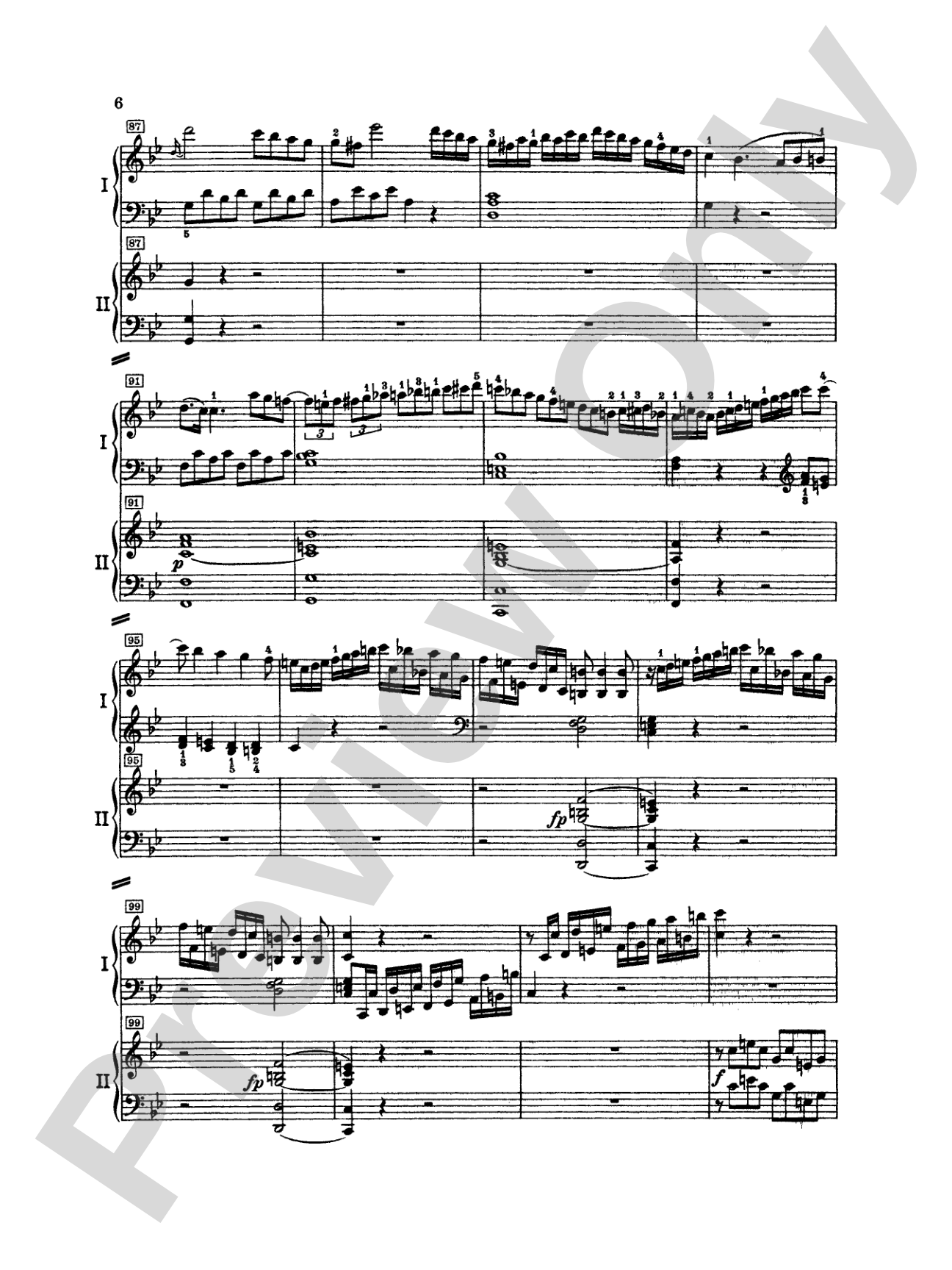
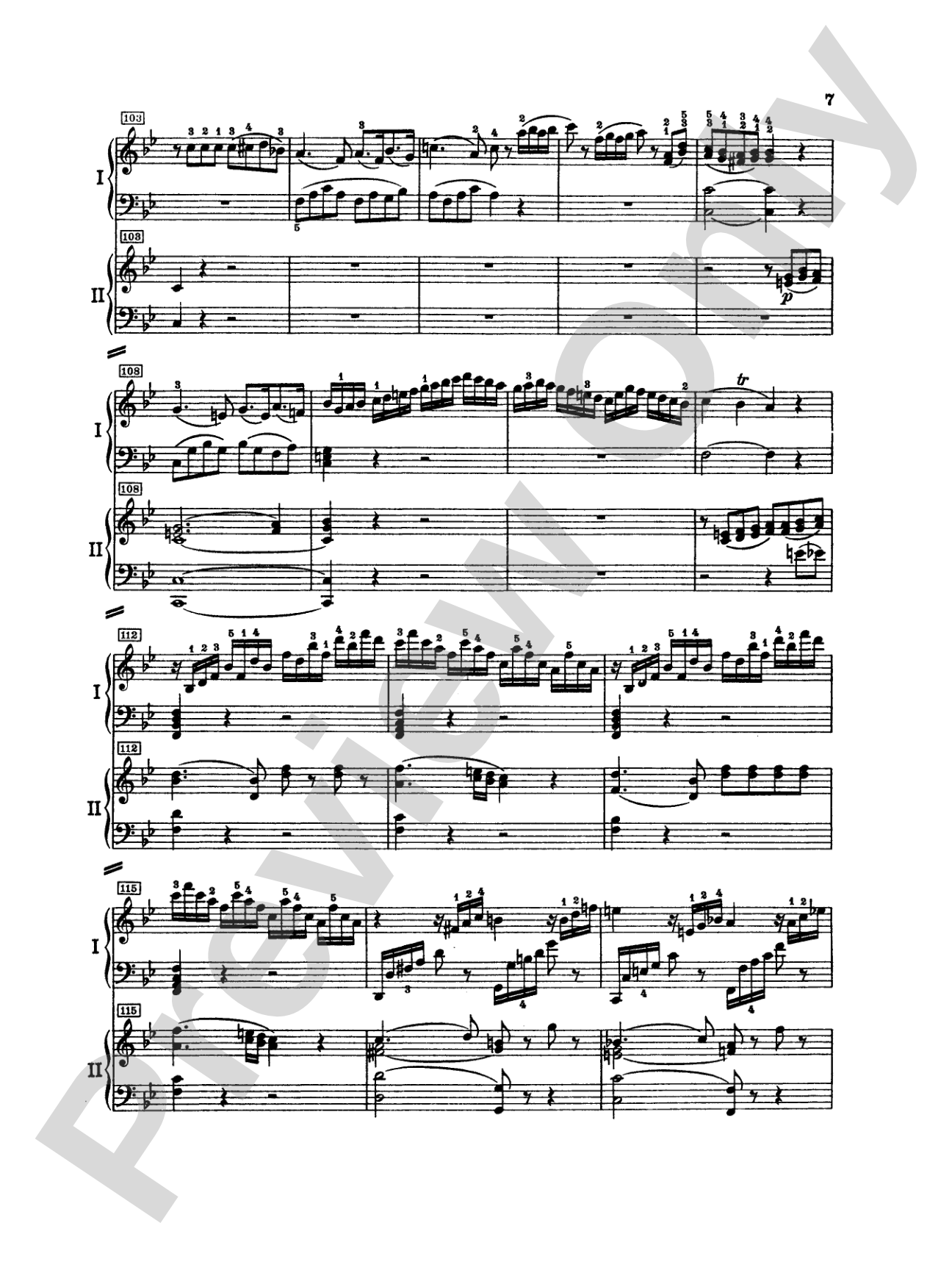
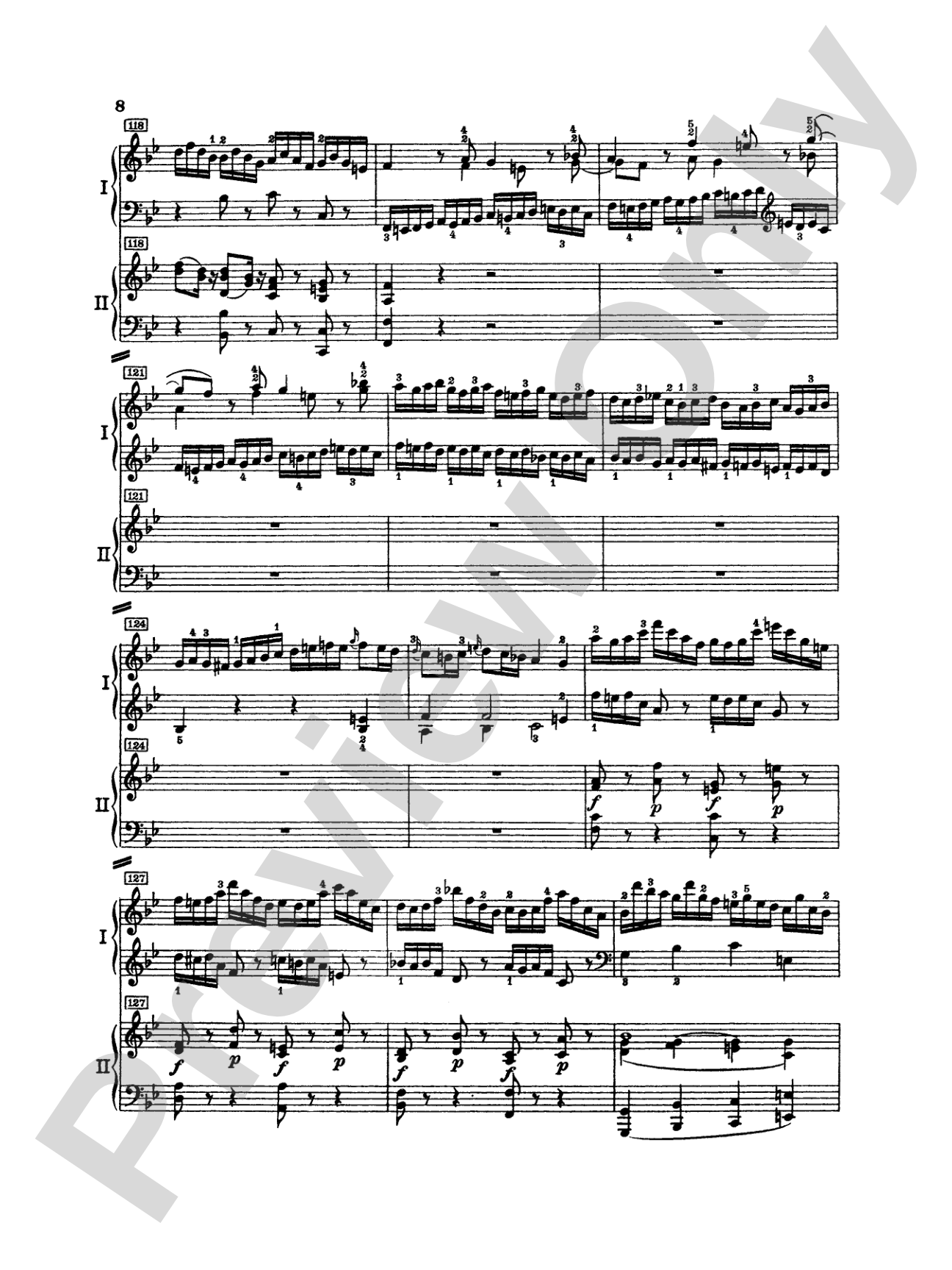

Mozart: Piano Concerto No. 15 in B flat Major, K. 450
By Wolfgang Amadeus Mozart
Item: 00-PC-0008714
$11.95
Pickup currently not available
Description
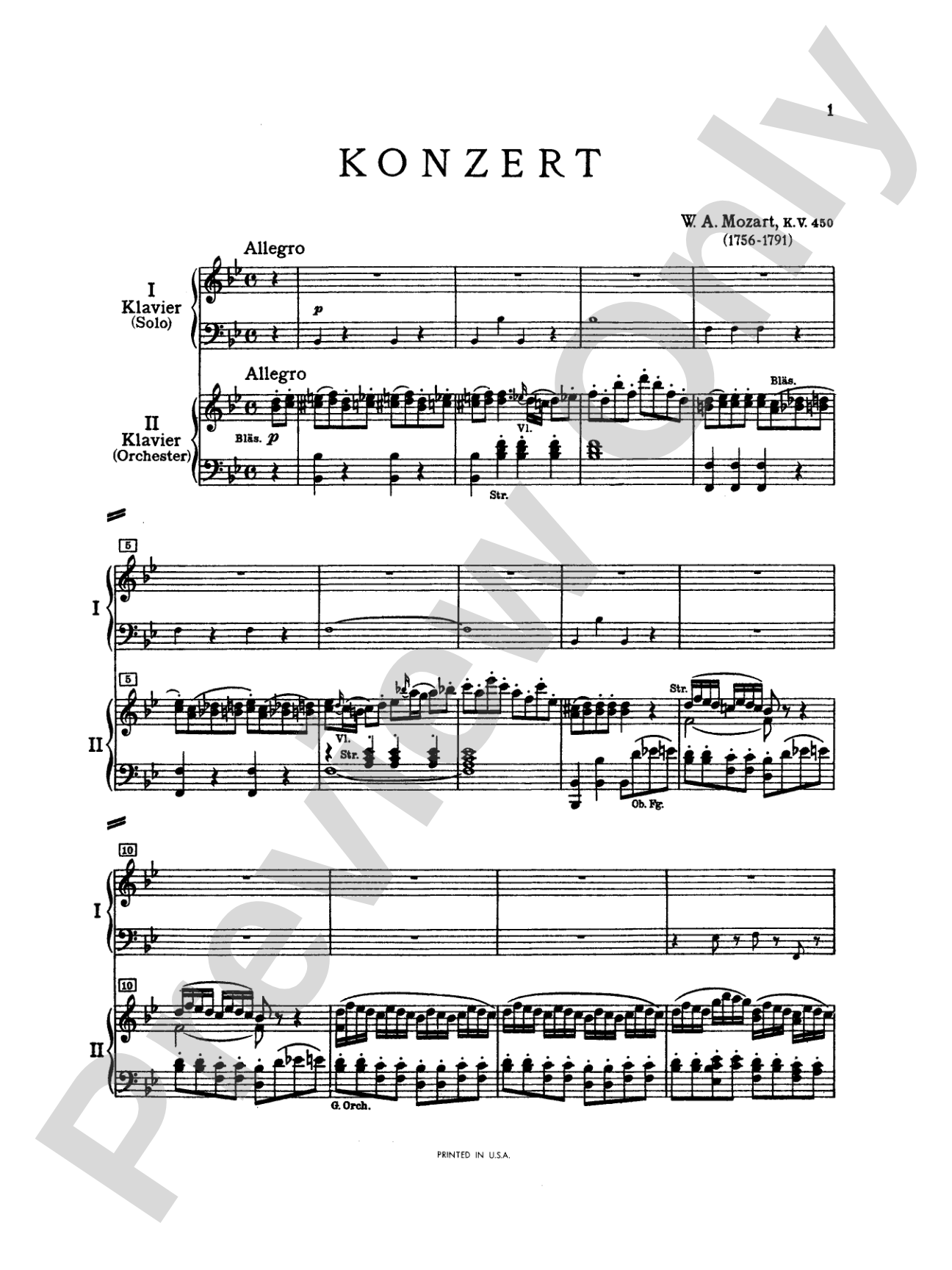
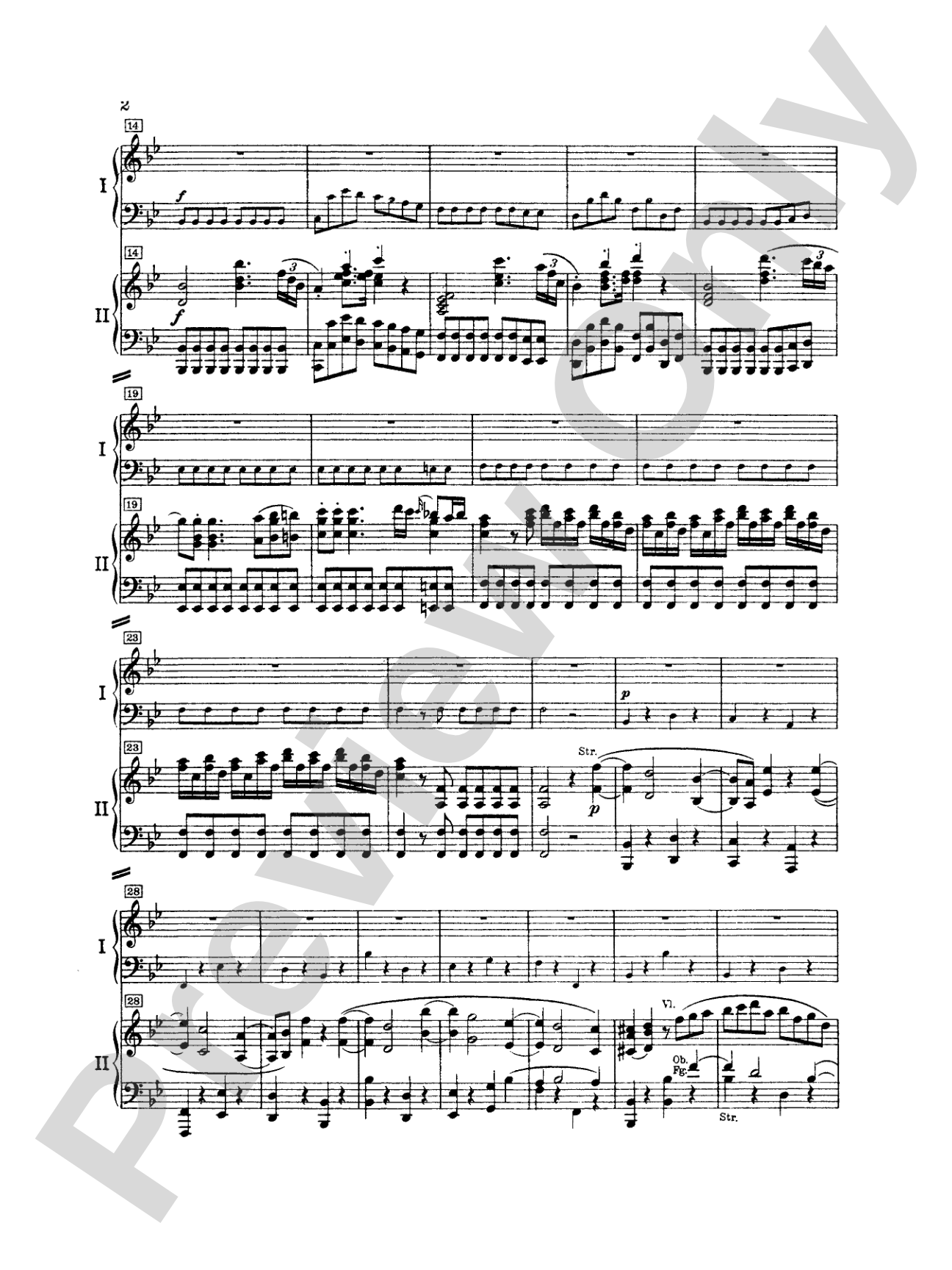
A Piano Duet for 2 pianos, 4 hands, composed by Wolfgang Amadeus Mozart.


Don't just read it, hear it, play along with it, and watch your students grow with it. In MakeMusic Cloud, Mozart: Piano Concerto No. 15 in B flat Major, K. 450 comes alive with professional accompaniment, adjustable tempo, and built-in practice tools that turn solo practice into real progress.
Open in the Player
Jump straight in and assign it today.
Start Your Free Trial
Open this title and explore the full library in minutes.
Sample Audio
No sample audio found.
Sample Video
No sample videos found.
Additional Details
Series:
Kalmus Edition
Publisher:
Alfred Music
Page Count:
48
SKU:
00-PC-0008714
More about this title
About the Composer: Wolfgang Amadeus Mozart
Wolfgang Amadeus Mozart (1756–1791) stands among history's most prolific and influential composers, having written over 600 works across every major genre before his death at thirty-five. His mastery of form, melody, and orchestration shaped the Classical era and remains foundational to music education worldwide. Mozart's piano concertos represent the pinnacle of the genre, balancing virtuosic display with profound musical substance.
As a pedagogue and performer, Mozart understood the piano intimately. His concertos demand technical fluency, musical intelligence, and collaborative sensitivity—making them ideal for advanced pianists seeking to deepen their interpretive and ensemble skills. Teaching through Mozart's own music remains one of the most direct paths to Classical style and compositional logic.
Why we love this
K. 450 showcases Mozart at his most energetic and inventive, with the two-piano format amplifying the brilliance of the solo writing while creating genuine dialogue between partners. The piece demands real musical maturity from both players, making it ideal for advanced duos preparing for recitals or competitions where substantive Classical repertoire is essential.
What to expect
Energetic and elegant, with bright orchestral colors translated into pure keyboard sound. The work sparkles with Mozart's signature wit and charm while maintaining intellectual rigor; moments of lyrical sweetness contrast with passages of virtuosic drive, creating a performance arc that rewards both players' stamina and artistry.
Who it's for
Advanced pianists working in partnership who are ready for concerto-level material and want to explore Classical masterworks within a duo setting. This arrangement suits recital programs, competitions, and advanced studio teaching where serious ensemble work and historical style are priorities.
How to get the most out of it
- Balance the dialogue carefully in the first movement; the primo piano carries the primary melodic material while the secondo provides harmonic and rhythmic foundation. Adjust dynamic levels in rehearsal so both lines sing without one overwhelming the other.
- Pay close attention to Mozart's articulation markings and phrasing. The Classical style relies on precise note endings and breath-like phrasing rather than the sustained, blended approach of Romantic music.
- Work the cadenzas and passagework slowly to ensure both players achieve genuine clarity and evenness. Mozart's runs demand finger independence and control, not speed.
- Establish a unified approach to tempo rubato and ornamentation. Mozart's style allows subtle flexibility, but both players must breathe together and respond to the same musical impulse.
How to use it
Program this as a centerpiece recital work that demonstrates both pianists' technical command and musical sophistication. It pairs naturally with other Classical concertos or chamber works and benefits from being anchored in a program focused on the era; audiences recognize K. 450 as a genuine artistic challenge and a significant musical statement.
Skills your students will build
- Reading and executing Mozart's articulation and phrasing conventions in the Classical idiom
- Balancing independence and unity as ensemble partners in a concerto arrangement
- Navigating rapid passagework and runs with clarity and control
- Understanding form and dialogue in the concerto genre
- Developing interpretive choices within the constraints of Classical style