
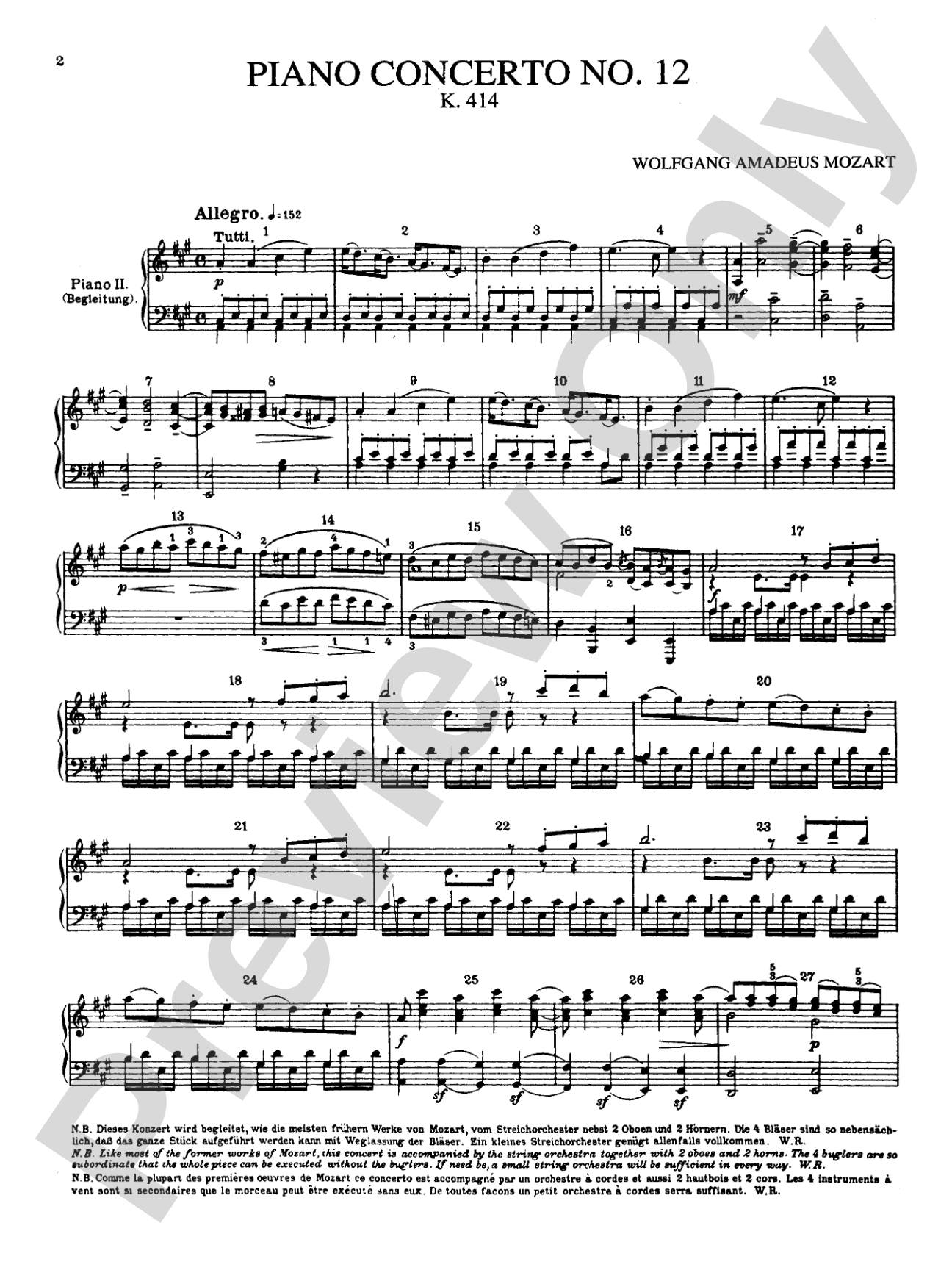
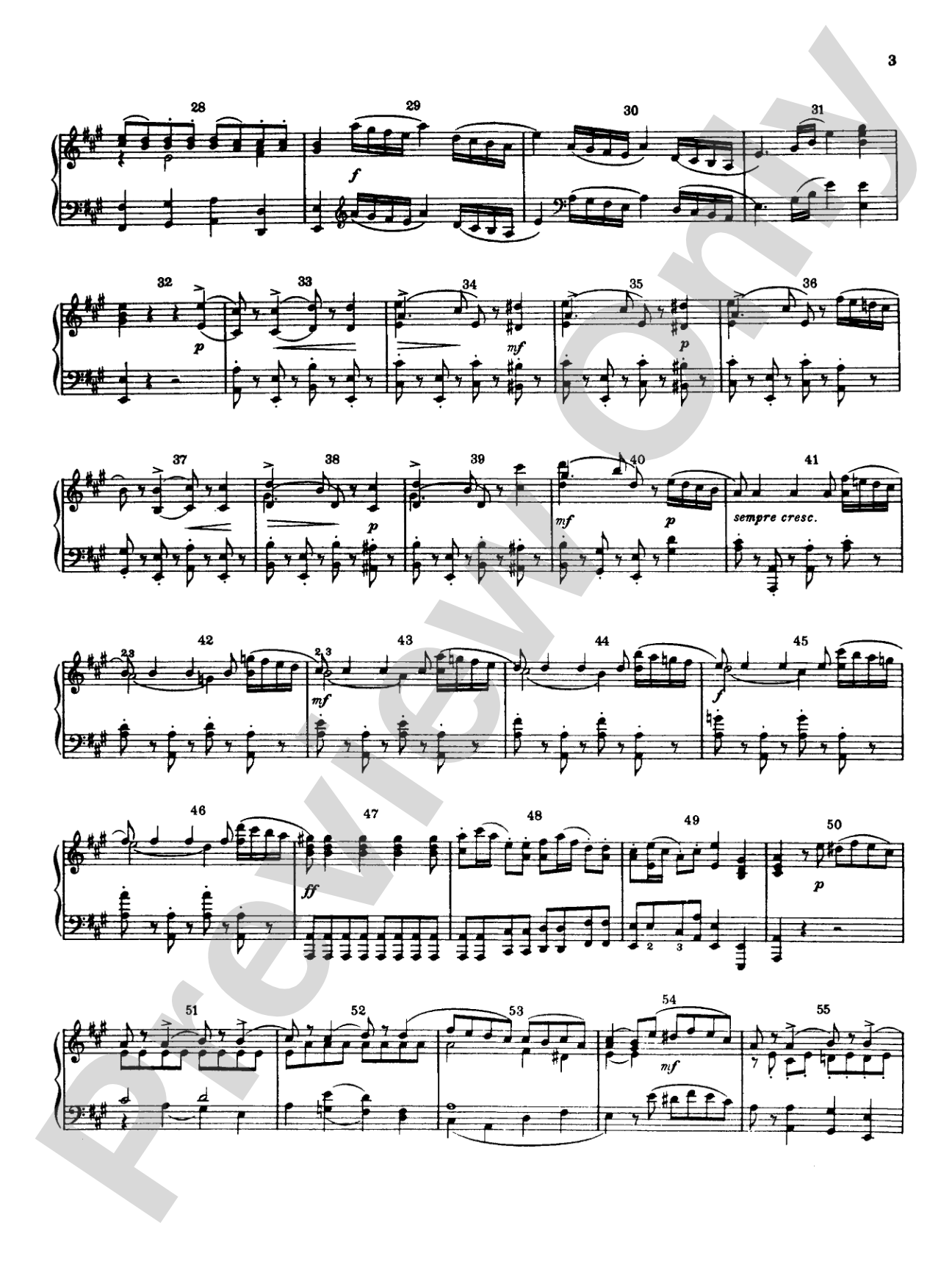
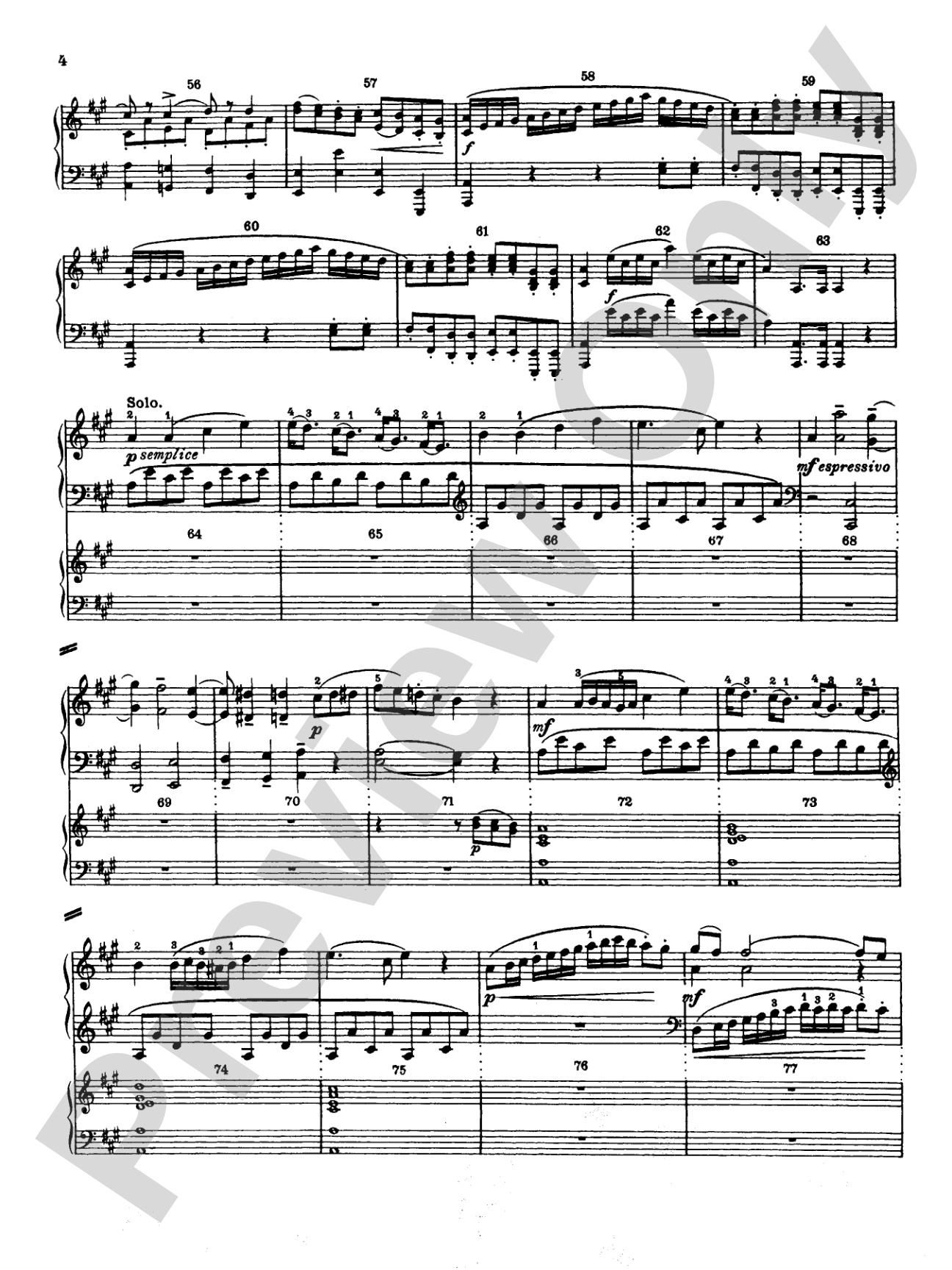
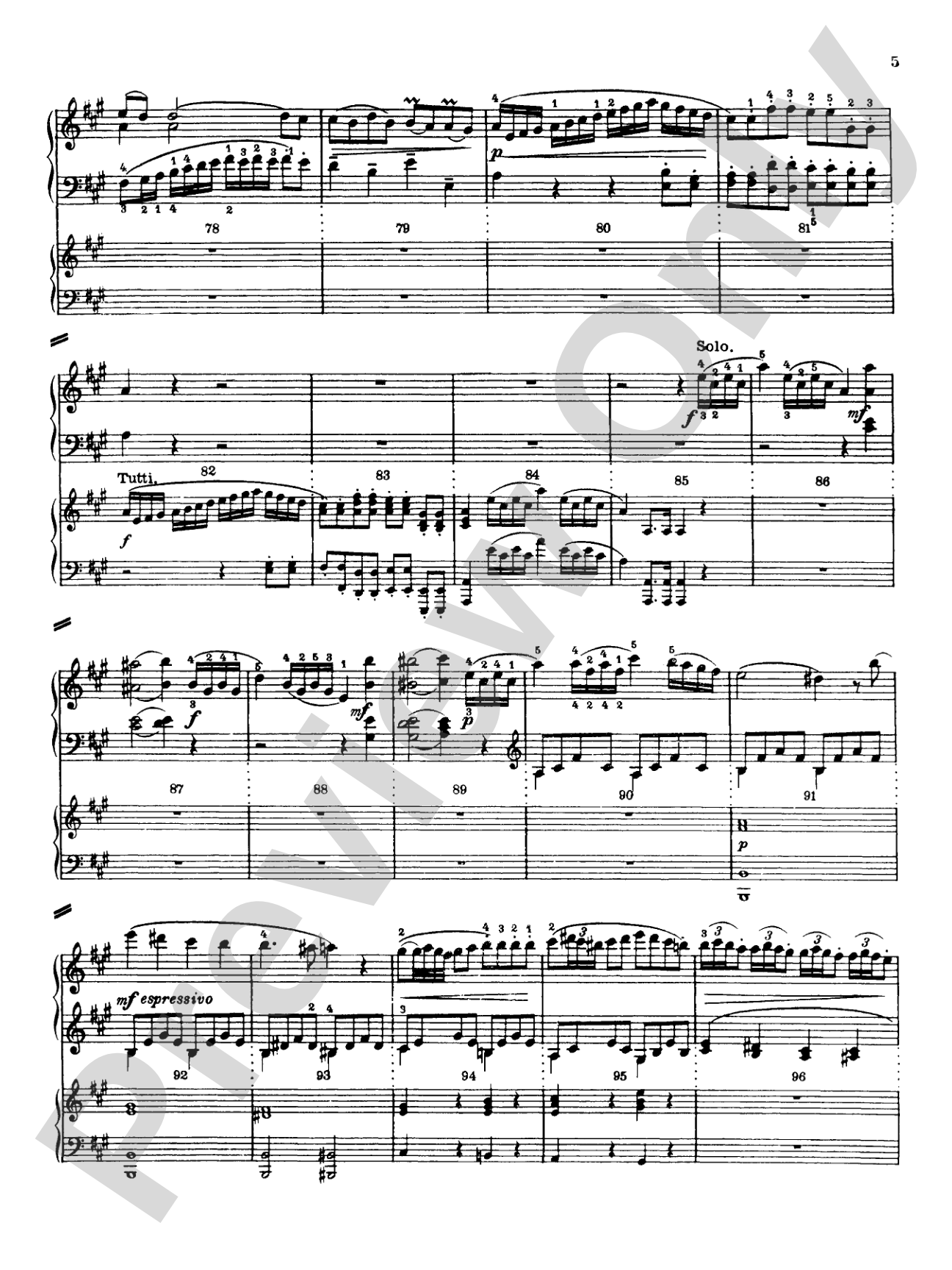
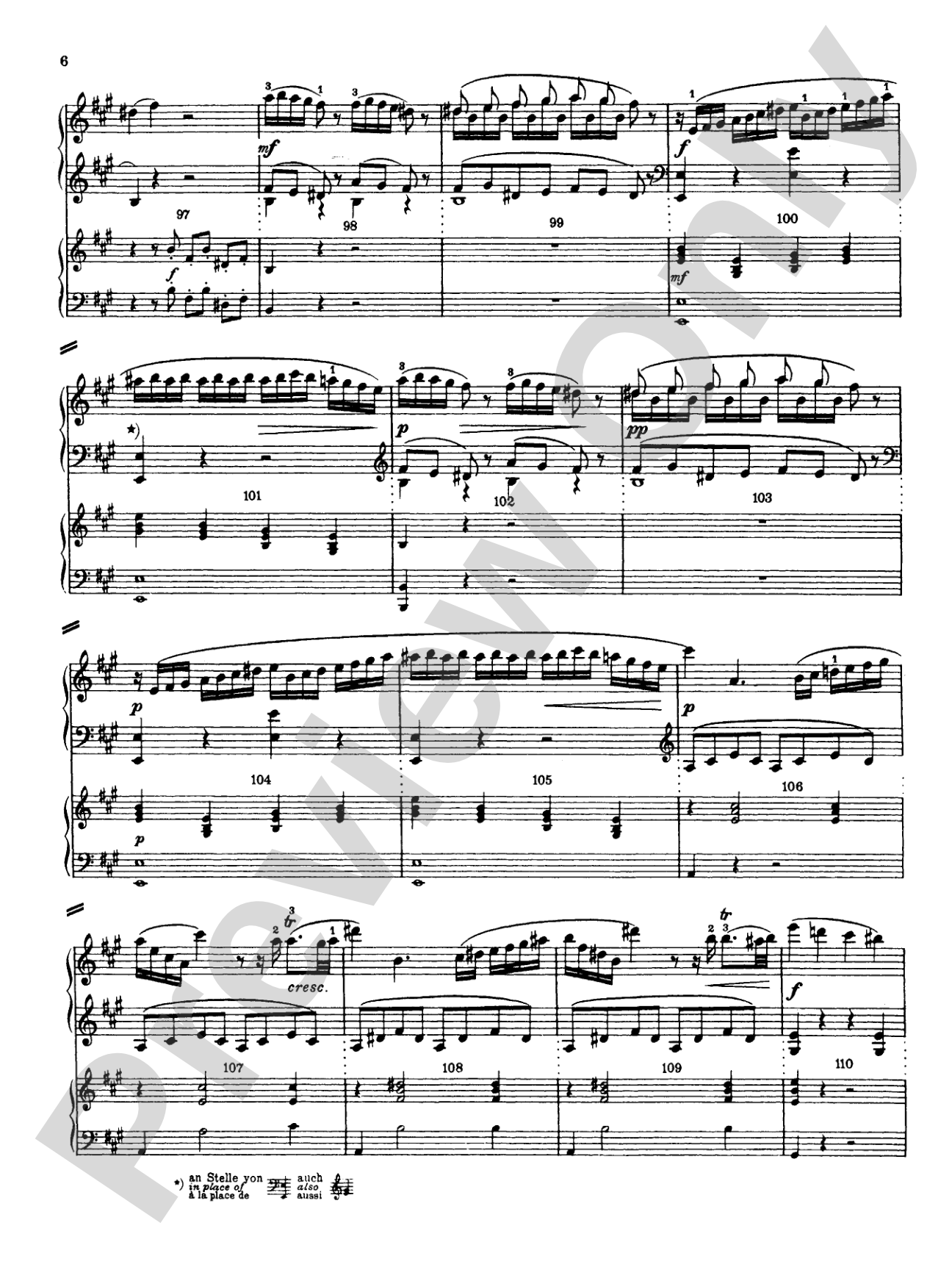
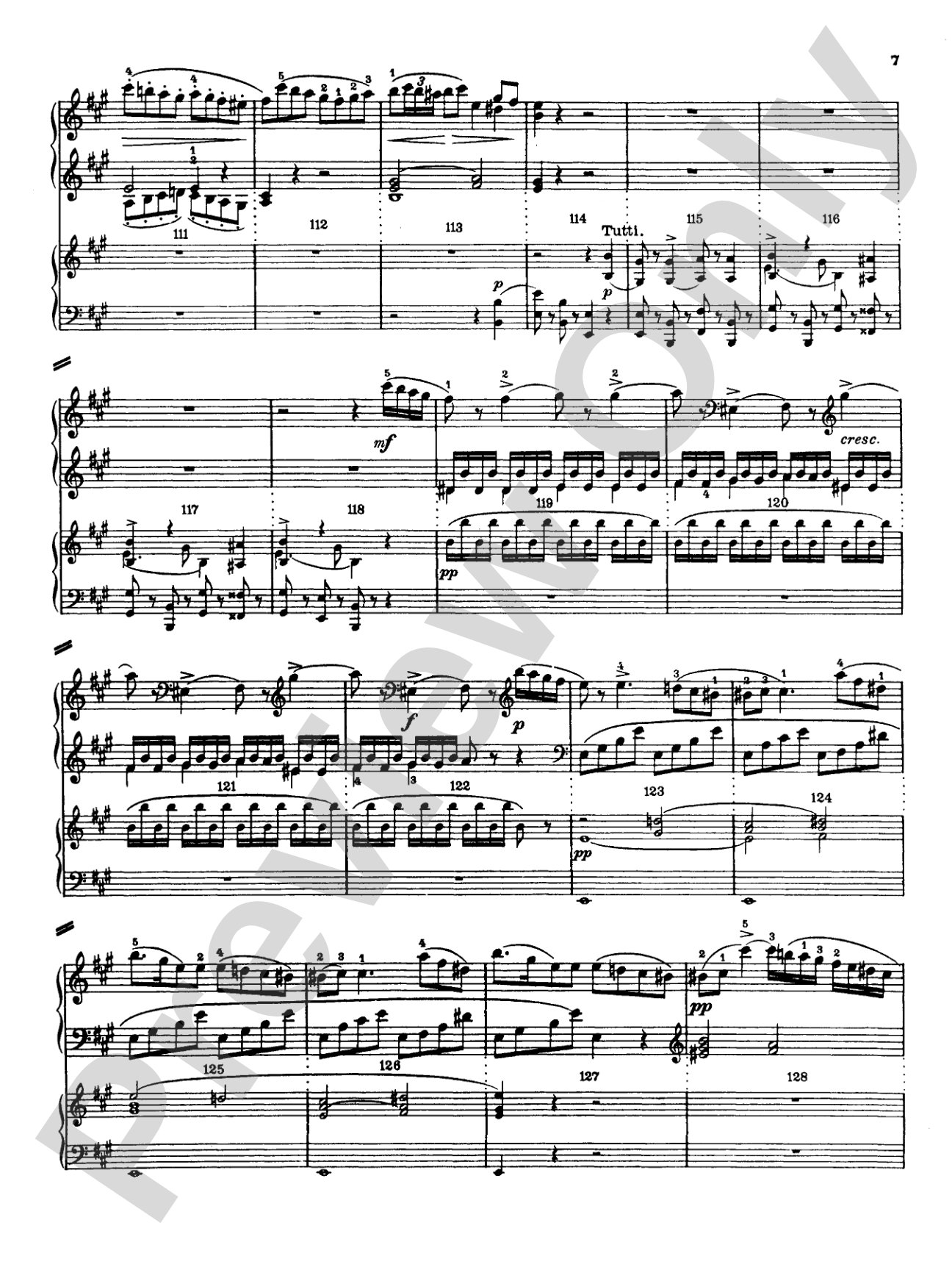
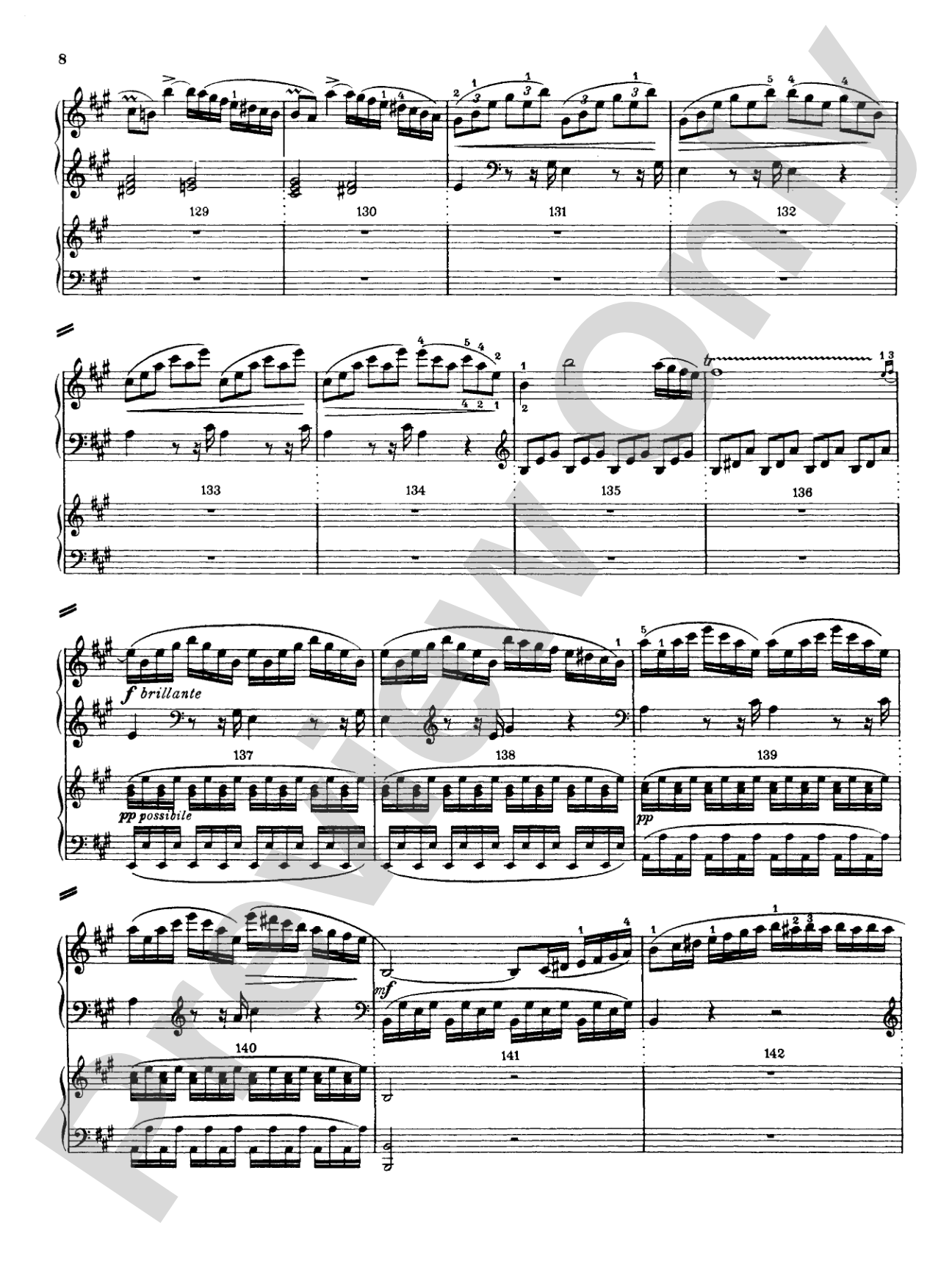
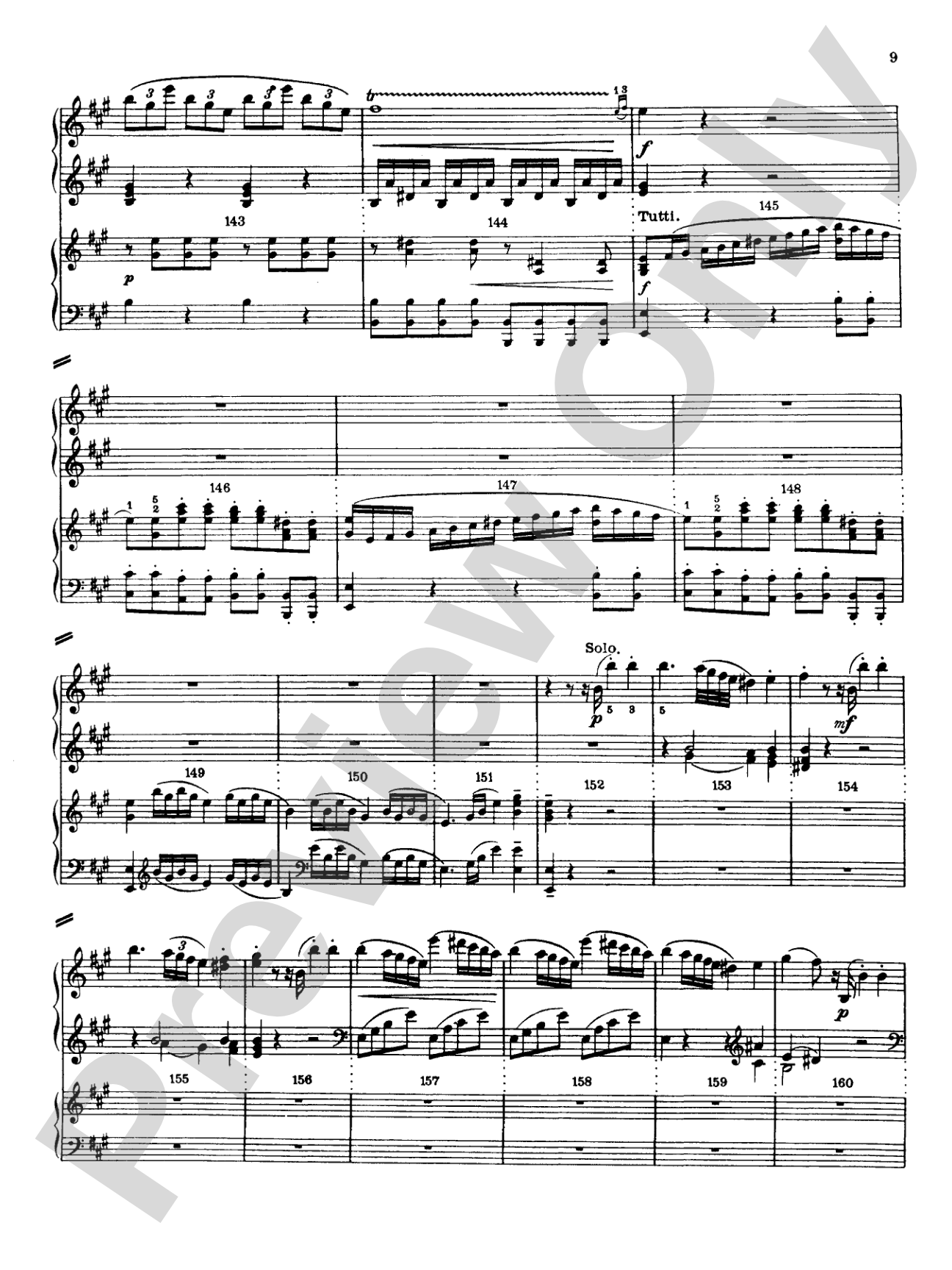

Mozart: Piano Concerto No. 12 in A Major, K. 414
By Wolfgang Amadeus Mozart
Item: 00-PC-0003141
$8.95
Pickup currently not available
Description
This concerto was unavailable for a long time, but now this Kalmus edition will bring it back to concert stages everywhere.


Don't just read it, hear it, play along with it, and watch your students grow with it. In MakeMusic Cloud, Mozart: Piano Concerto No. 12 in A Major, K. 414 comes alive with professional accompaniment, adjustable tempo, and built-in practice tools that turn solo practice into real progress.
Open in the Player
Jump straight in and assign it today.
Start Your Free Trial
Open this title and explore the full library in minutes.
Sample Audio
No sample audio found.
Sample Video
No sample videos found.
Additional Details
Series:
Kalmus Edition
Publisher:
Alfred Music
Page Count:
36
SKU:
00-PC-0003141
More about this title
About the Composer: Wolfgang Amadeus Mozart
Wolfgang Amadeus Mozart (1756-1791) stands as one of the most prolific and influential composers in Western music history. Born in Salzburg, Austria, Mozart composed over 600 works across every major genre during his brief life, establishing himself as a master of melody, harmonic sophistication, and structural clarity. His twelve piano concertos occupy a special place in his output, bridging the gap between intimate chamber works and grand orchestral statements.
Mozart's concertos reveal a composer equally comfortable writing for virtuosos and thoughtful amateurs. The K. 414 concerto exemplifies his gift for writing music that sounds effortless while rewarding careful interpretation. His works remain central to music education because they teach clarity of voice, balance, and the art of blending technical display with genuine musical substance.
Why we love this
The two-piano arrangement opens this elegant concerto to partnerships that might not have ready access to orchestra parts, making Mozart's refined elegance available to duet teams at a reasonable level of difficulty. K. 414 is often overshadowed by its more famous siblings, yet it contains some of Mozart's most graceful writing for the keyboard, with clear textural variety and satisfying dialogue between hands and partners. This Kalmus edition restores a work that deserves regular programming.
What to expect
The concerto glides with grace and proportion, balancing spirited passage work with singing lines that feel almost chamber-like in their intimacy. There is no weight here, only clarity, elegance, and moments of tender beauty that remind us why Mozart's music endures.
Who it's for
This arrangement suits intermediate to early advanced piano students comfortable with Classical style and eager to explore Mozart beyond solo works, as well as adult duet partnerships seeking to program a major work without depending on orchestral forces. The two-piano format makes it accessible for studio teachers pairing students or for recital collaborators looking to expand their repertoire together.
How to get the most out of it
- Balance the melodic material carefully between the two pianos, especially in opening thematic statements where one instrument should sing while the other provides accompaniment
- Listen closely to inner voices and harmonic movement; Classical textures collapse when players focus only on their written line without hearing the whole
- Shape phrases with gentle dynamic shaping rather than heavy accent work; Mozart's piano writing favors clarity over weight
- Rehearse section transitions and cadence points multiple times to ensure both players arrive at structural moments with the same sense of timing and weight
How to use it
Anchor a studio recital around this concerto as a shared feature that gives two students equal prominence and allows the audience to hear how thoughtful partnership shapes Classical repertoire. The work also pairs effectively with Mozart's shorter piano works or contemporaneous chamber music, creating a program that celebrates the Salzburg master's gift for proportion.
Skills your students will build
- Sustaining lyrical phrases across hand positions and between dynamic levels
- Tracking harmonic progression while maintaining textural clarity
- Coordinating rhythmic precision with a partner across fast passage work and cadential figures
- Balancing melodic prominence and accompaniment function between two equal instruments
- Understanding structural conventions of the Classical concerto form through performance