
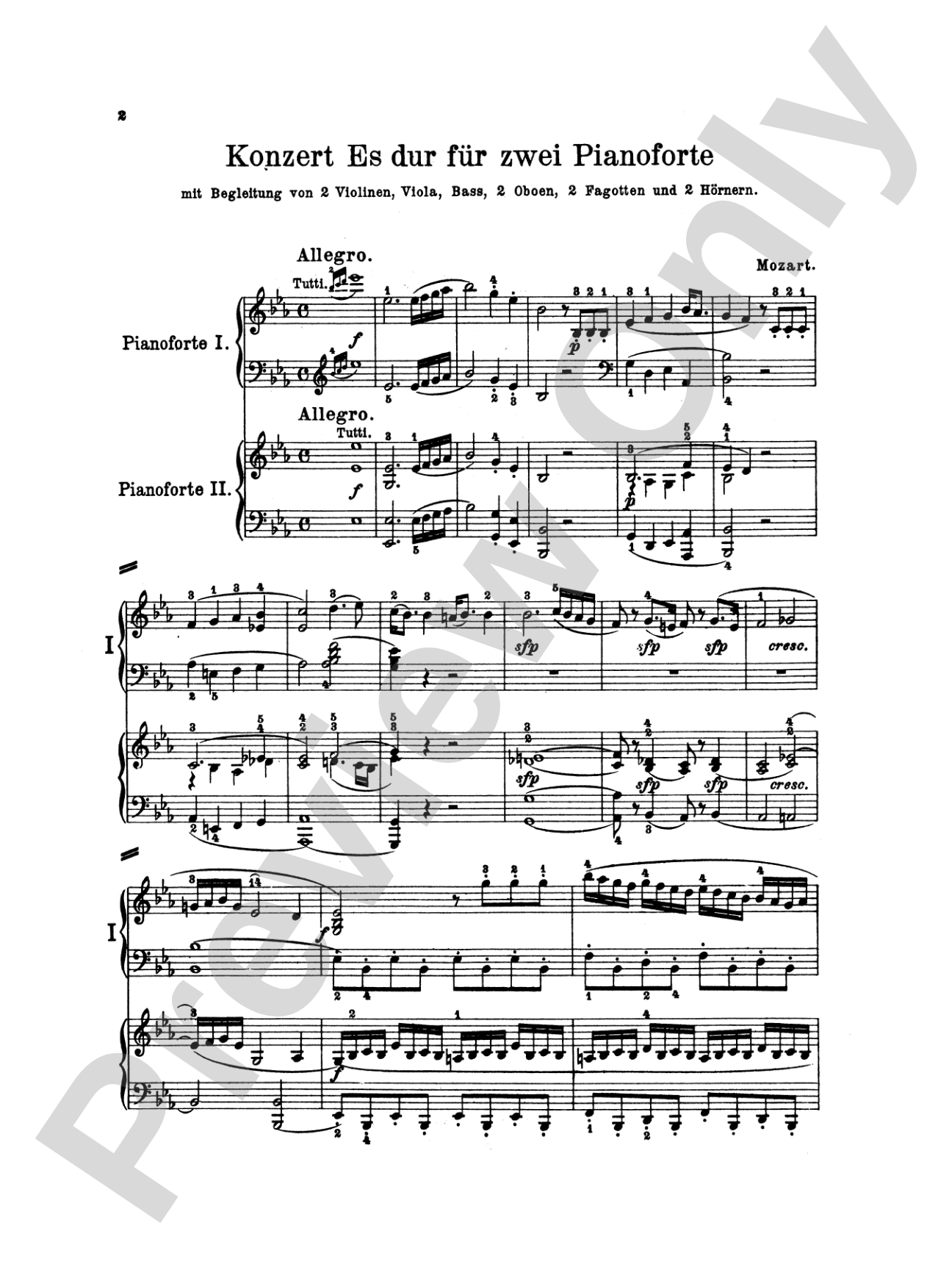
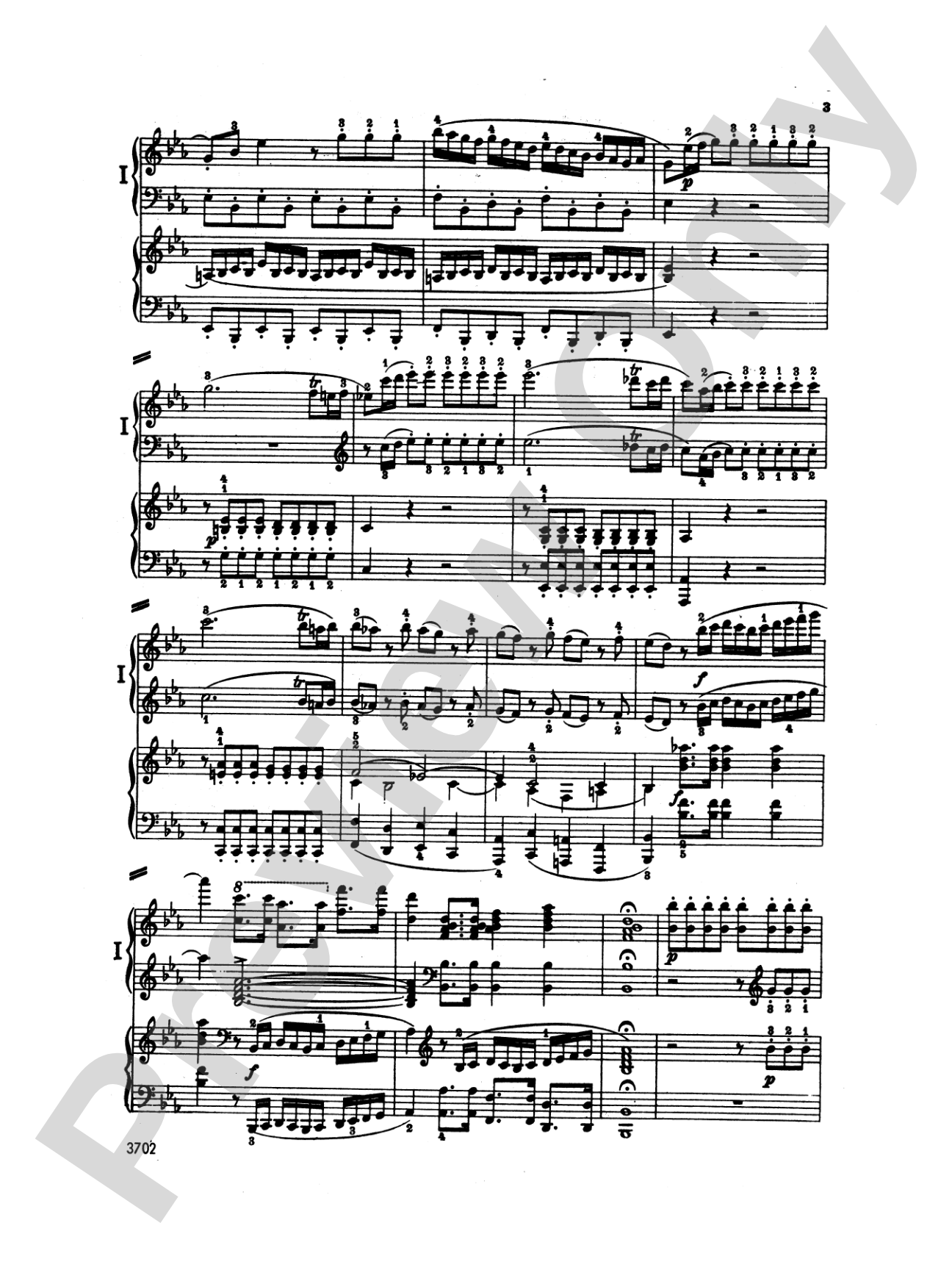
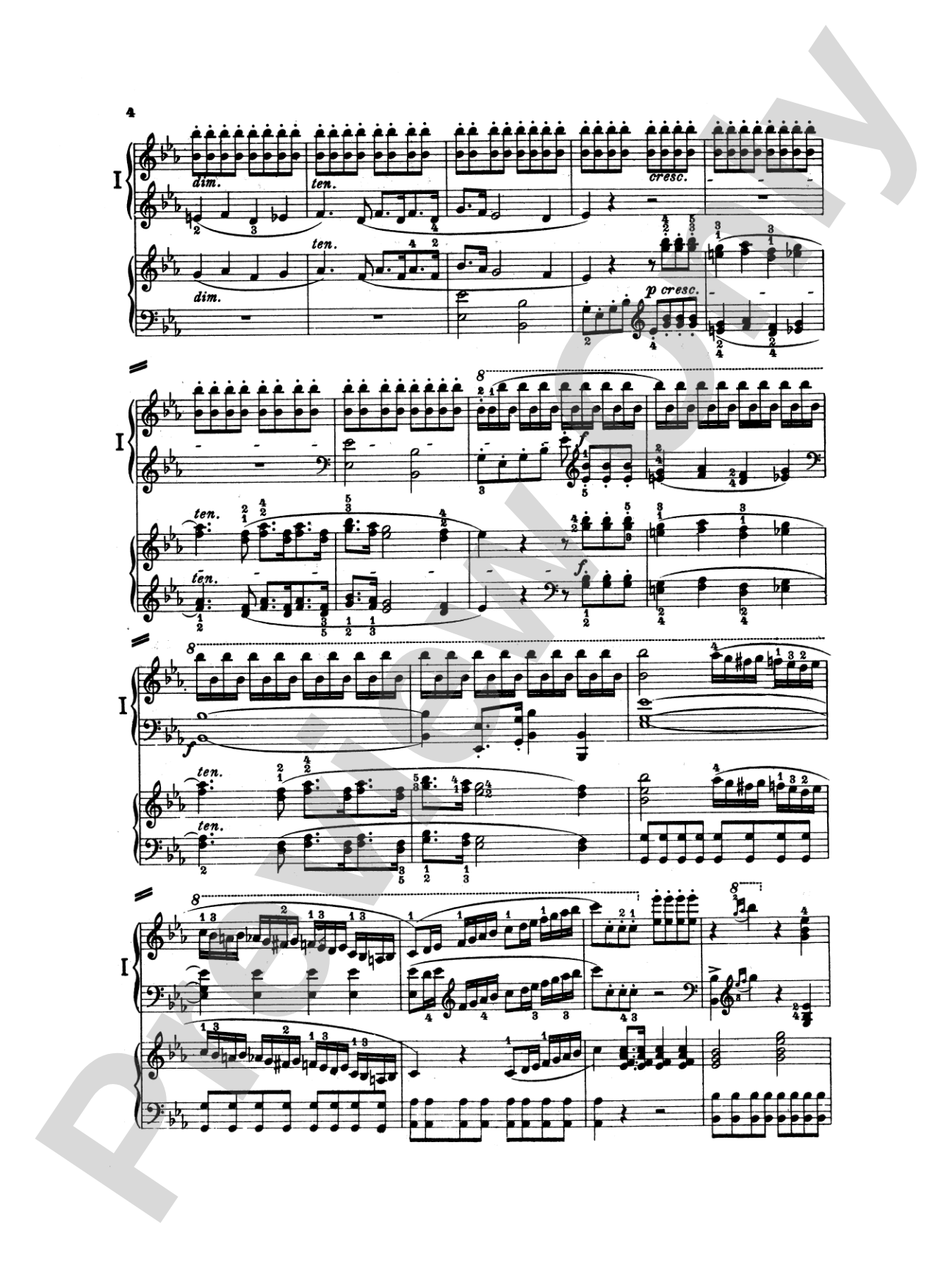
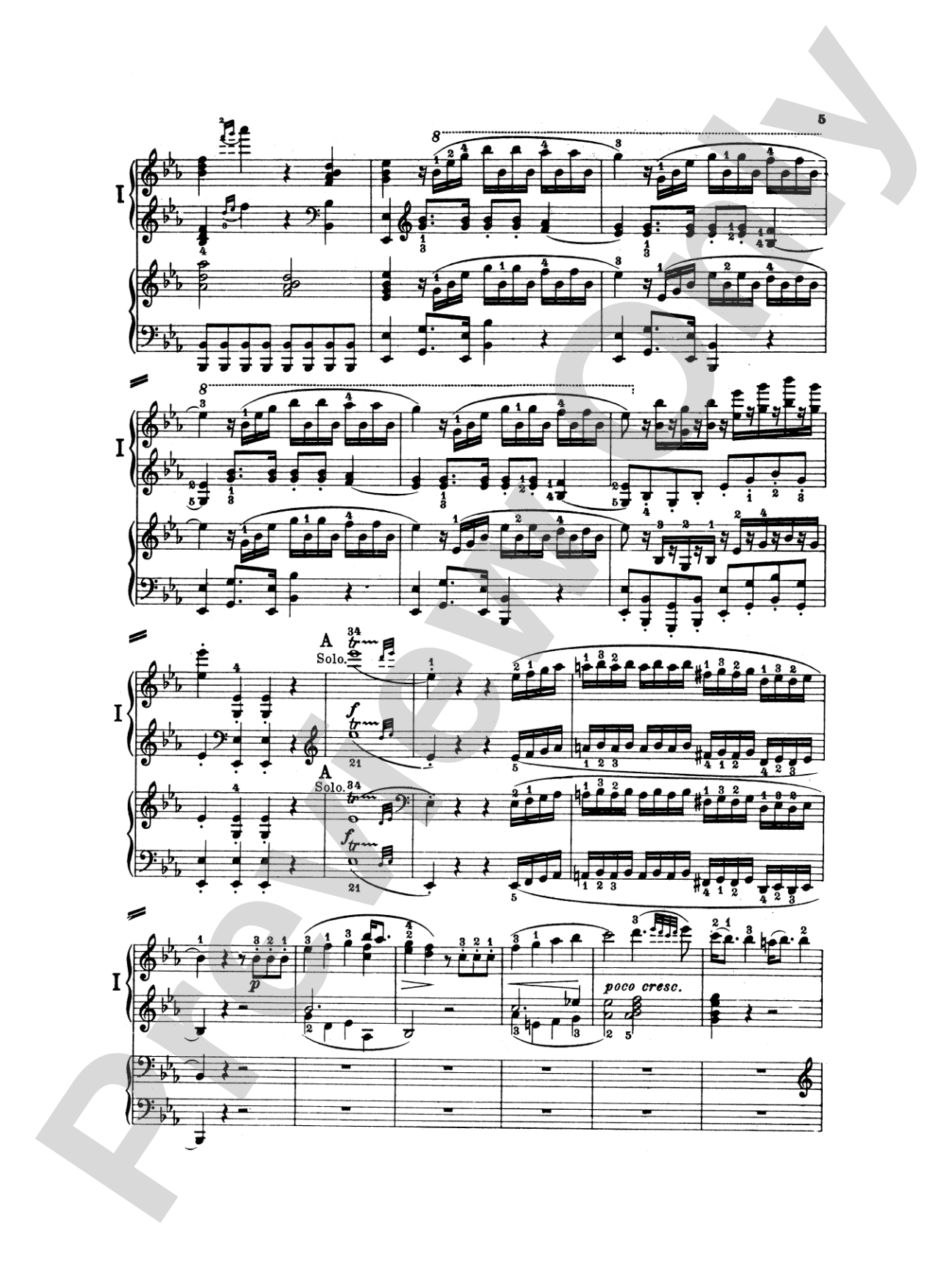
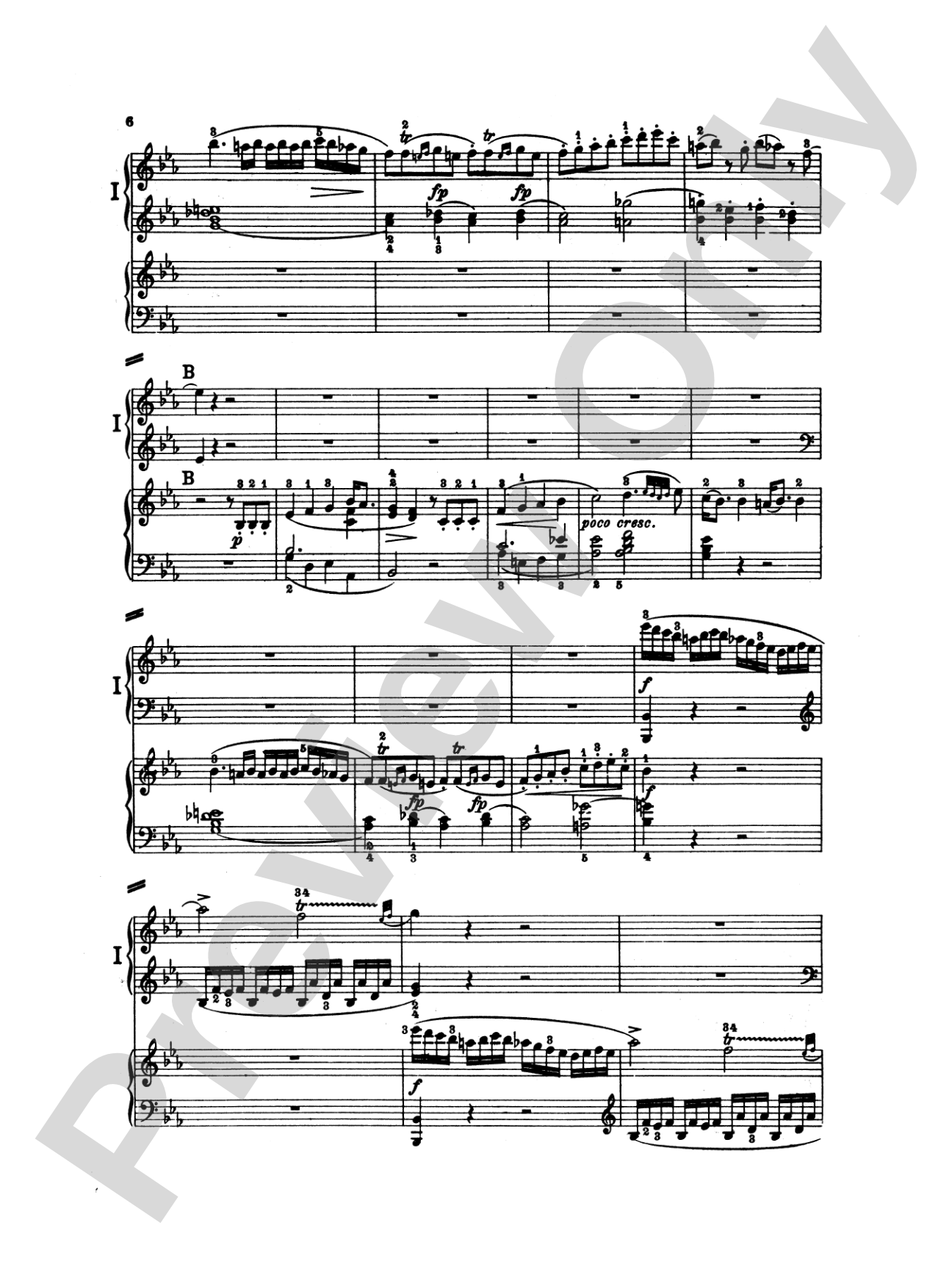
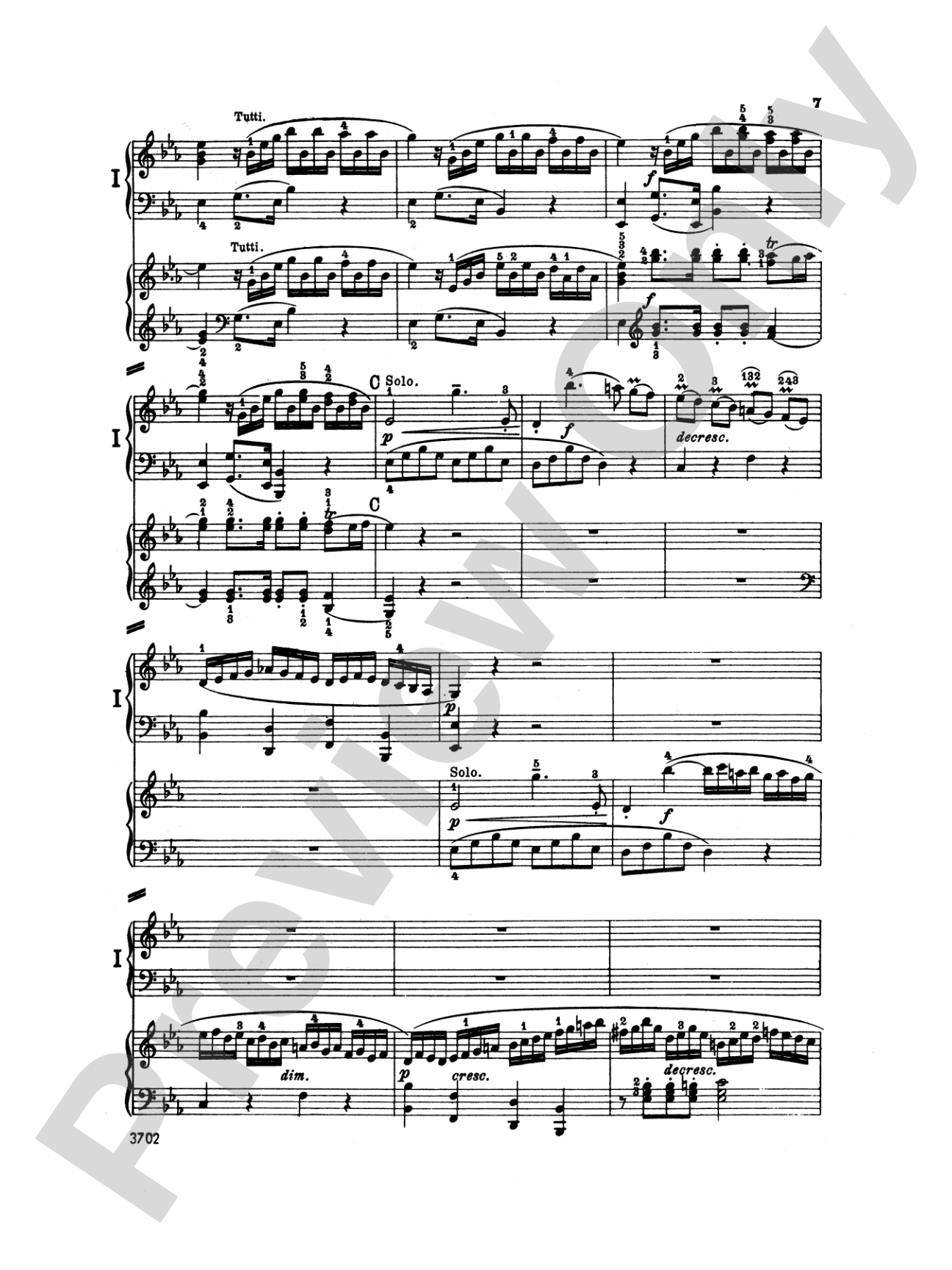
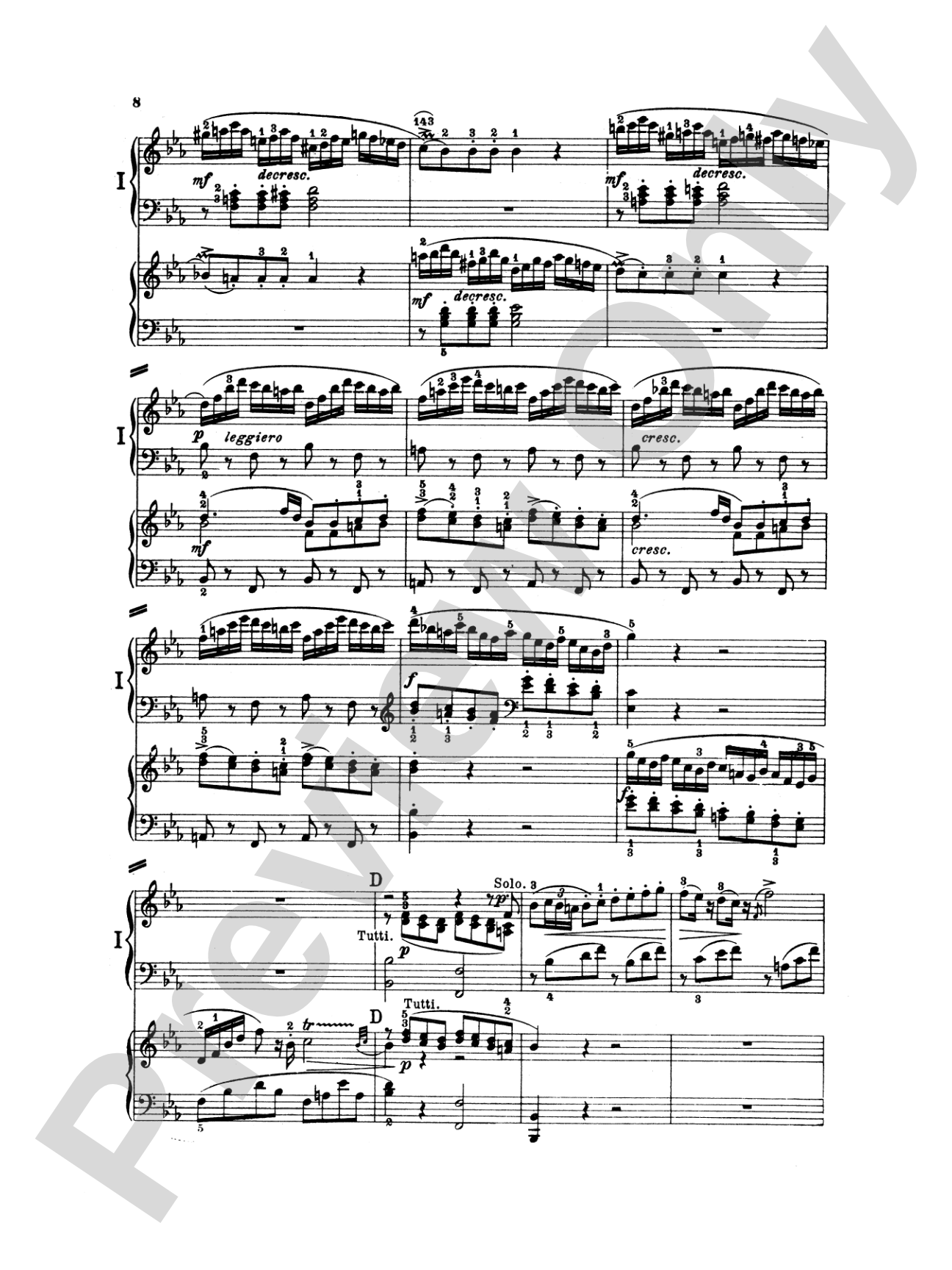
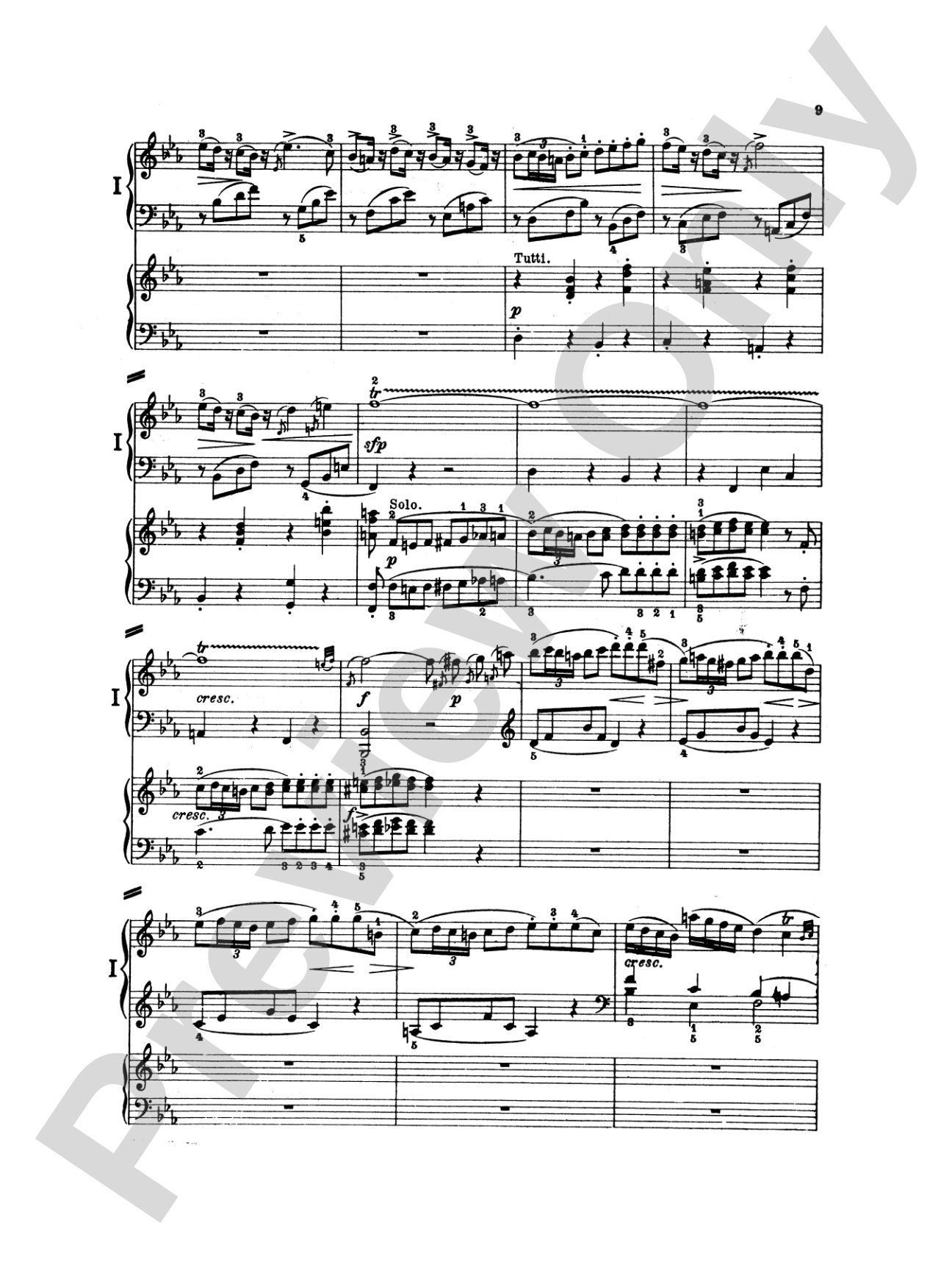
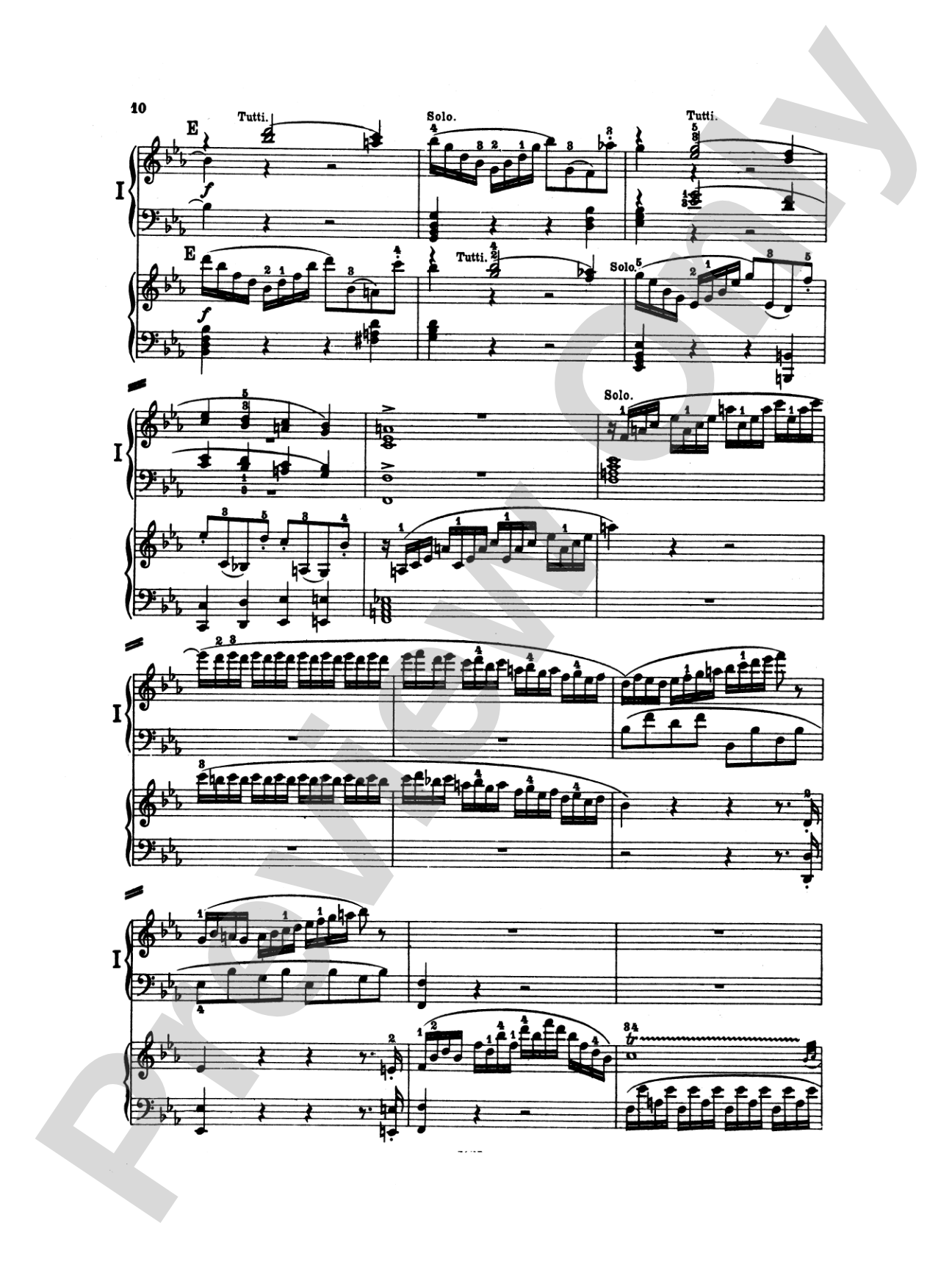
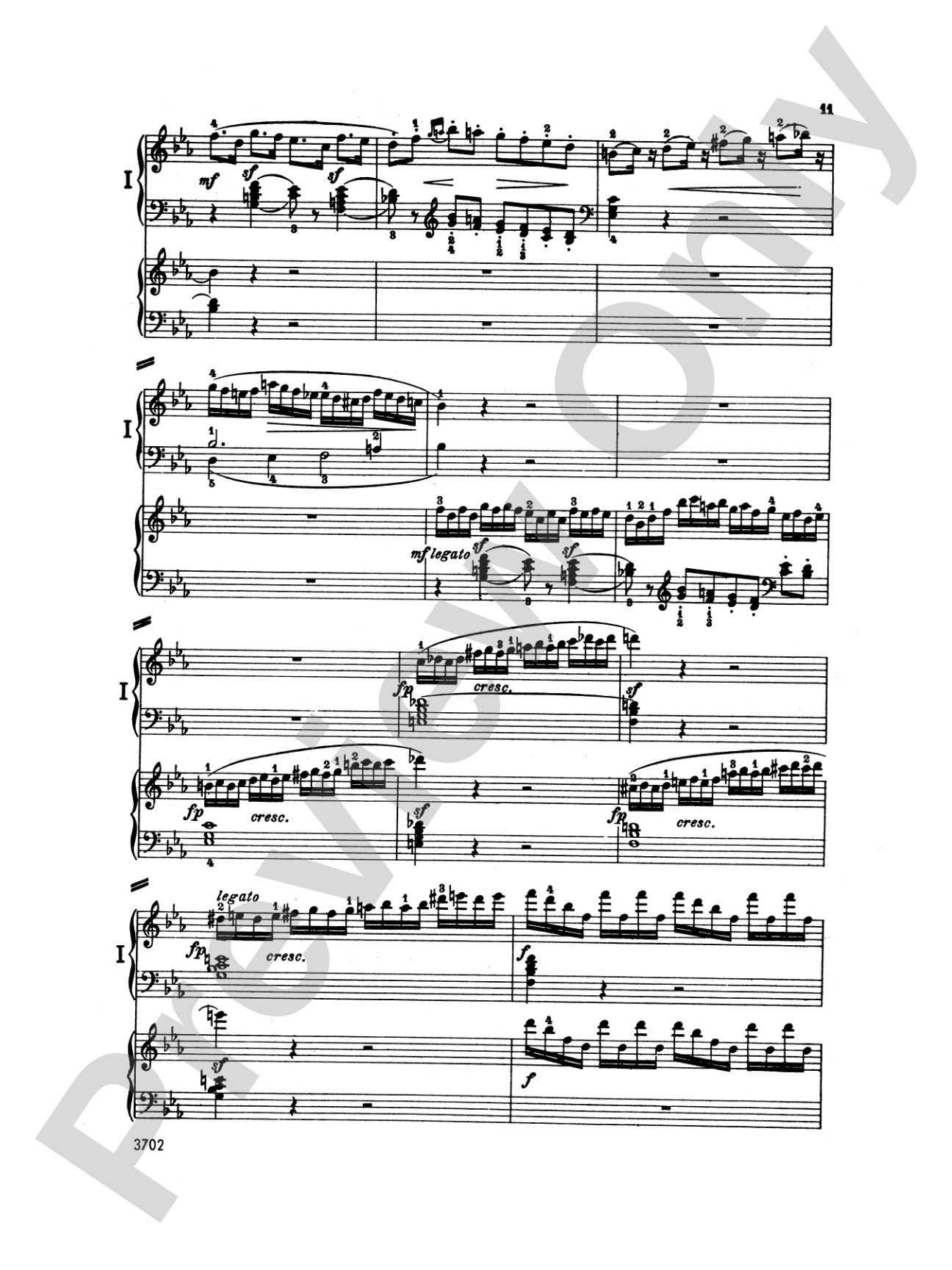

Mozart: Piano Concerto No. 10 in E flat Major for Two Pianos, K. 365
By Wolfgang Amadeus Mozart
Level: Advanced
Item: 00-PC-0008692
$10.95
Pickup currently not available
Description
A Piano Duet for 2 pianos, 4 hands, composed by Wolfgang Amadeus Mozart.


Don't just read it, hear it, play along with it, and watch your students grow with it. In MakeMusic Cloud, Mozart: Piano Concerto No. 10 in E flat Major for Two Pianos, K. 365 comes alive with professional accompaniment, adjustable tempo, and built-in practice tools that turn solo practice into real progress.
Open in the Player
Jump straight in and assign it today.
Start Your Free Trial
Open this title and explore the full library in minutes.
Sample Audio
No sample audio found.
Sample Video
No sample videos found.
Additional Details
Series:
Kalmus Edition
Publisher:
Alfred Music
Page Count:
52
SKU:
00-PC-0008692
More about this title
About the Composer: Wolfgang Amadeus Mozart
Wolfgang Amadeus Mozart (1756-1791) composed across every major genre of his era with a facility that amazed his contemporaries and continues to define the Classical period. His works for piano duo and multiple keyboards showcase his gifts for dialogue between equal voices and his ability to sustain formal architecture across extended forms. Mozart wrote the Concerto for Two Pianos, K. 365, during his years in Salzburg and Vienna, a time when he was exploring the full expressive and technical range of the keyboard.
Why we love this
Two advanced pianists rarely encounter a Mozart concerto written specifically for this instrumentation, making this work a distinctive programming choice that gives both players equal weight in the musical conversation. The architecture of the three-movement concerto form demands ensemble listening and coordination at the highest level, transforming what could be a duet into a chamber music experience. The Kalmus Edition provides a clean, practical score that makes rehearsal straightforward while honoring Mozart's transparent orchestration.
What to expect
The work unfolds with the grace and formal logic characteristic of Mozart's concertos, but the intimacy of the two-piano medium brings an immediacy to the exchange of themes and ideas. Moments of delicate counterpoint alternate with passages of brilliant figuration, and the Andante movement offers space for singers' hearts to emerge from the keyboard. The finale crackles with the energy of two accomplished musicians in spirited conversation.
Who it's for
This concerto is written for two pianists of advanced training who have solid experience with Classical concerto literature and ensemble repertoire. Conservatory-level students preparing for duo recitals or music festivals will find substantial material that combines technical demands with genuine interpretive collaboration. The piece rewards pianists who can balance individual voice leading with the demands of working as an equal partnership.
How to get the most out of it
- Balance the dialogue between the two pianos by listening to your partner's entrance and phrase shape rather than watching for cues; Mozart's writing assumes trained musicians who track each other aurally.
- Approach tempo markings as suggestions for the overall harmonic rhythm rather than metronomic absolutes; period-appropriate performances often flex slightly within phrases while maintaining architectural coherence.
- Differentiate the roles of the two pianos in each movement: the first movement features true concertante interaction, the slow movement often distributes thematic material asymmetrically, and the finale returns to spirited exchange.
- Attend to finger articulation and tonal weight rather than pedal texture; the Classical piano sounds most transparent when both players voice with precision and clarity.
How to use it
This concerto works beautifully on a chamber music or piano duo recital, where it can anchor a program of two-piano literature spanning the Baroque through Romantic eras. Consider pairing it with other Mozart works for the same medium or with concertos for other chamber combinations to create a thematic concert around dialogue and equality between voices. The intellectual and emotional accessibility of Mozart's style makes this accessible to audiences while the technical demands satisfy advanced musicians.
Skills your students will build
- Maintaining independent musical lines while achieving ensemble rhythmic unity
- Interpreting period-appropriate ornamentation and articulation in Classical sonata form
- Balancing dynamic control across two instruments to achieve transparent texture
- Listening and responding to a partner's phrasing within a coordinated ensemble
- Managing concurrent thematic material and voice exchanges