
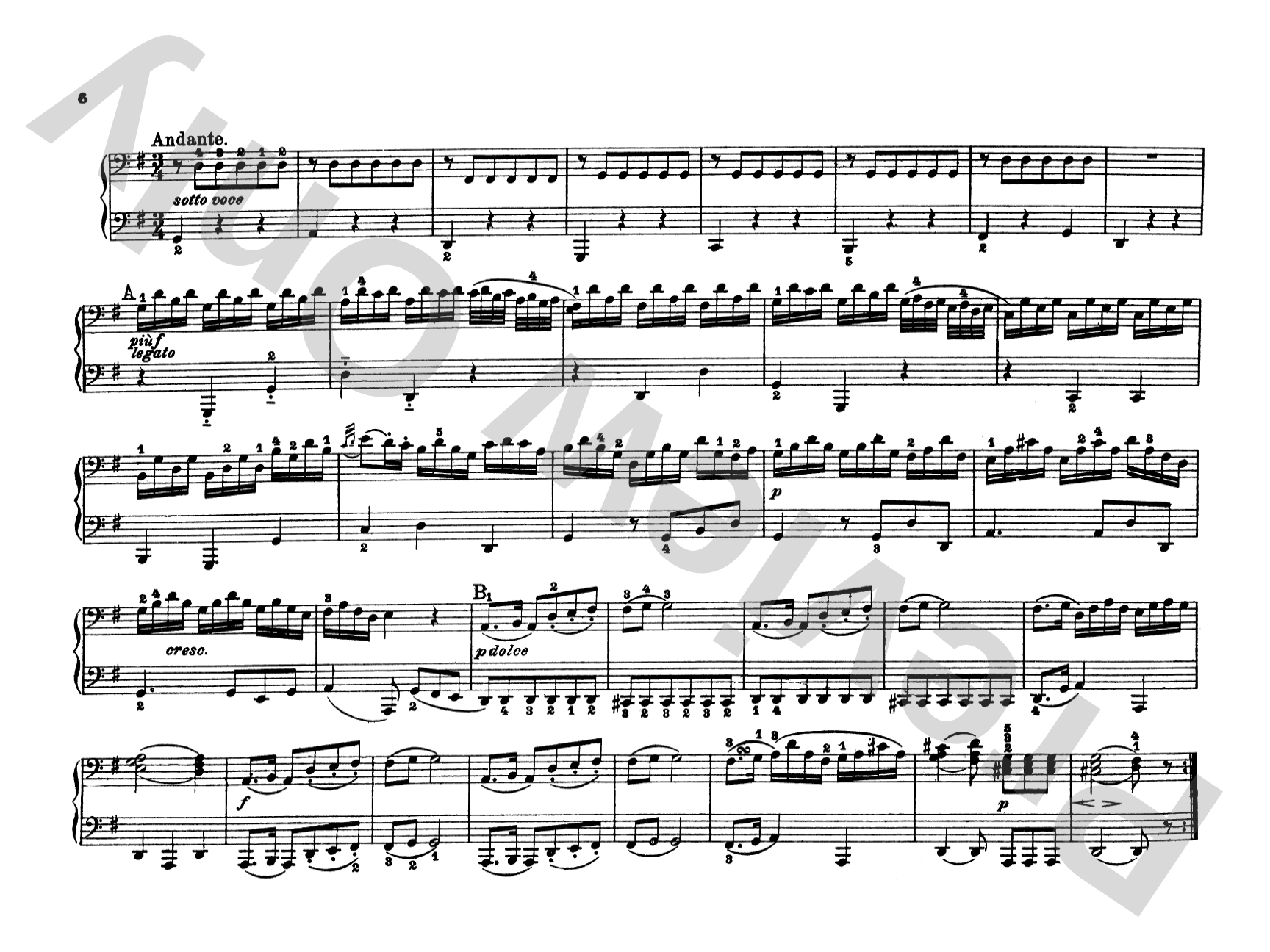
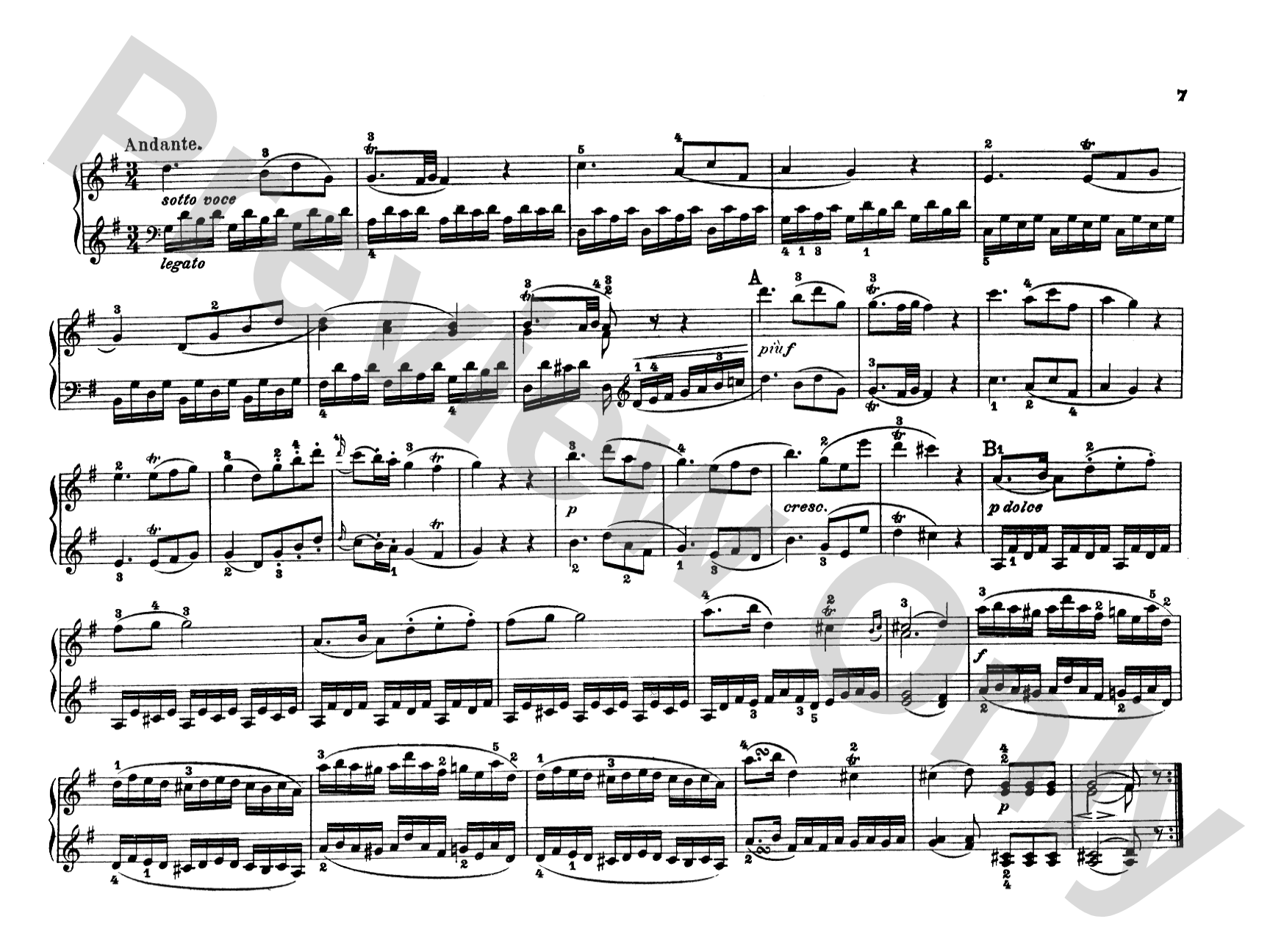
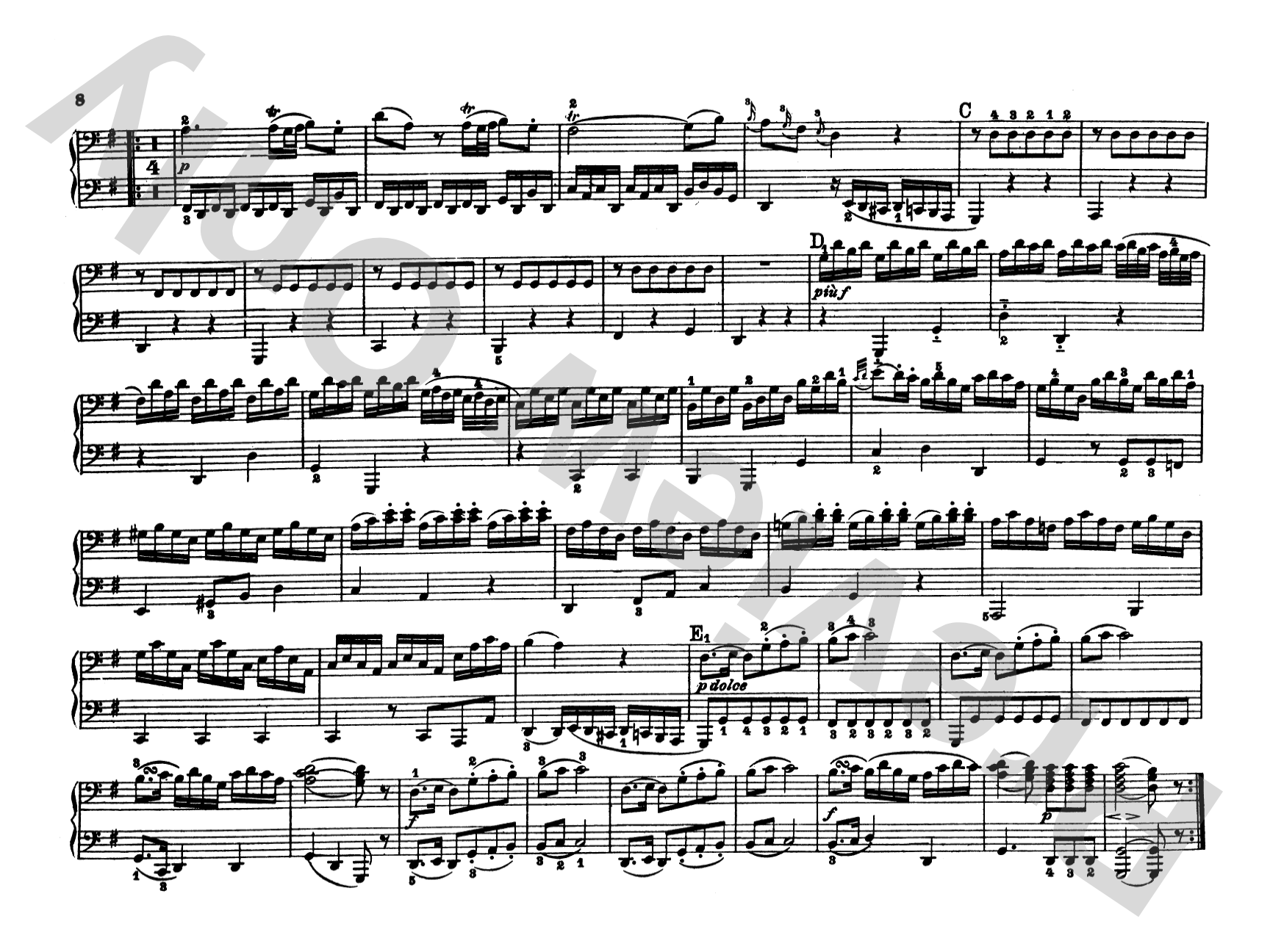
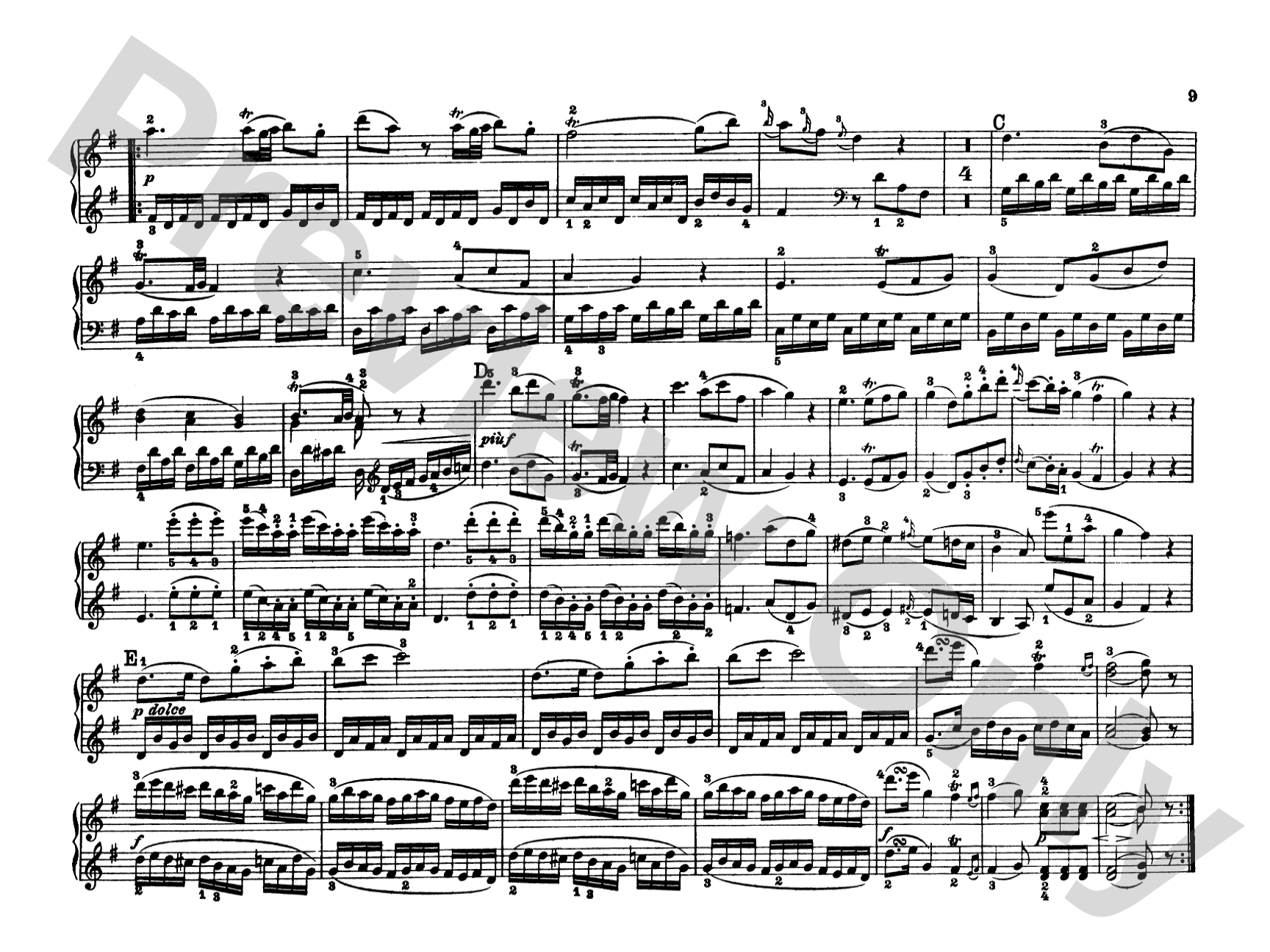

Mozart: Original Compositions for Four Hands: Piano Duet (1 Piano, 4 Hands) Comb Bound Book
By Wolfgang Amadeus Mozart
Item: 00-PK-0003255
$17.99
Pickup currently not available
Buy Extra Parts (Digital PDF Download)
Parts Added to Cart!
Related Items
Original Compositions for Four Hands: Piano Duet (1 Piano, 4 Hands) Comb Bound Book |
$17.95
|
View |
Description
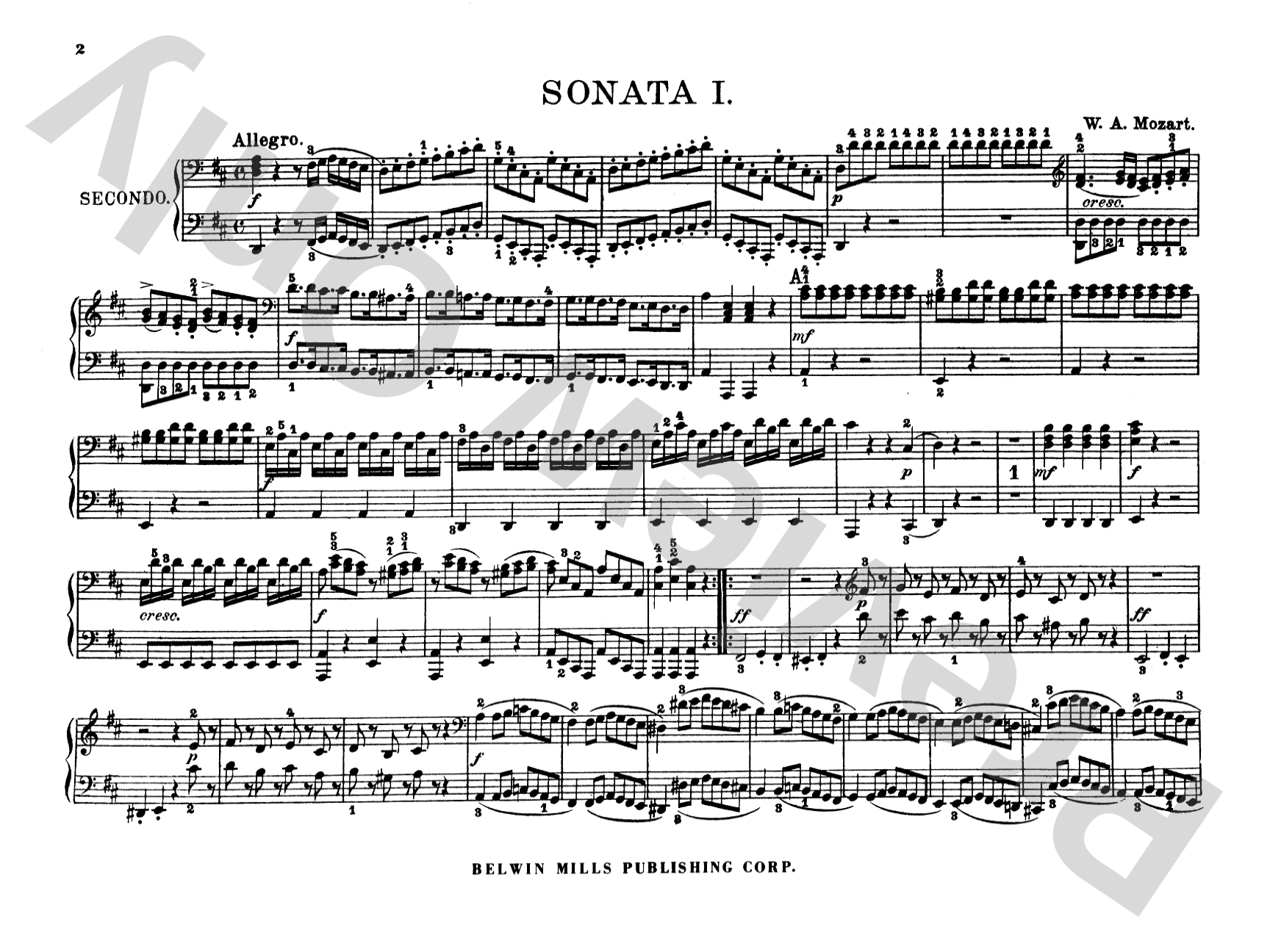
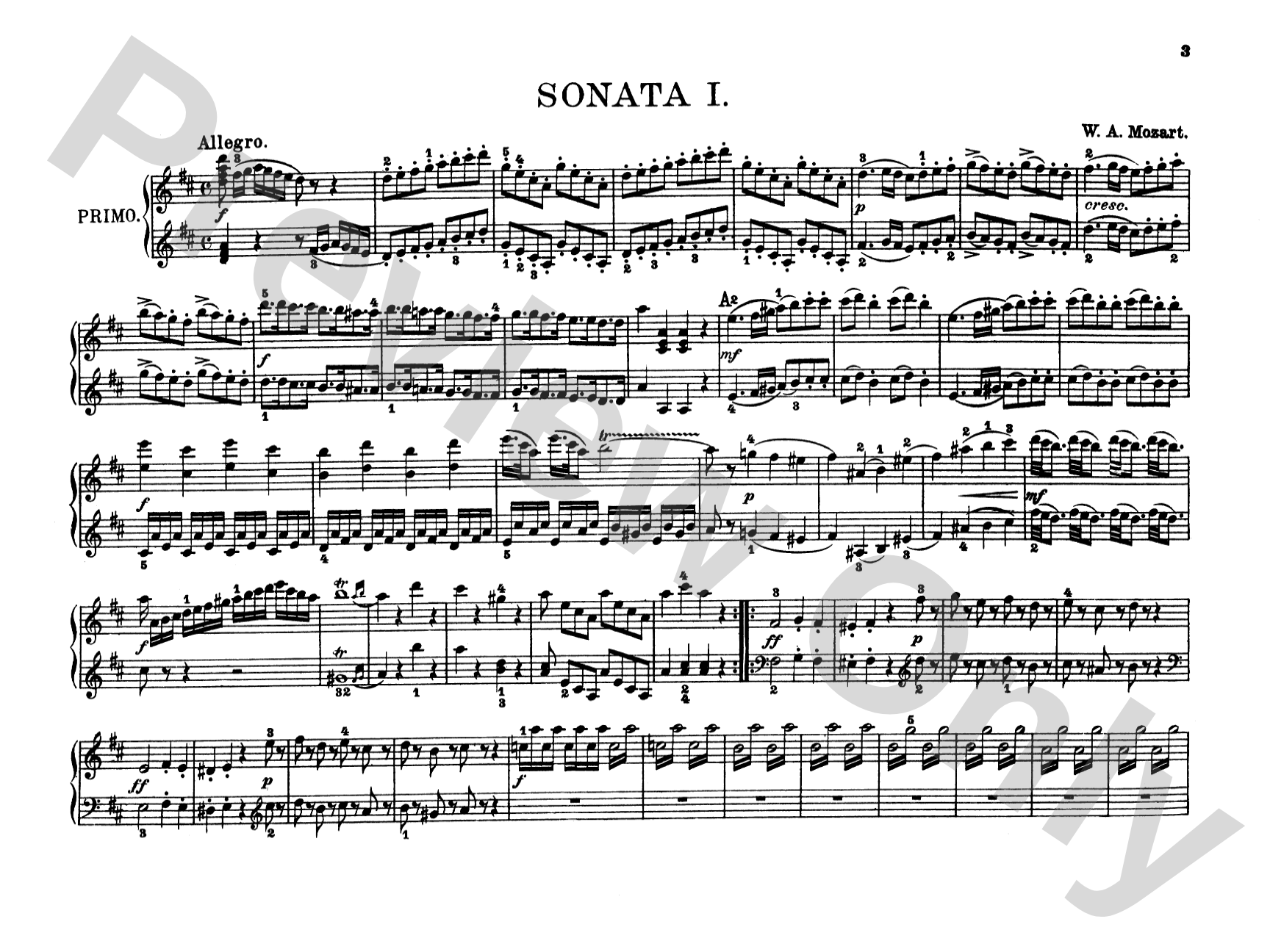
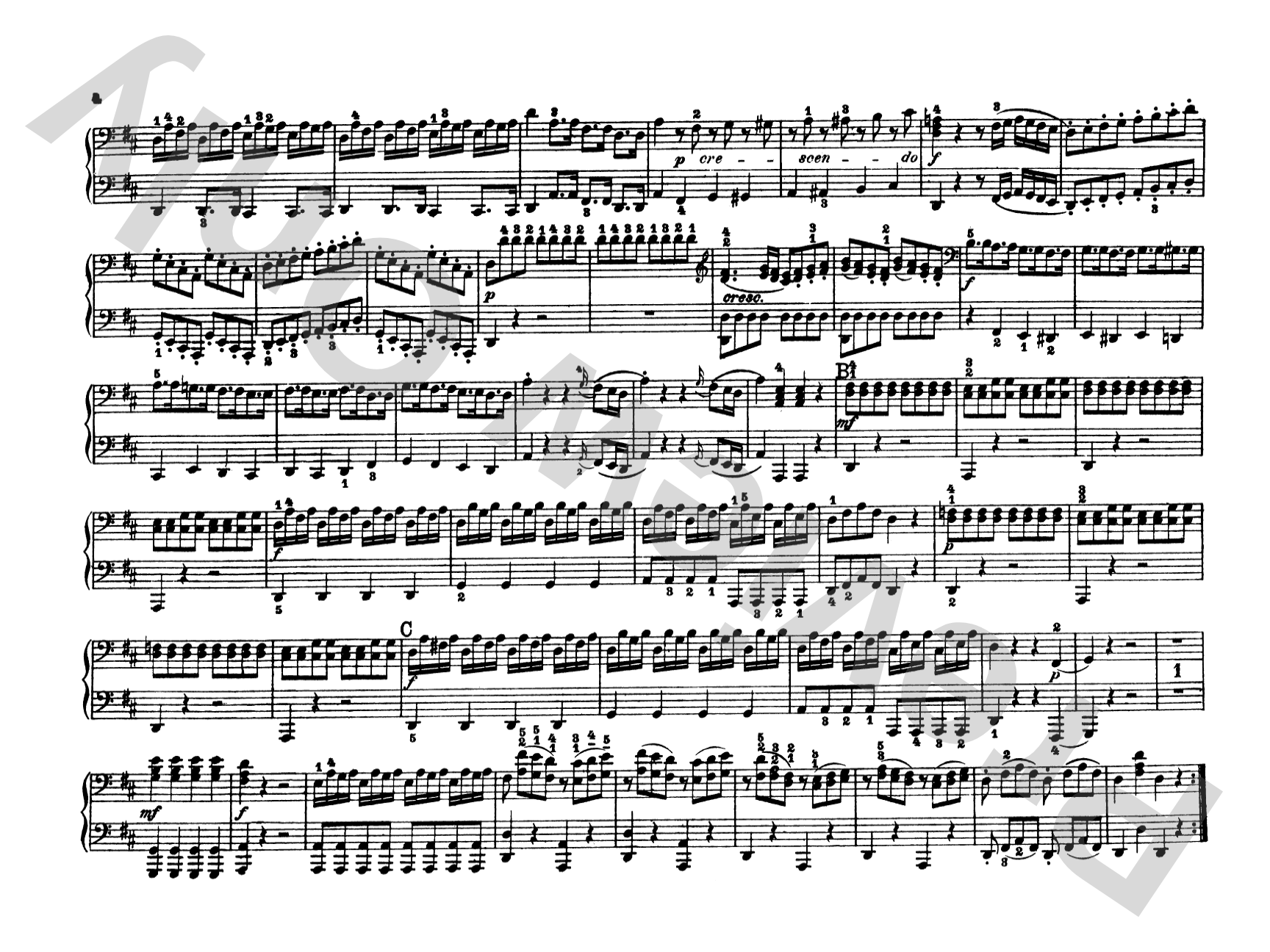
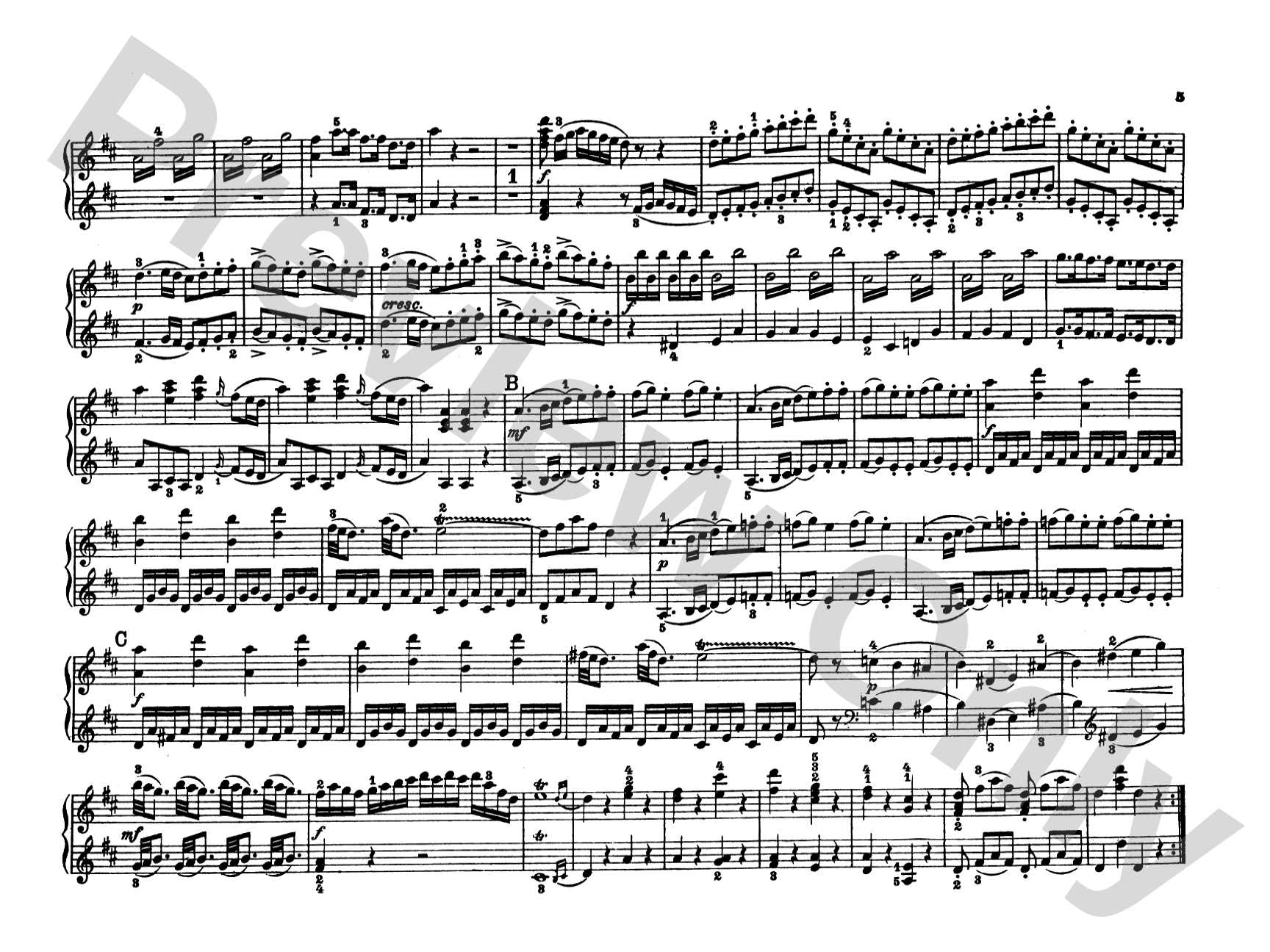
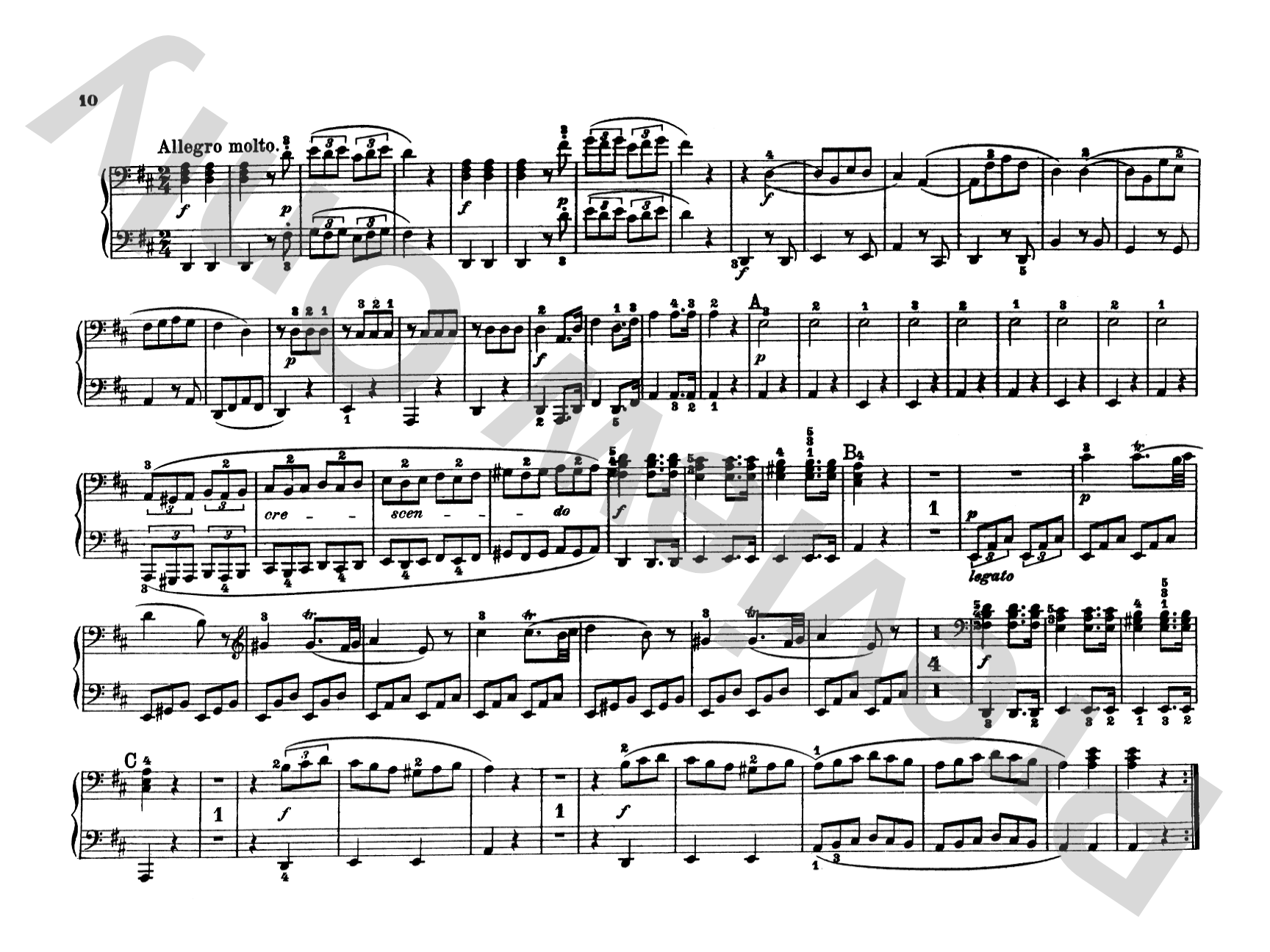
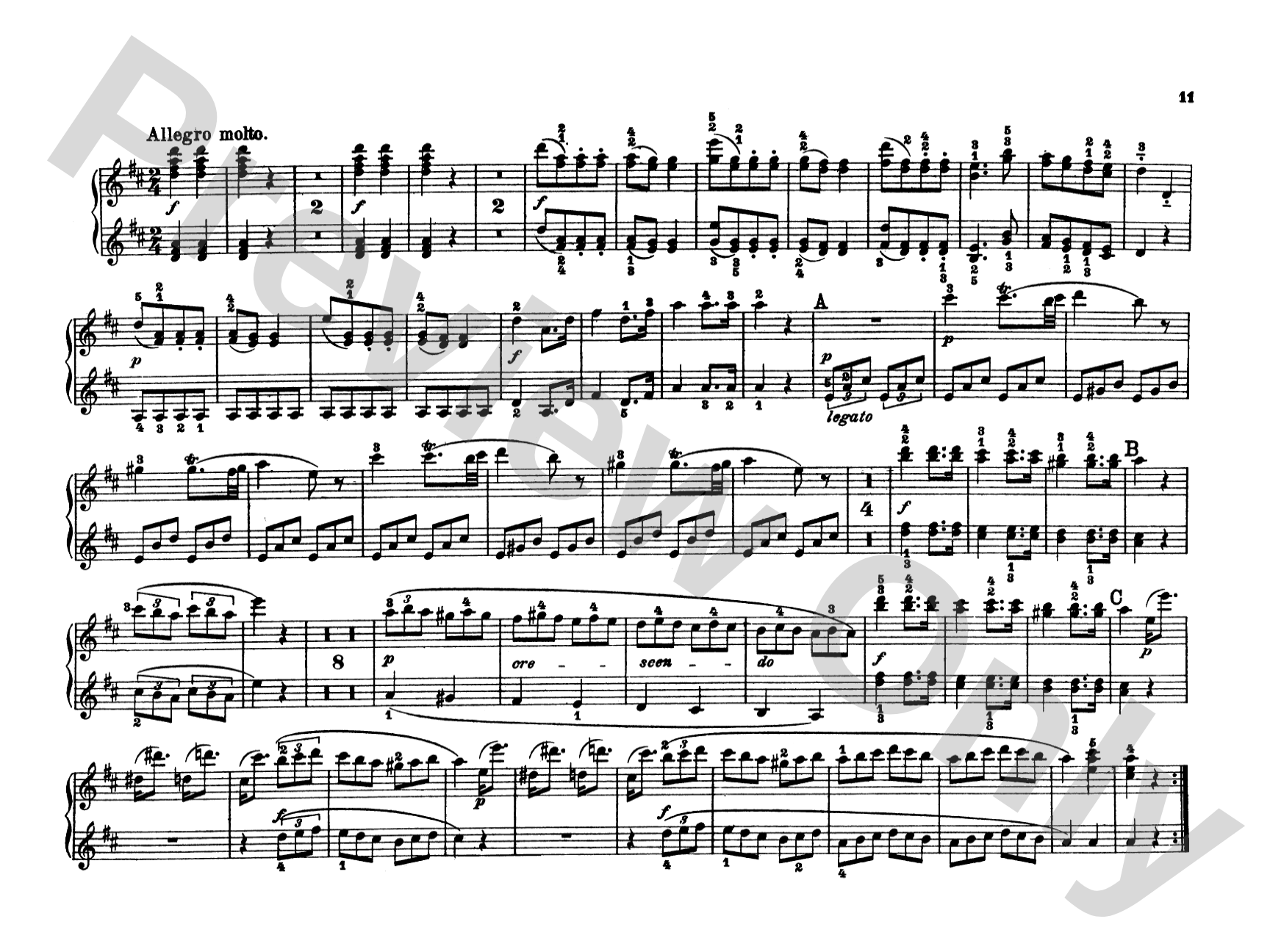
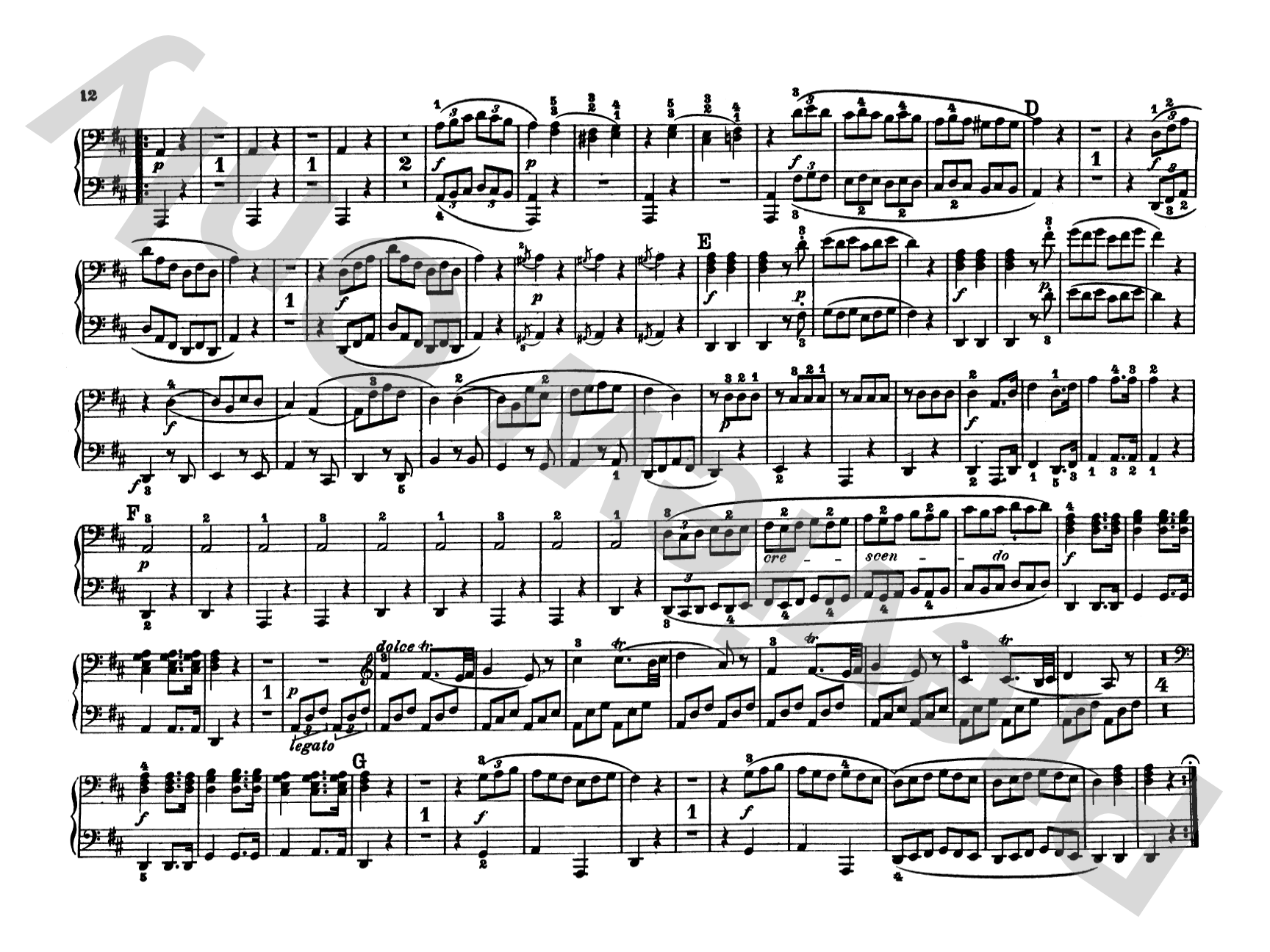
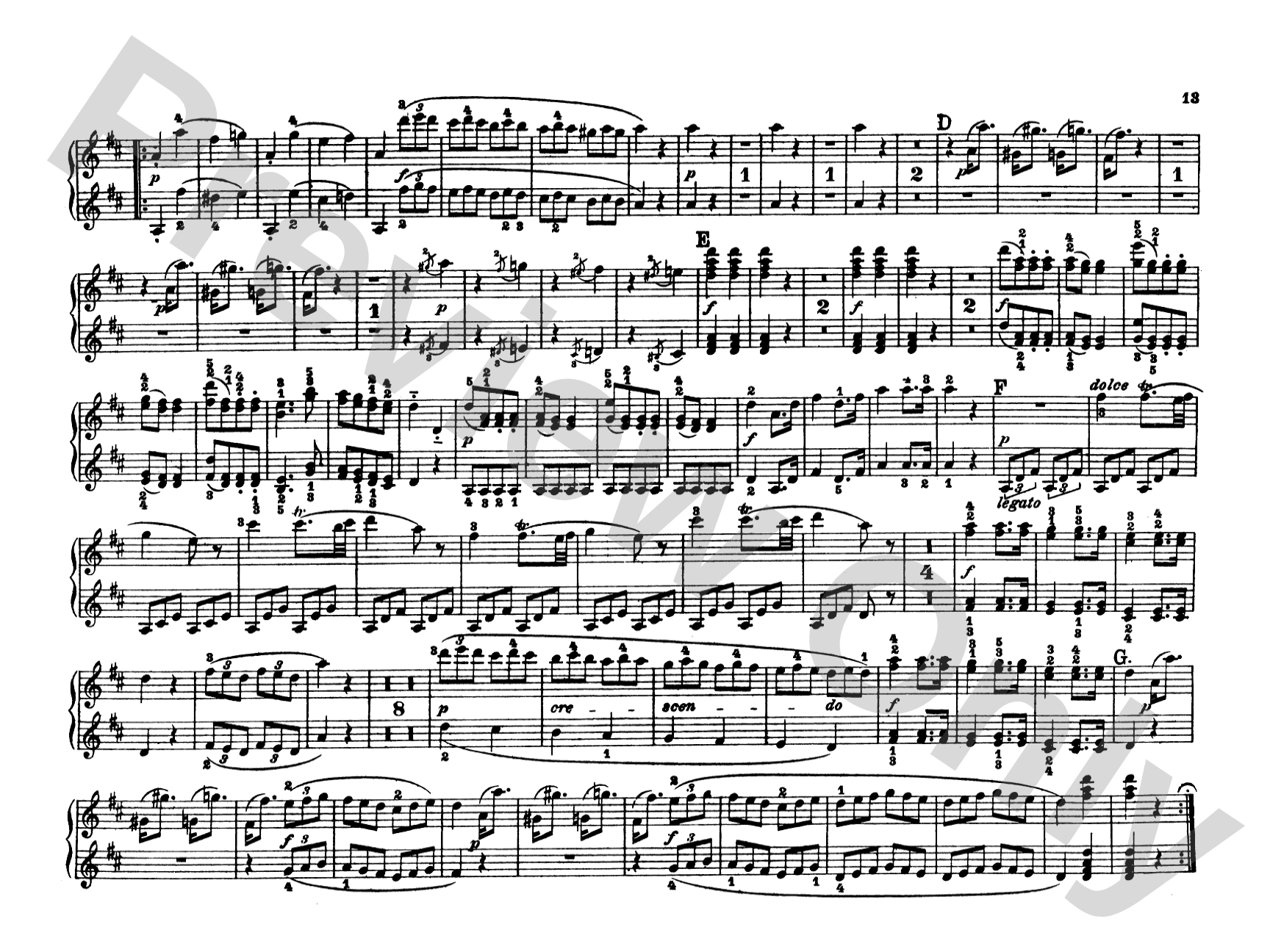
Taken from an early Belwin Mills edition, this collection features works for 1 piano, 4 hands as they were originally composed by W. A. Mozart. The comb binding creates a lay-flat book that is perfect for study and performance. Contains: Sonata in D Major, K. 381 * Sonata in B-flat Major, K. 358 * Sonata in F Major, K. 497 * Sonata in C Major, K. 521 * Fantasia I in F Minor, K. 594 * Fantasia II in F Minor, K. 608 * Variations in G Major, K. 501 * Fugue in G Minor, K. 401.


Mozart: Original Compositions for Four Hands: Piano Duet (1 Piano, 4 Hands) Comb Bound Book isn't in MakeMusic Cloud just yet...but it could be. Let us know you'd like to see it, and you'll help shape what comes next. In the meantime, start a free trial and dive into thousands of interactive titles your students can play along with today.
Request This Title
Tell us you want it.
Start Your Free Trial
Explore everything that's ready to play right now.
Sample Audio
No sample audio found.
Sample Video
No sample videos found.
Additional Details
Series:
Kalmus Edition
Publisher:
Alfred Music
Page Count:
112
SKU:
00-PK-0003255
More about this title
About the Composer: Wolfgang Amadeus Mozart
Wolfgang Amadeus Mozart (1756-1791) composed across every major genre of his era, leaving behind a catalog of over 600 works that remain central to classical music pedagogy. His four-hand piano compositions represent a distinct category in his output: works conceived specifically for two pianists sharing one instrument, rather than arrangements of orchestral or other pieces. These duets emerged during a period when domestic music-making flourished, and they showcase Mozart's gift for writing idiomatically for the piano while maintaining the contrapuntal sophistication and harmonic invention that defined his mature style.
Why we love this
Mozart's four-hand sonatas and fantasias occupy a unique pedagogical space: they demand serious musicianship from both players without retreating into simplification. The duet format itself creates natural dialogue and forces both pianists to listen actively, making these works exceptional for teaching ensemble awareness and collaborative problem-solving. The inclusion of both sonata-form works and freestanding fantasias provides programming flexibility, whether you need a complete movement for a student recital or a shorter piece for a partner concert.
What to expect
These pieces balance the Classical era's formal elegance with moments of genuine invention and surprise. The sonatas unfold with architectural clarity, while the fantasias wander more freely, incorporating unexpected harmonic turns and textural shifts. Playing them side-by-side creates an intimate conversation: two voices sharing one instrument, negotiating space, and building ideas together.
Who it's for
Advanced intermediate to advanced pianists preparing duet repertoire for recitals, chamber music programs, or festival competitions. This collection also serves piano teachers seeking substantial four-hand works to develop ensemble skills and deepen students' understanding of Classical-era keyboard writing. Pianists building a four-hand recital program will find multiple works of varying length and character within a single volume.
How to get the most out of it
- Balance the primo and secondo voices by considering register and textural function rather than playing strictly by dynamic markings; the secondo often carries harmonic foundation, but Mozart frequently threads melodic material through both parts that needs equal attention.
- Establish a steady tempo before the primo joins, since the secondo provides rhythmic and harmonic stability; a brief silent count-off helps both players lock in immediately.
- Practice hands separately at first if either player is new to duet playing, then work slowly through the overlapping passages where hands from both players occupy the same register and risk collision.
- Use the lay-flat binding to its advantage by positioning the book so both players can see their parts clearly without one person craning over; this setup also allows quick page turns without losing contact with the keyboard.
How to use it
Program a complete sonata as the centerpiece of a student recital duet segment, or pair one of the shorter fantasias with a contemporary four-hand work to show stylistic contrast. The comb binding makes it easy to extract individual pieces for varied concert contexts without damaging the spine. These works also serve as excellent literature for studio partnerships or for introducing serious four-hand playing to advanced students ready to expand beyond simplified duet collections.
Skills your students will build
- Reading two independent lines while sharing one keyboard and coordinating hand positions
- Balancing melodic and accompaniment roles across registers and dynamic levels
- Listening actively to a partner and responding to ensemble timing and phrasing
- Understanding Classical-era sonata form, fugal writing, and theme-and-variations structure
- Negotiating shared space on the keyboard without collision or hesitation
- Executing rapid hand crossings and managing comfort in a two-player setup