
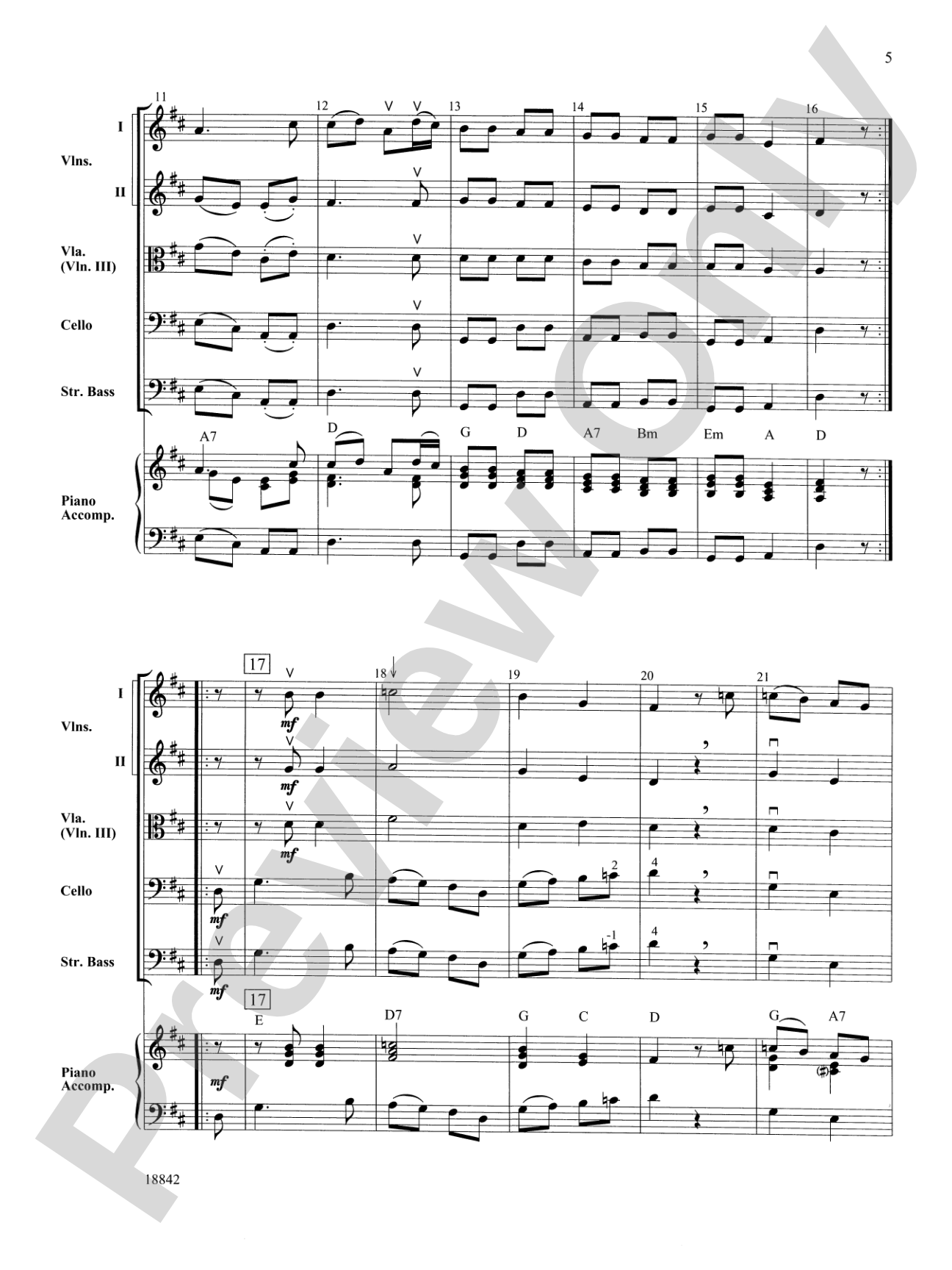
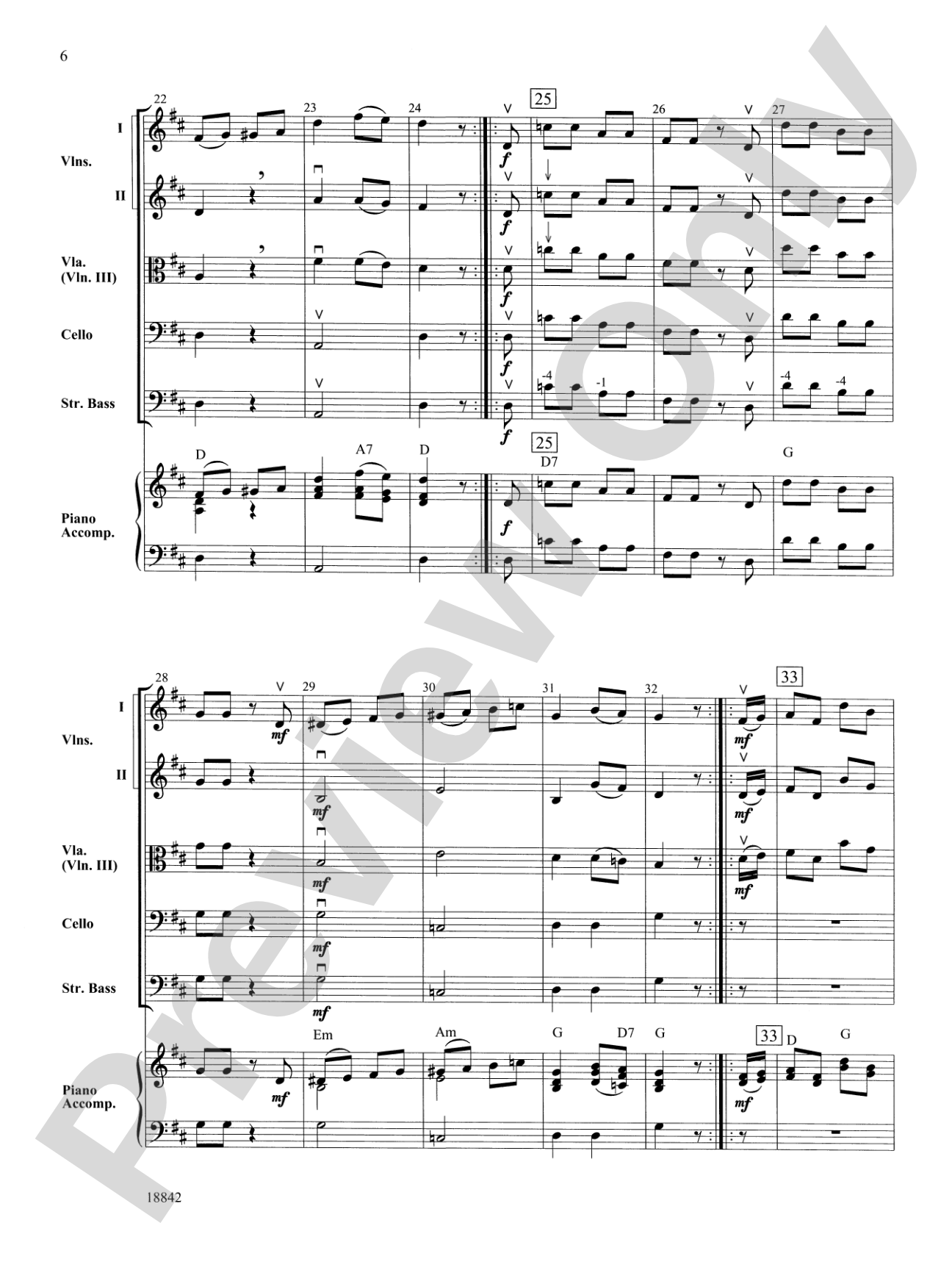
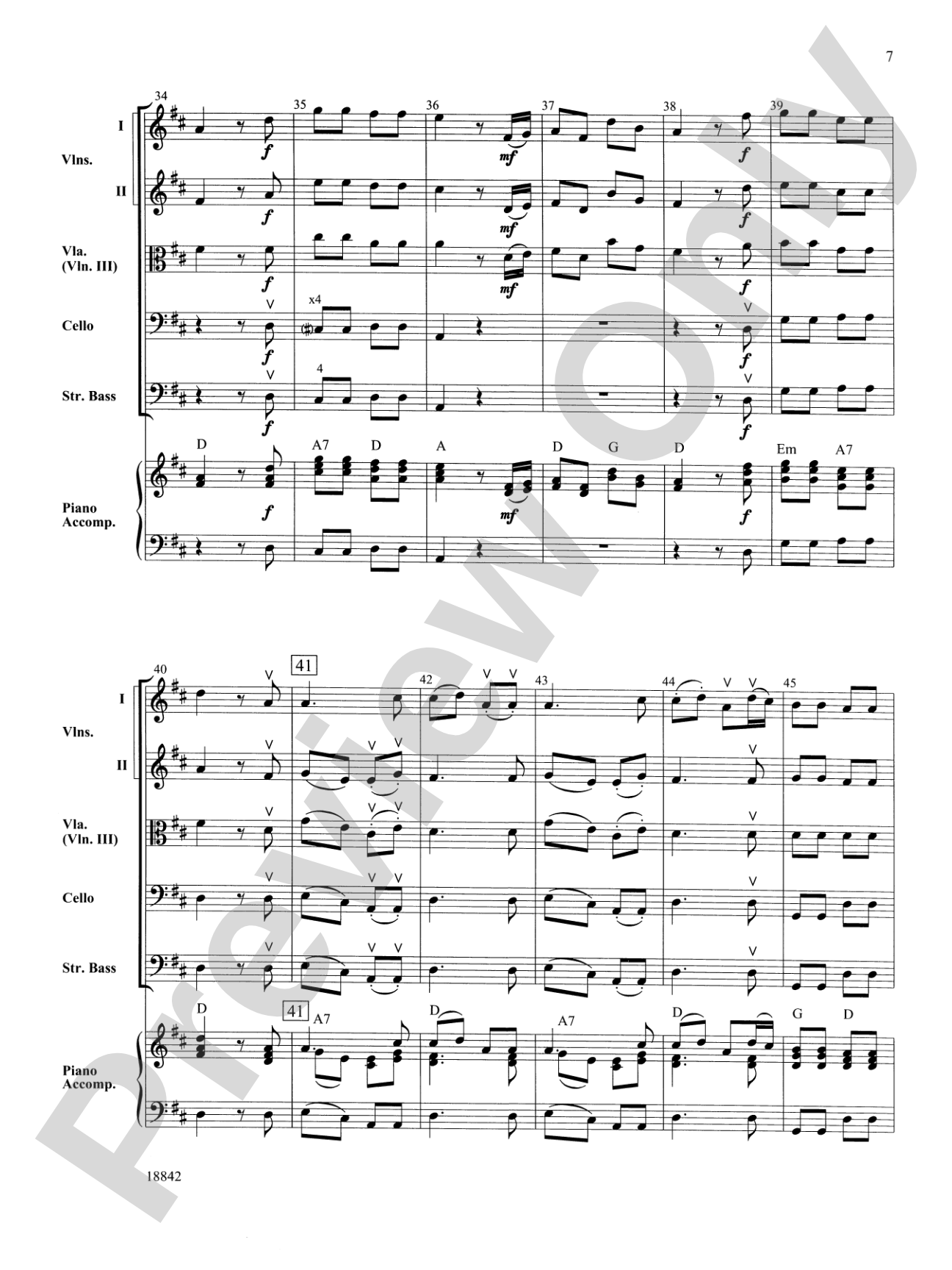
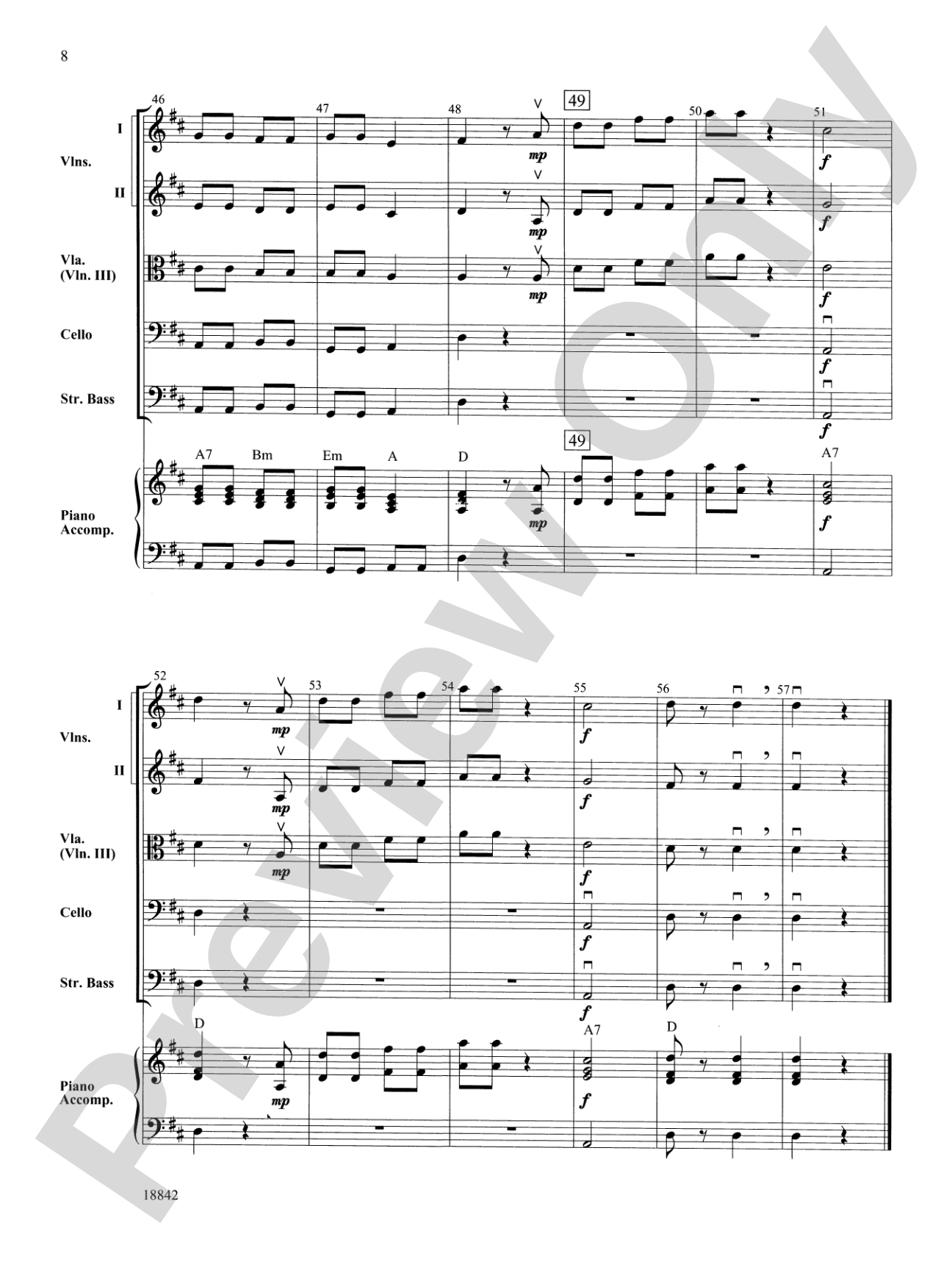

Mozart Minuet & Rondo: Score
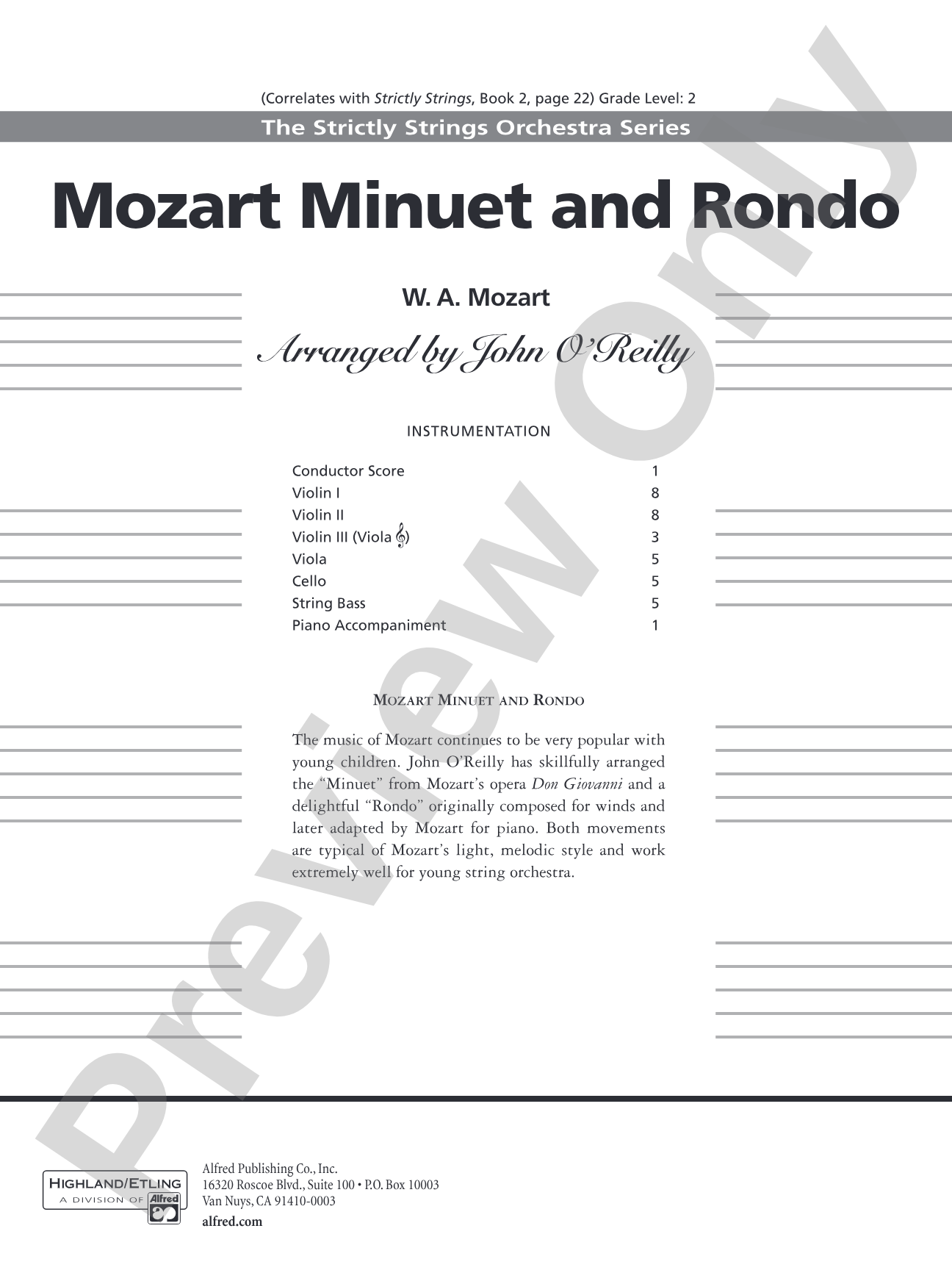
By Wolfgang Amadeus Mozart / arr. John O'Reilly
Grade: 1
Item: 00-PR-0000290
$6.00
Pickup currently not available
Description
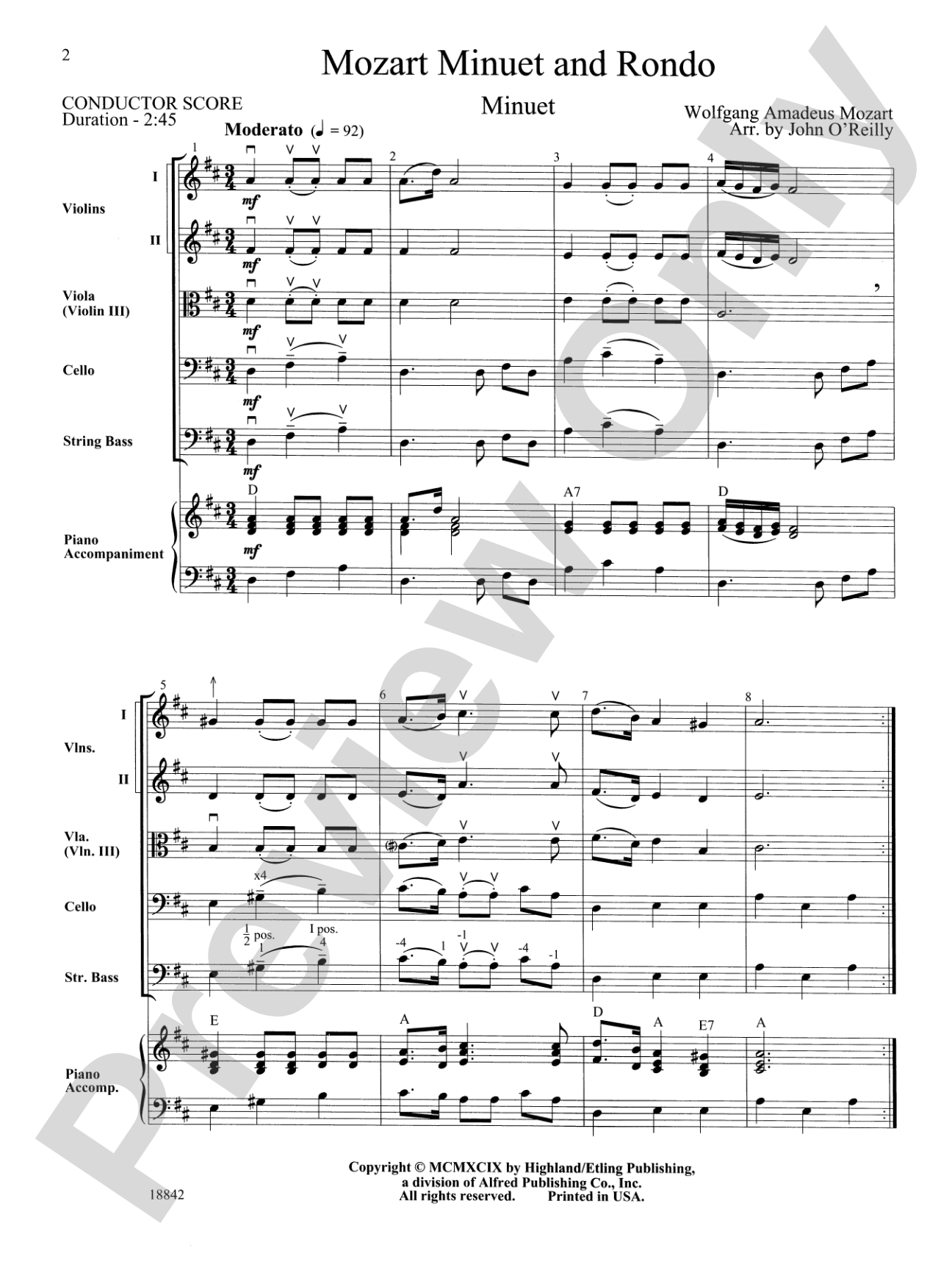
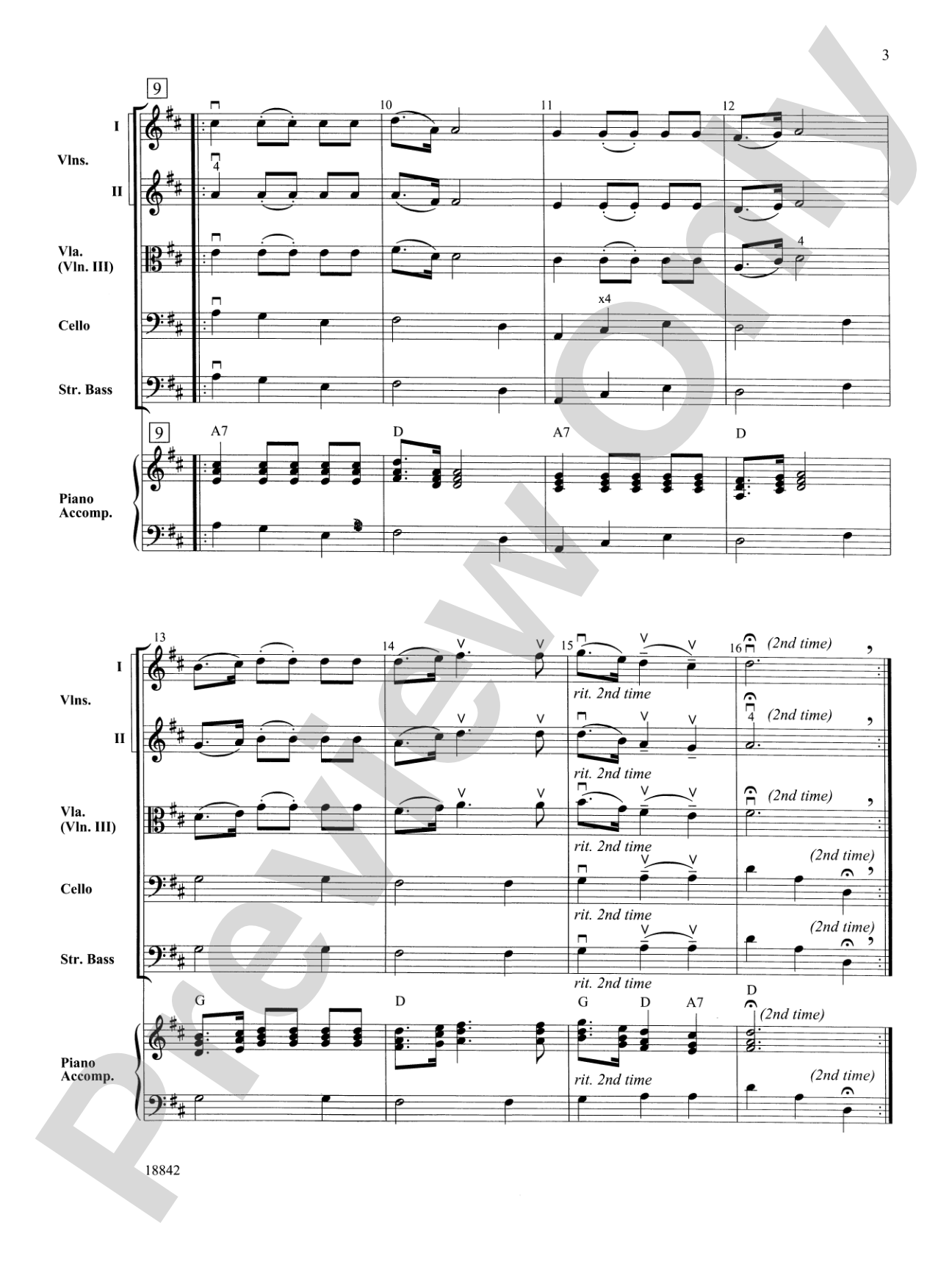
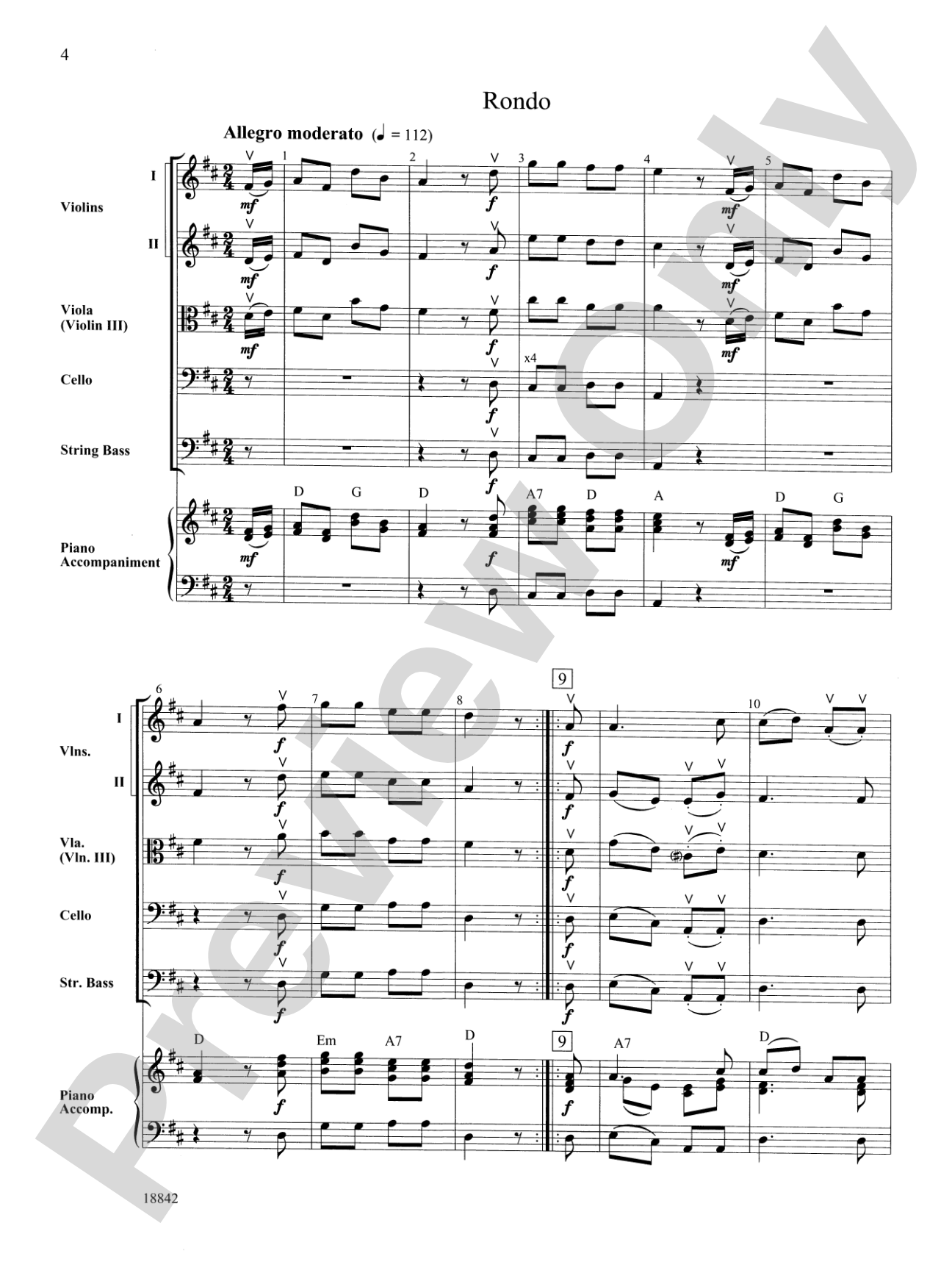
This charming minuet and lively rondo are the perfect way to introduce your students to the classical style, with hooked bowings, staccato notes and frequent dynamic changes. Accessible to the youngest groups, but also a great learning piece for the more advanced orchestra. Very well done!


Don't just read it, hear it, play along with it, and watch your students grow with it. In MakeMusic Cloud, Mozart Minuet & Rondo: Score comes alive with professional accompaniment, adjustable tempo, and built-in practice tools that turn solo practice into real progress.
Open in the Player
Jump straight in and assign it today.
Start Your Free Trial
Open this title and explore the full library in minutes.
Sample Audio
1
Audio File
--:--
0:00
0:00
Sample Video
No sample videos found.
Additional Details
Series:
Highland/Etling Strictly Strings
Publisher:
Alfred Music
Page Count:
72
SKU:
00-PR-0000290
More about this title
About the Composer: Wolfgang Amadeus Mozart
Wolfgang Amadeus Mozart (1756-1791) composed across every major genre of his time with a facility that remains unmatched in music history. Born in Salzburg, Austria, he began performing publicly as a child prodigy and went on to write over 600 works in his brief lifetime, from symphonies and concertos to operas and chamber music. His music is marked by clarity, elegance, and an instinctive sense of melody that makes it accessible to beginners while offering endless depth for advanced musicians.
For string players and orchestras, Mozart's minuets and dance forms provide an ideal entry point into classical style and phrasing. His orchestrations are transparent and idiomatic, making his works invaluable for teaching proper ensemble balance, articulation, and the refined approach that classical music demands.
Why we love this
John O'Reilly's arrangement captures the elegance of Mozart's writing while keeping the texture lean and playable for young orchestras. The deliberate focus on hooked bowings and staccato articulation teaches essential string technique without overwhelming your students, and the frequent dynamic changes keep the ensemble engaged and listening to the larger phrase shape. This is one of those Grade 1 pieces that feels genuinely rewarding to perform.
What to expect
The minuet carries the courtly grace of 18th century dance music, with enough simplicity to remain transparent but enough sophistication to reward careful listening. The rondo sparkles with the energy and charm Mozart brought to lighter instrumental forms, inviting the orchestra to play with elegance and light articulation rather than heaviness.
Who it's for
This arrangement works equally well for developing orchestras building fundamental skills and for more experienced ensembles seeking repertoire that emphasizes style and refinement over technical display. String directors looking for contest or festival material at Grade 1 will find a piece that showcases musicianship and control rather than speed or virtuosity.
How to get the most out of it
- Separate the two sections clearly: shape the minuet with gentle rubato and allow the rondo's livelier tempo to feel like a genuine contrast, not just a speed increase.
- Mark the hooked bowings consistently in all parts before rehearsal. Have students practice the bow movement in isolation so the articulation feels natural rather than forced.
- Attend to the dynamic changes as compositional intention, not decoration. Even in a Grade 1 arrangement, Mozart's shaping through dynamics teaches phrasing and music literacy.
- Balance the tutti sections by encouraging players to listen across sections. At this level, ensemble blend matters as much as technical accuracy.
How to use it
Pair this with other classical miniatures or dances to build a concert section dedicated to the style period. It also works beautifully as a contest piece where the focus can be on ensemble balance and articulation rather than impressive technique. The two-movement structure makes it flexible for programs that need a substantial but not lengthy classical selection.
Skills your students will build
- Hooked bowings and controlled articulation
- Dynamic shaping and phrasing in classical style
- Staccato versus legato note endings
- Ensemble listening and blend across sections
- Recognition of minuet and rondo forms