
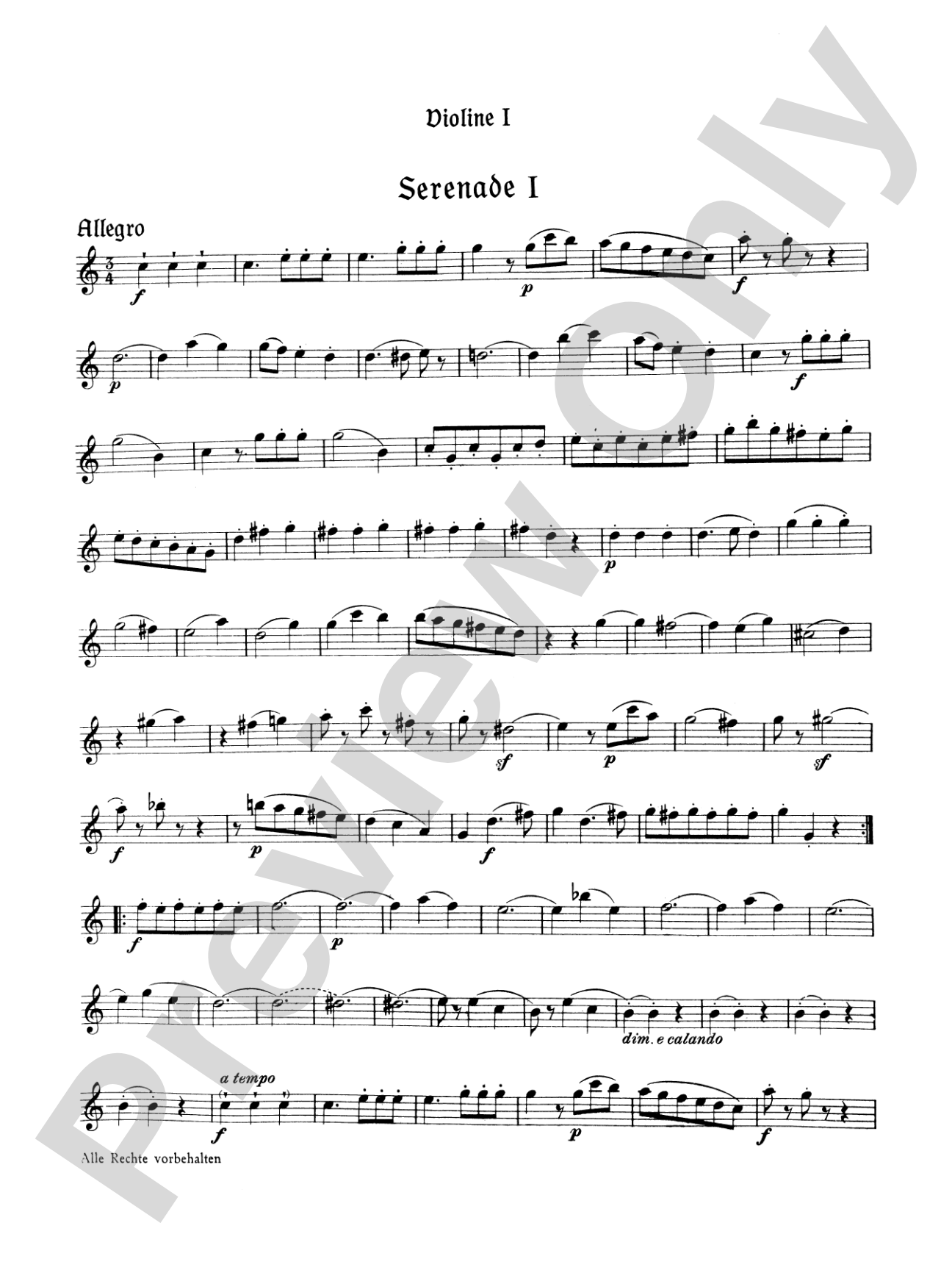
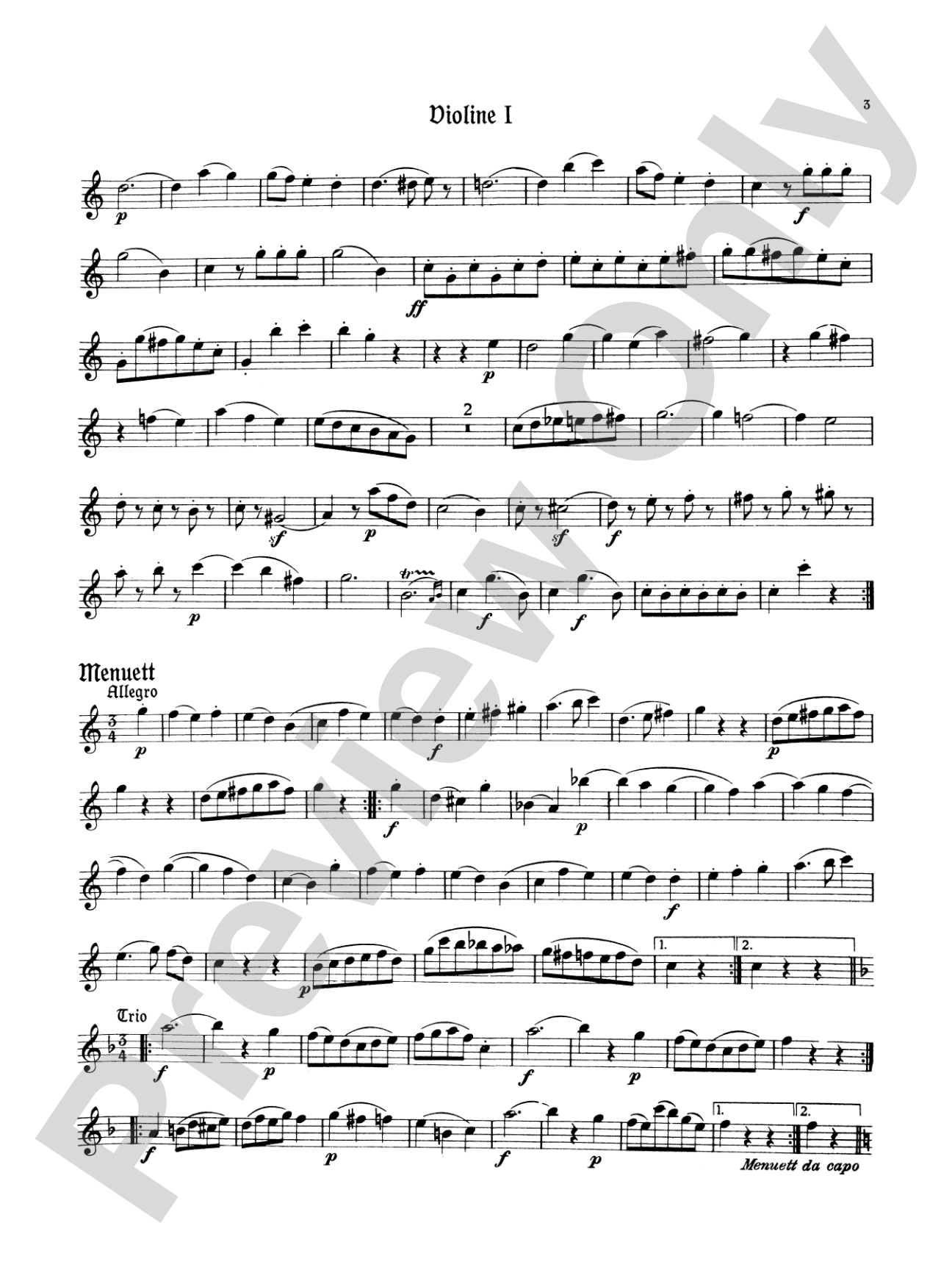
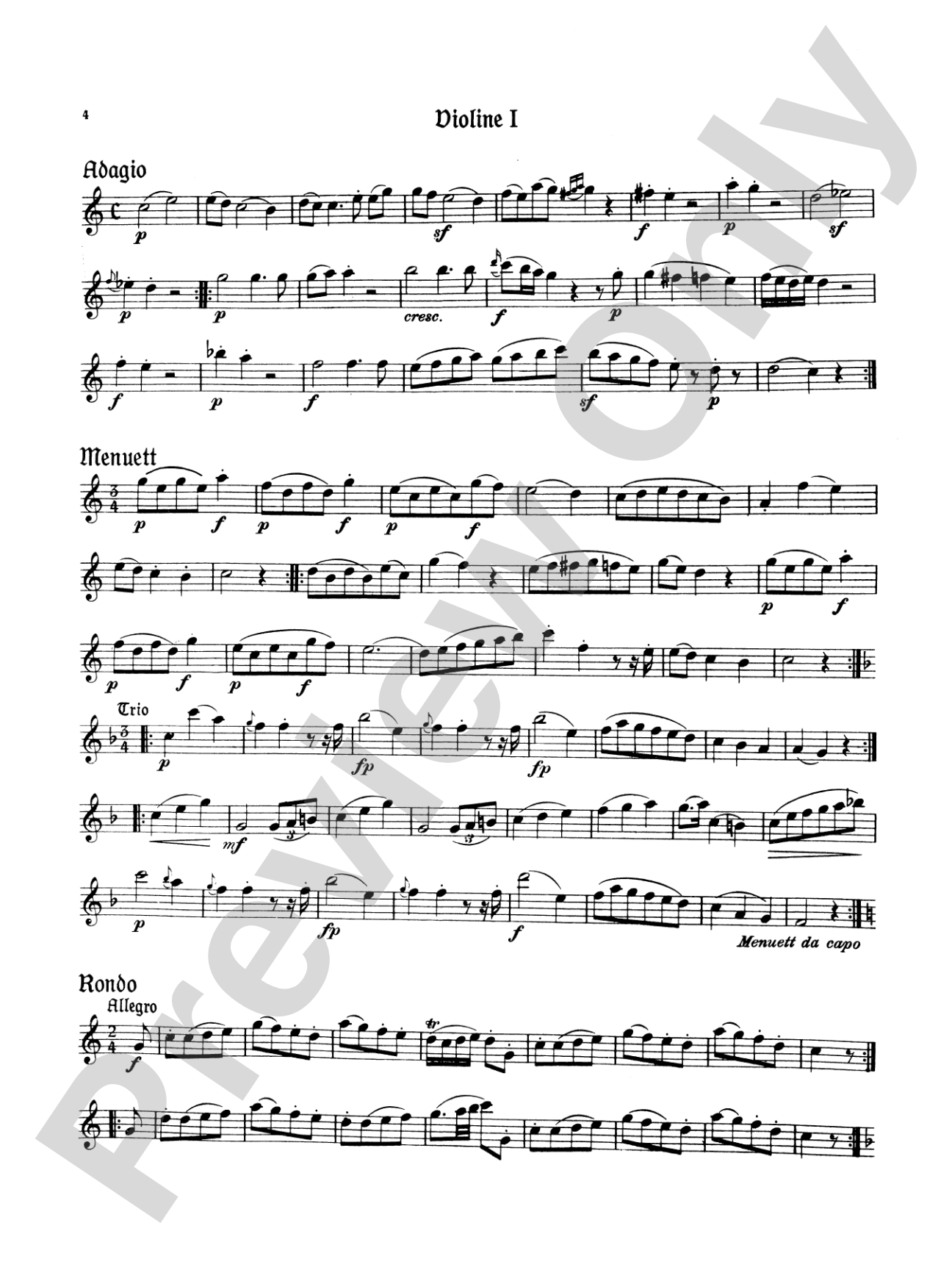
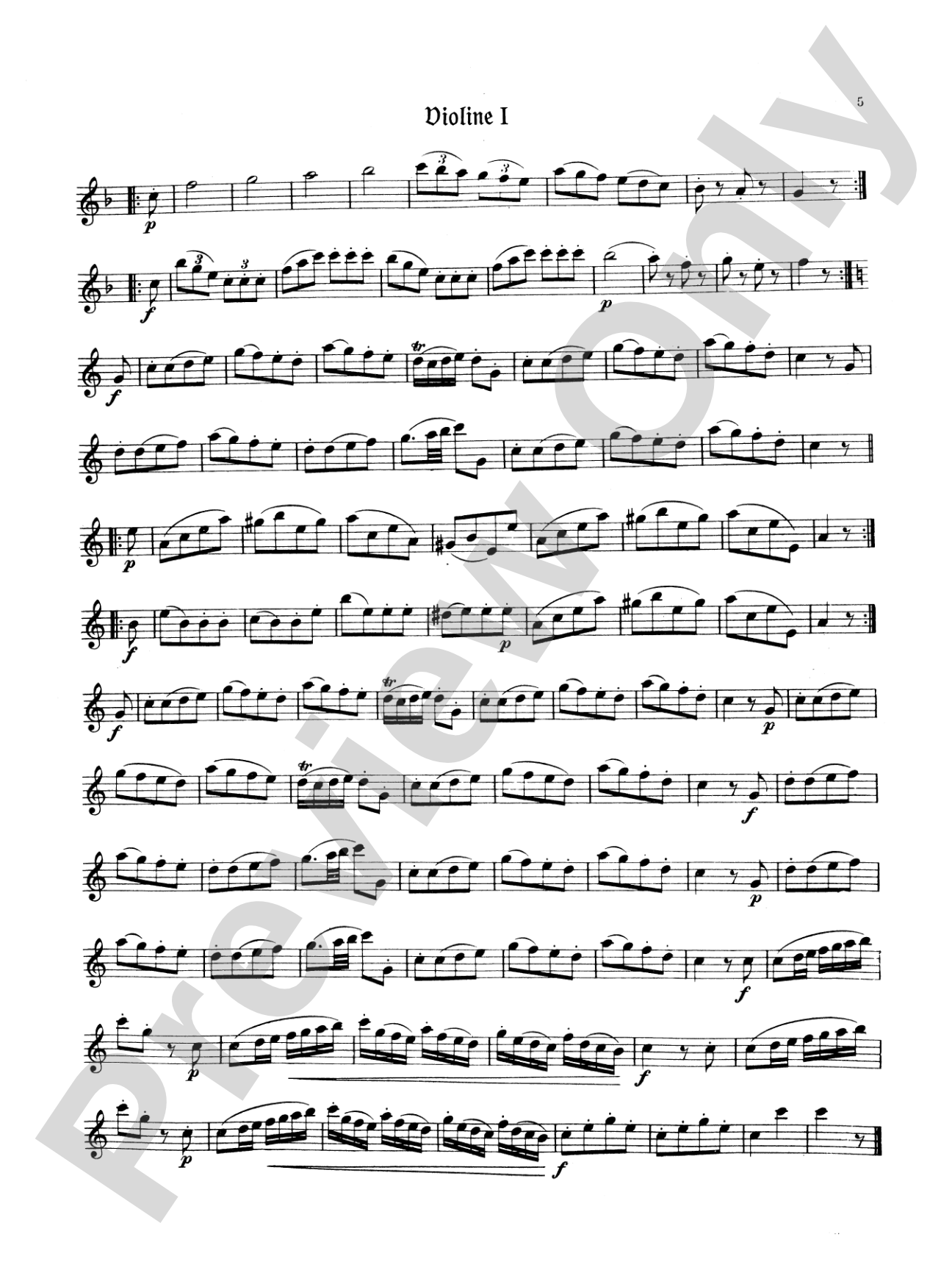

Mozart: Five Viennese Serenades K. 439b: String Trio Book
By Wolfgang Amadeus Mozart
Item: 00-PK-0003263

$19.99
Pickup currently not available
Buy Extra Parts (Digital PDF Download)
Parts Added to Cart!
Related Items
Five Viennese Serenades K. 439b: String Trio Book |
$19.99
|
View |
Description
Expertly arranged String Trios by Wolfgang Amadeus Mozart from the Kalmus Edition series. This is from the Classical era.


Don't just read it, hear it, play along with it, and watch your students grow with it. In MakeMusic Cloud, Mozart: Five Viennese Serenades K. 439b: String Trio Book comes alive with professional accompaniment, adjustable tempo, and built-in practice tools that turn solo practice into real progress.
Open in the Player
Jump straight in and assign it today.
Start Your Free Trial
Open this title and explore the full library in minutes.
Sample Audio
No sample audio found.
Sample Video
No sample videos found.
Additional Details
Series:
Kalmus Edition
Publisher:
Alfred Music
Page Count:
60
SKU:
00-PK-0003263
More about this title
About the Composer: Wolfgang Amadeus Mozart
Wolfgang Amadeus Mozart (1756-1791) composed across every major genre of his era, from symphonies and concertos to chamber music and opera. His prolific output demonstrates a mastery of counterpoint, harmonic sophistication, and melodic invention that shaped the Classical style and continues to define how we teach music composition and ensemble playing today.
Mozart's chamber works, including his string trios, reveal his gift for writing idiomatically for strings. These pieces balance structural clarity with harmonic richness, making them essential repertoire for students learning to navigate the demands of ensemble playing at an advanced level.
Why we love this
These Viennese serenades give advanced string trio ensembles access to Mozart's elegant voice writing and structural control without the complexity of his later quintets. The collection offers performers multiple substantial pieces suitable for festival competition and concert programming, each exposing students to the refined textural interplay that defines chamber music in the Classical tradition.
What to expect
These serenades capture the grace and wit of Viennese courtly music, with elegant melodies unfolding over transparent harmonic accompaniment. The writing feels conversational and refined, moving between moments of lyrical songfulness and clever rhythmic interplay that rewards attentive listening from all three players.
Who it's for
This collection is designed for intermediate-to-advanced string trio ensembles, including student ensembles preparing for festival competitions and serious amateur or pre-professional groups. Teachers seeking authentic Classical-era chamber repertoire that develops secure intonation, ensemble listening, and stylistic awareness will find these serenades indispensable.
How to get the most out of it
- Balance the first violin line as melodic focus while keeping the second violin and cello parts conversationally engaged; Mozart's trio writing depends on this transparency of texture.
- Shape each phrase with a clear sense of harmonic direction, resisting the impulse to rush through passage work; the Classical aesthetic prizes architectural clarity over virtuosity.
- Establish unified vibrato within the ensemble so the string sound blends rather than separates; this is especially important when the three voices interweave in counterpoint.
- Take time in rehearsal to identify where Mozart modulates and how each key area functions structurally; this understanding shapes ensemble entrances and phrase endings.
How to use it
Program individual movements or complete serenades in chamber music recitals or festival competitions to showcase your ensemble's command of Classical style and balanced writing. These pieces work equally well as centerpieces on a concert dedicated to Mozart's chamber works or as contrasting selections alongside Romantic or contemporary trio repertoire.
Skills your students will build
- Maintaining transparent voice independence within a three-part texture
- Recognizing and performing harmonic modulation in Classical contexts
- Achieving balanced, unified string sound across different dynamic ranges
- Reading and executing Classical phrasing and articulation conventions
- Listening critically to intonation and vertical alignment in chamber ensemble