
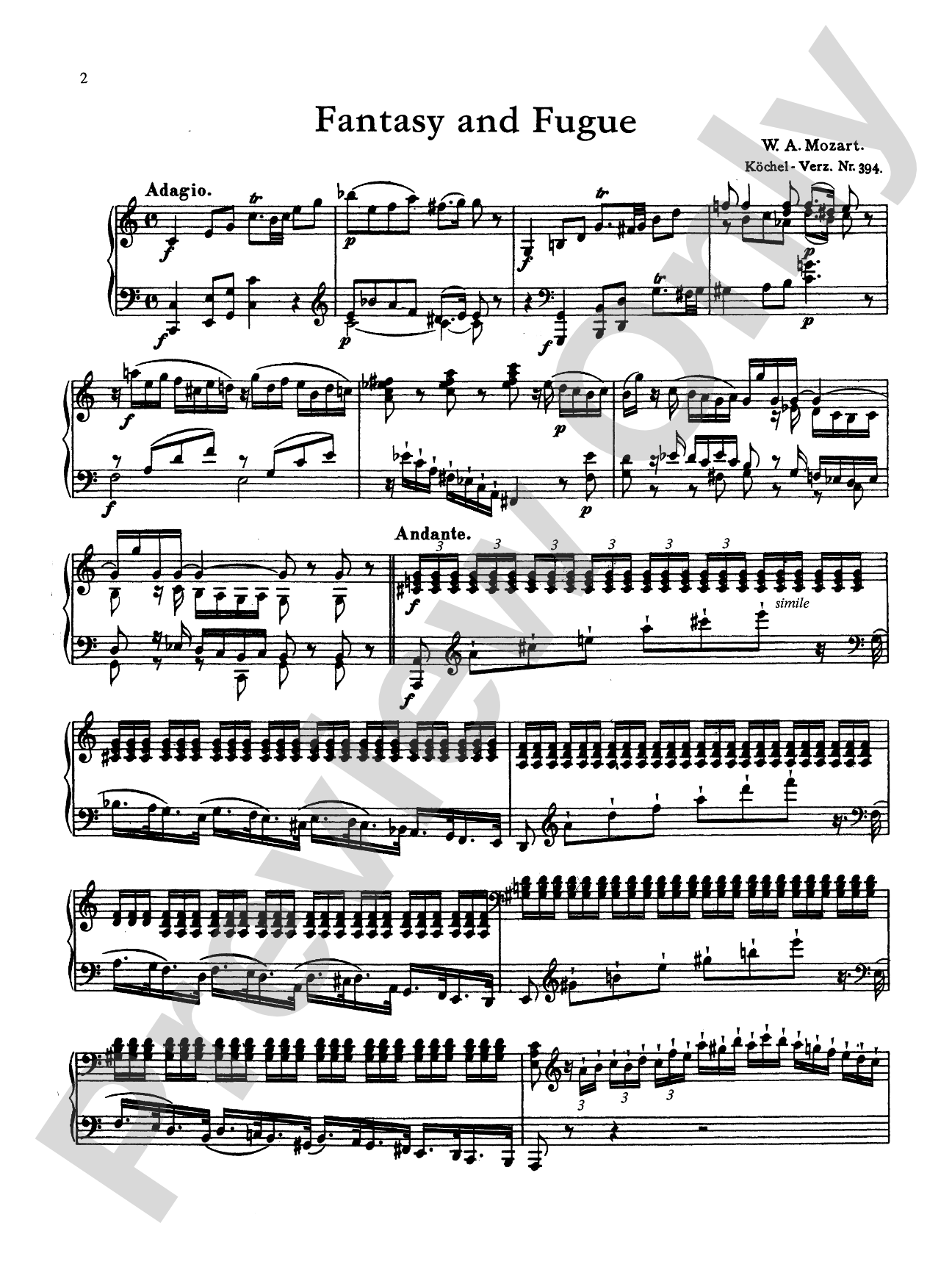
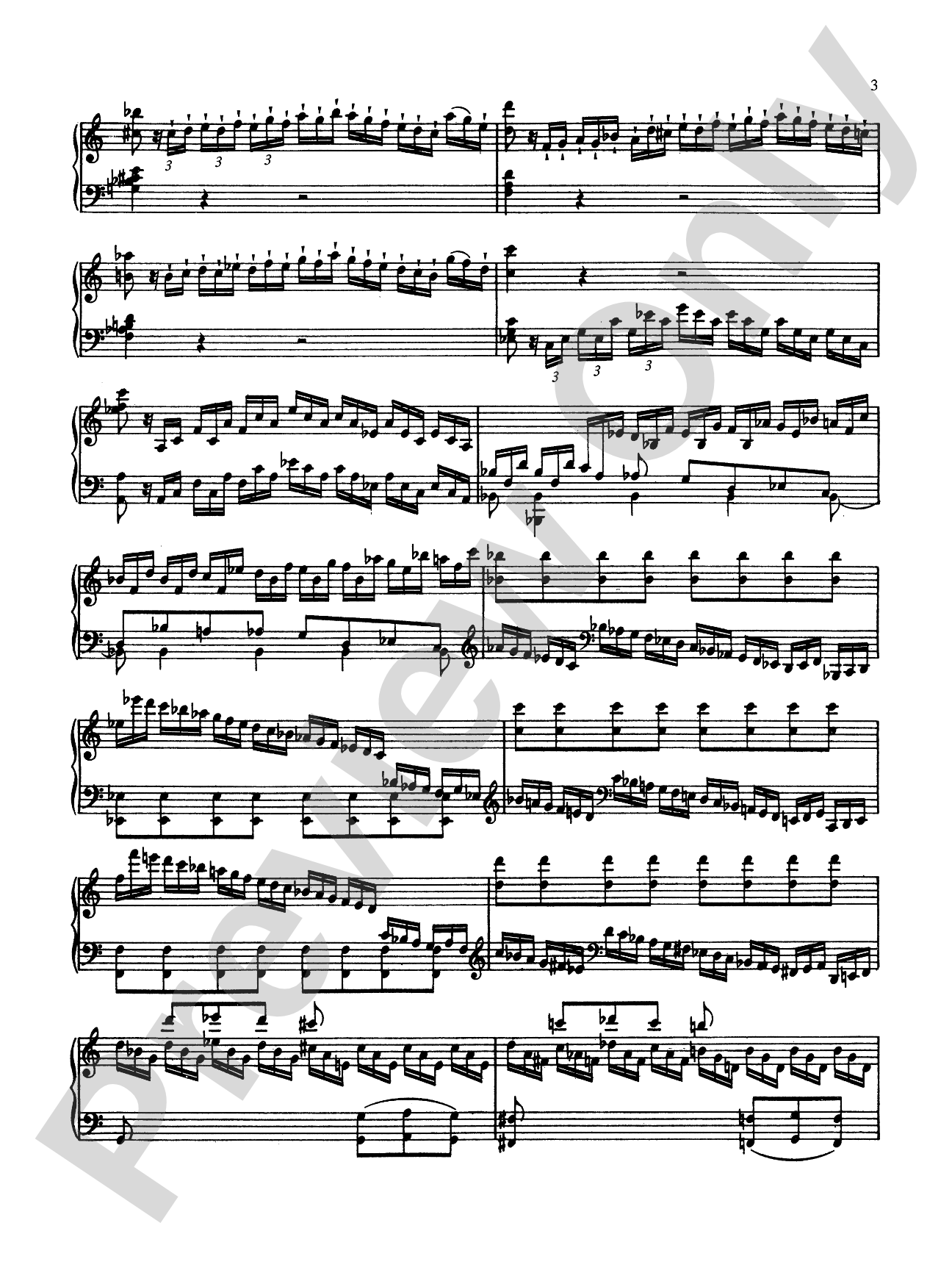
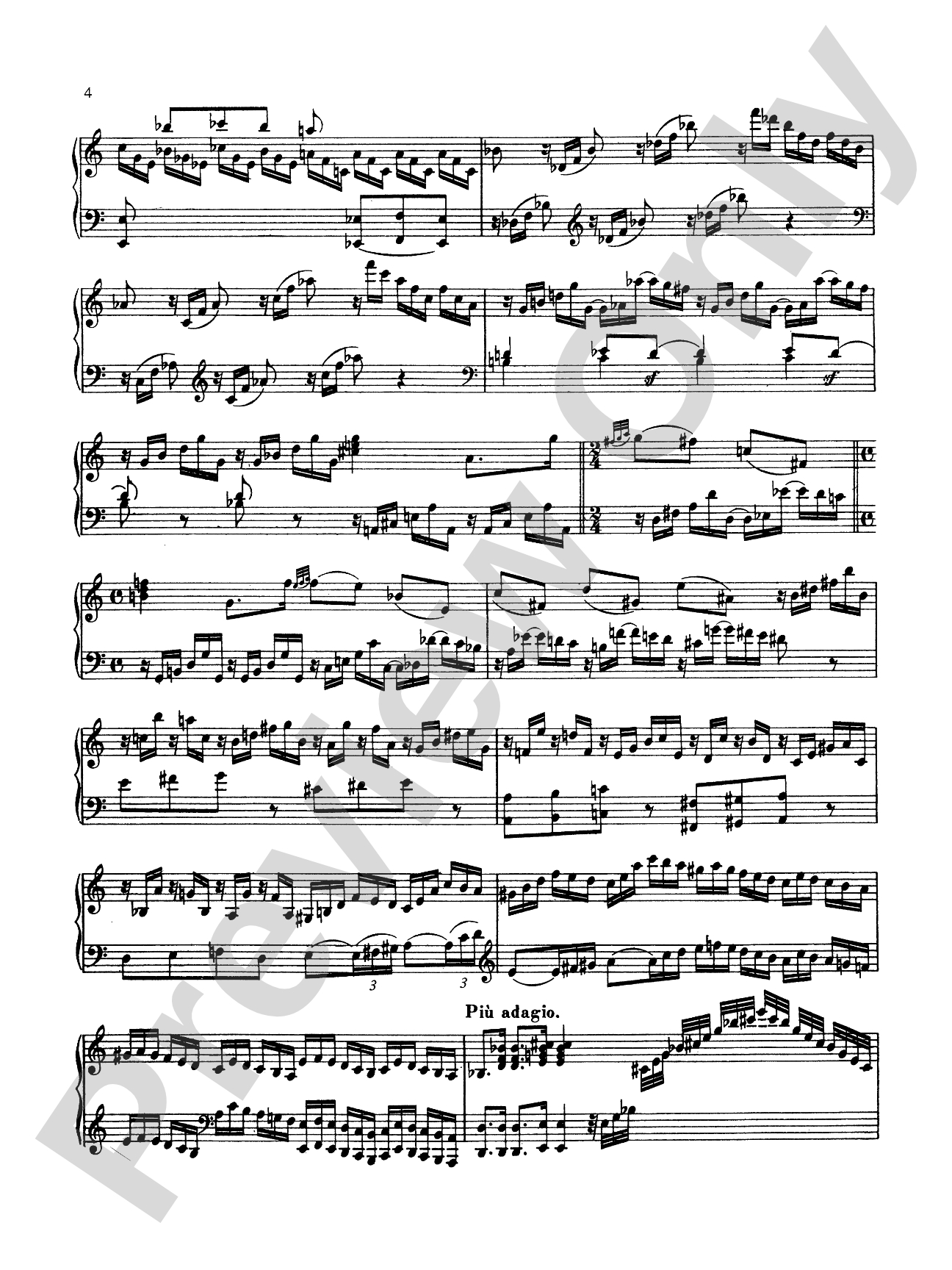
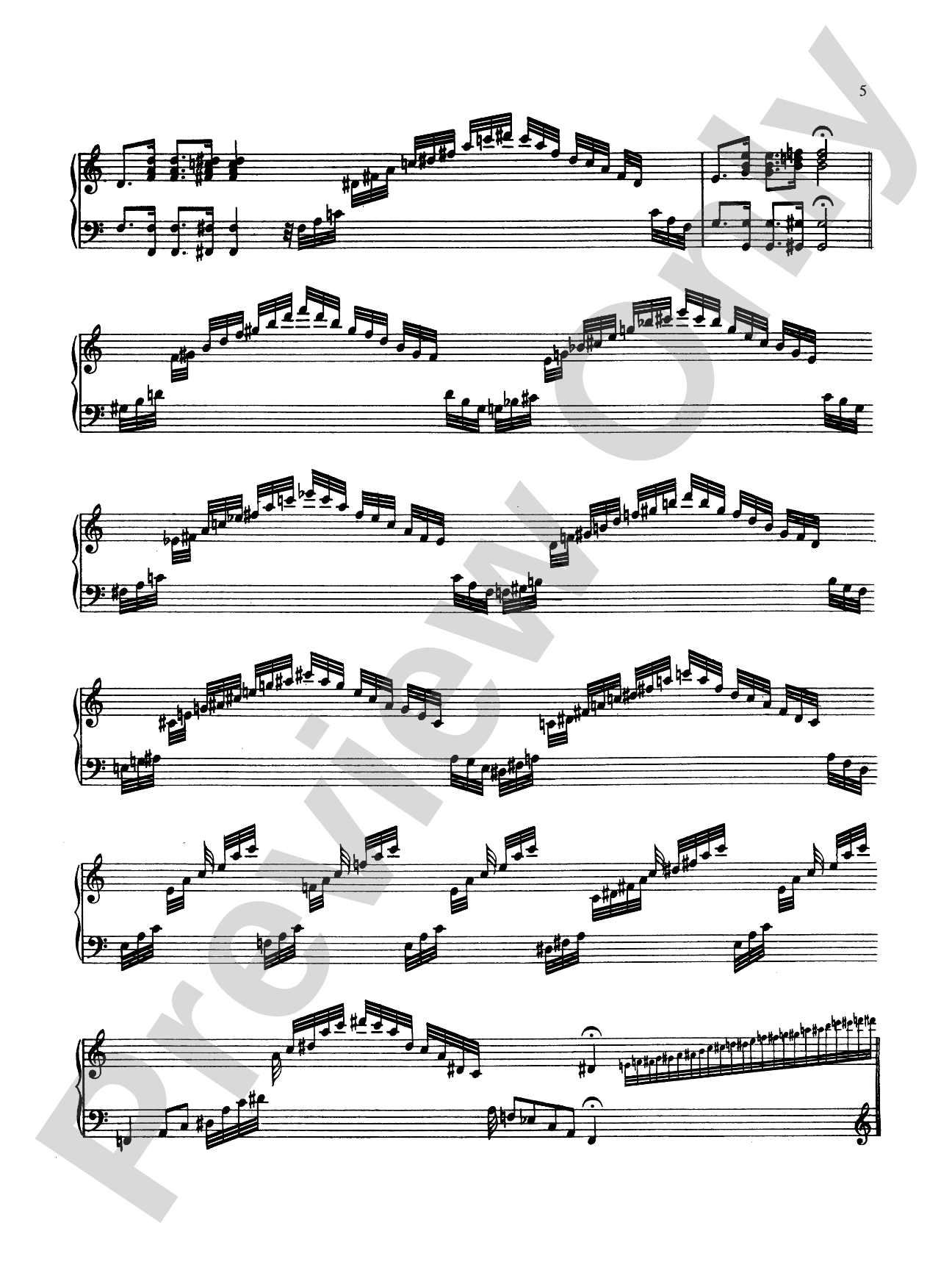
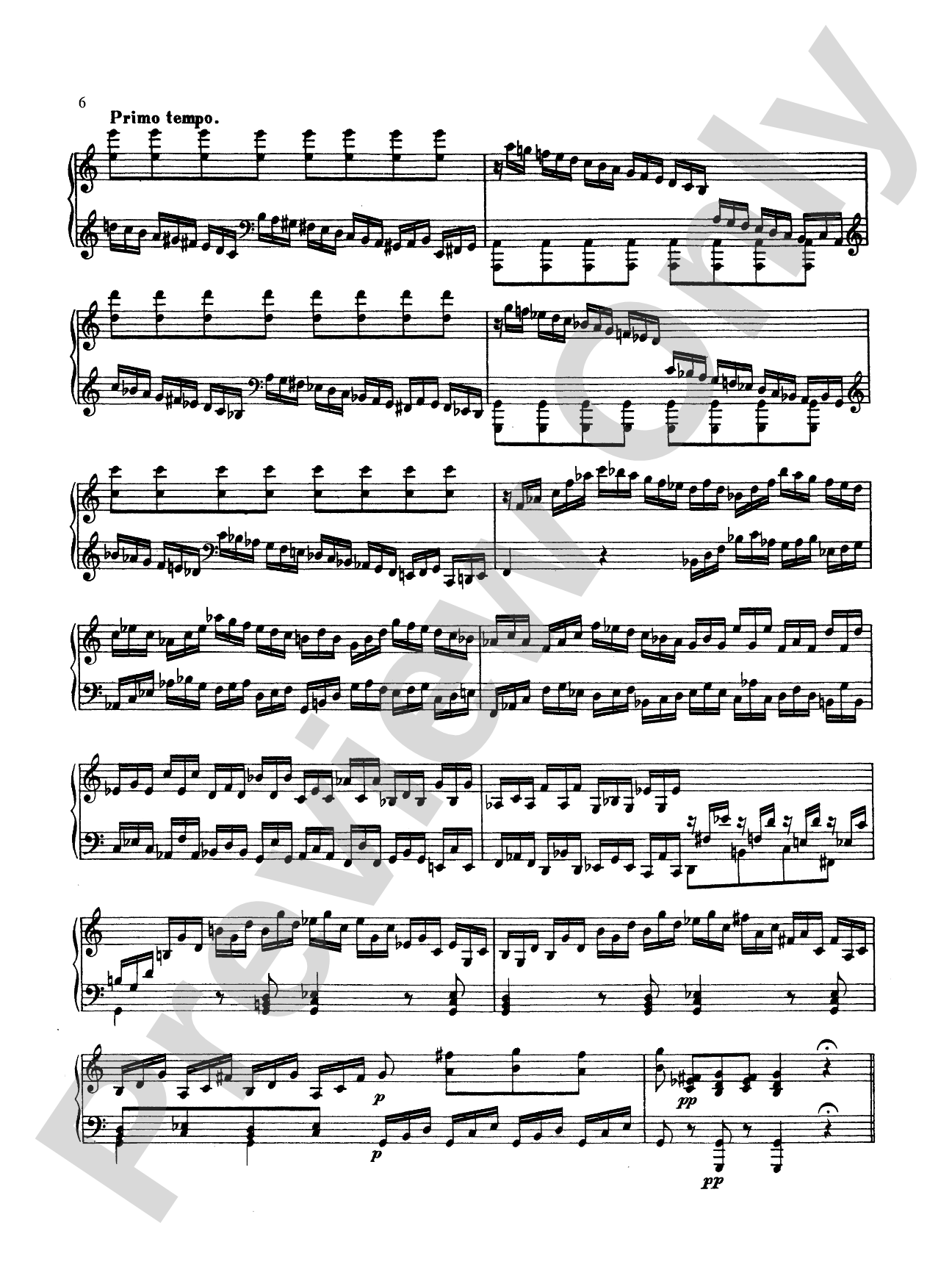
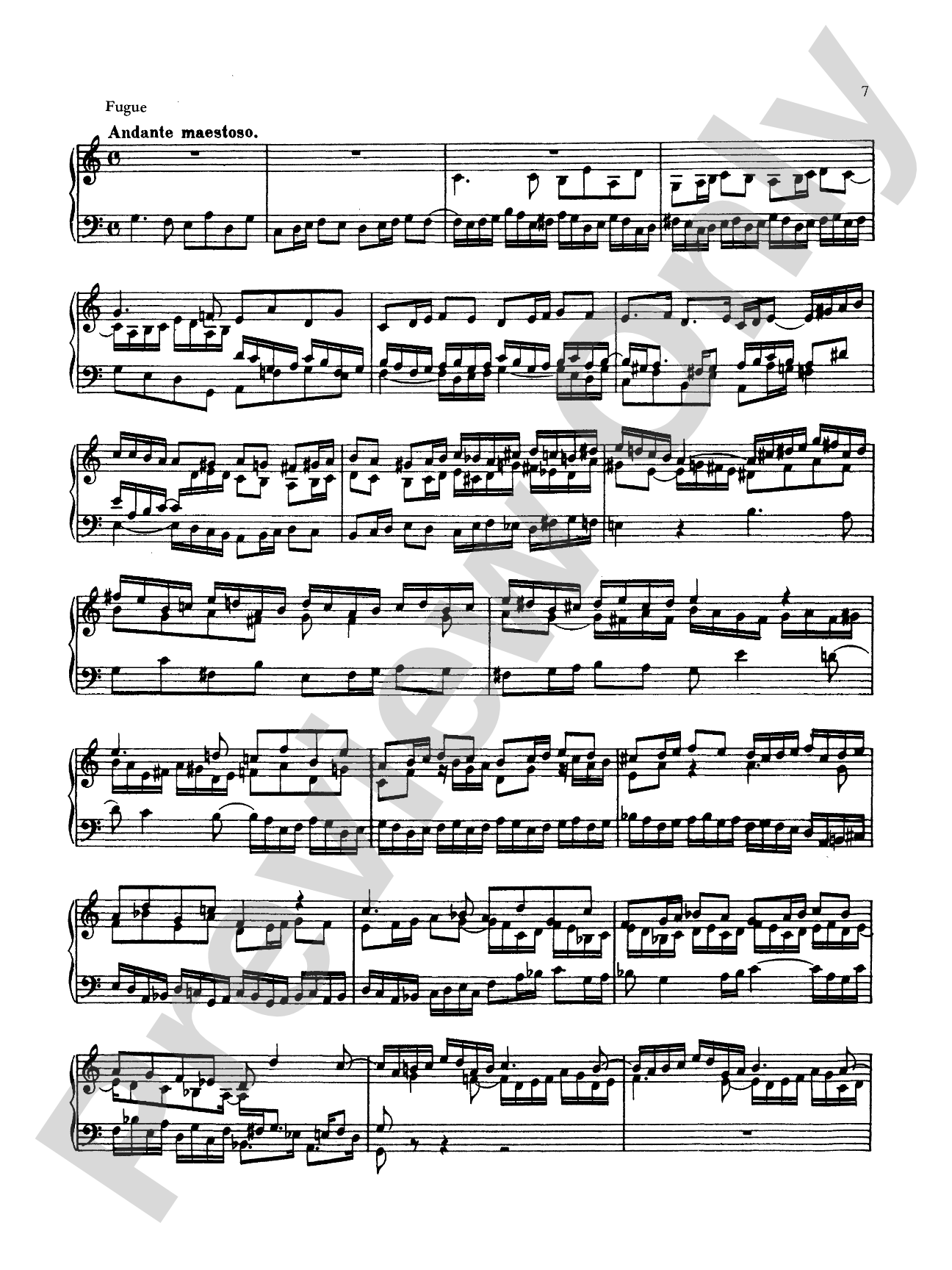
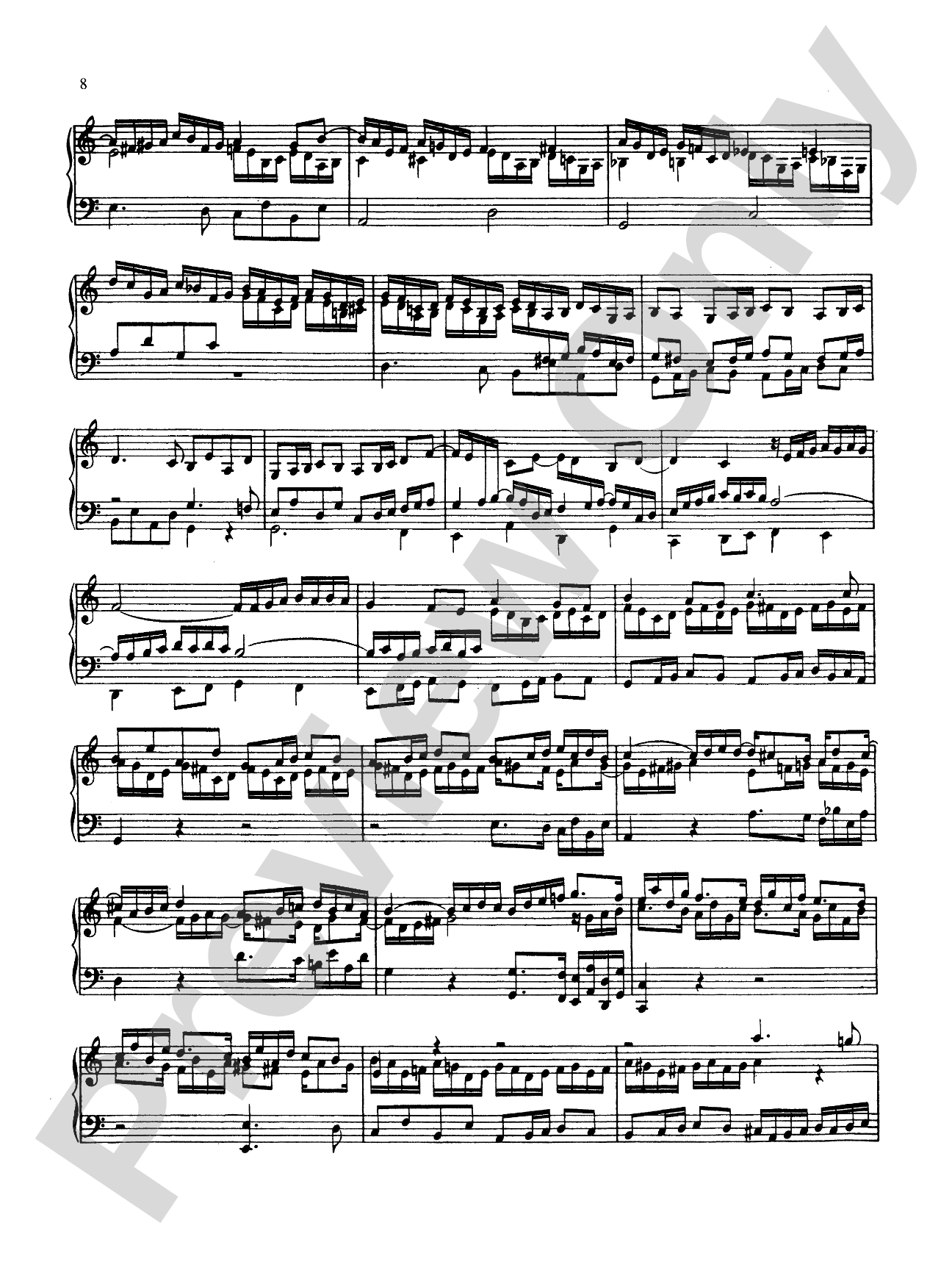
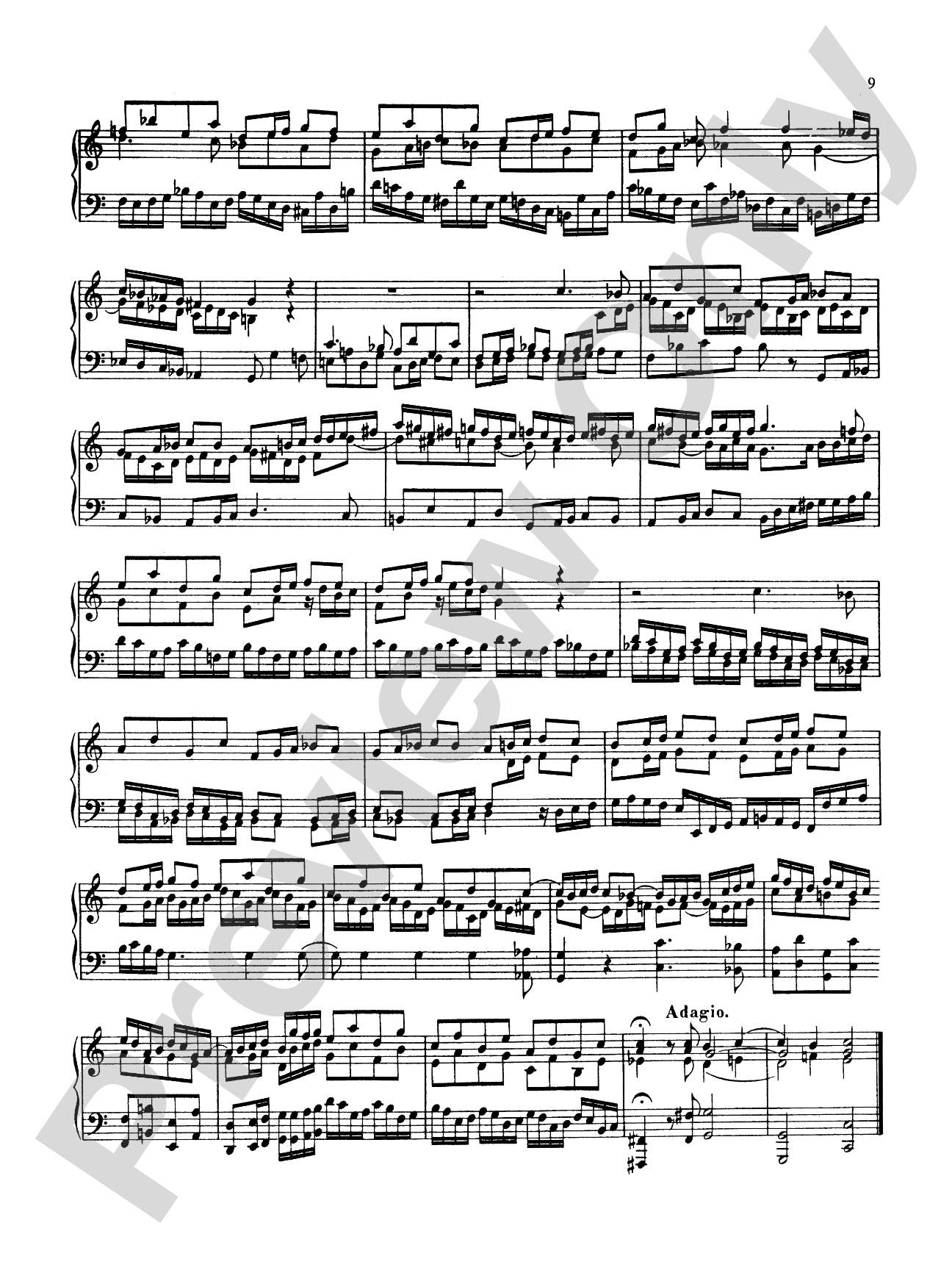

Mozart: Fantasy and Fugue (K. 394), and Fantasies (K. 396 and K. 397) (Urtext): Piano Book
By Wolfgang Amadeus Mozart
Item: 00-PK-0003235

$8.99
Pickup currently not available
Buy Extra Parts (Digital PDF Download)
Parts Added to Cart!
Related Items
Fantasy and Fugue, K. 394 and Fantasies, K. 396 and 397 (Urtext): Piano Book |
$8.95
|
View |
Description
A collection of piano solos composed by Wolfgang Amadeus Mozart.


Don't just read it, hear it, play along with it, and watch your students grow with it. In MakeMusic Cloud, Mozart: Fantasy and Fugue (K. 394), and Fantasies (K. 396 and K. 397) (Urtext): Piano Book comes alive with professional accompaniment, adjustable tempo, and built-in practice tools that turn solo practice into real progress.
Open in the Player
Jump straight in and assign it today.
Start Your Free Trial
Open this title and explore the full library in minutes.
Sample Audio
No sample audio found.
Sample Video
No sample videos found.
Additional Details
Series:
Kalmus Edition
Publisher:
Alfred Music
Page Count:
20
SKU:
00-PK-0003235
More about this title
About the Composer: Wolfgang Amadeus Mozart
Wolfgang Amadeus Mozart (1756-1791) was an Austrian composer whose prolific output across every major genre established foundational works that still define classical music. His keyboard works span from early training pieces to late virtuosic fantasias that pushed the expressive and technical boundaries of the piano. These three works represent Mozart at his most introspective, blending strict counterpoint with improvisatory freedom in ways that influenced composers for generations.
Why we love this
This collection captures Mozart's sophisticated approach to keyboard writing without the familiar concerto territory. The Fantasy and Fugue K. 394 and its companion fantasias demand interpretive maturity from pianists while remaining entirely idiomatic to the instrument, making them ideal repertoire for advancing students ready to engage with real musical architecture rather than display.
What to expect
These works shimmer with emotional restraint and intellectual rigor. The fantasias unfold like conversations between Mozart's improvisatory instincts and his mastery of form, moving through moments of tender introspection and virtuosic passage work without ever losing compositional control. The fugal movement anchors the collection with architectural weight.
Who it's for
Advanced pianists seeking substantial classical repertoire beyond concertos and sonatas. Students preparing for competitions, recitals, or conservatory auditions who need works that demonstrate both technical security and interpretive sophistication.
How to get the most out of it
- Balance the contrapuntal lines in the Fugue with clarity of voice leading rather than attempting to separate them through dynamic extremes; Mozart's textures reward subtle tonal differentiation.
- Treat each fantasy's improvisatory passages as governed by underlying harmonic logic, not as license for arbitrary tempo fluctuation; structure the rubato around phrase cadences.
- Consider the orchestral origins of some figurations and avoid overpedaling passages that would blur the articulation Mozart specified through note choice.
- Study the relationship between the fantasy sections and their formal anchors; understanding the architecture makes the emotional arcs land more effectively for listeners.
How to use it
Program these works in a recital context where they can frame other classical material or stand alone as a sophisticated solo set. K. 394 works particularly well as a thoughtful centerpiece or closing piece that showcases interpretive depth without theatrical display. These pieces reward an audience ready to listen actively.
Skills your students will build
- Voice leading and contrapuntal clarity in fugal writing
- Structural analysis of fantasy forms that blend improvisation with harmonic architecture
- Pedal control and tonal differentiation in texturally complex passages
- Interpretive choices within Classical style parameters
- Technical facility across octaves and hand position shifts