
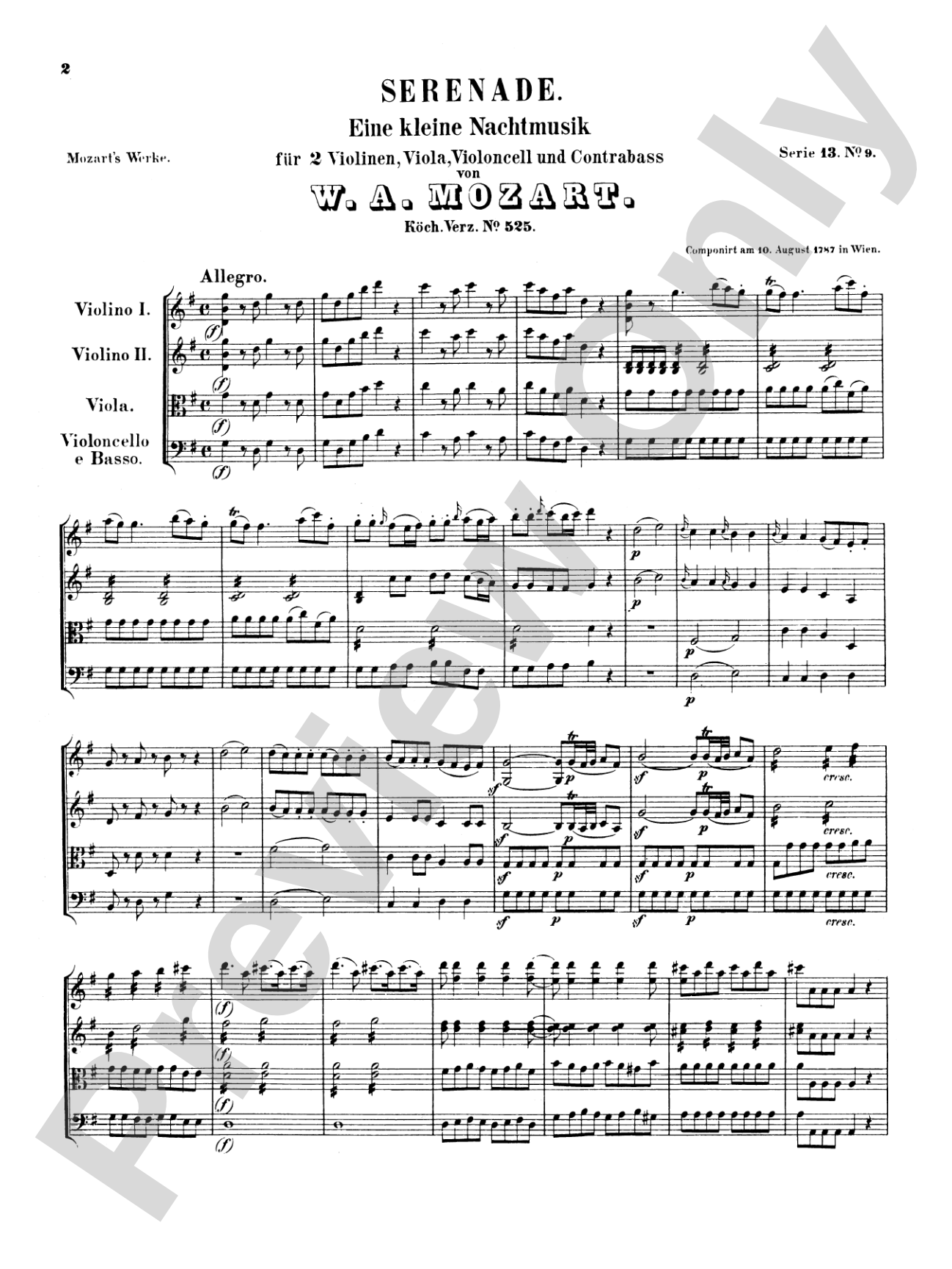
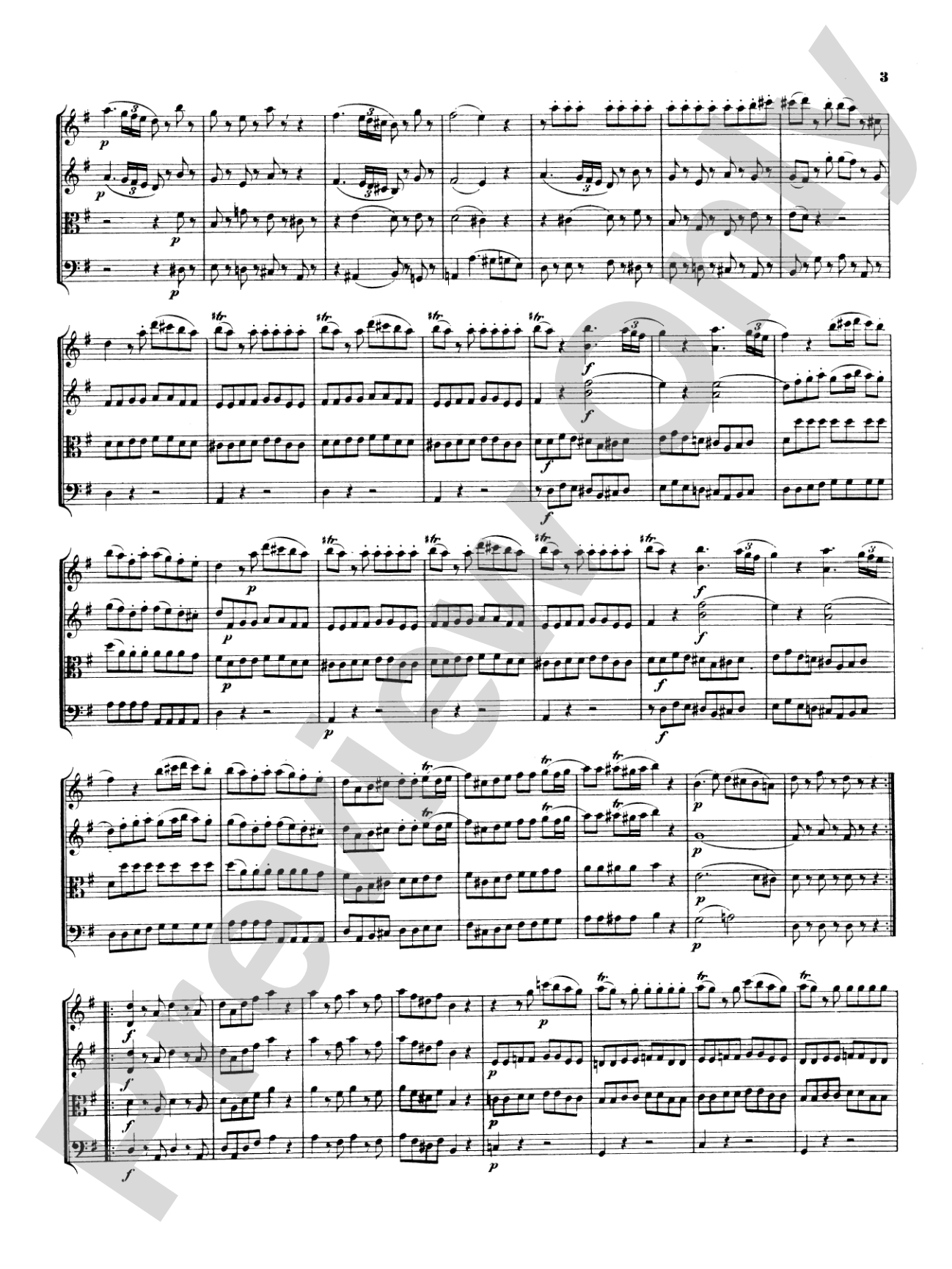
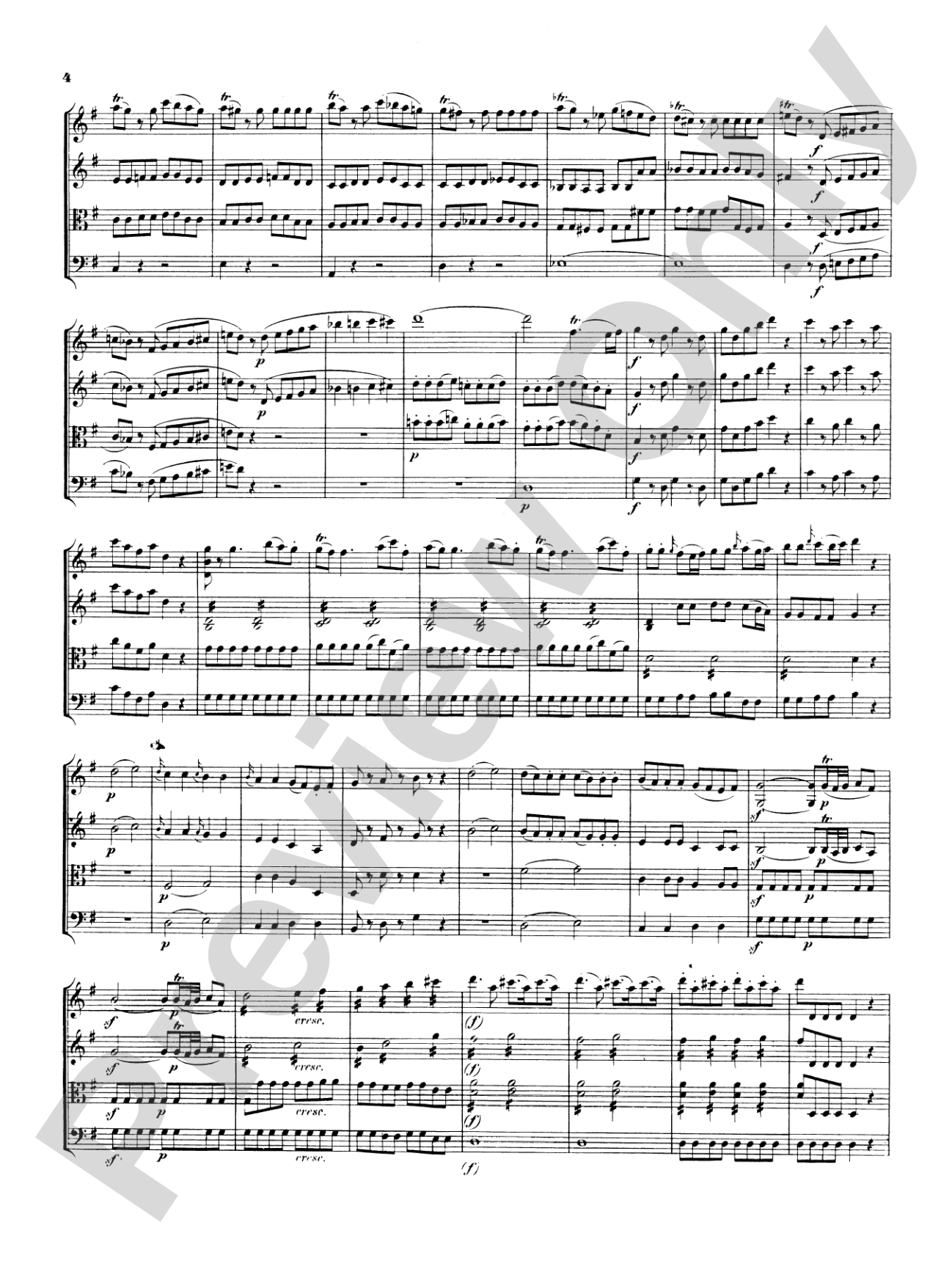
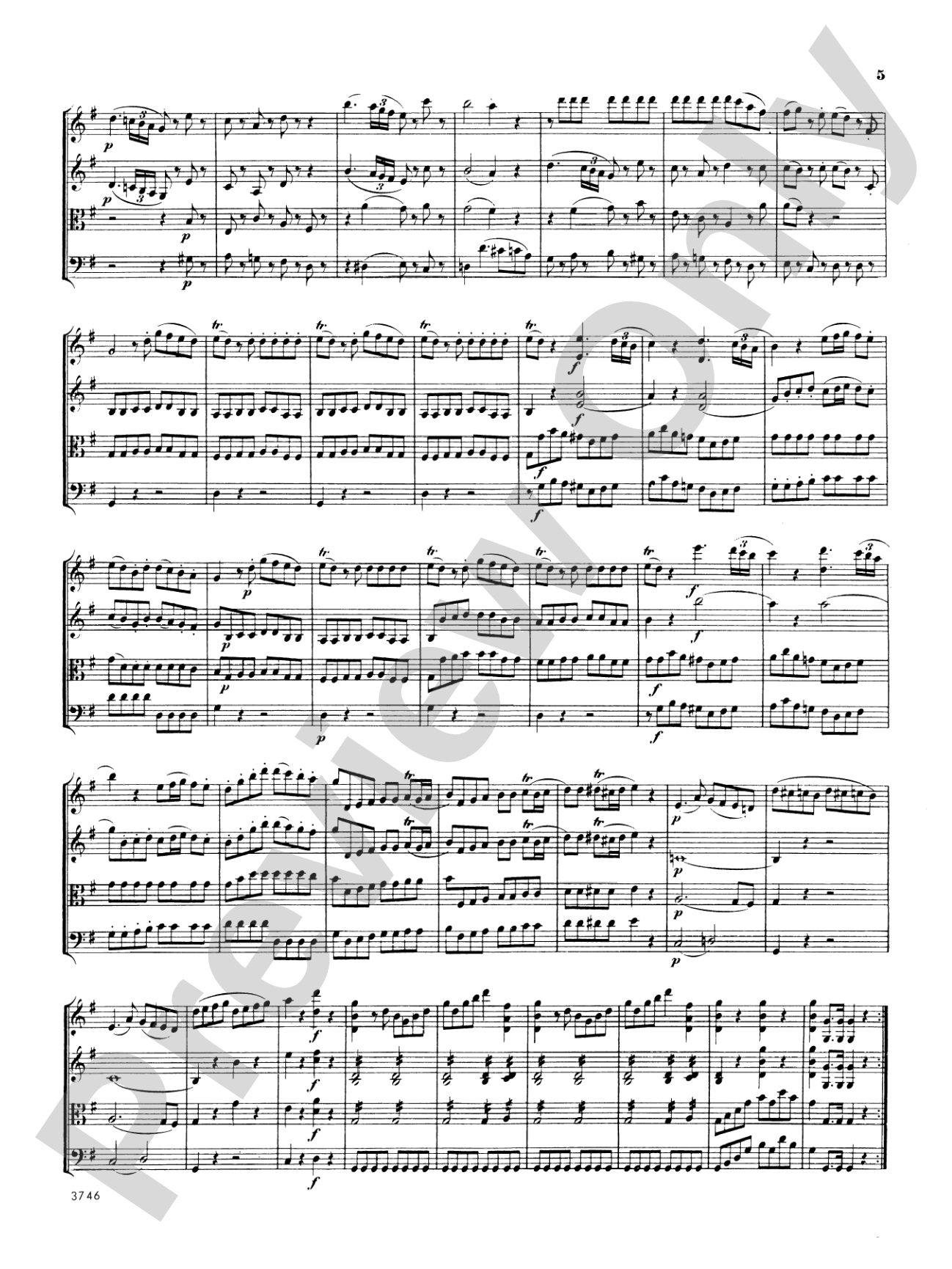
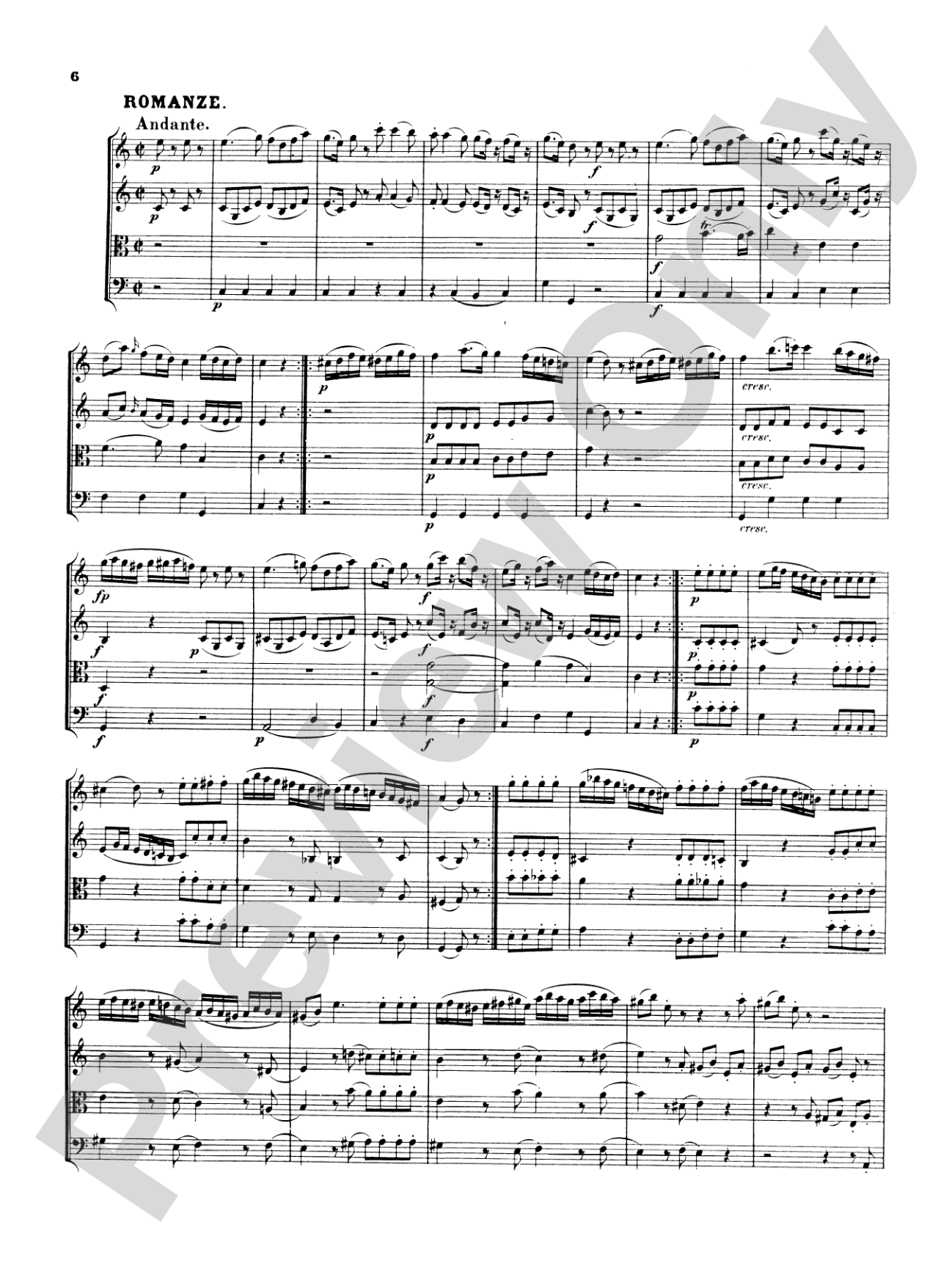
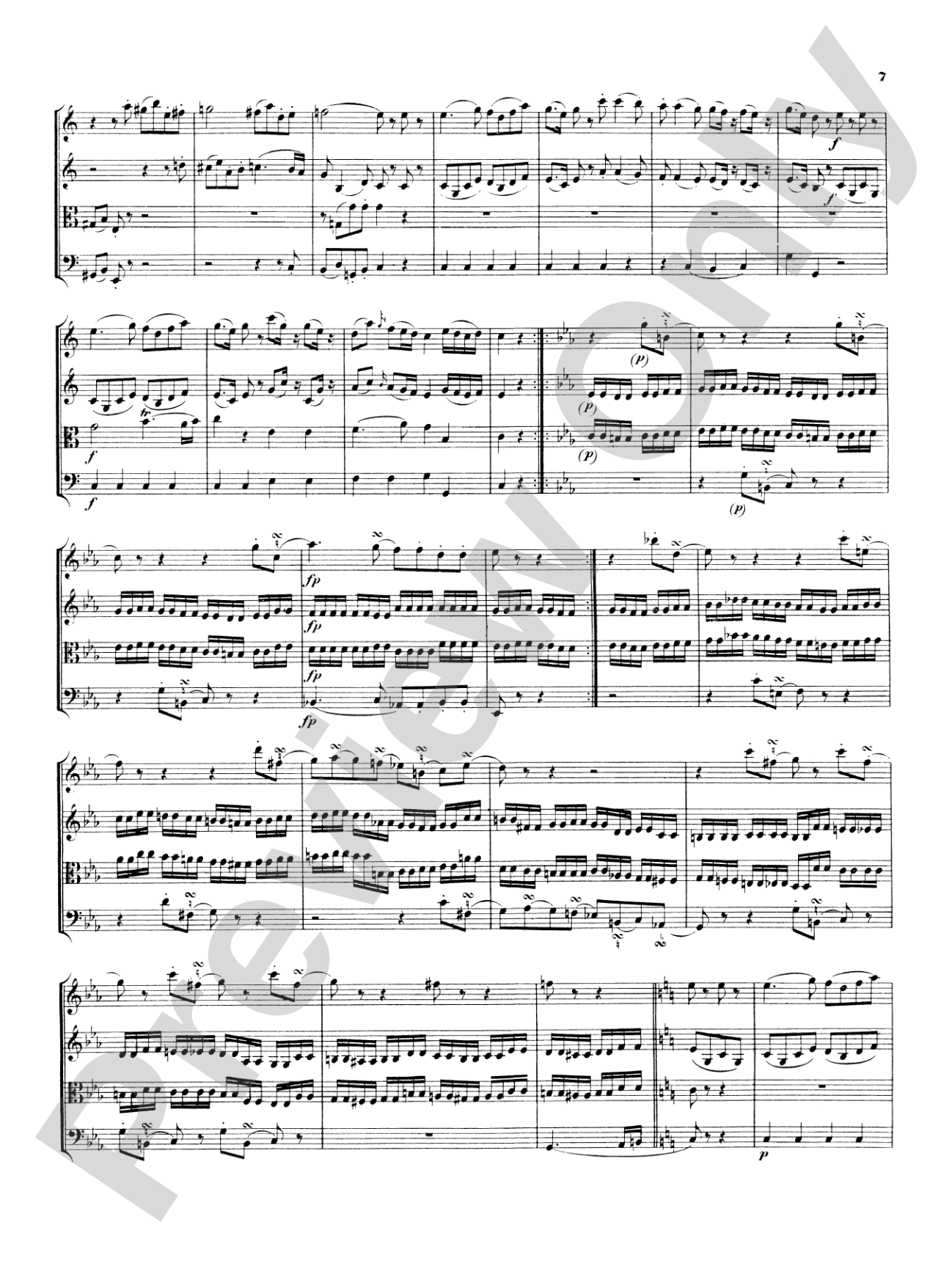
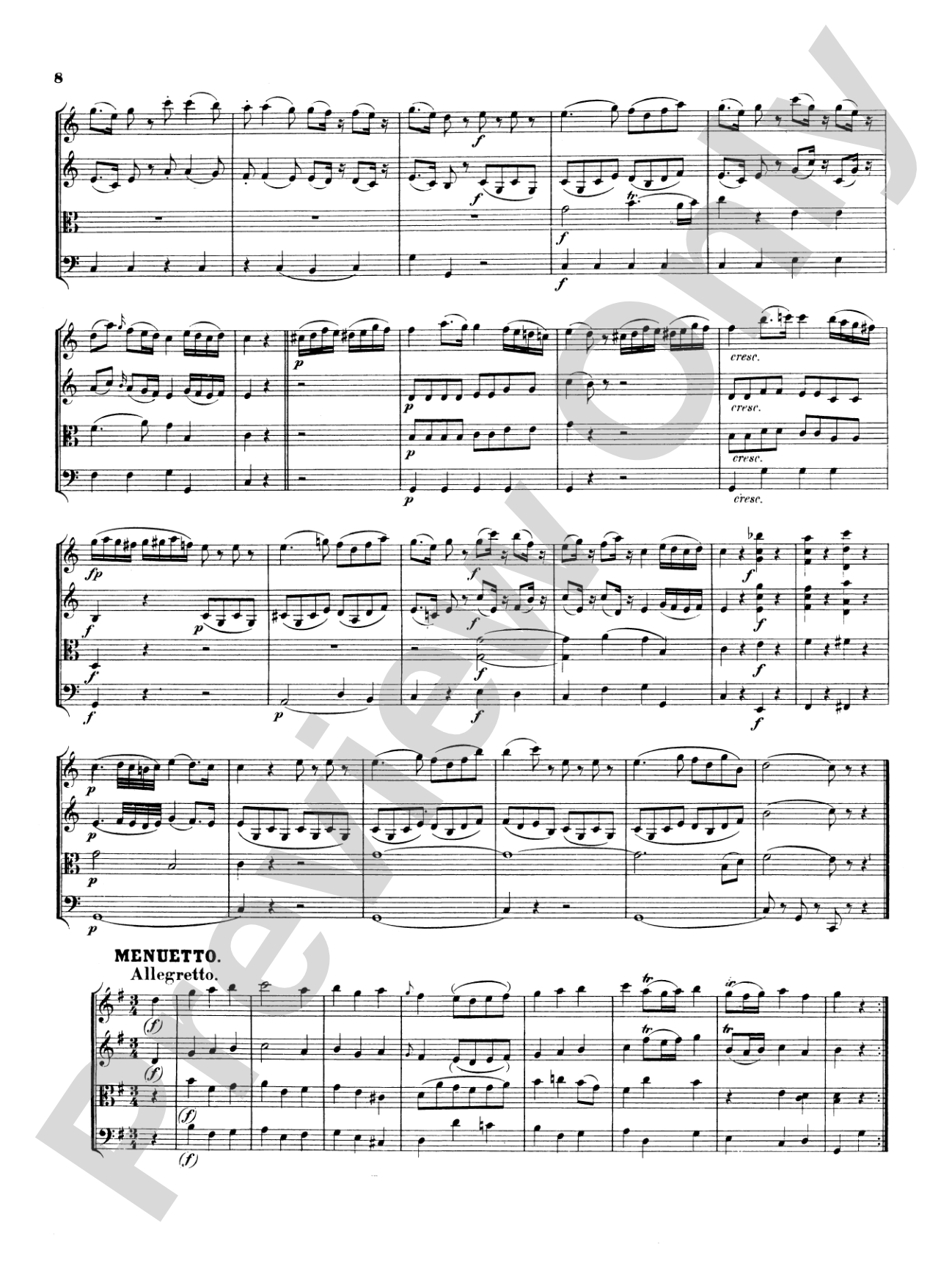
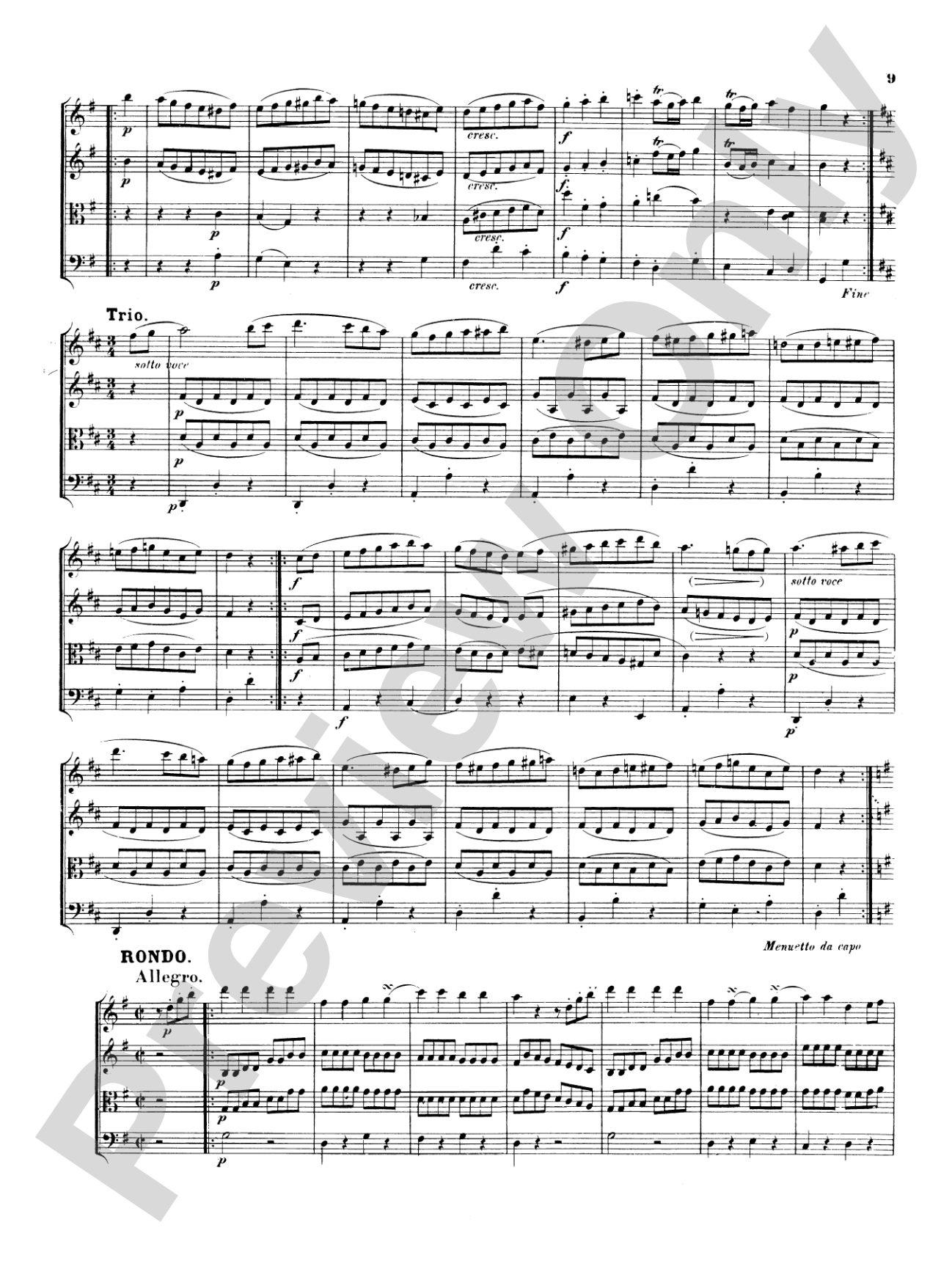
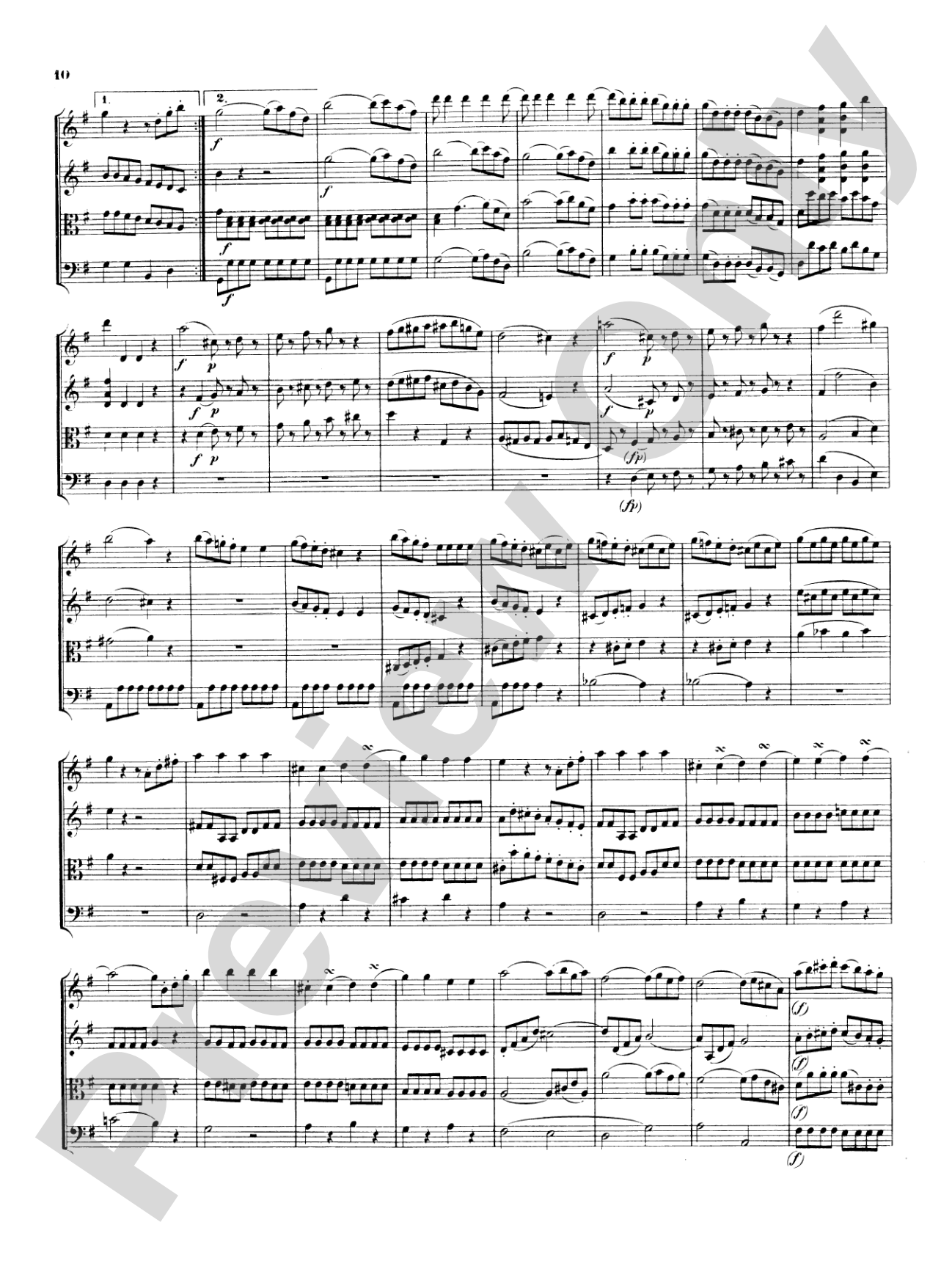
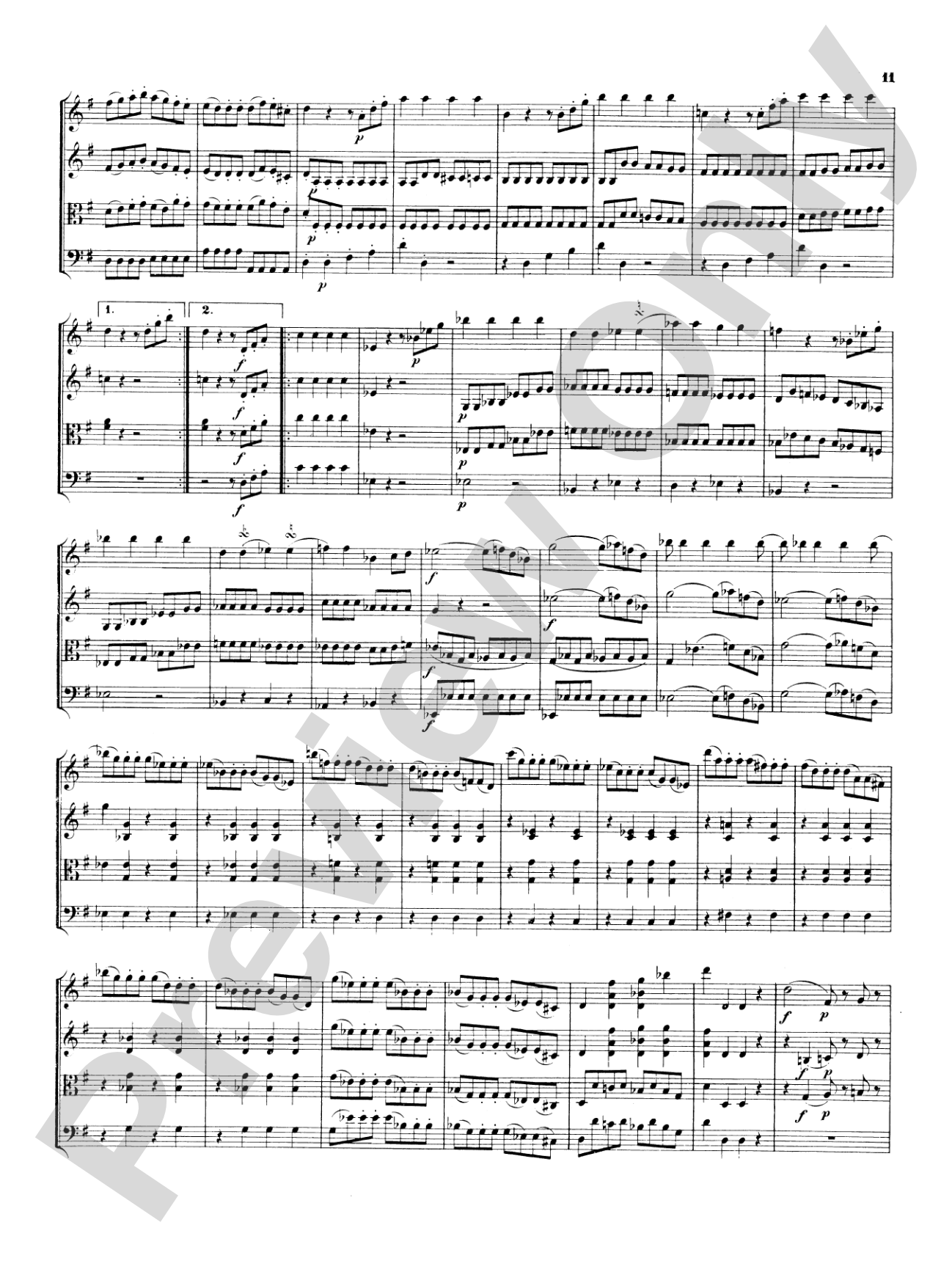
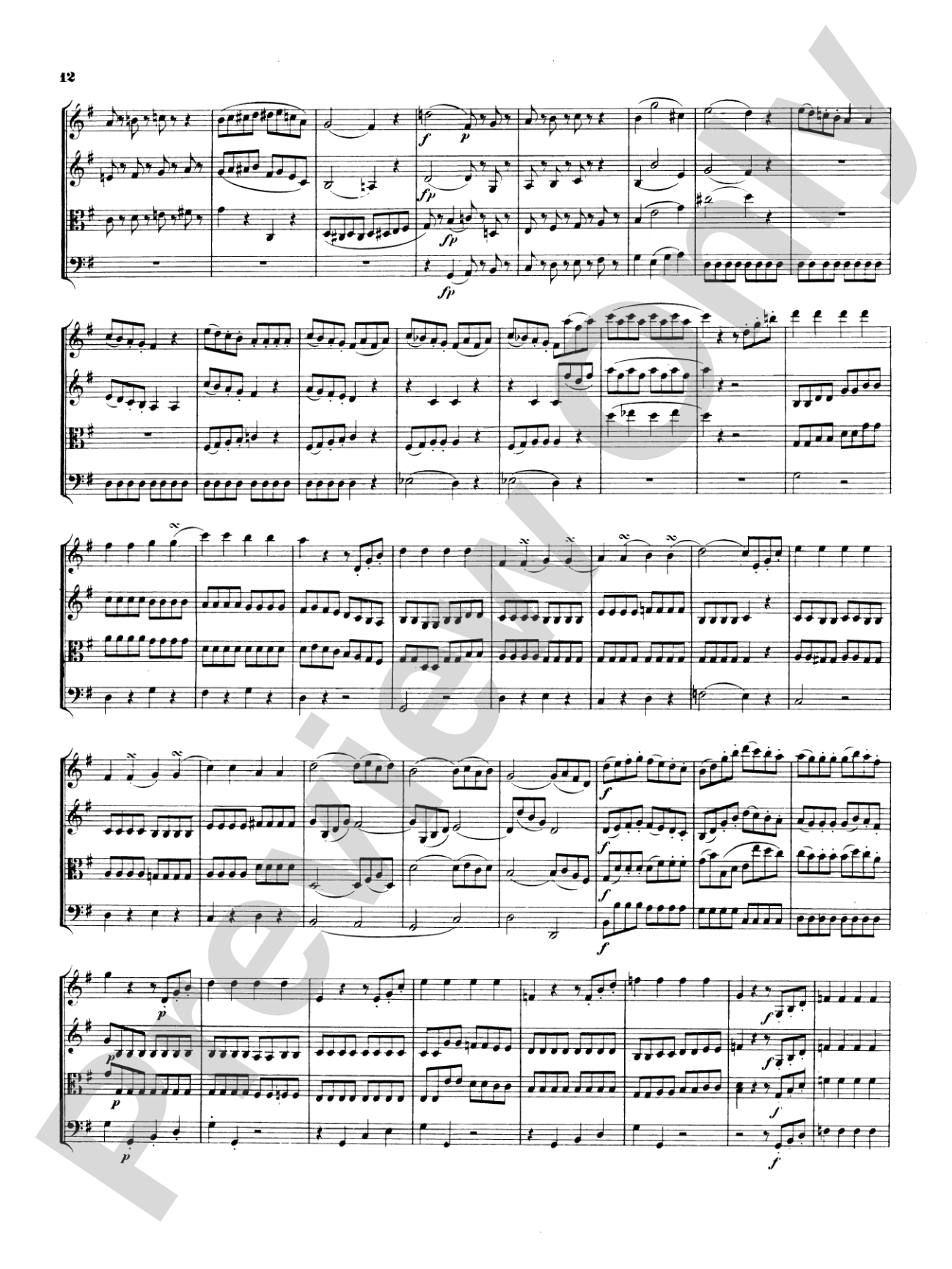
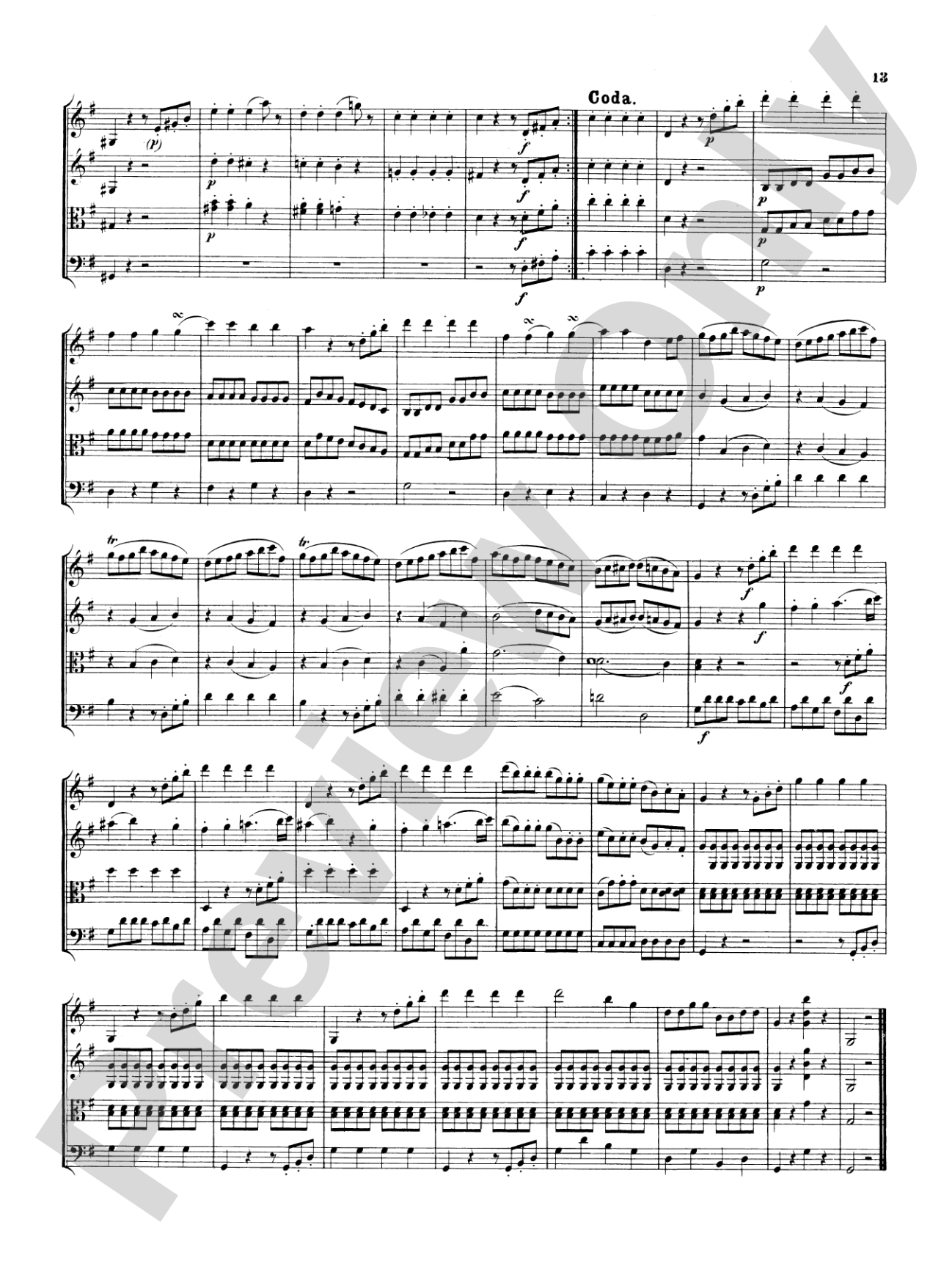




Mozart: Eine Kleine Nachtmusik, K. 525: String Quintet Book
By Wolfgang Amadeus Mozart
Item: 00-PK-0003264

$15.99
Pickup currently not available
Buy Extra Parts (Digital PDF Download)
| Product | Price | Quantity |
|---|---|---|
| Mozart: Eine Kleine Nachtmusik, K. 525 | $14.99 |
Parts Added to Cart!
Related Items
Eine Kleine Nachtmusik, K. 525: String Quintet Book |
$15.95
|
View |
Description
For two violins, viola, cello, and bass.


Don't just read it, hear it, play along with it, and watch your students grow with it. In MakeMusic Cloud, Mozart: Eine Kleine Nachtmusik, K. 525: String Quintet Book comes alive with professional accompaniment, adjustable tempo, and built-in practice tools that turn solo practice into real progress.
Open in the Player
Jump straight in and assign it today.
Start Your Free Trial
Open this title and explore the full library in minutes.
Sample Audio
No sample audio found.
Sample Video
No sample videos found.
Additional Details
Series:
Kalmus Edition
Publisher:
Alfred Music
Page Count:
54
SKU:
00-PK-0003264
More about this title
About the Composer: Wolfgang Amadeus Mozart
Wolfgang Amadeus Mozart (1756–1791) composed Eine Kleine Nachtmusik in Vienna during the summer of 1787, a period of remarkable productivity that also saw the completion of Don Giovanni. The work exemplifies his mastery of form, harmonic sophistication, and instrumental writing. Though Mozart died at 35, he left behind more than 600 compositions that remain central to the string repertoire and concert programming worldwide.
Why we love this
Eine Kleine Nachtmusik ranks among the most performed chamber works in classical music, and for good reason: its four movements balance structural clarity with genuine melodic charm and harmonic invention. The writing sits beautifully for string quintet, giving each voice meaningful material while maintaining the elegance that makes Mozart an enduring teaching tool. Directors love this piece because it rewards both careful study of phrasing and voicing, and it sounds polished quickly enough to fit realistic rehearsal timelines.
What to expect
The opening theme arrives with effortless grace, moving between warmth and wit across the ensemble. Beneath the charm lies crystalline architecture: phrases nest inside phrases, harmonies turn with elegant logic, and the lower strings anchor everything with quiet assurance. By the minuet and rondo, you feel the confidence of a composer who could write for any combination and make it sound inevitable.
Who it's for
String quartets looking to expand their repertoire with a fifth player will find this quintet arrangement a natural fit. Advanced high school and college ensembles preparing for chamber competitions or recitals gain both a masterwork and a technical standard by learning this score. Private chamber coaching also benefits from the work's clarity of form and pedagogical transparency.
How to get the most out of it
- Attend closely to Mozart's articulation markings, particularly the interplay between slurred phrases and detached notes in the opening theme; these details distinguish authentic Classical style from romantic interpretations.
- Balance the two violin parts carefully in the first movement's exposition so that both lines register clearly without one overwhelming the other.
- Bring out the inner voices (viola and cello) in slower passages; Mozart distributes thematic material throughout the texture rather than reserving it for the top line.
- Shape the minuet's phrases with gentle dynamic shaping rather than rigid meter; the piece asks for elegance, not mechanical precision.
How to use it
This work functions beautifully as a full concert opener or closer, offering serious musical substance without the dramatic weight of Romantic chamber music. It pairs well with contemporary works or other Classical-era pieces in a themed concert exploring Mozart's instrumental writing. Many ensembles also program it for spring recitals, where its elegant accessibility appeals to diverse audiences while demonstrating technical command.
Skills your students will build
- Phrasing and articulation within Classical style conventions
- Balancing multiple equal voices in ensemble texture
- Intonation precision across sustained harmonic progressions
- Part independence while maintaining vertical alignment
- Interpretation of period-appropriate ornamentation and dynamics