
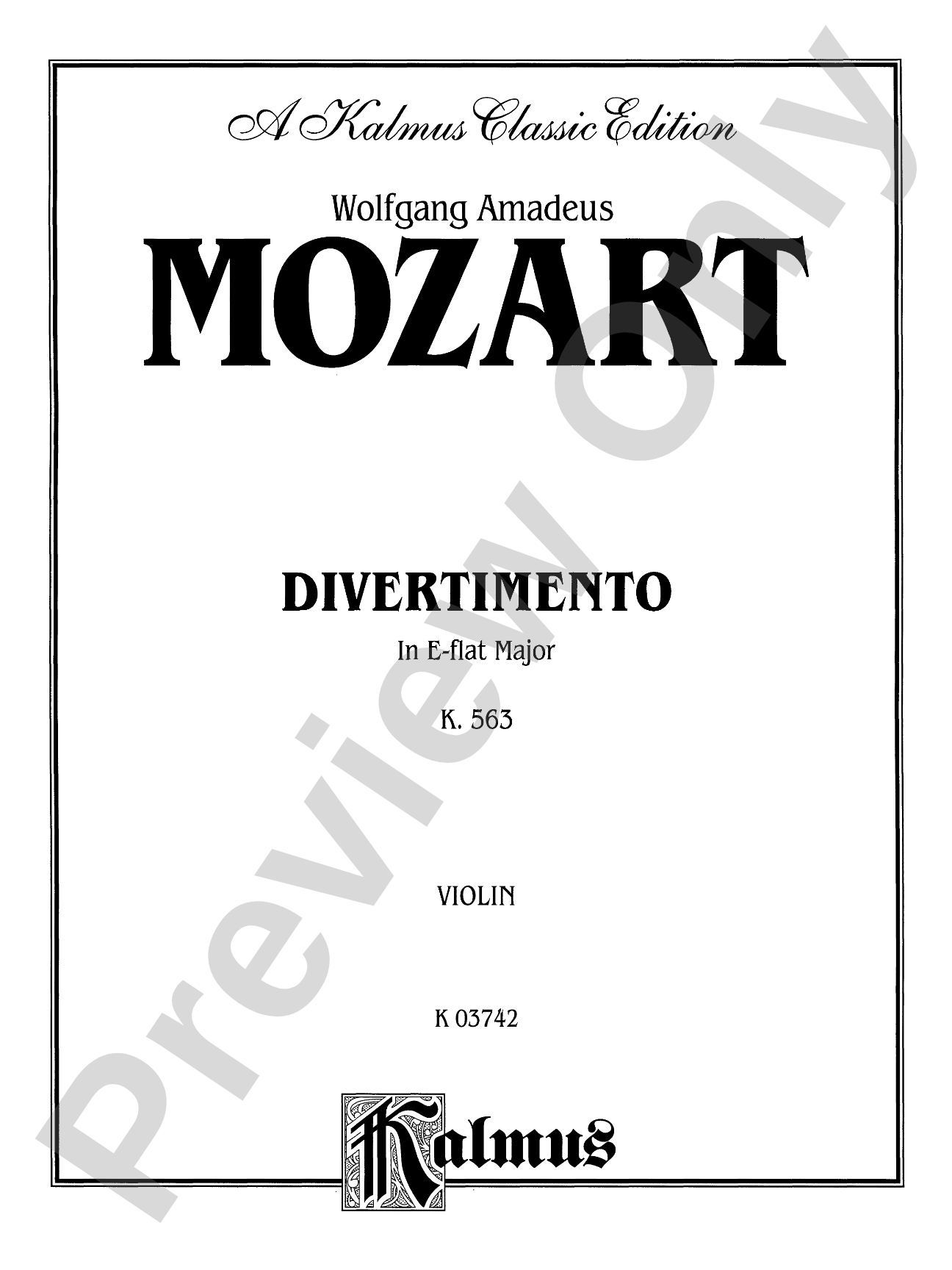

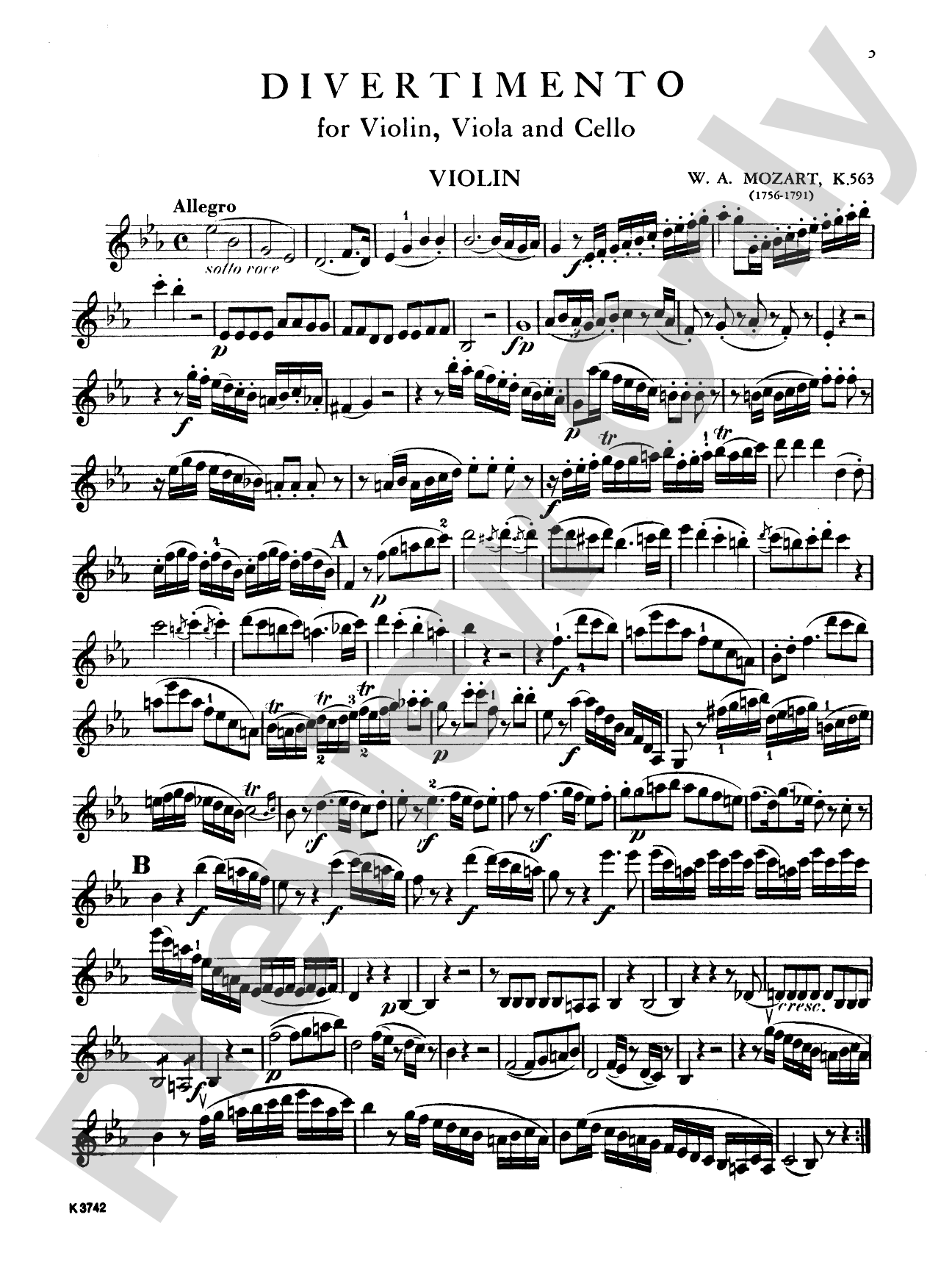
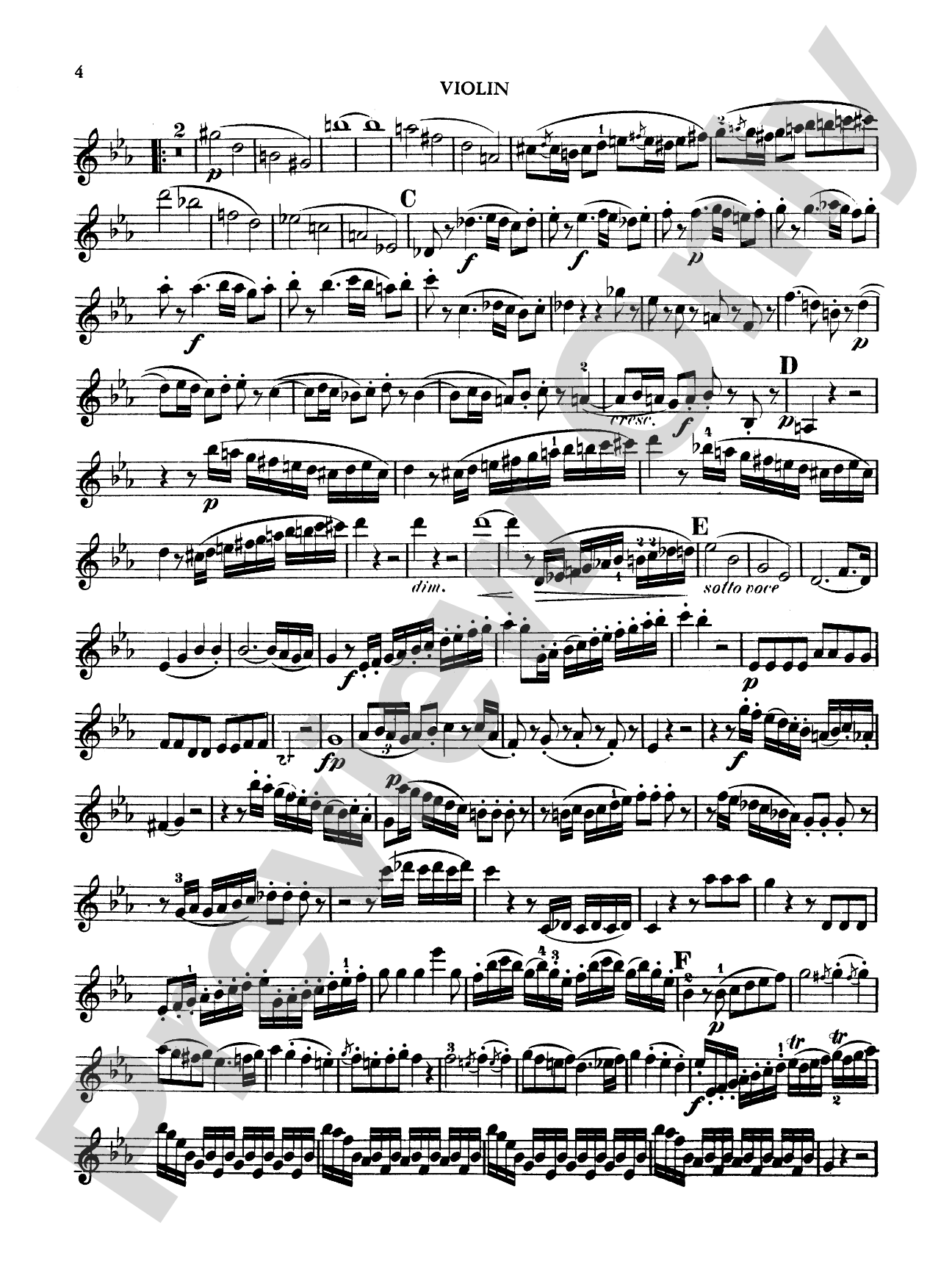
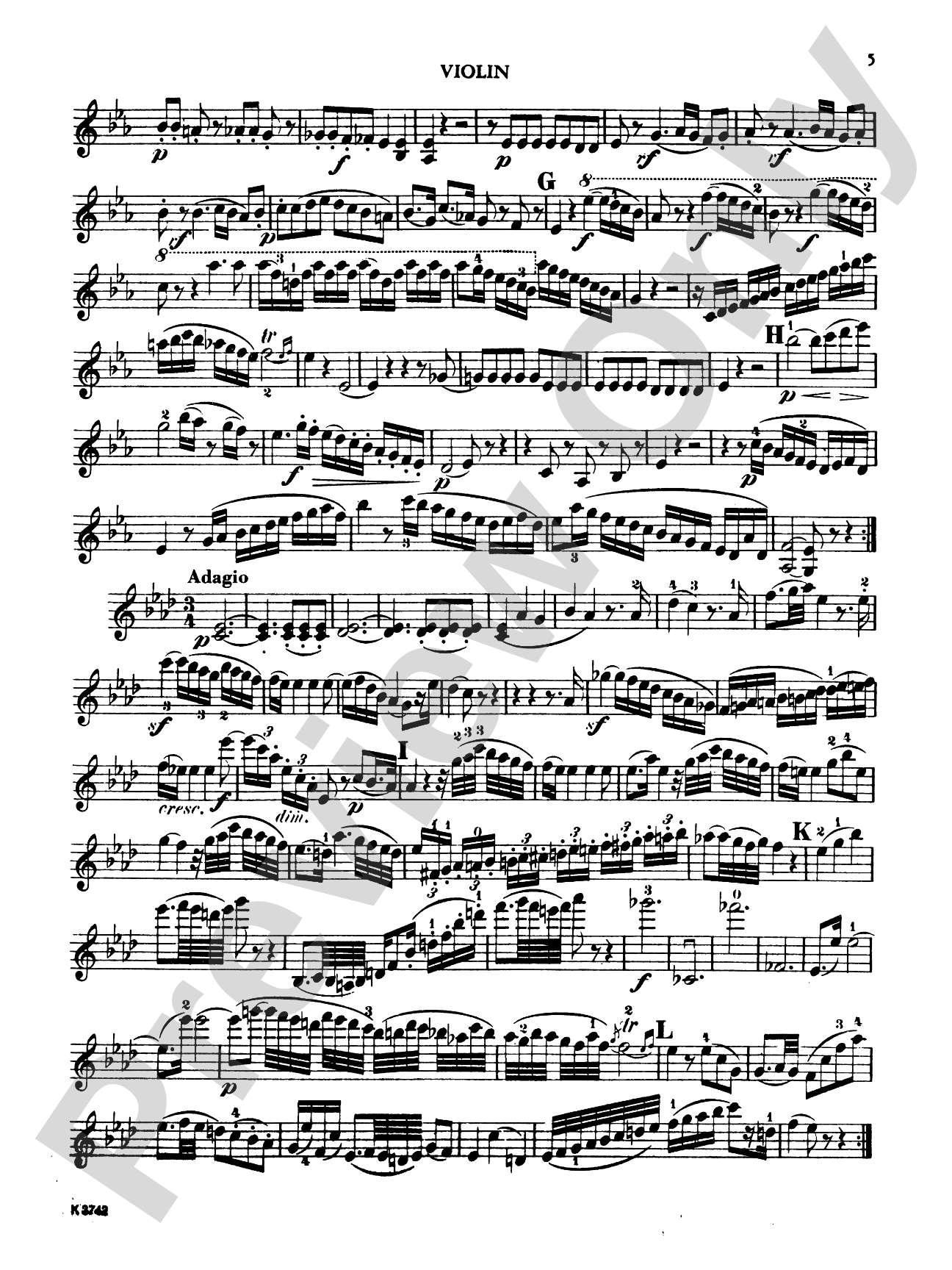
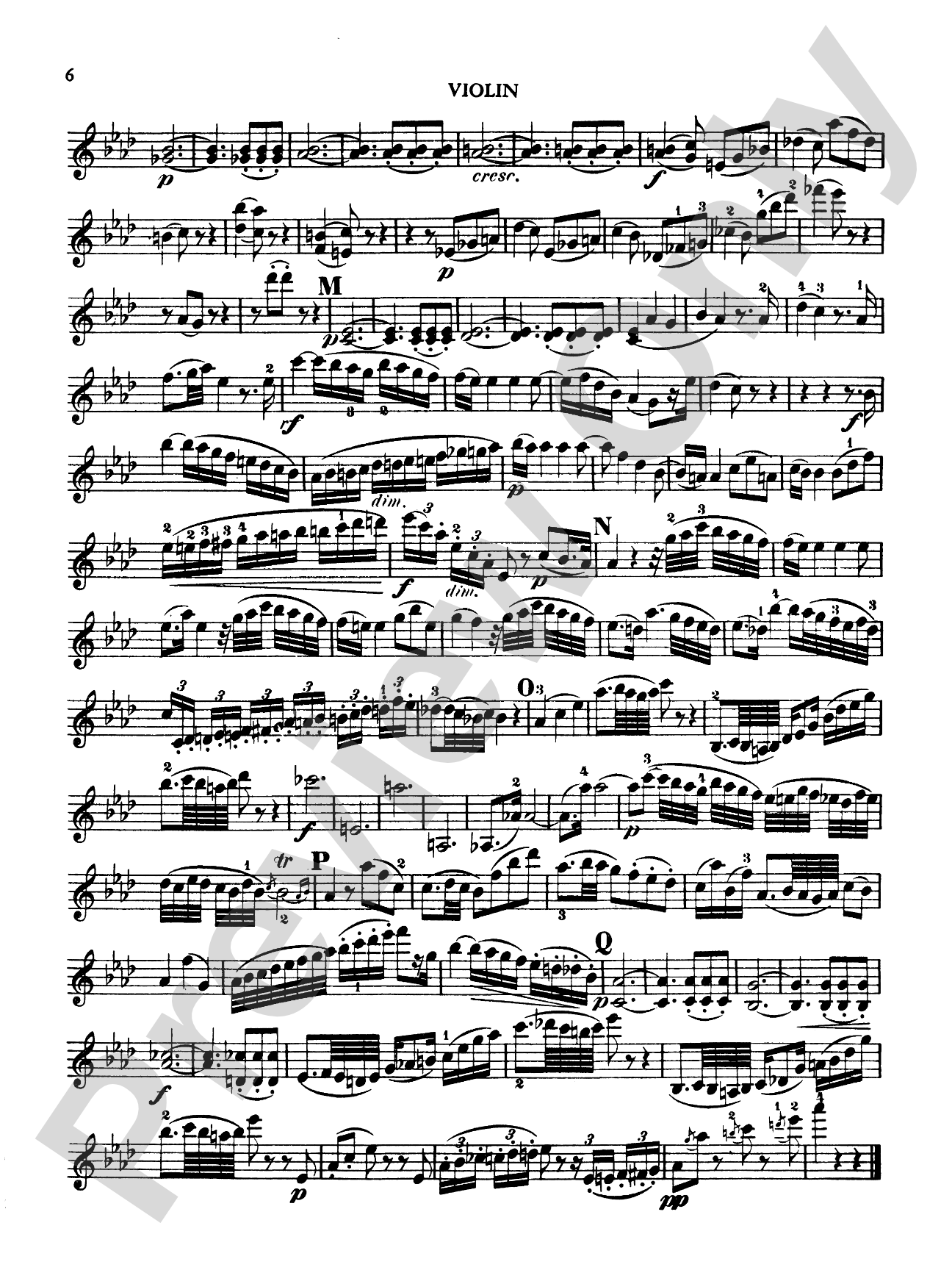
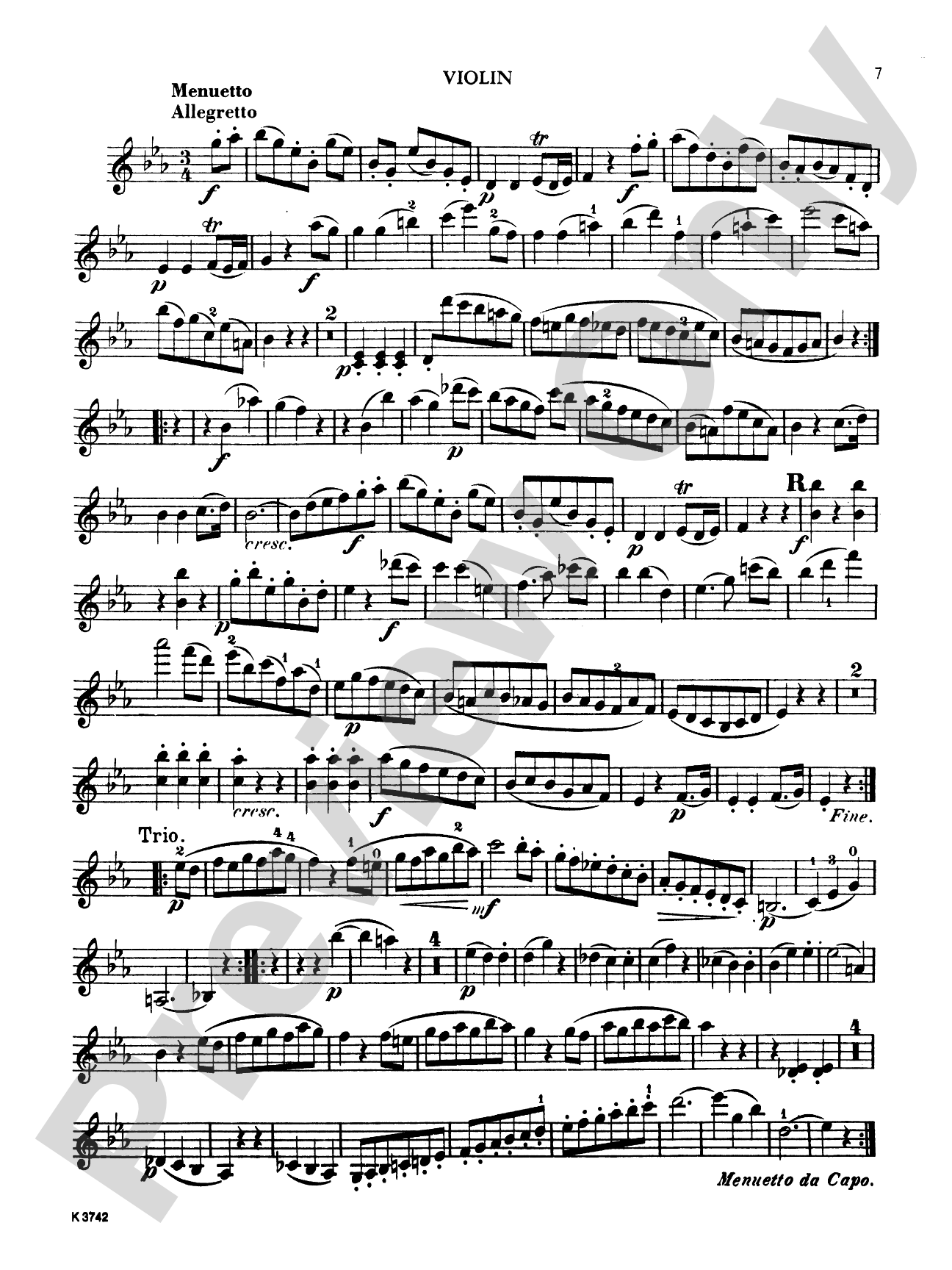
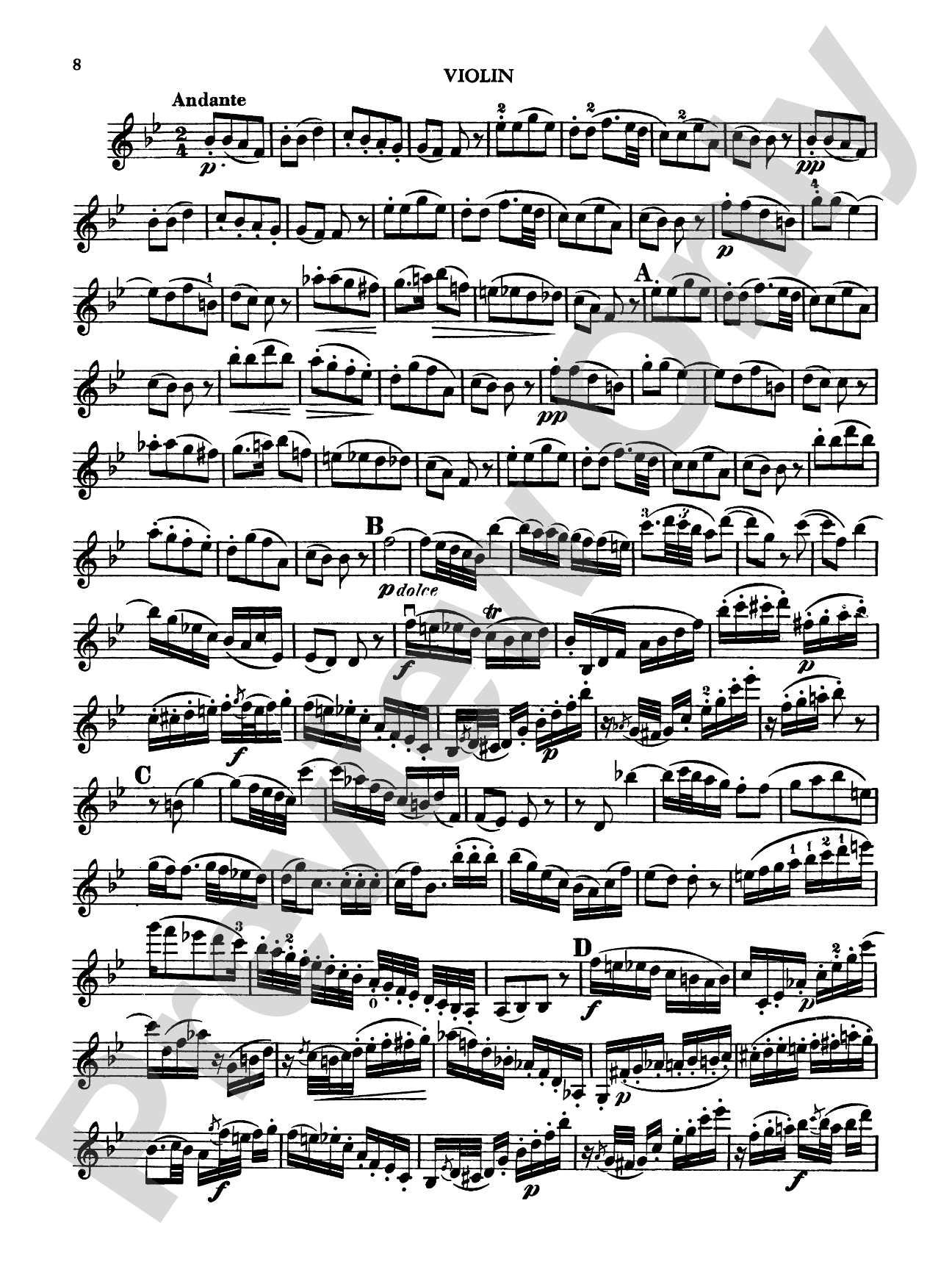
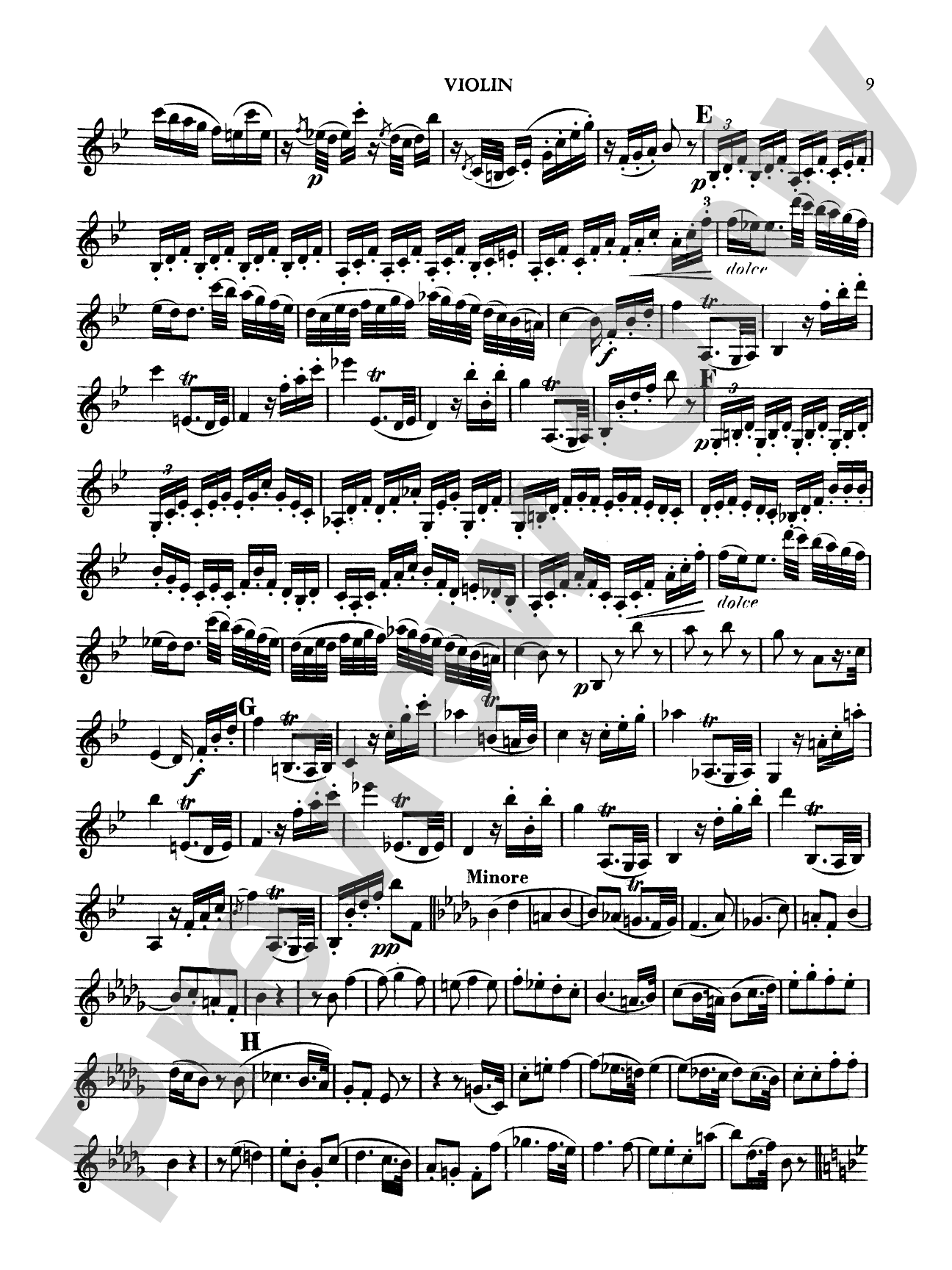
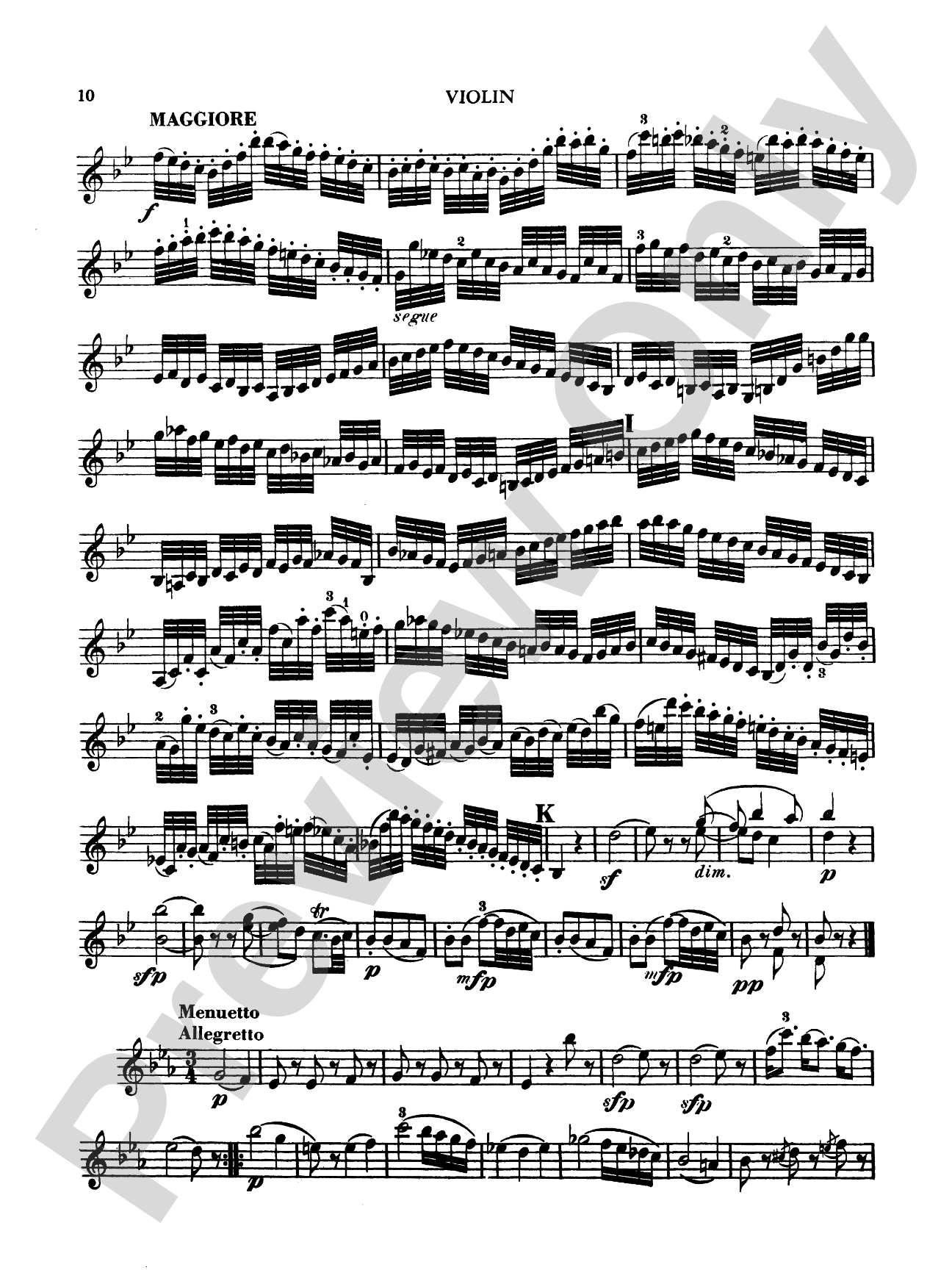
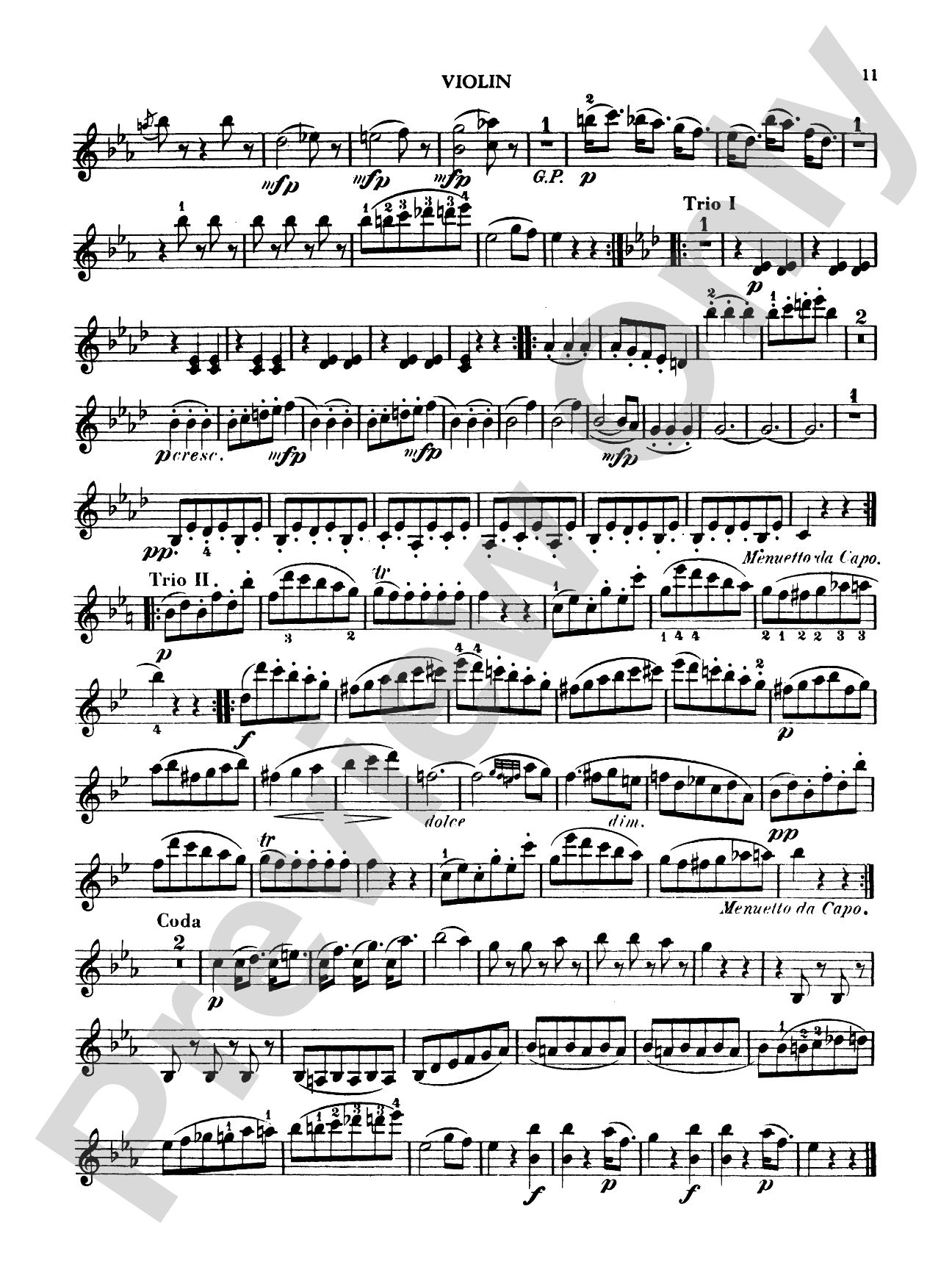
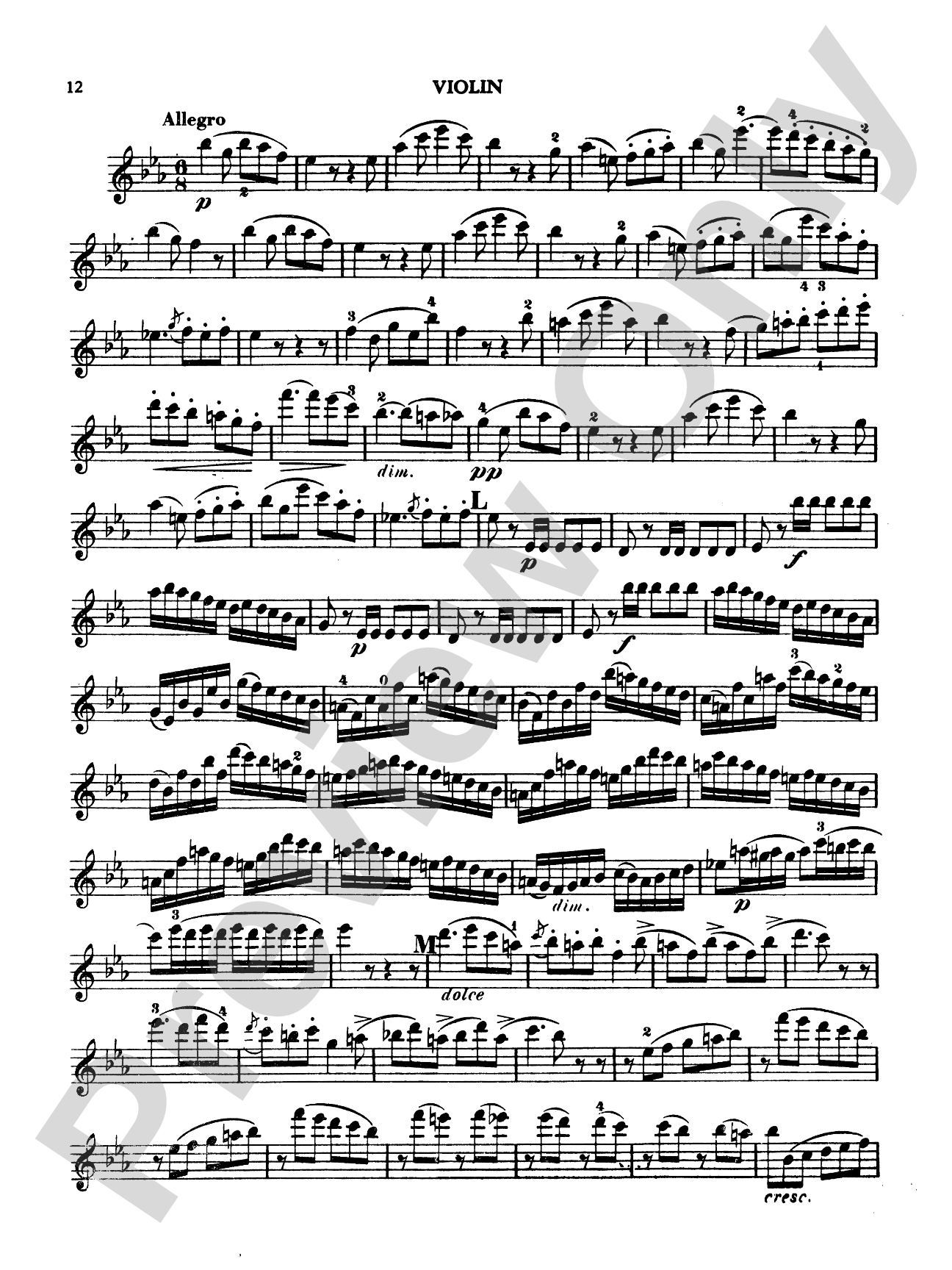
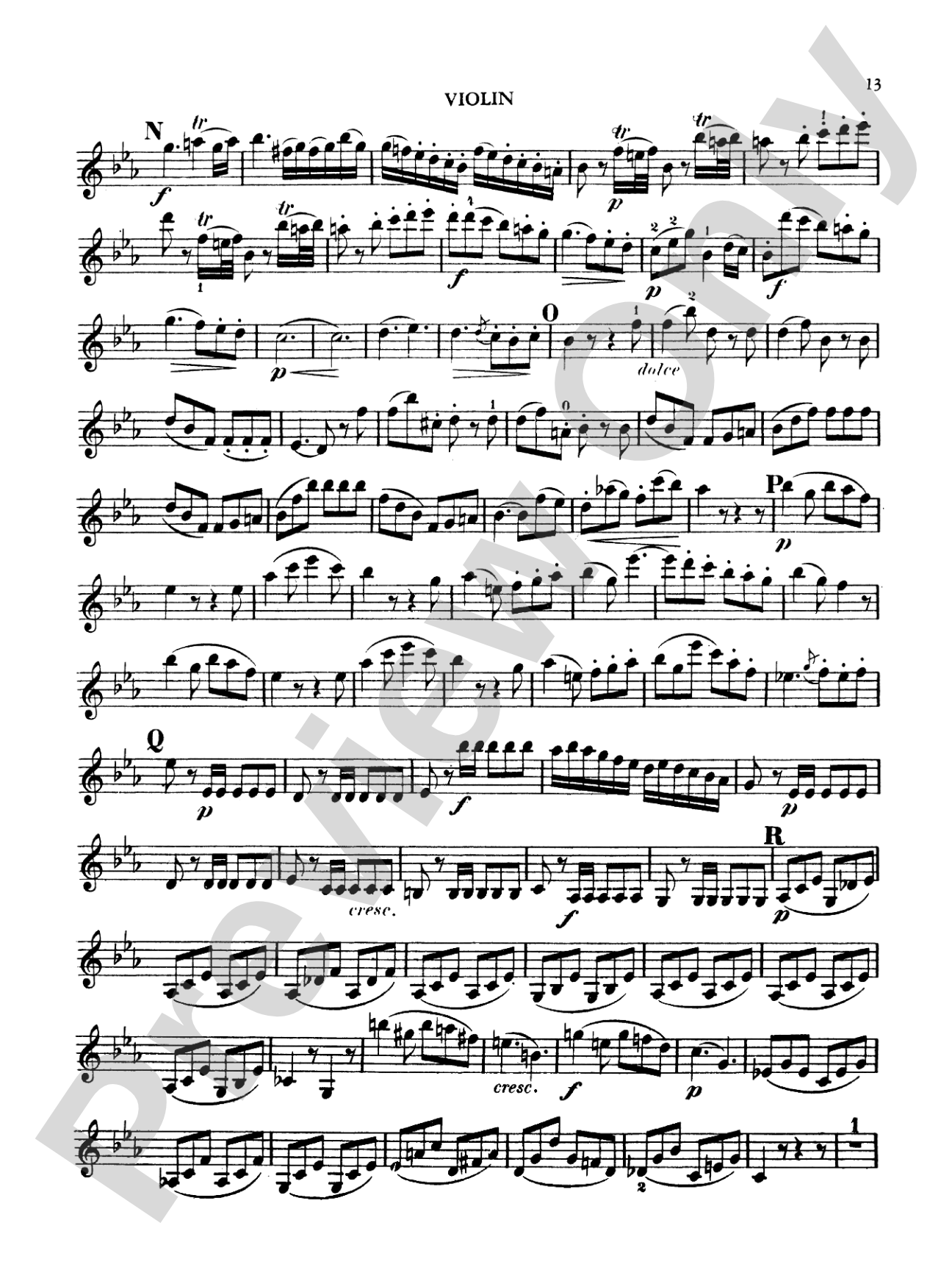
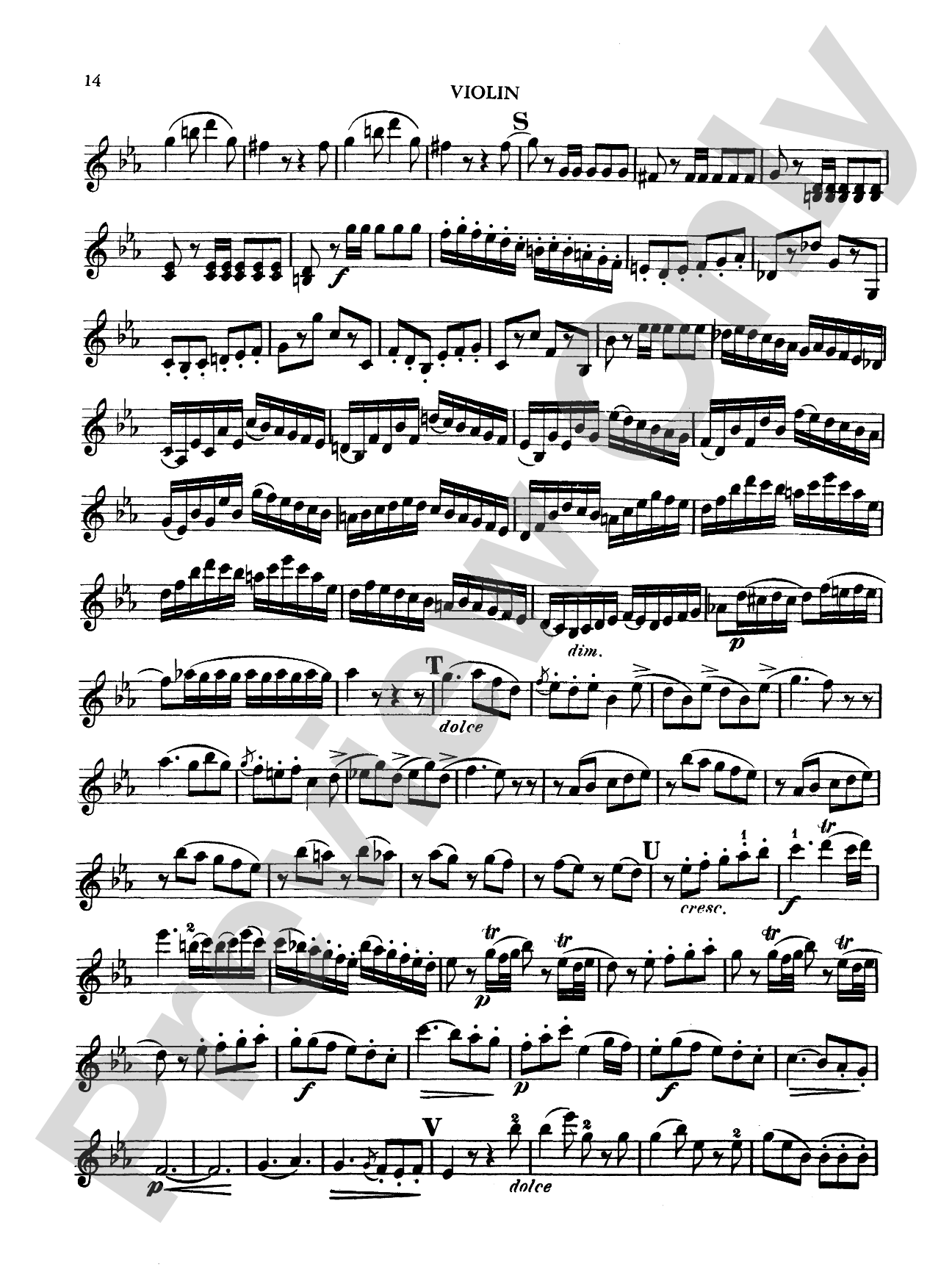
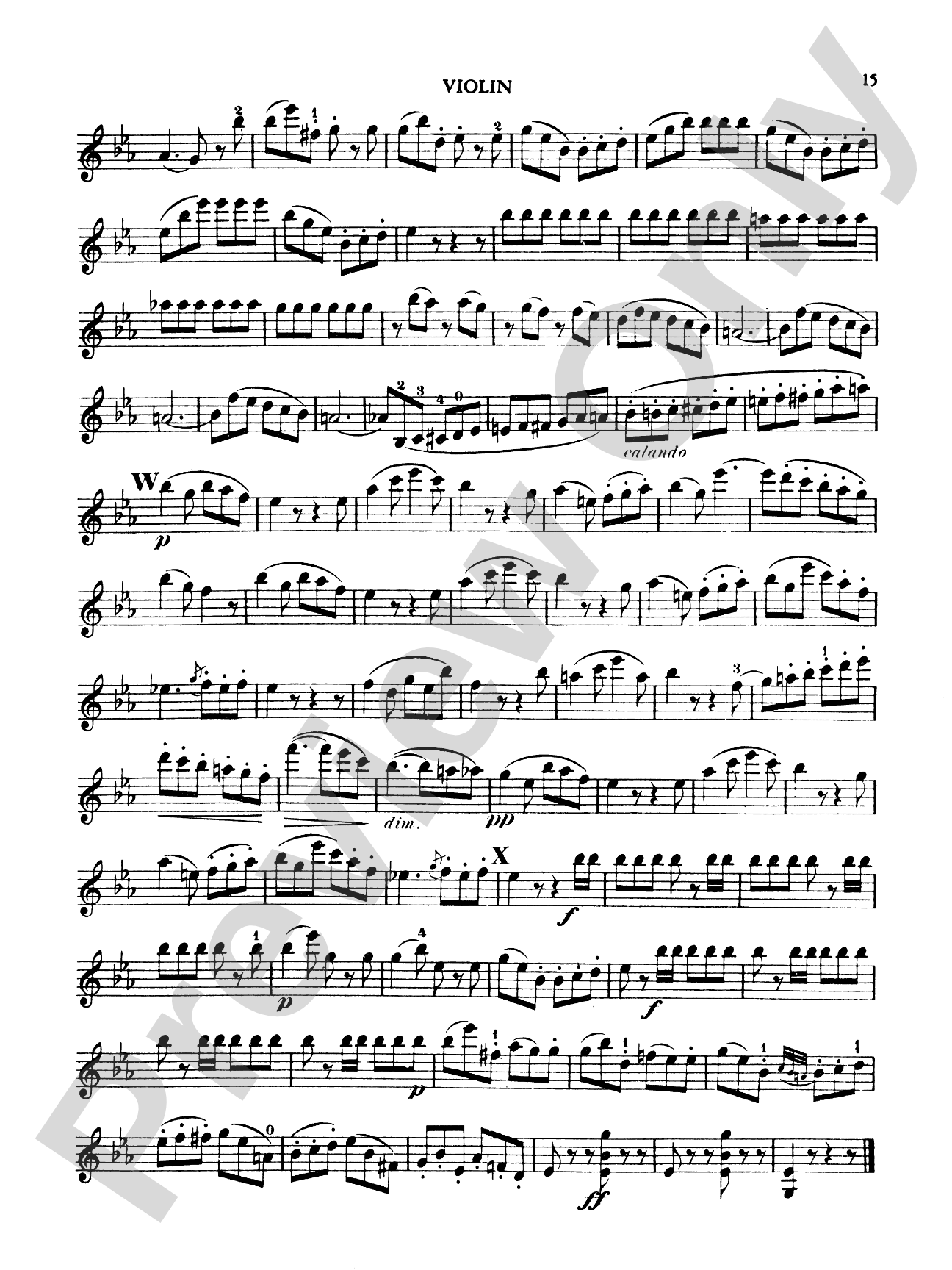


Mozart: Divertimento in E flat Major, K. 563: String Trio Book
By Wolfgang Amadeus Mozart
Item: 00-PK-0003262

$9.99
Pickup currently not available
Buy Extra Parts (Digital PDF Download)
| Product | Price | Quantity |
|---|---|---|
| Mozart: Divertimento in E flat Major, K. 563 | $2.99 | |
| Mozart: Divertimento in E flat Major, K. 563 | $2.99 | |
| Mozart: Divertimento in E flat Major, K. 563 | $2.99 |
Parts Added to Cart!
Related Items
Divertimento in E-flat Major, K. 563: String Trio Book |
$9.95
|
View |
Description
A String trio Violin, Viola, and Cello composed by Wolfgang Amadeus Mozart.


Don't just read it, hear it, play along with it, and watch your students grow with it. In MakeMusic Cloud, Mozart: Divertimento in E flat Major, K. 563: String Trio Book comes alive with professional accompaniment, adjustable tempo, and built-in practice tools that turn solo practice into real progress.
Open in the Player
Jump straight in and assign it today.
Start Your Free Trial
Open this title and explore the full library in minutes.
Sample Audio
No sample audio found.
Sample Video
No sample videos found.
Additional Details
Series:
Kalmus Edition
Publisher:
Alfred Music
Page Count:
40
SKU:
00-PK-0003262
More about this title
About the Composer: Wolfgang Amadeus Mozart
Wolfgang Amadeus Mozart (1756-1791) composed across every major genre of his era and left an indelible mark on chamber music. His string trios, written late in his life, represent a pinnacle of Classical craftsmanship, balancing the intellectual rigor of counterpoint with an elegance and melodic gift that few composers have matched. Mozart's ability to write idiomatically for strings while maintaining structural clarity makes his chamber works invaluable for musicians developing their understanding of ensemble balance and voice independence.
Why we love this
This Divertimento stands as one of the most rewarding string trio works in the standard repertoire, offering chamber musicians genuine musical substance without excessive technical demands. The piece showcases Mozart's gift for writing lyrical, singable lines across all three parts, making it ideal for players who want to explore Classical form and collaborative playing in a work that never feels pedagogical. String trio directors seeking repertoire that combines artistic weight, performance appeal, and accessibility will find this an essential choice.
What to expect
Elegant and conversational, with moments of gentle wit and surprising harmonic color. The writing feels intimate and chamber-scaled, yet shaped with the architectural clarity and emotional restraint characteristic of Mozart's Classical idiom. There is grace in every phrase and a sense of inevitability in how ideas unfold.
Who it's for
String trio ensembles preparing for chamber competitions, festivals, or concert performances. This work suits groups with solid intonation and ensemble experience who are ready to tackle a Classical masterwork with textural and formal sophistication.
How to get the most out of it
- Balance the viola part as an equal voice rather than a harmonic filler; Mozart writes genuine thematic material in the middle register that drives the ensemble forward.
- Attend closely to phrase architecture and breathing points. Mozart's phrases are often longer than they initially appear, and careful planning of sectional breaths keeps the line flowing naturally.
- Shape the dialogue between voices as conversation. Much of the writing involves motivic exchange between violin and cello, with the viola either sustaining or commenting; lean into these relationships rather than treating them as accompaniment.
- Use dynamic contrast to clarify structure. The form is transparent, and modest but intentional shifts in volume help listeners (and players) hear the architecture without needing to analyze the score.
How to use it
Program this as a main-concert centerpiece or as part of a Classical chamber music showcase. Its length and substance make it suitable as a standalone feature, or it pairs beautifully with other Classical trios or contemporary works written in dialogue with the genre.
Skills your students will build
- Maintaining independent lines while listening to ensemble partners
- Shaping Sonata form and understanding phrase structure in Classical music
- Balance and voice leading across three parts with equal textural roles
- Expressive control within the aesthetic restraint of the Classical era
- Reading and interpreting period-appropriate articulation and phrasing conventions