
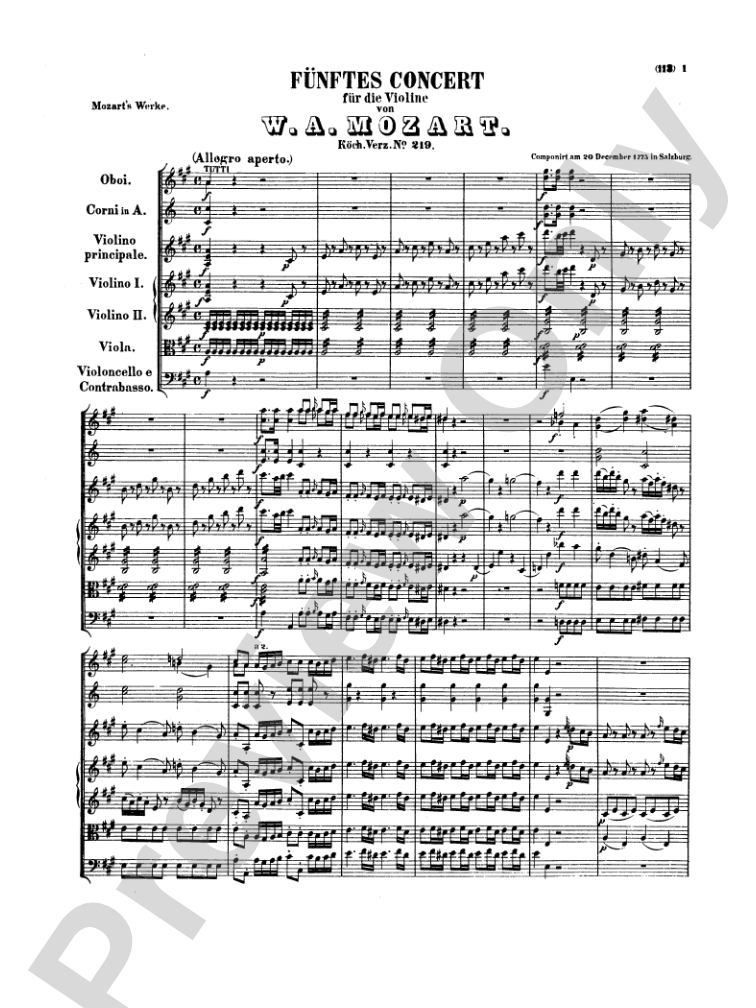
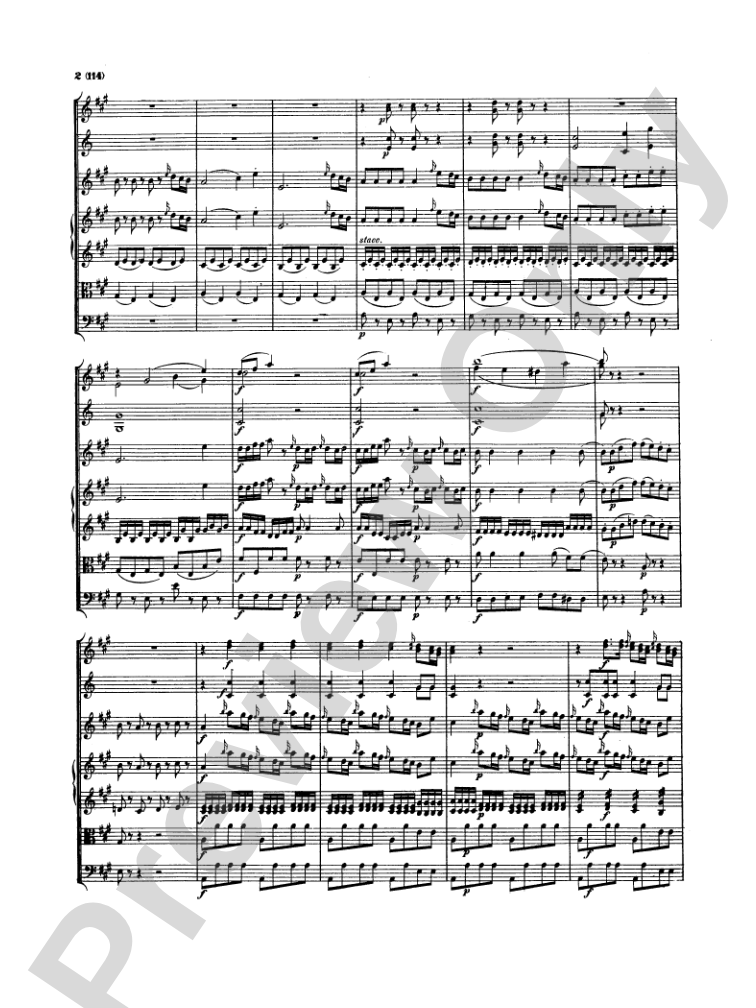
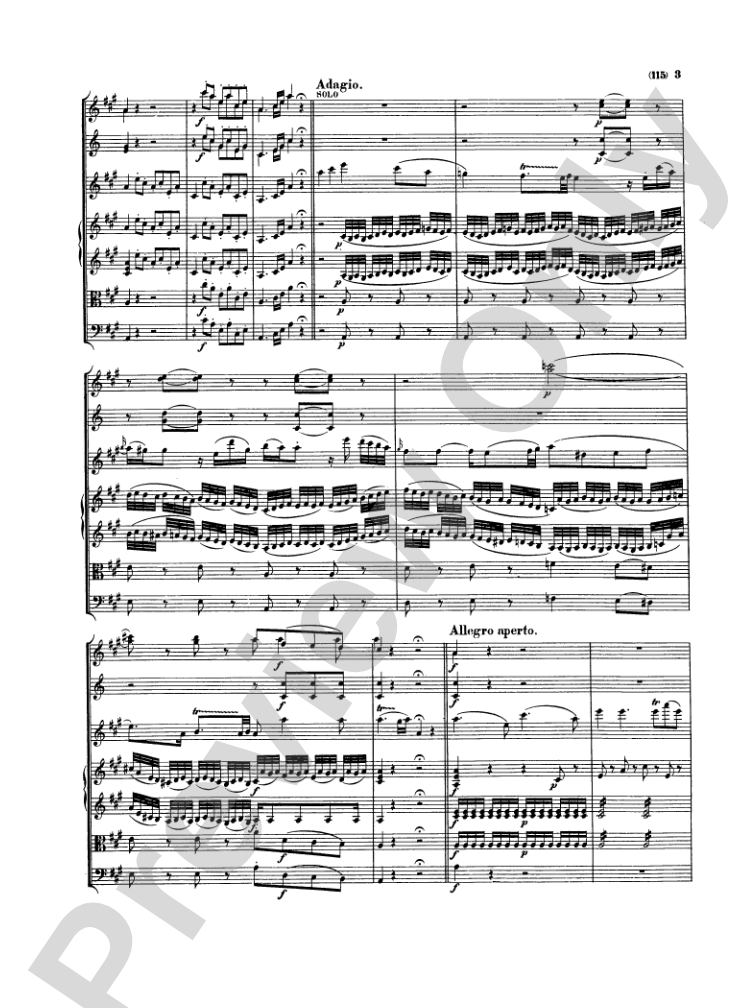
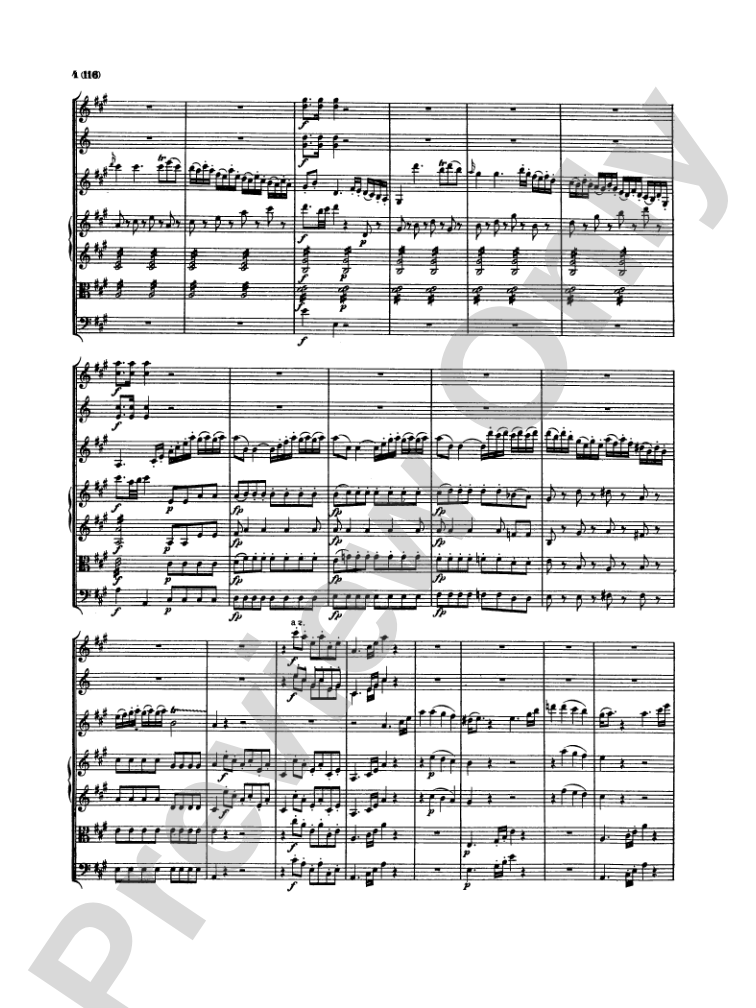
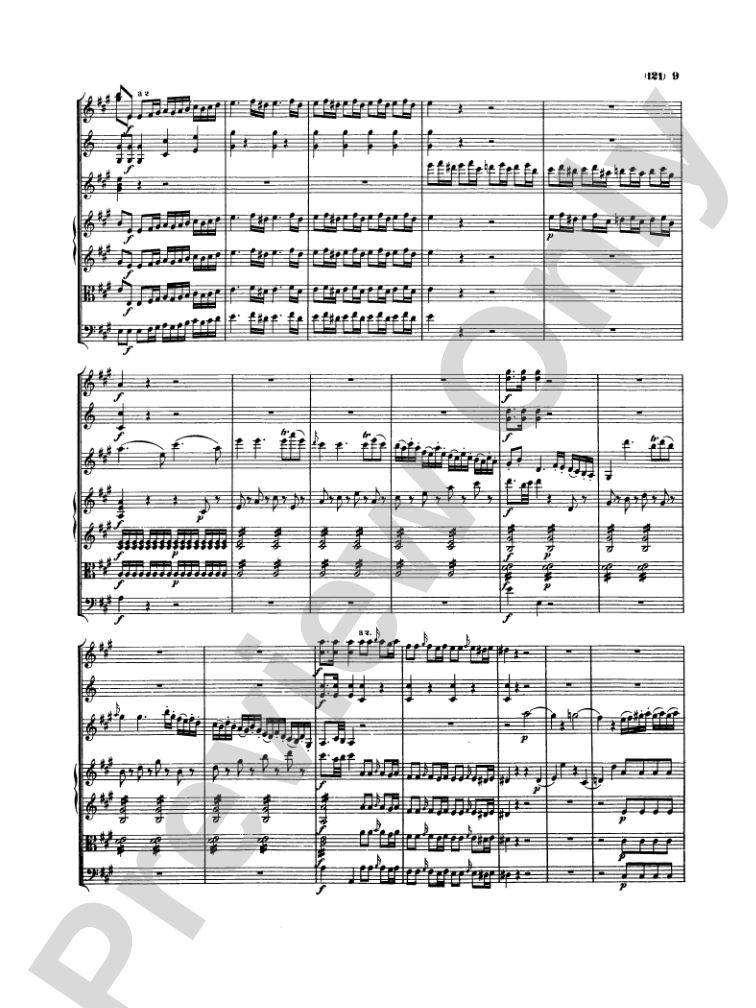
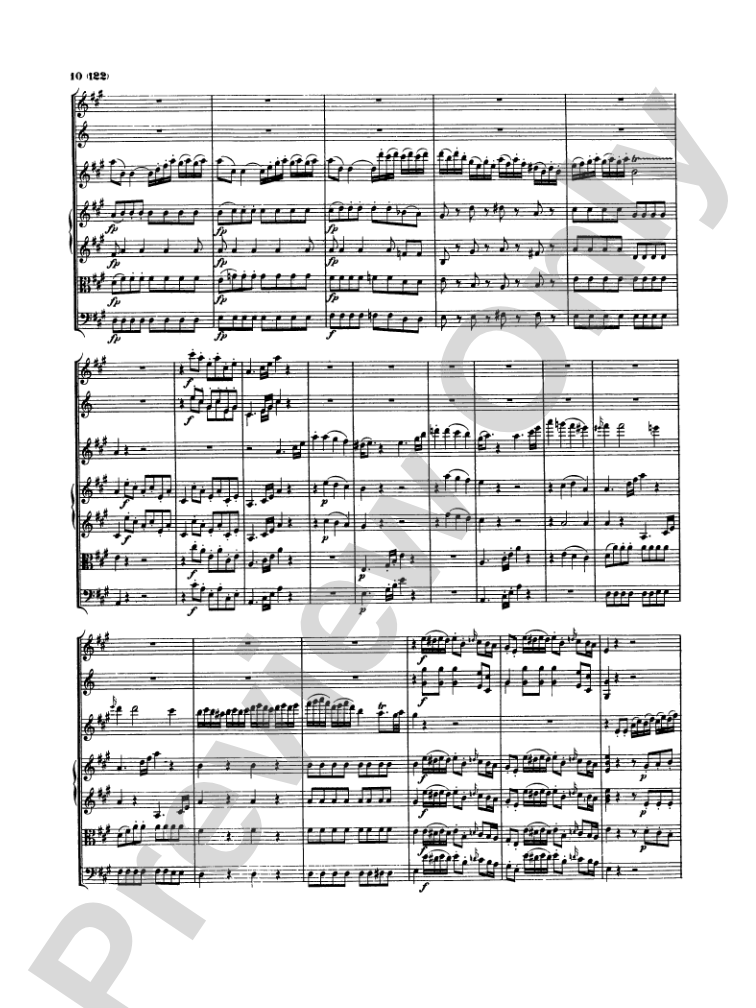
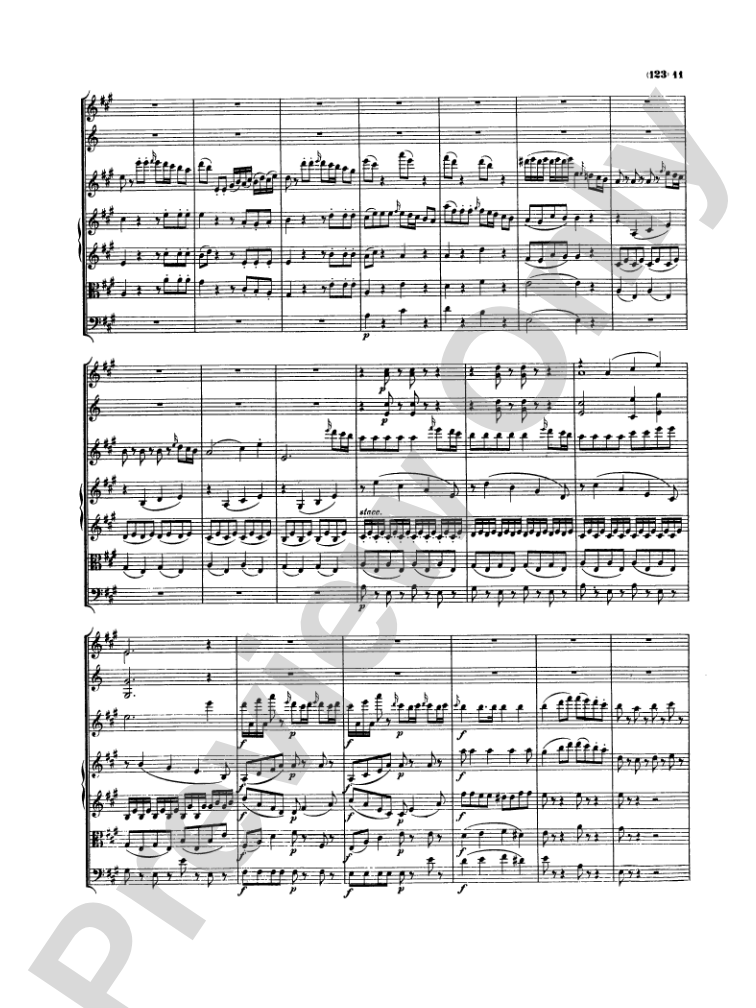
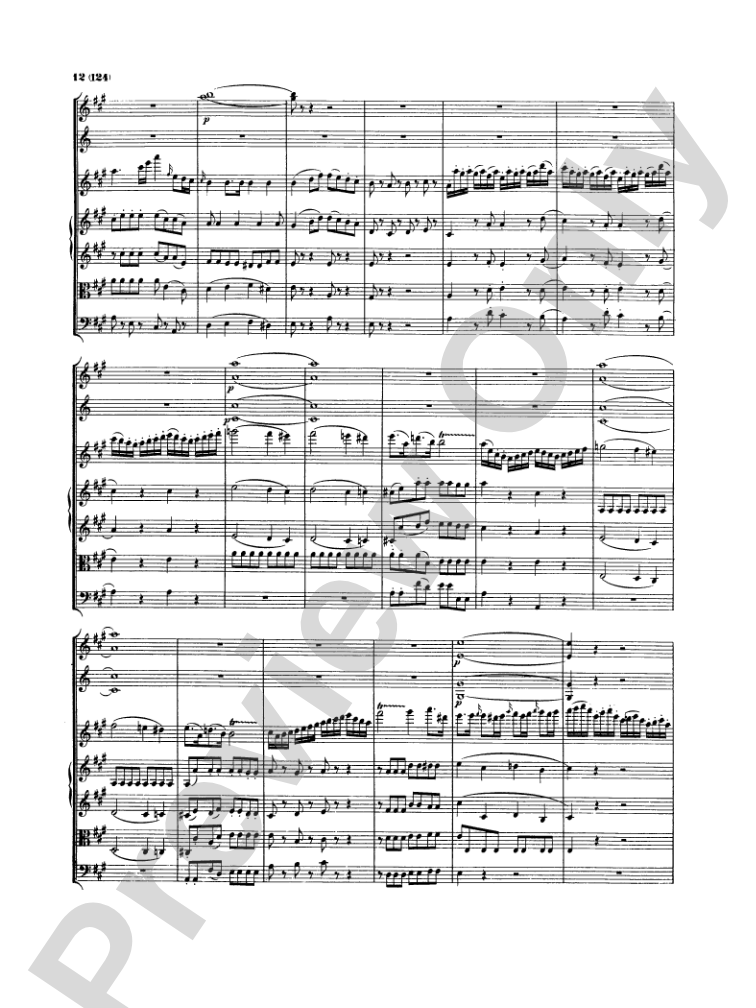
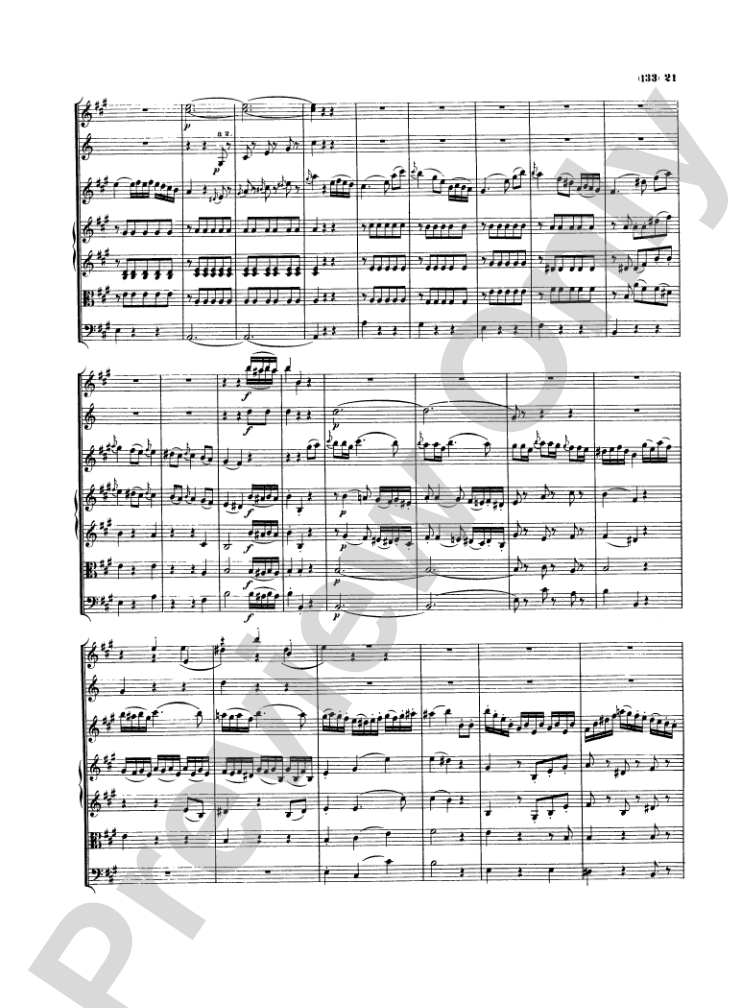
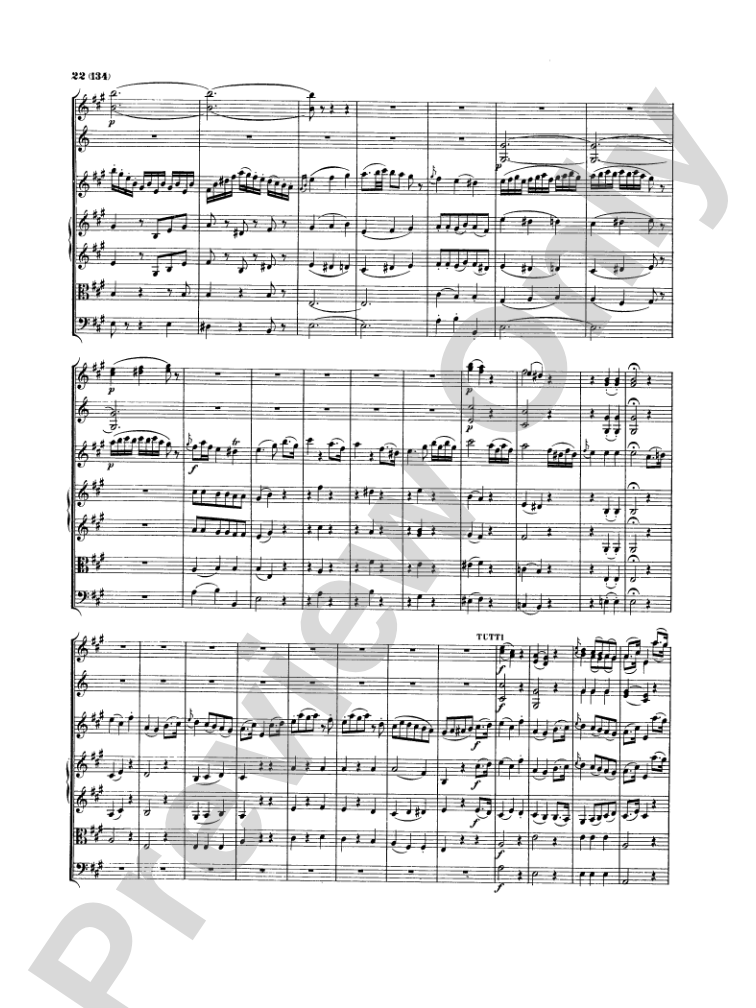
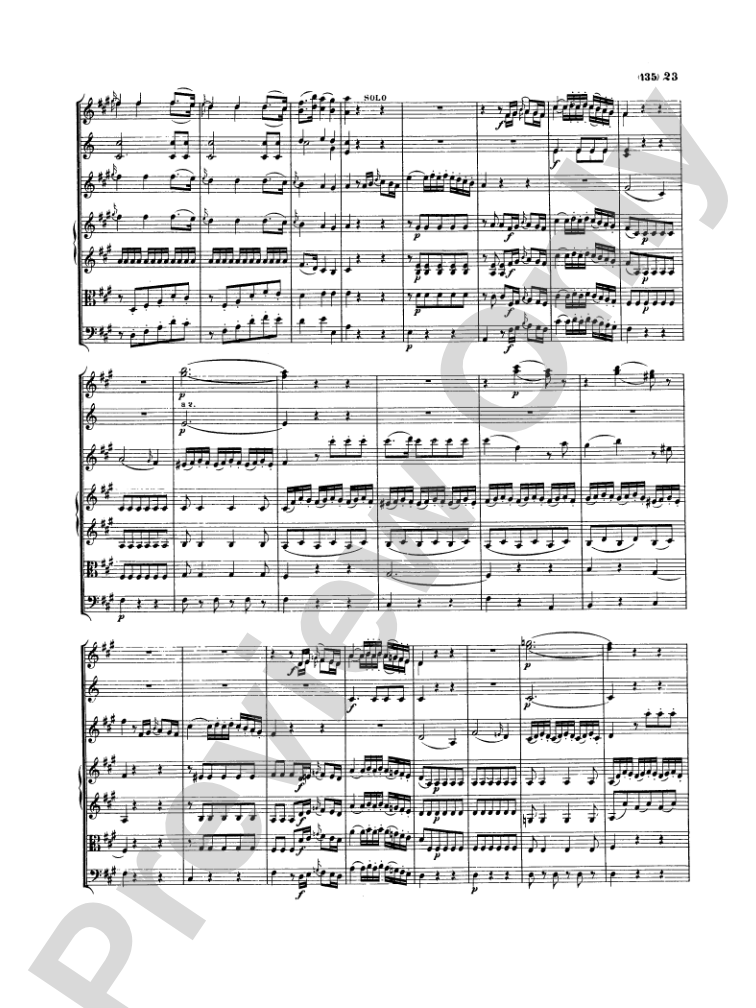
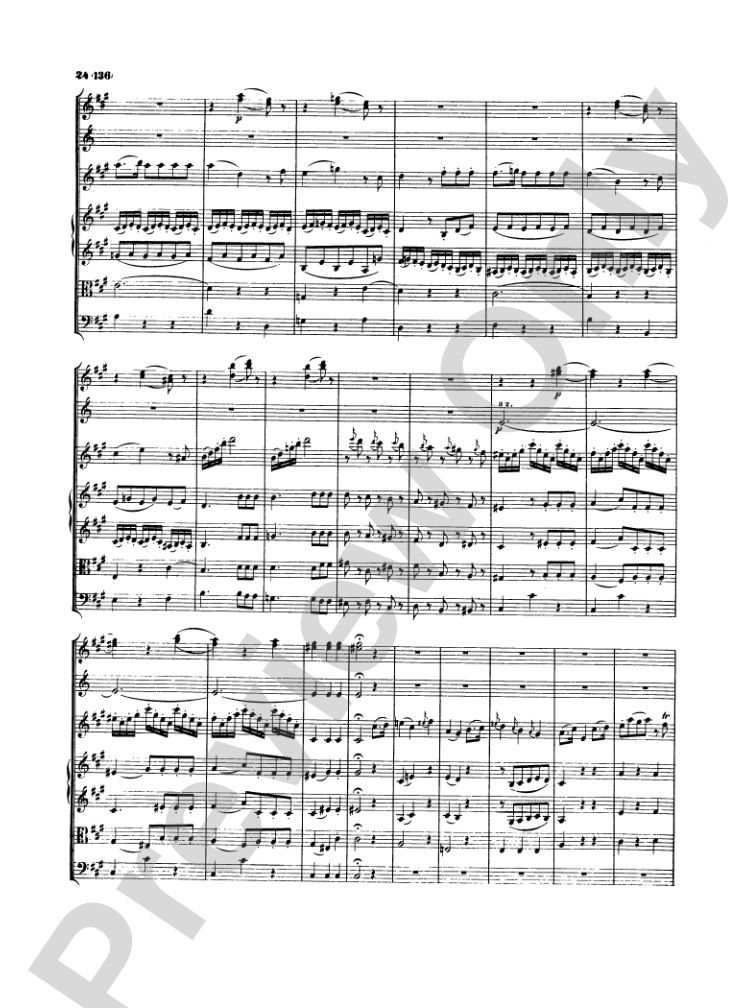
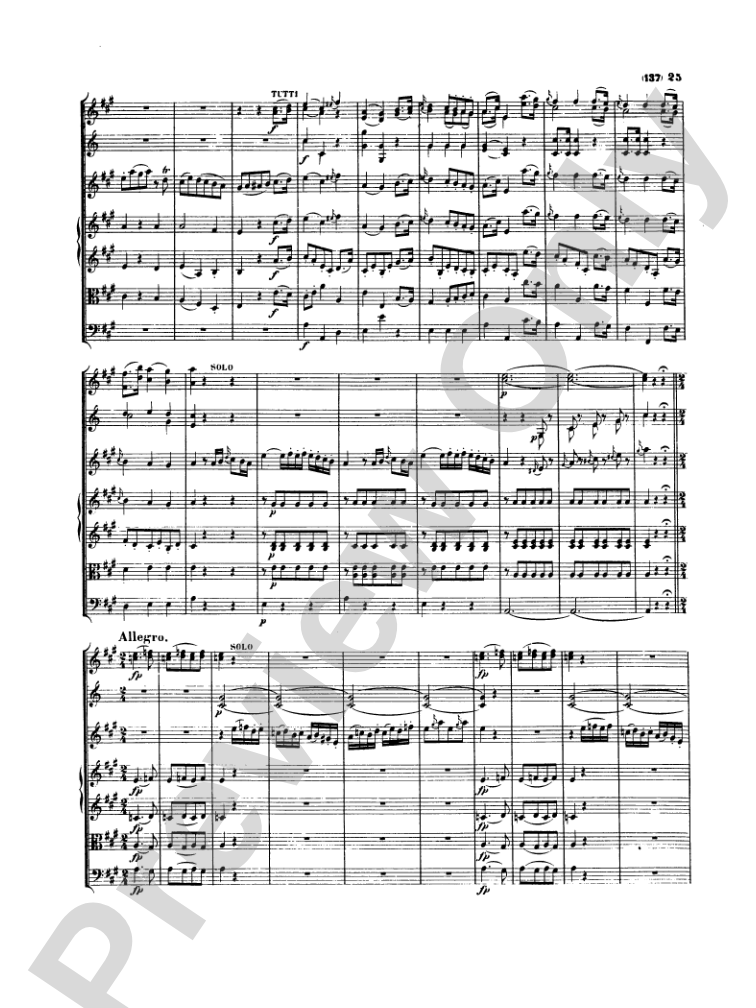
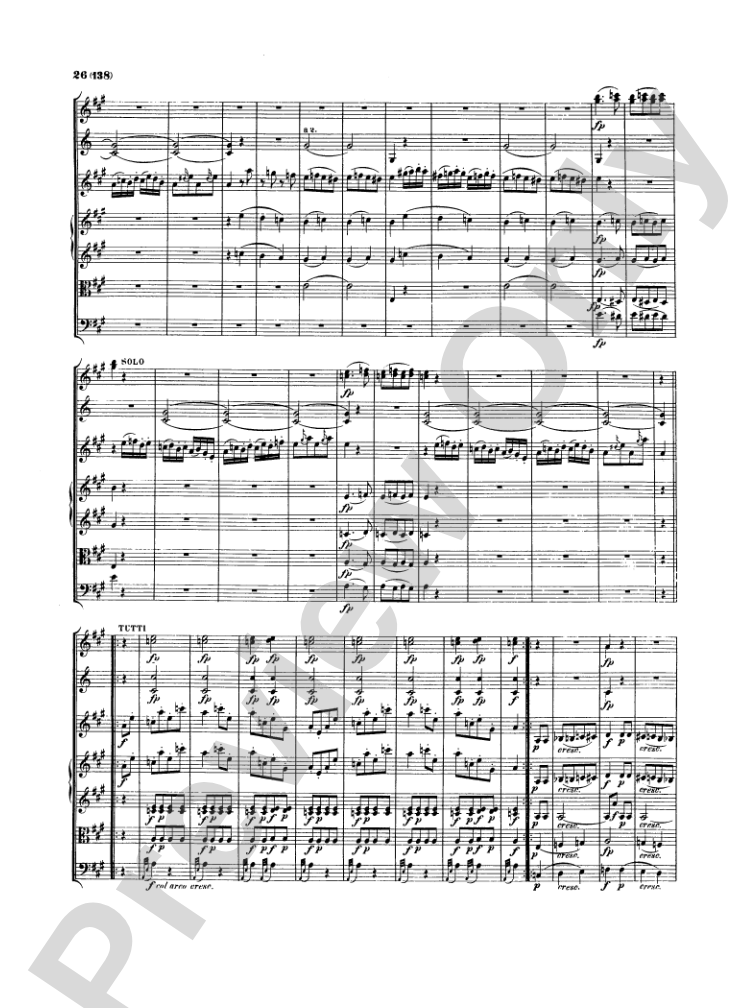
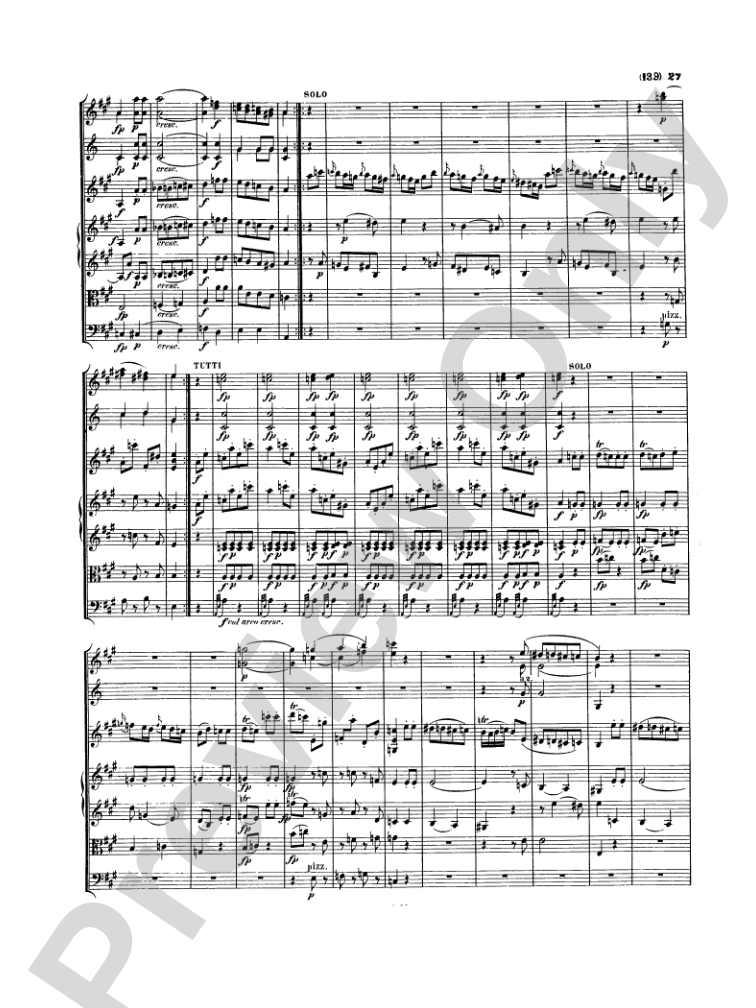
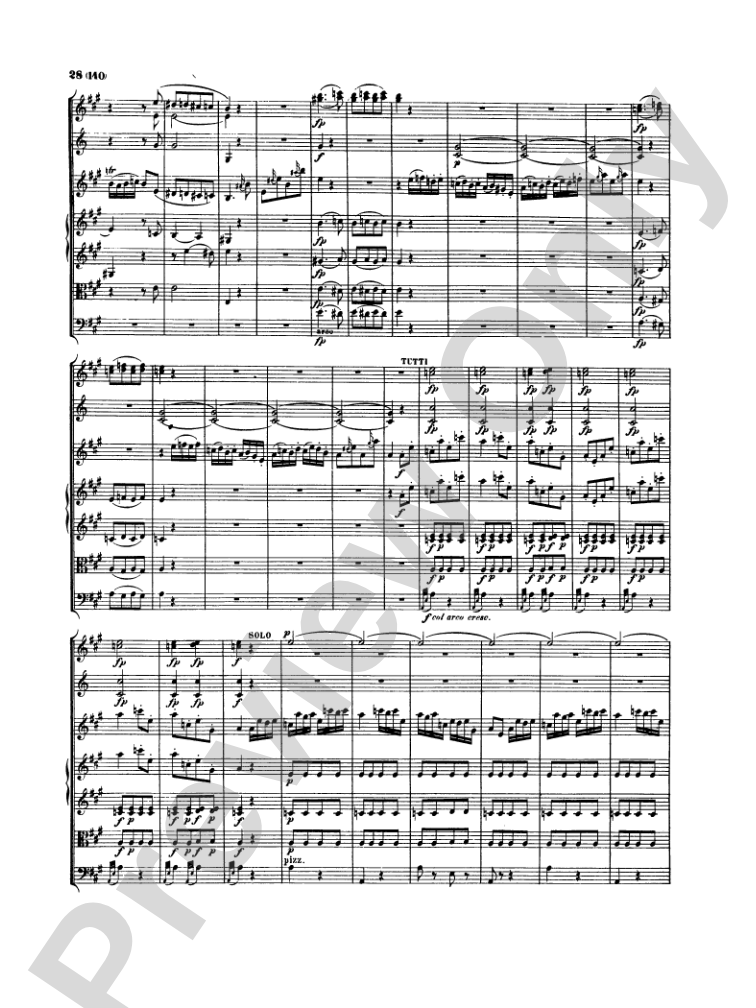

Mozart: Concertos for Stringed Instruments and Orchestra: Violin Miniature Score
By Wolfgang Amadeus Mozart
Item: 00-PK-0002696

$10.99
Pickup currently not available
Buy Extra Parts (Digital PDF Download)
Parts Added to Cart!
Description


Don't just read it, hear it, play along with it, and watch your students grow with it. In MakeMusic Cloud, Mozart: Concertos for Stringed Instruments and Orchestra: Violin Miniature Score comes alive with professional accompaniment, adjustable tempo, and built-in practice tools that turn solo practice into real progress.
Open in the Player
Jump straight in and assign it today.
Start Your Free Trial
Open this title and explore the full library in minutes.
Sample Audio
No sample audio found.
Sample Video
No sample videos found.
Additional Details
Series:
Kalmus Edition
Publisher:
Alfred Music
Page Count:
100
SKU:
00-PK-0002696
More about this title
About the Composer: Wolfgang Amadeus Mozart
Wolfgang Amadeus Mozart (1756-1791) composed across every major genre of his era, but his concertos stand as some of the most performed works in classical music. His five violin concertos, written early in his career, combine the virtuosity expected of professional soloists with the melodic generosity and harmonic sophistication that define the Classical style. Mozart's orchestration in these works sets a standard for how strings and winds can balance and support a solo line.
For music educators and students, Mozart's violin concertos offer a direct path into understanding how a composer builds drama and intimacy within formal structures. The writing reveals how much character can emerge from clear phrasing, elegant proportions, and the interplay between soloist and ensemble rather than from harmonic complexity alone.
Why we love this
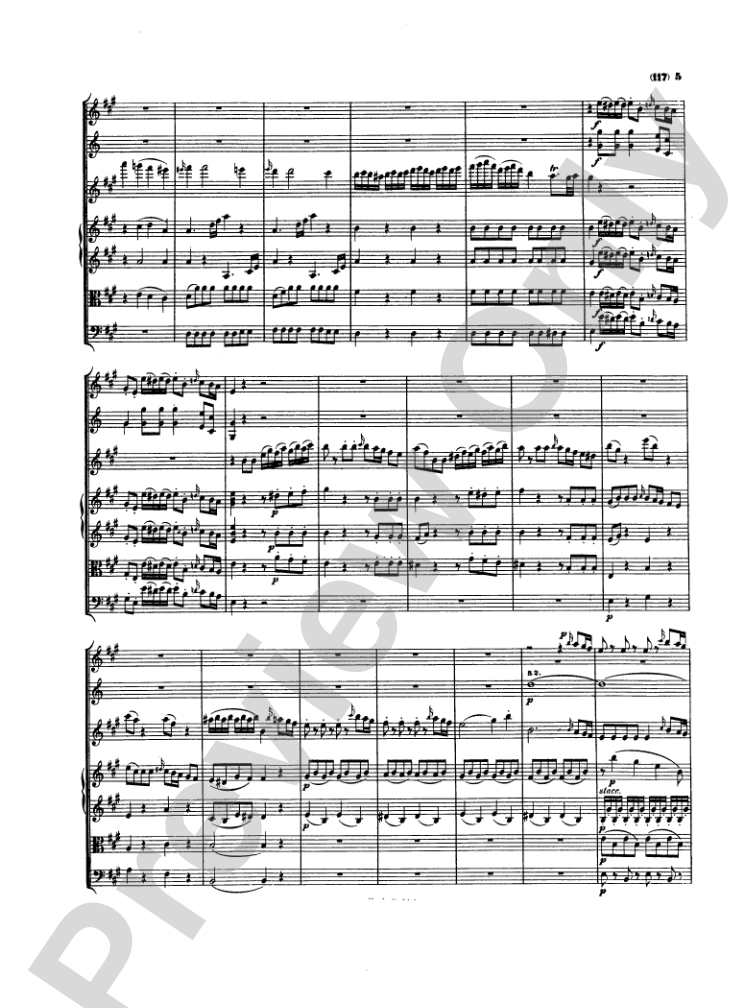
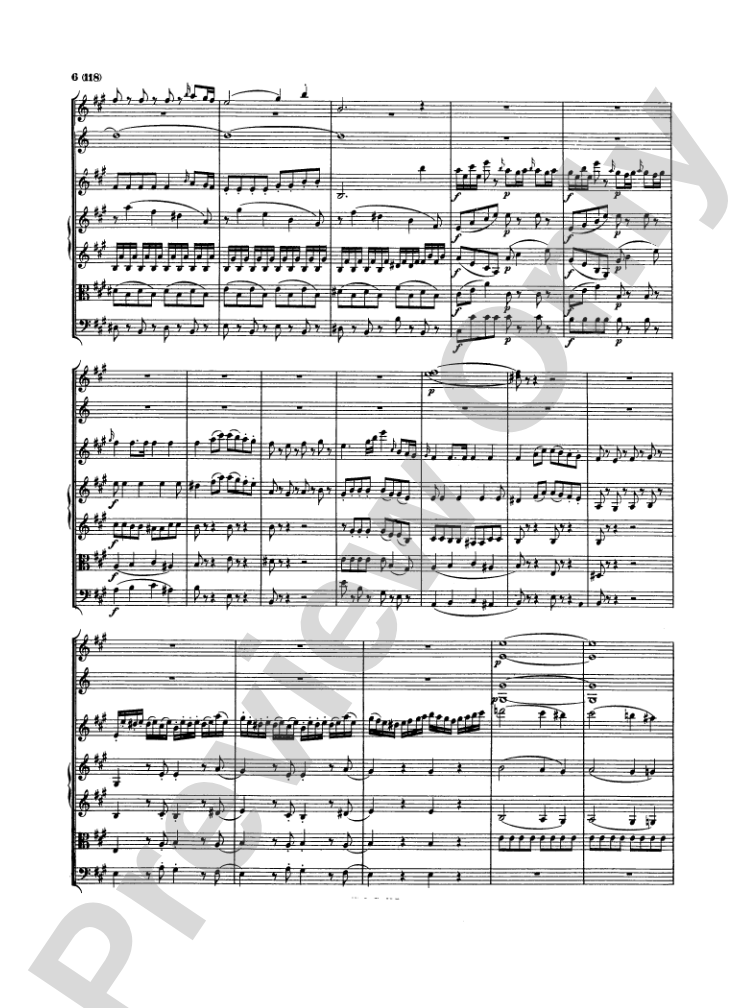
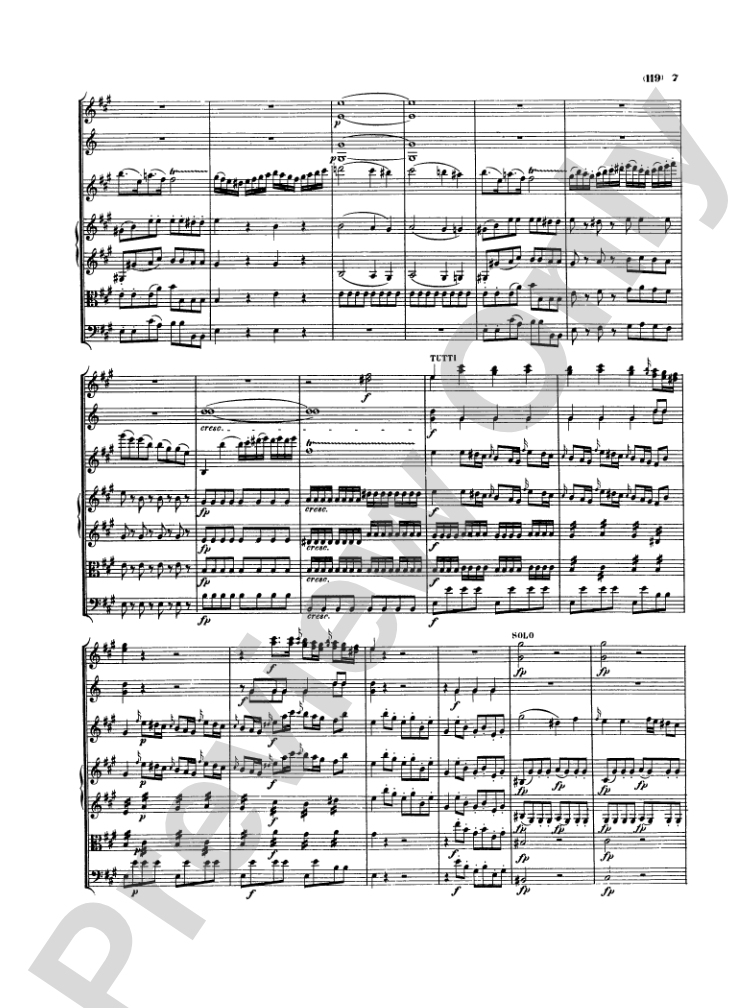
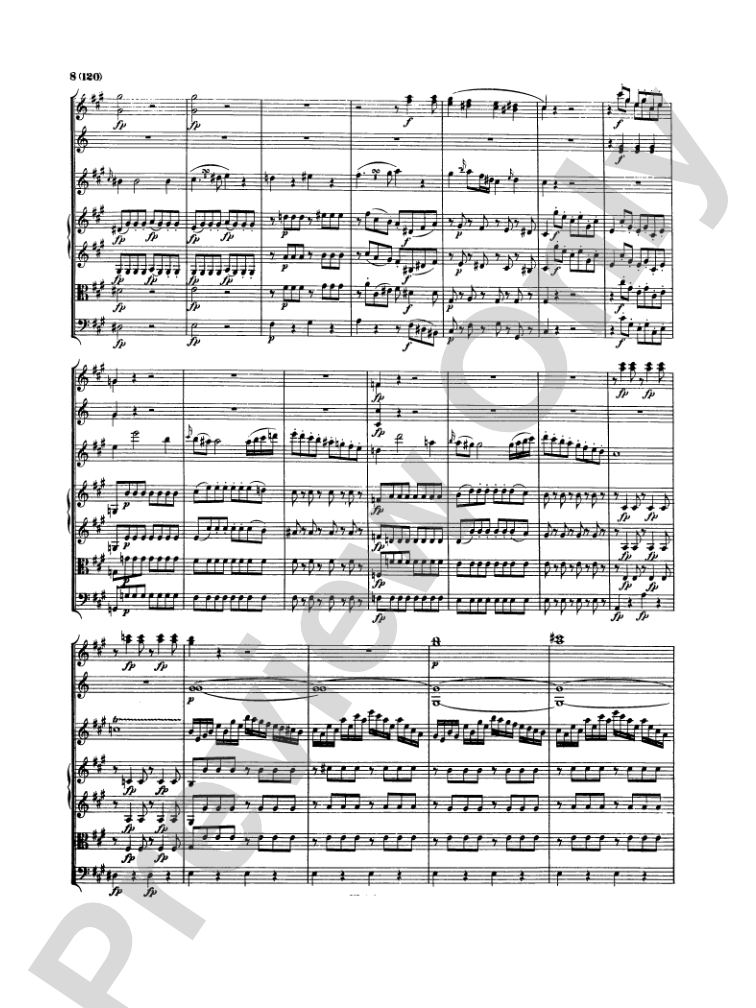
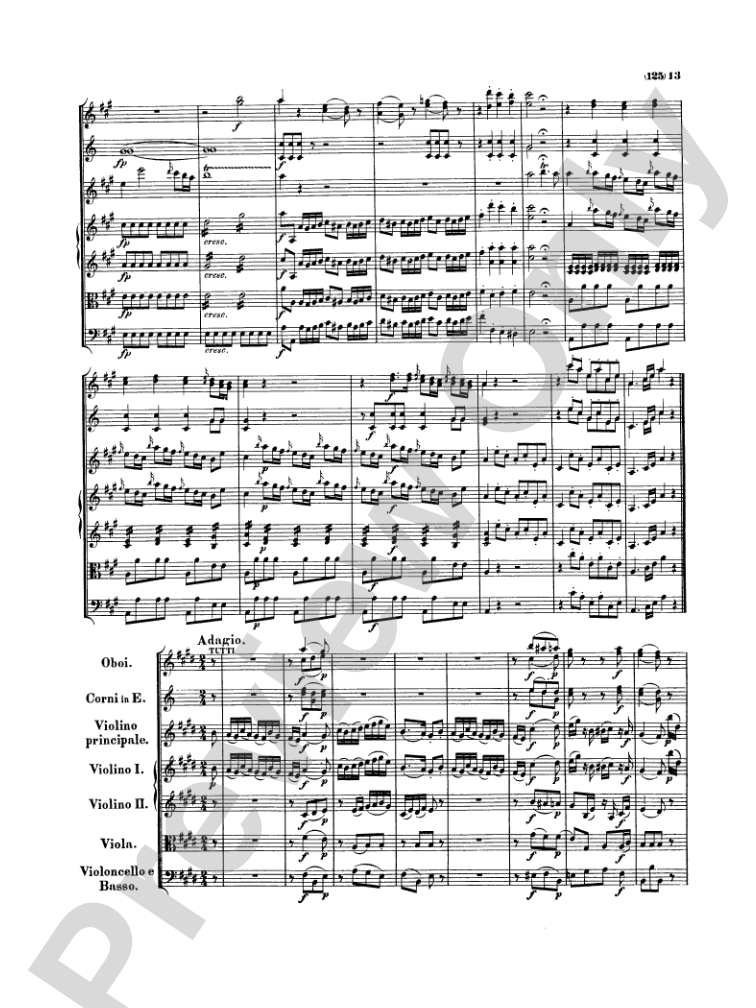
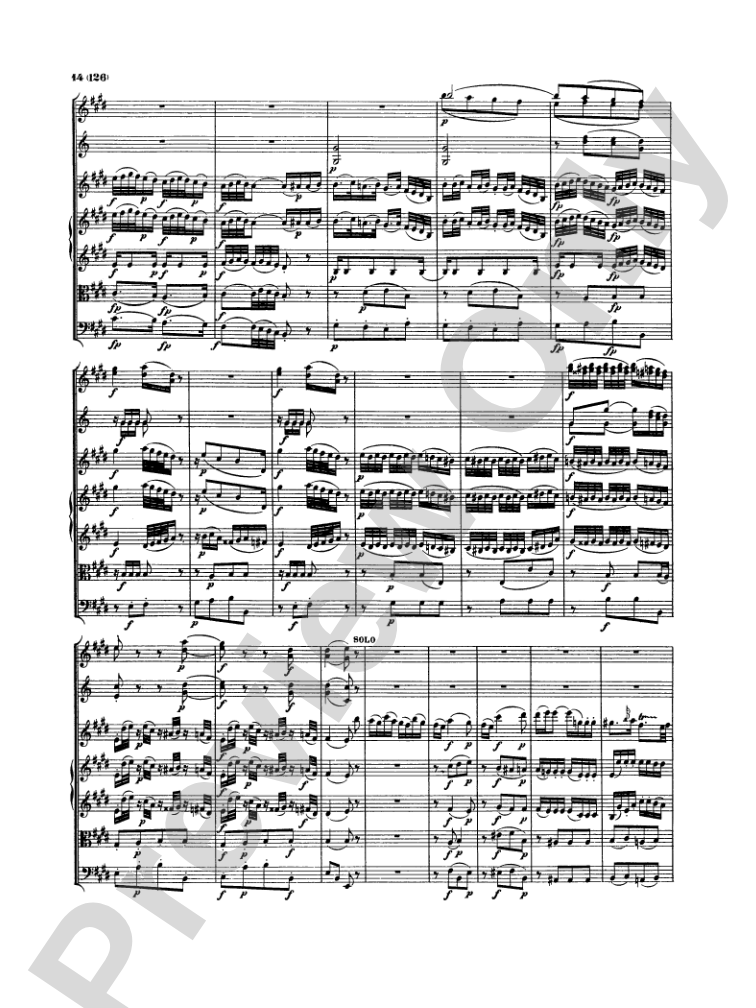
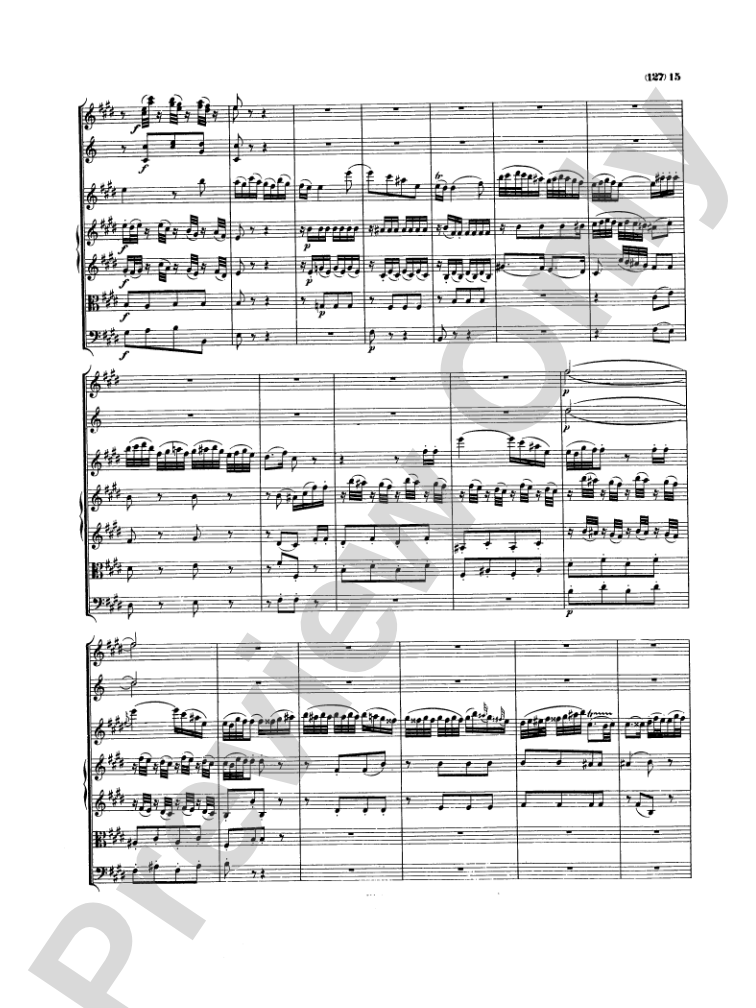
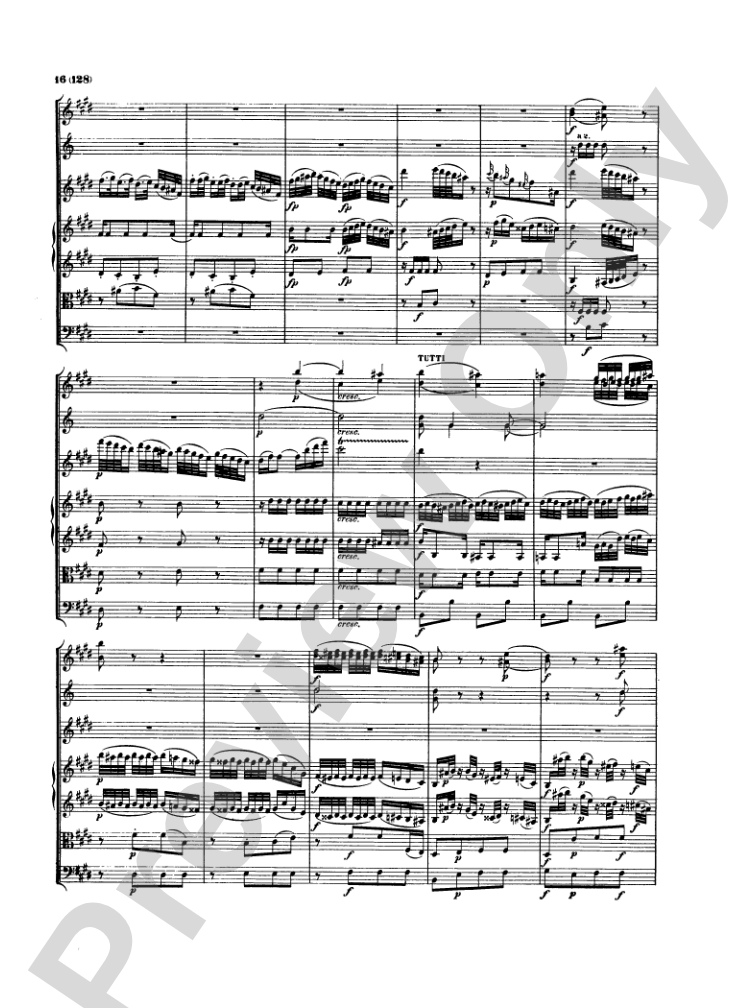
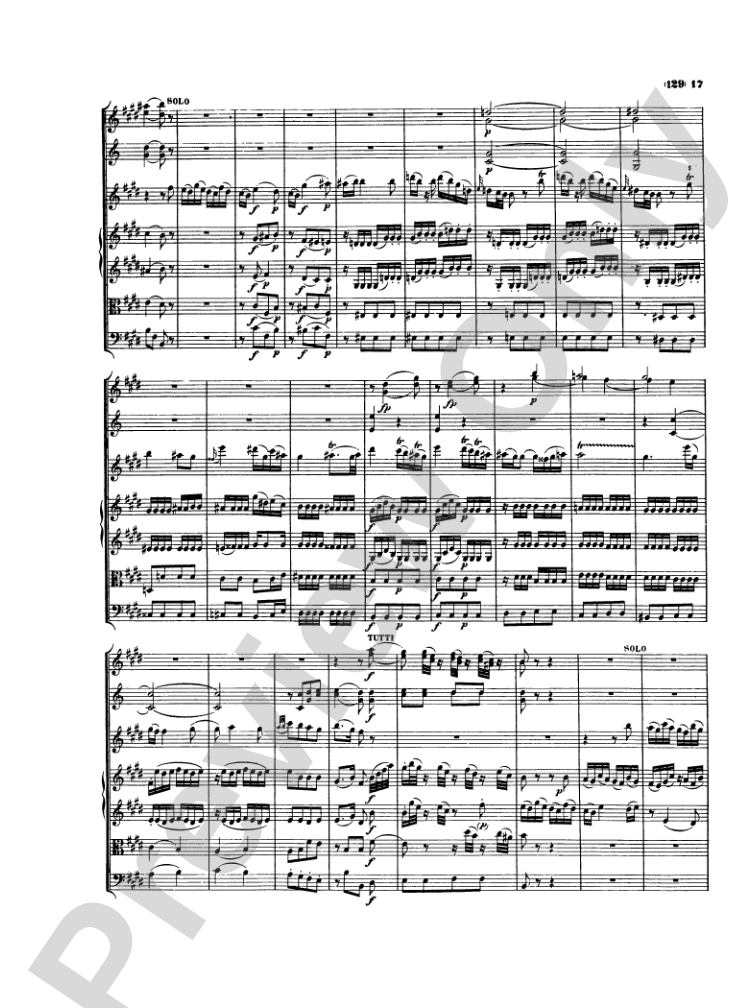
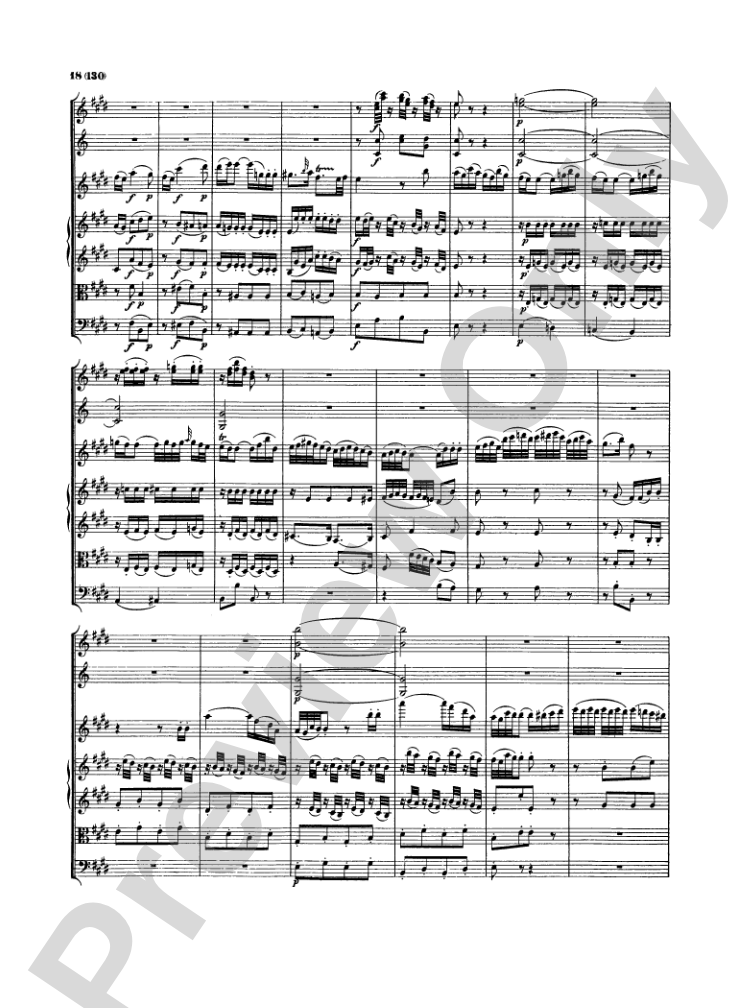
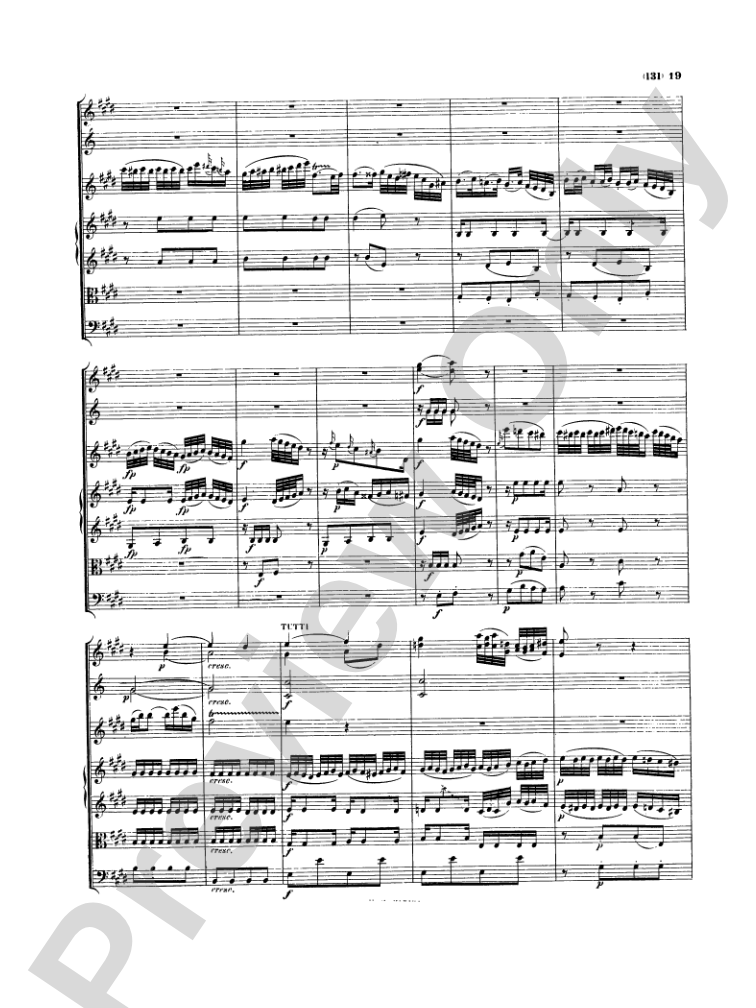
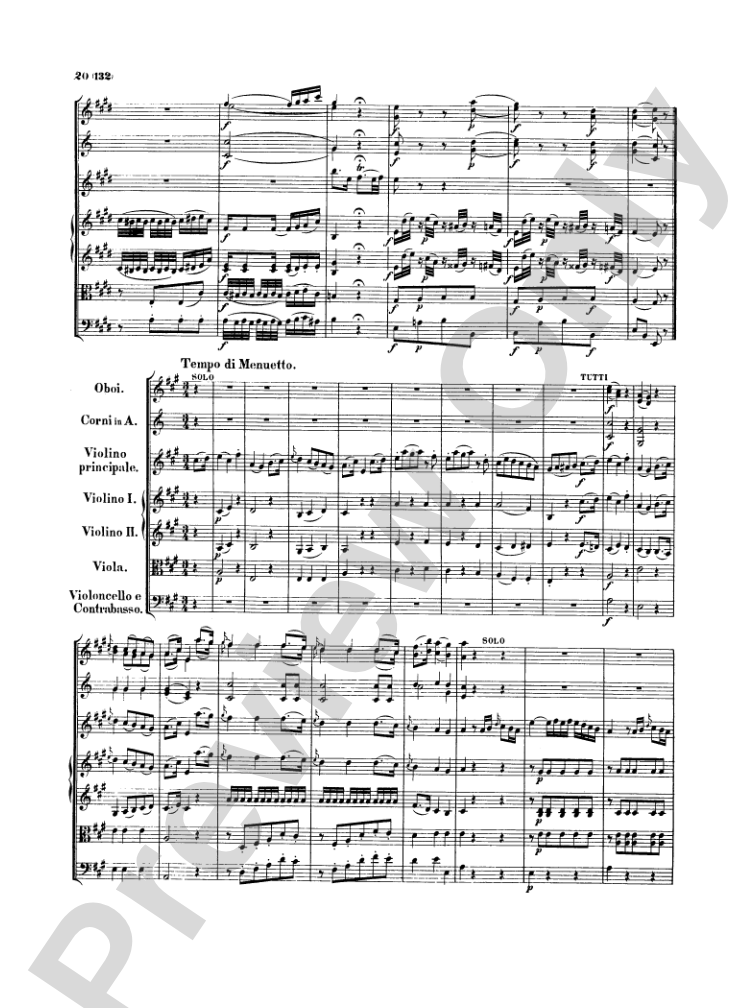
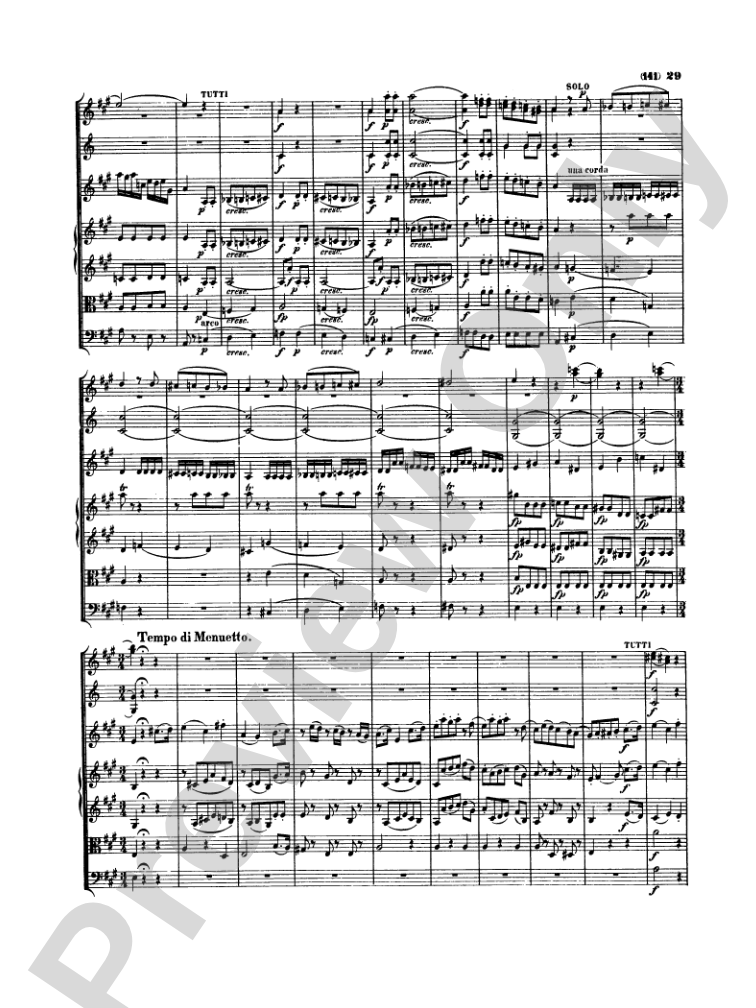
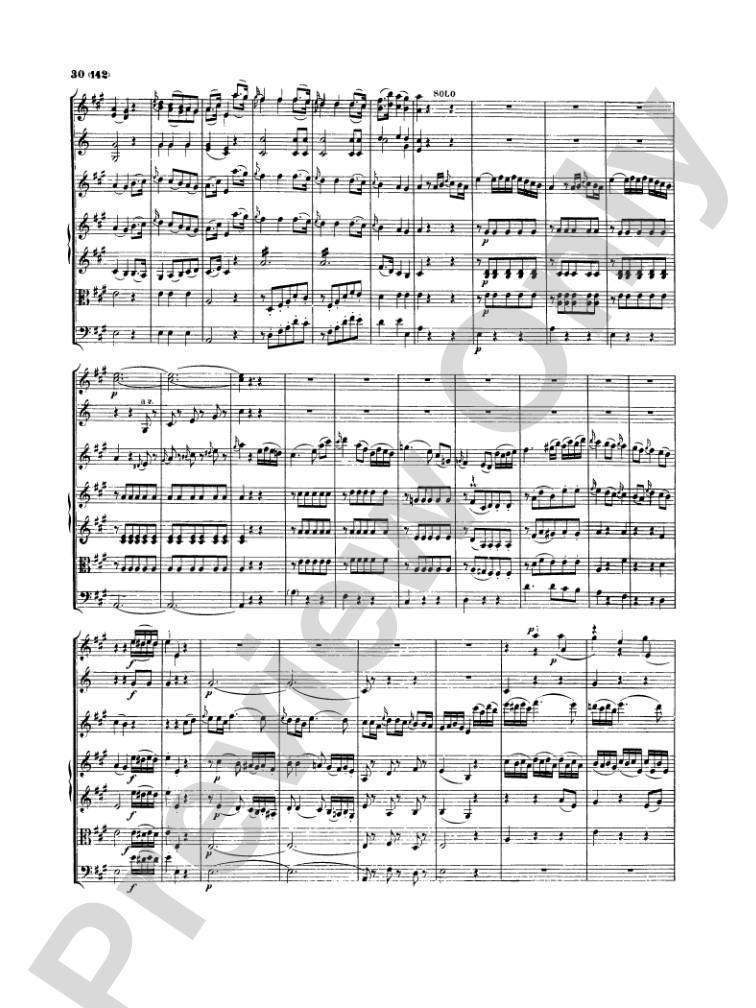
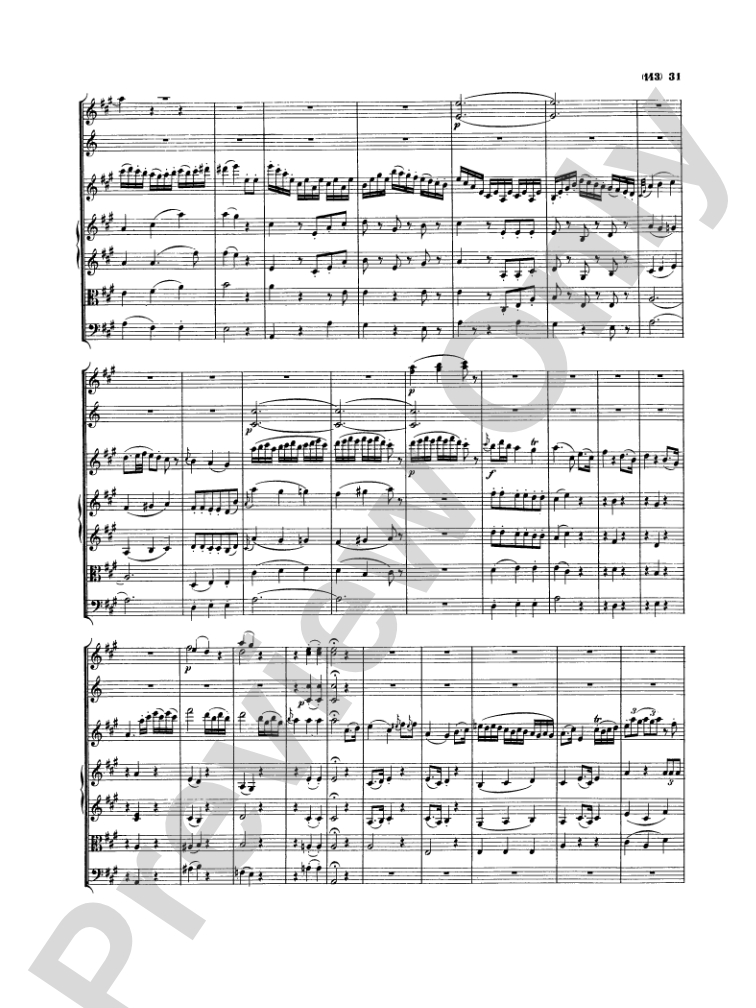
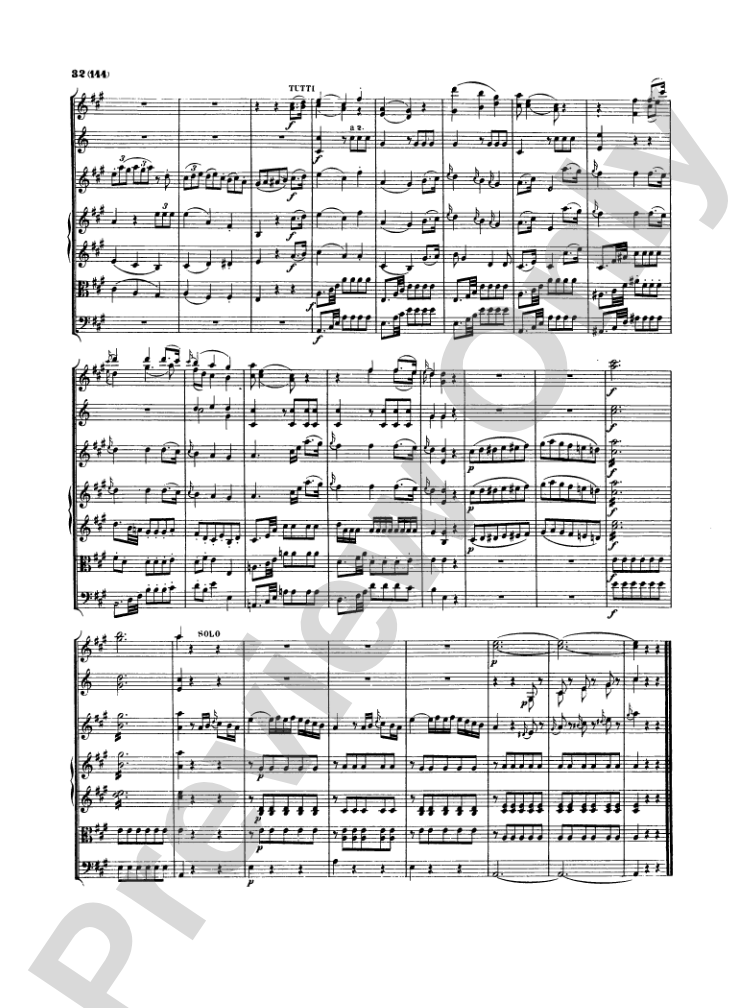
This miniature score gives violinists and conductors a complete view of Mozart's violin concertos in compact form, making it easy to follow the orchestration and understand how the solo line integrates with the full score. The clarity of a miniature edition is especially valuable for study; you can see every voice without the page turns required by a full-size score, and the Kalmus Edition reproduces these works with clean, readable engraving. Advanced students preparing concertos for performance or audition benefit enormously from this perspective on orchestral texture and ensemble balance.
What to expect
Mozart's violin concertos balance elegance with drama. The writing sings rather than dazzles; long melodic lines unfold with apparent simplicity while harmonic movement underneath creates forward momentum and emotional depth. Even in the virtuosic passages, there is clarity and proportion, a sense that technique serves the music rather than the reverse.
Who it's for
Advanced violinists preparing concertos for competition, audition, or performance will find this miniature score invaluable for comprehensive study of orchestration and form. Conductors and ensemble directors building their knowledge of Mozart's string writing will appreciate having all five concertos in portable form. This edition also serves students of composition and arrangement who want to understand how Mozart voices the interplay between soloist and orchestra.
How to get the most out of it
- Study the orchestral tuttis before focusing on the solo line; understanding how strings and winds punctuate the structure will inform phrasing and dynamics in your own part.
- Notice where Mozart repeats melodic fragments between soloist and orchestra. Use these moments to shape communication with the ensemble rather than showcase individual technique.
- Pay attention to the dramatic pauses and rests in the solo part; they are as essential to the form as the written notes and define the concerto's rhetorical pacing.
- Reference the original manuscript articulations and bowings in your own study, then consciously decide which serve your interpretation. Mozart's economy of marking often rewards careful listening.
How to use it
Pair a Mozart violin concerto with a contemporary chamber work or a later Romantic concerto to show the evolution of the genre and the particular refinement of Classical form. A complete concerto or a single movement works equally well in a recital or competition context; the outer movements are dramatic enough to anchor a program, while the slow movements reward programs that emphasize lyricism. This score is most useful in academic study and rehearsal preparation rather than for performance reading.
Skills your students will build
- Reading and interpreting Classical formal structures (sonata, rondo)
- Balancing technical demands with lyrical phrasing in extended passages
- Understanding orchestral texture and how a solo line interacts with harmonic and rhythmic support
- Stylistic awareness of 18th-century violin writing and articulation practices
- Analyzing how Mozart constructs drama through proportion and contrast rather than harmonic innovation