
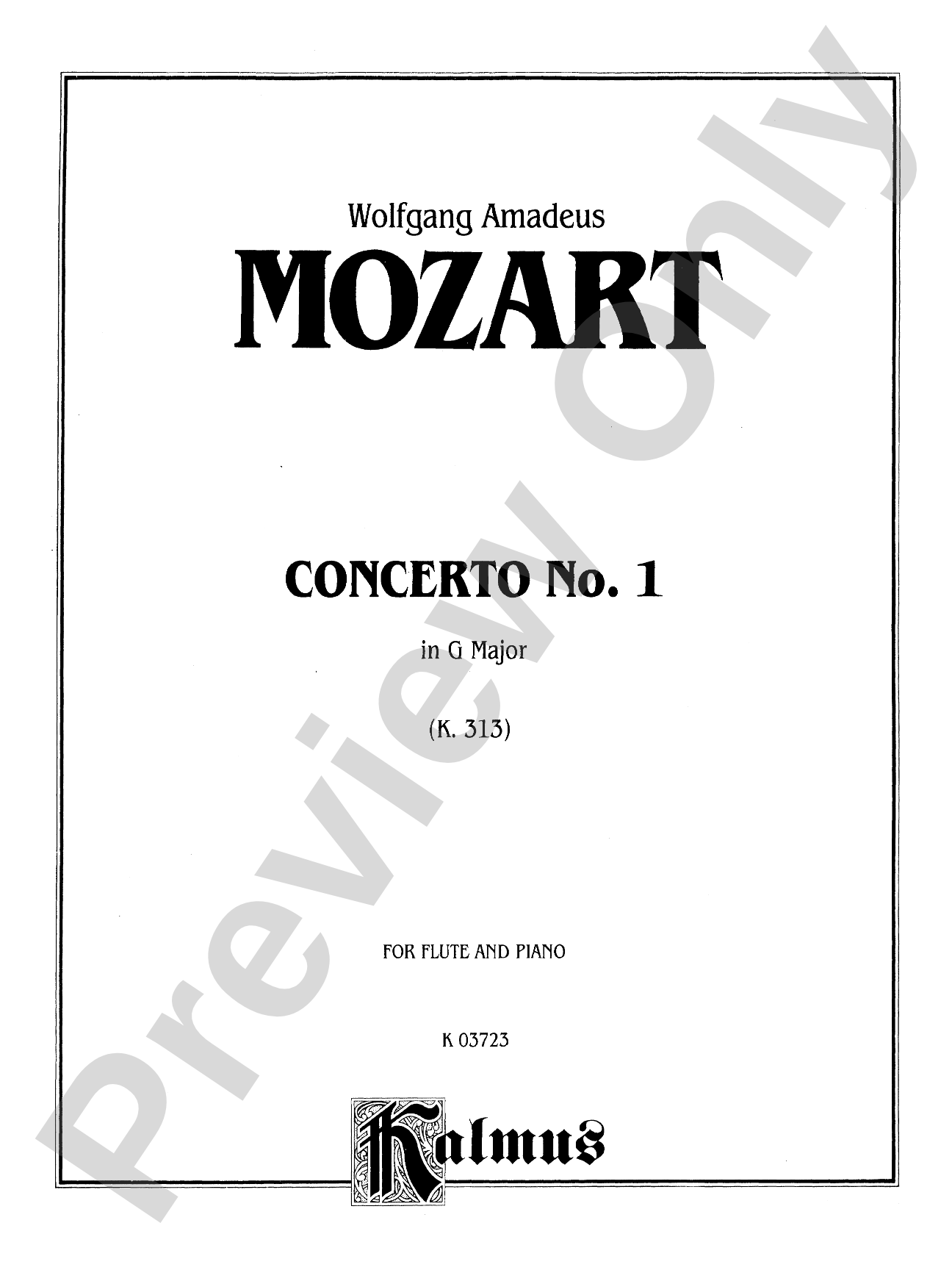

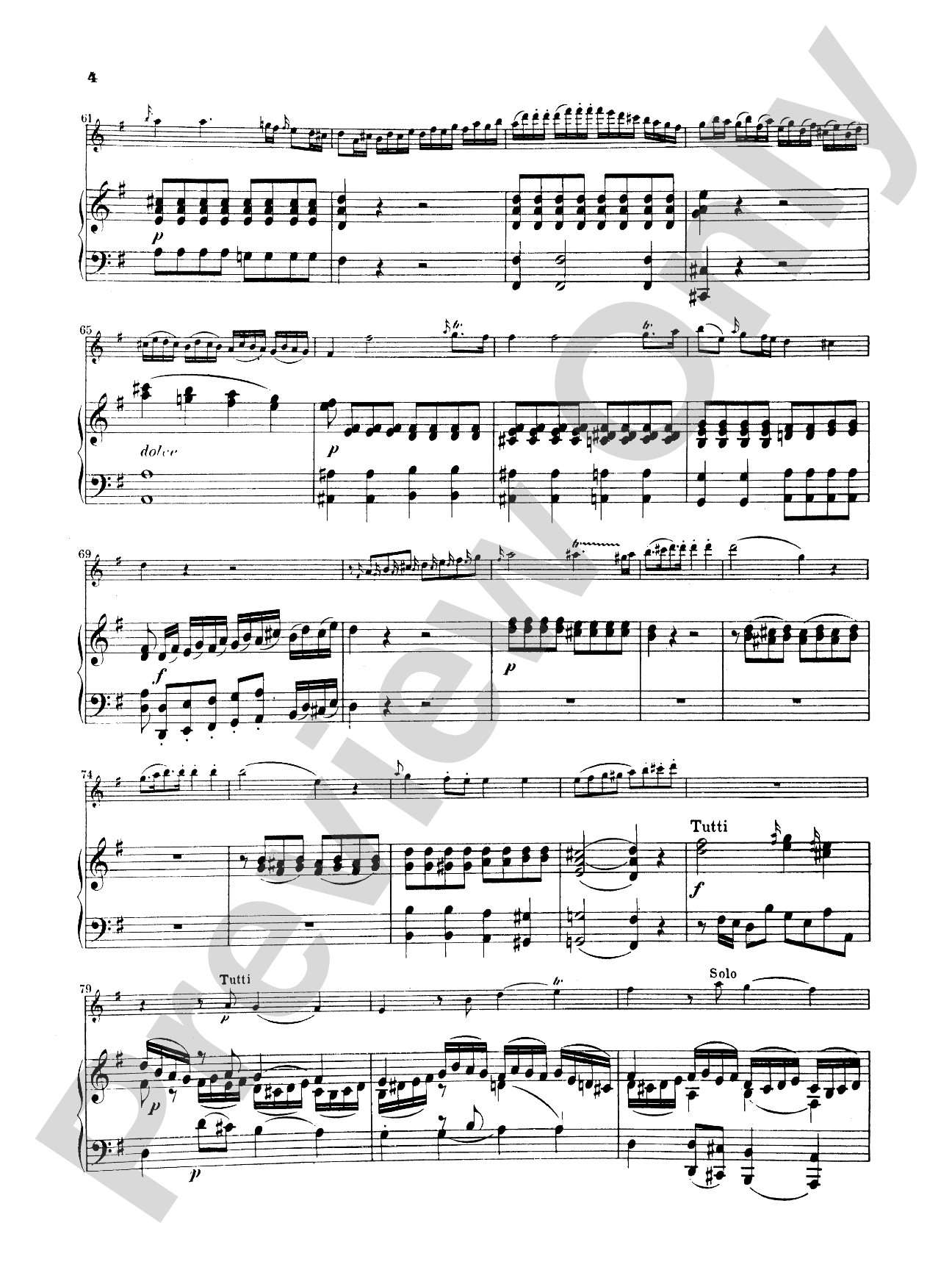
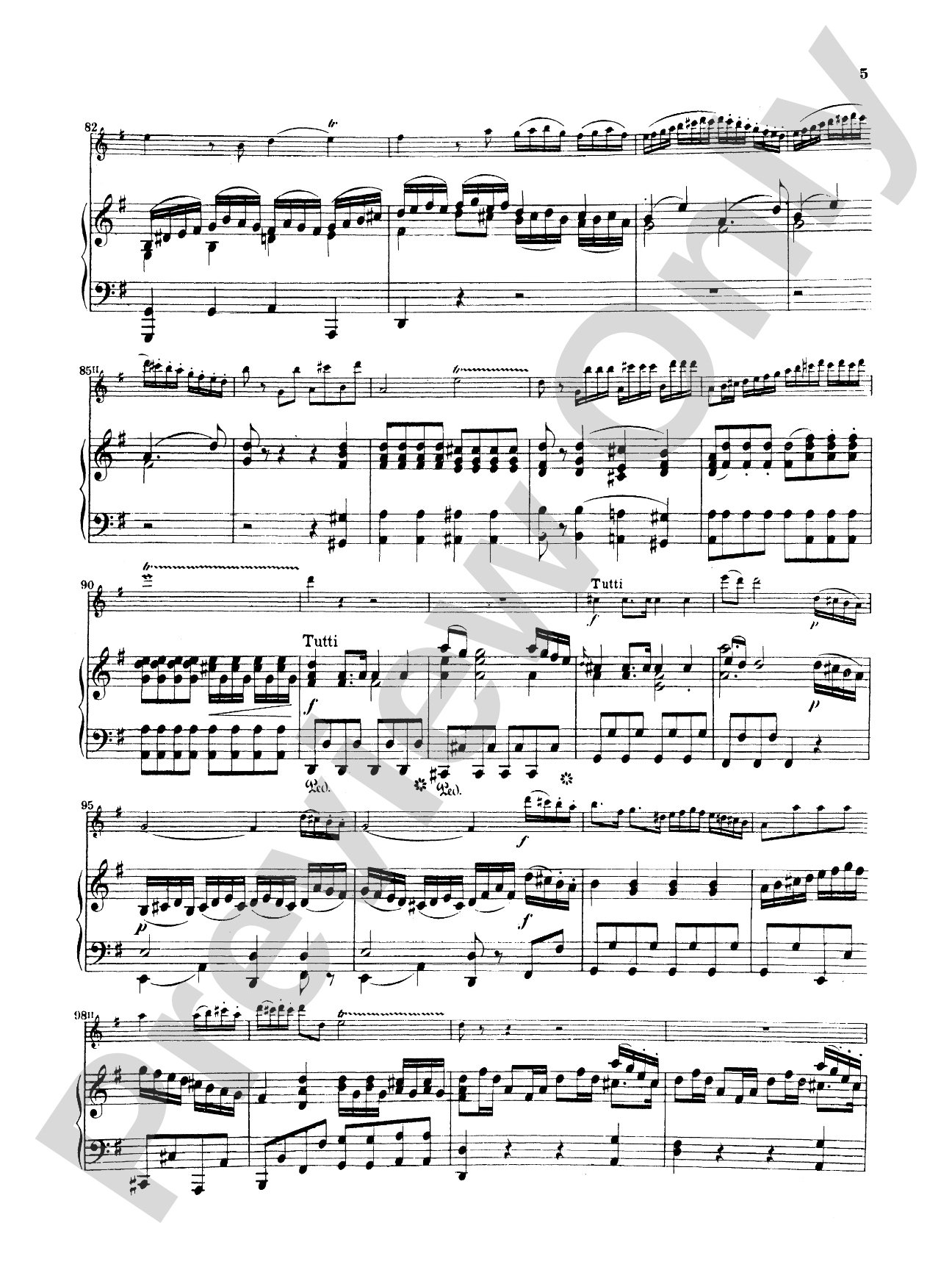
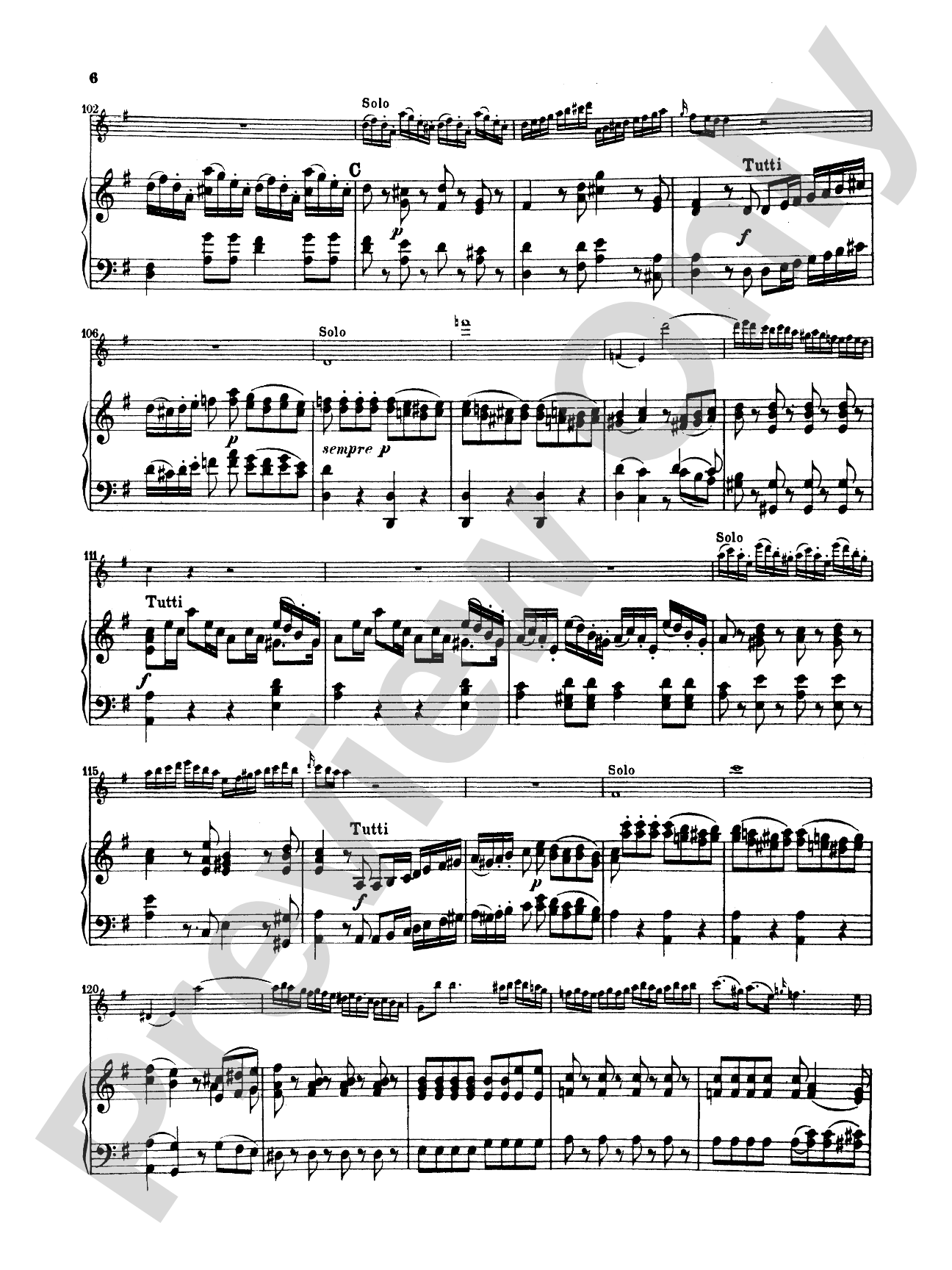
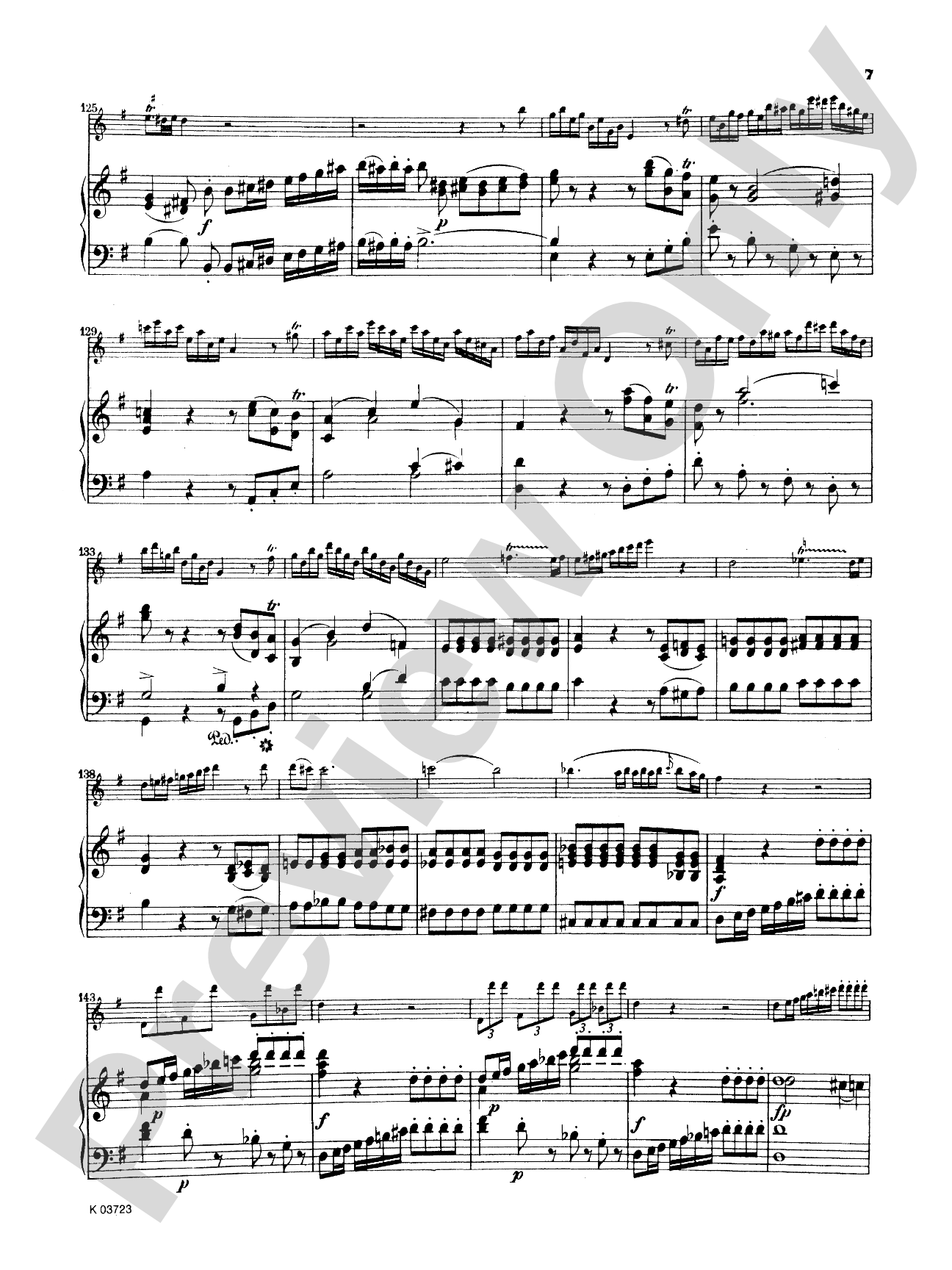
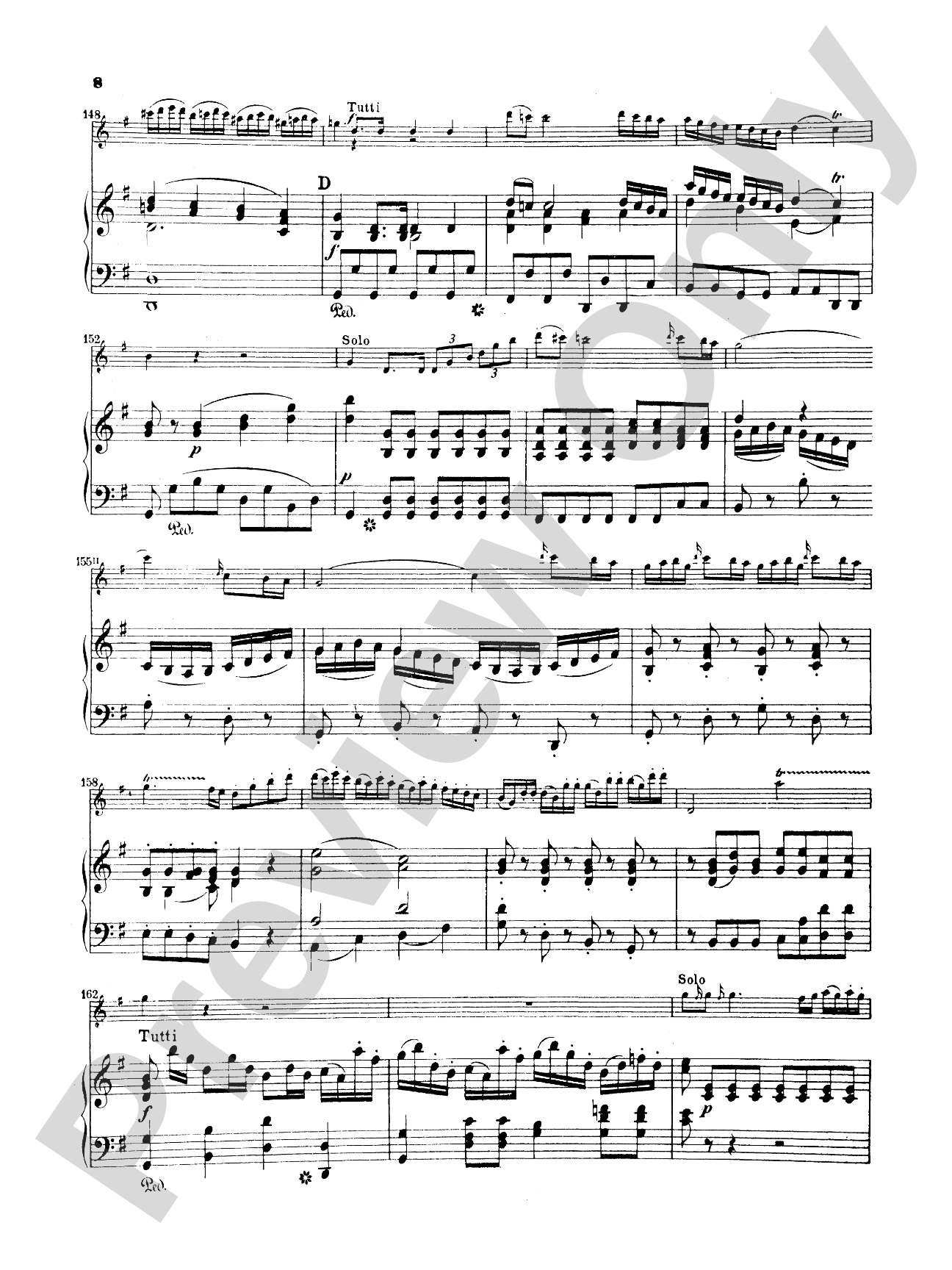
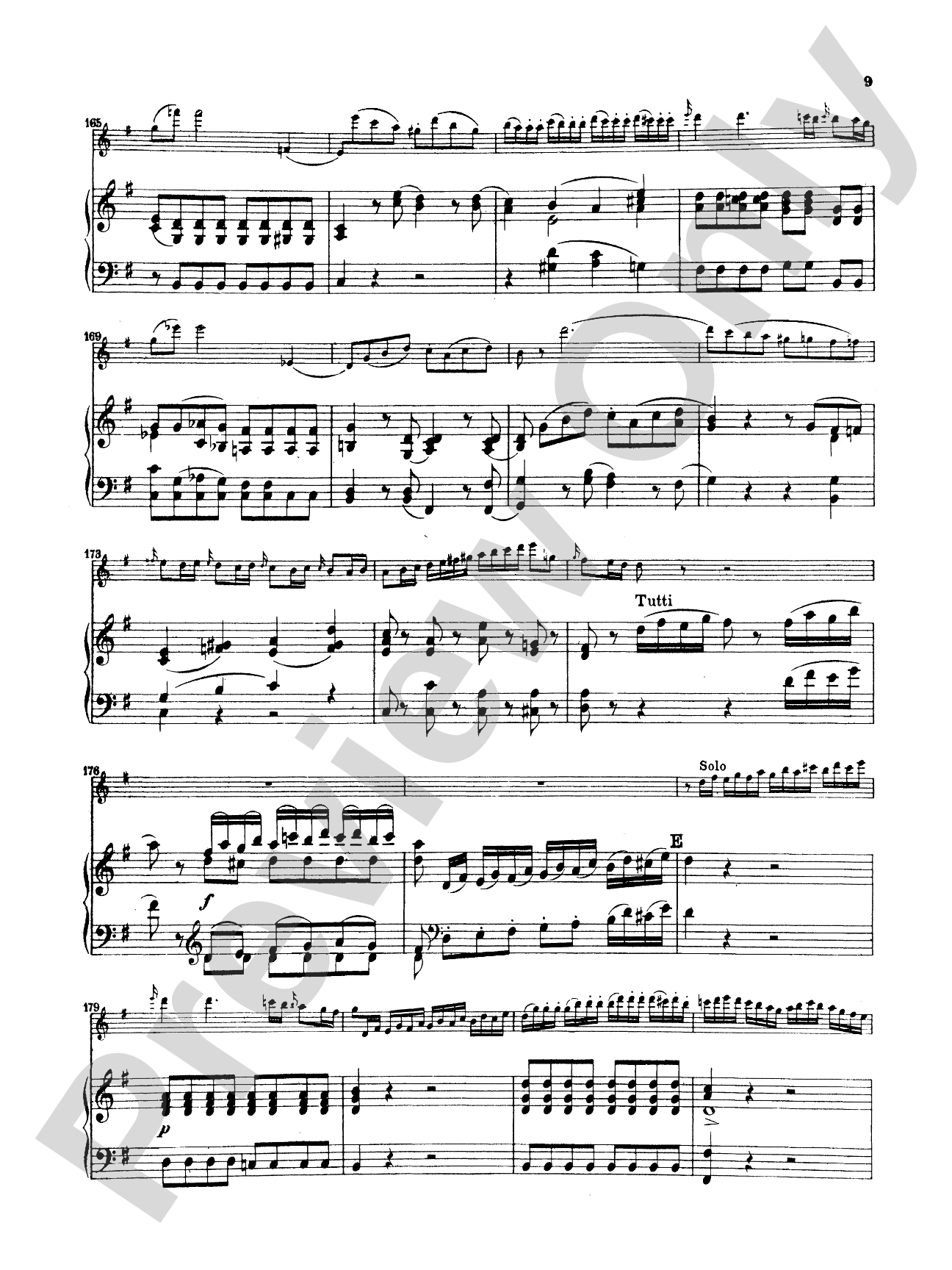
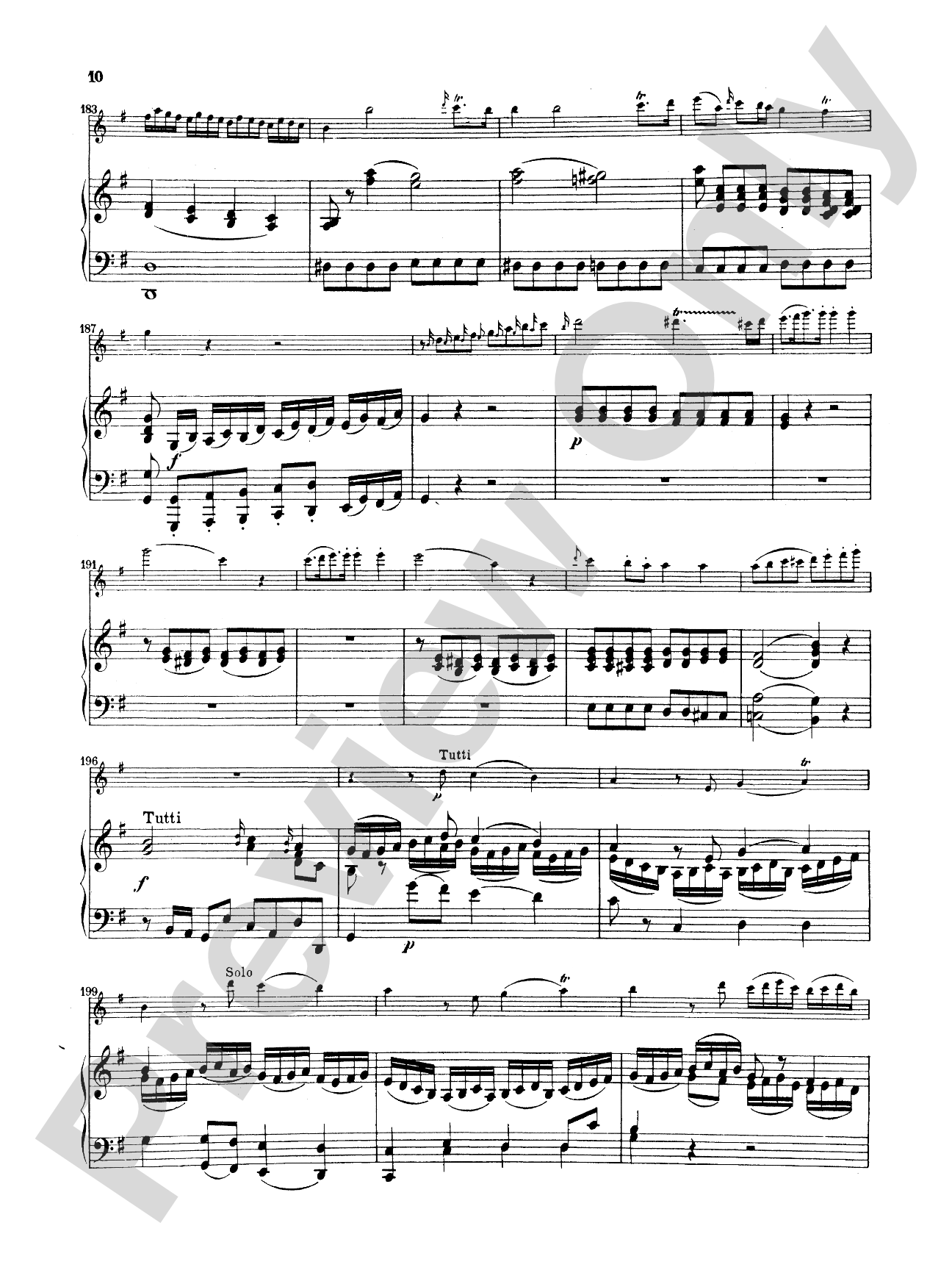
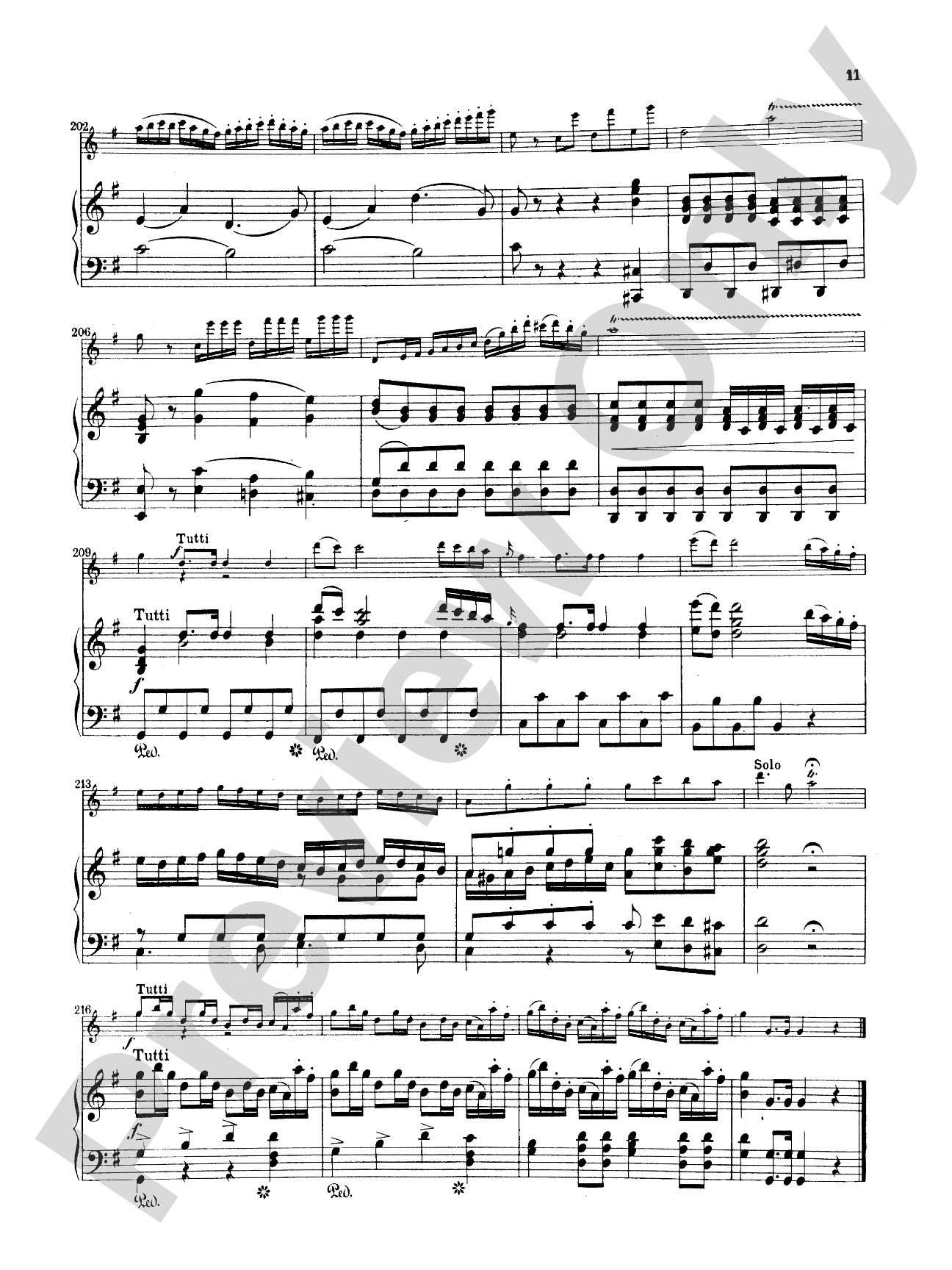
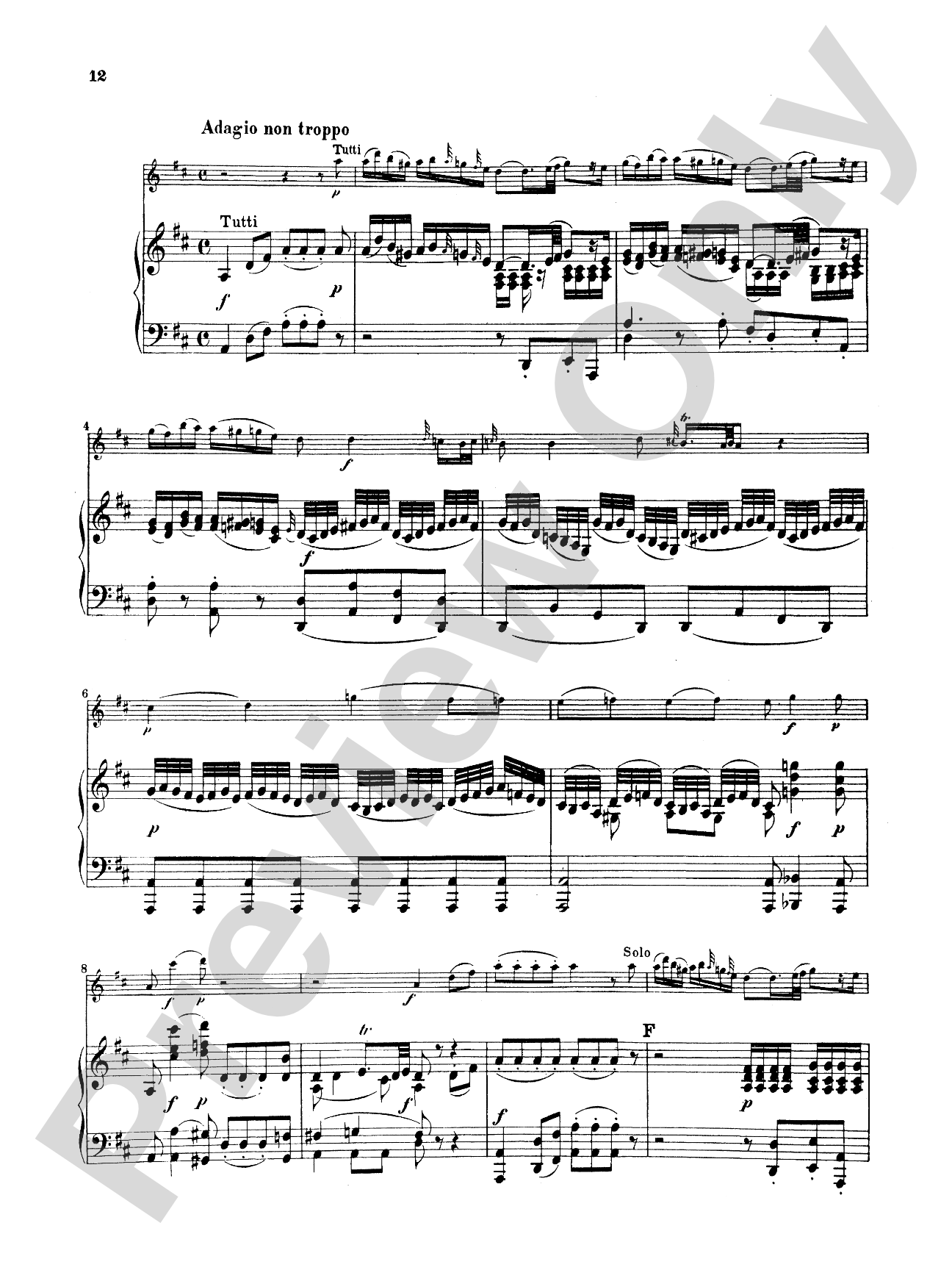
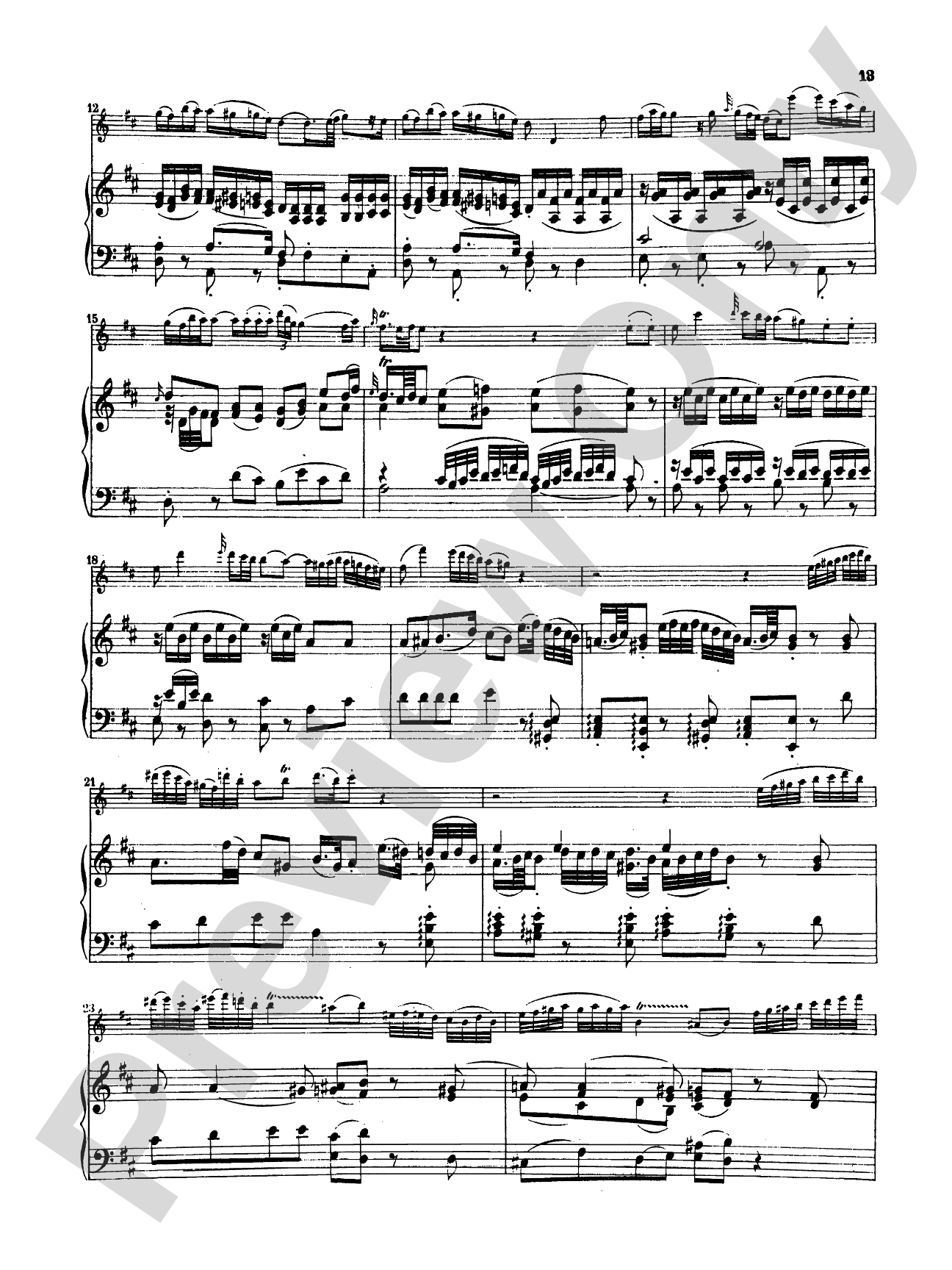
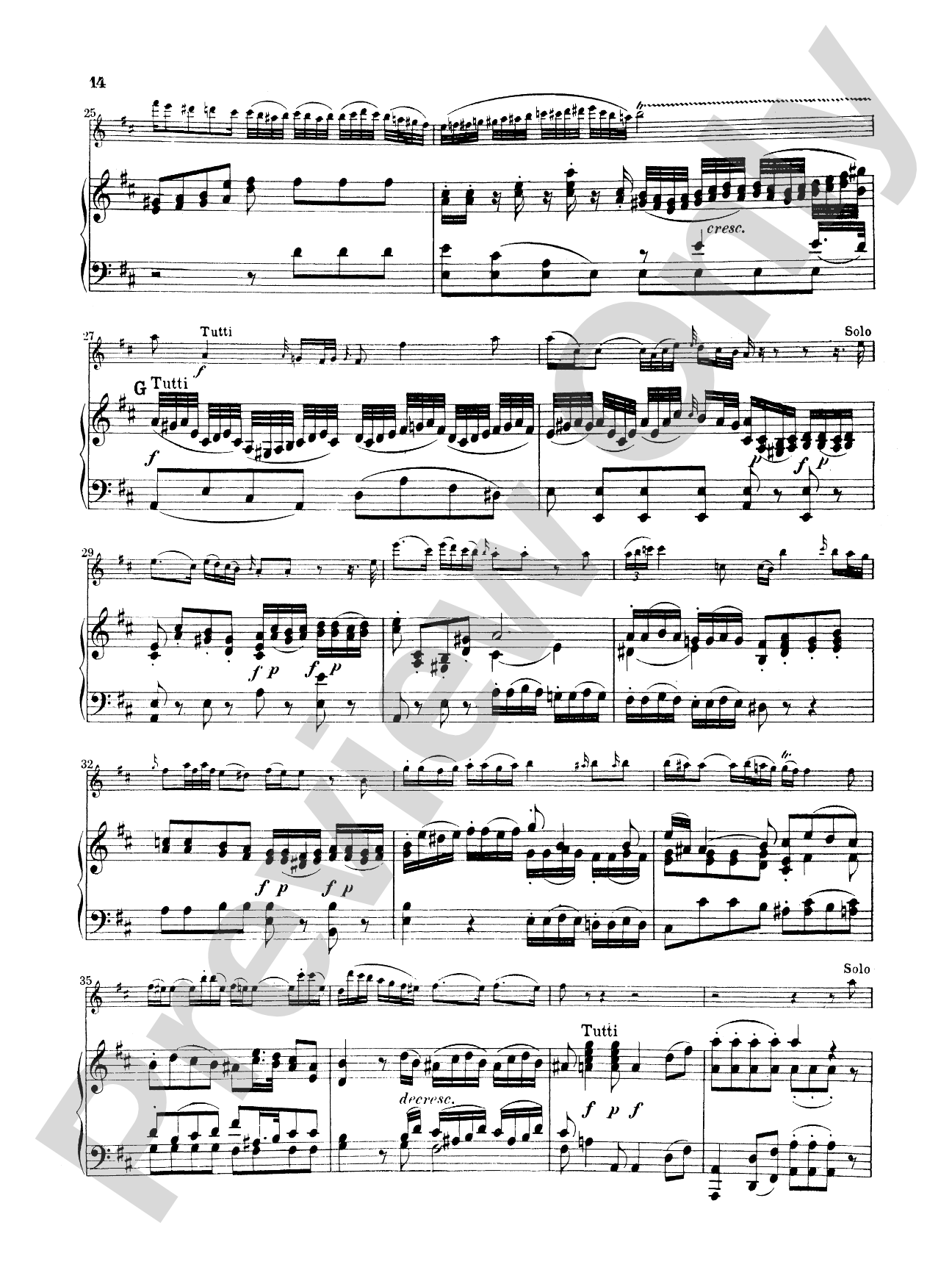
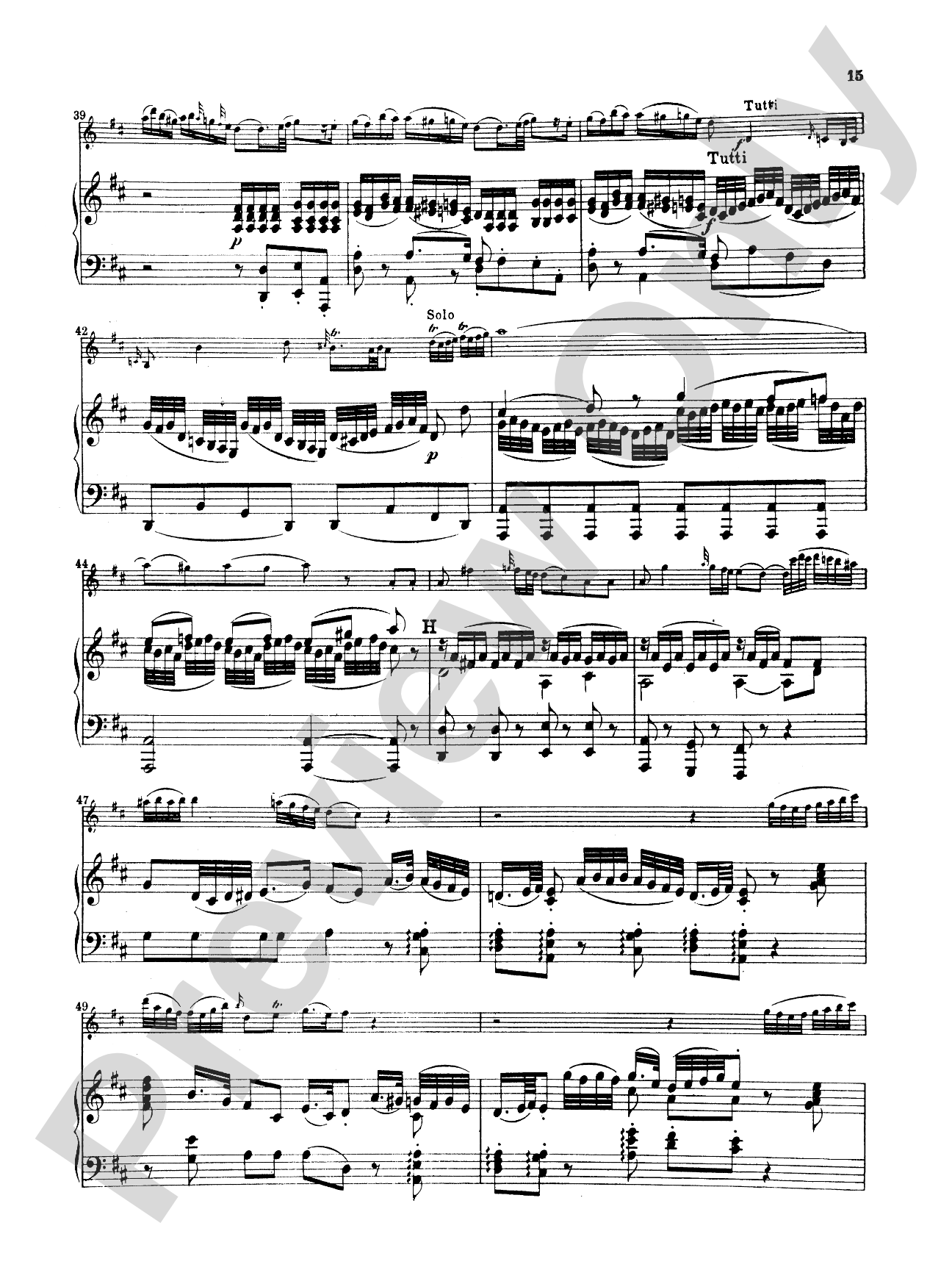
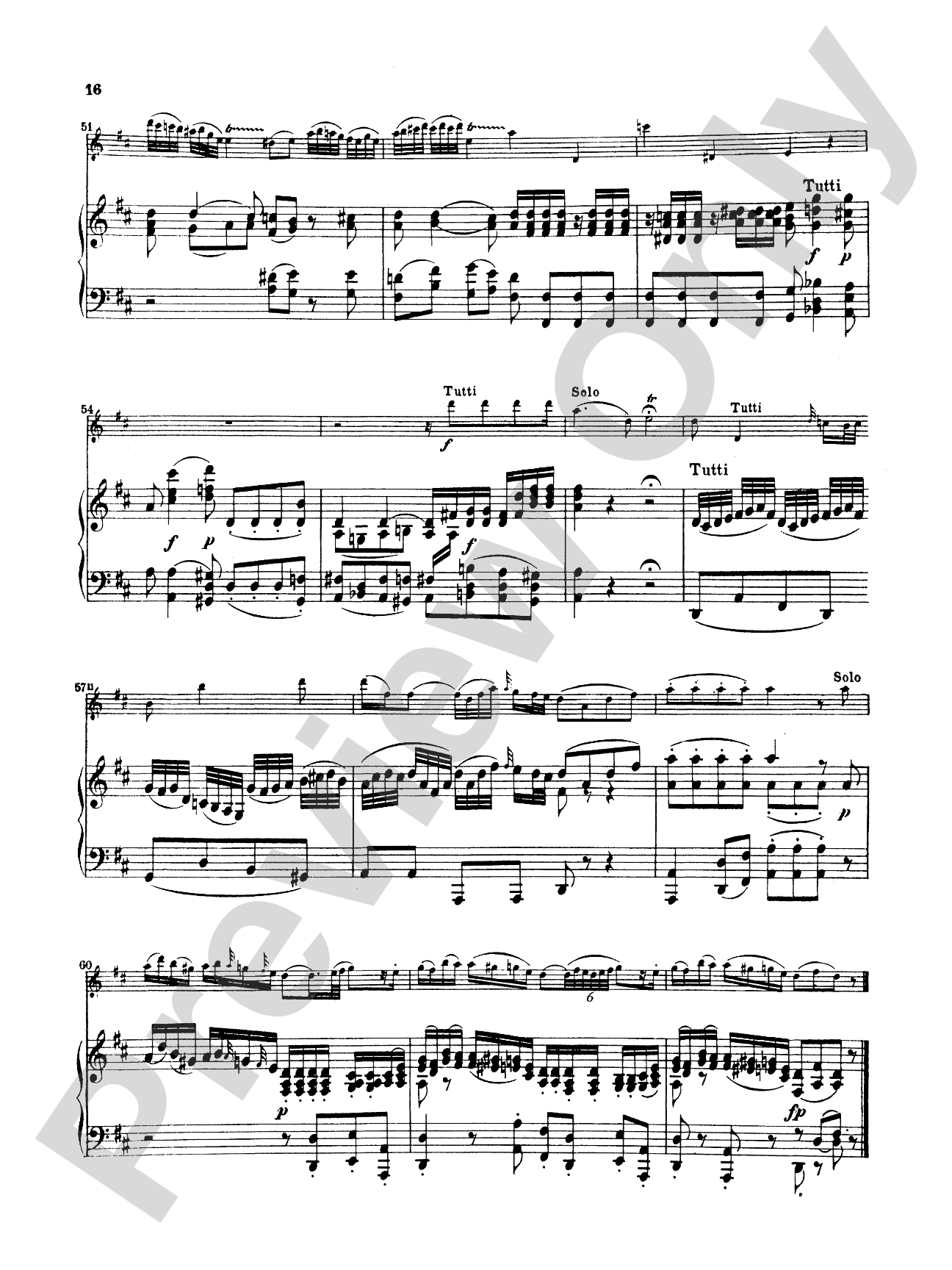
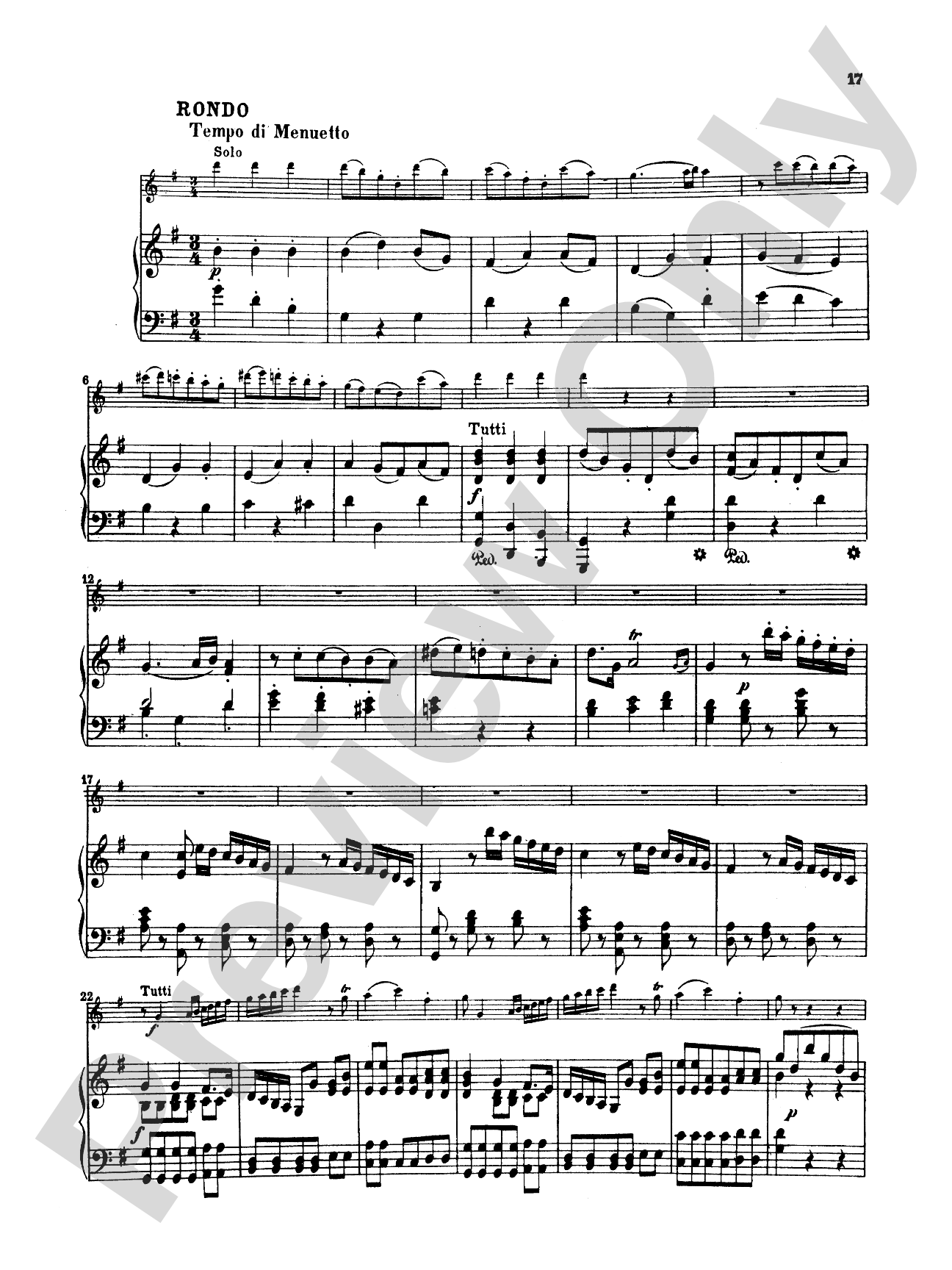
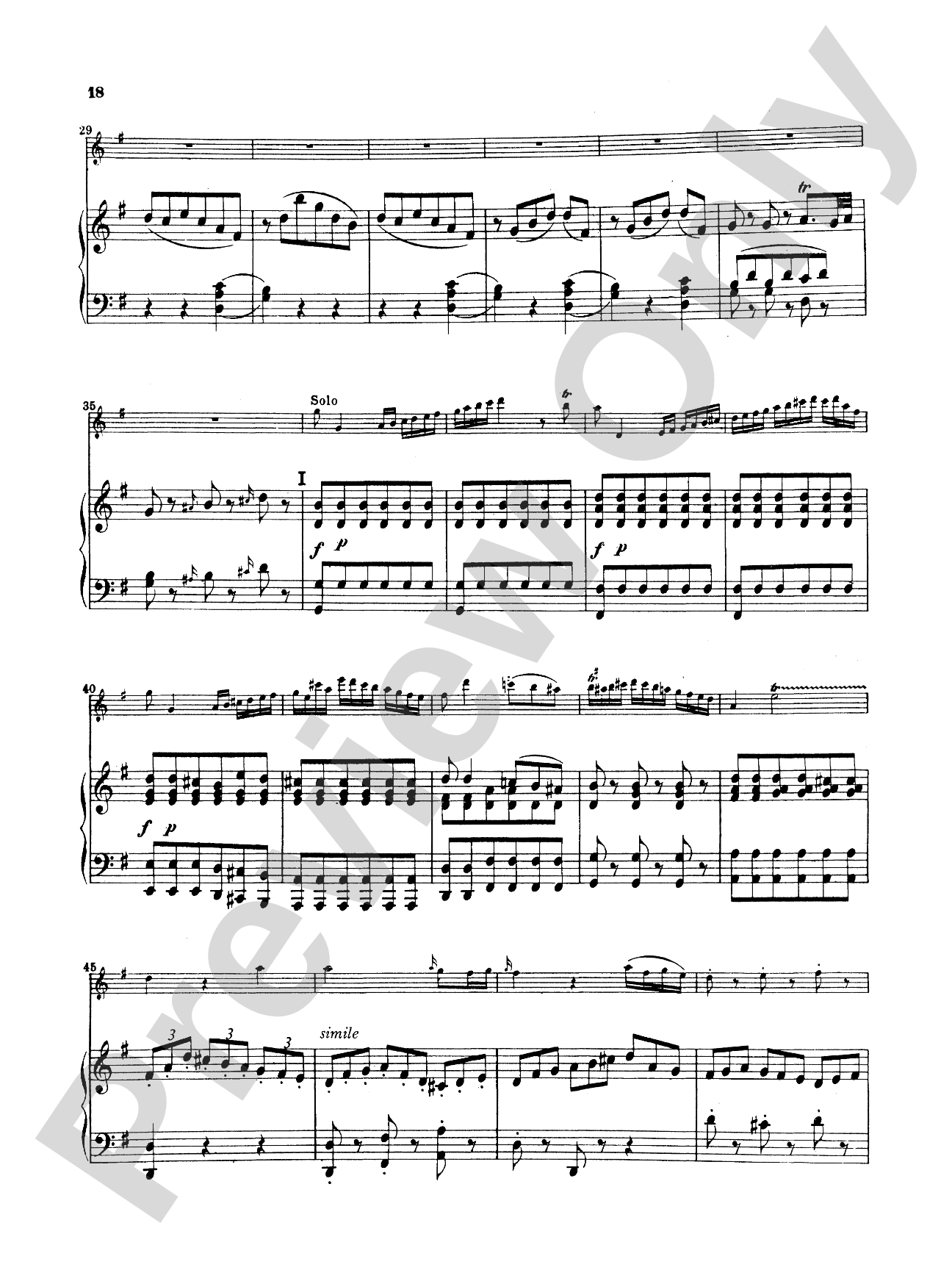
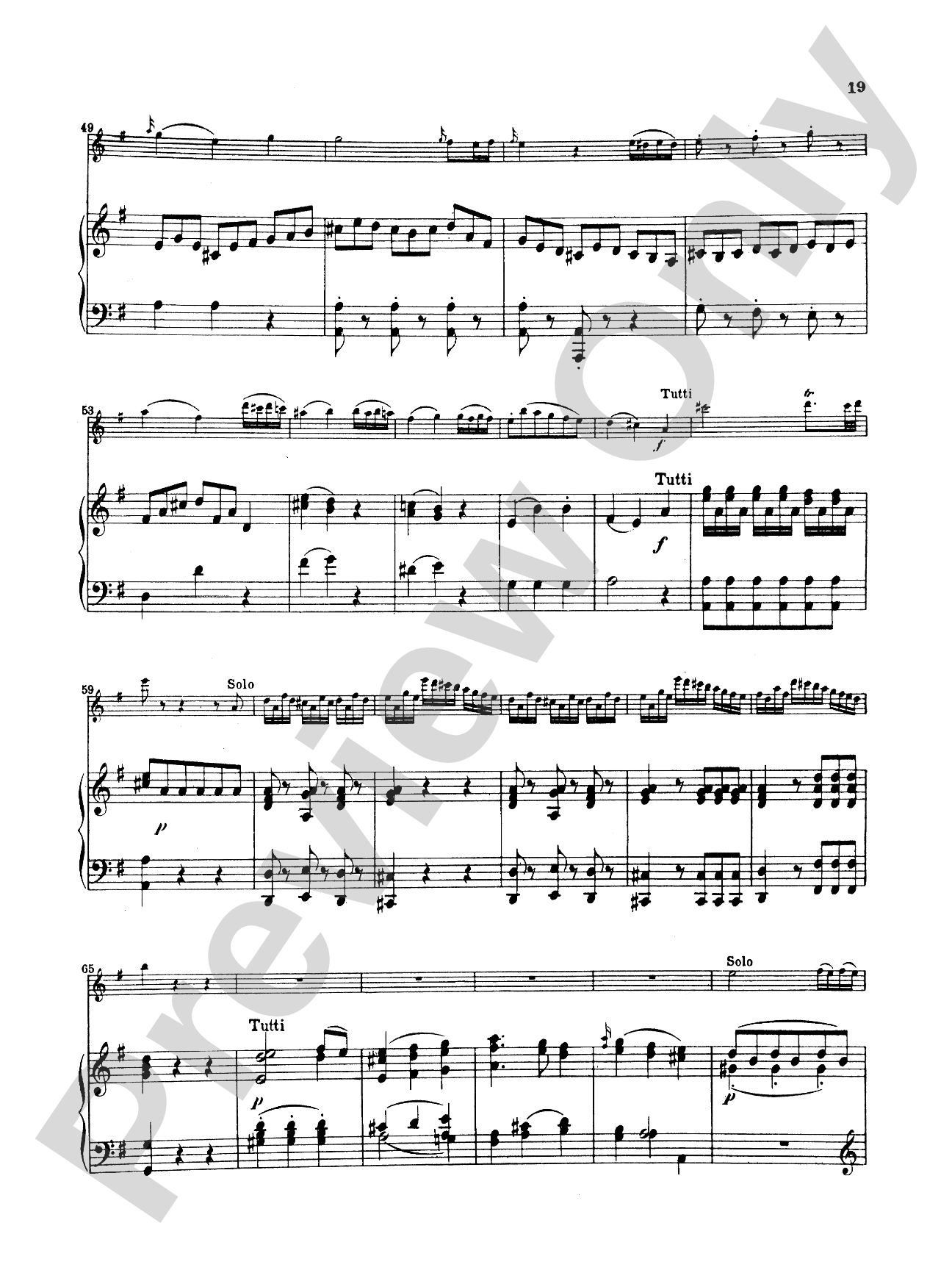
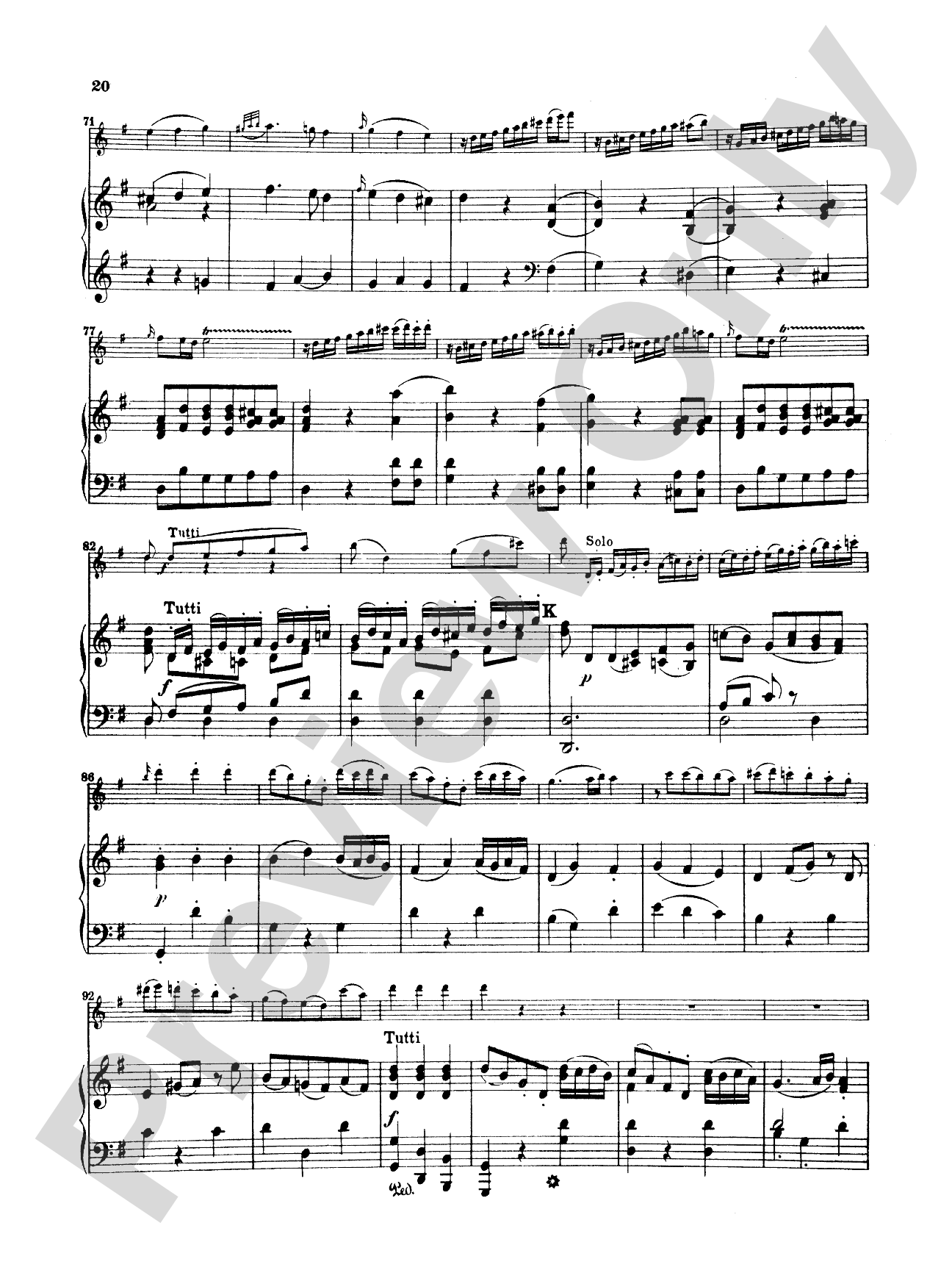
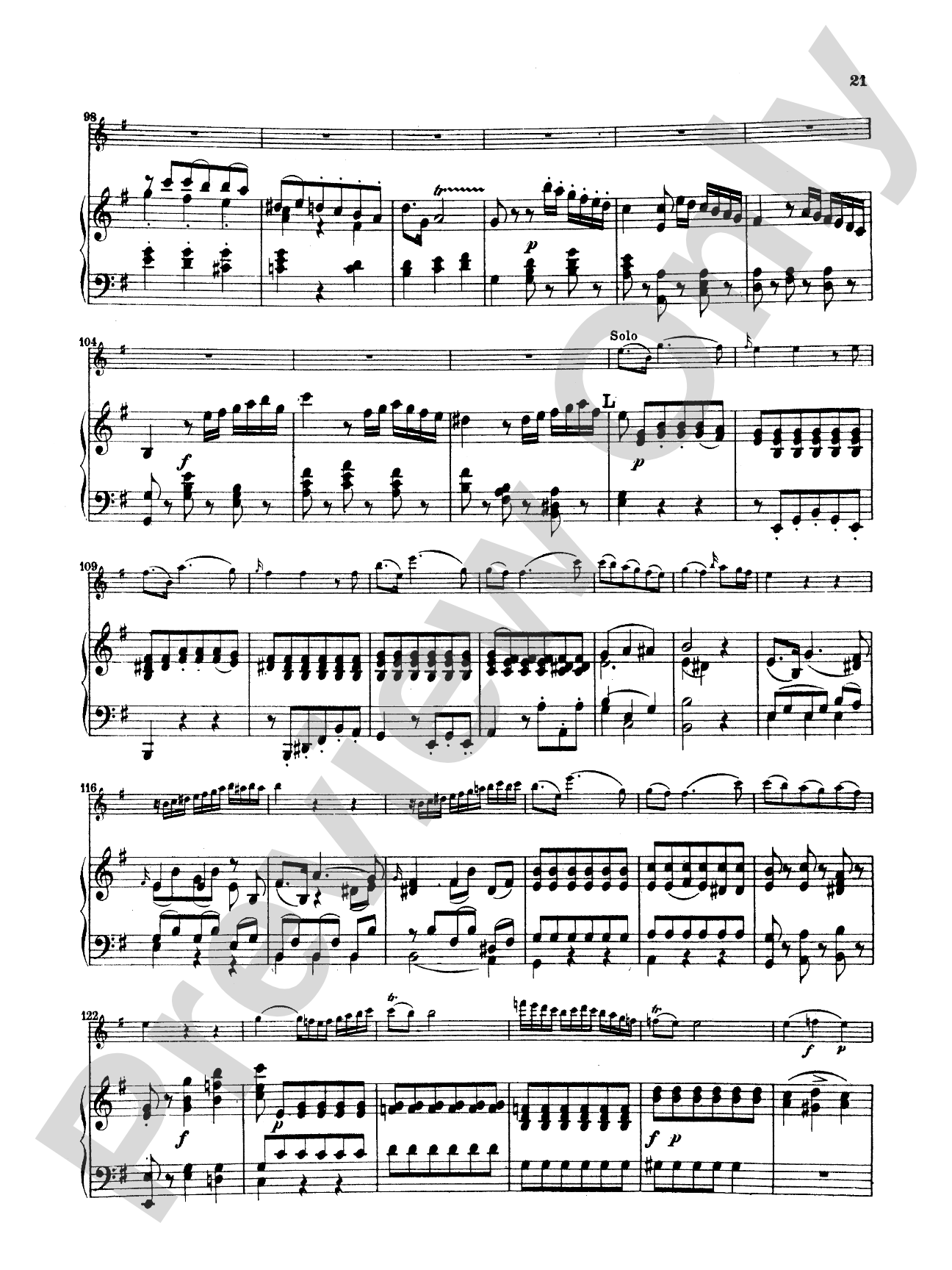
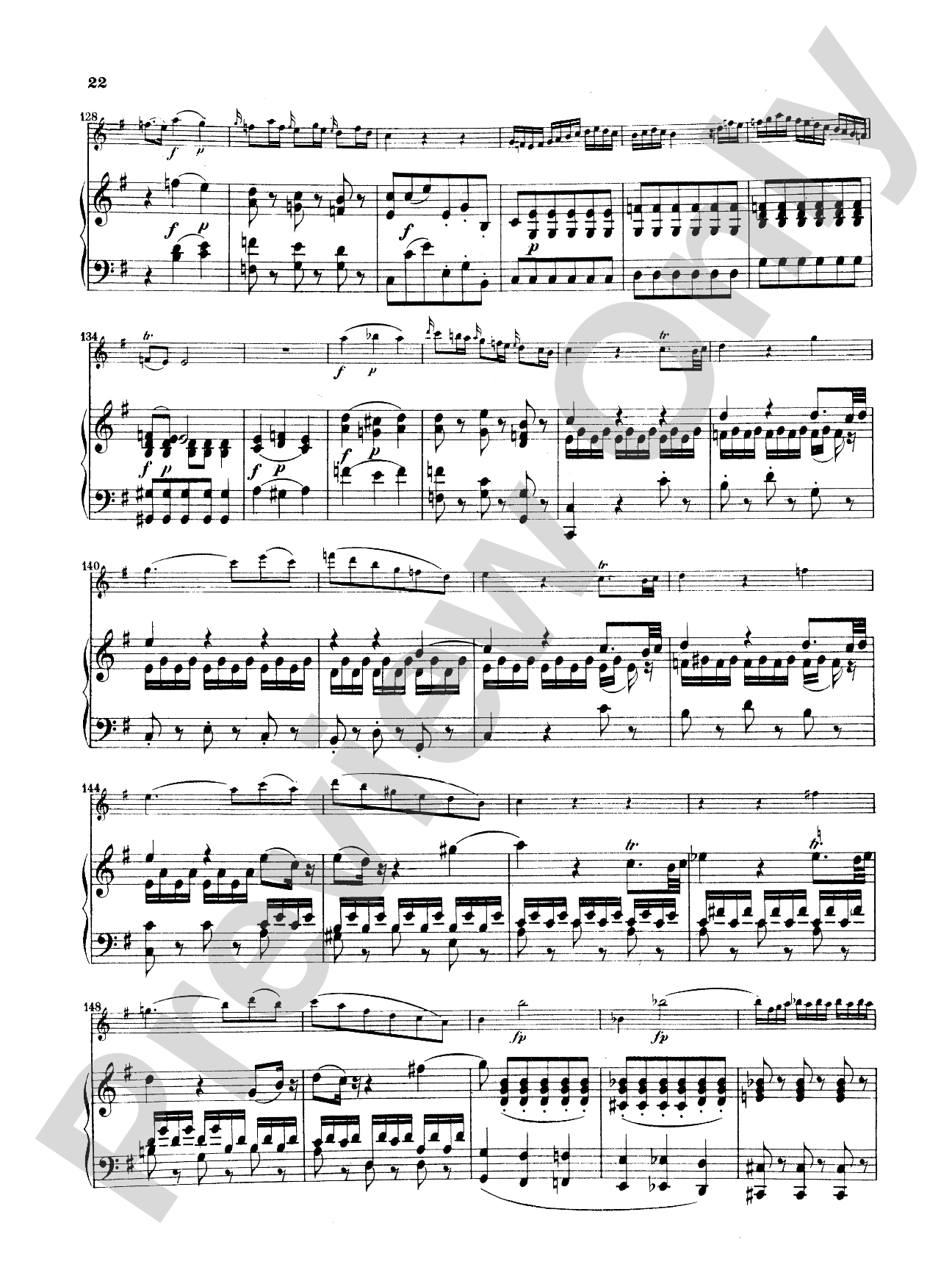
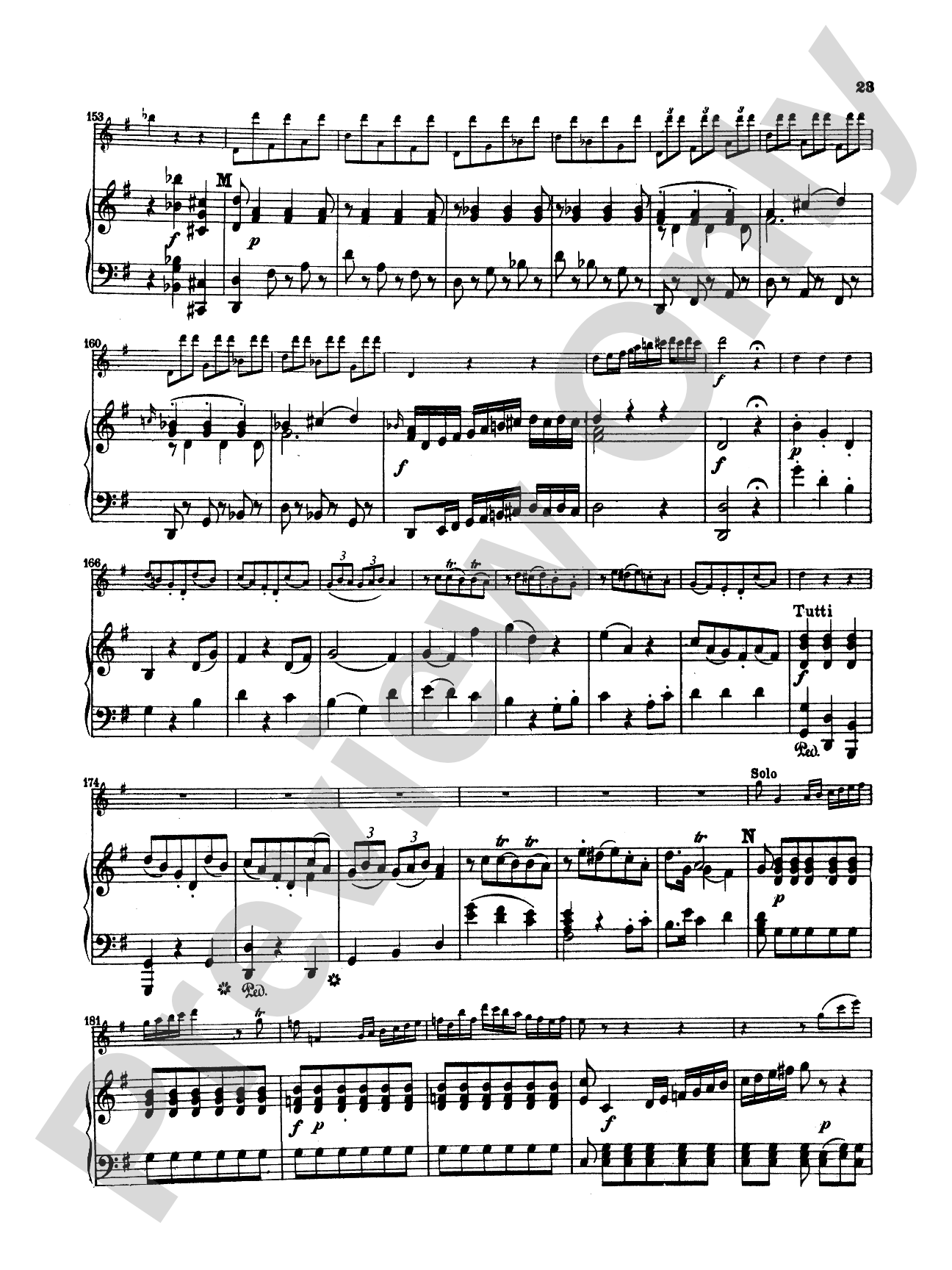
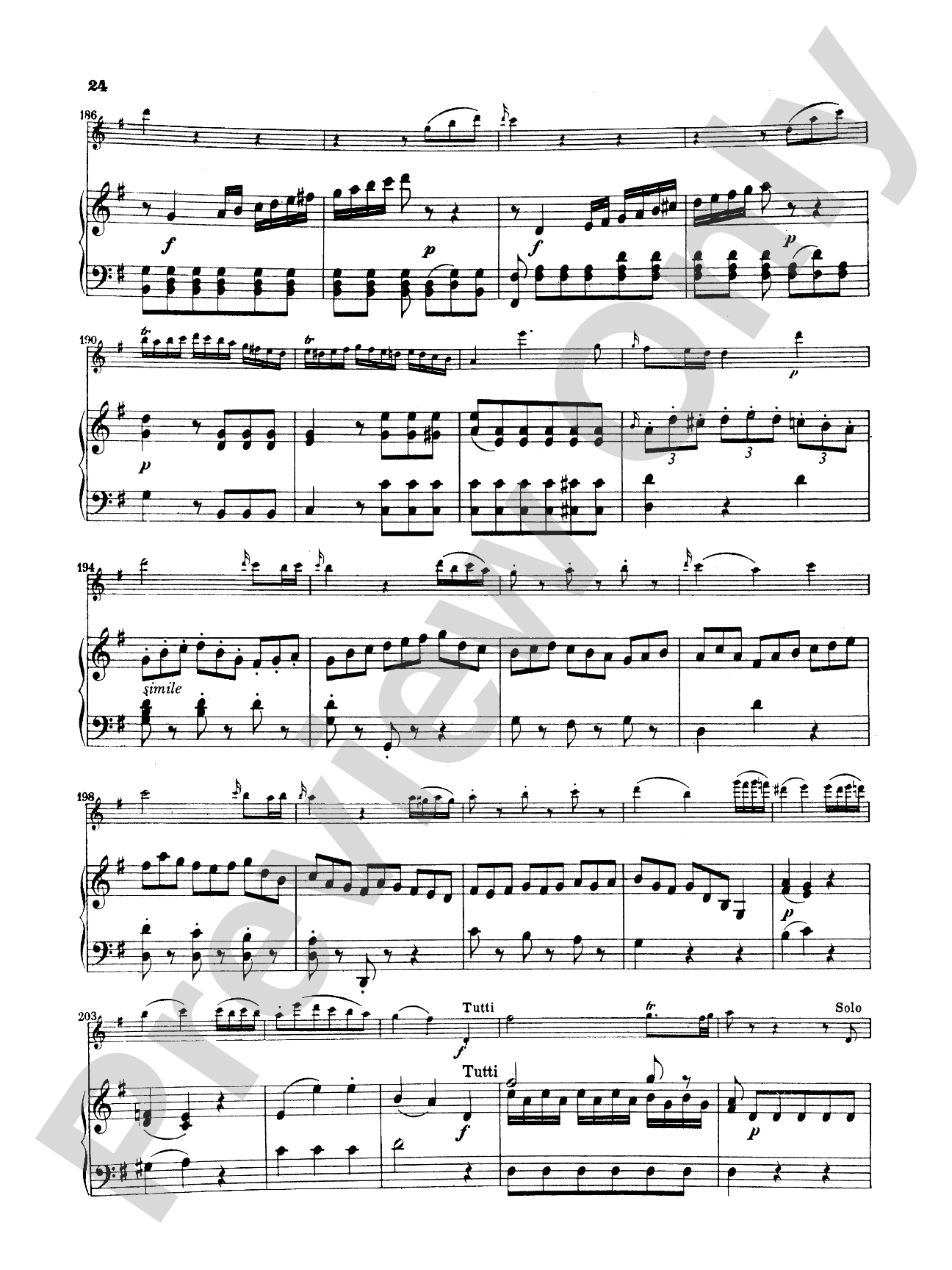
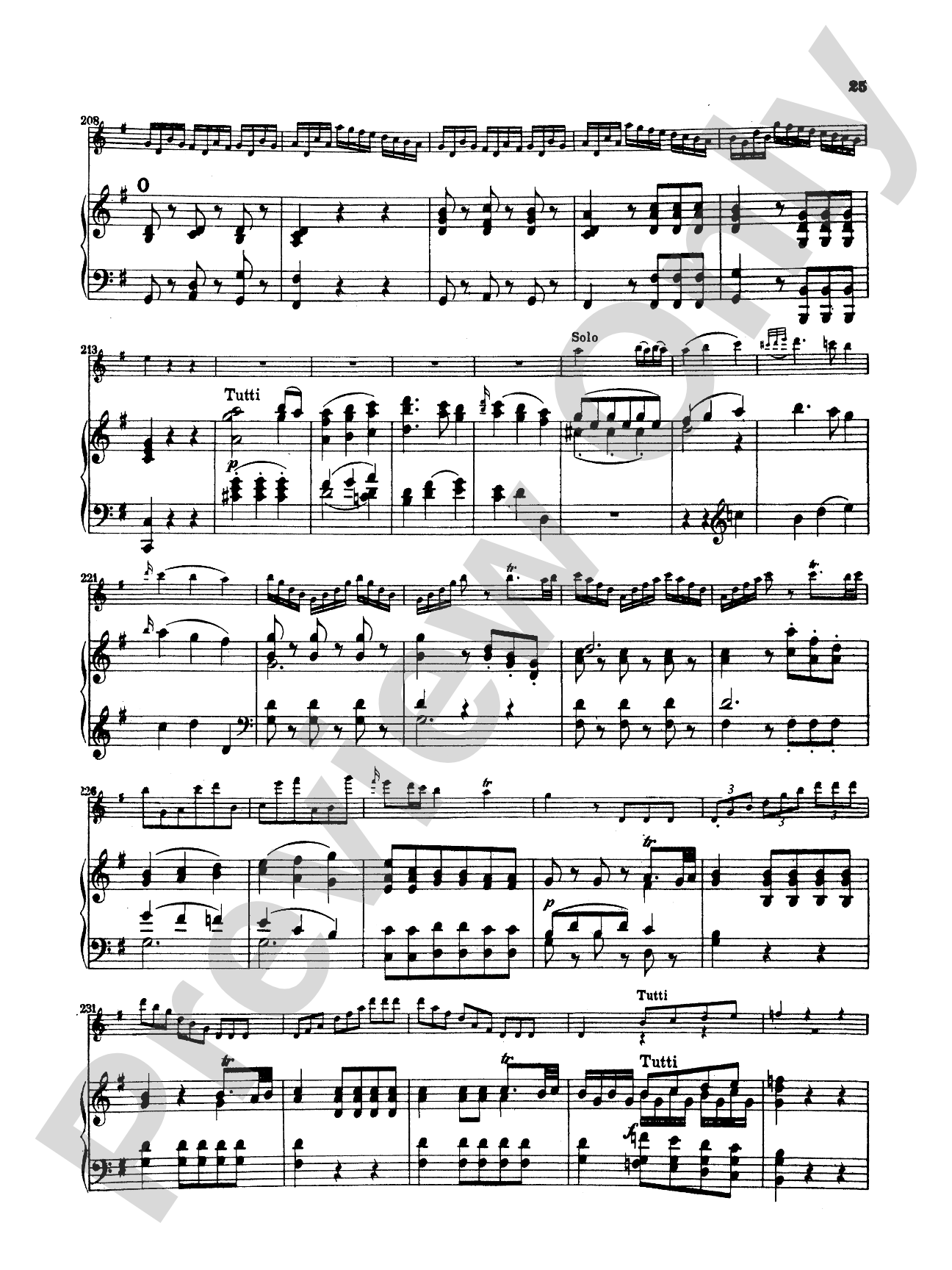
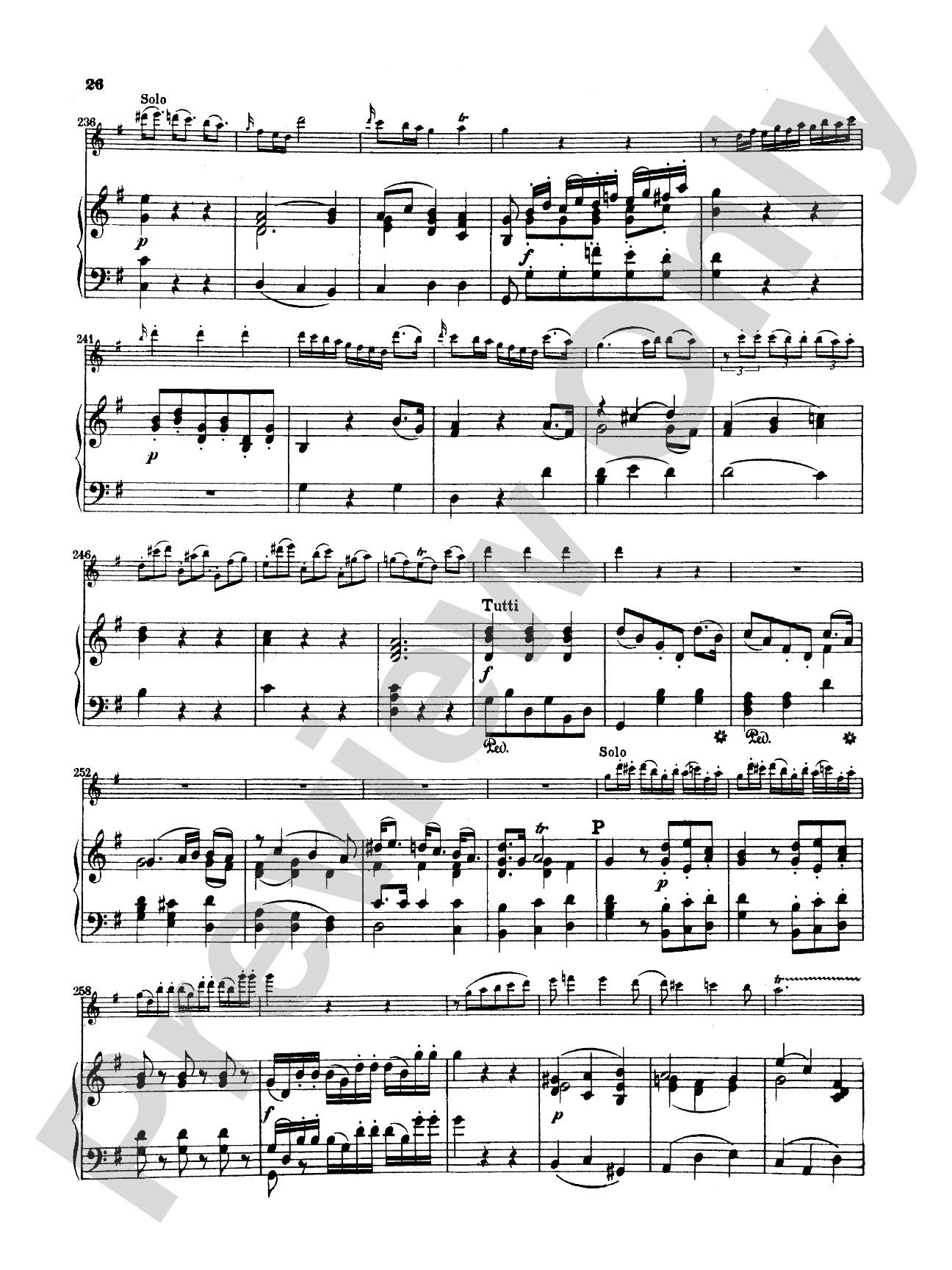
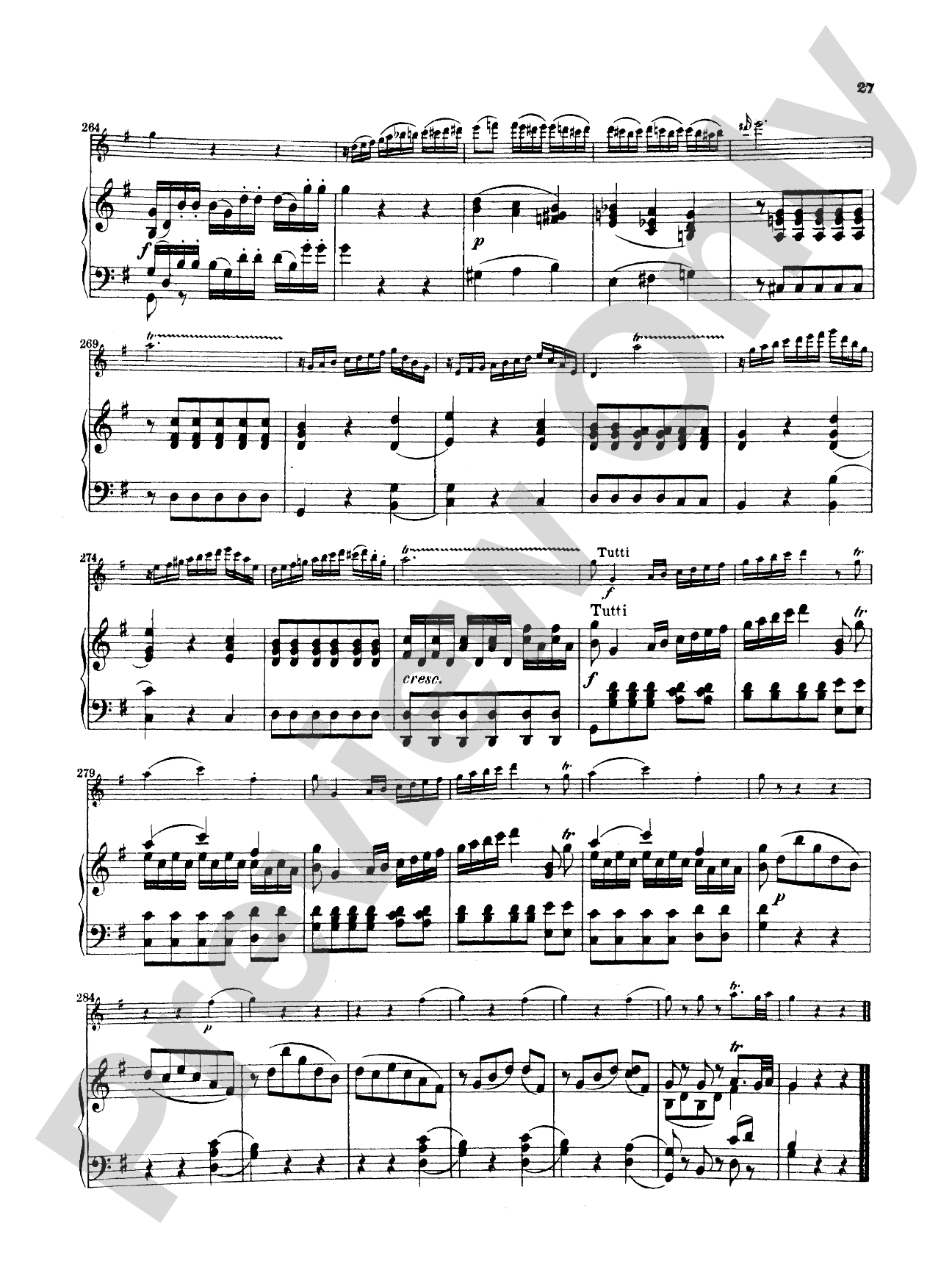




Mozart: Concerto No. 1 in G Major, K. 313: Flute Part(s)
By Wolfgang Amadeus Mozart
Item: 00-PK-0003256

$9.99
Pickup currently not available
Buy Extra Parts (Digital PDF Download)
| Product | Price | Quantity |
|---|---|---|
| Mozart: Concerto No. 1 in G Major, K. 313 | $8.95 |
Parts Added to Cart!
Related Items
Flute Concerto No. 1 in G Major, K. 313: Flute Part(s) |
$9.99
|
View |
Description
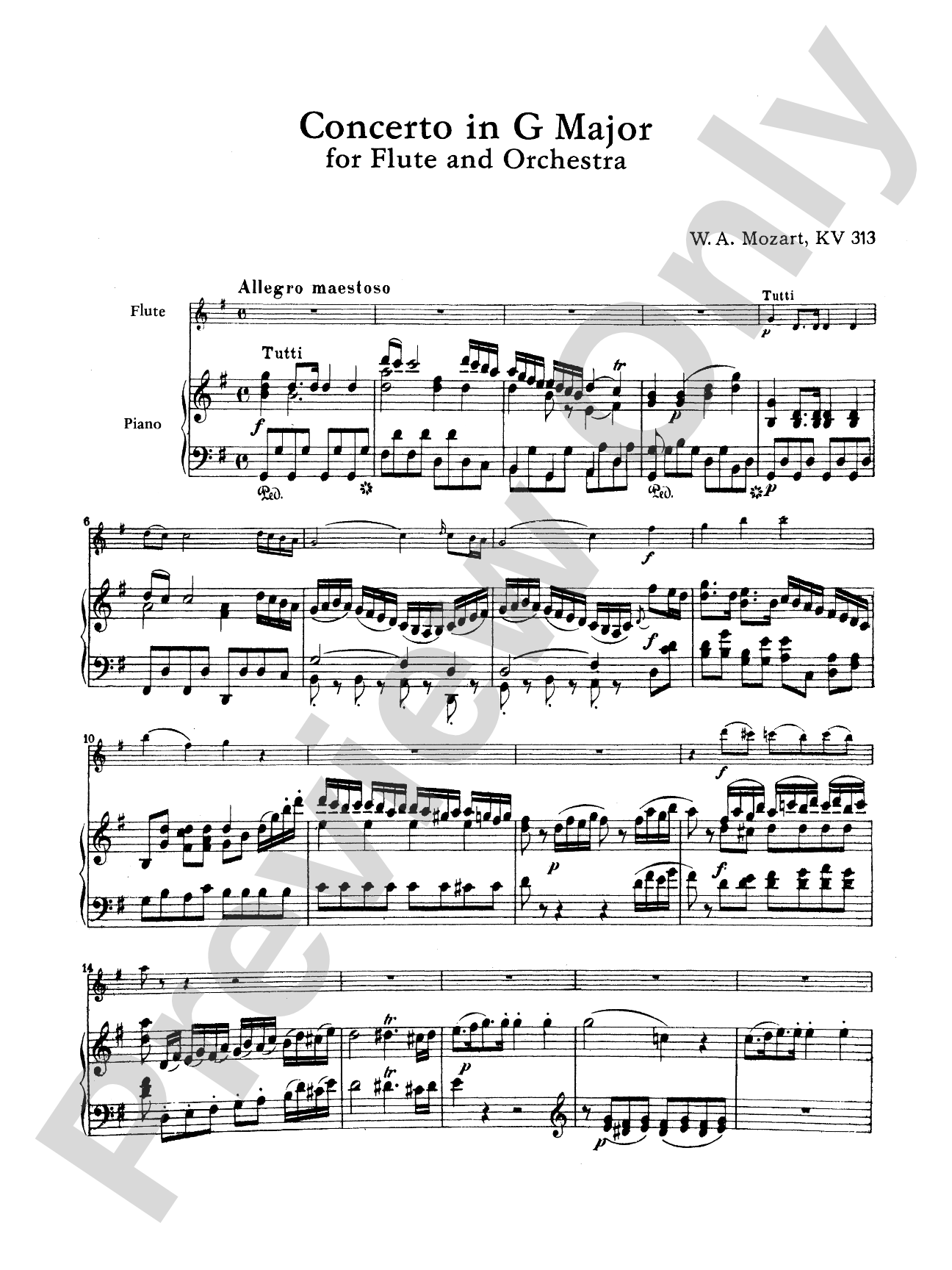
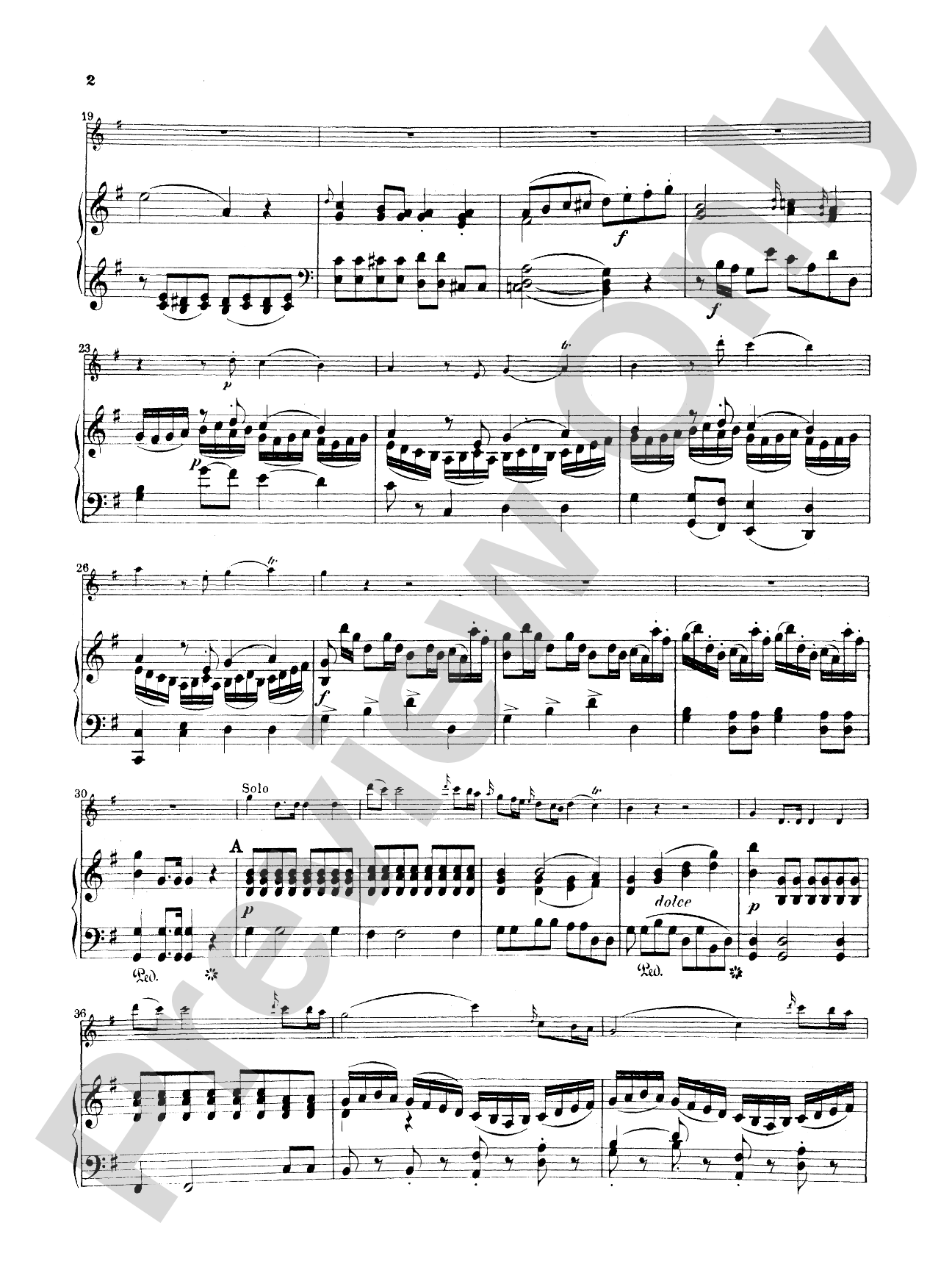
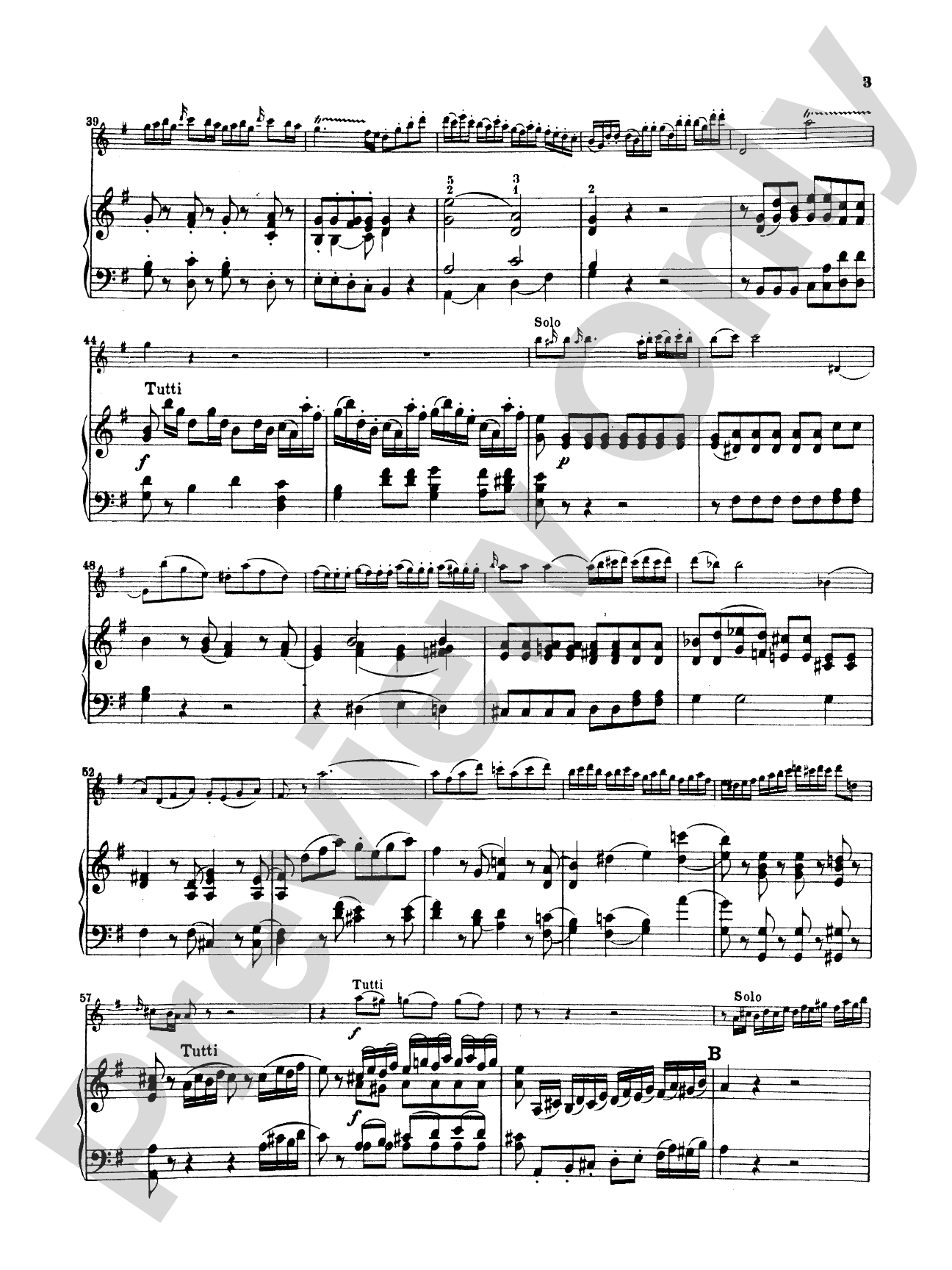
The Flute Concerto No. 1 in G major (K. 313) was written in 1778 by Mozart as a commissioned work for flute soloist and orchestra. This score presents the orchestral portion as a piano reduction. The separate flute score is included.


Don't just read it, hear it, play along with it, and watch your students grow with it. In MakeMusic Cloud, Mozart: Concerto No. 1 in G Major, K. 313: Flute Part(s) comes alive with professional accompaniment, adjustable tempo, and built-in practice tools that turn solo practice into real progress.
Open in the Player
Jump straight in and assign it today.
Start Your Free Trial
Open this title and explore the full library in minutes.
Sample Audio
No sample audio found.
Sample Video
No sample videos found.
Additional Details
Series:
Kalmus Edition
Publisher:
Alfred Music
Page Count:
44
SKU:
00-PK-0003256
More about this title
About the Composer: Wolfgang Amadeus Mozart
Wolfgang Amadeus Mozart (1756-1791) composed across every major genre of his era, leaving behind a catalog of over 600 works that remain central to the repertoire. His output includes 35 violin concertos, 27 piano concertos, and five wind concertos, each written with deep understanding of the instrument's capabilities and voice. Mozart's concertos balance virtuosic display with lyrical invention, creating works that reward both the soloist and ensemble musicians who support them.
Why we love this
This concerto sits at the sweet spot between technical sparkle and genuine lyricism, giving flute soloists room to shine without requiring the fearlessness of a Baroque virtuoso. The orchestral reduction preserves Mozart's harmonic sophistication and sense of dialogue, so rehearsal pianists aren't left accompanying a bare melodic line. For contest season or a featured recital program, it signals serious musicianship while remaining accessible to strong high school and early college players.
What to expect
The work opens with courtly elegance, then shifts into brilliant passagework that demands precision and agility. A graceful Adagio provides breathing room before the finale returns to spirited, dance-like energy that feels both gallant and genuinely joyful.
Who it's for
Advanced high school flutists preparing for all-state auditions, youth orchestra principals, and college-level students building a core concerto repertoire. Pianists accompanying flute students will also benefit from having a proper reduction rather than makeshift accompaniment arrangements.
How to get the most out of it
- Establish a steady pulse in the opening Allegro maestoso before layering the ornamental figures; Mozart's triplet rhythms and turns sit more securely when the foundation is rock solid.
- Shape the lyrical second theme with unhurried phrasing and judicious vibrato; the melodic beauty depends on clarity of line rather than elaborate ornamentation.
- Coordinate with the pianist on the fast passagework in the final sections, using a light articulation that lets sixteenth-note runs speak without sounding breathless.
- In the slower movement, sit back into the warm low register when Mozart drops below the staff; the introspective character relies on tonal weight and patience.
How to use it
Program this as the centerpiece of a junior recital or as a festival showcase piece that anchors a mixed solo concert. It also works well as part of a Classical era retrospective, where it can sit alongside concertos by other composers of the period and illustrate Mozart's refined voice within the genre.
Skills your students will build
- Classical articulation and phrasing conventions
- Balancing virtuosic passagework with lyrical restraint
- Ornamental figures including turns and trills in period style
- Coordination with piano accompaniment in extended solo sections
- Reading and executing varied rhythmic profiles across three movements