
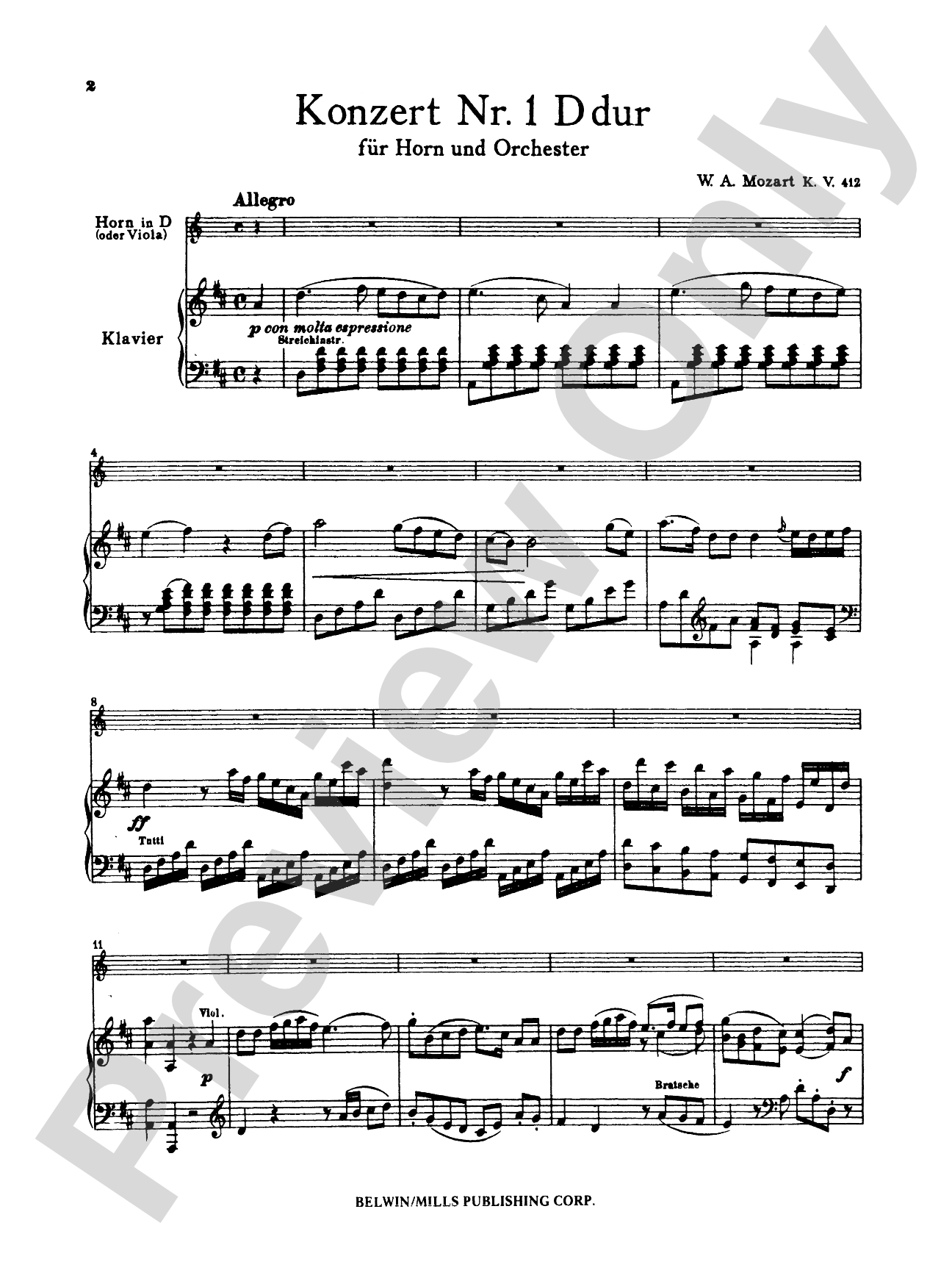
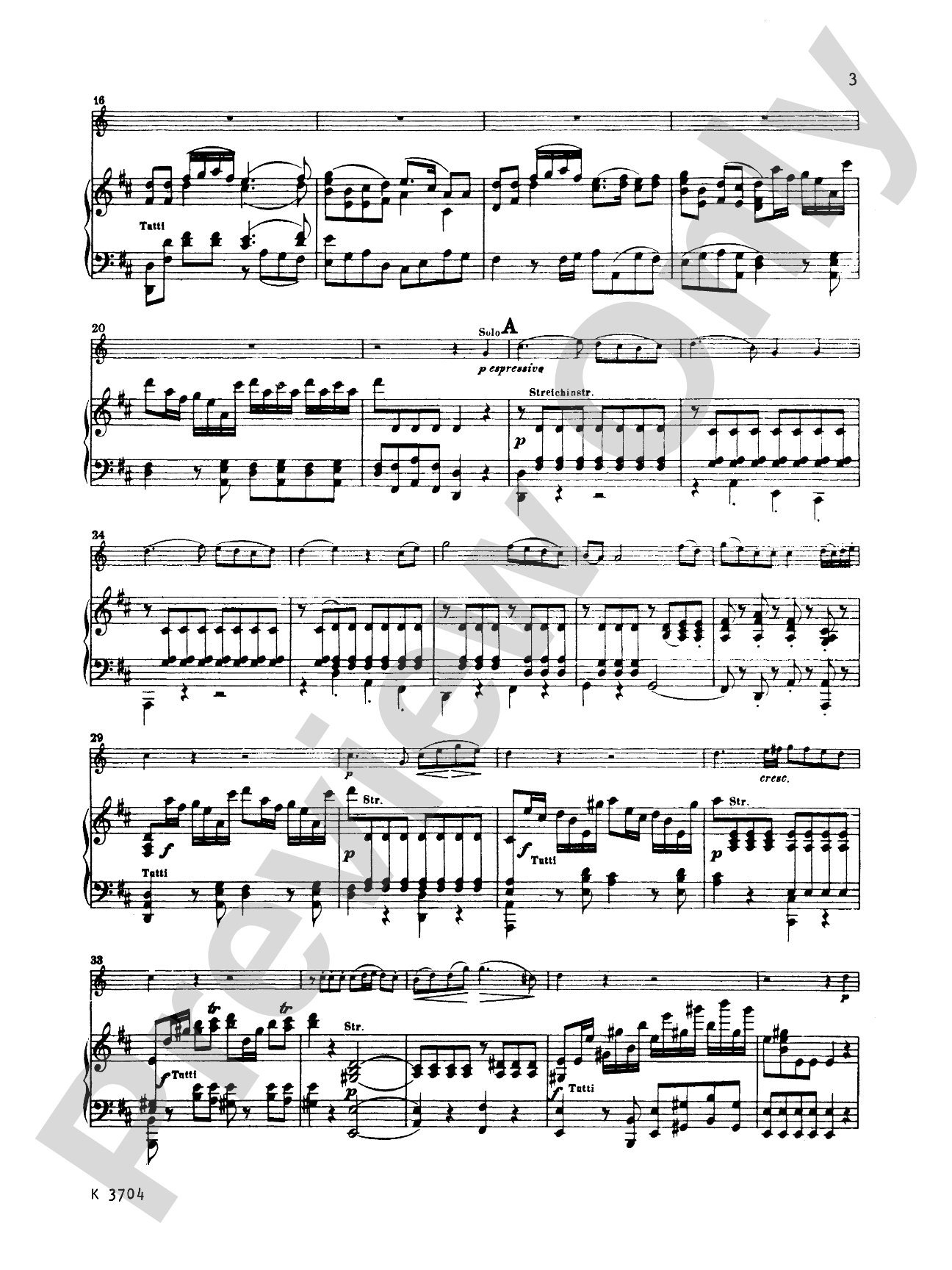
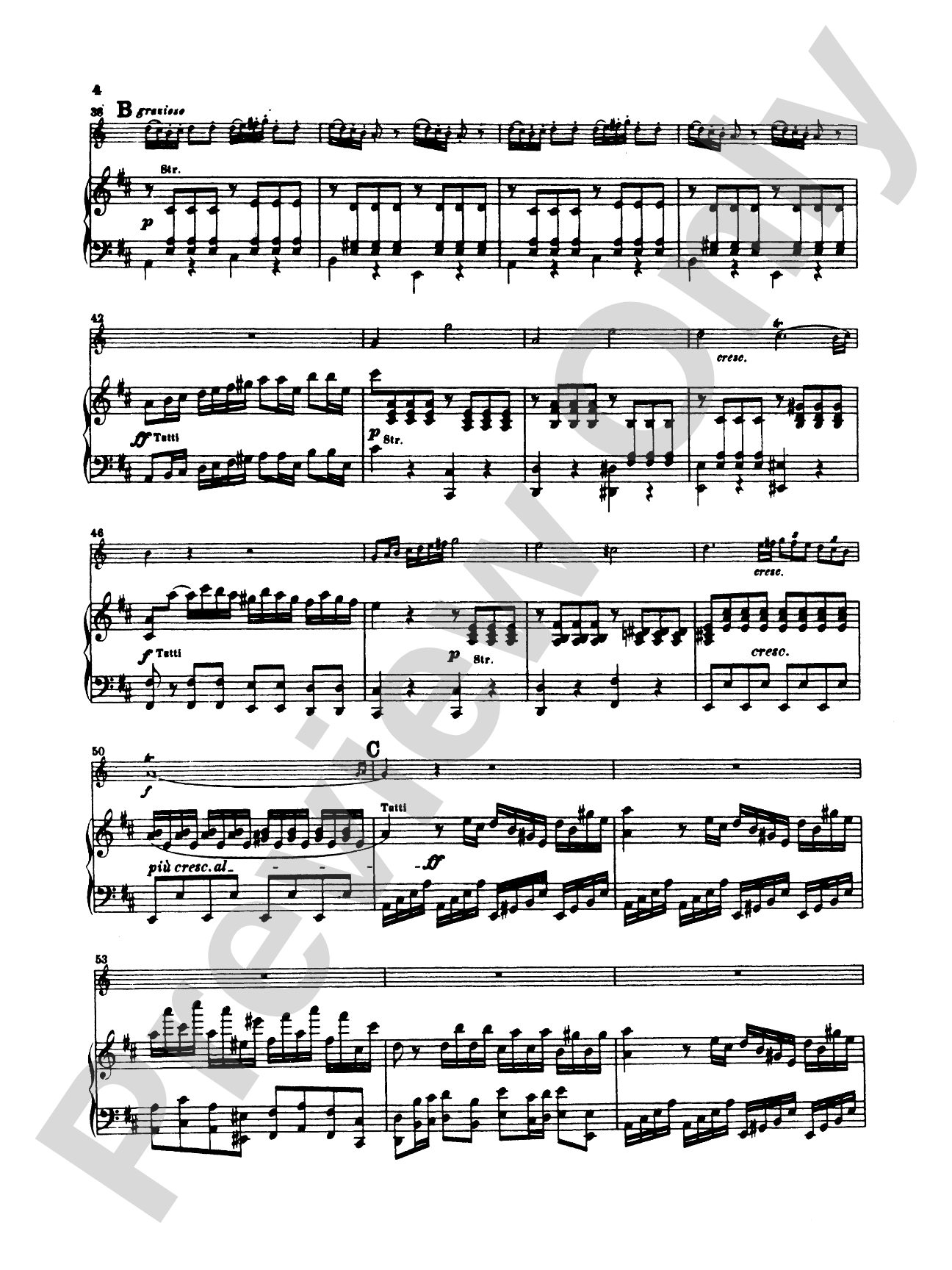
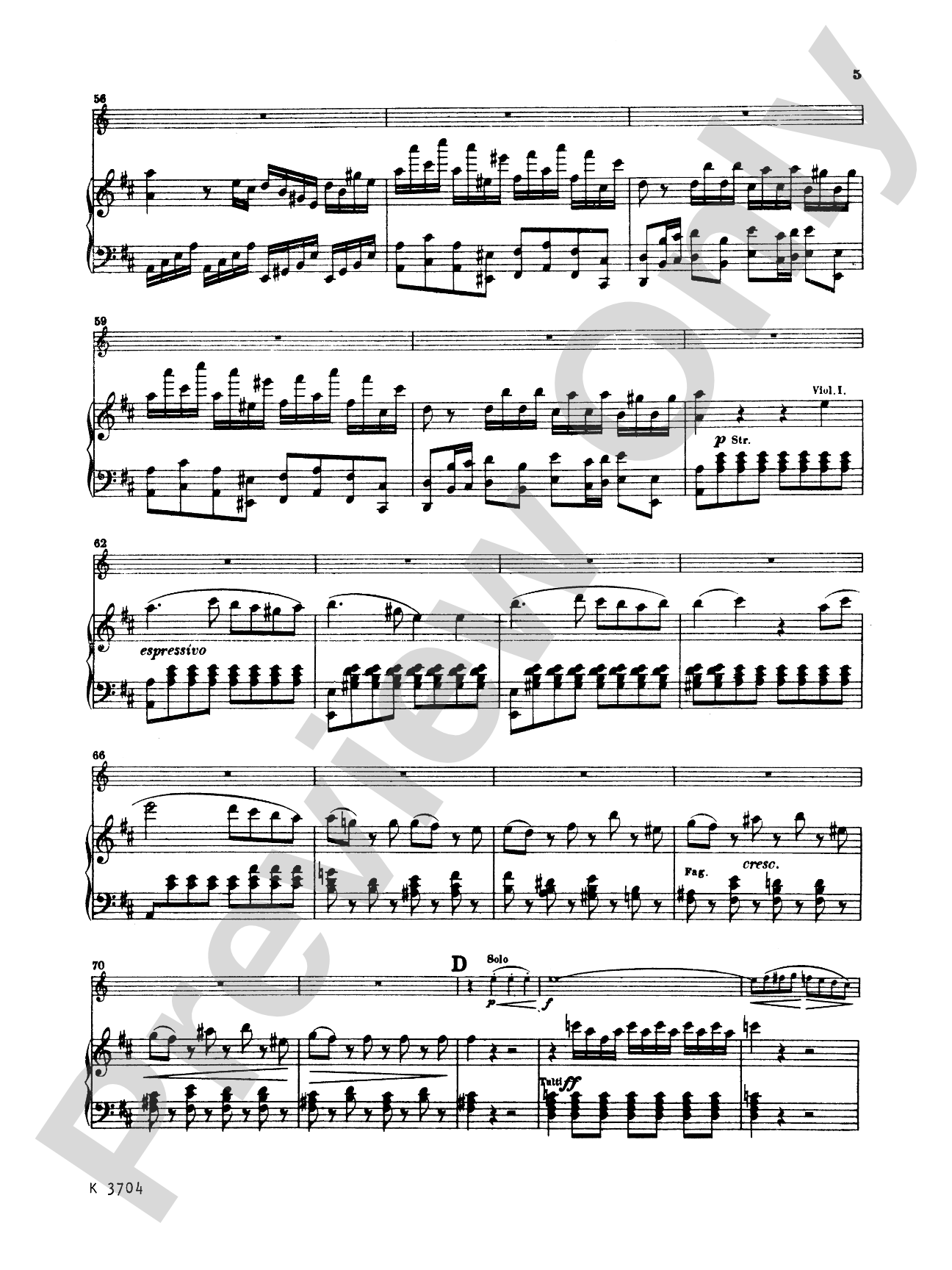
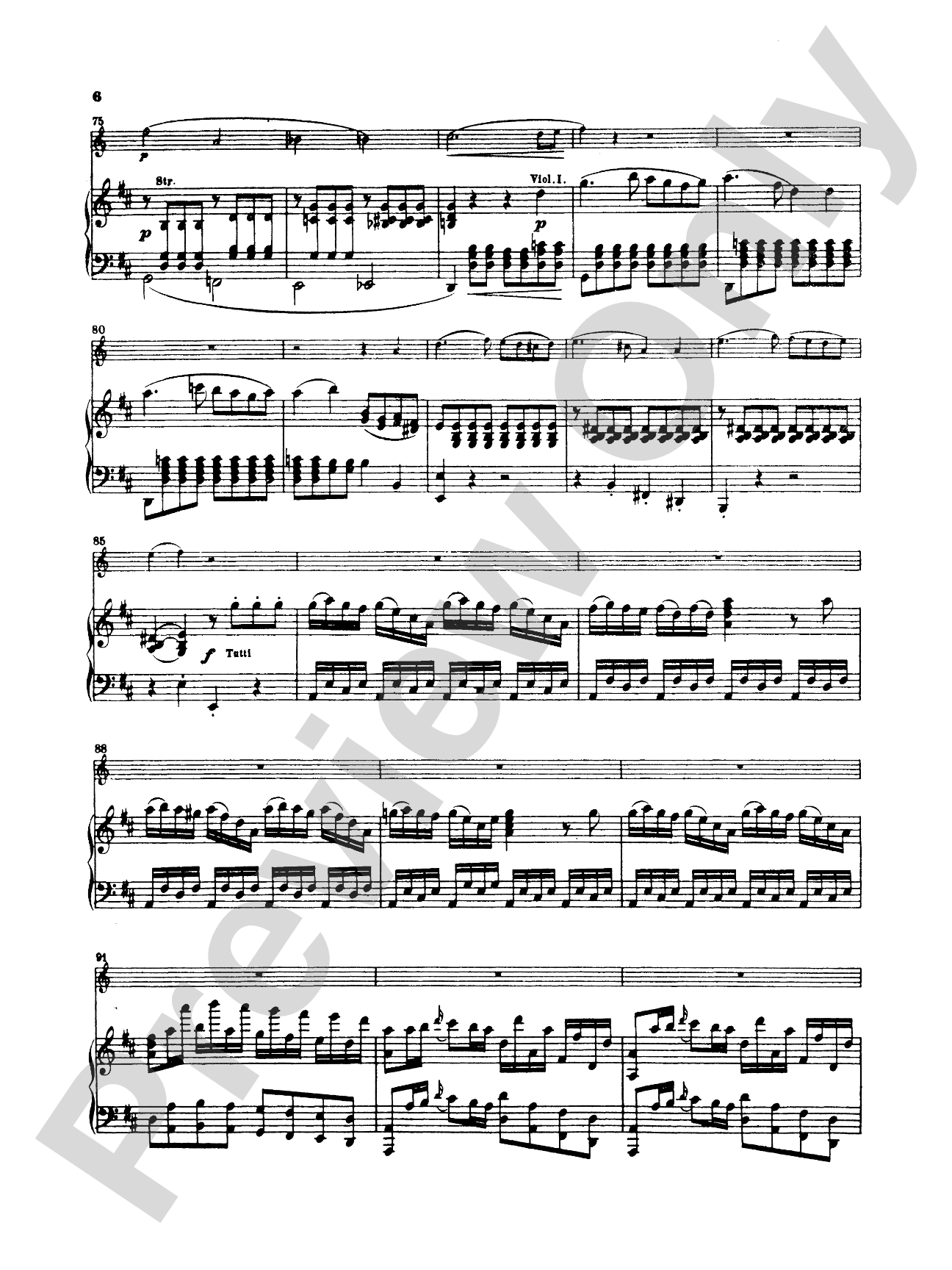
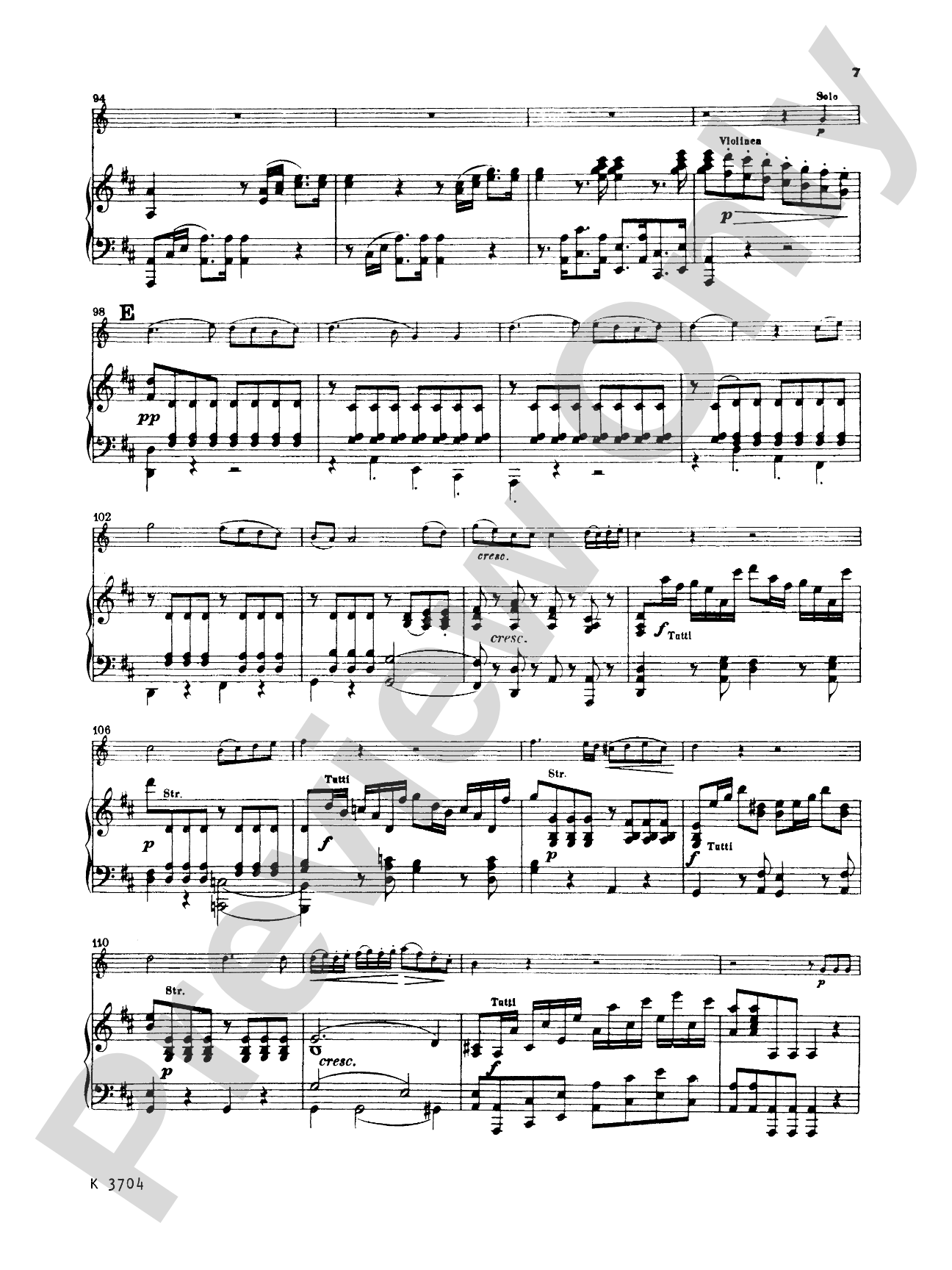
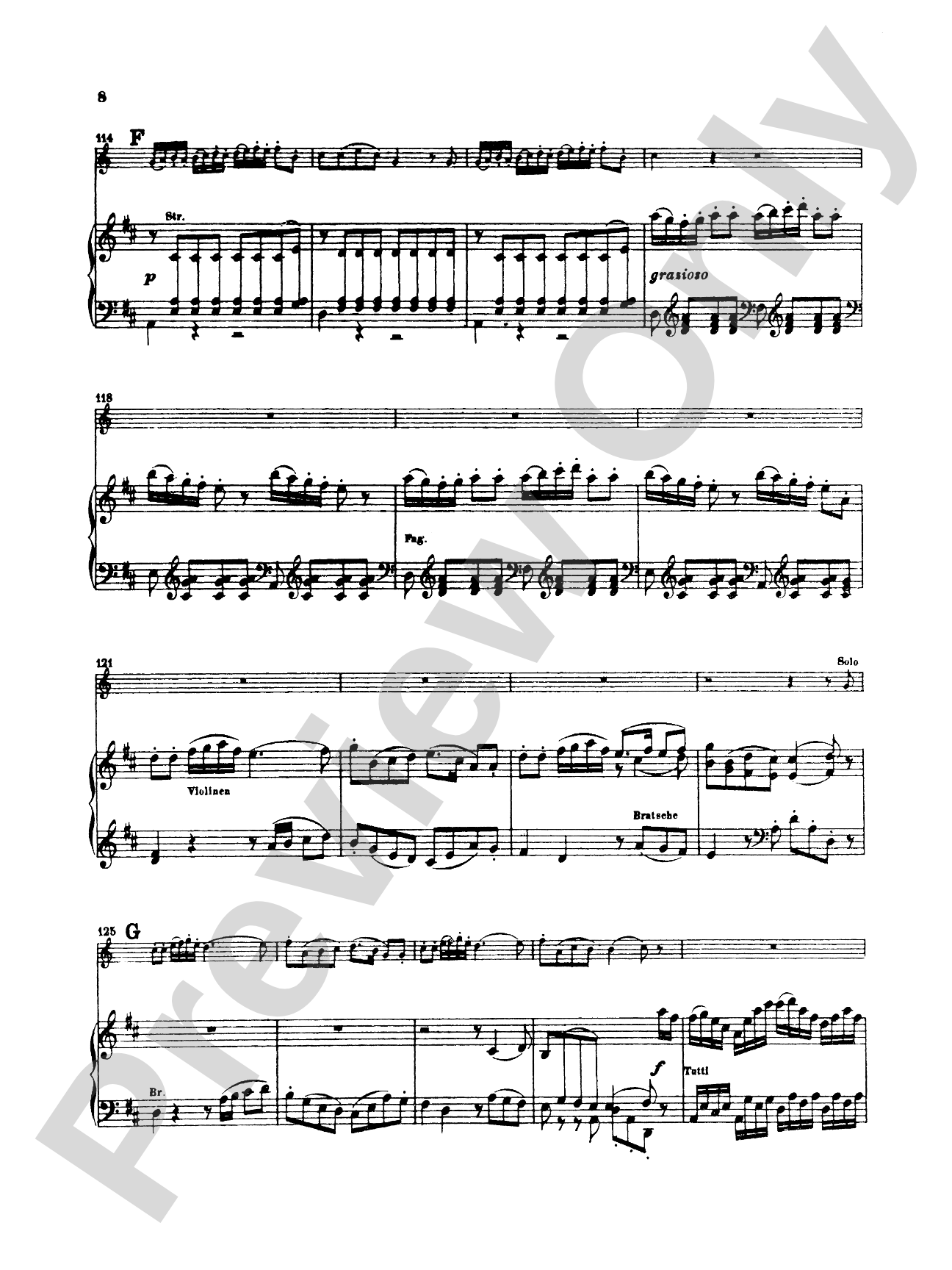
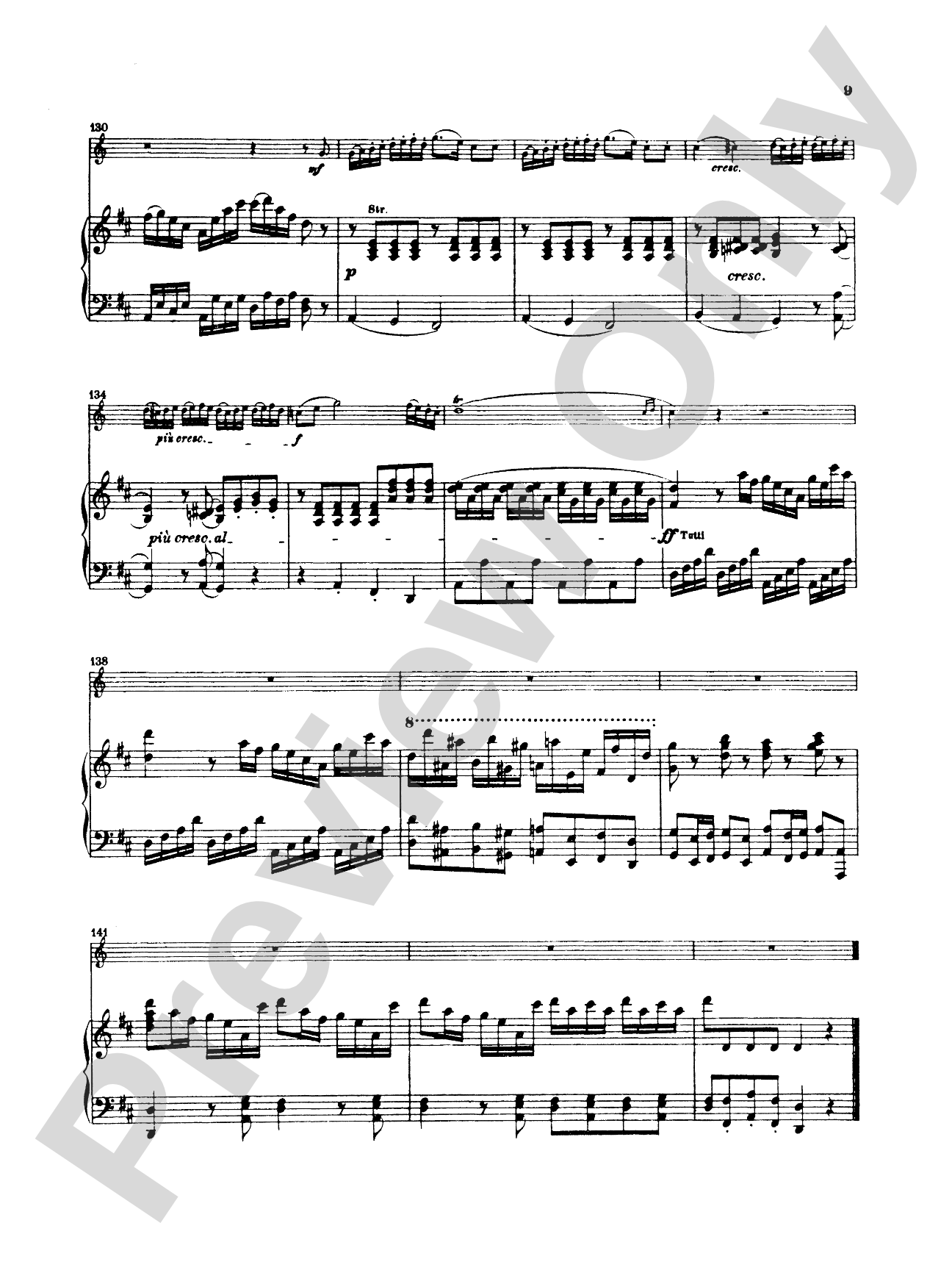
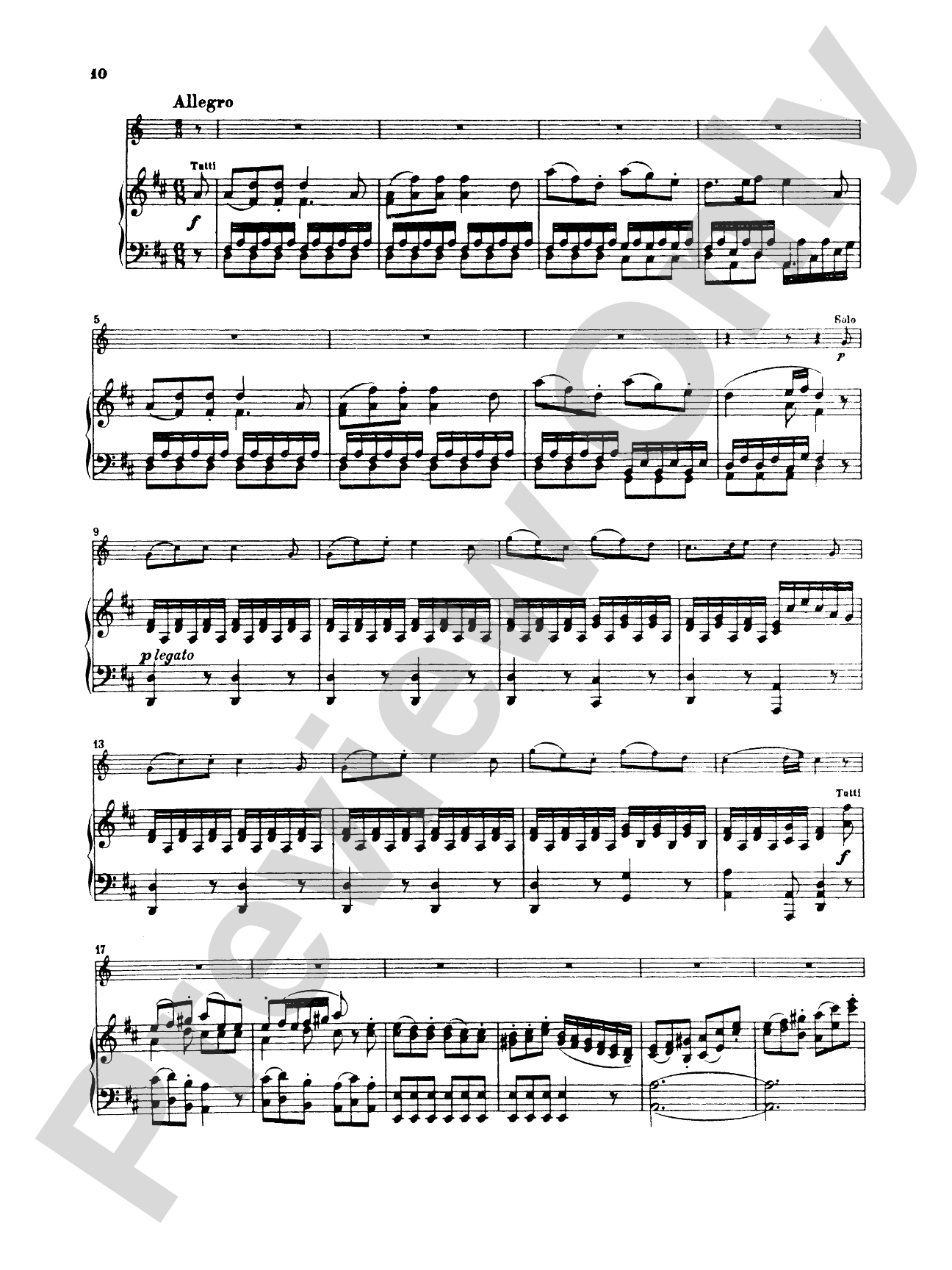
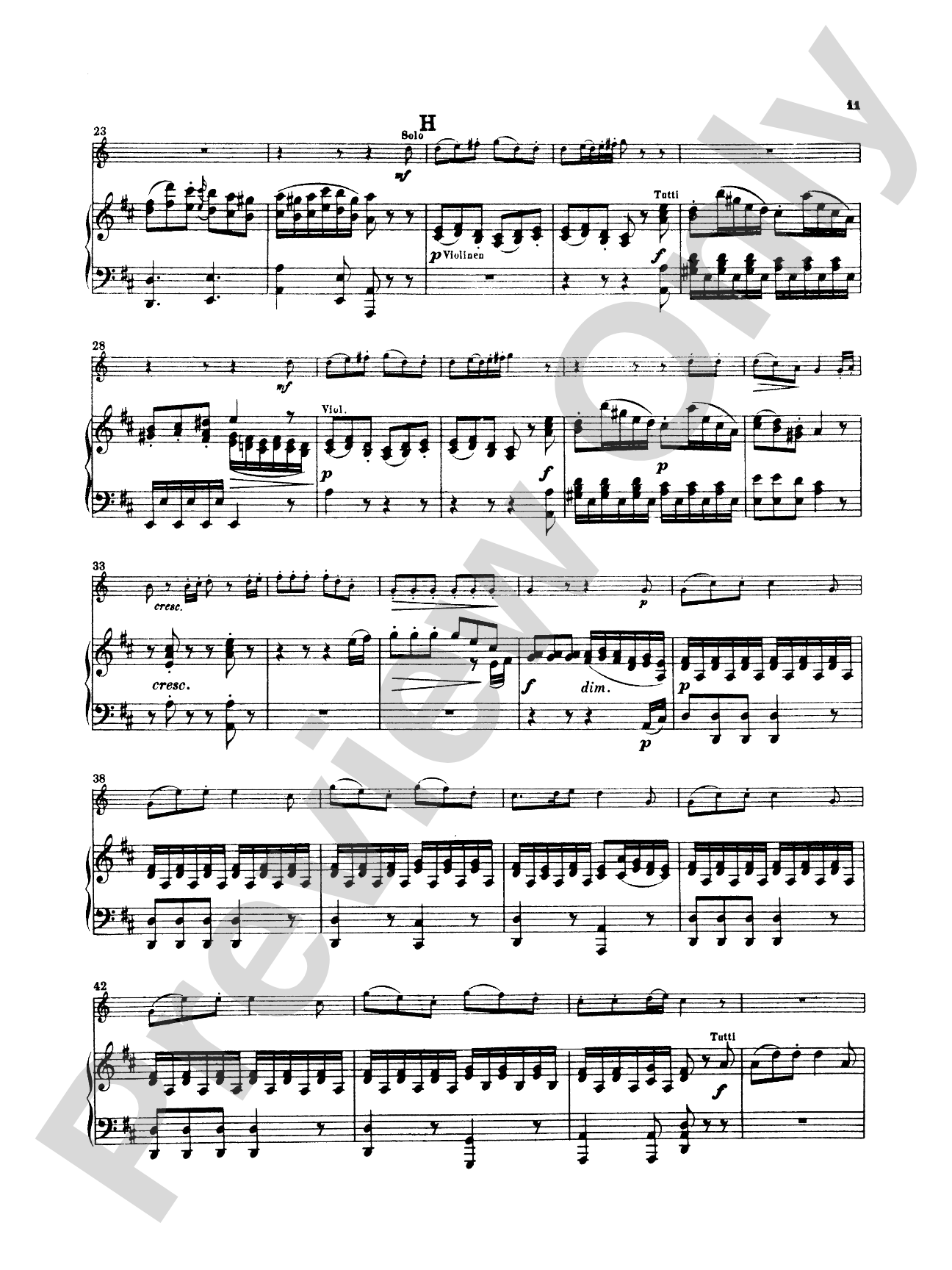
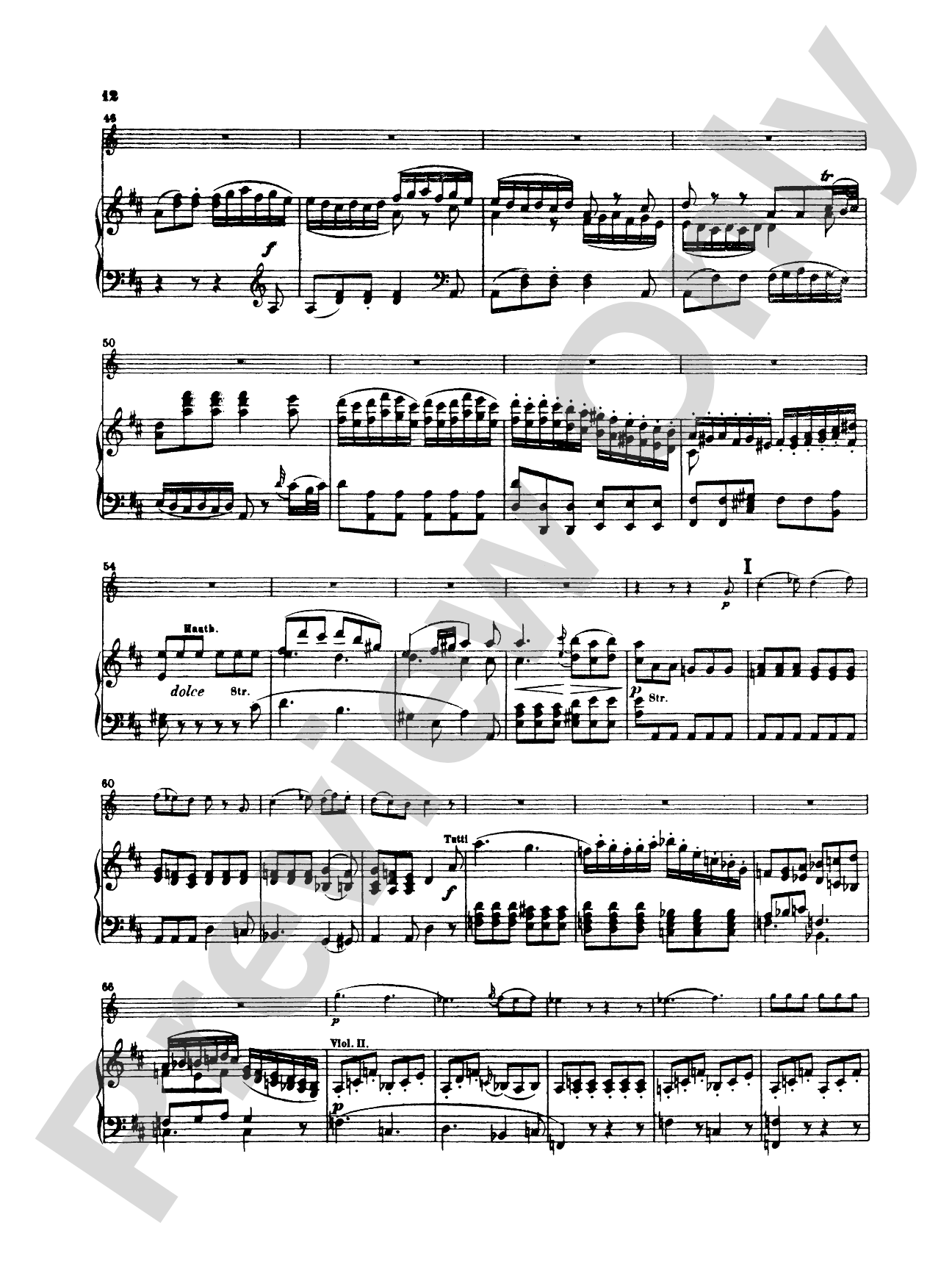
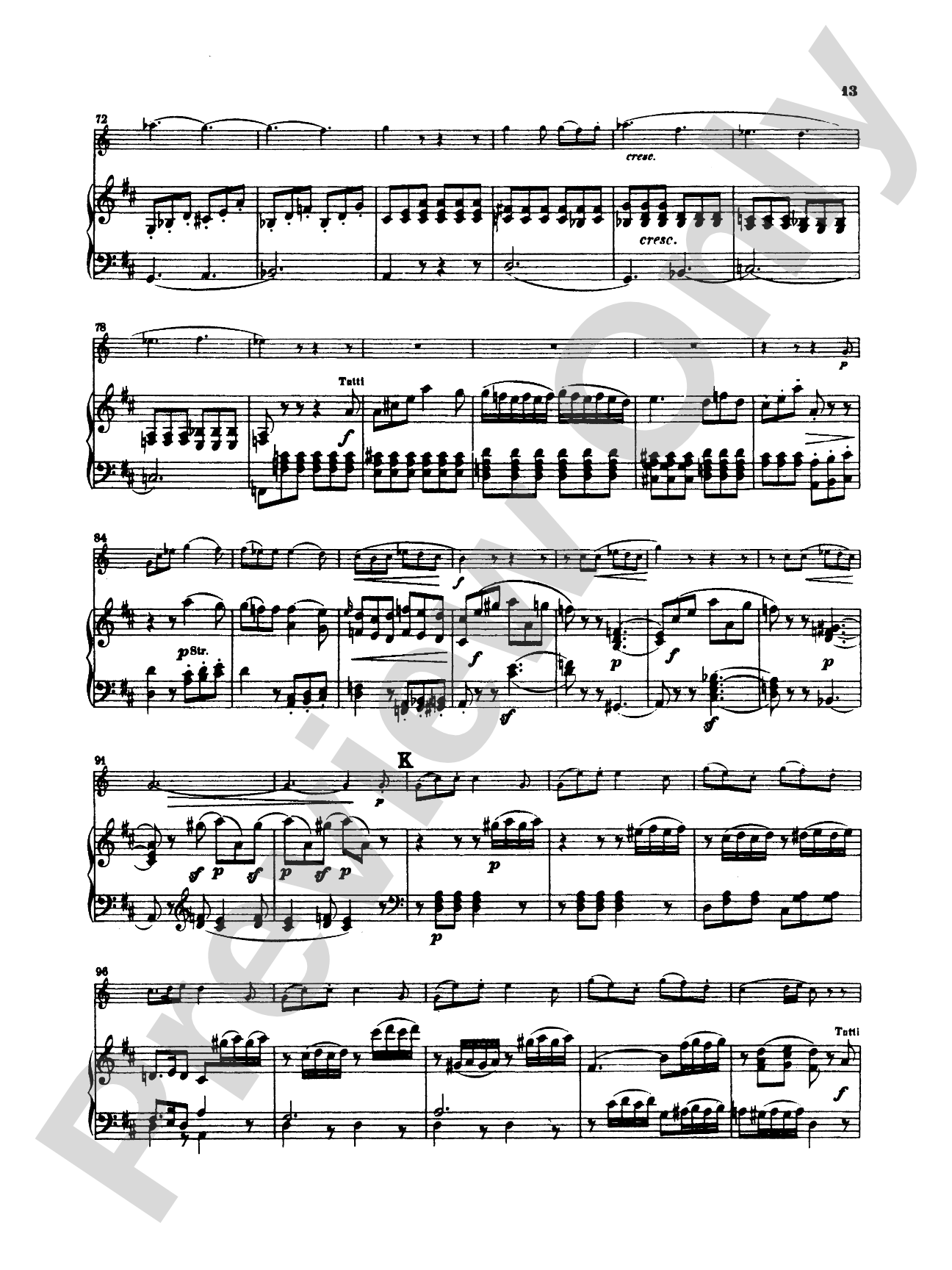
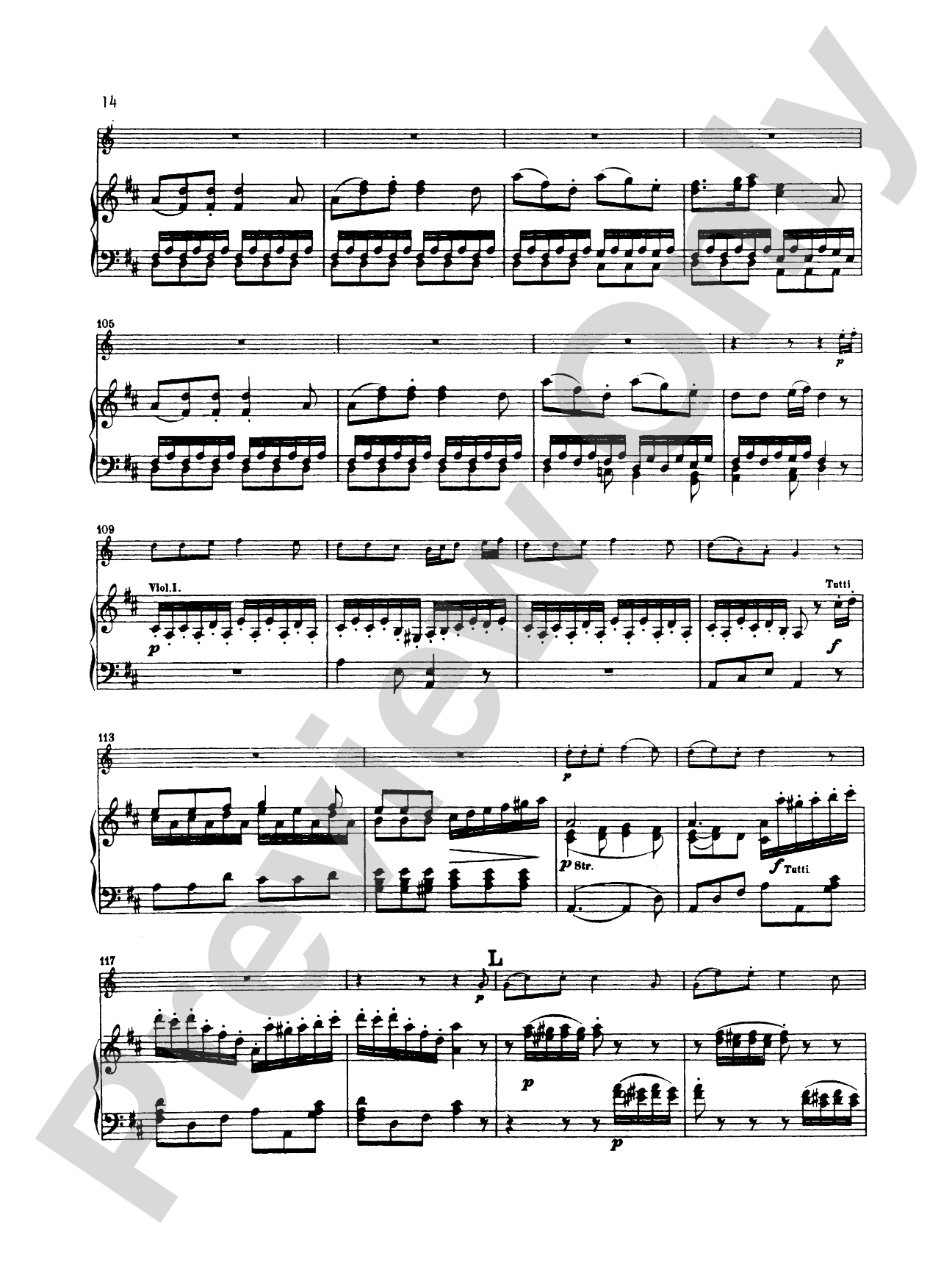
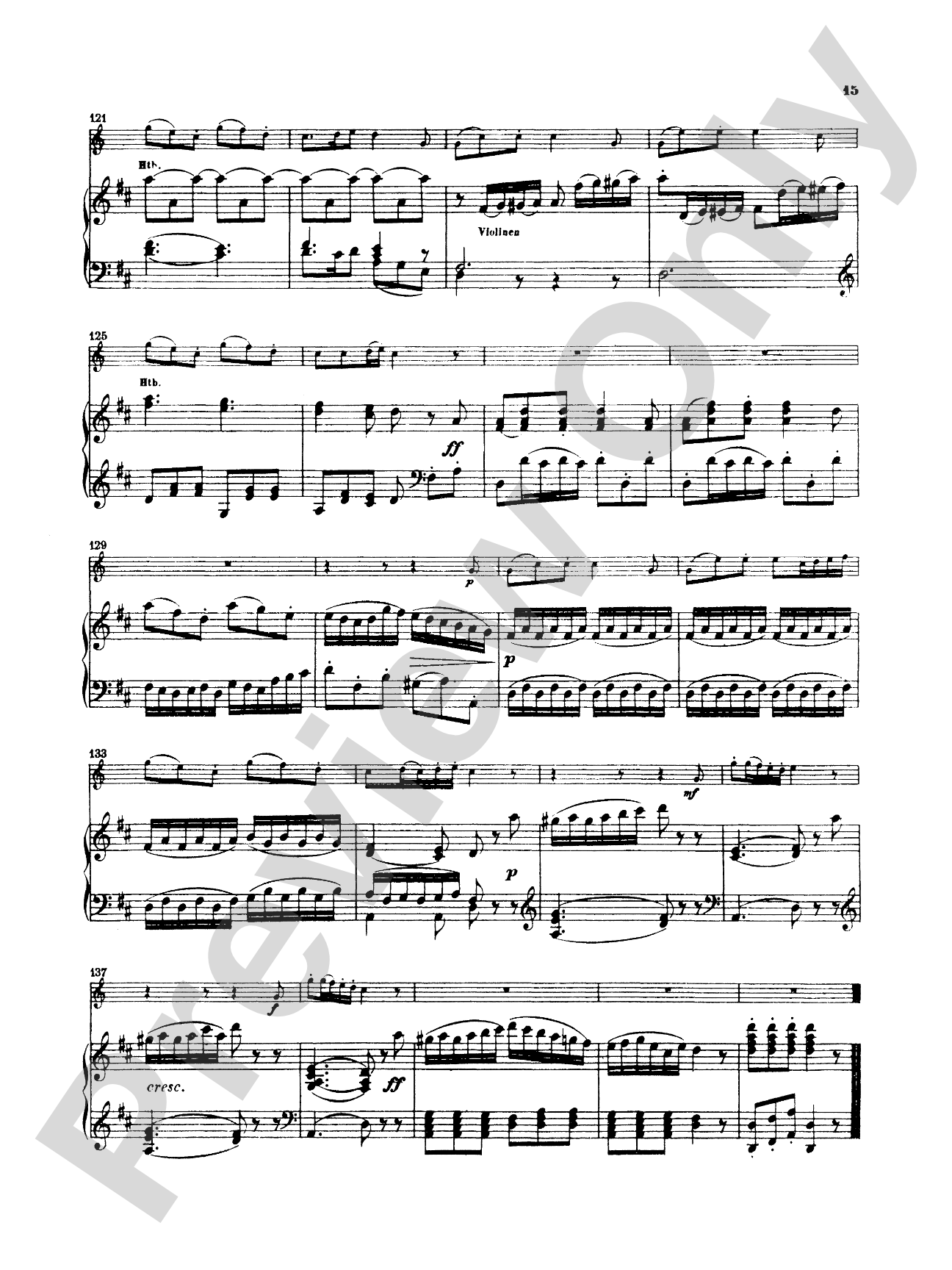


Mozart: Concerto No. 1 in D Major, K. 412: French Horn Part(s)
By Wolfgang Amadeus Mozart
Item: 00-PK-0003239

$9.99
Pickup currently not available
Buy Extra Parts (Digital PDF Download)
| Product | Price | Quantity |
|---|---|---|
| Mozart: Concerto No. 1 in D Major, K. 412 | $8.99 |
Parts Added to Cart!
Related Items
Horn Concerto No. 1, K. 412: French Horn Part(s) |
$9.95
|
View |
Description
A French Horn solo composed by Wolfgang Amadeus Mozart.


Don't just read it, hear it, play along with it, and watch your students grow with it. In MakeMusic Cloud, Mozart: Concerto No. 1 in D Major, K. 412: French Horn Part(s) comes alive with professional accompaniment, adjustable tempo, and built-in practice tools that turn solo practice into real progress.
Open in the Player
Jump straight in and assign it today.
Start Your Free Trial
Open this title and explore the full library in minutes.
Sample Audio
No sample audio found.
Sample Video
No sample videos found.
Additional Details
Series:
Kalmus Edition
Publisher:
Alfred Music
Page Count:
18
SKU:
00-PK-0003239
More about this title
About the Composer: Wolfgang Amadeus Mozart
Wolfgang Amadeus Mozart (1756-1791) composed across every major genre of his era and fundamentally shaped Classical music. His output includes 41 symphonies, 27 piano concertos, 5 violin concertos, and significant chamber and operatic works, all written with remarkable clarity and architectural precision. Mozart's horn concertos remain central to the standard repertoire and represent some of the most idiomatic writing for the instrument in the Classical period.
Mozart's four horn concertos (K. 412, K. 417, K. 447, K. 495) showcase his deep understanding of the instrument's capabilities and limitations in the natural horn era. These works have served as cornerstone pieces in horn pedagogy and performance for more than two centuries, demanding both technical facility and musical maturity from performers.
Why we love this
Mozart's First Horn Concerto stands as a teaching and performance staple because it balances genuine Classical elegance with manageable technical demands. The writing sits comfortably in the horn's sweet registers while requiring solid intonation control and musical phrasing—exactly what developing and advancing hornists need to master. Programming this work signals serious musicianship and gives your soloist a concerto that audiences recognize and respect.
What to expect
The opening announces itself with courtly poise, a gentle but confident statement that sits high and demands a clear, focused tone. The slow movement breathes with intimate elegance, asking the soloist to sing with restraint and true Classical proportion. The finale bounces with rhythmic vitality and playful character, rewarding clean articulation and rhythmic precision.
Who it's for
This concerto serves advancing high school hornists preparing for all-state or youth orchestra auditions, college-level horn students building their standard repertoire, and intermediate to advanced amateur musicians seeking authentic Classical solo material. The 18-page part challenges players to execute secure high passages and sustained lyrical playing without requiring extreme technical virtuosity.
How to get the most out of it
- Attend carefully to the high passages in the first movement; natural horn intonation requires slight embouchure adjustments, especially above the staff. Work these sections methodically, moving slowly enough that each note sits cleanly.
- Shape the lyrical themes with singing tone and minimal vibrato, allowing Mozart's melodic line to speak simply. Over-embellishing contradicts the Classical aesthetic.
- Balance solo and accompaniment clarity throughout; the horn's fundamental role is to anchor the harmony while projecting the main ideas, not to dominate.
- Use the cadenza sections to demonstrate control rather than display. Mozart's cadenzas are brief and elegant; they should feel inevitable, not inserted.
How to use it
Feature this concerto on a chamber music or solo concert highlighting Classical brass repertoire, or pair it with Mozart's other works for a composer-focused program. It also works beautifully as a centerpiece for a student recital, where its length and accessibility allow time for additional pieces that showcase different musical periods. Contest and festival programming benefit from the work's recognition and artistic legitimacy.
Skills your students will build
- Secure high register intonation on natural horn
- Lyrical phrasing and legit singing tone in sustained passages
- Rhythmic clarity and articulation in Classical style
- Managing the technical demands of cadenzas with musical control rather than virtuosic display
- Understanding idiomatic horn writing across the Classical concerto genre