
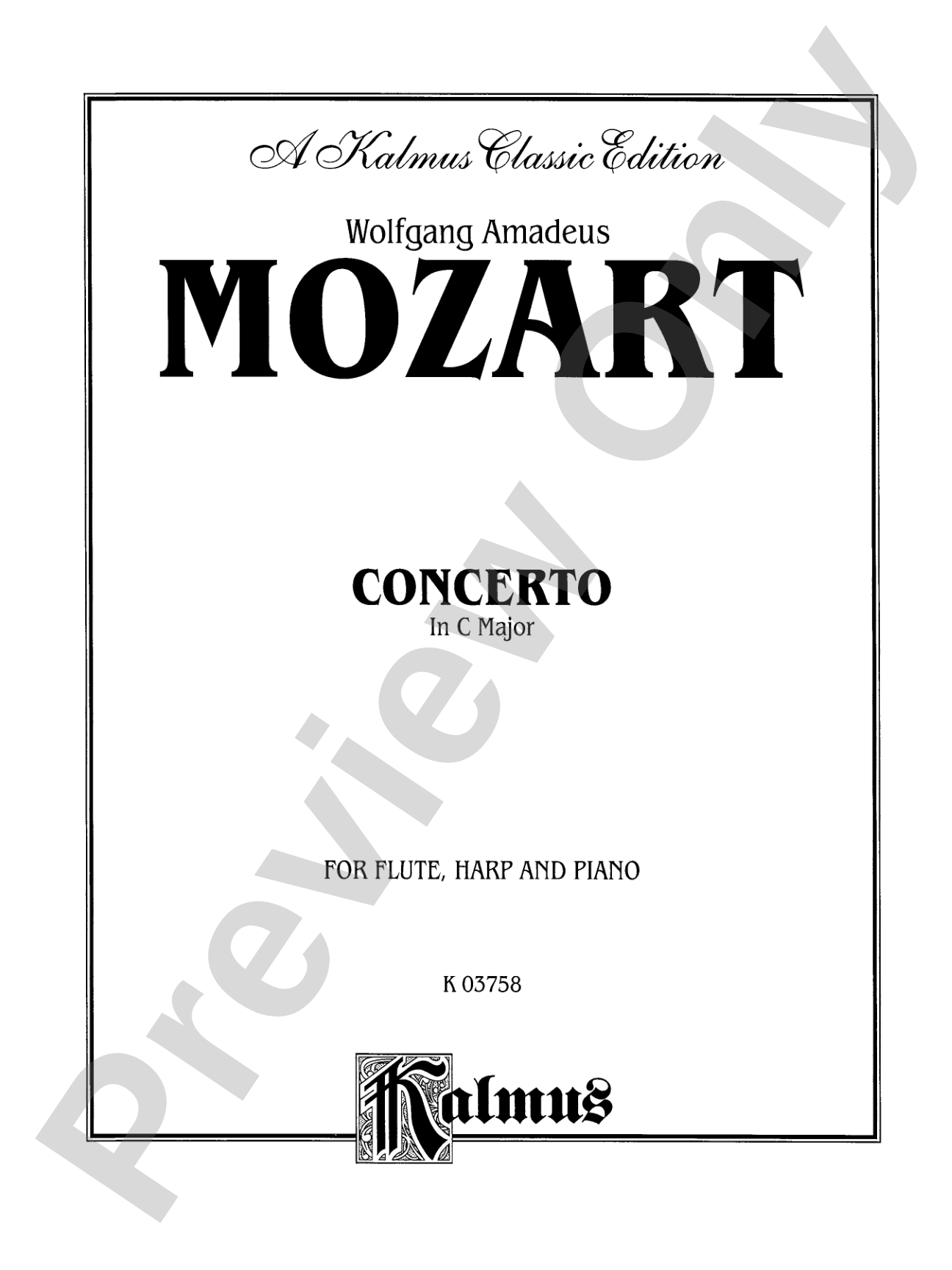

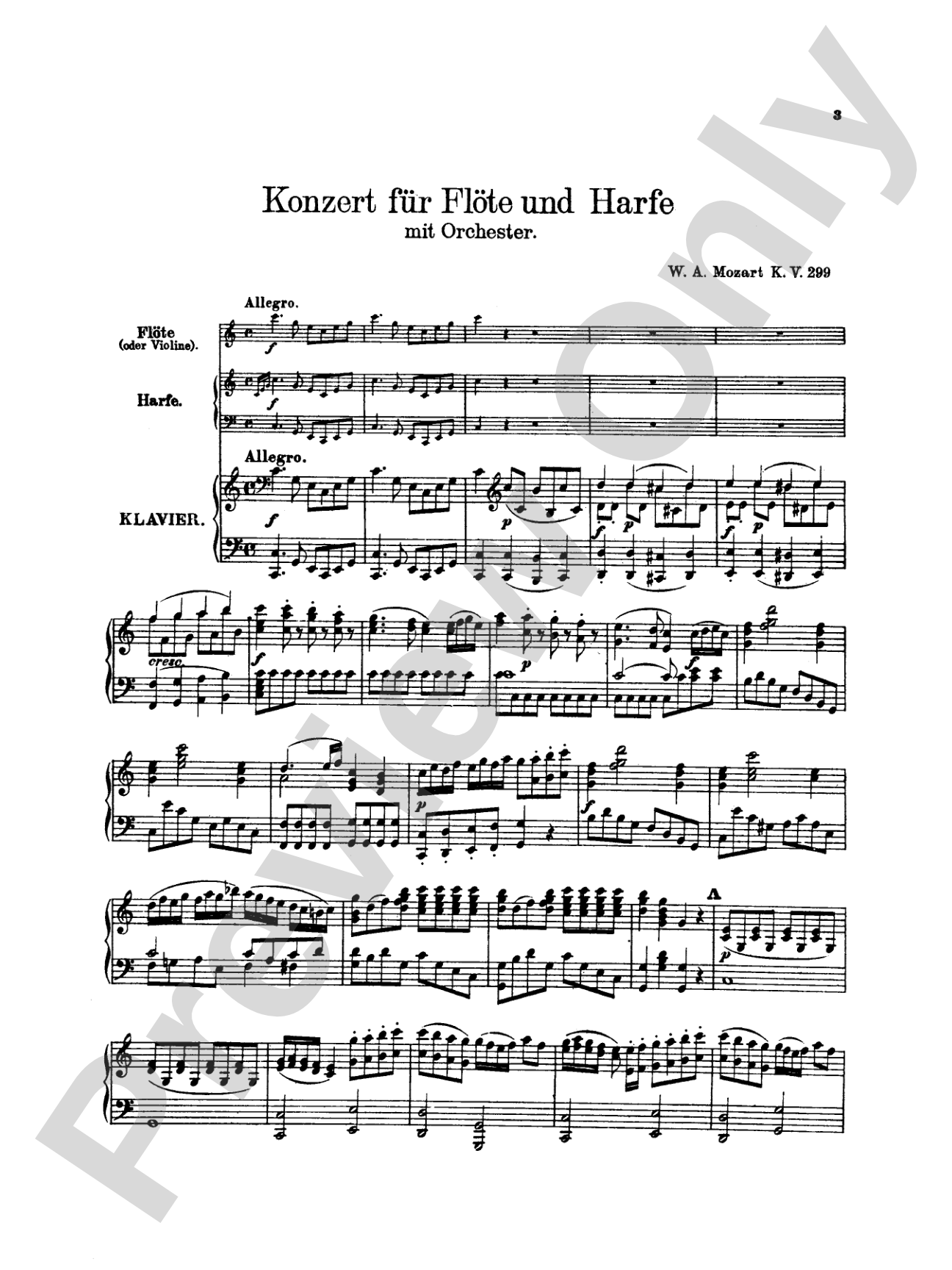
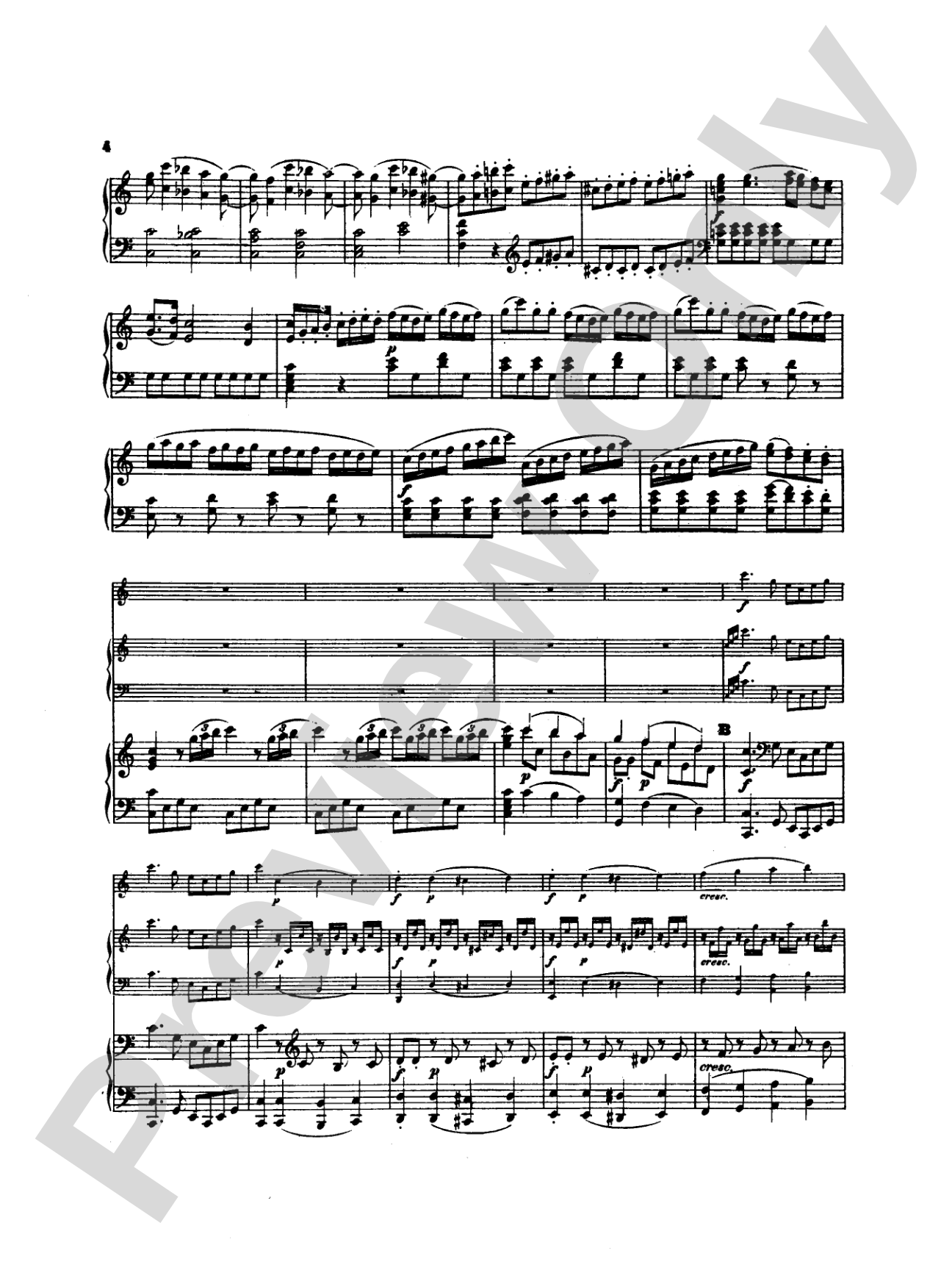
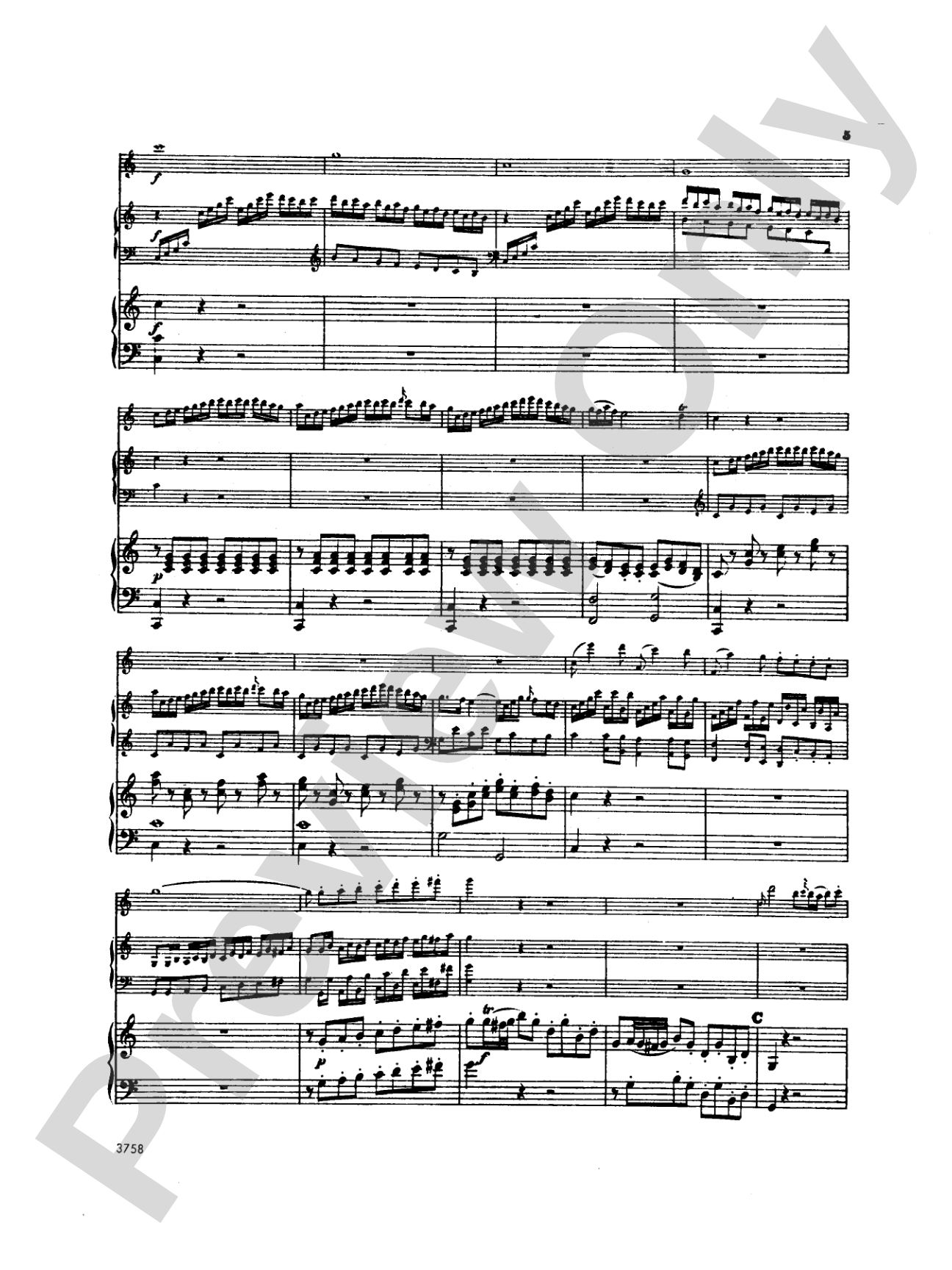
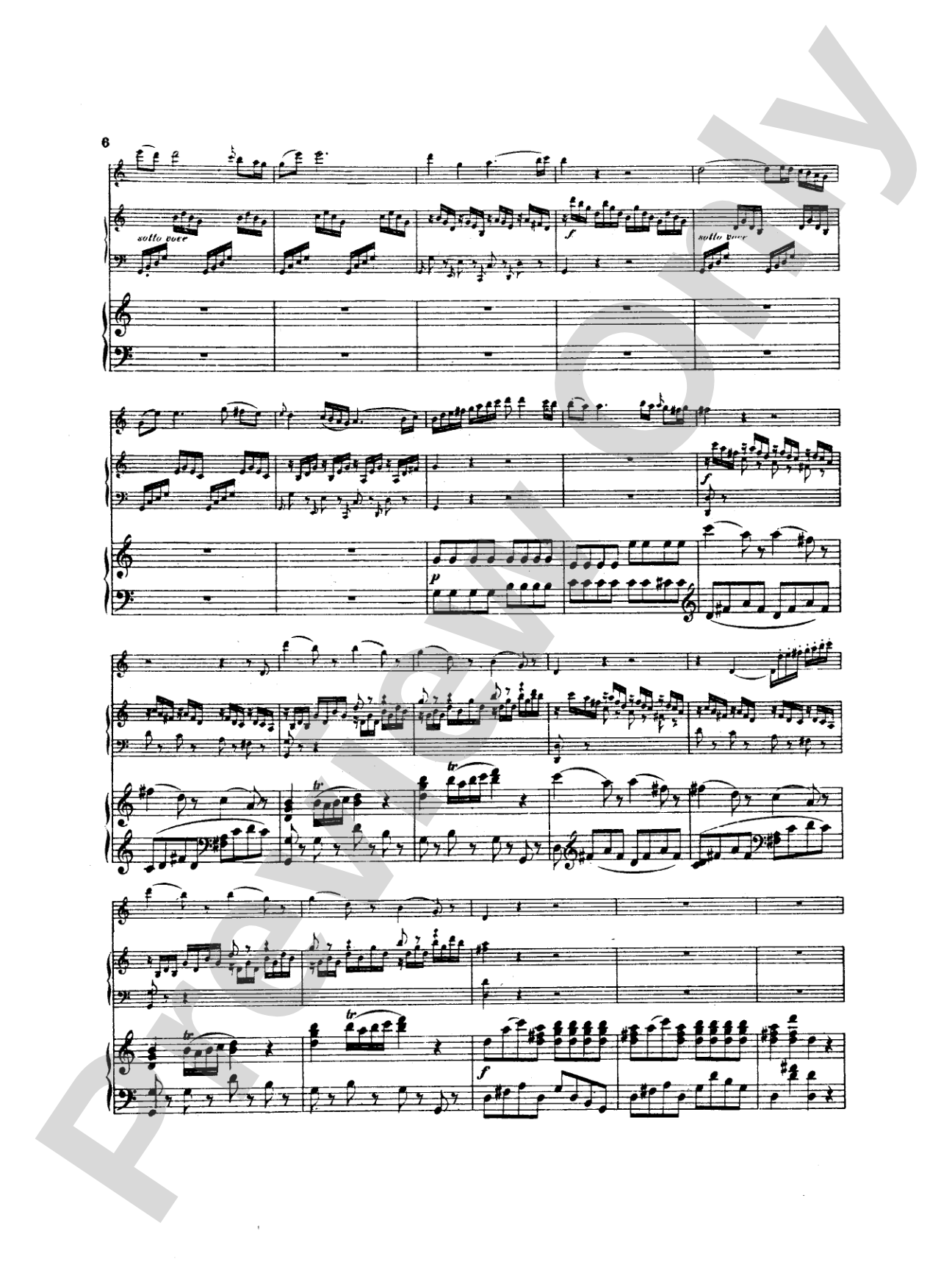
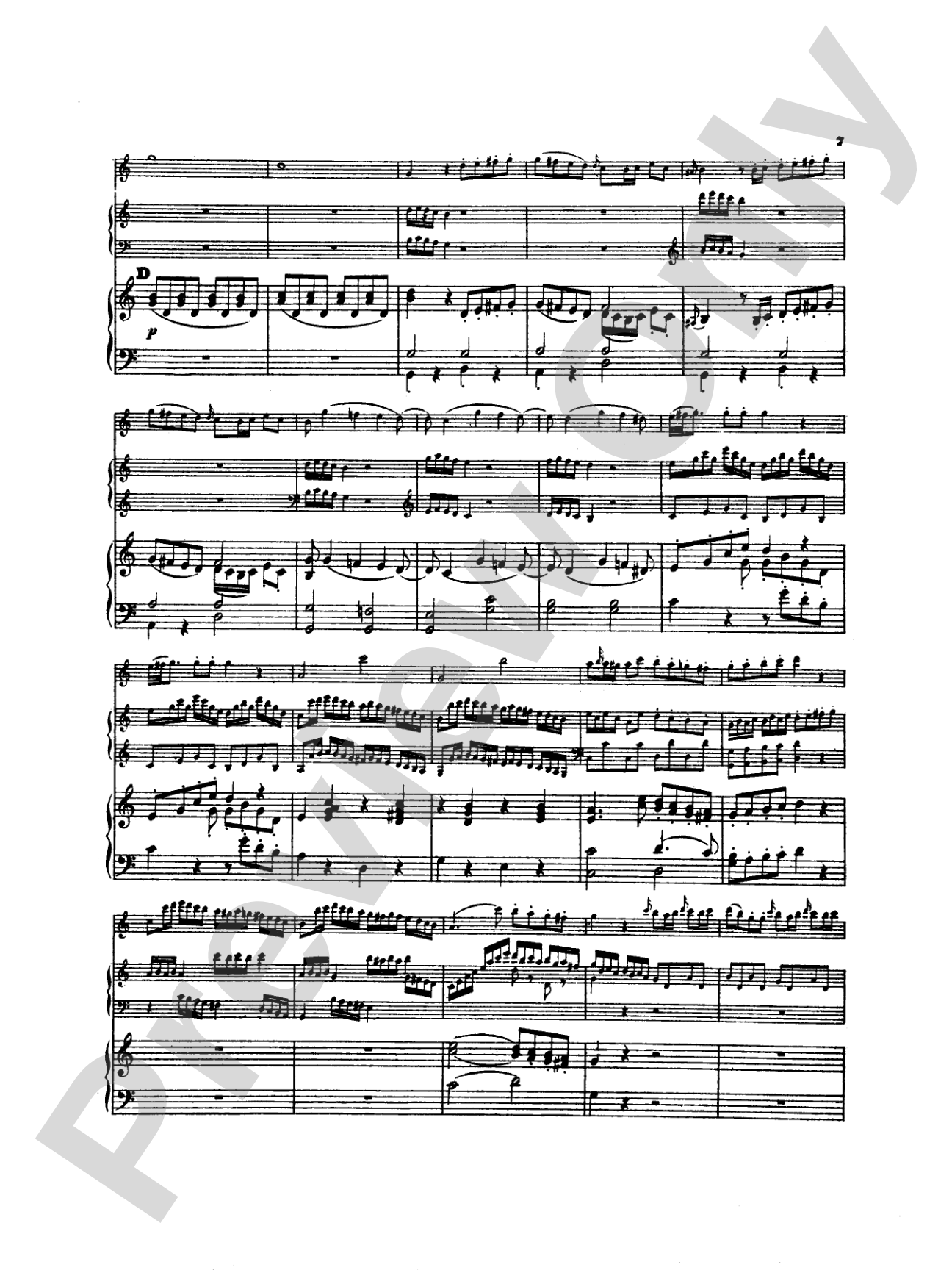
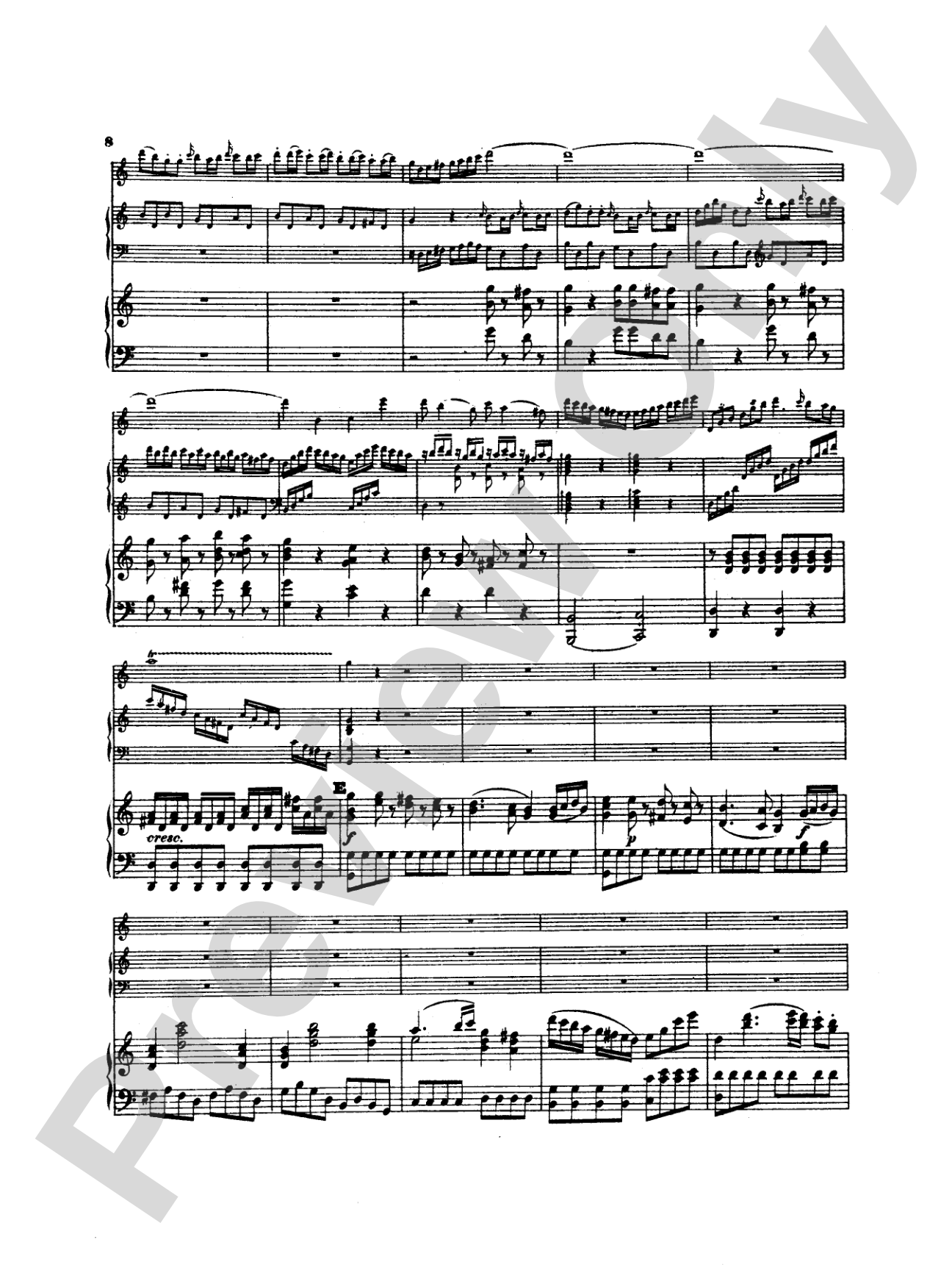
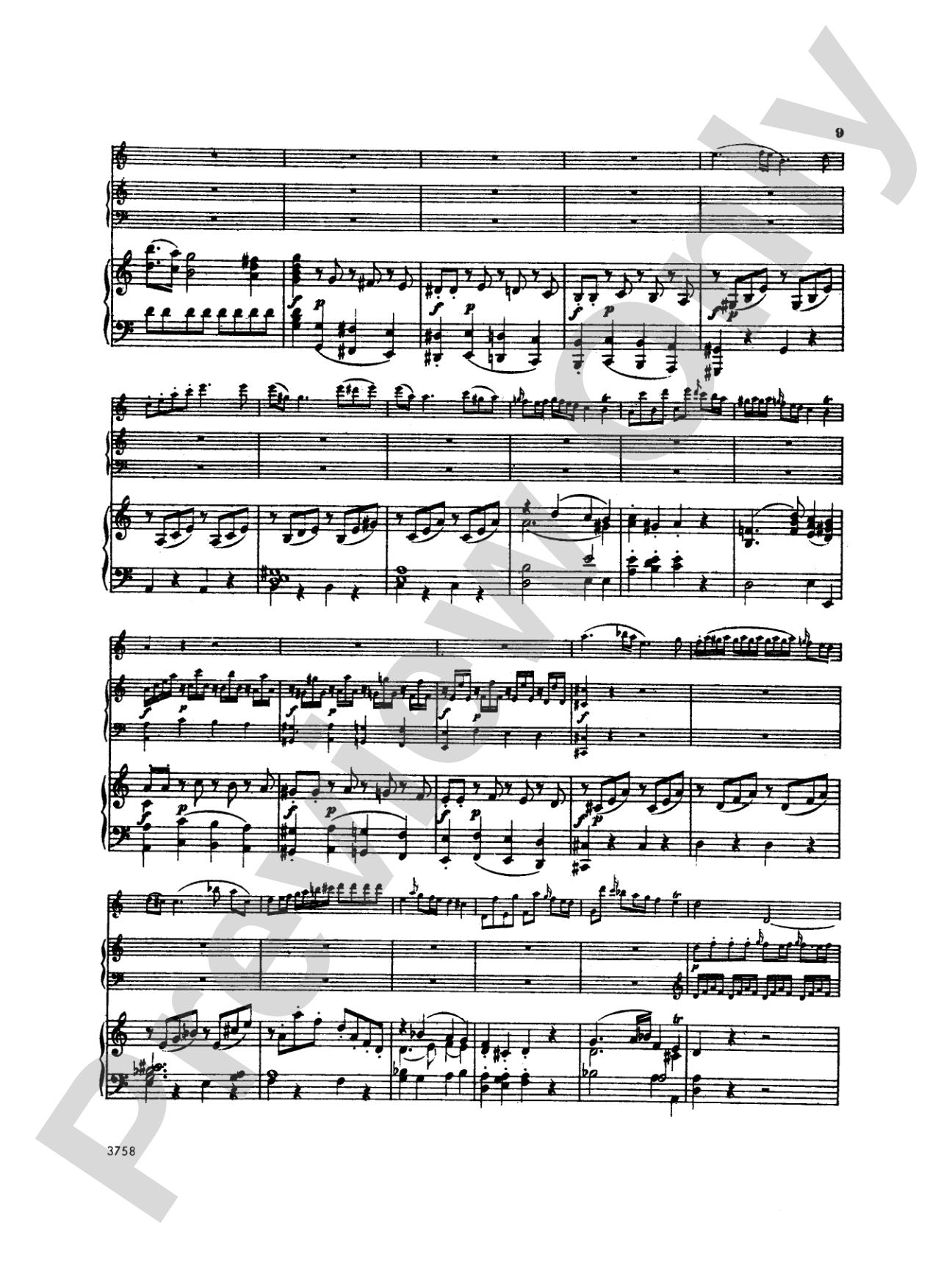
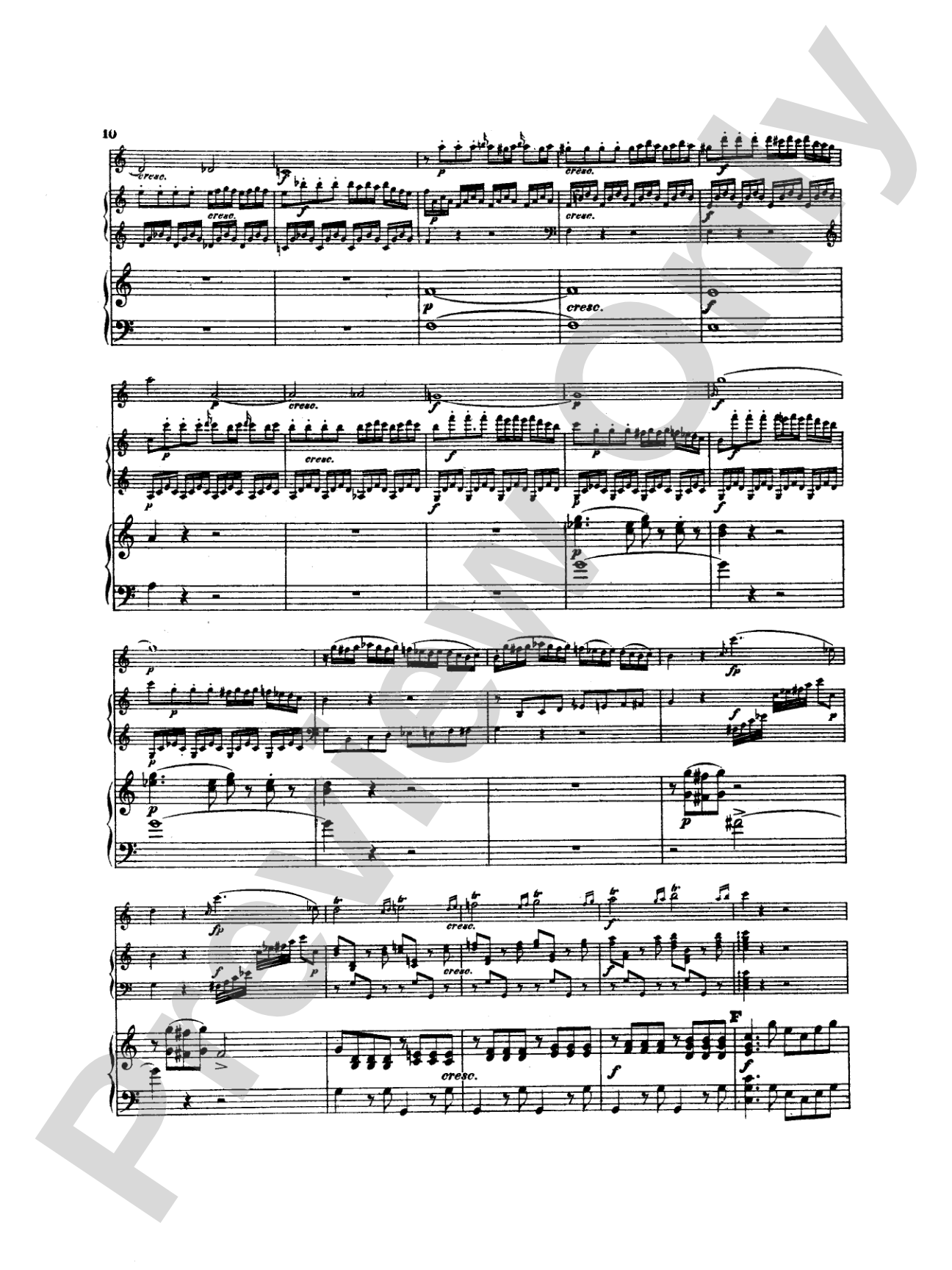
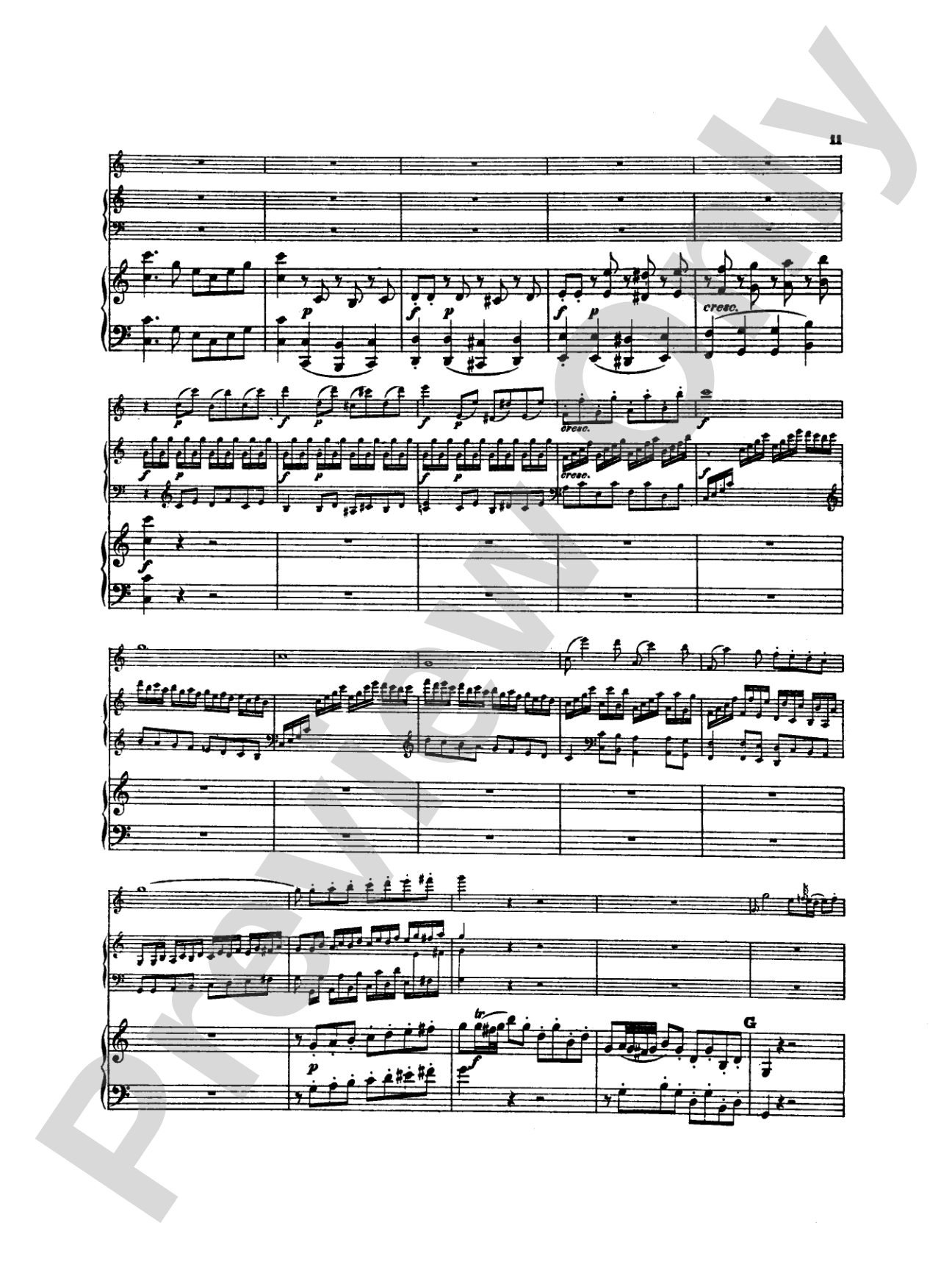
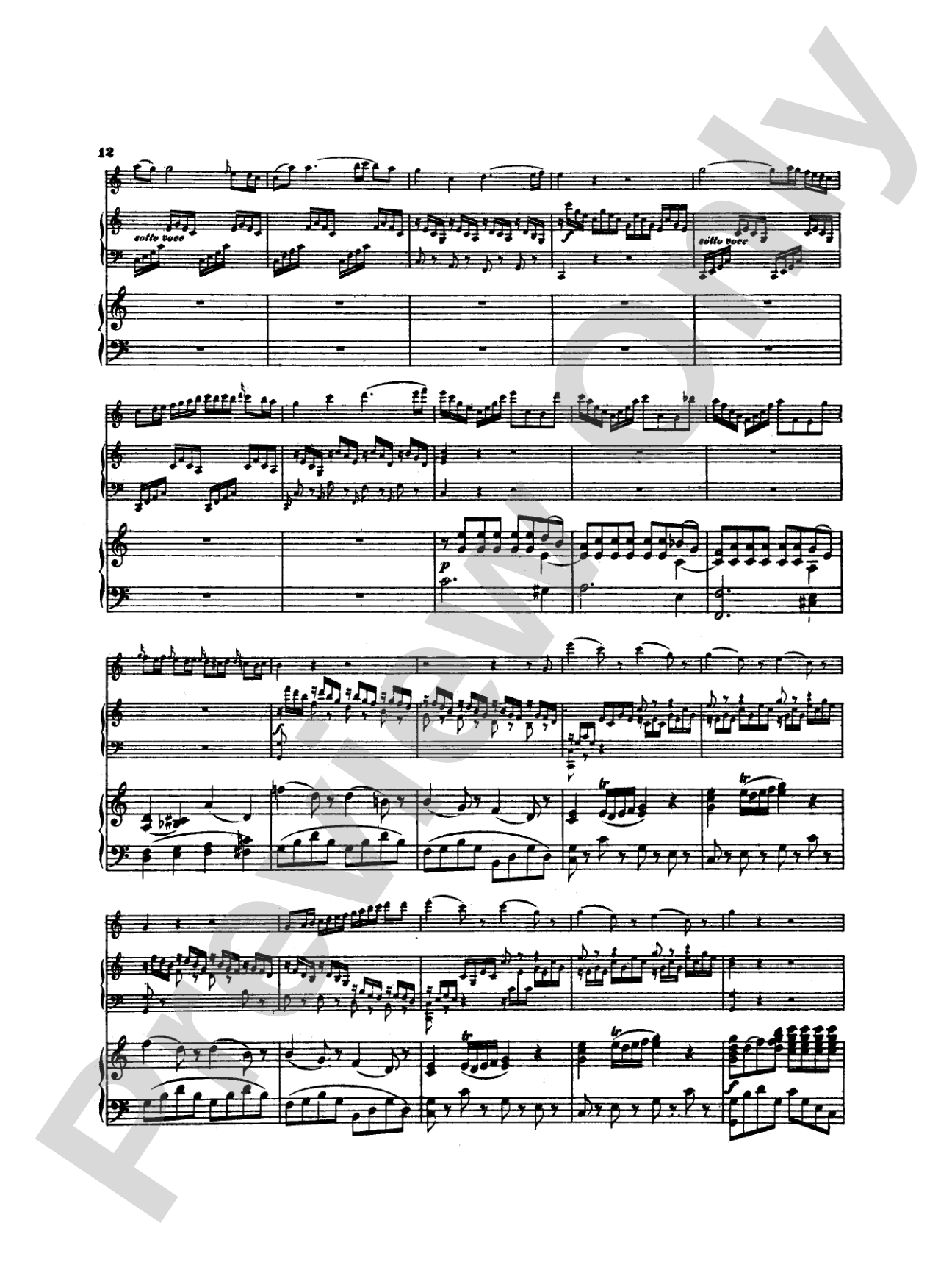
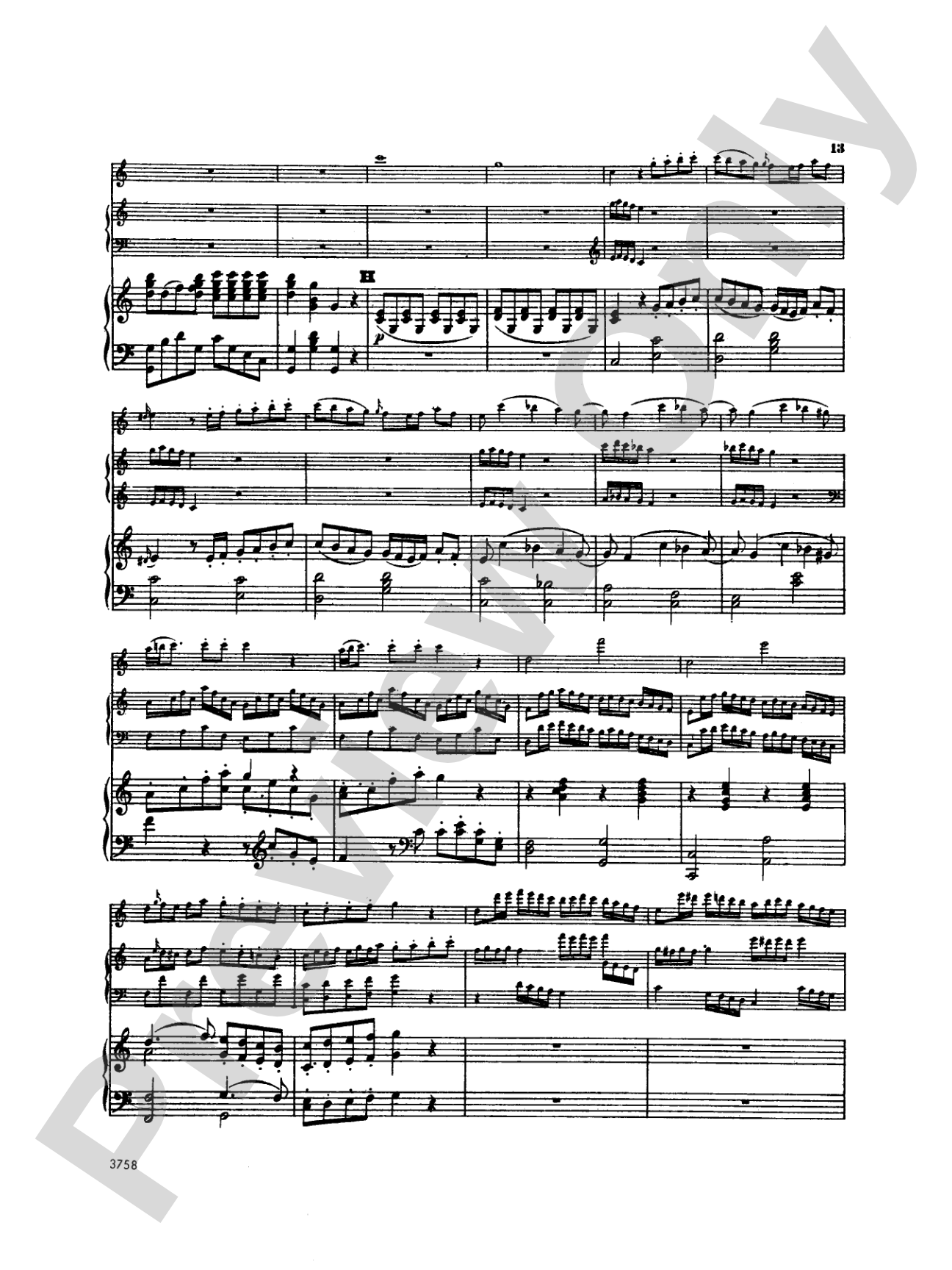
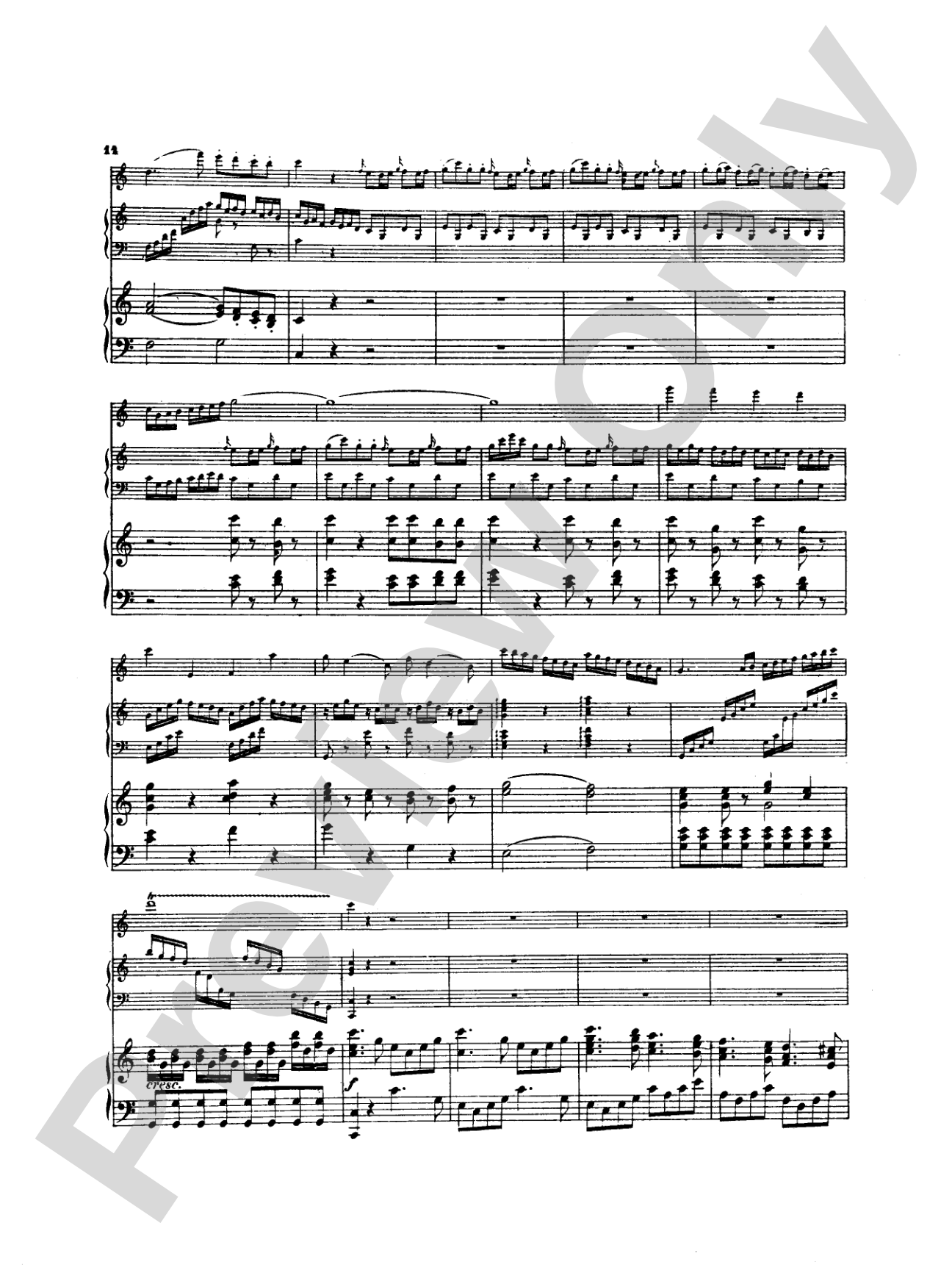
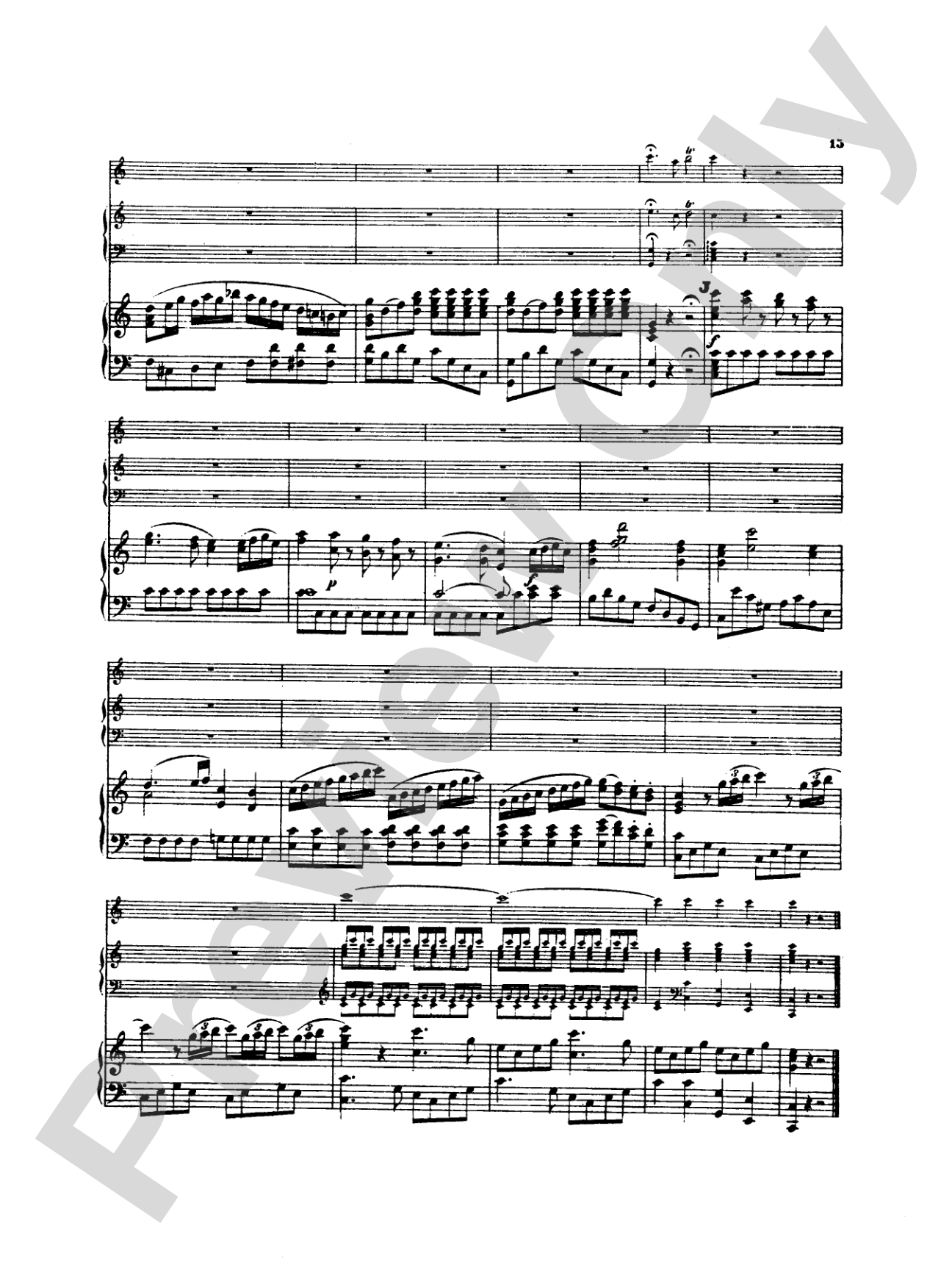
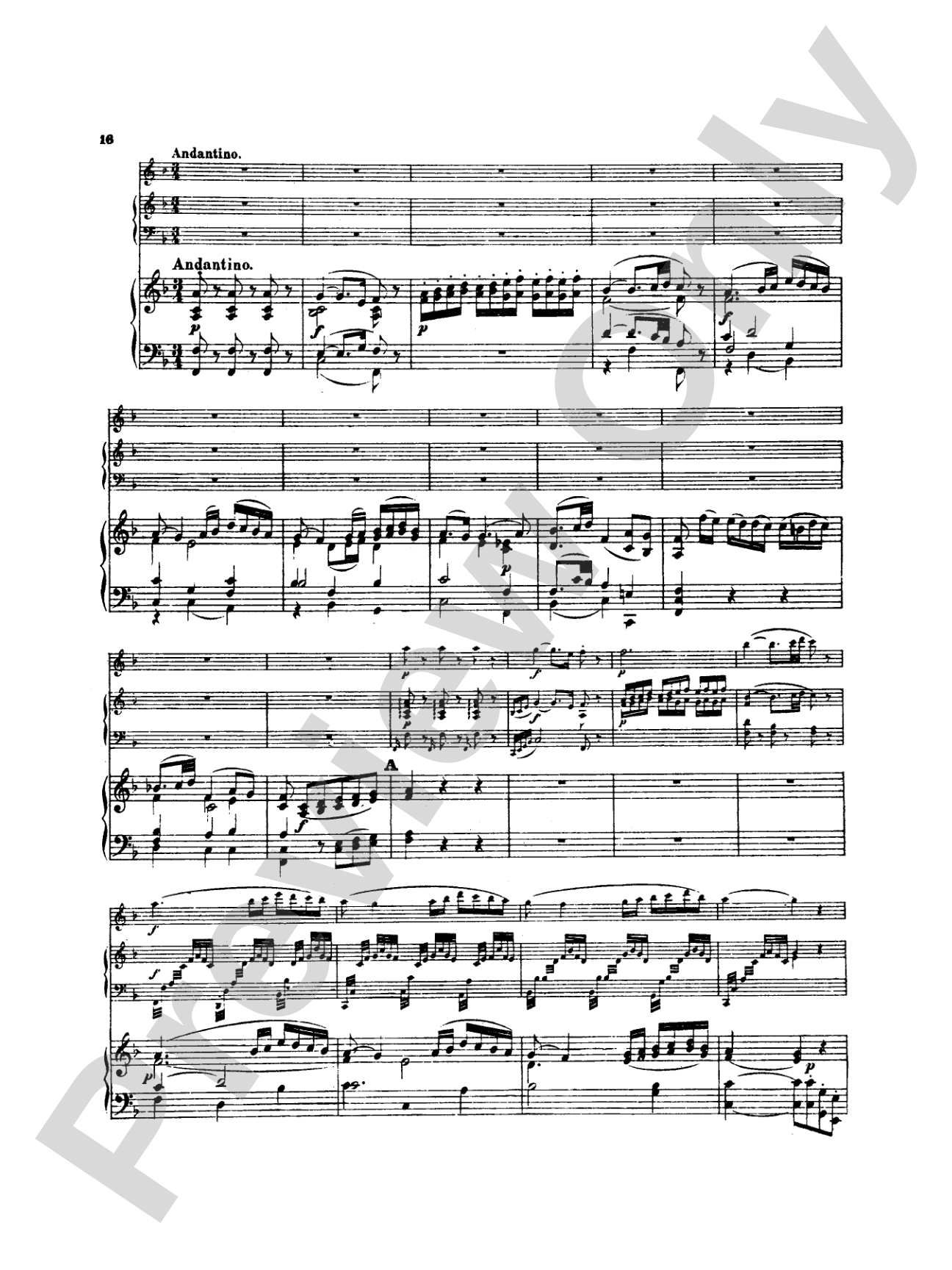
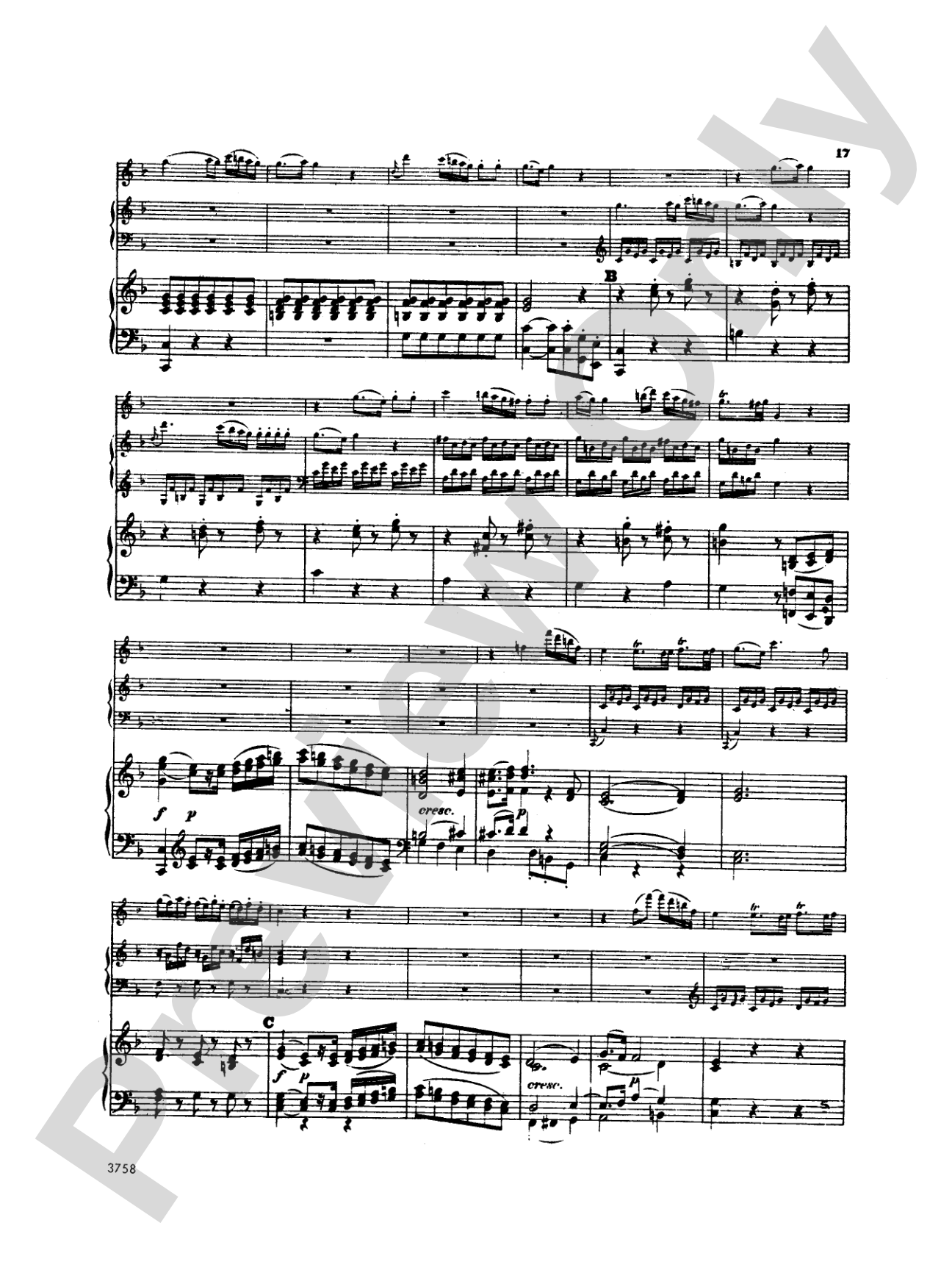
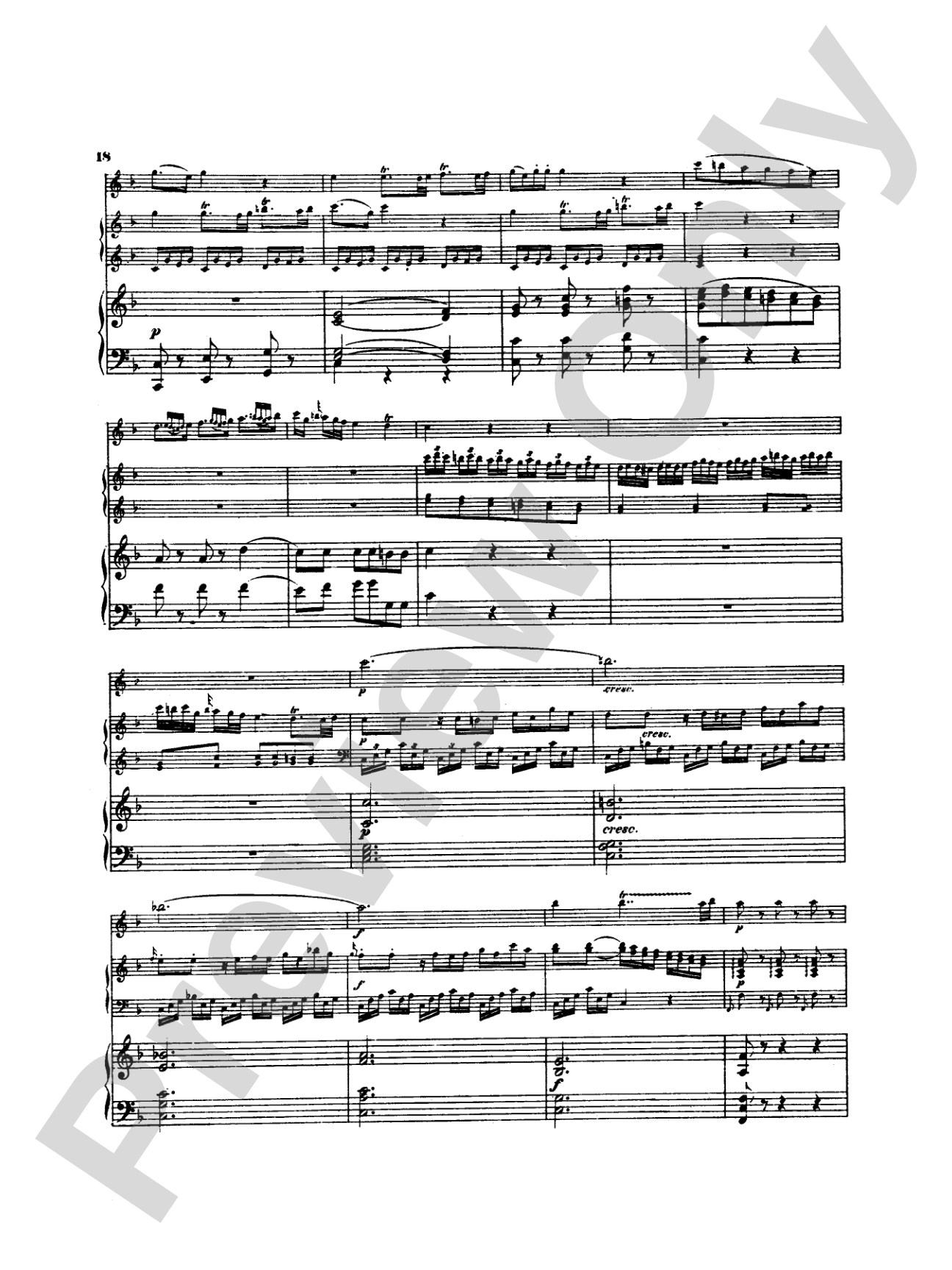
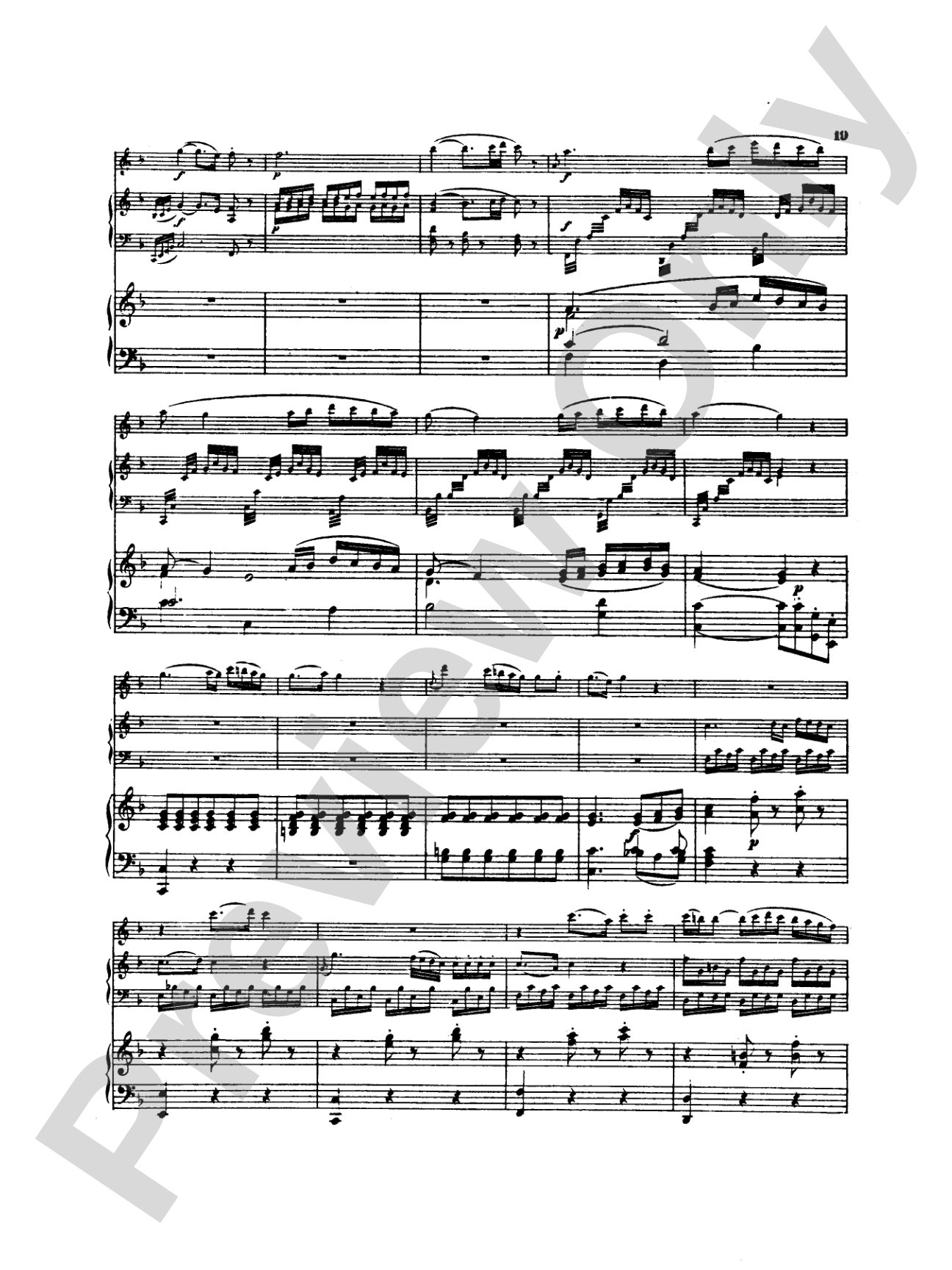
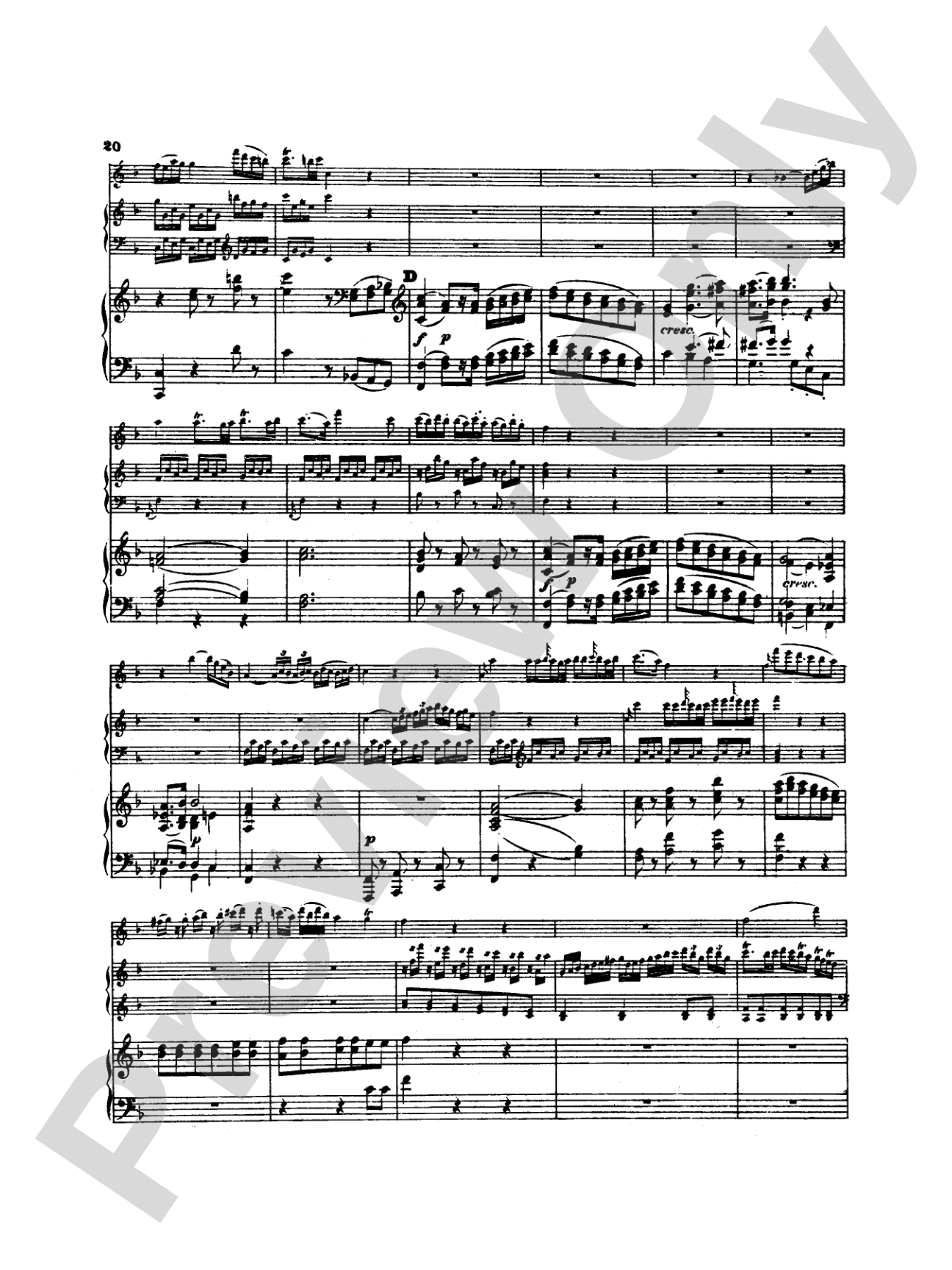
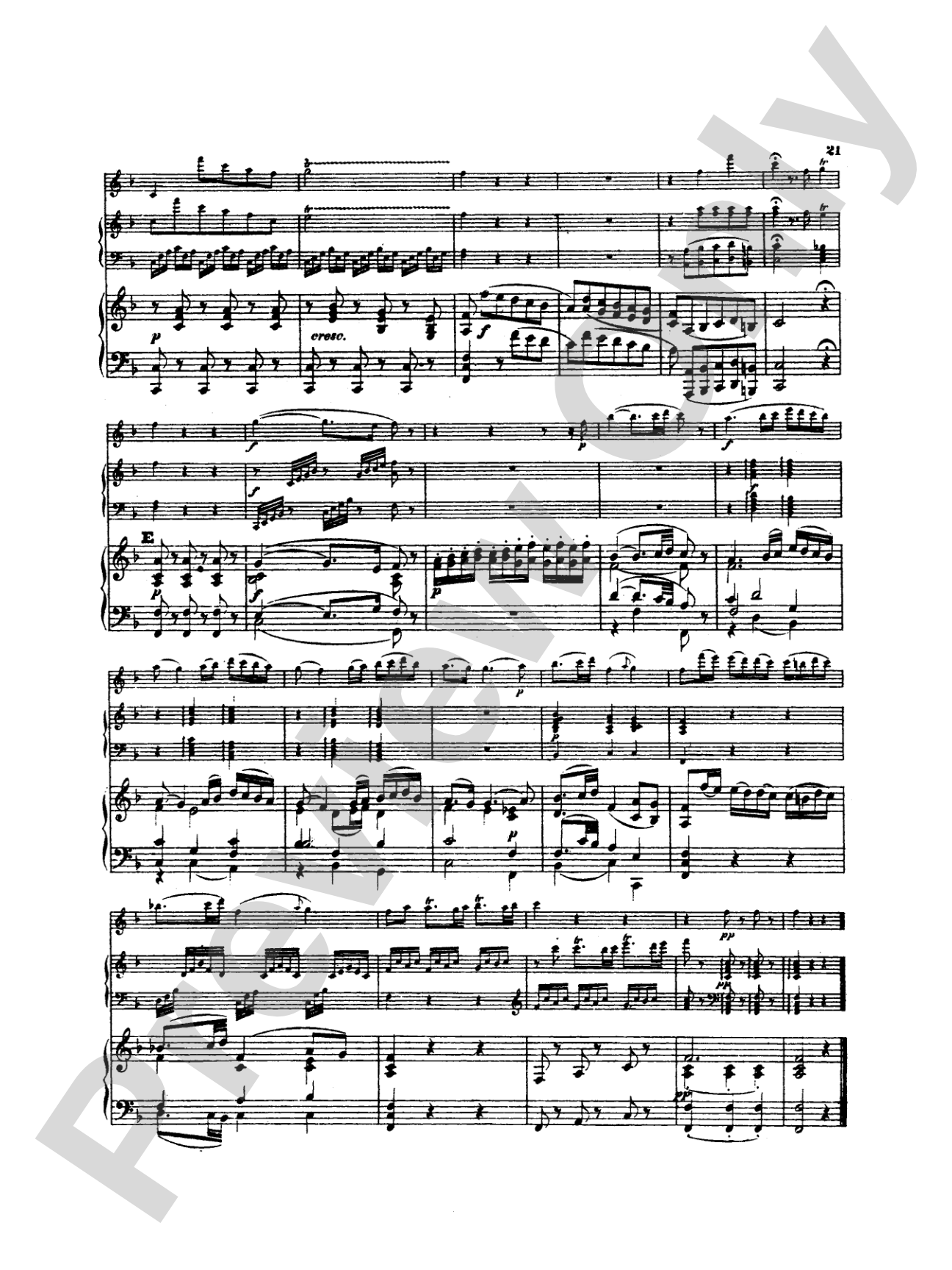
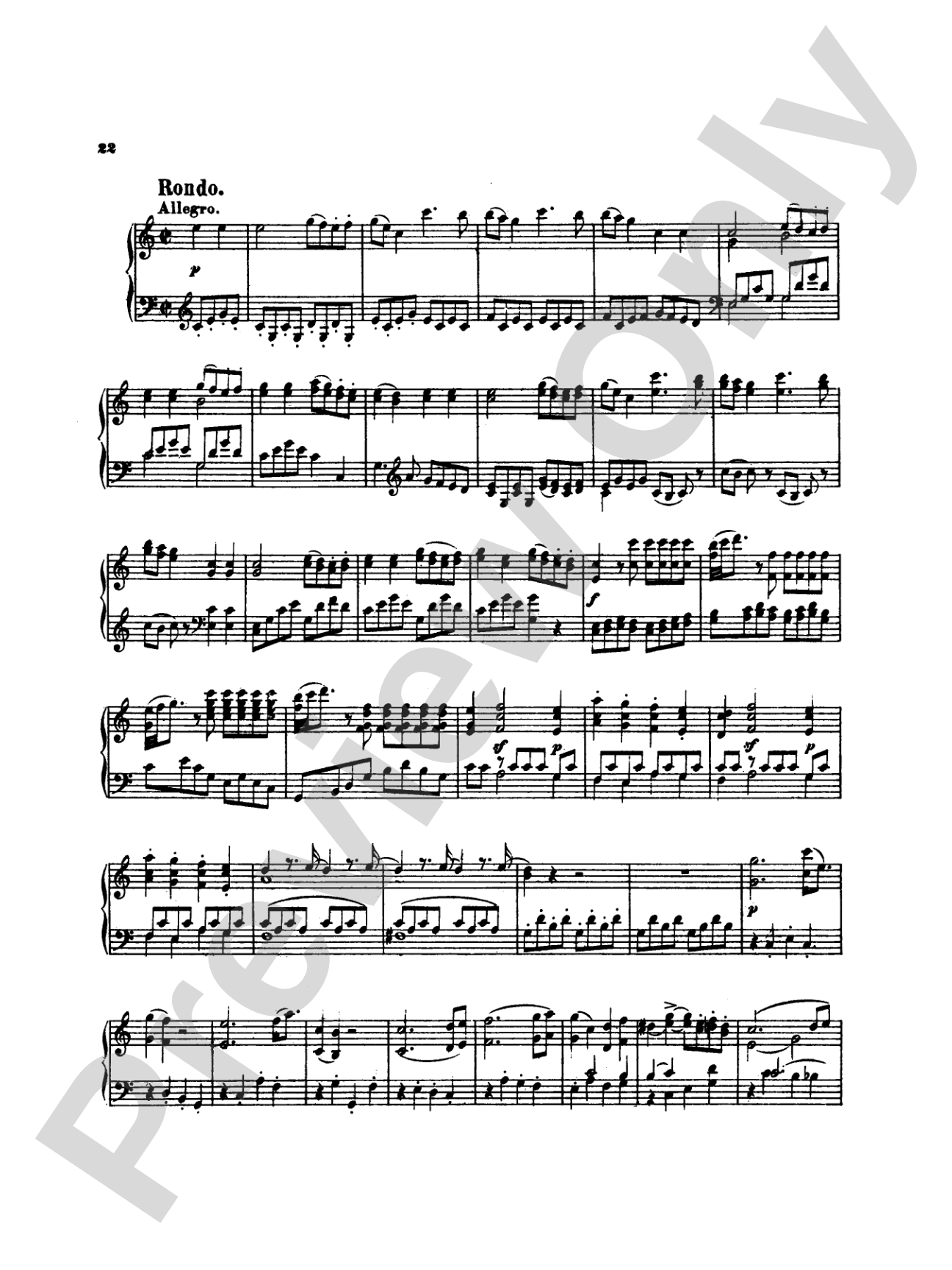
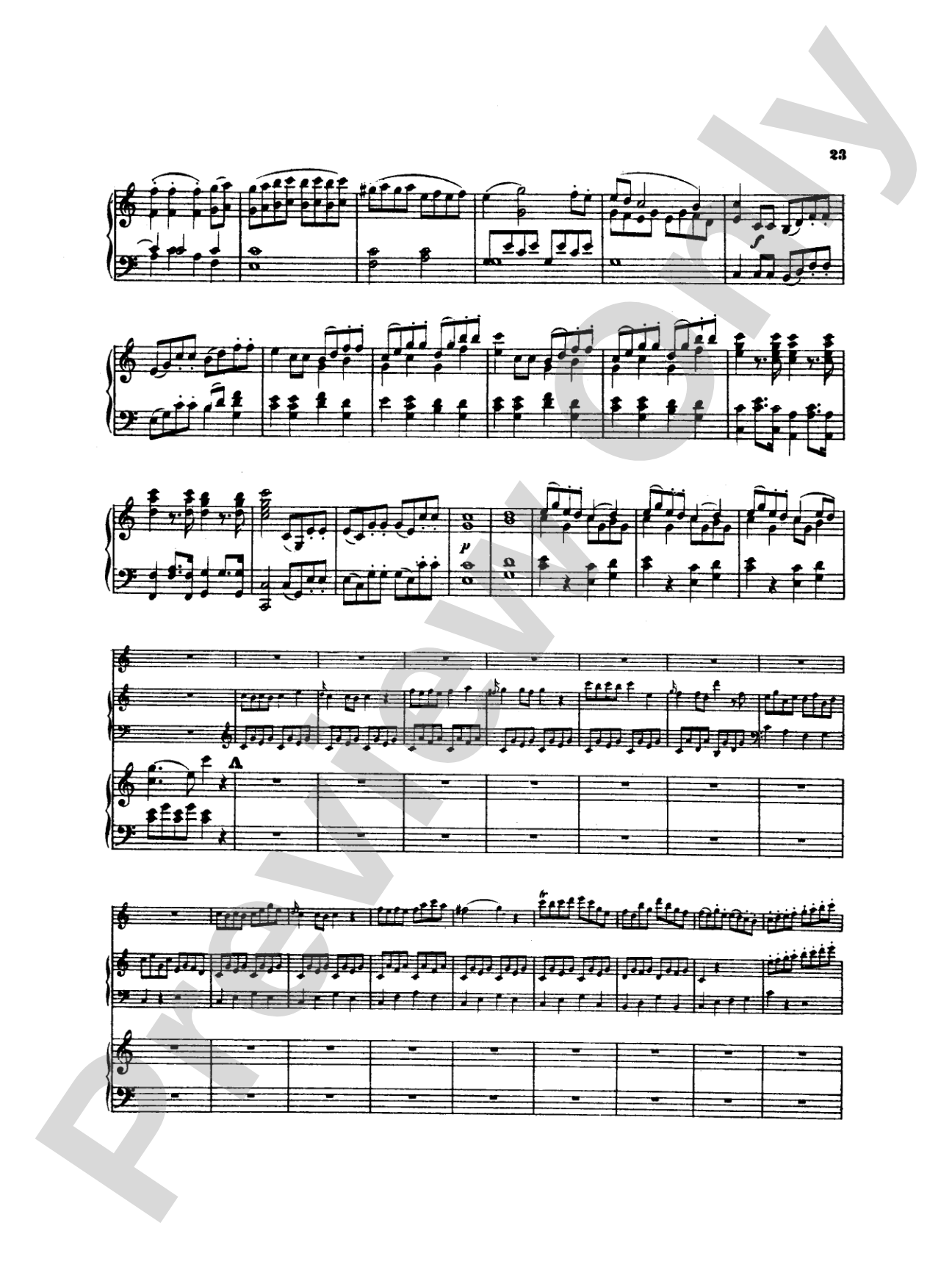
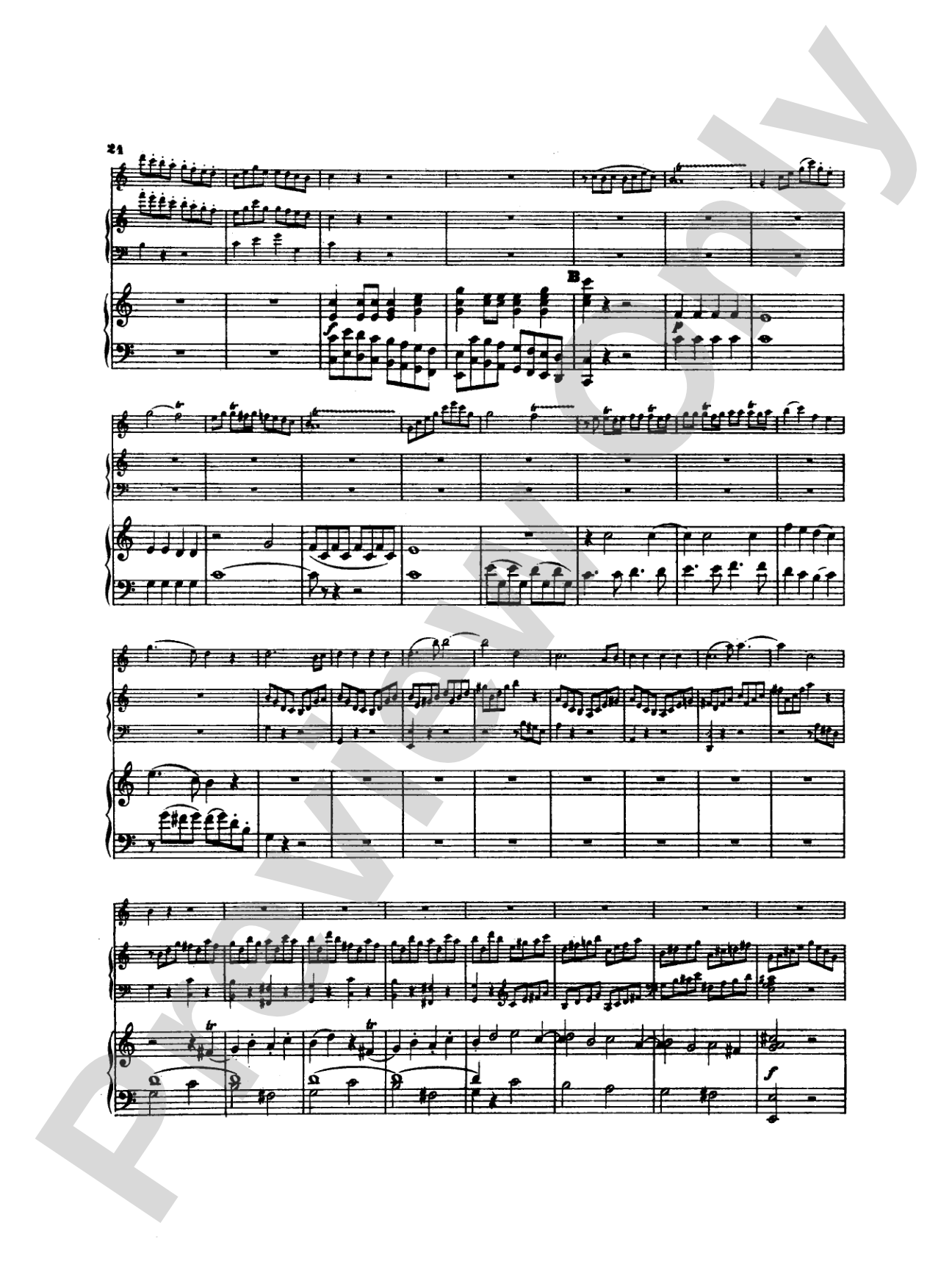
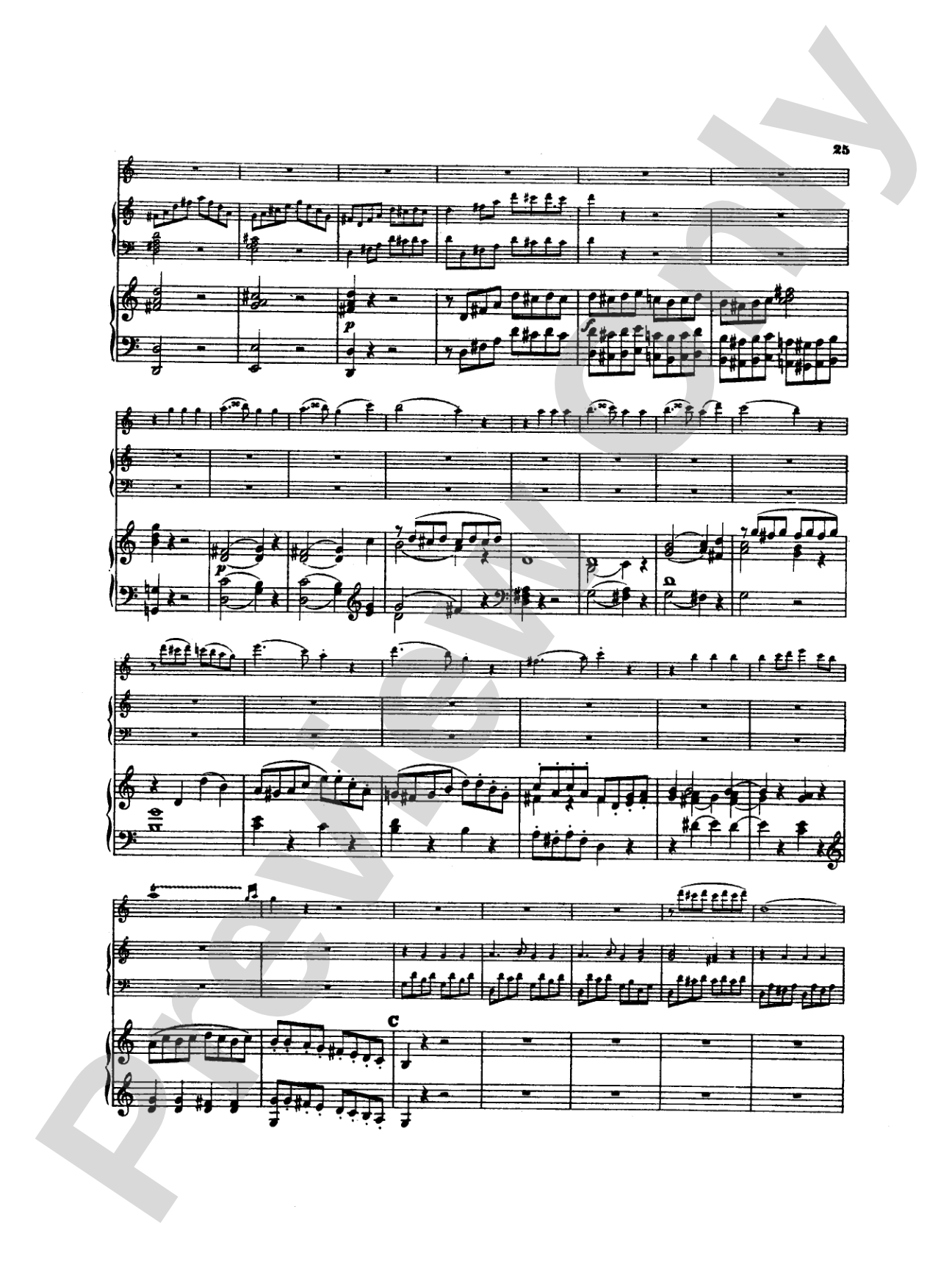
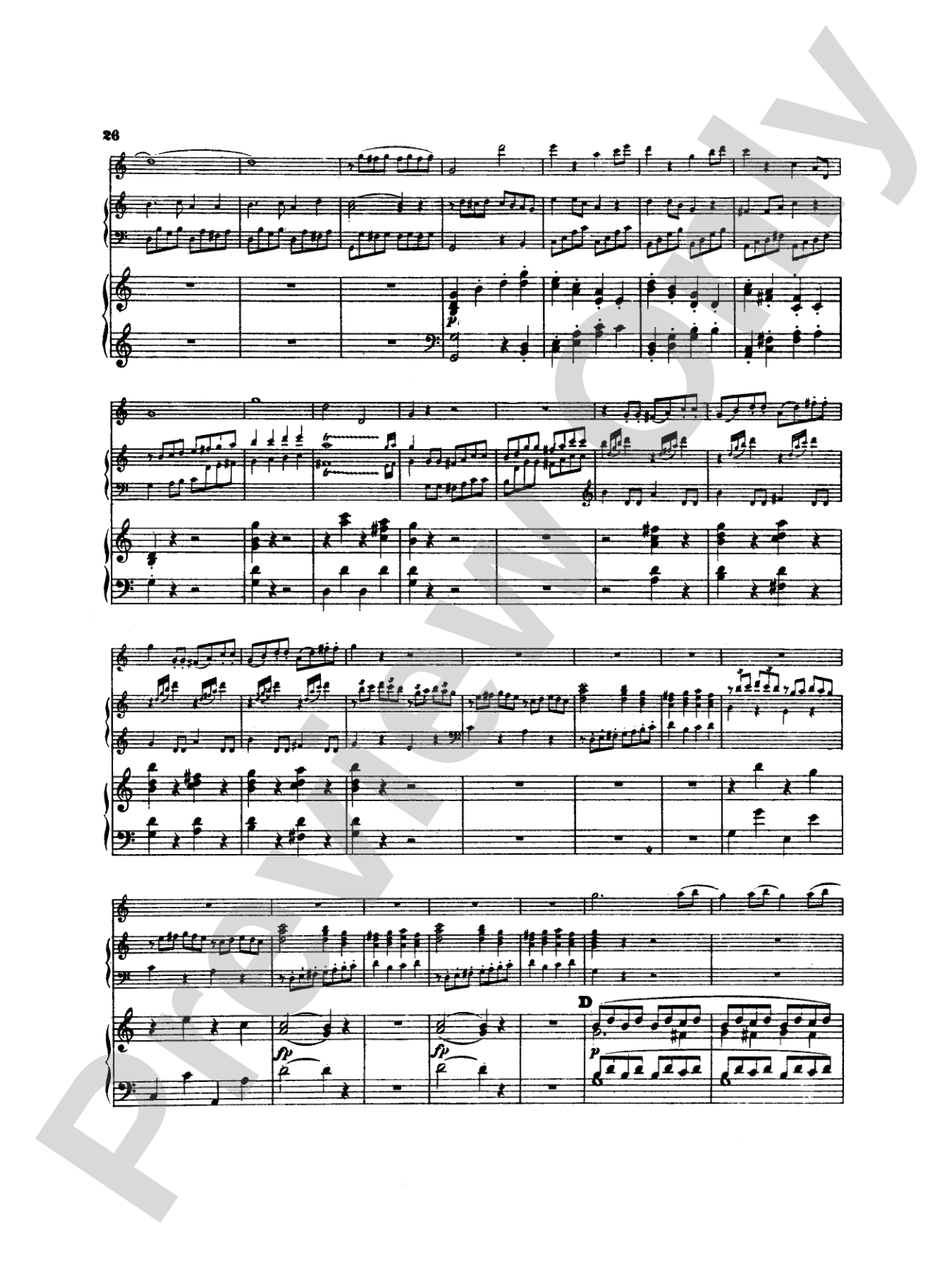
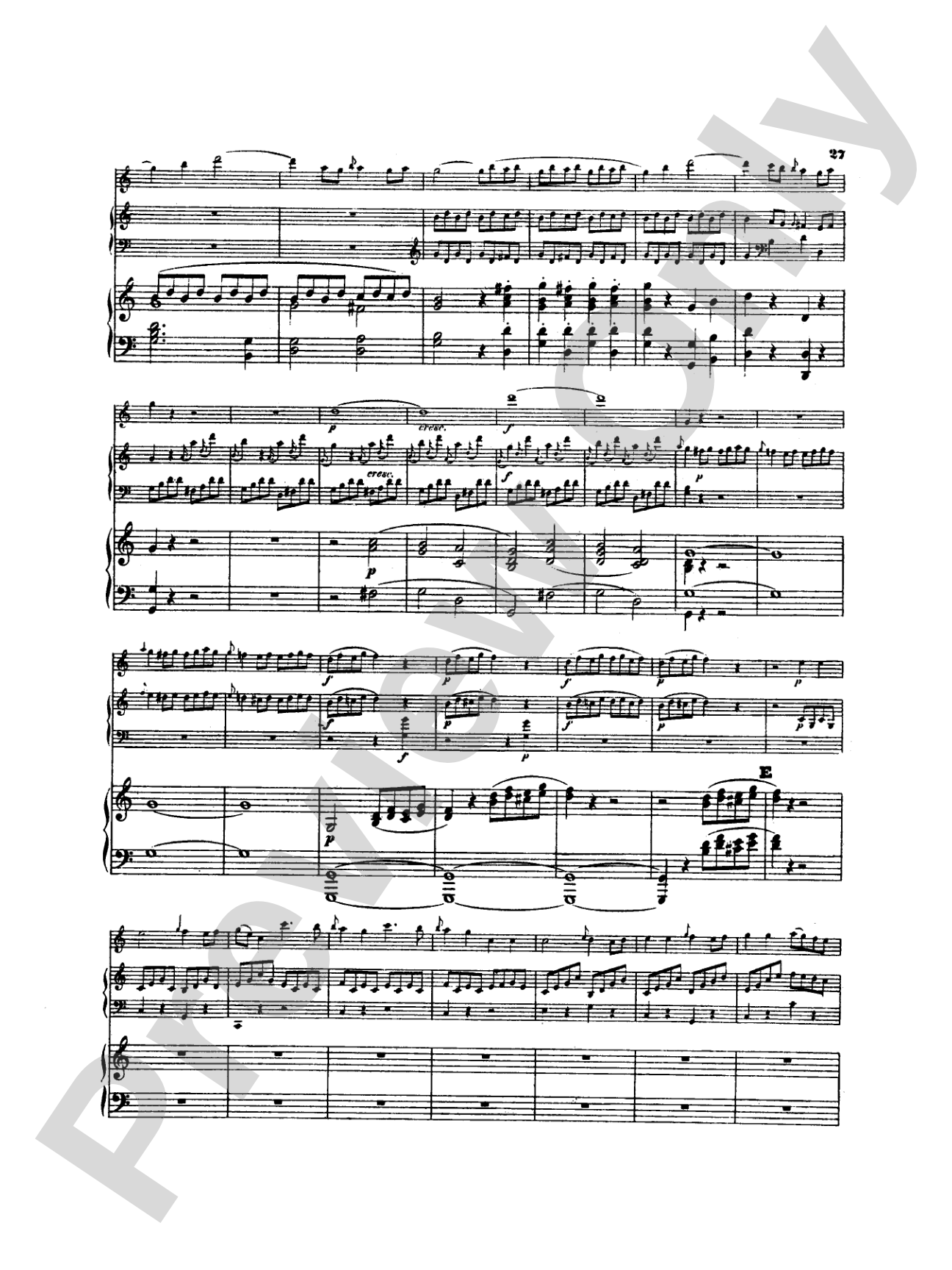
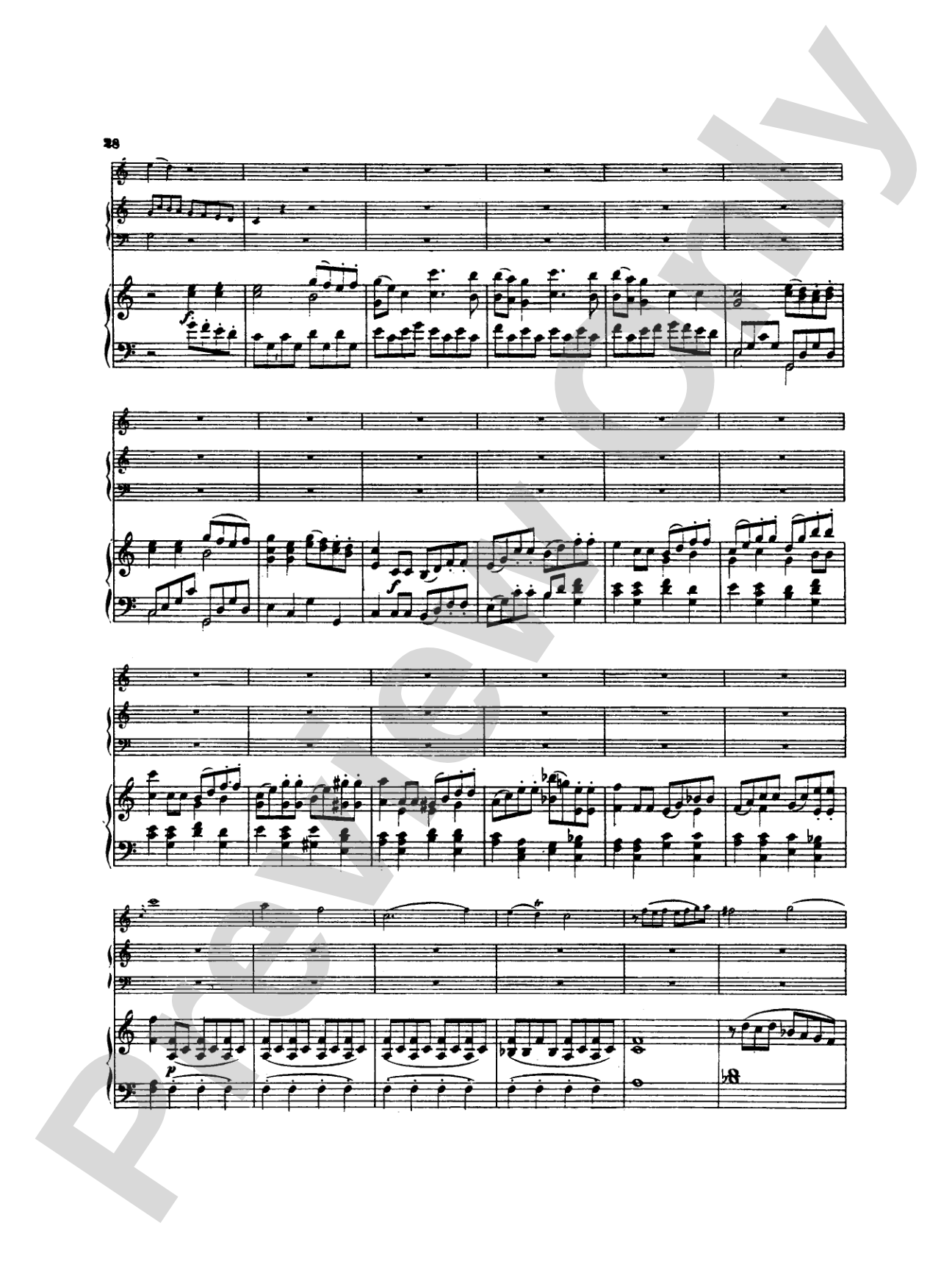
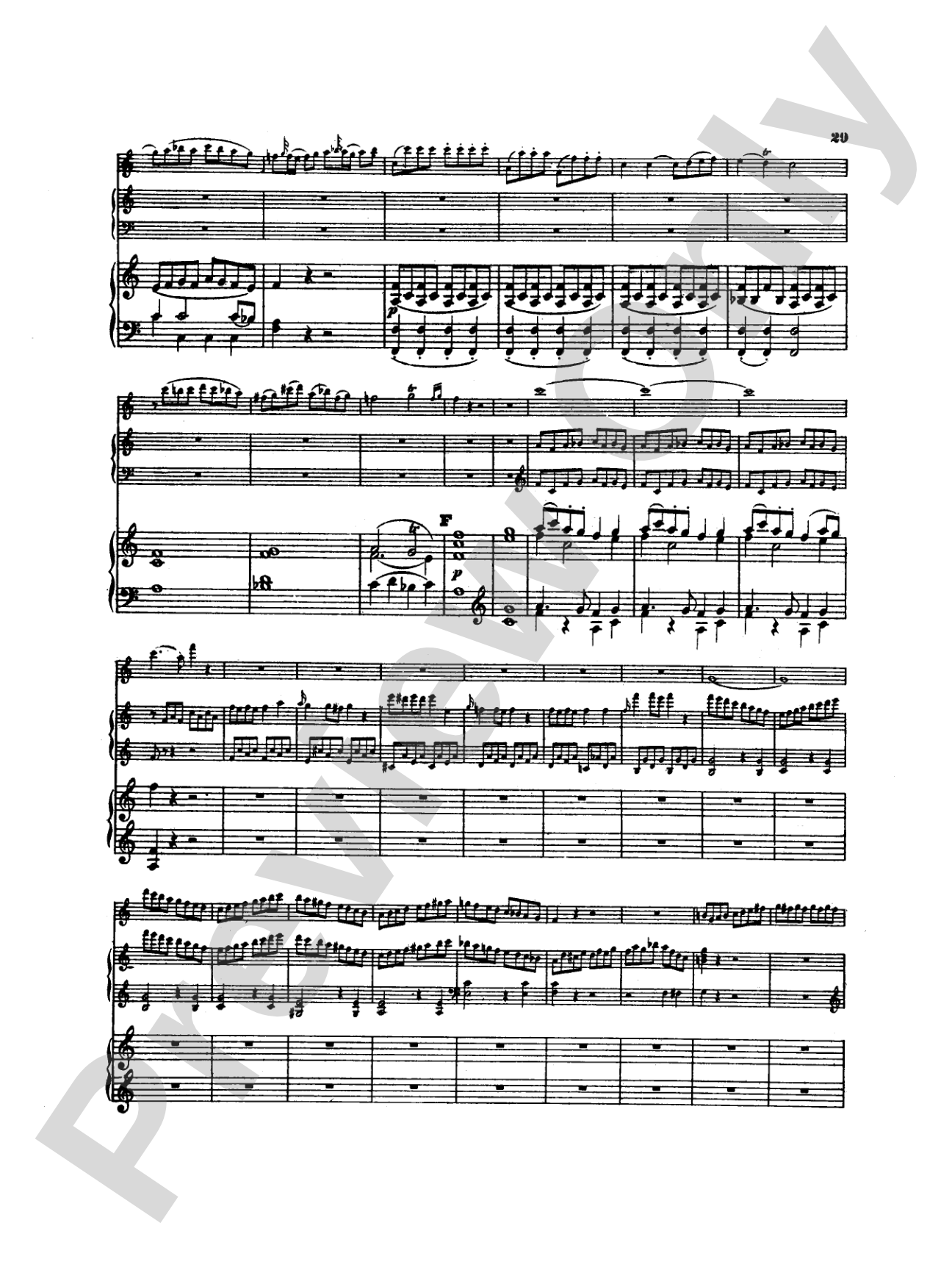
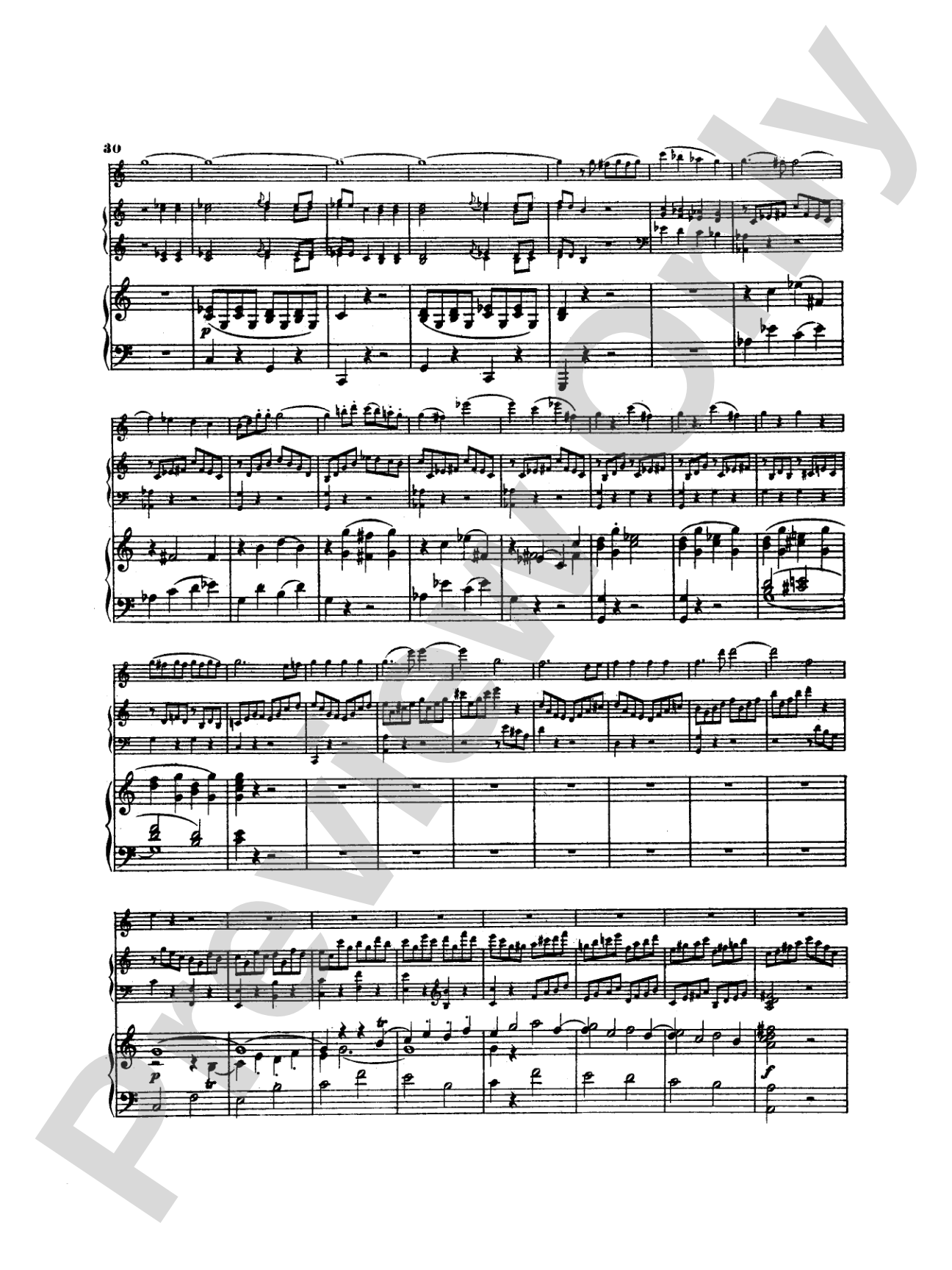
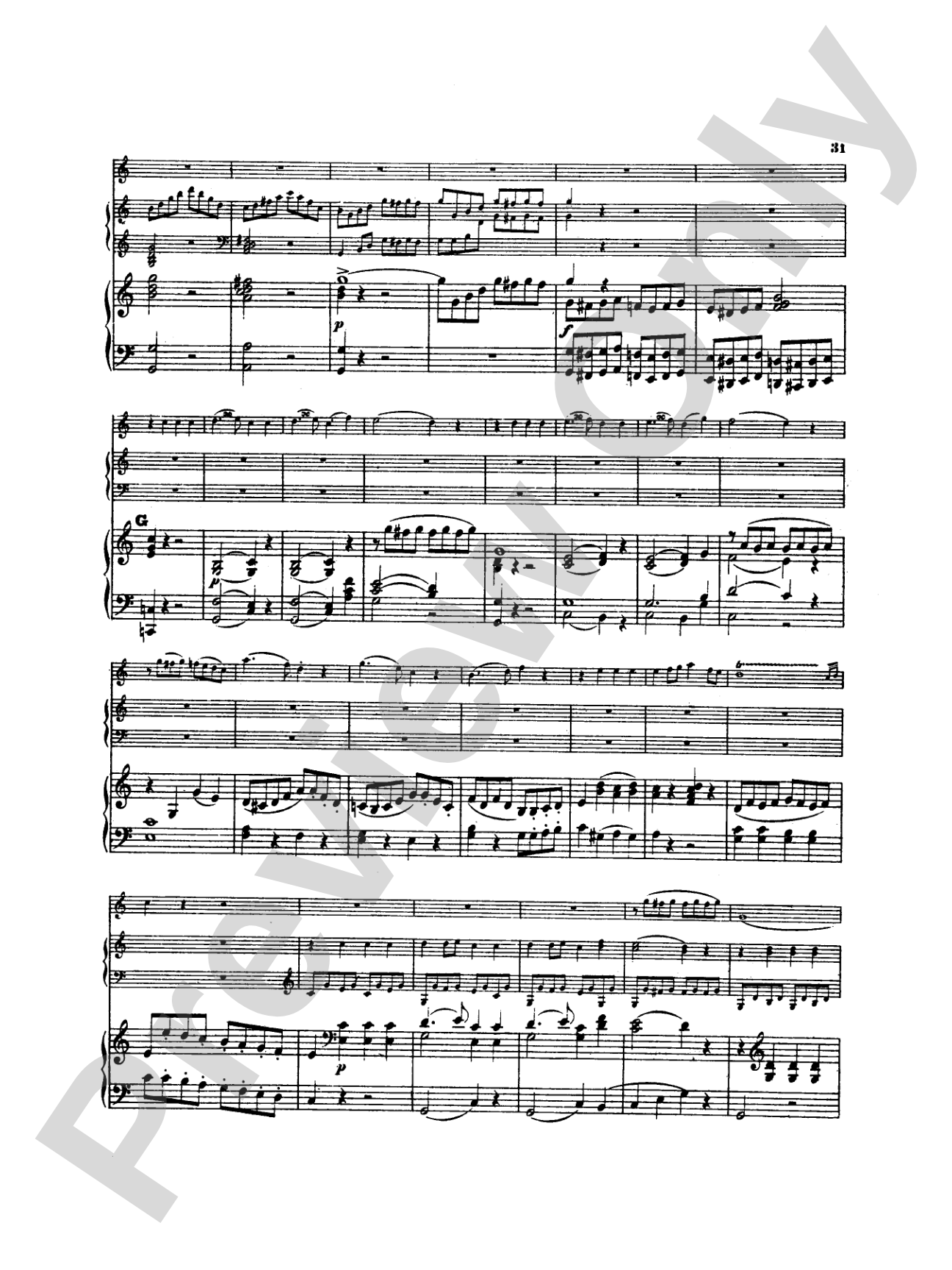
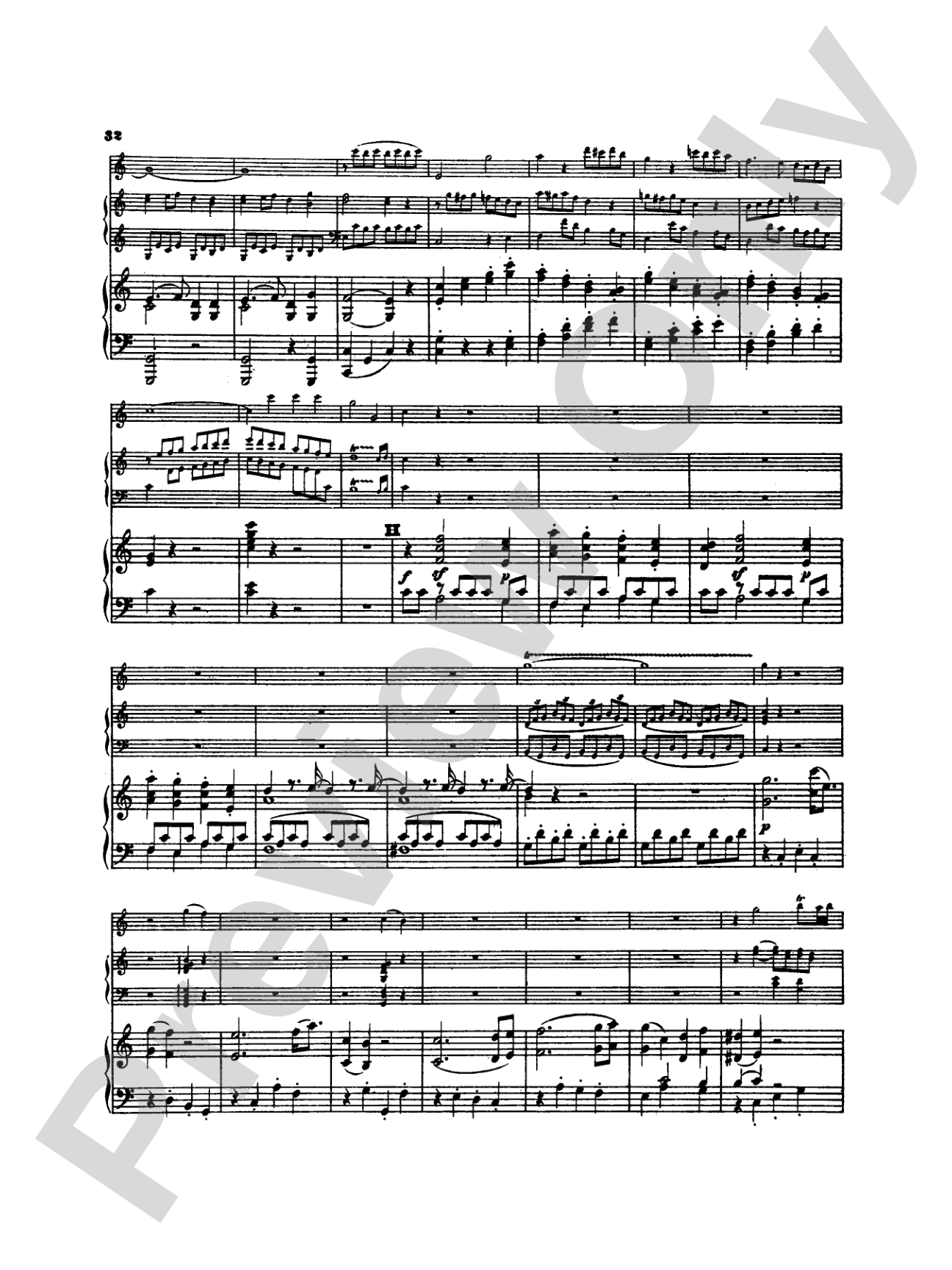
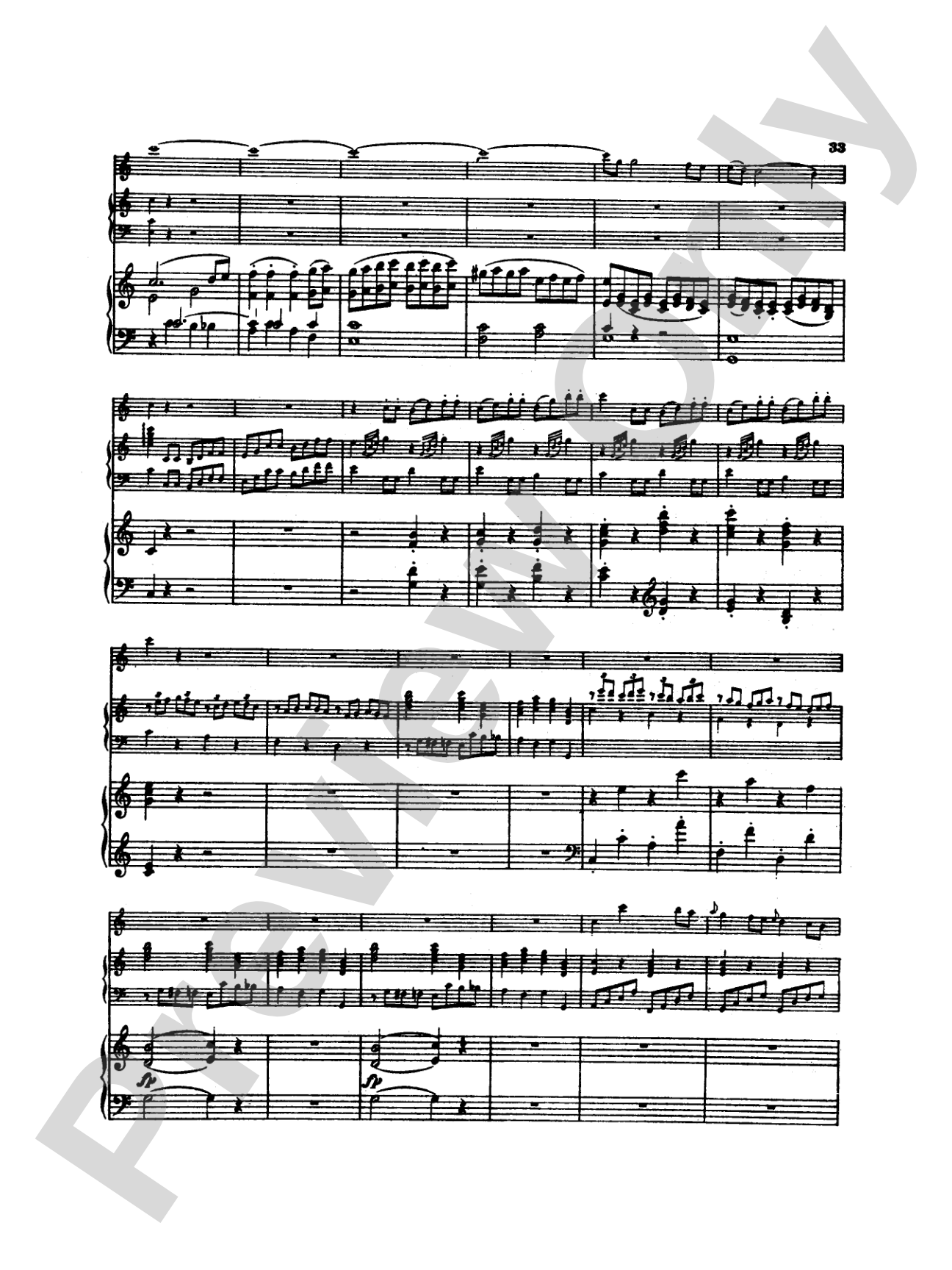
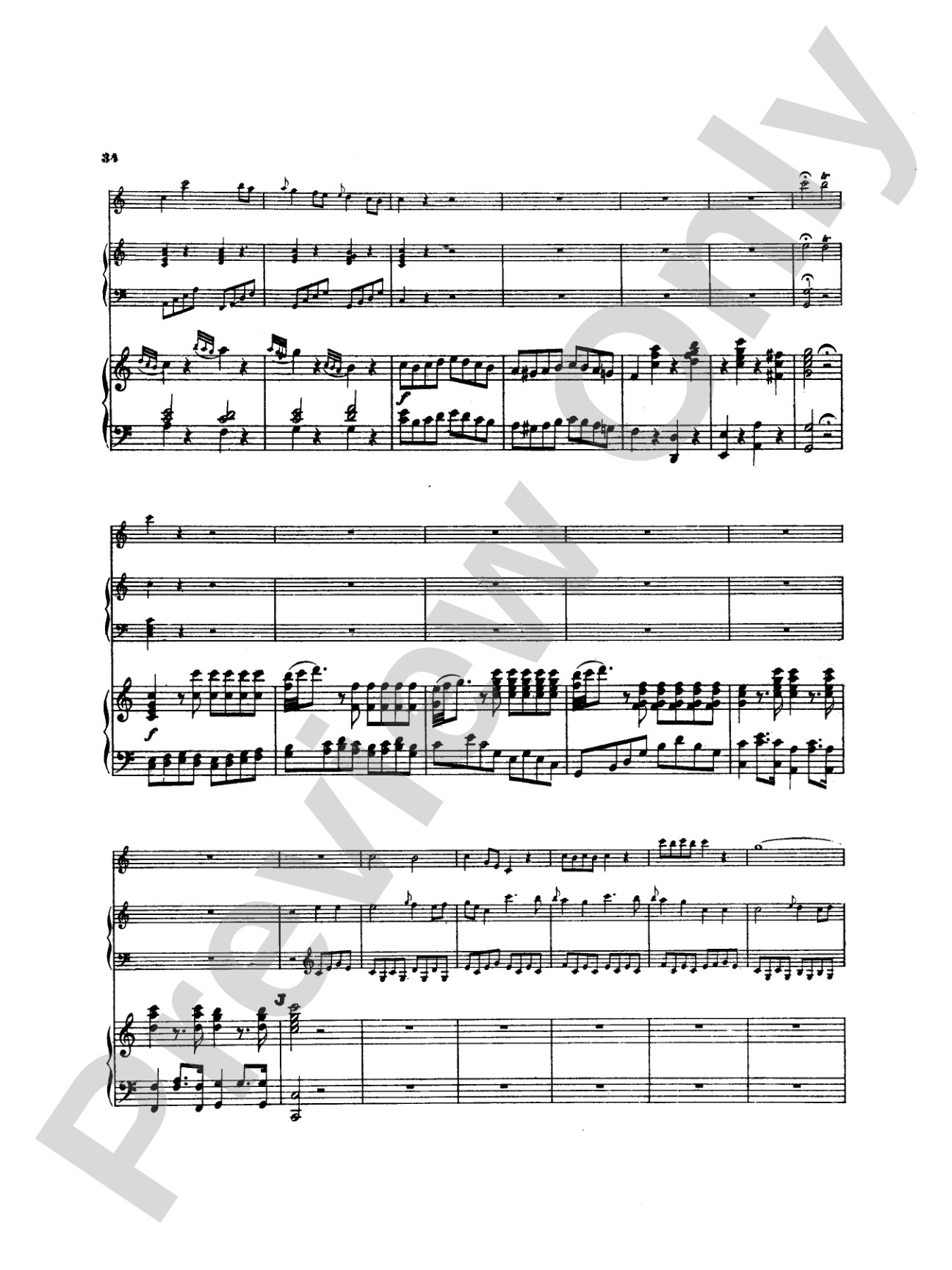
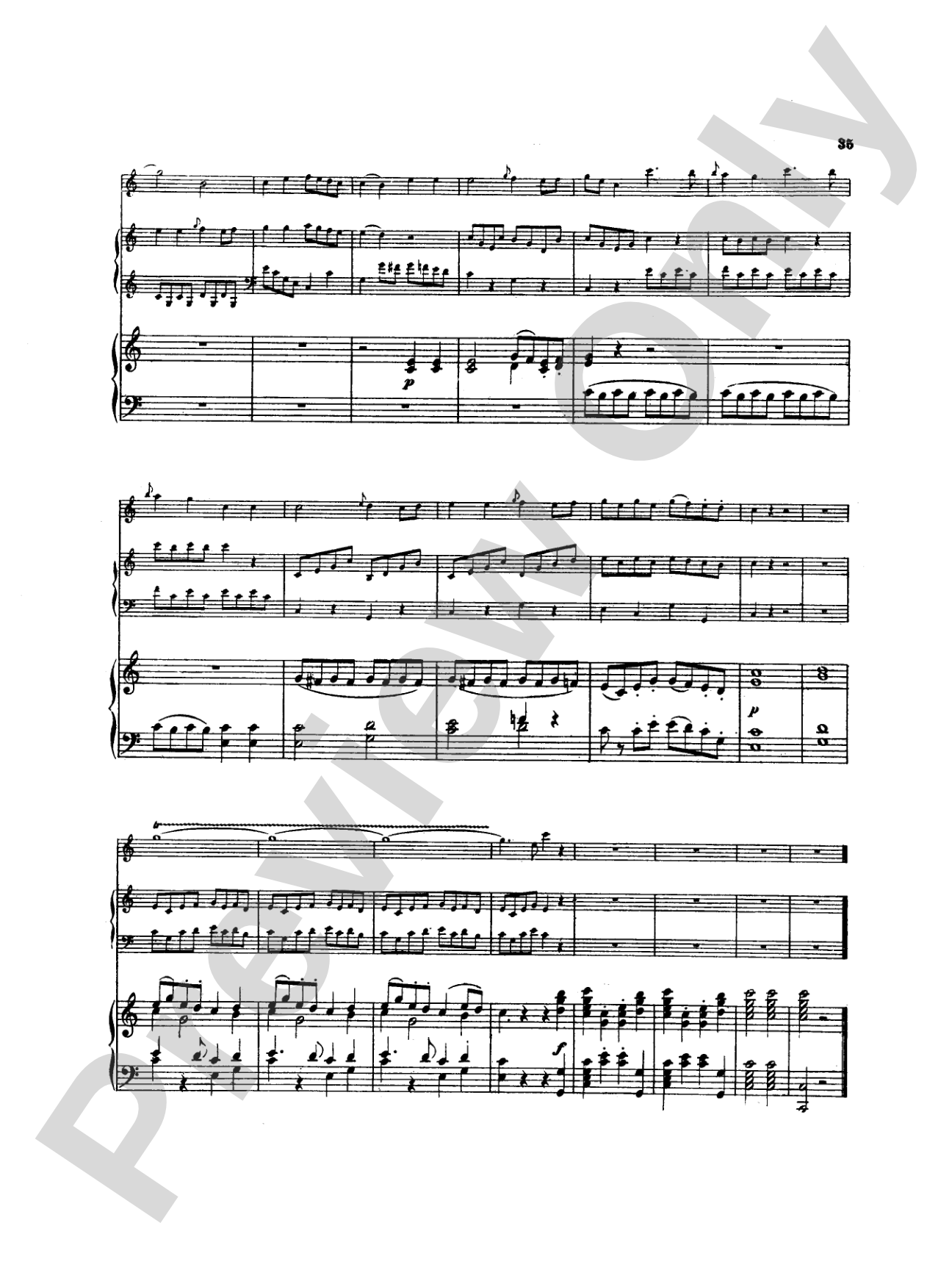


Mozart: Concerto in C Major, K. 299: Flute Part(s)
By Wolfgang Amadeus Mozart
Item: 00-PK-0003268

$14.99
Pickup currently not available
Buy Extra Parts (Digital PDF Download)
| Product | Price | Quantity |
|---|---|---|
| Mozart: Concerto in C Major, K. 299 | $13.95 |
Parts Added to Cart!
Description
A Flute Solo, composed by Wolfgang Amadeus Mozart.


Don't just read it, hear it, play along with it, and watch your students grow with it. In MakeMusic Cloud, Mozart: Concerto in C Major, K. 299: Flute Part(s) comes alive with professional accompaniment, adjustable tempo, and built-in practice tools that turn solo practice into real progress.
Open in the Player
Jump straight in and assign it today.
Start Your Free Trial
Open this title and explore the full library in minutes.
Sample Audio
No sample audio found.
Sample Video
No sample videos found.
Additional Details
Series:
Kalmus Edition
Publisher:
Alfred Music
Page Count:
60
SKU:
00-PK-0003268
More about this title
About the Composer: Wolfgang Amadeus Mozart
Wolfgang Amadeus Mozart (1756-1791) was an Austrian composer whose output shaped the Classical era and established the modern concert repertoire. A child prodigy who performed across Europe, Mozart mastered every genre of his time: symphonies, concertos, operas, chamber music, and sacred works. His flute concertos emerged during his mature years and remain cornerstones of the wind soloists' standard.
Mozart's concertos for winds reflect his gift for writing idiomatically for each instrument. He understood the flute's lyrical range and technical capacity with precision, crafting lines that sing naturally within the instrument's strengths. For music educators, Mozart's concertos model how to balance virtuosity with musical integrity: technical display serves the melody, never overshadows it.
Why we love this
This concerto appears on festival and contest schedules worldwide because it rewards genuine musicianship over empty brilliance. The work demands secure Classical phrasing, control of dynamic shading across a wide range, and the maturity to sustain long melodic lines, making it an exceptional choice for flutists ready to demonstrate artistic growth rather than just technical facility.
What to expect
Elegant and conversational, with the soloist both storyteller and dancer. Lyrical passages unfold with Classical poise while spirited sections showcase technical command. The overall character is refined refinement without pretense, balancing intimate song-like moments against moments of virtuosic display that feel earned rather than showy.
Who it's for
Flutists at the intermediate-advanced level or beyond who are building a Classical concerto library and preparing for solo recital, festival, or competition performance. This work sits at the top of the contest circuit and suits mature high school musicians and college students.
How to get the most out of it
- Shape phrases according to harmonic rhythm and text-like phrasing rather than mechanical counting; Mozart's melodic contours should breathe naturally, much like sung lines would.
- Balance passage work with the surrounding texture; rapid passages are ornamental, not the primary voice. The orchestra provides harmonic context, not accompaniment.
- Project tone consistently across register transitions, particularly between the staff and high notes common in Classical flute writing. Uneven tone breaks the line.
- Honor articulation patterns as written; Mozart distinguishes between slurred figuration and separated notes with intention, and that distinction carries harmonic and emotional meaning.
How to use it
Feature this as the centerpiece of a solo recital, pairing it with a Baroque flute sonata and a 20th-century work to span style periods. For festivals and competitions, it demonstrates mastery of the Classical repertoire standard. It works equally well on a chamber concert featuring wind soloists with piano or small ensemble accompaniment.
Skills your students will build
- Phrasing and breathing in sustained lyrical passages
- Classical articulation and period-appropriate style
- Secure intonation across a wide dynamic range
- Balance between virtuosic passage work and accompanying textures
- Sustaining a consistent, mature tone quality in high register