
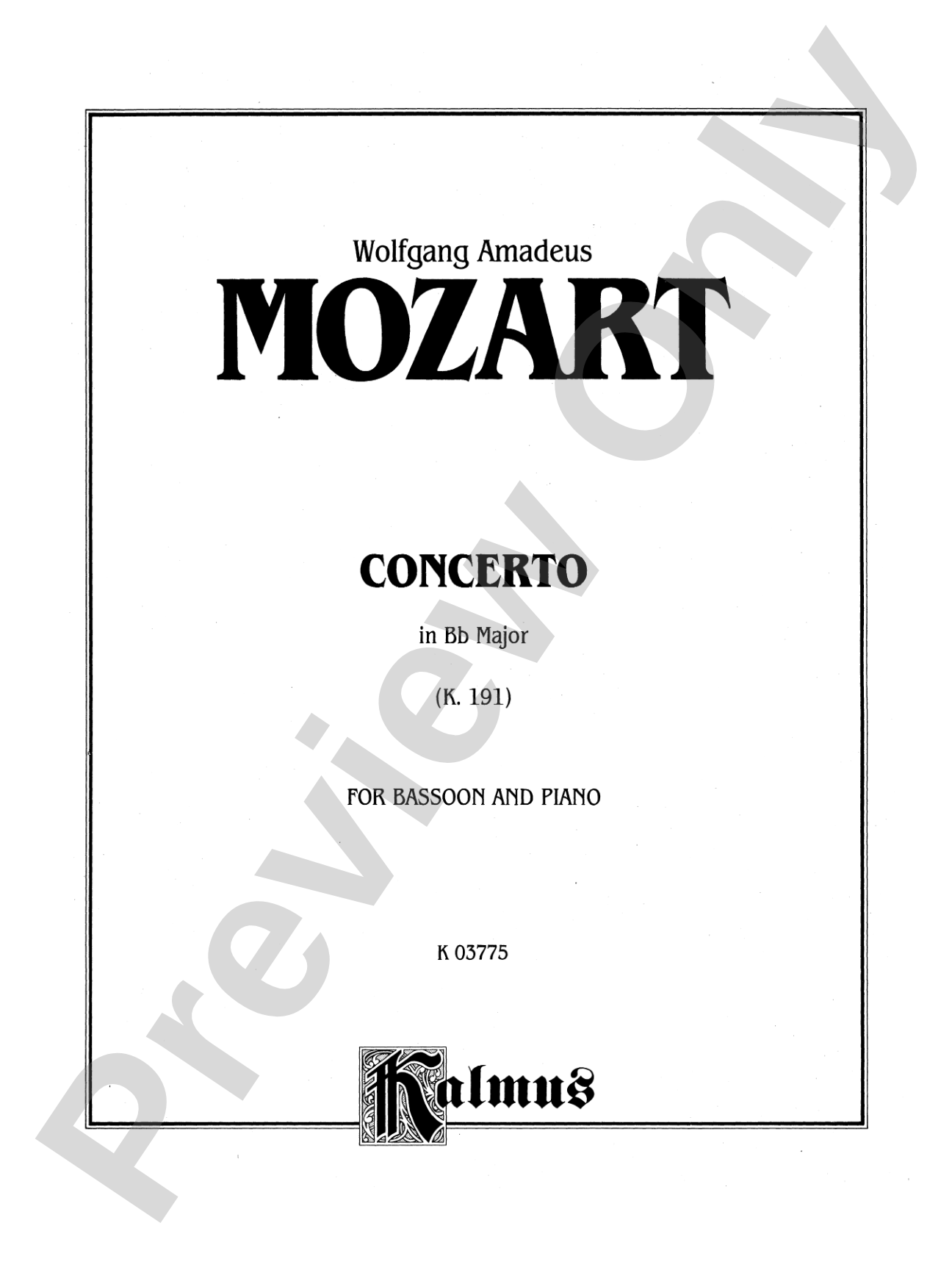

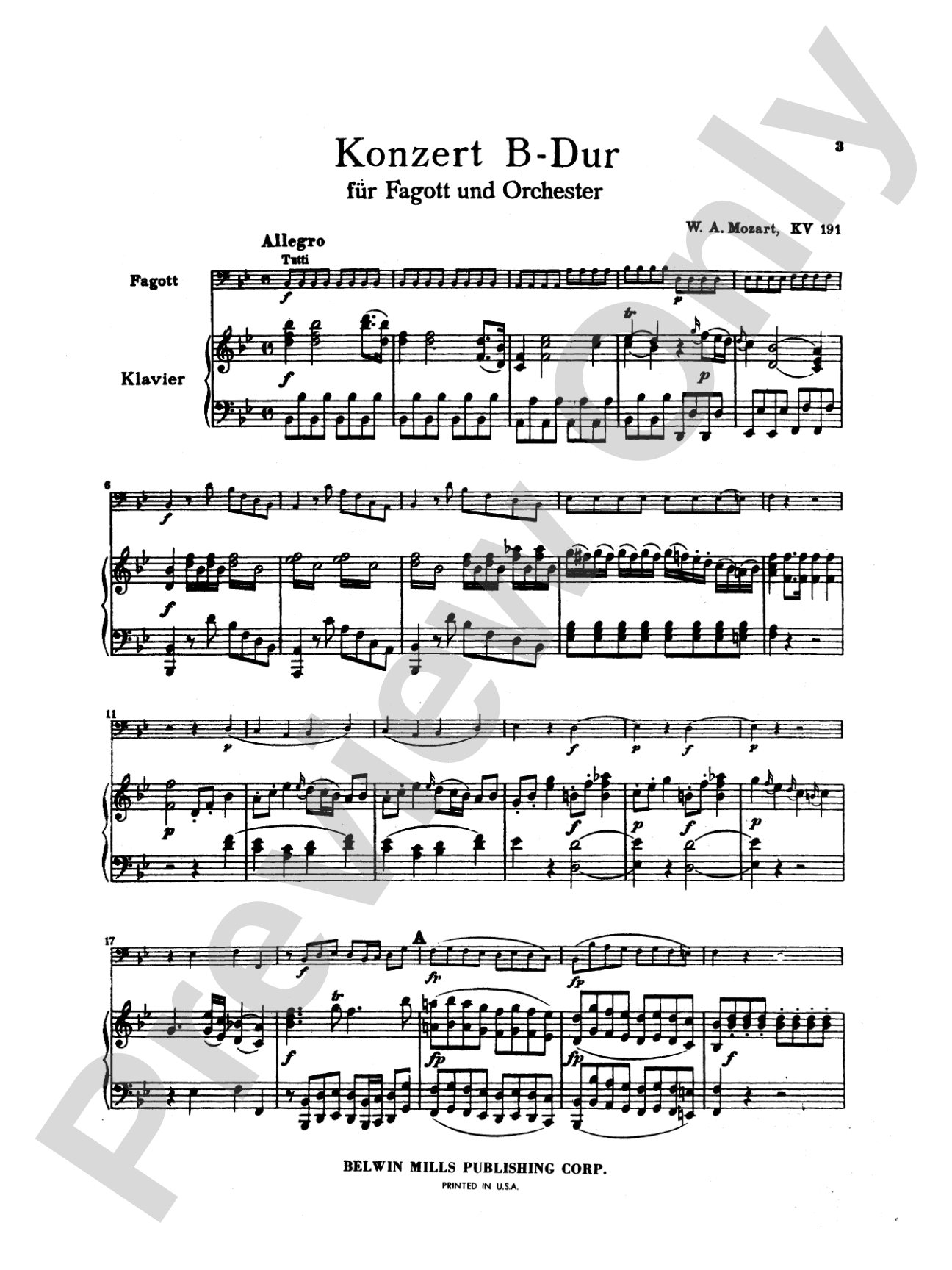
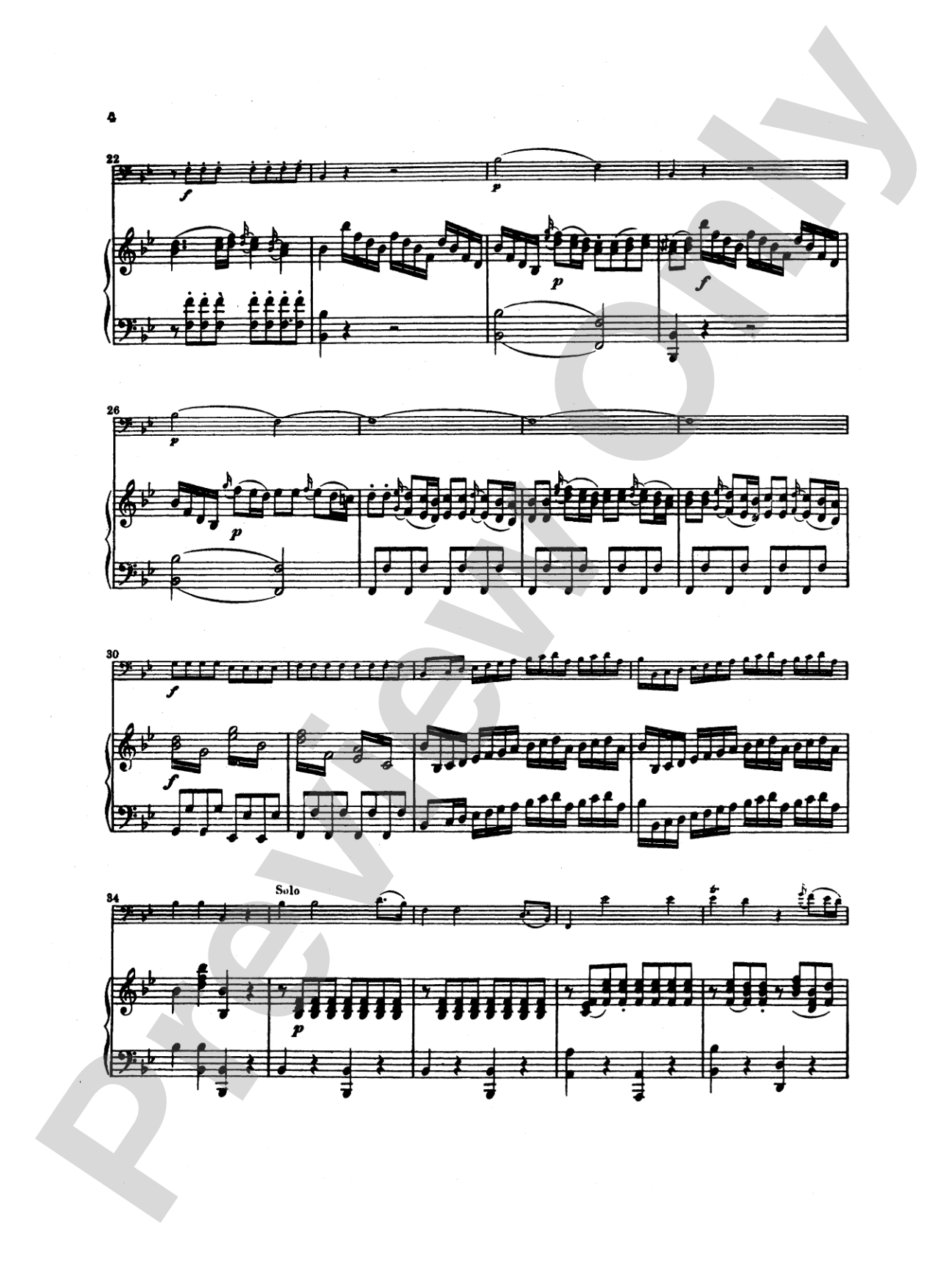
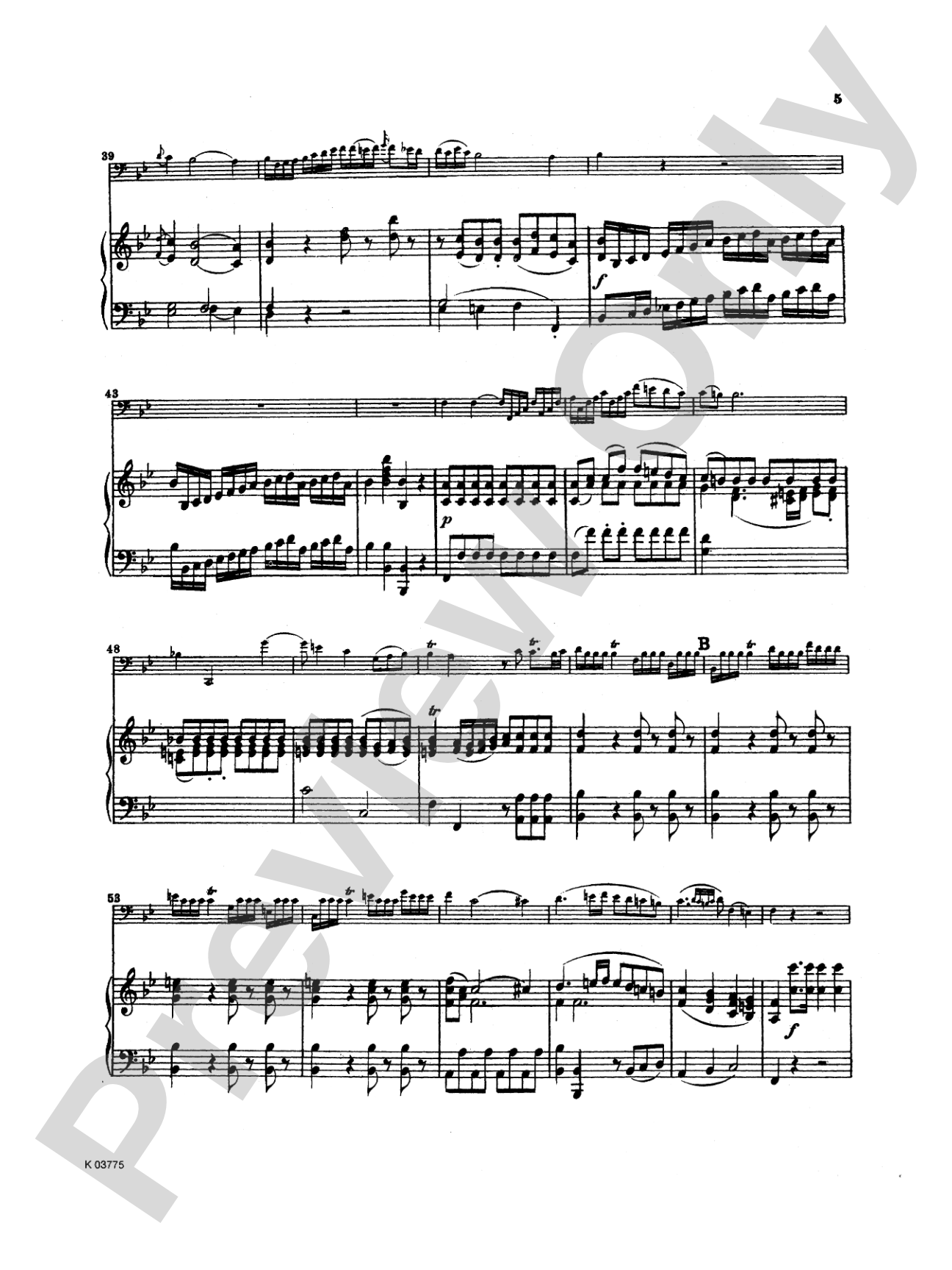
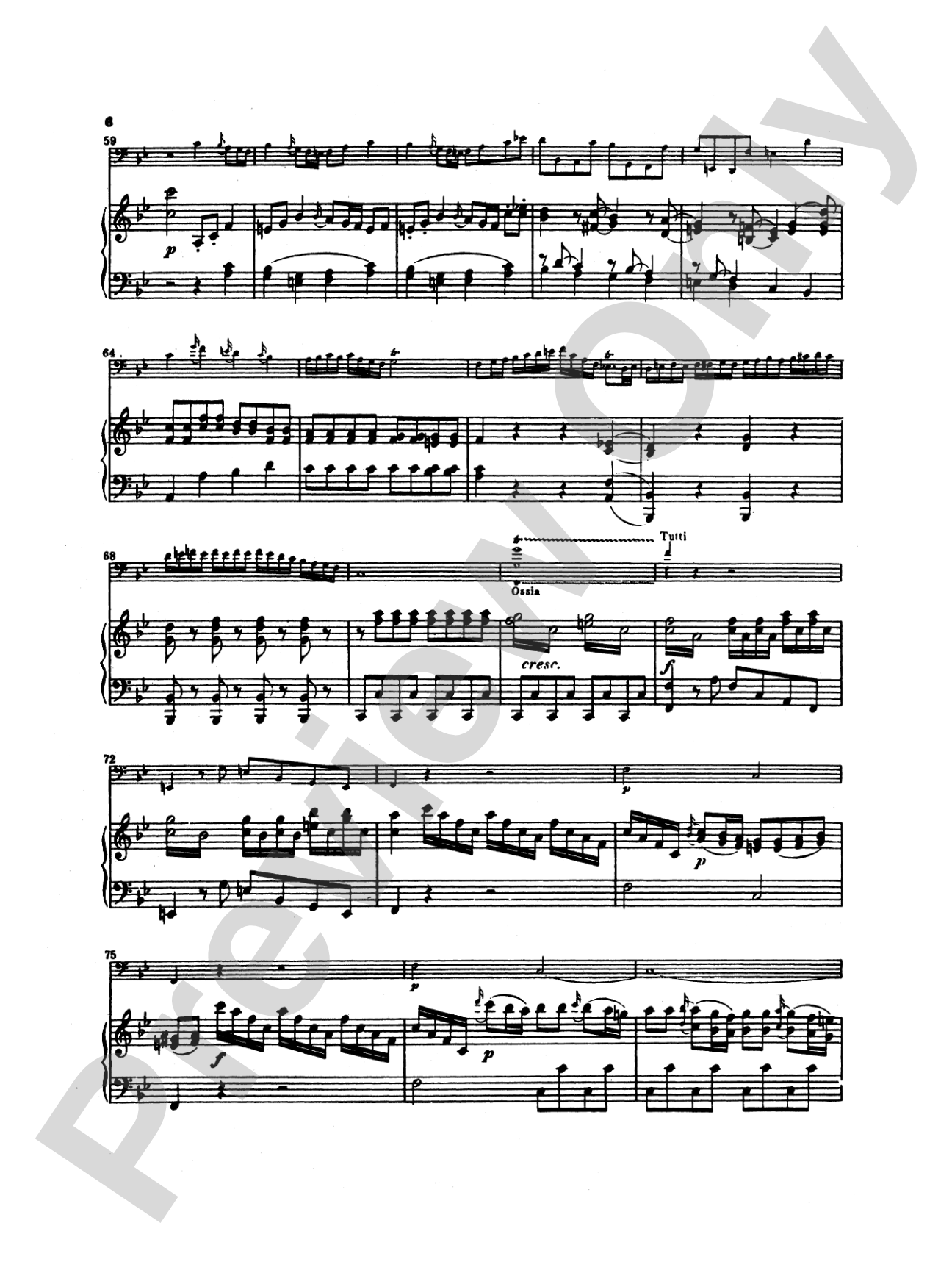
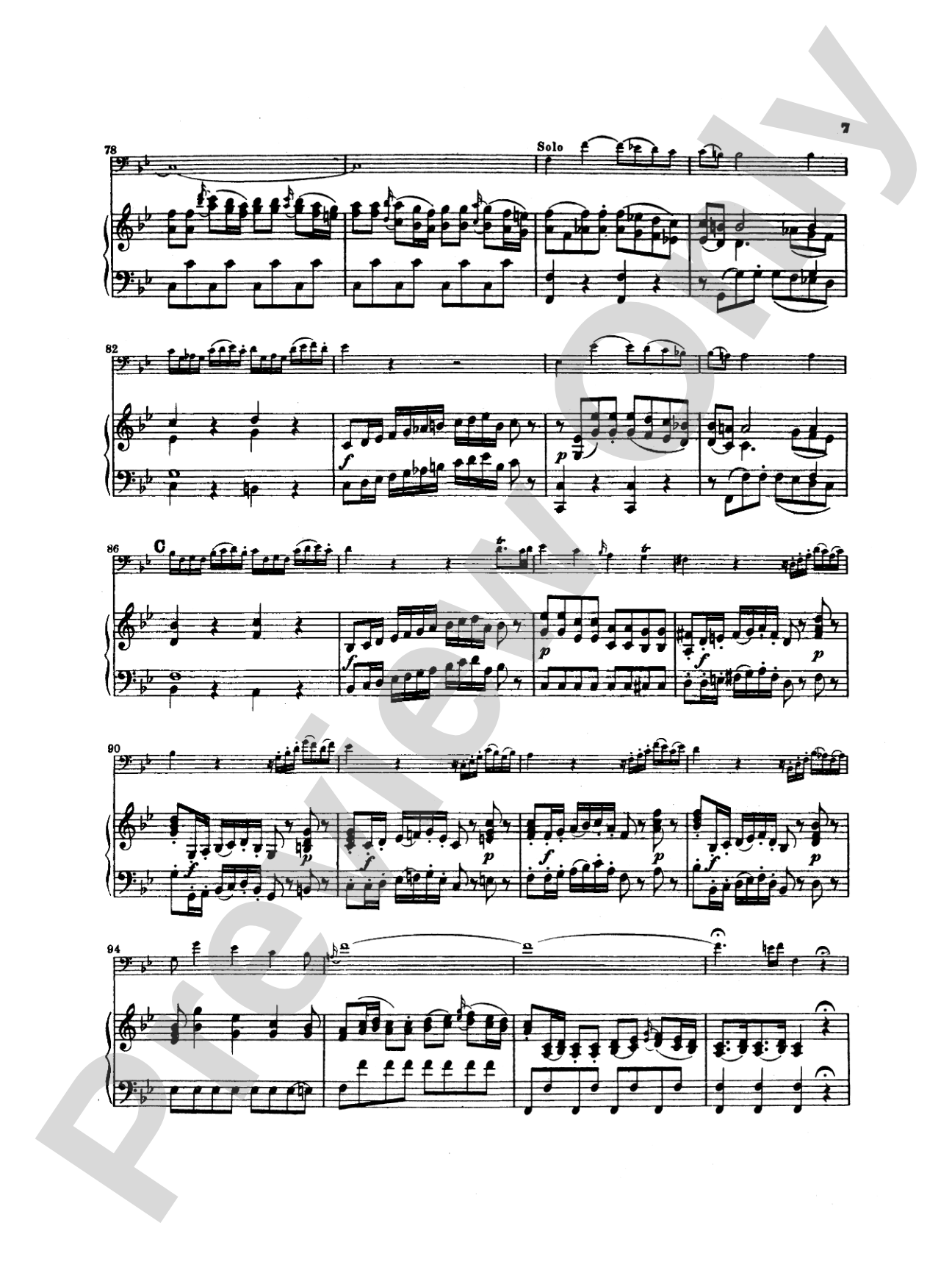
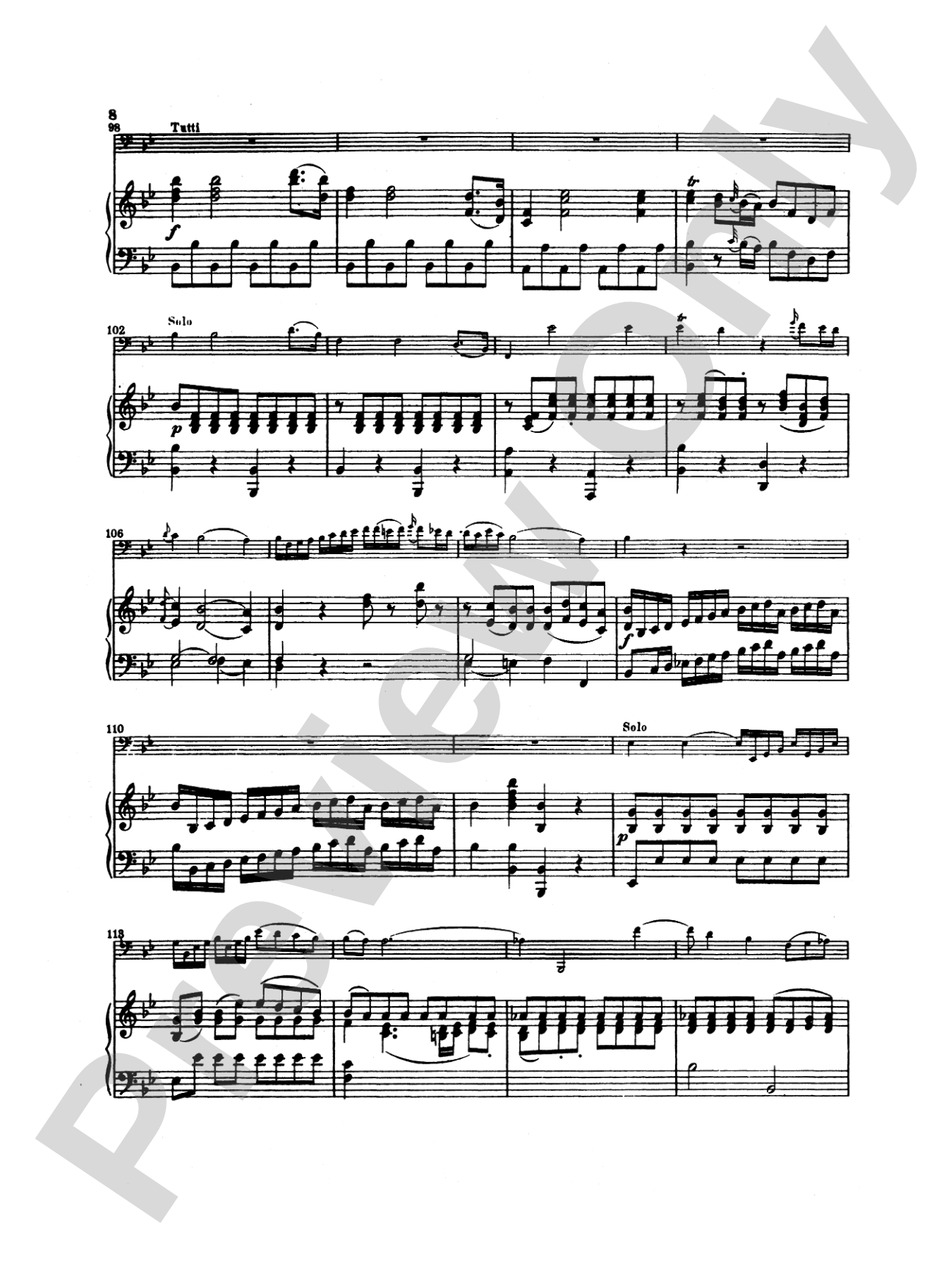
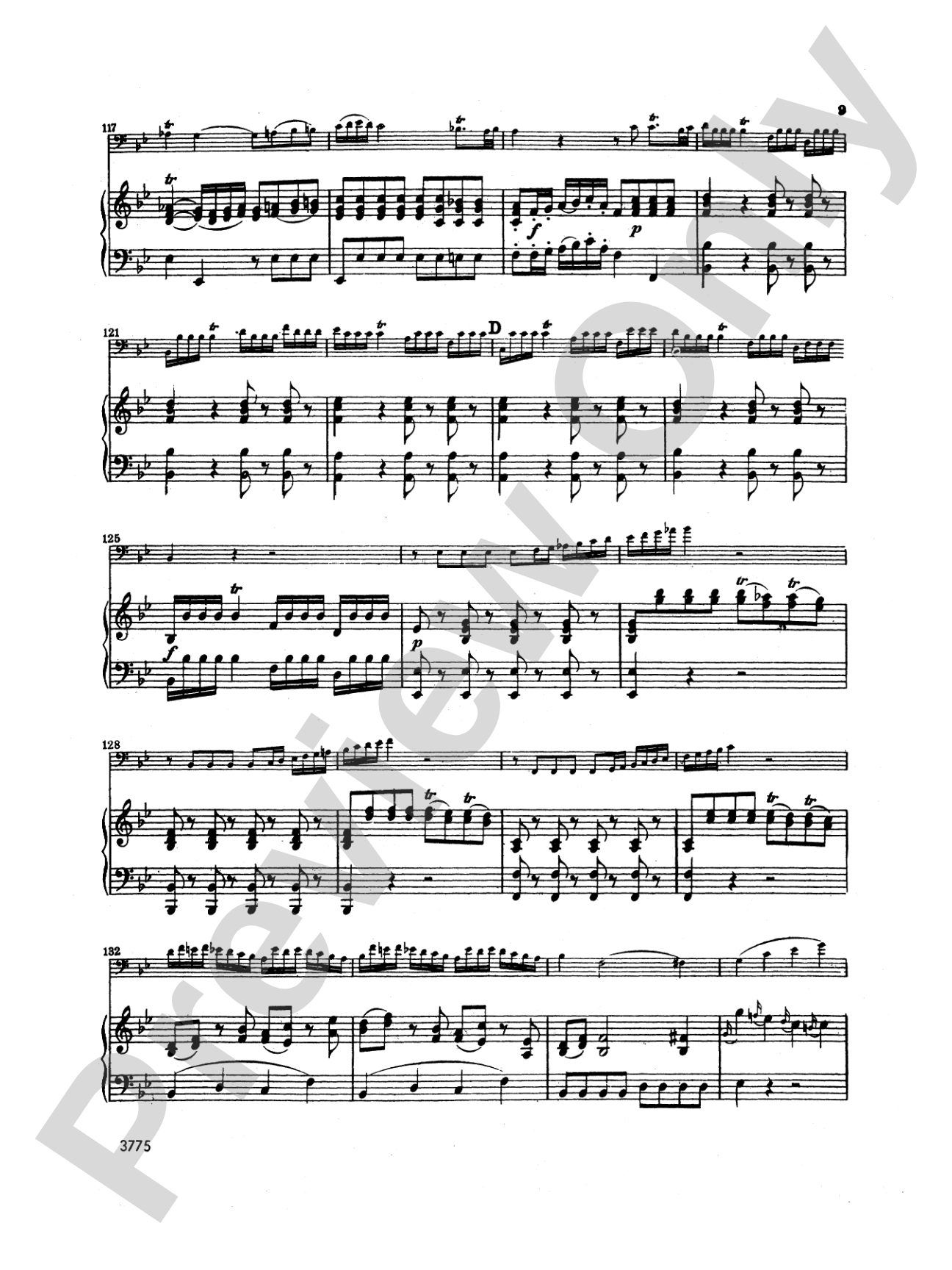
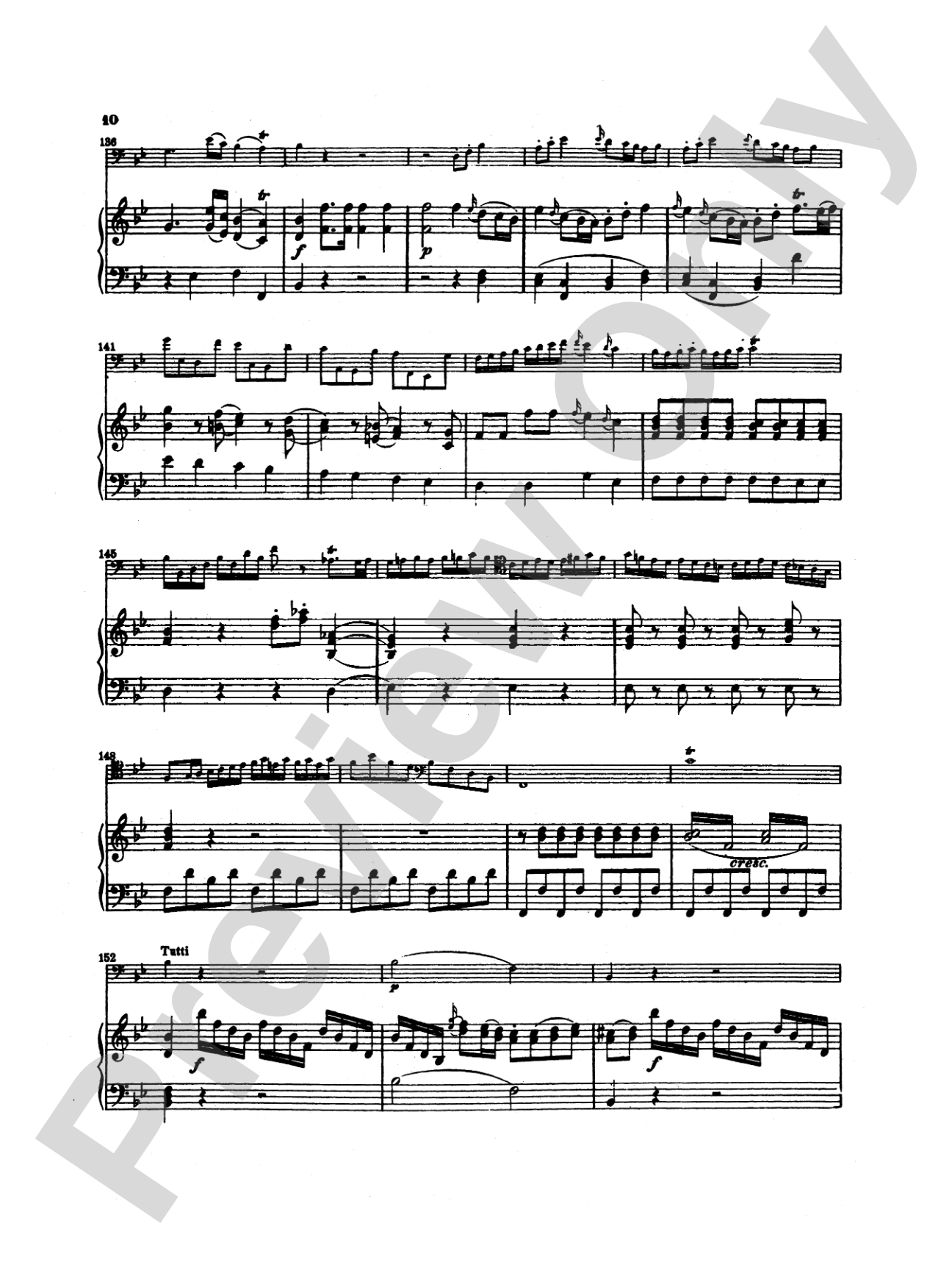
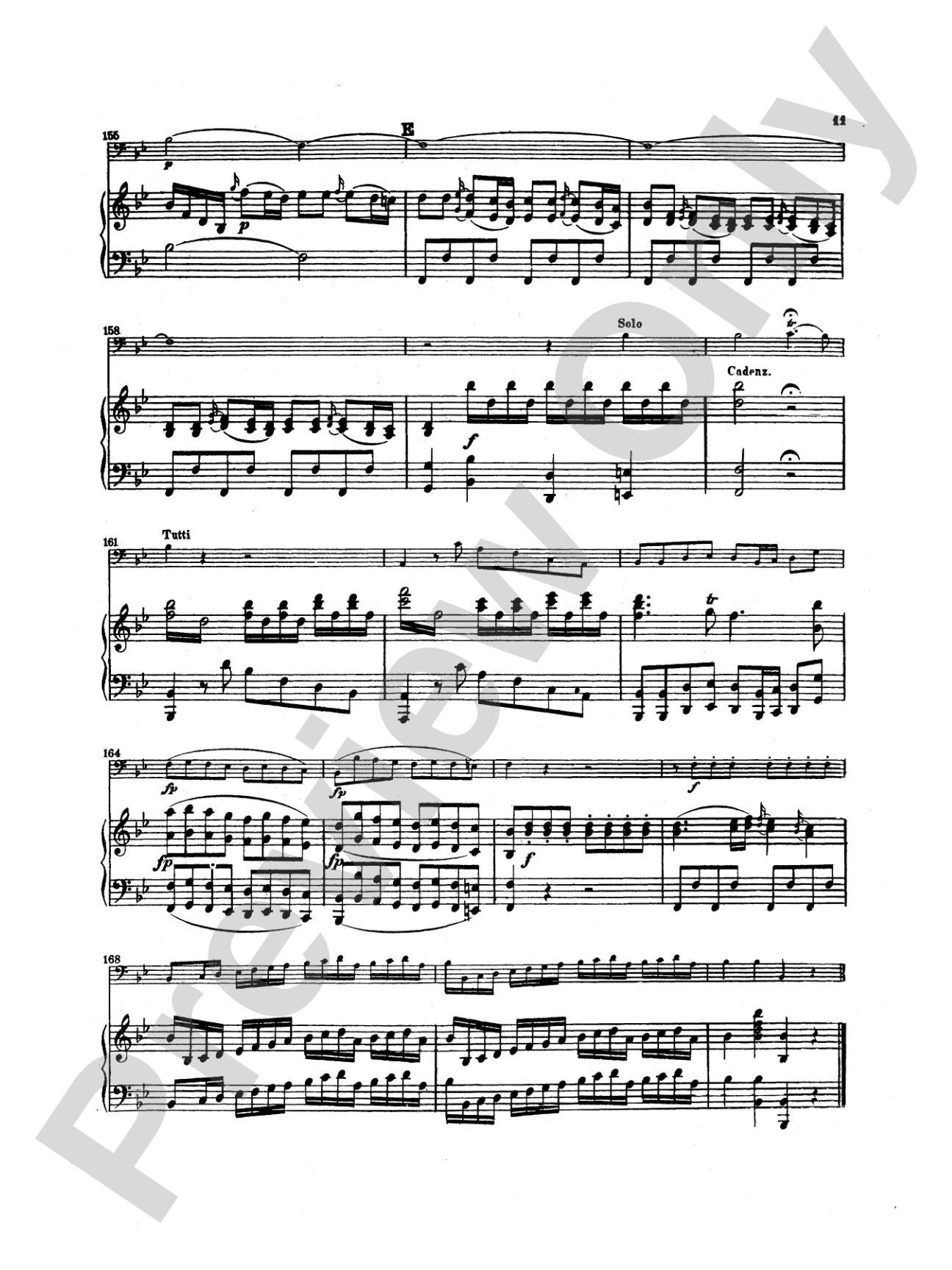
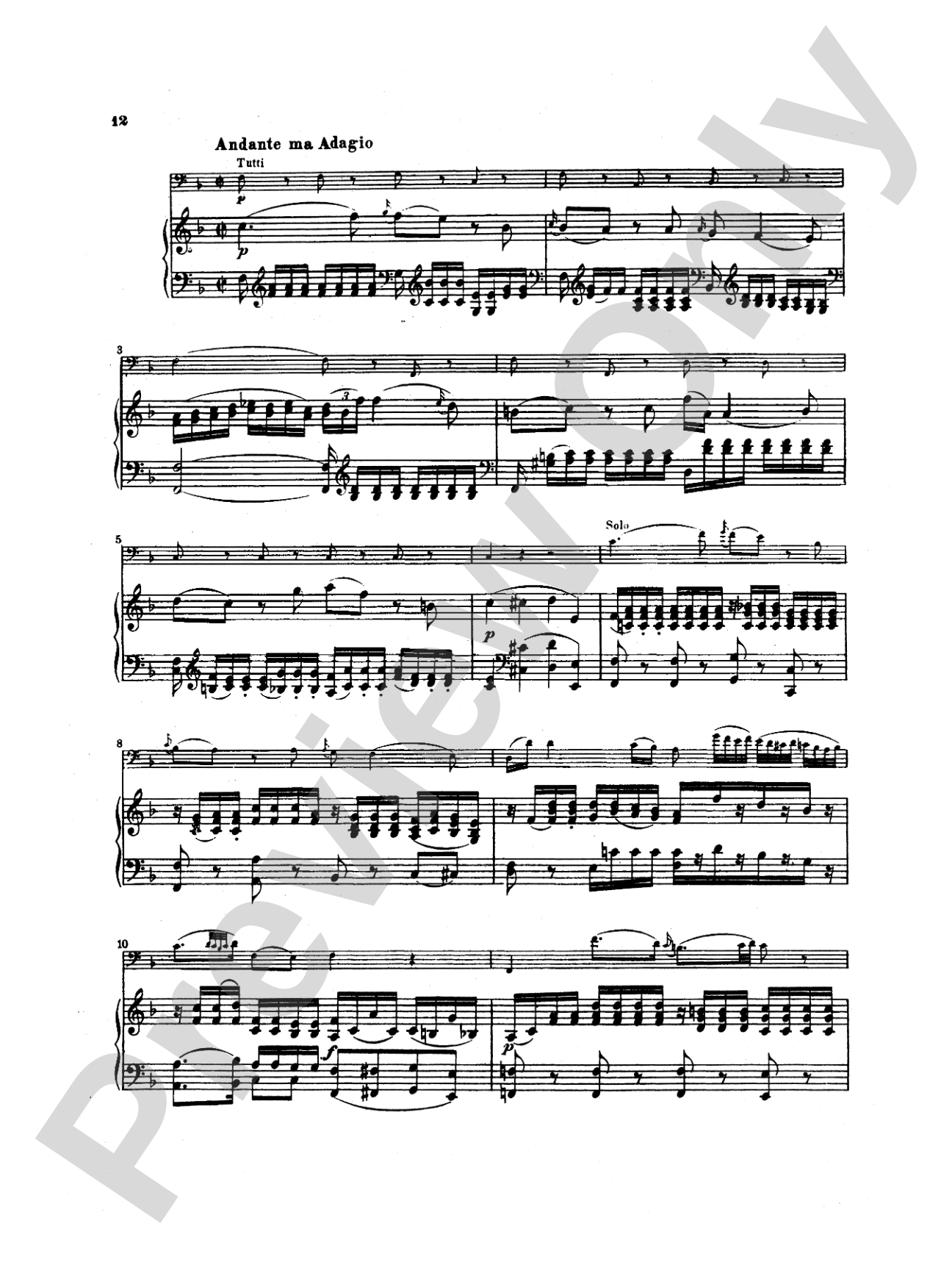
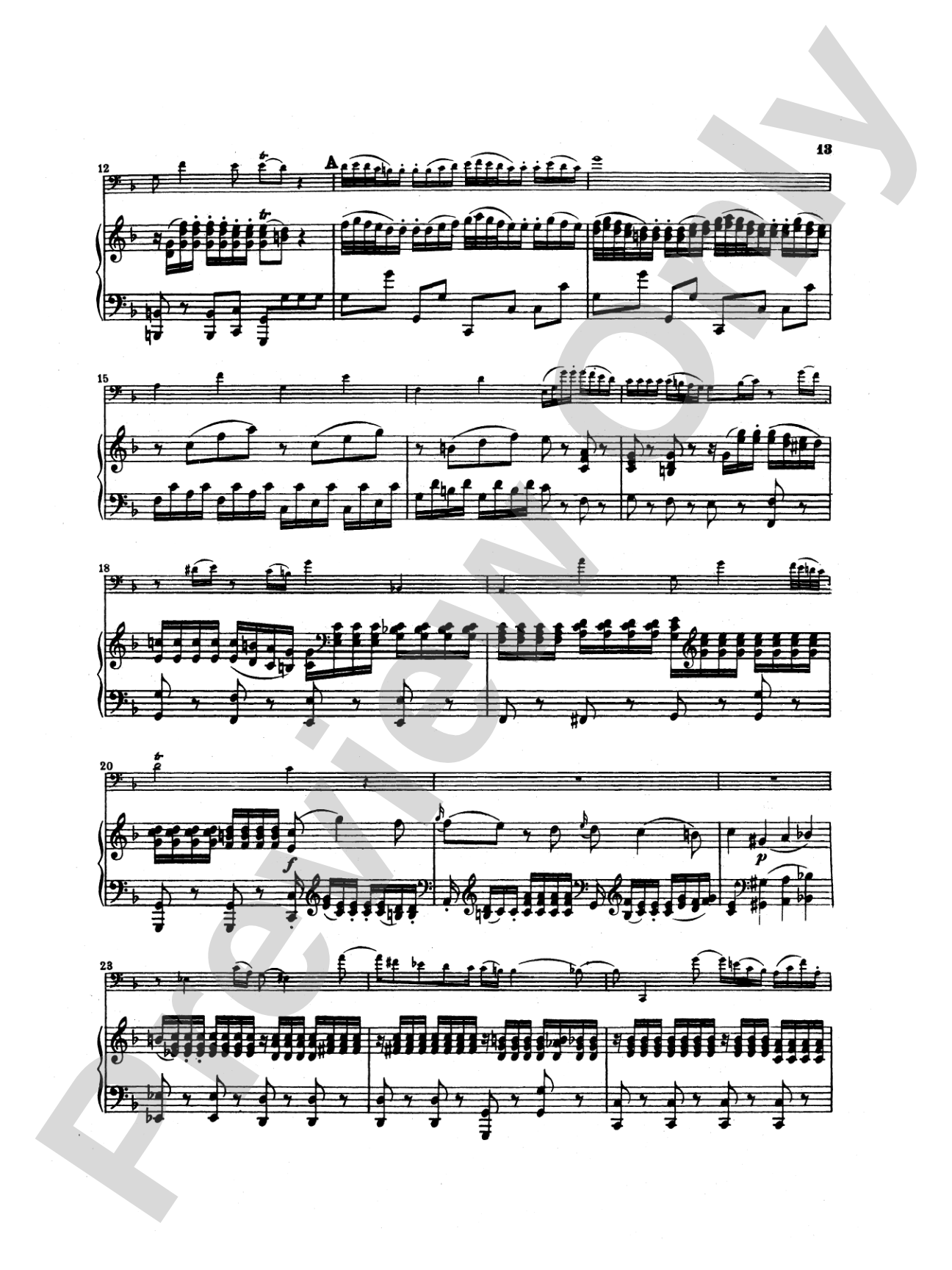
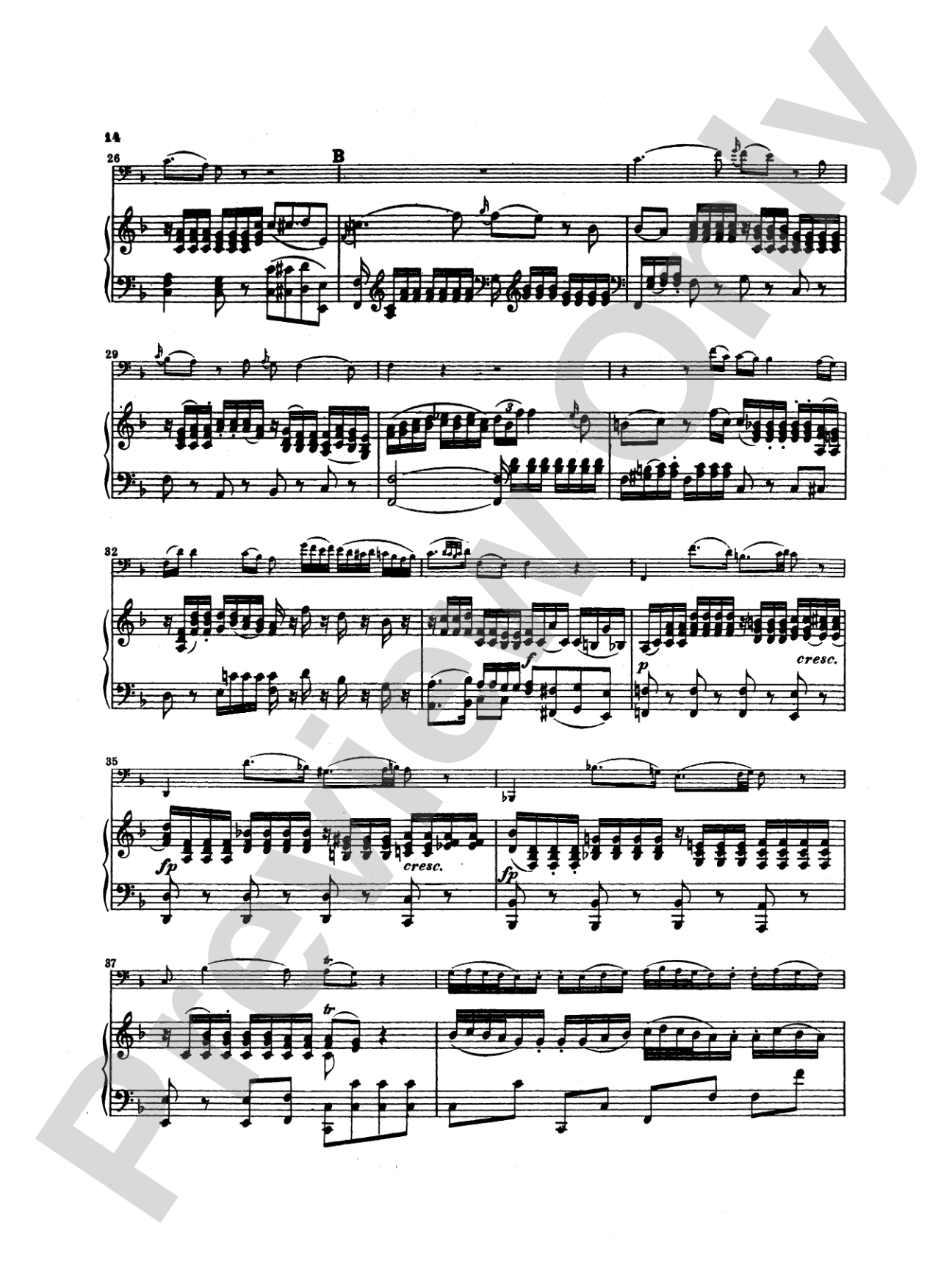
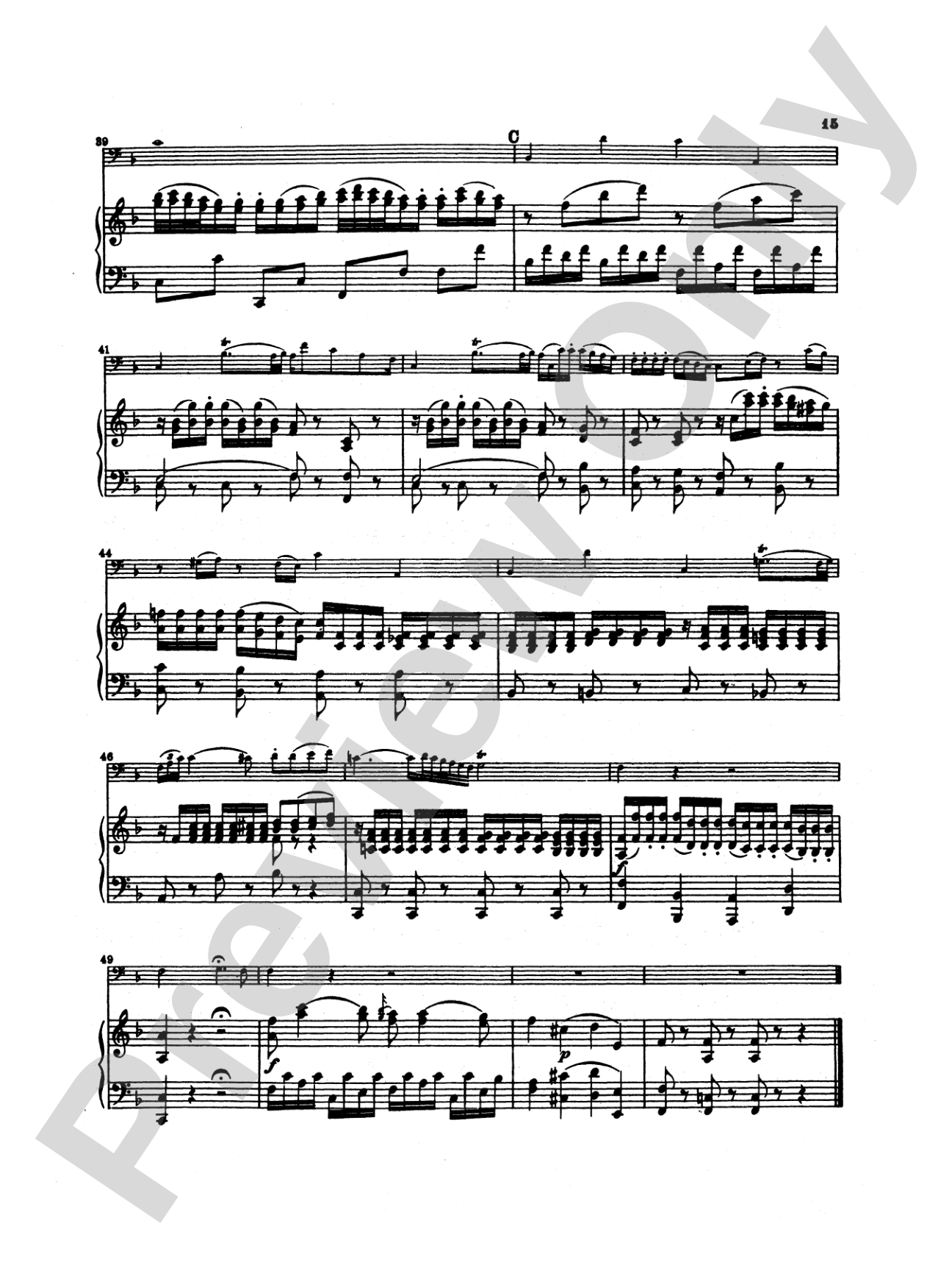
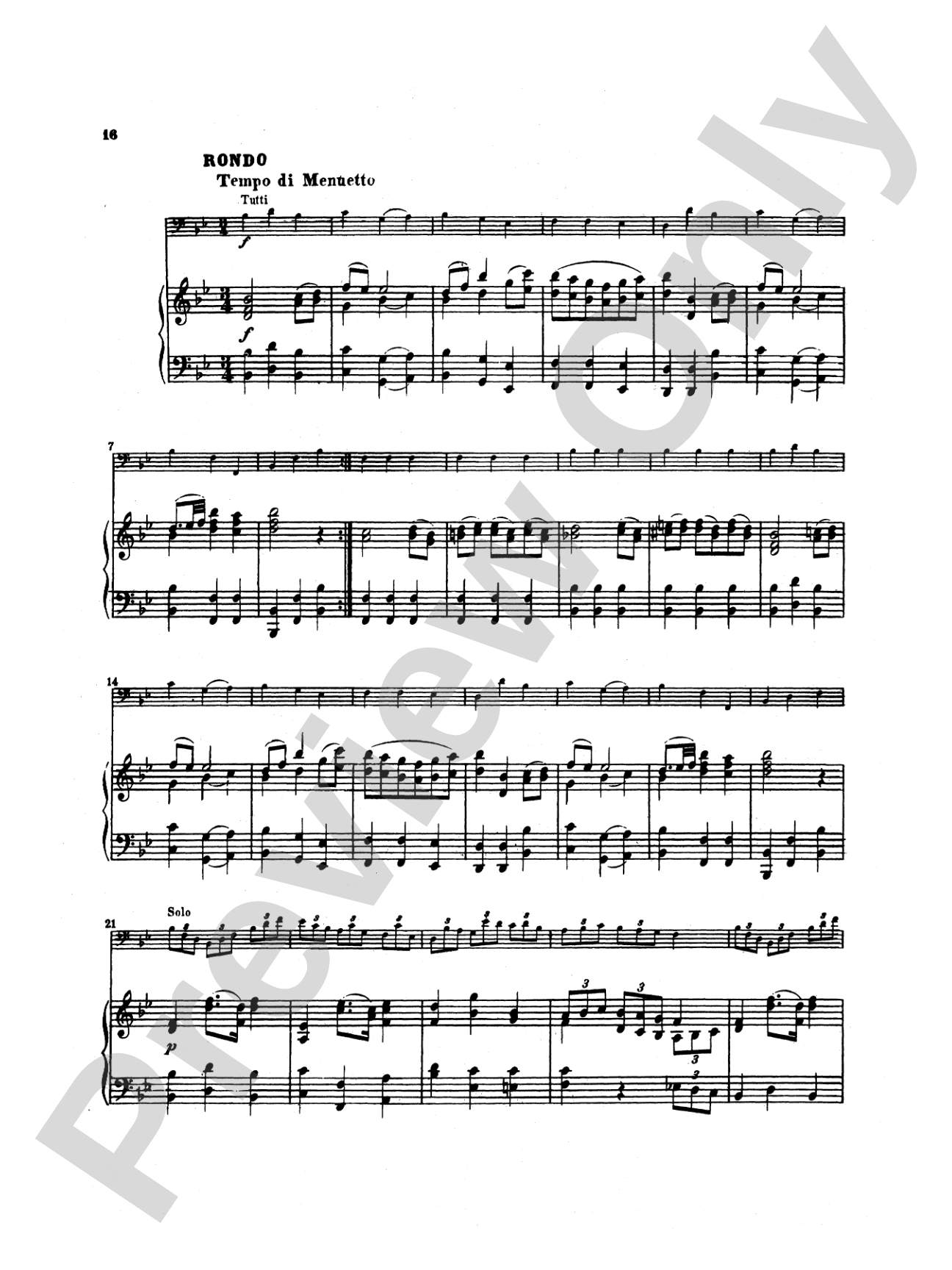
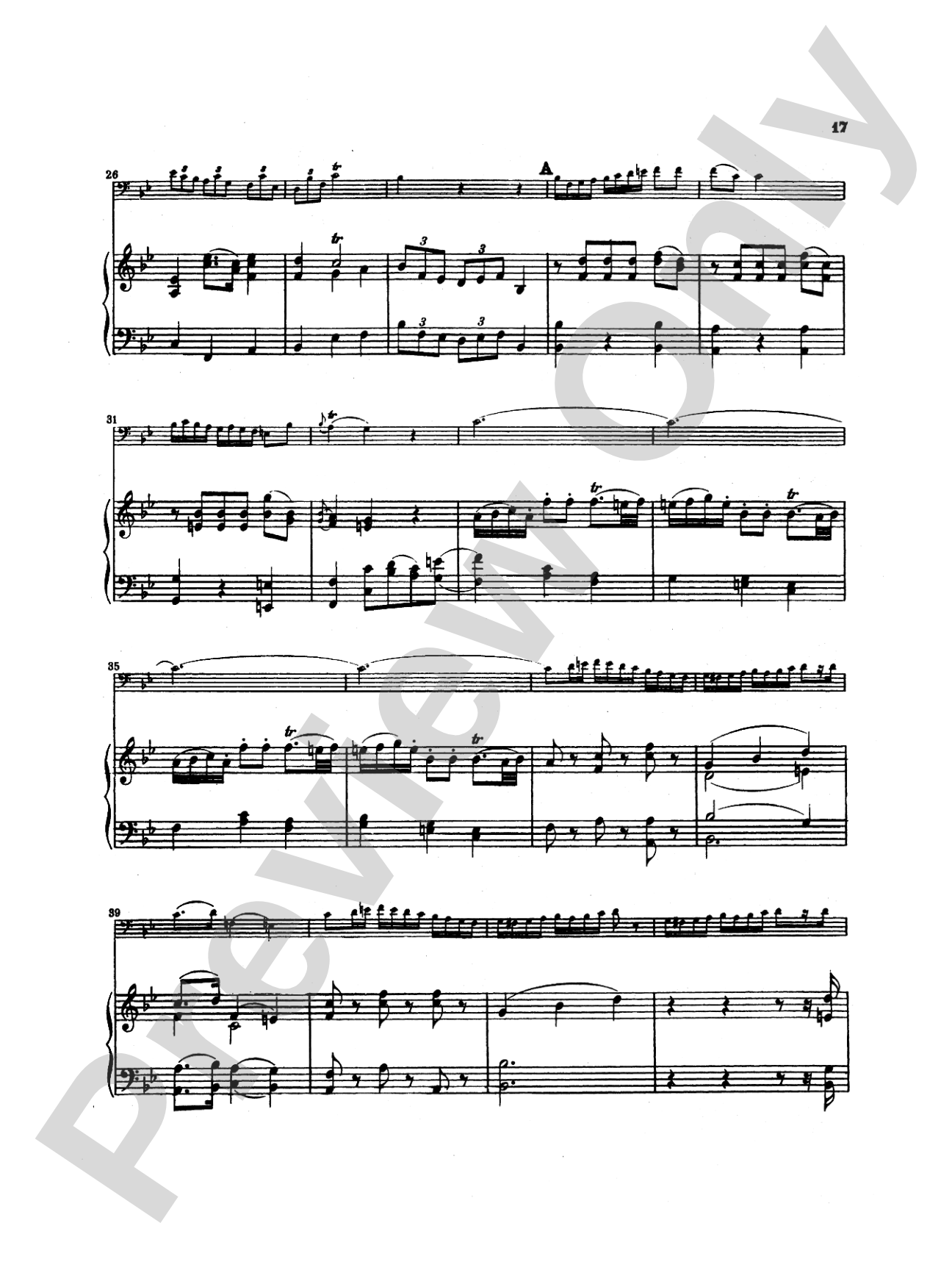
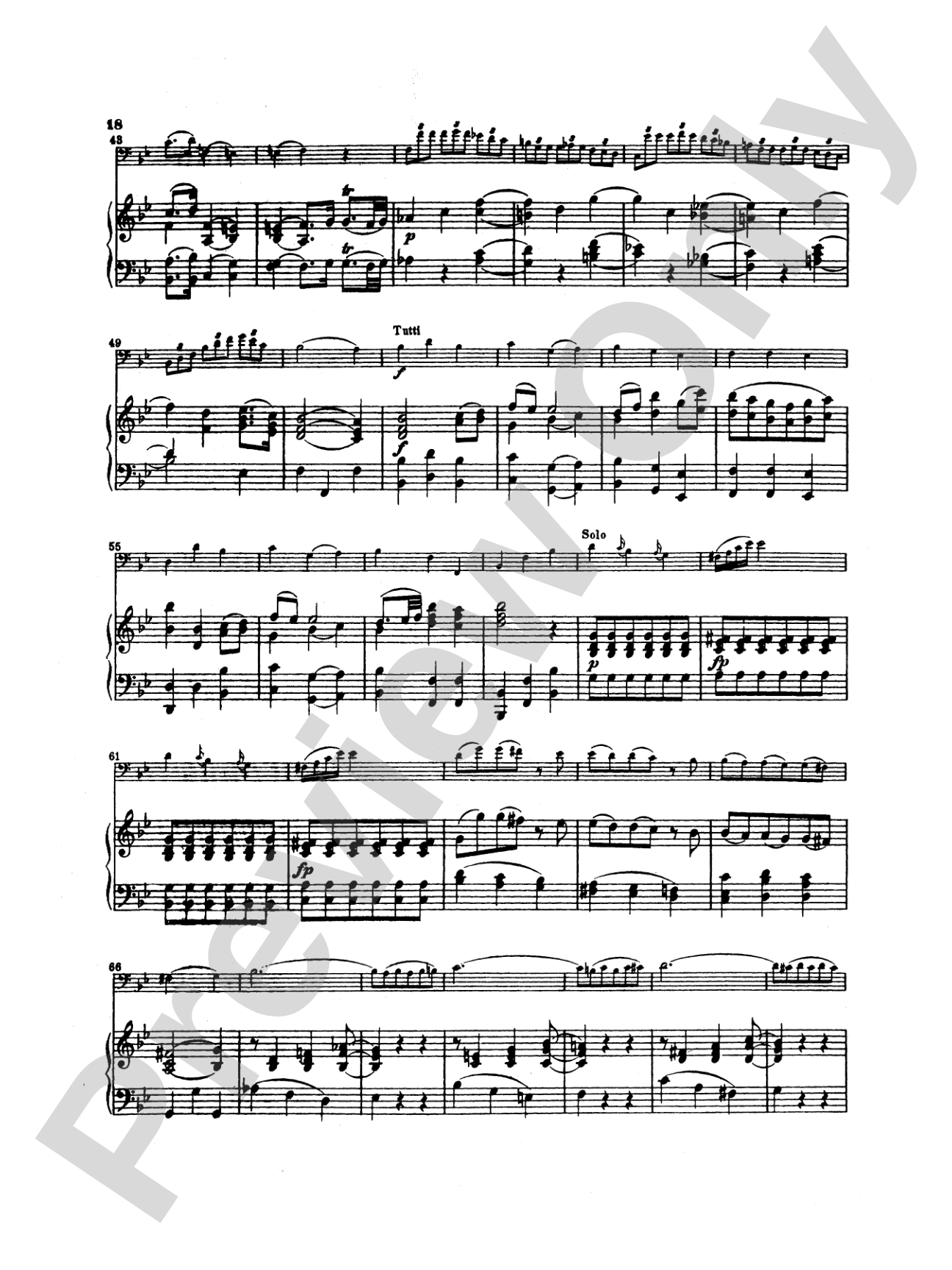
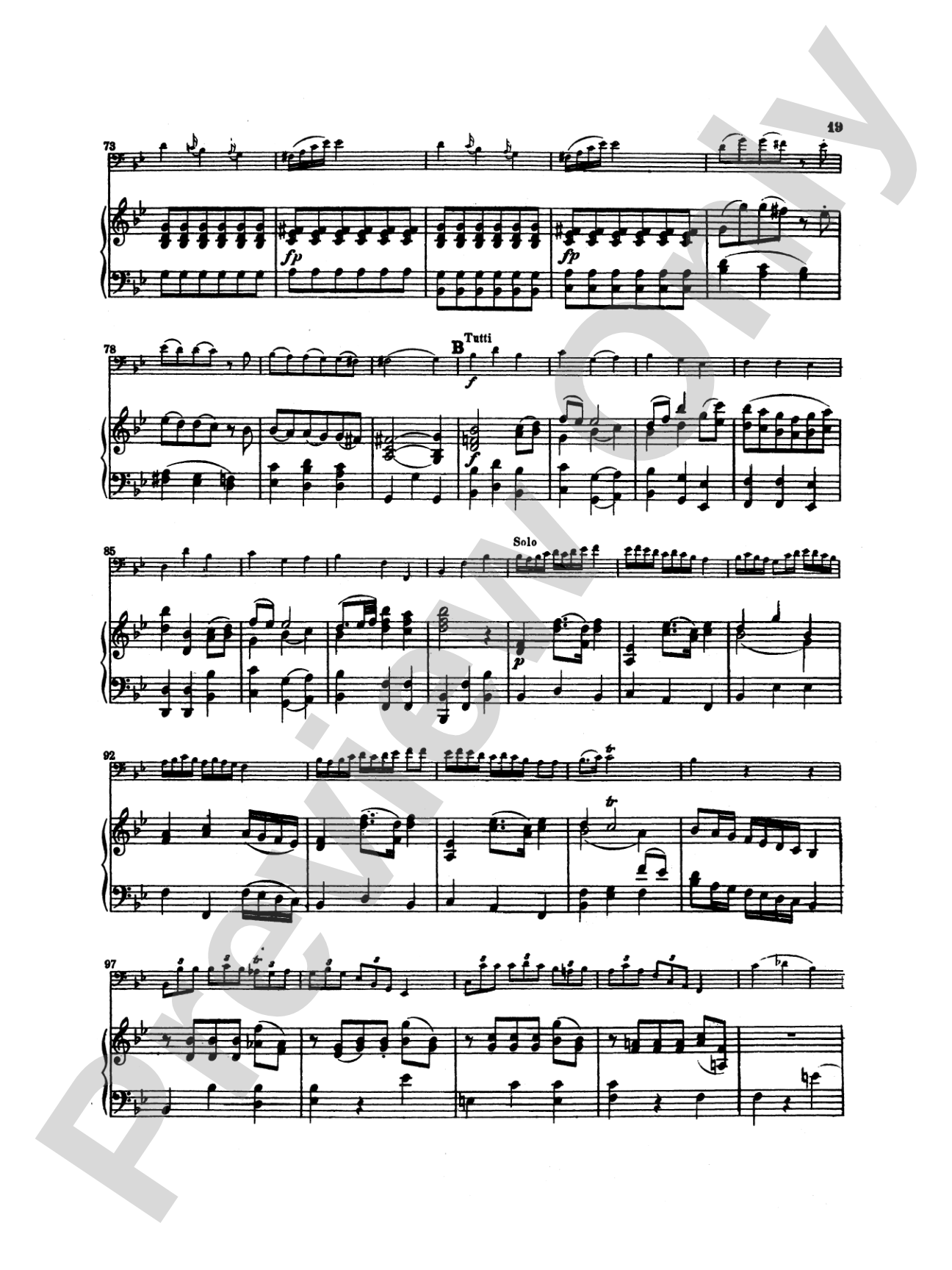
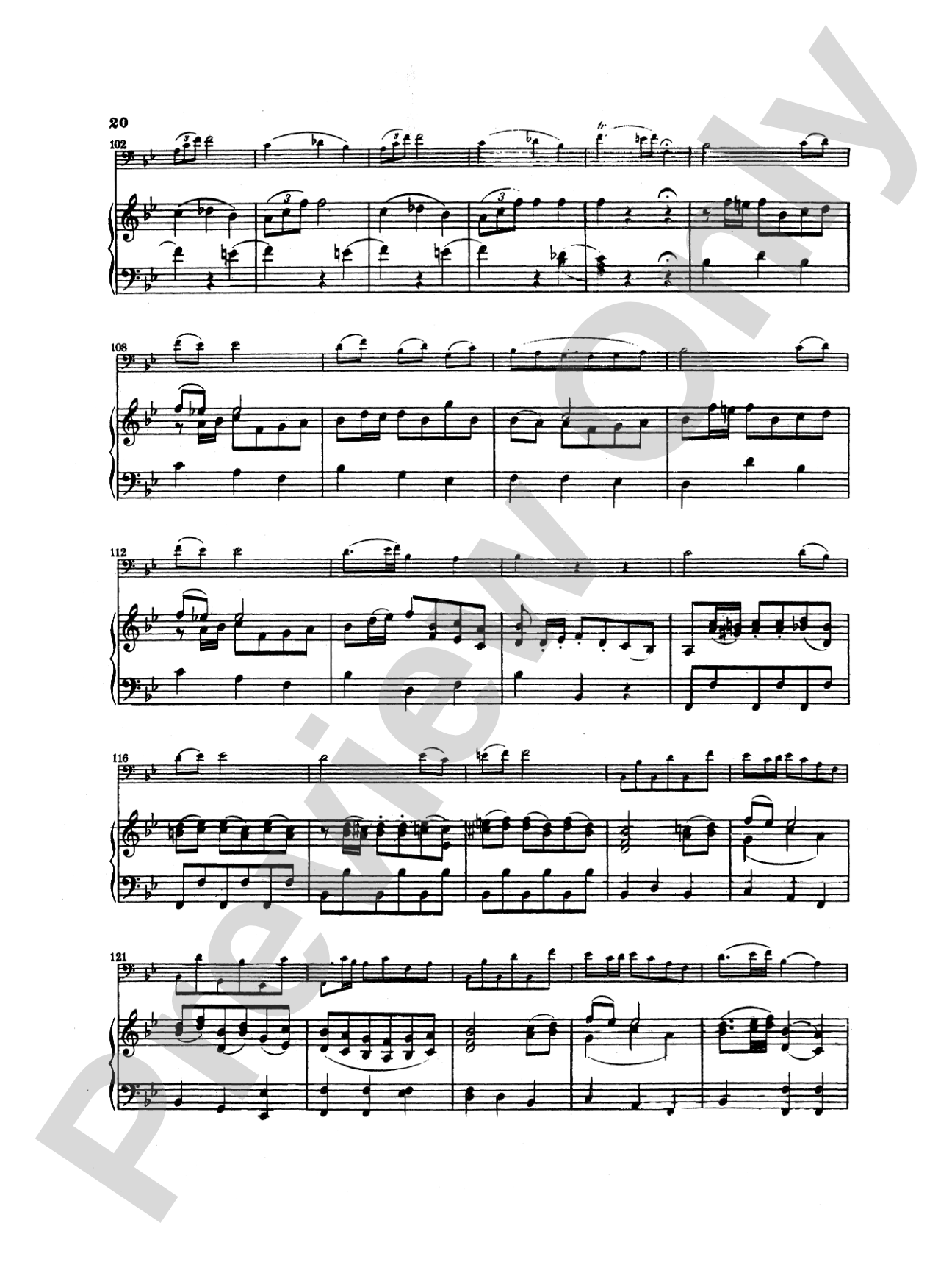
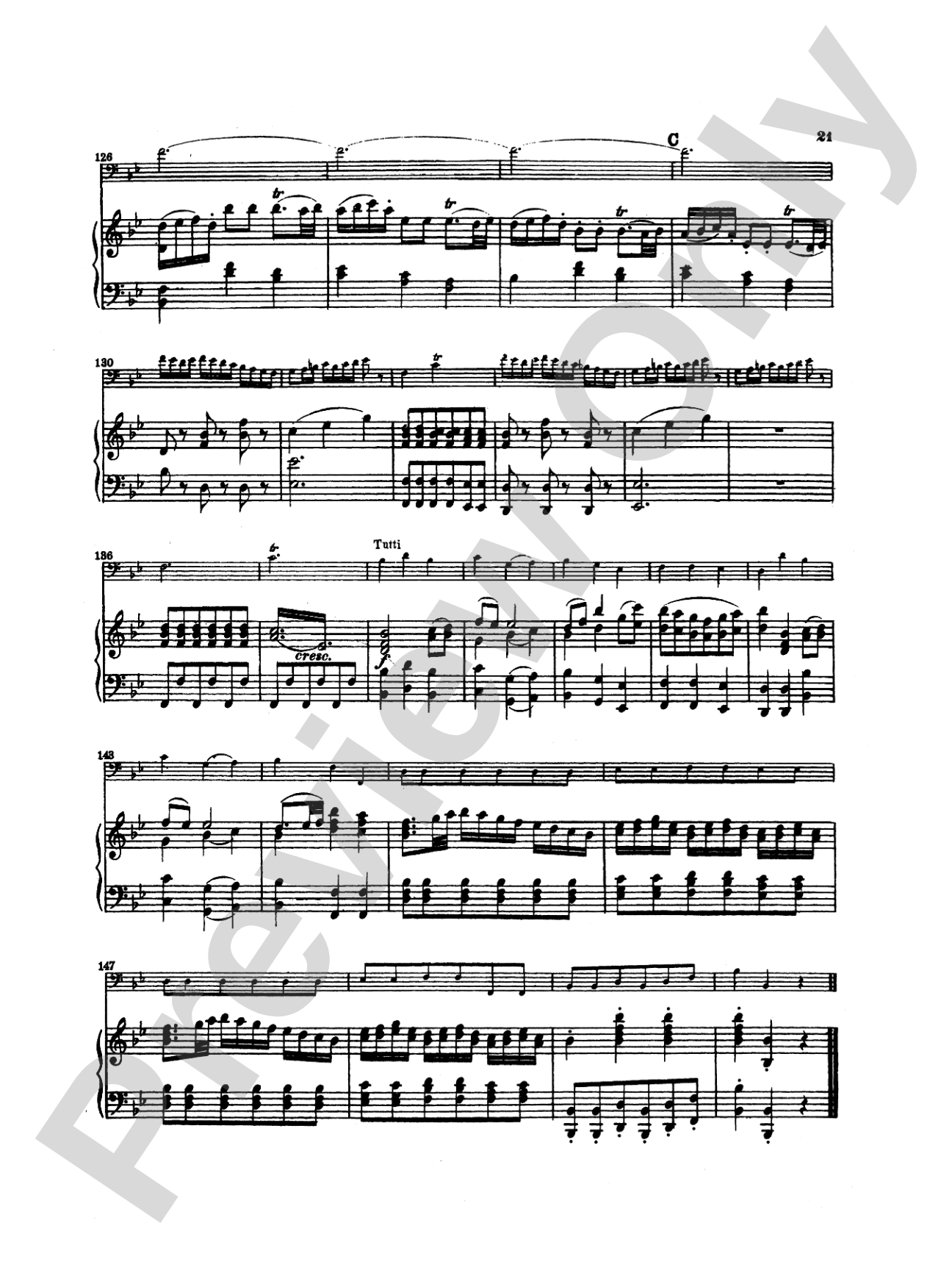




Mozart: Concerto in B flat Major, K. 191: Bassoon & Piano Part(s)
By Wolfgang Amadeus Mozart
Item: 00-PK-0003277

$9.99
Pickup currently not available
Buy Extra Parts (Digital PDF Download)
| Product | Price | Quantity |
|---|---|---|
| Mozart: Concerto in B flat Major, K. 191 | $8.95 |
Parts Added to Cart!
Related Items
Concerto, K. 191 in B-flat Major: Bassoon & Piano Part(s) |
$9.99
|
View |
Description
Expertly arranged Bassoon Solo with Piano Accompaniment by Wolfgang Amadeus Mozart from the Kalmus Edition series. This Solo is from the Classical era.


Don't just read it, hear it, play along with it, and watch your students grow with it. In MakeMusic Cloud, Mozart: Concerto in B flat Major, K. 191: Bassoon & Piano Part(s) comes alive with professional accompaniment, adjustable tempo, and built-in practice tools that turn solo practice into real progress.
Open in the Player
Jump straight in and assign it today.
Start Your Free Trial
Open this title and explore the full library in minutes.
Sample Audio
No sample audio found.
Sample Video
No sample videos found.
Additional Details
Series:
Kalmus Edition
Publisher:
Alfred Music
Page Count:
32
SKU:
00-PK-0003277
Instrumentation:
Bassoon & Piano
More about this title
About the Composer: Wolfgang Amadeus Mozart
Wolfgang Amadeus Mozart (1756-1791) was an Austrian composer whose prolific output across every major genre fundamentally shaped Classical music. Born in Salzburg, Mozart demonstrated extraordinary musical talent from childhood and spent his career composing symphonies, concertos, operas, chamber works, and sacred music that remain central to the concert repertoire. His concertos for wind instruments, written during his years in Vienna, showcase his gift for lyrical melody and idiomatic writing that exploits each instrument's character while remaining musically sophisticated.
Mozart's wind concertos were often composed for specific players and occasions, combining accessibility with genuine artistic depth. The Bassoon Concerto in B flat Major stands among the most frequently performed bassoon solos in concert and competition settings, valued for its elegant melodies, moderate technical demands, and the way it balances classical restraint with expressive warmth.
Why we love this
This concerto remains the standard repertoire choice for bassoonists at every level from ambitious students through professional recitalists. Mozart's writing sits perfectly within the bassoon's range, highlighting its warmth in the lower register and agility in the upper, while the piano accompaniment provides harmonic and textural support without overwhelming the soloist. Programming it signals serious musicianship and gives your bassoonist a piece with genuine historical weight and enduring appeal.
What to expect
Mozart's Concerto moves with measured elegance and lyrical grace, qualities that define the Classical style. The first movement combines a singing melody with transparent orchestral texture, inviting listeners into an intimate musical conversation rather than a virtuosic display. Throughout, the work balances formal architecture with genuine warmth, offering moments of quiet beauty alongside passages that demand precision and rhythmic clarity.
Who it's for
This concerto serves advanced high school bassoonists preparing for all-state or regional competitions, college audition candidates, and undergraduate music majors building their solo repertoire. It is equally valuable for community band or chamber music players seeking a substantial standard work that audiences recognize and respect. Adult students returning to the instrument often choose this piece because it sits naturally on the bassoon and rewards good fundamental technique.
How to get the most out of it
- Shape the opening theme with careful attention to phrase breathing and dynamic arch; Mozart's Classical aesthetic favors elegant understatement over broad gestures, so resist the urge to push volume or tempo.
- Balance the interaction between bassoon and piano by establishing a clear sound level in early rehearsals; the accompaniment should support and enhance the solo line without drowning it.
- Address the ornamentation (trills, grace notes, turns) with historically informed taste; these embellishments are integral to the melodic character, not afterthoughts to rush through.
- Practice passages with rapid articulation and wider intervallic leaps using a relaxed embouchure; technical fluency emerges from consistent air support rather than tongue tension.
How to use it
This belongs on recital or concert programs alongside other Classical or early Romantic chamber works, where its proportions and style complement Mozart's own sonatas or contemporary concertos by other composers. It fits naturally in a "Solo Spotlight" concert format or as a featured solo within a chamber music program. For competitions and festivals, it is the expected choice for intermediate to advanced bassoon categories and consistently receives warm adjudication.
Skills your students will build
- Phrasing and long-line shaping in Classical style
- Articulation clarity in rapid scalar passages
- Range security from the low B flat register through the upper staff
- Balance and ensemble awareness with piano accompaniment
- Ornamentation execution (trills, grace notes, turns) with stylistic authenticity
- Intonation control across different registers and dynamic levels