

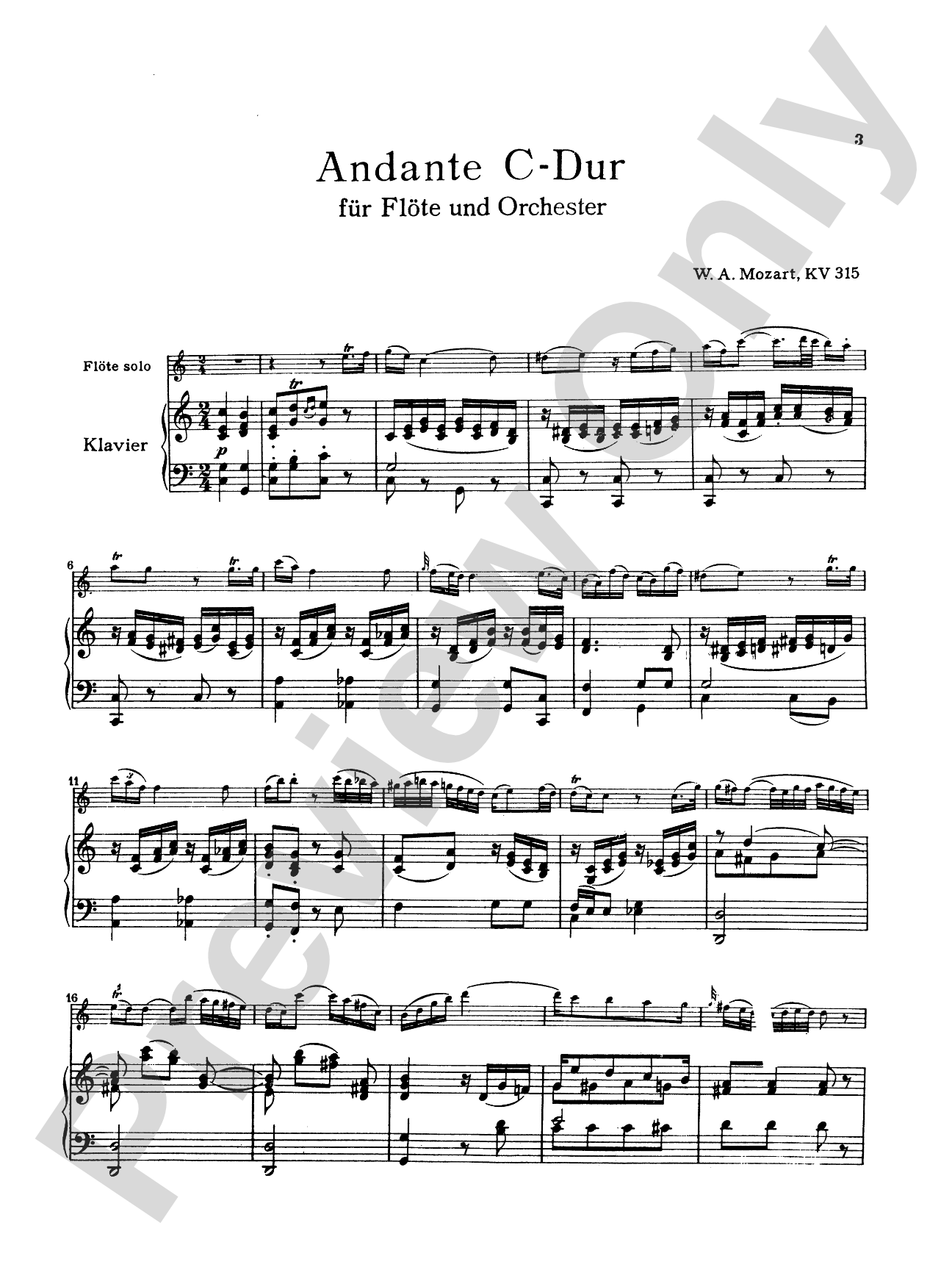
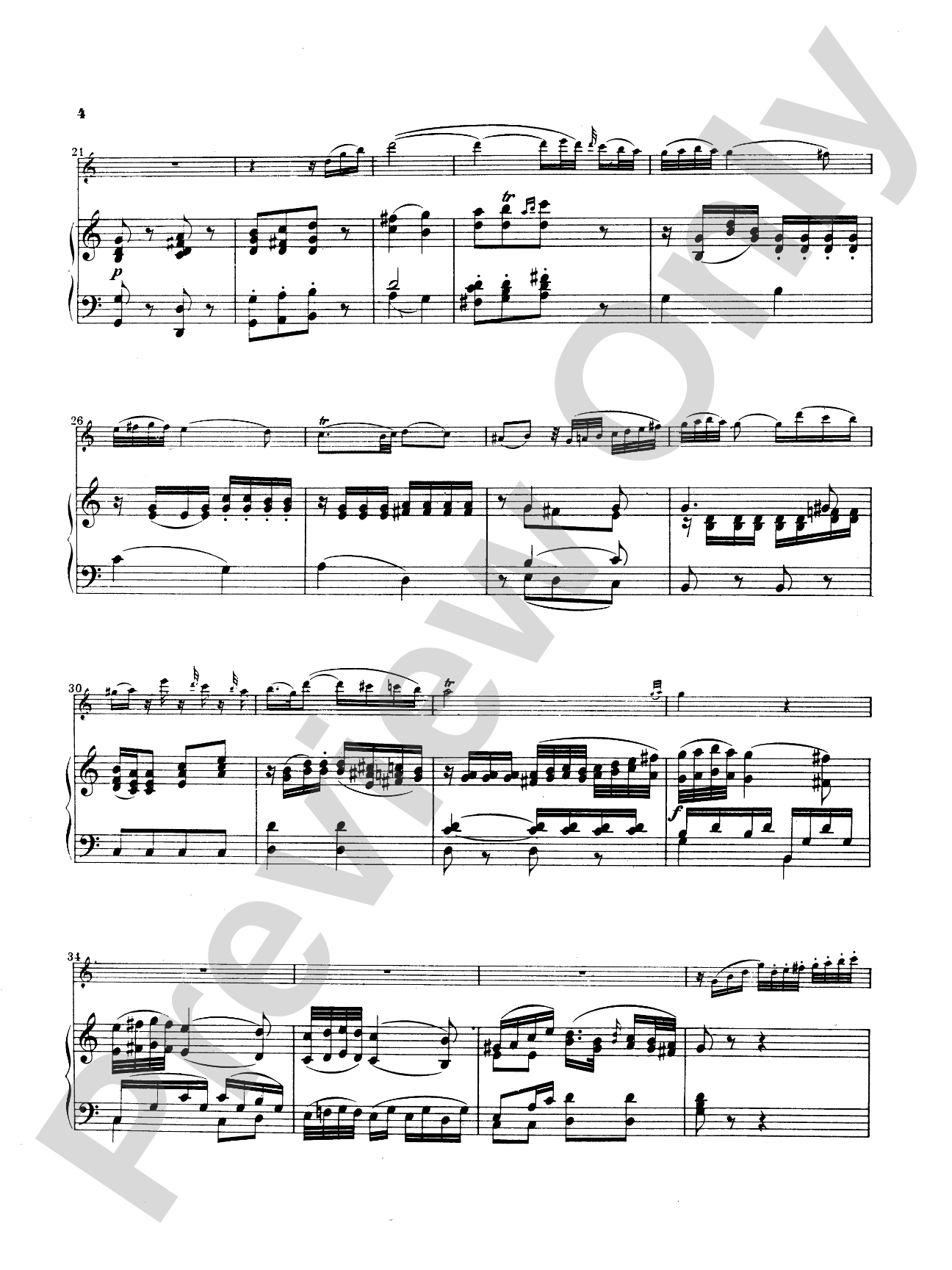
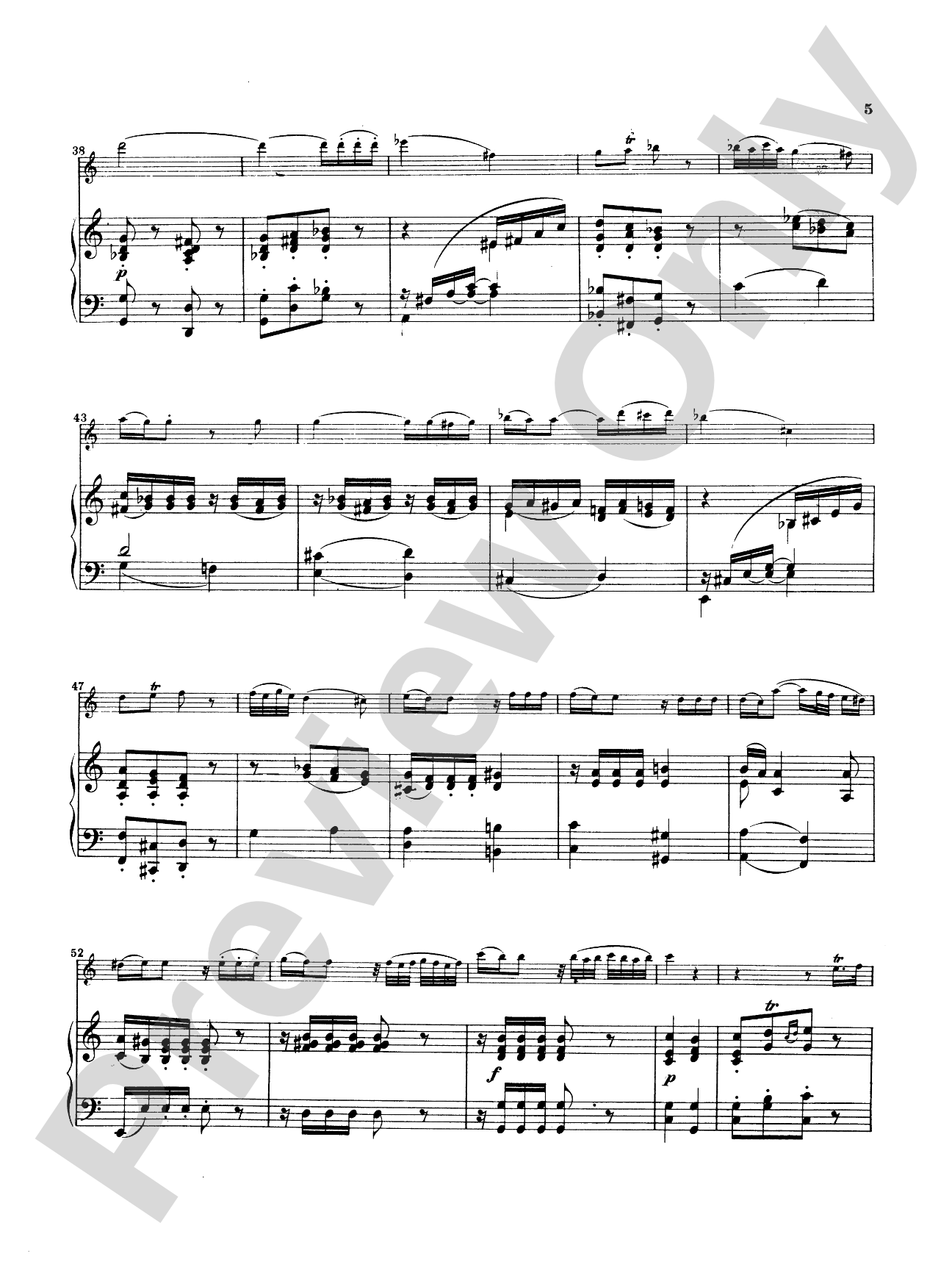
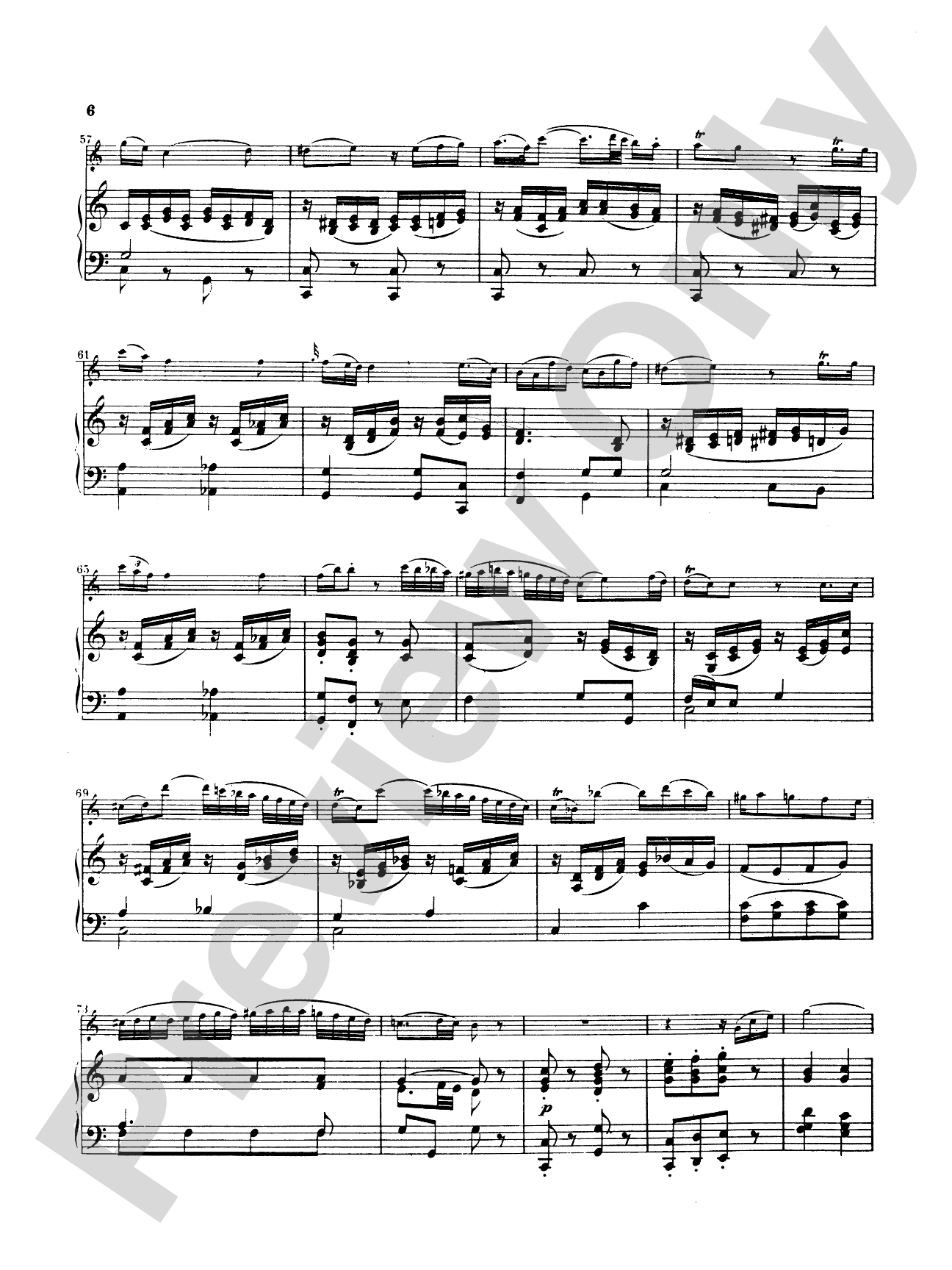
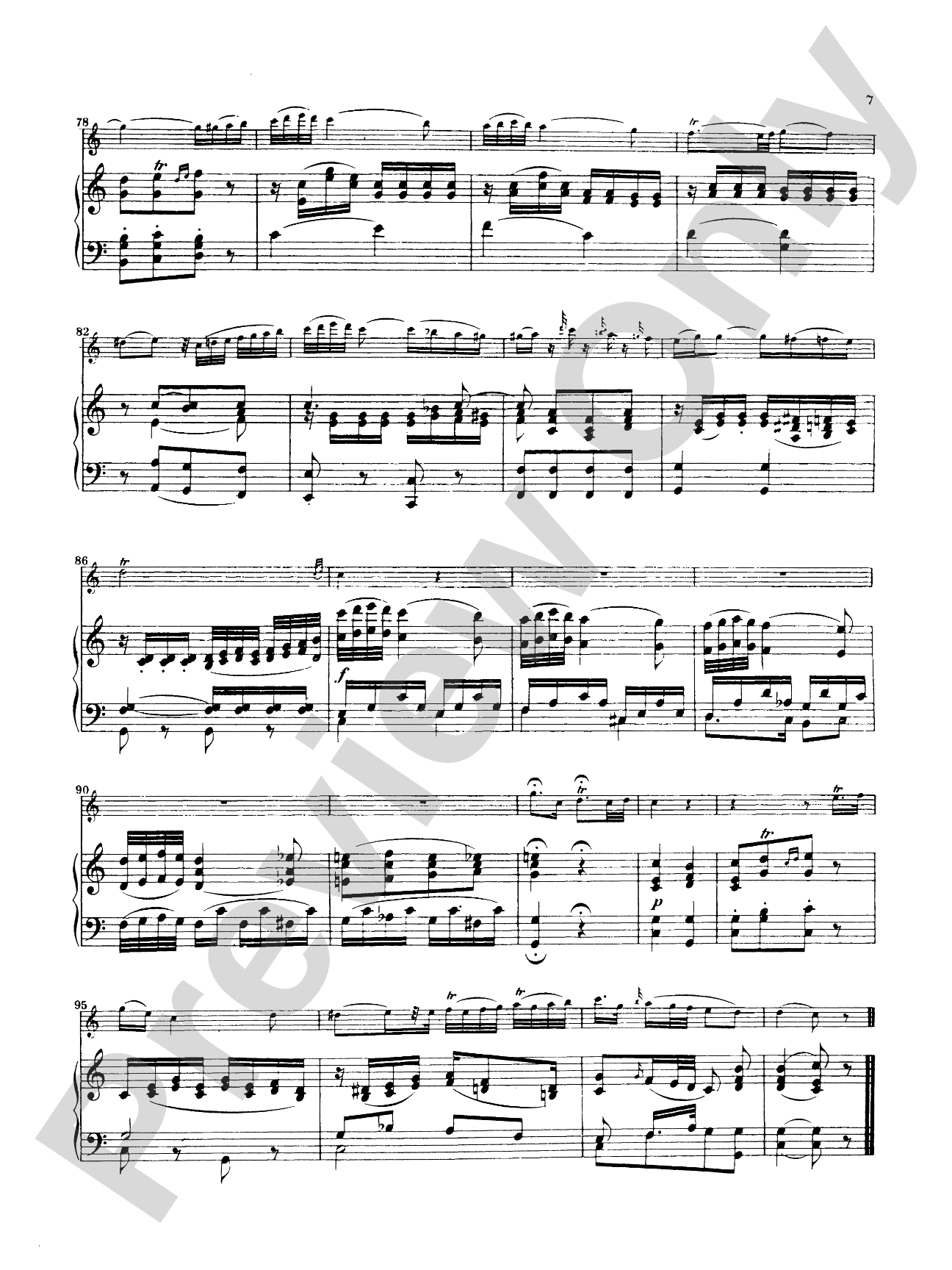


Mozart: Andante, K. 315: Flute Part(s)
By Wolfgang Amadeus Mozart
Item: 00-PK-0003267

$7.99
Pickup currently not available
Parts Added to Cart!
Related Items
Andante for Flute, K. 315 (C Major) (Orch.): Flute Part(s) |
$7.99
|
View |
Description
A Flute Solo, composed by Wolfgang Amadeus Mozart.


Don't just read it, hear it, play along with it, and watch your students grow with it. In MakeMusic Cloud, Mozart: Andante, K. 315: Flute Part(s) comes alive with professional accompaniment, adjustable tempo, and built-in practice tools that turn solo practice into real progress.
Open in the Player
Jump straight in and assign it today.
Start Your Free Trial
Open this title and explore the full library in minutes.
Sample Audio
No sample audio found.
Sample Video
No sample videos found.
Additional Details
Series:
Kalmus Edition
Publisher:
Alfred Music
Page Count:
12
SKU:
00-PK-0003267
More about this title
About the Composer: Wolfgang Amadeus Mozart
Wolfgang Amadeus Mozart (1756-1791) composed across every major genre of his era, leaving behind over 600 works that established foundations for Romantic music. Born in Salzburg, Austria, Mozart achieved mastery as both composer and performer while still a child, traveling throughout Europe as a prodigy. His flute writing, particularly in the concertos and serenades, showcases his understanding of the instrument's lyrical possibilities and technical range.
Mozart's legacy in music education extends far beyond his symphonies and operas. His solo works for winds remain central to repertoire for advancing students and professionals alike, prized for their balance of technical challenge and musical substance. The Andante, K. 315 exemplifies his gift for writing expressive, singable lines that reward careful attention to phrasing and tone production.
Why we love this
This piece sits at the sweet spot between technical development and genuine musical sophistication. Flutists at the high school or early college level gain access to Mozart's elegant voice without the extreme demands of the full concertos, making it ideal for festivals and solo recitals where musicianship matters more than virtuosity.
What to expect
The Andante unfolds with unhurried grace, the flute voice unfolding like a conversation overheard in a drawing room. There is both intimacy and formality here; the Classical elegance never sacrifices genuine warmth for propriety. Passages build gently toward small peaks before settling back, inviting the player to find color and expression within a refined musical vocabulary.
Who it's for
This is a natural choice for advanced high school flutists or college students preparing for competitions, auditions, or solo recitals. It also works well for accomplished amateur musicians seeking substantial concert repertoire that isn't a full concerto. Teachers use it to develop phrasing, voicing, and interpretive independence in students ready to move beyond exercises.
How to get the most out of it
- Shape the phrases like vocal lines, with gentle peaks and valleys in dynamics rather than treating each measure as a unit
- Pay attention to the harmonic rhythm in the accompaniment (when present) to avoid dragging; this piece moves forward through its harmony, not through aggressive tempo
- Balance the upper and lower registers of the flute; avoid forcing the low notes and keep the high passages warm and round rather than thin
- Articulation should be clean and light; Mozart's style calls for minimal weight on the tongue, allowing phrases to breathe naturally
How to use it
Program this as a solo feature on a chamber music or recital concert, particularly when paired with other Classical-era works or as a bridge between a heavier Baroque piece and a Romantic-era selection. It also works beautifully as a contest or festival piece, where its combination of expressiveness and technical clarity allows adjudicators to assess both musicianship and control.
Skills your students will build
- Phrasing in the Classical style, avoiding modern rubato while maintaining musical shape
- Balancing tone across the flute's range, especially the transition between registers
- Reading and interpreting articulation markings and dynamic indications to reveal harmonic and formal structure
- Sustaining long lines and managing breath to support phrase direction
- Developing interpretive independence within a text-faithful approach