
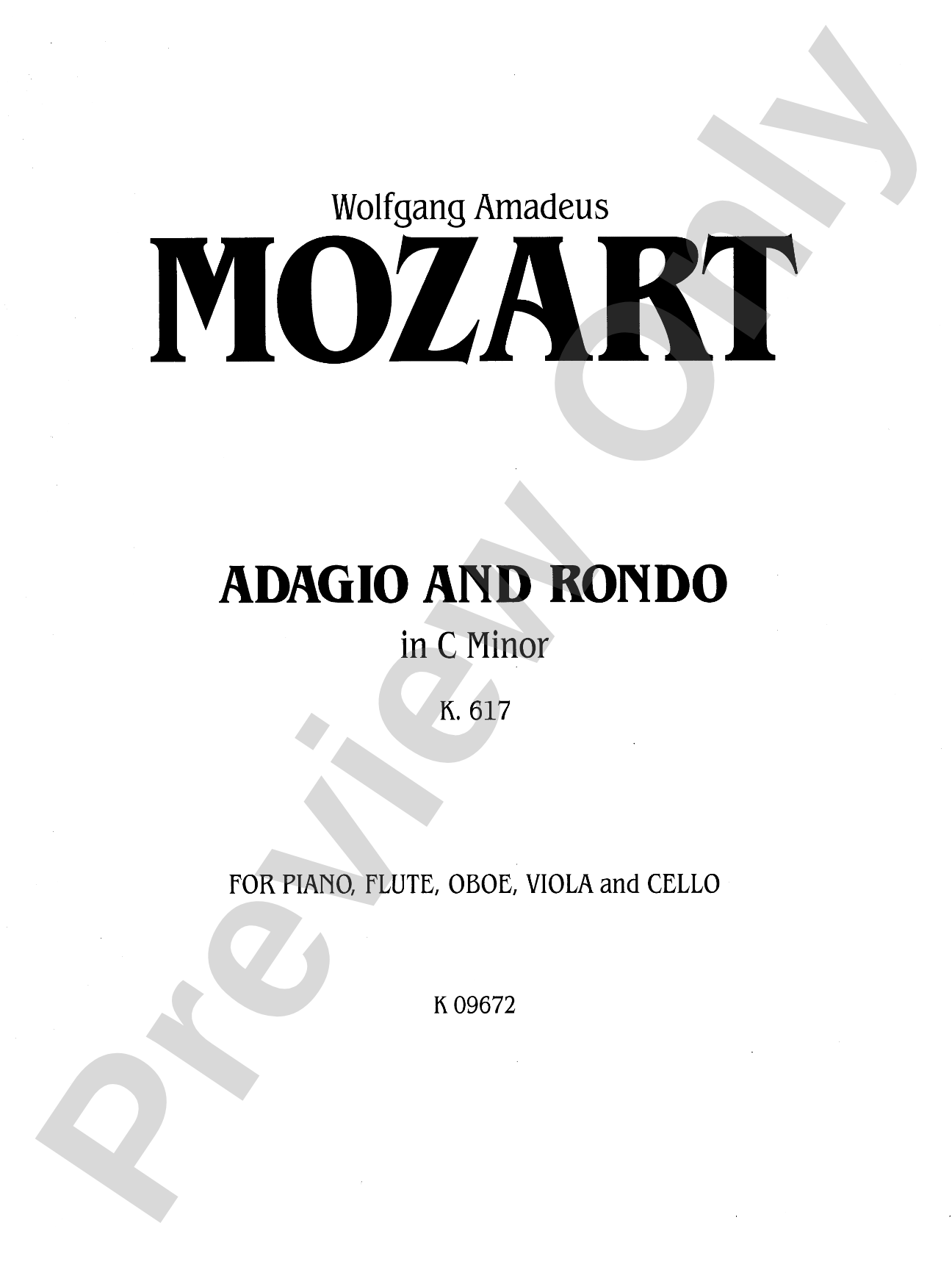
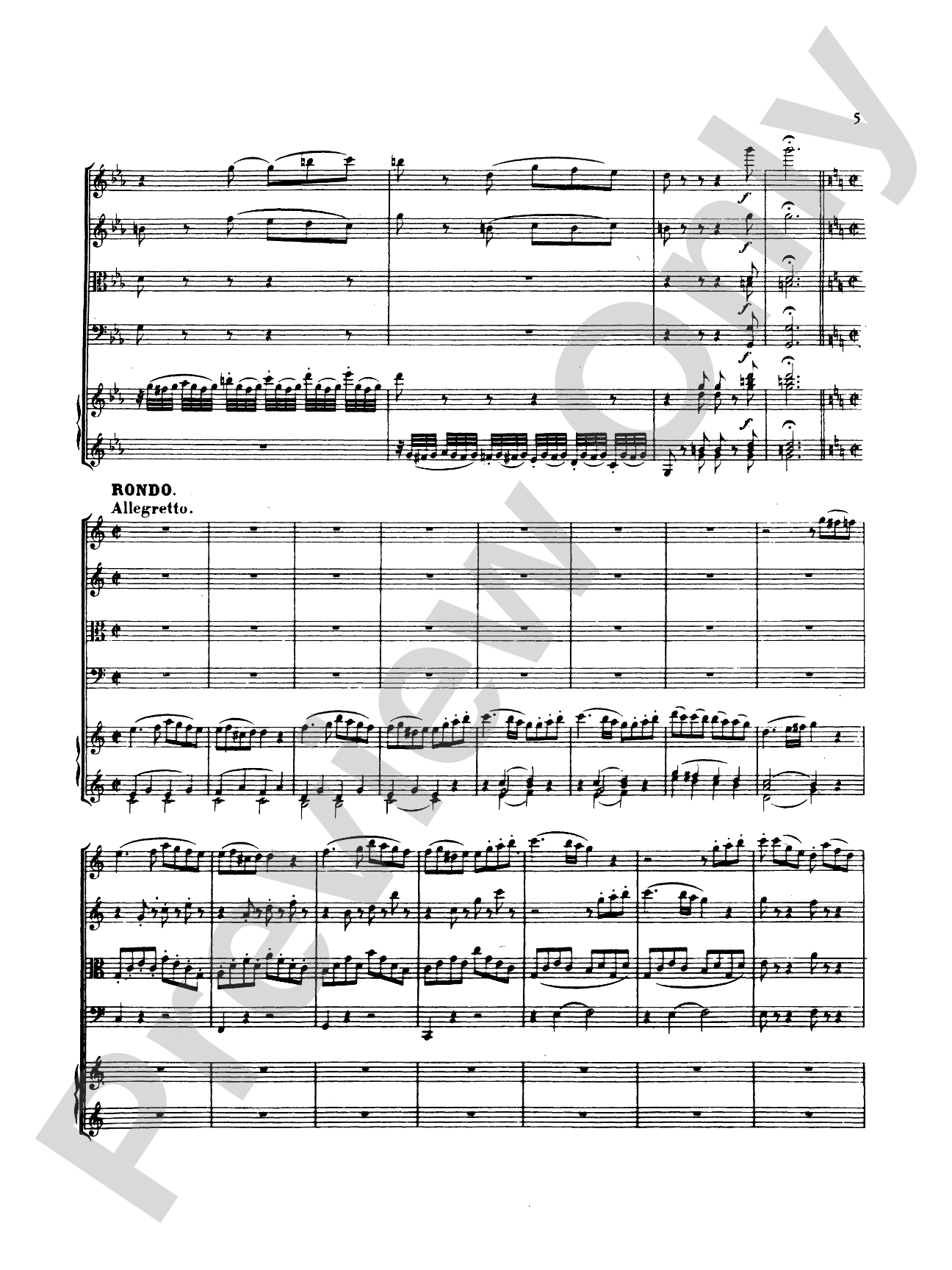
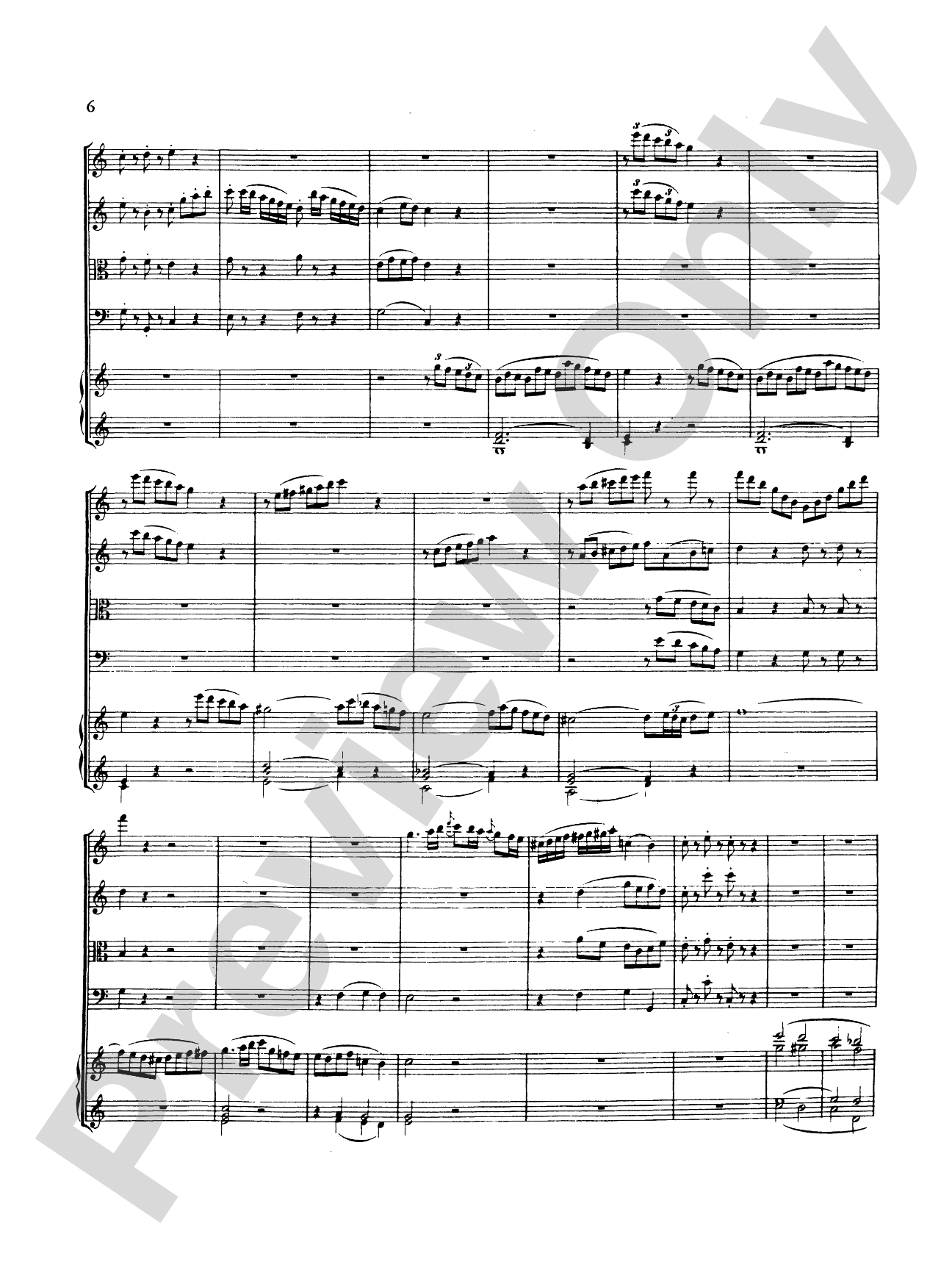
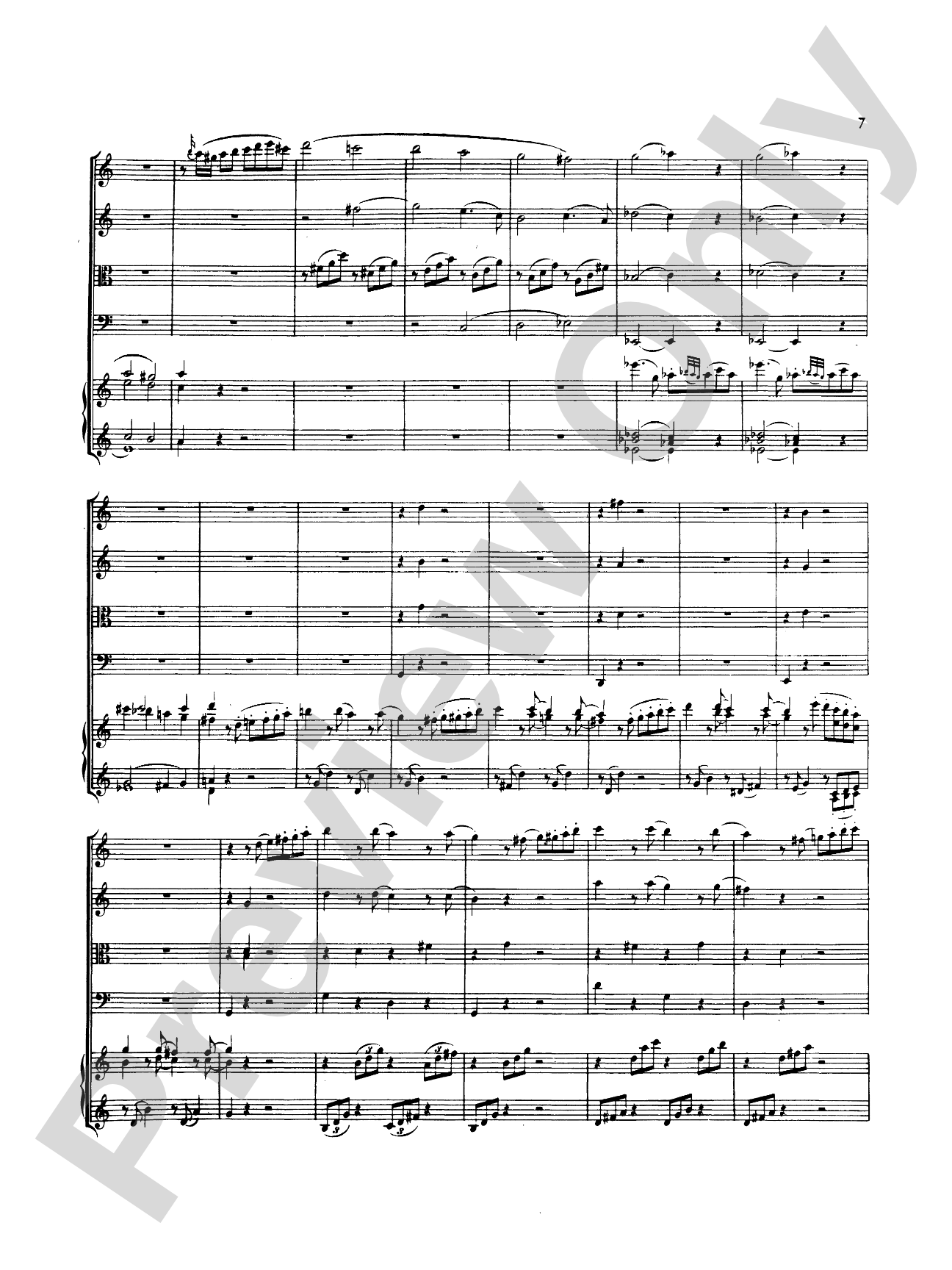
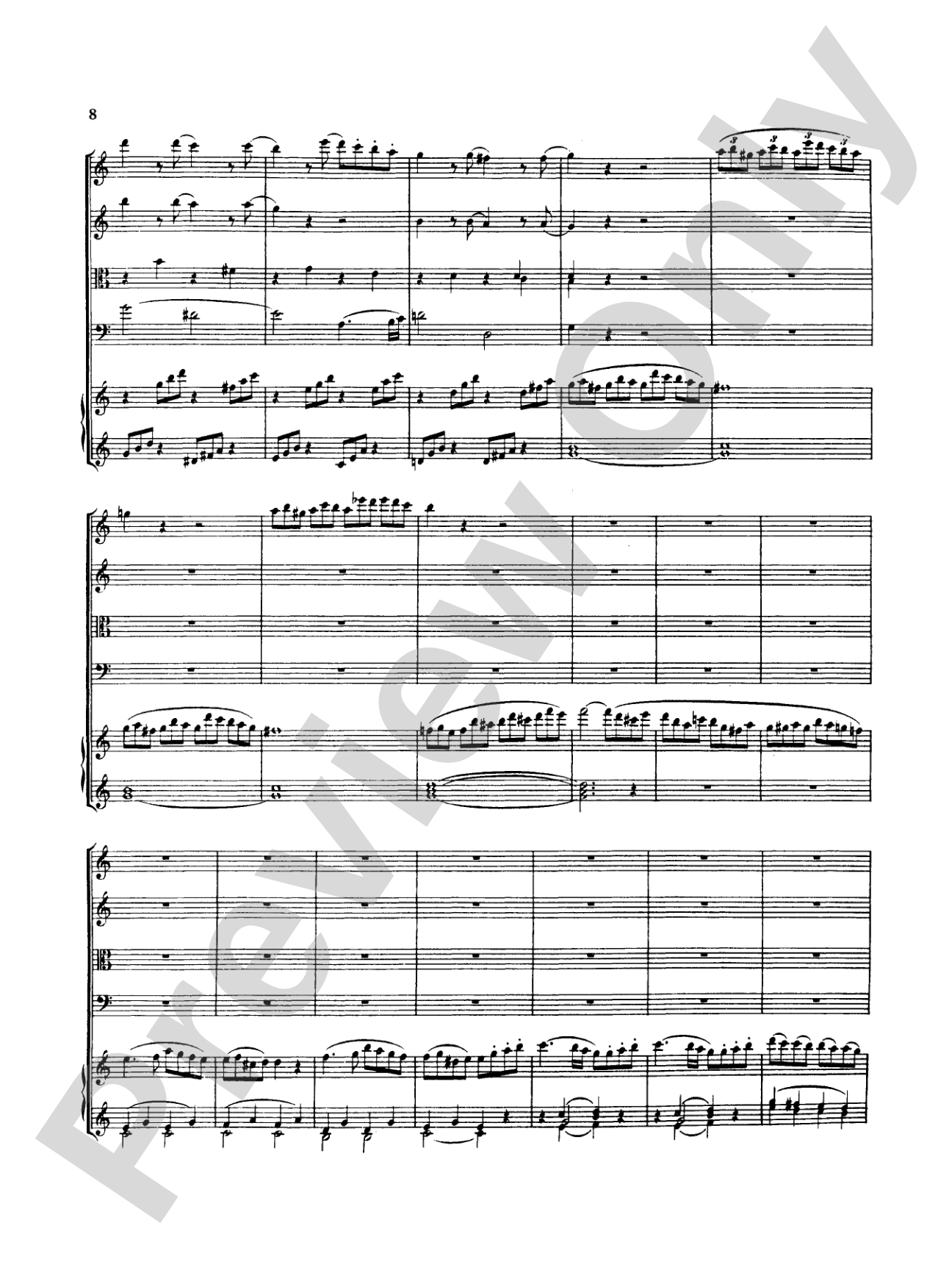
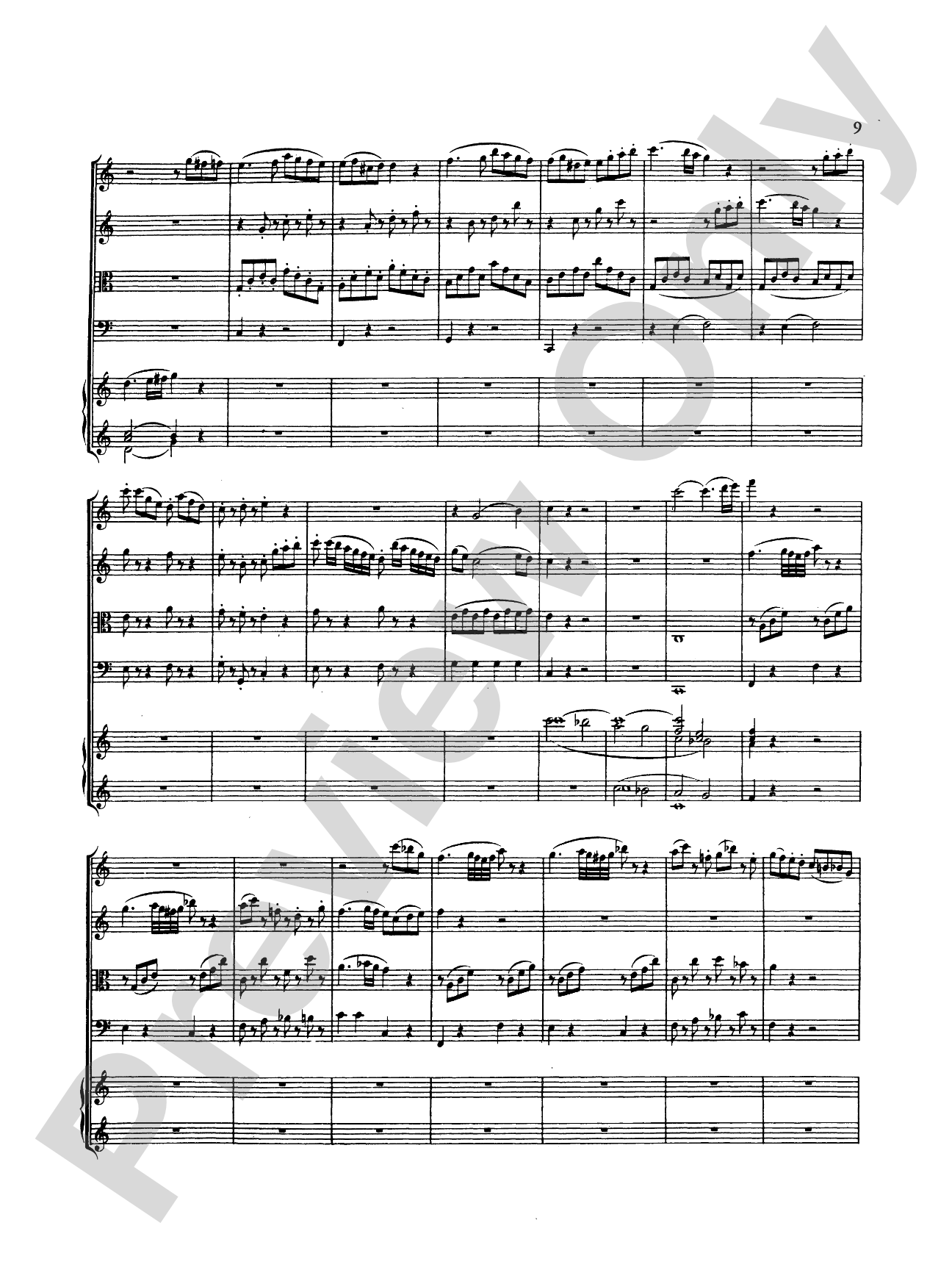
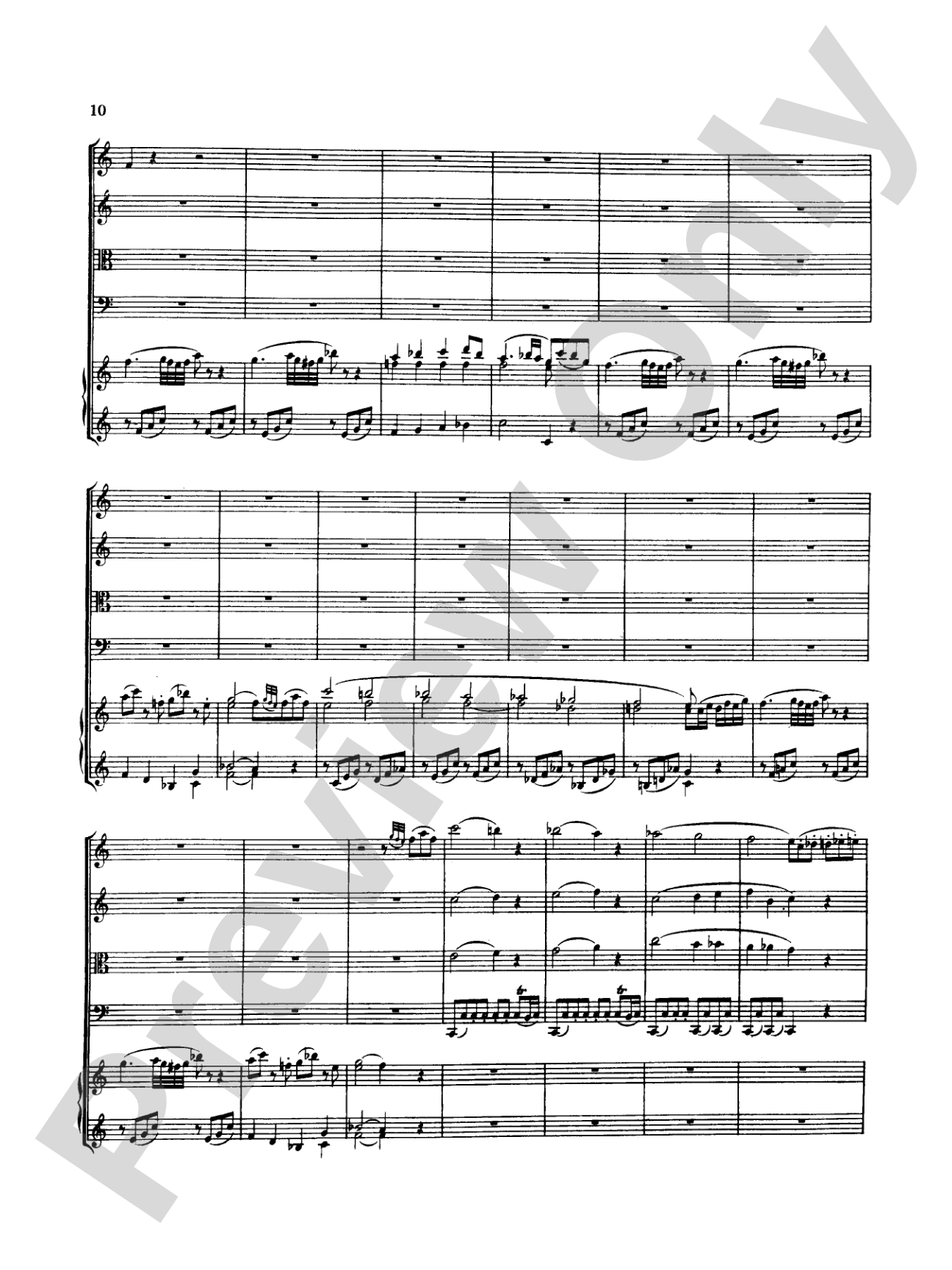
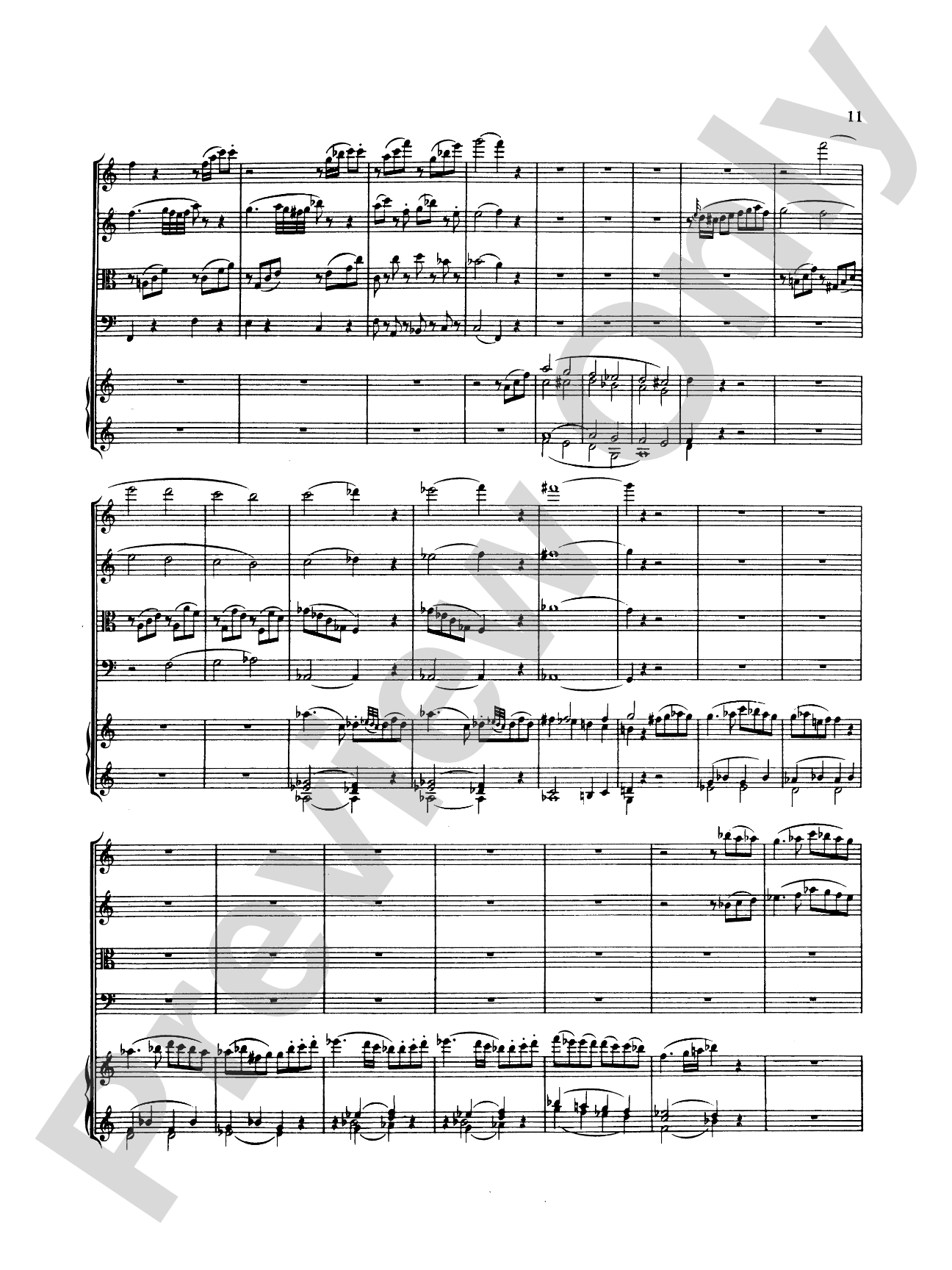
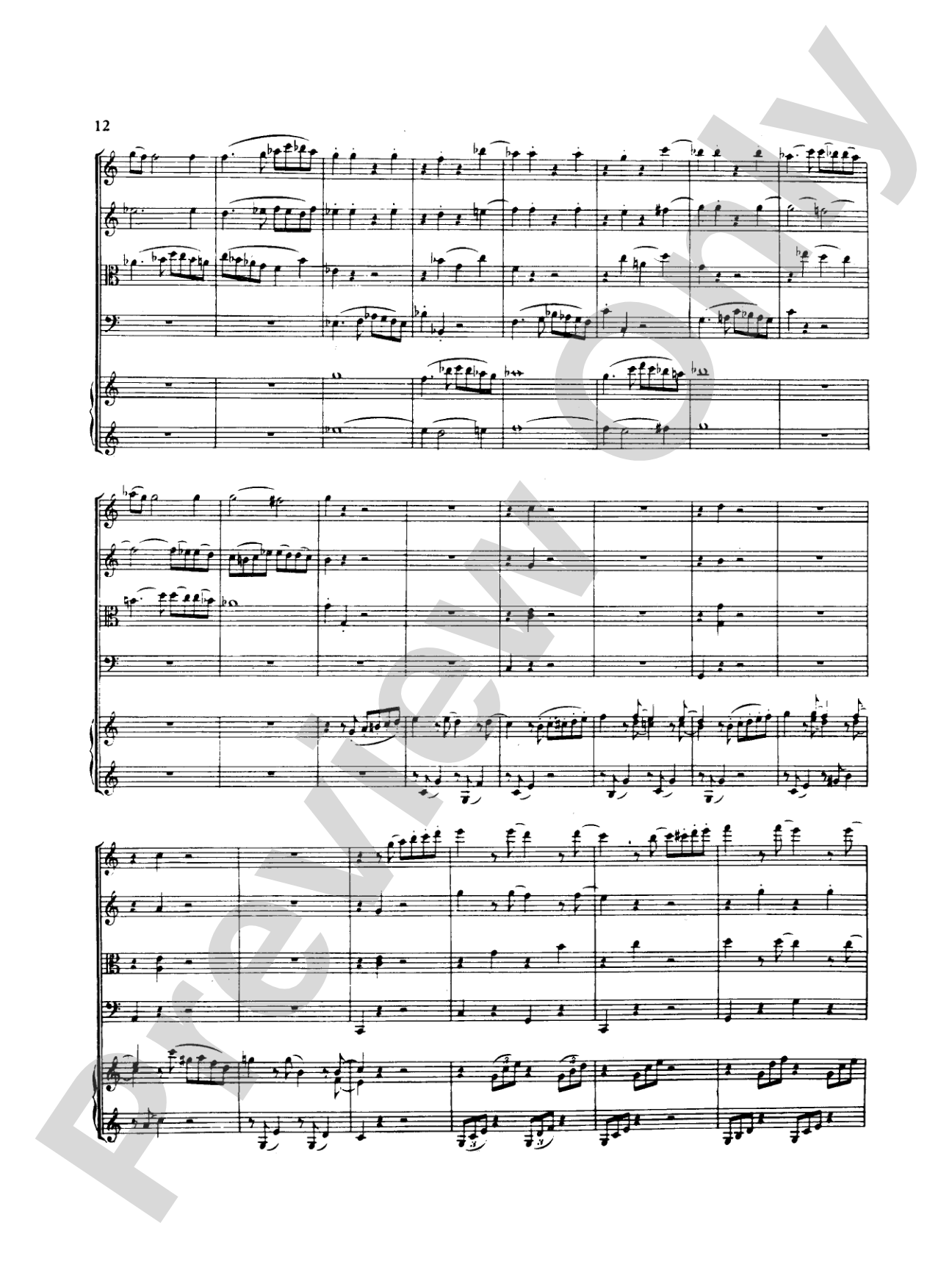
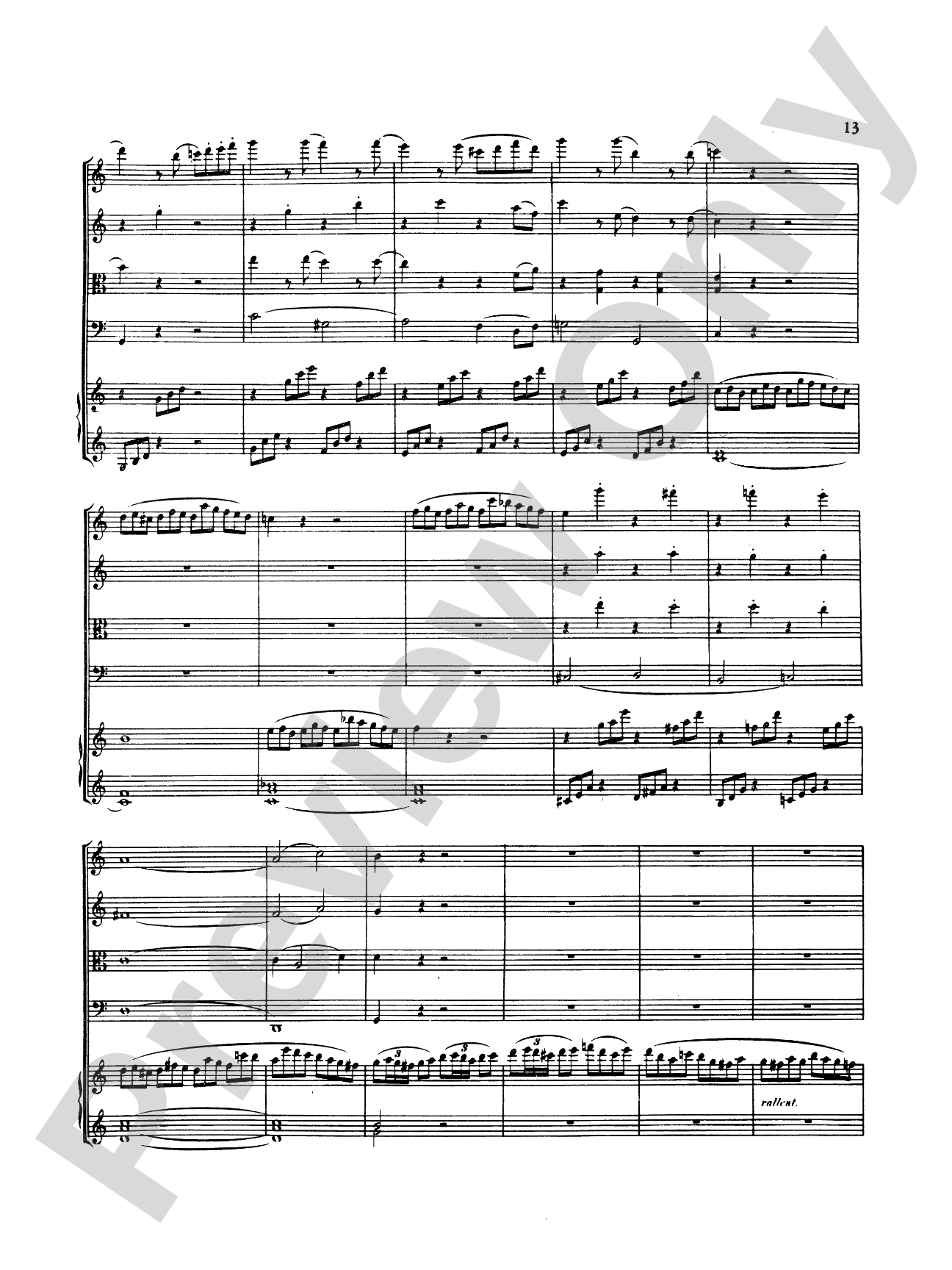
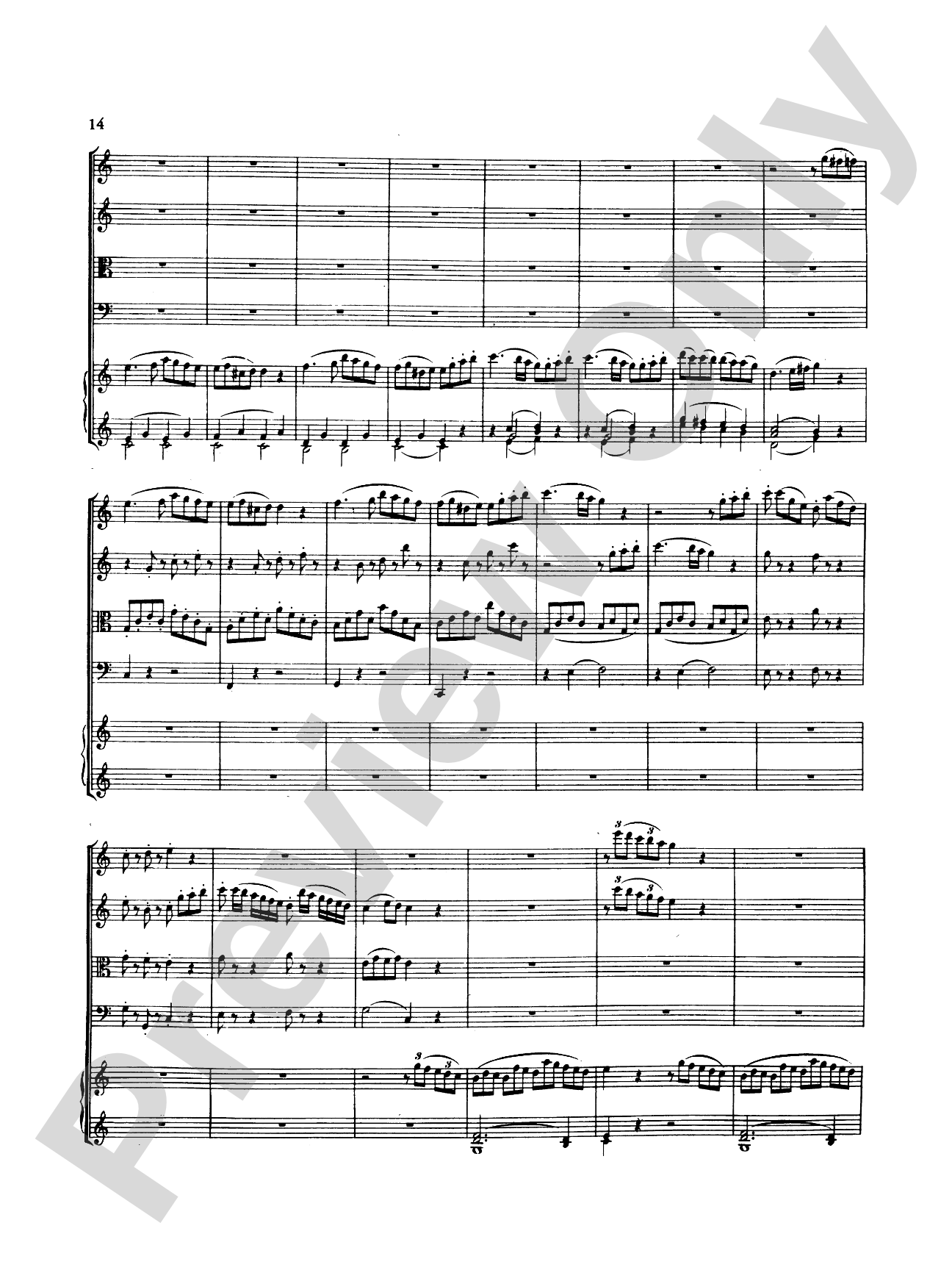
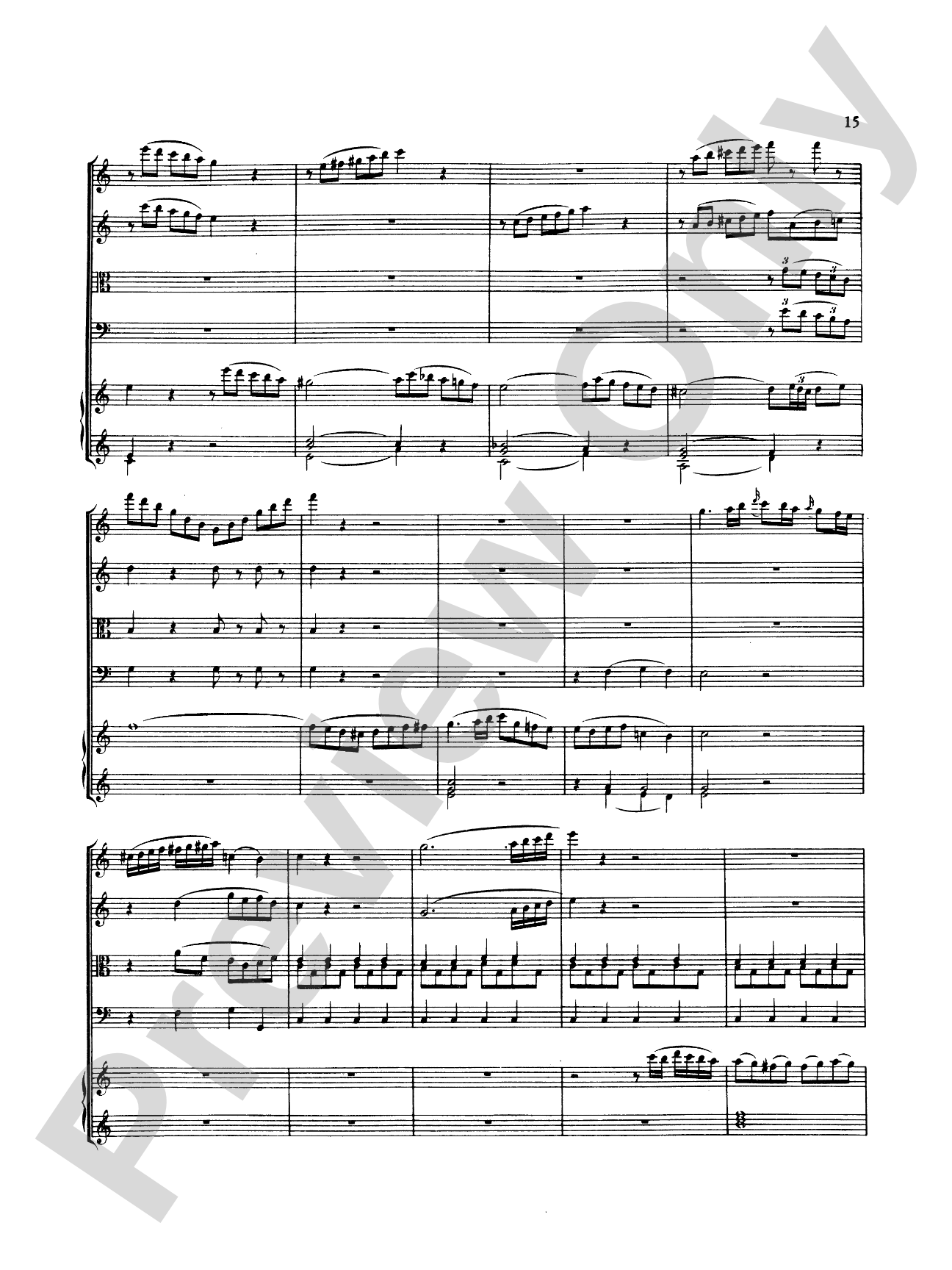


Mozart: Adagio and Rondo, in C Minor (K. 617): Chamber Quintet Score & Parts
By Wolfgang Amadeus Mozart
Item: 00-PK-0003828

$15.99
Pickup currently not available
Buy Extra Parts (Digital PDF Download)
| Product | Price | Quantity |
|---|---|---|
| Mozart: Adagio and Rondo, in C Minor (K. 617) (for piano, flute, oboe, viola and cello) | $14.99 |
Parts Added to Cart!
Related Items
Adagio and Rondo in C Minor, K. 617: Chamber Quintet Score & Parts |
$15.95
|
View |
Description
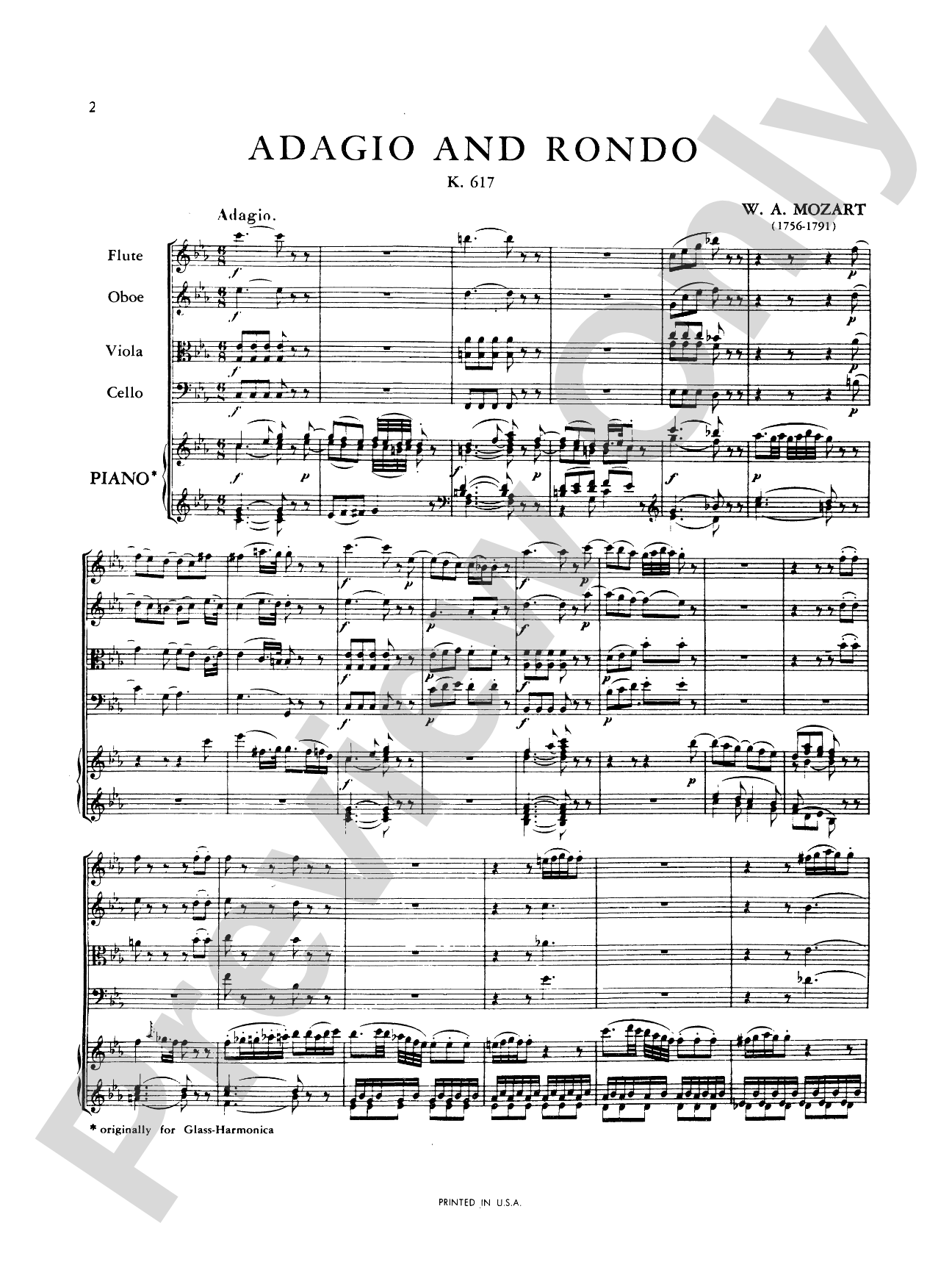
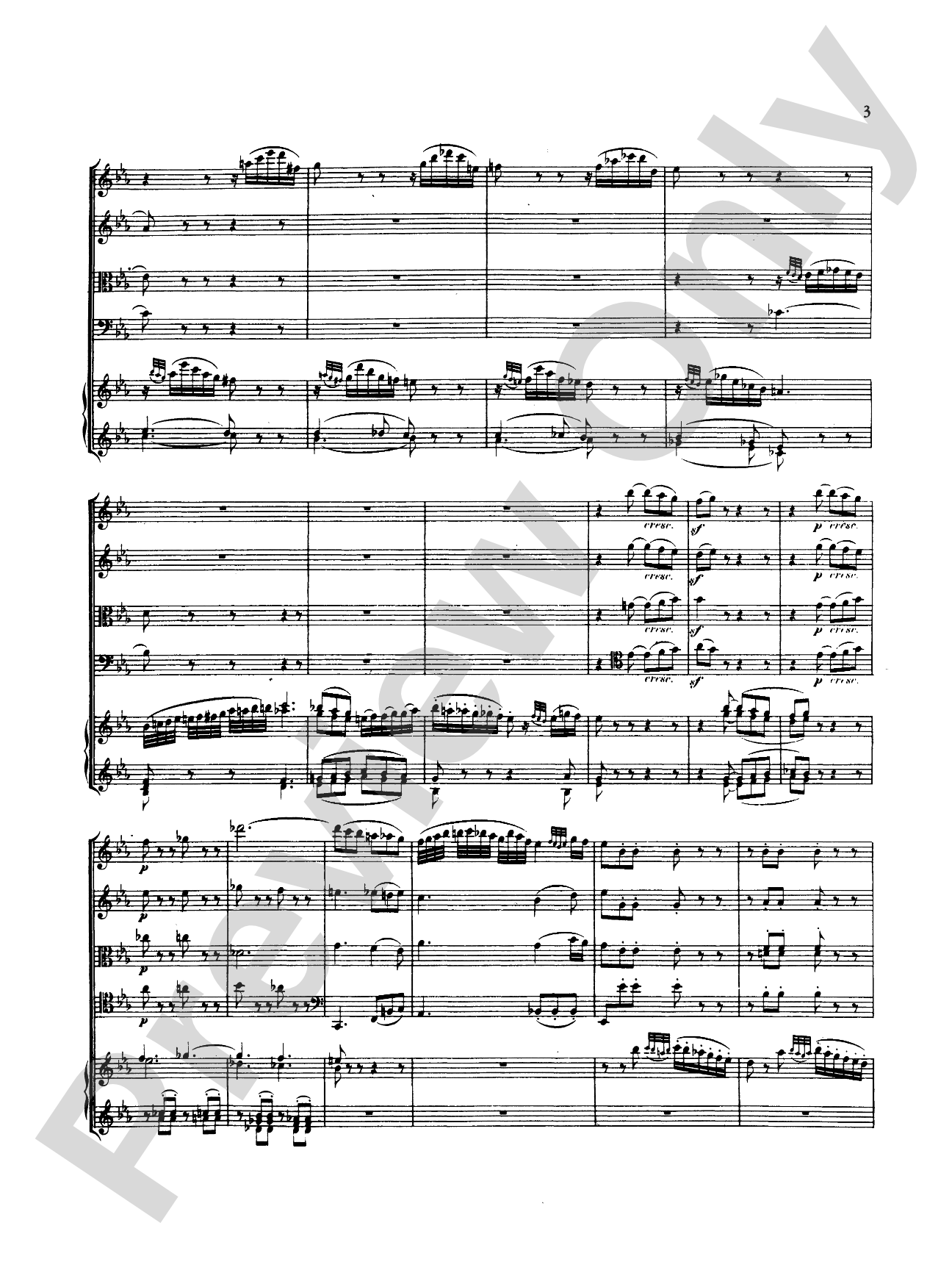
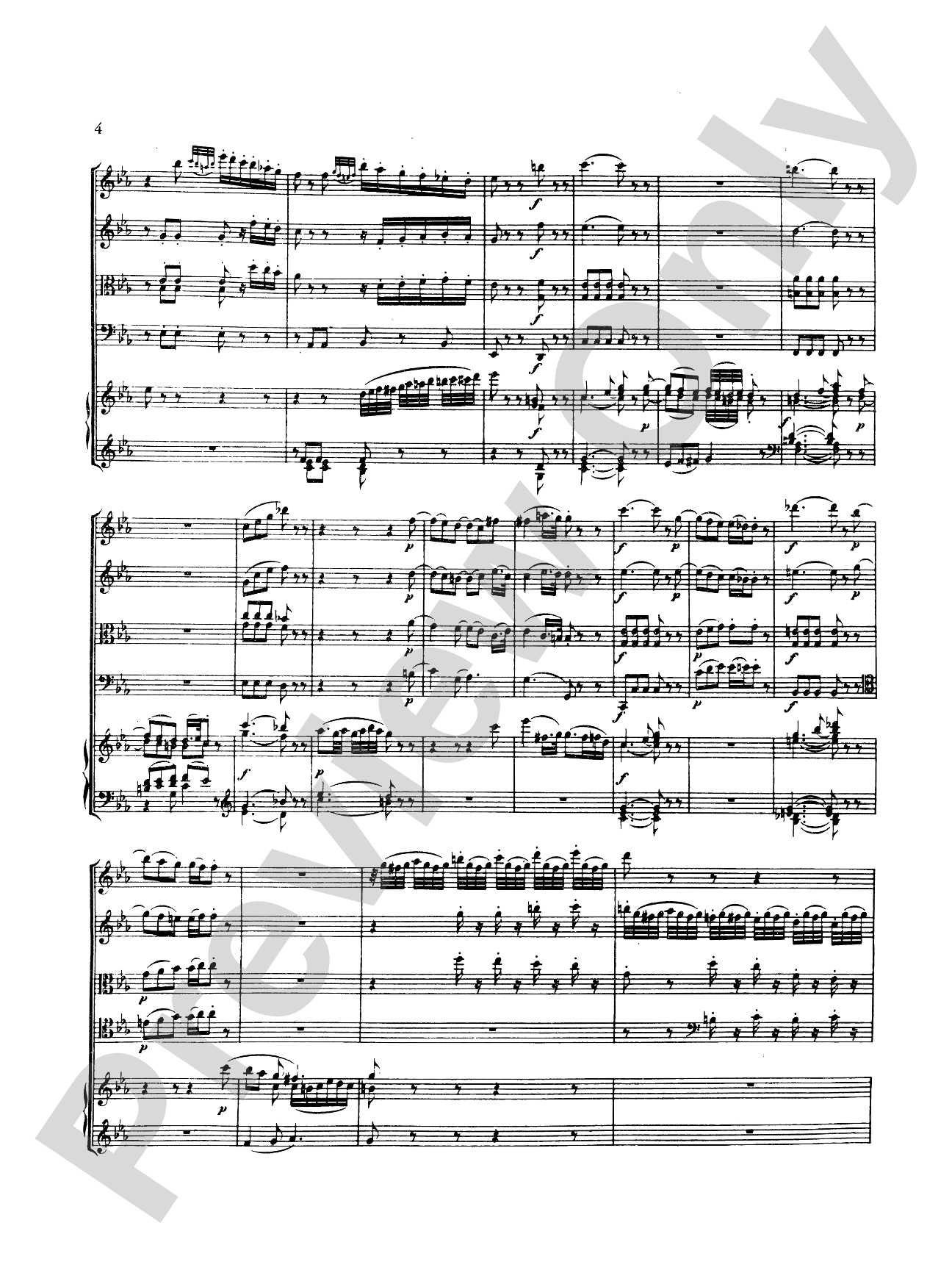
Mozart's Adagio and Rondo (K. 617) was written for the armonica, or musical glasses (a set of tuned glass bowls) and a quartet consisting of flute, oboe, viola, and cello. The music is effective played as an organ solo. The Adagio may be registered "forte," in the style of Mozart's Fantasia (K. 608). The Rondo should be played on the flute stops. Arranged for organ by E. Power Briggs.


Don't just read it, hear it, play along with it, and watch your students grow with it. In MakeMusic Cloud, Mozart: Adagio and Rondo, in C Minor (K. 617): Chamber Quintet Score & Parts comes alive with professional accompaniment, adjustable tempo, and built-in practice tools that turn solo practice into real progress.
Open in the Player
Jump straight in and assign it today.
Start Your Free Trial
Open this title and explore the full library in minutes.
Sample Audio
No sample audio found.
Sample Video
No sample videos found.
Additional Details
Series:
Kalmus Edition
Publisher:
Alfred Music
Page Count:
16
SKU:
00-PK-0003828
Instrumentation:
Glass Harmonica (or Piano), Flute, Oboe, Viola, & Cello
More about this title
About the Composer: Wolfgang Amadeus Mozart
Wolfgang Amadeus Mozart (1756, 1791) composed across every major genre of his time, leaving a catalog of over 600 works that remain foundational to classical music education. His chamber music particularly showcases his gift for balancing independent voices while maintaining forward momentum and melodic clarity. Teachers return to Mozart repeatedly because his writing is technically accessible yet musically sophisticated, rewarding both student performers and audiences.
Why we love this
This score opens a door to an unusual and historically fascinating work without requiring performers to master the glass harmonica. The Adagio shows Mozart's lyrical gift in its most concentrated form, while the Rondo brings buoyancy and charm. It's a chamber work that rewards careful listening from both players and audience members, offering a compelling alternative to the standard quintet repertoire.
What to expect
The Adagio unfolds with Mozart's characteristic elegance and emotional restraint, moving through transparent textures and subtle harmonic shifts. The Rondo breaks into sunlit passages of wit and grace, with the quintet members trading themes and creating a sense of intimate dialogue that feels both formal and conversational.
Who it's for
Chamber ensembles with strong soloists across all five parts, particularly groups comfortable with Classical-era stylistic conventions and interested in expanding their repertoire beyond standard quintet literature. Programs looking to program historically informed yet accessible Mozart will find this work rewarding and manageable in scope.
How to get the most out of it
- Balance the glass harmonica (or piano) part as a true solo voice rather than accompaniment; it carries thematic weight throughout both movements and should be heard clearly against the quartet.
- In the Adagio, shape phrases with long lines and allow the slower harmonic rhythm to create space for expressive playing in the wind and string parts.
- Coordinate articulation between the flute and oboe in passages where they move together; their blend and separation become part of the color palette Mozart intended.
- Maintain steady pulse in the Rondo while allowing the soloists flexible phrasing; the rhythmic framework should feel secure without becoming mechanical.
How to use it
This pairing of movements works beautifully as an interlude between larger works on a chamber concert or as a centerpiece for a program focused on Mozart's chamber writing. Its modest performance time and transparent orchestration make it ideal for introducing audiences to the glass harmonica's legacy while showcasing ensemble refinement.
Skills your students will build
- Balancing a solo line with accompaniment in chamber context
- Classical phrasing and harmonic awareness
- Ensemble blend across five different timbres
- Stylistic interpretation of Mozart's ornamental and melodic language
- Coordination between wind and string sections