

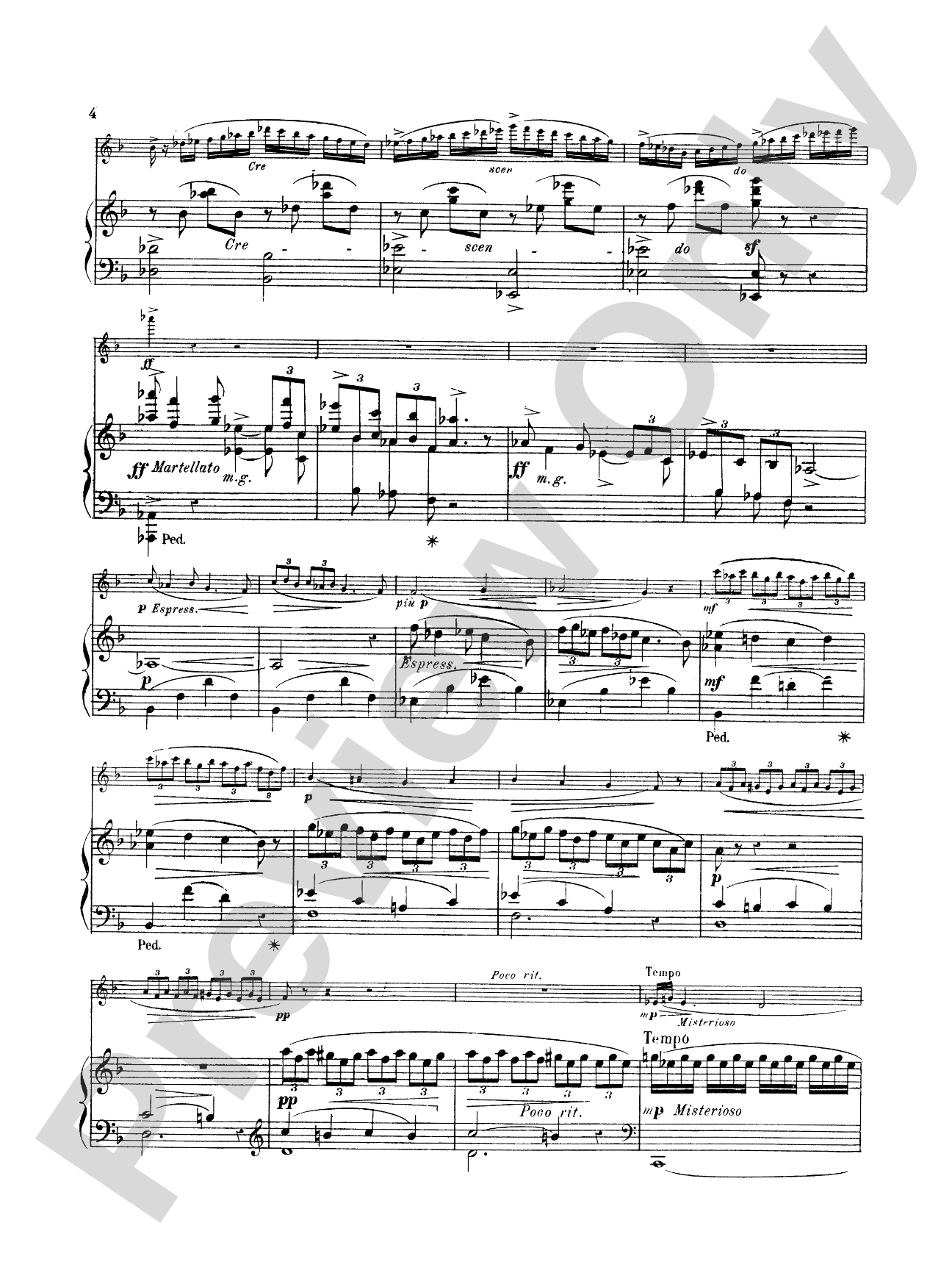
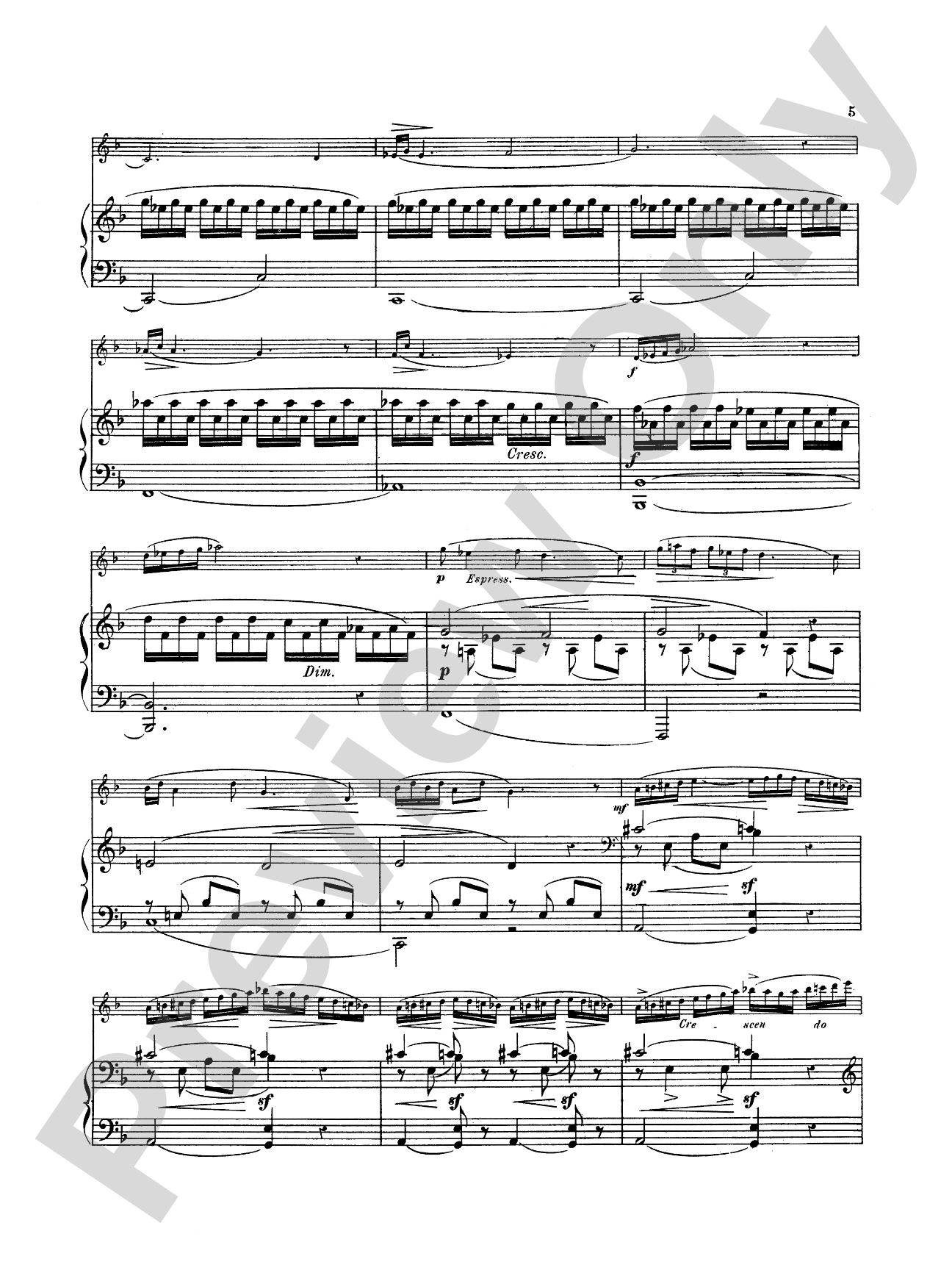
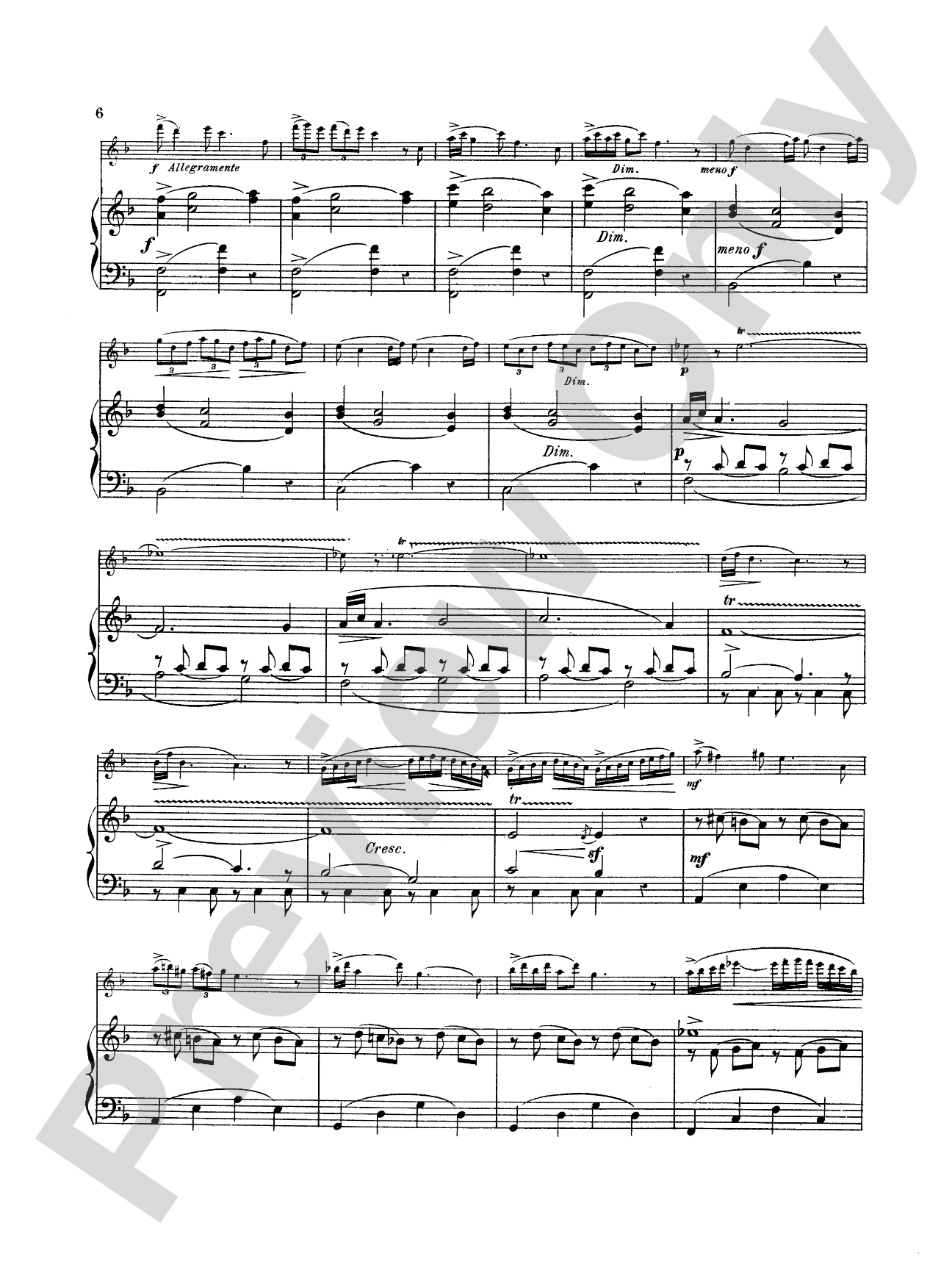
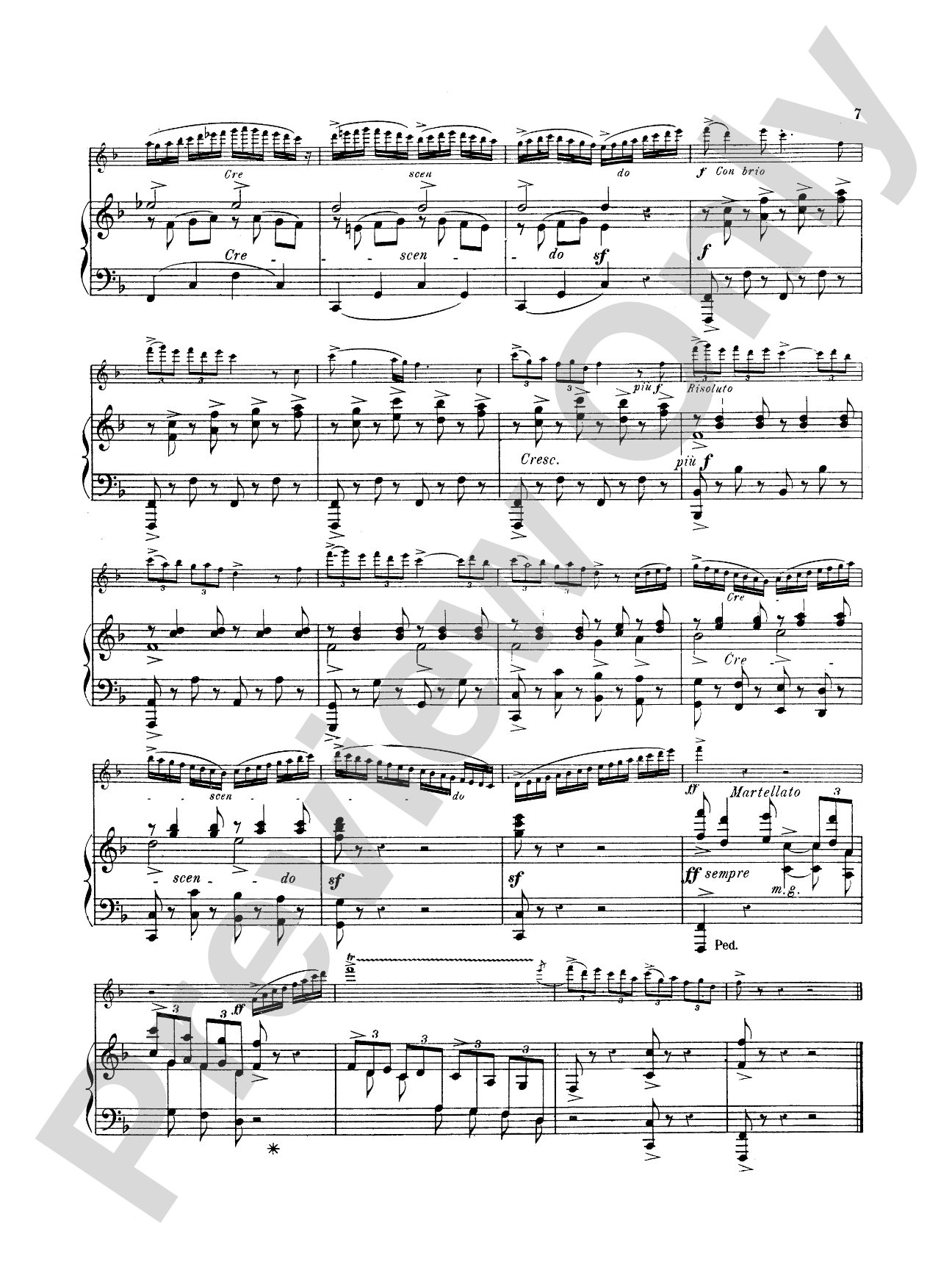
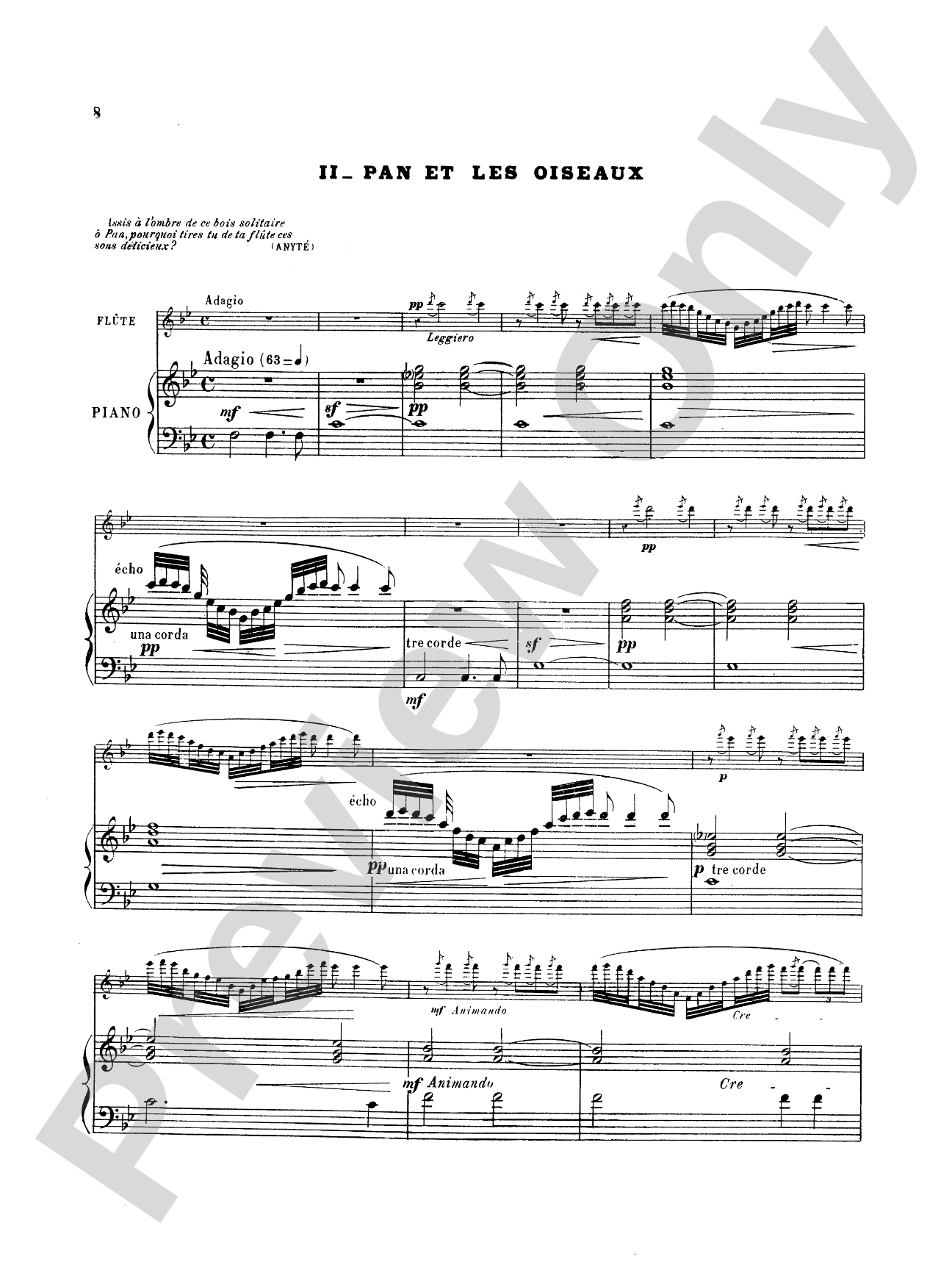
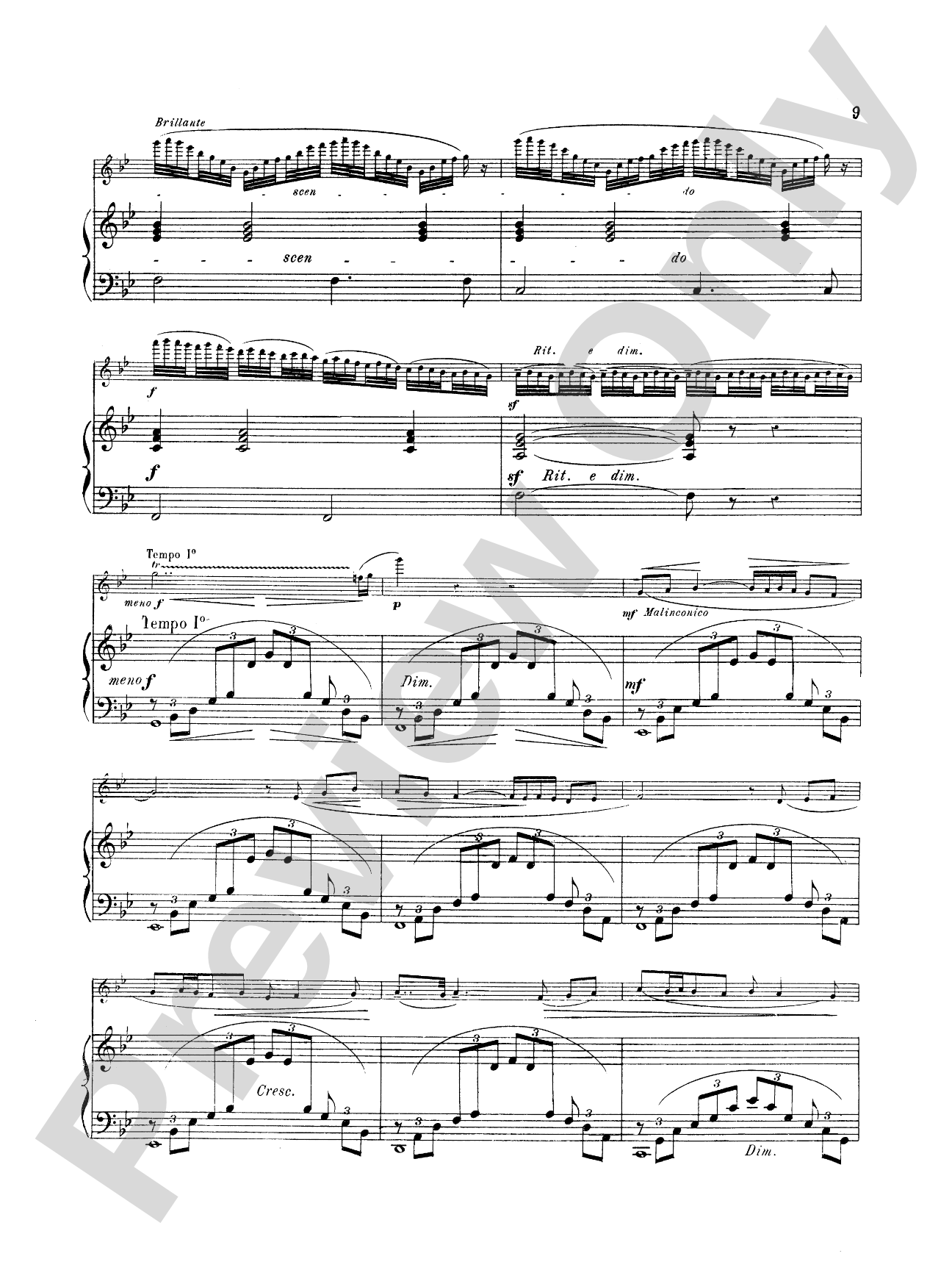
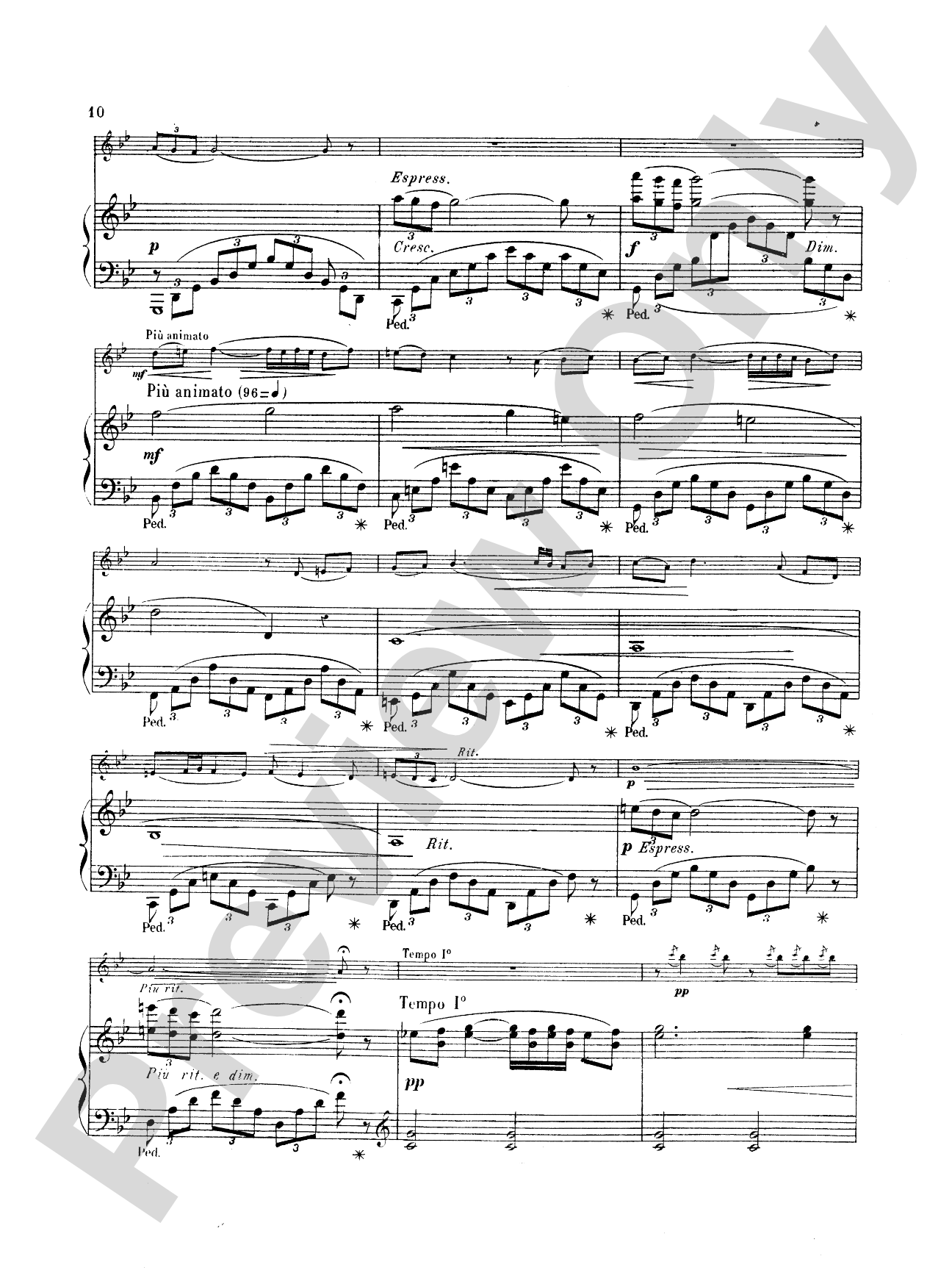
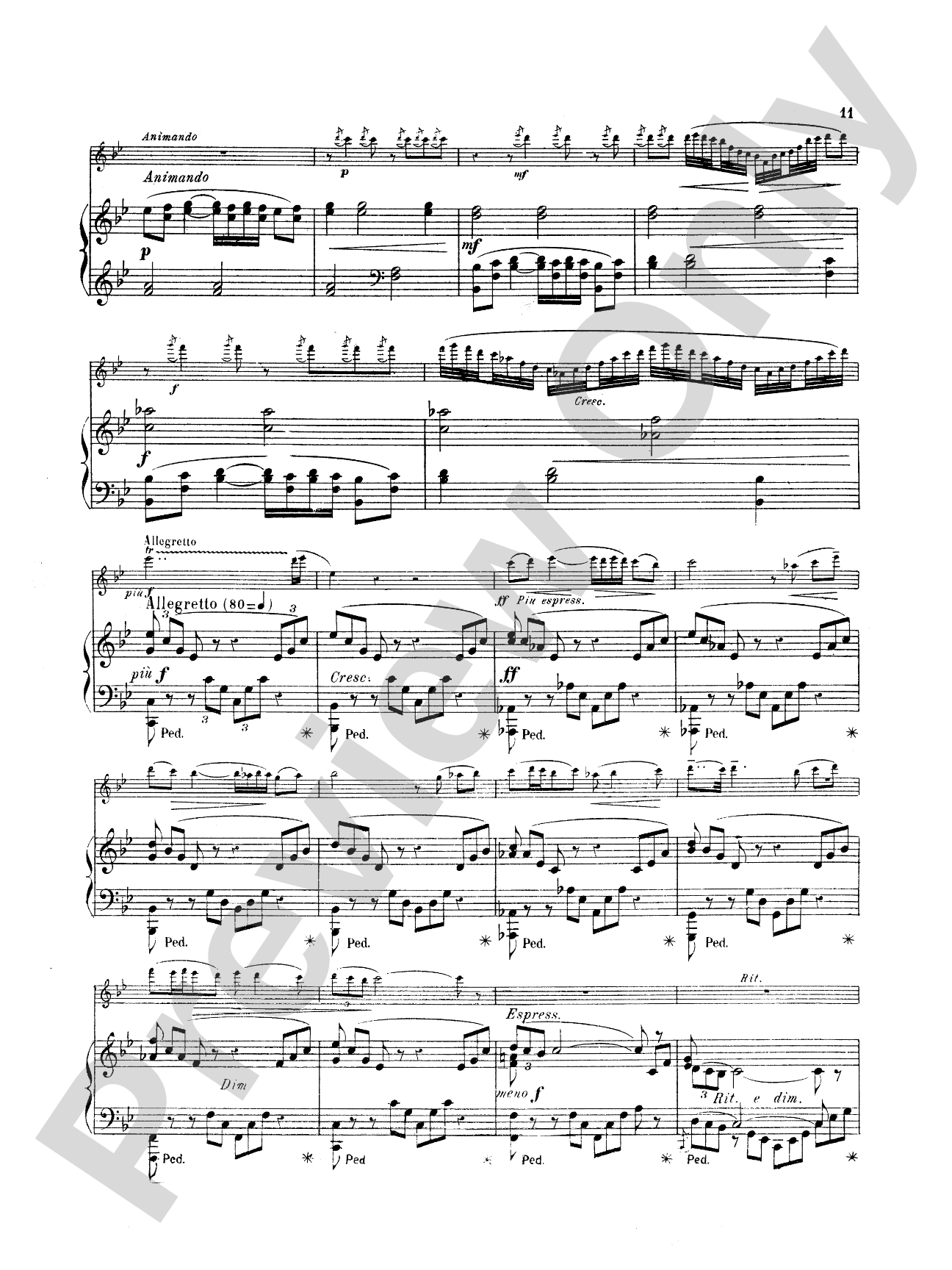
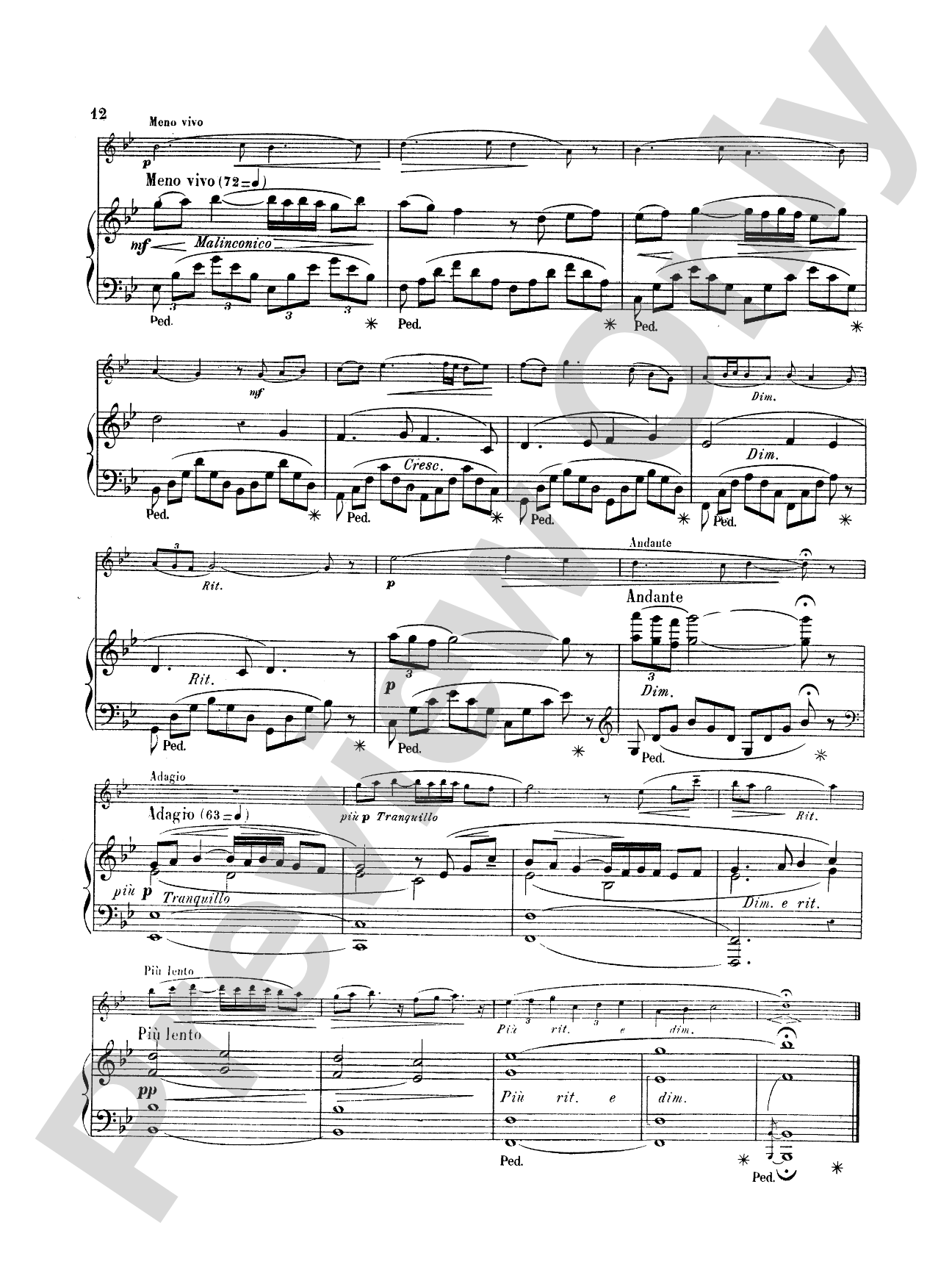
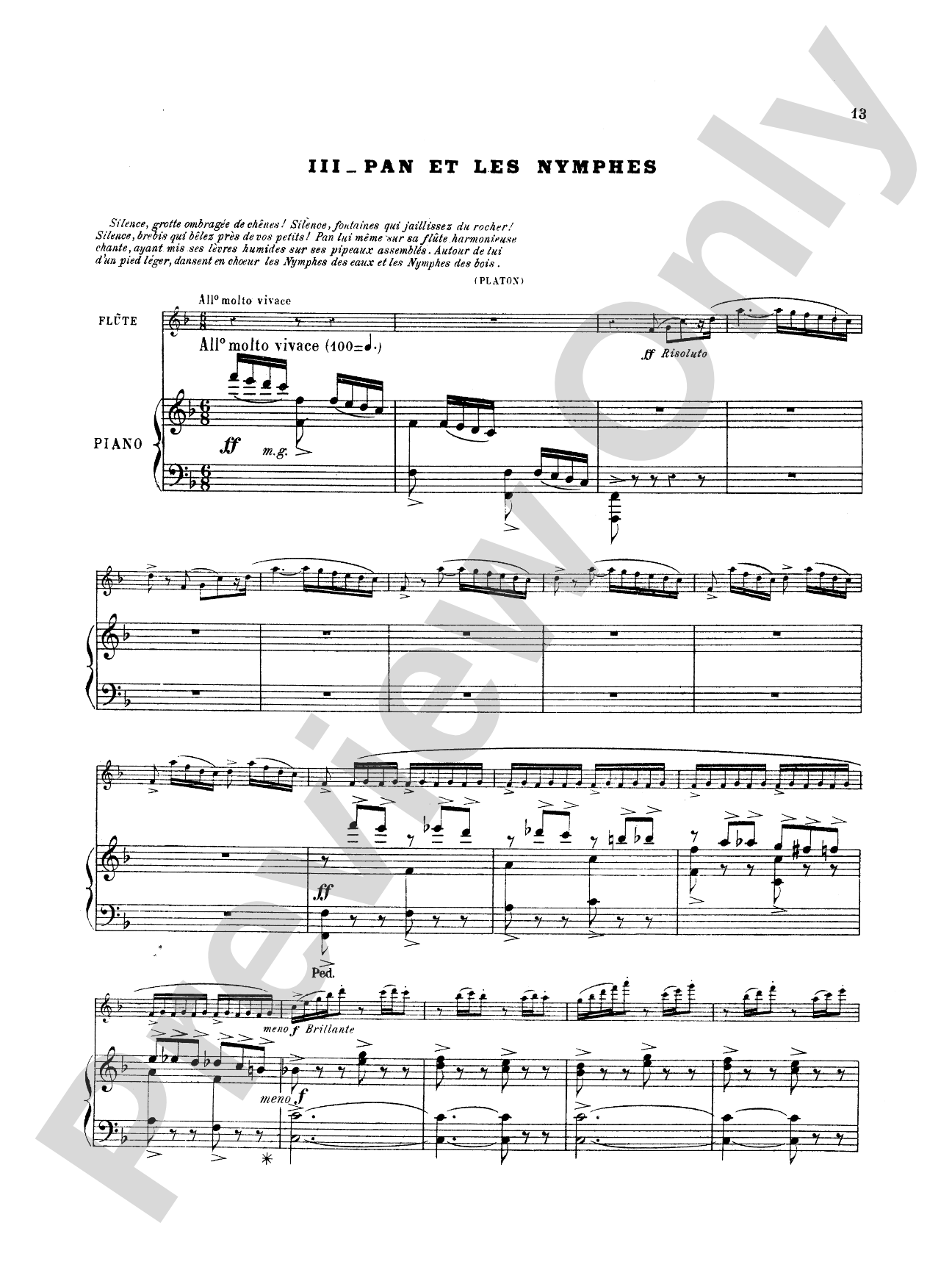
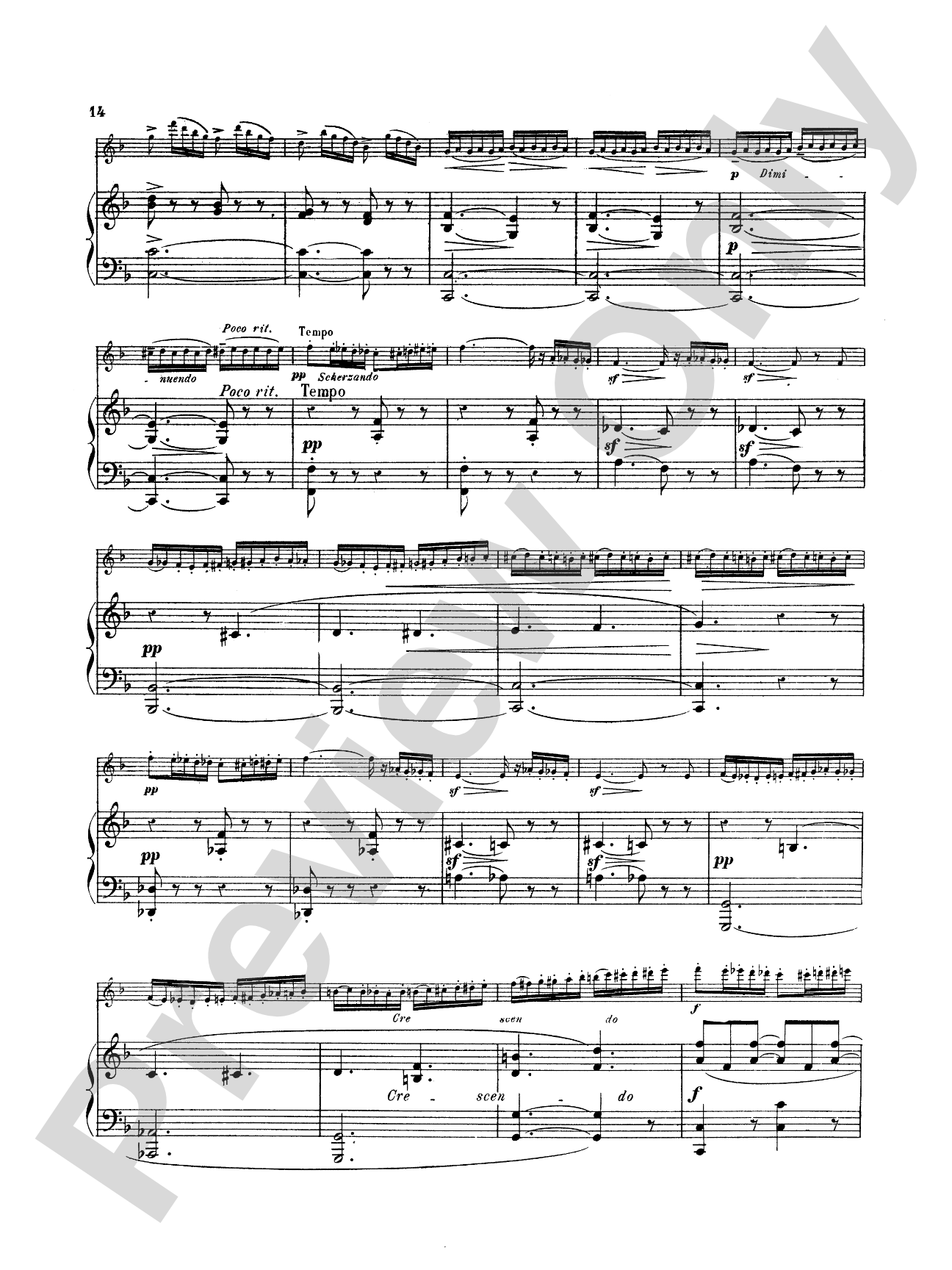
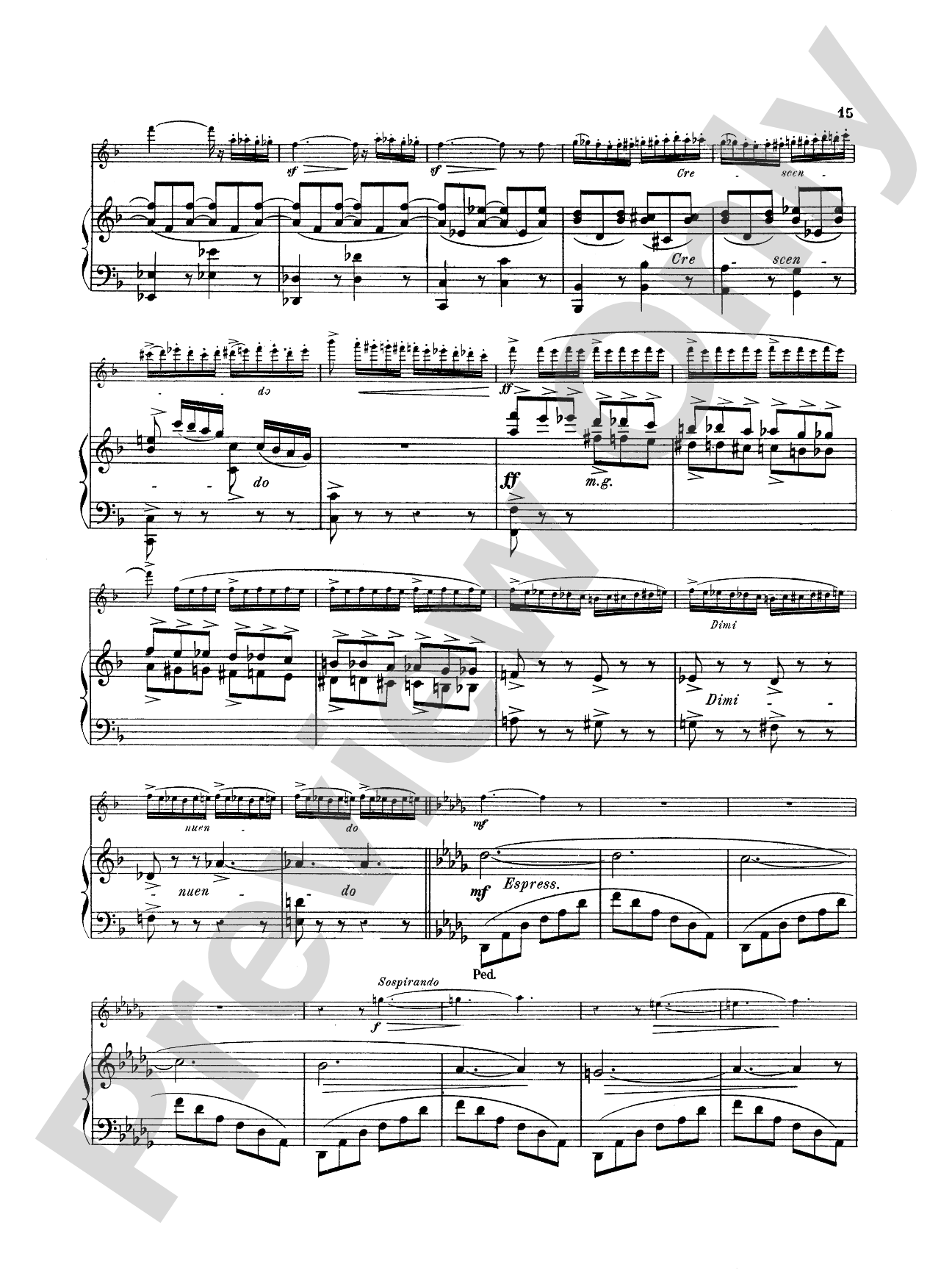
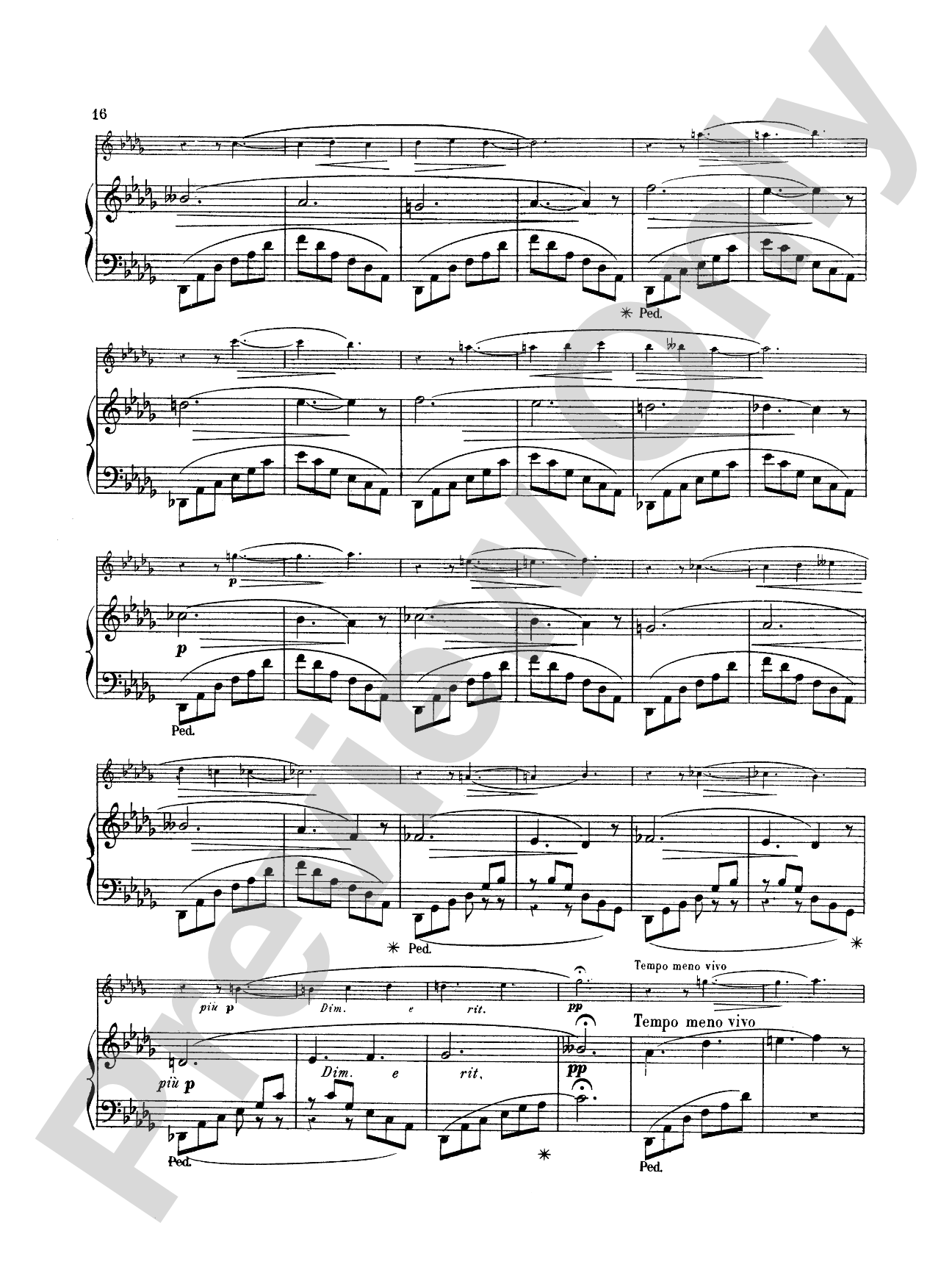
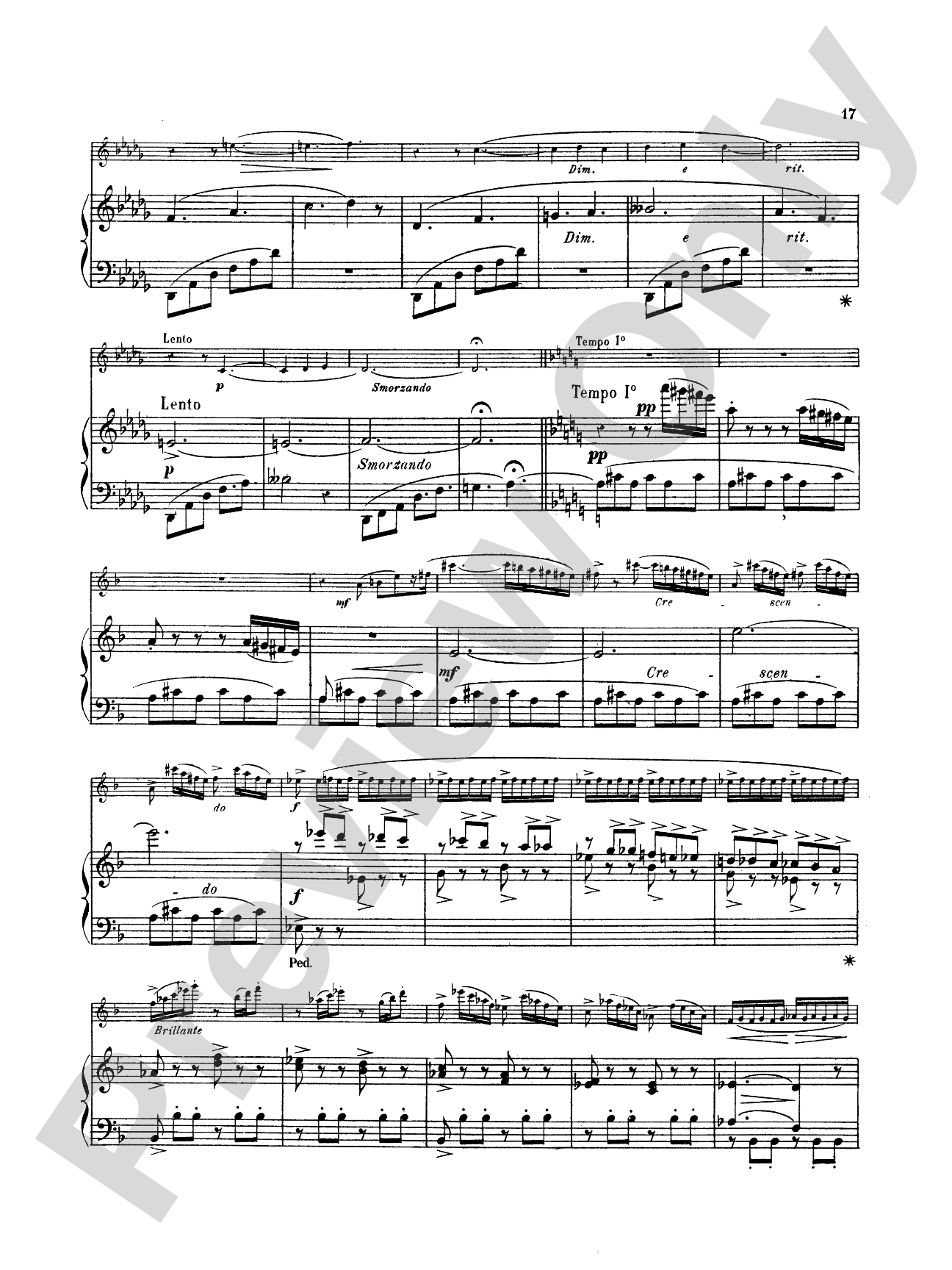
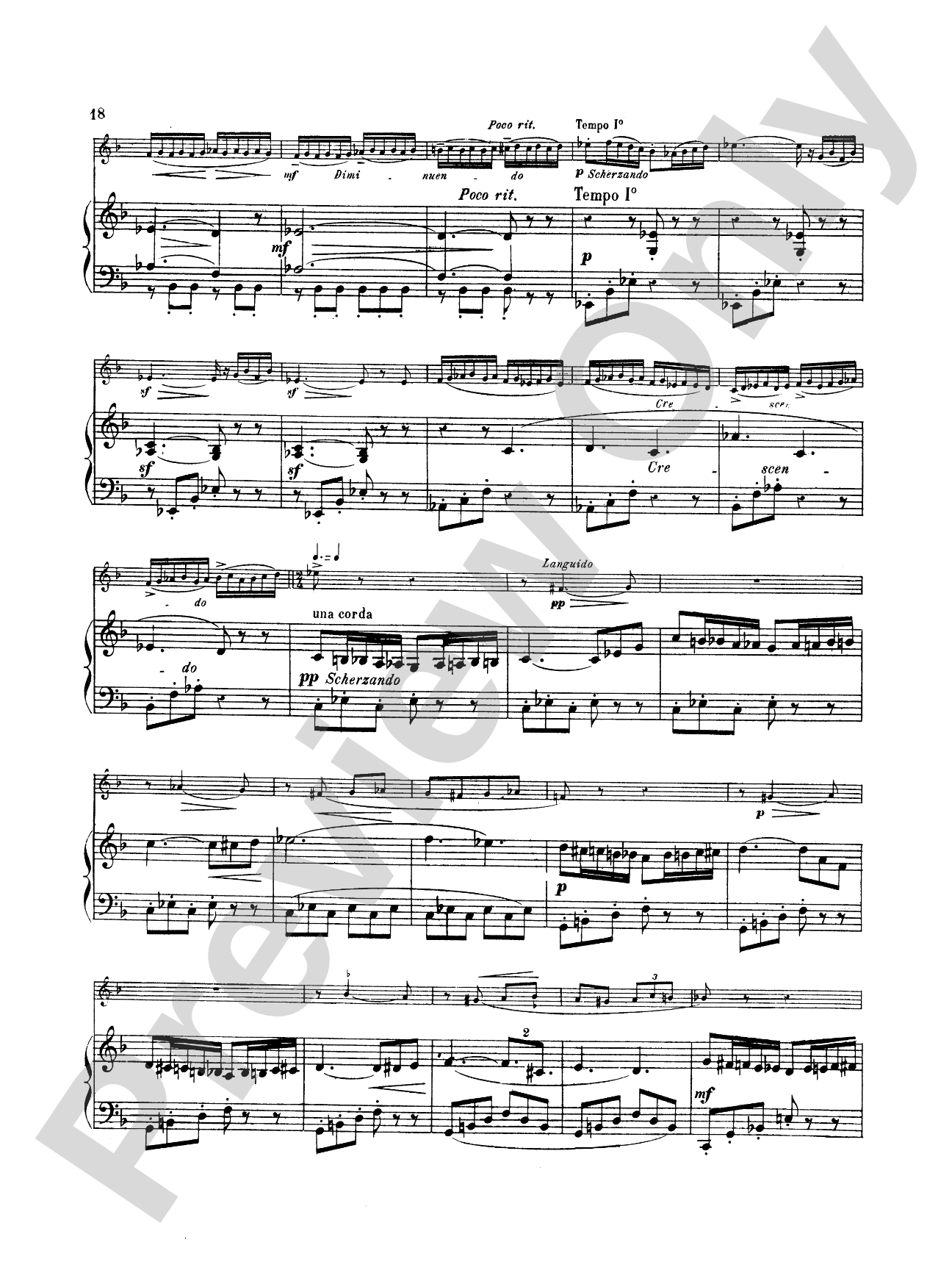
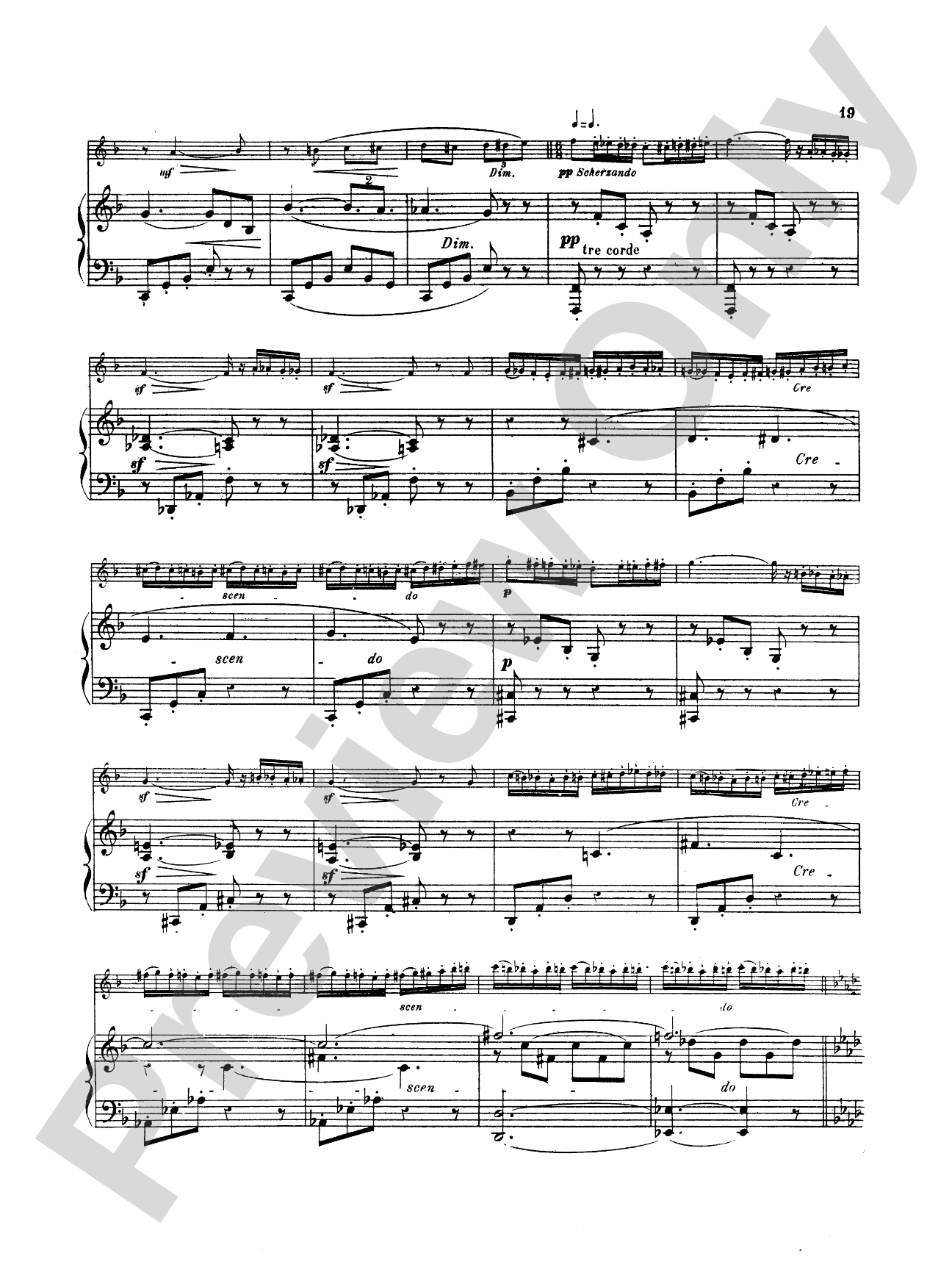
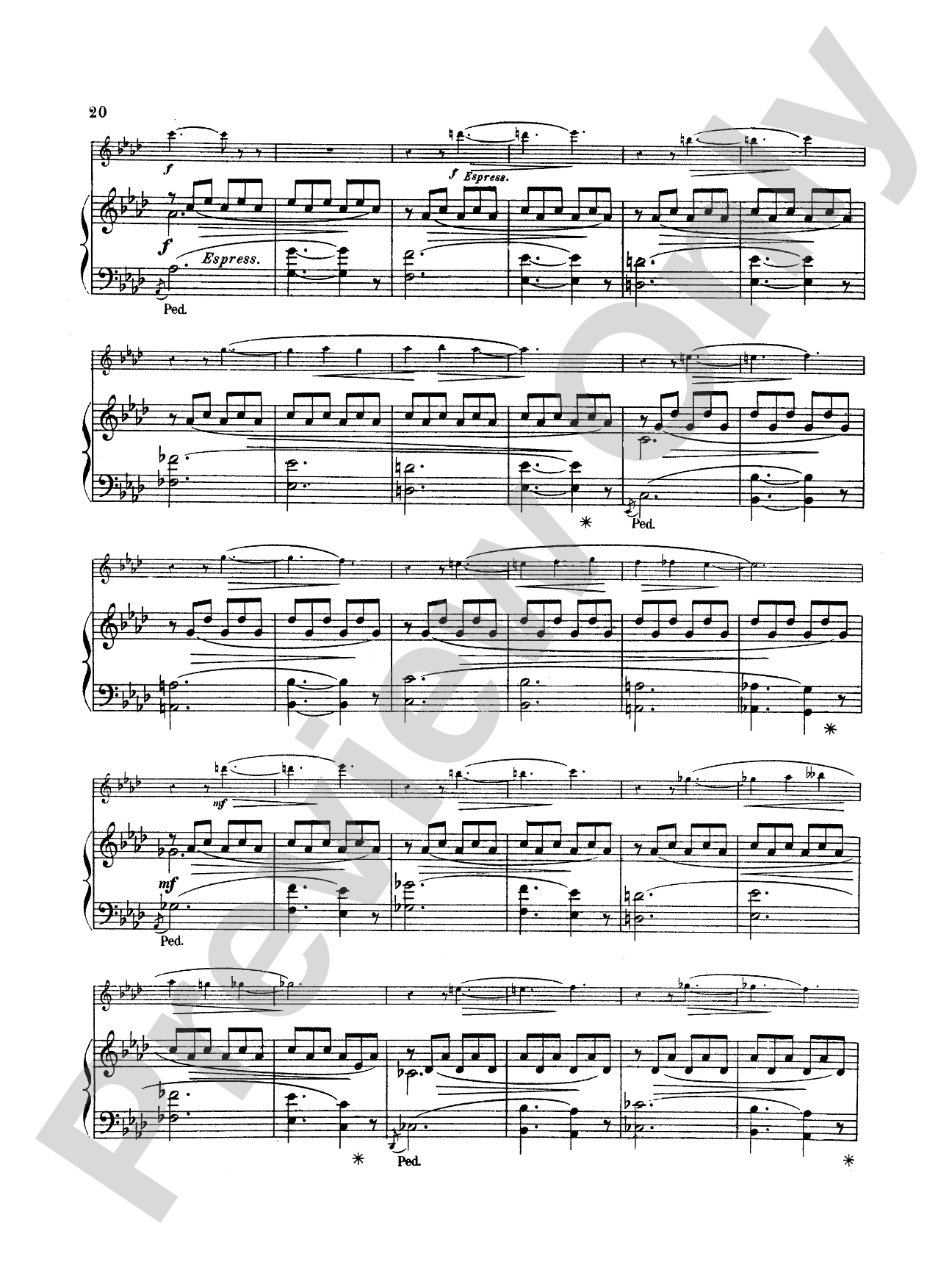
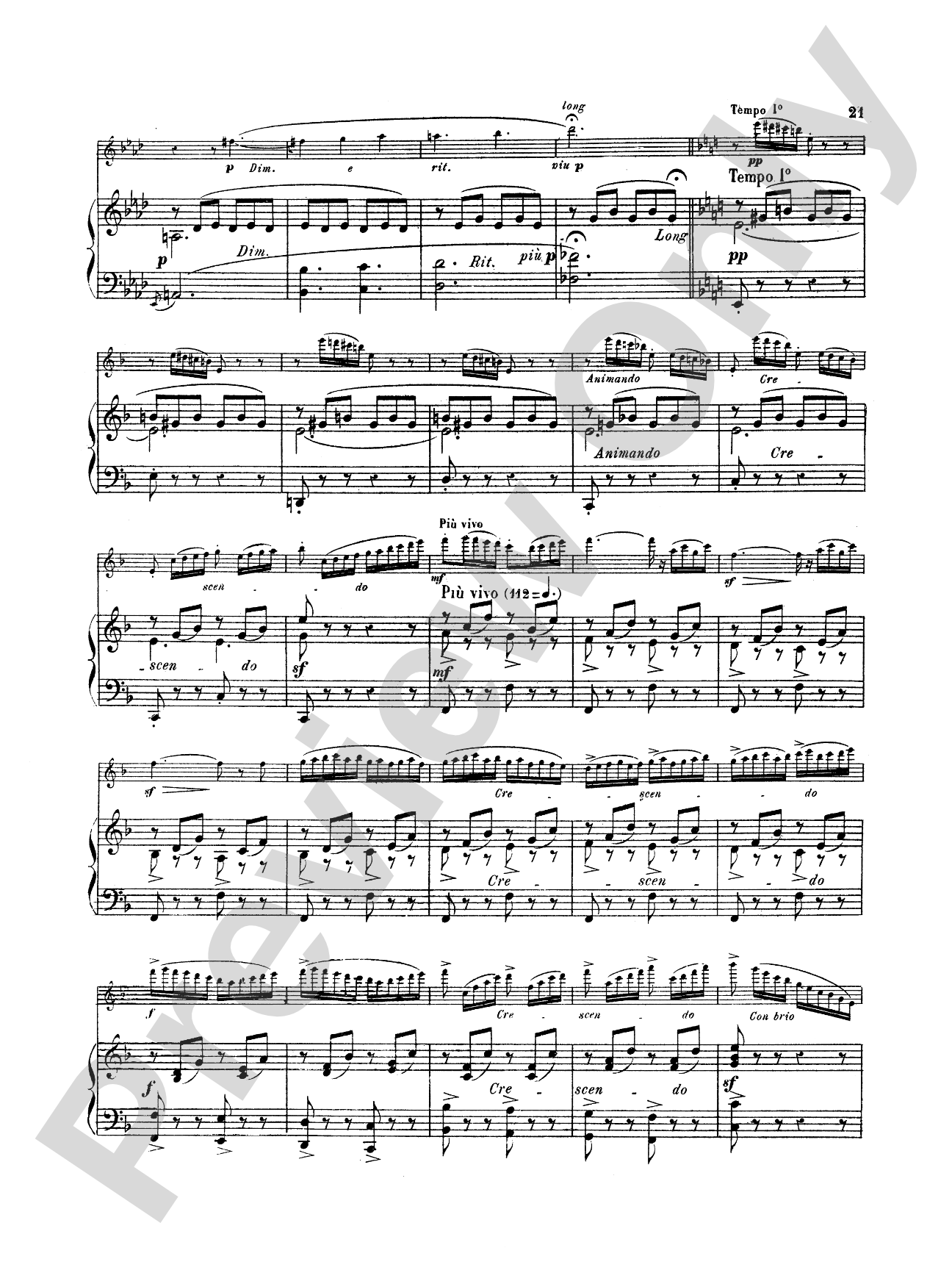
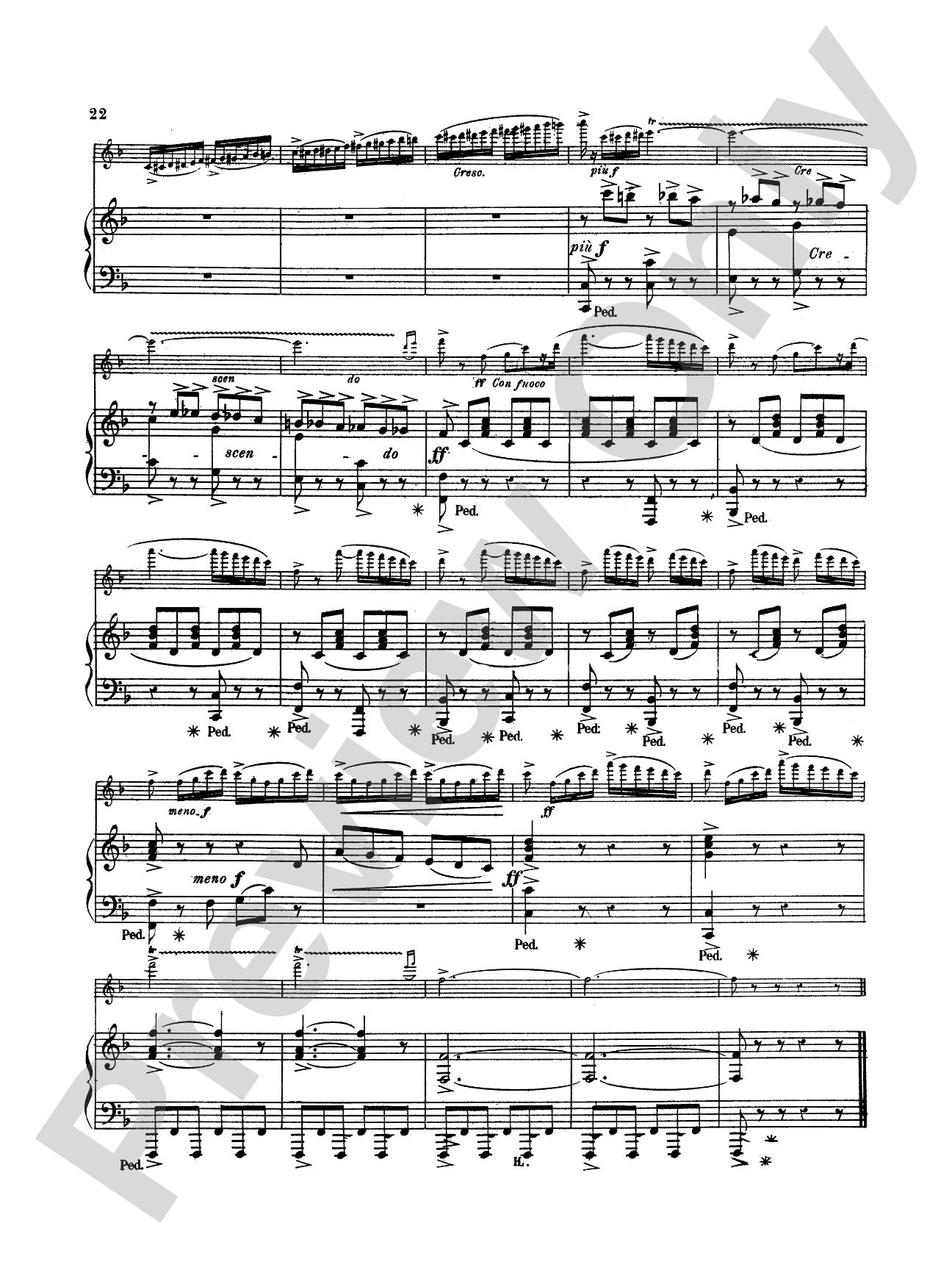

Mouquet: La Flute de Pan, Op. 15: Flute Part(s)
By Jules Mouquet
Item: 00-PK-0003670

$9.95
Pickup currently not available
Buy Extra Parts (Digital PDF Download)
| Product | Price | Quantity |
|---|---|---|
| Mouquet: La Flute de Pan, Op. 15 | $8.95 |
Parts Added to Cart!
Related Items
La Flute de Pan, Opus 15: Flute Part(s) |
$9.95
|
View |
Description
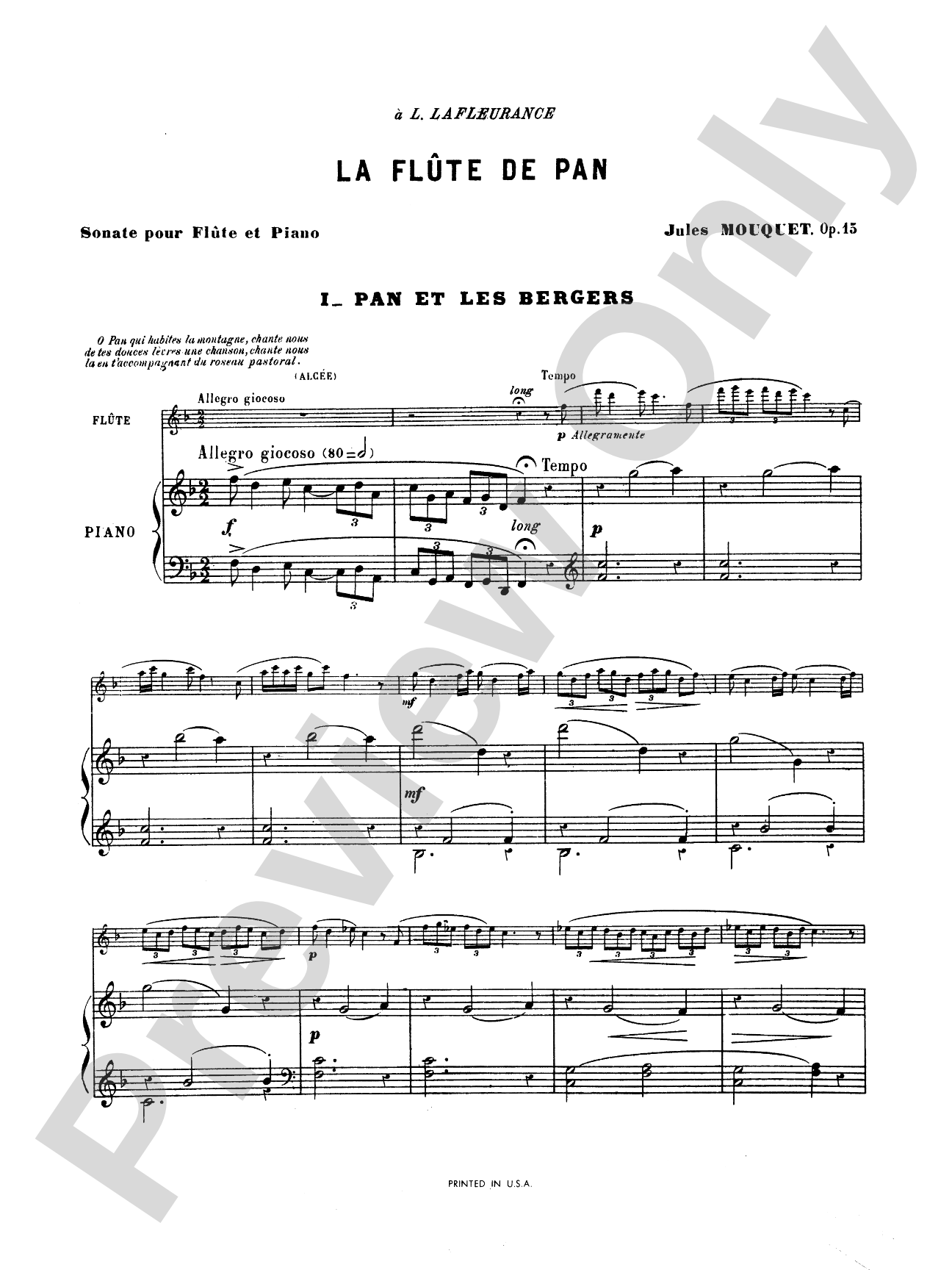
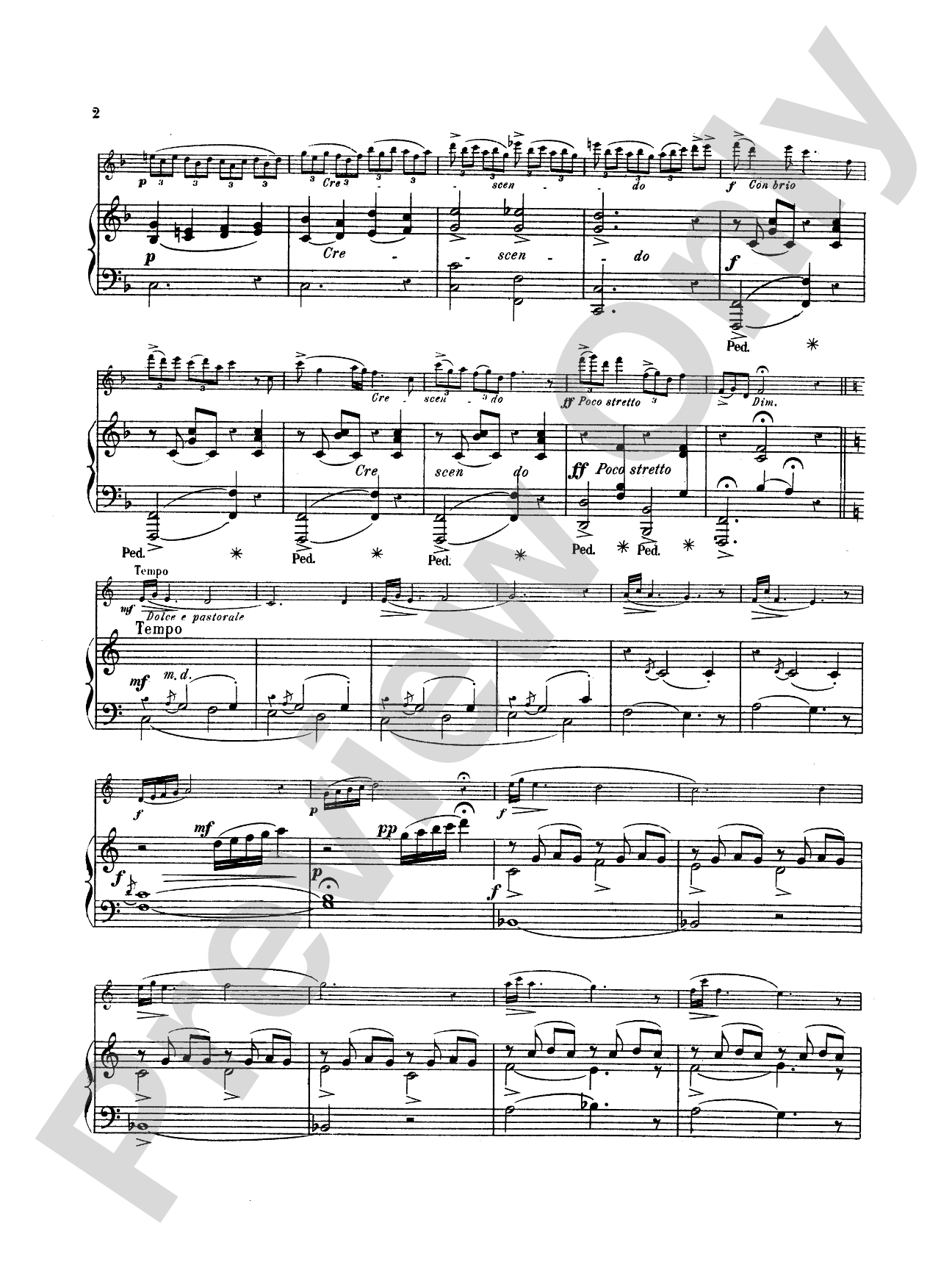
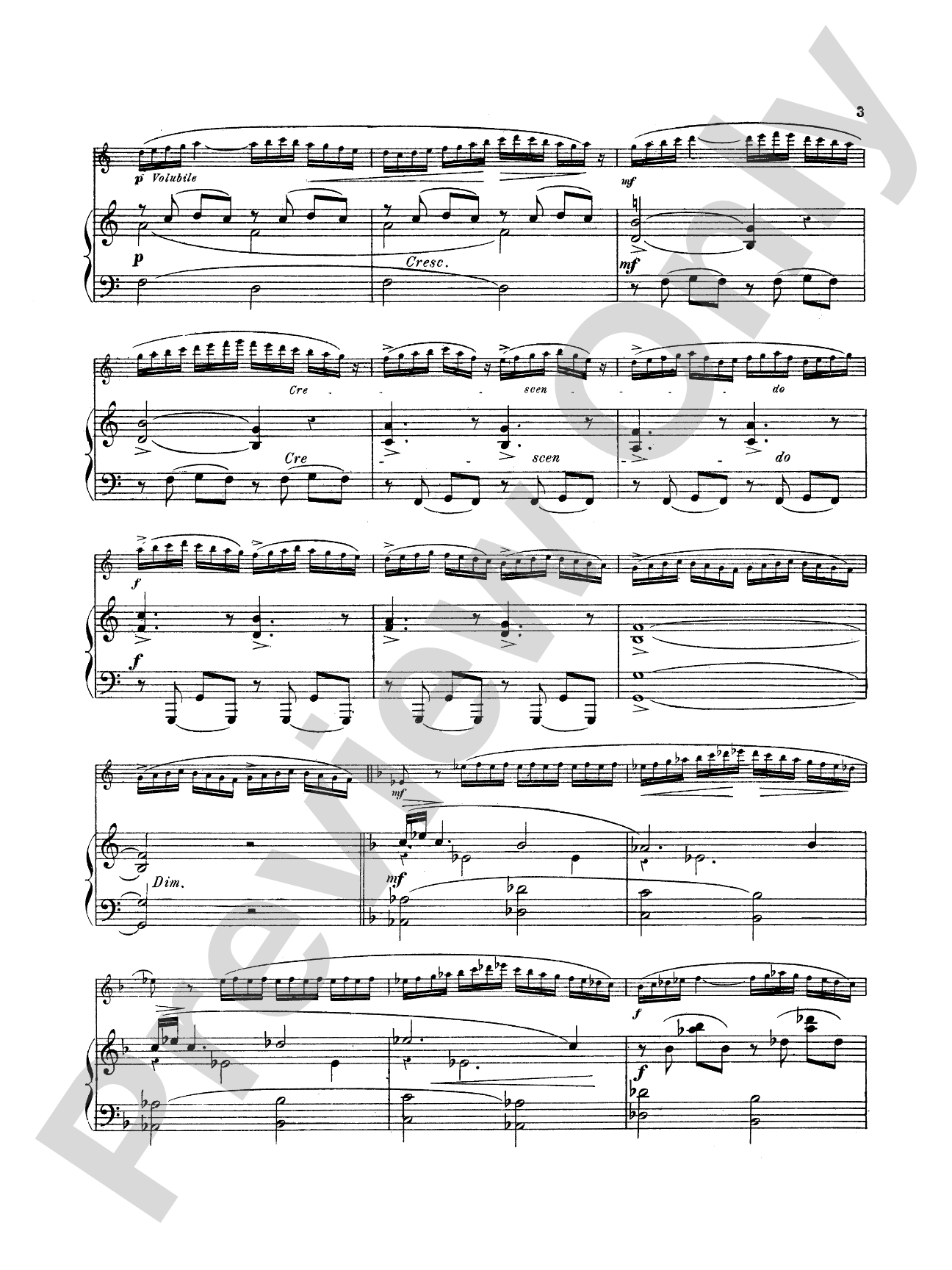
Mouquet's best known work is his Sonata for Flute and Piano, "La Flute de Pan." He taught at the Conservatoire de Paris in the early 1900's as professor of harmony. Late romantic and impressionist composers were his main creative influences. Includes: Pan et les Bergers * Pan et les Oiseaux * Pan et les Nymphes.


Don't just read it, hear it, play along with it, and watch your students grow with it. In MakeMusic Cloud, Mouquet: La Flute de Pan, Op. 15: Flute Part(s) comes alive with professional accompaniment, adjustable tempo, and built-in practice tools that turn solo practice into real progress.
Open in the Player
Jump straight in and assign it today.
Start Your Free Trial
Open this title and explore the full library in minutes.
Sample Audio
No sample audio found.
Sample Video
No sample videos found.
Additional Details
Series:
Kalmus Edition
Publisher:
Alfred Music
Page Count:
36
SKU:
00-PK-0003670
More about this title
About the Composer: Jules Mouquet
Jules Mouquet (1867-1946) was a French composer and pedagogue who shaped musical education at the Conservatoire de Paris, where he served as professor of harmony in the early 1900s. His compositional voice bridged late Romanticism and Impressionism, absorbing influences from Debussy and Fauré while maintaining a lyrical, accessible approach that made his works treasured by performers and audiences alike.
Why we love this
This three-movement sonata remains a staple of flute repertoire because Mouquet understood the instrument's voice completely—each movement demands expressive maturity without sacrificing musicality to virtuosity. The mythological narrative connecting the three sections creates natural program flow, and the writing sits beautifully under the flutist's fingers while sounding utterly refined in recital or competition.
What to expect
These three scenes unfold like a walk through an ancient pastoral landscape, painted in soft focus. The flute sings with an almost vocal intimacy, moving between moments of tender stillness and gentle animation as Pan encounters shepherds, birds, and nymphs in turn.
Who it's for
Intermediate-to-advanced flutists preparing for recitals, competitions, or conservatory auditions will find both technical challenge and genuine artistic reward here. This repertoire speaks to players who have moved beyond showpiece concerns and seek music that deepens their lyrical voice.
How to get the most out of it
- Shape the opening of Pan et les Bergers with generous breath support; Mouquet's long, singing phrases require sustained tone production rather than surface-level articulation.
- In Pan et les Oiseaux, clarity of articulation matters more than speed. Practice the passagework slowly enough that each gesture lands with character rather than blur.
- Balance lyricism with structural clarity across all three movements. The Impressionist harmonic language can seduce performers into rubato that obscures form; stay anchored to the accompanist's harmonic progression.
- Use dynamic shading to distinguish the three mythological scenes. Pan among shepherds calls for warmth and simplicity; among birds, more flirtation and sparkle; among nymphs, tenderness and weightlessness.
How to use it
Program this sonata on a chamber recital where it can anchor an evening of French Romantic and early 20th-century flute music. The three-movement structure gives it weight without demanding excessive performance time, making it ideal for competitions or student recitals that pair it with contrasting shorter works.
Skills your students will build
- Sustaining long melodic lines with consistent tone production across registers
- Interpretive choices in late Romantic and Impressionist harmonic language
- Balancing rubato and structural clarity in programmatic music
- Articulation clarity in rapid figurework without sacrificing elegance
- Tonal flexibility to evoke distinct moods across three connected movements