
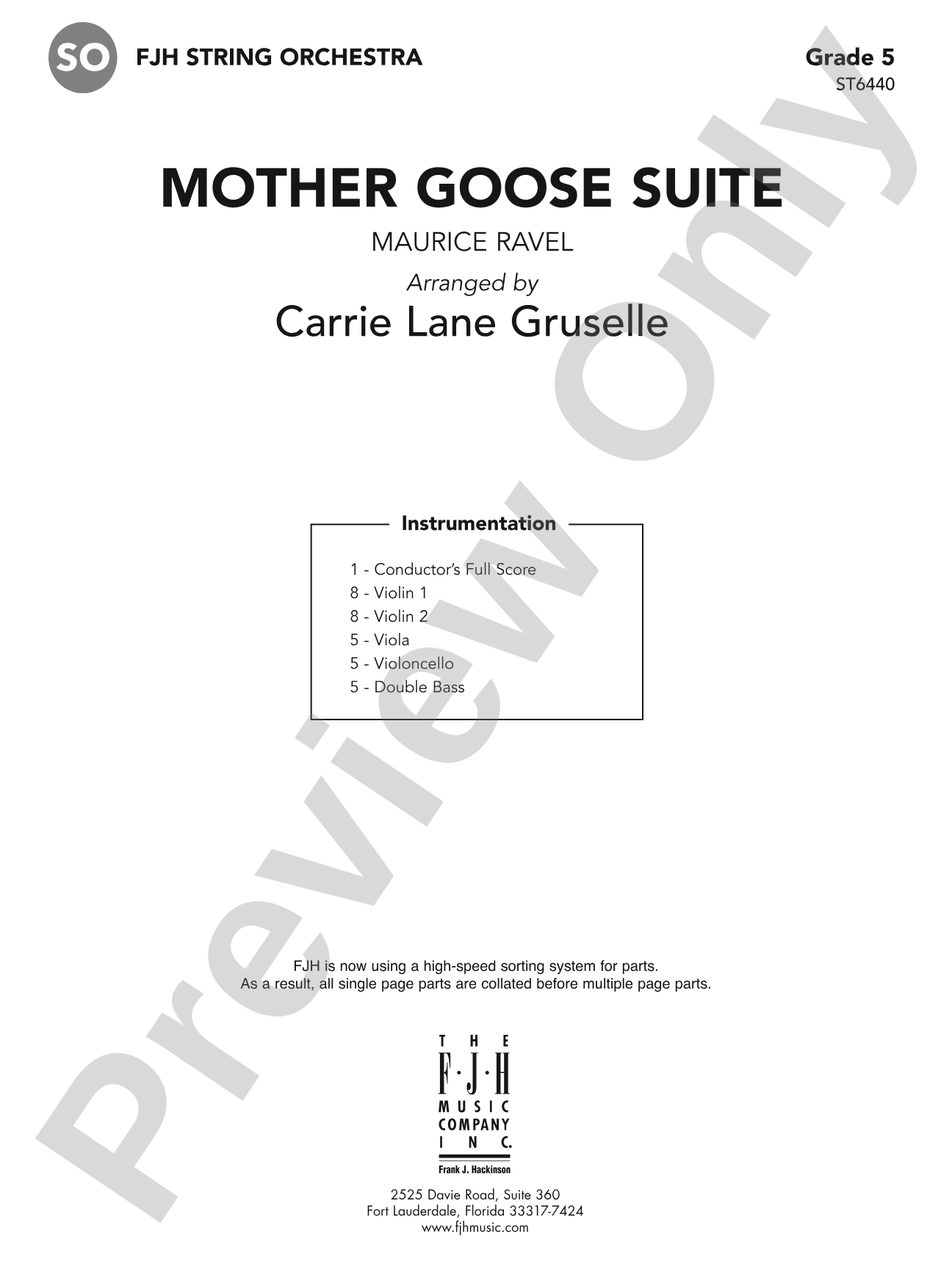
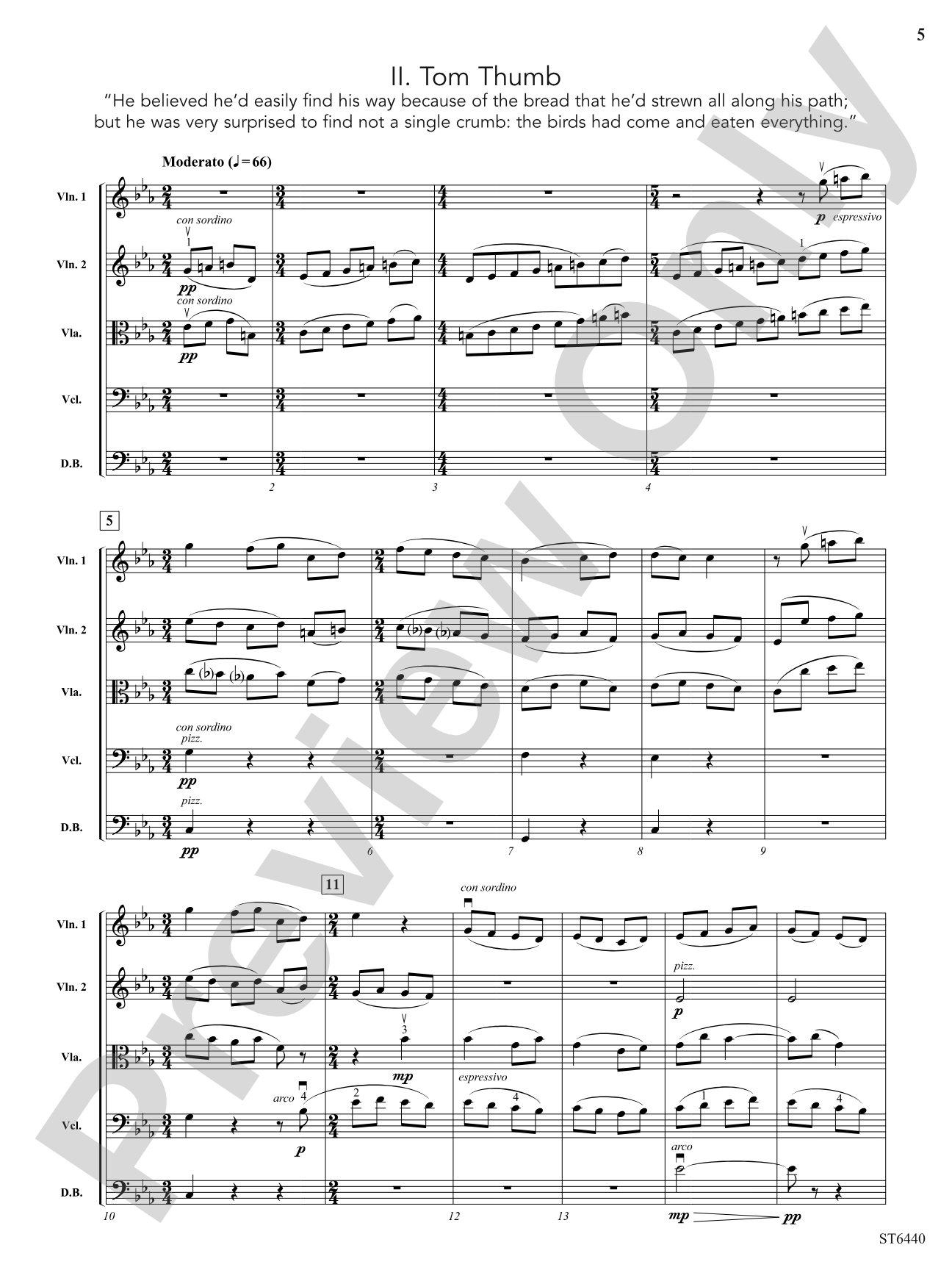
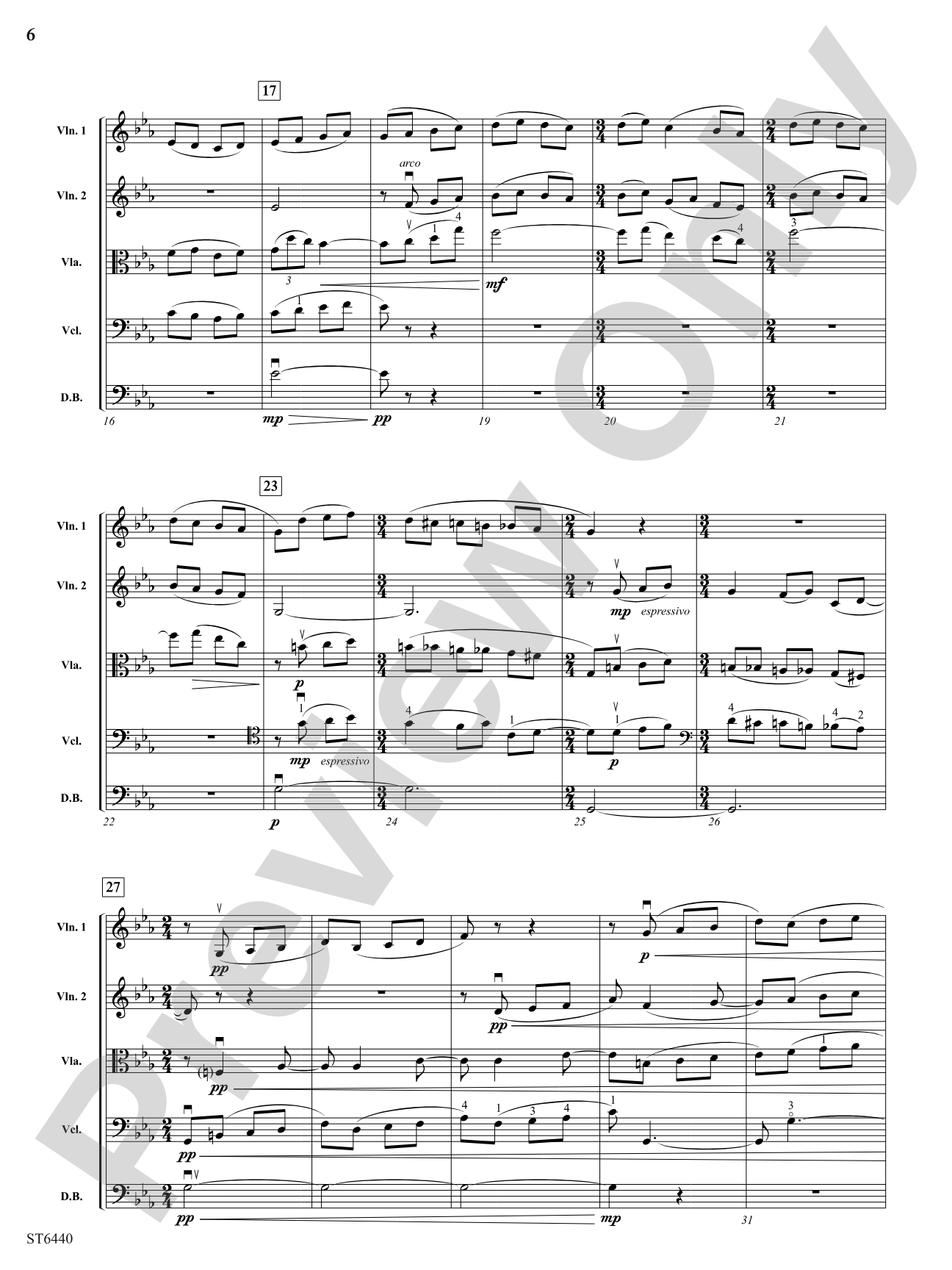
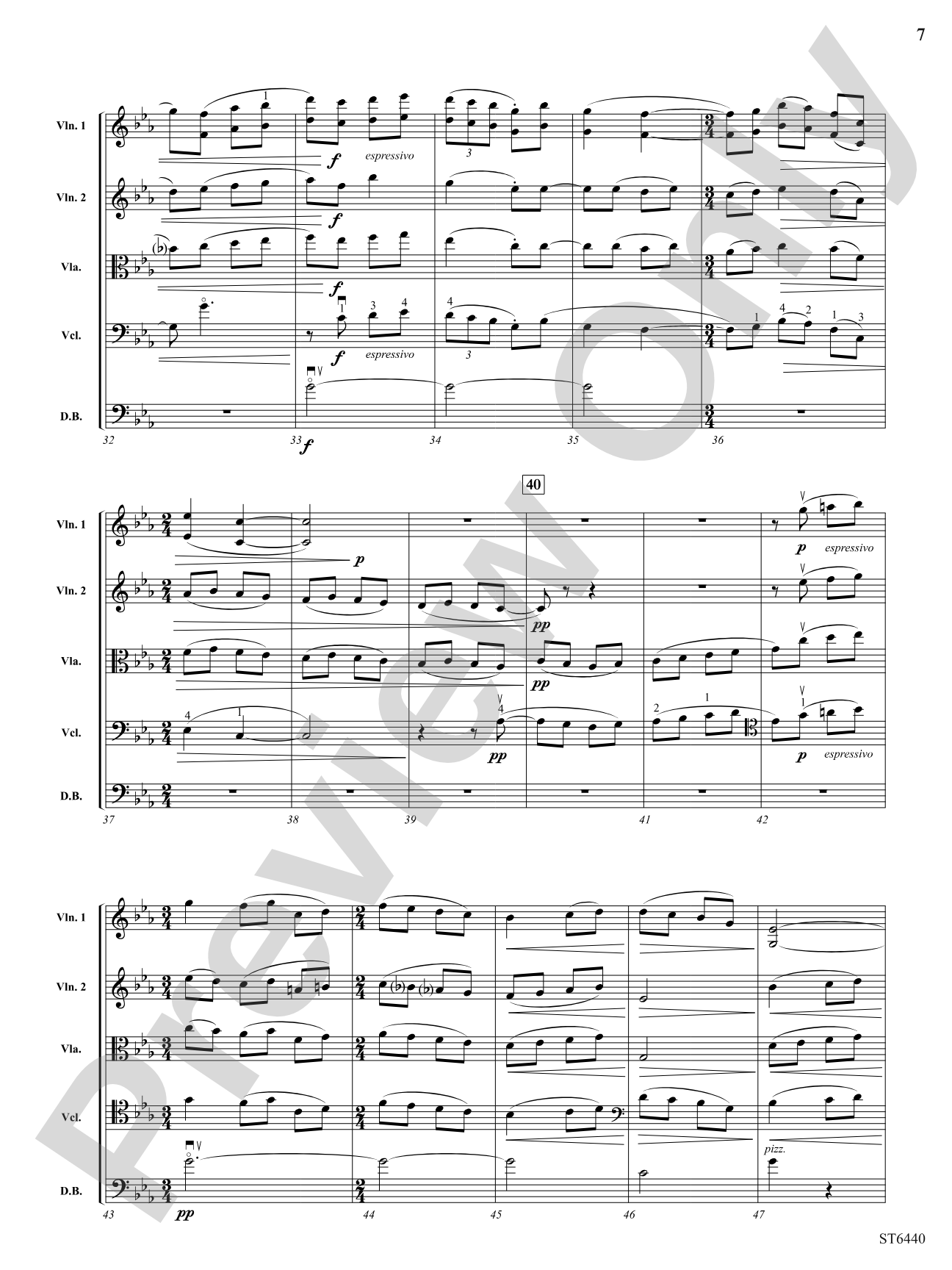
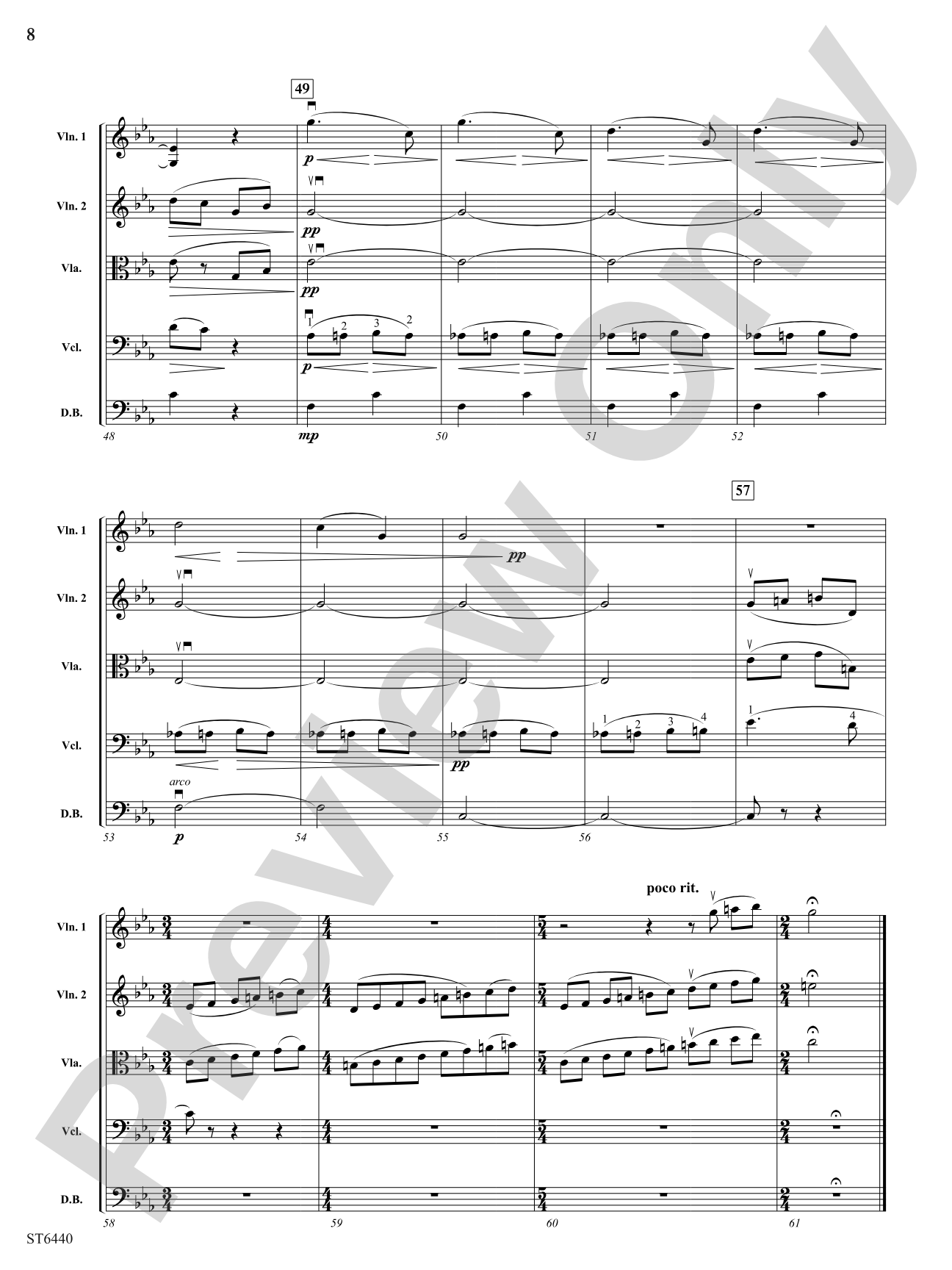
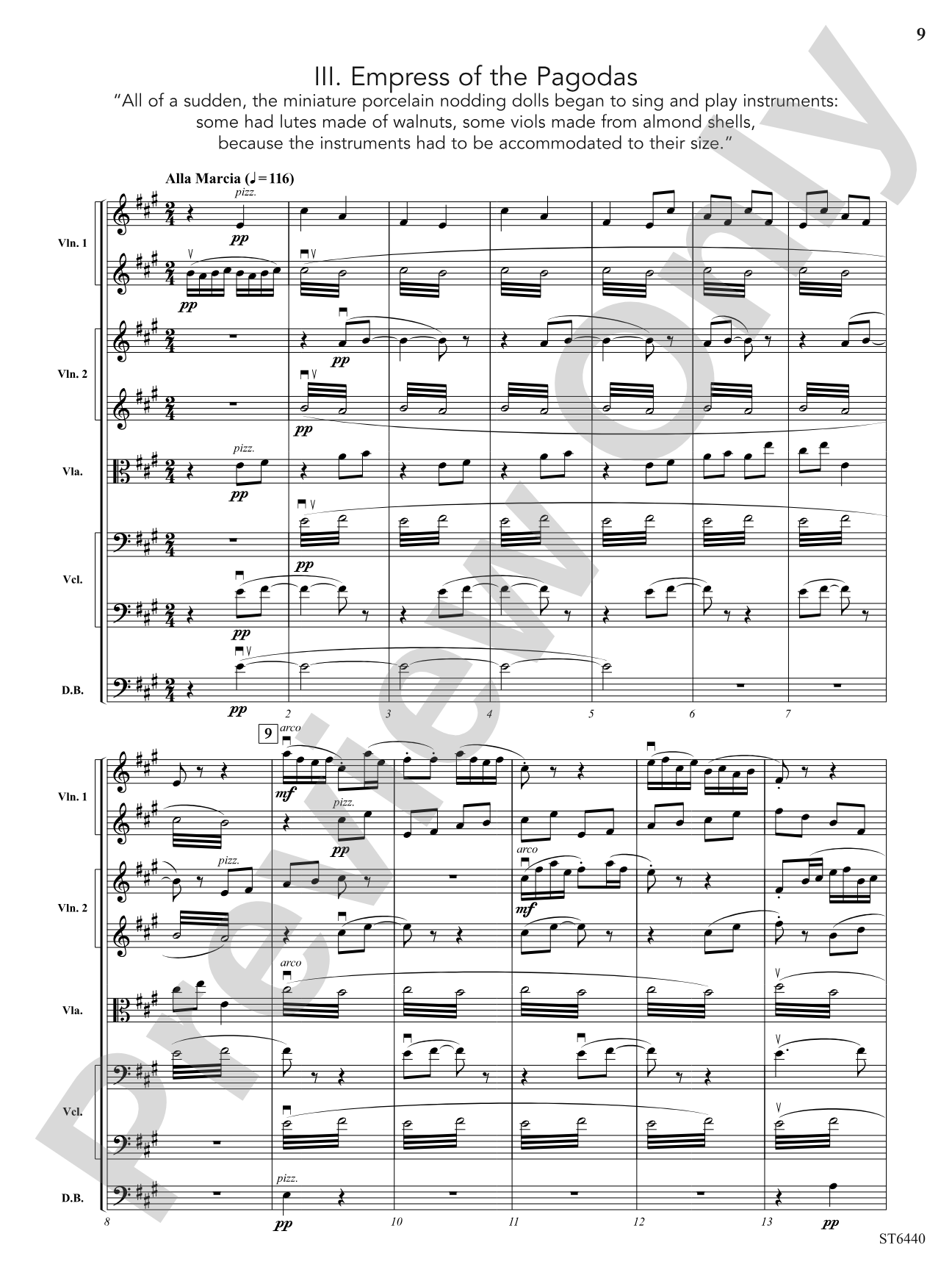
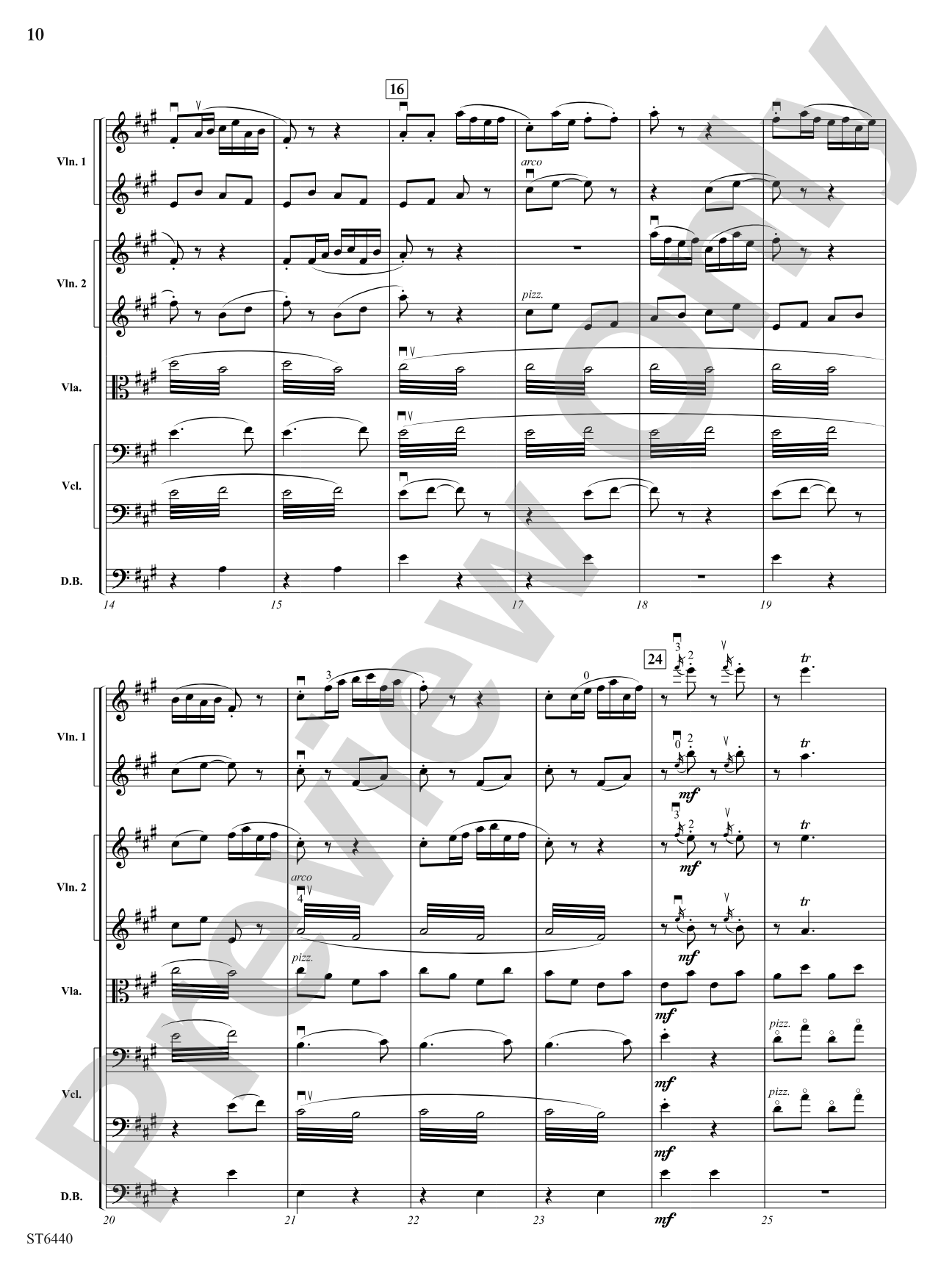
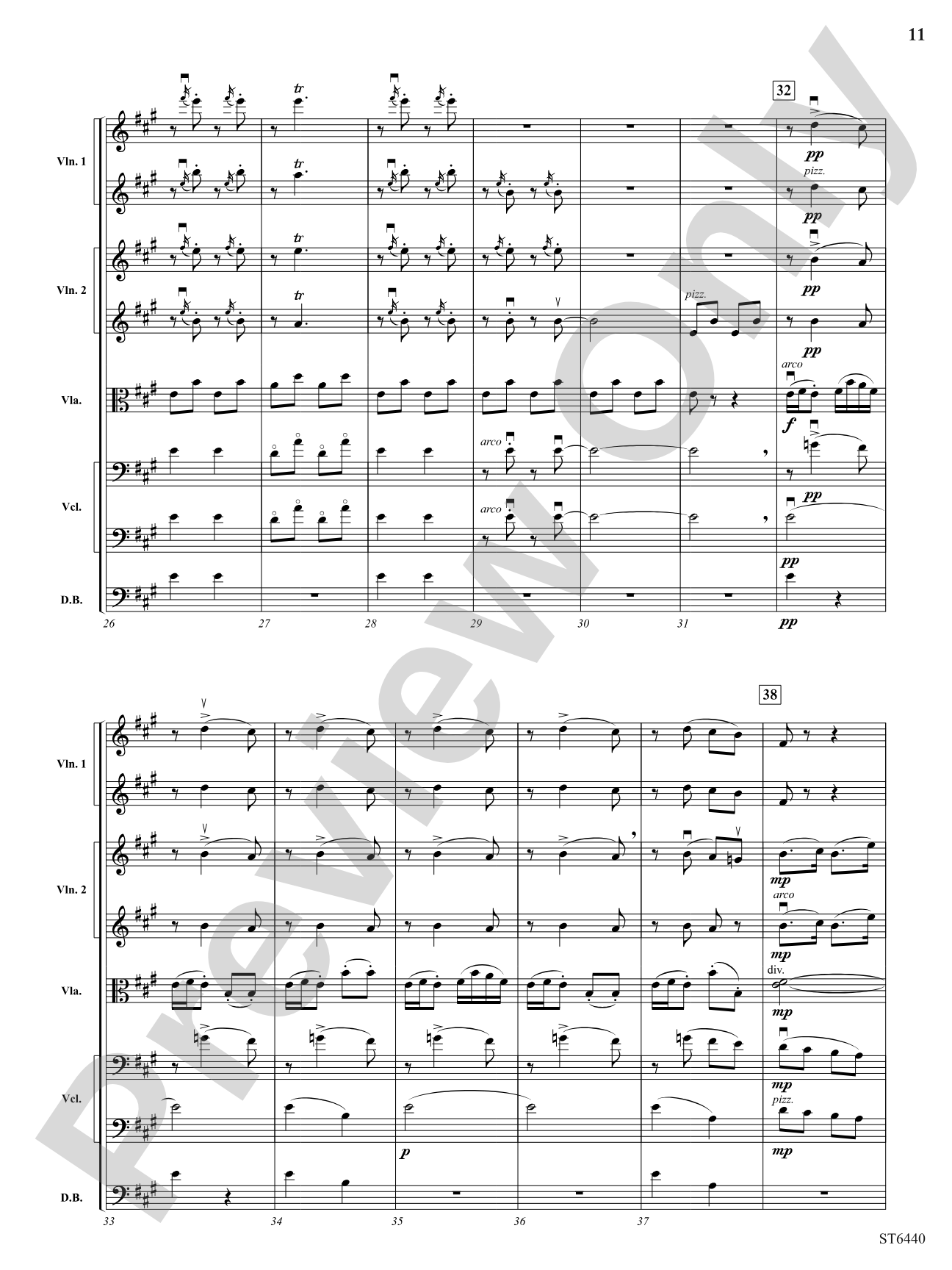
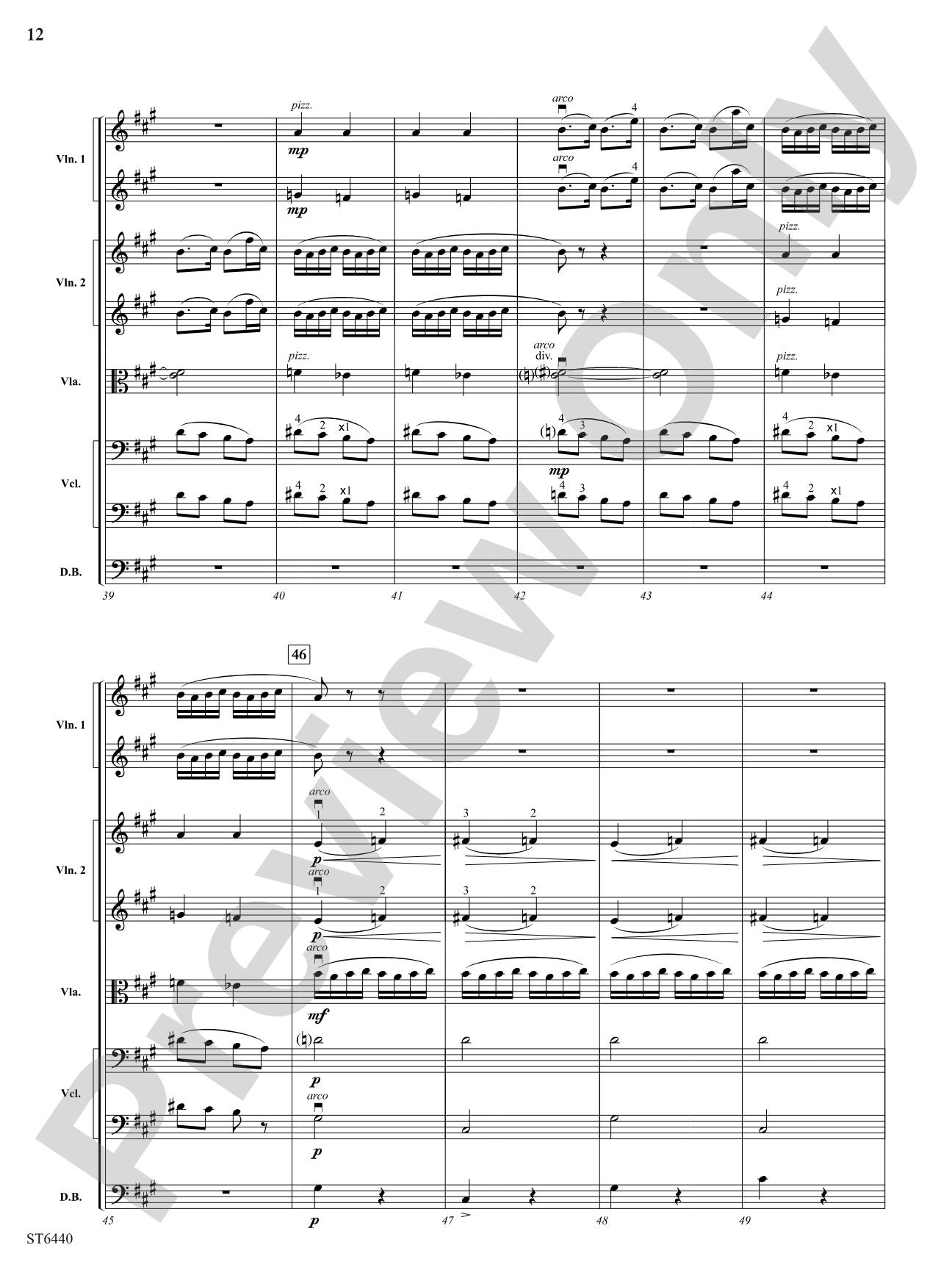
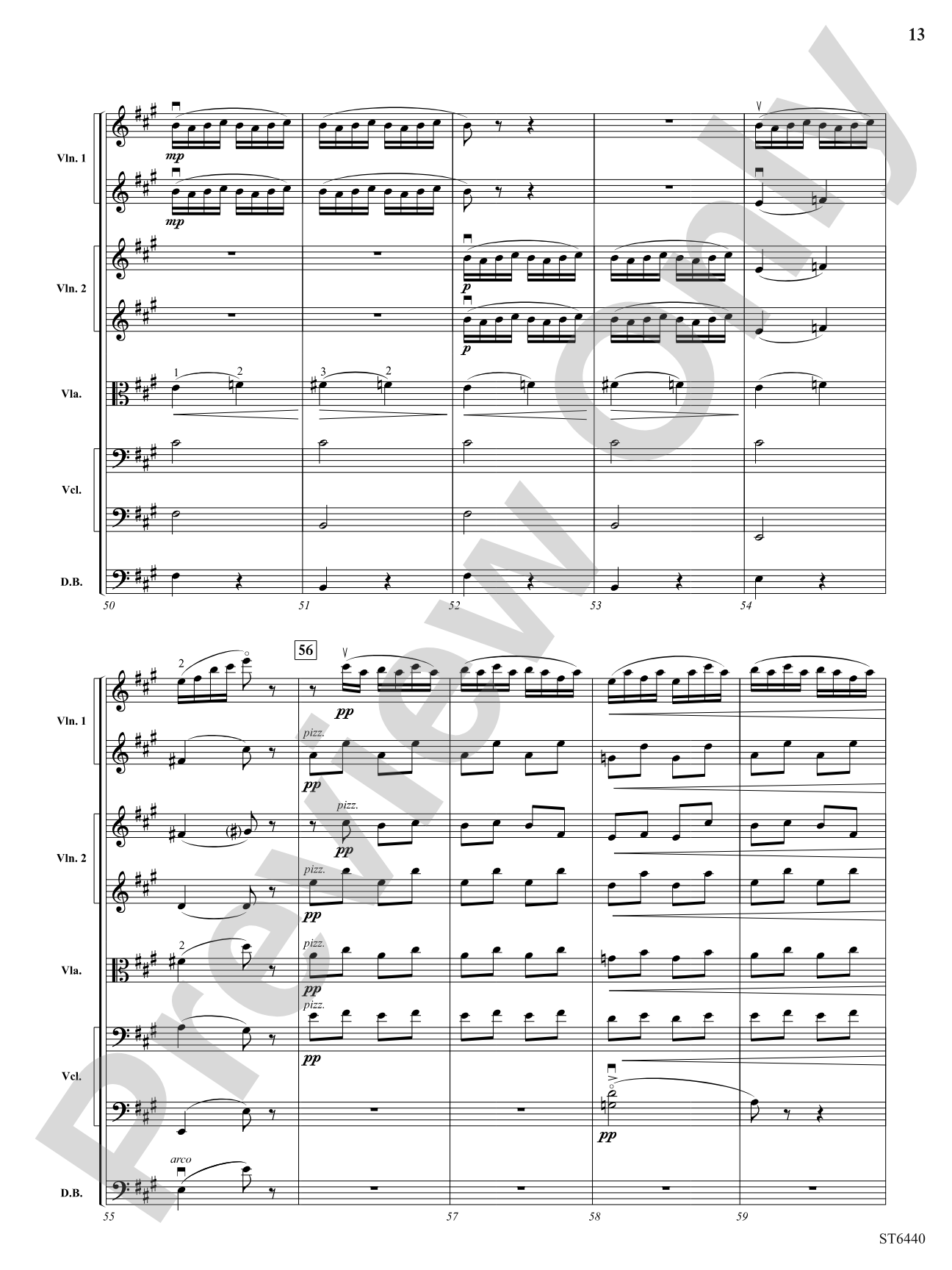
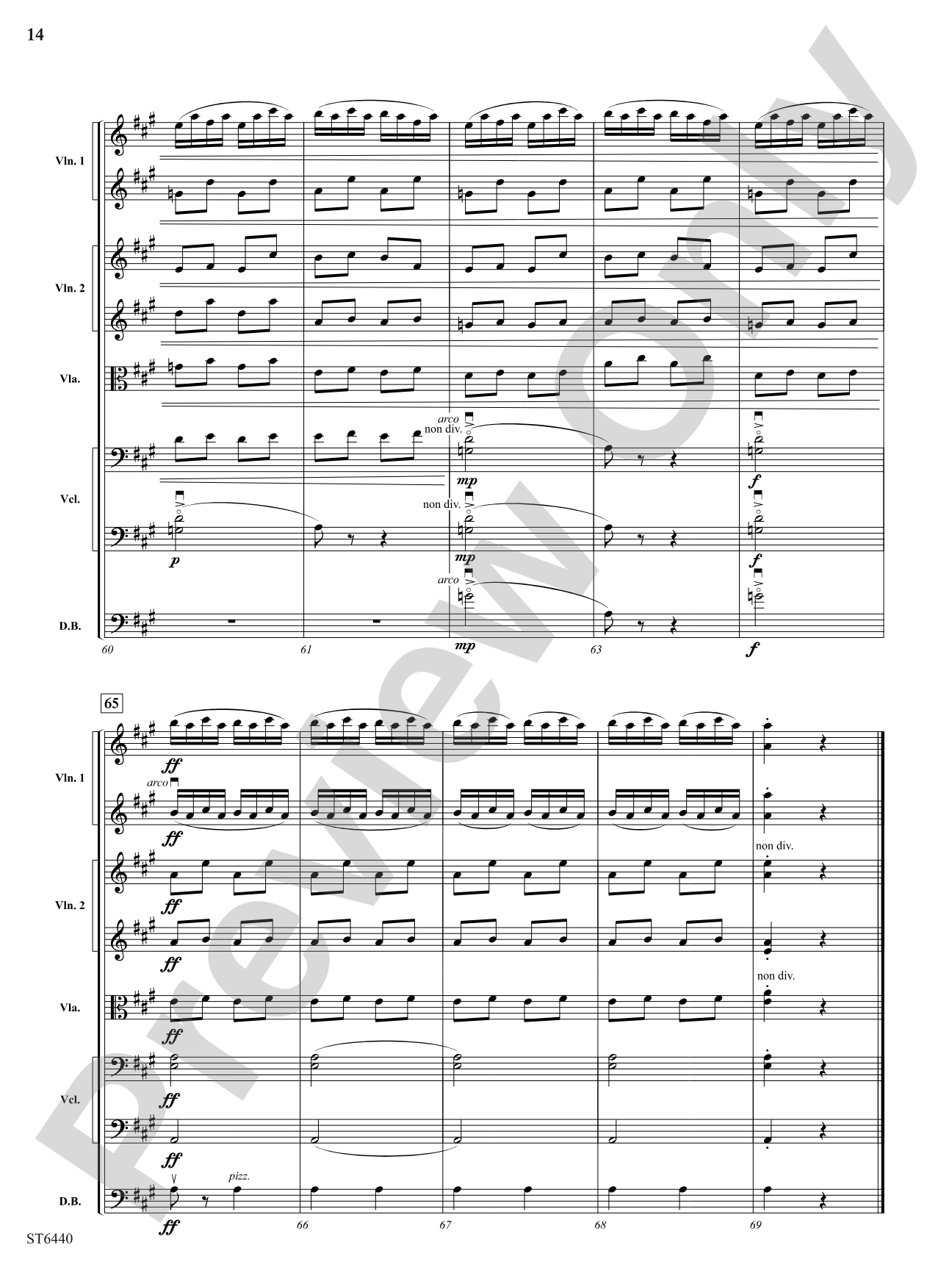
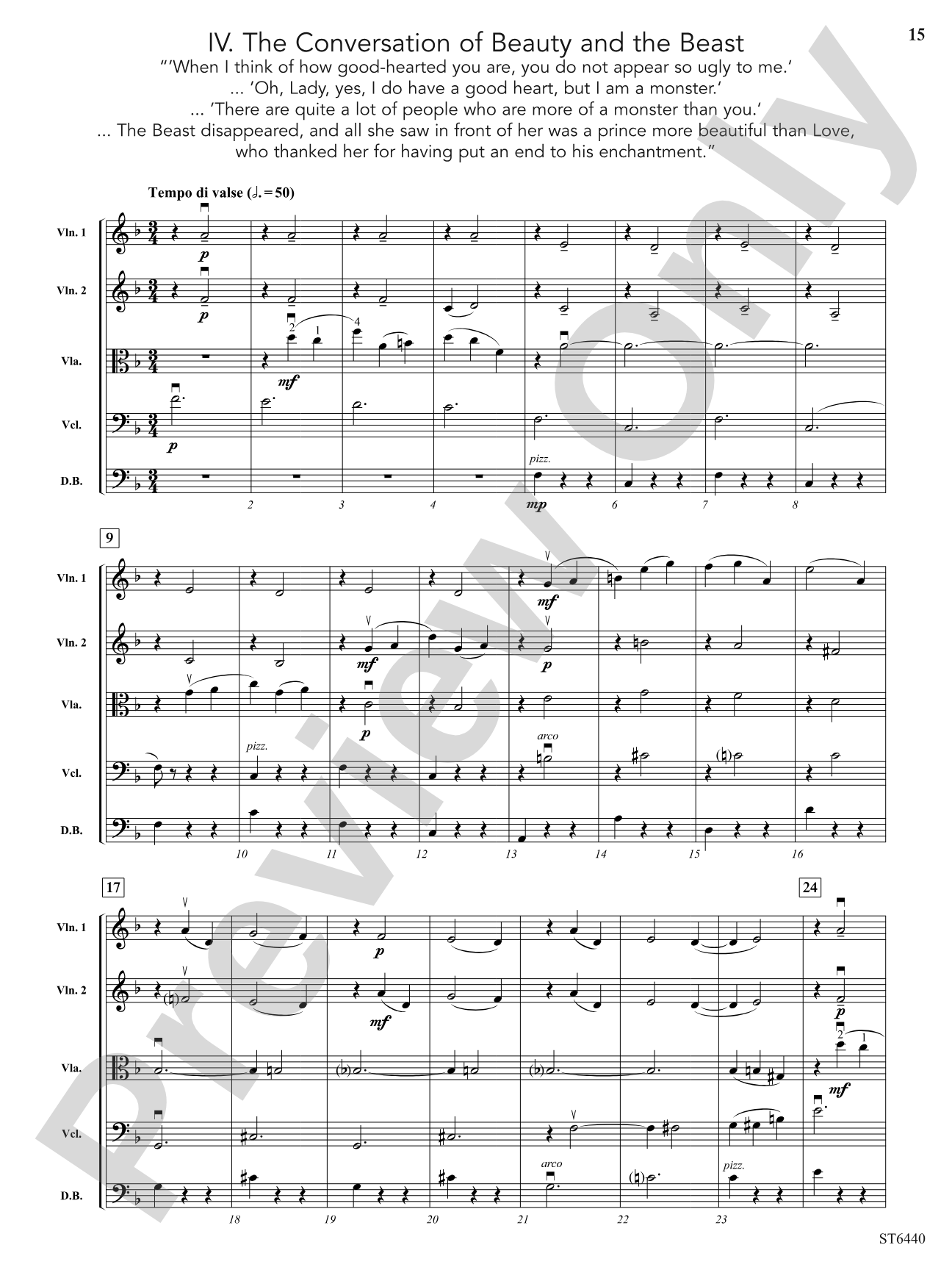
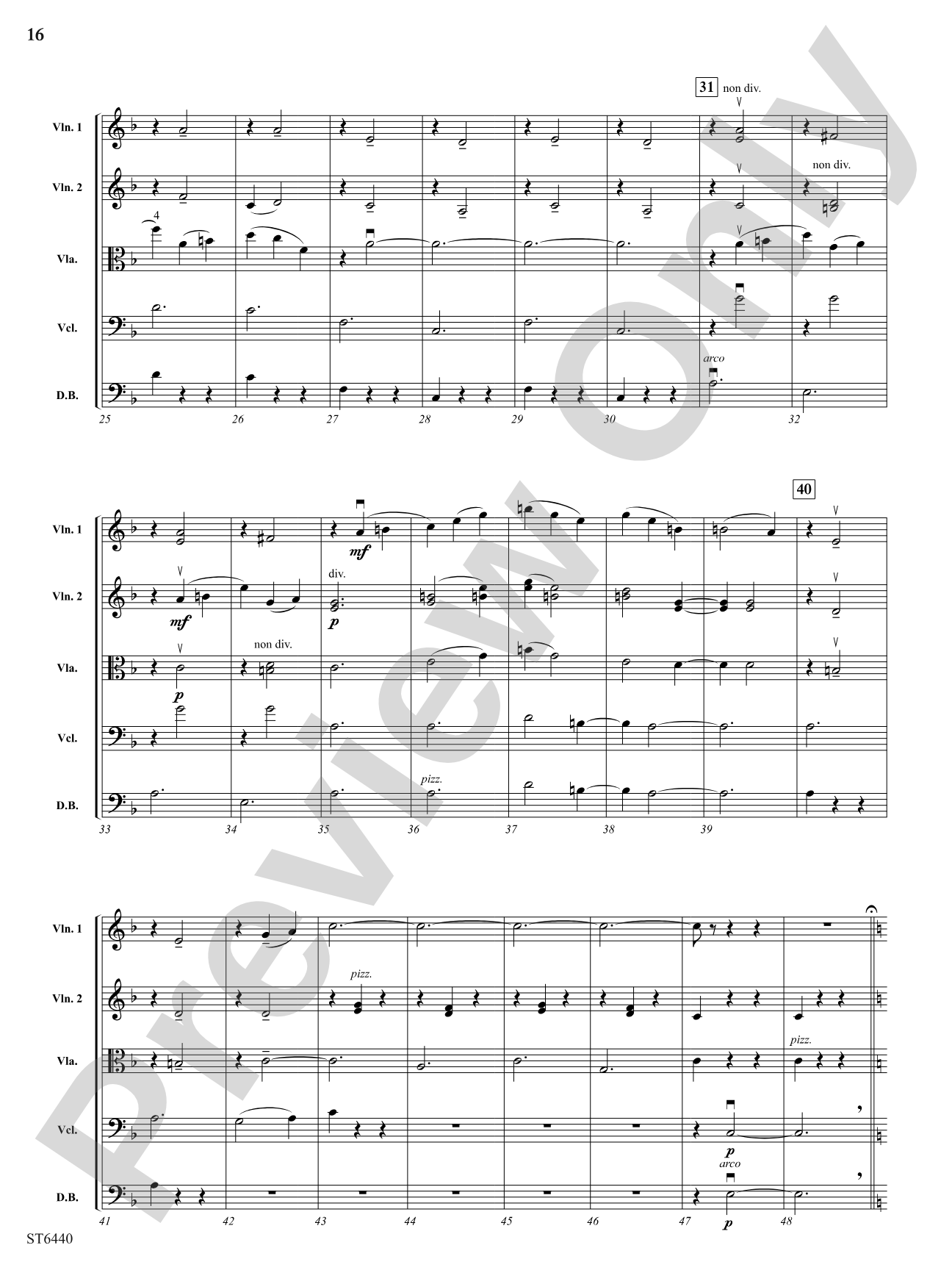
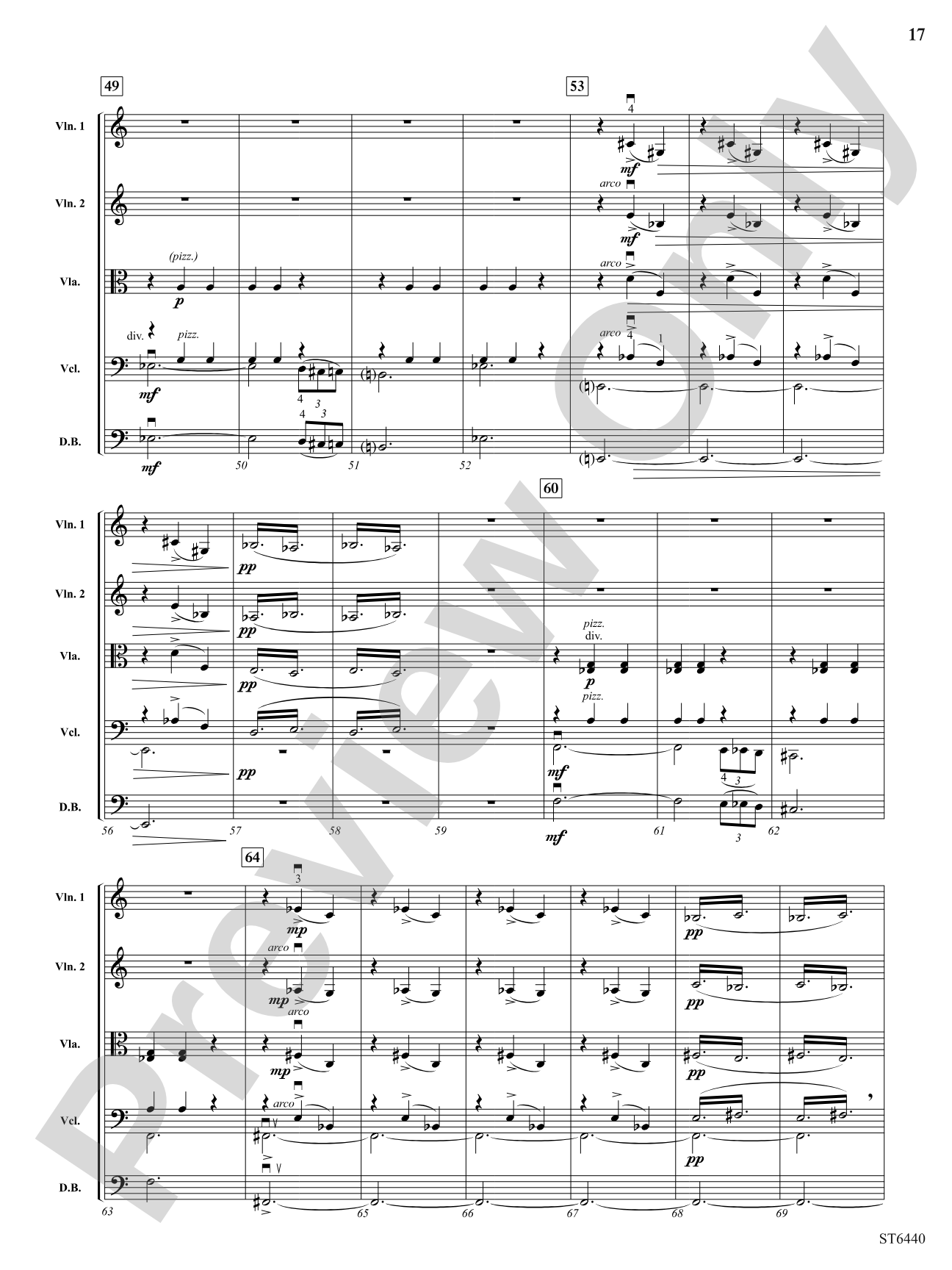
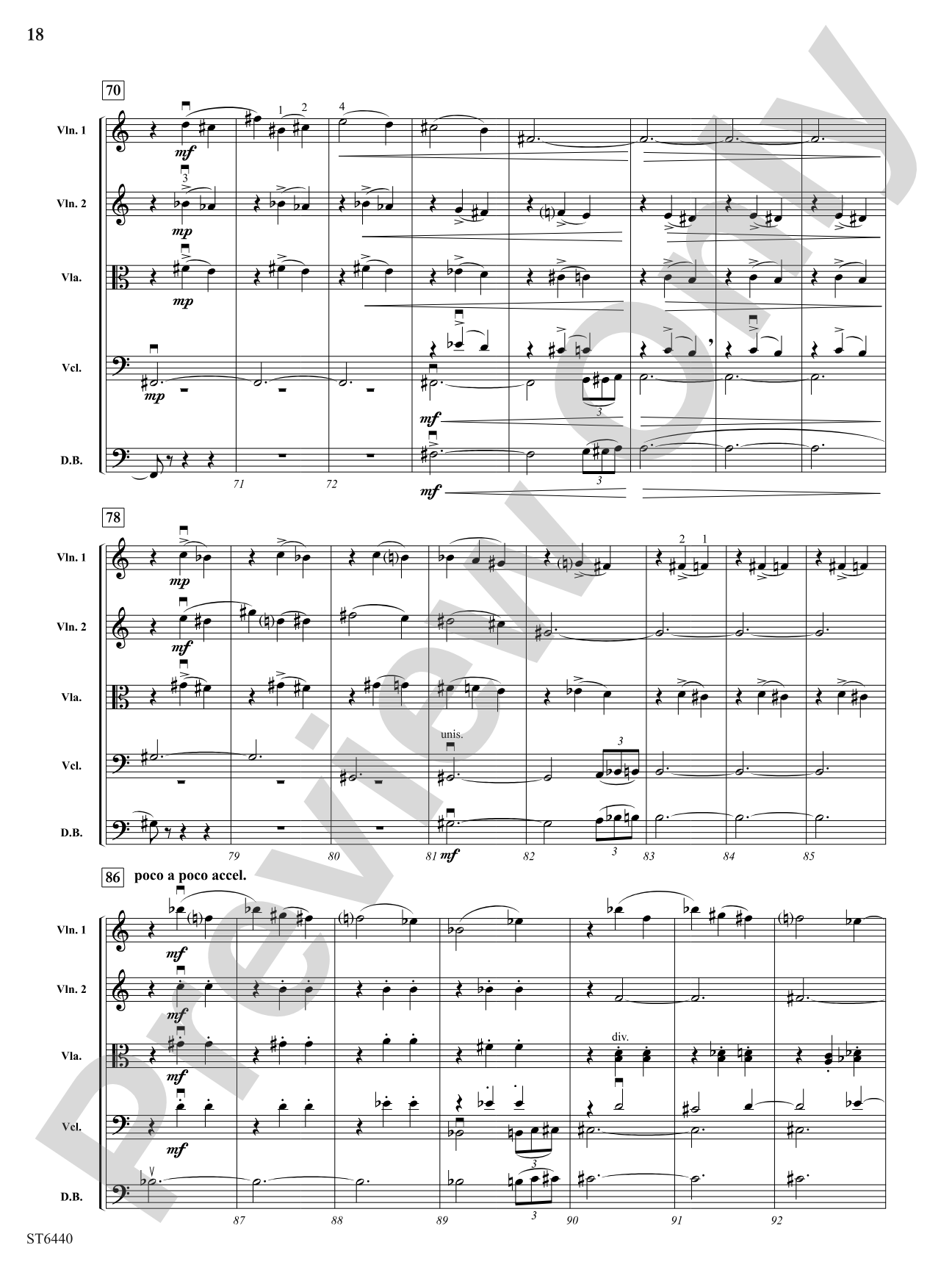
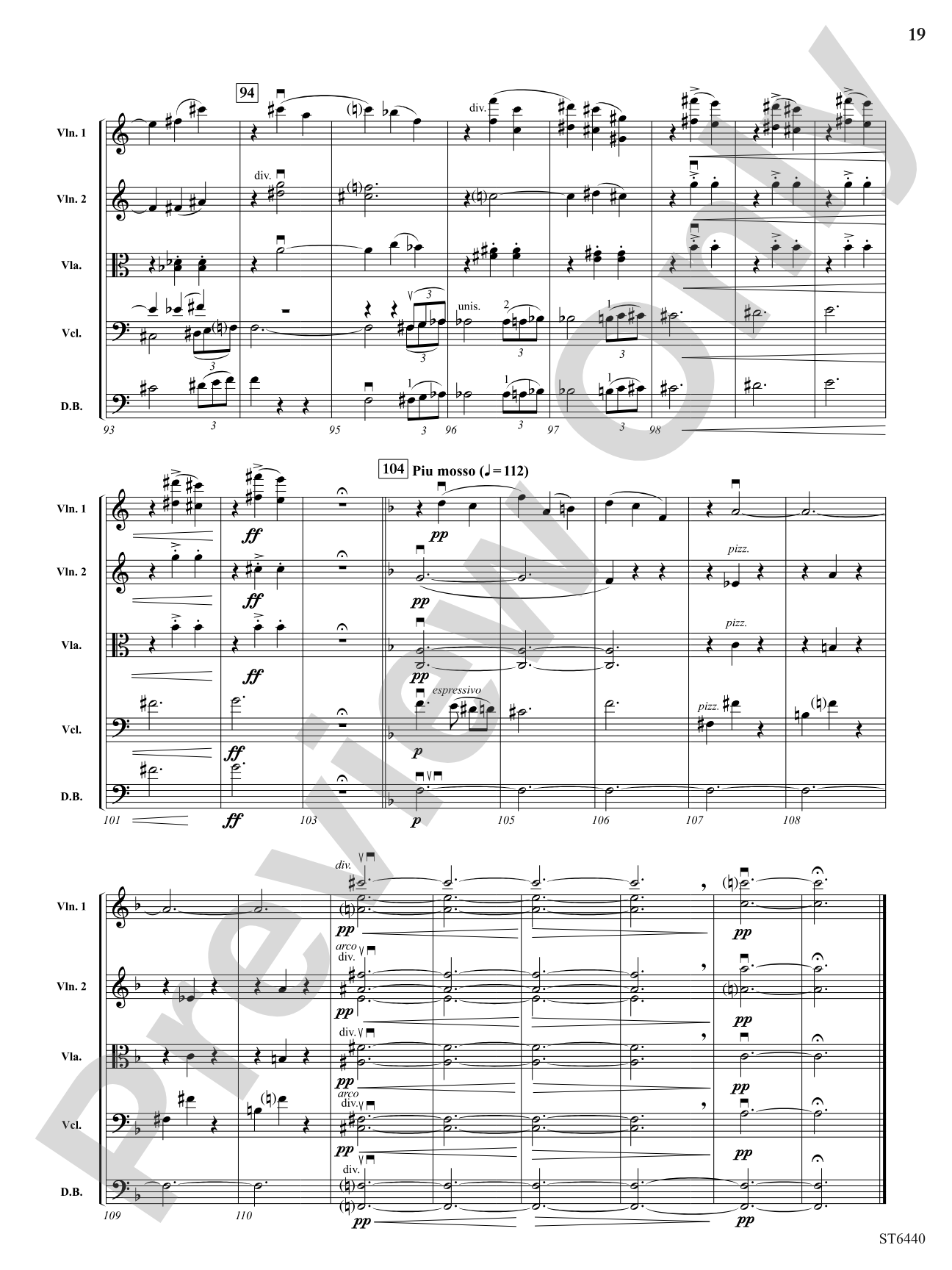
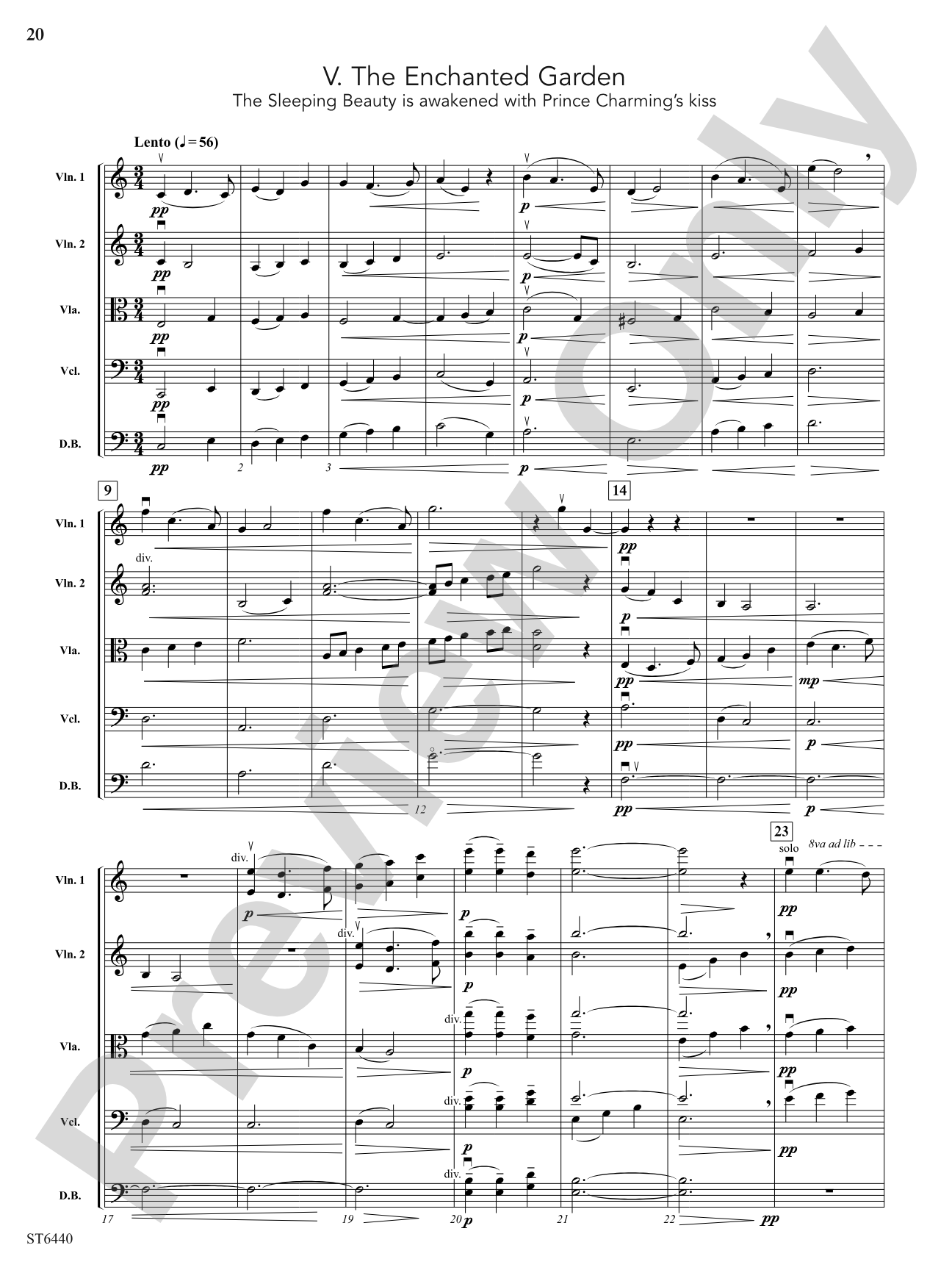
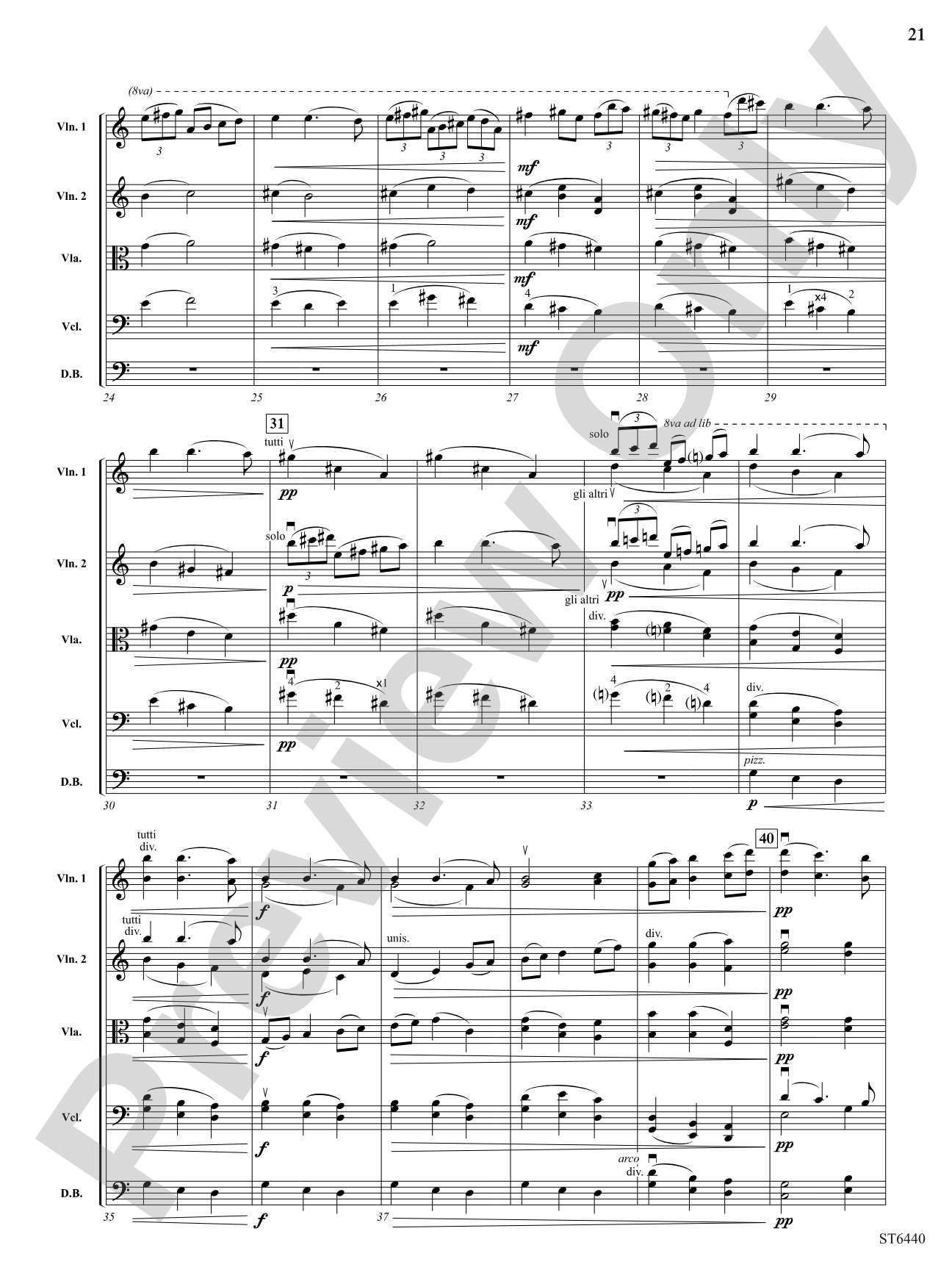
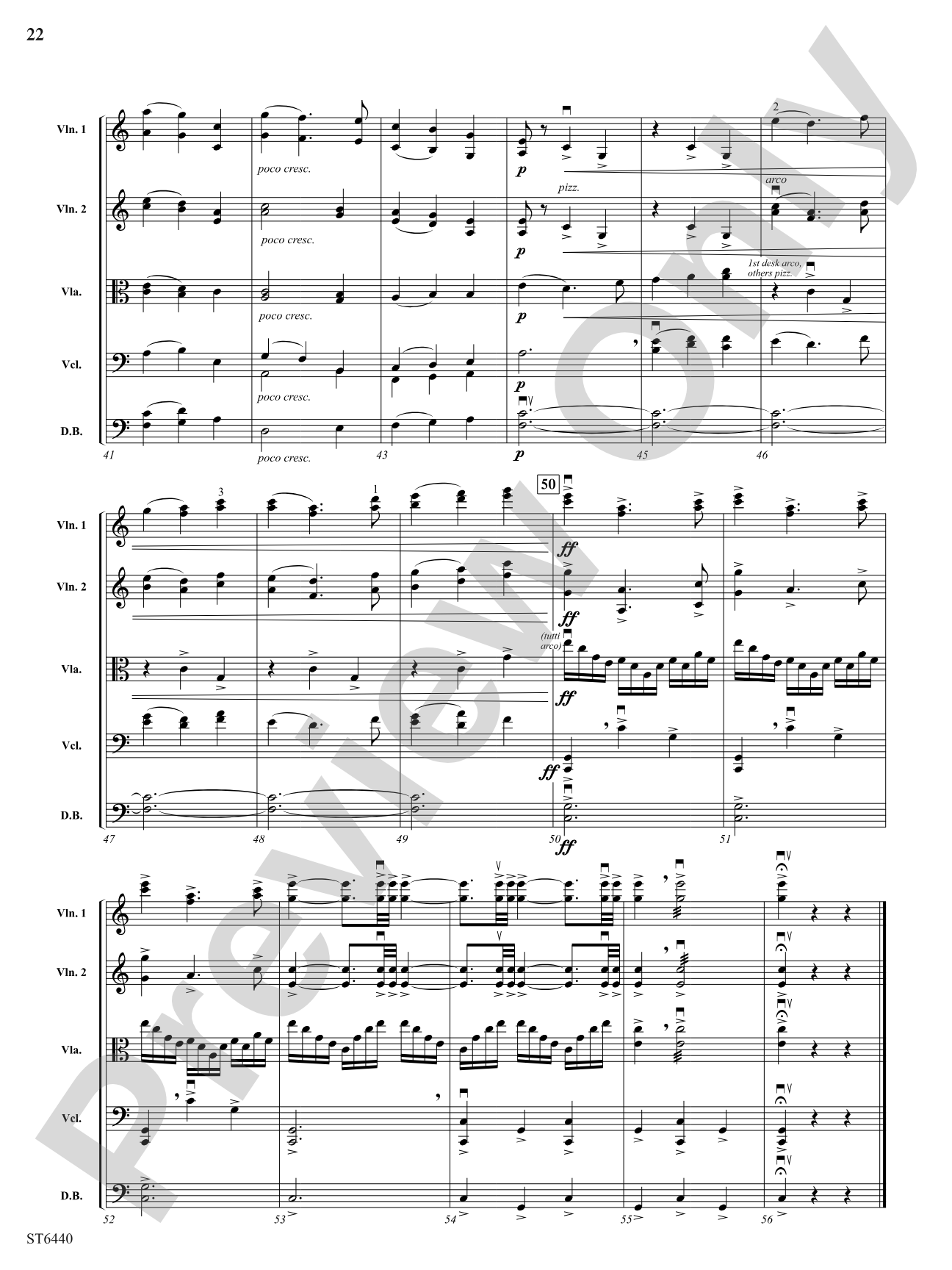

Mother Goose Suite: Score
By Maurice Ravel / arr. Carrie Lane Gruselle
Grade: 5
Item: 98-DST6440S
$7.00
Pickup currently not available
Description
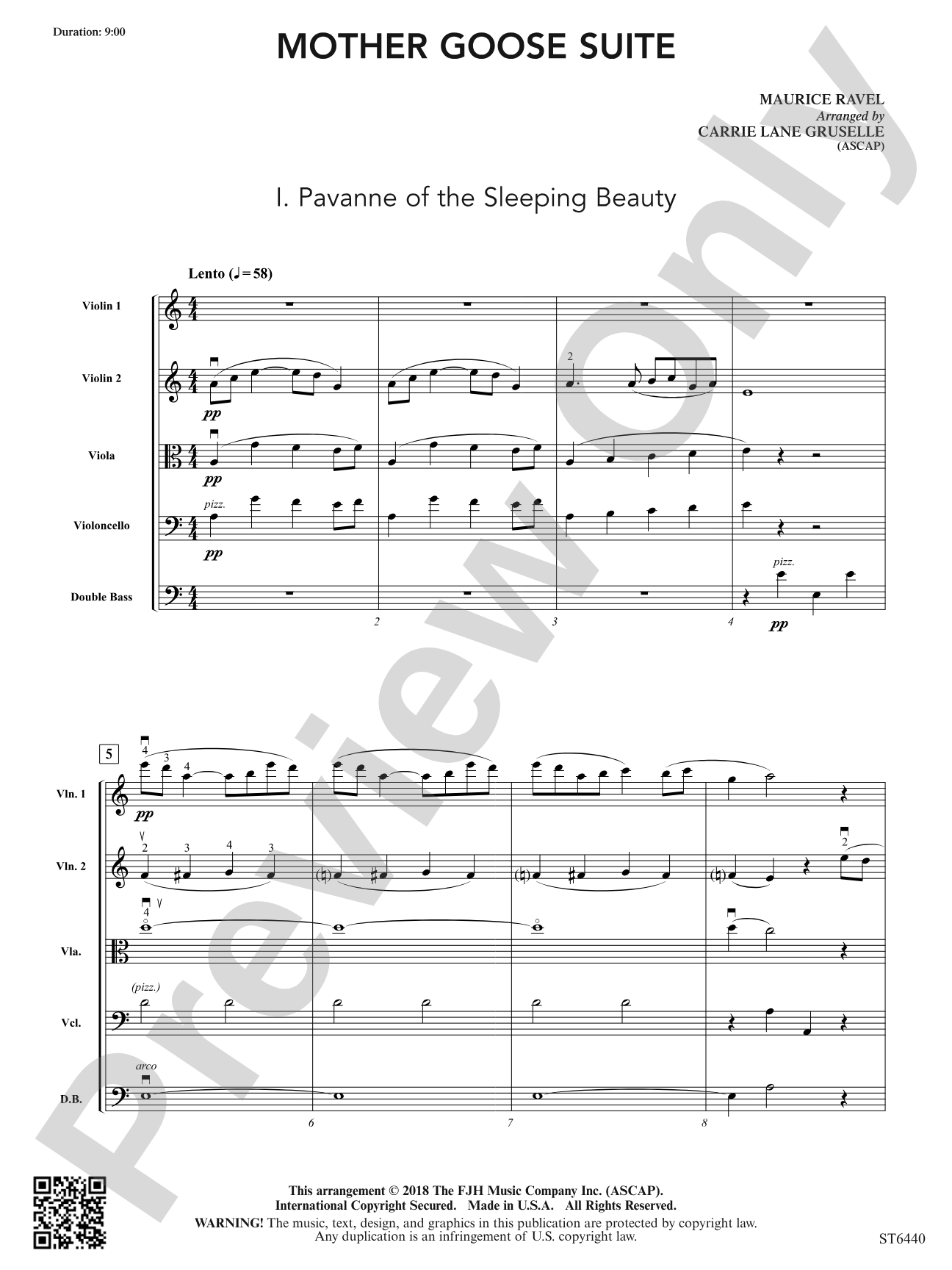
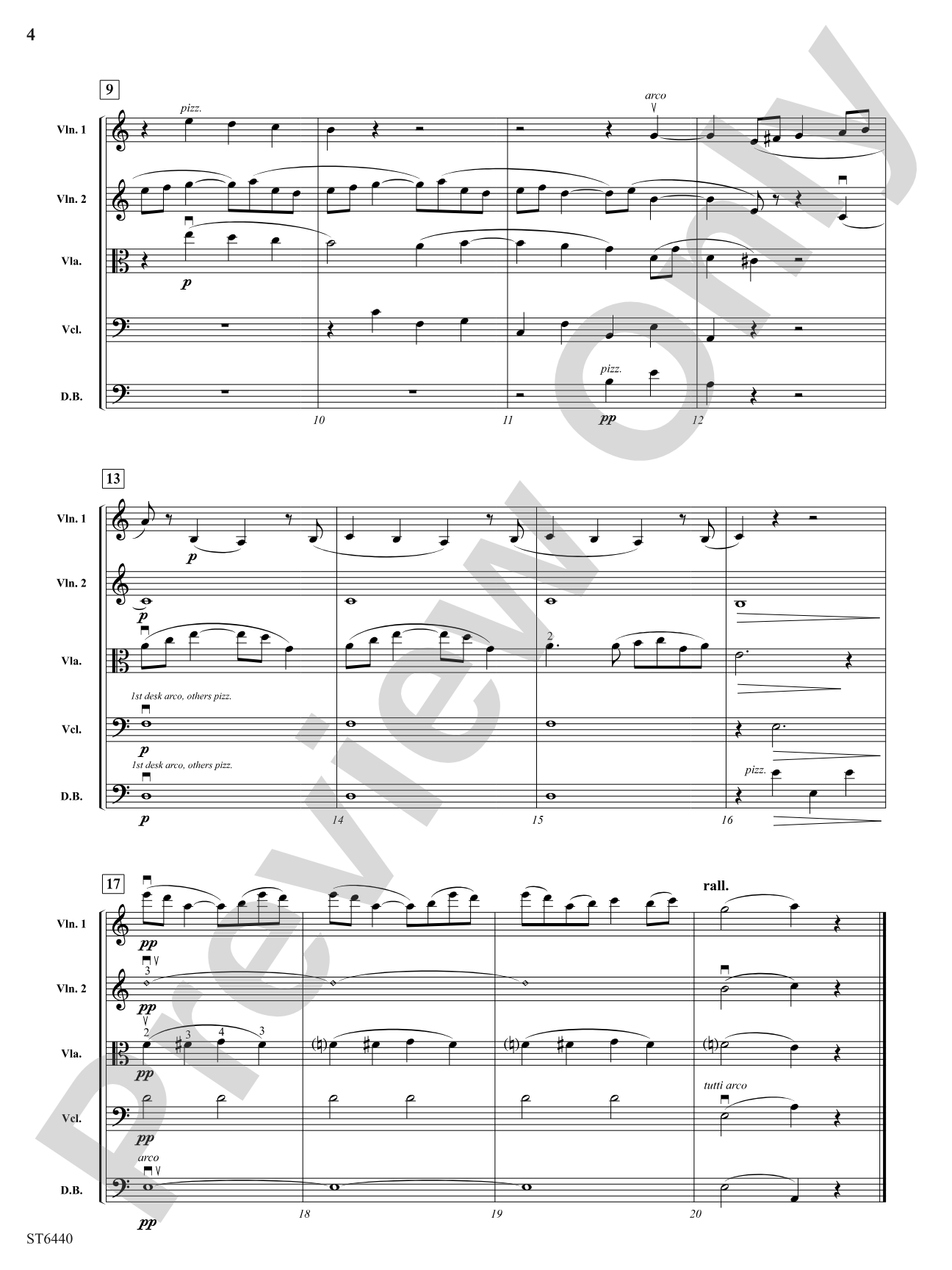
For the more advanced, yet young at heart musicians, Mother Goose Suite brings five French children's tales to life in this 20th century masterpiece. Ravel's signature sophisticated lushness combined with simple elegance is found in this abridged arrangement. The scenes described are: Pavanne of the Sleeping Beauty, Tom Thumb, Empress of the Pagodas, The Conversation of Beauty and the Beast, and The Enchanted Garden. An incredible centerpiece for your next concert.


Mother Goose Suite: Score isn't in MakeMusic Cloud just yet...but it could be. Let us know you'd like to see it, and you'll help shape what comes next. In the meantime, start a free trial and dive into thousands of interactive titles your students can play along with today.
Request This Title
Tell us you want it.
Start Your Free Trial
Explore everything that's ready to play right now.
Sample Audio
1
Audio File
--:--
0:00
0:00
Sample Video
Additional Details
Series:
FJH String Orchestra
Publisher:
The FJH Music Company, Inc.
SKU:
98-DST6440S
More about this title
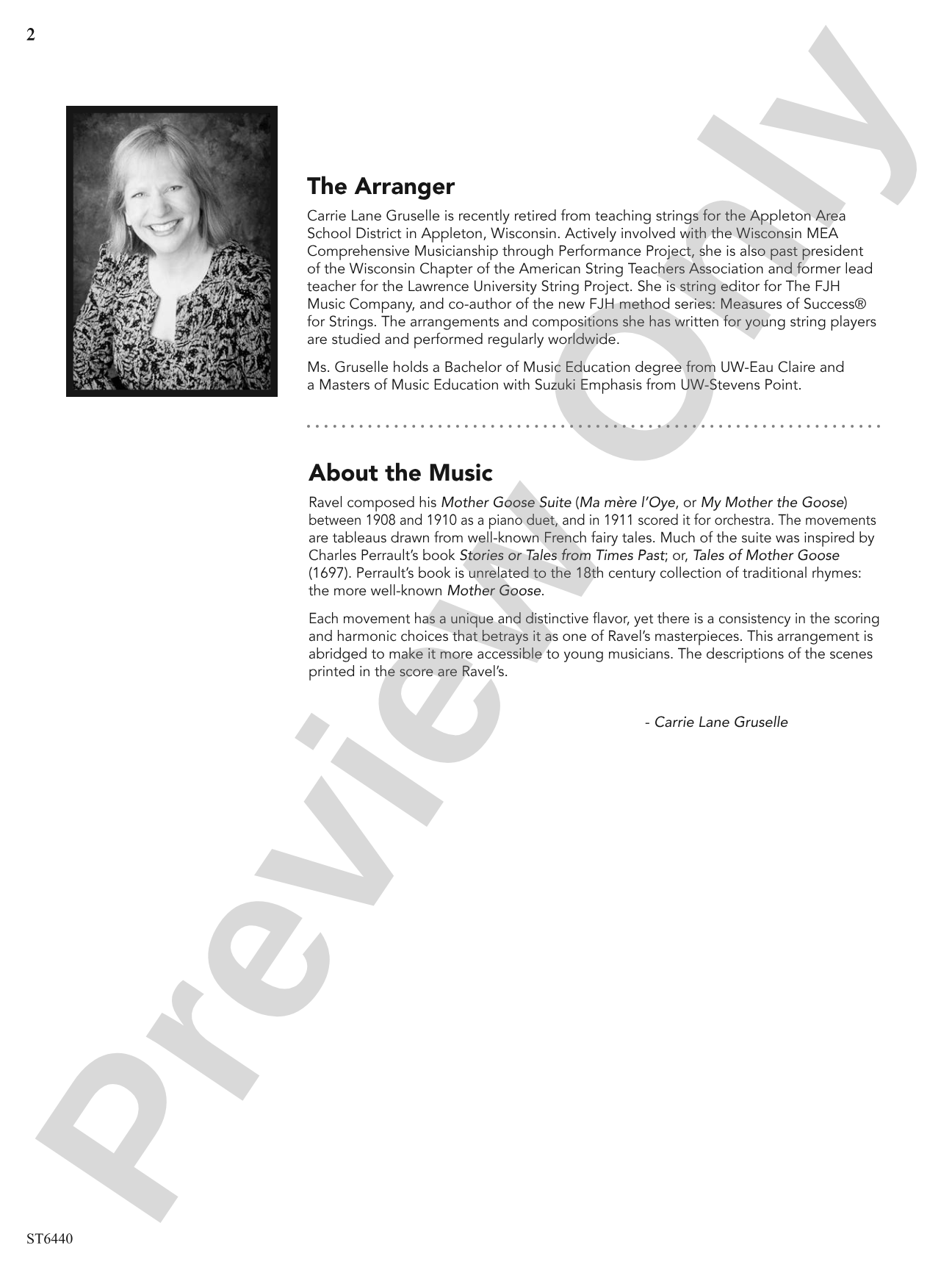
About the Composer: Maurice Ravel
Maurice Ravel (1875-1937) was a French composer whose orchestrations are studied as masterclasses in instrumental color and texture. His approach to the orchestra treated each instrument as a voice capable of singing, and his meticulous attention to balance and detail set a new standard for 20th-century orchestral writing. Ravel's music often drew from folk traditions, dance forms, and literary sources, transforming them into works of architectural precision and emotional restraint.
For music educators, Ravel's influence extends beyond concert halls into rehearsal rooms. His ability to make complex harmonies feel inevitable, his use of space and silence, and his gift for memorable melody make his works invaluable teaching tools. Young musicians studying Ravel learn that sophistication does not require complexity, and that accessibility can coexist with artistic ambition.
Why we love this
This arrangement captures everything that makes Mother Goose Suite a masterpiece while remaining grounded in what a Grade 5 string orchestra can actually deliver. Carrie Lane Gruselle has preserved Ravel's harmonic language and orchestral logic without compromising the work's essential character, giving your students access to genuine artistic substance rather than a sanitized version. Programming this sends a clear message to your ensemble: you are capable of serious repertoire.
What to expect
Delicate and intricate, like watching a music box containing five different stories, each with its own emotional temperature. The Sleeping Beauty moves with courtly grace; Tom Thumb darts and tumbles; the Empress shimmers in exotic color; Beauty and Beast trade phrases like dancers in a formal argument; the Garden blooms with magic and mystery. Throughout, Ravel's fingerprints are unmistakable: clean lines, unexpected harmonies that feel natural once heard, and an almost architectural sense of how sound should sit in space.
Who it's for
Advanced middle school and high school string orchestras ready to engage with 20th-century musical language without abandoning melodic accessibility. This work suits programs that value literary and narrative contexts alongside musical development, and ensembles whose conductors believe their students deserve encounters with major composers rather than perennial beginner-level standards.
How to get the most out of it
- Balance the four-part string writing so inner voices carry harmonic weight. Too often arrangers reduce accompaniment to simple rhythmic figures; here, violas and second violins often have the most interesting melodic fragments.
- Shape each movement as a miniature dramatic arc rather than a sequence of scenes. The transitions matter as much as the themes themselves.
- Attend closely to Ravel's textural shifts. When he moves from thick to sparse orchestration, let the silence breathe; don't rush to fill it.
- Coordinate bowing carefully between parts so that articulations support the harmonic flow rather than fragmenting it. Ravel's sophistication is partly about how individual string lines nest together.
How to use it
Position this as a concert anchor rather than an opening or closer. Its narrative structure and moderate length make it ideal as a centerpiece, allowing you to frame it with contrasting repertoire on either side. Pair it with a baroque suite or contemporary work to highlight how Ravel's approach to orchestration differs fundamentally from earlier eras.
Skills your students will build
- Balancing inner voices within four-part string writing
- Executing precise rhythmic coordination across multiple simultaneous figures
- Sustaining tone quality through harmonic shifts and textural changes
- Understanding 20th-century harmonic language and how dissonance functions in context
- Responding to subtle conductorial gestures that shape phrase contours
- Reading and executing rhythmic diversity (mixed meters, syncopation, cross-rhythms)