
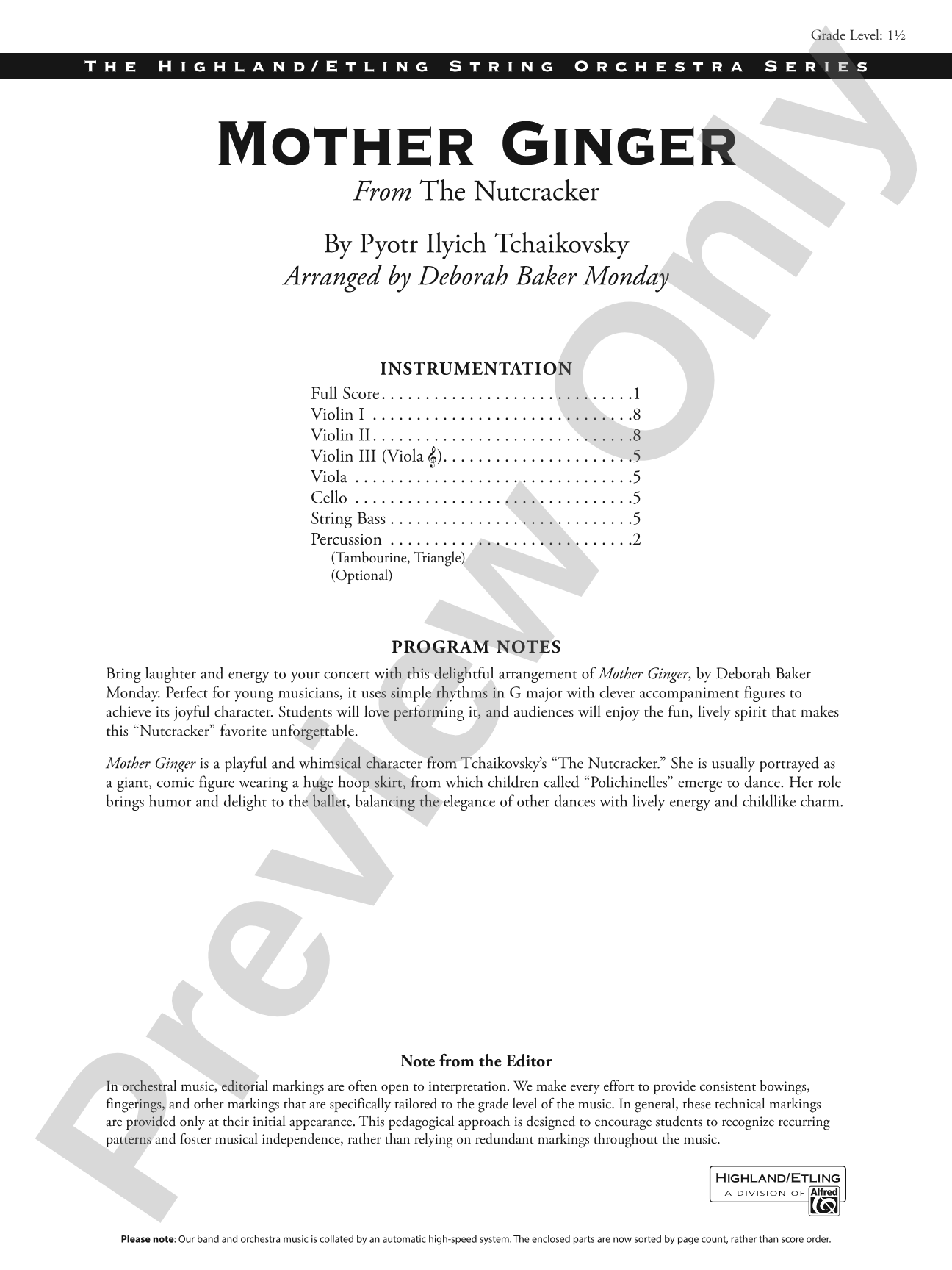
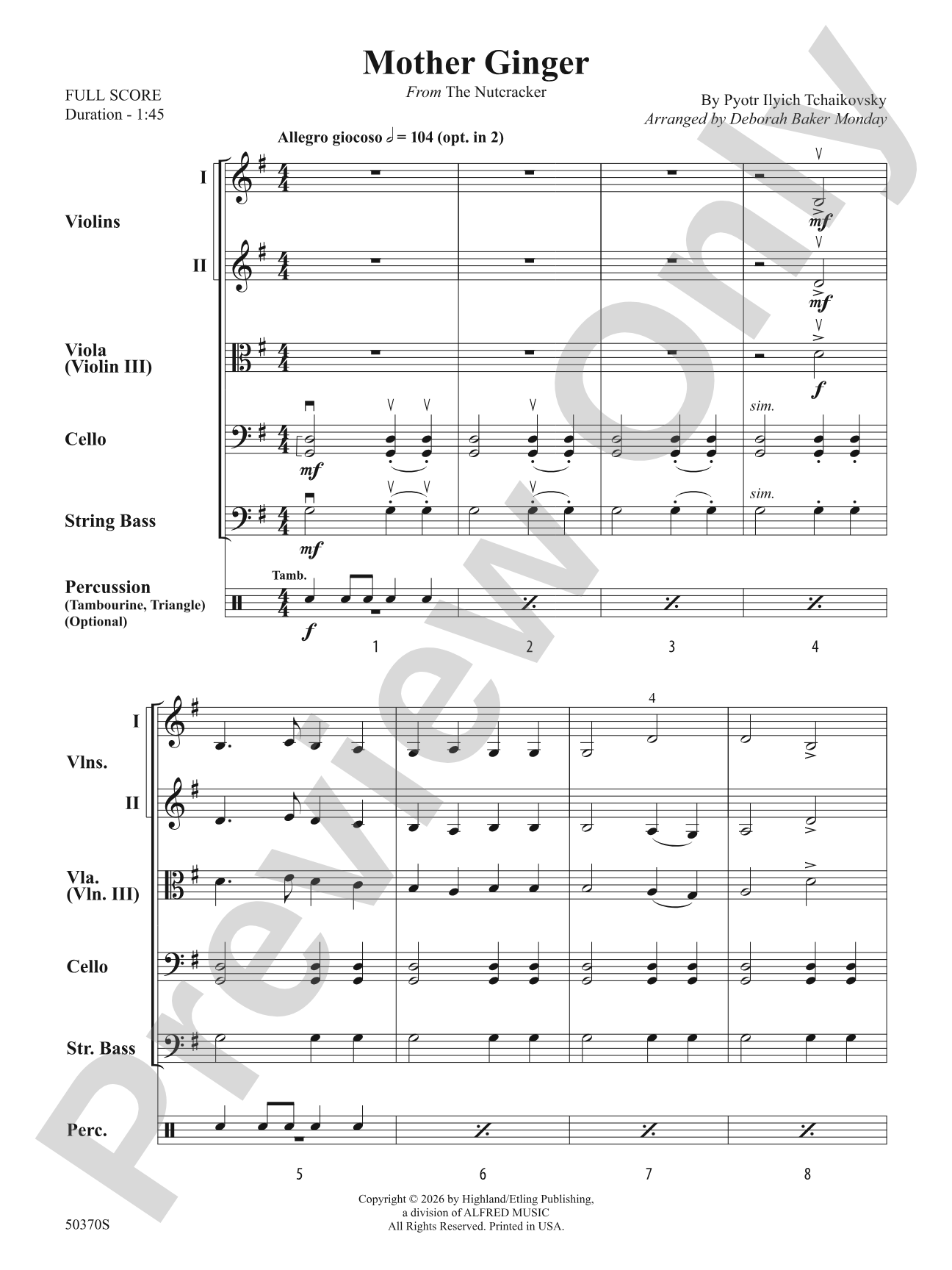
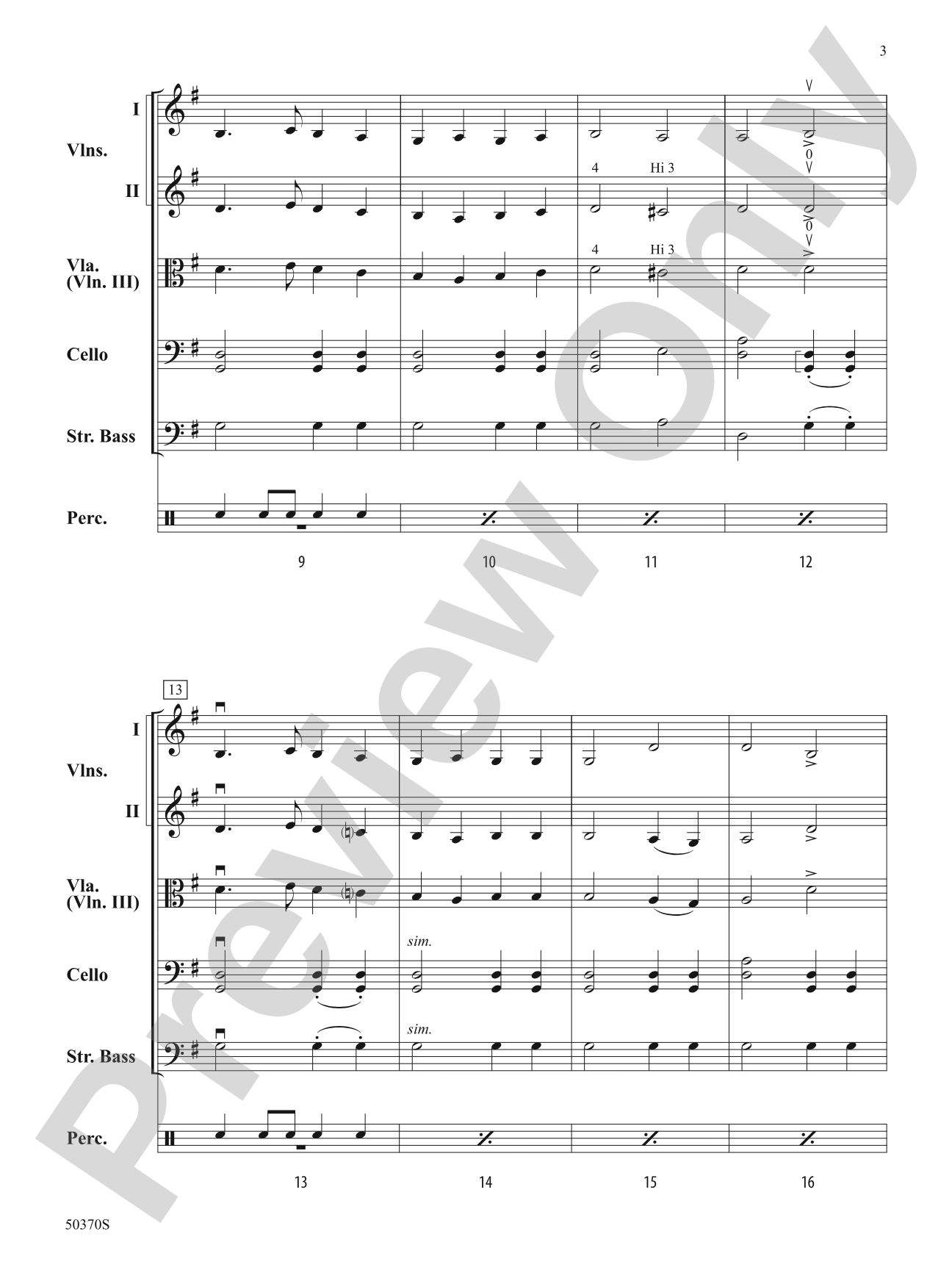
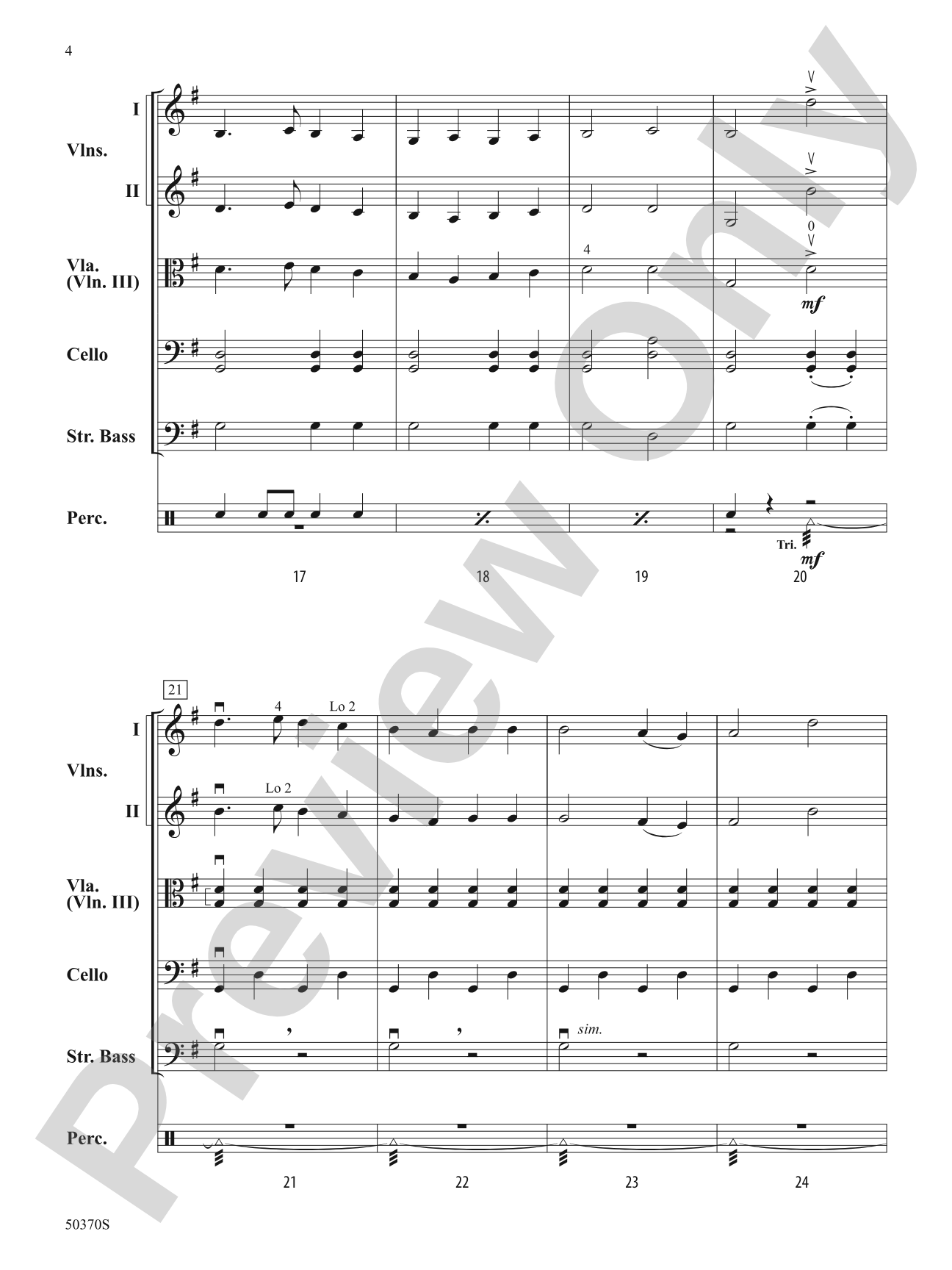
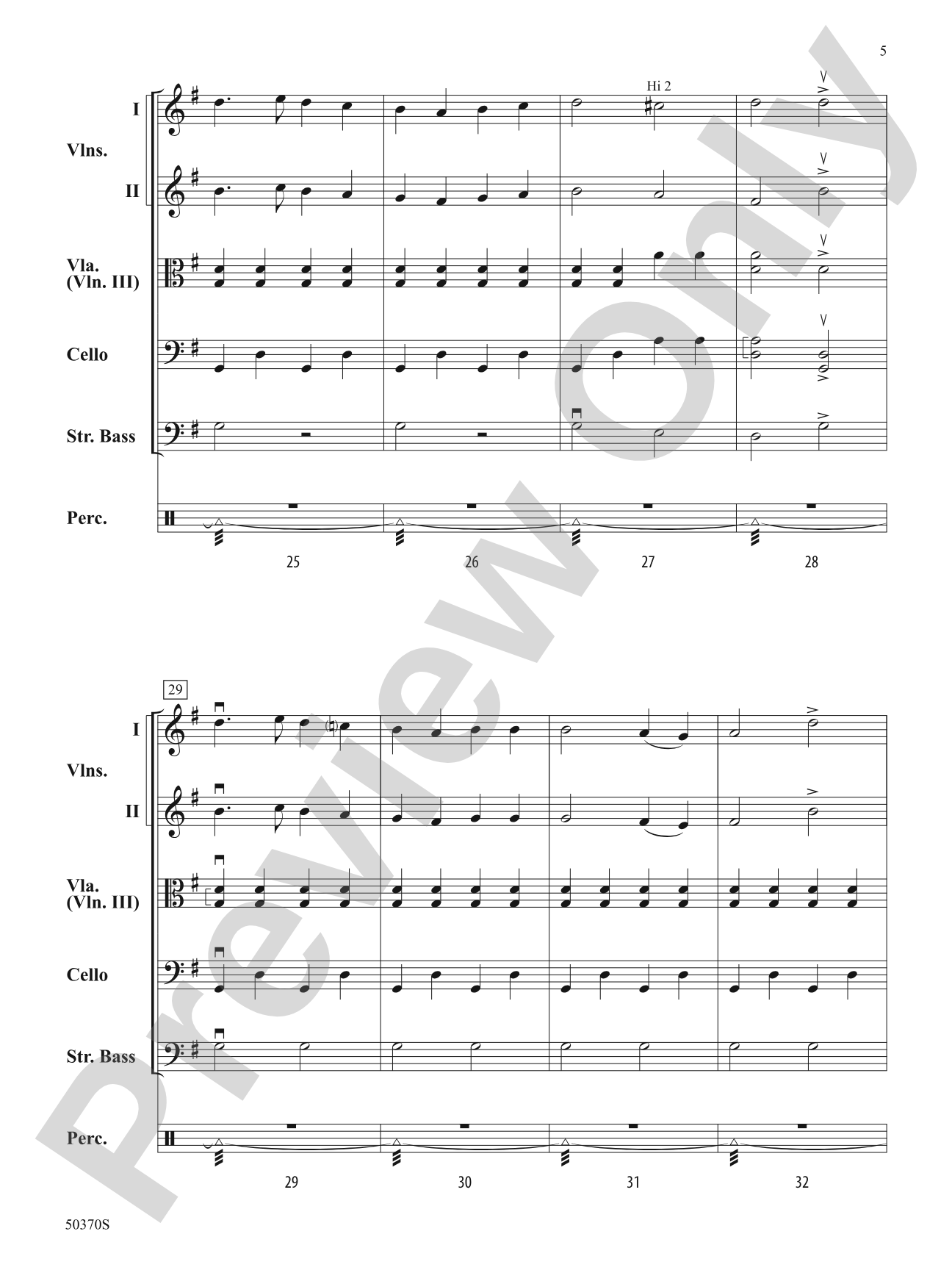
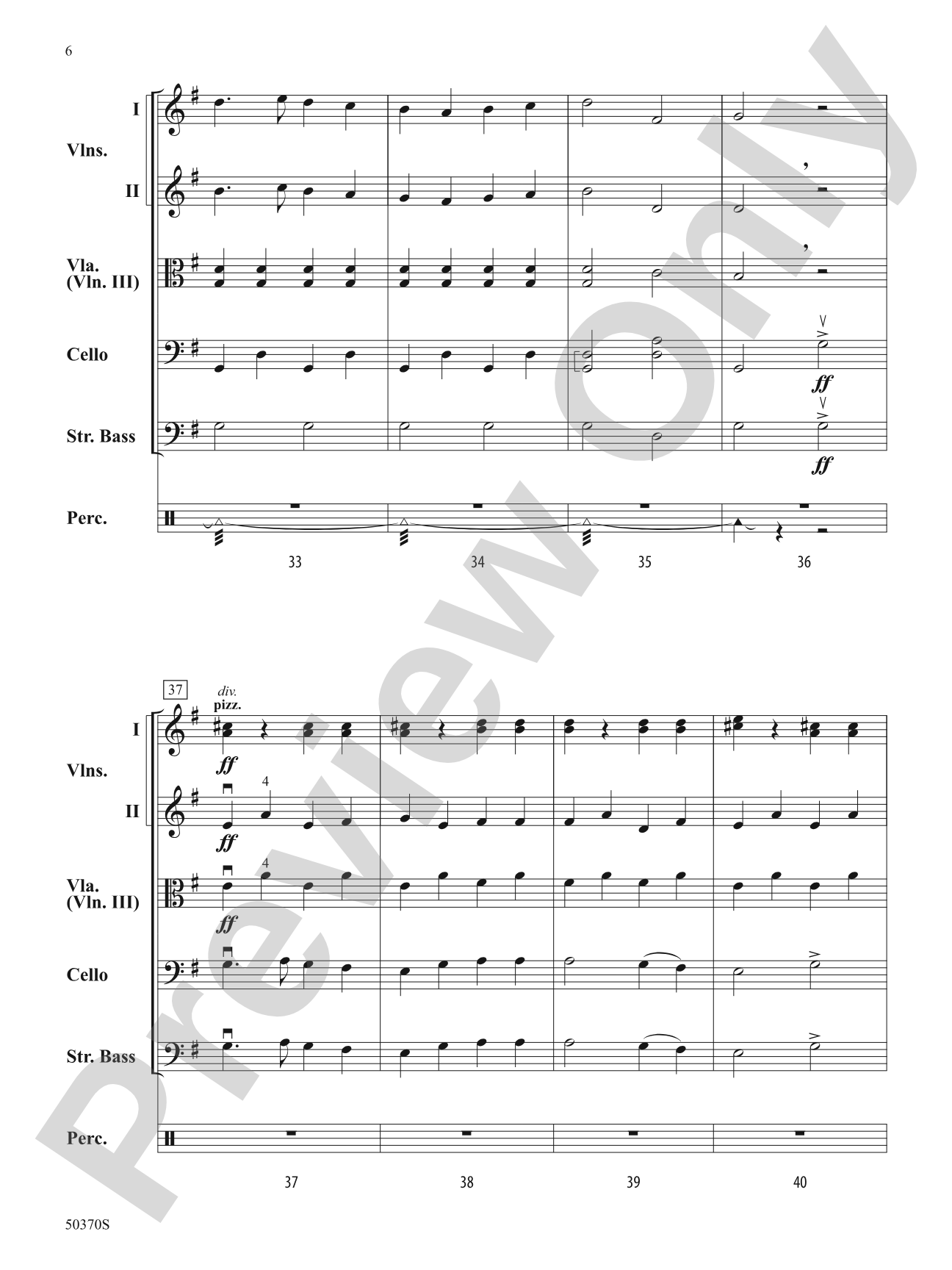
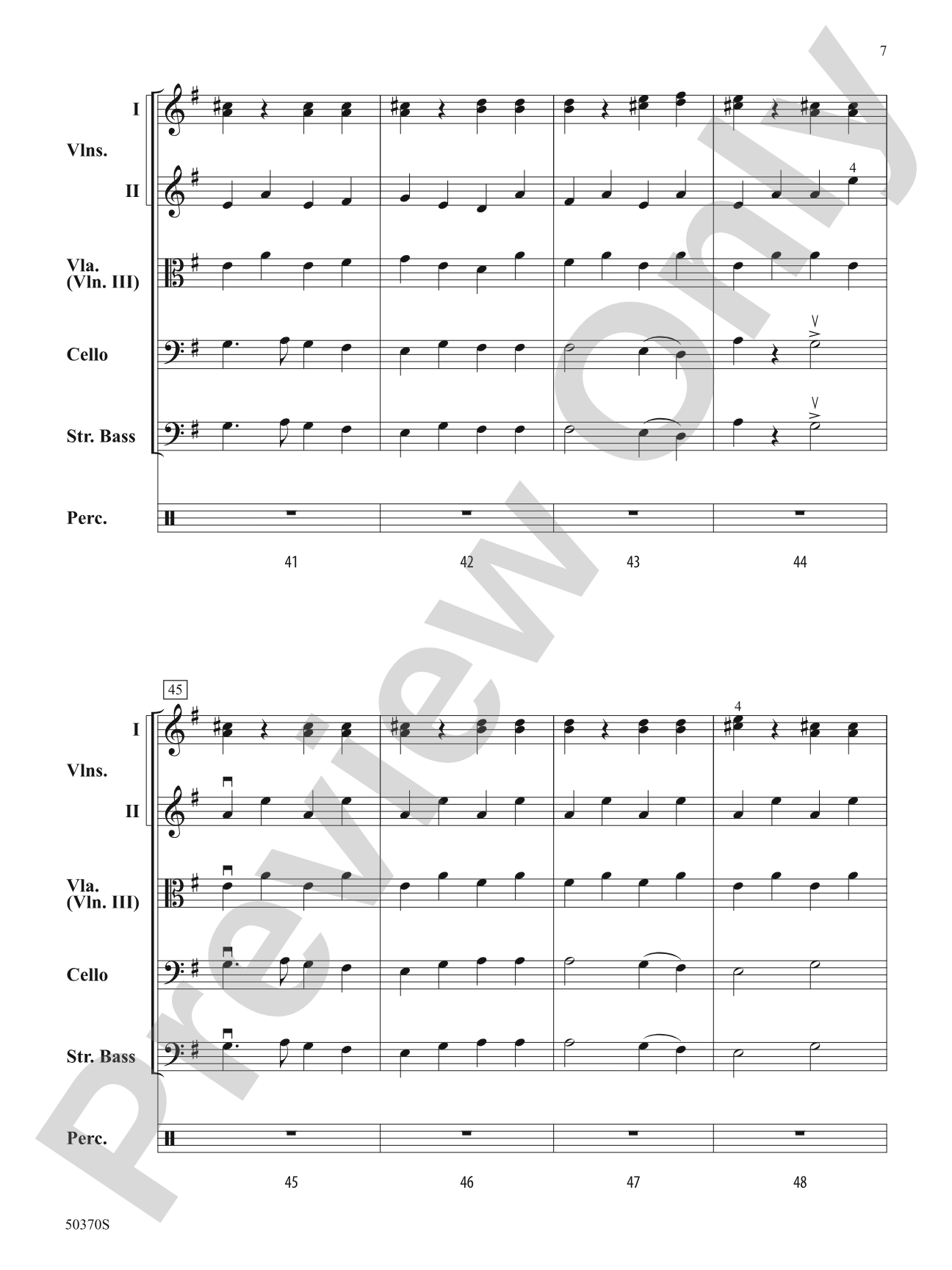
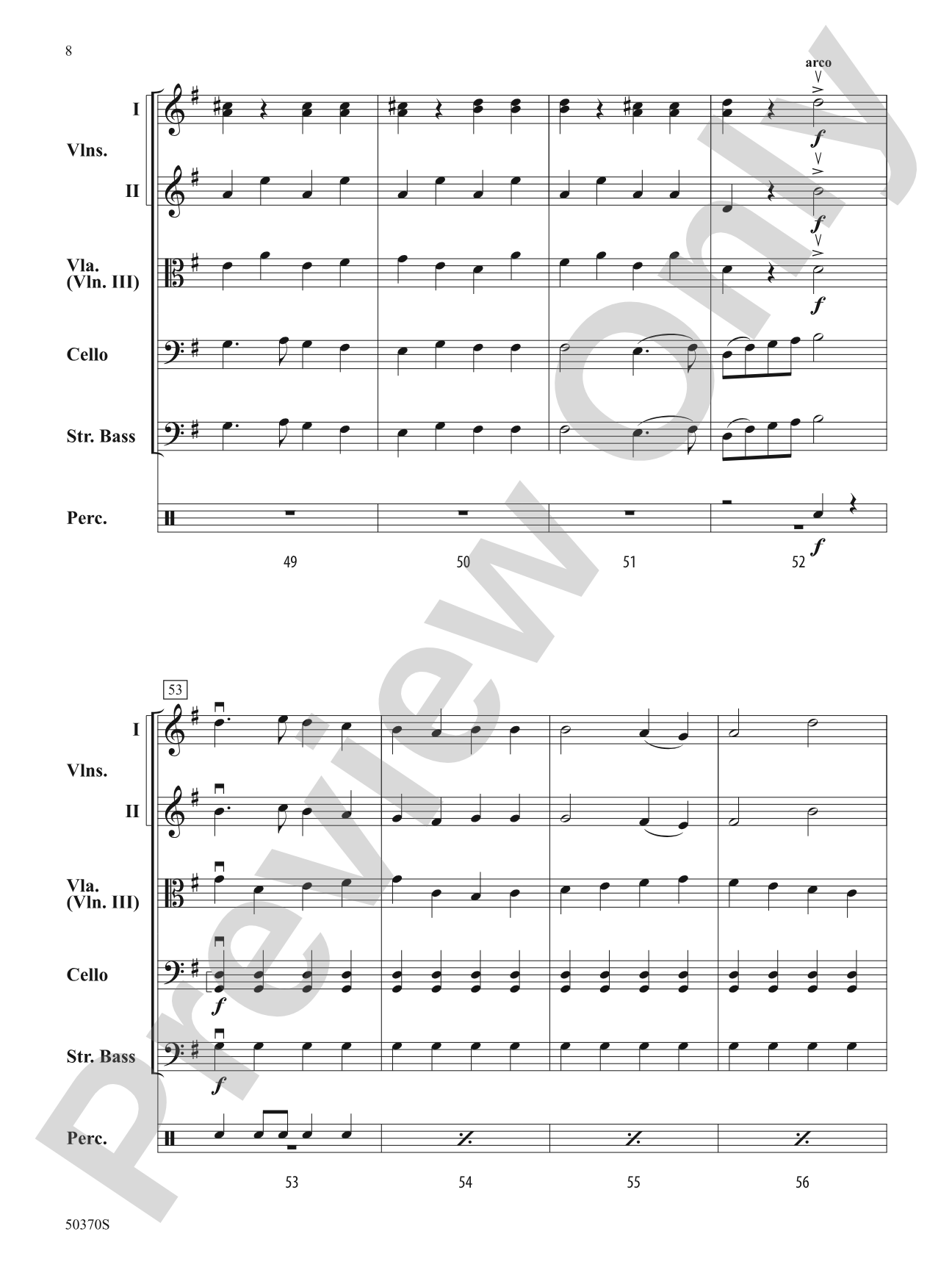
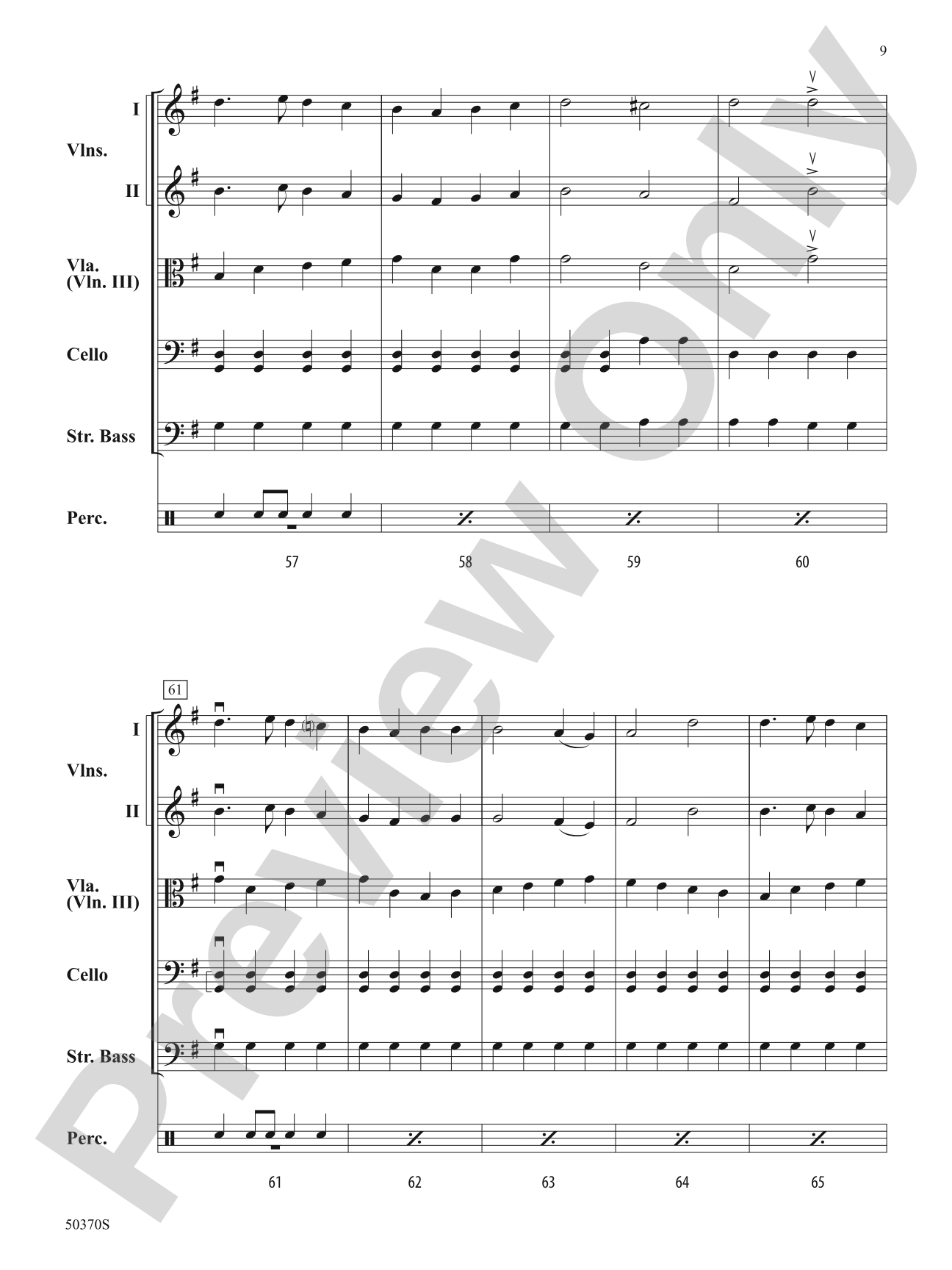
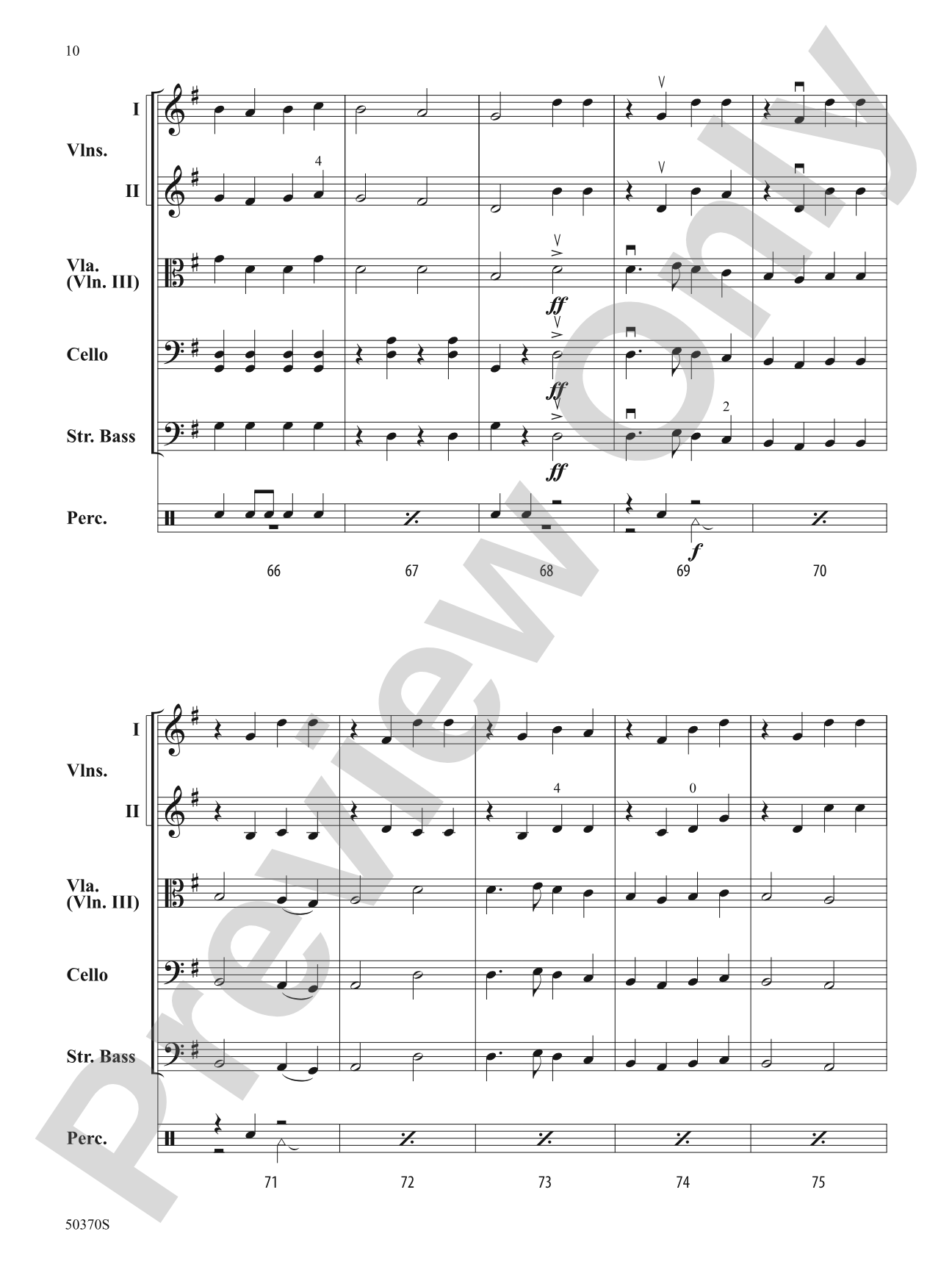
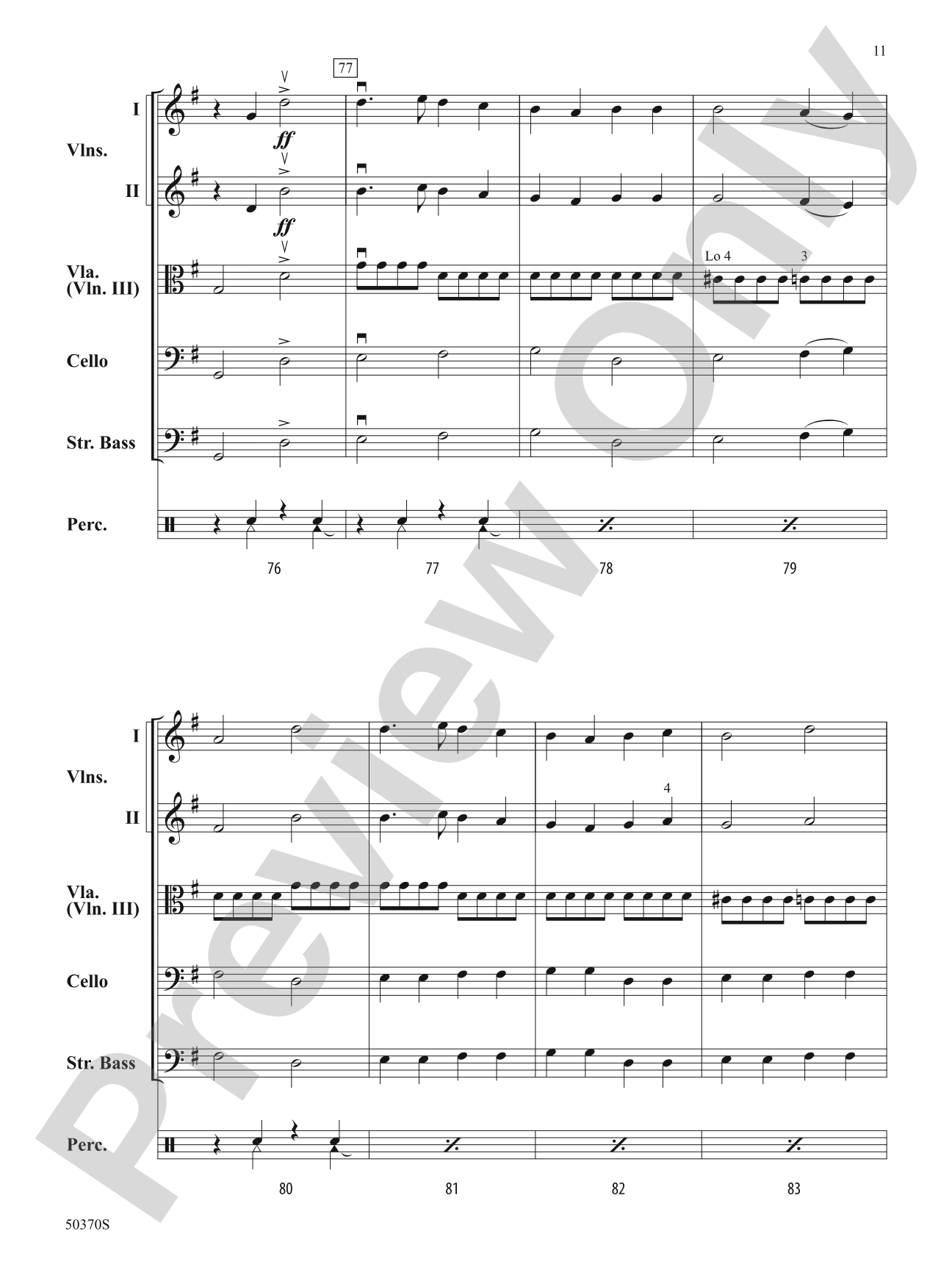
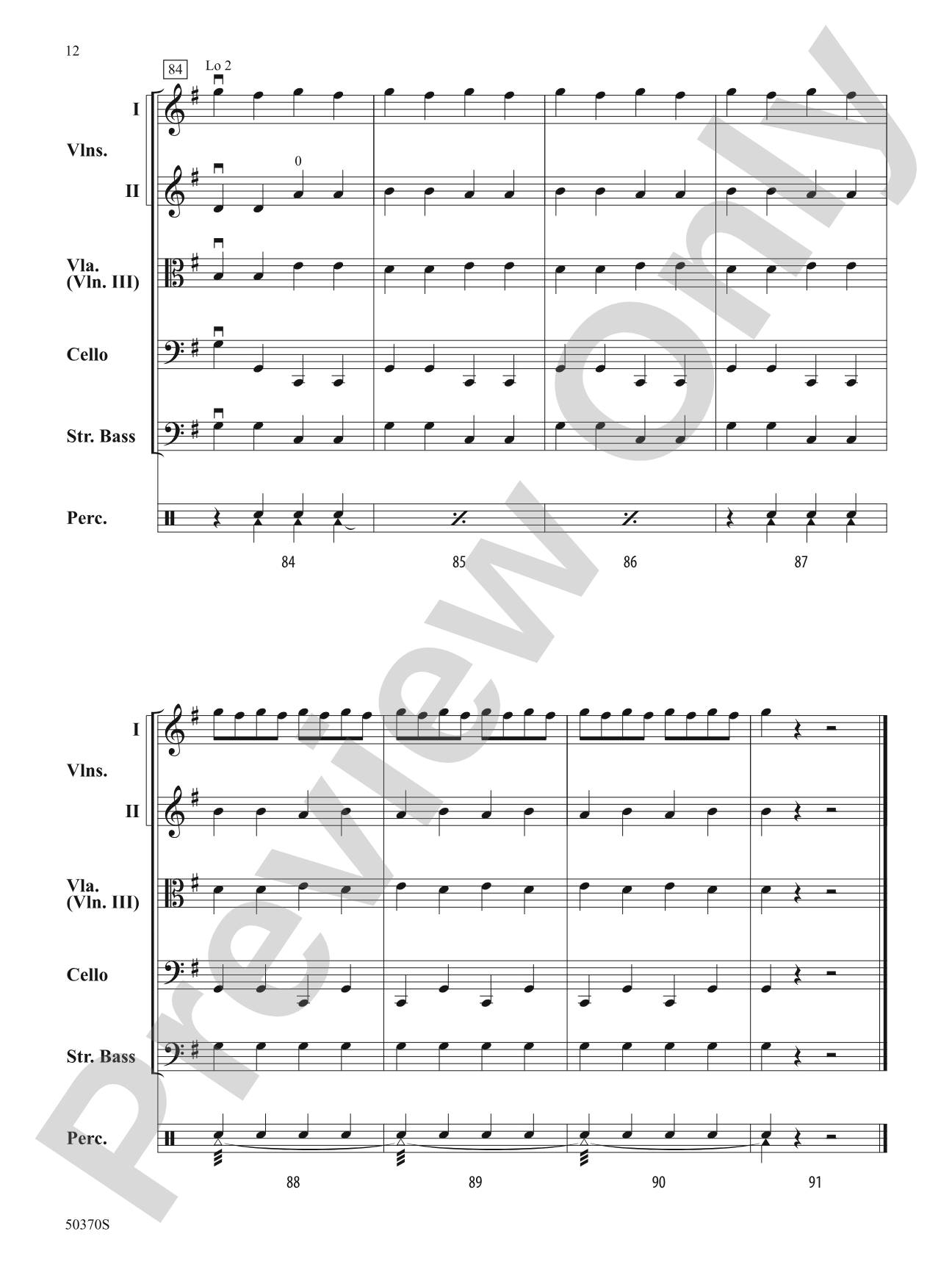

Mother Ginger: String Orchestra Conductor Score & Parts
From The Nutcracker
By Pyotr Ilyich Tchaikovsky / arr. Deborah Baker Monday
Grade: 1.5
Item: 00-PK-0009415

$60.00
Pickup currently not available
Buy Extra Parts (Digital PDF Download)
| Product | Price | Quantity |
|---|---|---|
| Mother Ginger: Score | $12.00 | |
| Mother Ginger: 1st Violin | $7.99 | |
| Mother Ginger: 2nd Violin | $7.99 | |
| Mother Ginger: 3rd Violin (Viola [TC]) | $7.99 | |
| Mother Ginger: Viola | $7.99 | |
| Mother Ginger: Cello | $7.99 | |
| Mother Ginger: String Bass | $7.99 | |
| Mother Ginger: 1st Percussion | $7.99 |
Parts Added to Cart!
Description
Bring laughter and energy to your concert with this delightful arrangement of Mother Ginger, by Deborah Baker Monday. Perfect for young musicians, it uses simple rhythms in G Major with clever accompaniment figures to achieve its joyful character. Students will love performing it, and audiences will enjoy the fun, lively spirit that makes this "Nutcracker" favorite unforgettable.


Don't just read it, hear it, play along with it, and watch your students grow with it. In MakeMusic Cloud, Mother Ginger: String Orchestra Conductor Score & Parts comes alive with professional accompaniment, adjustable tempo, and built-in practice tools that turn solo practice into real progress.
Open in the Player
Jump straight in and assign it today.
Start Your Free Trial
Open this title and explore the full library in minutes.
Sample Audio
1
Audio File
--:--
0:00
0:00
Sample Video
Additional Details
Series:
Highland String Orchestra
Publisher:
Alfred Music
SKU:
00-PK-0009415
More about this title
About the Composer: Pyotr Ilyich Tchaikovsky
Pyotr Ilyich Tchaikovsky (1840-1893) was a Russian composer whose works bridged Romantic nationalism and Western European musical tradition. His ballet scores, including The Nutcracker, remain cornerstones of the orchestral repertoire and continue to define how audiences experience music at the concert hall.
Tchaikovsky's gift for melody and his ability to write music that speaks directly to listeners of all ages made his work enduringly popular. For music educators, his ballets offer rich opportunities to engage students with masterworks that are genuinely enjoyable to perform and that audiences recognize immediately.
Why we love this
Deborah Baker Monday's arrangement captures the original's comedic swagger without sacrificing the orchestration's clarity. At Grade 1.5, young orchestras can access a genuine Tchaikovsky masterwork and experience how a skilled arranger shapes scoring for their level. The result feels neither simplified nor condescending, just right.
What to expect
Mother Ginger bounces with infectious good humor. The piece captures the character's whimsical entrance in the ballet, full of unexpected turns and playful rhythm that make audiences smile the moment it begins. Even at this simplified level, the arrangement preserves the musical wit that makes Tchaikovsky's original so memorable.
Who it's for
String orchestras at the beginning intermediate level will find this arrangement perfectly scaled for their abilities. Young players gain experience with a famous masterwork while building rhythmic precision and listening skills in a joyful, low-pressure context.
How to get the most out of it
- Shape the accompaniment figures with clear articulation so they support the melody without overshadowing it. Young orchestras often lose the lightness these patterns require when they play too heavily.
- Maintain steady tempo even through the rhythmic pushes and pulls in the piece. A conductor's clarity here prevents the ensemble from sagging or rushing in moments of excitement.
- Balance the voices so the melody sings clearly. Because this arrangement is economical, every voice contributes to the overall sonority; unbalanced parts will expose the orchestration.
- Bring out the character shifts in the piece by adjusting dynamics subtly rather than dramatically. G Major brightness means the piece should feel naturally open and resonant without needing exaggeration.
How to use it
Program this as a lively concert opener or a holiday season highlight. It works well in a Nutcracker-themed program alongside other ballet excerpts, or as a standalone moment of pure musical fun that refreshes an audience between weightier works.
Skills your students will build
- Playing rhythmically in simple meters while maintaining ensemble coordination
- Balancing accompanying figures with a singing melody line
- Executing clear articulation patterns that define rhythmic character
- Listening across the ensemble to maintain blend and tuning in G Major