
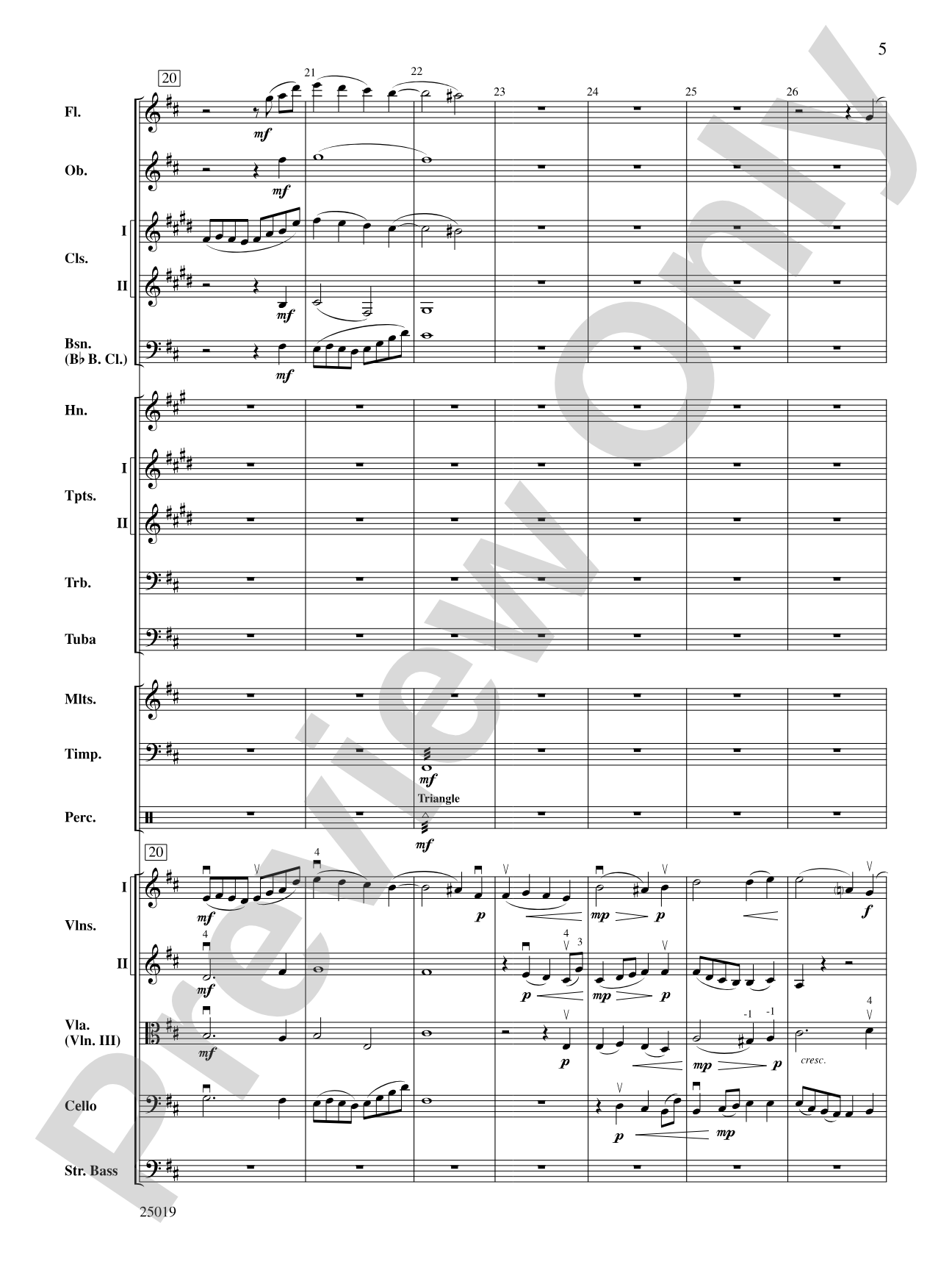
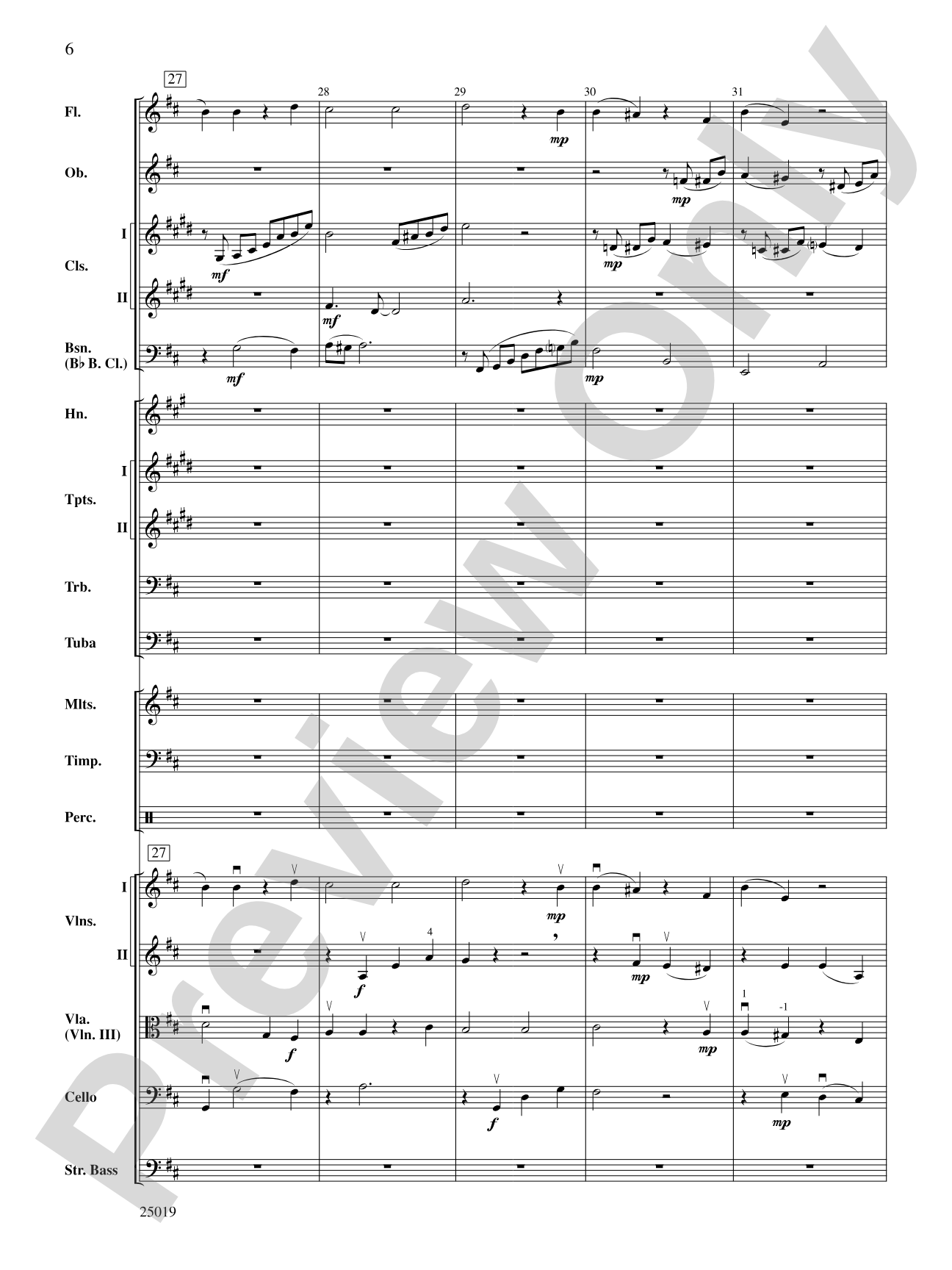
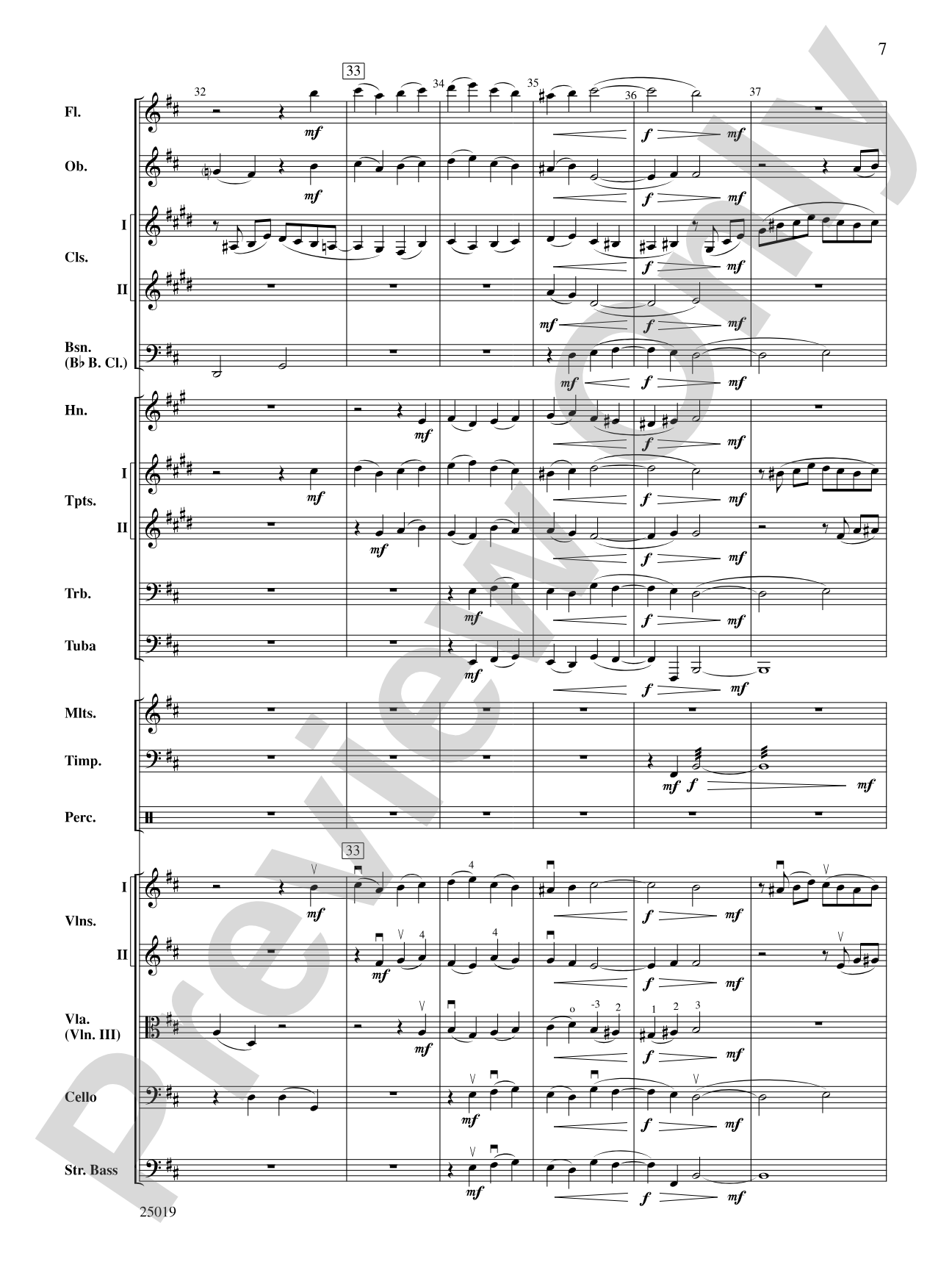
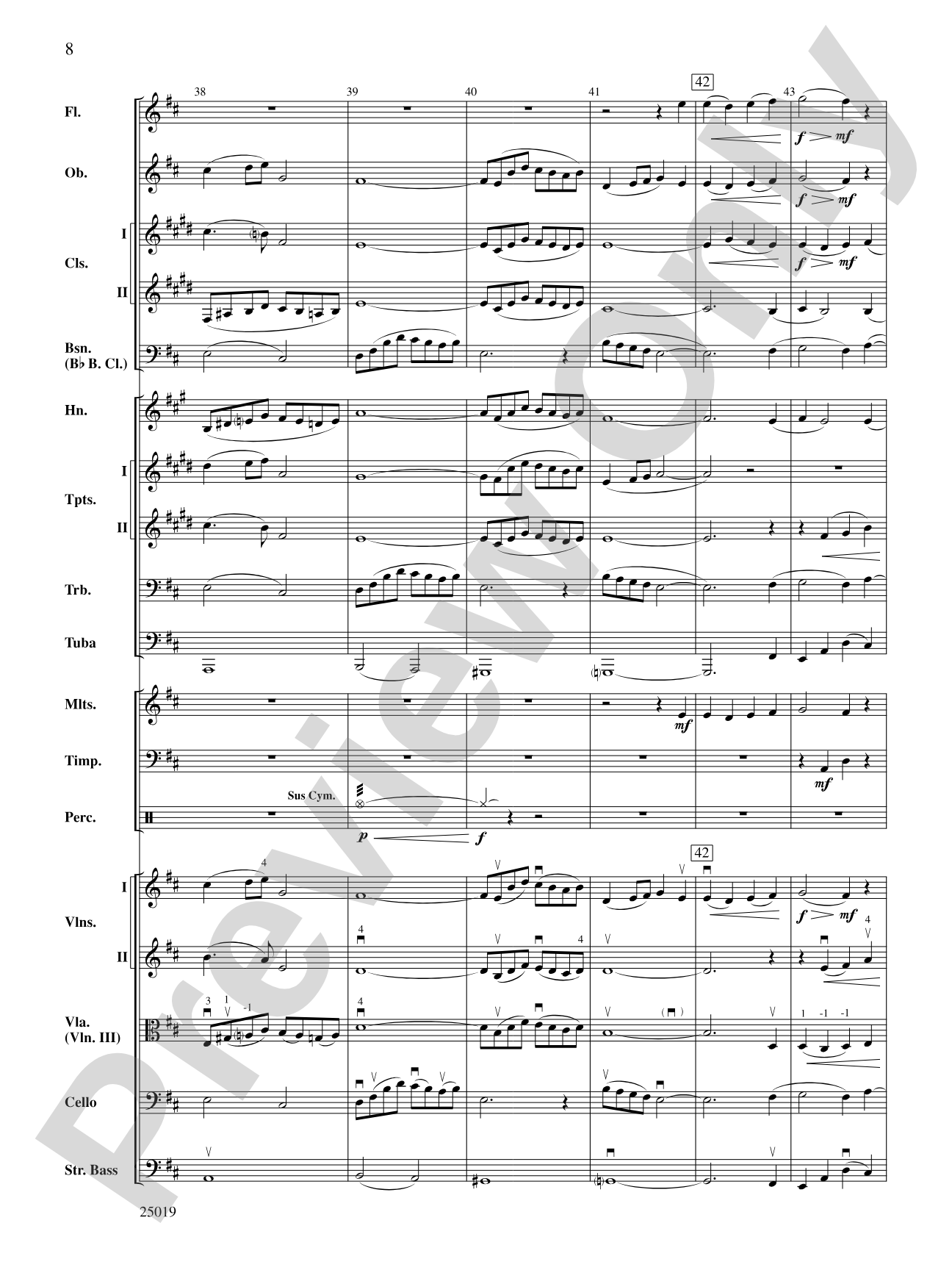
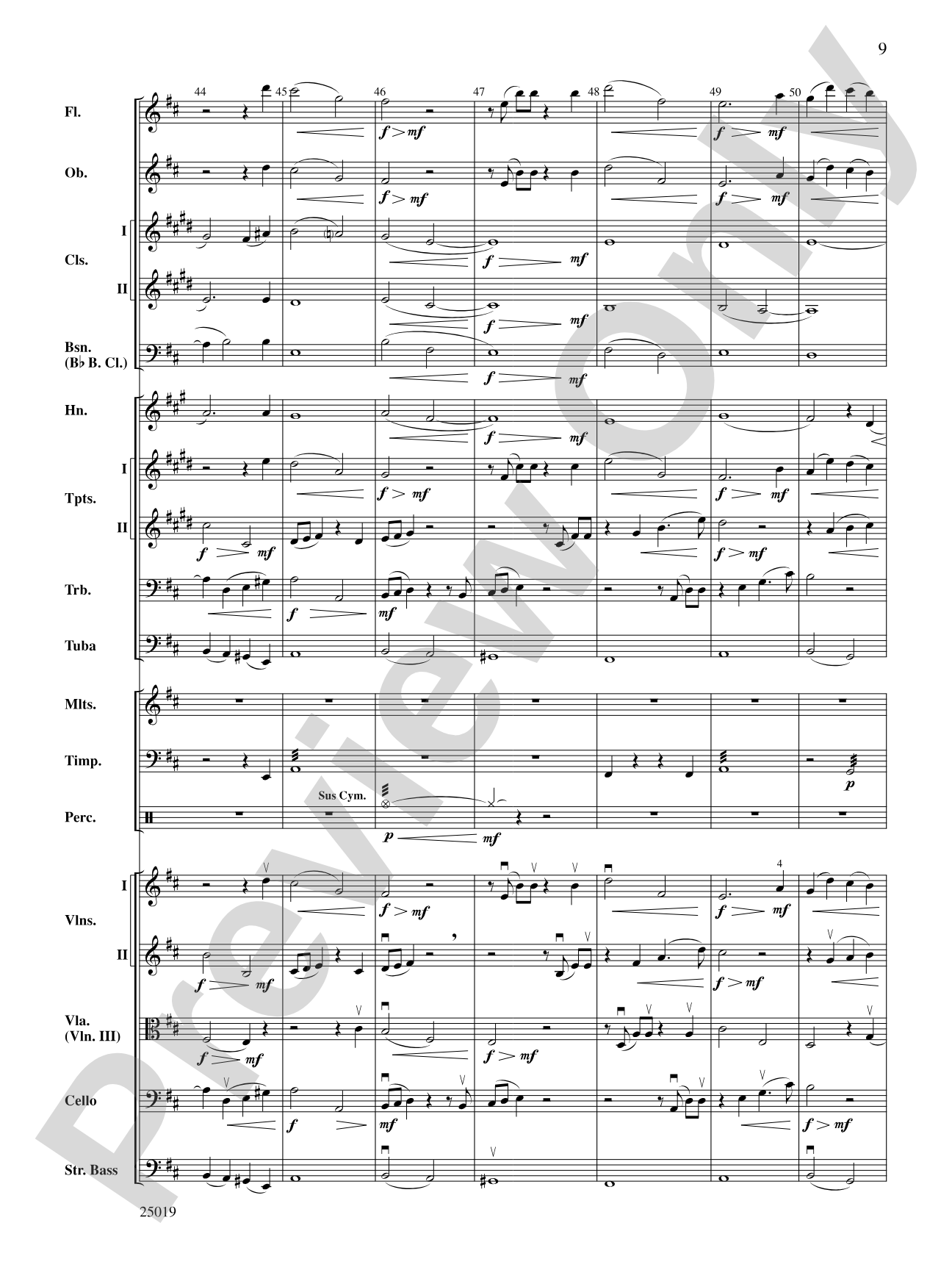
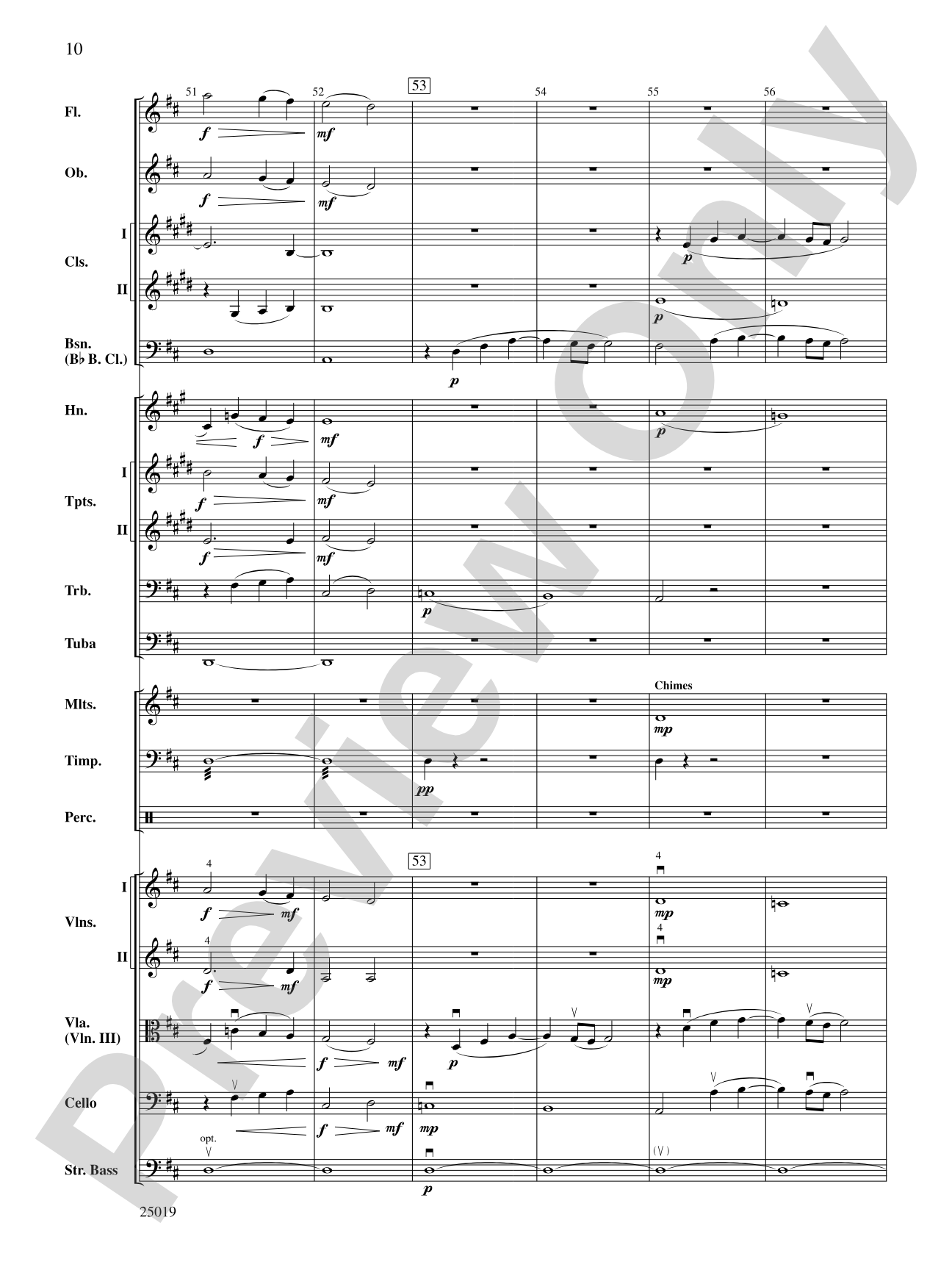
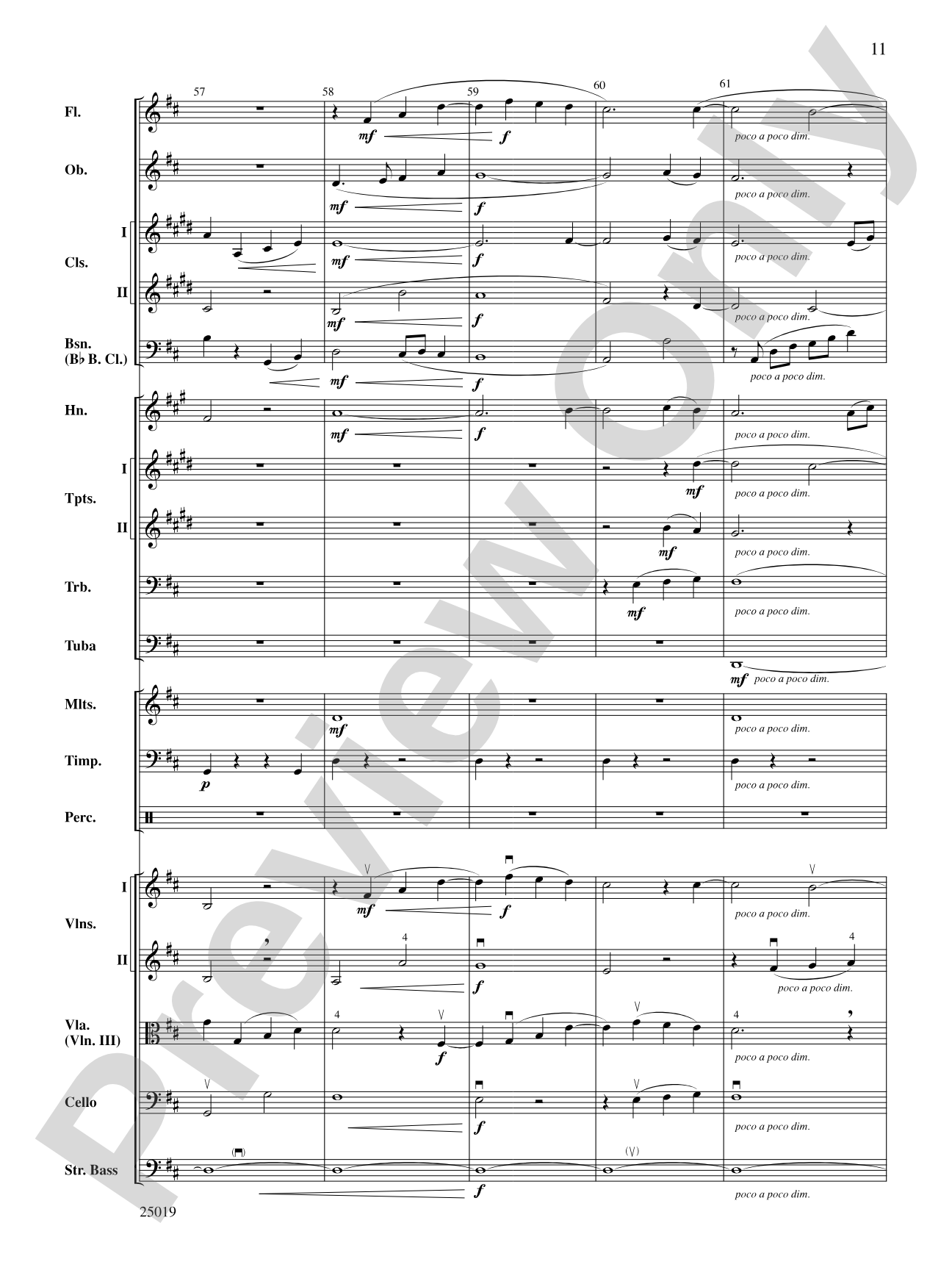
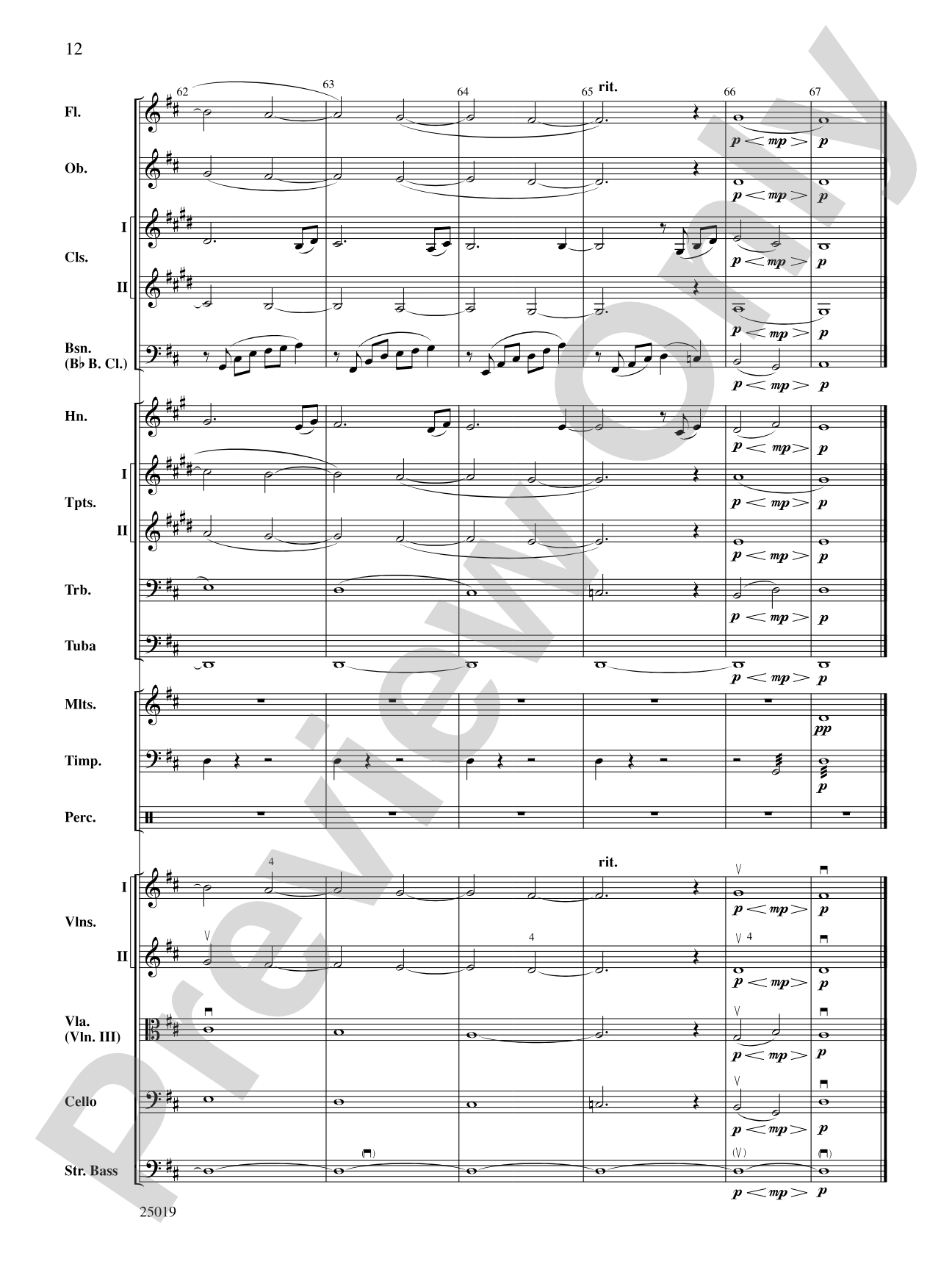

Motet: Full Orchestra Conductor Score & Parts
By Johannes Brahms / arr. Jerry Brubaker
Grade: 3
Item: 00-PK-0001004

$58.00
Pickup currently not available
Buy Extra Parts (Digital PDF Download)
| Product | Price | Quantity |
|---|---|---|
| Motet: Score | $9.00 | |
| Motet: Flute | $3.00 | |
| Motet: Oboe | $3.00 | |
| Motet: 1st B-flat Clarinet | $3.00 | |
| Motet: 2nd B-flat Clarinet | $3.00 | |
| Motet: Bassoon | $3.00 | |
| Motet: B-flat Bass Clarinet | $3.00 | |
| Motet: 1st F Horn | $3.00 | |
| Motet: 1st B-flat Trumpet | $3.00 | |
| Motet: 2nd B-flat Trumpet | $3.00 | |
| Motet: 1st Trombone | $3.00 | |
| Motet: Tuba | $3.00 | |
| Motet: Mallets | $3.00 | |
| Motet: Timpani | $3.00 | |
| Motet: 1st Percussion | $3.00 | |
| Motet: 1st Violin | $3.00 | |
| Motet: 2nd Violin | $3.00 | |
| Motet: 3rd Violin (Viola [TC]) | $3.00 | |
| Motet: Viola | $3.00 | |
| Motet: Cello | $3.00 | |
| Motet: String Bass | $3.00 |
Parts Added to Cart!
Description
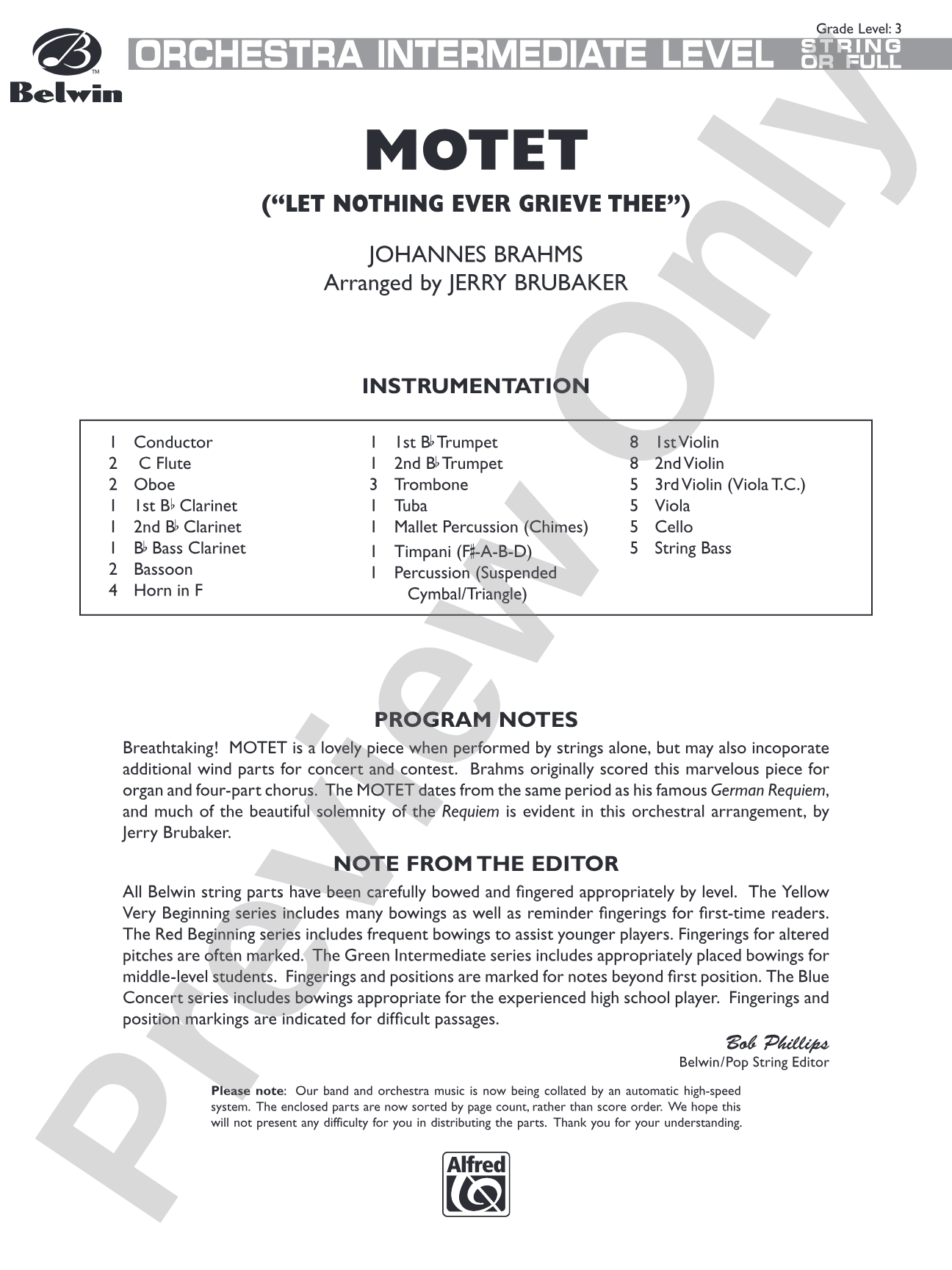
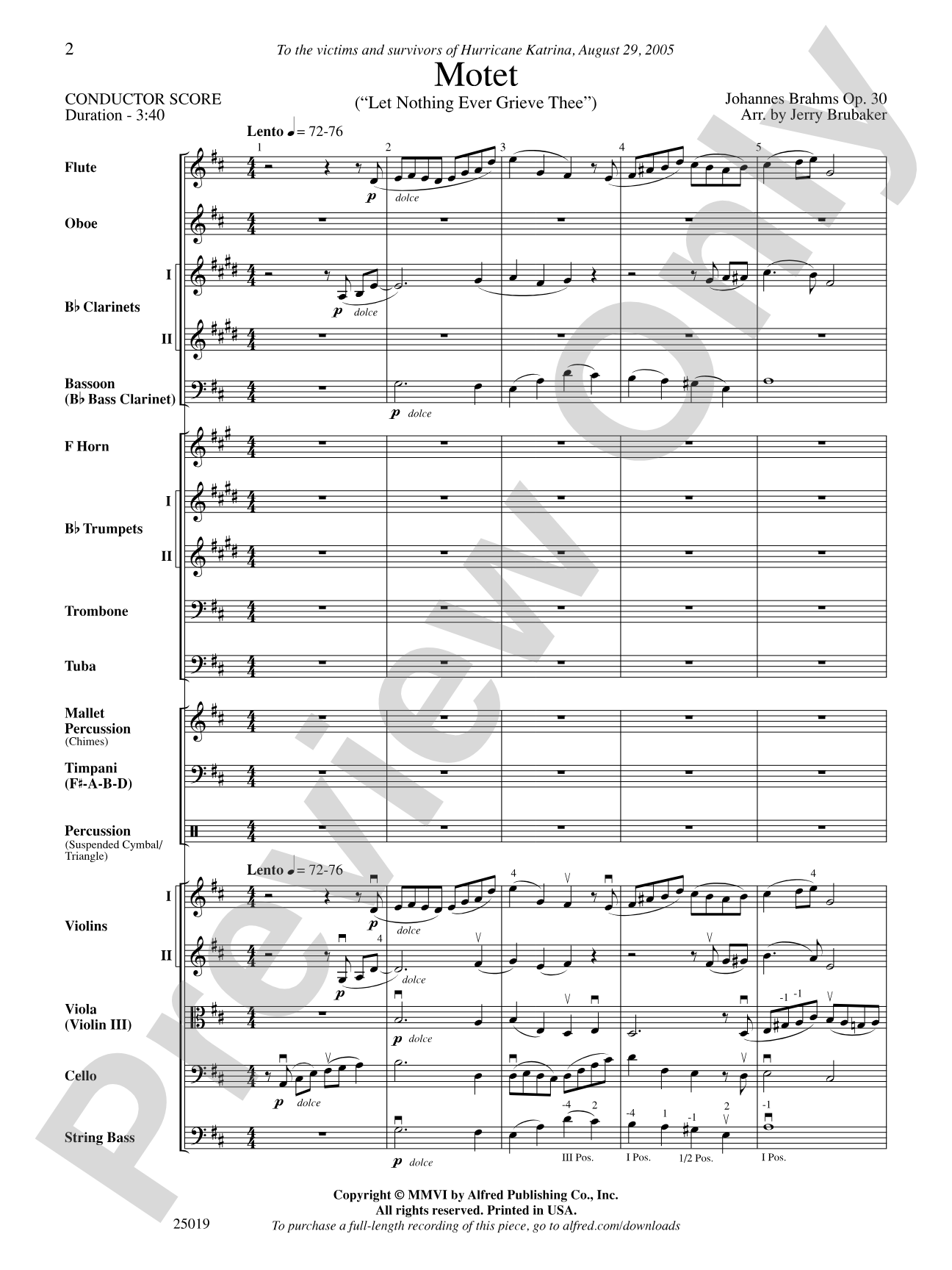
Breathtaking! A lovely piece with strings alone or with the addition of winds for concert and contest. Brahms' original scoring of this marvelous piece was for organ and 4 part chorus. It dates from the same period as his famous German Requiem. Much of the beautiful solemnity of the Reqiem is evident in this Motet as scored for orchestra by Jerry Brubaker.


Don't just read it, hear it, play along with it, and watch your students grow with it. In MakeMusic Cloud, Motet: Full Orchestra Conductor Score & Parts comes alive with professional accompaniment, adjustable tempo, and built-in practice tools that turn solo practice into real progress.
Open in the Player
Jump straight in and assign it today.
Start Your Free Trial
Open this title and explore the full library in minutes.
Sample Audio
1
Audio File
--:--
0:00
0:00
Sample Video
No sample videos found.
Additional Details
Series:
Belwin Intermediate String/Full Orchestra
Publisher:
Alfred Music
Page Count:
116
SKU:
00-PK-0001004
More about this title
About the Composer: Johannes Brahms
Johannes Brahms (1833-1897) shaped the Romantic era by synthesizing the architectures of Classical masters with the expressive depth of 19th-century harmony and orchestration. His sacred choral works, including the German Requiem and various motets, reveal a composer equally devoted to Bach's counterpoint and to the grandeur possible within modern ensembles. Brahms understood that restraint and formal discipline could deepen rather than diminish emotional impact.
Why we love this
This orchestration captures everything that makes Brahms' sacred music vital for concert programming: solemnity without sentimentality, accessibility without compromise. Brubaker's arrangement extends the piece beyond the limitations of organ and chorus while preserving the spiritual weight of the original, giving orchestras at intermediate levels the chance to claim a work that sounds both sophisticated and earned.
What to expect
Reverent and gently dignified, the piece unfolds with the unhurried grace of a processional. Rich harmonic colors emerge gradually, creating an atmosphere of quiet contemplation punctuated by moments of luminous transparency.
Who it's for
Orchestras at the Grade 3 level seeking repertoire with genuine artistic substance for both concert and festival settings. Conductors building programs around sacred or contemplative works will find this arrangement a natural fit alongside standard secular orchestral literature.
How to get the most out of it
- Attend carefully to the balance between strings and winds once both sections enter; the strings carry the primary melodic weight even when winds are present, so their tone should remain warm and focused rather than receding into accompaniment.
- Shape longer phrases through subtle dynamic swells rather than sudden changes; the Romantic harmonic language asks for continuity and forward motion across bar lines.
- Use the flexibility of a full orchestra to experiment with texture: a pass with strings alone will reveal the architecture of the piece and can inform how you layer in the winds for the fuller version.
- Work the slower sections with special attention to intonation in the strings during sustained chords; purity of sound in quiet moments defines the spiritual character Brahms intended.
How to use it
Feature this as an anchor piece in a concert devoted to sacred orchestral music or as a contrasting moment in a mixed program where its restraint will deepen audience attention. The option to perform with strings alone makes it flexible for varied orchestra sizes and works equally well in contest contexts where judges value musical maturity.
Skills your students will build
- Balancing independent melodic lines across multiple sections
- Sustaining long phrases with consistent tone and breath control
- Maintaining clarity in homophonic writing with full orchestration
- Shaping harmonic movement through dynamic control rather than tempo fluctuation
- Distinguishing textural roles between primary and supporting parts